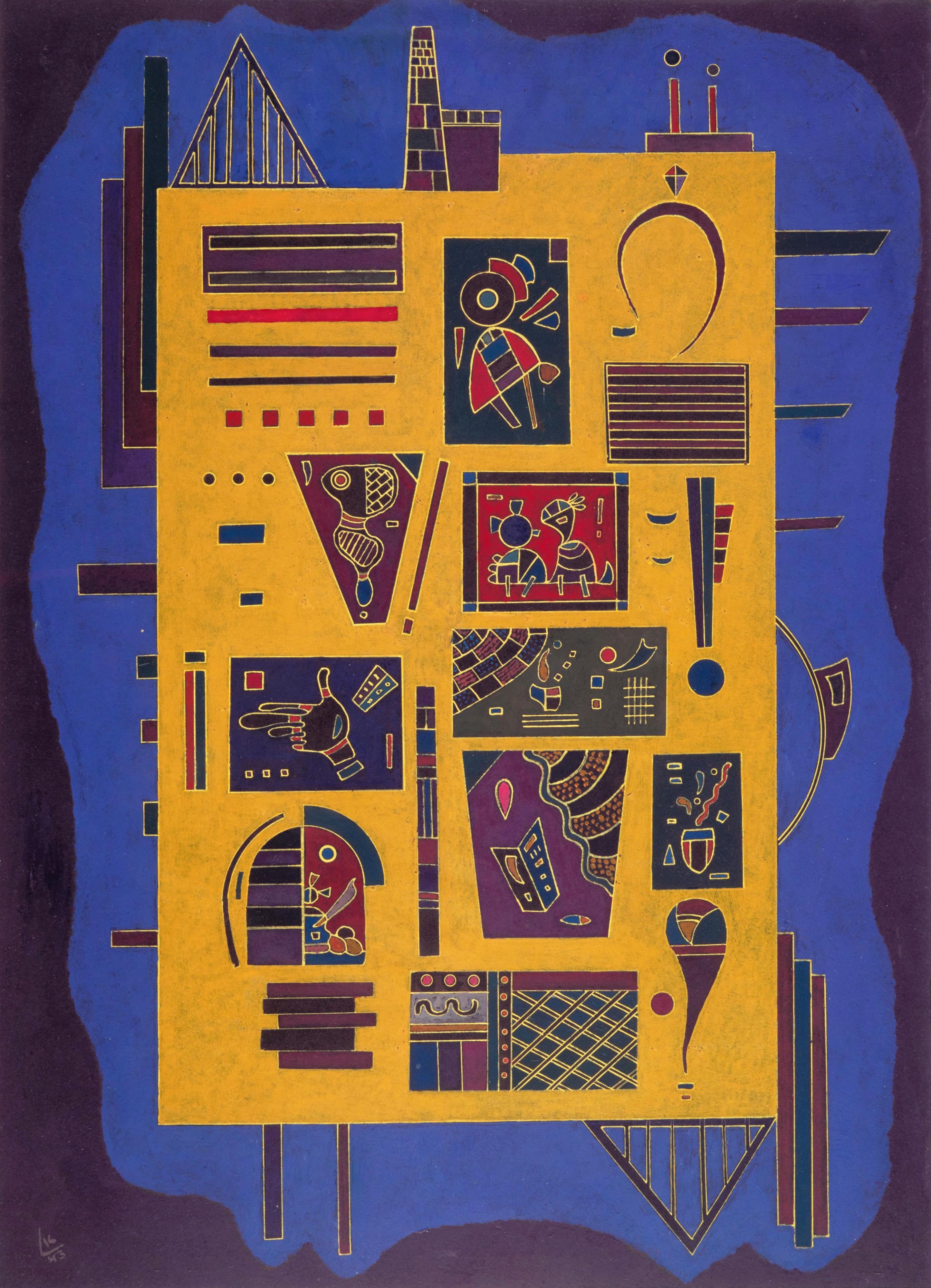
293
Wassily Kandinsky
From $59
Collection
Museum-quality reproductions on 310gsm textured cotton rag paper.
Shop all prints by Wassily KandinskyArtistic Style
Style Evolution
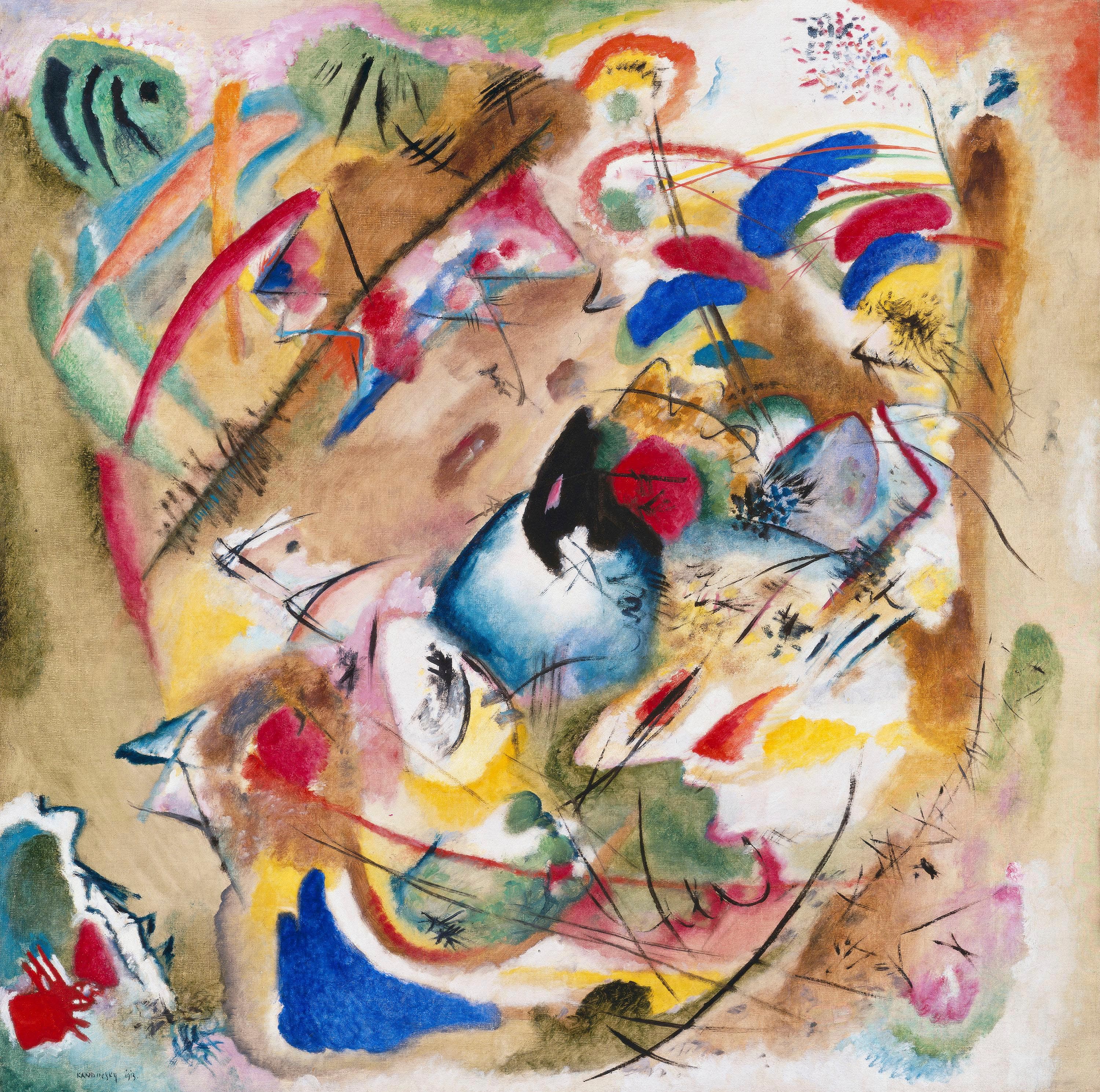
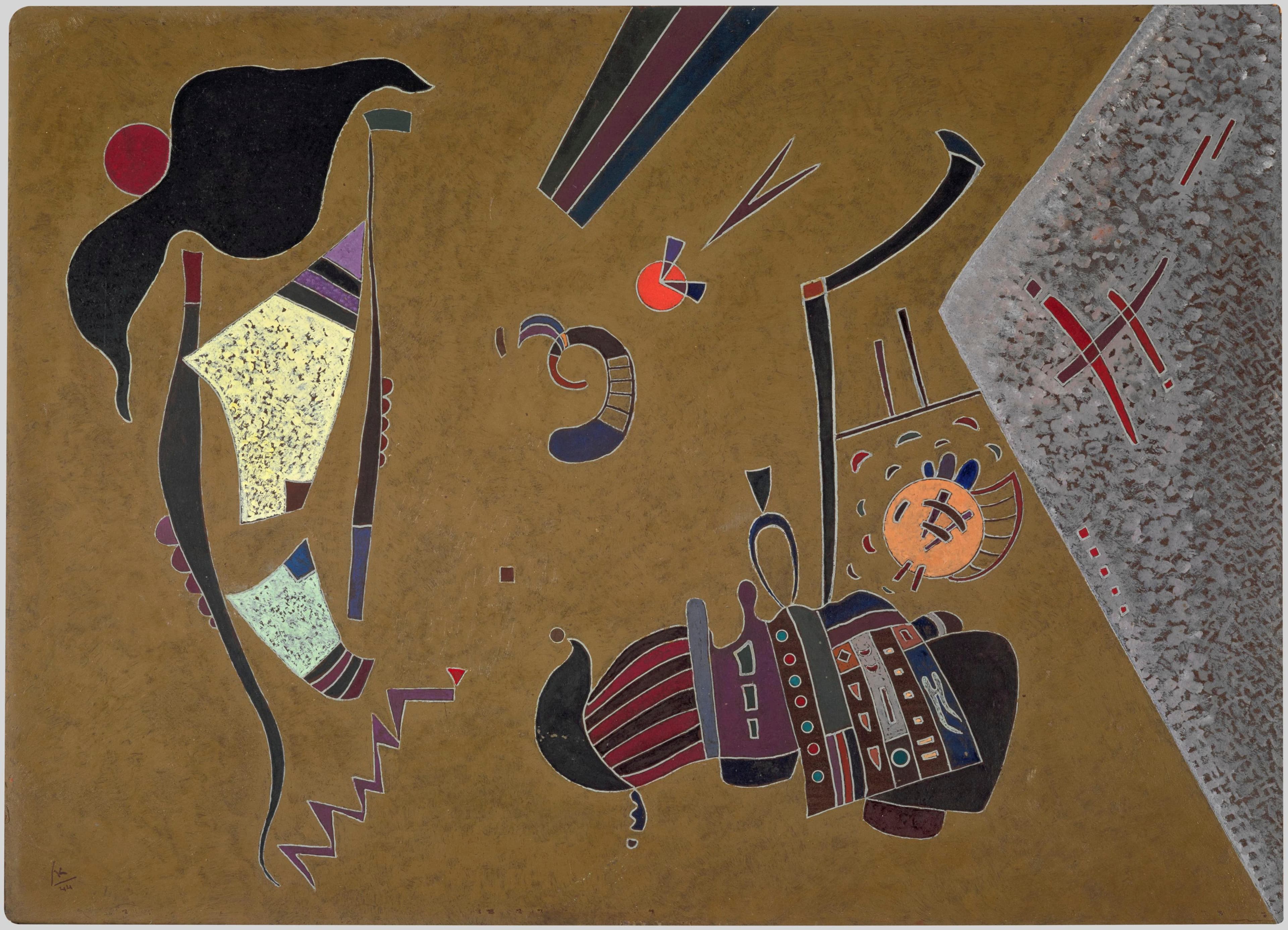
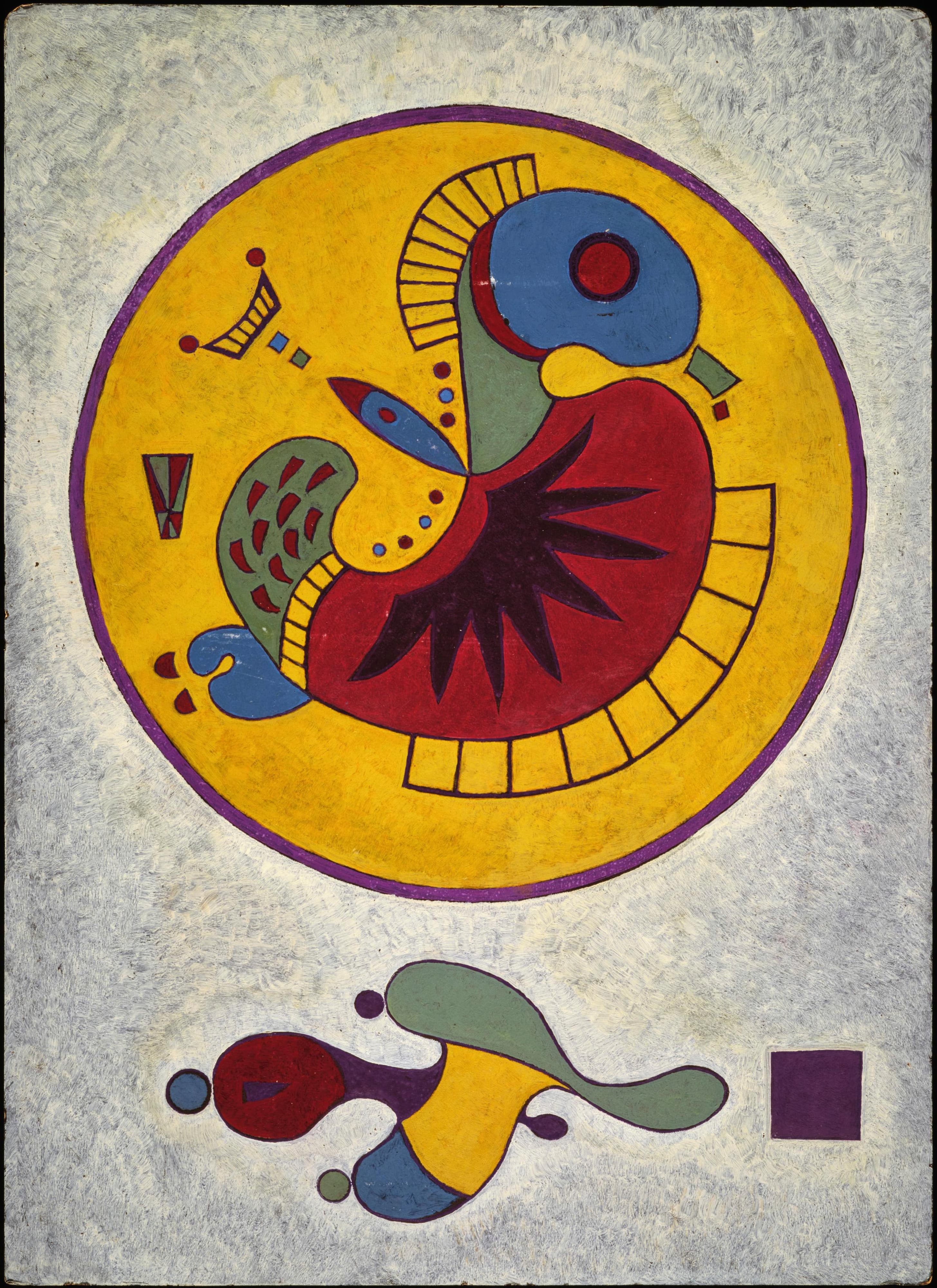
Kandinsky moved from representational and Symbolist-inflected beginnings to lyrical, improvisatory abstraction, then toward more geometric, neoplastic tendencies during his Bauhaus and later French periods, all underpinned by his theoretical writings on color and spirituality.
Palette
Subjects
Techniques
Topics
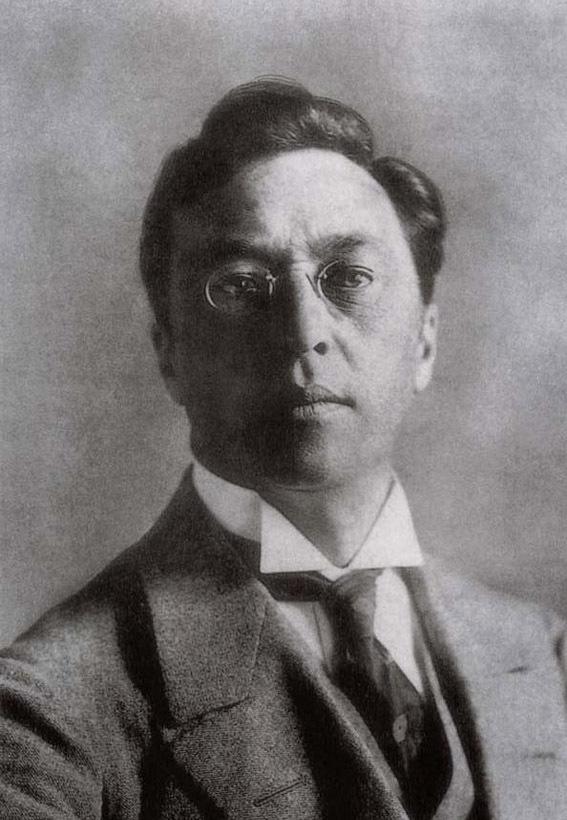
Wassily Kandinsky (1866-1944) was a French avant-garde abstract painter whose pioneering non-objective compositions helped define modern abstraction.
Learn about the life of Wassily Kandinsky
Biography
Official websiteWassily Kandinsky (1866-1944) was a French avant-garde abstract painter whose pioneering non-objective compositions helped define modern abstraction.
Wassily Kandinsky (1866-1944) was a French avant-garde abstract painter whose pioneering non-objective compositions helped define modern abstraction.
Born in Moscow, Kandinsky originally trained and worked outside the visual arts before committing to painting. He developed an early interest in the spiritual and theoretical dimensions of art, which became a throughline in his practice. Though rooted in a Russian cultural background, his career unfolded across central Europe and France, reflecting a transnational engagement with modernism.
Kandinsky's artistic development moved from representational beginnings toward radical abstraction. He studied art formally and informally in several European cultural centers and associated with avant-garde circles that encouraged experimentation.
In his early career Kandinsky absorbed folk, religious, and Symbolist currents from his Russian background while engaging with contemporary European developments. Contacts with artists and intellectuals in Munich and other cities shaped his early pictorial experiments.
By the 1910s Kandinsky became a leading voice in avant-garde circles, co-founding influential groups that promoted expressive color and spiritual content in art. He published theoretical writings arguing for the primacy of inner necessity and for painting as a spiritual language.
In the 1920s and early 1930s Kandinsky taught and worked within modernist institutions, moving toward increasingly geometric compositions. Later in life he relocated to France, where his palette and forms continued to evolve amid shifting European cultural contexts.
Kandinsky is celebrated for pioneering fully non-objective painting and for linking color, form, and musical analogy in visual art. His canvases range from lyrical, improvisatory compositions to precise, geometric studies that chart a trajectory through the major debates of early 20th-century modernism.
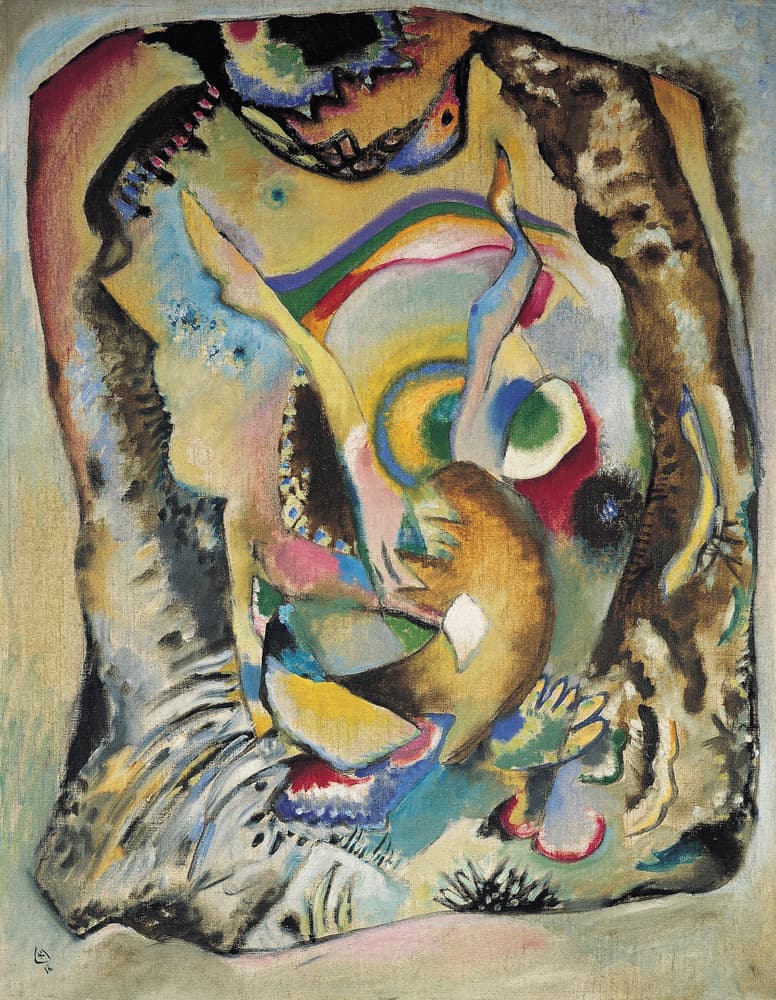
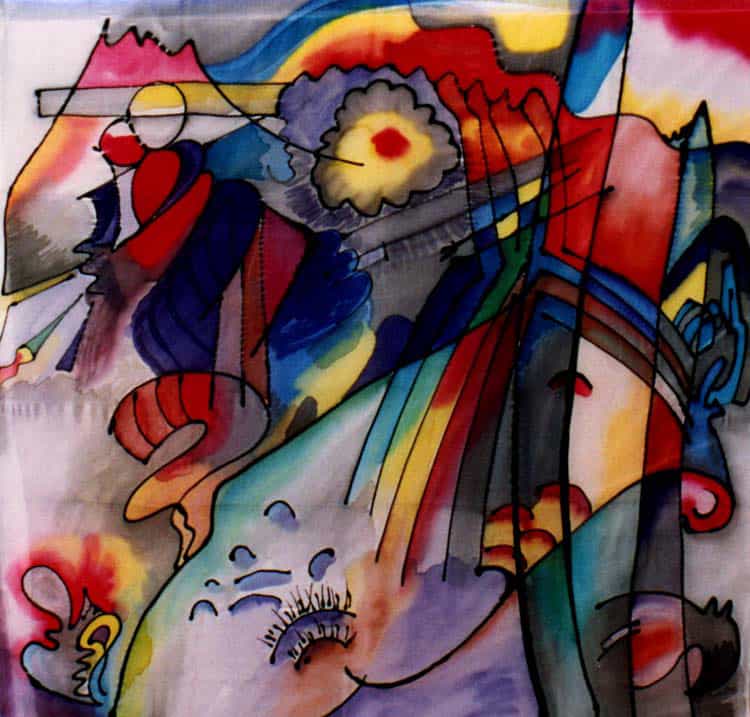
Kandinsky's style is defined by its translation of musical and spiritual ideas into visual form. He explored color theory and compositional rhythm, using layered paint, varied brushwork, and a vocabulary of geometric shapes and biomorphic motifs to create dynamic, often synesthetic, experiences.
Kandinsky influenced abstractionists, teachers, and movements across Europe and beyond. His theoretical writings and pedagogical work shaped generations of artists and helped establish abstraction as a central language of modern art. Collectors prize his works for their historical importance and striking decorative presence.
Kand
Frequently Asked Questions
293
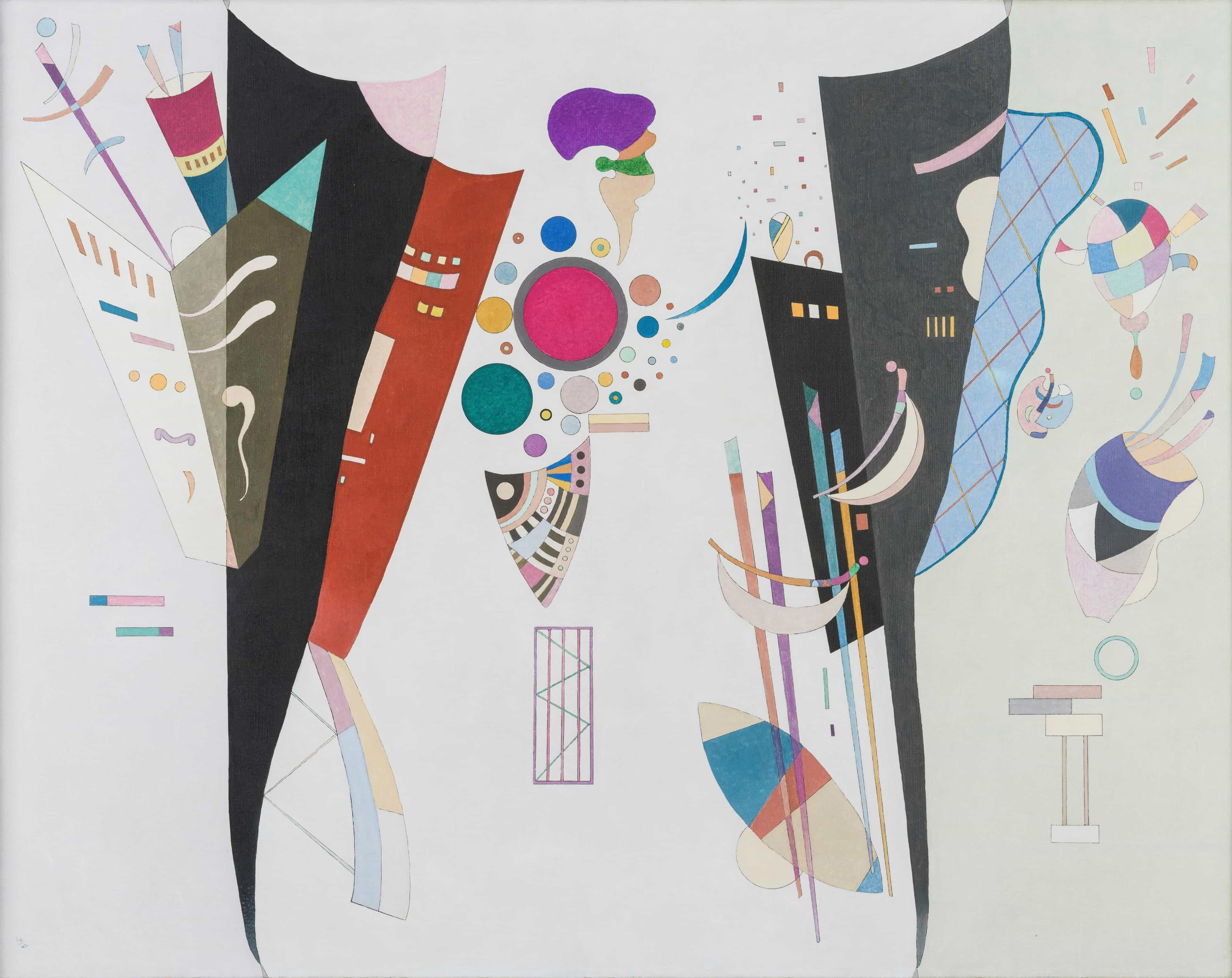
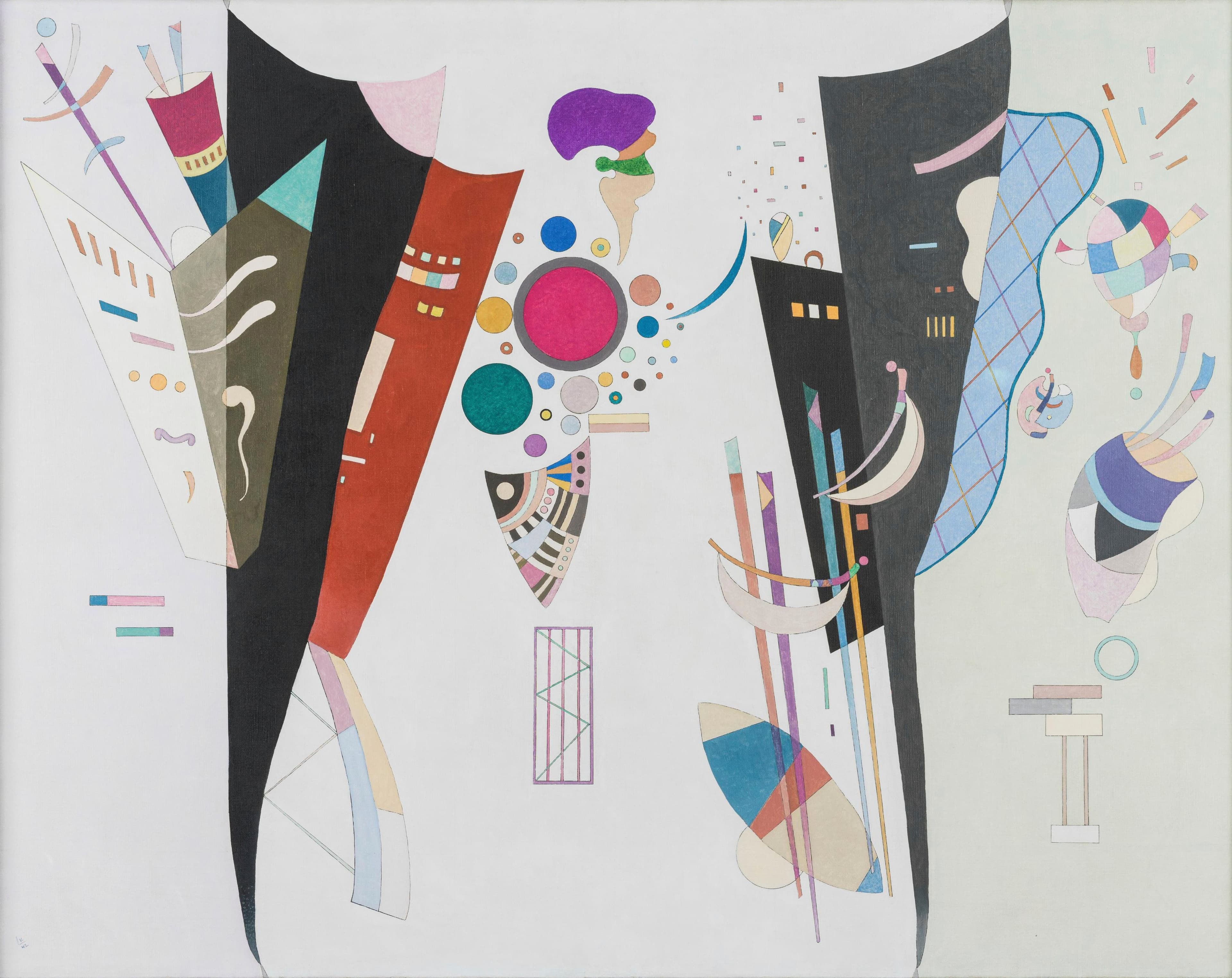
Reciprocal Accords
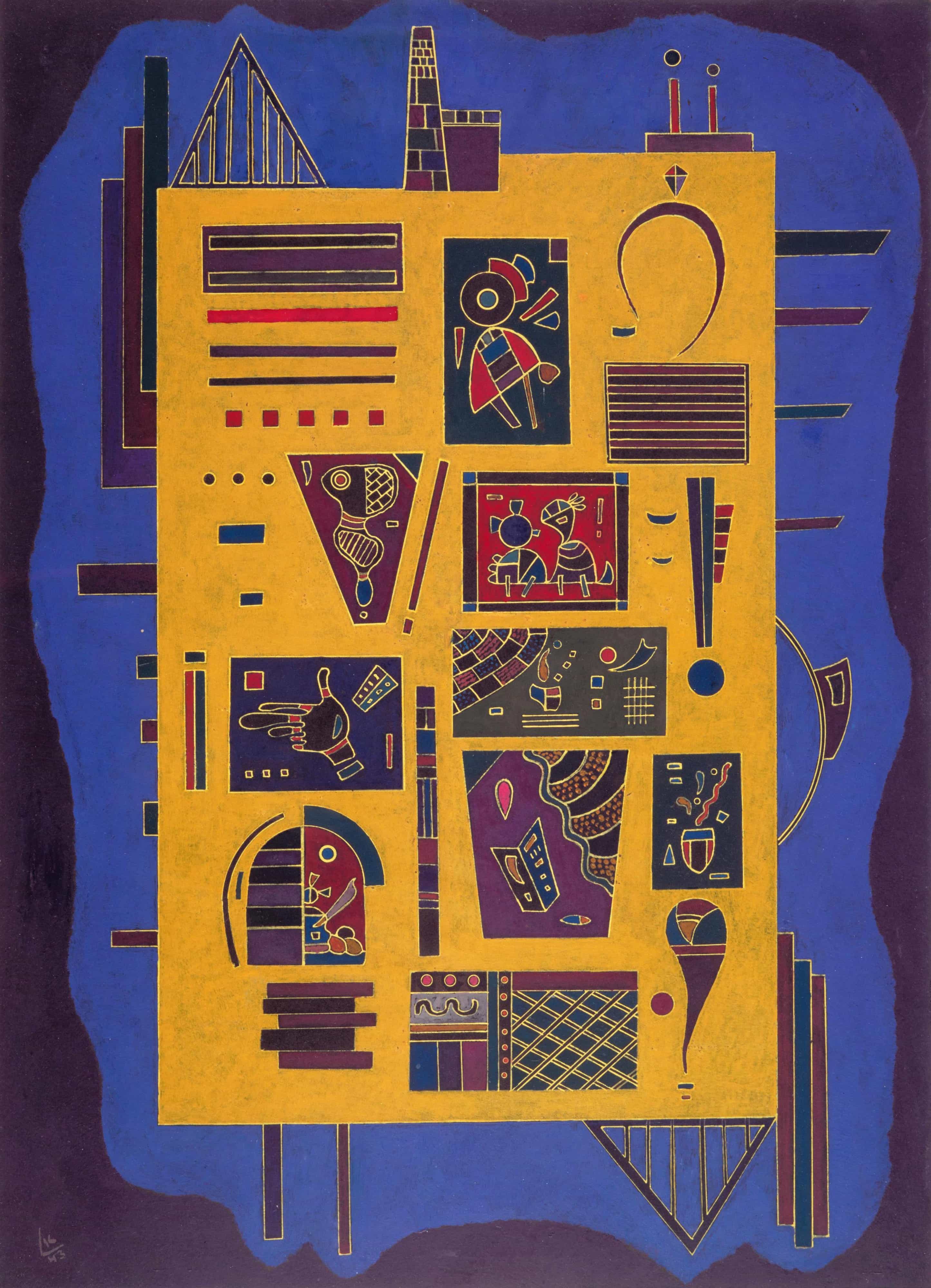
Conglomerate (Un conglomérat)
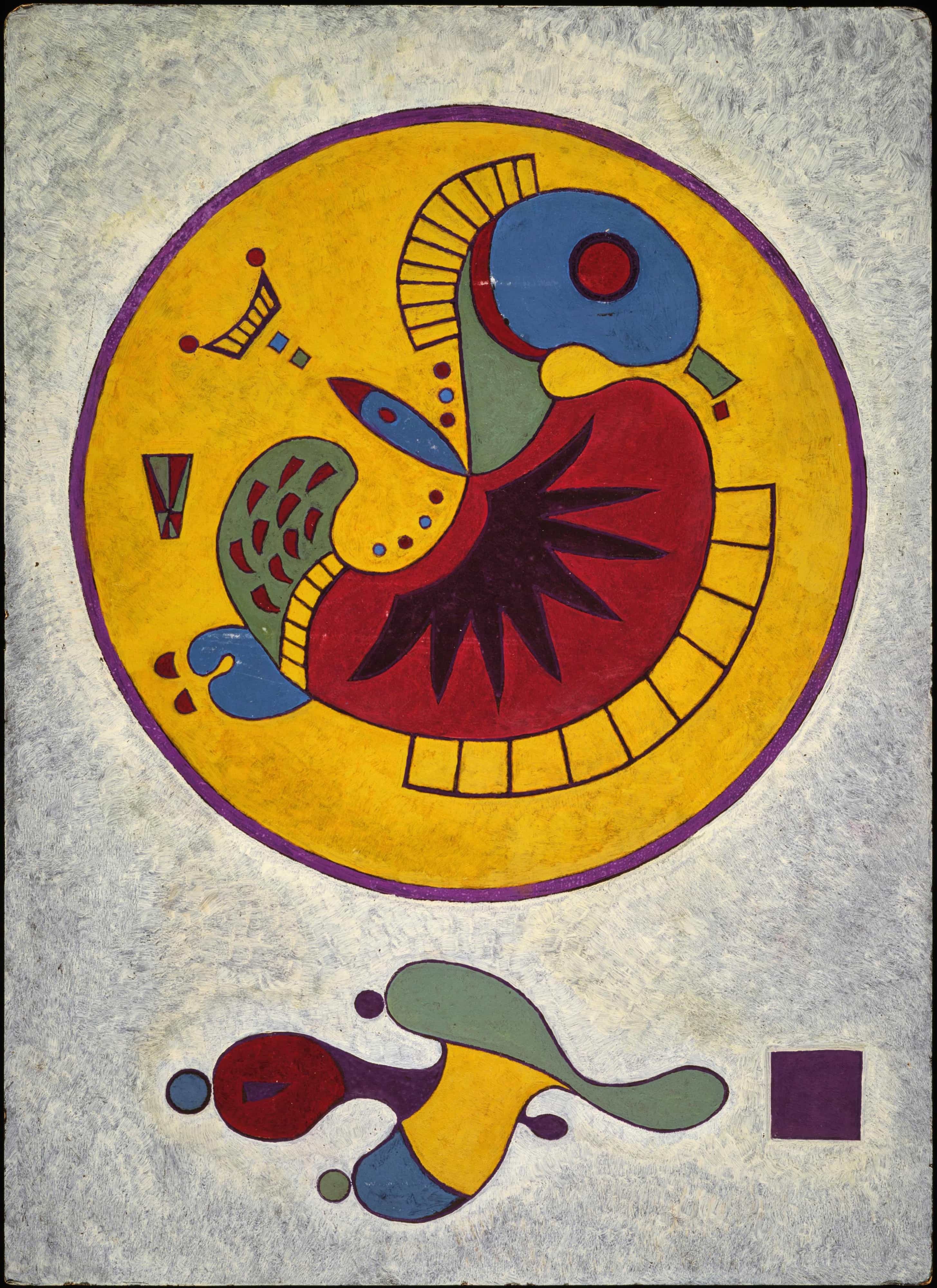
Untitled
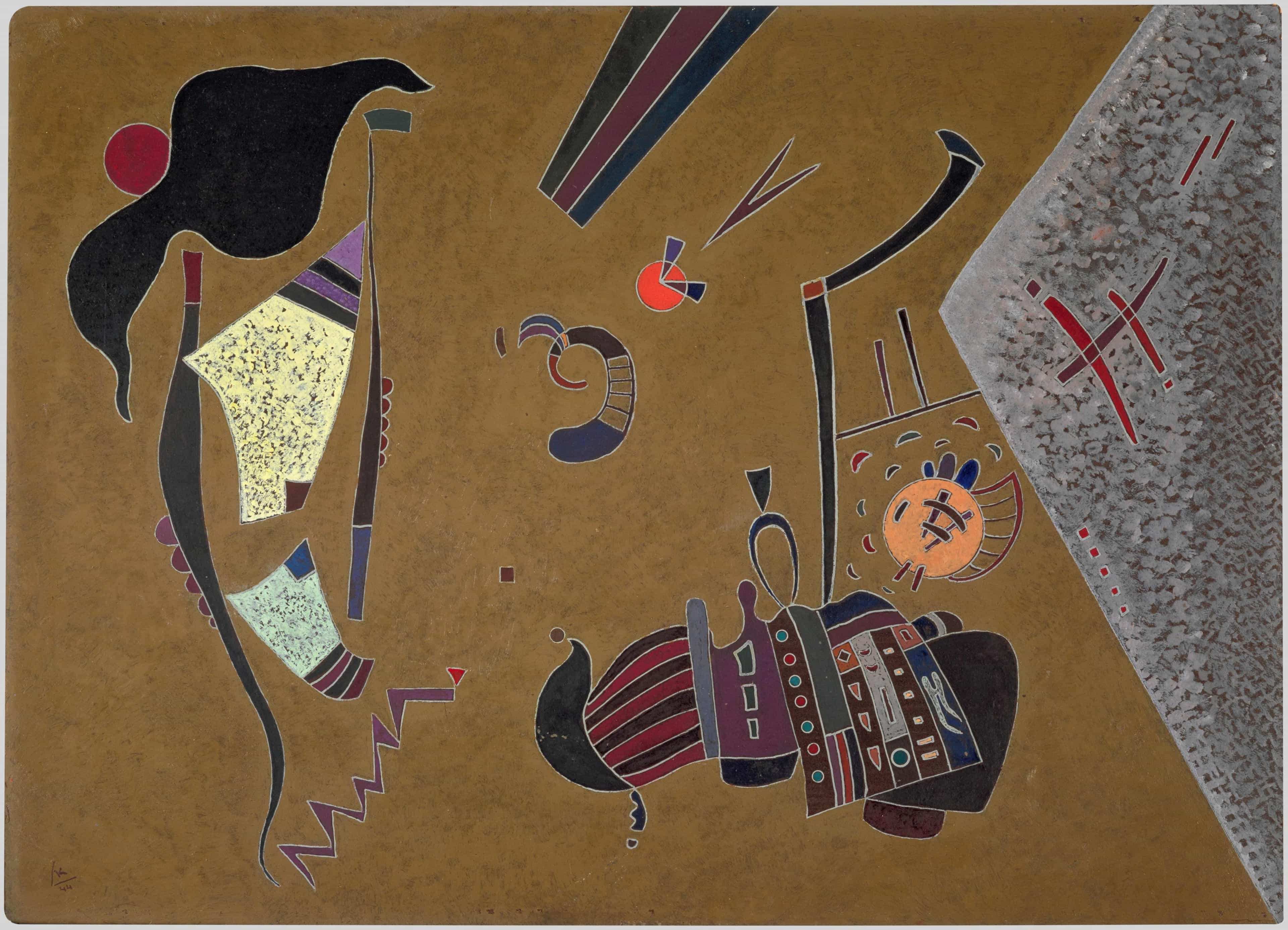
The Red Little Circle
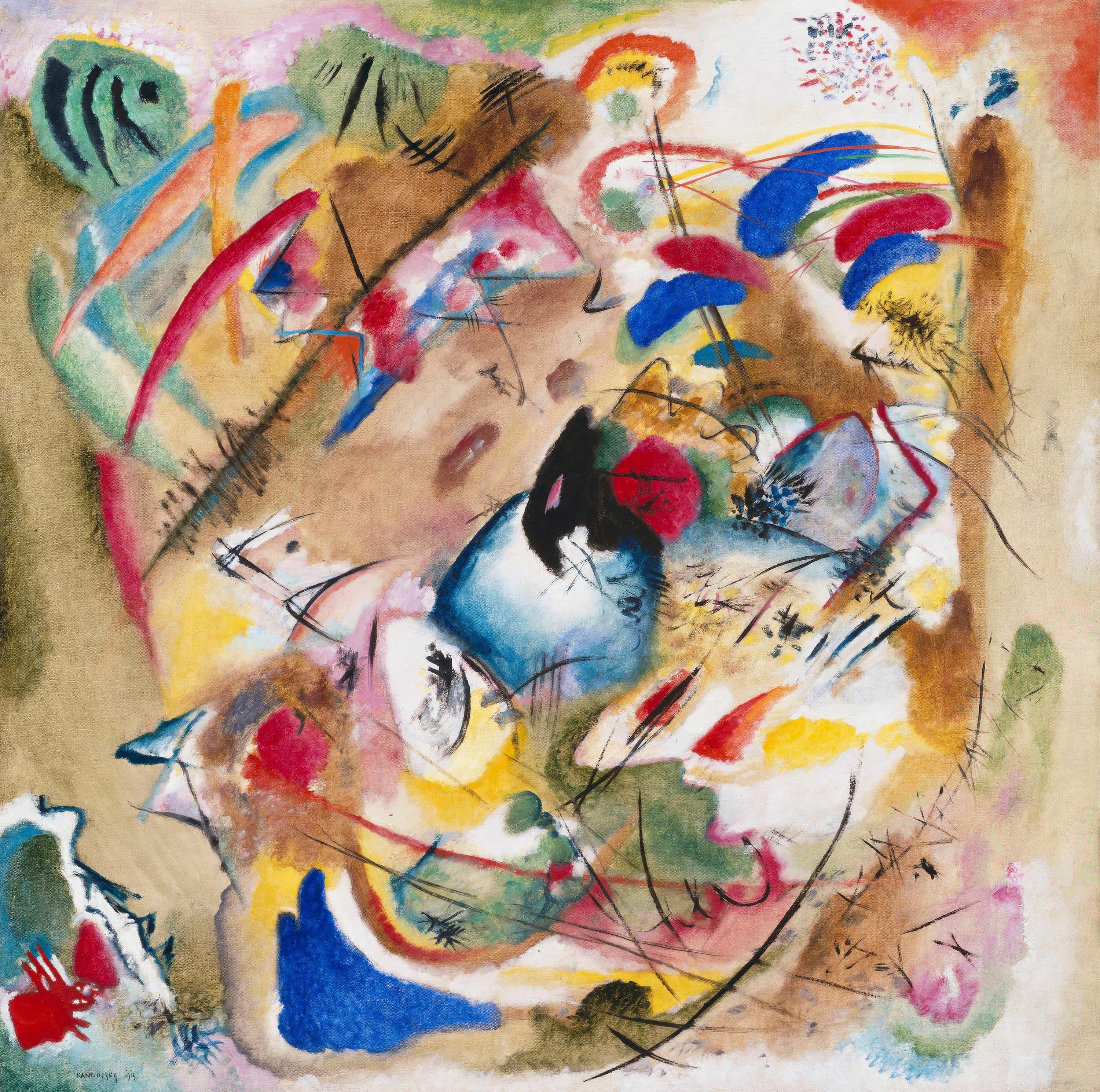
Dreamy Improvisation
316
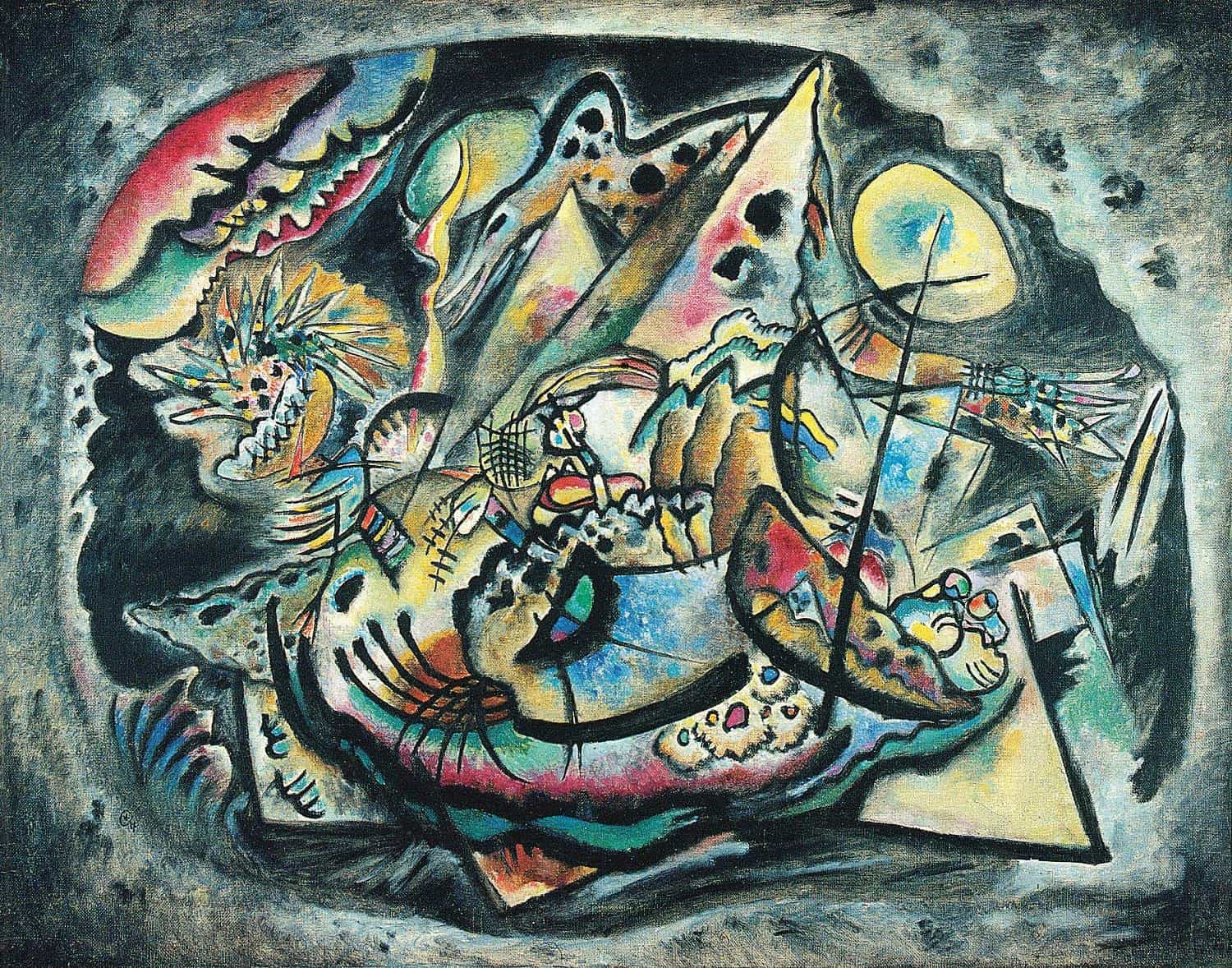
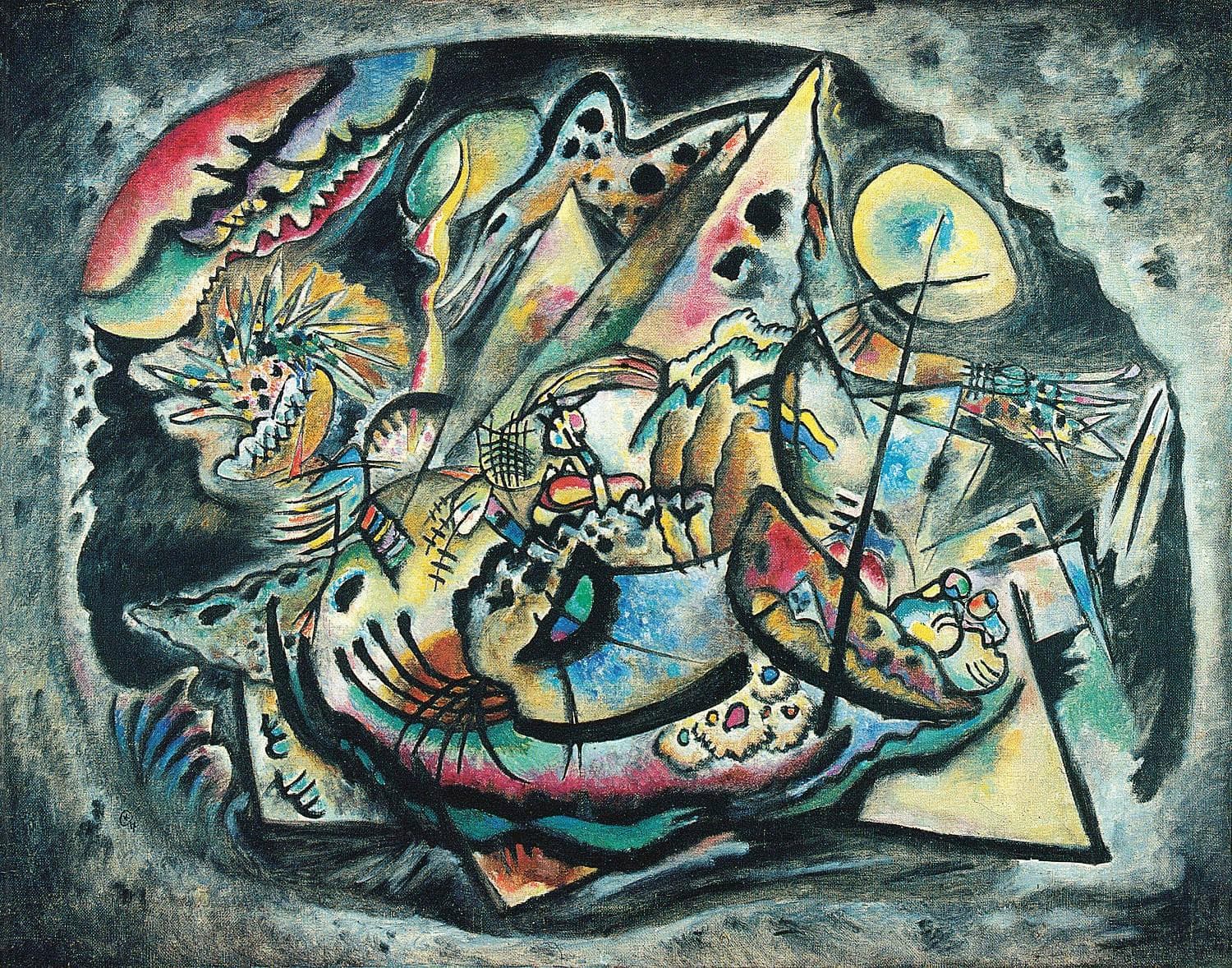
Grey Oval
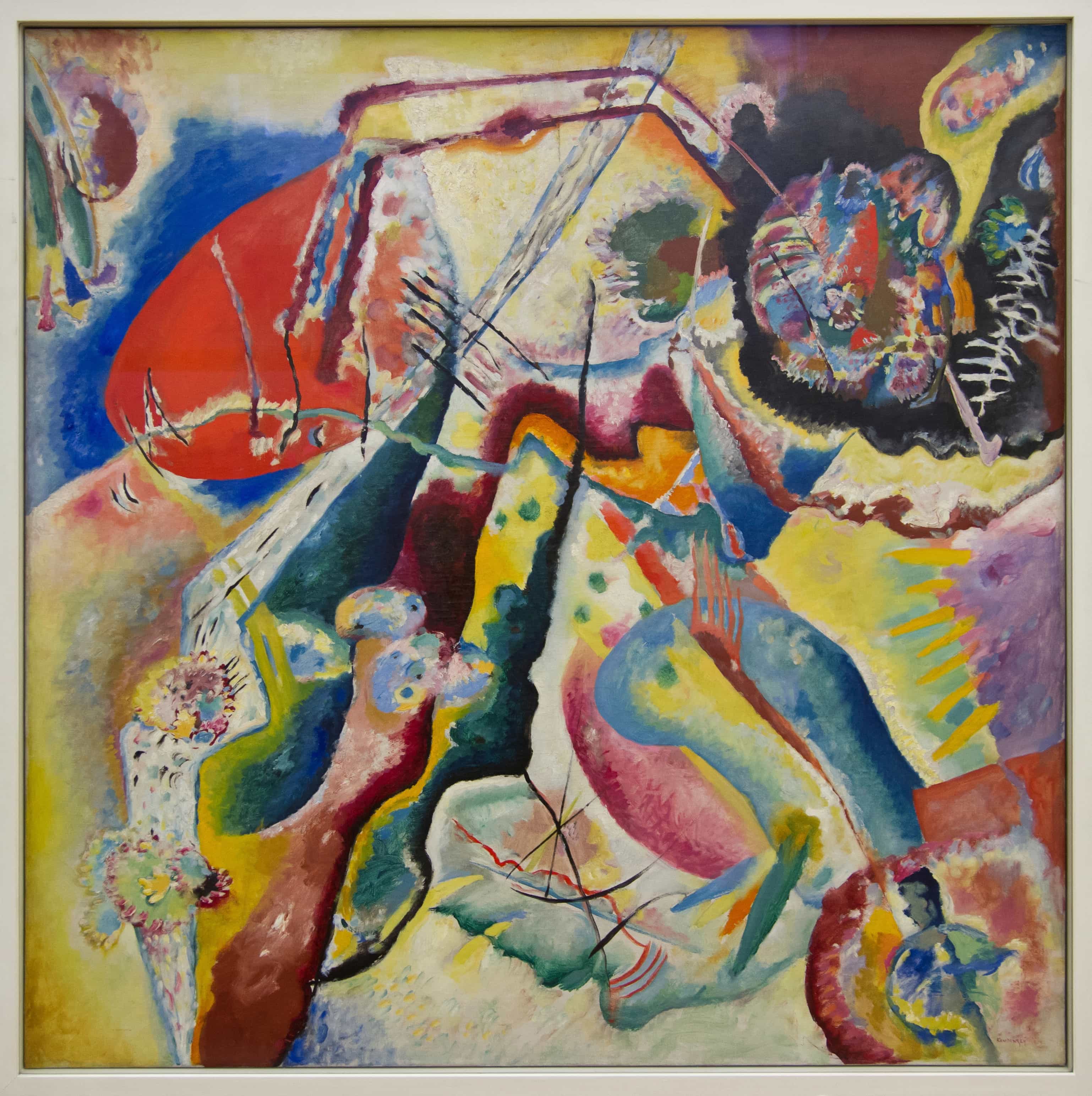
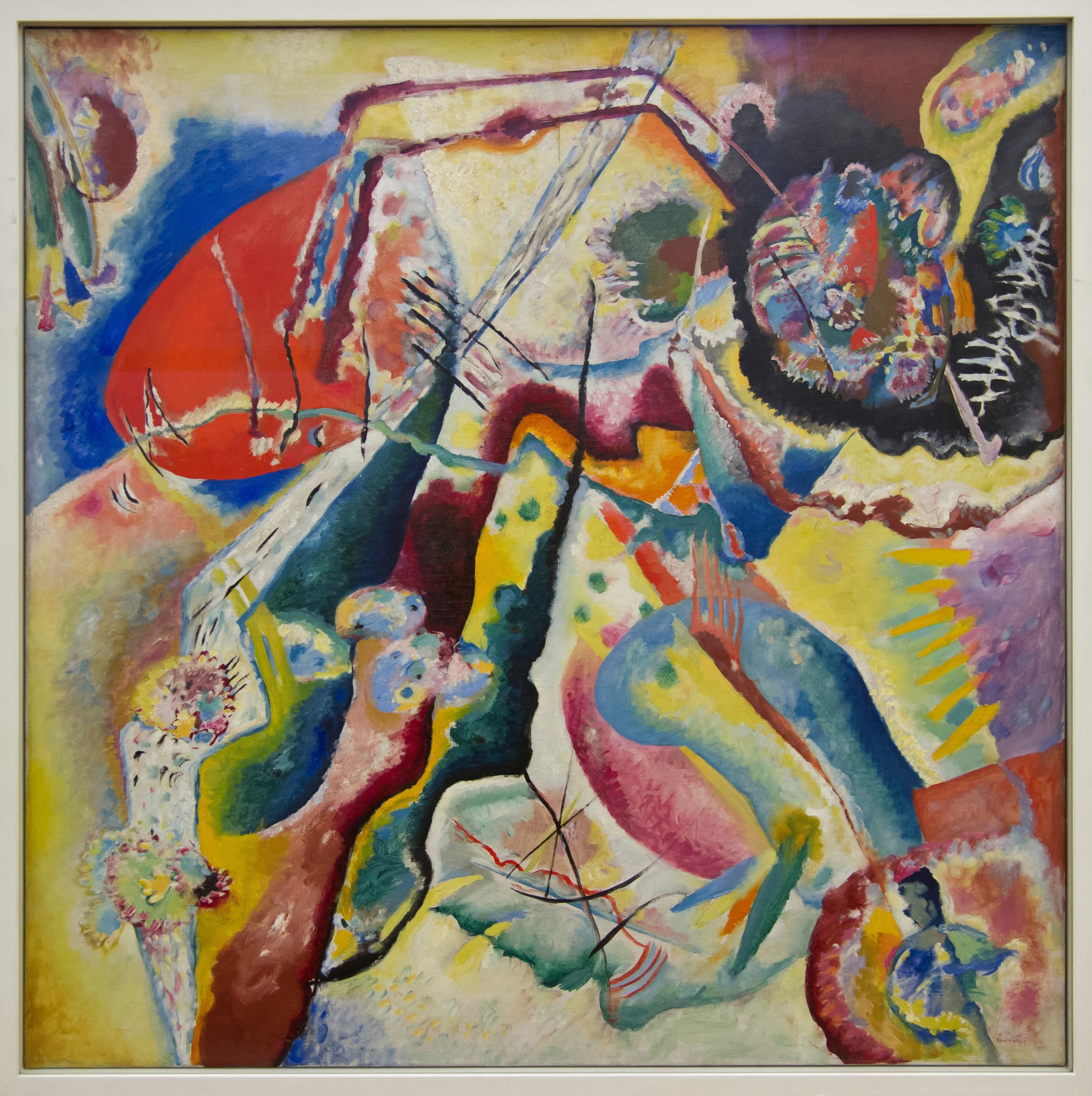
With a Red Stain
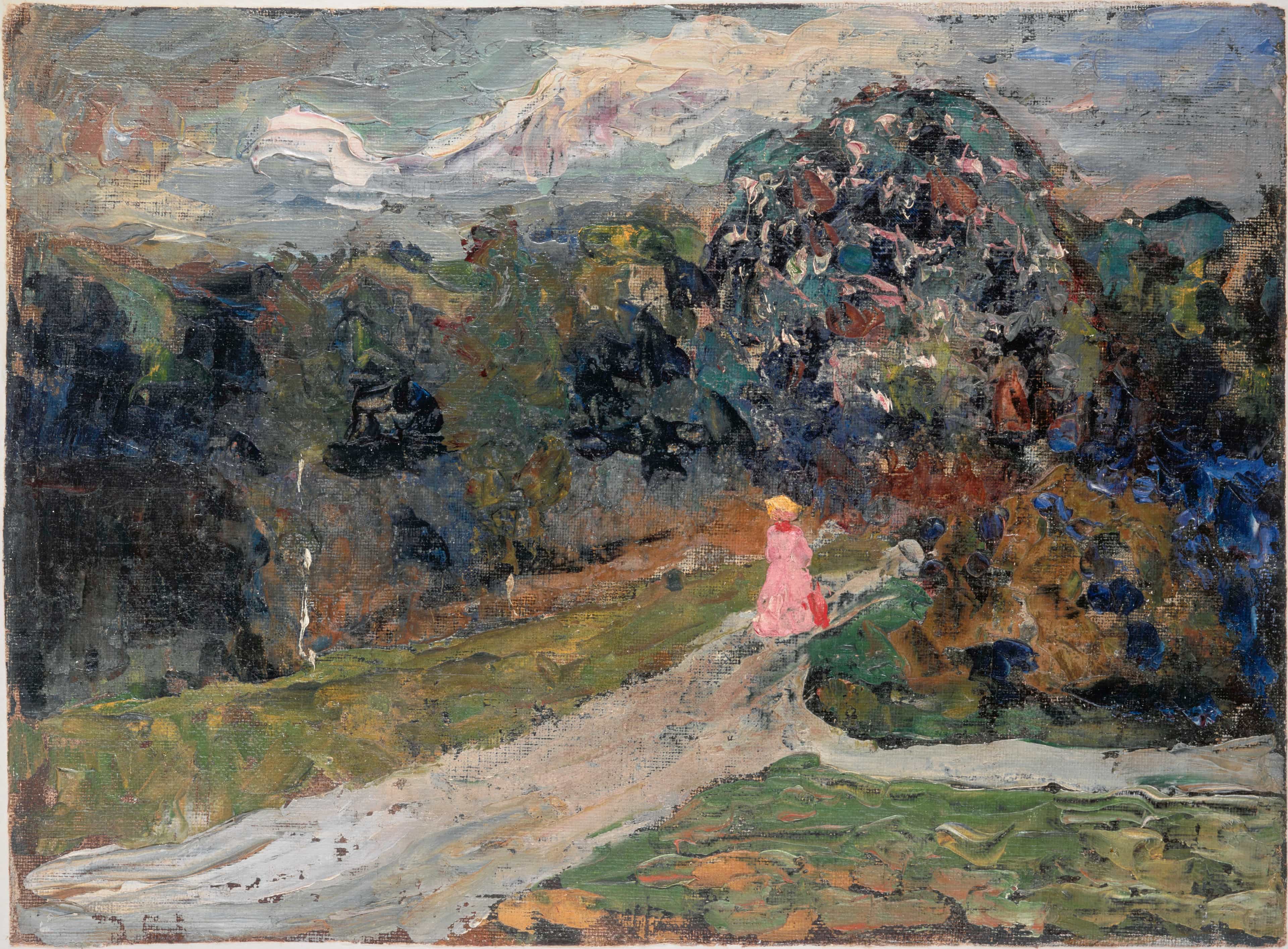
Dusk in an English Garden, Munich
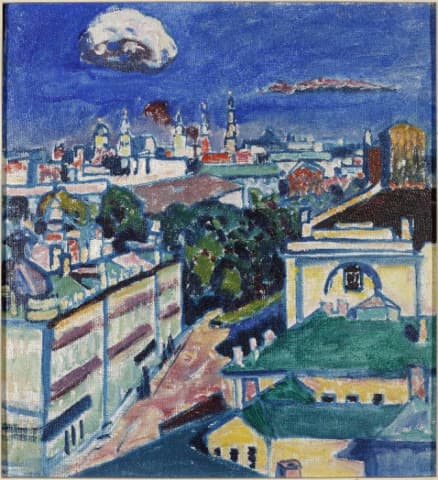
View of Moscow from Kandinsky's Apartment, Zubovsky Square

Light Ground