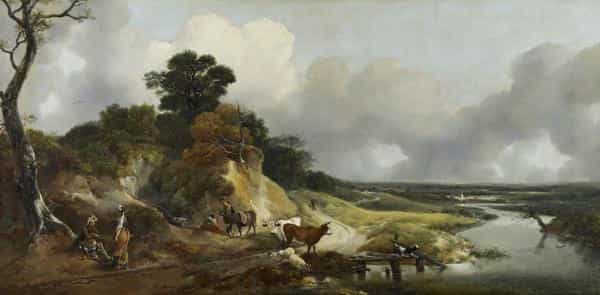
Landscape with a View of a Distant Village
Thomas Gainsborough
From $64
Collection
Museum-quality reproductions on 310gsm textured cotton rag paper.
Shop all prints by Thomas GainsboroughArtistic Style
Style Evolution
Gainsborough moved from a careful, draftsmanship-based provincial practice to a freer, more painterly manner in his Bath and London periods; throughout he balanced formal portraiture with an increasingly poetic approach to landscape, influencing later British portrait and landscape traditions.
Palette
Subjects
Techniques
Topics
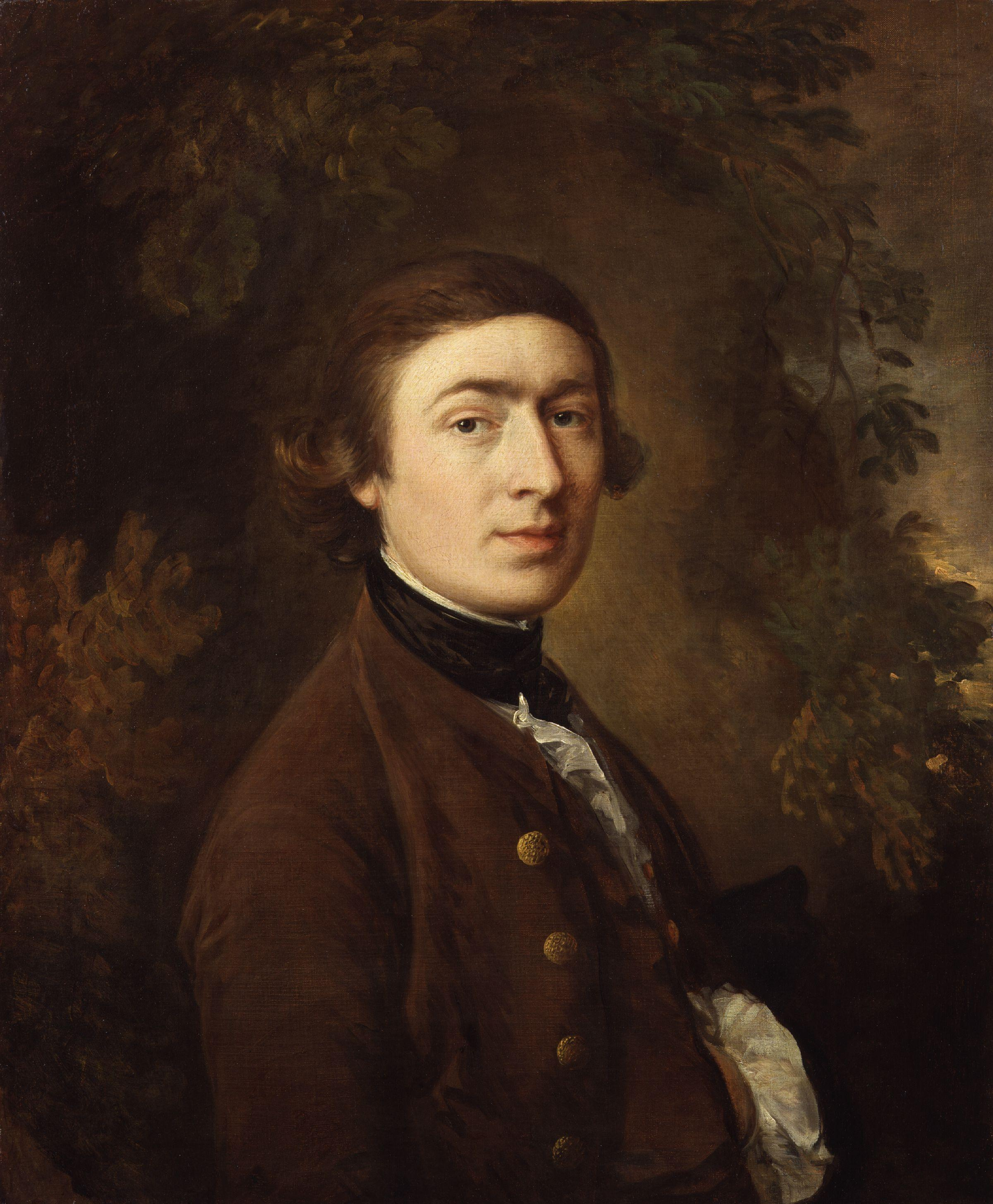
Thomas Gainsborough (1727-1788) was an English Rococo and portrait/landscape painter whose elegant portraits and luminous landscapes redefined 18th-century British art.
Learn about the life of Thomas Gainsborough
Signature Works
See all available prints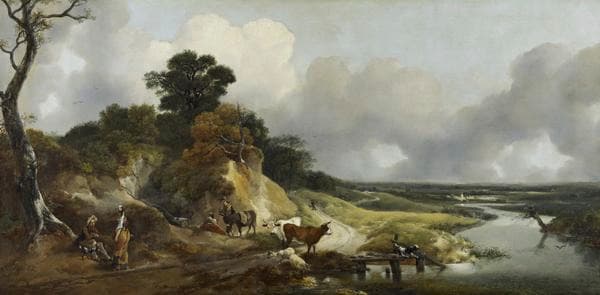
Biography
Thomas Gainsborough (1727-1788) was an English Rococo and portrait/landscape painter whose elegant portraits and luminous landscapes redefined 18th-century British art.
Thomas Gainsborough was born in Sudbury in 1727. He showed artistic promise from a young age and trained in drawing and painting while still in Suffolk. Early provincial success led him to seek broader patronage and artistic contacts in larger English towns, shaping his development as both a portraitist and a landscapist.
Gainsborough's career combined portrait commissions with a lifelong passion for landscape.
In his early career he worked outside London, building a reputation through portraits for local gentry and by exhibiting works that revealed his strong draftsmanship and sensitivity to texture.
During the middle period of his career Gainsborough worked extensively in Bath, where he attracted fashionable patrons and refined an elegant portrait style that balanced aristocratic pose with painterly freedom.
Later he established himself in London, taking on high-profile commissions and producing some of his most polished portraits and poetic landscapes. He was active in the circle of British artists that defined mid‑18th‑century taste.
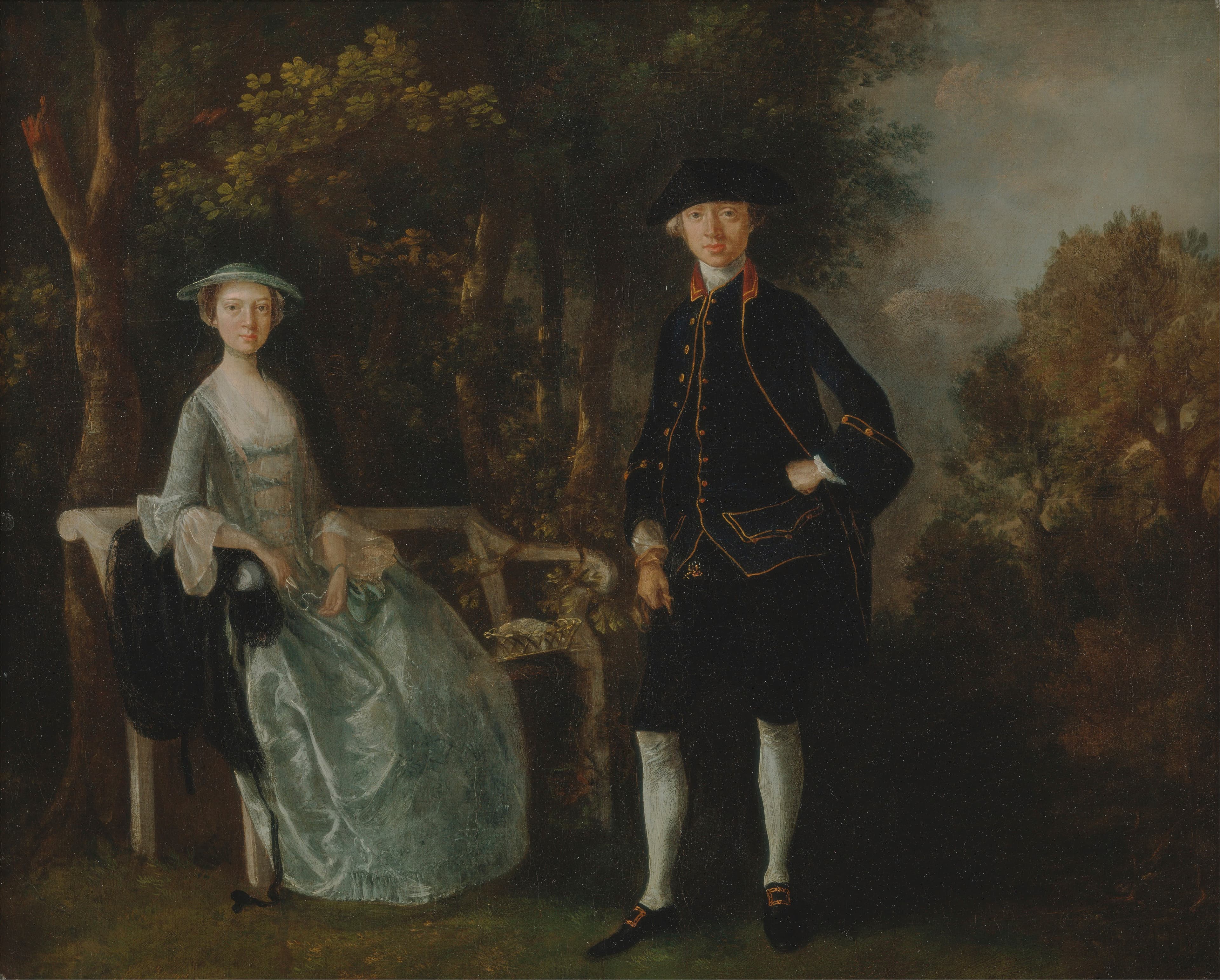
Gainsborough is celebrated for graceful, refined portraits and for landscapes that convey a lyrical, natural atmosphere. Among works commonly associated with him are The Blue Boy and Mr and Mrs Andrews — paintings that exemplify his dual mastery of portraiture and landscape elements. His works combined genteel elegance with an attention to natural detail that appealed to collectors then and now.
Gainsborough favored a light, fluid brushwork and a luminous handling of paint that lent skin, costume and foliage a lively surface. He balanced refined draughtsmanship with freer passages of paint, often leaving areas suggestive rather than tightly finished. His handling of texture—silks, satins, leaves, and sky—creates strong decorative appeal.
Gainsborough helped define British portraiture and landscape painting in the 18th century. He influenced later British portraitists and landscape painters who admired his combination of elegance and naturalism. His works remain central to narratives about British art of the period and continue to influence decorative taste and collecting.
Gainsborough divided his time between portrait commissions that supported his household and personal pursuits in landscape painting. His dual practice reflected both commercial success and a private dedication to capturing nature.
Collectors prize Gainsborough for his technical finesse, refined aesthetic, and historic importance. His portraits and landscapes command high‑
Frequently Asked Questions
Landscape with a View of a Distant Village
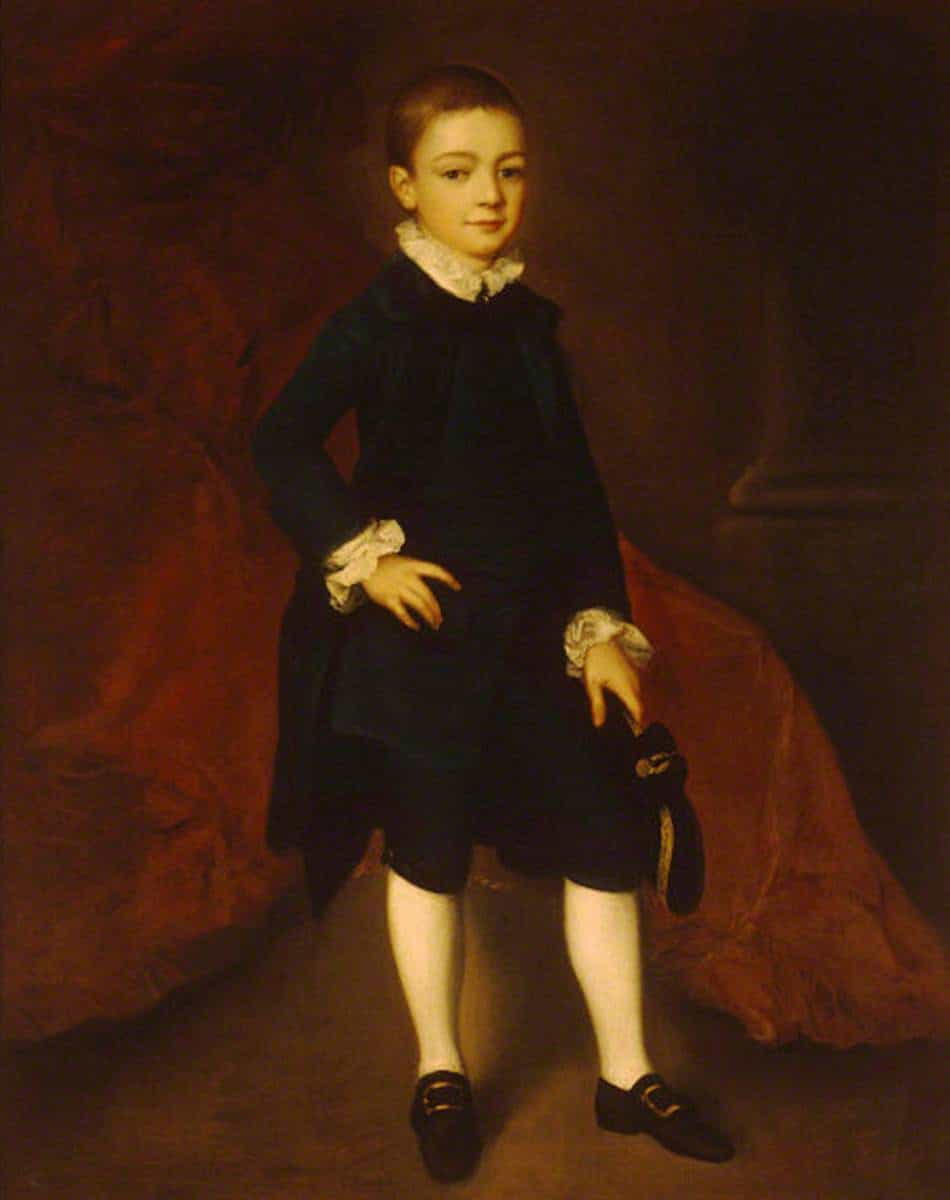
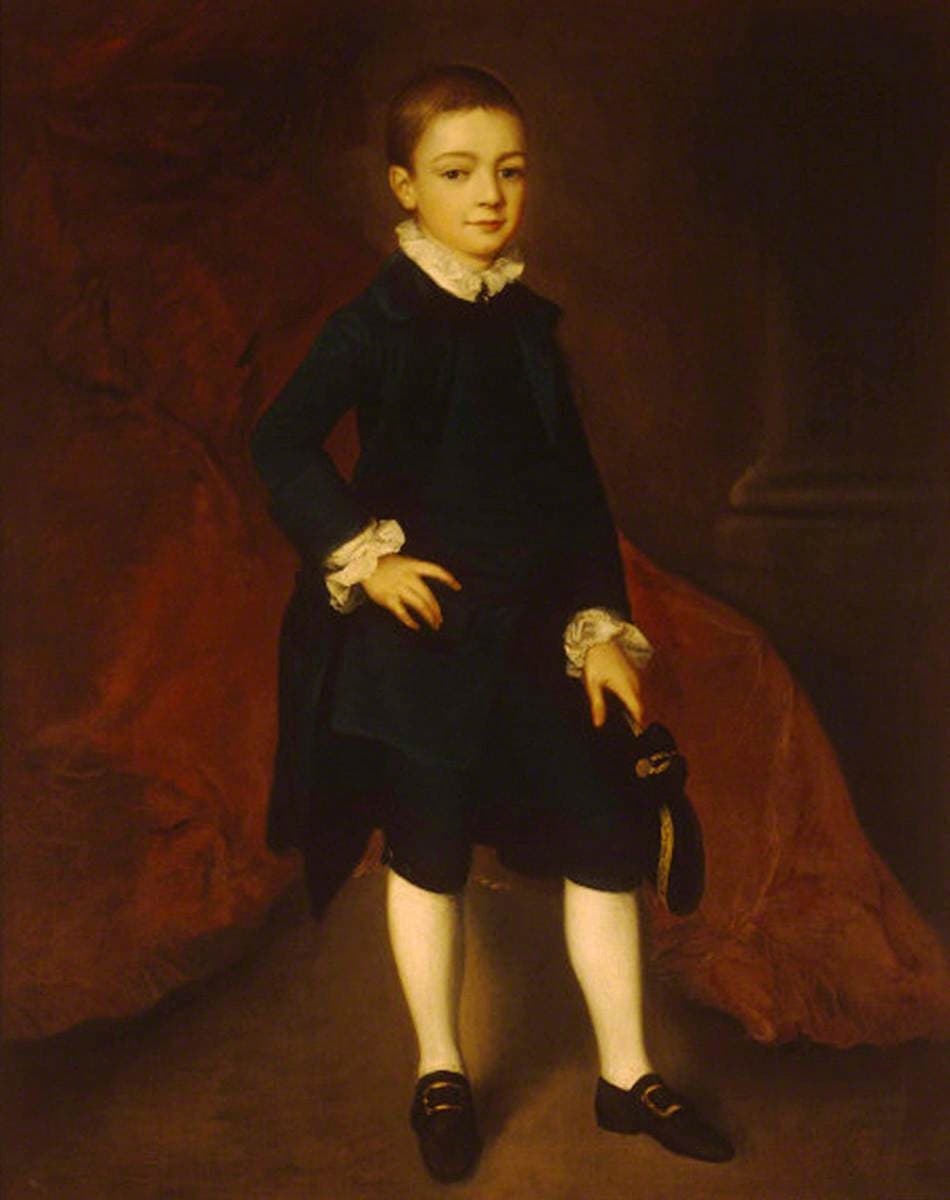
The Honourable Edward Clive, later 1st Earl of Powis III as a Boy
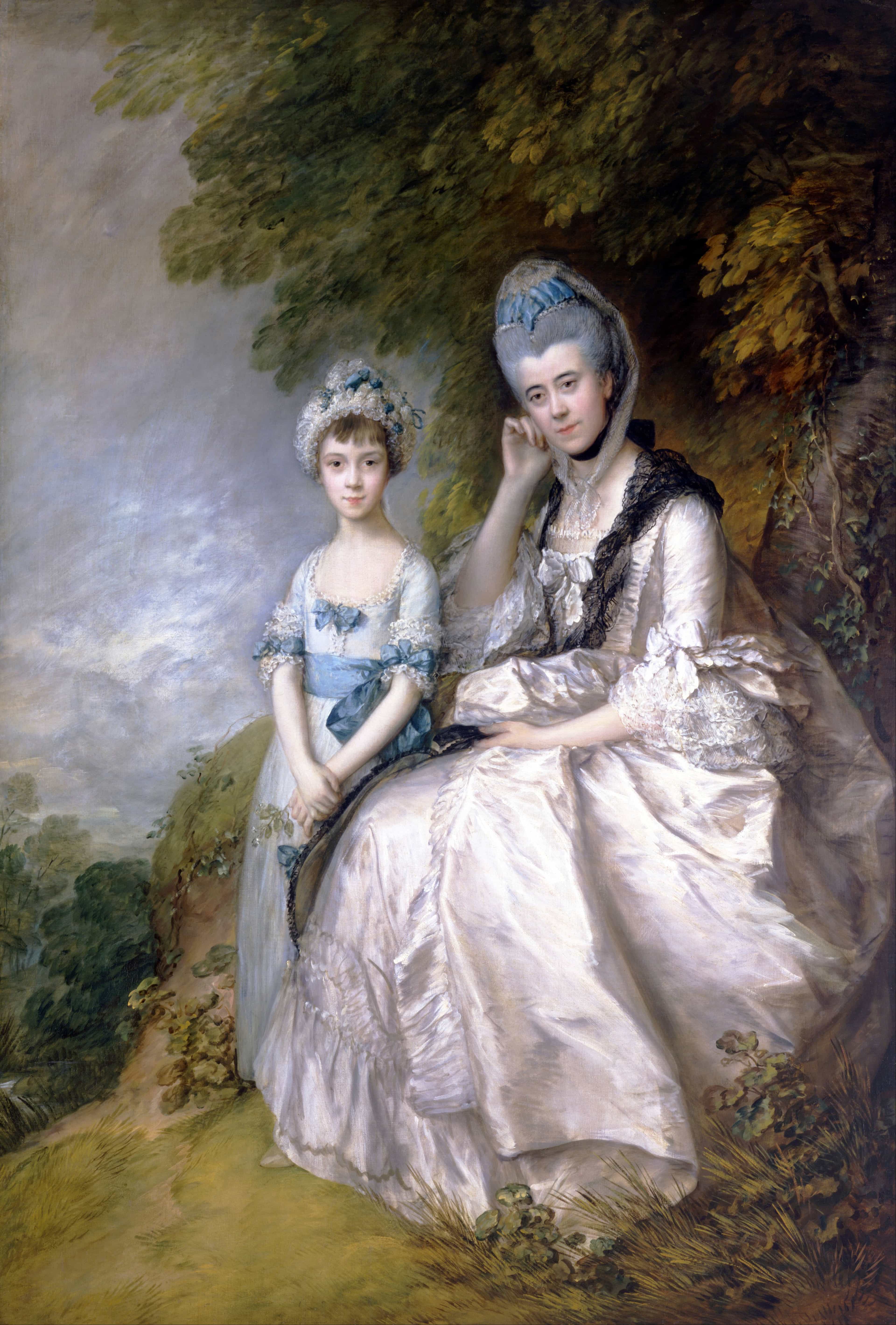
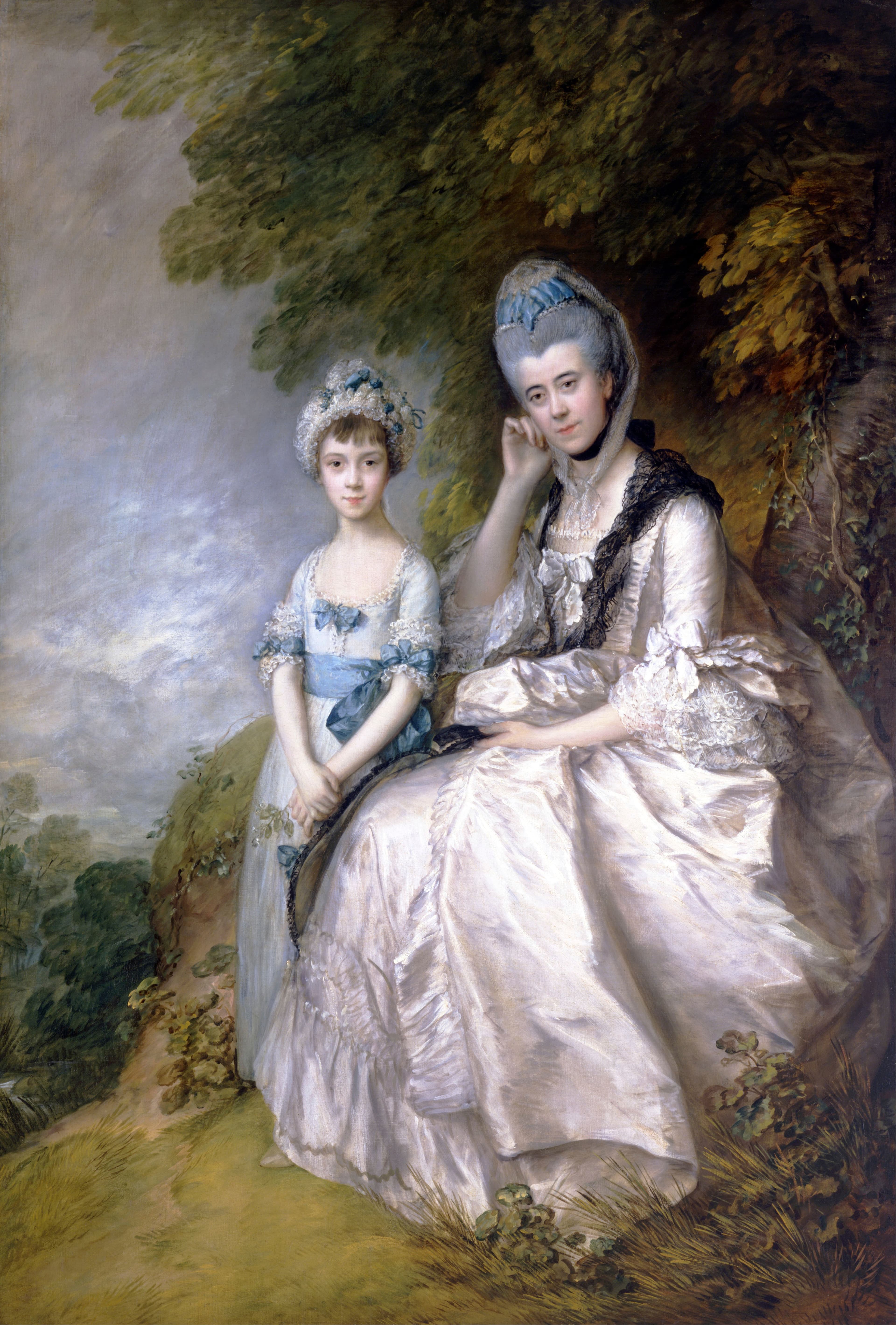
Hester, Countess of Sussex and Her Daughter Lady Barbara Yelverton
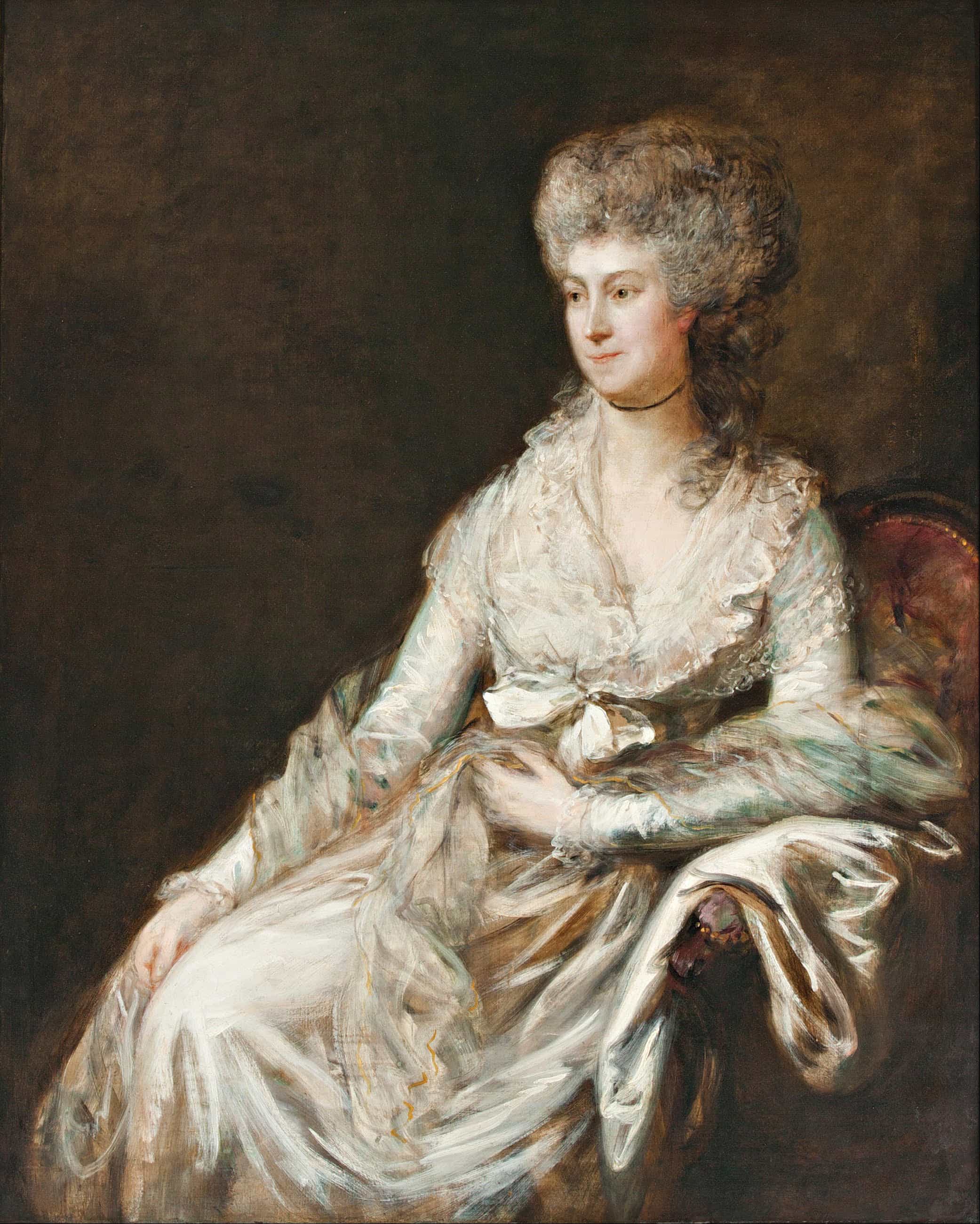
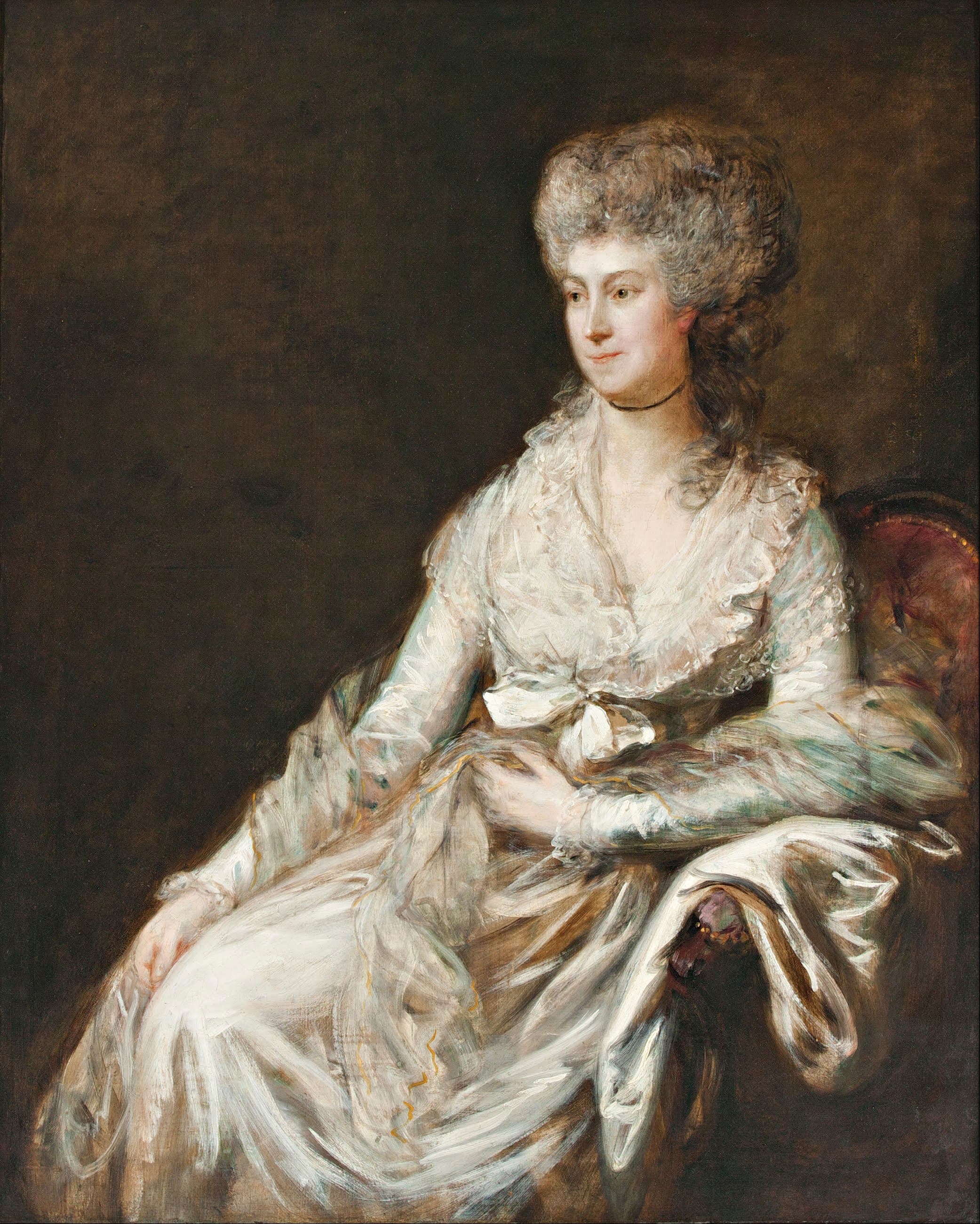
Madame Lebrun
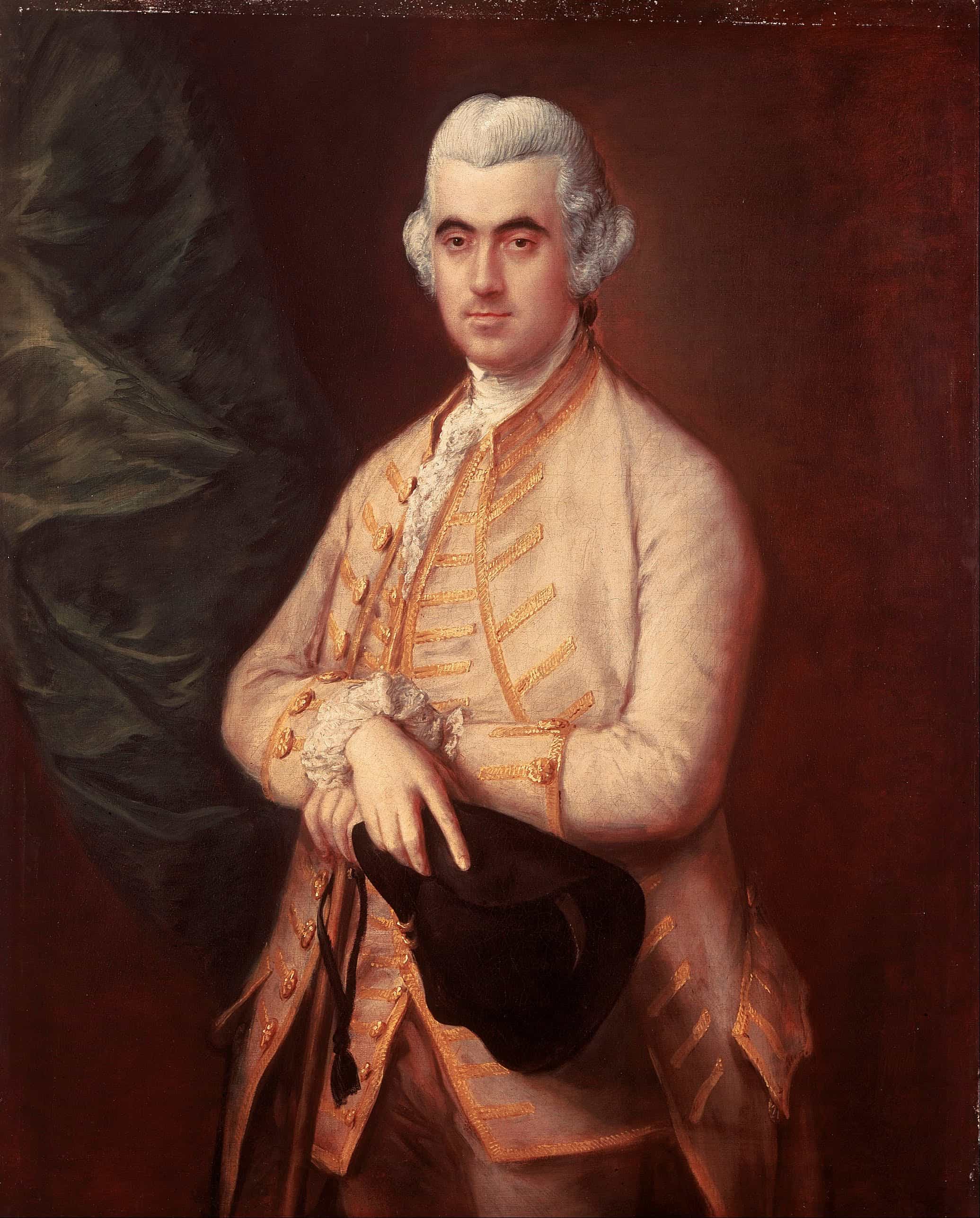
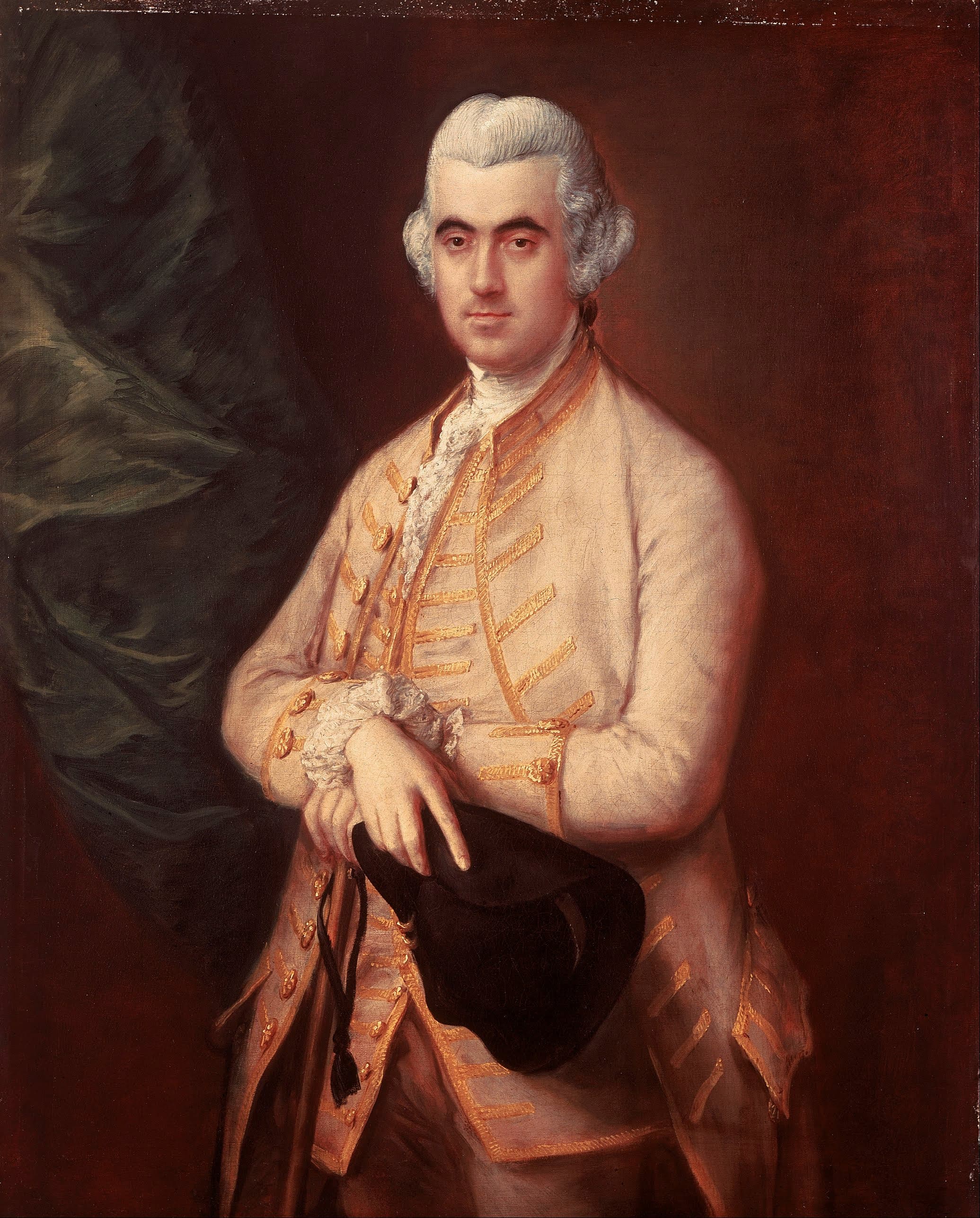
Sir Robert Clayton
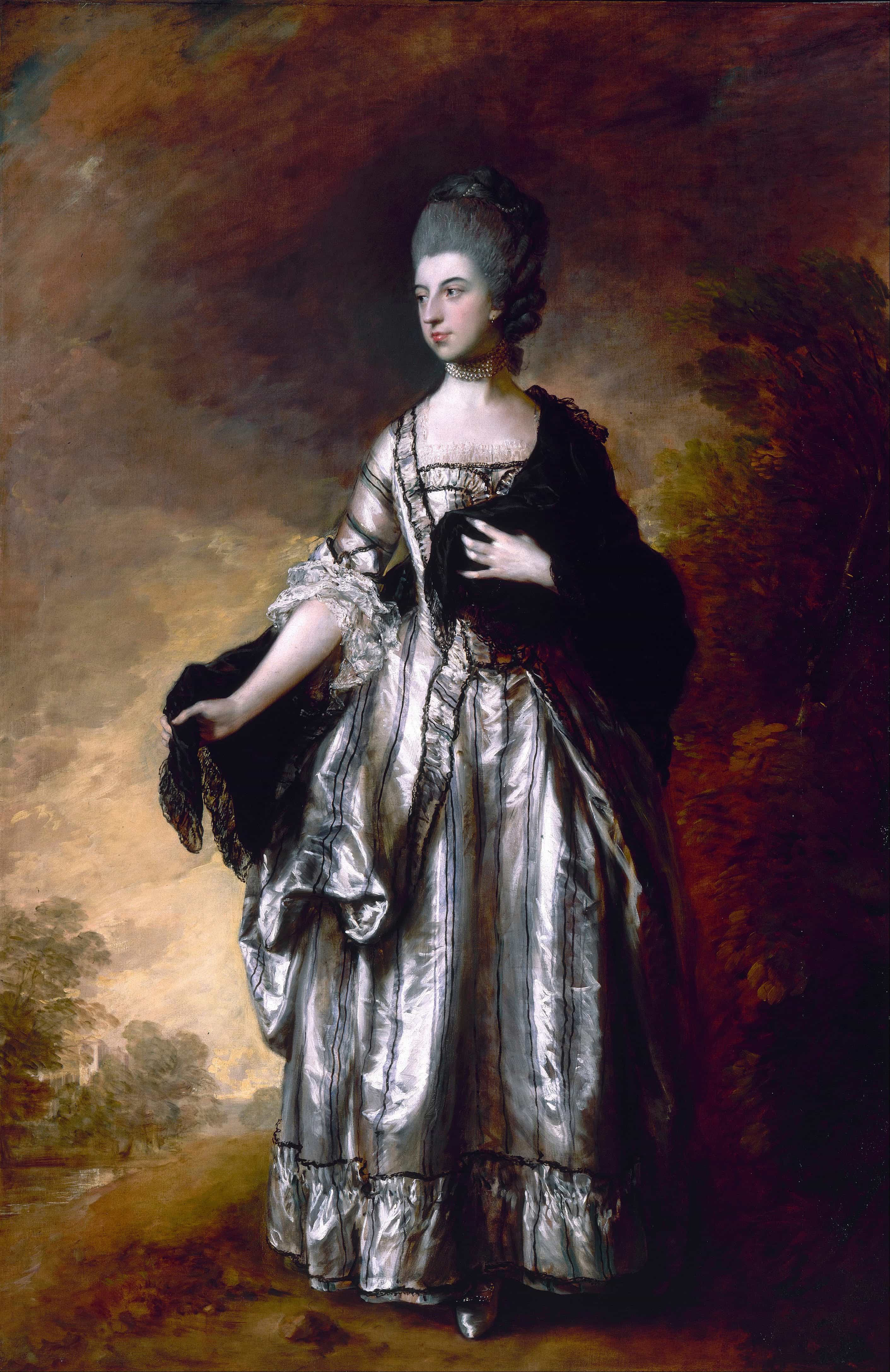
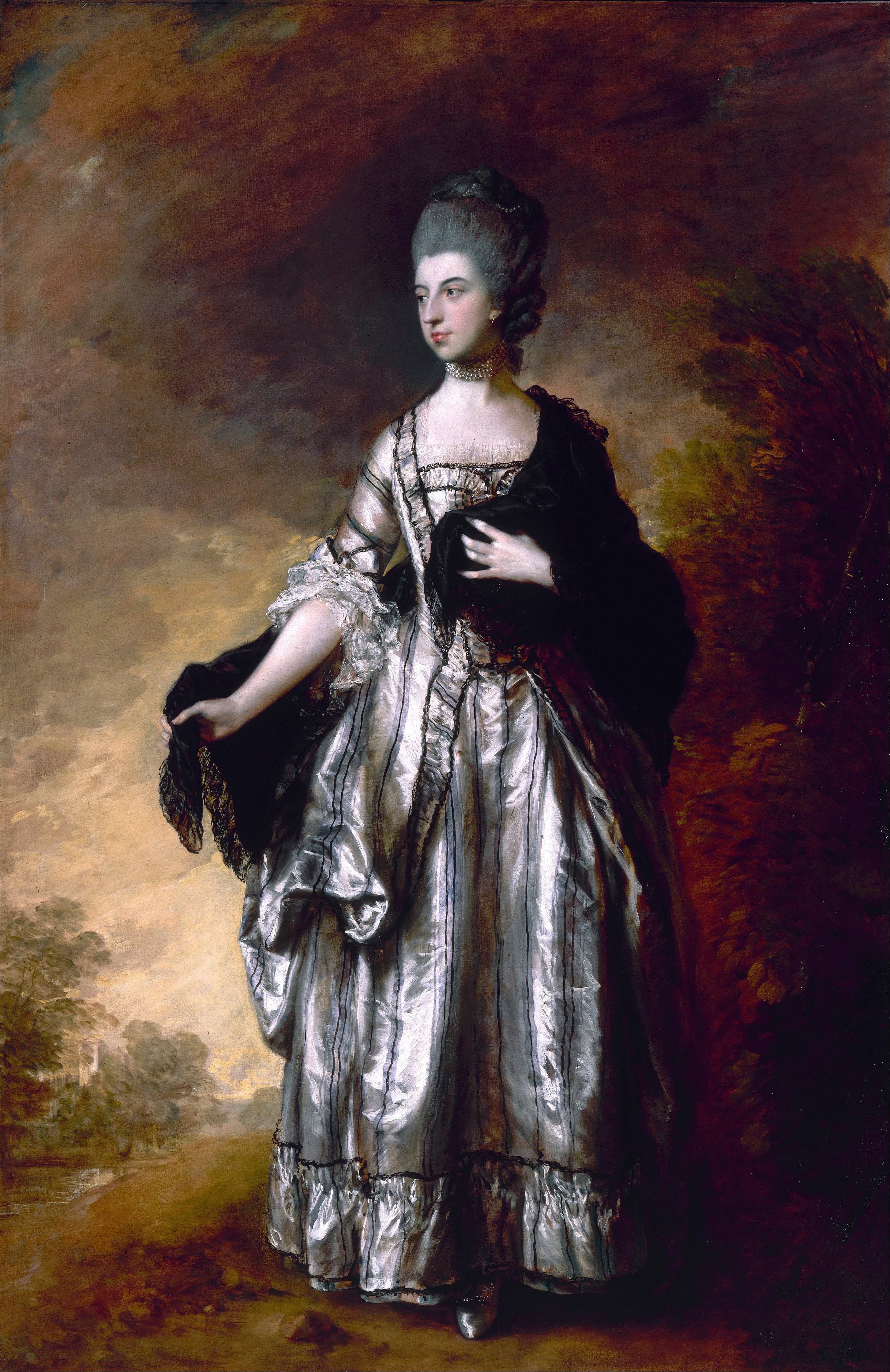
Isabella, Viscountess Molyneux, 1st Countess of Sefton
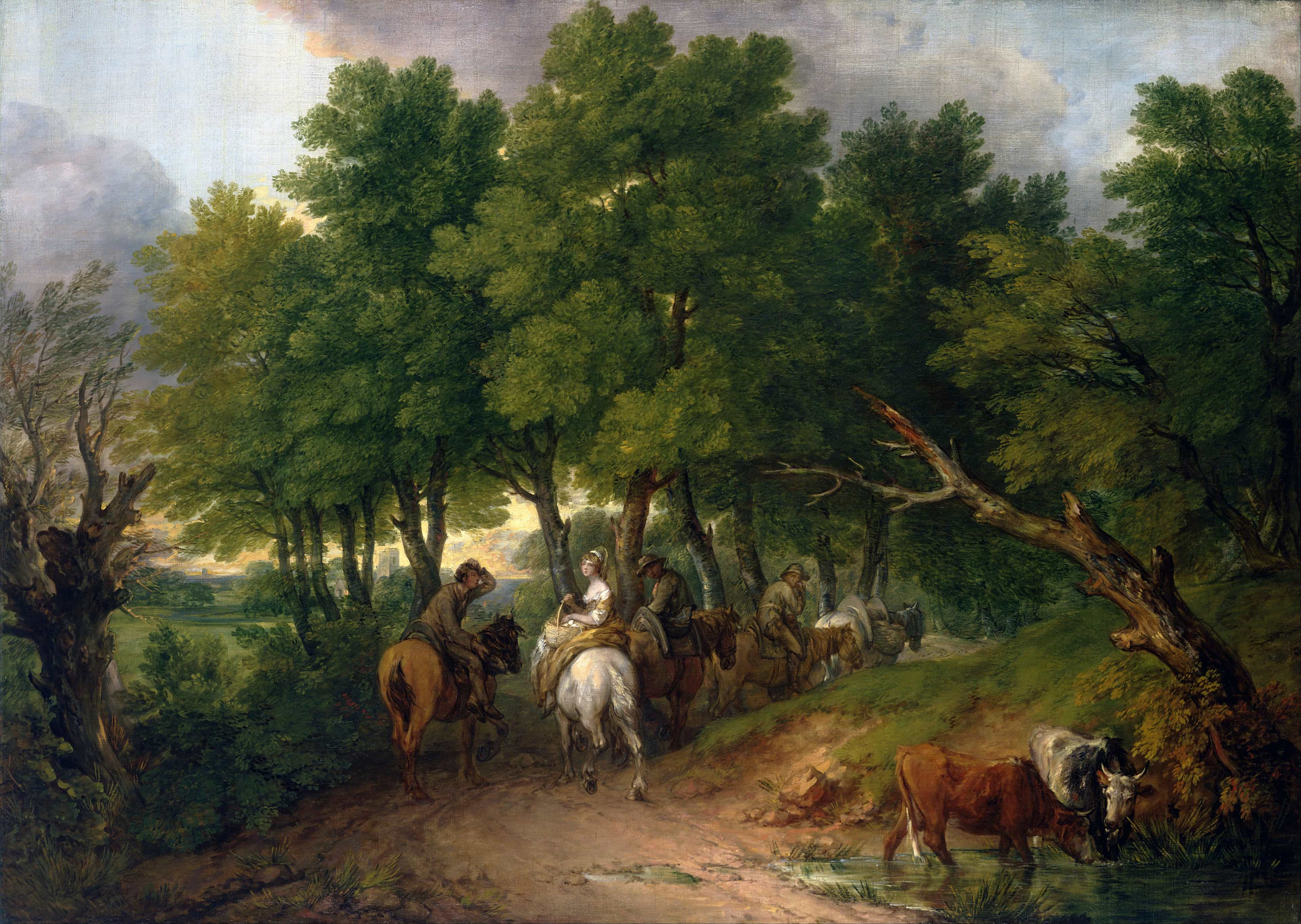
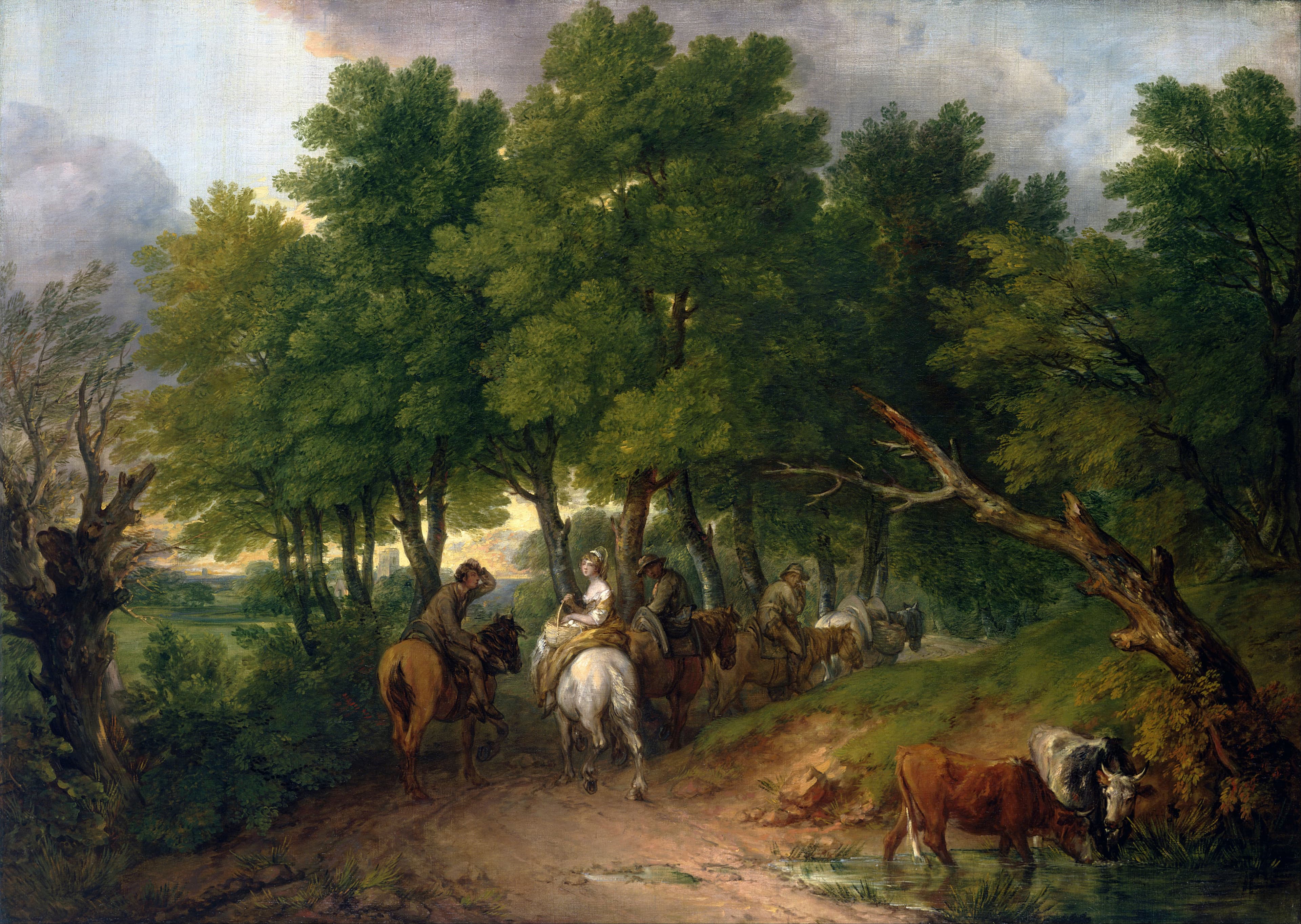
Road from Market
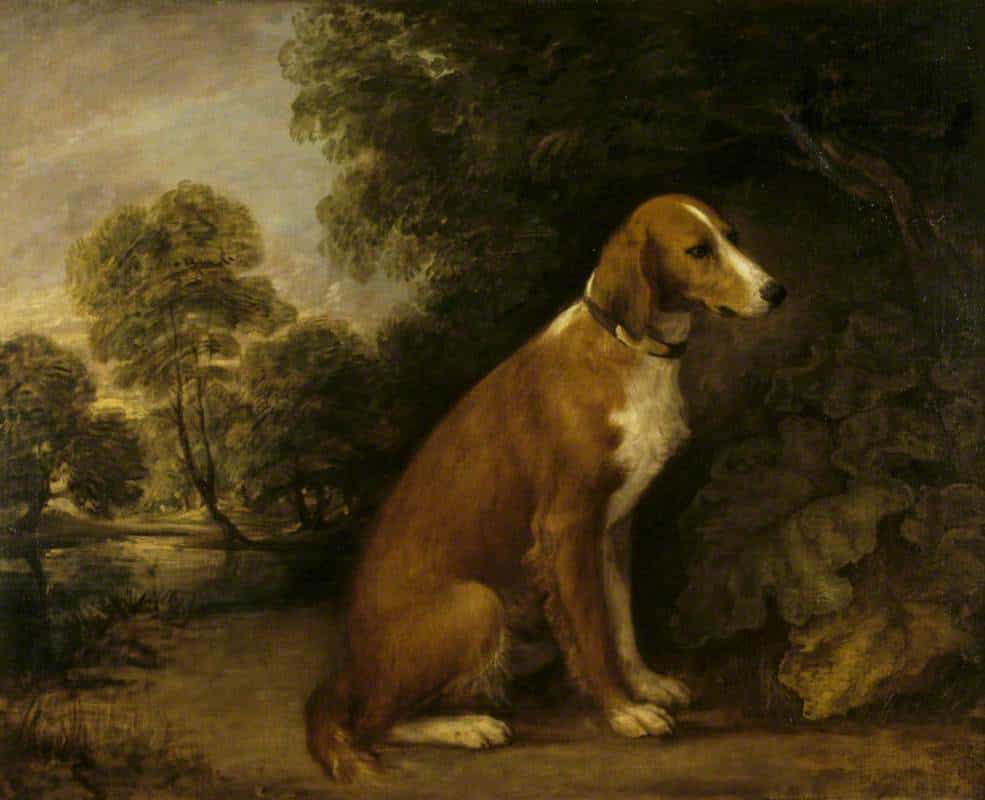
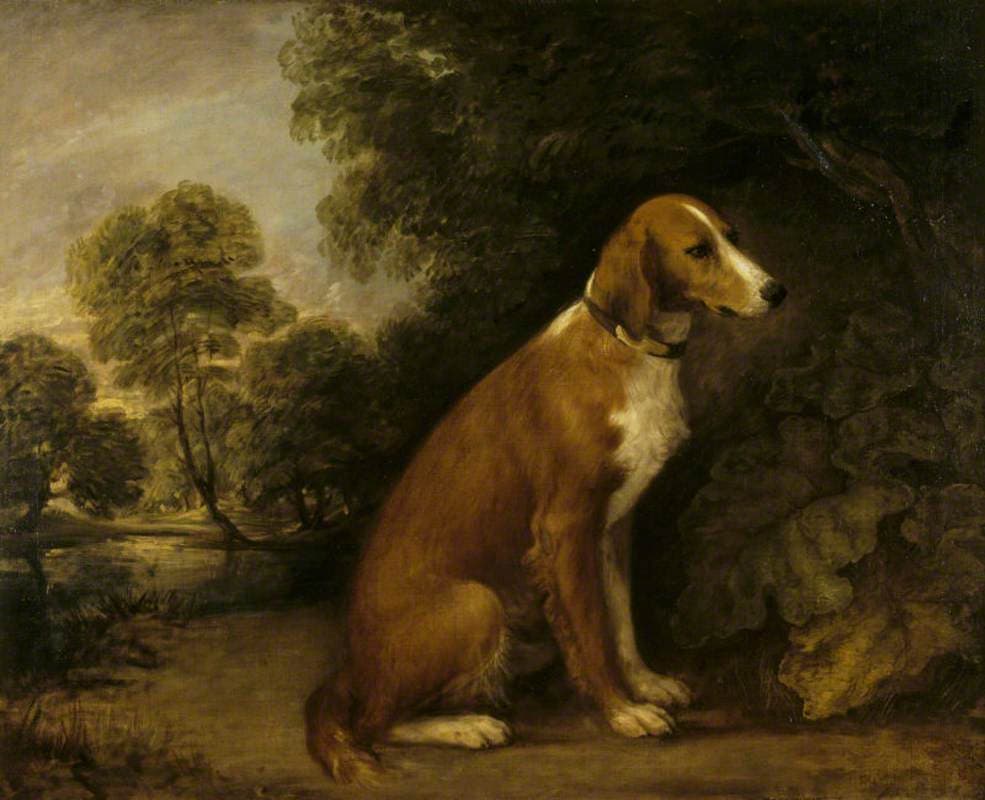
A Setter Seated in a Landscape
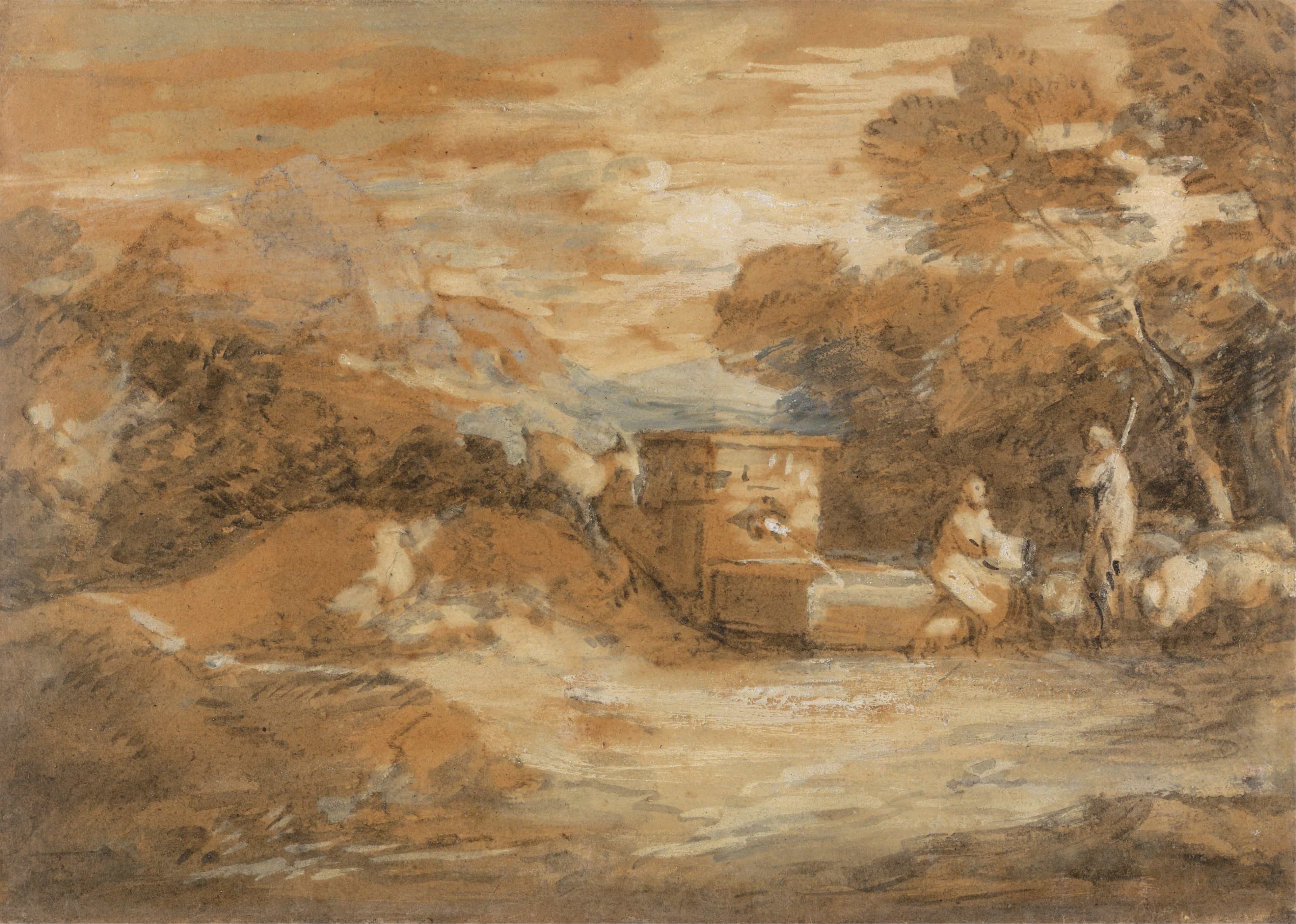
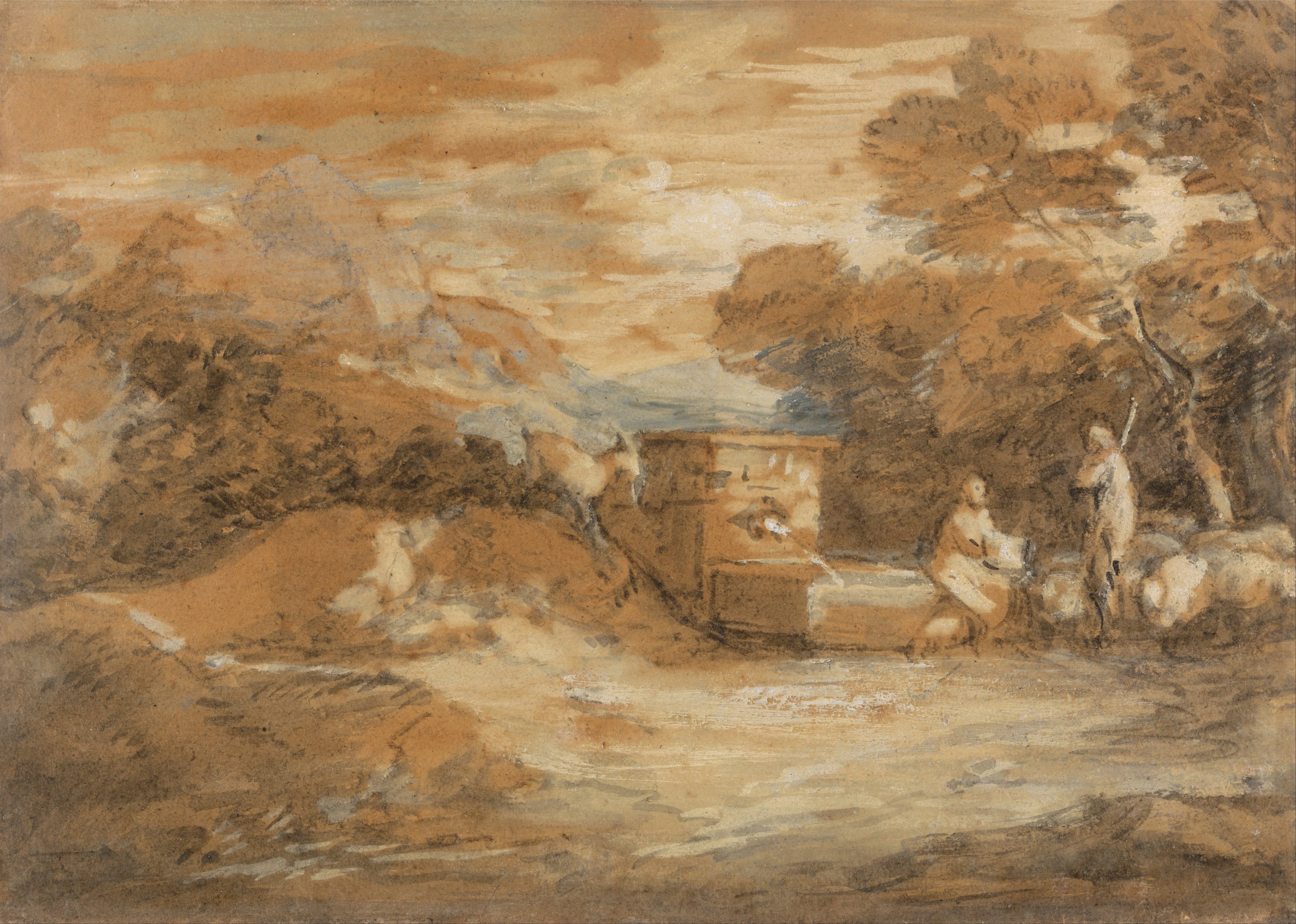
Mountain Landscape with Figures, Sheep and Fountain
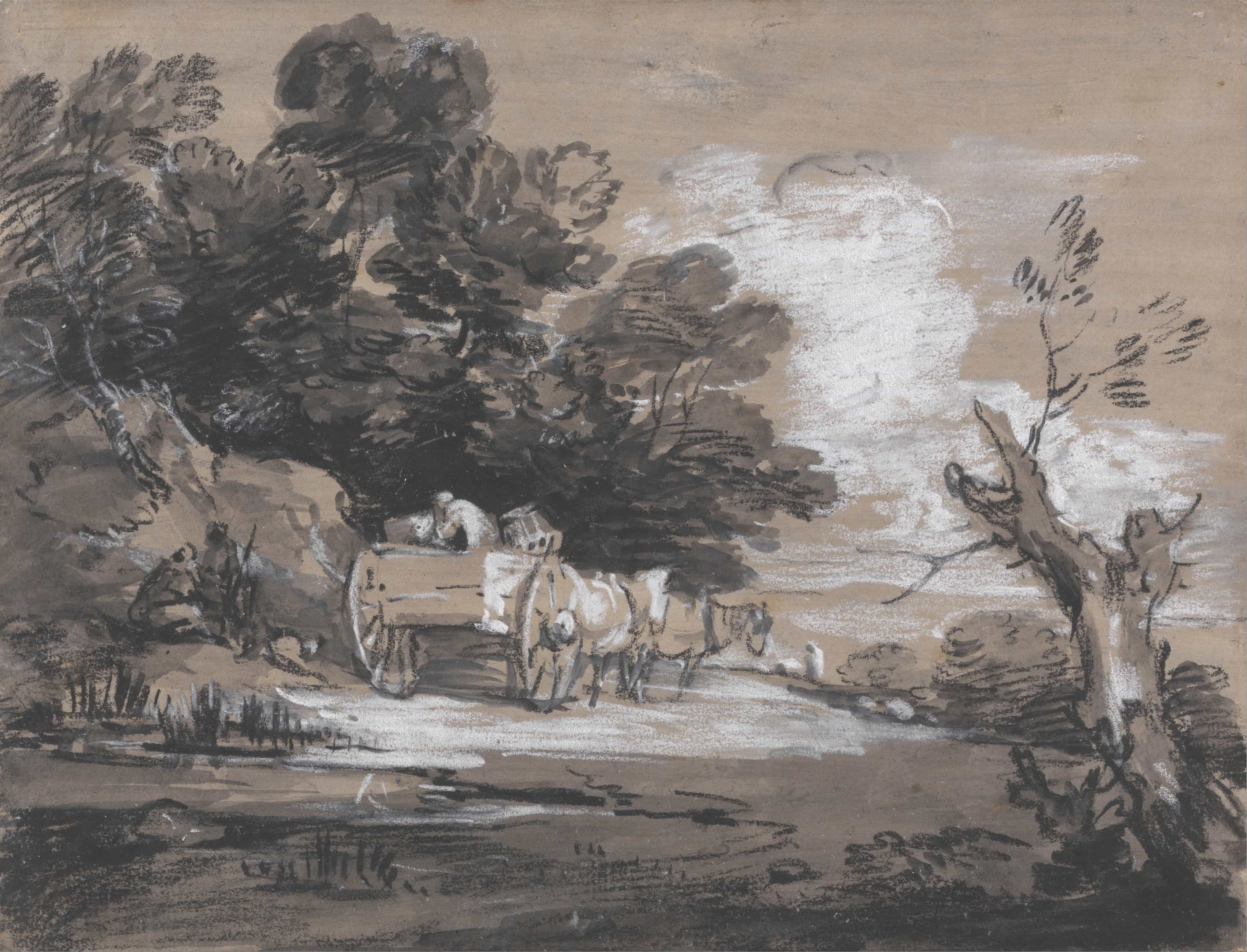
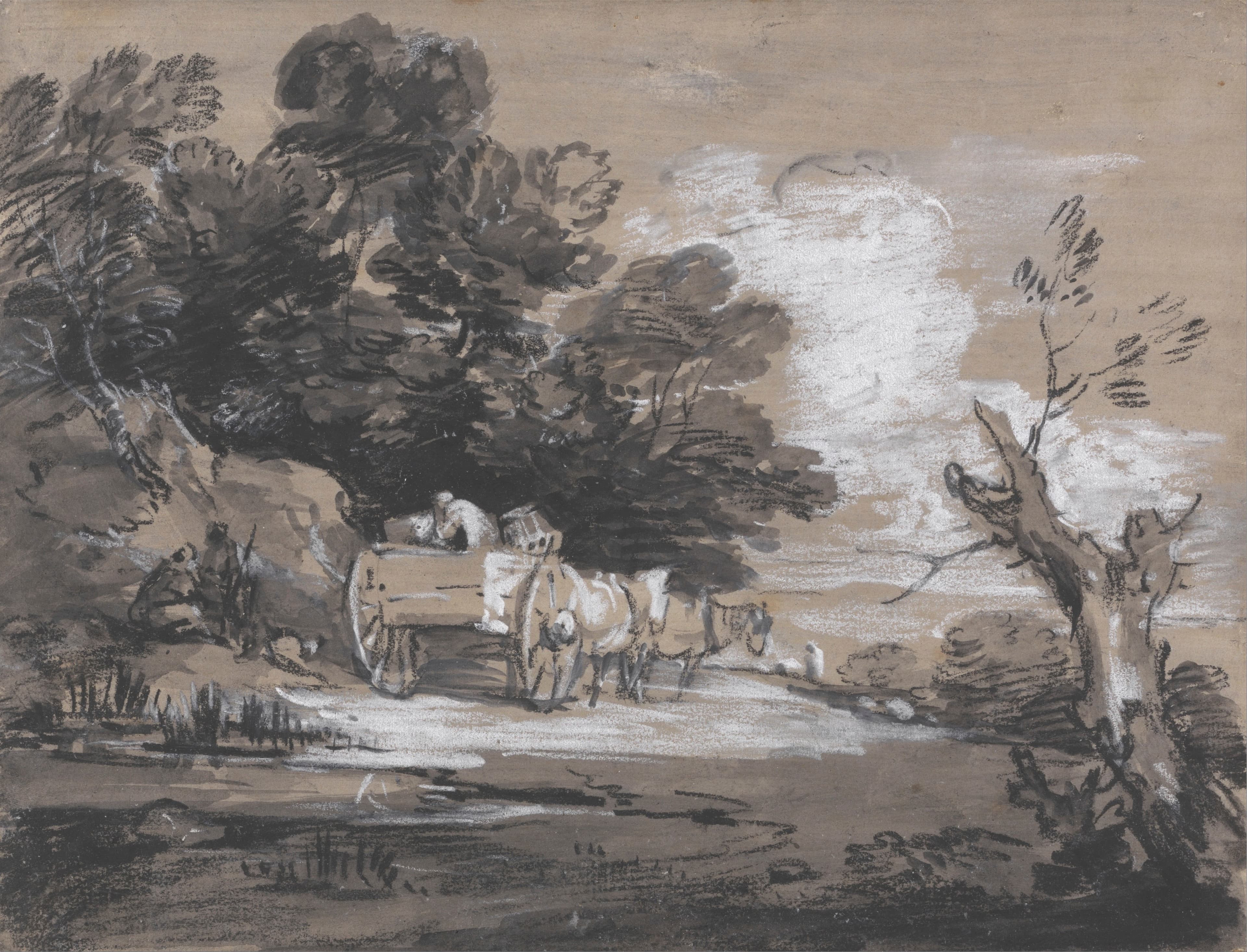
Wooded Landscape with Country Cart and Figures
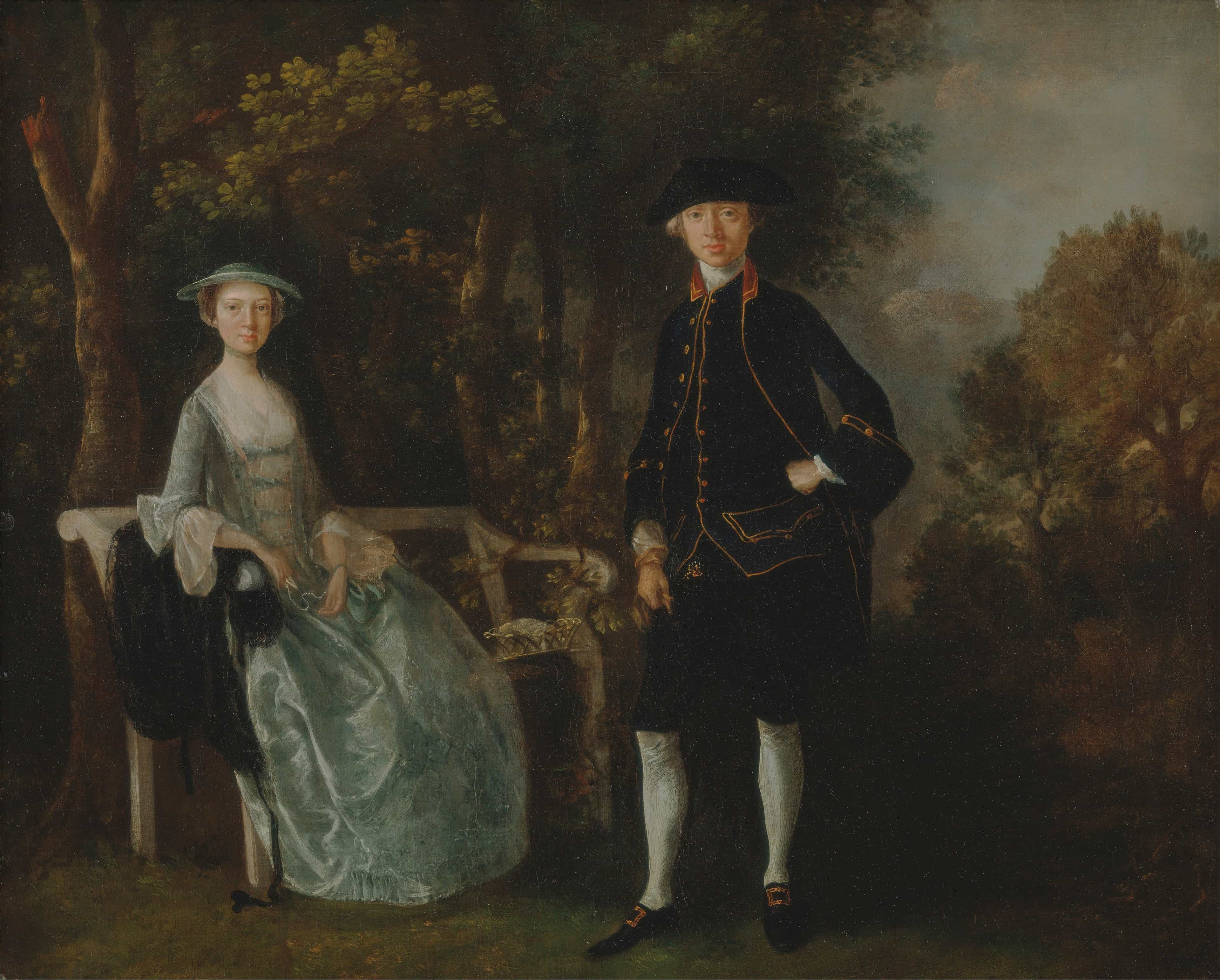
Lady Lloyd and Her Son Richard Savage Lloyd of Hintlesham Hall, Suffolk
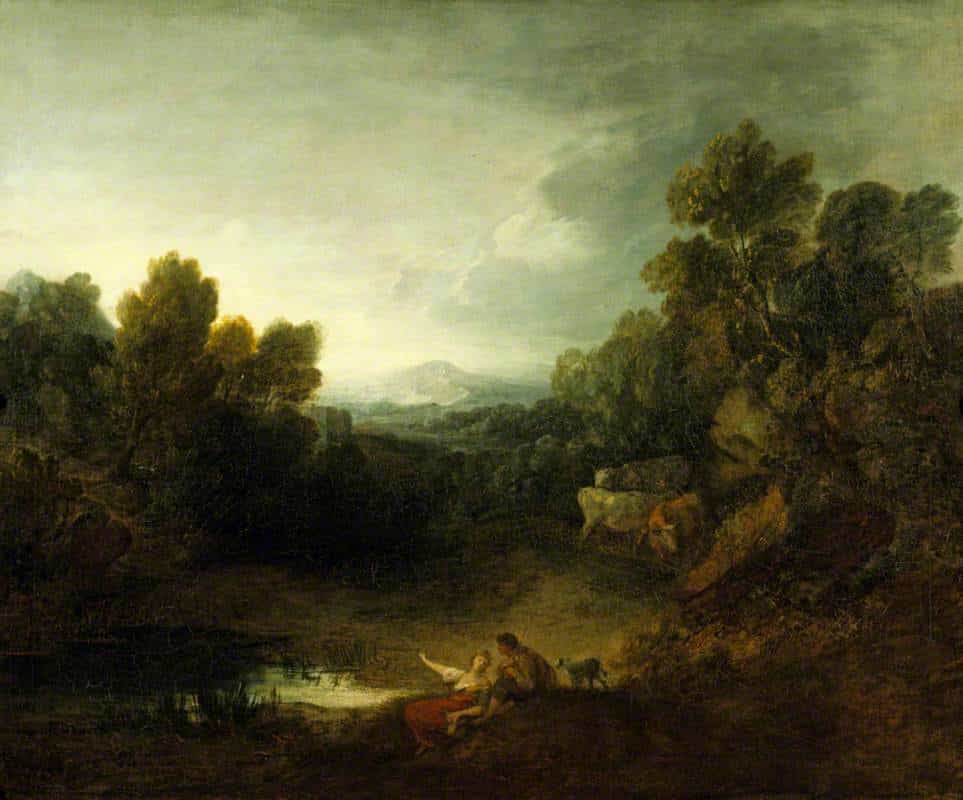
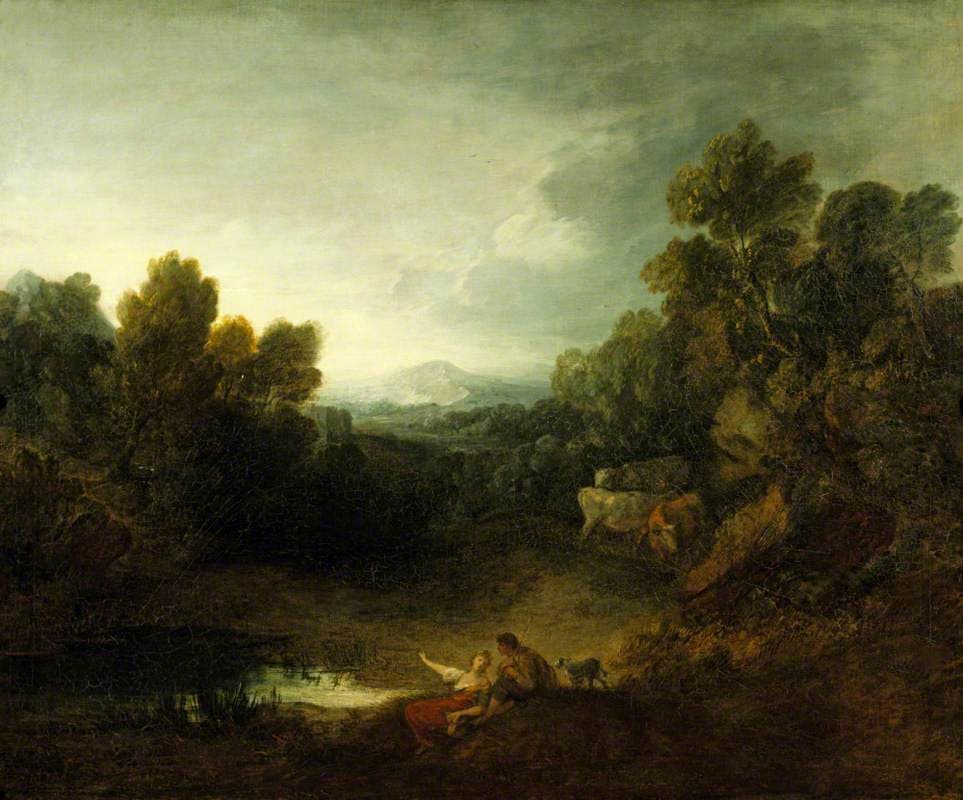
Rocky Wooded Landscape with Rustic Lovers by a Pool