📦 Sitewide sale now on: 30% off + free shipping 📦
Home/Artists/Marcel Duchamp
DadaSurrealismconceptual art

Marcel Duchamp

18871968, from United States

Marcel Duchamp (1887-1968) was a United States Dada and conceptual artist whose radical readymades and ideas reshaped 20th-century art and challenged notions of authorship.

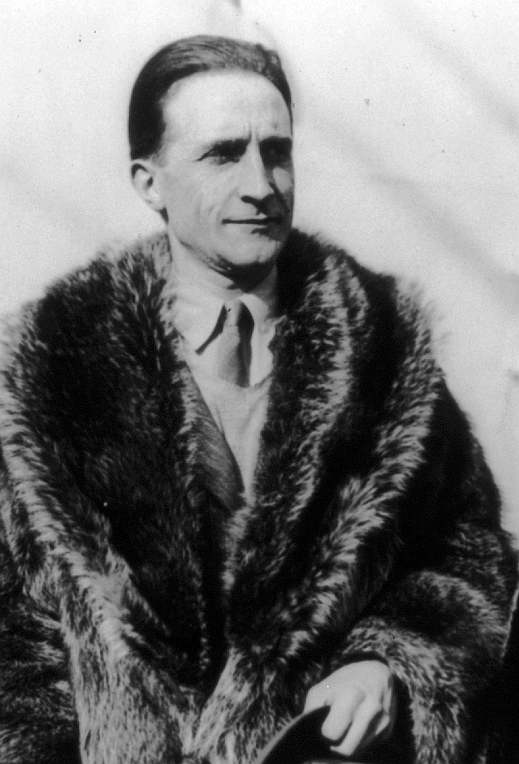
Portrait of Marcel Duchamp

Collection

Shop Marcel Duchamp Prints

Museum-quality reproductions on 310gsm textured cotton rag paper.

Shop all prints by Marcel Duchamp

Artistic Style

Style Evolution

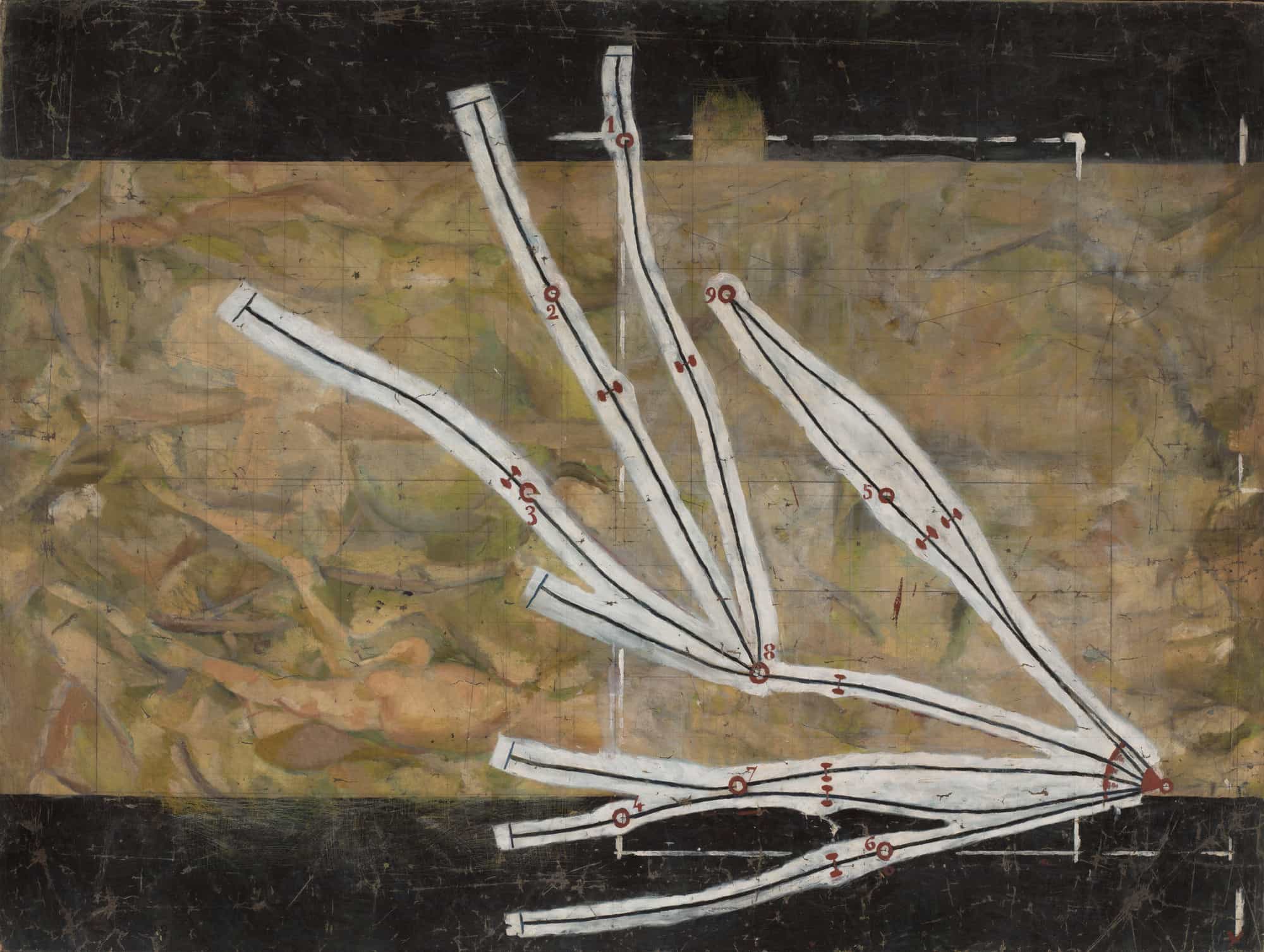
Duchamp moved from early Cubist-influenced painting to radical readymades and concept-driven projects. Over decades he shifted emphasis from visual composition to the primacy of idea, influencing Dada, Surrealism, and conceptual art.

Palette

  • Muted, industrial tones
  • Monochrome and limited palettes
  • Paper, metal, and found material surfaces

Subjects

  • Mechanical forms and tools
  • Paradox and visual puzzles
  • Humor and irony
  • The intersection of object and idea

Techniques

  • Readymade appropriation
  • Assemblage and mechanical construction
  • Use of chance and conceptual procedures
  • Witty visual pun and linguistic play

Topics

DadaConceptual ArtReadymade20th CenturyFrench-AmericanAvant-gardeSculpturePainting

Marcel Duchamp (1887-1968) was a United States Dada and conceptual artist whose radical readymades and ideas reshaped 20th-century art and challenged notions of authorship.

Learn about the life of Marcel Duchamp

1887

Born in Blainville-Crevon

1912

Active in Cubist-influenced experiments in Paris

1913

Created early readymade and mechanistic works

1915

Relocated to New York and engaged with Dada networks

1917

Pivotal readymade and Dada actions exhibited in the United States

1923

Completed major long-term mechanical/conceptual projects

1930

Continued conceptual explorations and collaborations

1968

Died in Neuilly-sur-Seine

1970

Posthumous critical consolidation of influence on conceptual art

Biography

Marcel Duchamp (1887-1968) was a United States Dada and conceptual artist whose radical readymades and ideas reshaped 20th-century art and challenged notions of authorship.

Early Life and Background

Marcel Duchamp (1887-1968) was a United States Dada and conceptual artist whose radical readymades and ideas reshaped 20th-century art and challenged notions of authorship.

Duchamp was born in Blainville-Crevon. Trained initially in painting and exposed to late 19th- and early 20th-century European modernism, he emerged as a restless, inquisitive figure who moved between media and cities, always probing the boundary between art and everyday objects.

Artistic Development and Periods

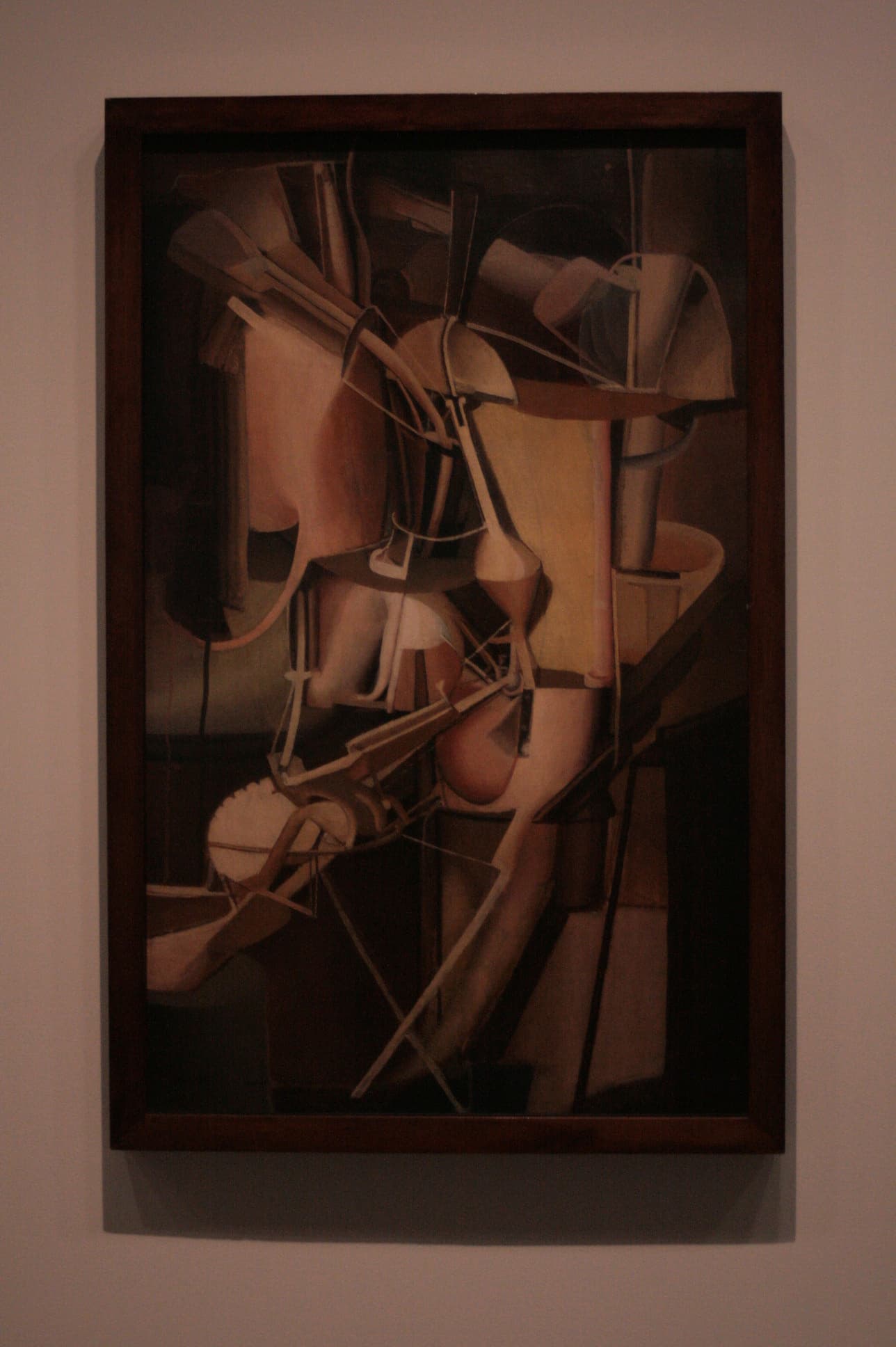
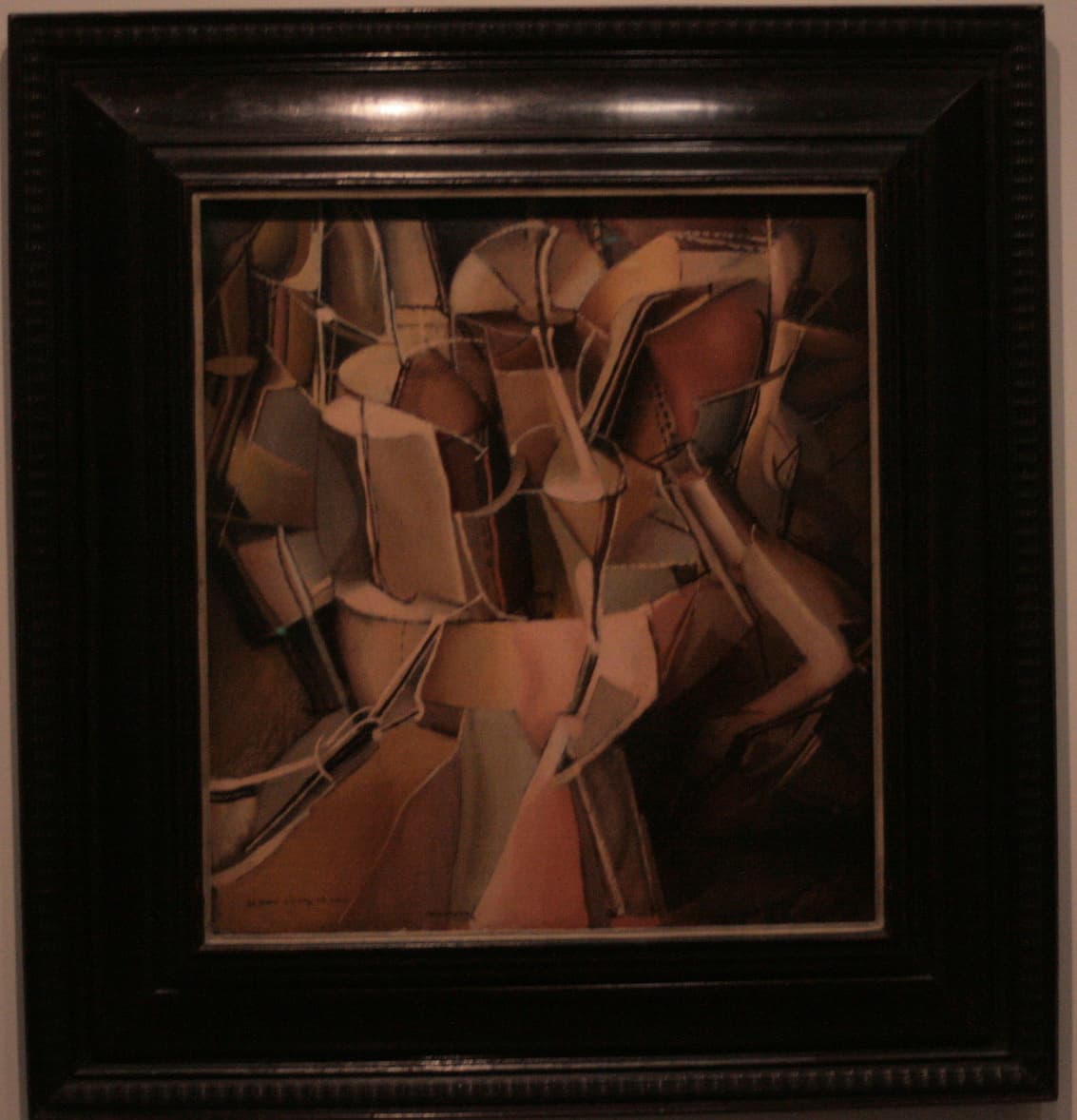
Duchamp's artistic development moved from early figurative and Cubist-influenced work to pioneering experiments that helped define Dada and conceptual art.

Early work and Cubist experiments

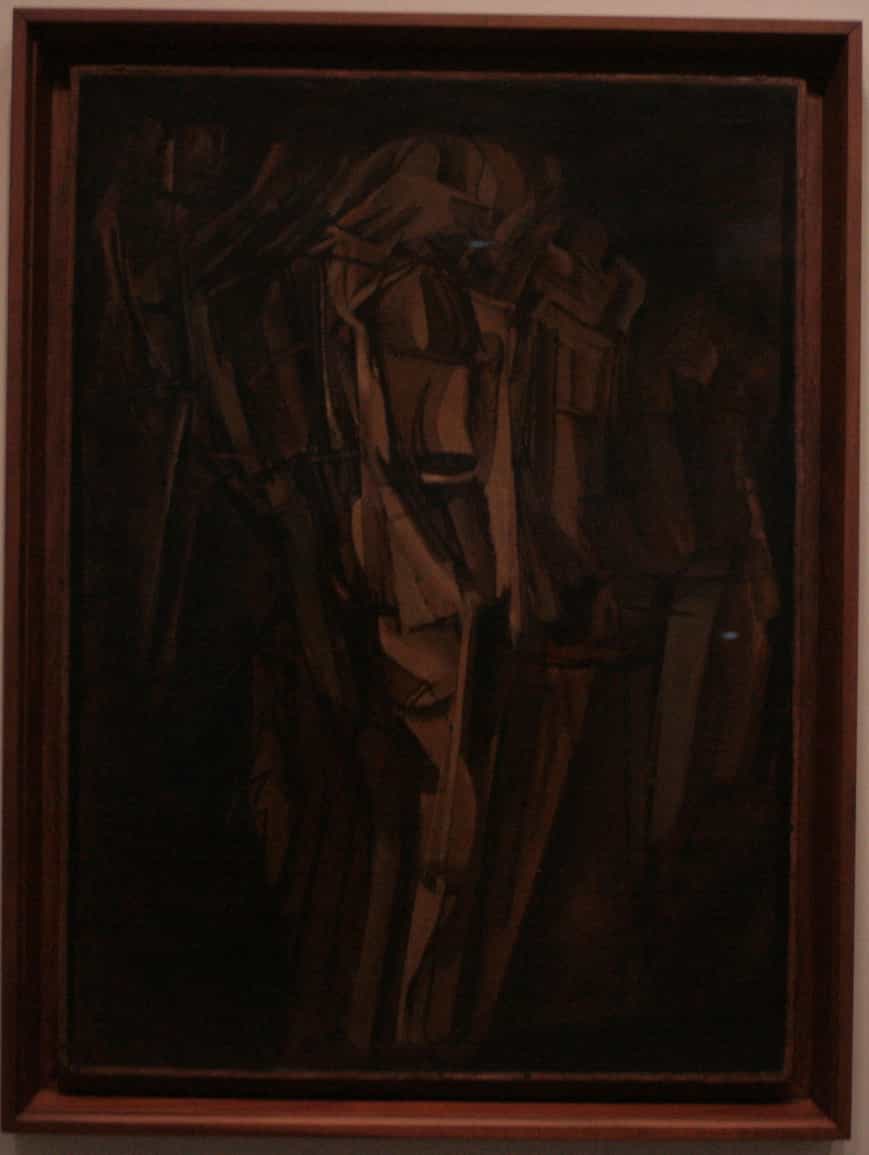
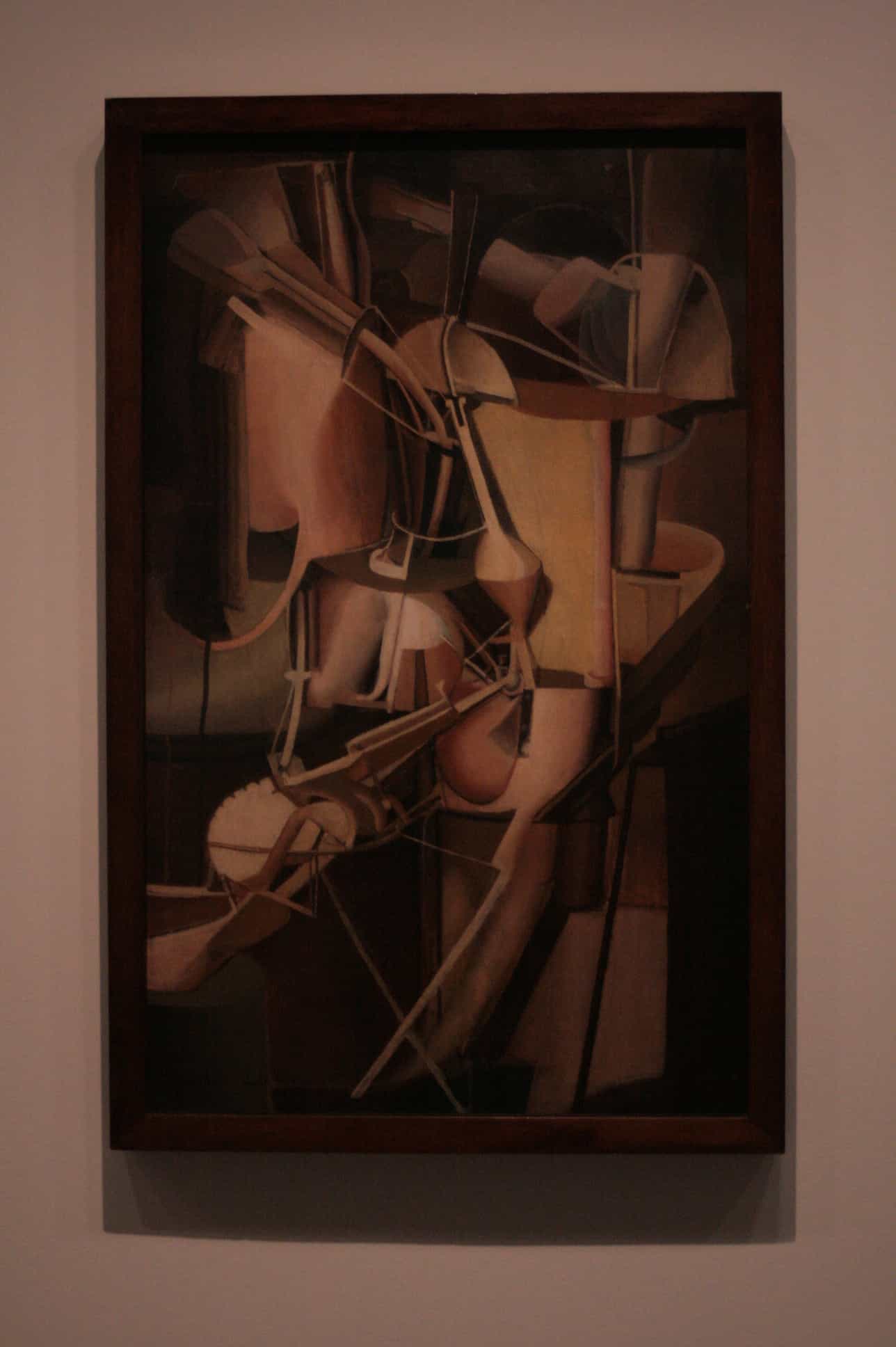
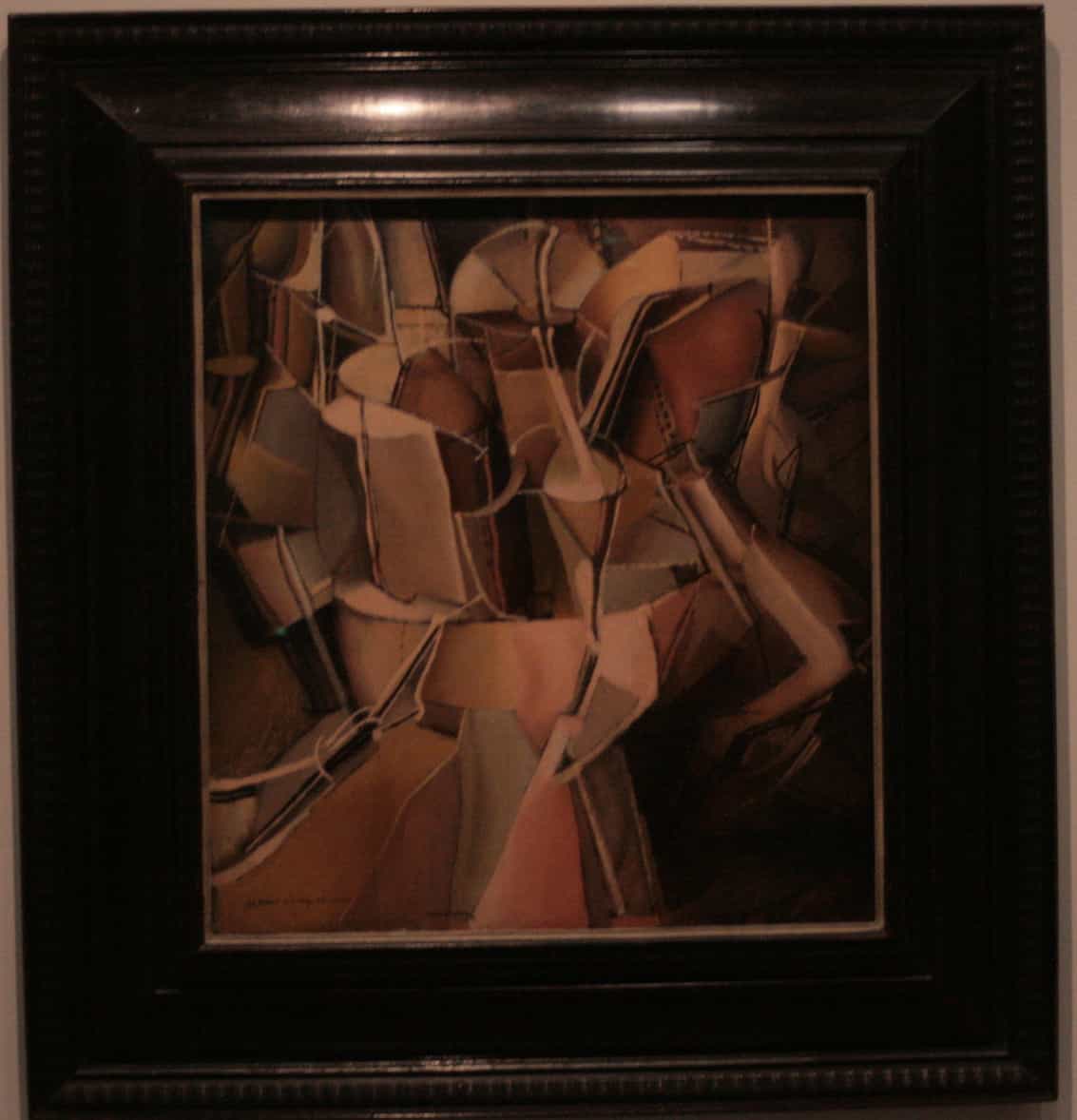
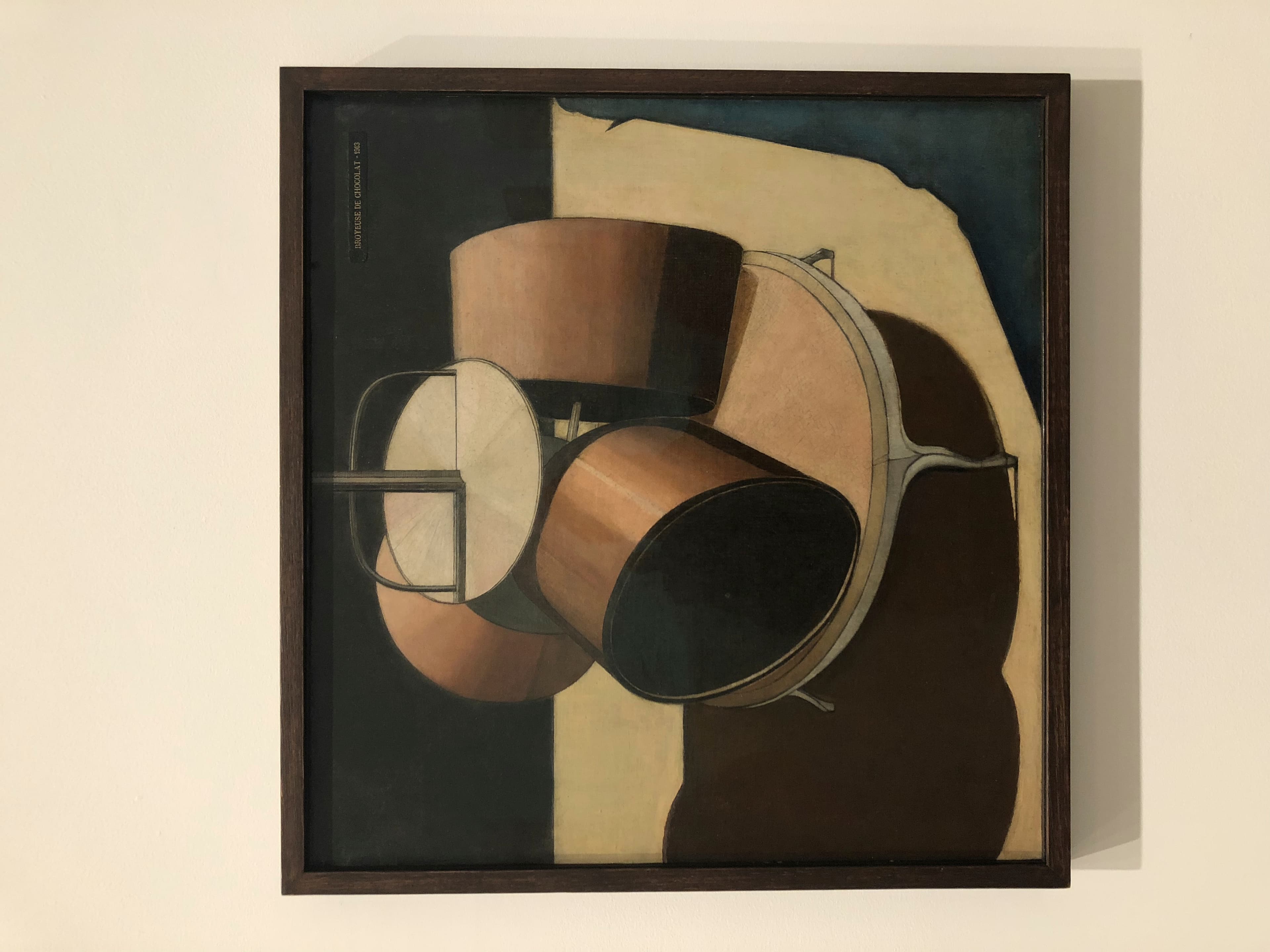
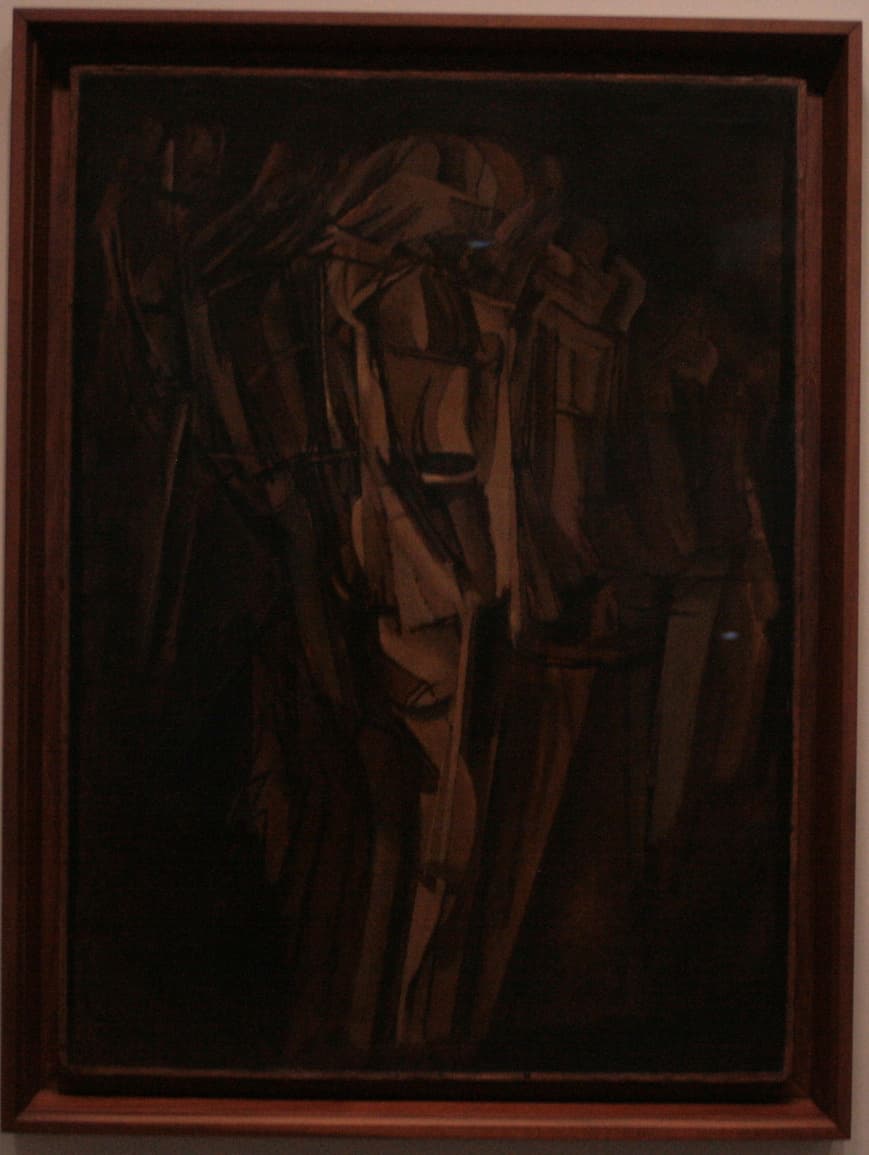
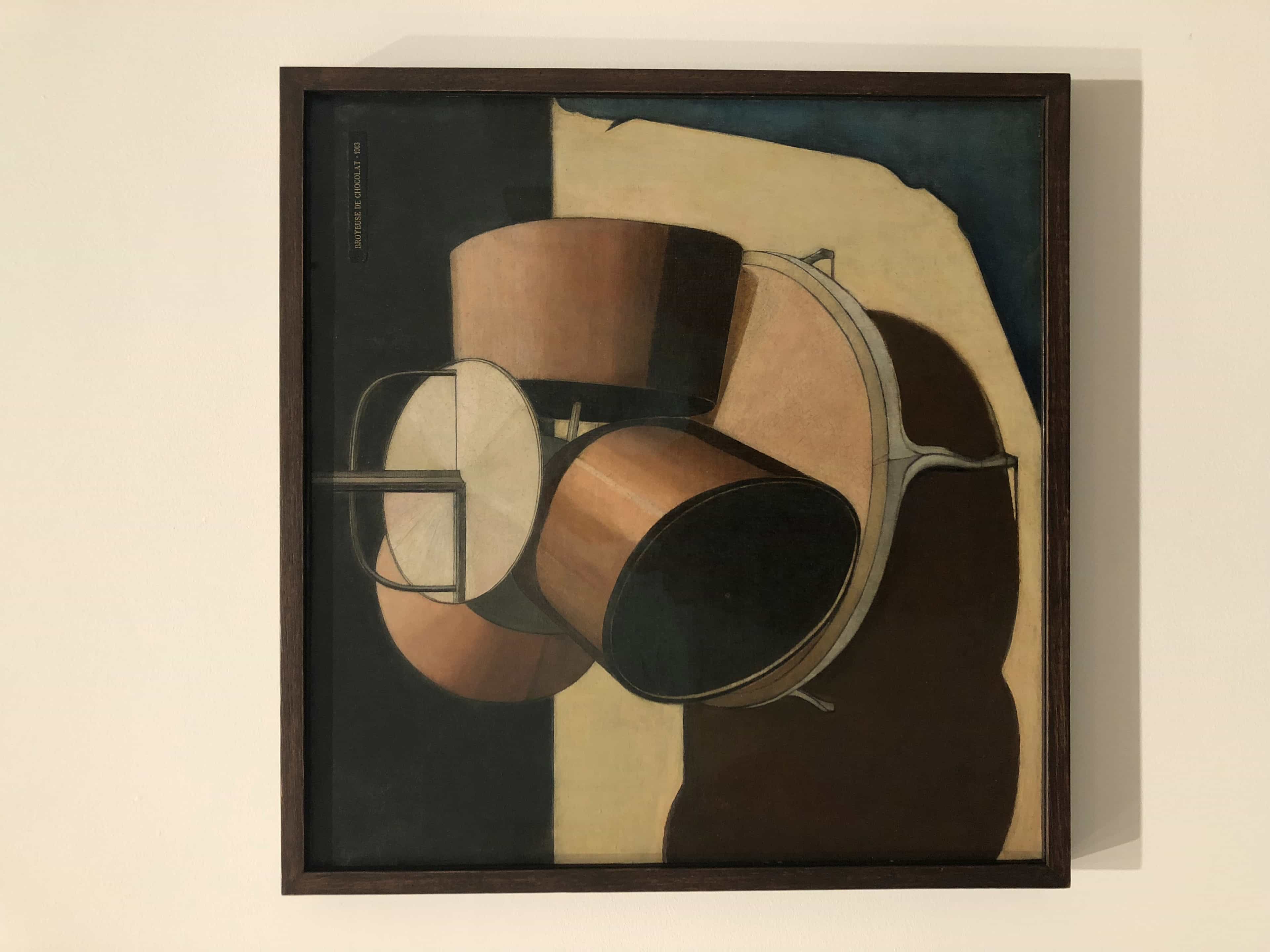
In the 1910s Duchamp engaged with Cubist geometry and the visual experiments of Paris avant-garde circles. His early investigations show an interest in motion, mechanization, and fractured form.

Readymades and Dada innovations

Duchamp is best known for introducing the readymade: ordinary manufactured objects presented as art. These works reframed artistic authorship, intent, and context, shifting focus from craft and visual skill to idea and designation.

Later conceptual practice

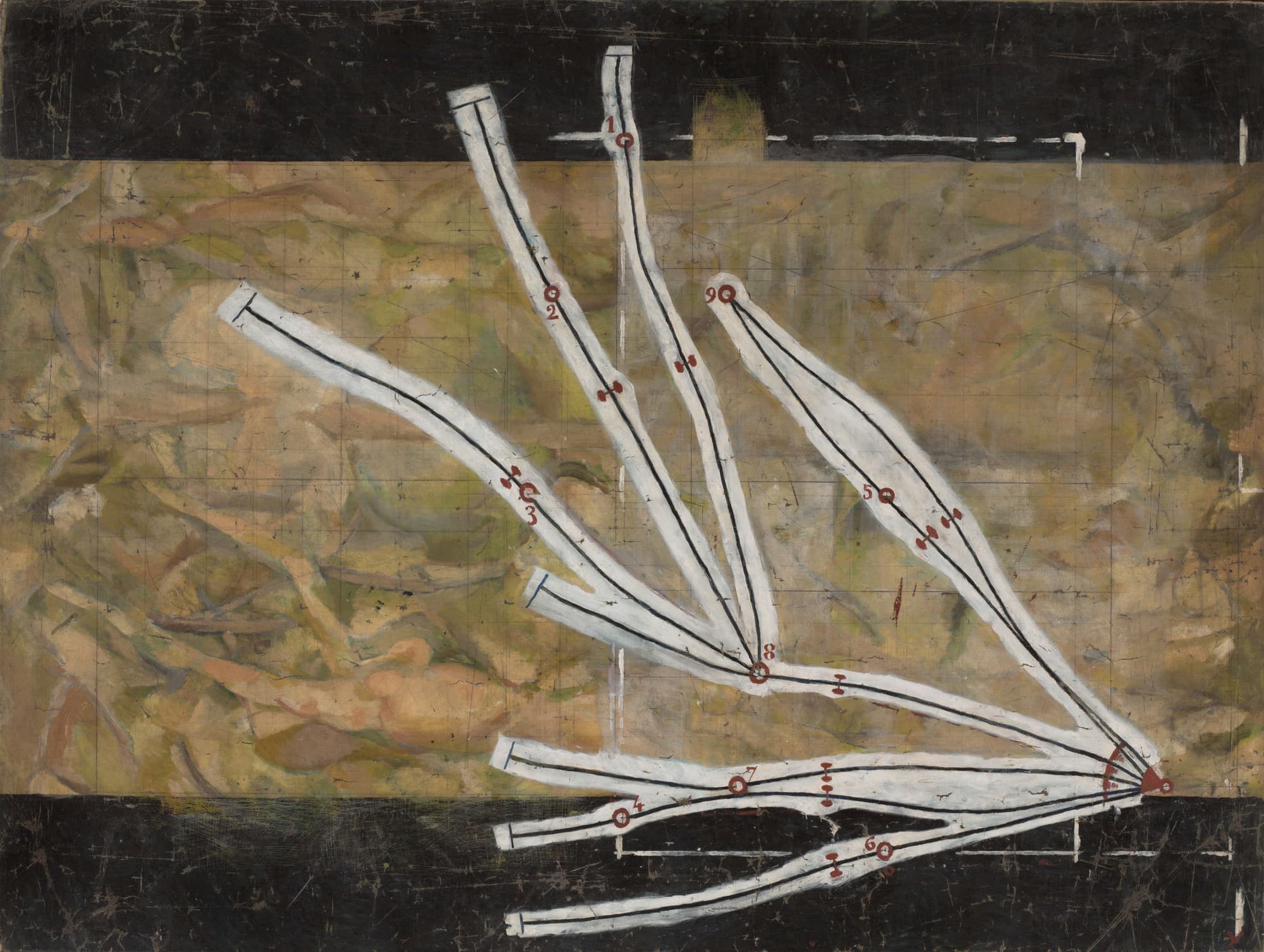
Across the 1920s onward Duchamp pursued long-term projects that used chance, linguistic play, and mechanical metaphors, continuing to challenge how art was made and perceived.

Major Works and Achievements

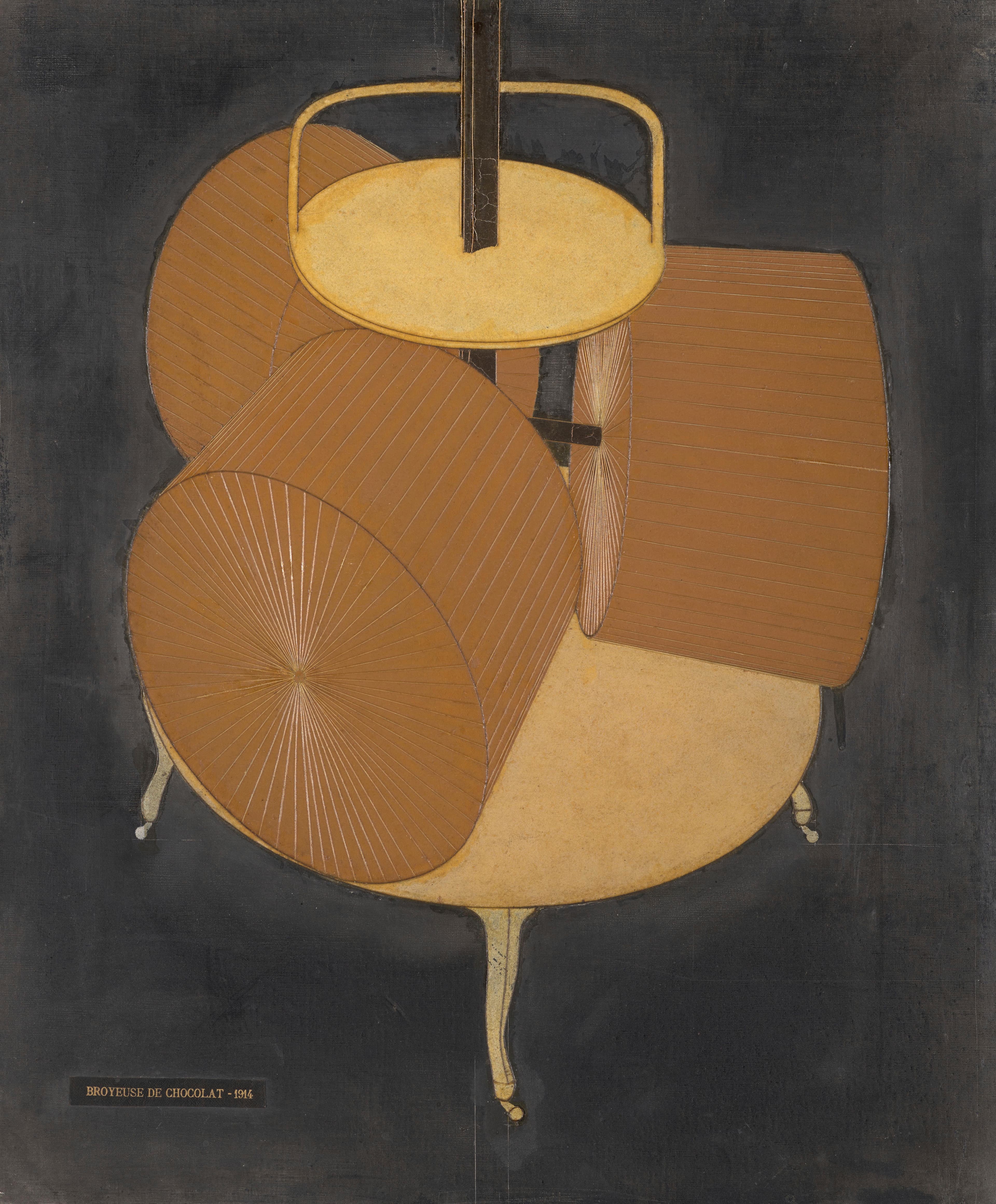
Duchamp's contributions lie less in decorative surfaces than in conceptual breakthroughs that altered the course of modern art. He developed strategies—readymades, mechanical motifs, and provocations—that expanded what could be exhibited and collected.

Style and Technique

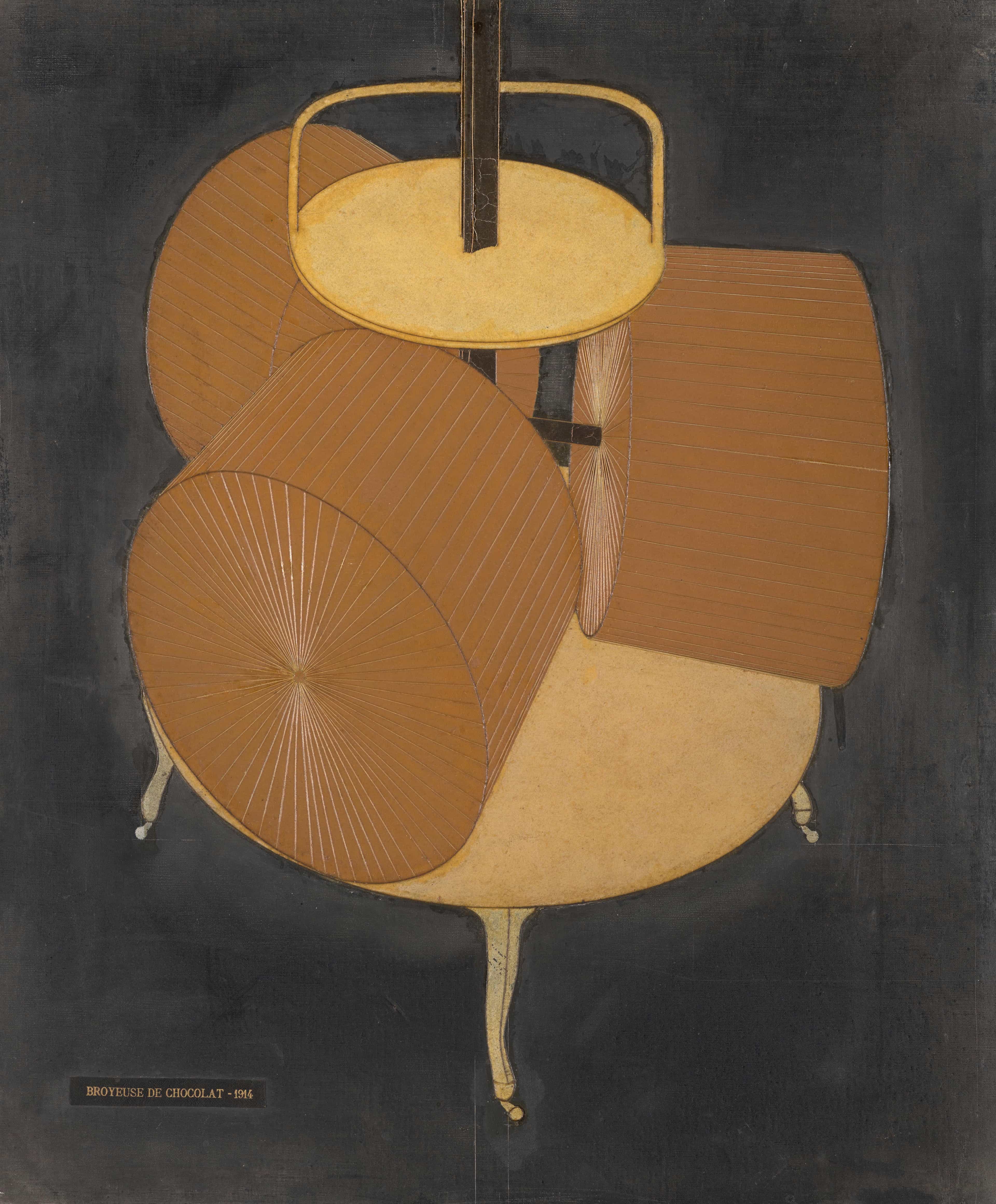
Duchamp favored strategies over signature brushwork: readymade appropriation, mechanical assemblage, and conceptual acts. His visual language often incorporates industrial materials, wit, and paradox rather than painterly flourish.

Influence and Legacy

Duchamp influenced Dadaists, Surrealists, and subsequent generations of conceptual and contemporary artists. His emphasis on idea over object directly shaped conceptual art, Fluxus, and much of postwar avant-garde practice.

Personal Life Context

Duchamp maintained ties across Europe and the United States and often prioritized intellectual collaboration and experimentation over conventional studio production.

Recognition and Market Value

Collectors and institutions prize Duchamp for his intellectual impact on modern and contemporary art. Works and ideas associated with him are pivotal in museum narratives and scholarship, making Duchamp a cornerstone name for collectors interested in conceptual and historically significant 20th-century art.

Frequently Asked Questions

What are Marcel Duchamp's most famous paintings?+
Marcel Duchamp is best known for conceptual works and readymades rather than traditional paintings. High-profile works associated with him in public discourse include readymades and mechanically conceived pieces. Collectors and museums often emphasize his conceptual interventions—objects that reorip
What is Marcel Duchamp's style?+
Duchamp's style is rooted in Dada and early conceptual art. Rather than a consistent pictorial manner, his practice emphasizes ideas, appropriation of manufactured objects (readymades), mechanical assemblage, and visual puns. His work reframed authorship and questioned traditional aesthetic values,場
What made Marcel Duchamp unique?+
Duchamp's uniqueness lies in privileging concept over craft. By designating ordinary objects as art and pursuing extended conceptual projects, he challenged prevailing definitions of creation, taste, and artistic intention. This intellectual pivot enabled later movements—Fluxus, conceptual art, and
What are three of Marcel Duchamp's masterpieces?+
Marcel Duchamp's practice includes several widely cited landmark works that reshaped modern art. Among the pieces most often discussed are seminal conceptual objects and long-term mechanical projects that foreground idea over craft. These works are central to museum histories and scholarship.
What are 5 interesting facts about Marcel Duchamp?+
Marcel Duchamp introduced the concept of the readymade; he blurred art and everyday objects; his practice significantly influenced conceptual art; he worked across painting, sculpture, and object-making; and his ideas continue to shape contemporary artists who prioritize concept and context over
What movement was Marcel Duchamp part of?+
Duchamp is most closely associated with Dada and is a foundational figure for conceptual art. His interventions and theoretical orientation influenced Surrealism and many later avant-garde movements that prioritized idea and action over traditional aesthetic production.
What influenced Marcel Duchamp?+
Duchamp was influenced by early 20th-century avant-garde currents—Cubism, the Parisian art scene, and anti-establishment impulses that fed into Dada. He was interested in mechanics, games, and linguistic play, all of which informed his strategies of appropriation and conceptual provocation.
Where can I see Marcel Duchamp's work?+
Duchamp's work is widely held in major public and private collections and is frequently included in modern and contemporary art exhibitions. Museums that focus on 20th-century modernism typically feature his work in surveys of Dada and conceptual art; check museum listings and exhibition schedules