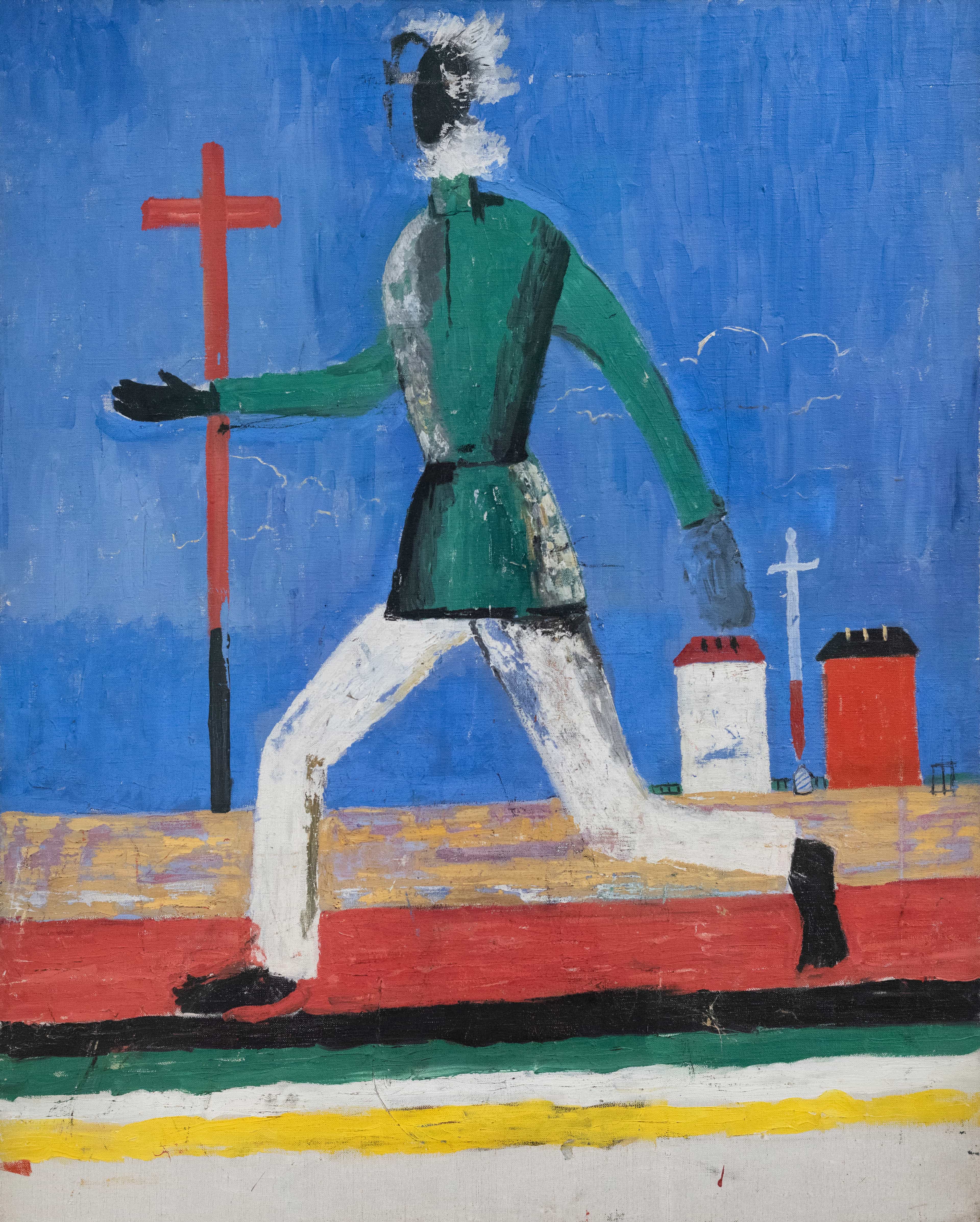
Sensation of Danger
Kazimir Malevich
From $54
Collection
Museum-quality reproductions on 310gsm textured cotton rag paper.
Shop all prints by Kazimir MalevichArtistic Style
Style Evolution
Malevich moved from representational beginnings into radical abstraction with the creation of Suprematism in the 1910s, developing a disciplined language of geometry and color. In later years he continued to negotiate abstraction and material practice while responding to changing cultural contexts.
Palette
Subjects
Techniques
Topics
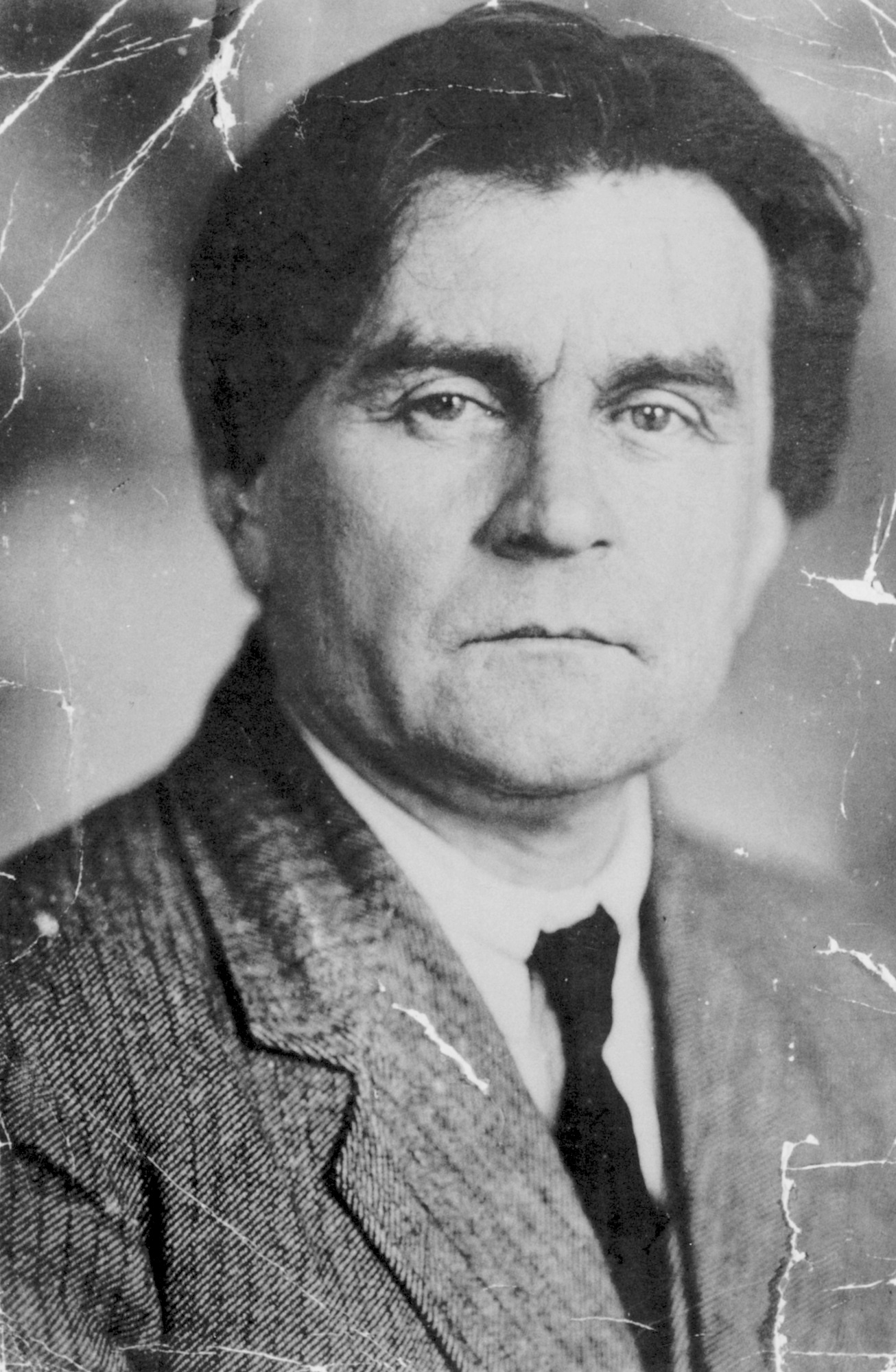
Kazimir Malevich (1879-1935) was a Soviet avant-garde painter and founder of Suprematism whose radical geometric abstractions redefined modern art.
Learn about the life of Kazimir Malevich
Signature Works
See all available prints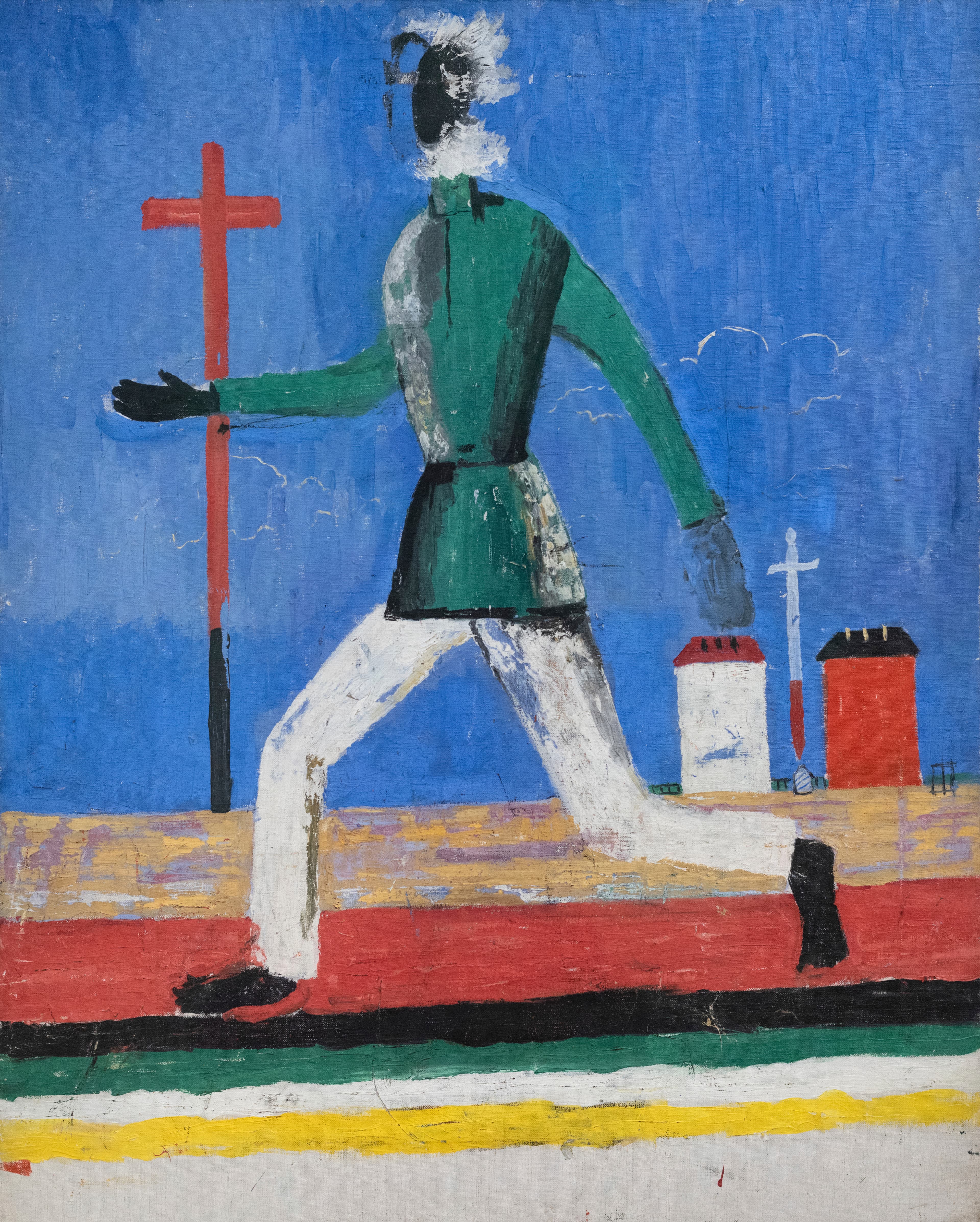
Biography
Kazimir Malevich (1879-1935) was a Soviet avant-garde painter and founder of Suprematism whose radical geometric abstractions redefined modern art.
Kazimir Malevich was born in Kyiv in 1879 into a multicultural region of the Russian Empire. Early biographical records place him in the cultural milieu of late 19th- and early 20th-century Eastern Europe, where folkloric art, icon painting, and an emerging European modernism informed young artists. Malevich trained and worked in a variety of settings before becoming a leading figure of the Russian avant-garde.
Malevich's career moved from representational painting toward increasingly abstract and conceptual work. He participated fully in the ferment of pre-revolutionary and post-revolutionary Russian art, engaging with Cubo-Futurist experiments and radical rethinking of pictorial language.
Around the mid-1910s Malevich developed and introduced Suprematism, a radical approach that prioritized pure feeling over depiction. He articulated these ideas in essays and public presentations that argued for art based on basic geometric forms and spatial relationships rather than narrative content.
In the 1920s and early 1930s Malevich continued to teach, write, and experiment, while navigating changing cultural policies in the Soviet Union. His later output shows continued exploration of geometry and the relationship between abstraction and material practice.
Malevich is best known as the founder and theoretician of Suprematism and for pioneering non-objective painting in Russia. His theoretical writings and public proclamation of Suprematism had an immediate and lasting effect on the course of 20th-century abstraction, positioning him among the most important innovators of modern art.
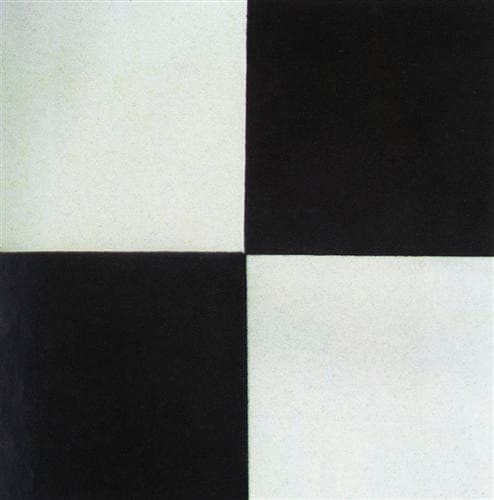
Malevich's signature approach reduced pictorial elements to geometric shapes—squares, circles, crosses—and used stark contrasts of color and ground to create compositions that emphasize flatness, spatial tension, and the primacy of feeling. He employed measured composition, simplified form, and often limited palettes to heighten visual and decorative impact.
Malevich's ideas shaped contemporaries and later generations: his Suprematist language influenced Constructivism, later geometric abstraction, and many 20th-century artists and designers. Collectors prize Malevich for his historical role in modernism and for works that embody bold décor qualities—striking geometry and strong visual presence.
Although Malevich's personal biography intersects with turbulent political times in the Soviet Union, his principal legacy remains artistic: a committed theorist and practitioner whose work sought to redefine what painting could be.
Malevich is regarded as a ke
Frequently Asked Questions
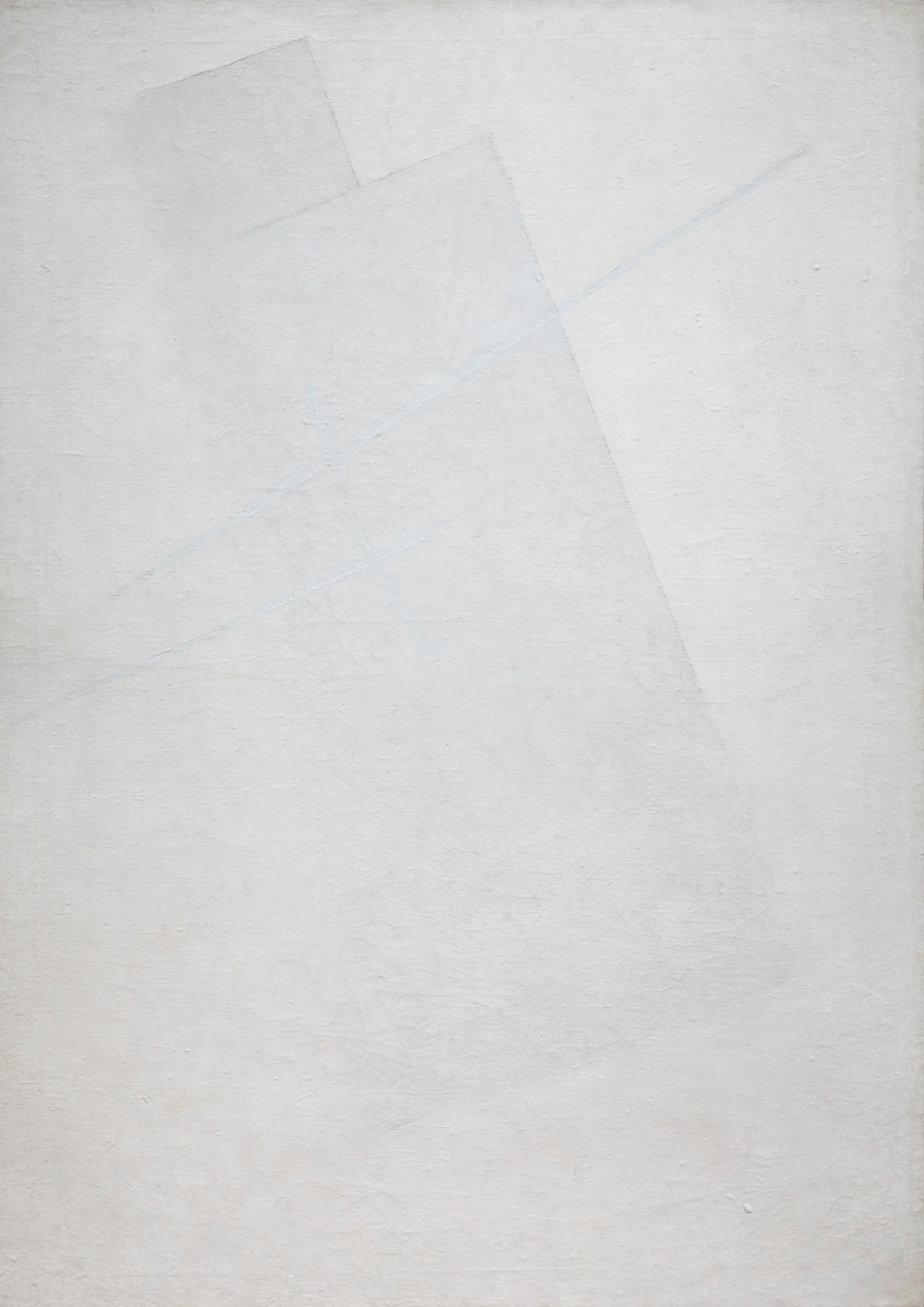
Sensation of Danger
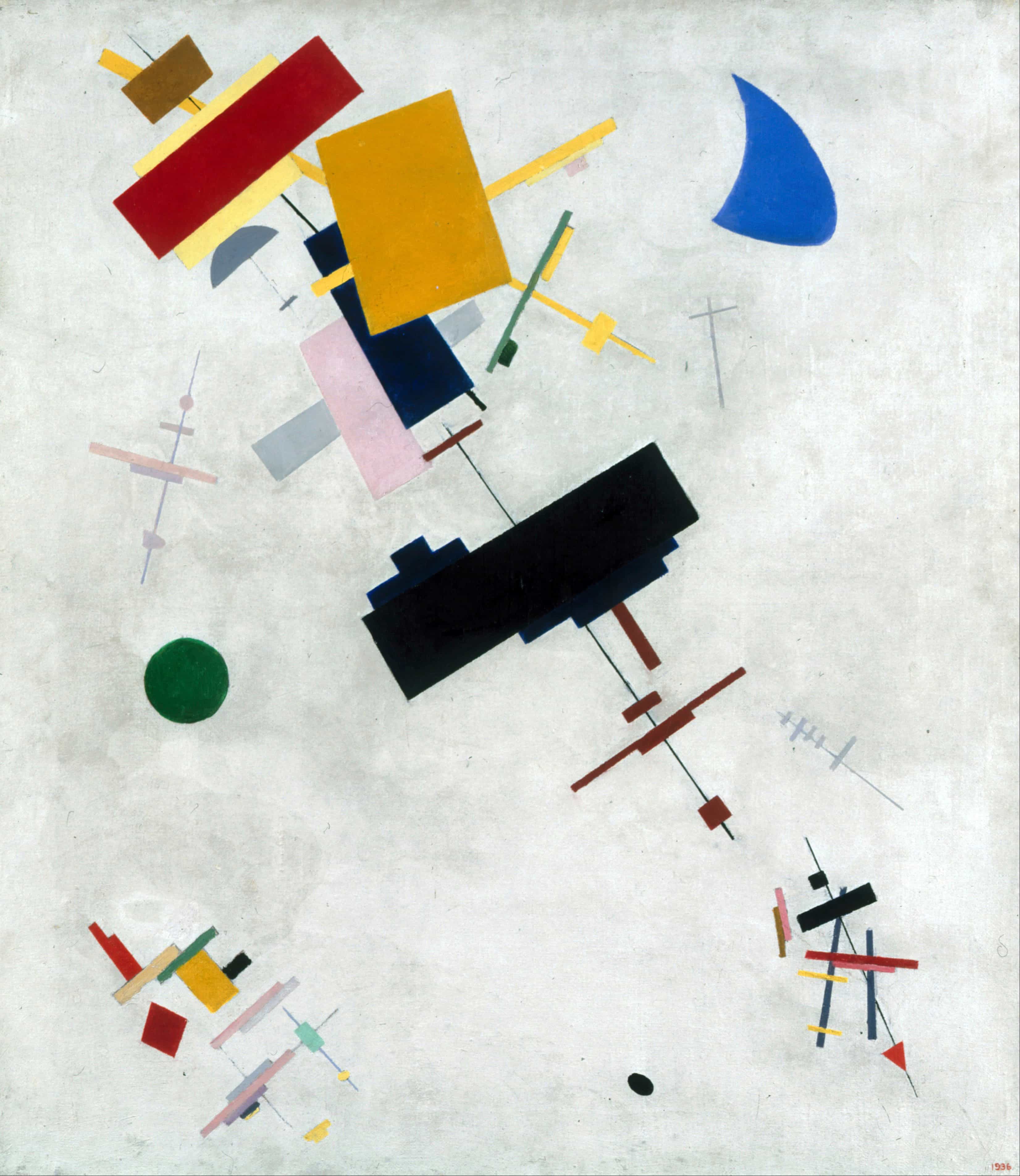
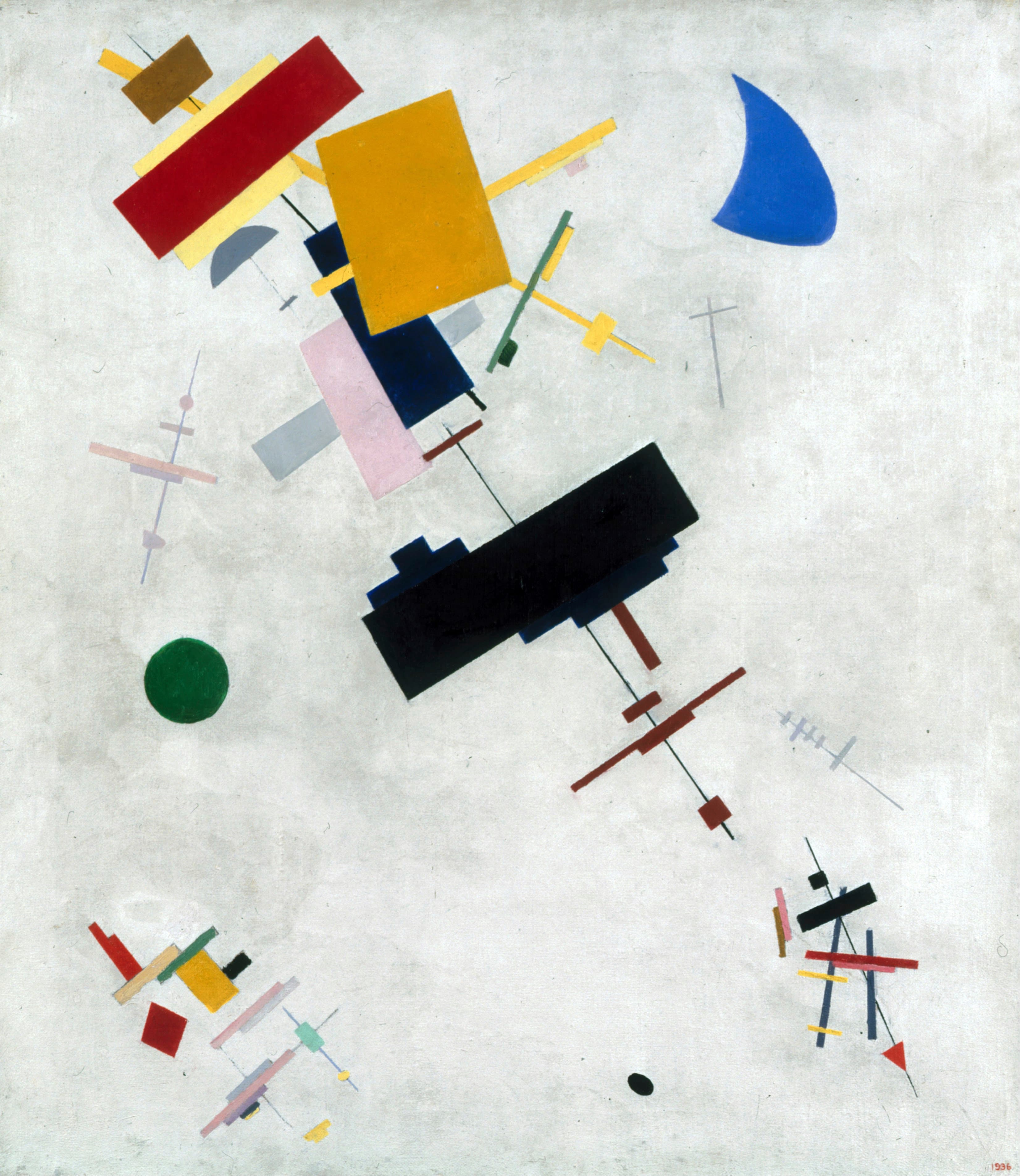
Suprematism (Supremus no. 56)
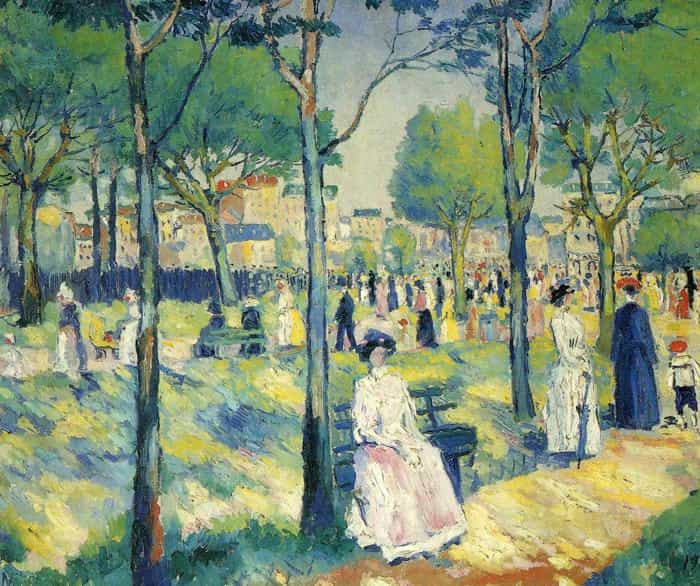
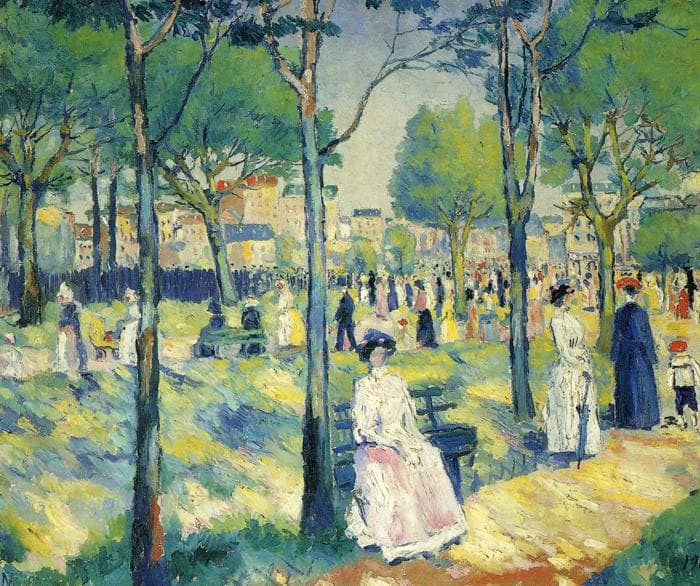
On the Boulevard
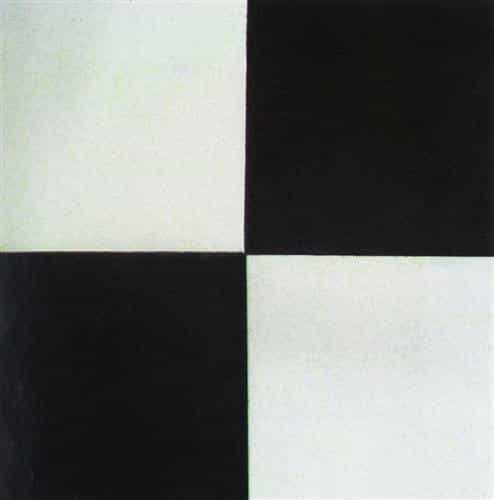
Four Squares
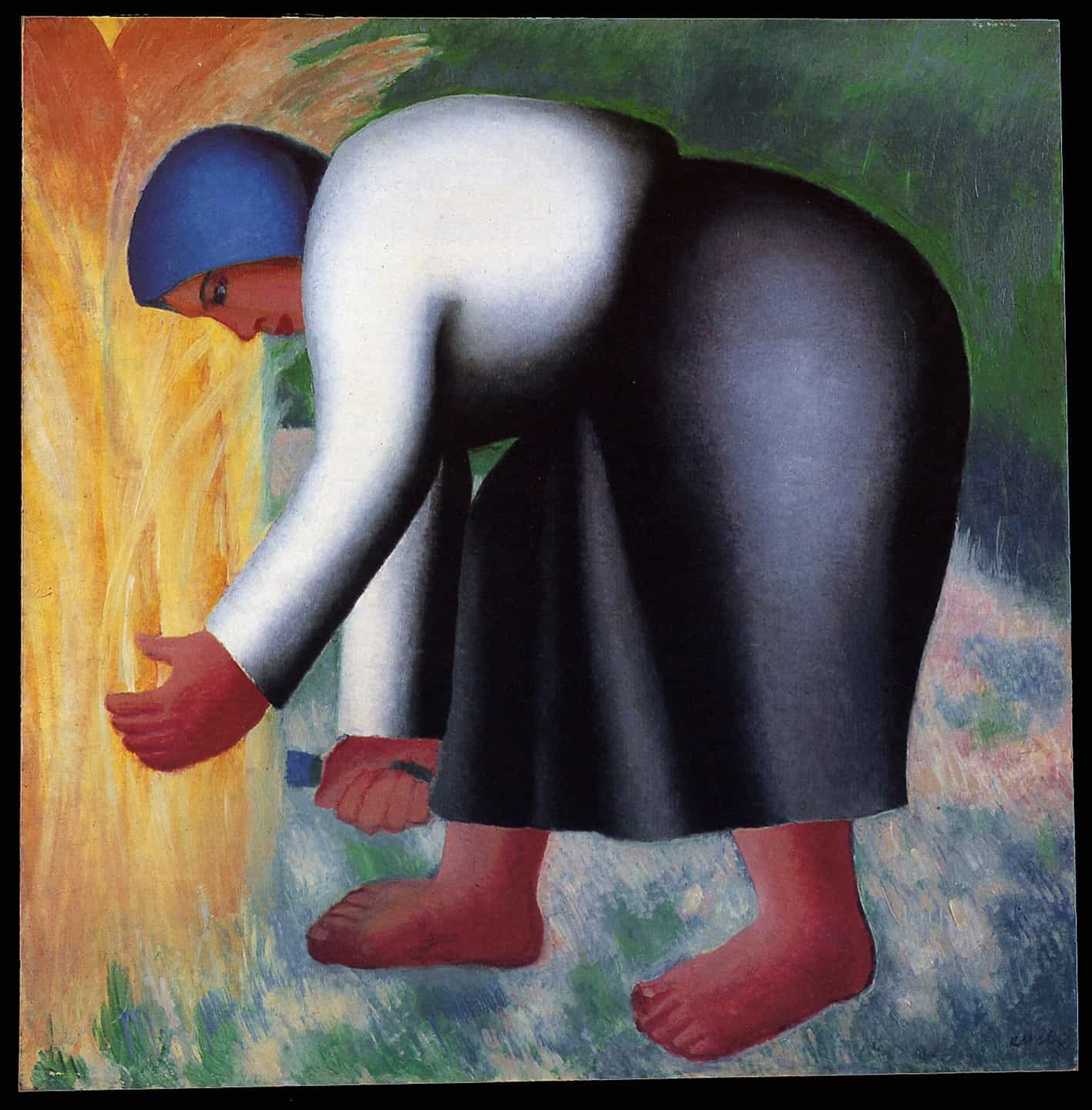
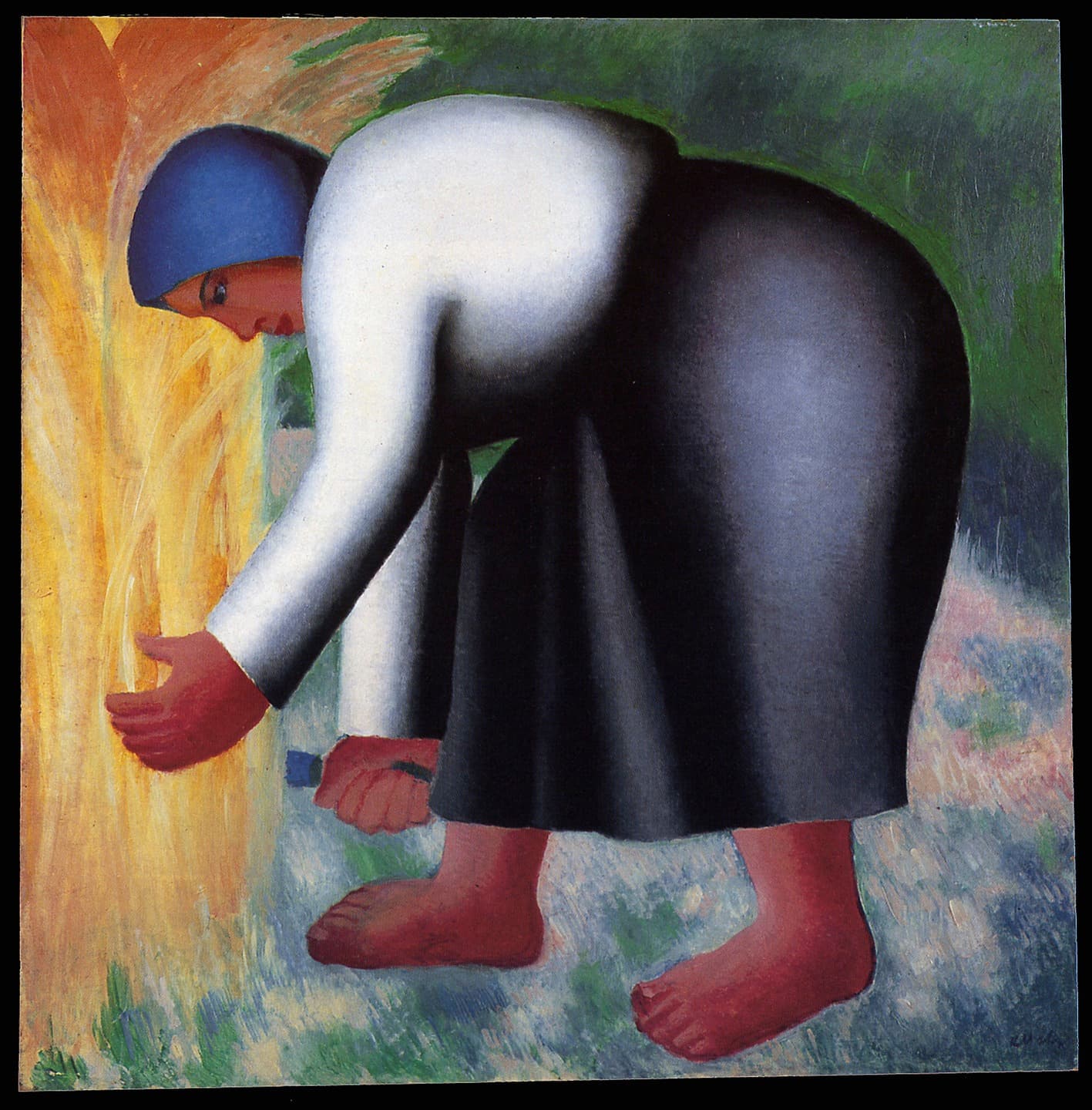
Woman Reaper II
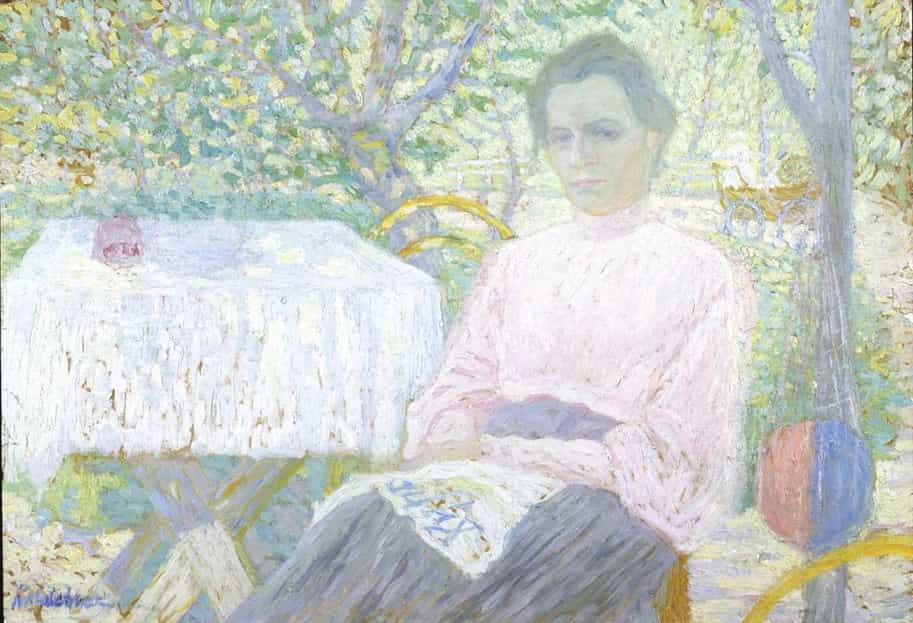
Woman Reading Newspaper
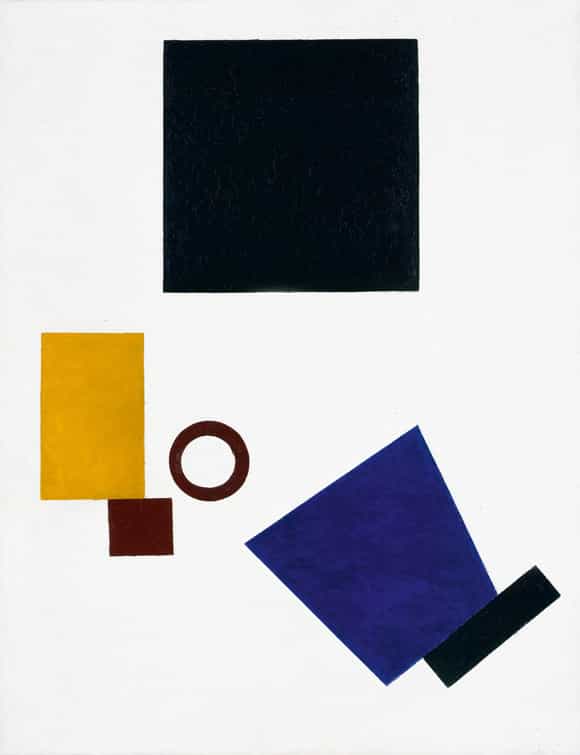
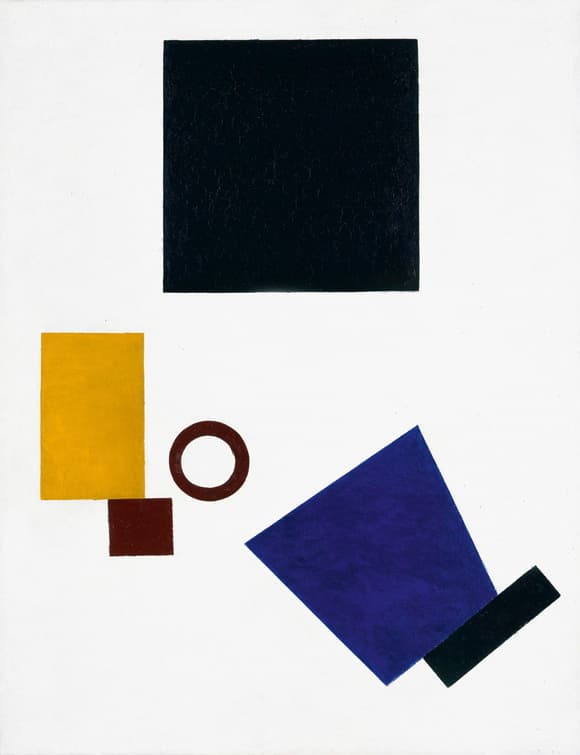
Suprematism: Self-Portrait in Two Dimensions
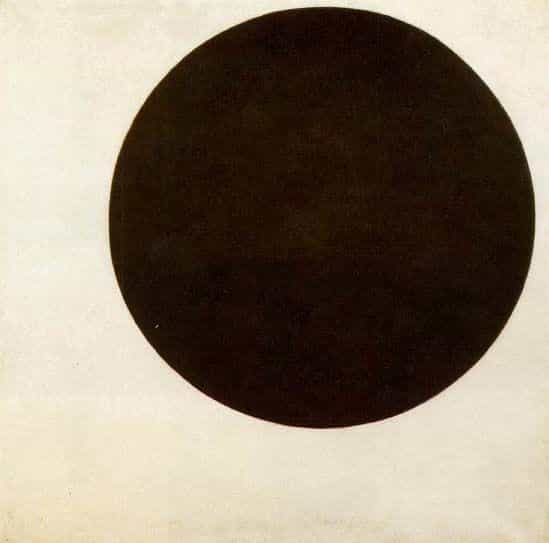
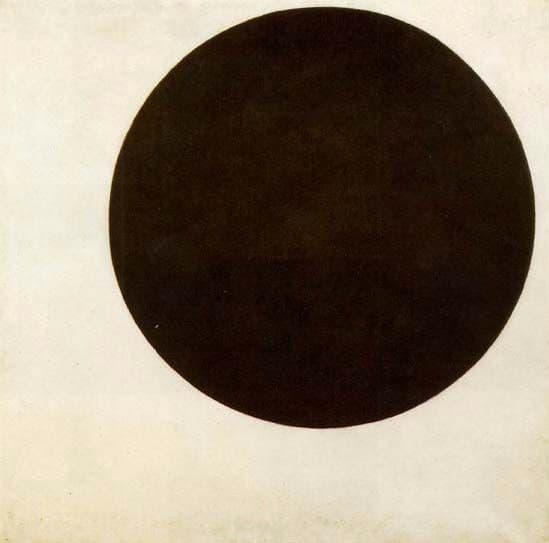
Black Circle
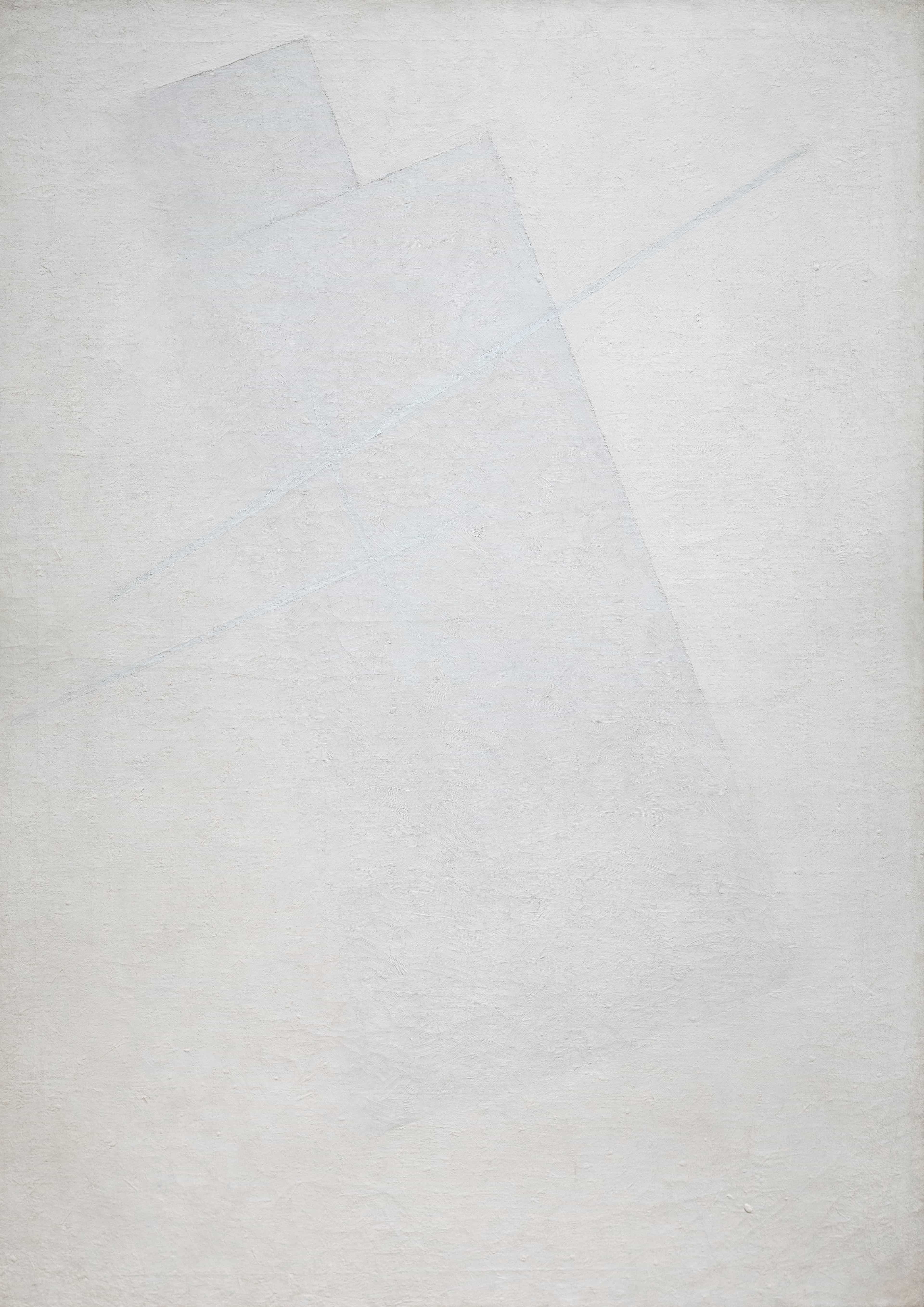
White Planes in Dissolution
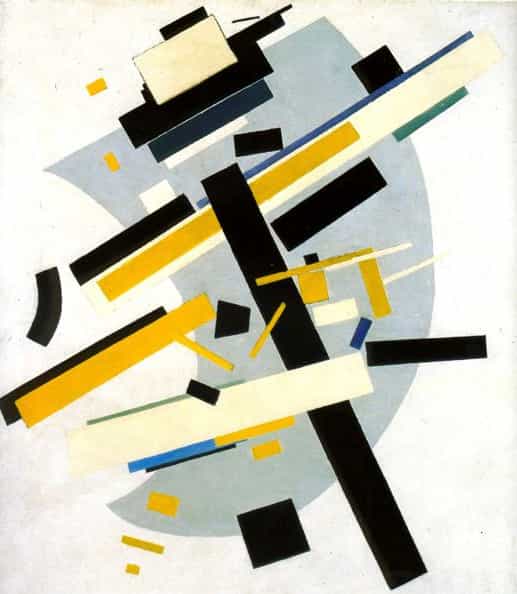
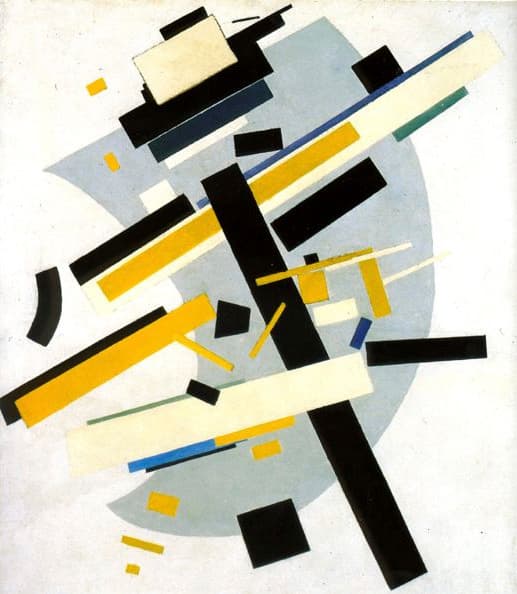
Supremus No. 58: Yellow and Black
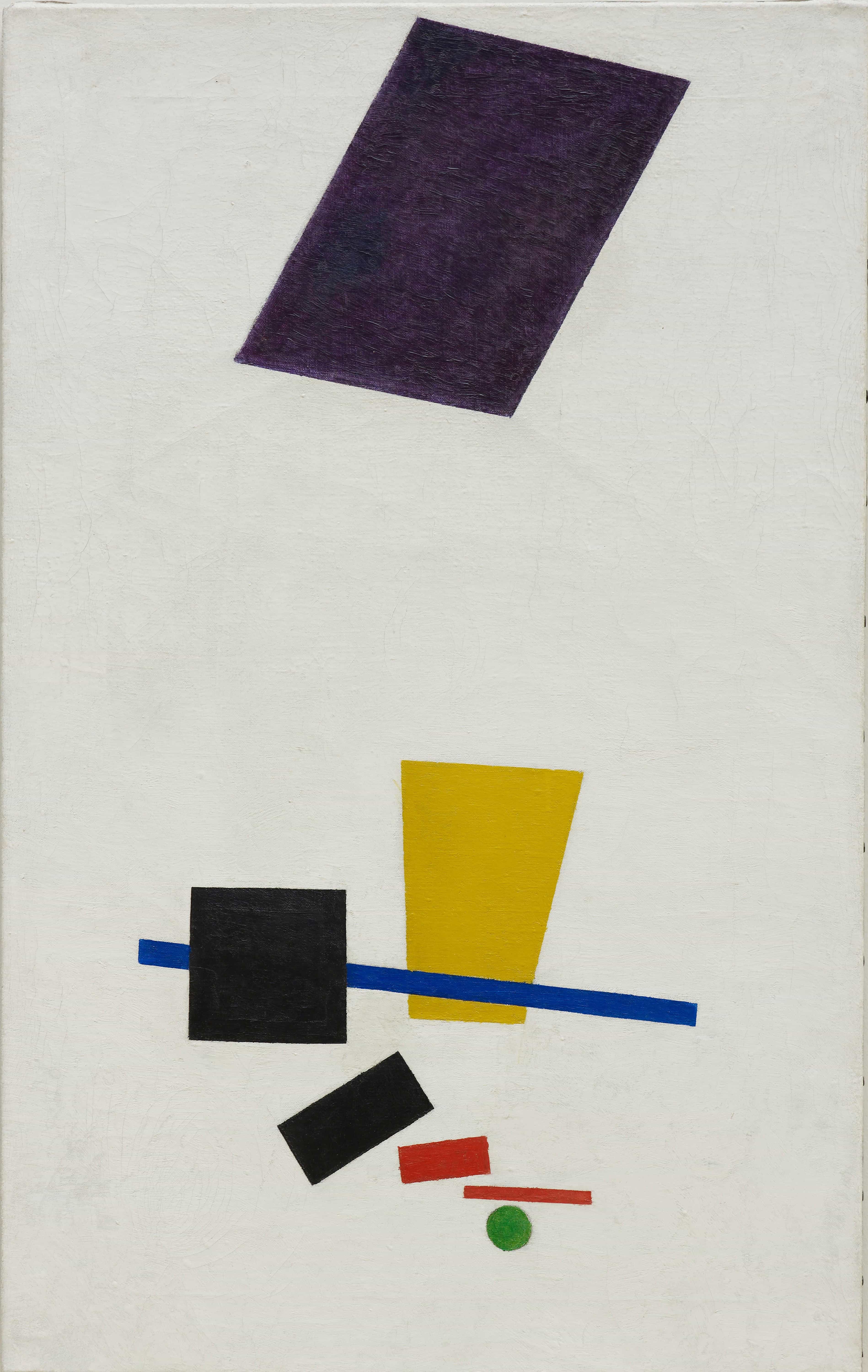
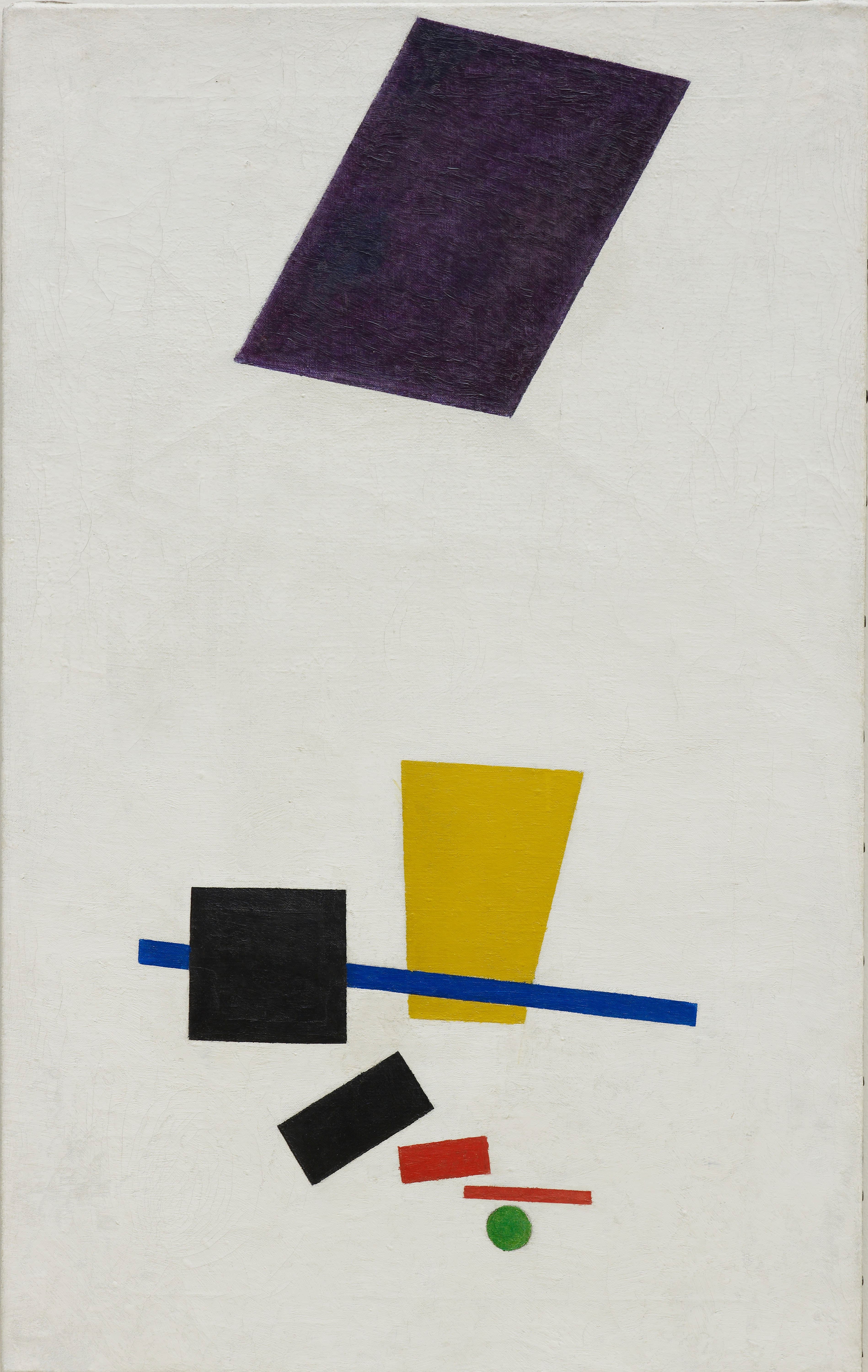
Painterly Realism of a Football Player — Color Masses in the 4th Dimension

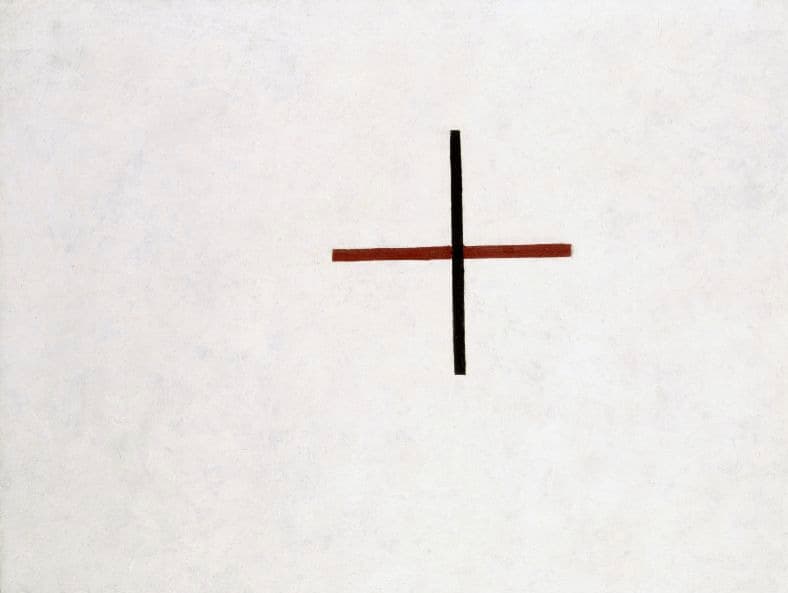
Suprematist Cross (Small Black Cross over Red on White)