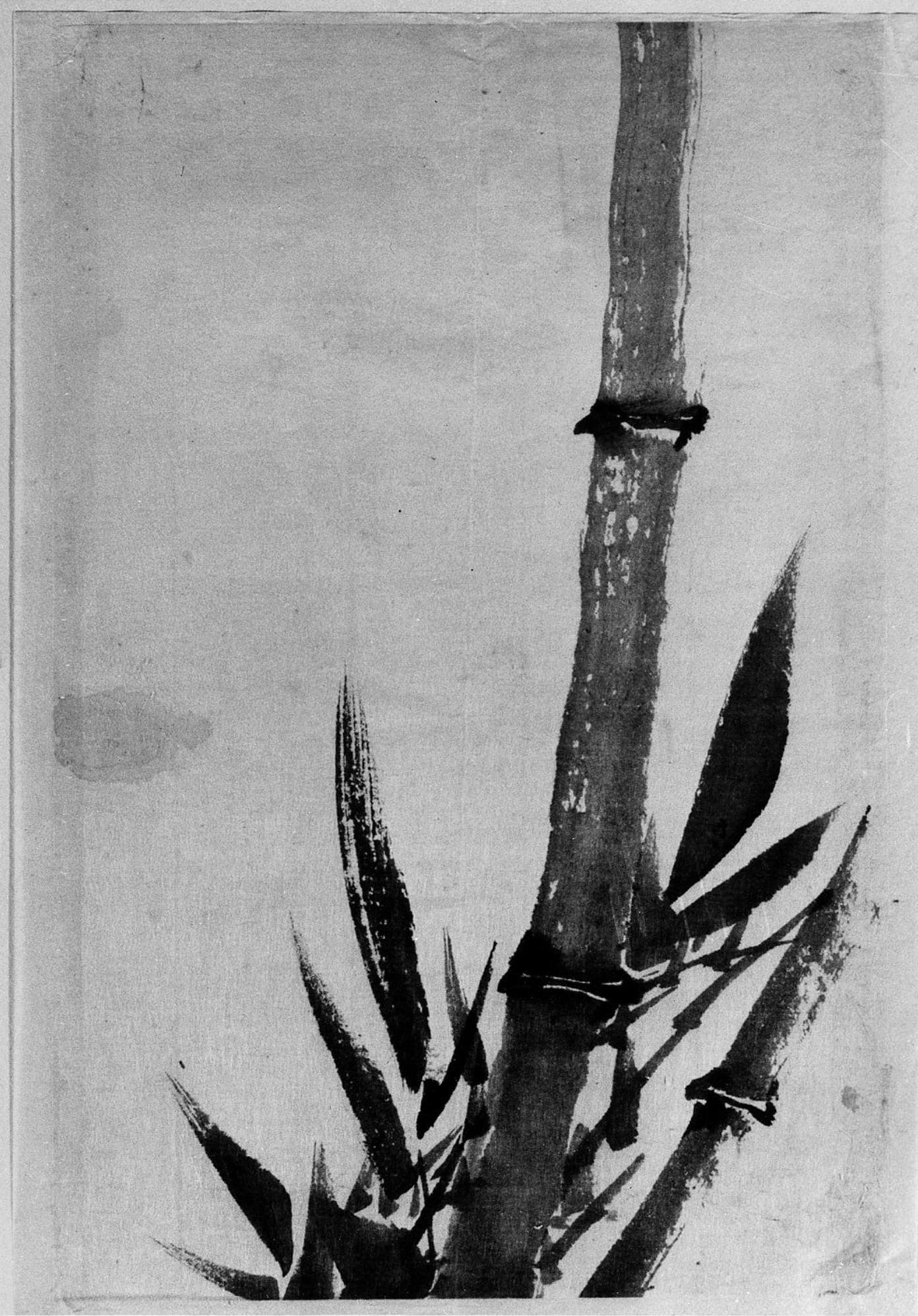
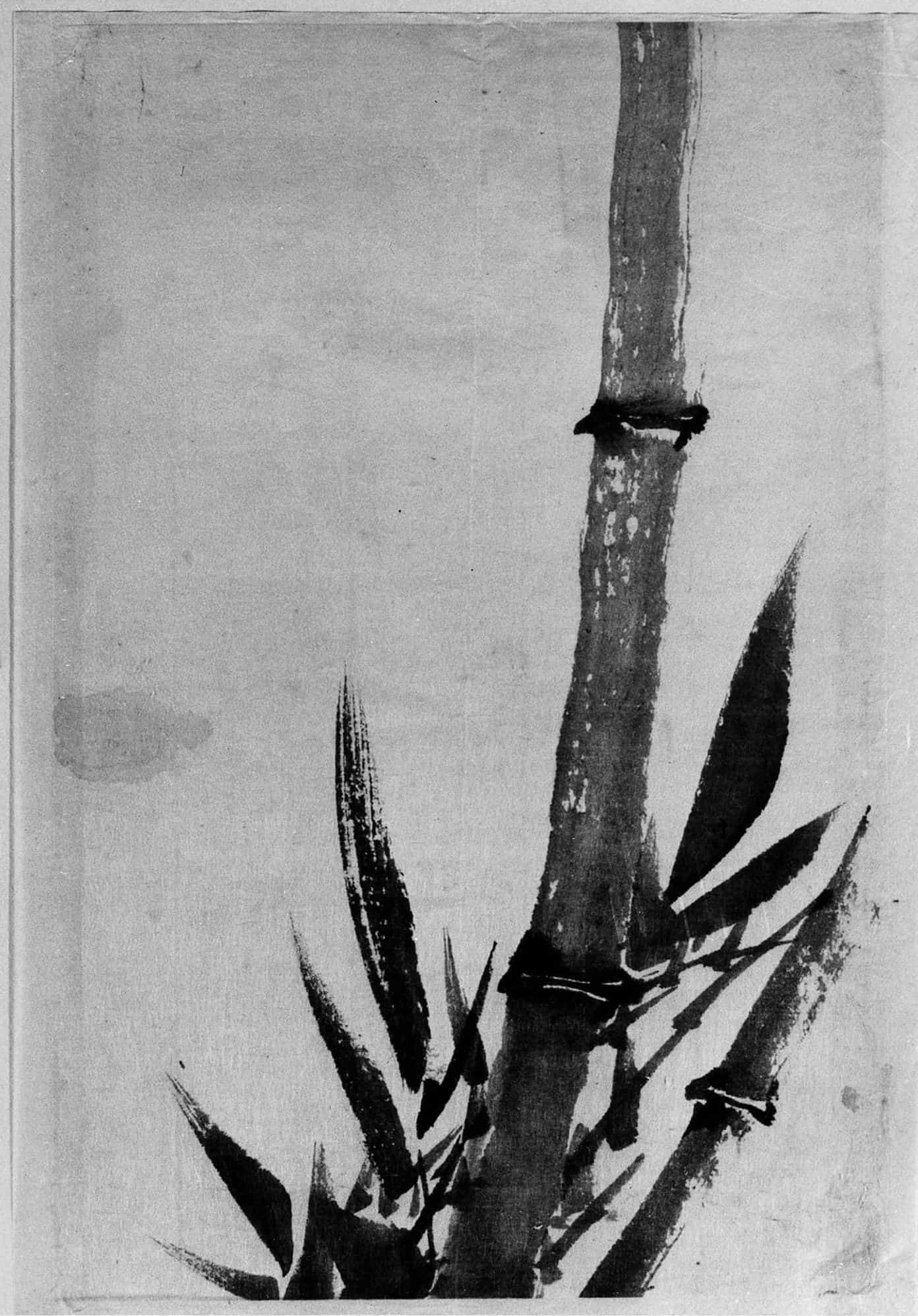
Bamboo
Katsushika Hokusai
From $40
Collection
Museum-quality reproductions on 310gsm textured cotton rag paper.
Shop all prints by Katsushika HokusaiArtistic Style
Style Evolution
Hokusai evolved from early actor- and book-illustration work into a mature landscape-focused practice. Across his middle and late periods he expanded scale, experimented with Western perspective, and deepened his graphic invention, leaving a lasting imprint on print design and decorative art.
Palette
Subjects
Techniques
Topics
Katsushika Hokusai (1760-1849) was a Japanese ukiyo-e printmaker and painter whose inventive compositions and landmark landscape prints reshaped Japanese visual culture.
Learn about the life of Katsushika Hokusai
Biography
Katsushika Hokusai (1760-1849) was a Japanese ukiyo-e printmaker and painter whose inventive compositions and landmark landscape prints reshaped Japanese visual culture.
Katsushika Hokusai was born in Honjo in 1760 and died in Asakusa in 1849. He began his artistic career in Edo (modern Tokyo), training in a workshop and adopting a series of art-names over a long life devoted to drawing and print design. Hokusai's formative years included apprenticeship within the ukiyo-e tradition, where he mastered line work, figure drawing and the woodblock print medium that would define his reputation.
Hokusai's work spans many decades and phases, from early studies of actors and courtesans to ambitious landscape series and imaginative prints.
In his early career Hokusai worked within established ukiyo-e conventions, producing designs for books and single-sheet prints and refining a fluid, expressive line.
By the early nineteenth century Hokusai concentrated on broader graphic projects and landscape subjects, developing bold compositions and experiments in perspective that distinguished his later prints.
In his later years Hokusai continued to innovate within print design, exploring new compositions, expanded formats and inventive subject matter while sustaining a high output.
Hokusai is celebrated for transforming landscape imagery and print design within the ukiyo-e tradition. His output included illustrated books, series of prints and single-sheet designs that popularized new approaches to composition, scale and the depiction of nature.
Hokusai combined precise, calligraphic line with inventive compositional structures and a mastery of woodblock print production. He used bold outlines, rhythmic patterns, and varied perspectives to create striking visual contrasts. His prints often exploit the tonal range of indigo and early imported blues alongside more traditional pigments.
Hokusai's work helped elevate landscape as a primary subject in Japanese printmaking and played a key role in the visual exchange known as Japonisme, influencing later Western artists and designers. His compositions and techniques continue to shape printmaking, illustration and decorative arts worldwide.
Hokusai lived and worked almost entirely in the Edo region. He used many art-names and maintained a prolific workshop practice; his long career is notable for continual reinvention and sustained productivity.
Collectors prize Hokusai for the decorative power, compositional daring and historical importance of his prints. Original prints and early impressions are highly sought after for museums and private collections because they represent pivotal
Frequently Asked Questions
Bamboo
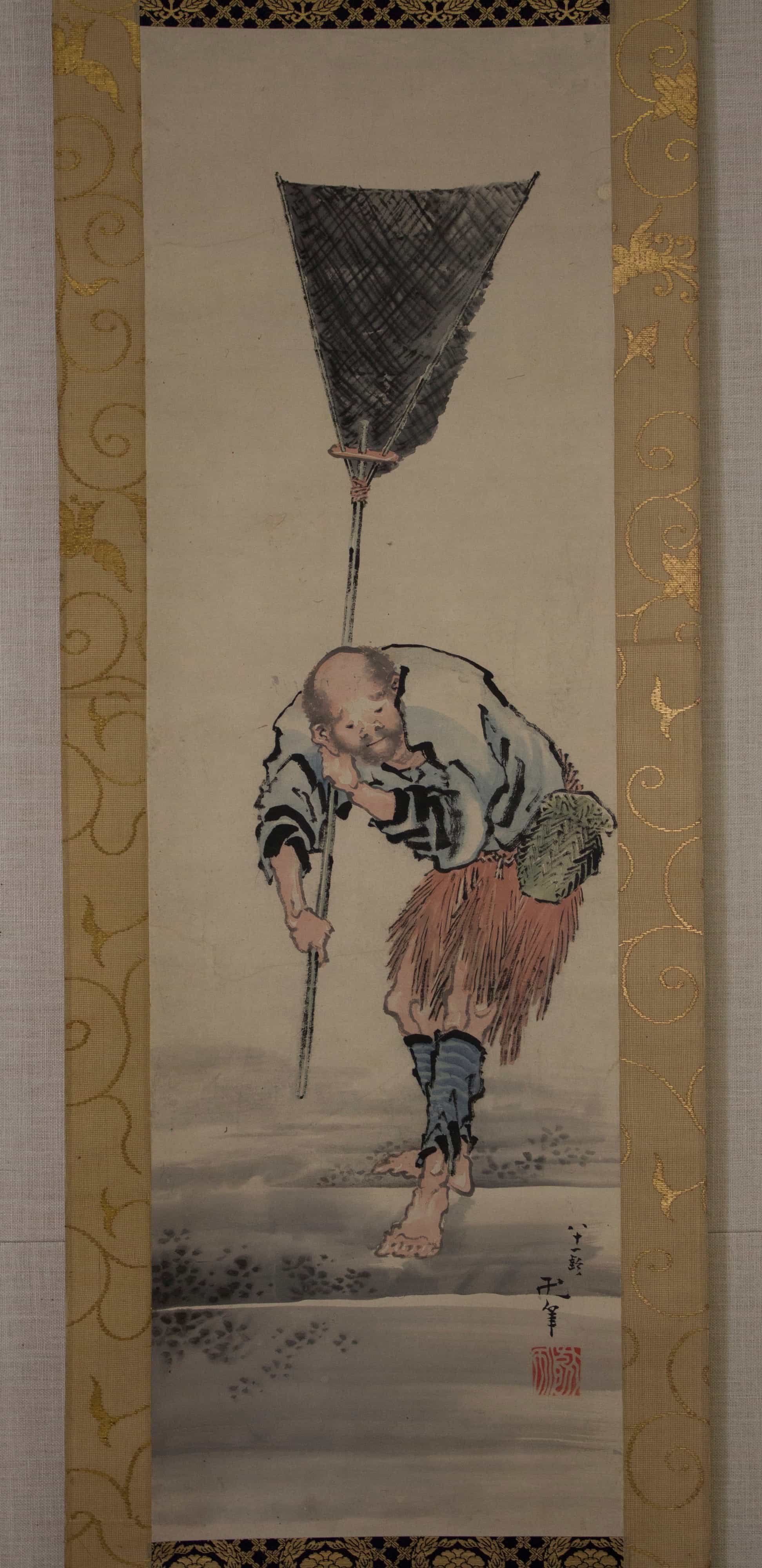
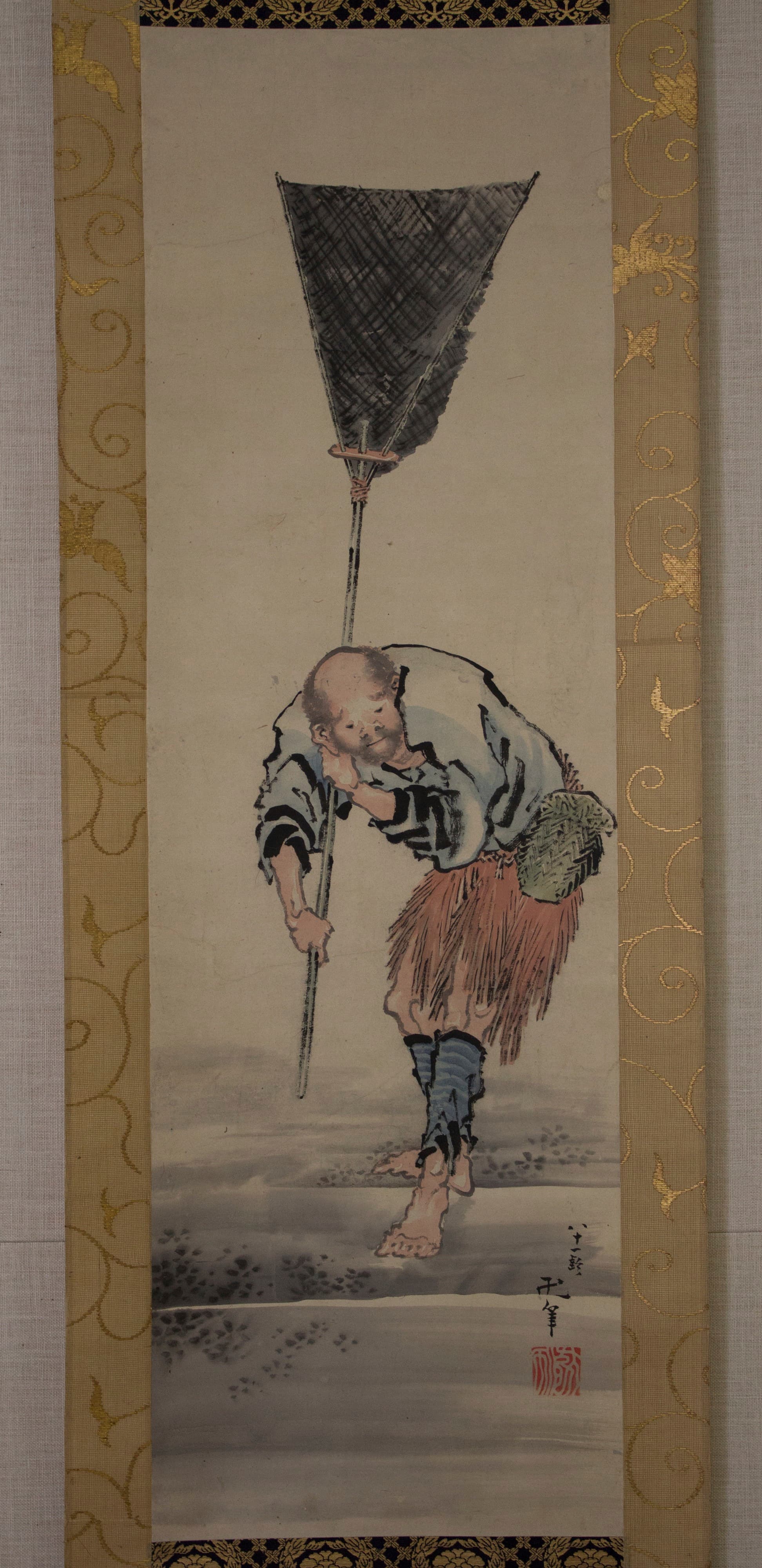
Fisherman
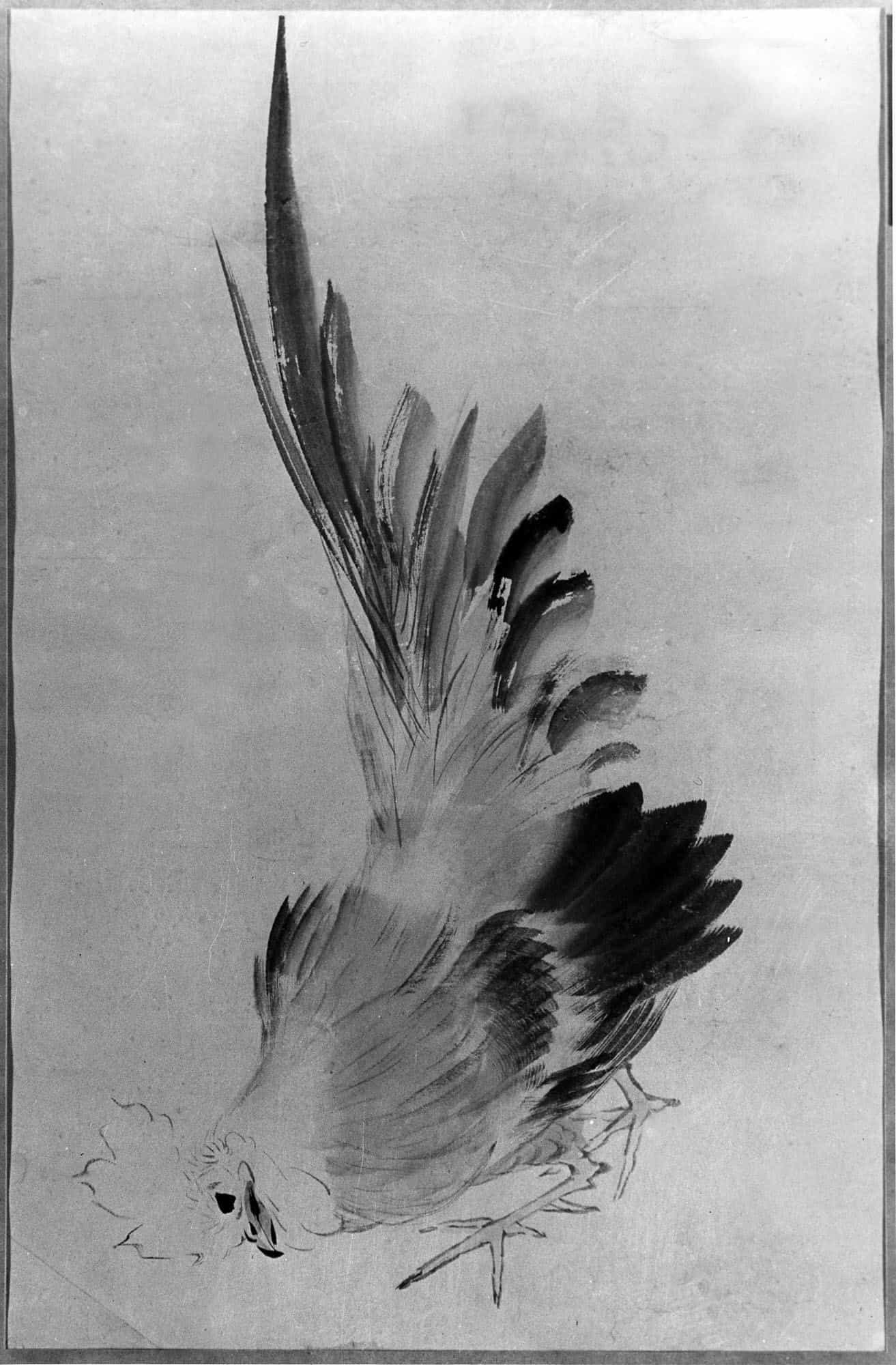
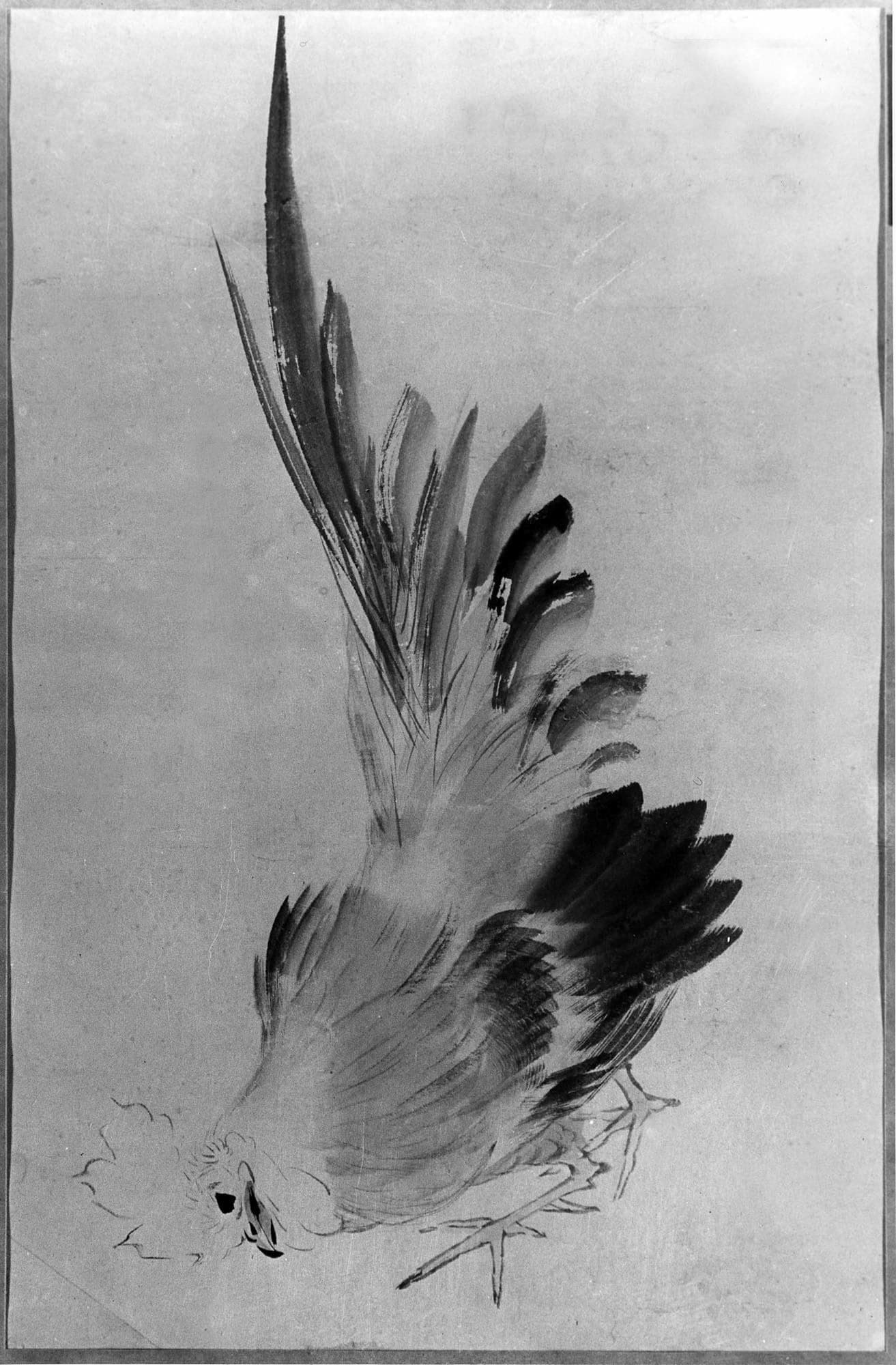
Cock
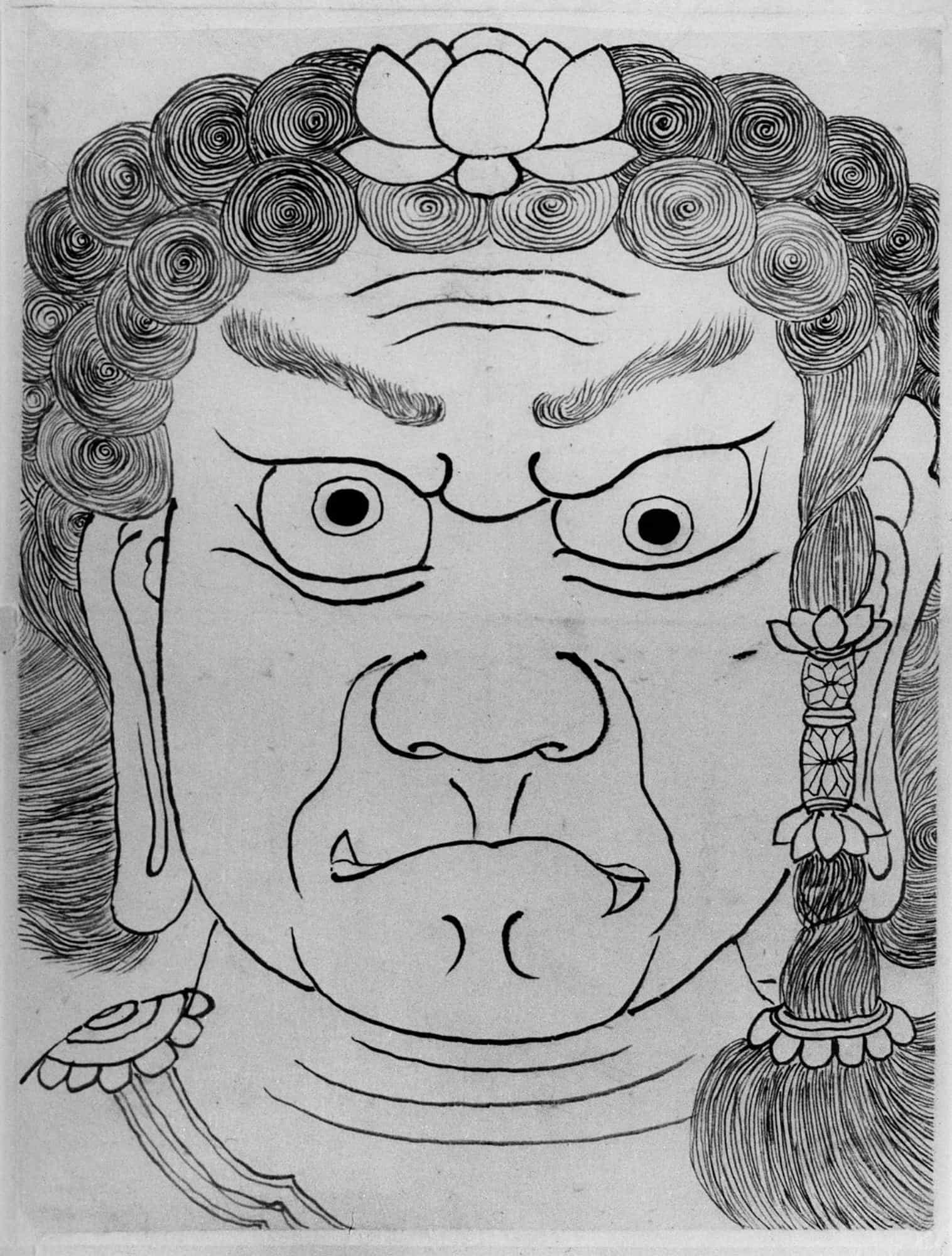
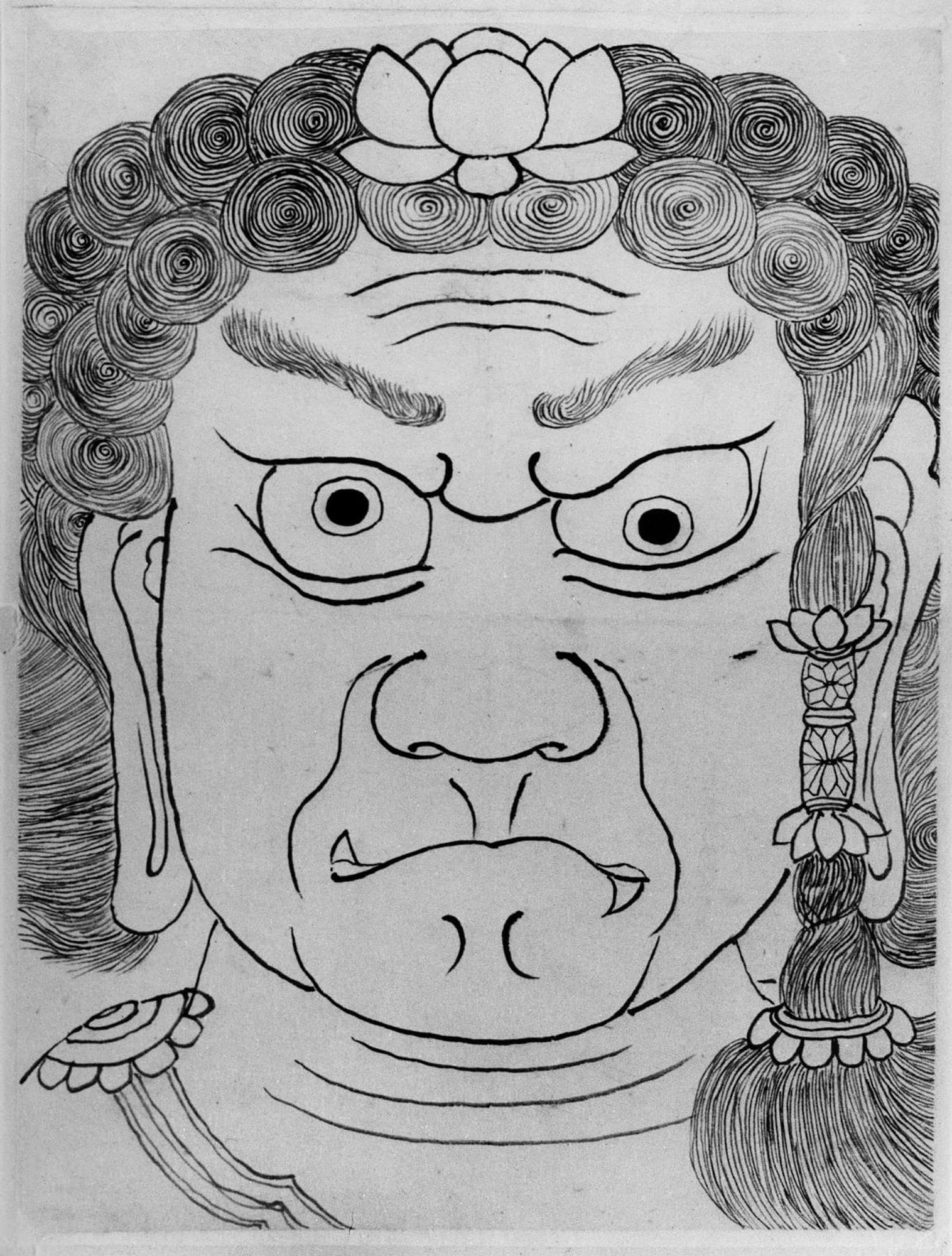
Mask of Fudō Myōō
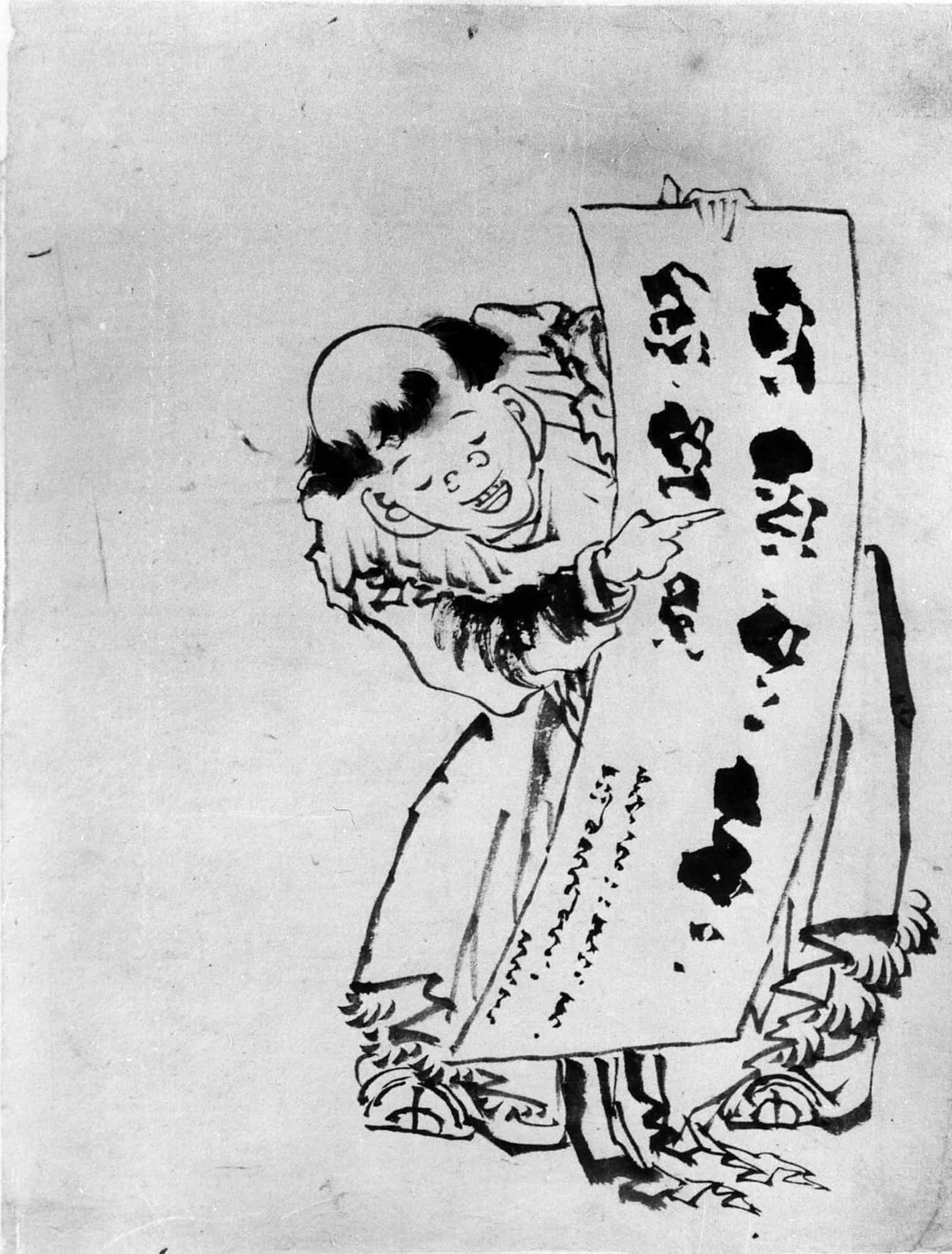
Chinese Boy
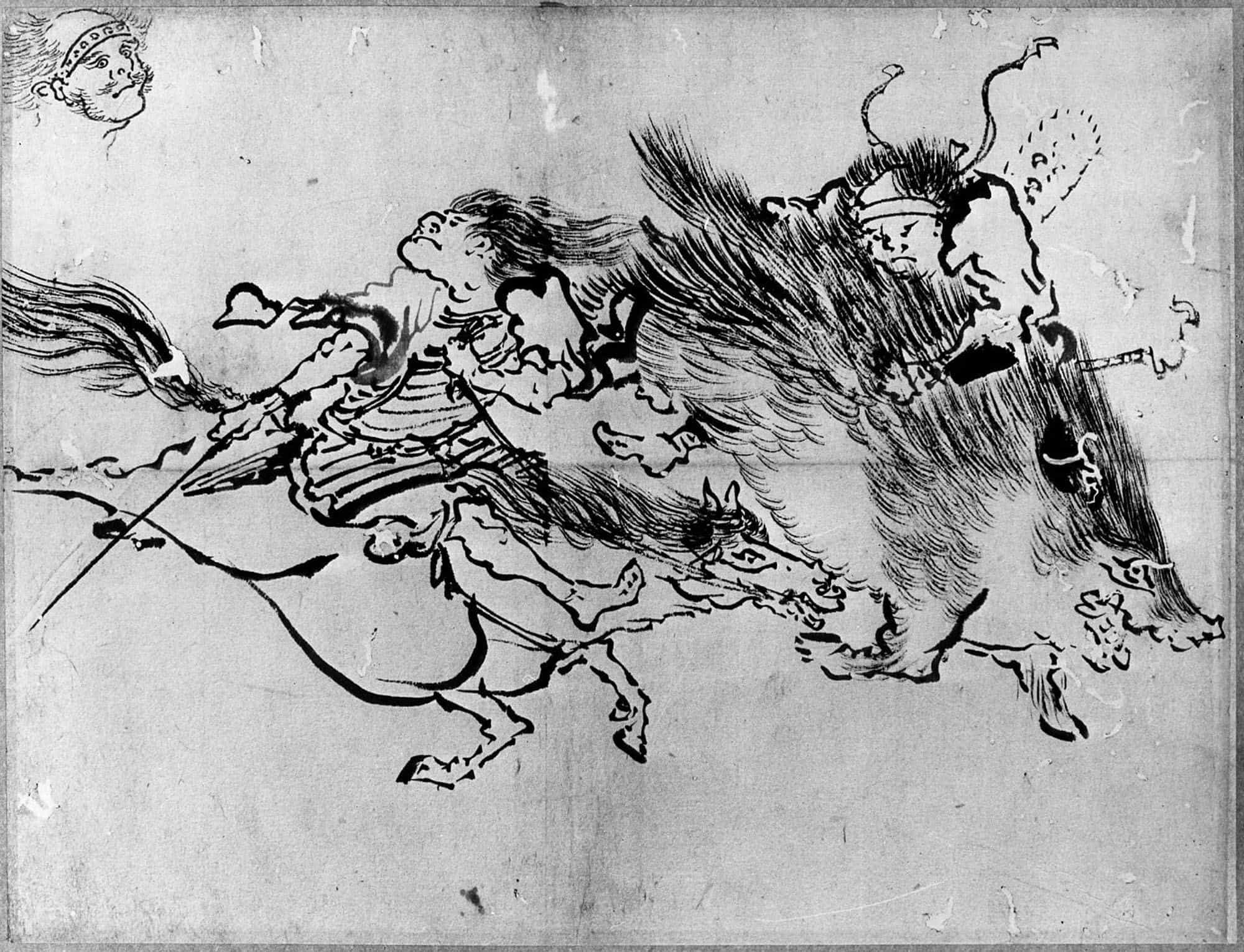
Two Figures
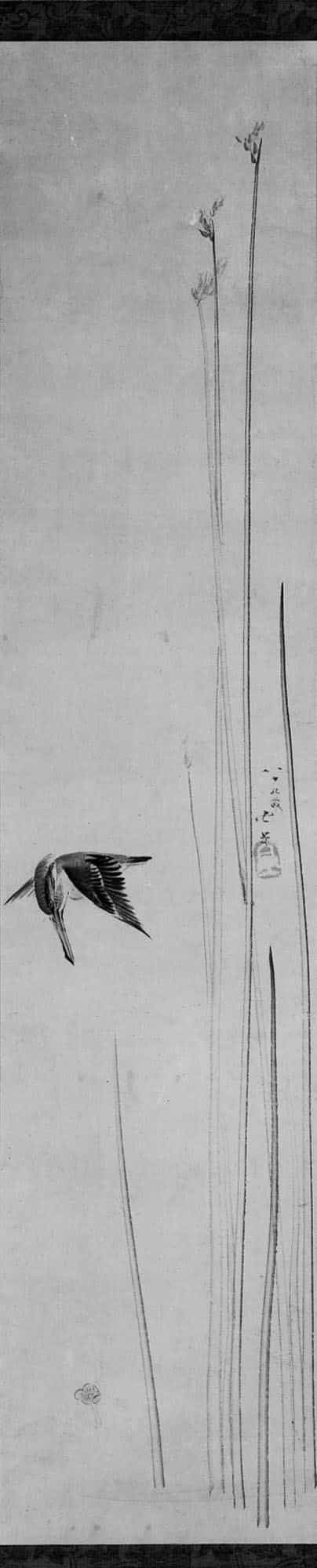
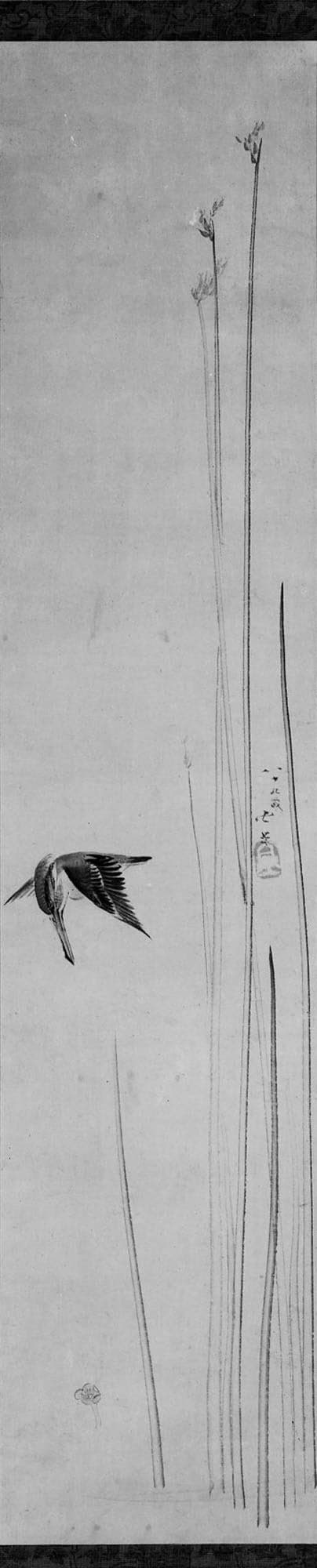
King Fisher and Bulrushes
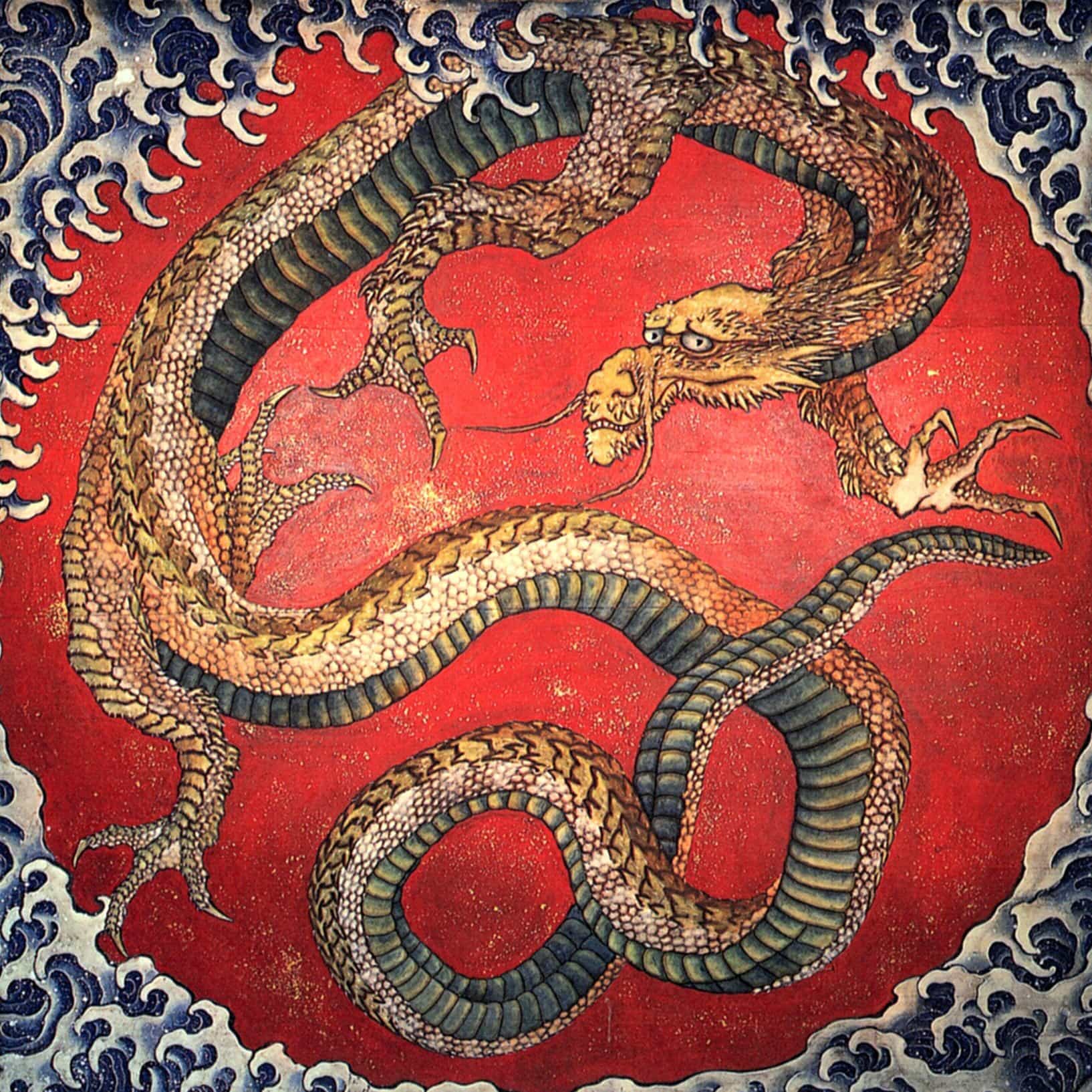
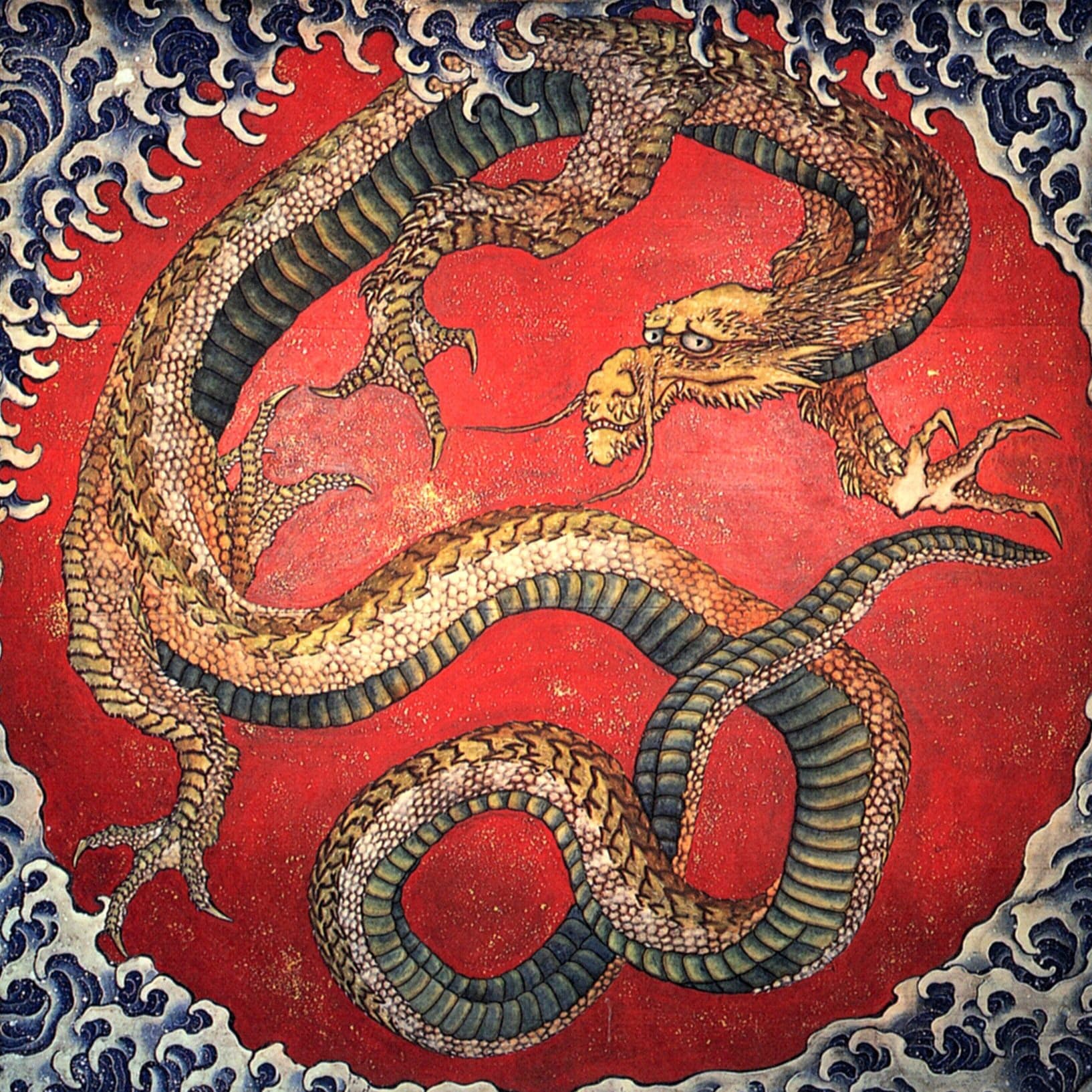
Matsuri Yatai Dragon
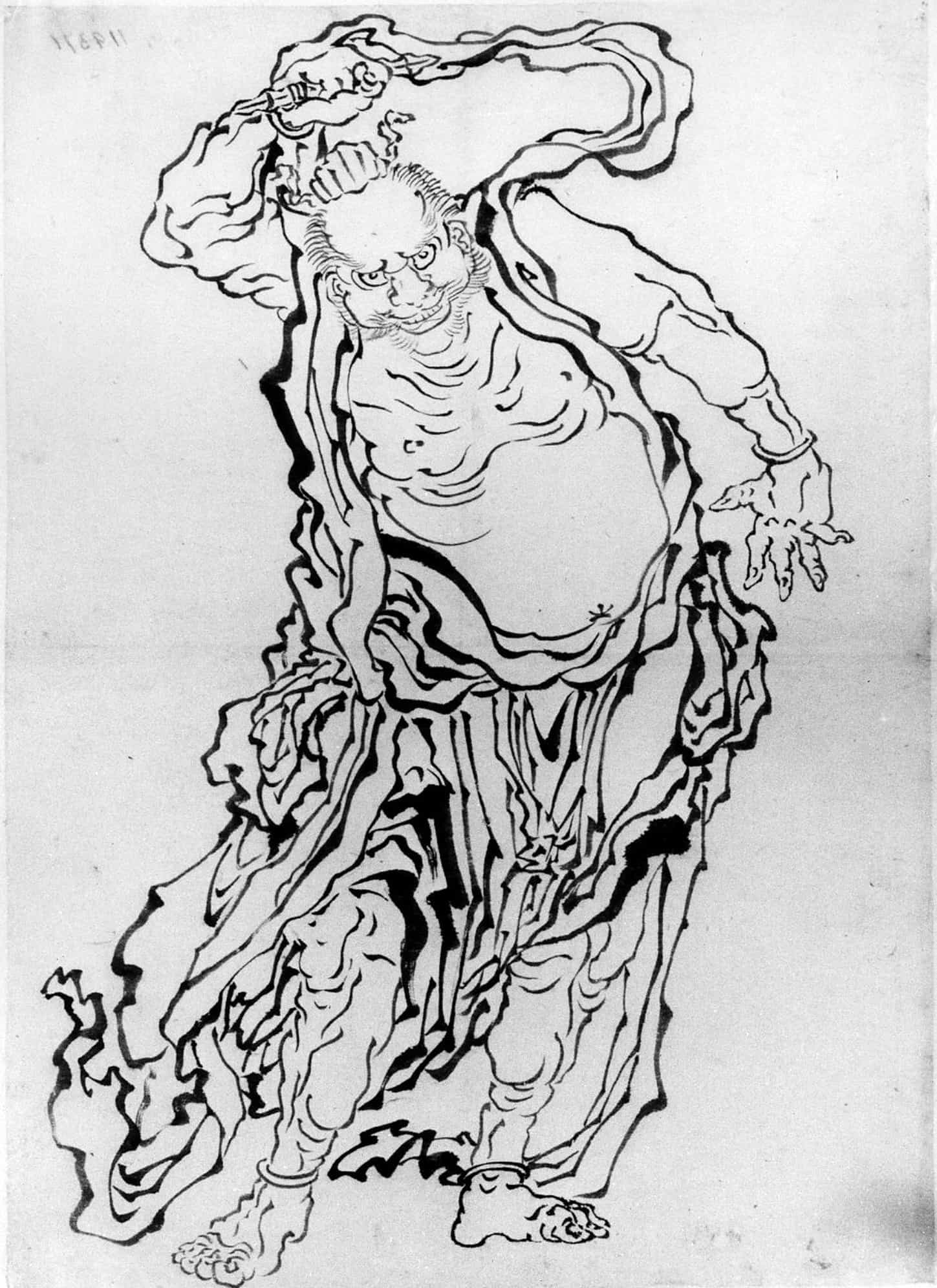
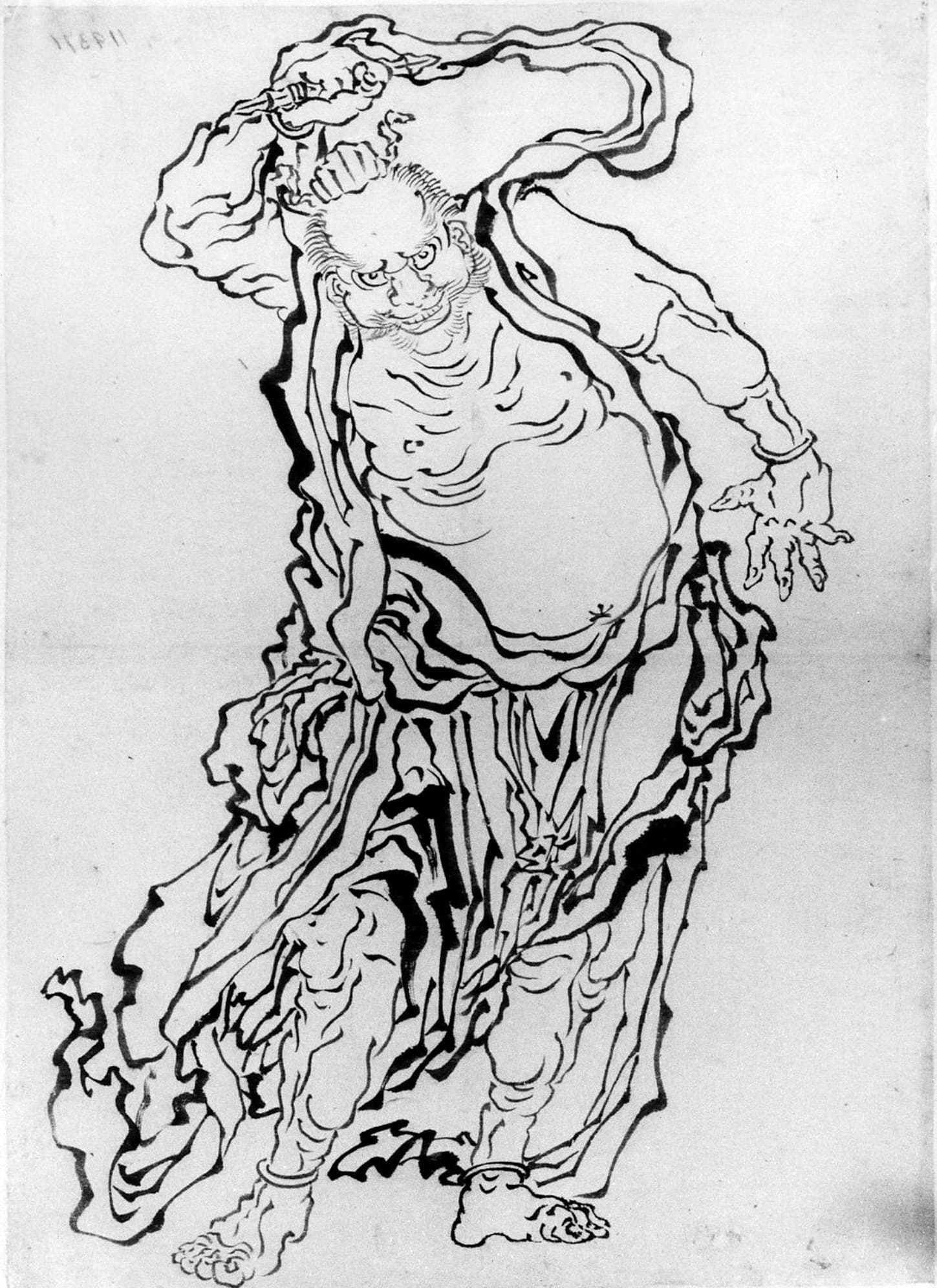
Nio the Guardian
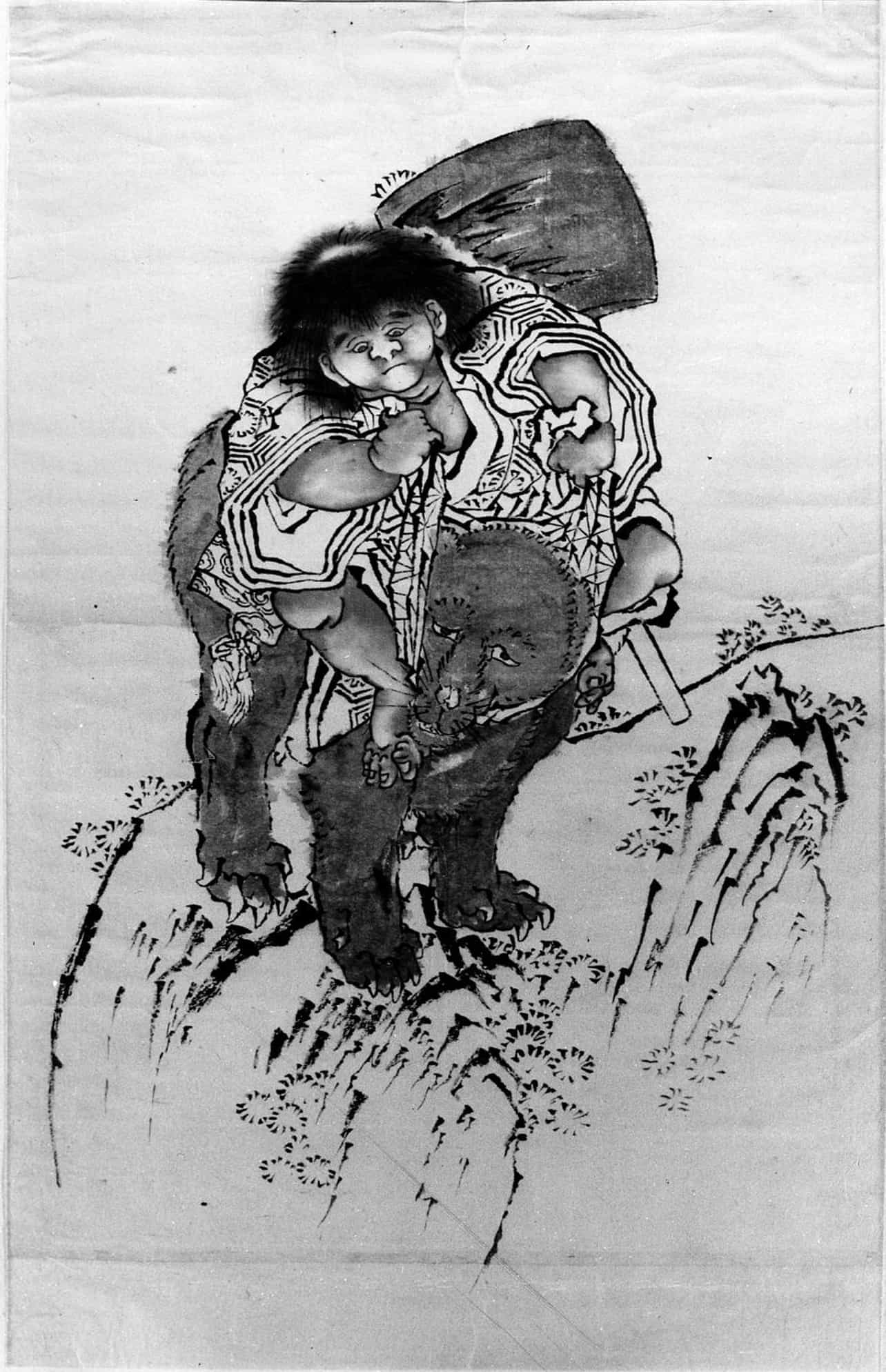
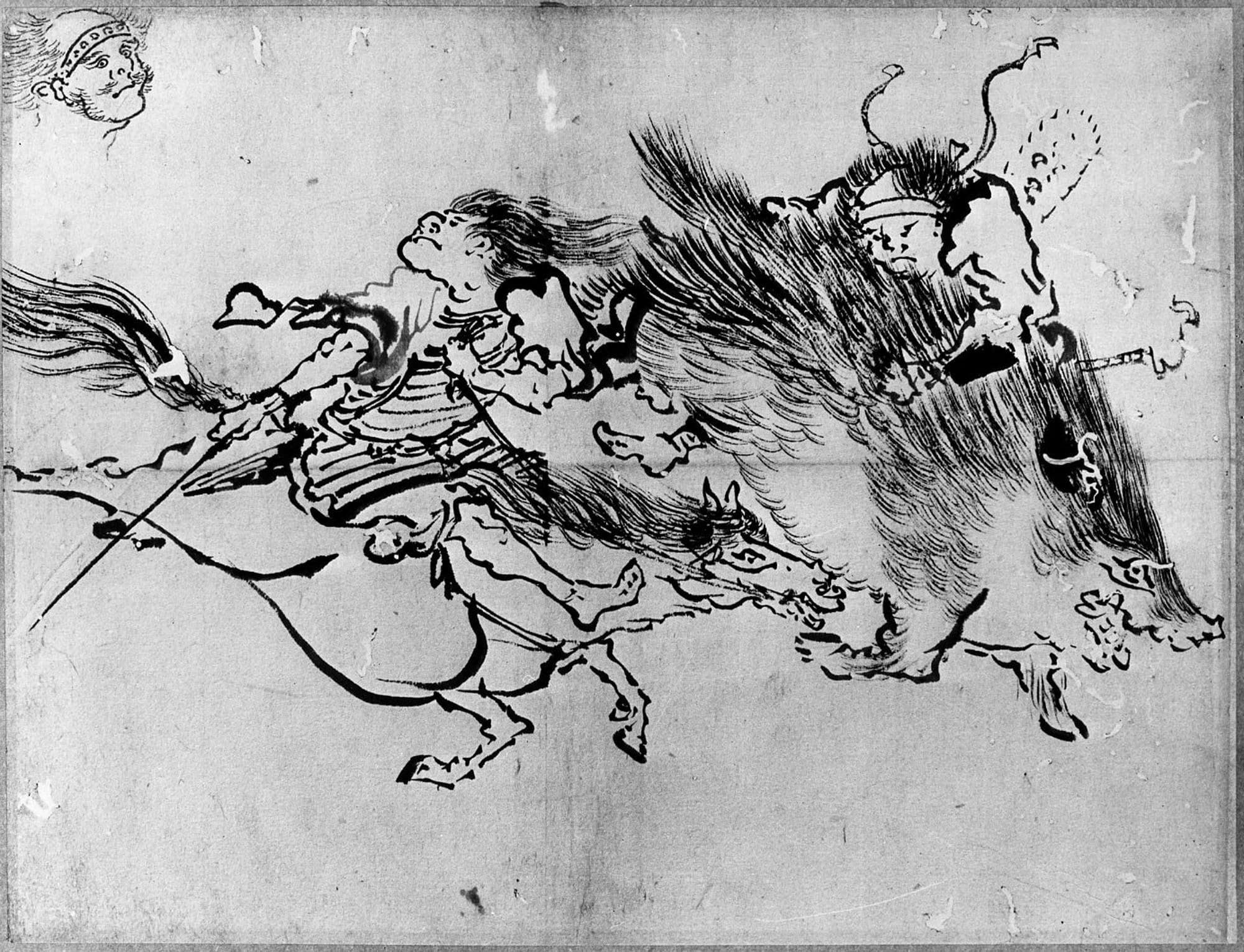
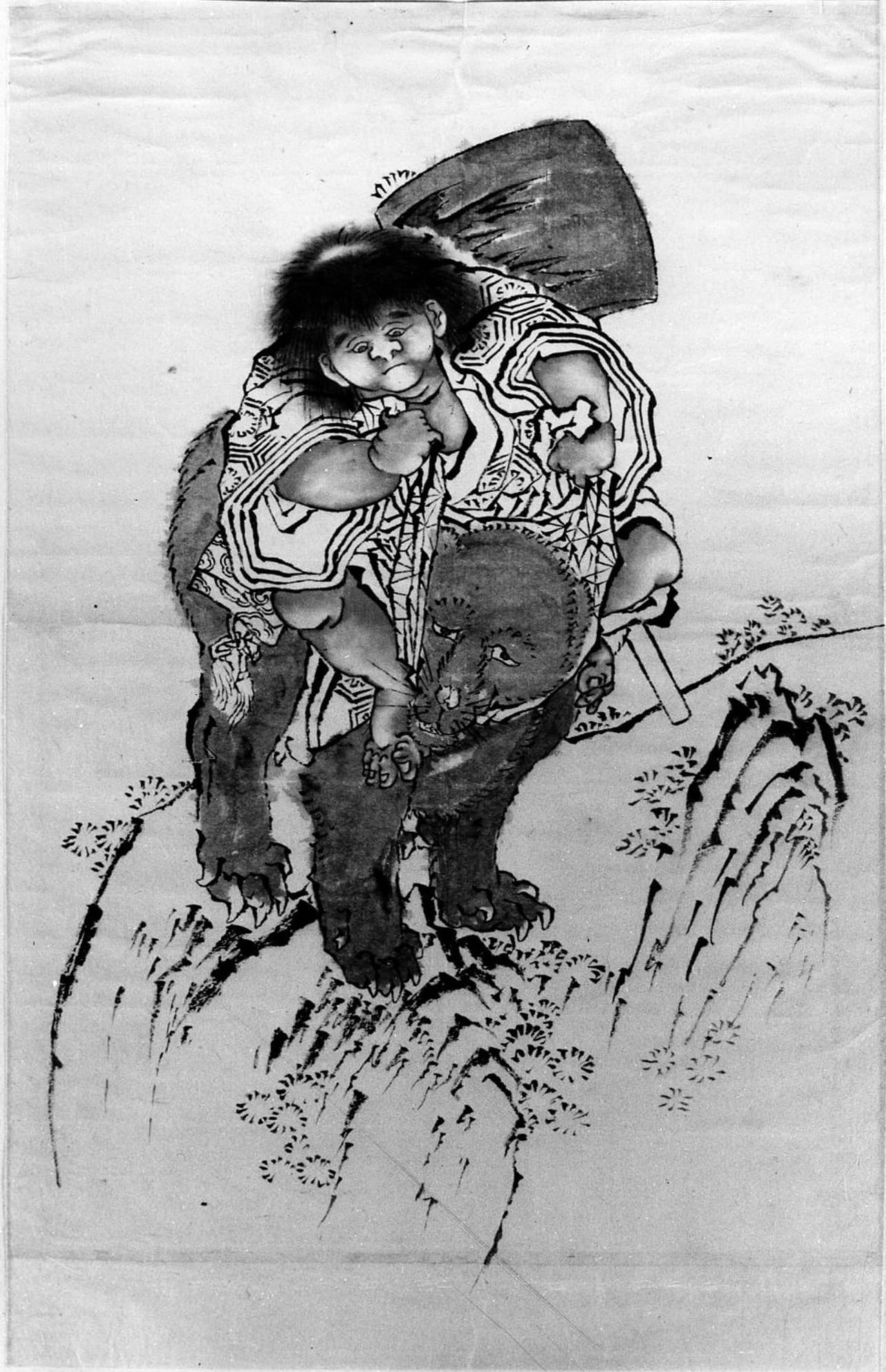
Sakata Kintoki Riding on Bear's Back
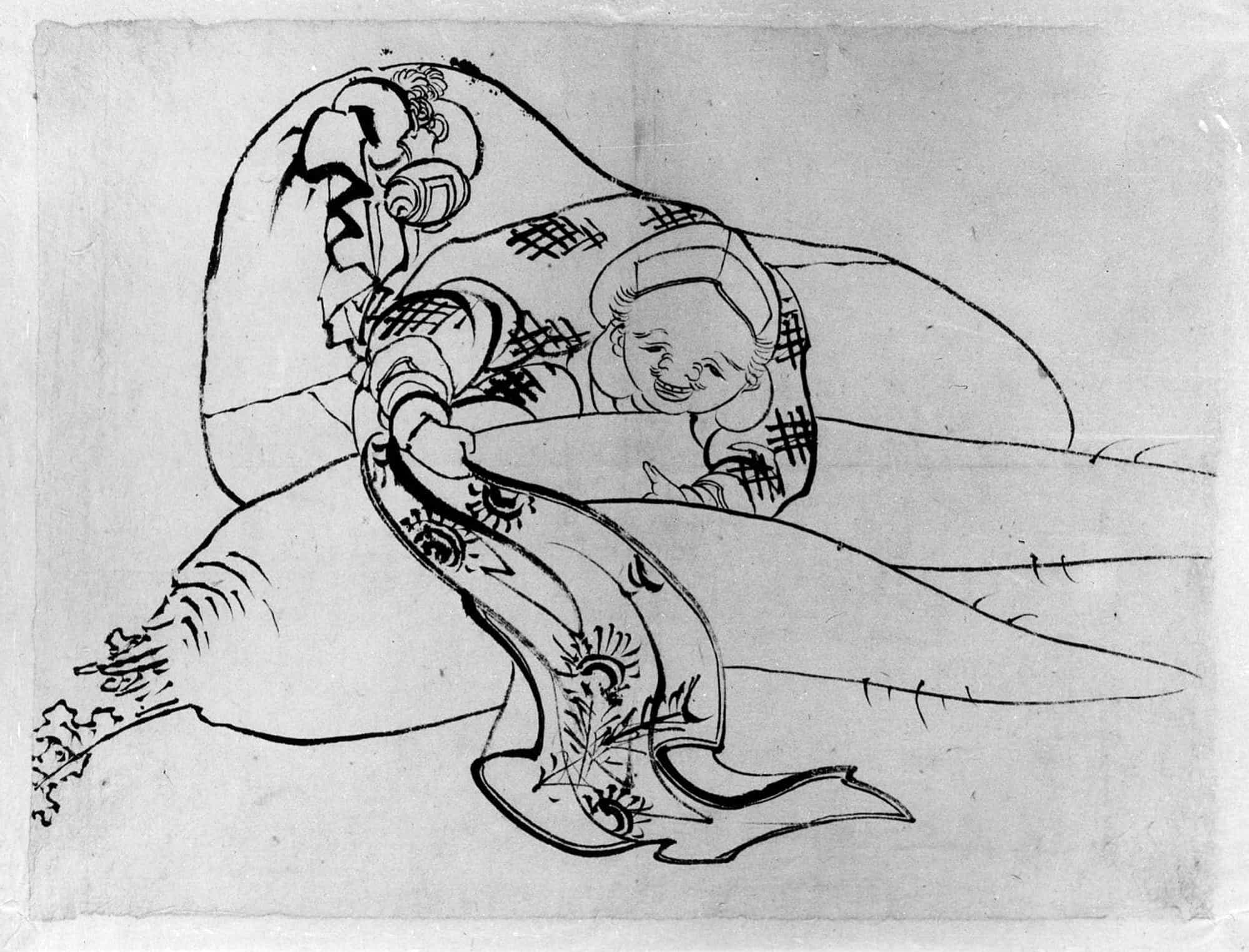
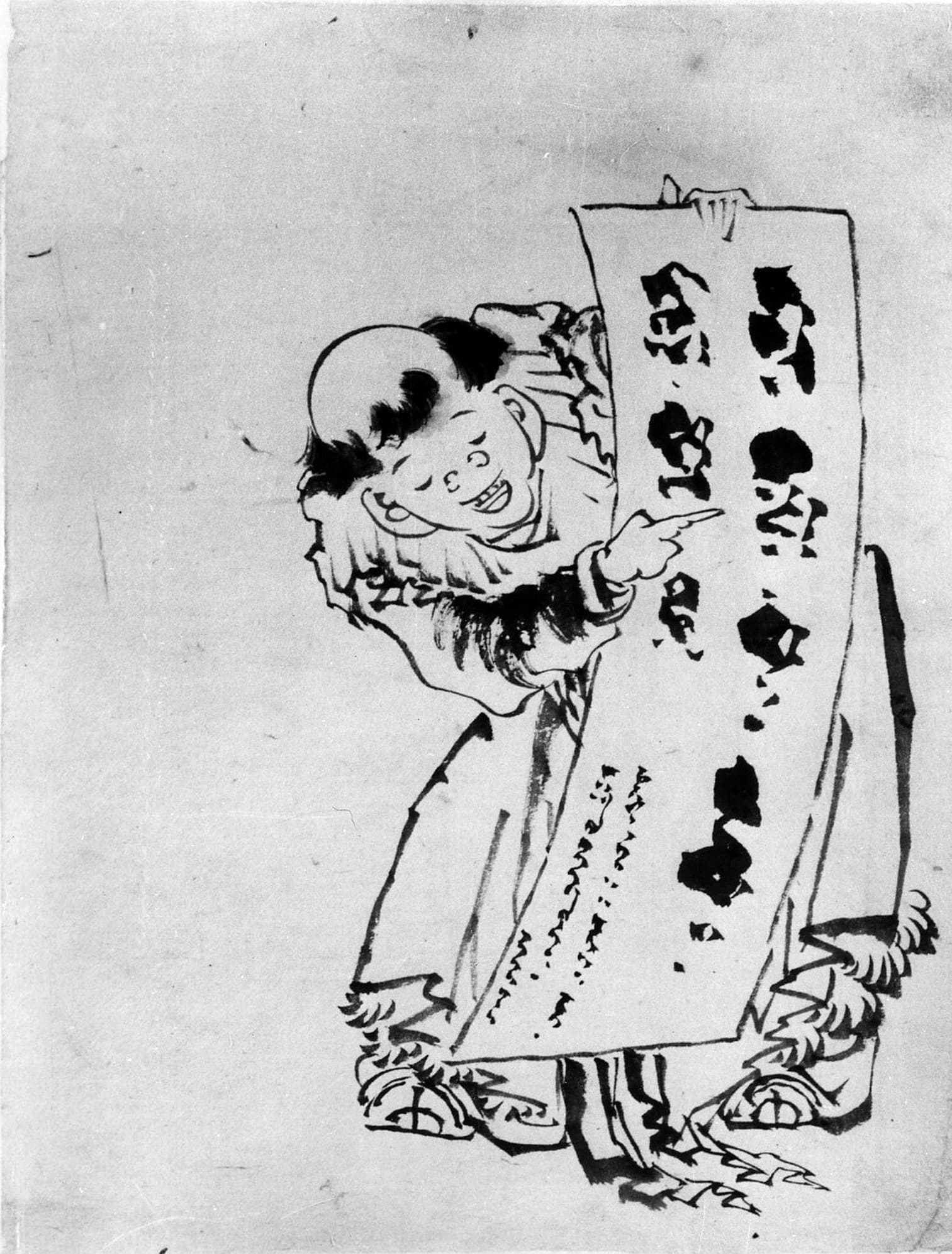
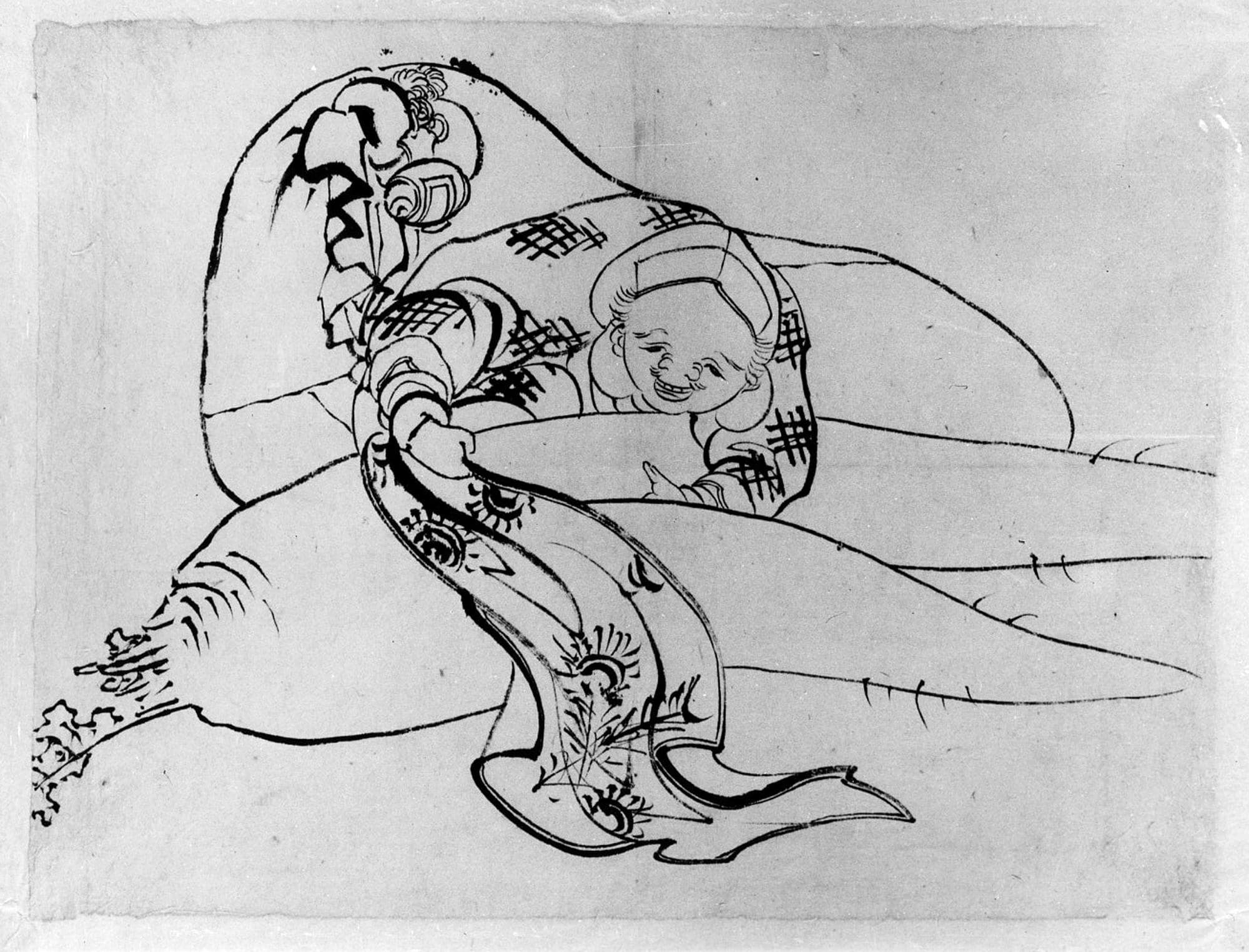
Daikoku with Radish
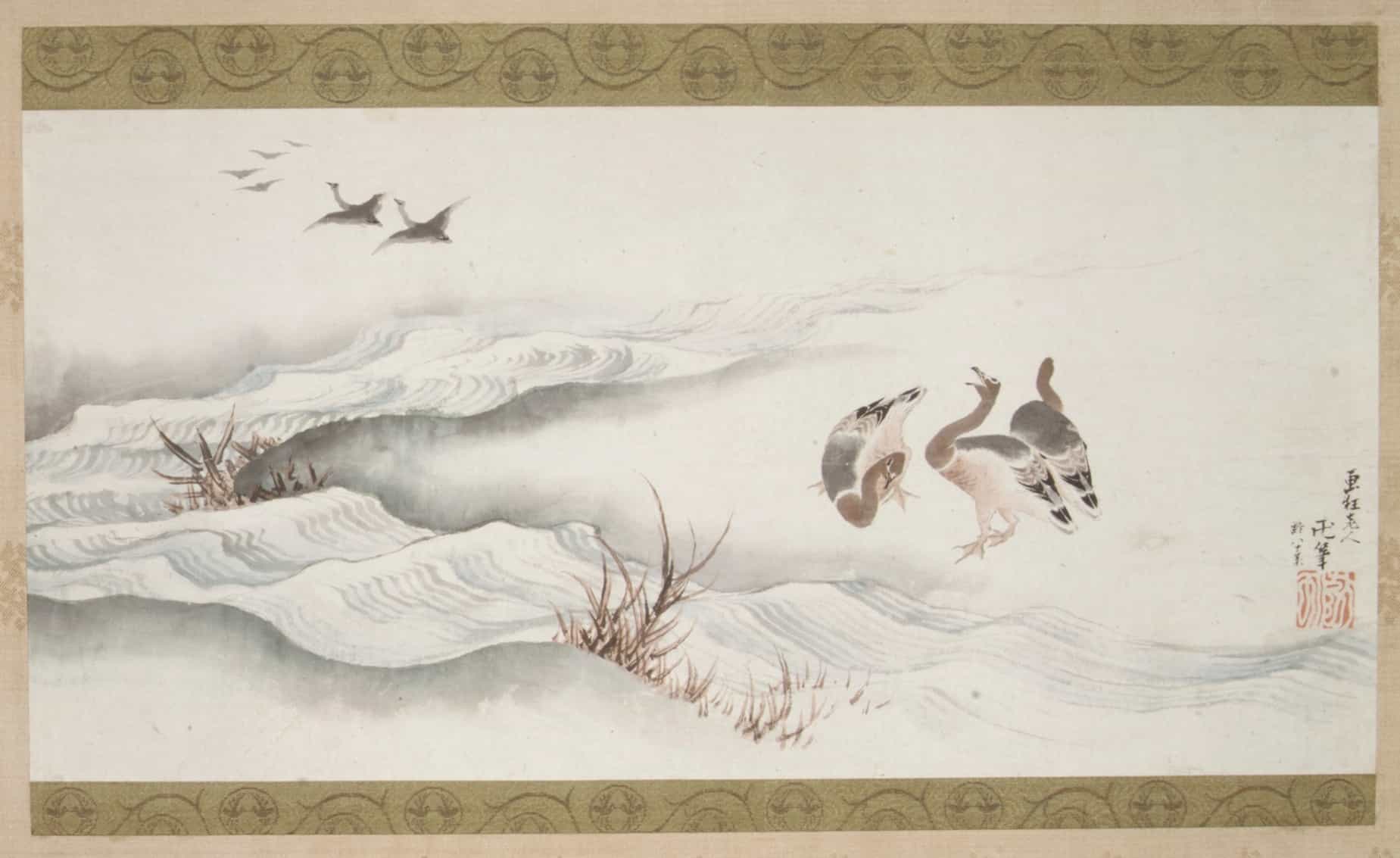
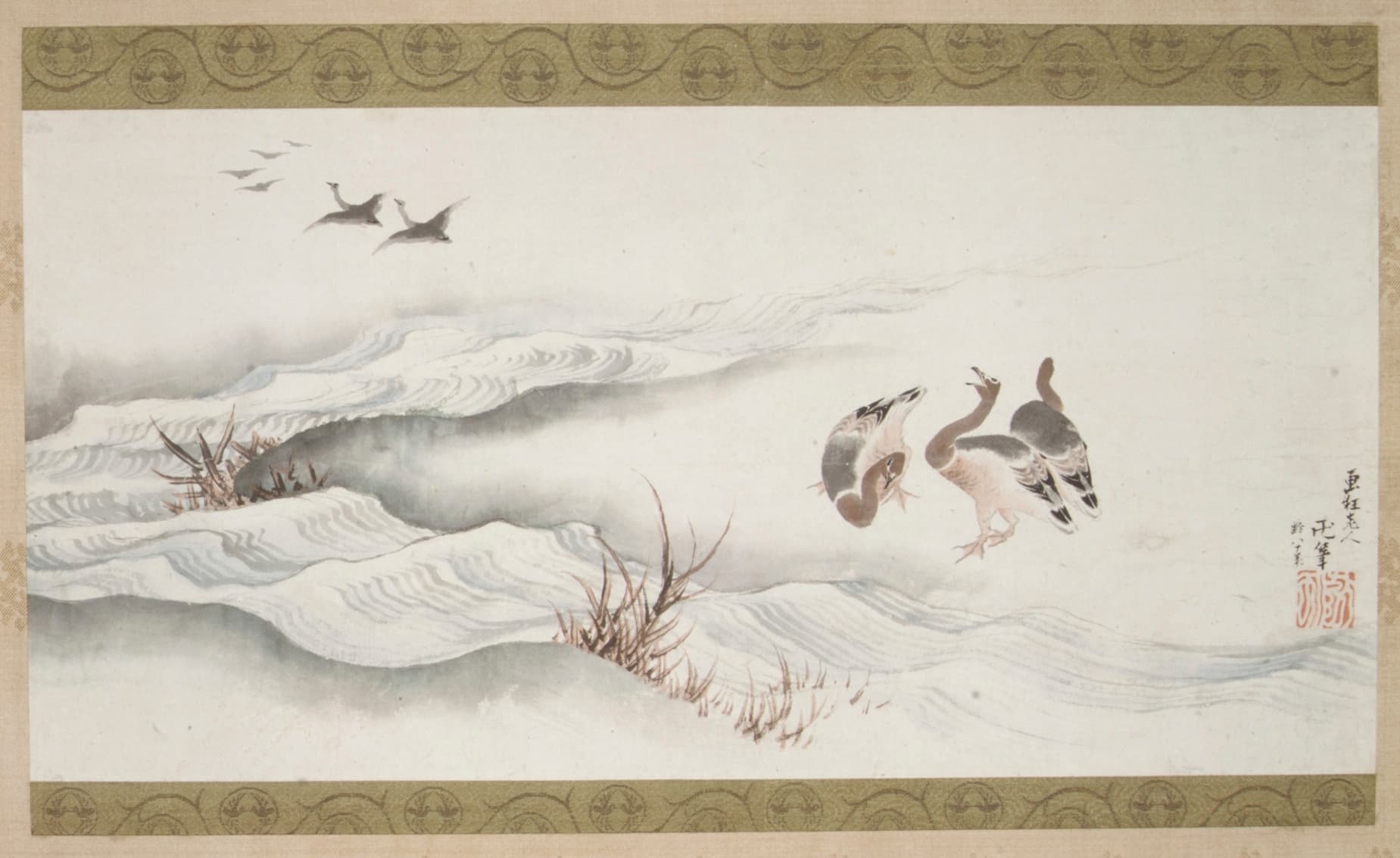
Wild Geese and Water