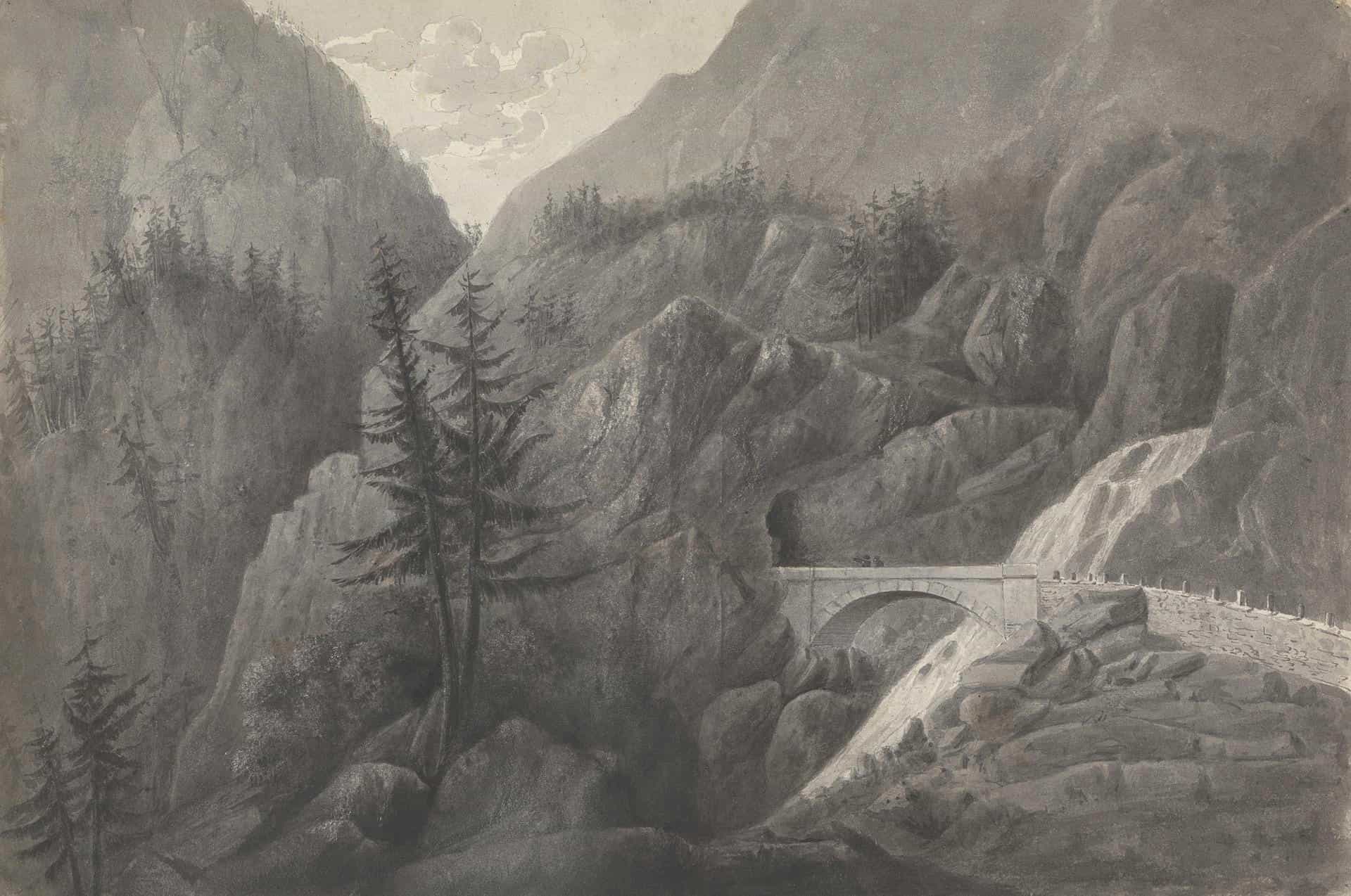
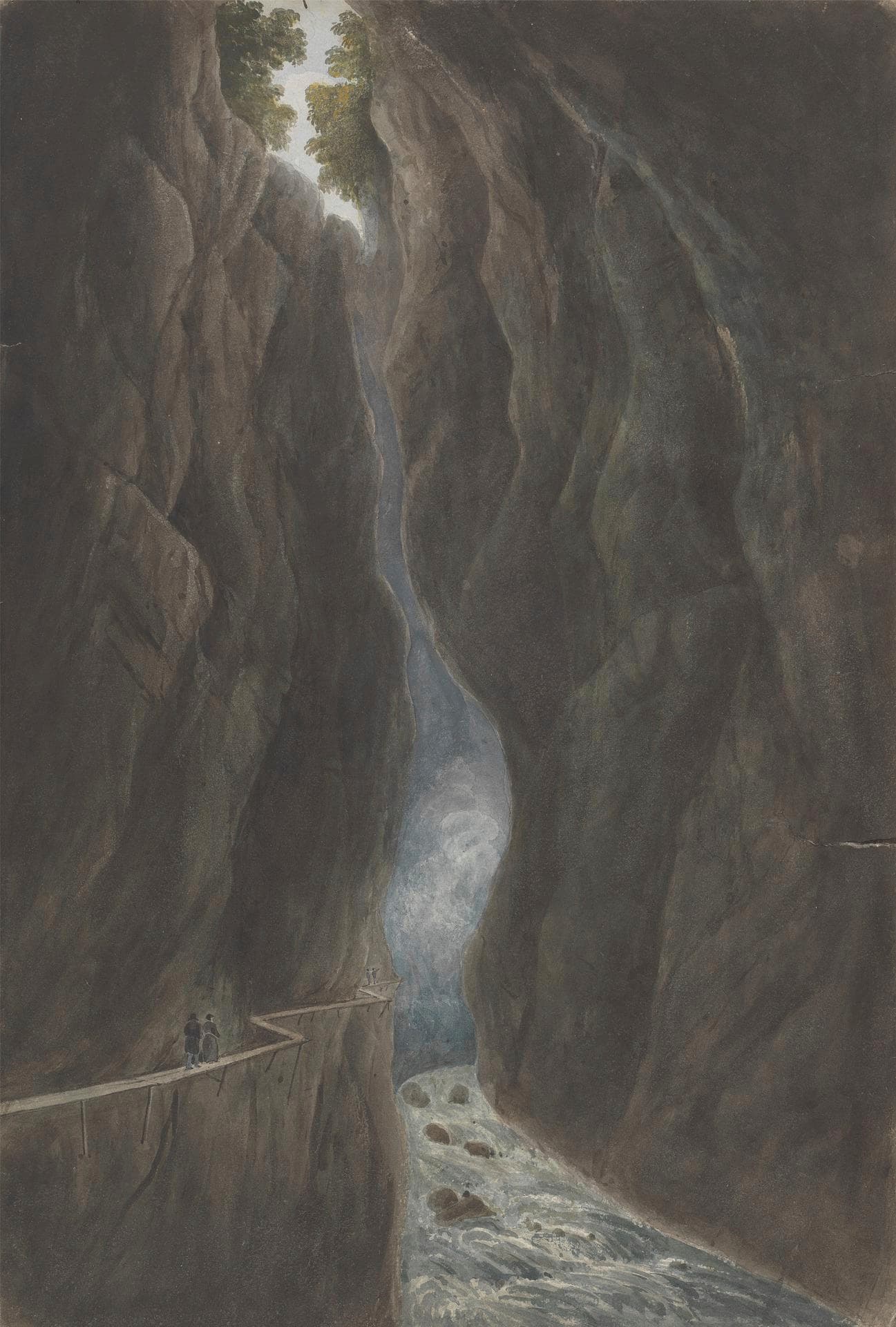
Simplon, Switzerland
Isaac Weld
From $40
Collection
Museum-quality reproductions on 310gsm textured cotton rag paper.
Shop all prints by Isaac WeldArtistic Style
Style Evolution
Weld’s visual approach remained rooted in topographical and picturesque traditions: early work emphasized documentary precision during active travels, while later illustrations balanced accurate detail with decorative composition to appeal to collectors and readers.
Palette
Subjects
Techniques
Topics
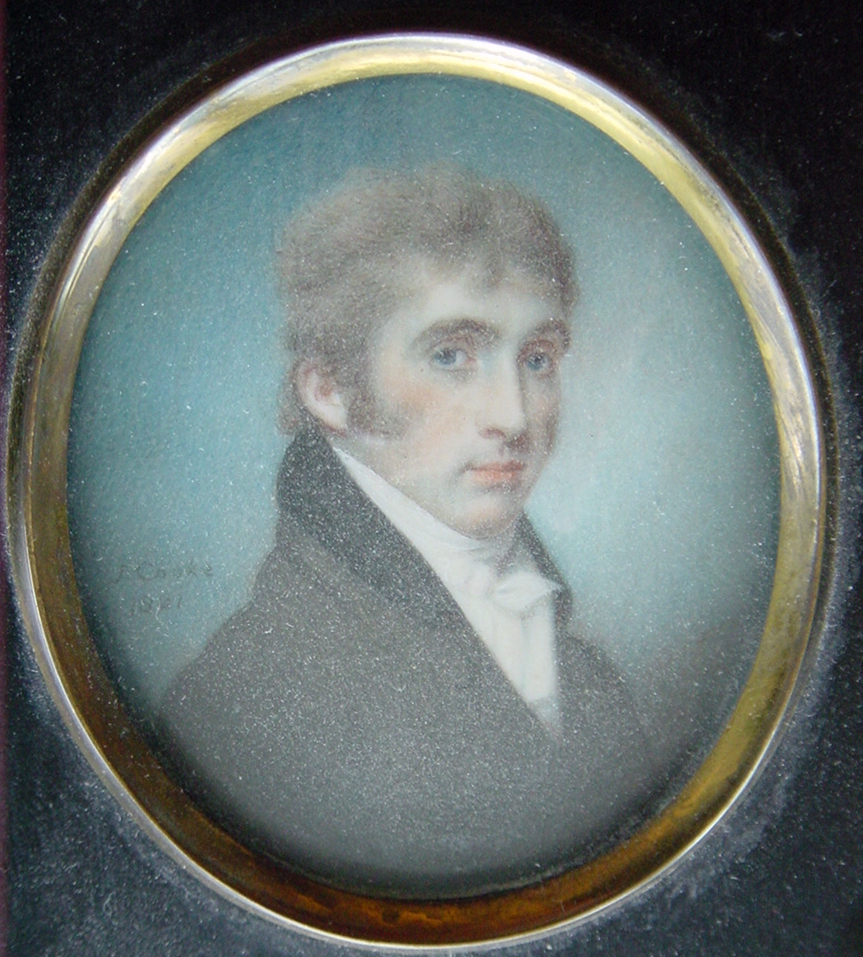
Isaac Weld (1774-1856) was an Irish travel-writer, explorer and artist whose observational travel accounts and topographical sketches documented early modern landscapes and societies.
Learn about the life of Isaac Weld
Signature Works
See all available prints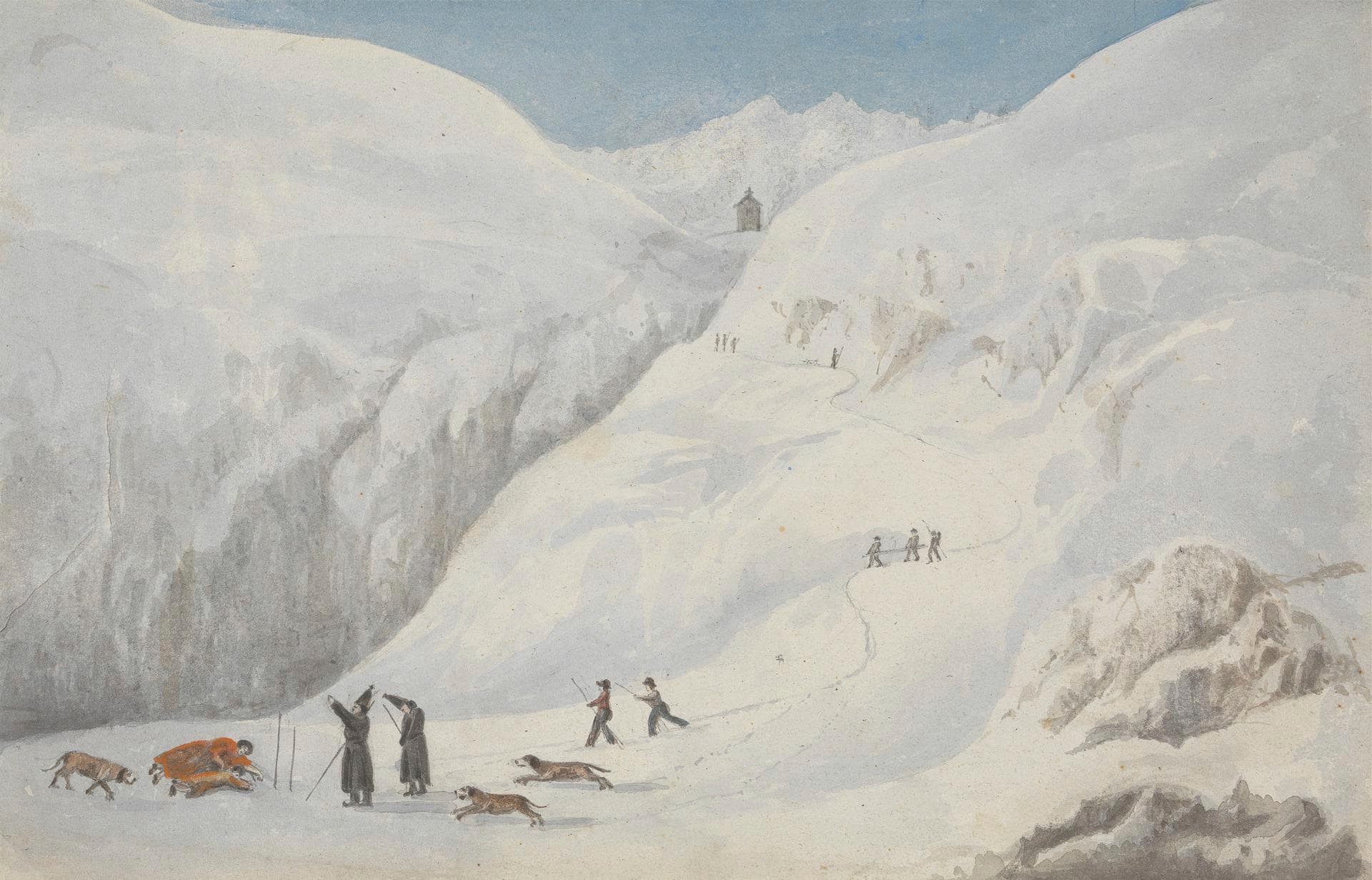
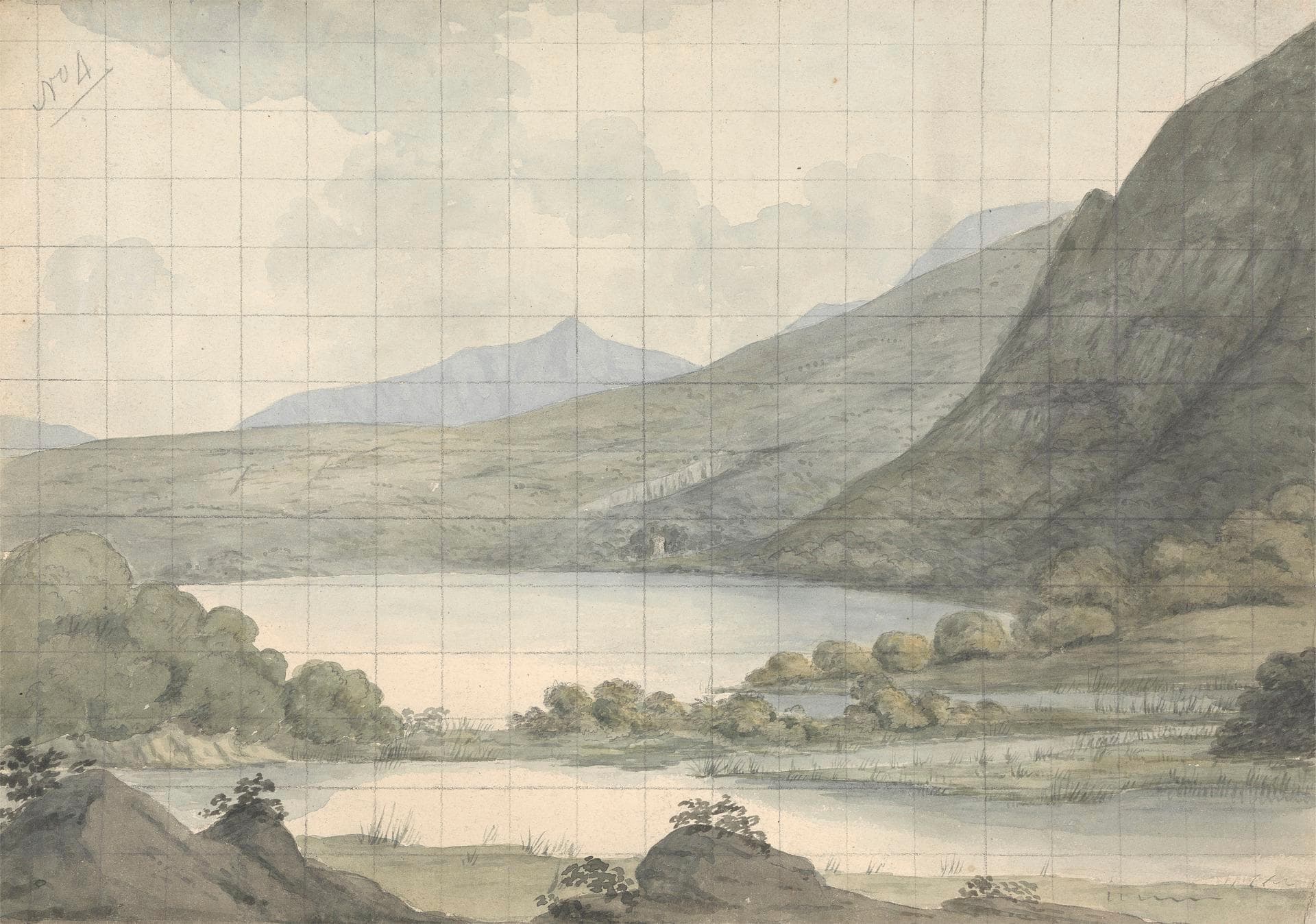
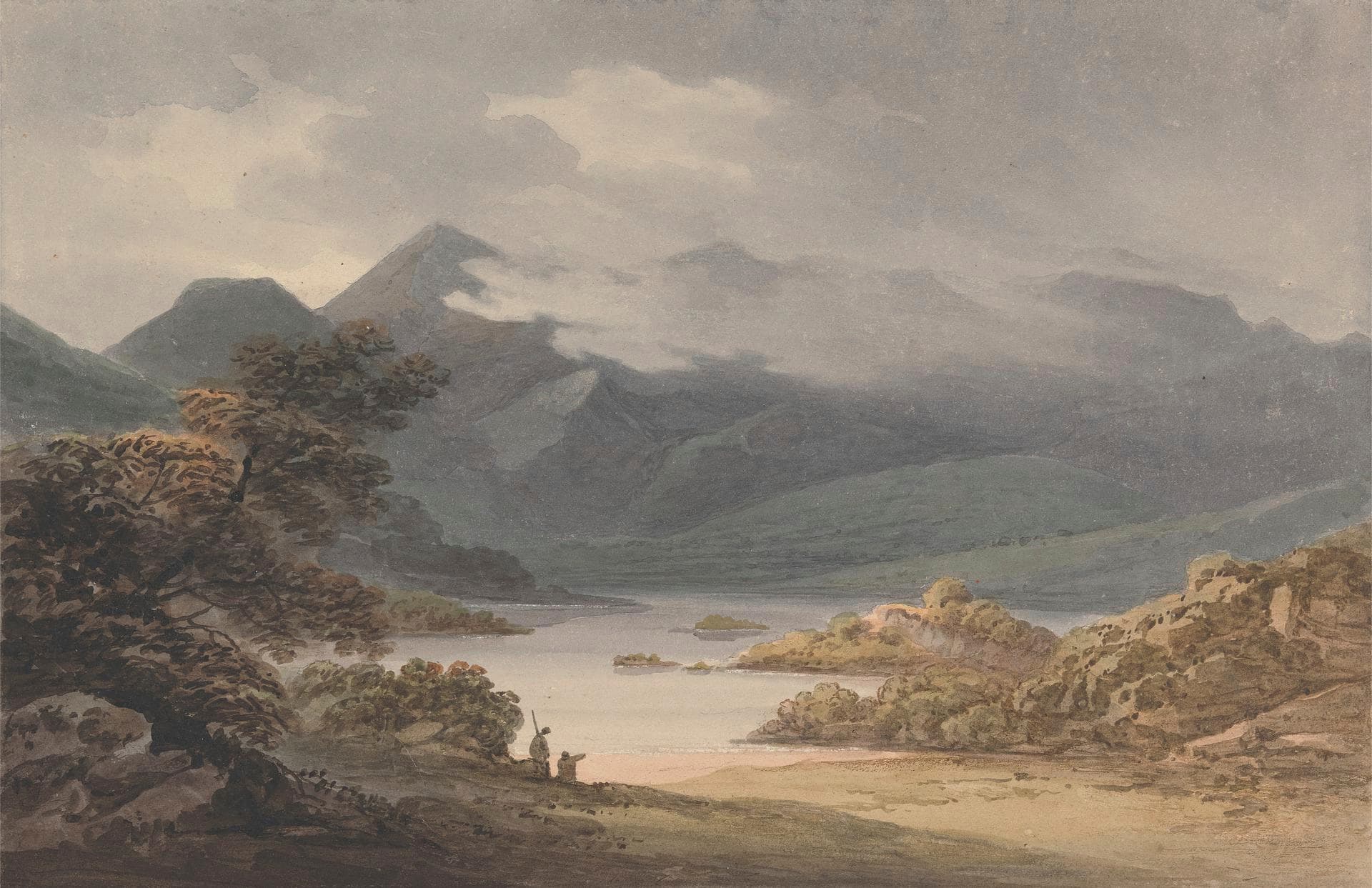
Biography
Isaac Weld (1774-1856) was an Irish travel-writer, explorer and artist whose observational travel accounts and topographical sketches documented early modern landscapes and societies for European readers and collectors alike. (Full biography below.)
Isaac Weld (1774–1856) was an Irish travel-writer, explorer and artist whose observational travel accounts and topographical sketches documented early modern landscapes and societies for European readers and collectors alike.
Born in Dublin in 1774, Weld came of age in a period when travel, scientific curiosity and topographical description were highly prized across Britain and Ireland. He is best known for combining careful observation with sketches and descriptive writing, creating works that appealed both to educated readers and to collectors interested in picturesque views of foreign landscapes.
Weld's development as an artist was closely tied to his travels and practical study of landscapes and local scenes. He worked in the tradition of topographical and picturesque illustration popular in the late 18th and early 19th centuries, using drawing and watercolour techniques to record places encountered during journeys.
During his travel years, Weld produced numerous sketches and descriptive plates to accompany his written accounts. His visual work served documentary purposes — recording architecture, landscape features and daily life — while also emphasizing the compositional and atmospheric qualities prized by collectors of picturesque views.
In later decades his drawings and illustrative approach continued to reflect that balance between documentary detail and decorative appeal. Weld’s images were valued for their clarity, fidelity to place and capacity to convey the sense of travel and discovery.
Isaac Weld is primarily remembered for his travel writing and the accompanying sketches and illustrations that documented his journeys for contemporary readers. His work reached a broad audience in Britain and Ireland and contributed to a growing taste for travel literature and topographical images. Though this profile does not list individual plates or paintings, Weld’s combined accomplishments as explorer, writer and artist established him as a respected figure in late Georgian travel culture.
Weld worked in a topographical-picturesque mode, favouring precise draftsmanship, careful composition and an eye for atmospheric detail. His technique emphasized line and tonal washes suitable for engraving and reproduction, which made his views especially effective when published alongside travel narratives. The decorative qualities of his landscapes — clear foregrounds, measured perspective and attention to architectural detail — make his images suitable for collectors seeking historically grounded, visually appealing,
Frequently Asked Questions
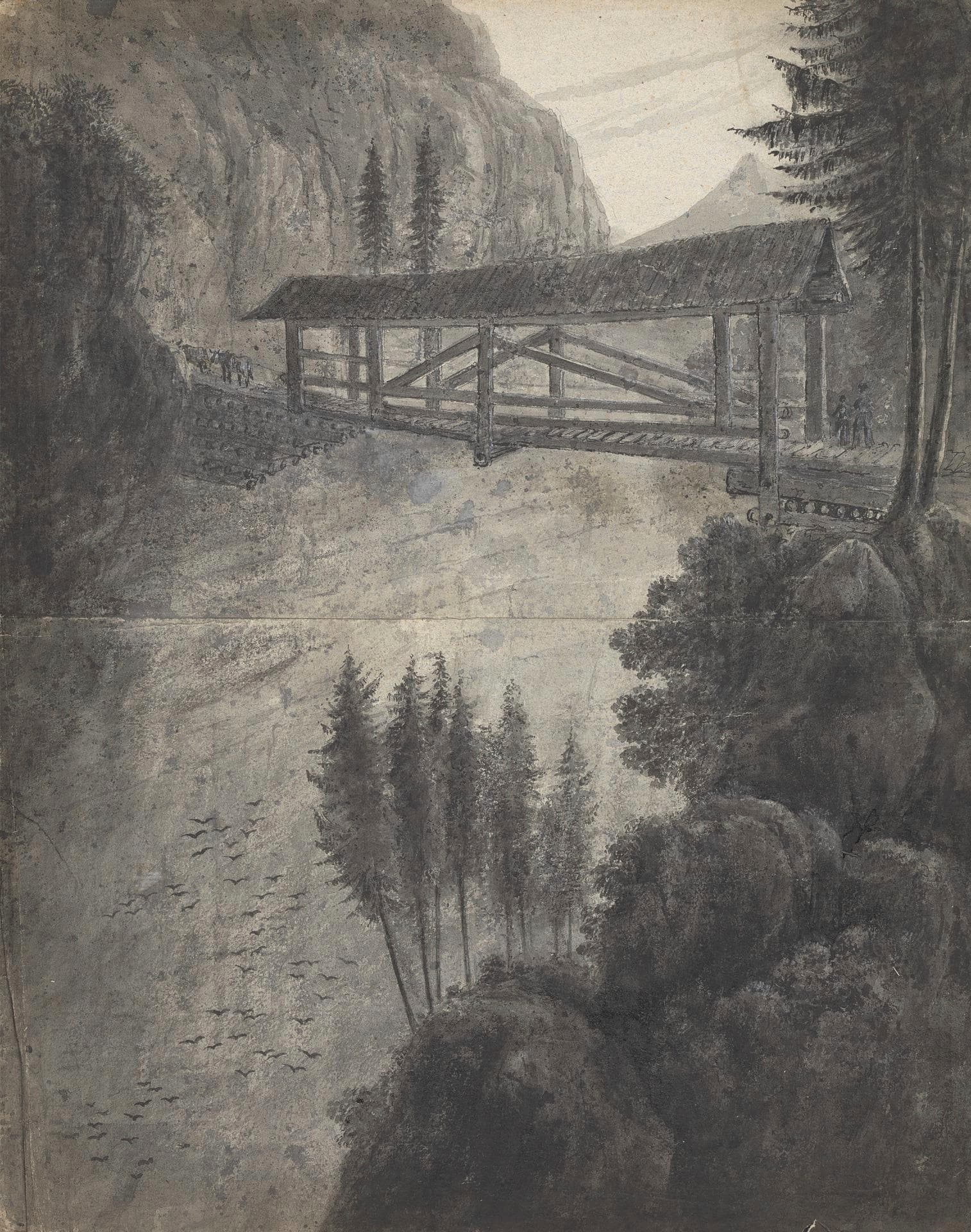
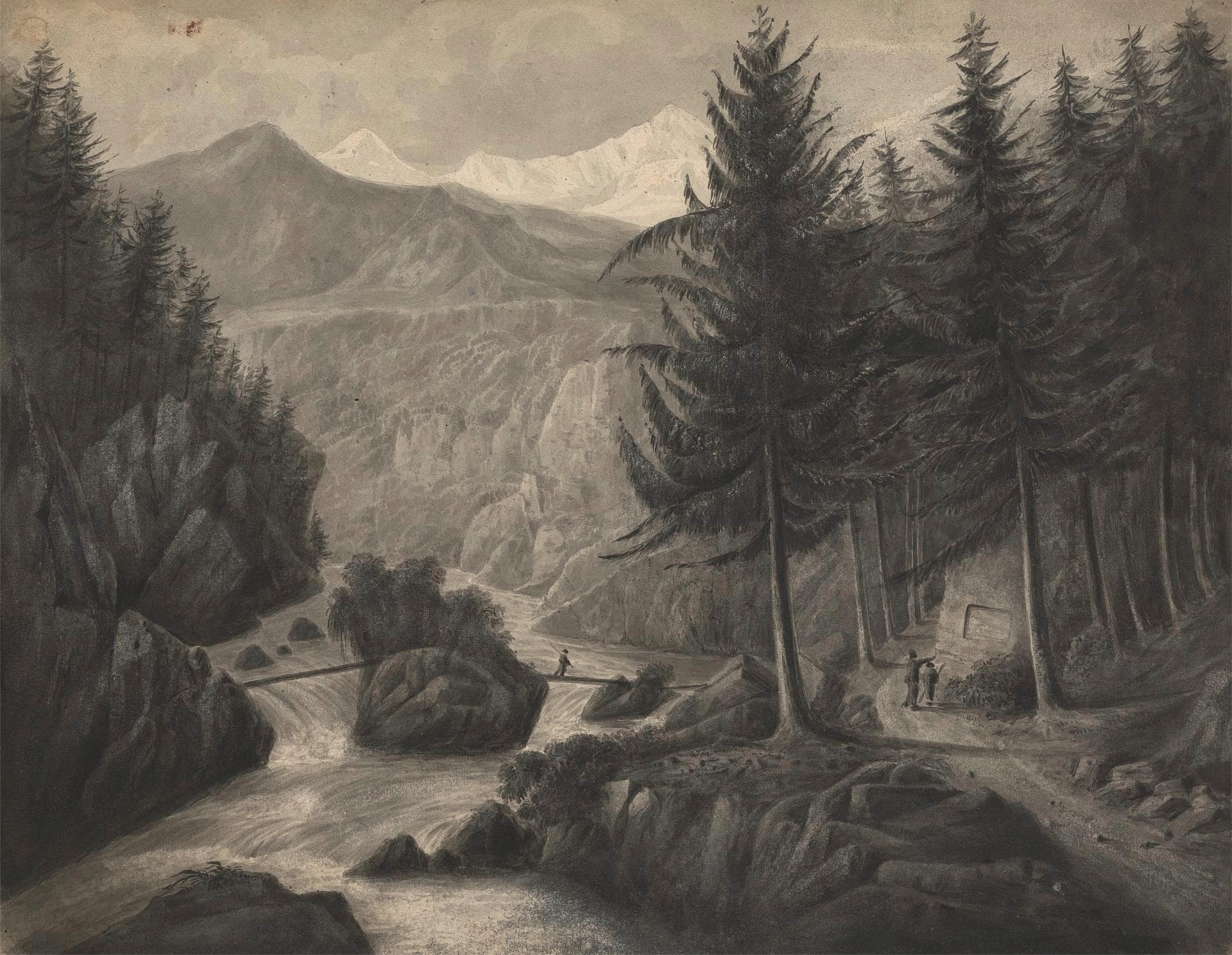
Simplon, Switzerland
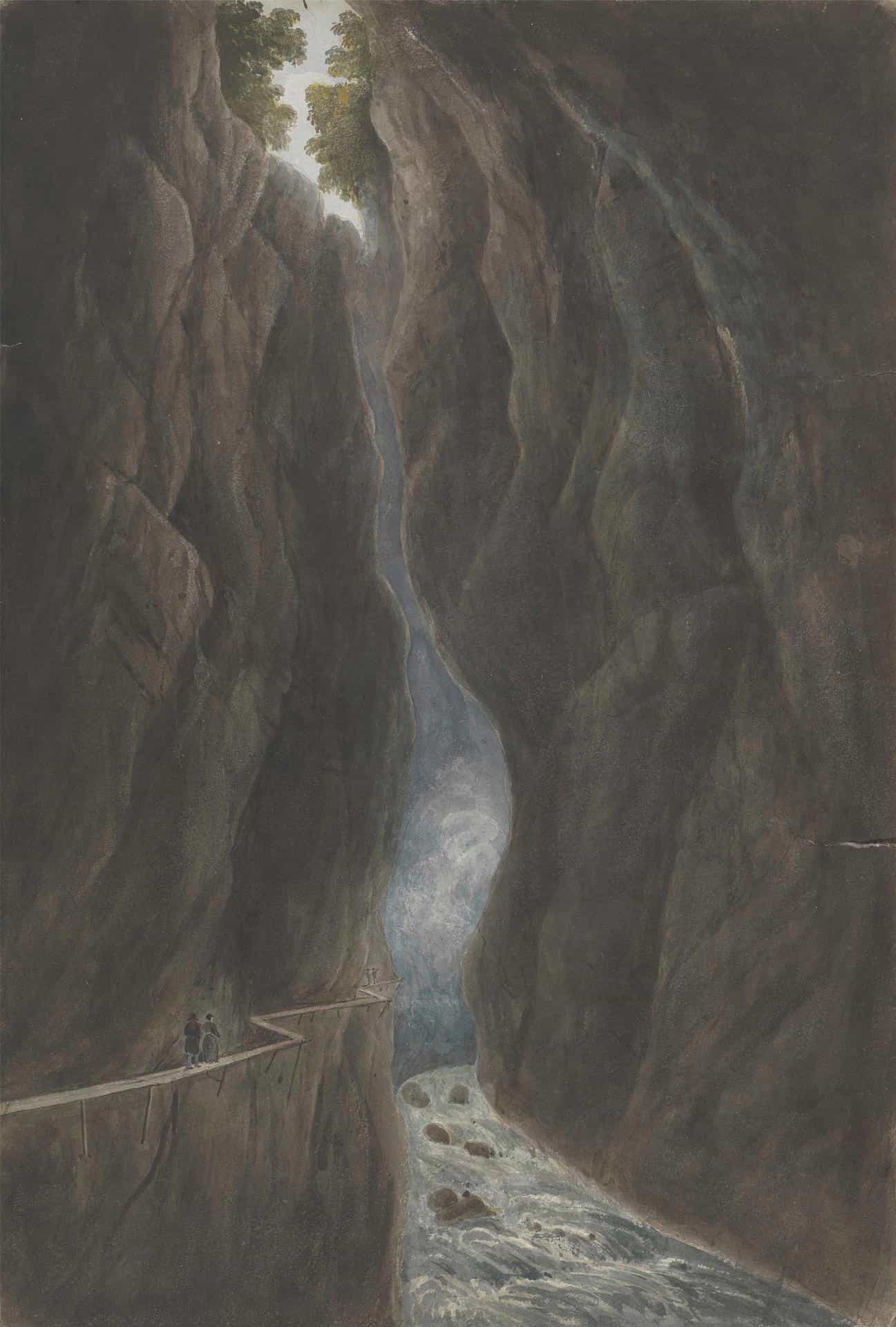
Pffeffen Bad, Switzerland
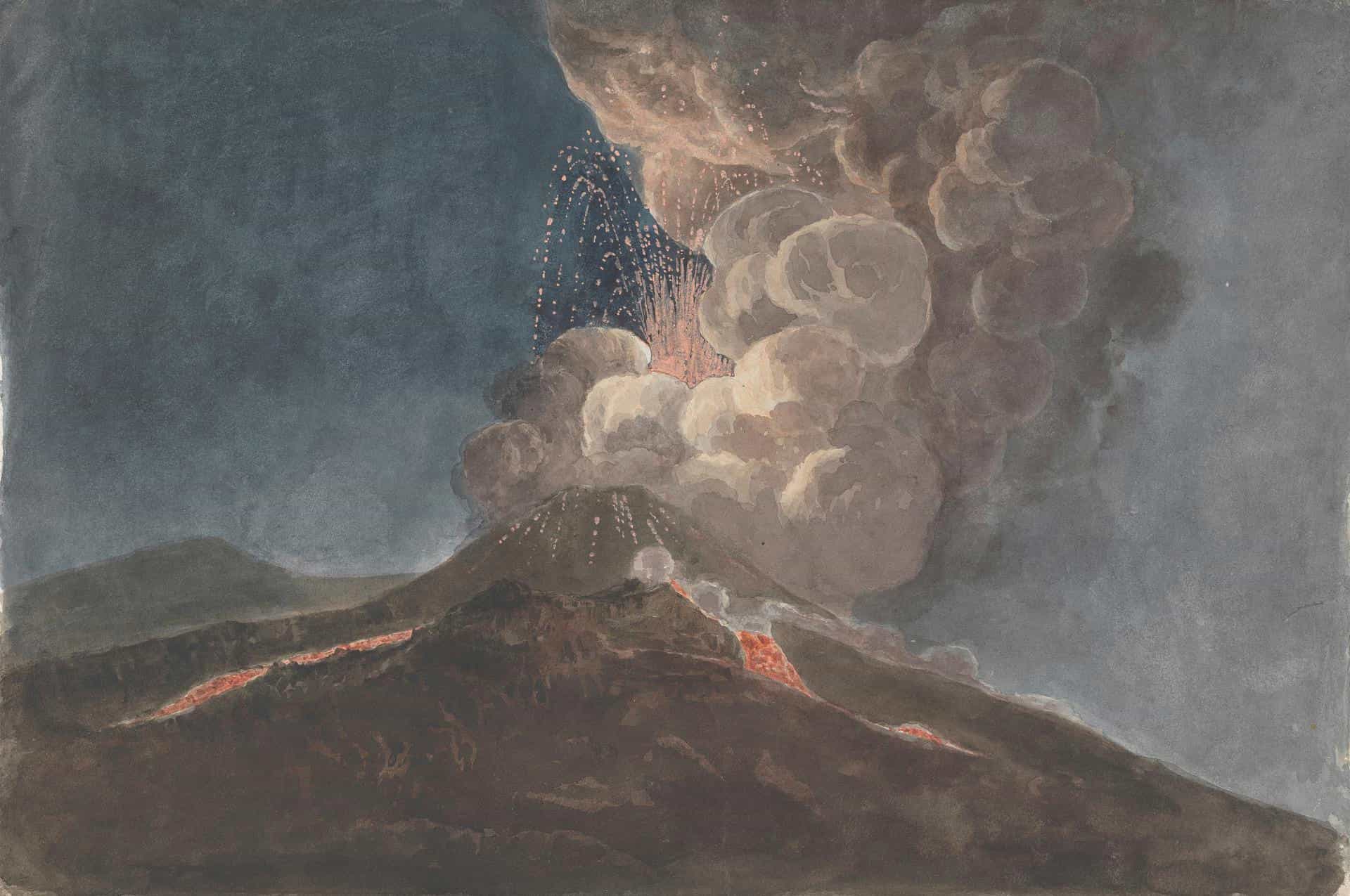
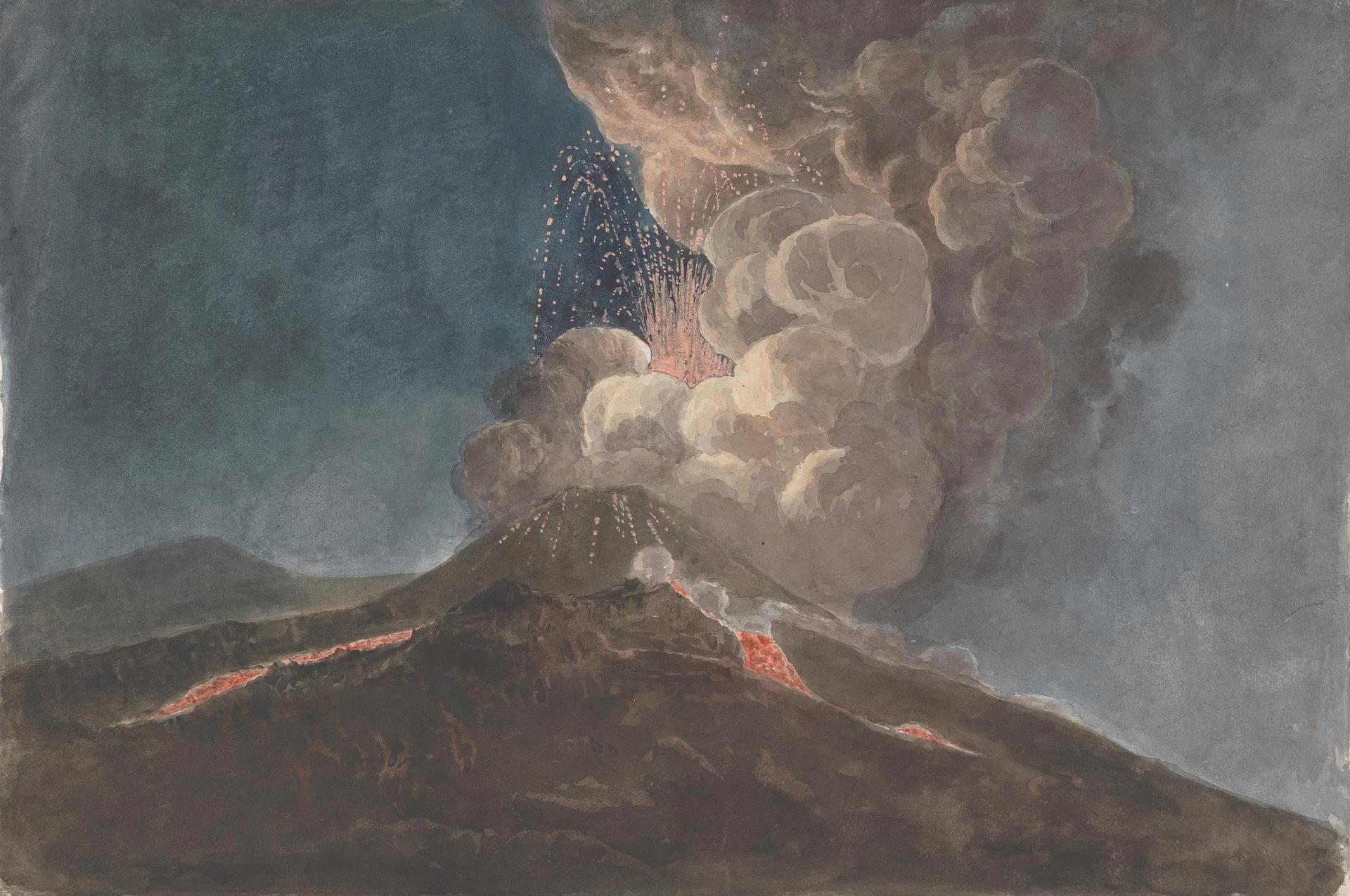
Vesuvius in Eruption
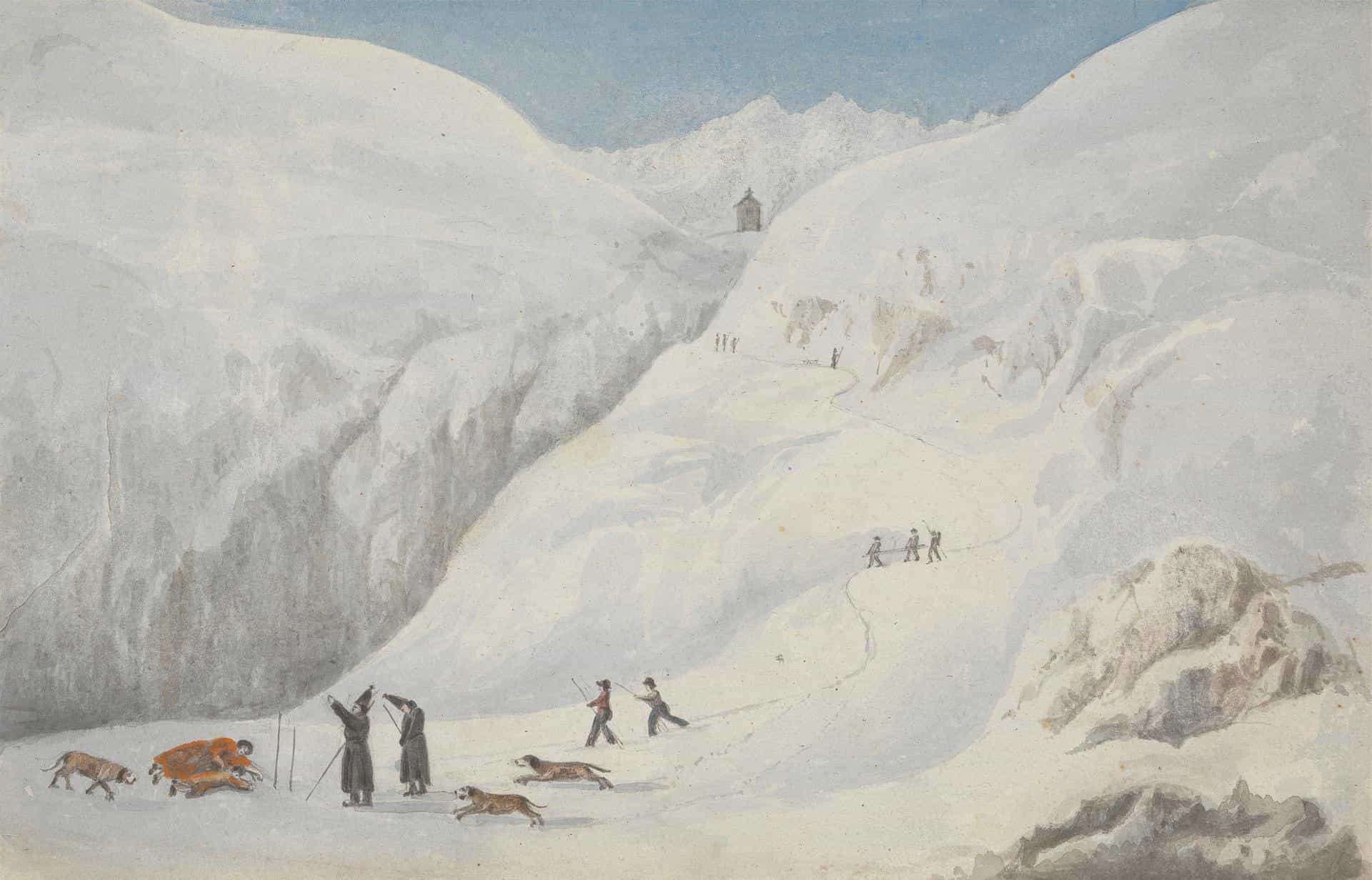
Mt. St. Bernard, Switzerland
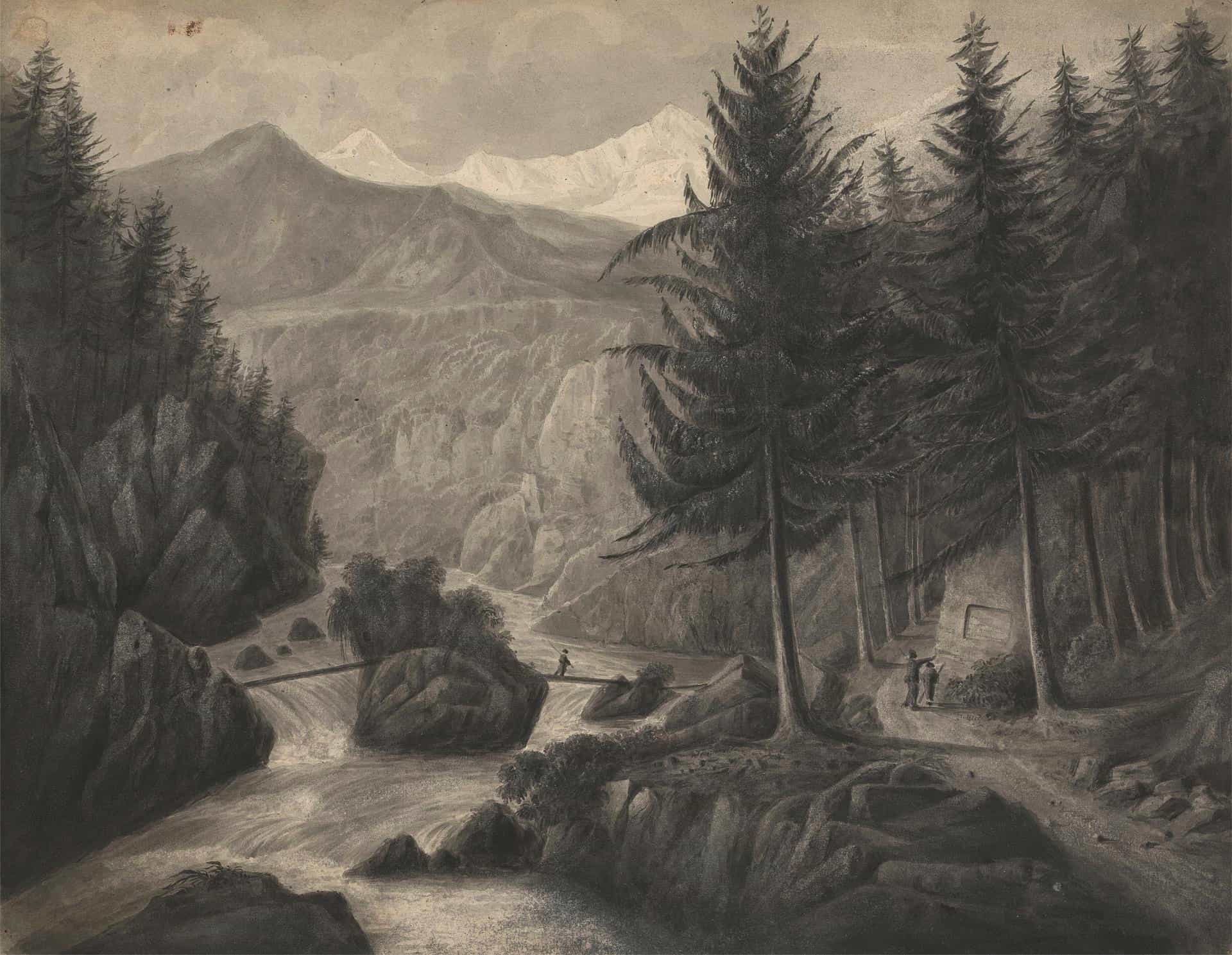
On the Zwcilutzen - Near Interlaken, Canton of Berne, The Jungfrau in the Distance
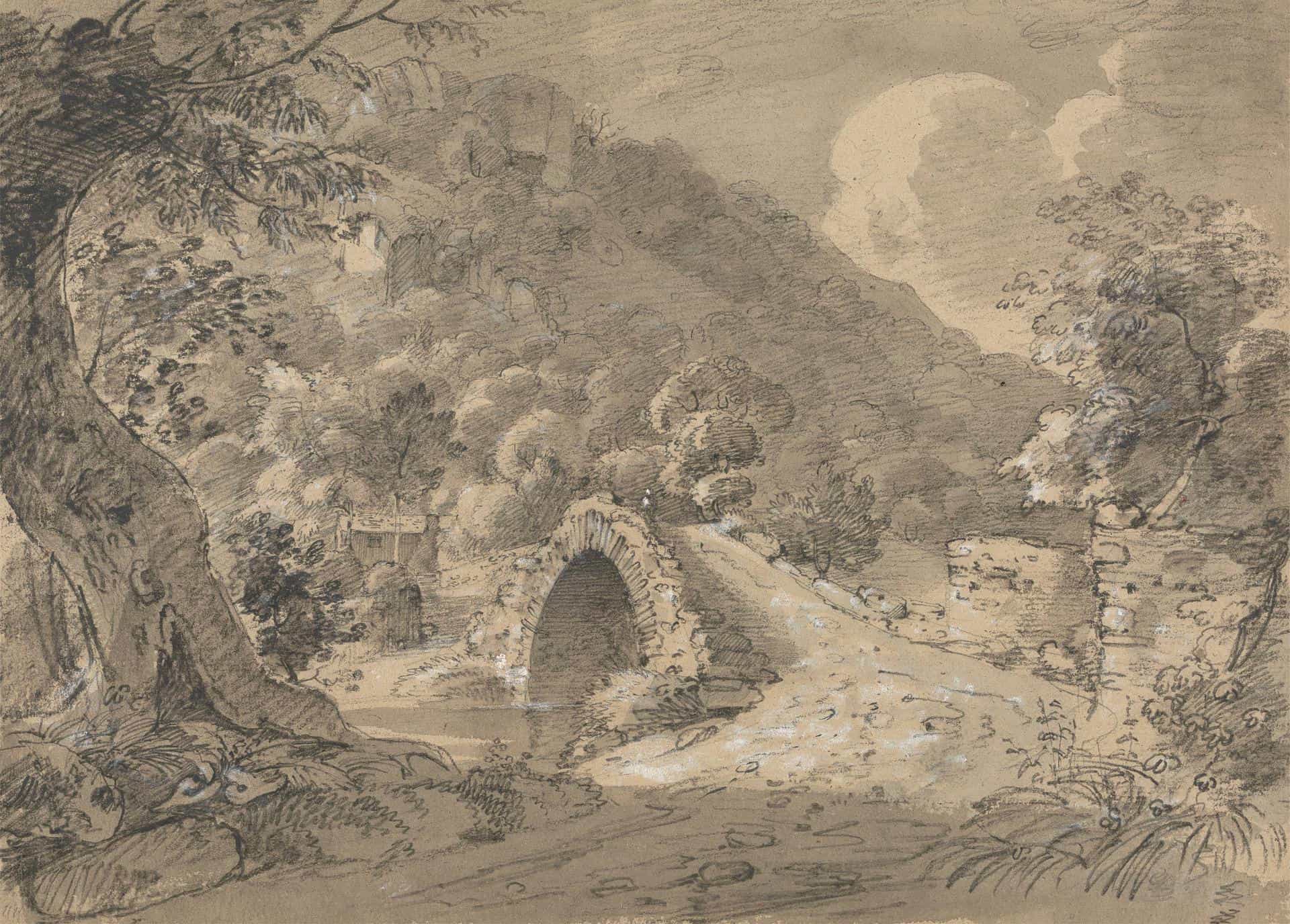
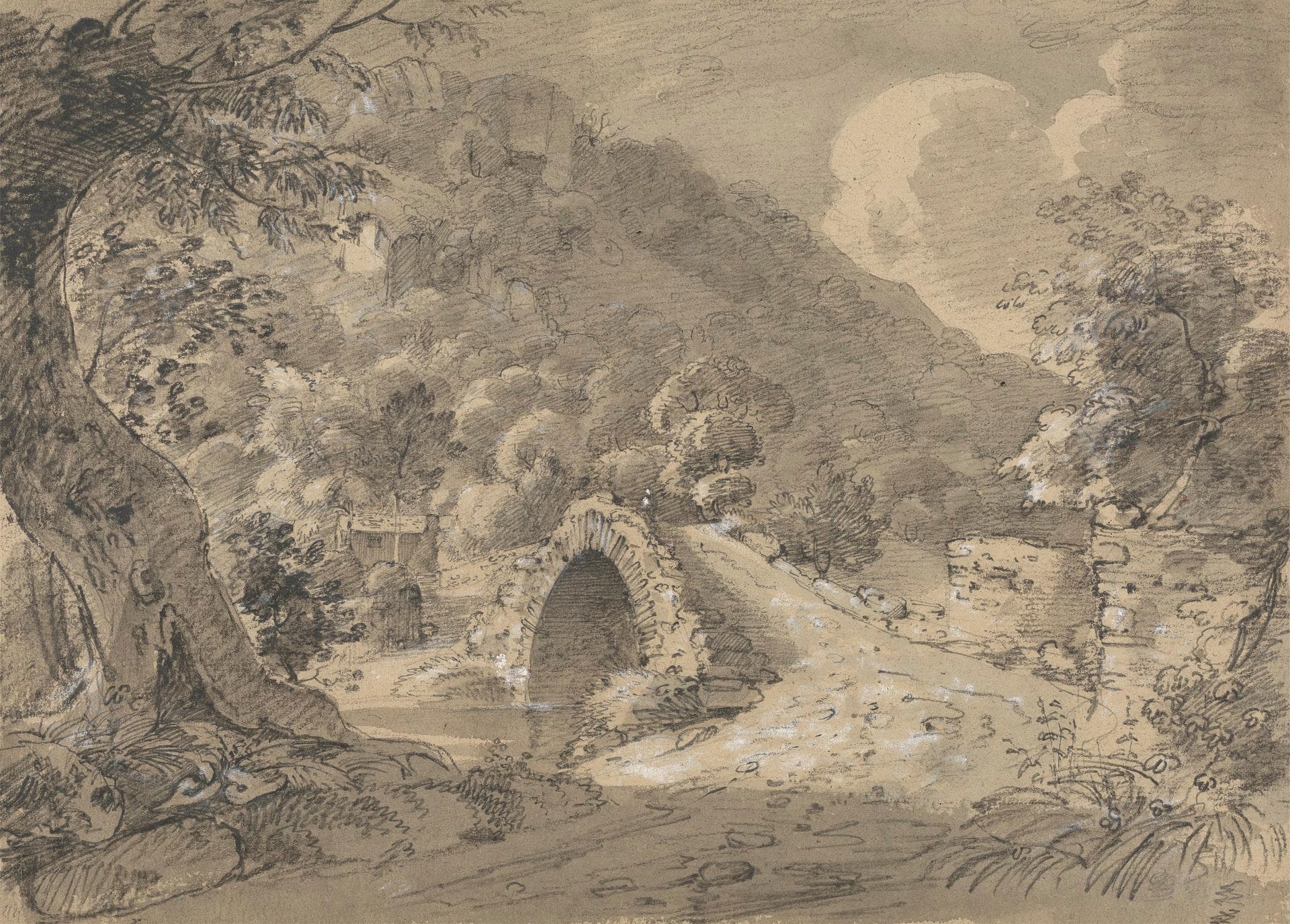
Mountainous Landscape with a Bridge and House
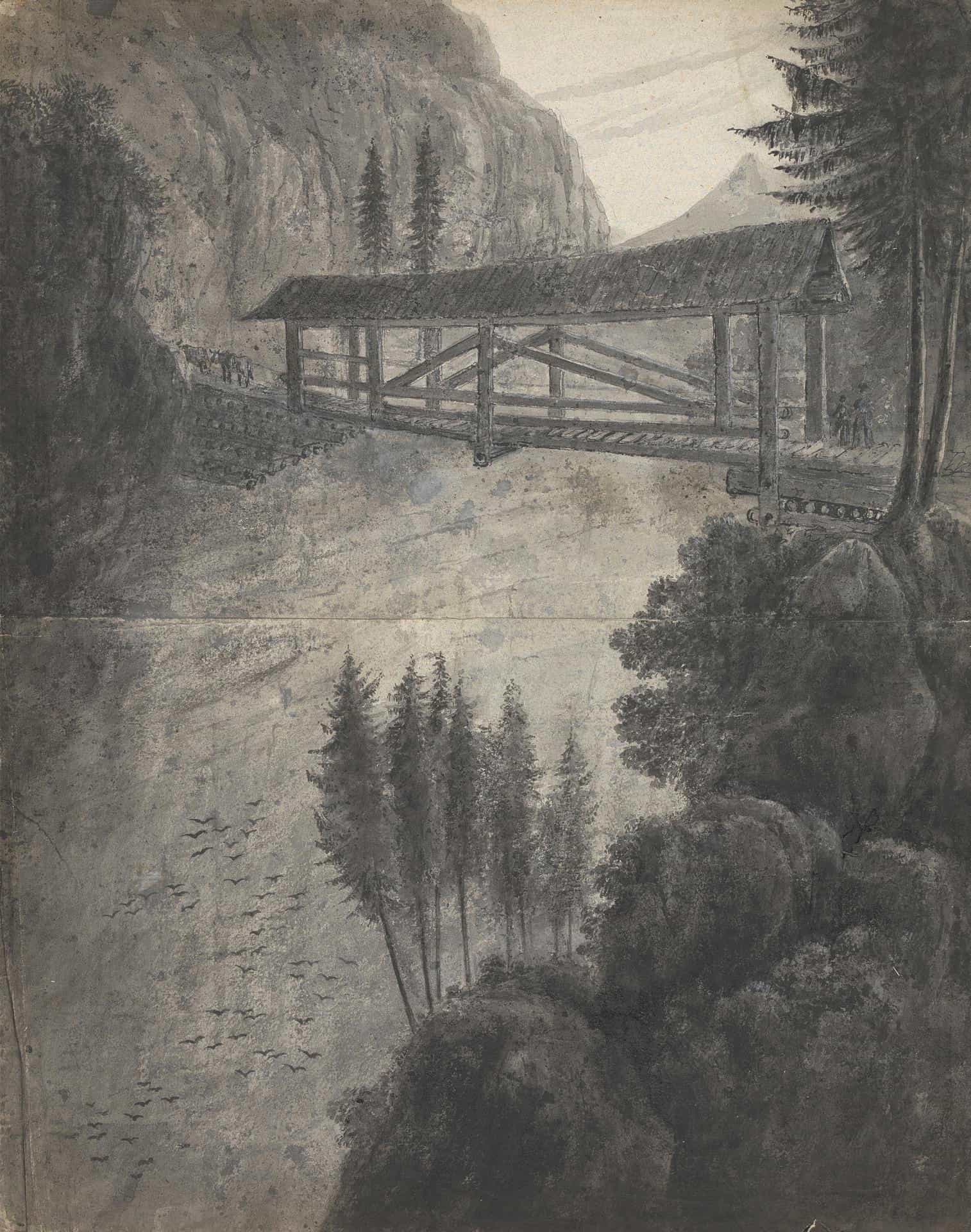
Grisons: Looking to Glarnisch (Switzerland) Mountains
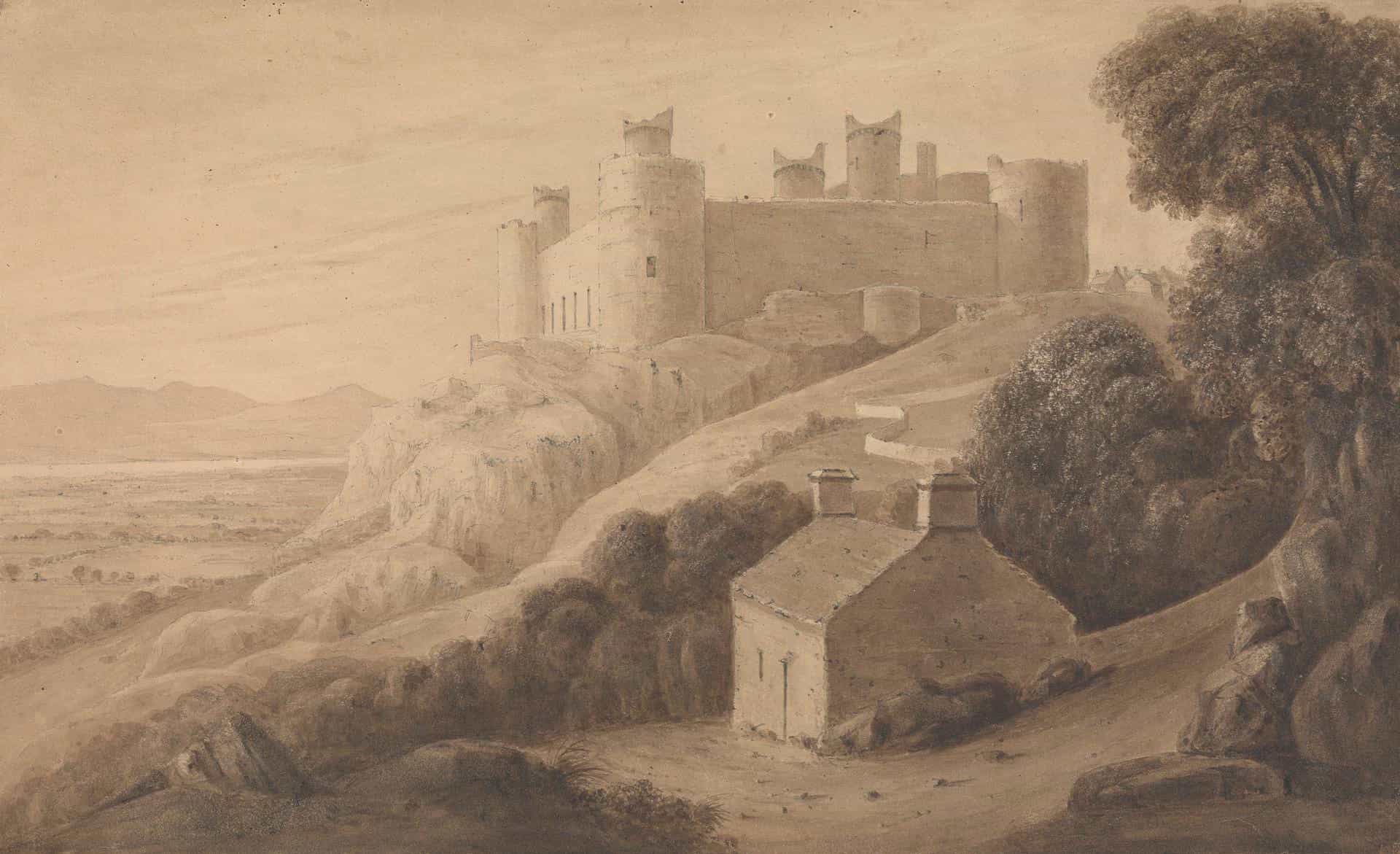
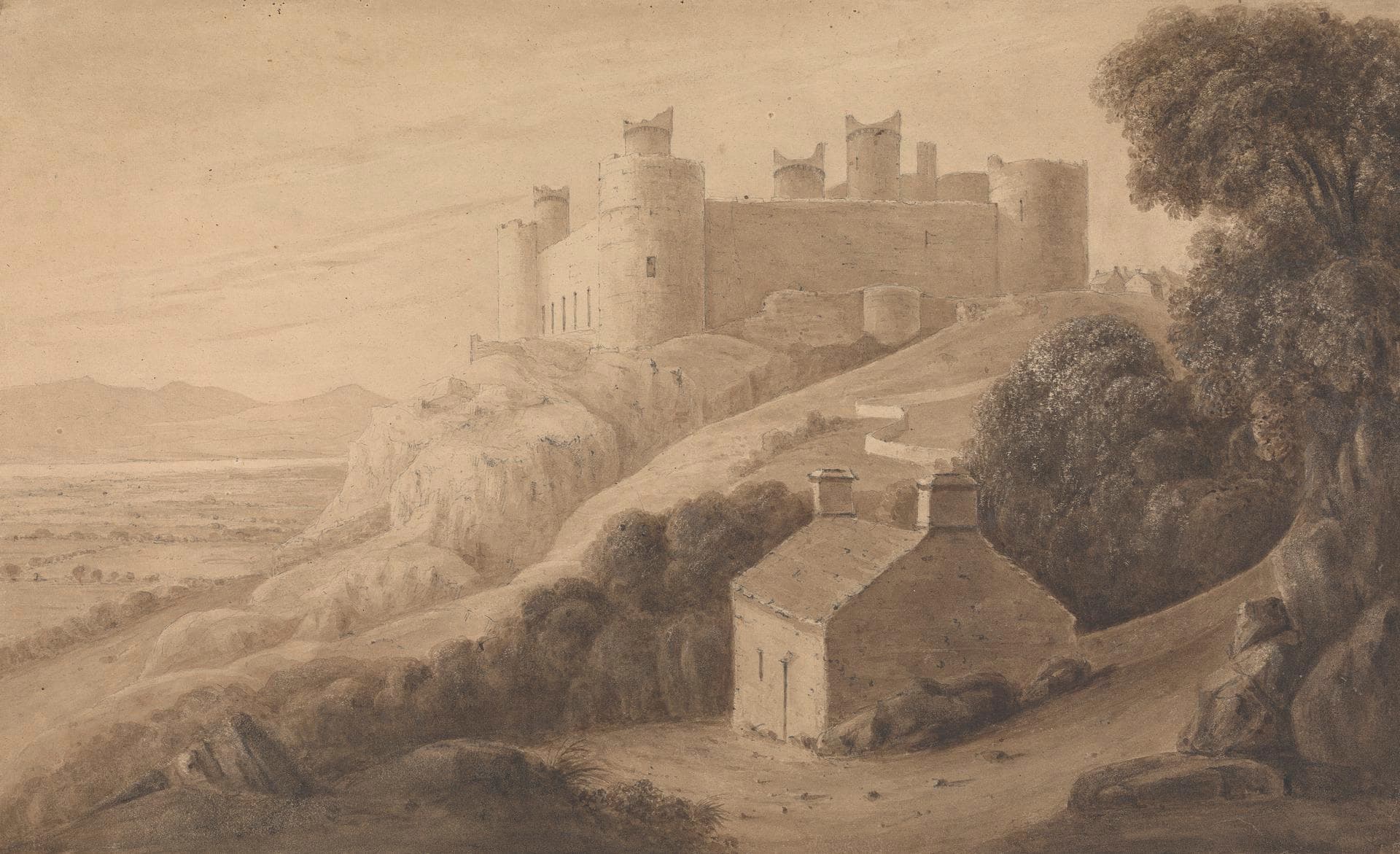
Harlech Castle
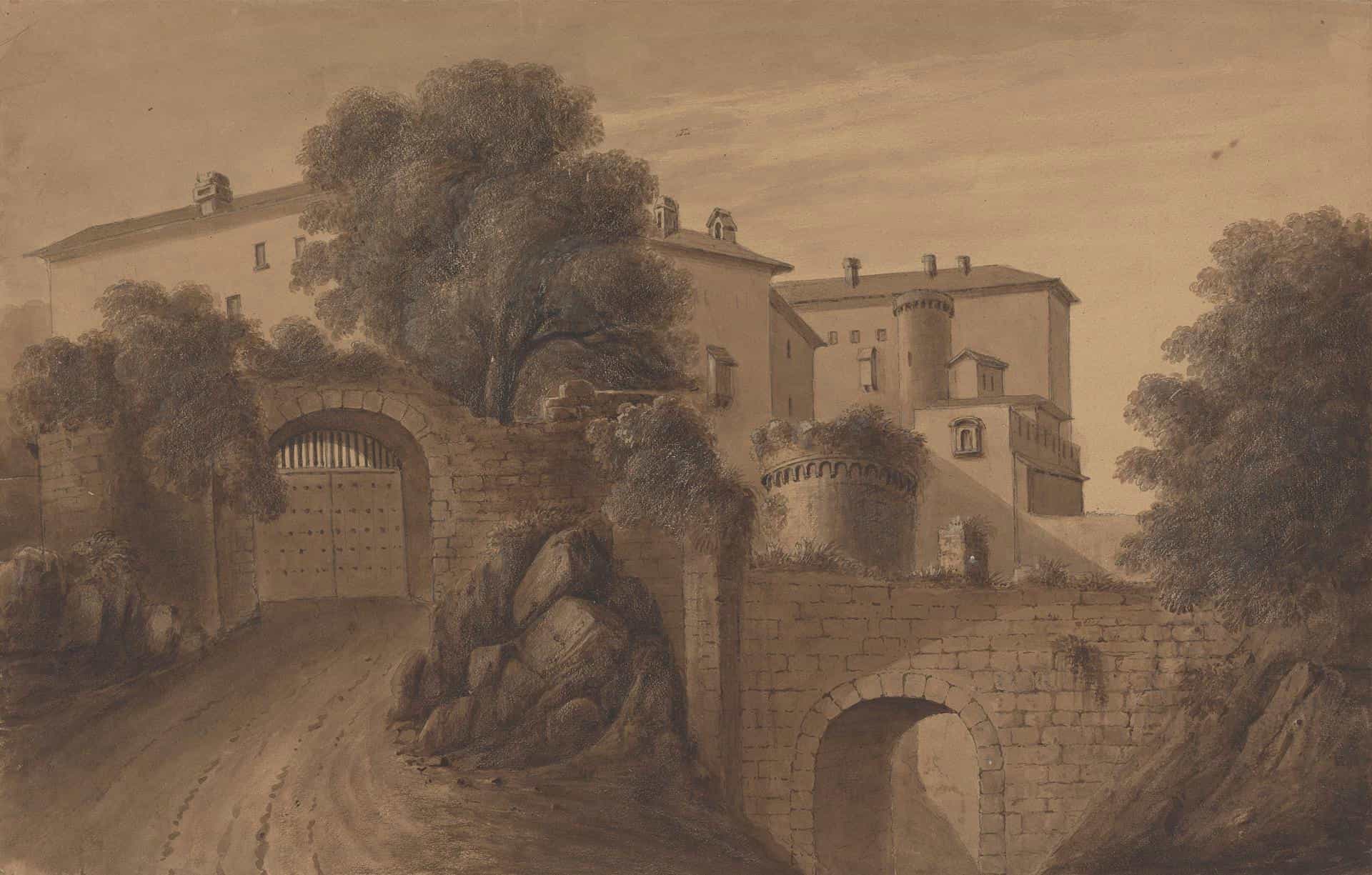
Castello Malespina Appennines
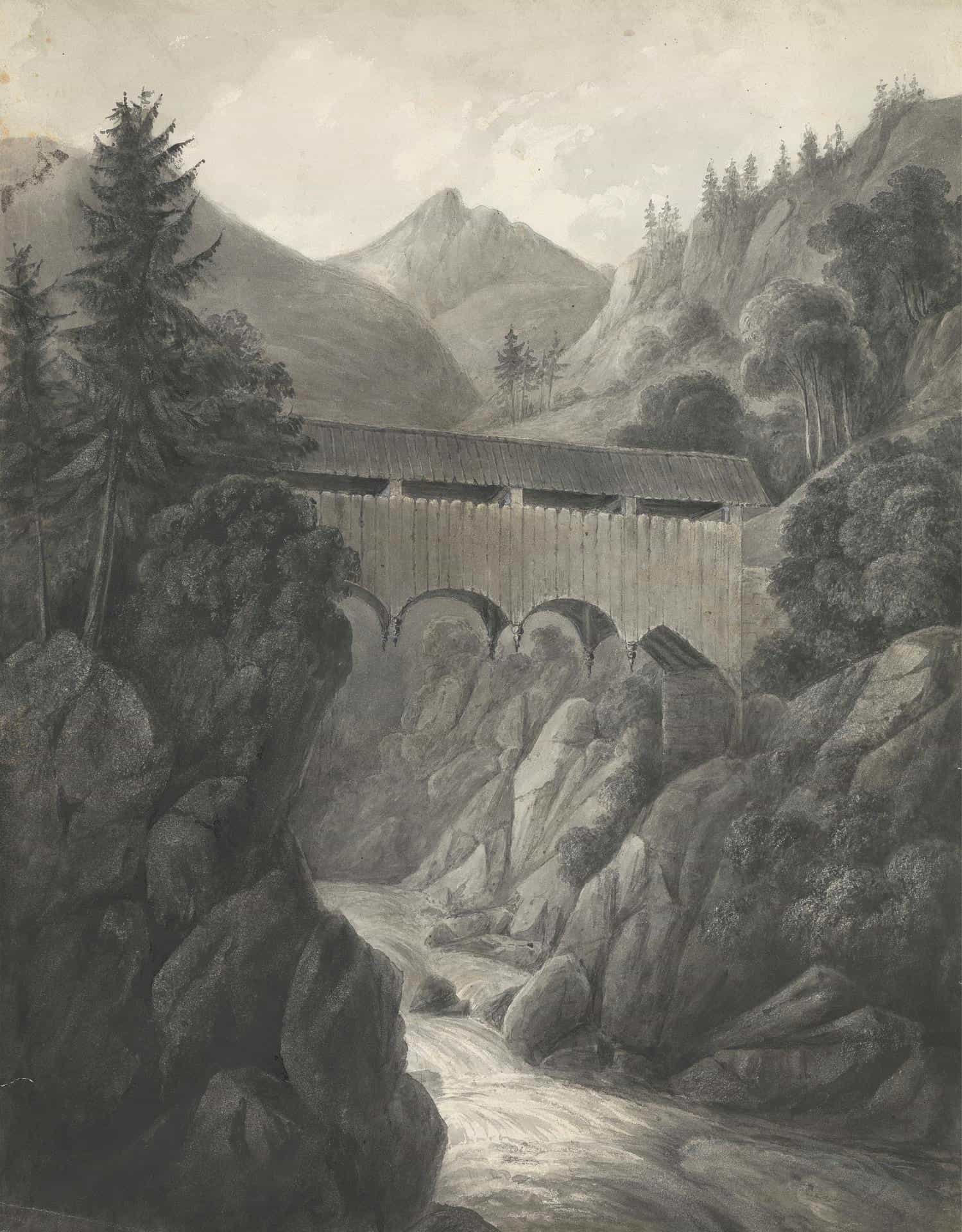
St. Martyns Bruche
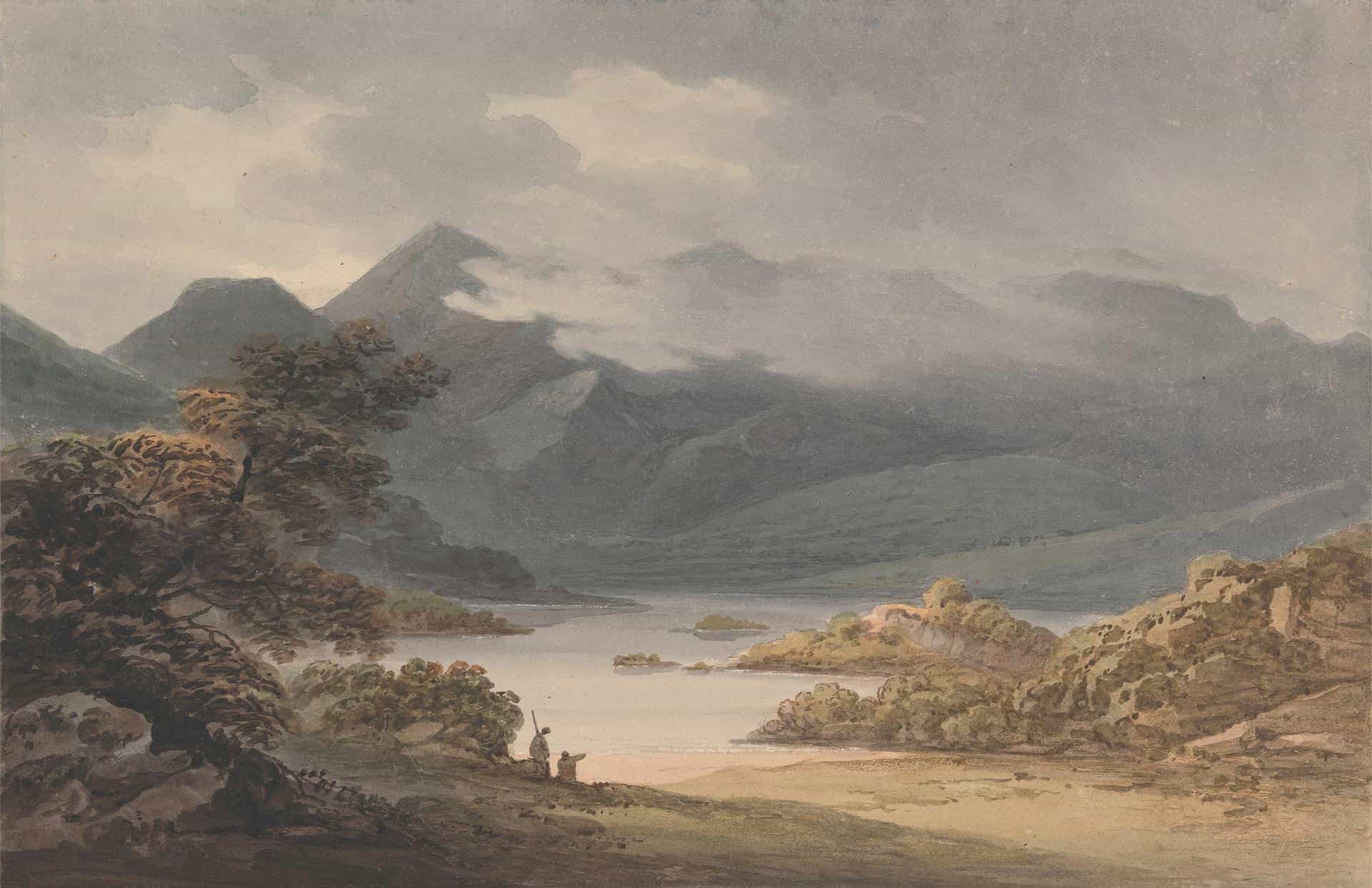
View on the Upper Lake, Ireland
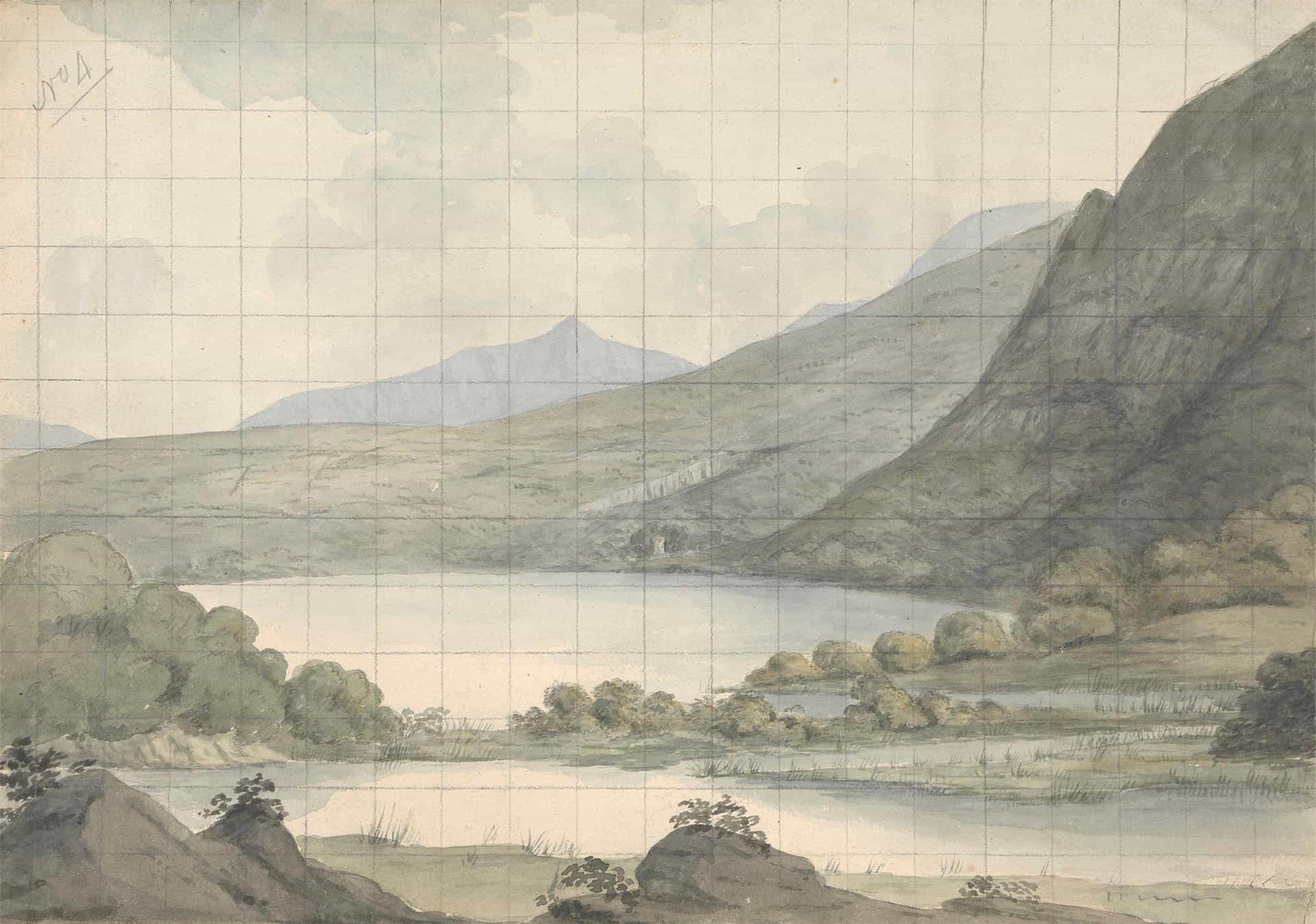
Turk Lake Looking Across the River and Brikeen Island, Ireland