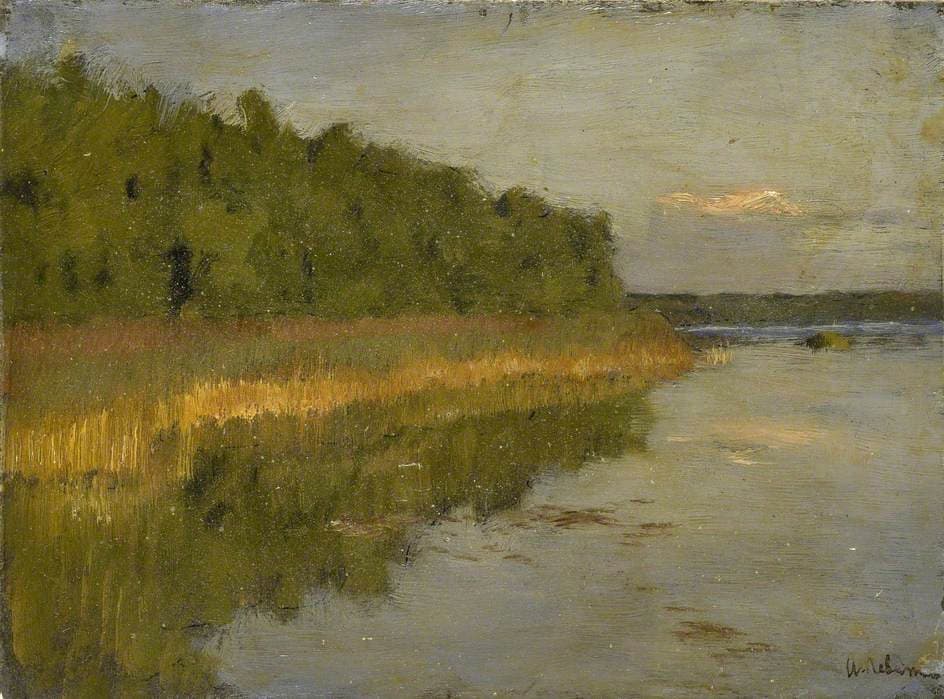
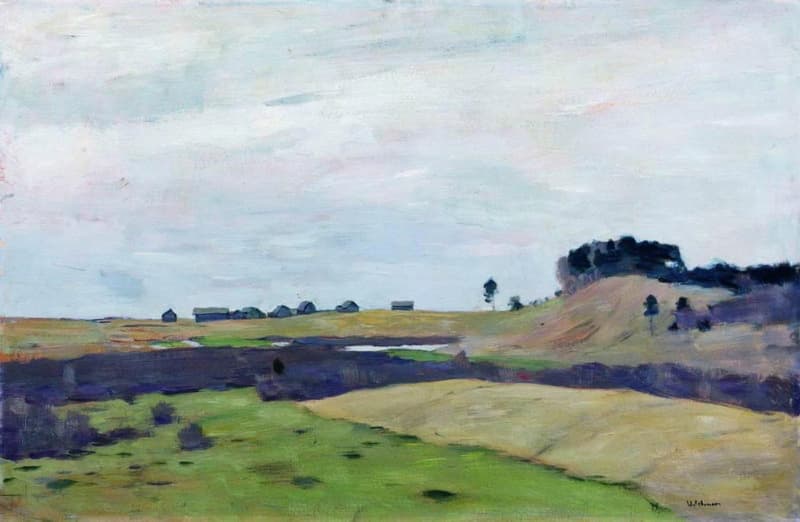
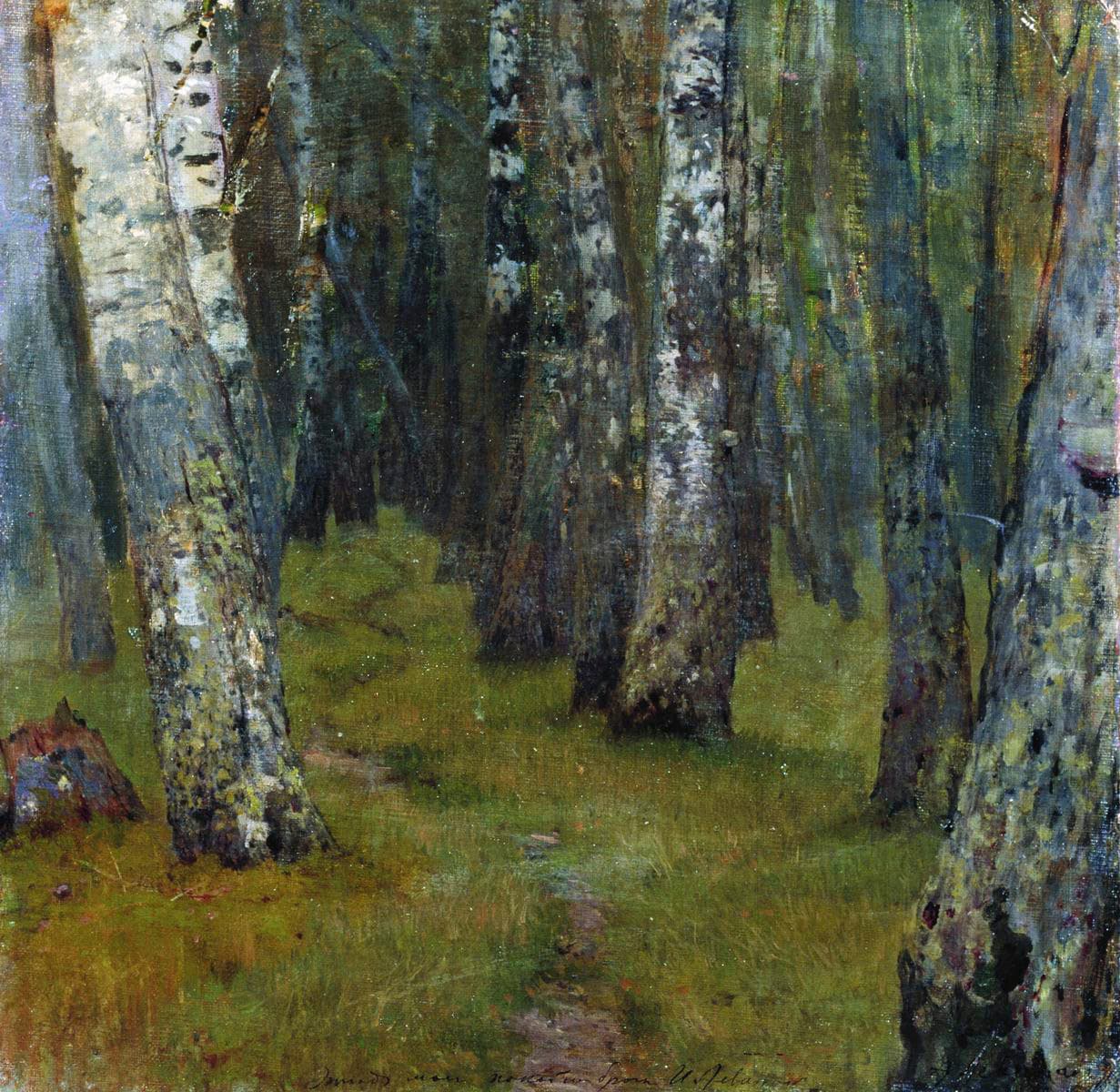
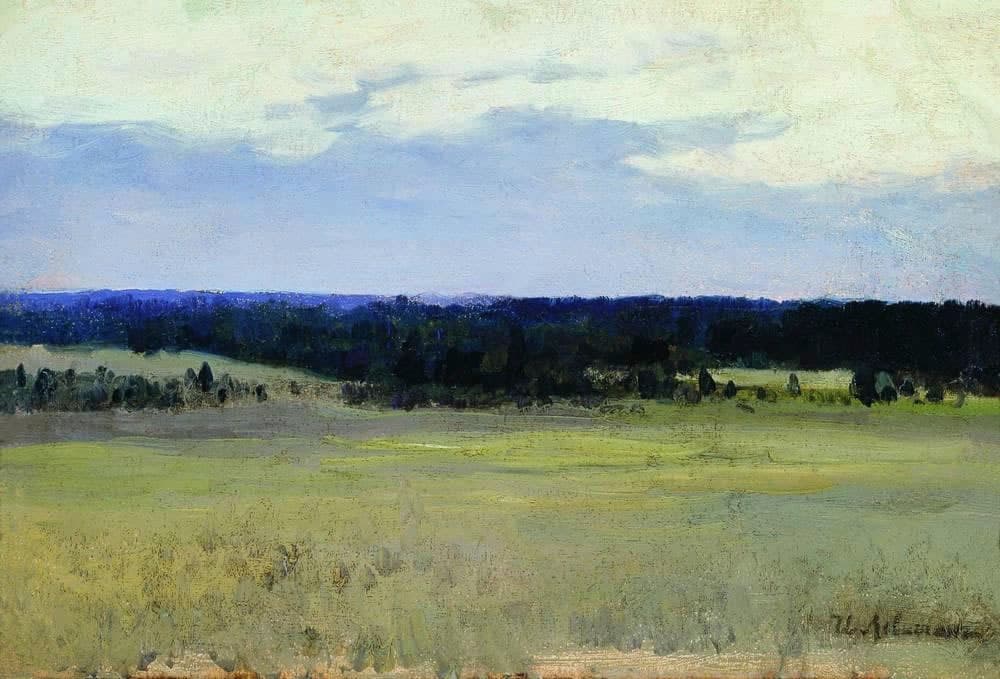
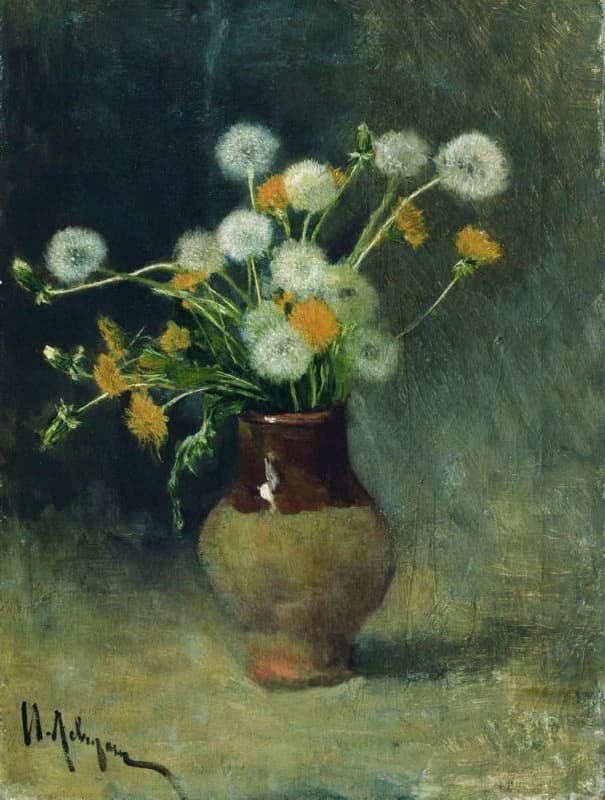
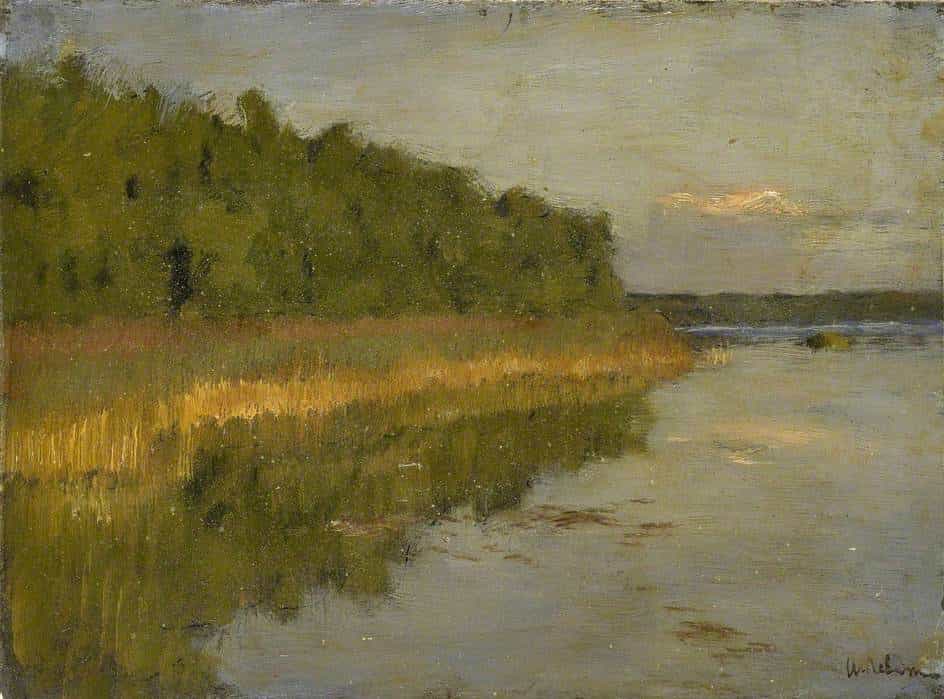
Copse by a Lake (Autumn)
Isaac Levitan
From $40
Collection
Museum-quality reproductions on 310gsm textured cotton rag paper.
Shop all prints by Isaac LevitanArtistic Style
Style Evolution
Levitan progressed from careful realist study at the Moscow School to a mature 'mood landscape' approach in the 1880s–1890s, using restrained palettes and simplified forms to evoke atmosphere and emotion.
Palette
Subjects
Techniques
Topics
Isaac Levitan (1860-1900) was a Russian Realist landscape painter whose evocative 'mood landscapes' captured the poetic atmosphere of Russia's countryside.
Learn about the life of Isaac Levitan
Biography
Isaac Levitan (1860-1900) was a Russian Realist landscape painter whose evocative 'mood landscapes' captured the poetic atmosphere of Russia's countryside.
Isaac Levitan (1860-1900) was a Russian Realist landscape painter whose evocative 'mood landscapes' captured the poetic atmosphere of Russia's countryside.
Born in Kėdainiai in 1860, Levitan moved to pursue his artistic education and career in Russia. From early on he developed a deep sensitivity to the atmosphere and emotional resonance of place, a quality that would define his mature work.
Levitan trained at the Moscow School of Painting, Sculpture and Architecture, where he absorbed the techniques of landscape painting and the realist tradition popular in late 19th-century Russia. He came of age artistically in the circle of Russian landscape painters and was associated with the broader realist and Peredvizhniki (Wanderers) milieu that sought truthful depictions of Russian life and nature.
In his early work Levitan focused on study, mastering plein-air techniques and learning to read the tonal and atmospheric values of the Russian countryside. His work from this time shows careful observation and a developing poetic sensibility.
By the 1880s and 1890s Levitan had defined the approach now often called the "mood landscape": paintings that prioritize atmosphere, light, and emotional tone over topographic exactitude. During this period his canvases increasingly emphasized broad skies, quiet horizons, and the interplay of light and weather.
In his later years Levitan refined a spare, lyrical handling that communicated mood through color, simplified forms, and subtle tonal harmonies. His mature works are noted for their meditative stillness and decorative harmony.
Levitan's reputation rests on a body of landscape paintings that capture the character of Russian nature with poetic clarity. He exhibited widely in Russia and became a leading figure in landscape painting, admired for compositions that combine decorative appeal with emotional depth. Collectors prize his canvases for their atmospheric presence and ability to transform interiors with a sense of space and mood.
Levitan favored a restrained palette and sensitive tonal transitions to evoke weather, time of day, and feeling. His technique often balances detailed observation with simplified, rhythmic compositions; brushwork ranges from careful modeling in focal areas to broader, more suggestive strokes in skies and foregrounds. The result is work that reads well both up close and across a room, making it particularly appealing as decorative art.
Levitan influenced generations of Russian landscape painters by demonstrating how landscape could express emotion and national character without overt sentimentality. He absorbed the realist tradition
Frequently Asked Questions
Copse by a Lake (Autumn)
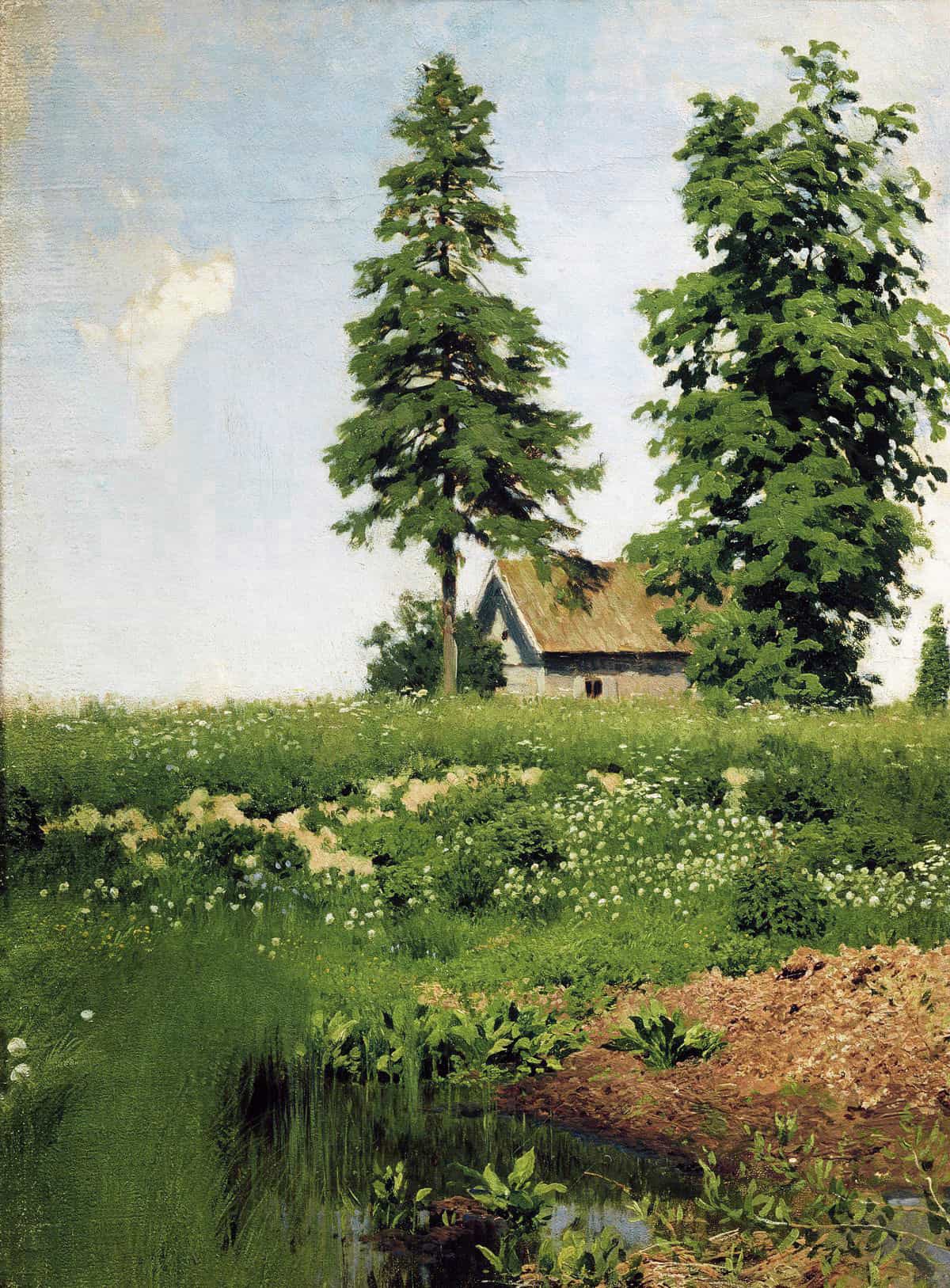
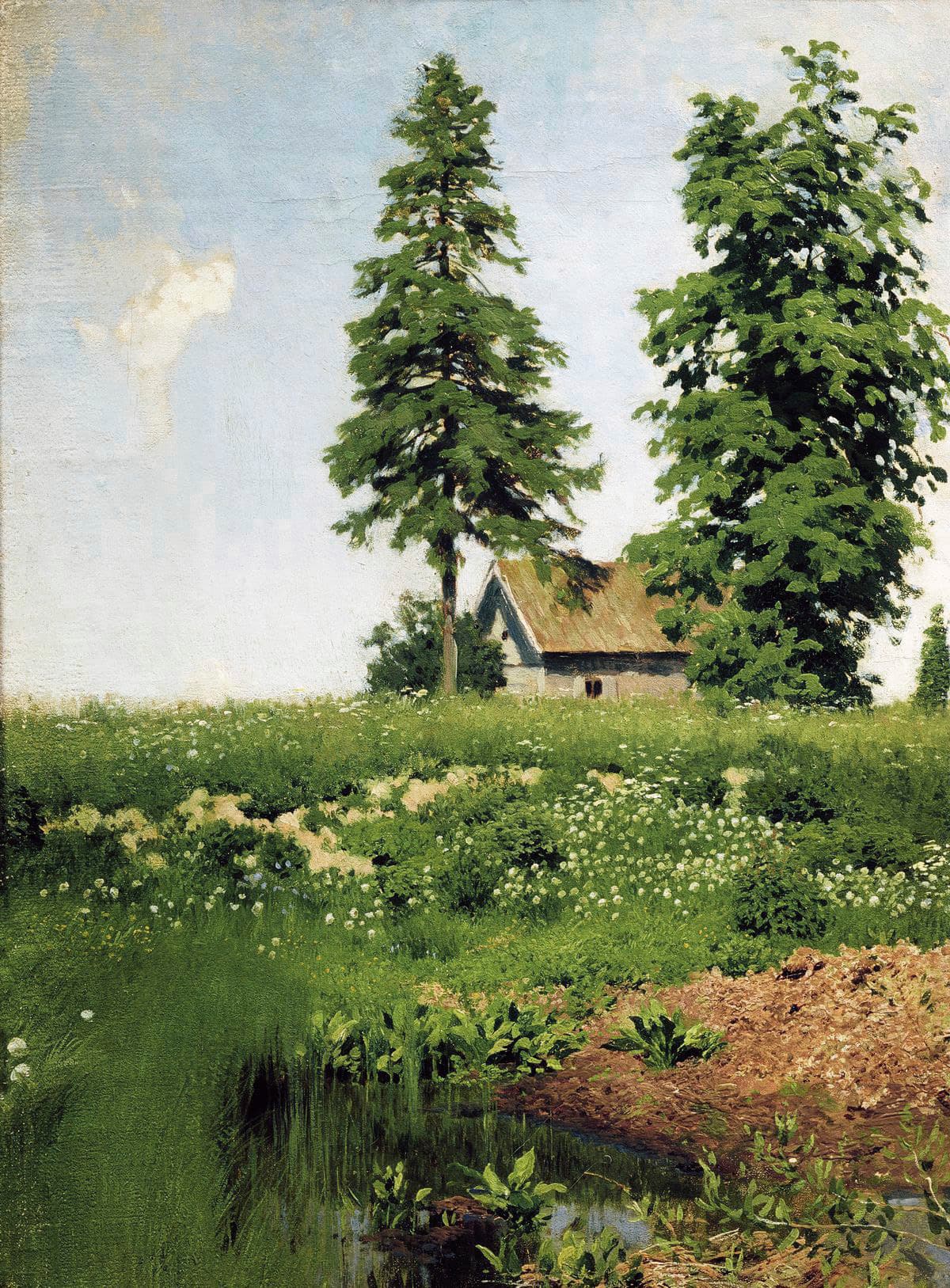
Избушка на лугу
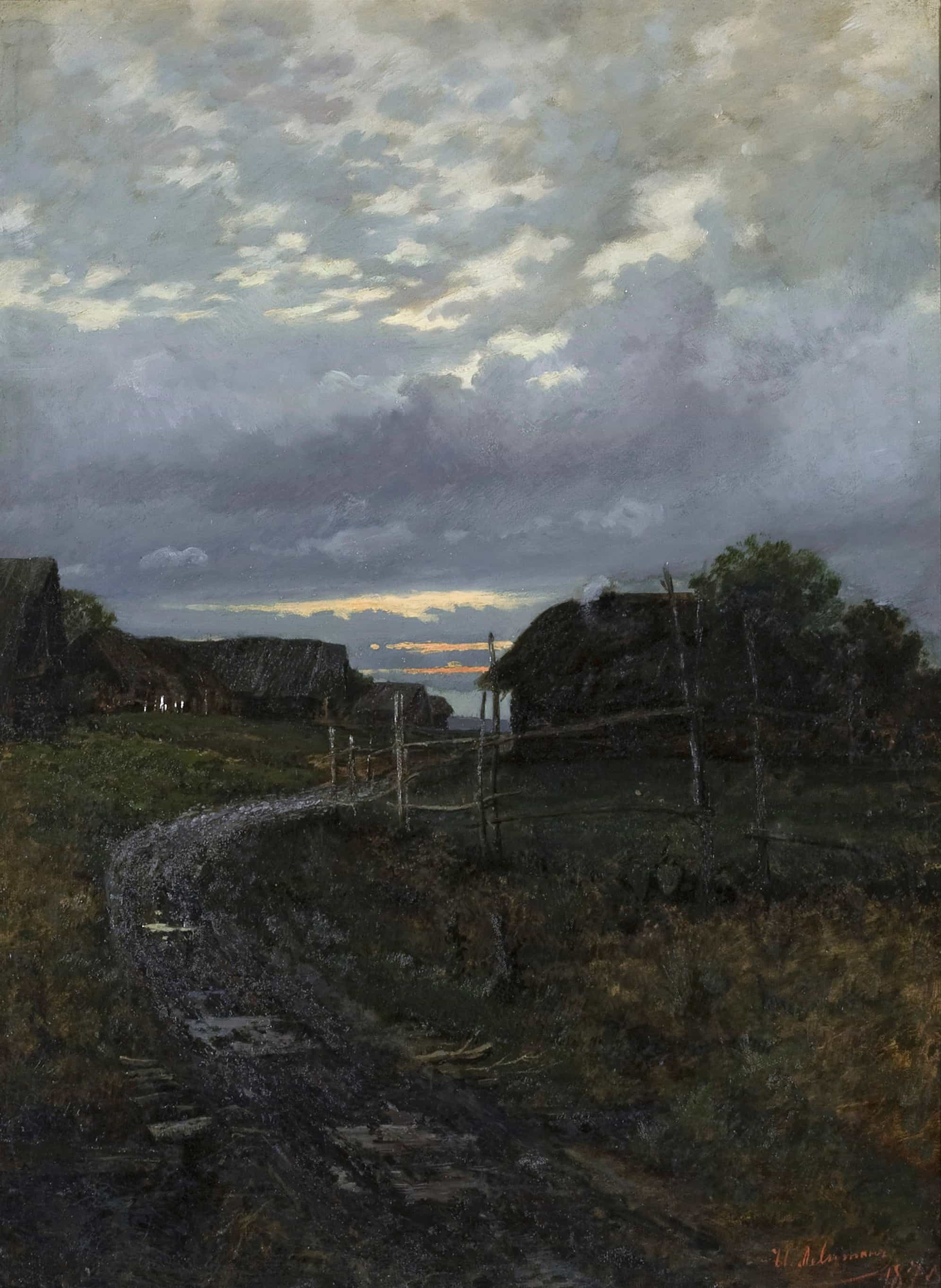
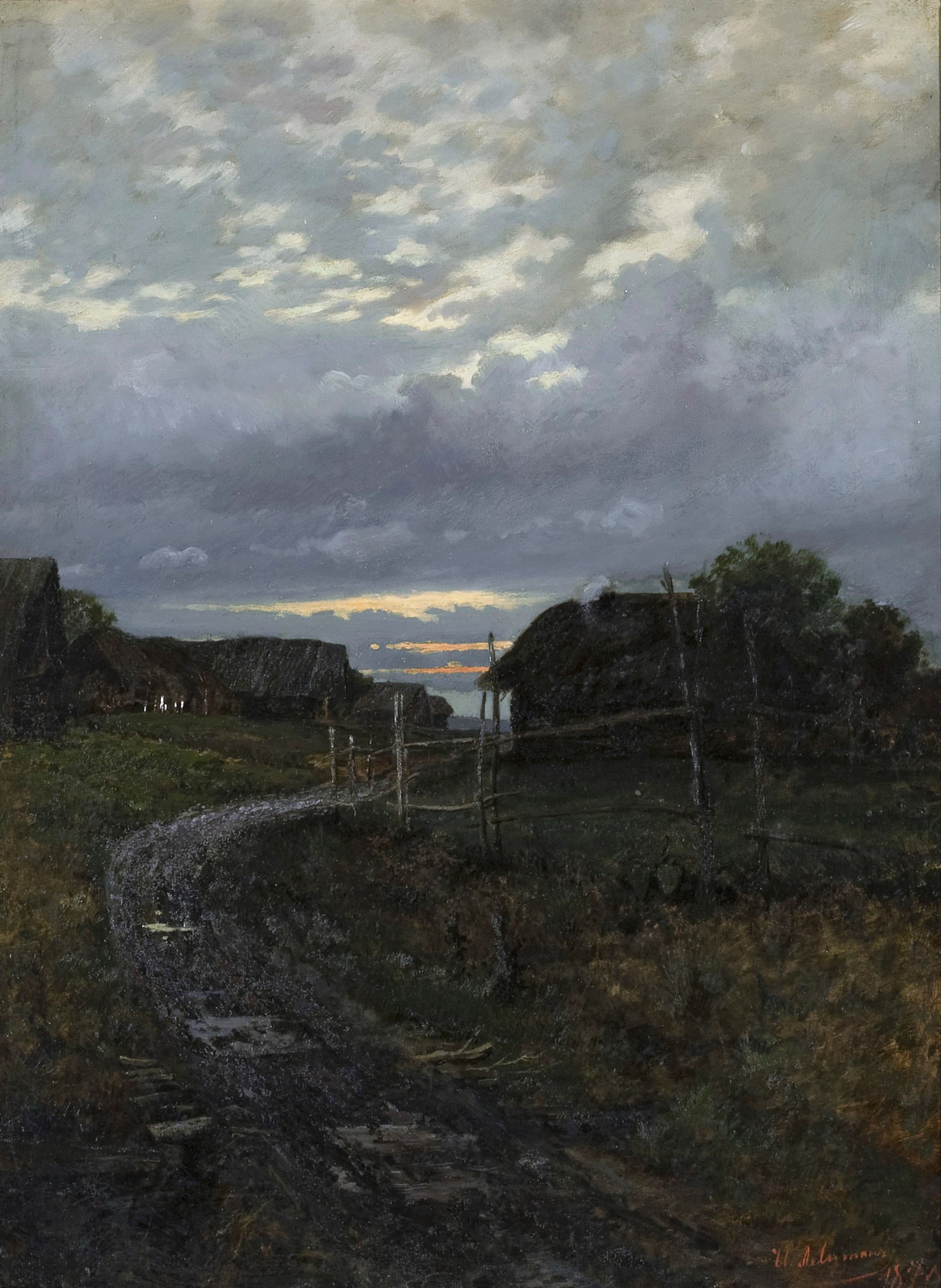
Вечер
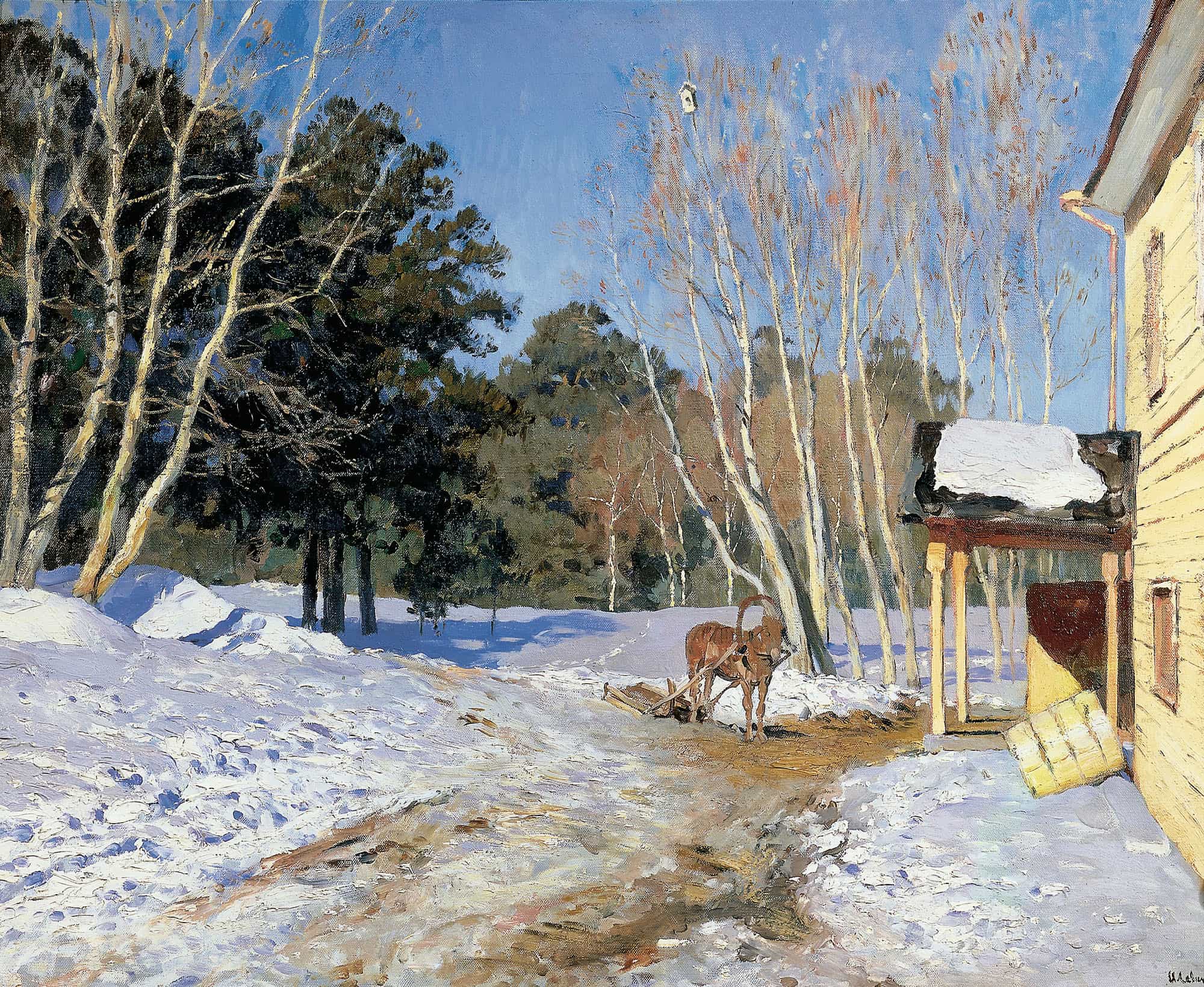
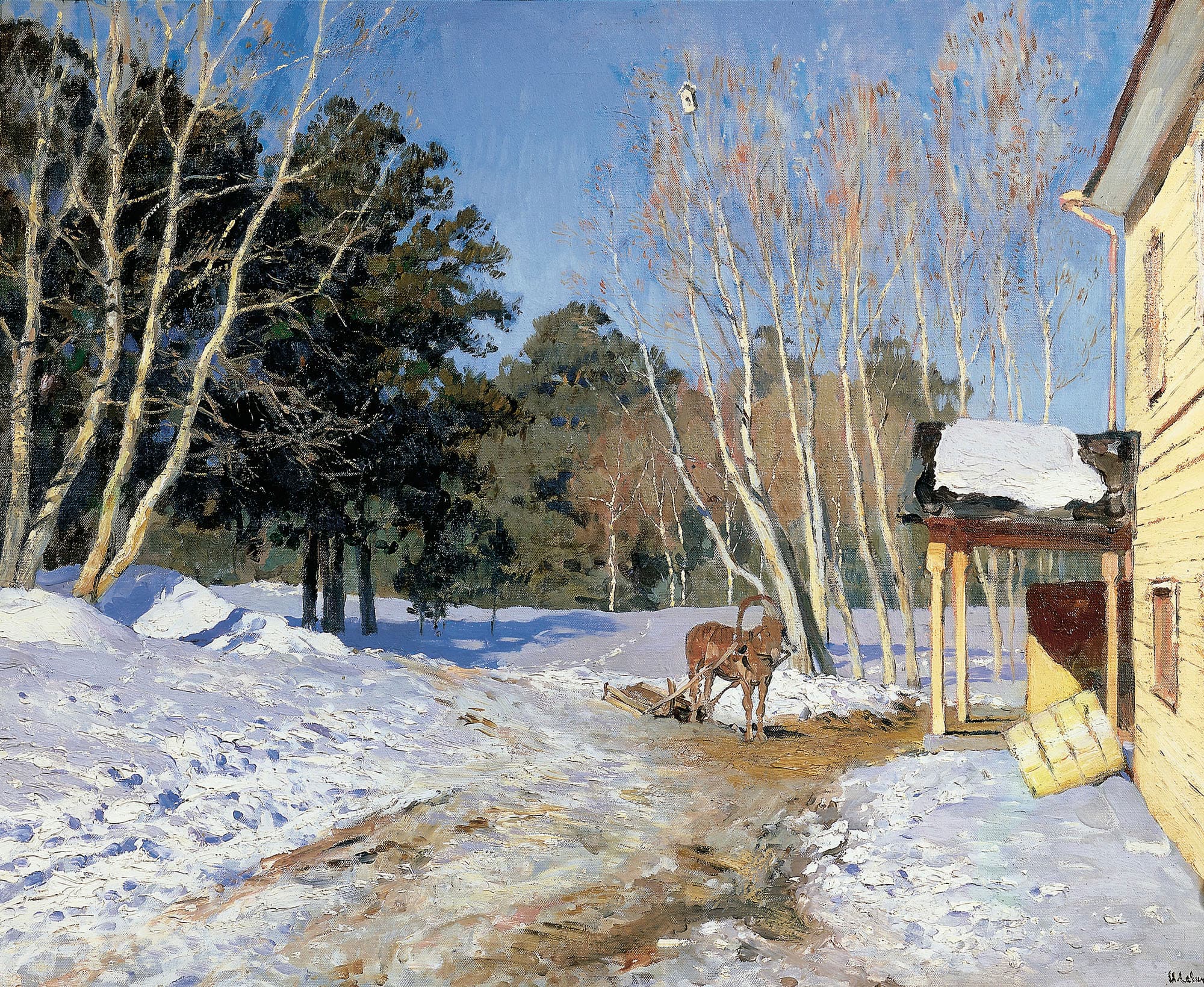
March
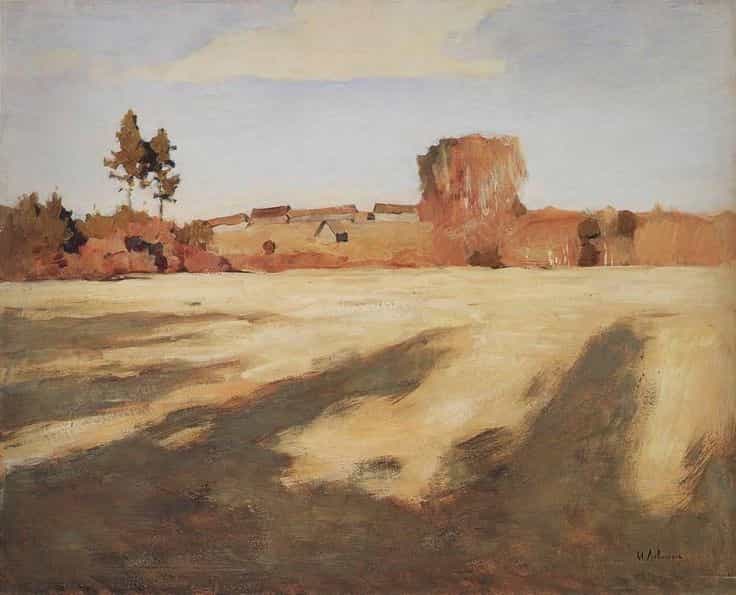
Autumn. Sunny Day
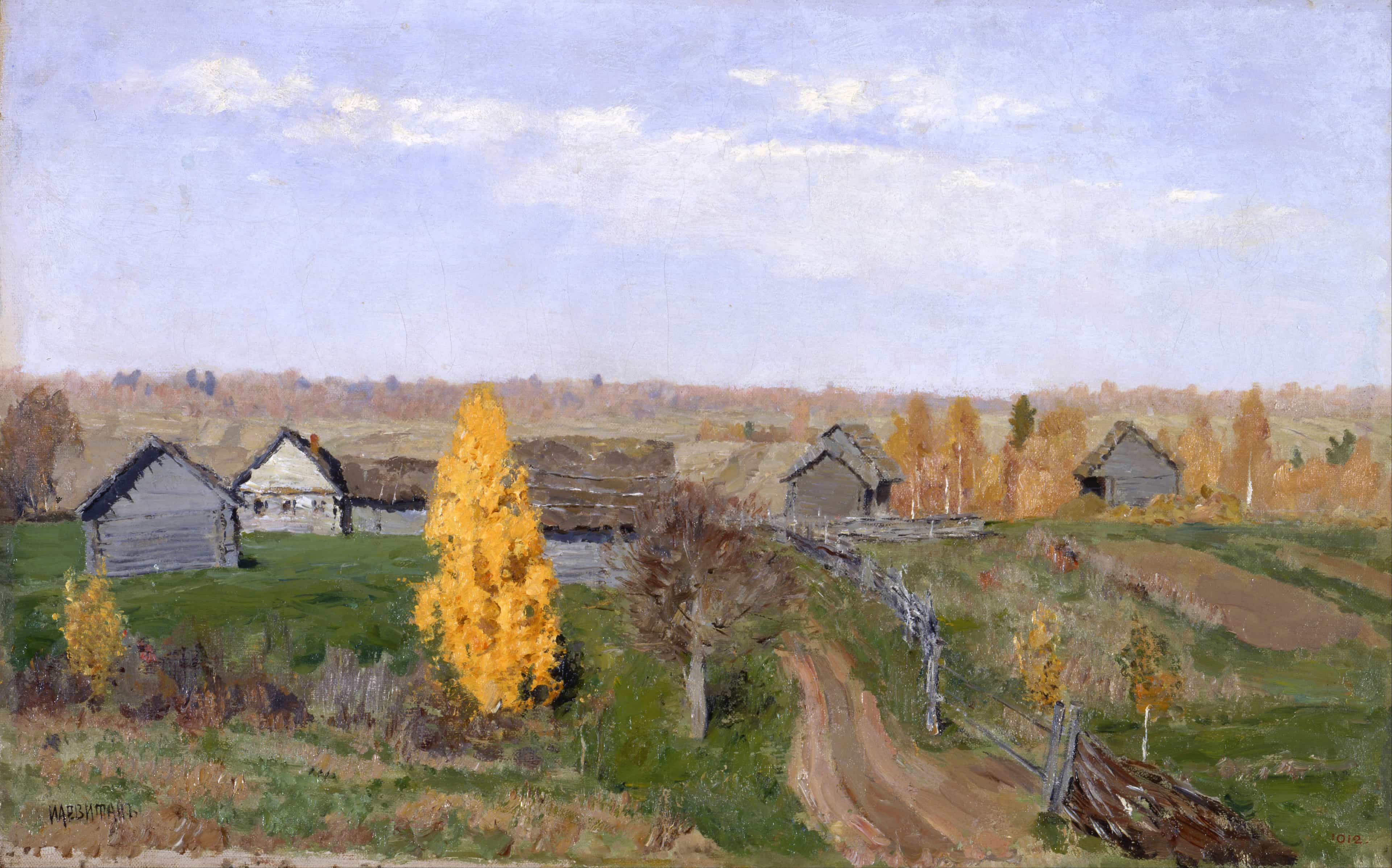
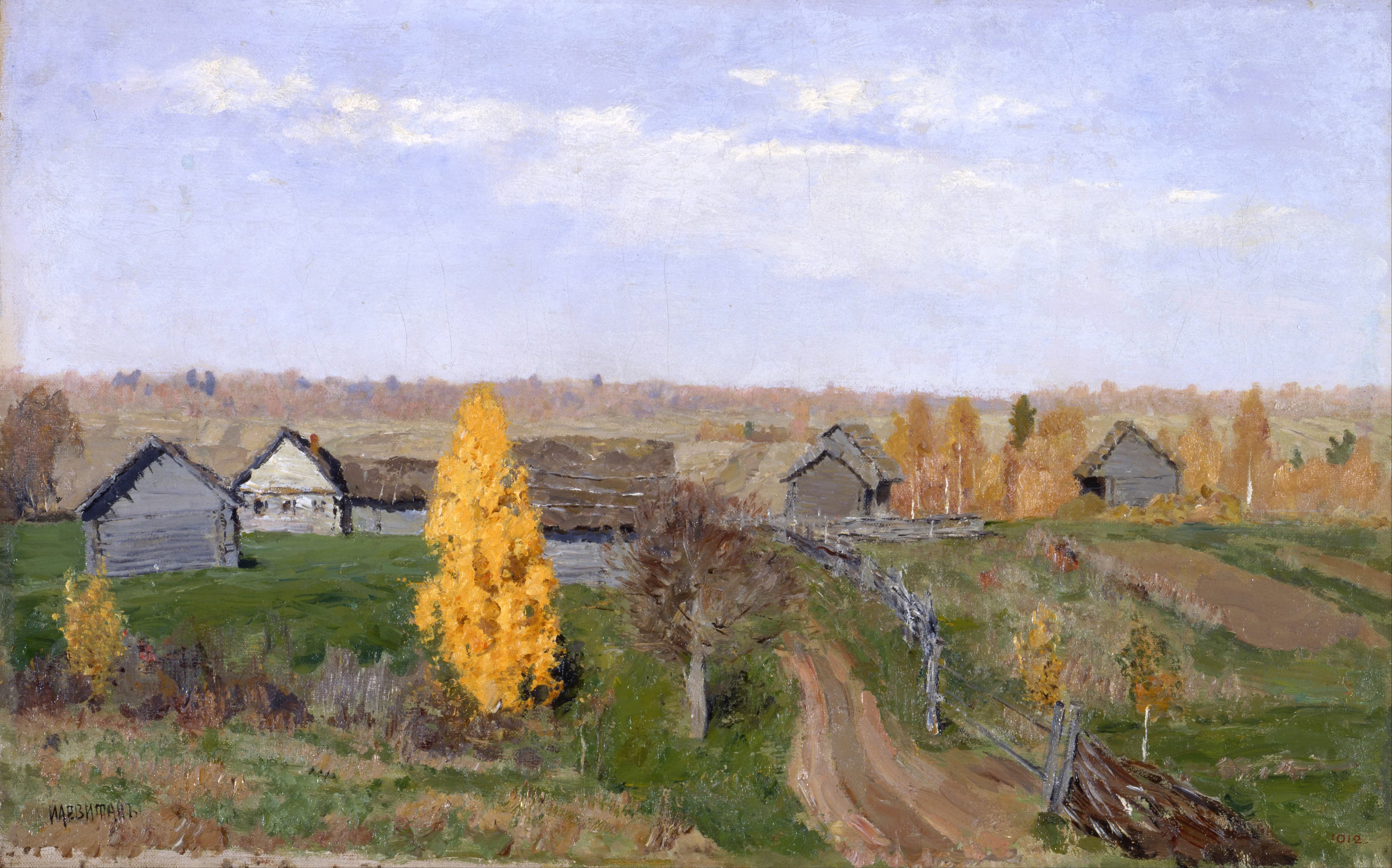
Golden Autumn, Slobodka
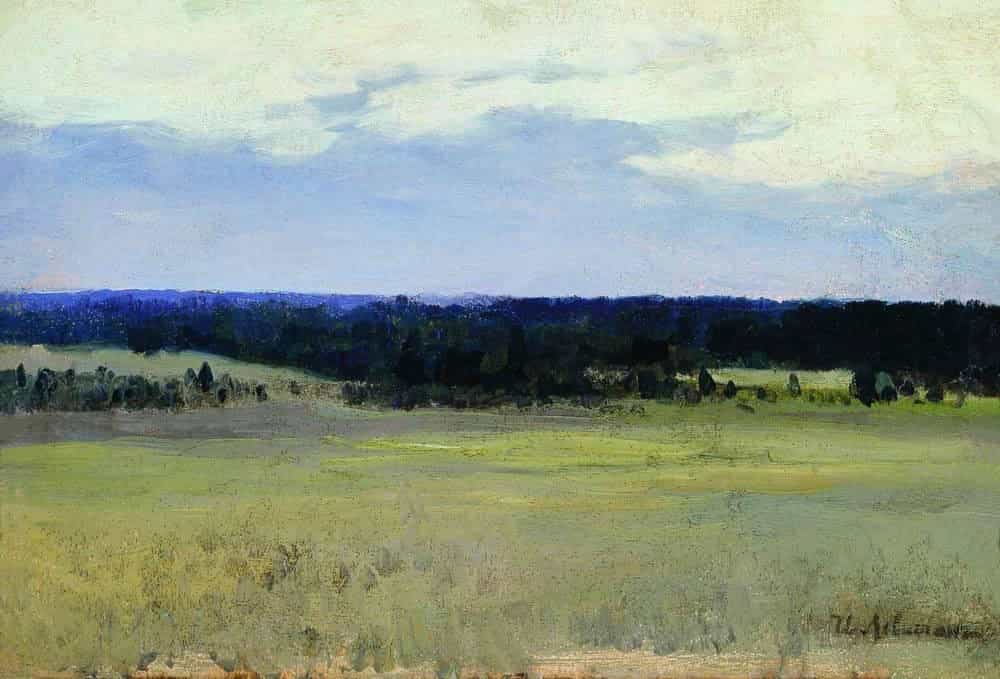
Полдень
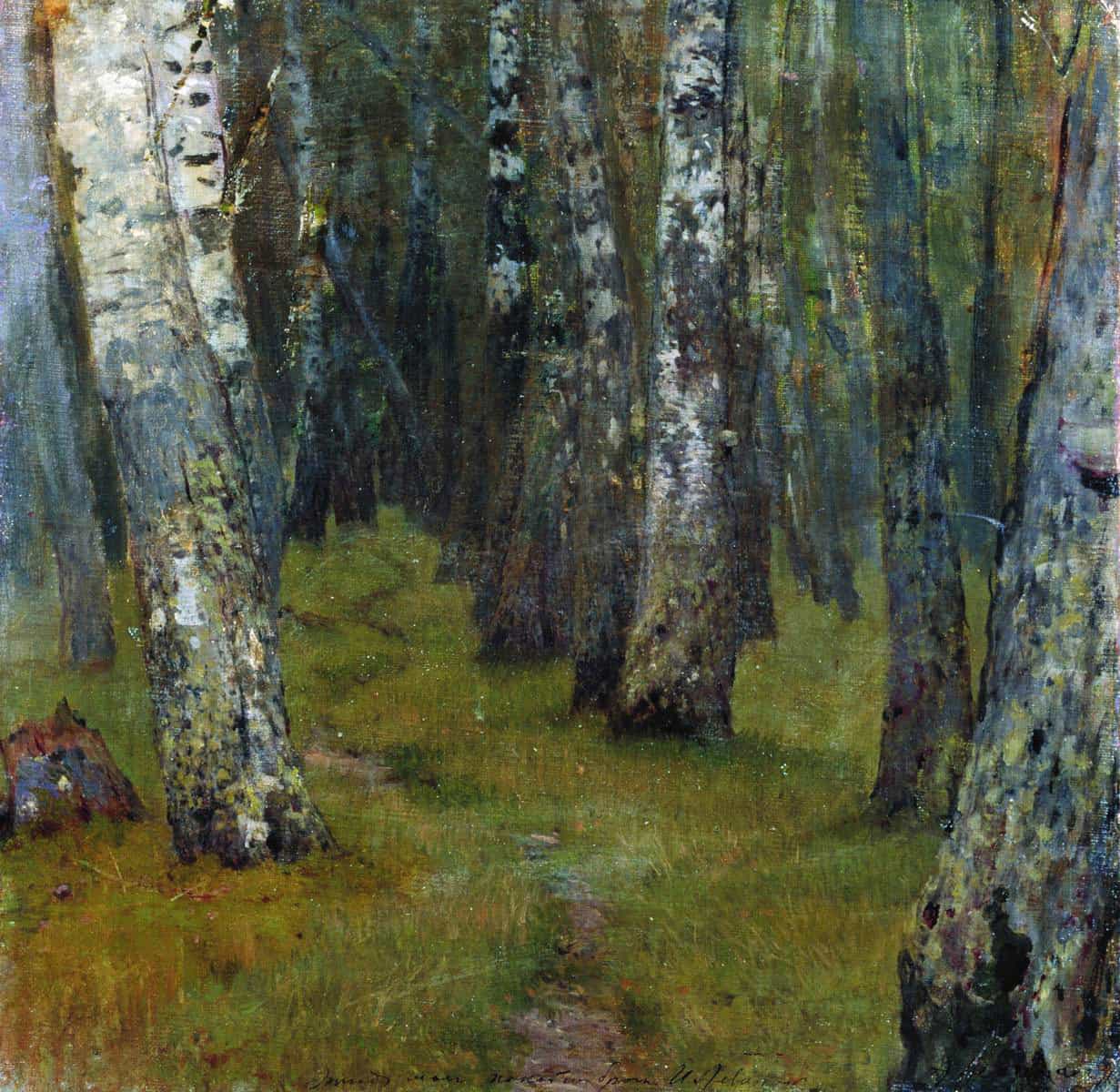
Березы. Опушка леса
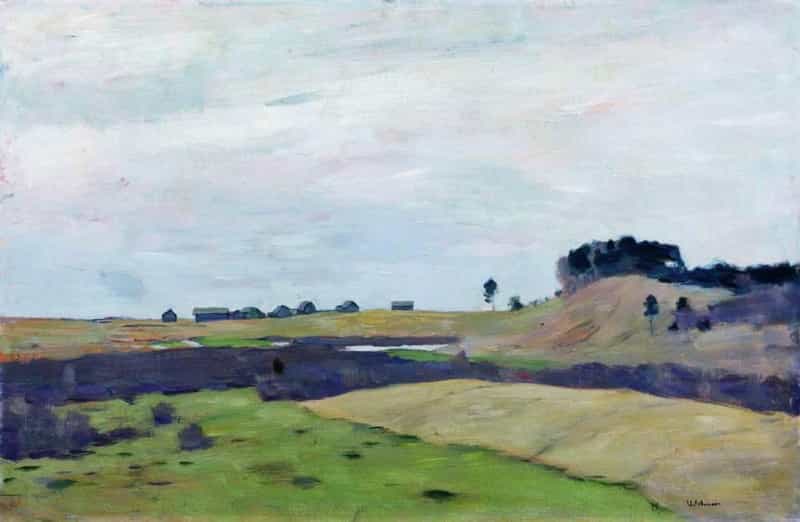
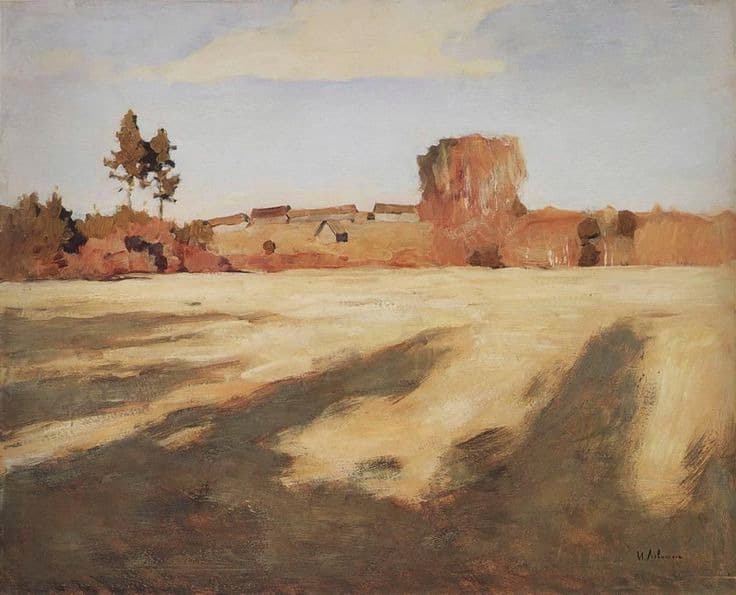
Поля
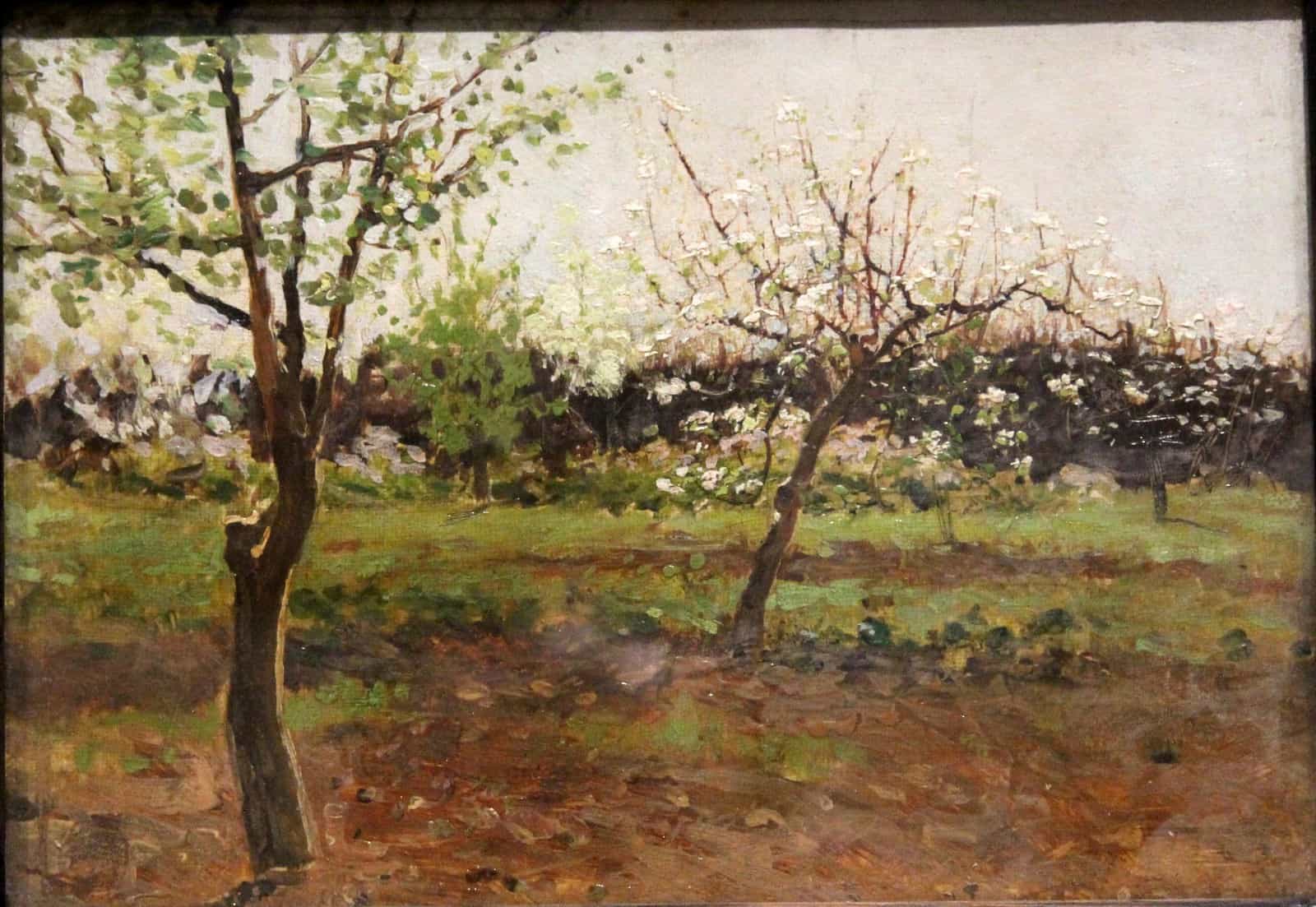
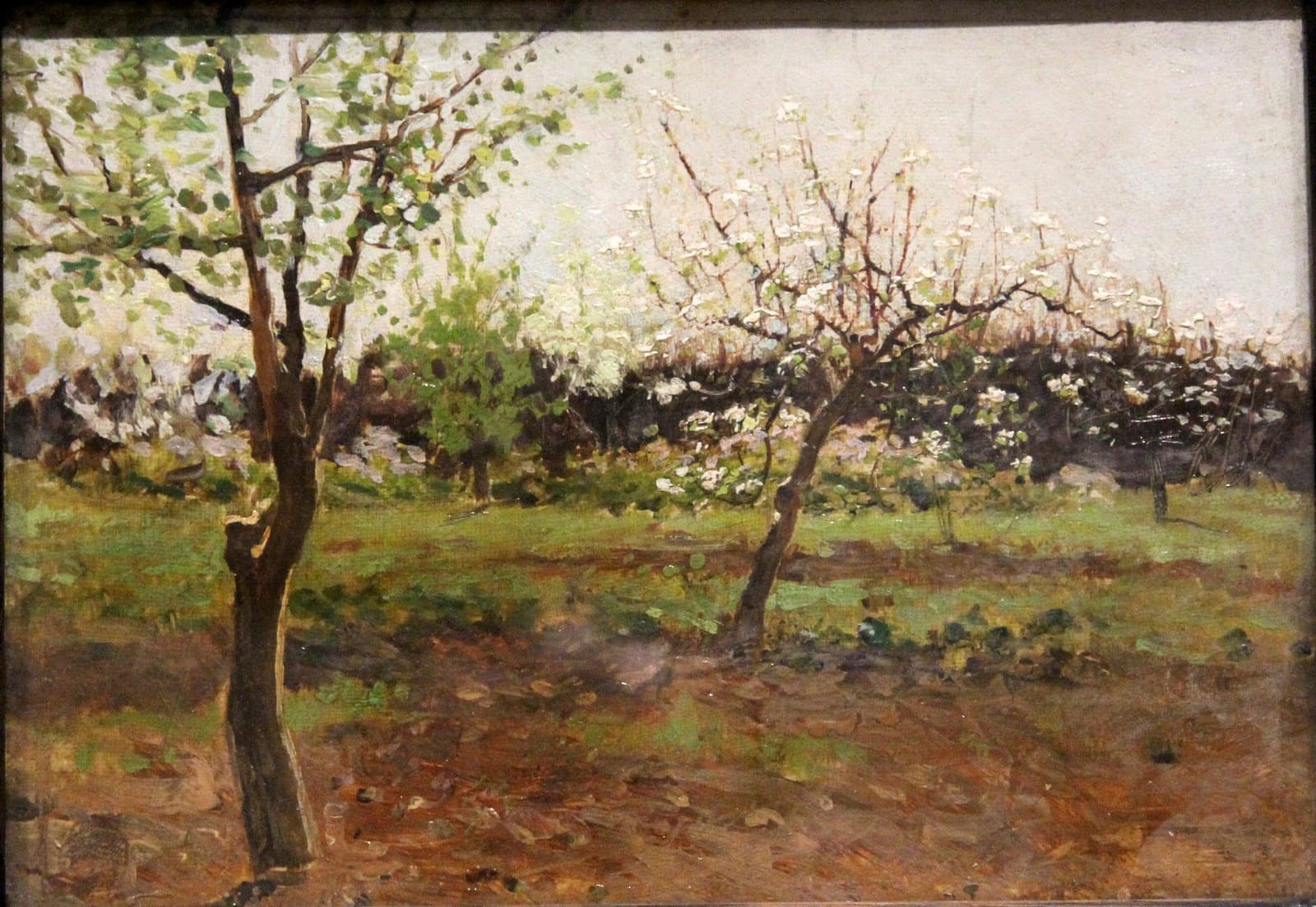
Квітнеючыя яблыні
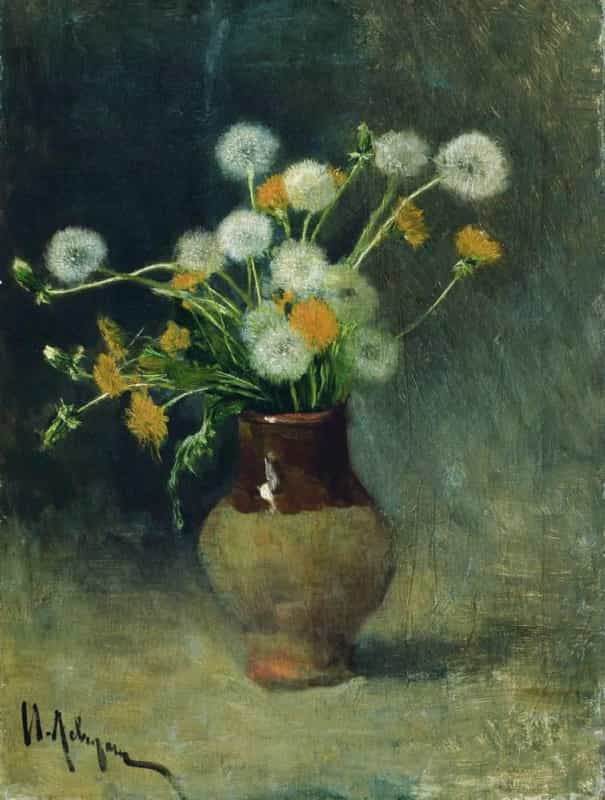
Dandelions
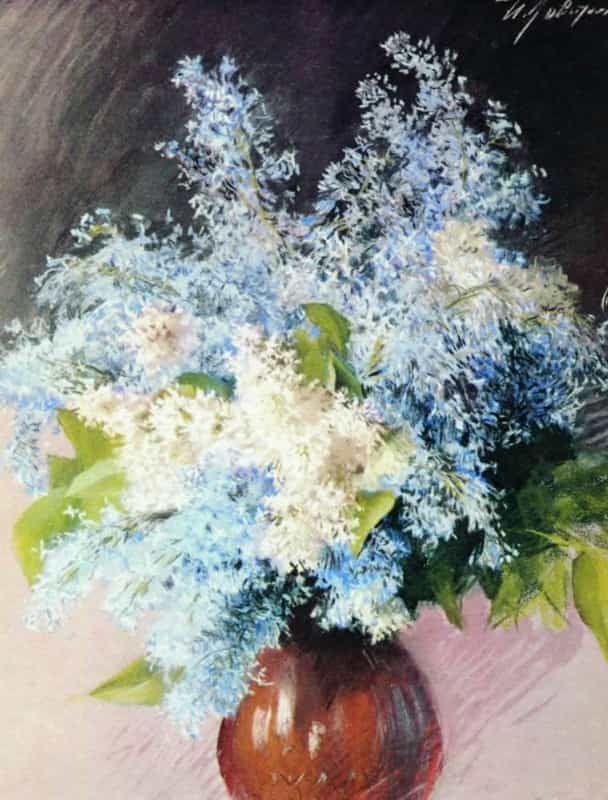
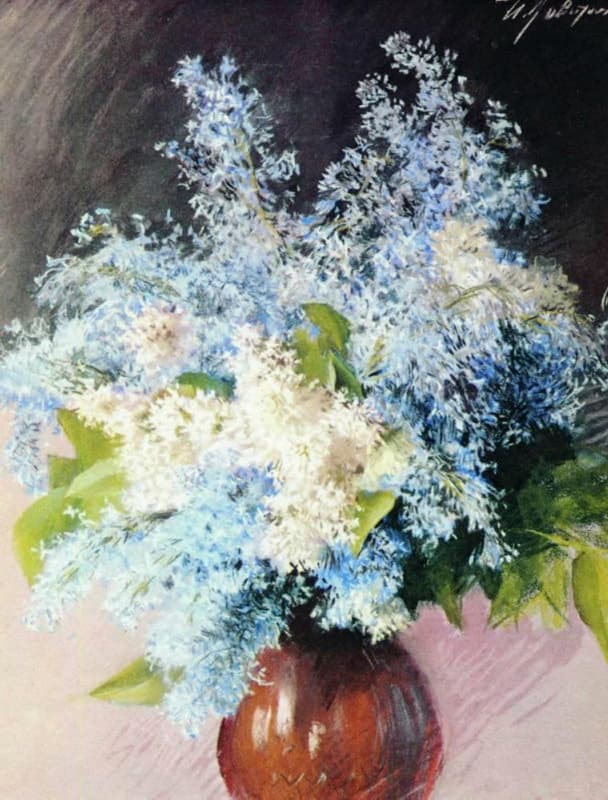
Сирень