📦 Sitewide sale now on: 30% off + free shipping 📦
Home/Artists/Gustav Klimt
Art NouveauSymbolism

Gustav Klimt

18621918, from Austrian Empire

Gustav Klimt (1862-1918) was an Austrian Symbolist painter whose ornamental, gilded canvases and sensual portraits redefined Viennese modernism.

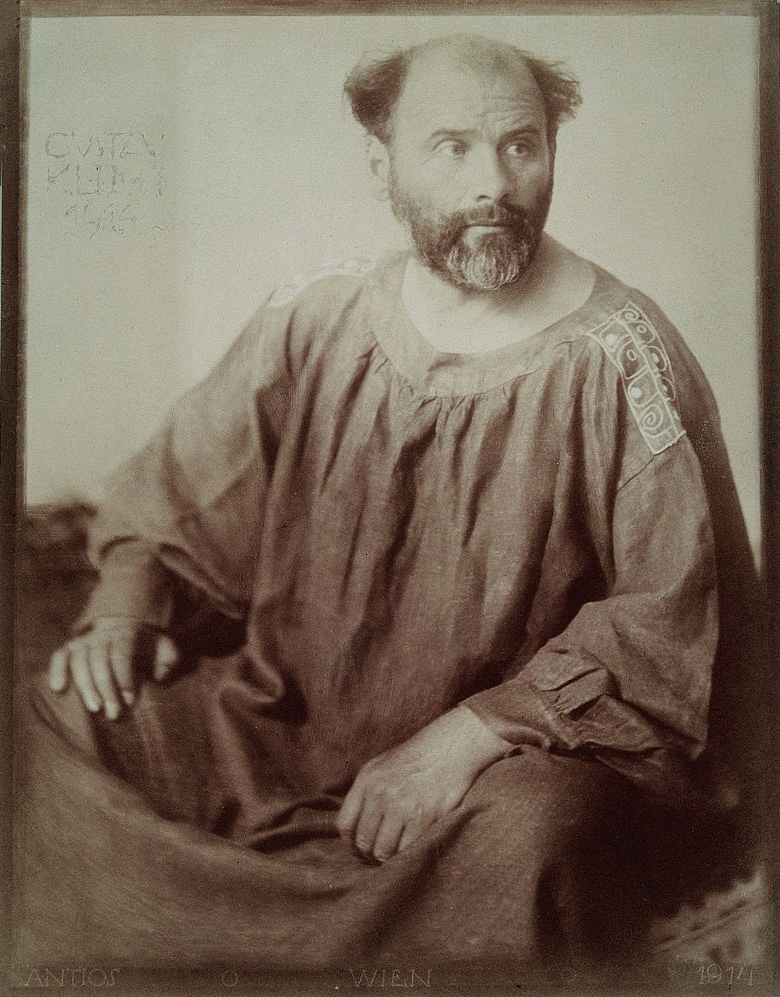
Portrait of Gustav Klimt

Collection

Shop Gustav Klimt Prints

Museum-quality reproductions on 310gsm textured cotton rag paper.

Shop all prints by Gustav Klimt

Artistic Style

Style Evolution

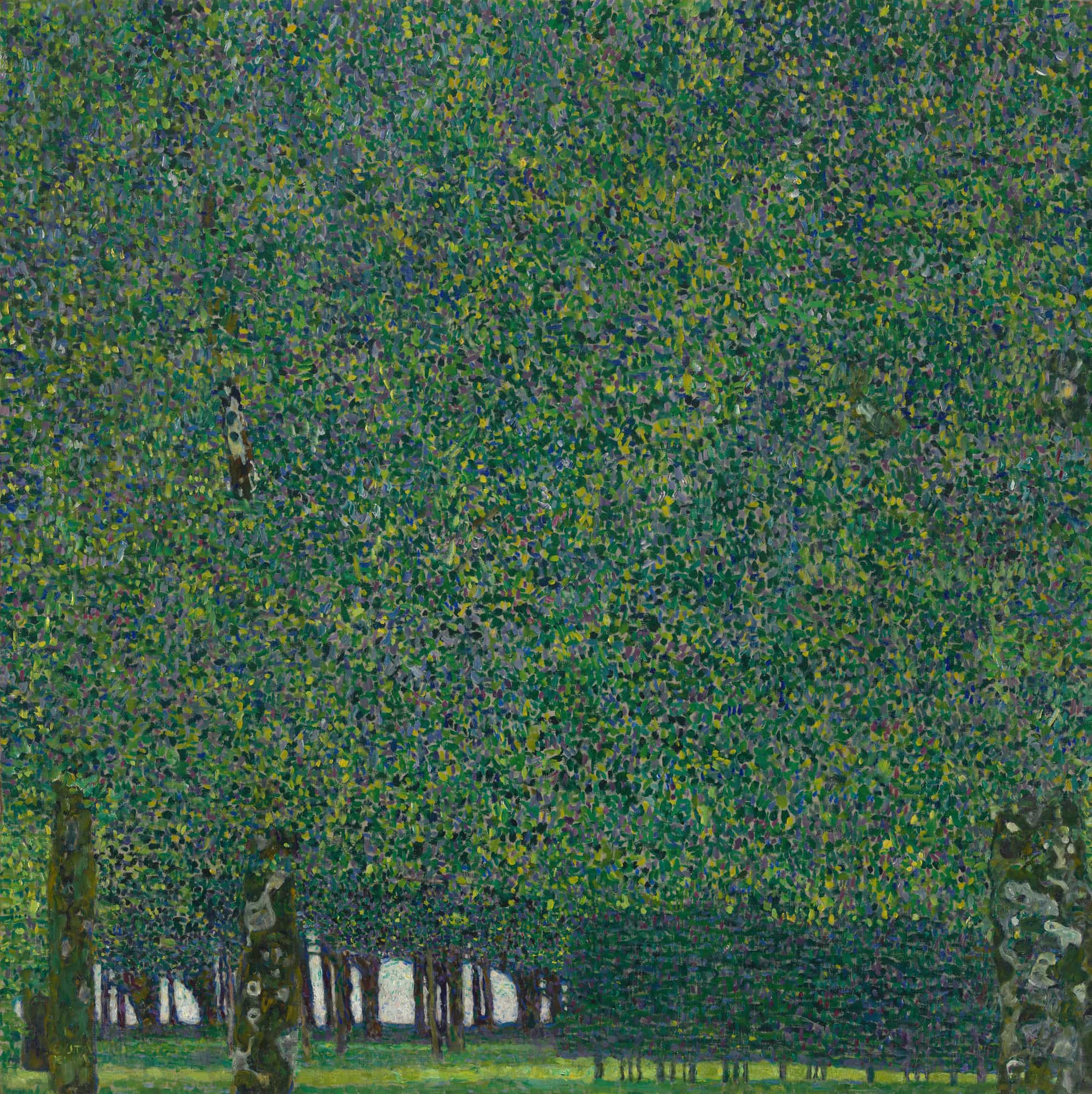
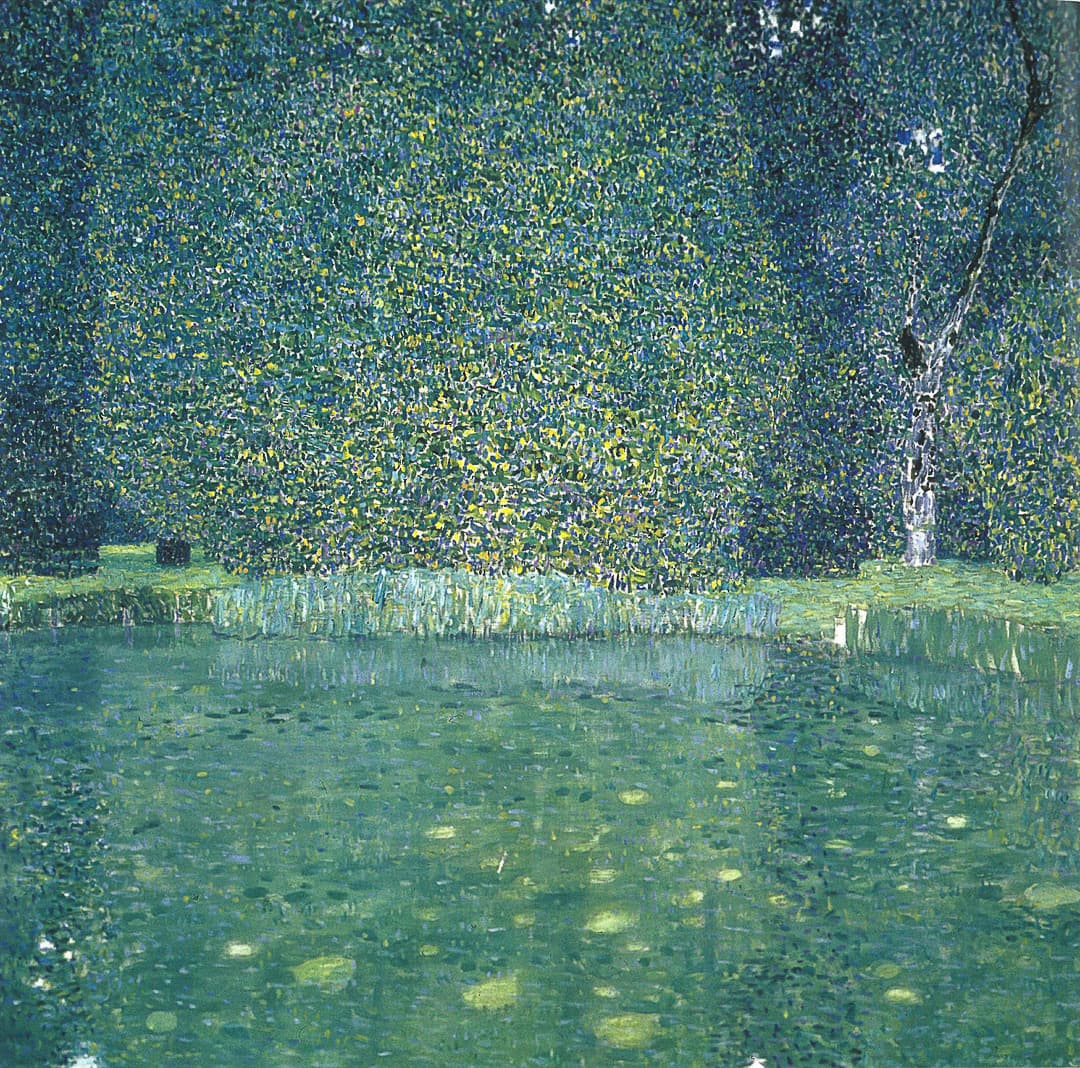
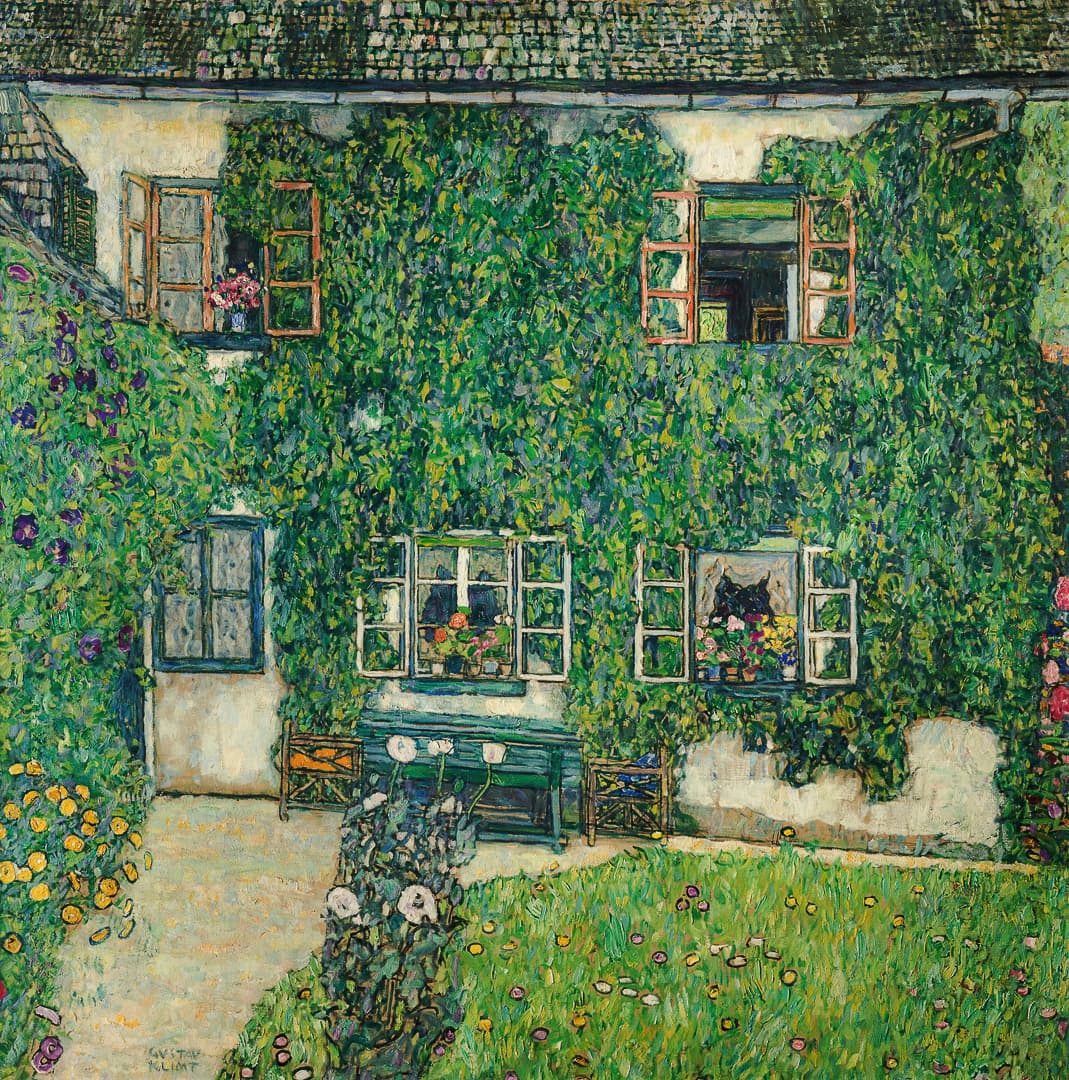
Klimt progressed from academic decorative murals to a distinct Symbolist vocabulary and, later, a richly ornamented 'Golden' phase. His work moved from naturalistic detail toward highly stylized, patterned surfaces informed by Byzantine mosaics, Japonisme, and applied arts trends.

Palette

  • lustrous golds and metallics
  • rich jewel tones
  • muted earth tones for figuration
  • contrasting black and decorative color fields

Subjects

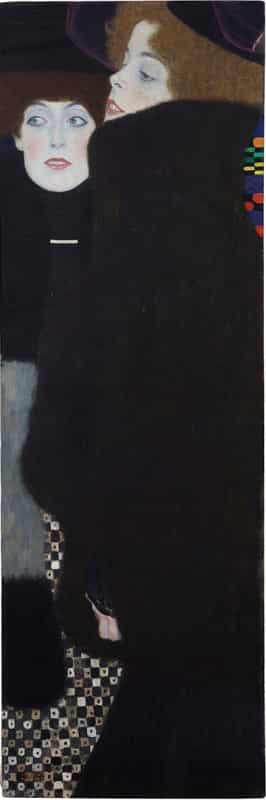
  • female figure and portraiture
  • allegory and symbolic tableaux
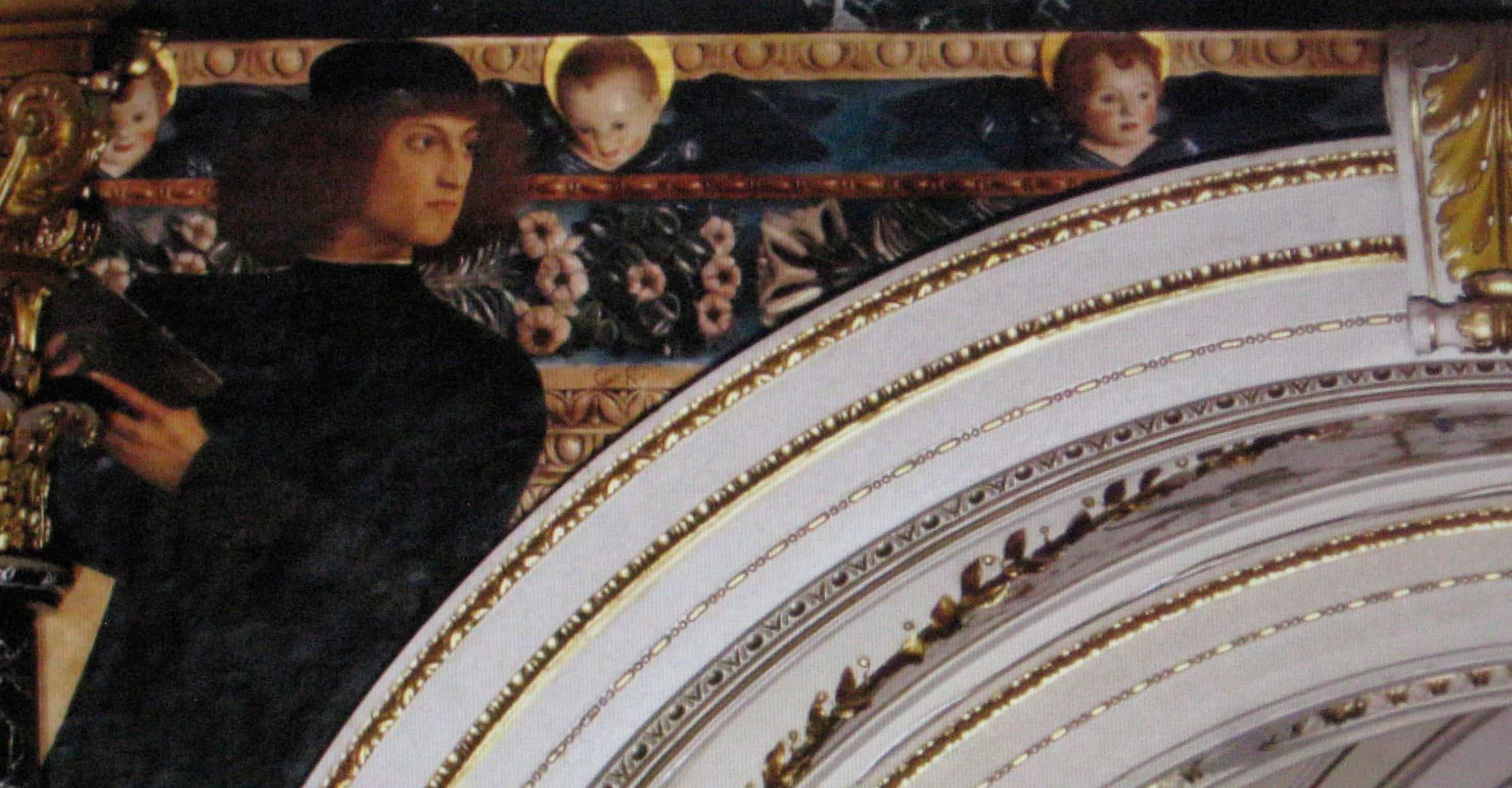
  • decorative friezes and murals
  • intimate studies and erotic imagery

Techniques

  • gold leaf and gilding
  • ornamental, mosaic-like patterning
  • delicate linear drawing
  • flattened space and decorative backgrounds

Topics

AustrianSymbolismVienna SecessionArt Nouveauportraituregold leafdecorative artsearly modernism

Gustav Klimt (1862-1918) was an Austrian Symbolist painter whose ornamental, gilded canvases and sensual portraits redefined Viennese modernism.

Learn about the life of Gustav Klimt

1862

Born in Baumgarten (near Vienna)

1876

Enrolled at the Vienna School of Arts and Crafts (Kunstgewerbeschule)

1880

Worked on decorative commissions and murals in Vienna

1897

Co-founded the Vienna Secession art movement

1900

Developed a distinct Symbolist visual language and portrait practice

1908

Mature 'Golden' phase marked by gilded surfaces and mosaic-like patterns

1910

Produced many iconic, decorative portraits and allegorical works

1918

Died in Vienna

1920

Posthumous reassessment solidified his status as a key figure in Viennese modernism

Biography

Gustav Klimt (1862-1918) was an Austrian Symbolist painter whose ornamental, gilded canvases and sensual portraits redefined Viennese modernism.

Early Life and Background

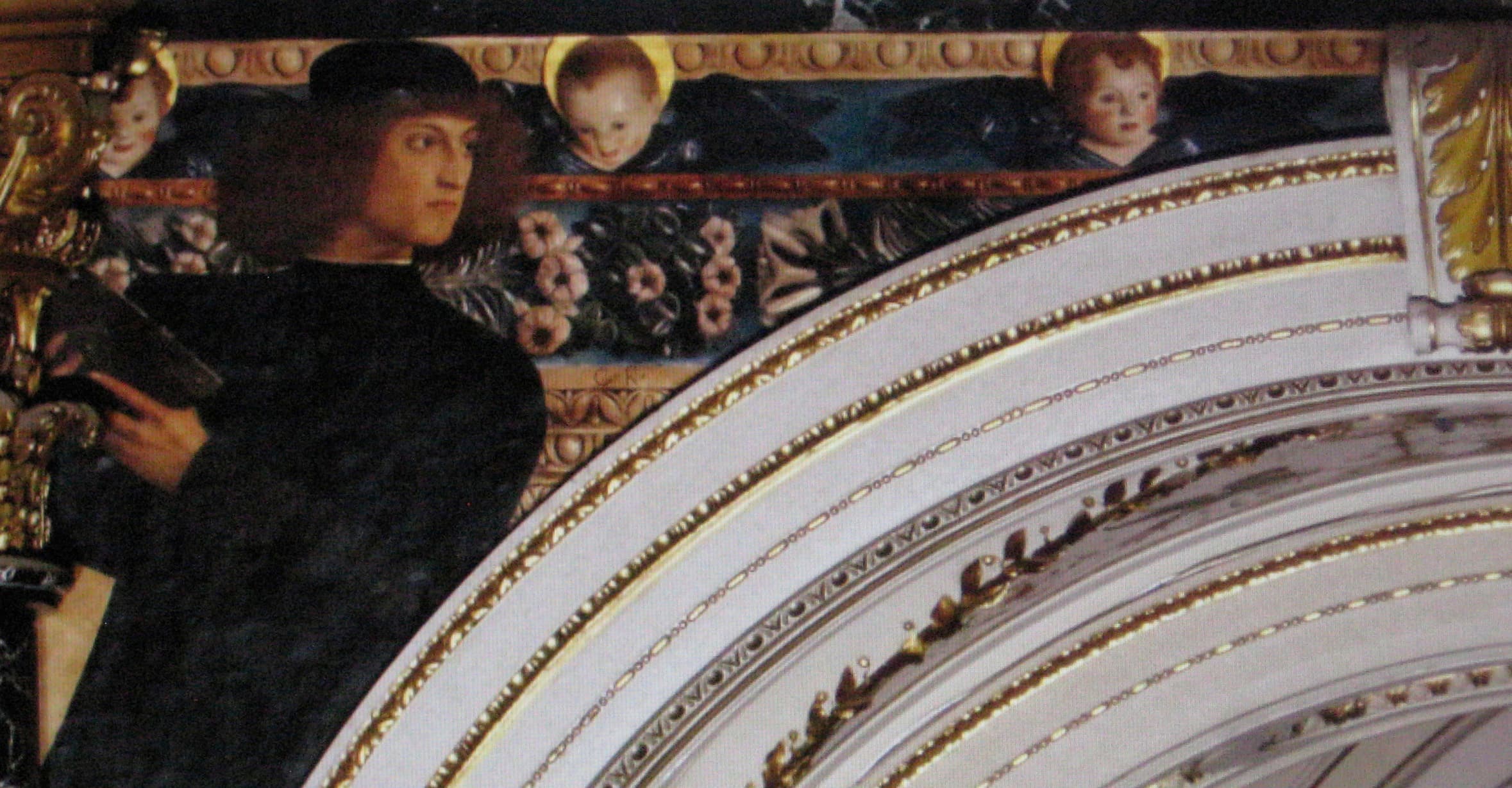
Born in Baumgarten, near Vienna, Klimt trained at the Vienna School of Arts and Crafts and began his career producing decorative murals and academic commissions. Early success in official decorative painting established his technical skill and introduced him to Vienna's artistic circles.

Artistic Development and Periods

Klimt's career moved from academic ornamentation toward a highly personal Symbolist language. He was a founding figure of the Vienna Secession in 1897, a collective that sought new forms beyond academic tradition. Klimt spent most of his life in Vienna, working prolifically on portraits, allegorical panels, murals, and drawings.

Early decorative period

In his early years Klimt executed large-scale murals and official commissions, demonstrating a mastery of composition and ornament that would serve his later, more experimental work.

Vienna Secession and Symbolist period

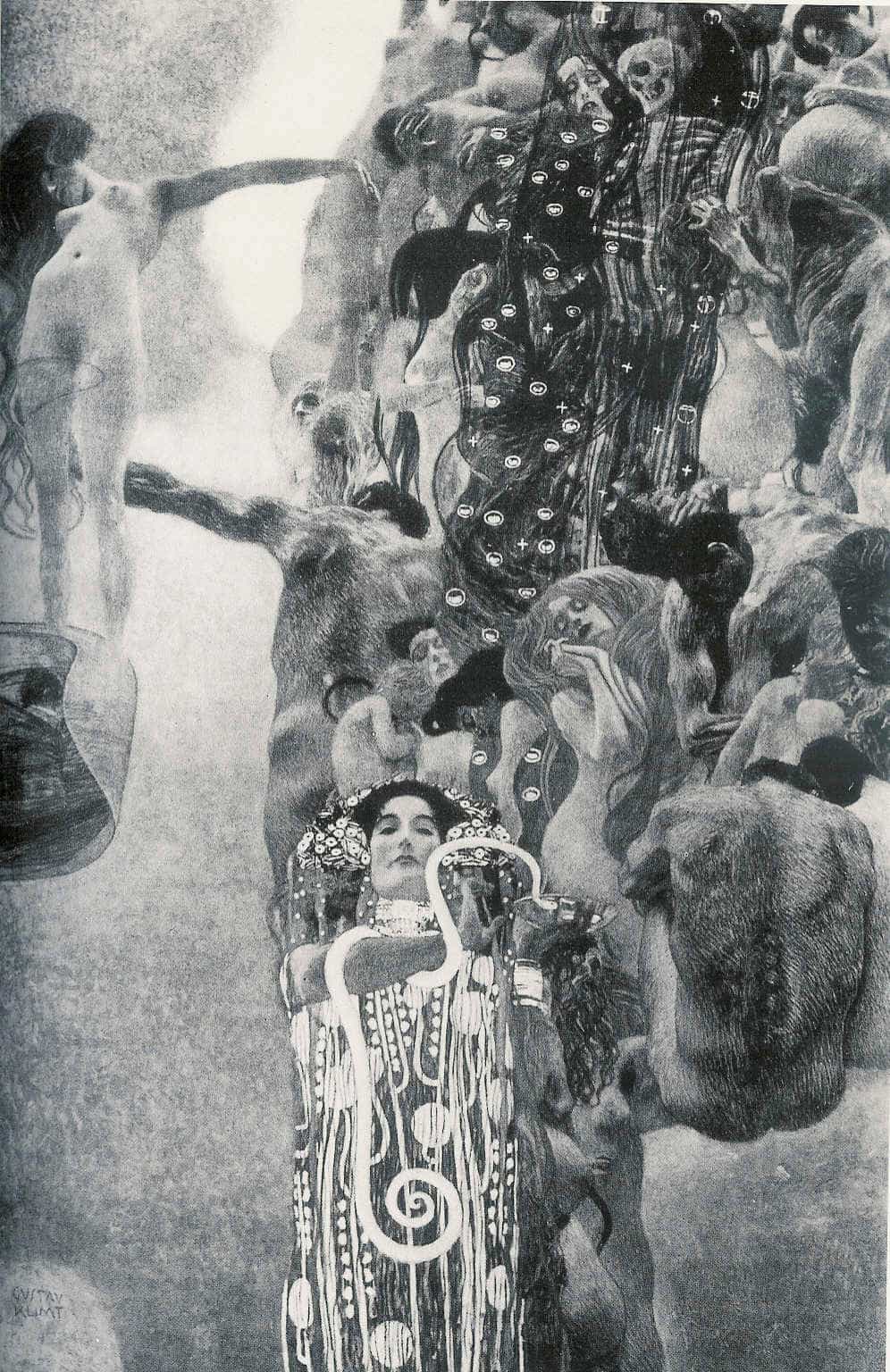
As a leader of the Vienna Secession, Klimt developed a vocabulary of flattened space, pattern, and allegory, combining figuration with abstracted ornament.

Golden Phase and late work

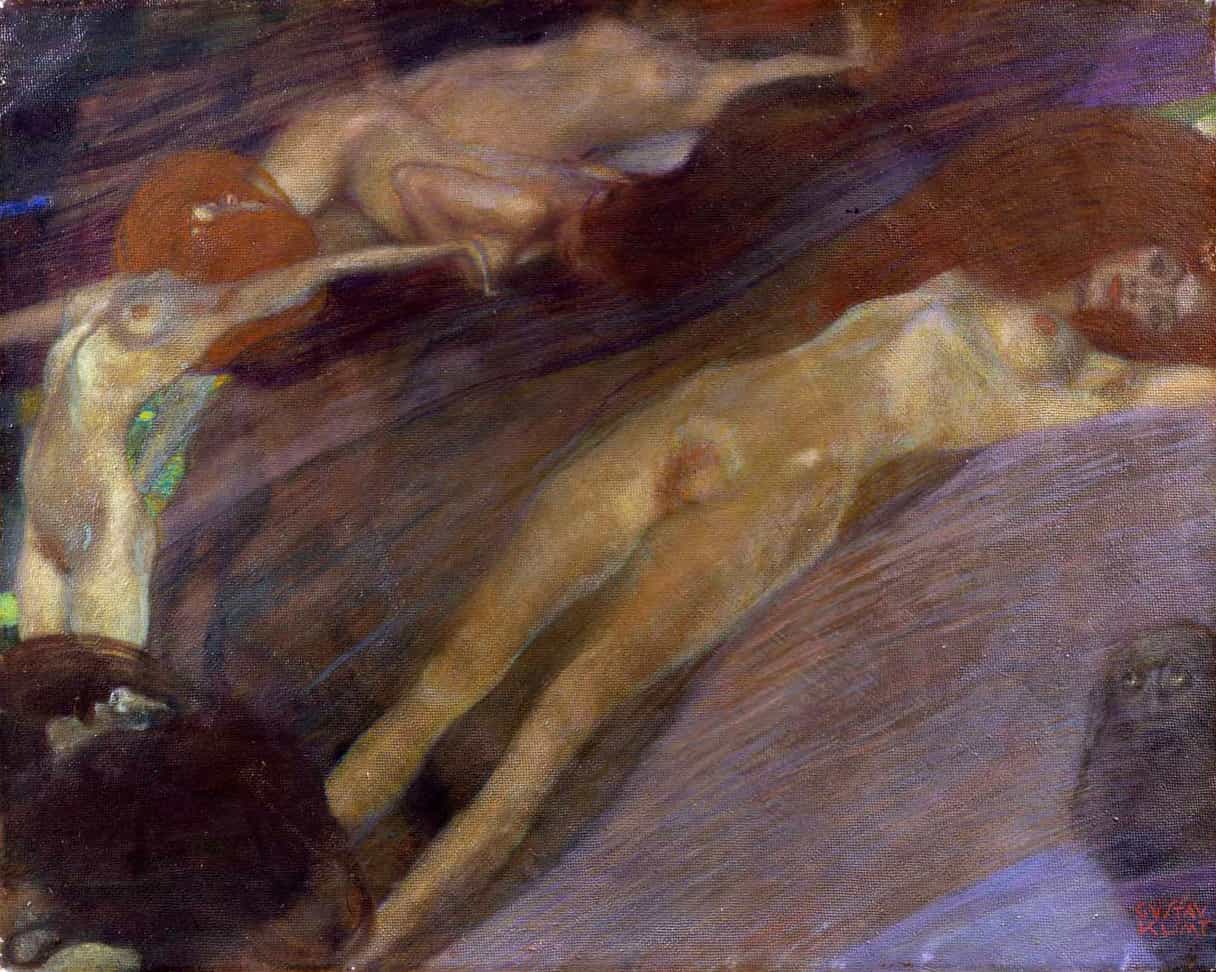
In his mature phase Klimt embraced gilt surfaces, mosaic-like patterning, and erotic figuration; these paintings married sumptuous decorative surfaces with psychological intensity.

Major Works and Achievements

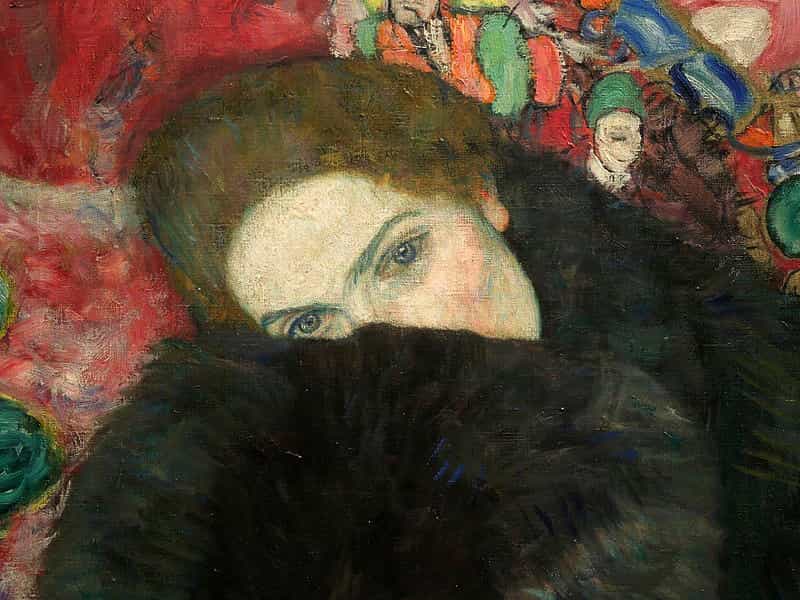
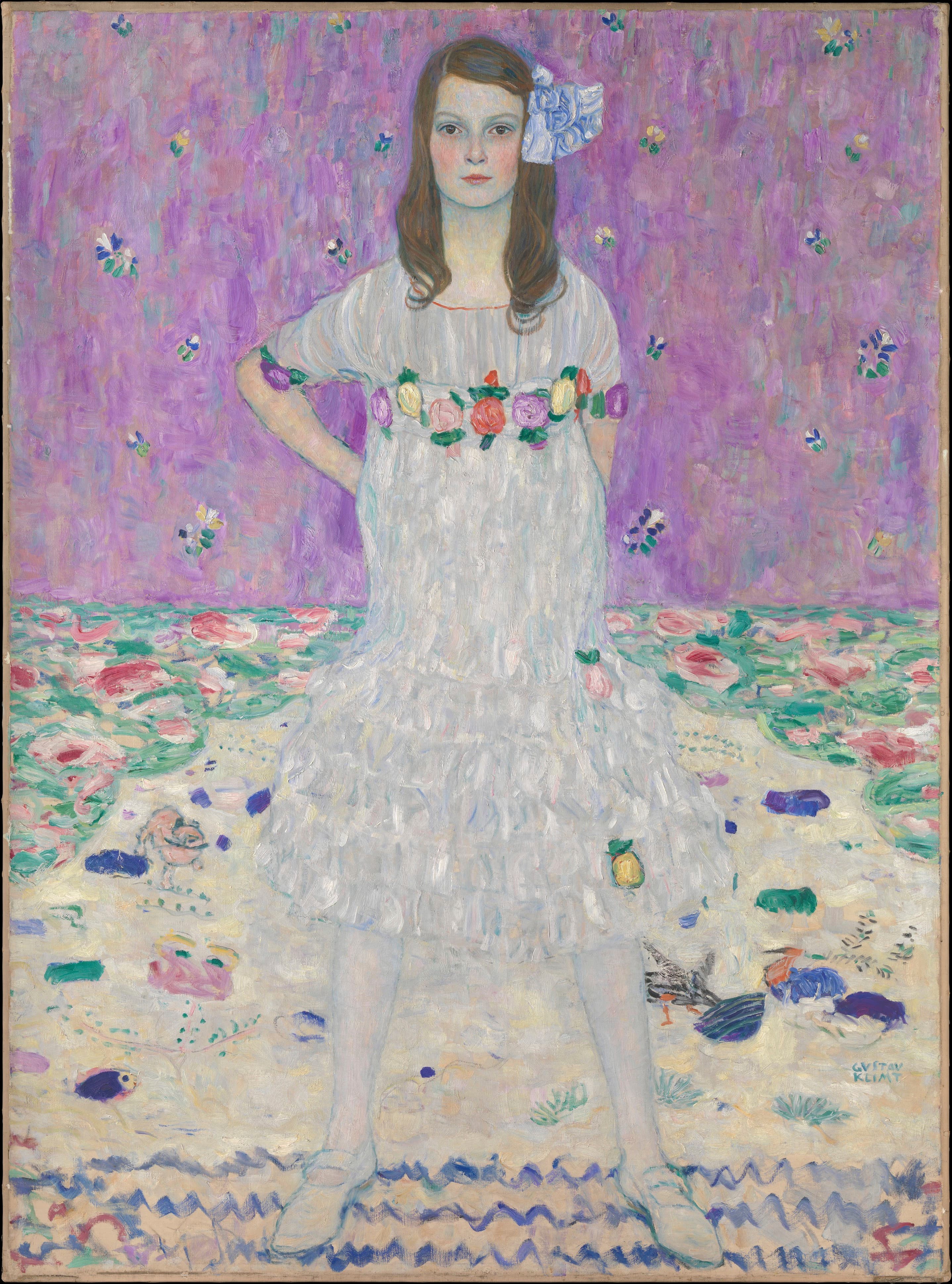
Klimt achieved international recognition as a pioneering figure of the Vienna Secession and for his richly decorative canvases that fused painting and applied arts. His portraits redefined artistic portraiture in fin-de-siècle Vienna and remain among the most celebrated images of early modernism.

Style and Technique

Klimt's technique is characterized by a synthesis of naturalistic figuration and stylized ornament: delicate line work, flattened backgrounds, and the use of gold leaf and gilded surfaces to create jewel-like effects. He combined influences from Byzantine mosaics, Japanese prints, and contemporary decorative arts to produce highly textured, patterned surfaces.

Influence and Legacy

Klimt helped shape Viennese modernism and directly influenced younger artists such as Egon Schiele and Oskar Kokoschka. His blend of sensuality, decoration, and psychological depth continues to inform contemporary decorative painting, design, and fashion.

Personal Life Context

Klimt remained closely tied to Vienna's cultural life, often working on private portrait commissions alongside more experimental, allegorical panels. He valued artistic autonomy and resisted strict academic conventions.

Recognition and Market Value

Collectors prize Klimt for the visual luxury, decorative richness, and cultural cachet of his paintings. His gilded surfaces and iconic portraits are highly sought after in the art market and popular with collectors and institutions for their visual impact and art-h

Awards

Q26709112, Villa Romana Prize

Frequently Asked Questions

What are Gustav Klimt's most famous paintings?+
Gustav Klimt created several widely recognized works that exemplify his ornamental Symbolist style. Among the most famous are images often cited for their gilded surfaces, decorative patterning, and intimate portraiture. These works helped establish Klimt's international reputation and are widely re
What is Gustav Klimt's style?+
Klimt's style blends naturalistic figuration—especially of the human figure—with highly decorative, flattened backgrounds and pattern. He synthesized influences from Byzantine mosaics, Japanese prints, and the applied arts to create gilded, mosaic-like surfaces. His approach is associated with the
What made Gustav Klimt unique?+
Klimt's uniqueness lies in his fusion of fine art and decorative ornament: he treated the painted surface as a field for jewel-like pattern, often using gold leaf and intricate motifs alongside psychologically charged portraiture. This combination of sensual figuration and sumptuous decoration set h
What are three of Gustav Klimt's masterpieces?+
Among Klimt's masterpieces are several emblematic canvases celebrated for their gilding, compositional elegance, and evocative imagery. These pieces exemplify his mature fusion of figure and ornament and are frequently reproduced as prints and decorative artworks for domestic and public spaces.
What movement was Gustav Klimt part of?+
Klimt was a leading figure in the Vienna Secession, a movement formed in 1897 by artists who sought freedom from academic conventions and promoted new artistic approaches. His work is closely associated with Symbolism and is an important strand of the broader Art Nouveau (Jugendstil) context.
What influenced Gustav Klimt?+
Klimt drew on a range of influences, including Byzantine mosaic ornament, Japanese prints, contemporary decorative arts, and Symbolist literature and imagery. These sources informed his decorative vocabulary, use of pattern and gold, and his interest in myth, allegory, and the erotic aspects of the
Where can I see Gustav Klimt's work?+
Klimt's paintings are held in major museums and collections worldwide and are frequently included in exhibitions on Viennese modernism and Art Nouveau. Many of his iconic images are also widely reproduced as prints and posters, making them accessible for collectors who want to display Klimt's