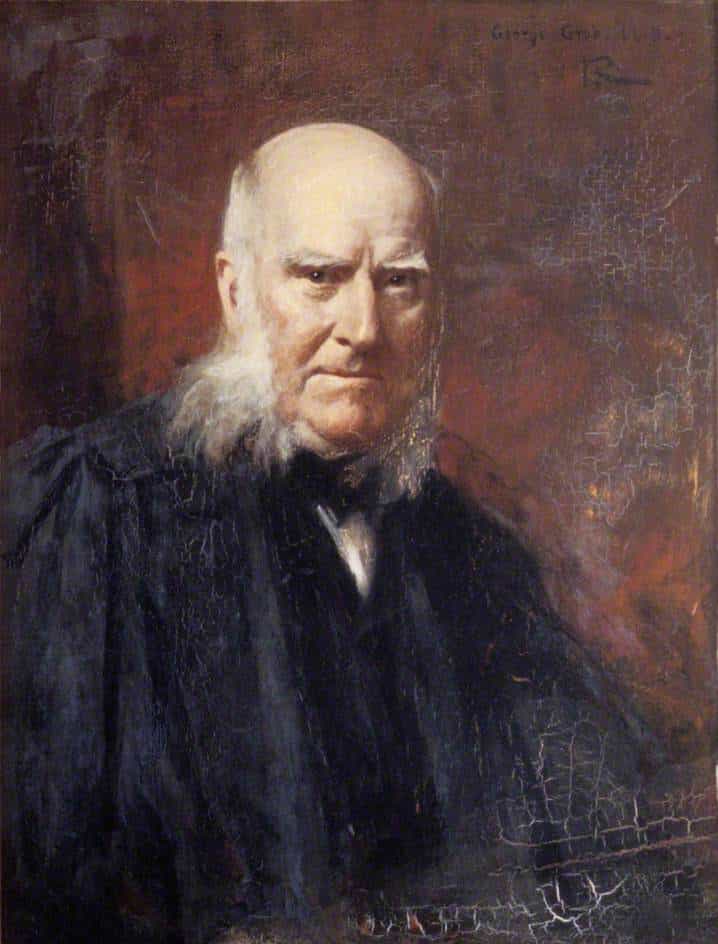
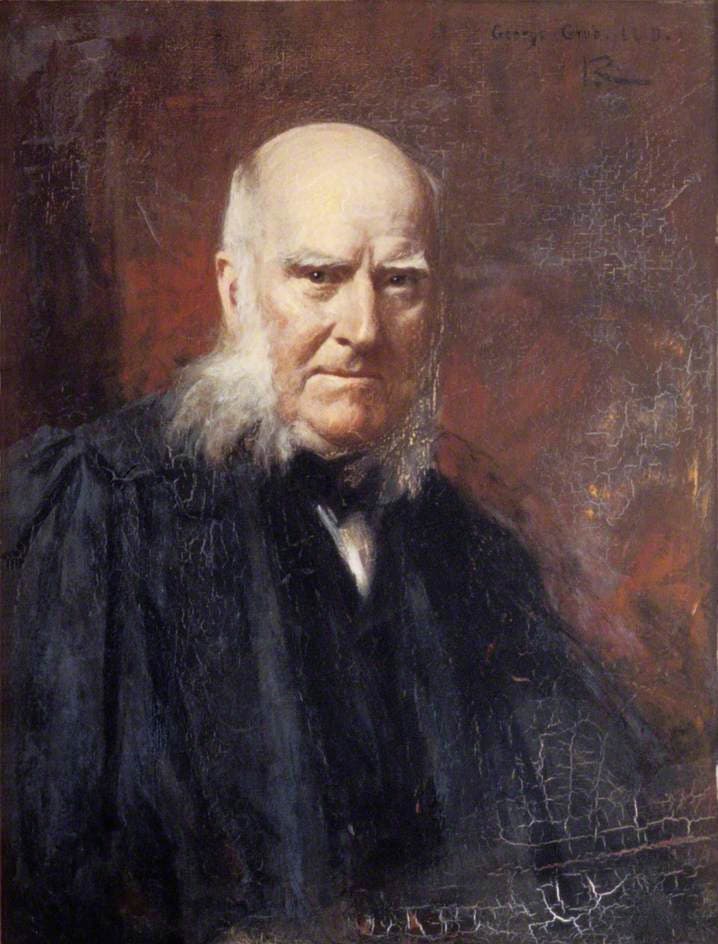
George Grubb, LLD (d.1892)
George Reid
From $64
Collection
Museum-quality reproductions on 310gsm textured cotton rag paper.
Shop all prints by George ReidArtistic Style
Style Evolution
Reid’s work remained rooted in academic naturalism; across his career he refined a restrained palette and precise draftsmanship that favored dignified portraiture and interiors suited to collectors and decorative display.
Palette
Subjects
Techniques
Topics
George Reid (1841-1913) was a Scottish academic painter and portraitist whose refined technique and sensitive likenesses made him a cornerstone of 19th-century Scottish art.
Learn about the life of George Reid
Signature Works
See all available prints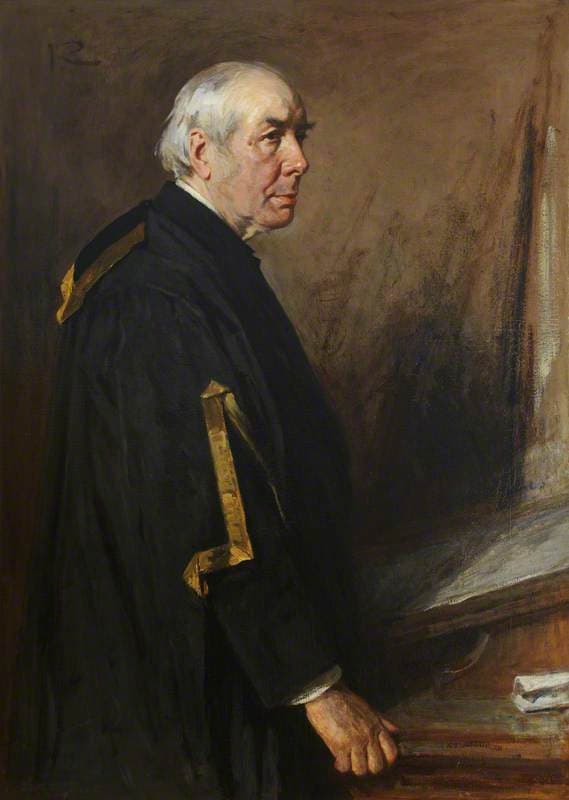
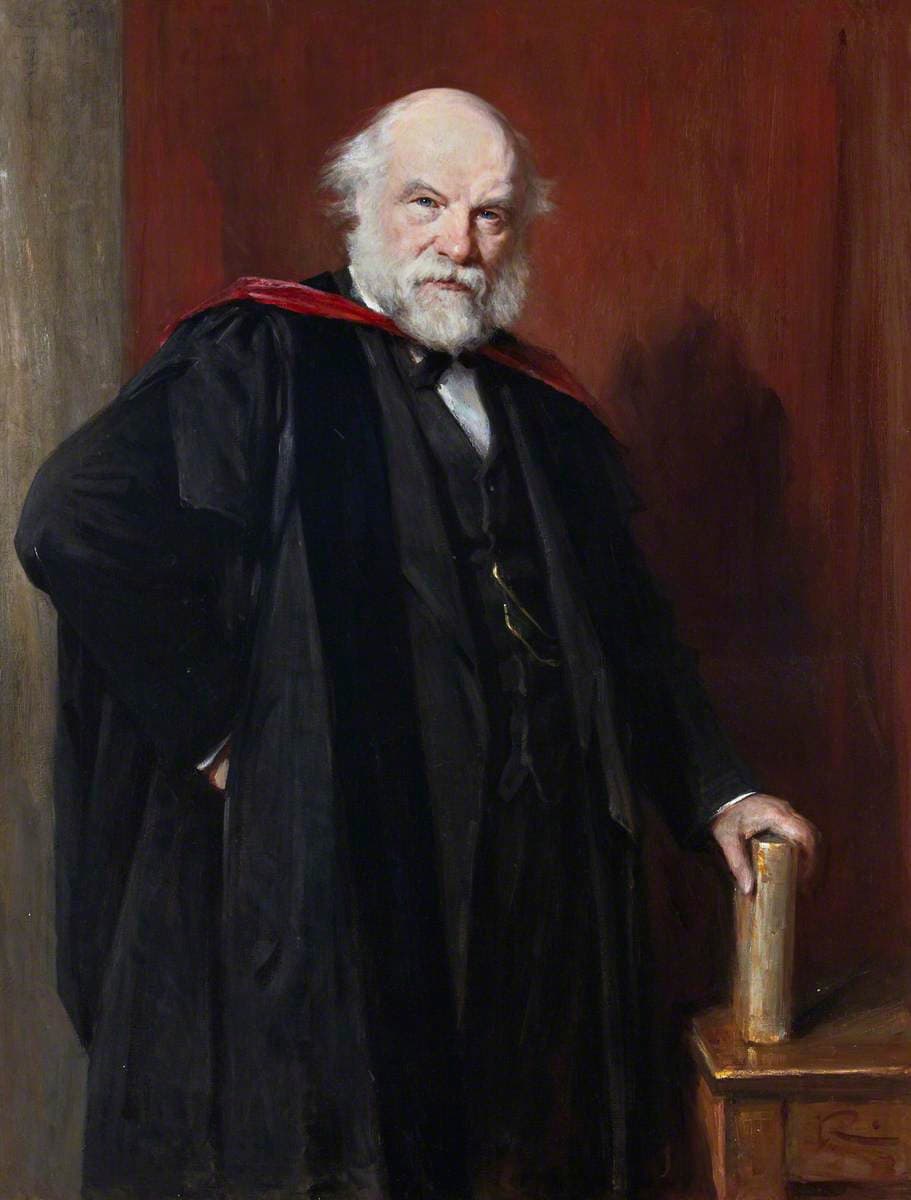
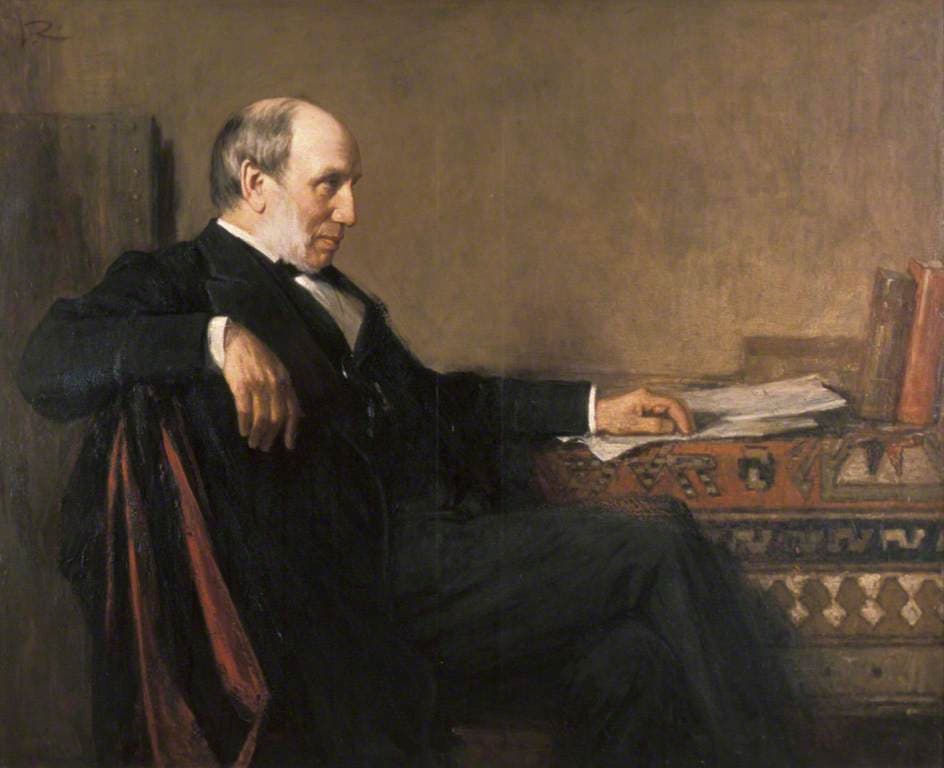
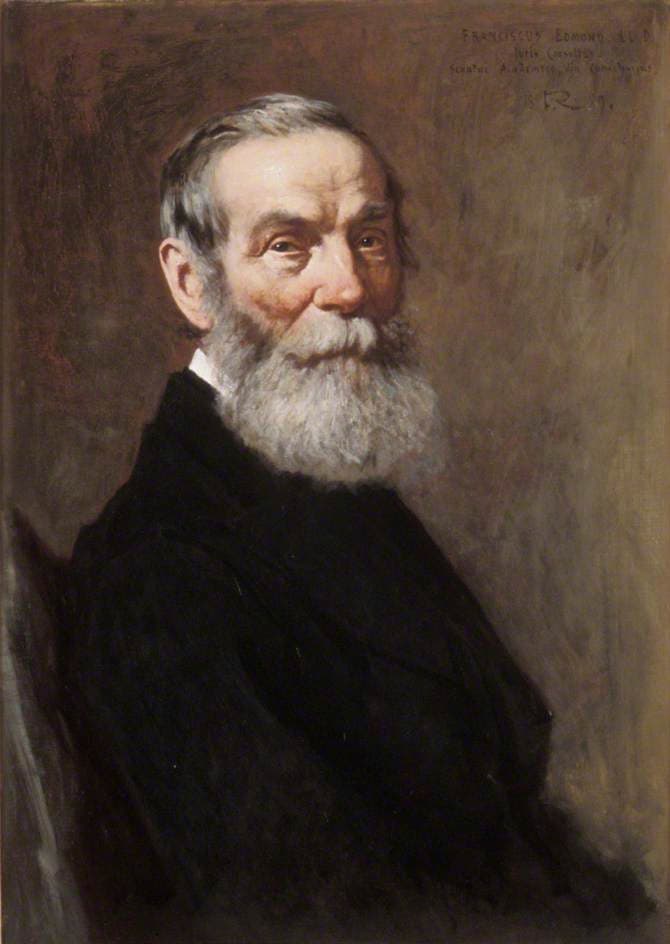
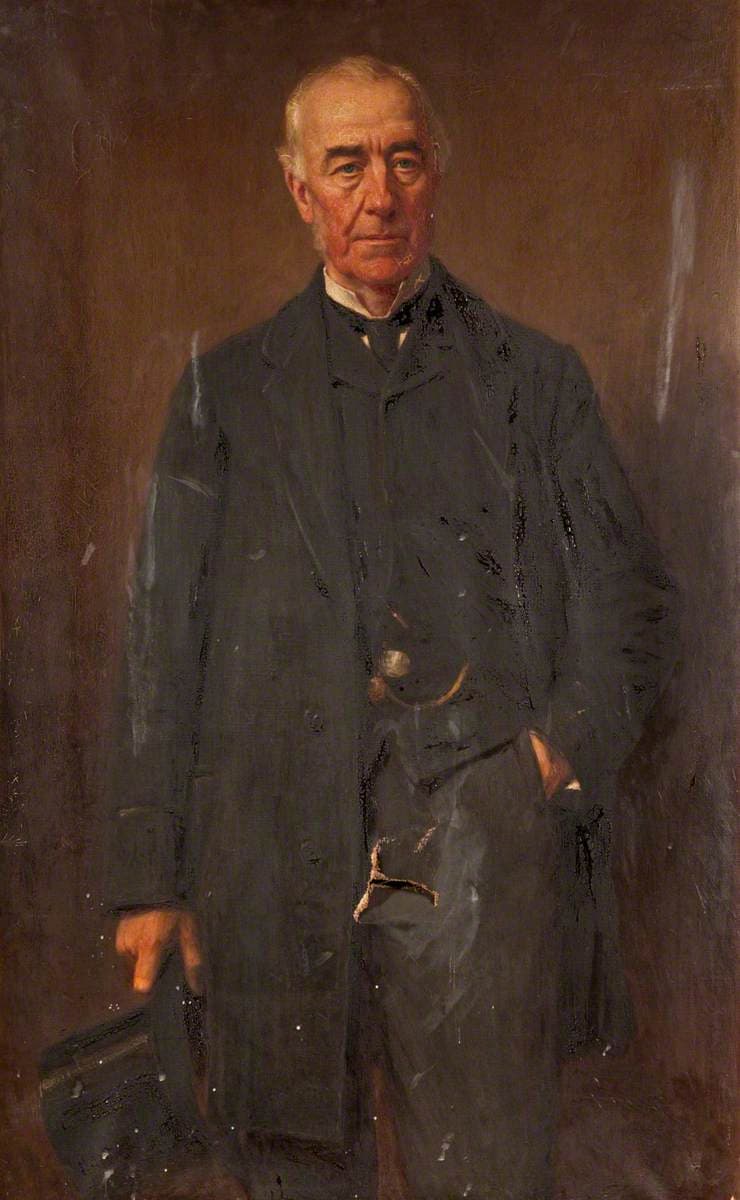
Biography
George Reid (1841-1913) was a Scottish academic painter and portraitist whose refined technique and sensitive likenesses made him a cornerstone of 19th-century Scottish art.
George Reid was born in Aberdeen in 1841 and is recorded as a Scottish artist who built a career in the later 19th century. His early years in Aberdeen placed him within Scotland's rich regional tradition of portrait and landscape painting. Details of his formal education and early teachers are not provided here; Reid’s development is best understood through his mature work and his reputation within Scottish artistic circles.
Reid’s career unfolded across the second half of the 19th century into the early 20th century. He developed a reputation for finely observed portraiture and carefully composed works that balance drawing precision with painterly surface.
In his middle career Reid consolidated a style characterized by careful modelling, an emphasis on likeness, and a restrained palette suitable for interiors and portrait settings. He worked within the academic tradition while responding to contemporary tastes for naturalism.
In later years Reid continued producing portraits and works that appealed to private patrons and collectors. His mature work shows consistent technical polish and an emphasis on dignity of pose and character in sitters.
Specific titles of Reid’s works are not listed here; his major achievements are better described in terms of the genres he mastered. Reid is best known for accomplished portraiture and executed works that were sought after in Scottish artistic markets of his time. Collectors prize his technical control, subtle handling of flesh tones, and the decorative suitability of his canvases for interiors.
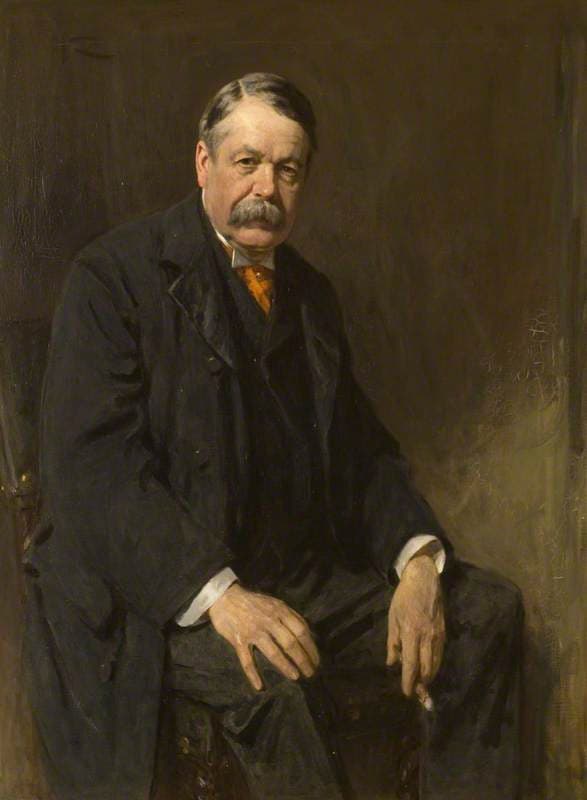
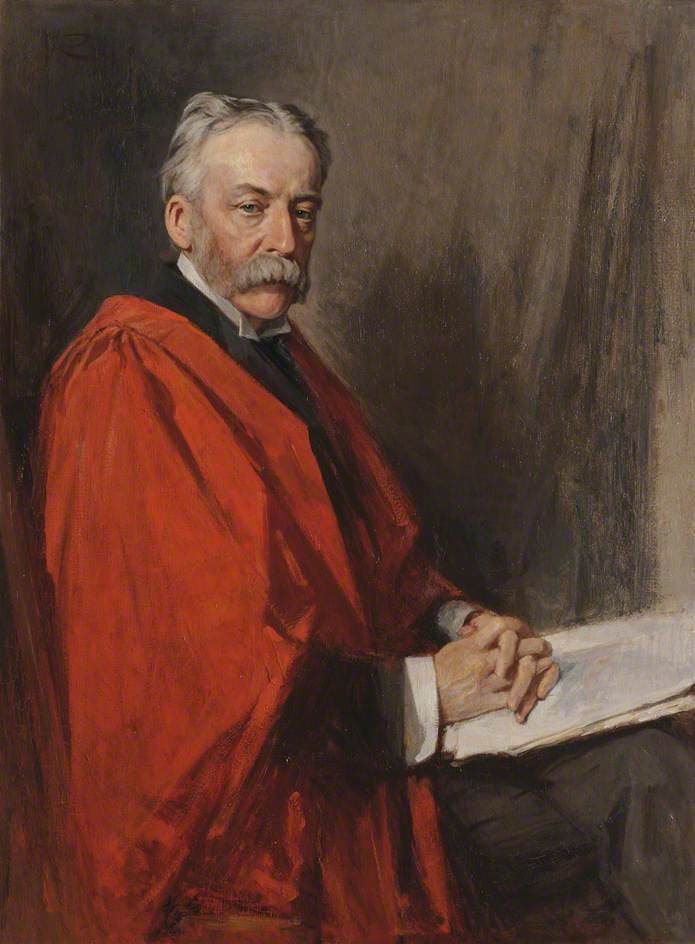
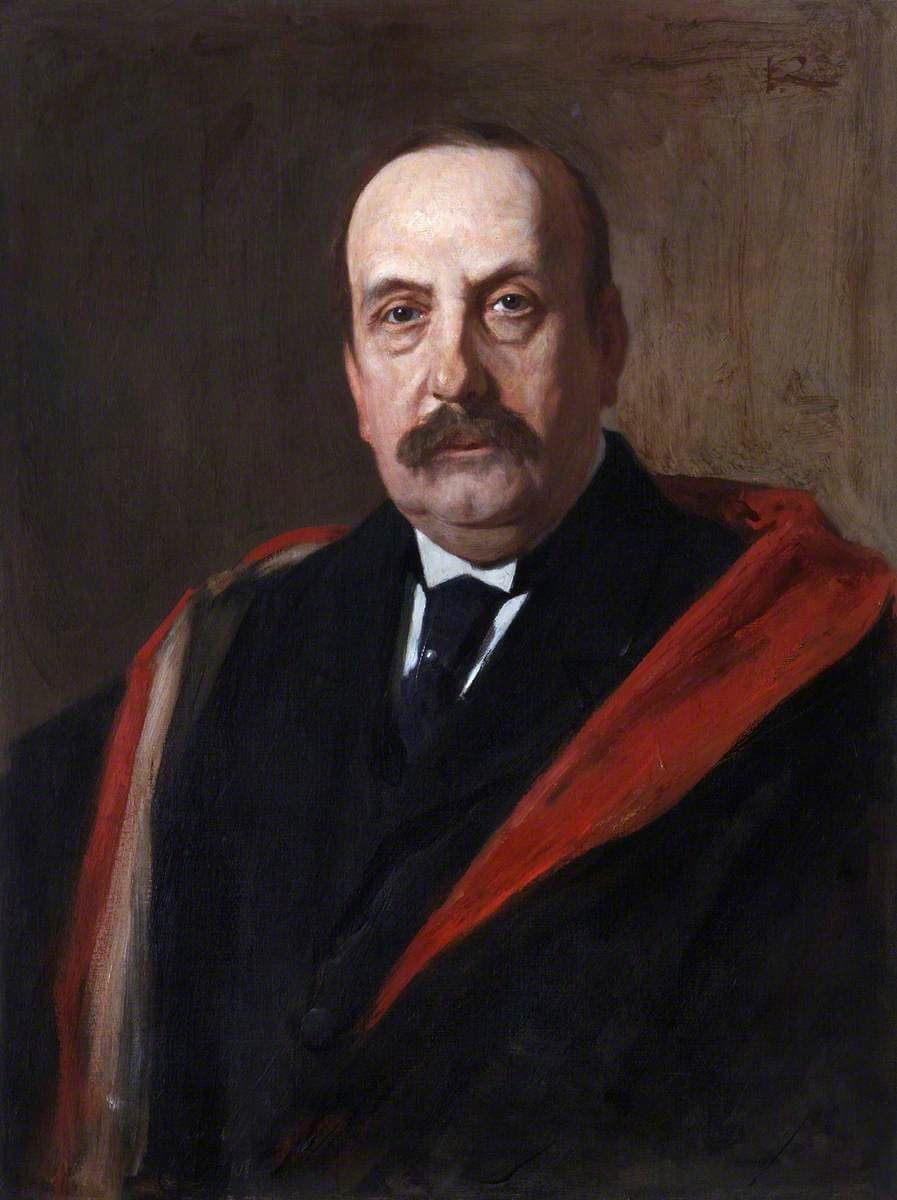
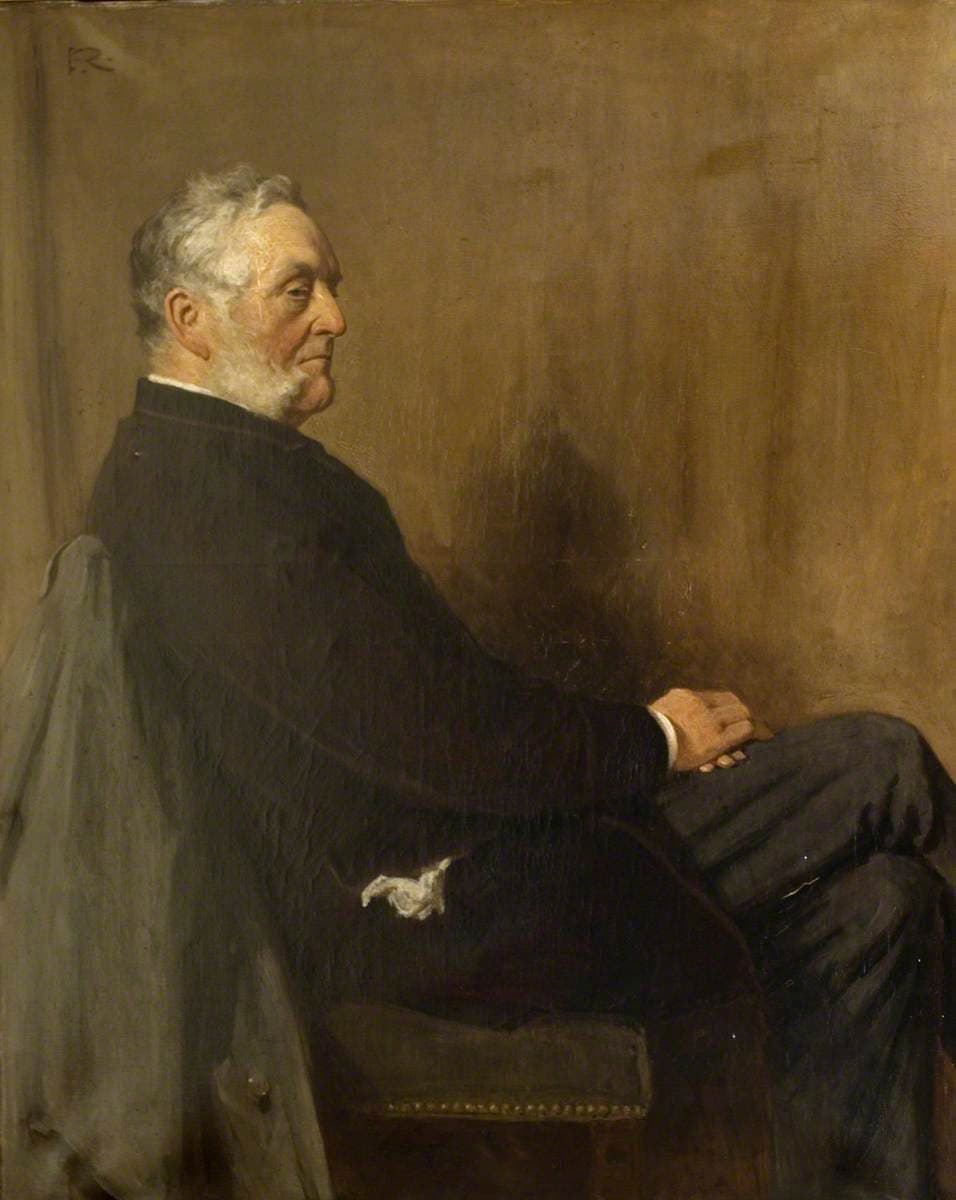
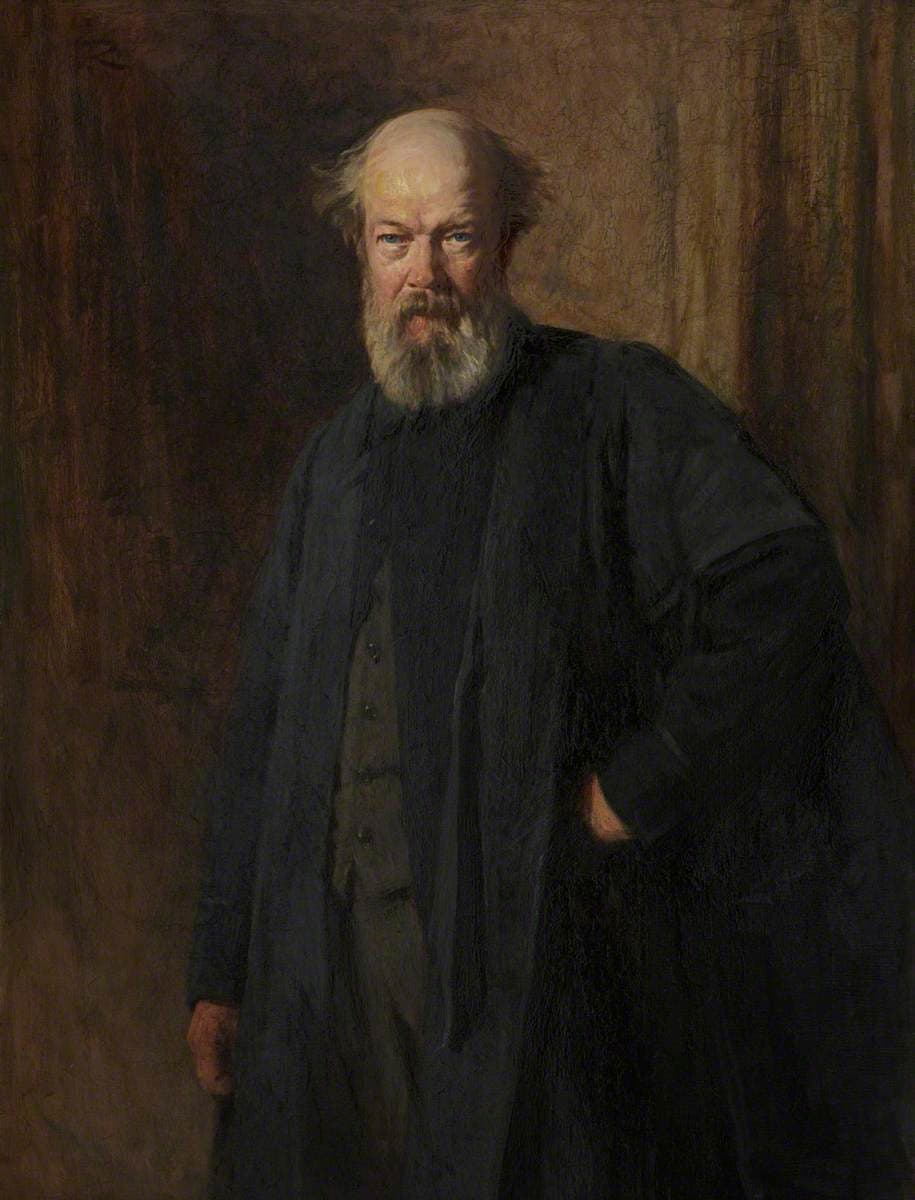
Reid’s work demonstrates strong draftsmanship, careful modelling, and an academic attention to detail. He employed controlled brushwork and a tonal approach that favors naturalistic rendering of skin and fabric. His compositions often place sitters in dignified poses with restraint in color and ornament, making his paintings visually harmonious in domestic and institutional settings.
While specific teacher-student relationships are not listed here, Reid belongs to the generation of 19th-century British and Scottish painters whose work bridged academic tradition and a growing taste for naturalistic portraiture. His paintings continue to be appreciated for their craftsmanship and decorative appeal, influencing collectors and conservative portrait painters who value technical mastery.
Reid was born in Aberdeen and died in Somerset in 1913. Beyond these reliable biographical anchors, detailed personal life events are not provided here and are therefore omitted to avoid speculation.
Awards
Frequently Asked Questions
George Grubb, LLD (d.1892)
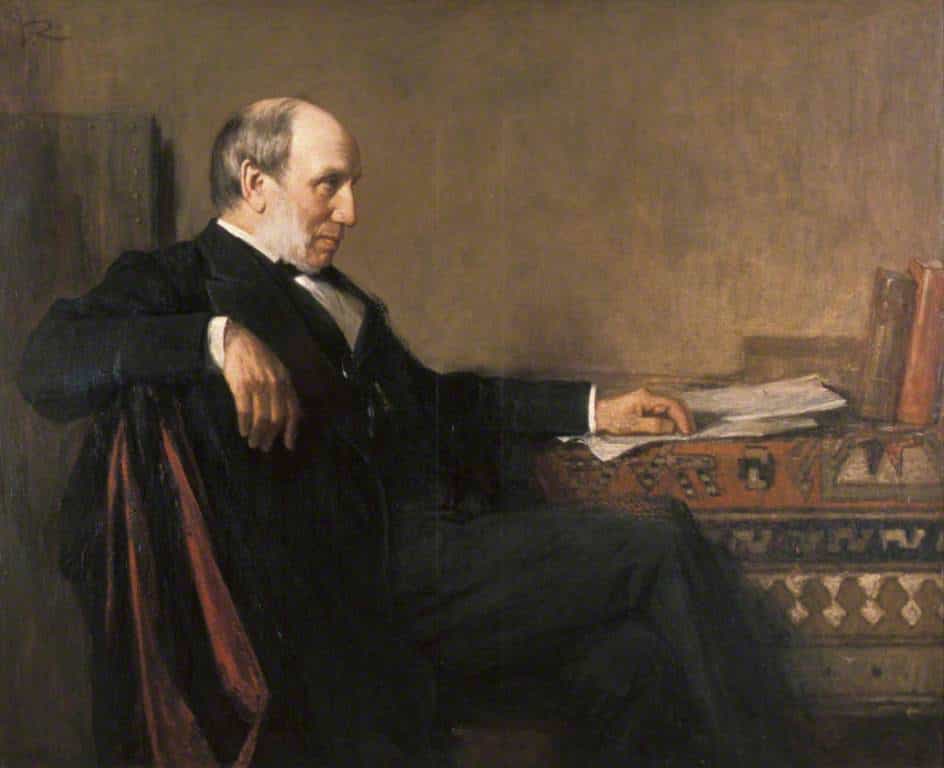
John Struthers (1823–1899), MD, LLD
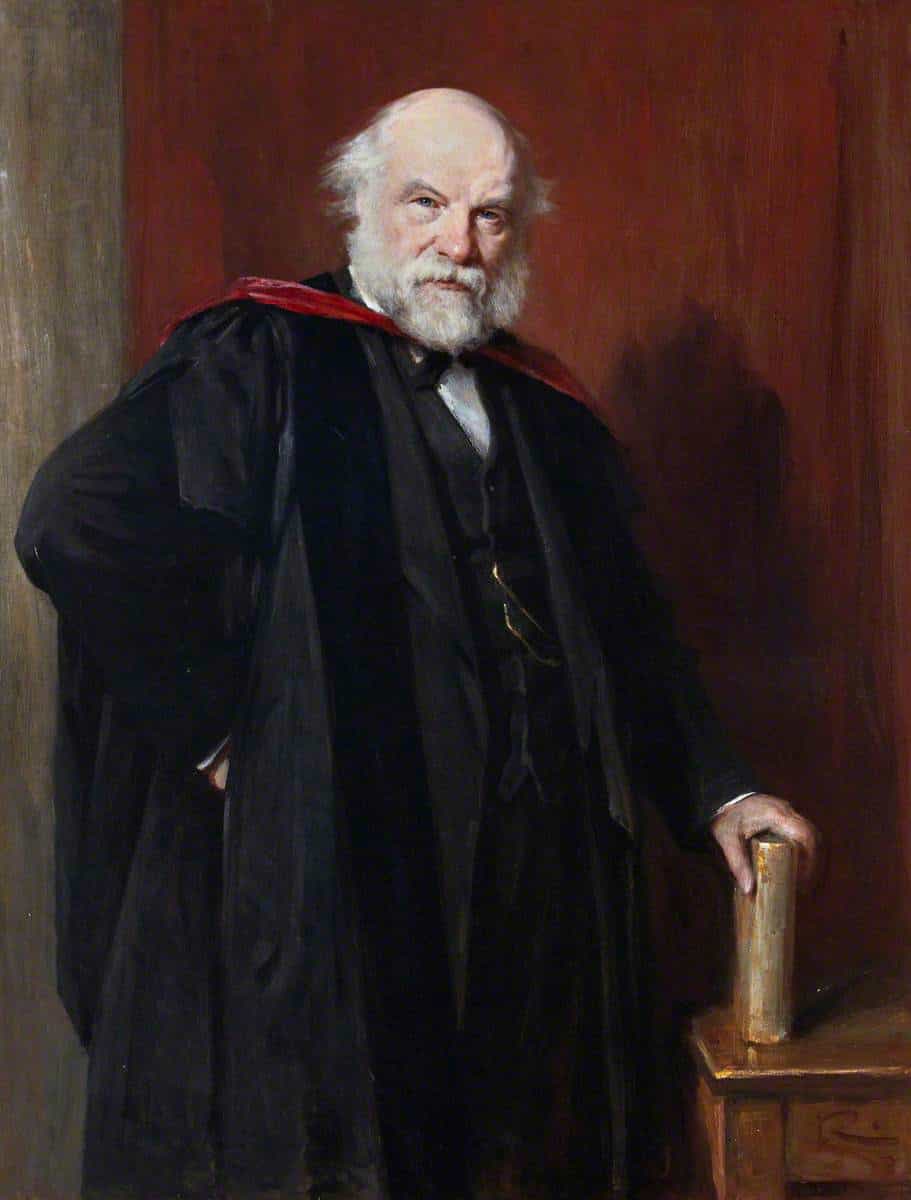
Sir William Turner, FRCSEd (1861), PRCSEd (1898–1900)
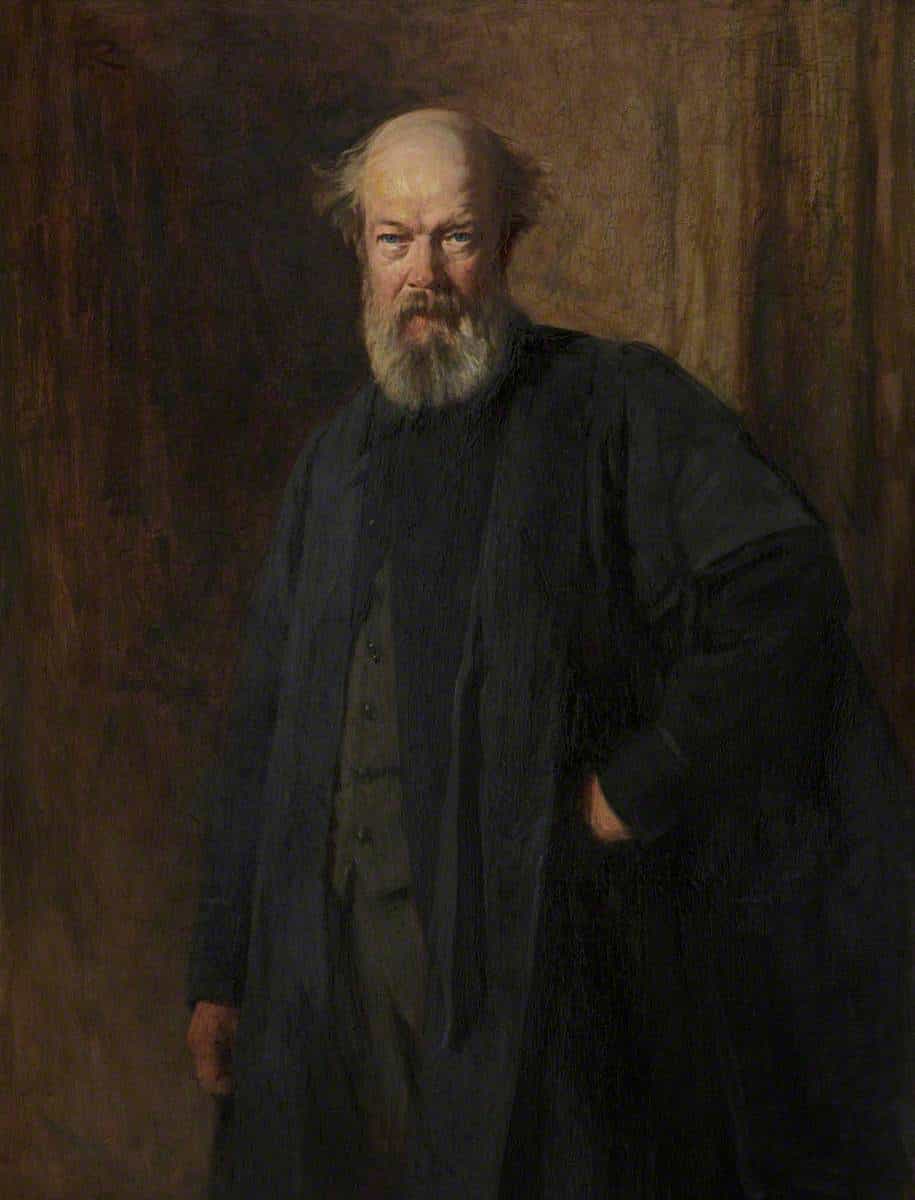
Peter Guthrie Tait (1831–1901), FRSE
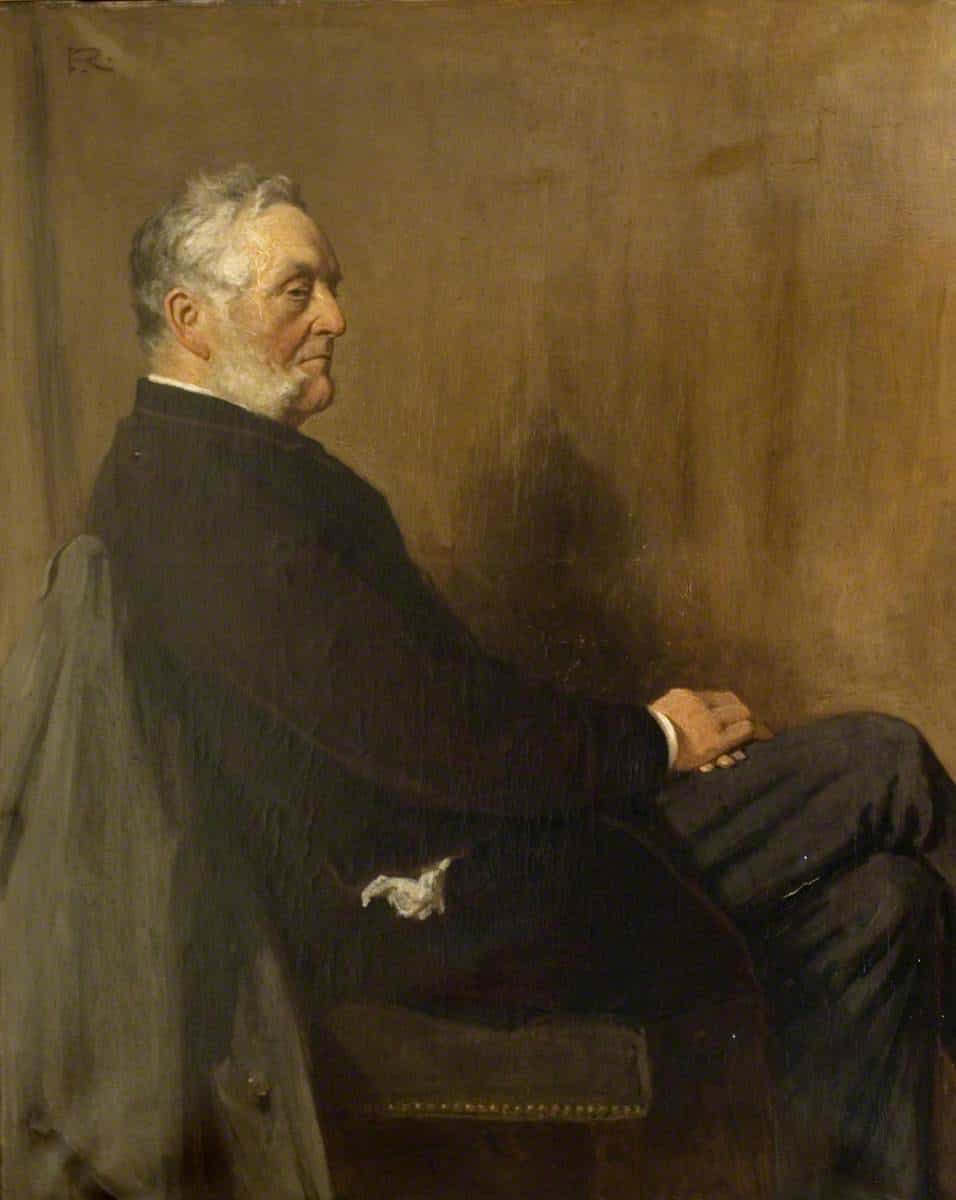
William Johnstone Carlyle, MD, LRES, JP
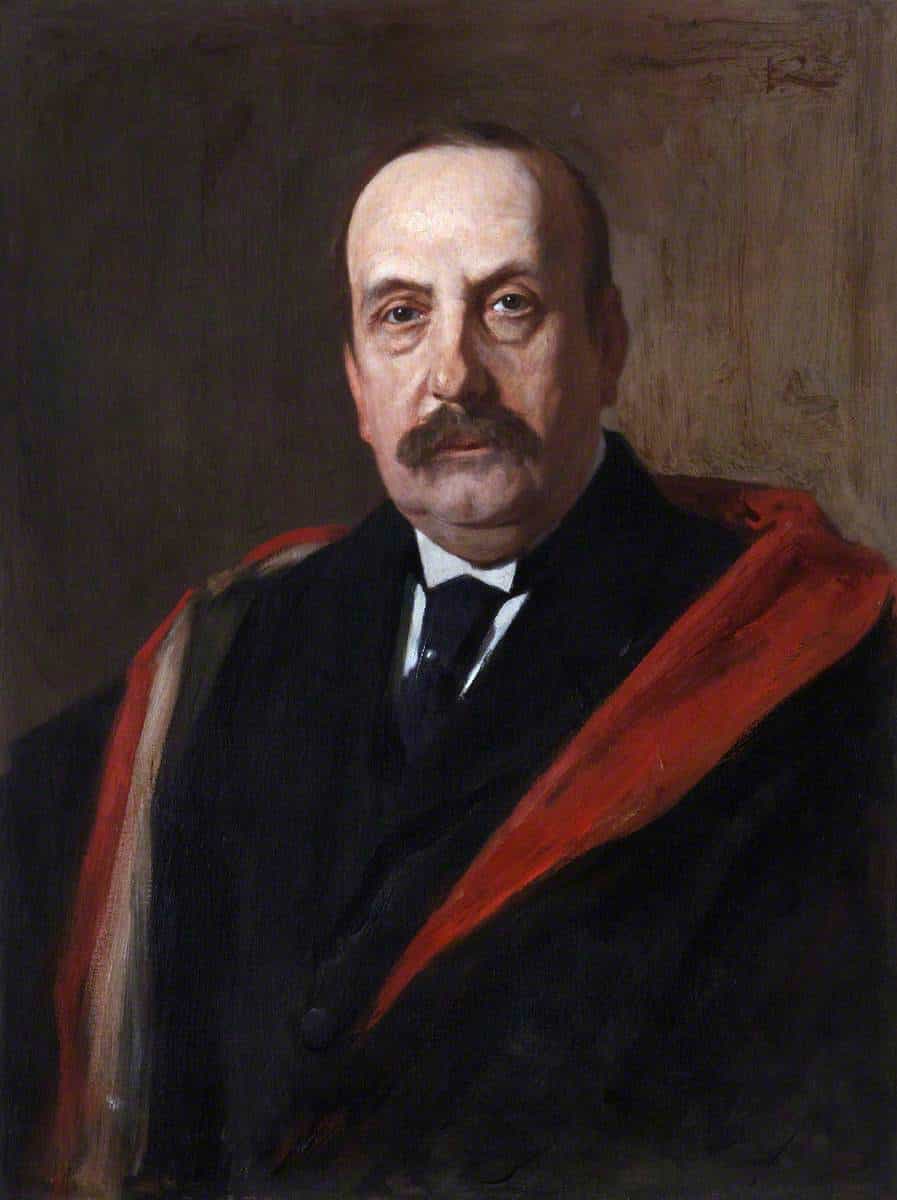
Sir Patrick Heron Watson (1832–1907), FRCSEd (1855), PRCSEd (1877–1879 & 1905)
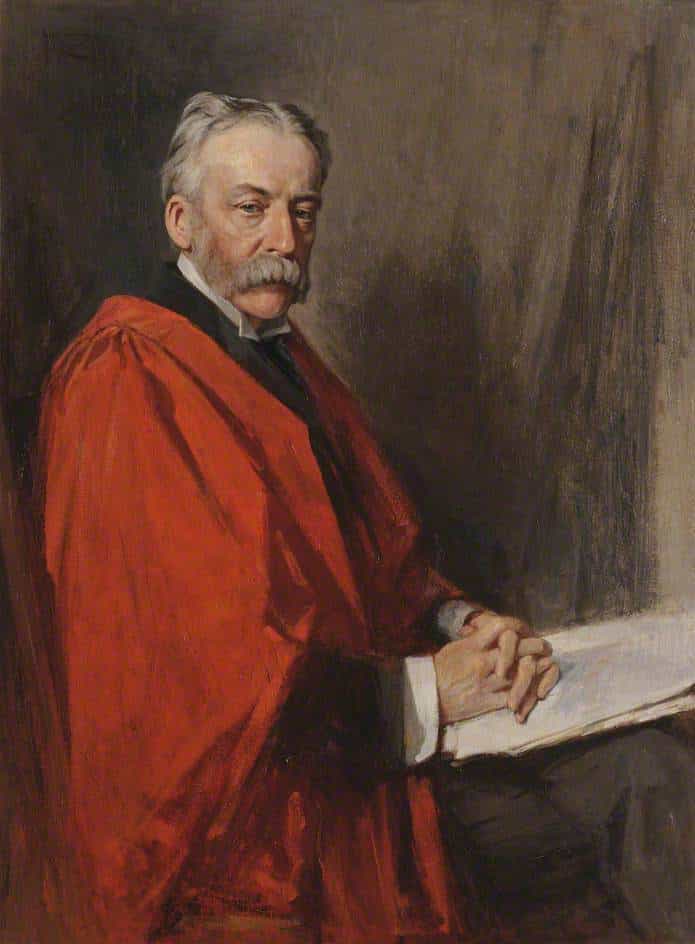
Richard Claverhouse Jebb (1841–1905), Fellow and Regius Professor of Greek (1889–1906)
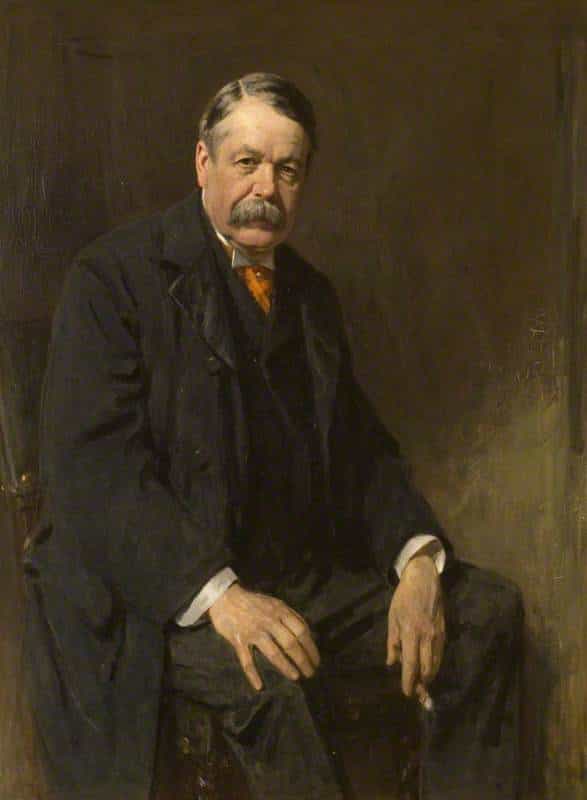
James Stuart
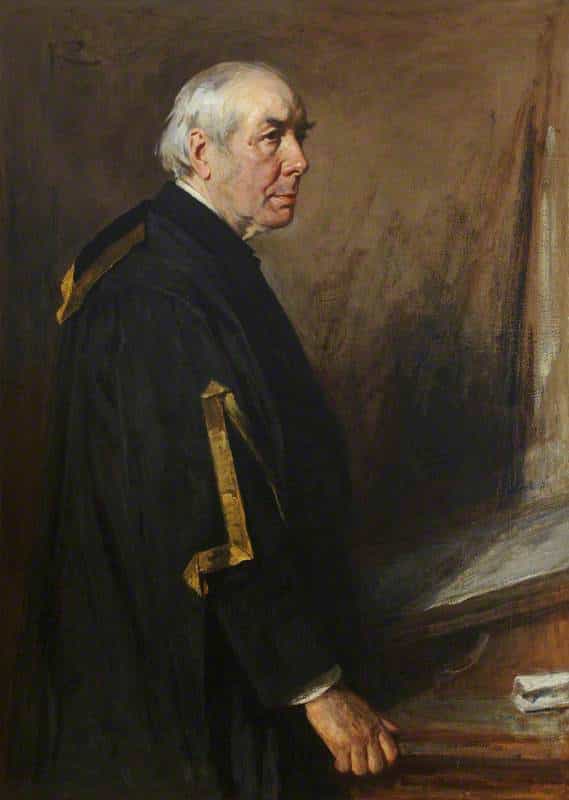
Sir James Donaldson (1831–1915)
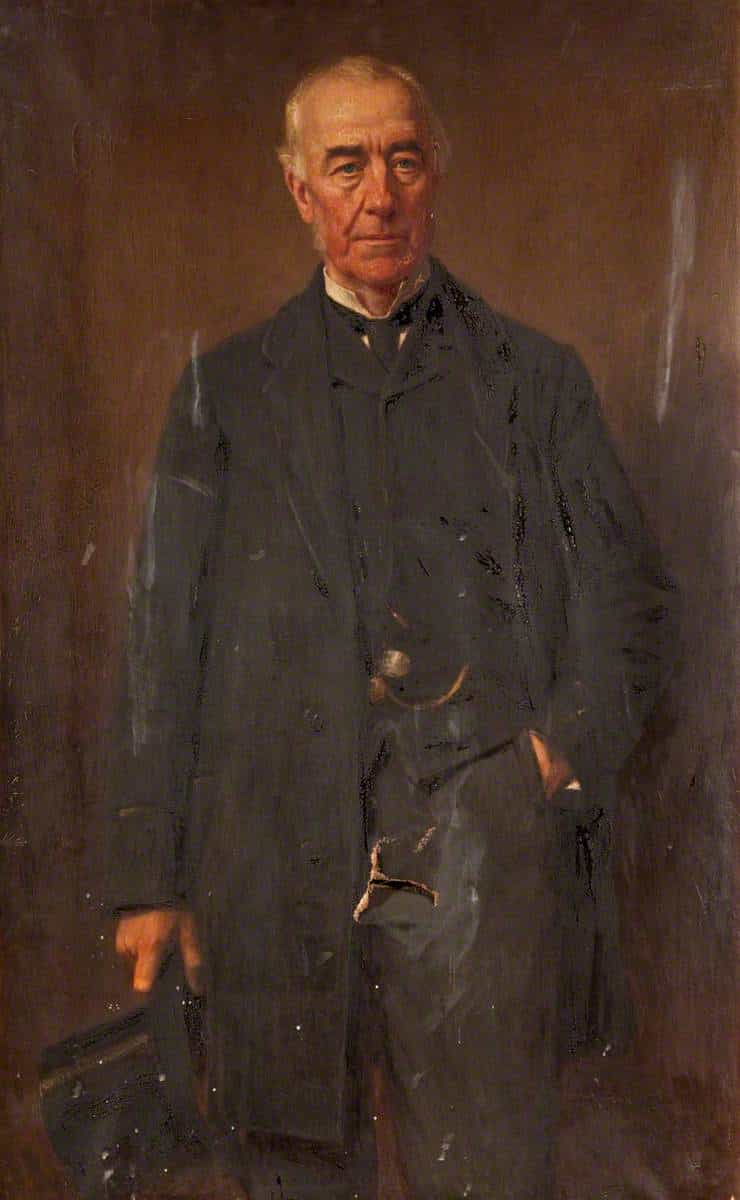
Robert Binnie (1824–1917), Provost of Gourock (1877–1889)
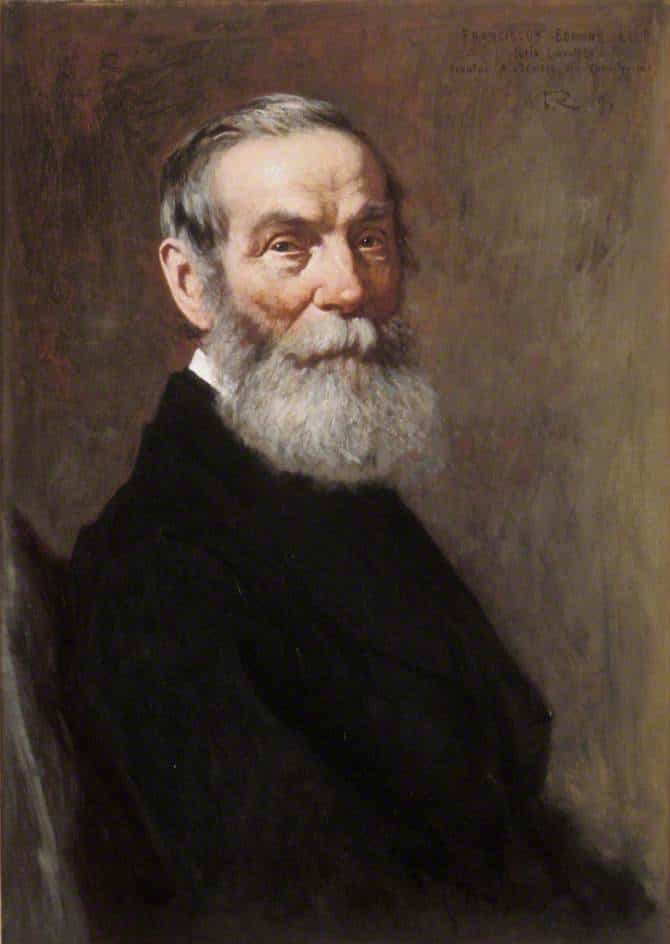
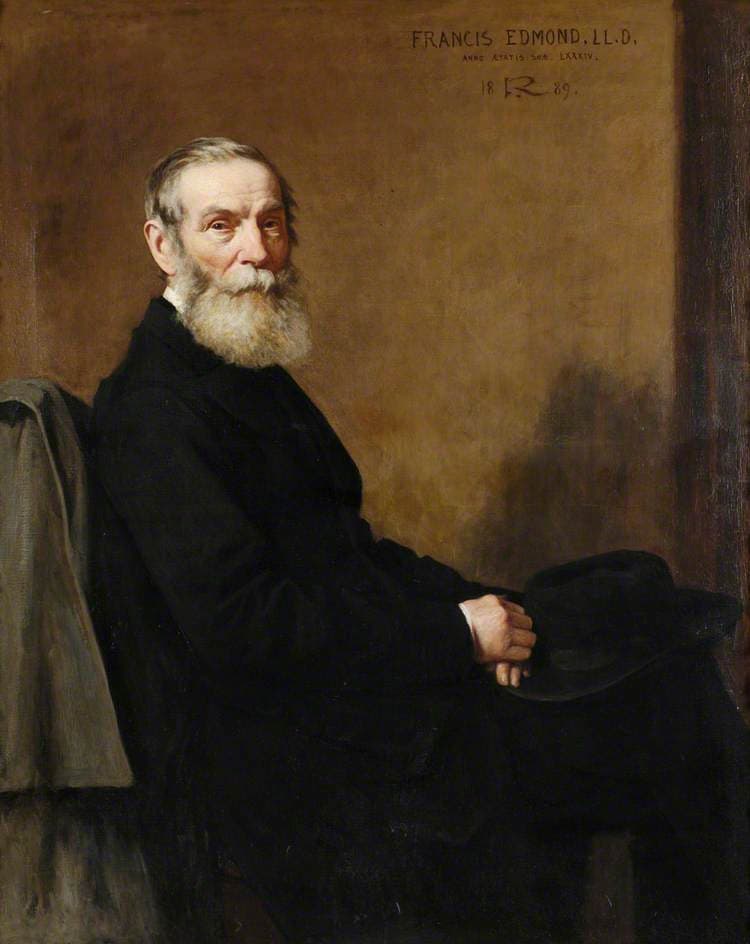
Francis Edmond of Kingswells, MA, LLD
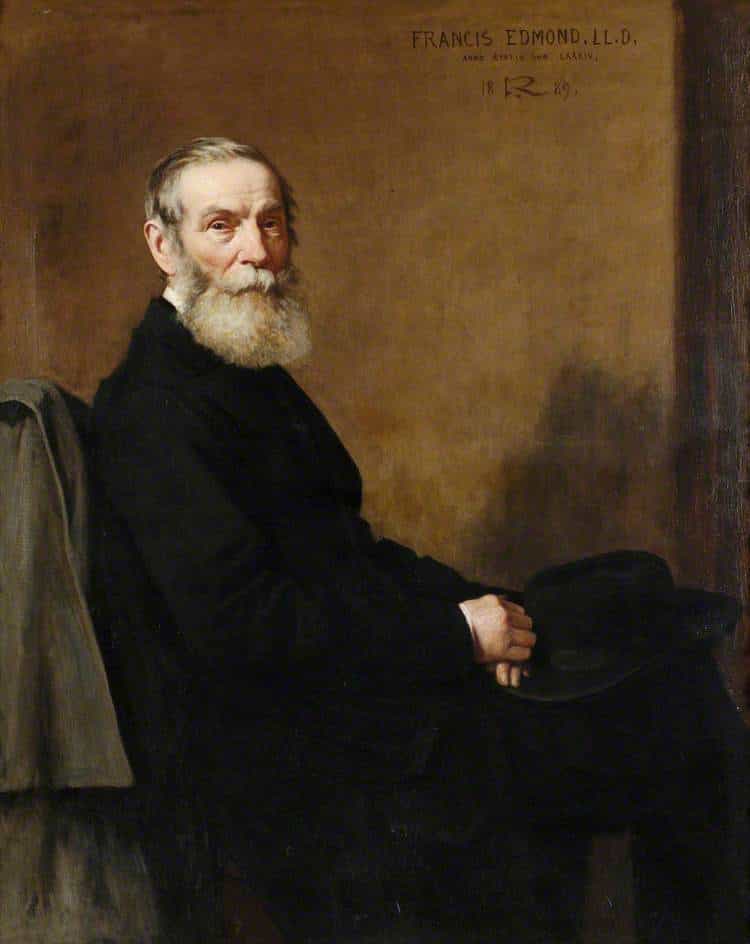
Francis Edmond of Kingswells, MA, LLD