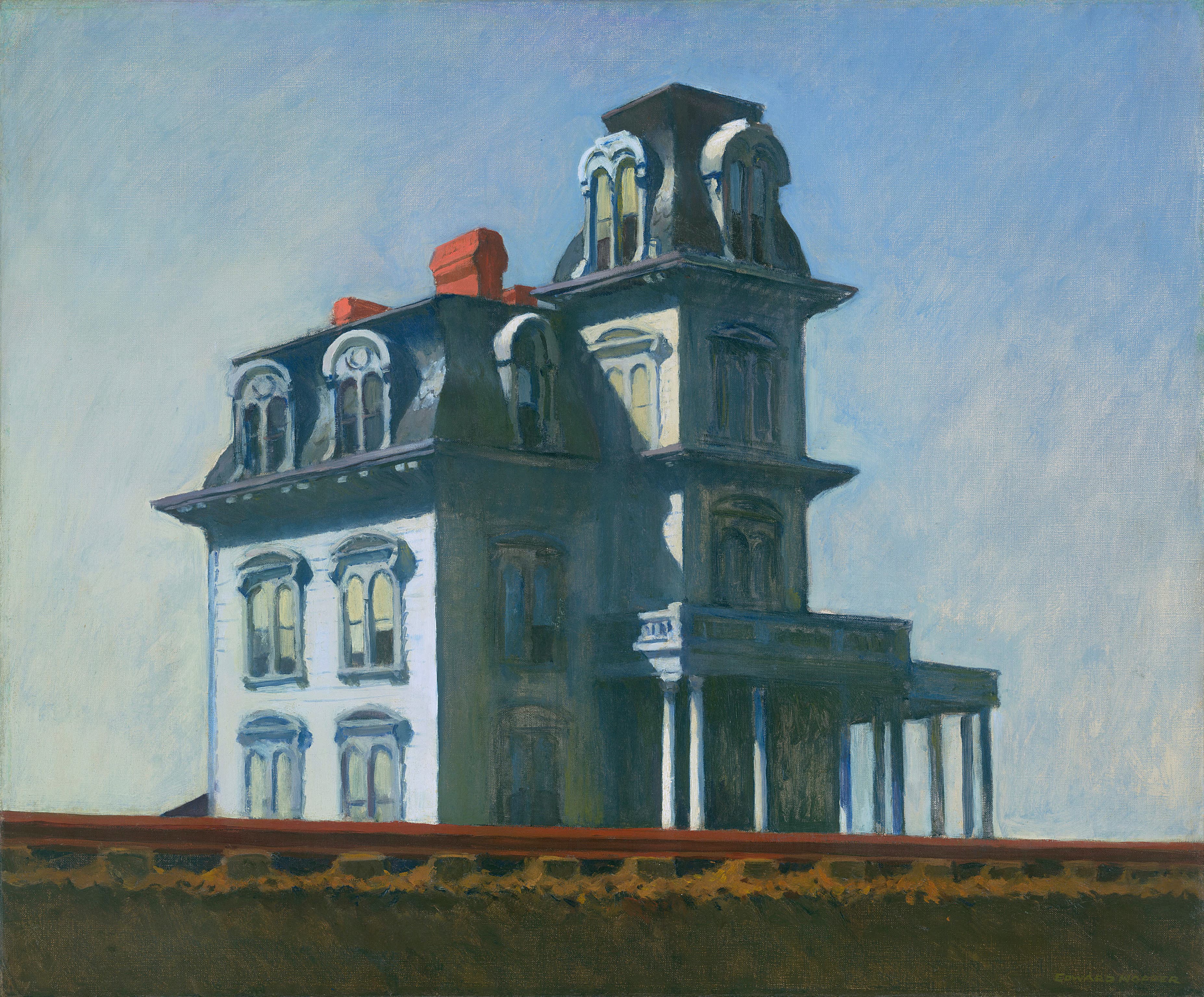
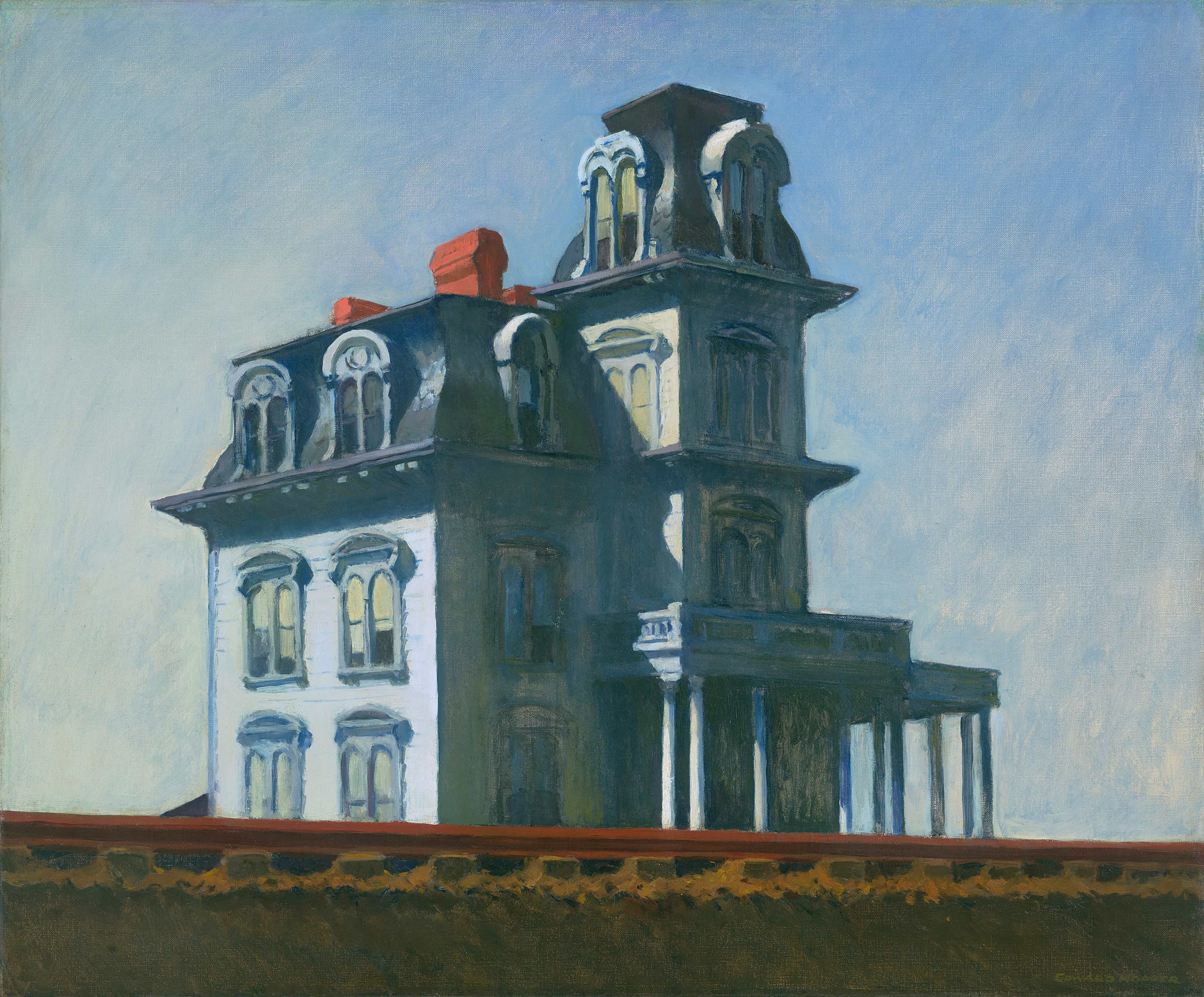
House by the Railroad
Edward Hopper
From $54
Collection
Museum-quality reproductions on 310gsm textured cotton rag paper.
Shop all prints by Edward HopperArtistic Style
Style Evolution
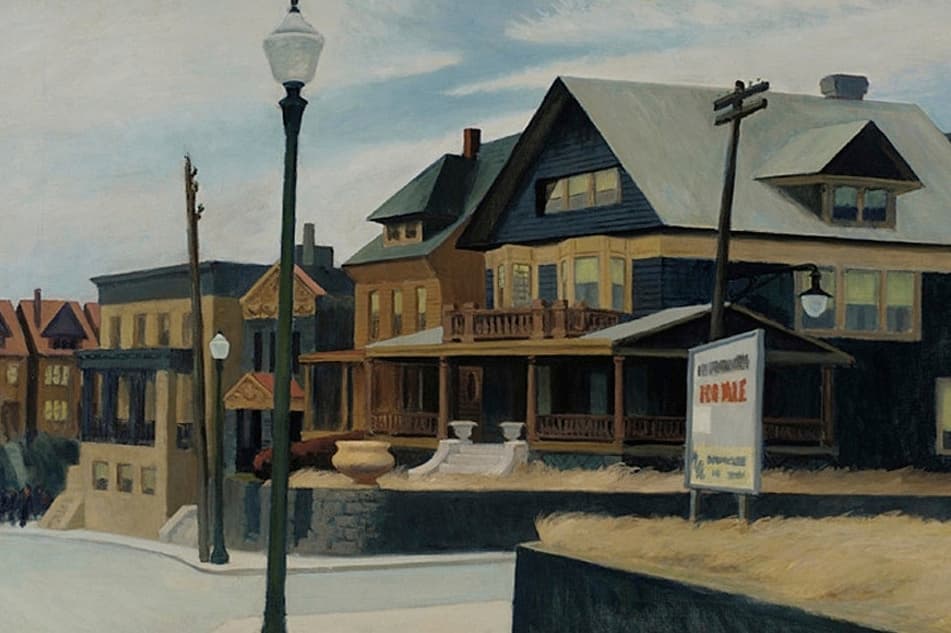
Hopper's style matured from early academic training and exposure to European modernism into a highly distilled American realism. Over time he emphasized spare composition, architectural clarity, and the psychological effects of light, moving from study-oriented work to a signature, cinematic realism.
Palette
Subjects
Techniques
Topics
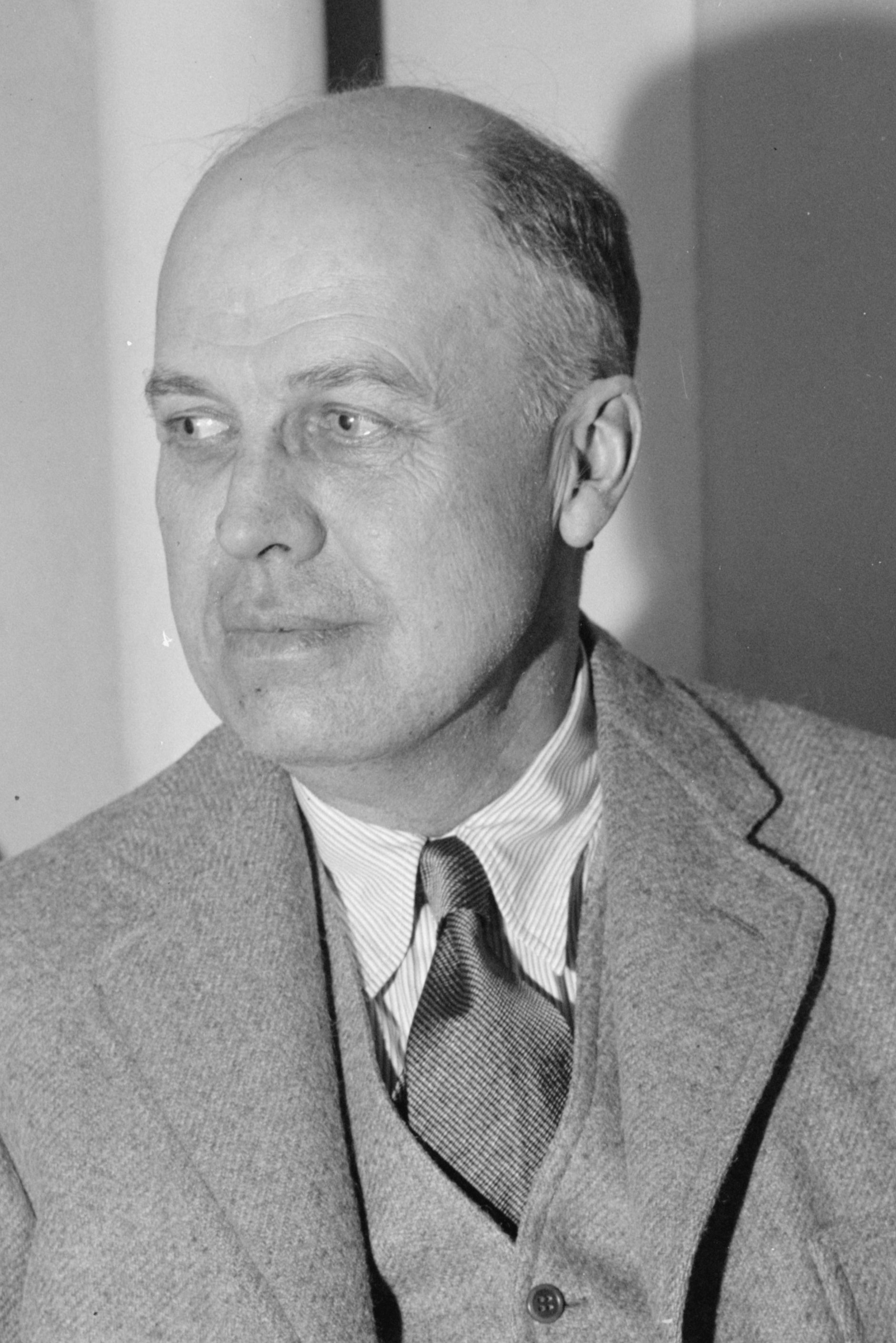
Edward Hopper (1882-1967) was an American realist painter and printmaker whose evocative scenes of urban solitude and light defined twentieth-century American art.
Learn about the life of Edward Hopper
Biography
Edward Hopper (1882-1967) was an American realist painter and printmaker whose evocative scenes of urban solitude and light defined twentieth-century American art.
Edward Hopper was born in Nyack, New York, in 1882. He grew up in a middle-class family and showed an early interest in drawing and illustration. Hopper moved to New York City to pursue formal art training and to build a career as a commercial artist while continuing to paint.
Hopper trained in New York and spent time studying in Europe early in his career, where he encountered contemporary European painting and acquired a sharpened sense of composition and light. Those formative experiences combined with his American sensibility to shape a distinctly modern realist approach.
Hopper settled in New York City for much of his adult life. There he developed his spare, architectonic compositions—quiet streets, stark interiors, and solitary figures—that became his trademark. His work often focuses on moments of stillness and the effects of light on geometric forms.
A period of study and travel in Europe gave Hopper direct exposure to contemporary French painting and modern composition. He absorbed lessons about structure, shadow, and the psychological power of simplified forms, which he later translated into scenes of American life.
Hopper's oeuvre is celebrated for its powerful visual economy: an ability to evoke mood and narrative through light, shadow, and carefully arranged architectural spaces. His paintings capture the feeling of modern American towns and cities—moments of isolation, introspection, and quiet drama—rendered with precise draftsmanship and muted palettes.
Hopper combined realist draftsmanship with a modernist sensibility. He favored controlled compositions, crisp outlines, and a careful modulation of light and shadow. His technique emphasizes clarity of form, often isolating figures within architectural settings to heighten emotional resonance.
As a leading figure in American Realism, Hopper influenced generations of painters, filmmakers, and photographers drawn to cinematic framing and themes of urban isolation. His restrained compositions and emphasis on light continue to inform contemporary visual culture and interior decoration.
Hopper maintained a close creative partnership with his wife, who was also an artist. He lived and worked primarily in New York while traveling periodically. His personal restraint and observational method are reflected in the measured pace and introspective tone of his work.
Collectors prize Hopper’s paintings for their evocative mood, compositional clarity, and decorative strength. His works command significant attention in museum shows and the art market because they
Awards
Frequently Asked Questions
House by the Railroad
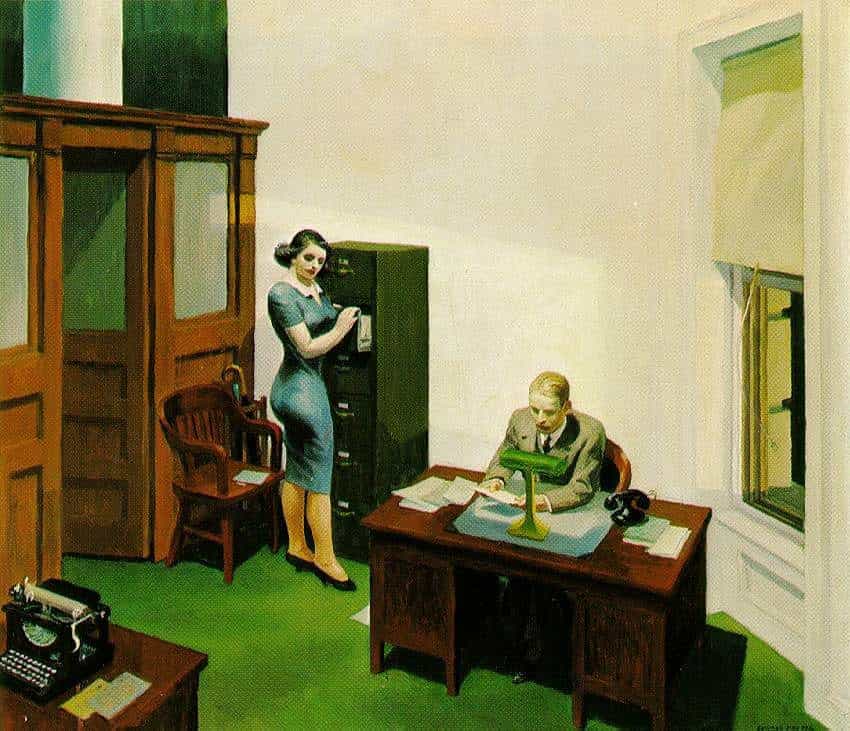
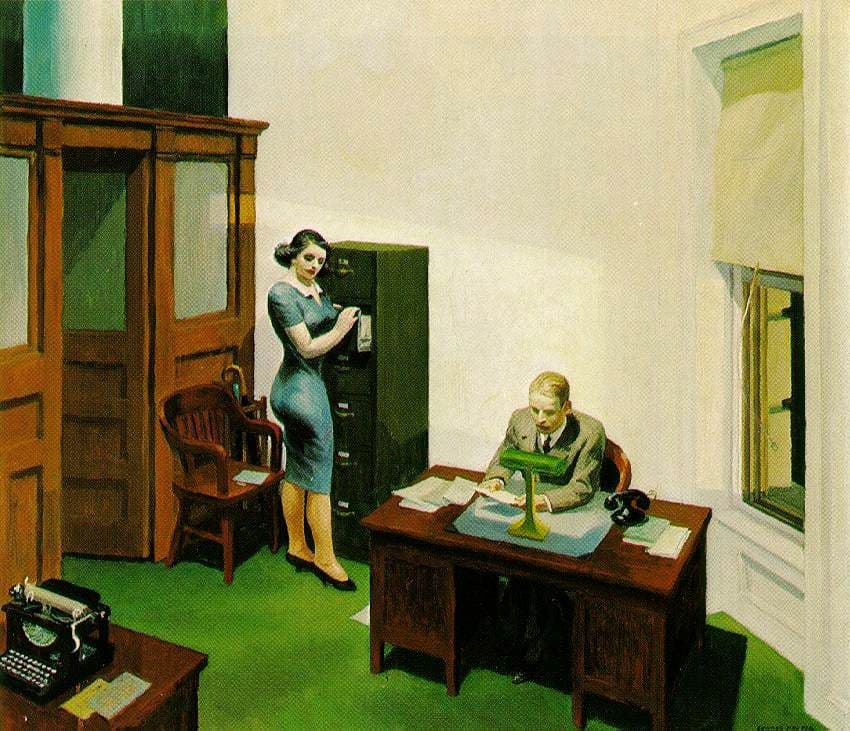
Office at Night
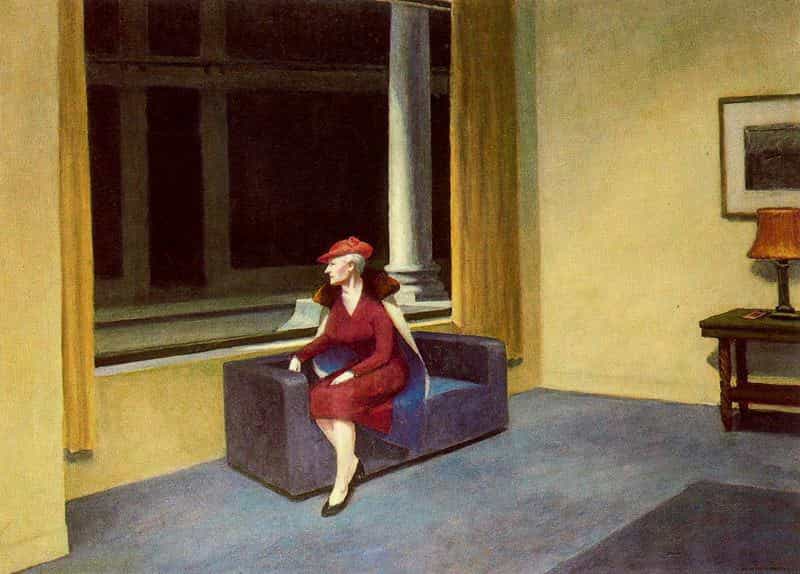
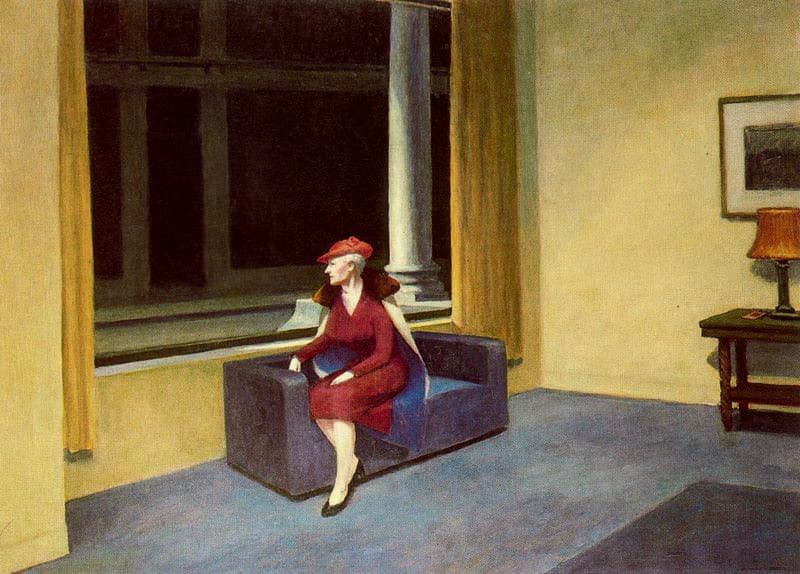
Hotel Window
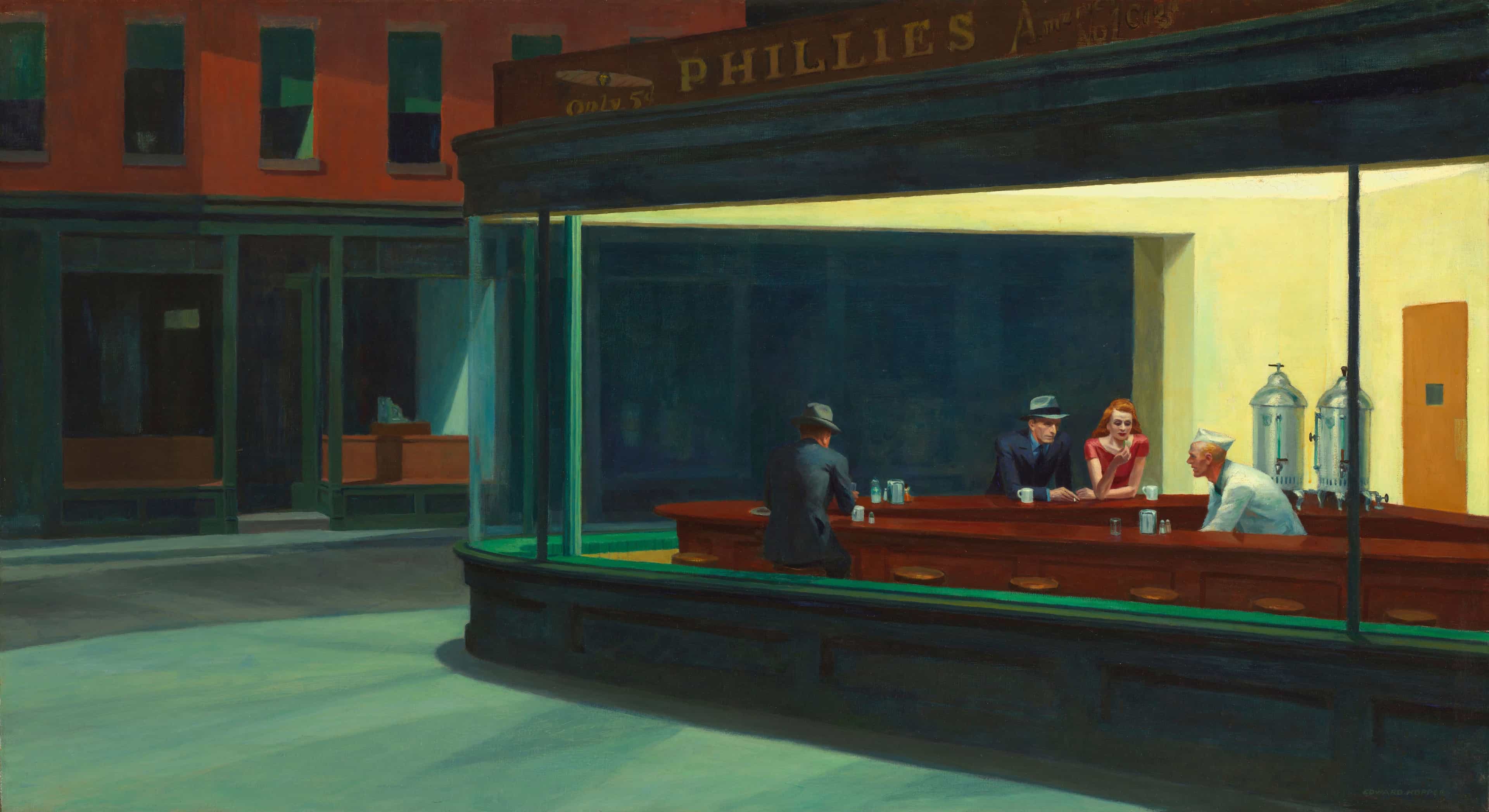
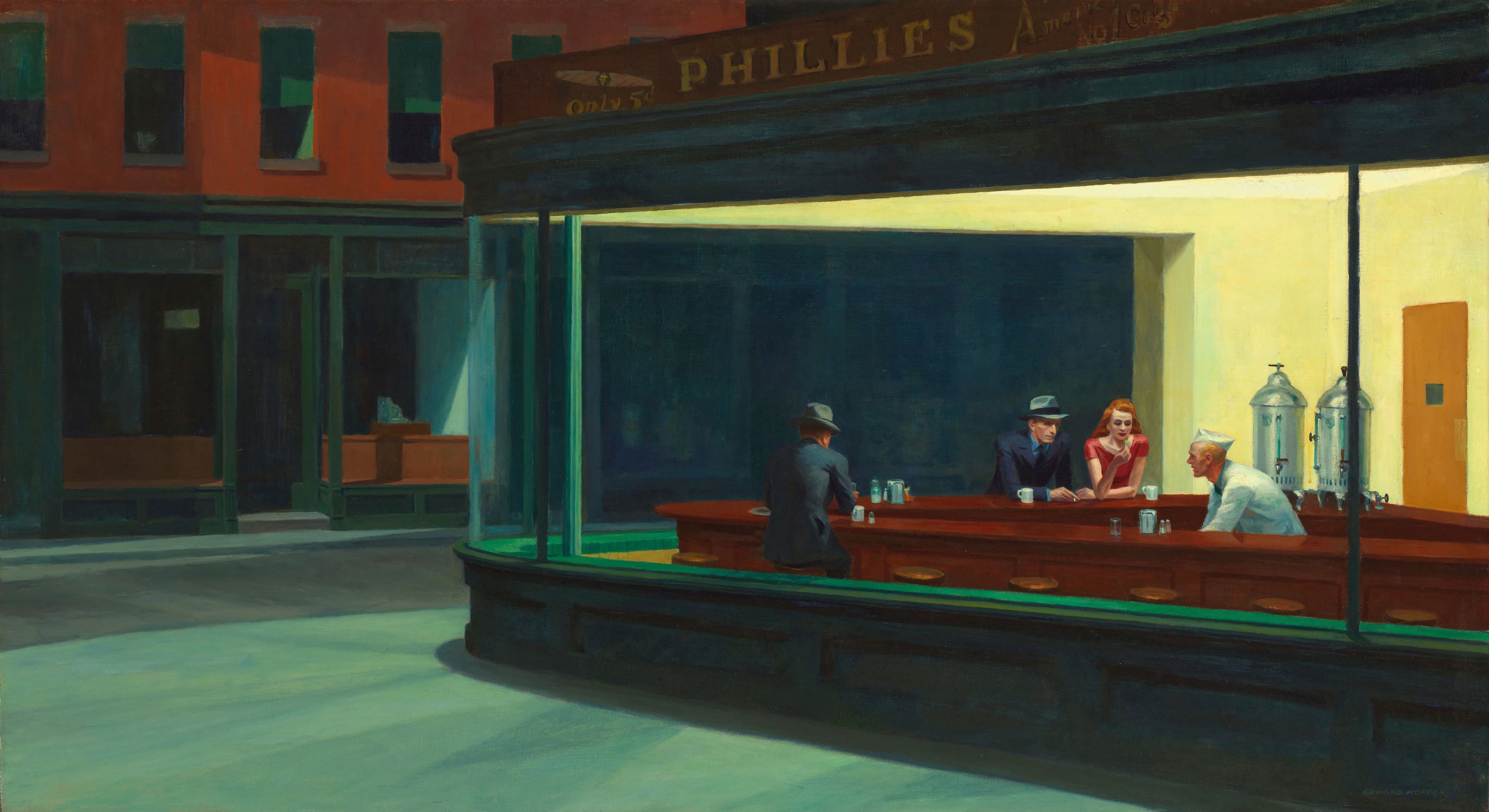
Nighthawks
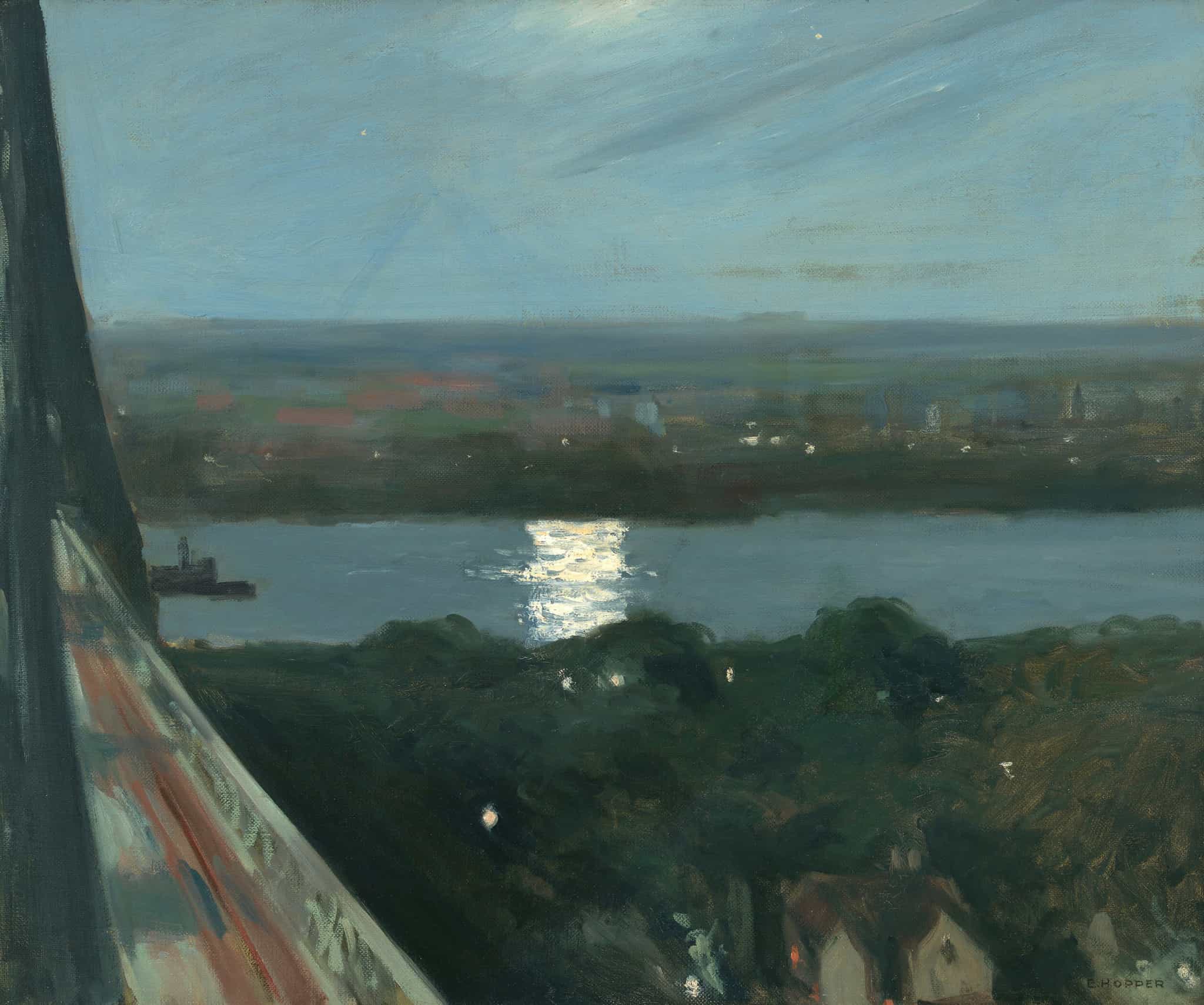
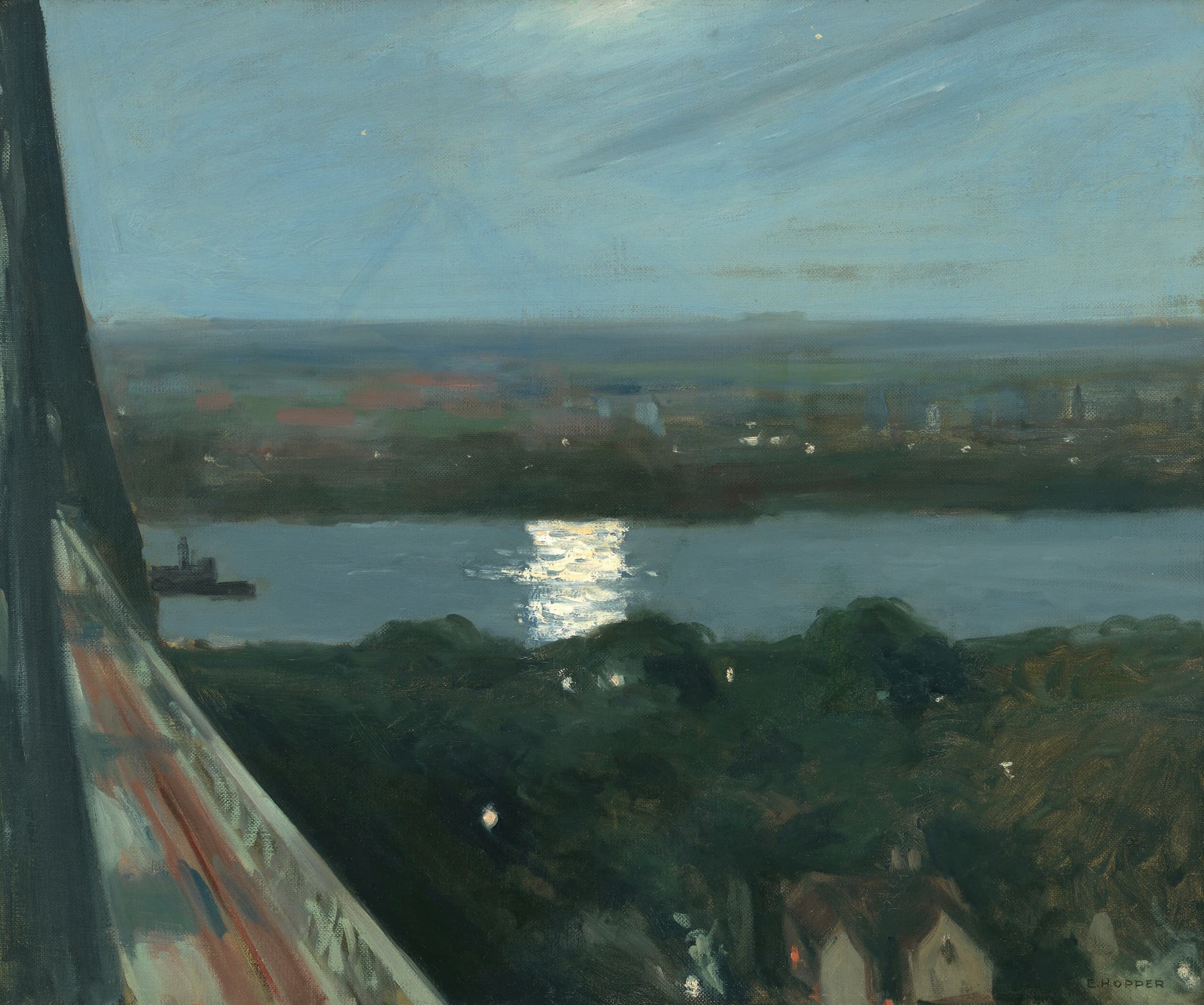
Blackwell's Island
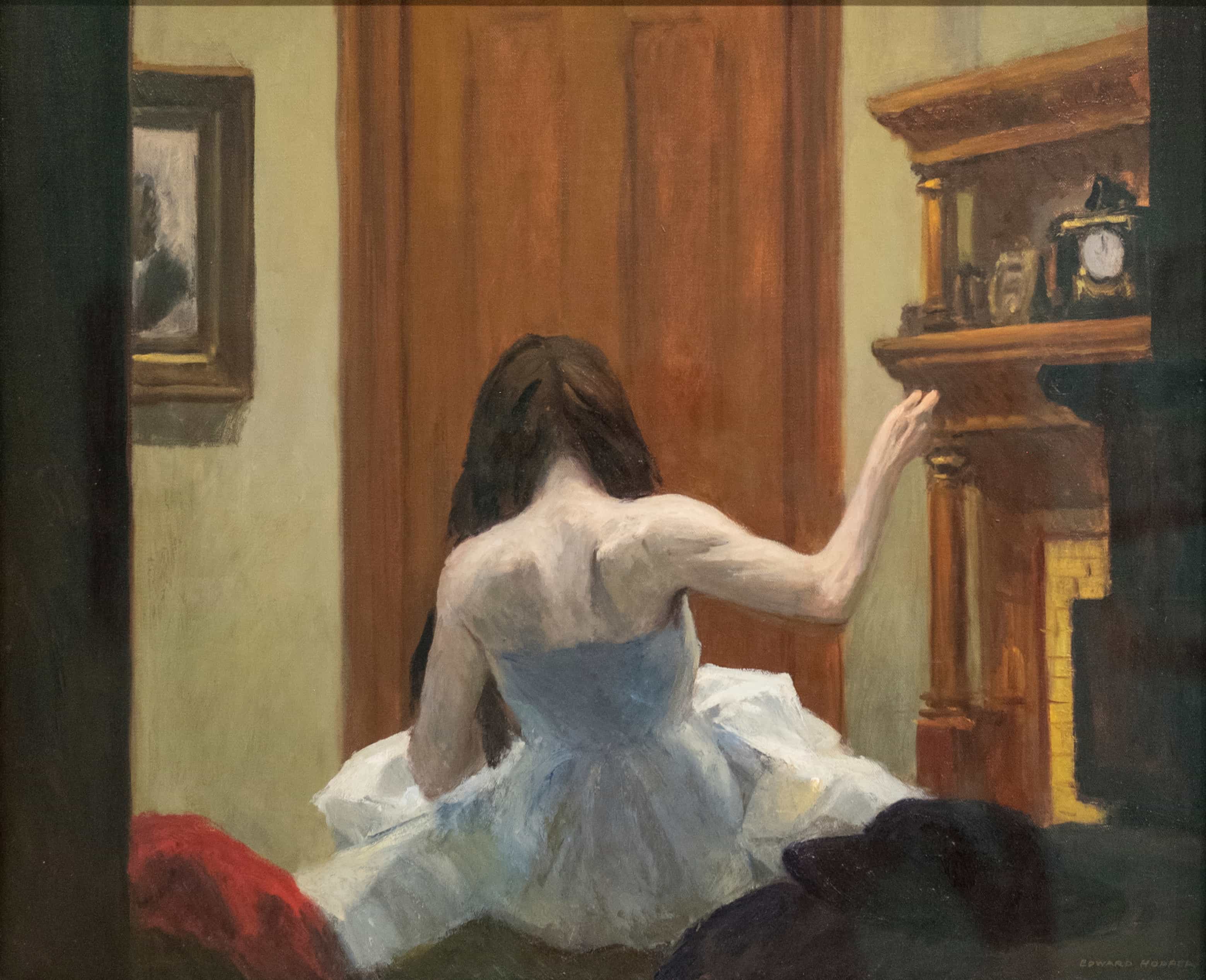
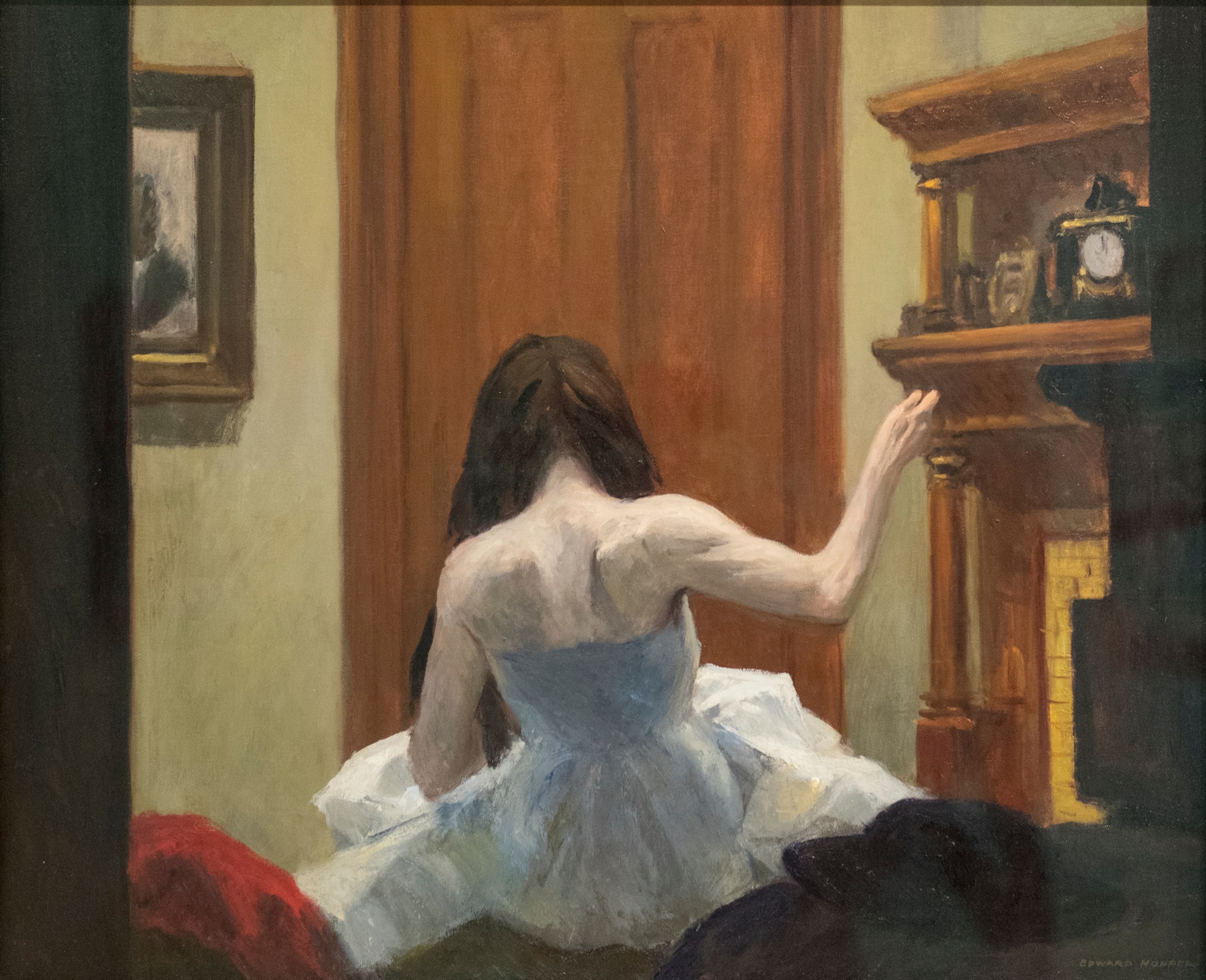
New York Interior
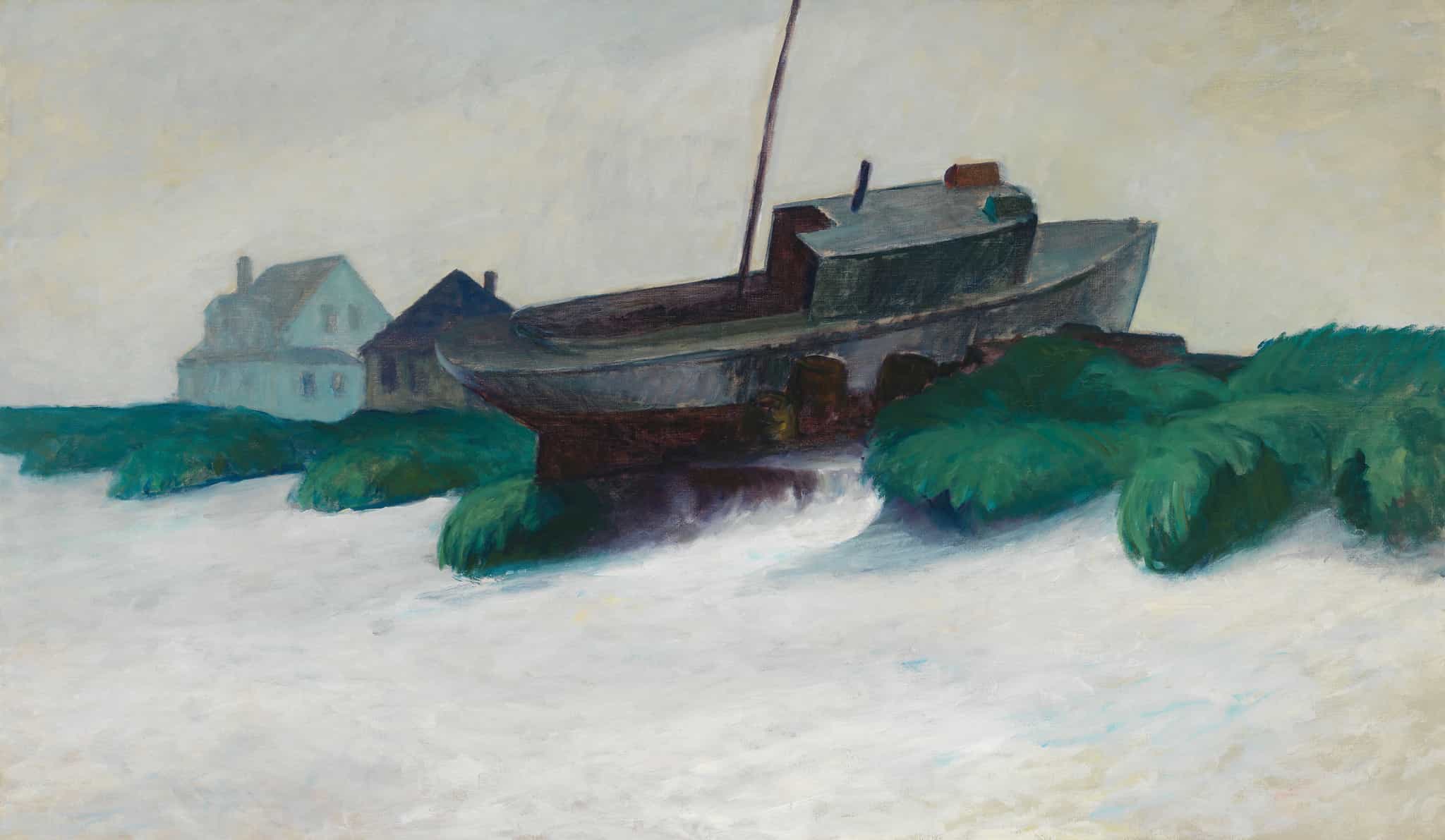
Maine in Fog
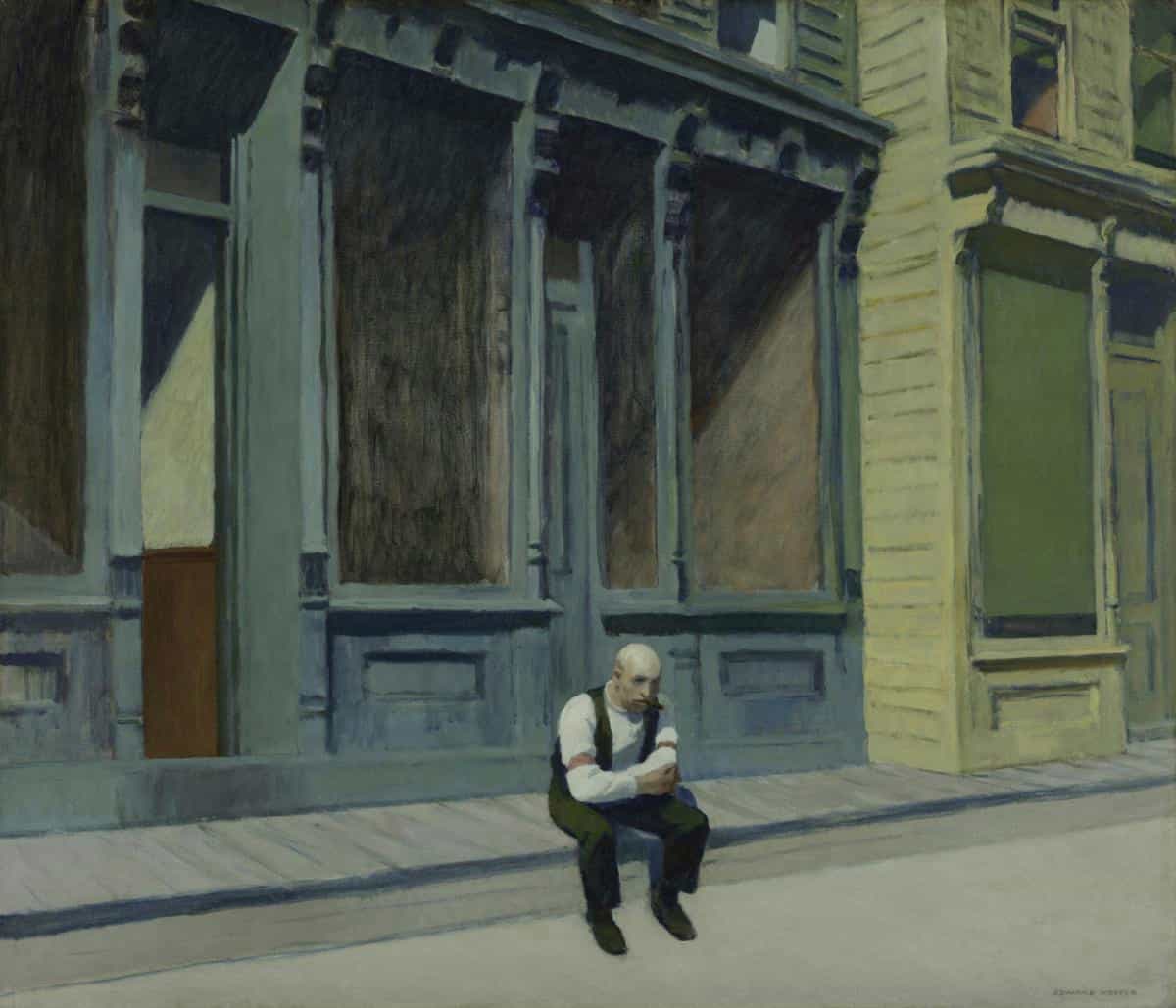
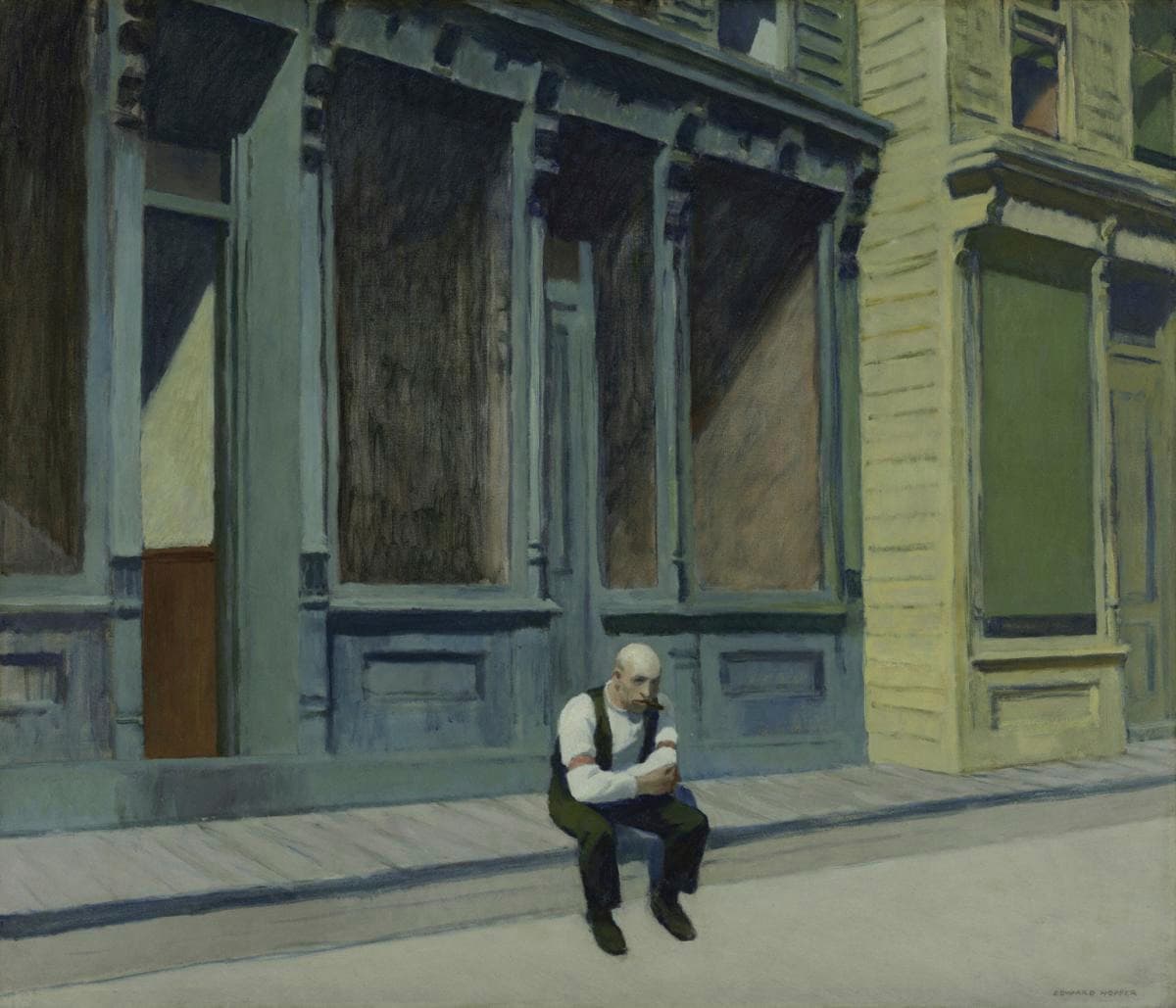
Sunday
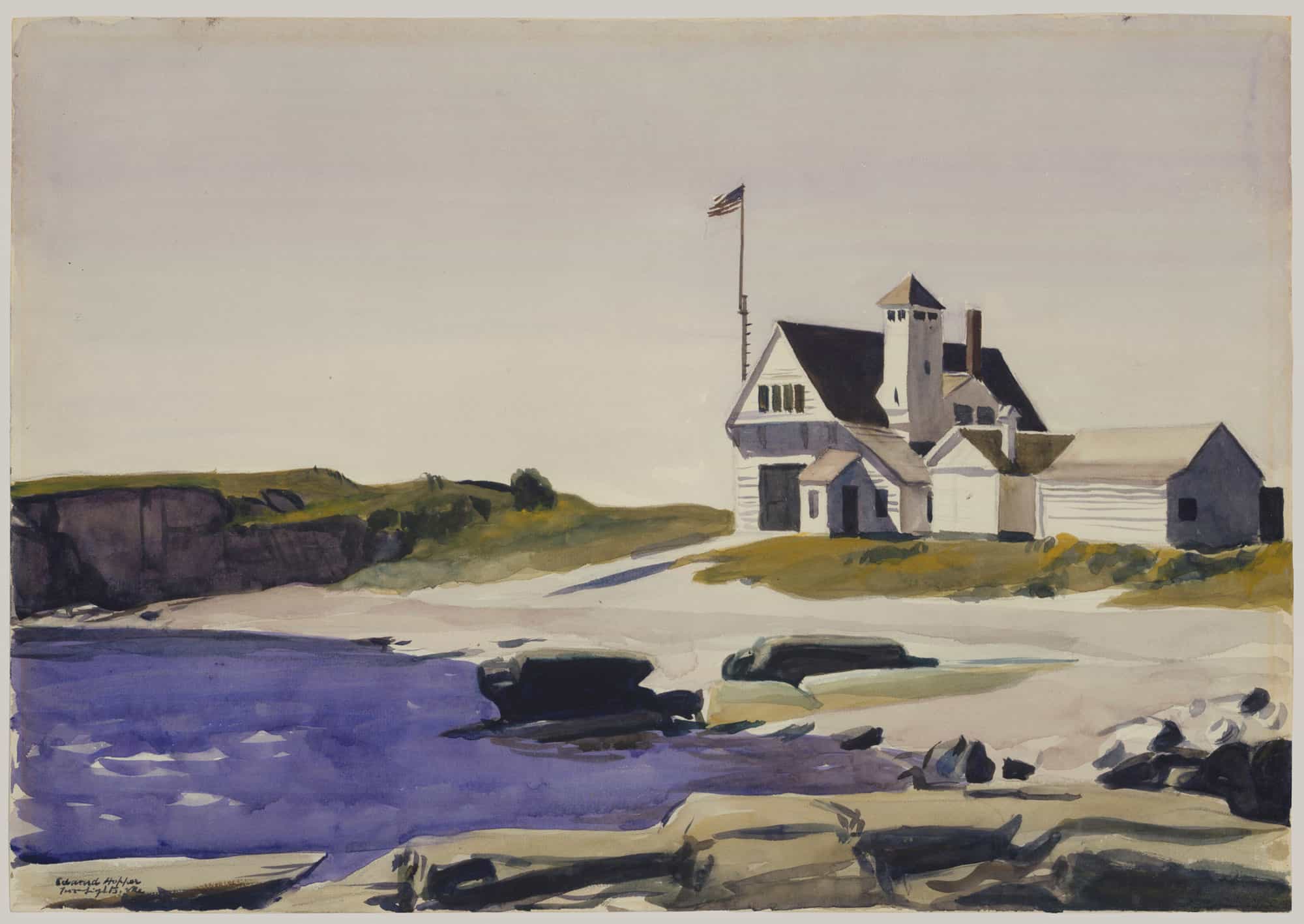
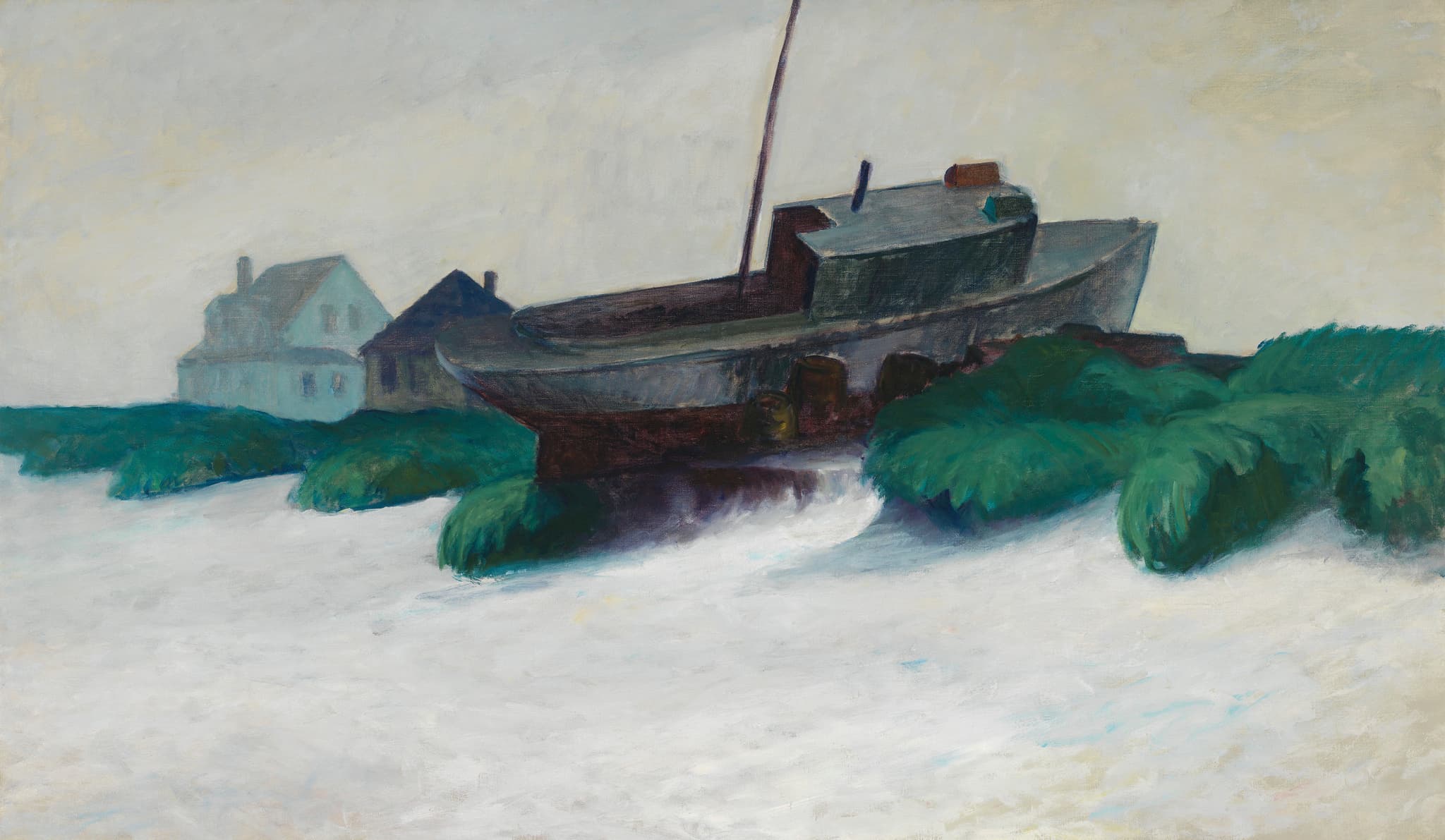
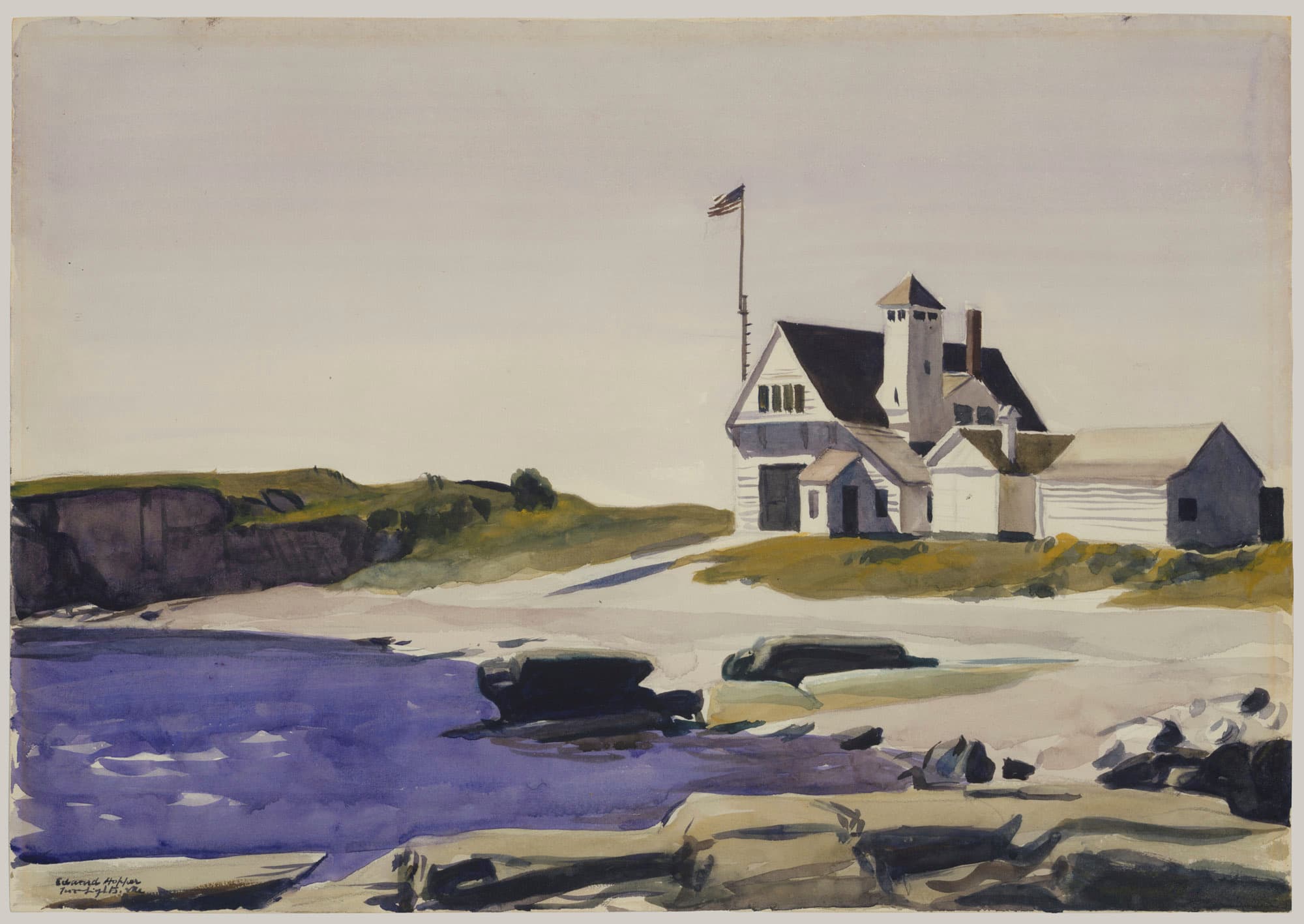
Coast Guard Station, Two Lights, Maine
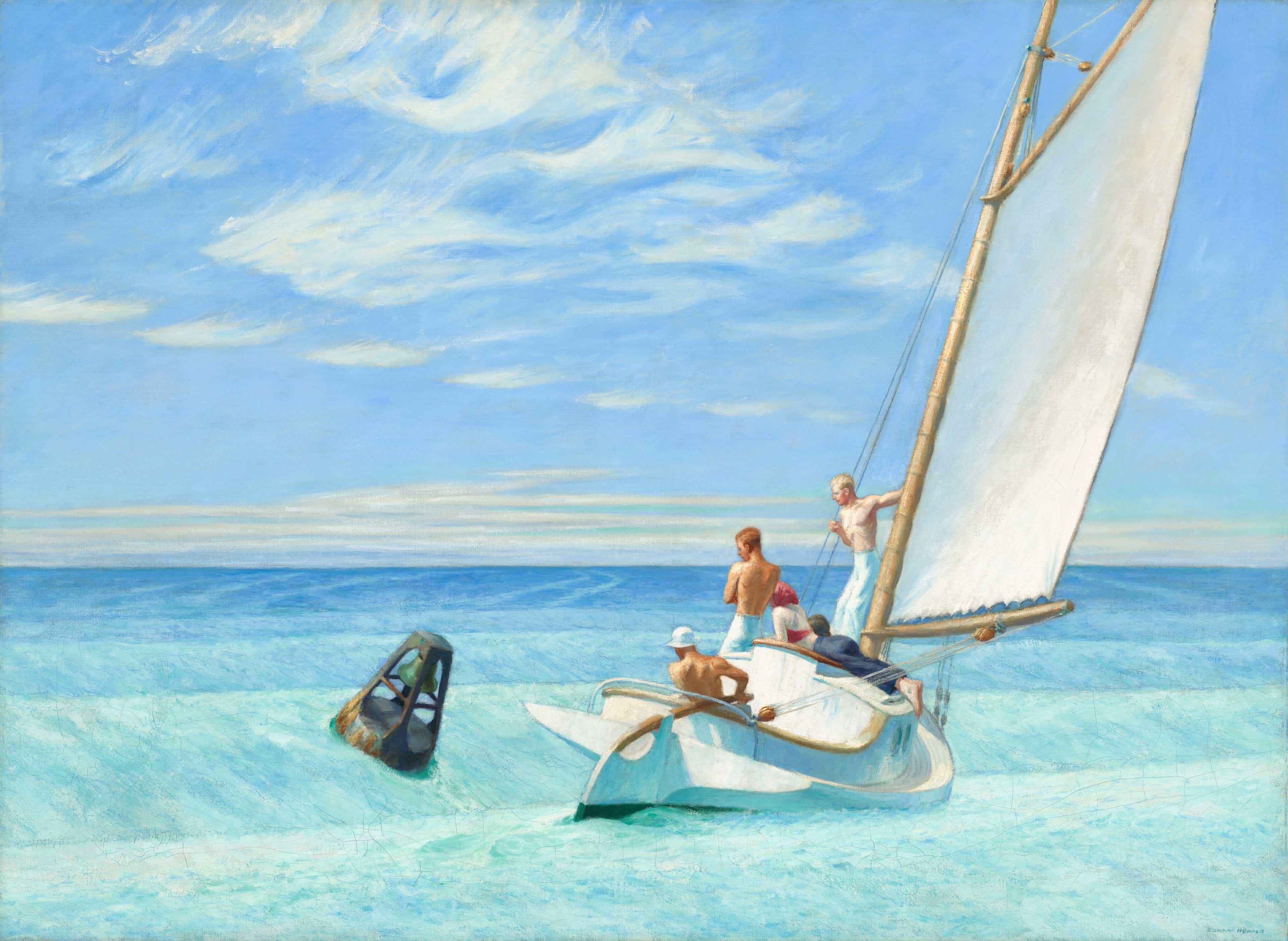
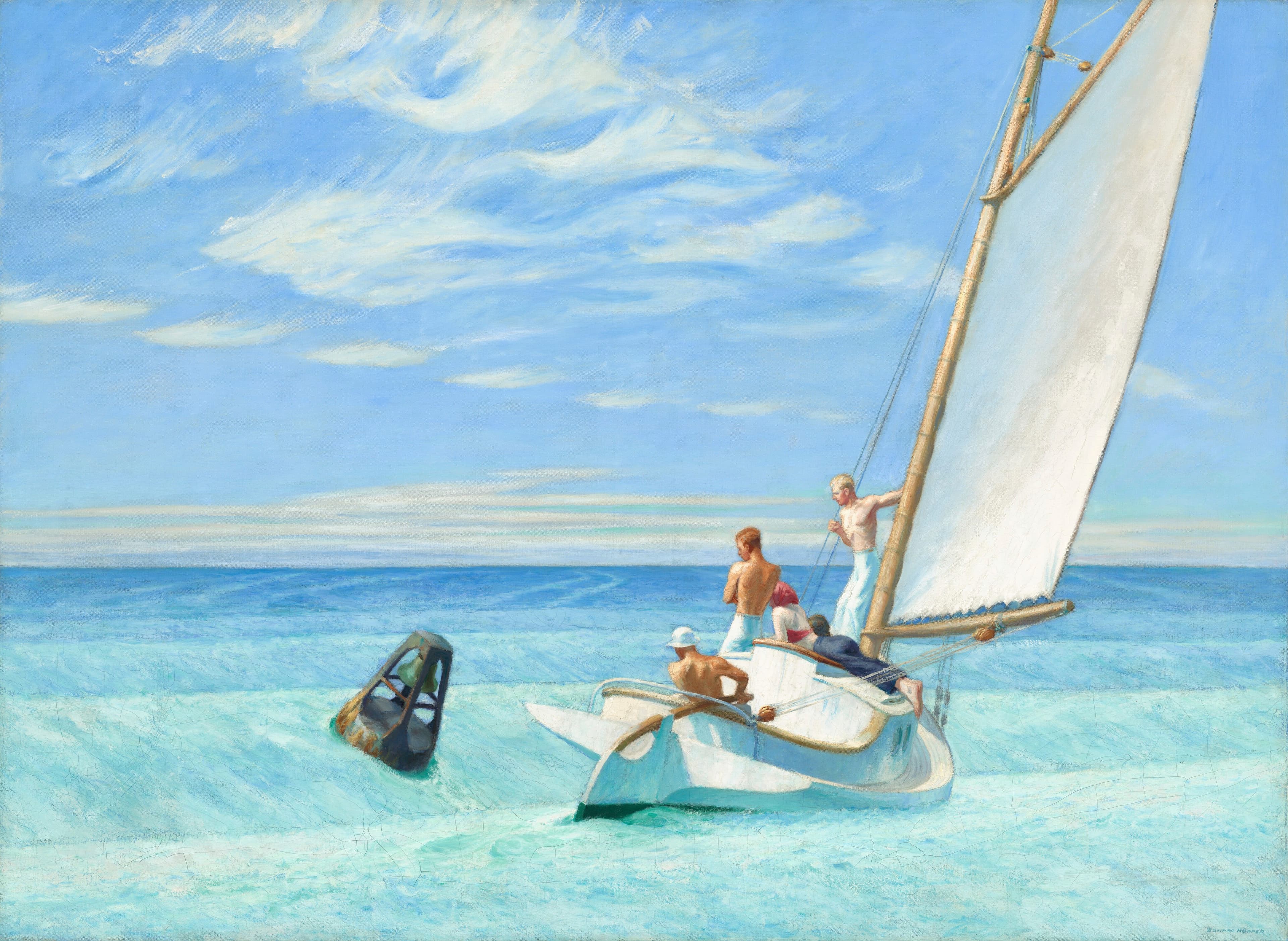
Ground Swell
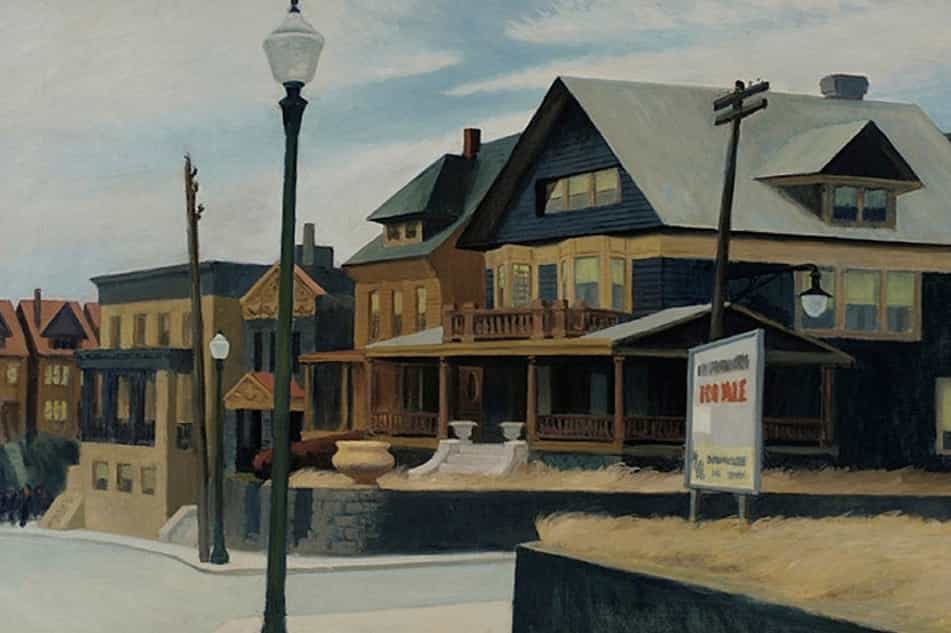
East Wind Over Weehawken
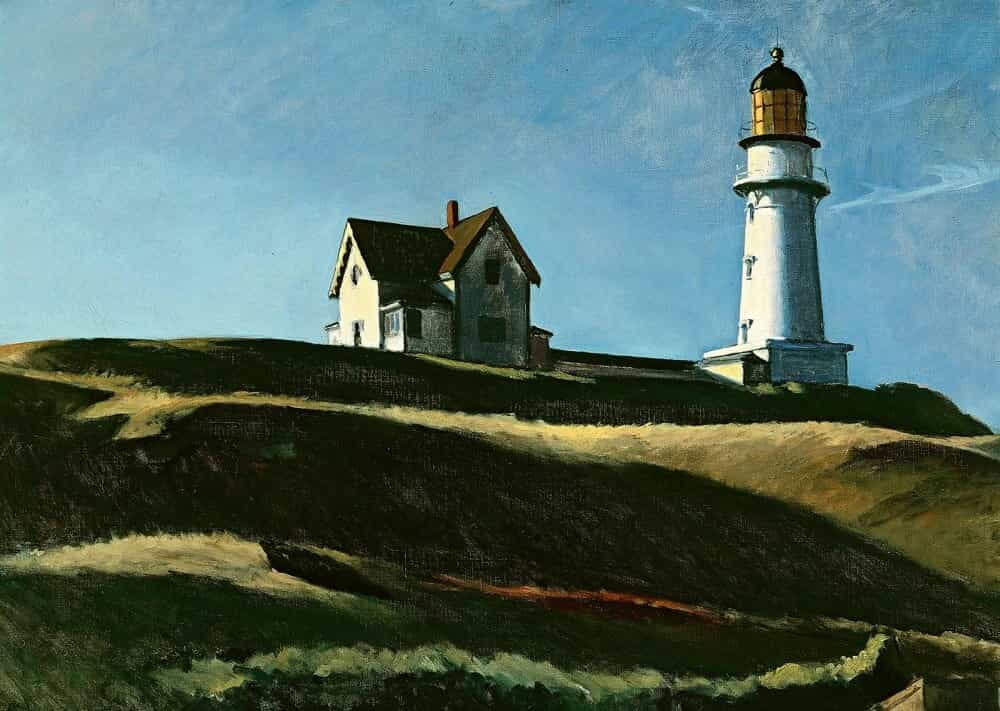
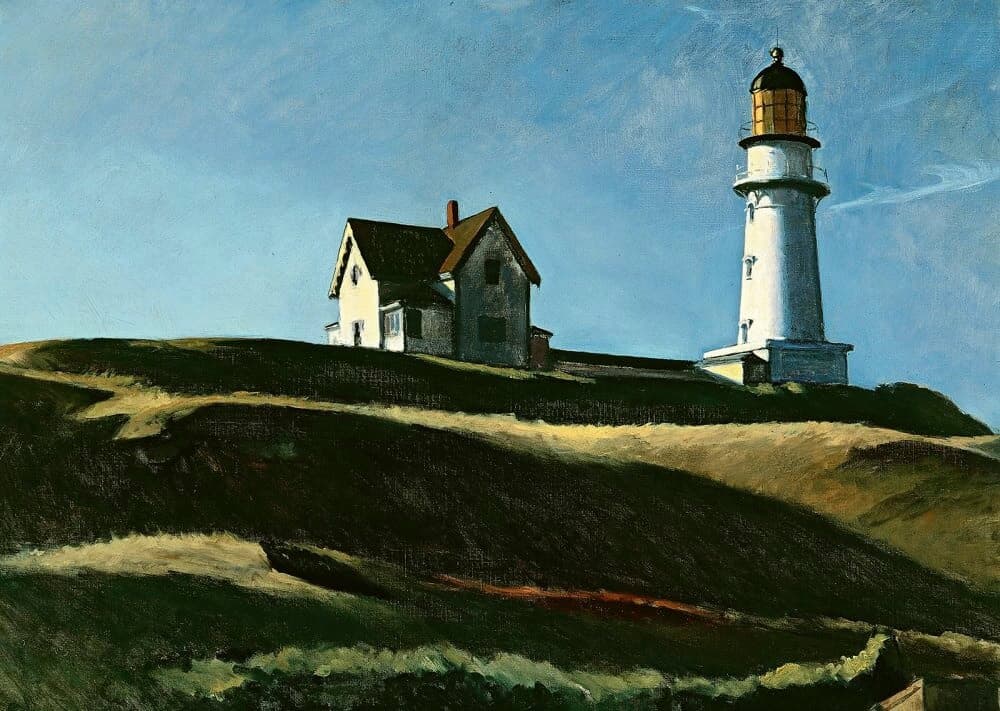
Lighthouse Hill