
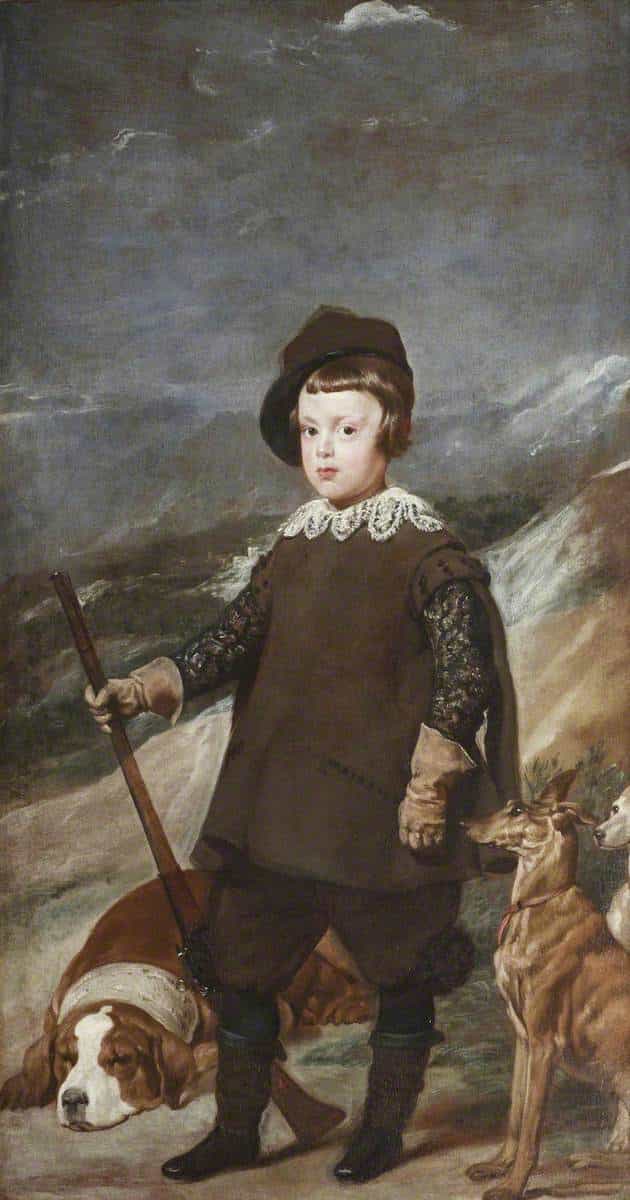
Prince Baltasar Carlos, aged 6, as a Hunter (1635)
Diego Velázquez
From $64
Collection
Museum-quality reproductions on 310gsm textured cotton rag paper.
Shop all prints by Diego VelázquezArtistic Style
Style Evolution
Velázquez moved from detailed, observational portraits and genre works in Seville to a pared-down, authoritative court manner in Madrid; Italian travels enriched his palette and compositional freedom, producing a mature style noted for economical brushwork and psychological depth.
Palette
Subjects
Techniques
Topics
Diego Velázquez (1599-1660) was a Spanish Baroque painter whose masterful realism and court portraits redefined 17th‑century Spanish art and influenced generations of artists.
Learn about the life of Diego Velázquez
Signature Works
See all available prints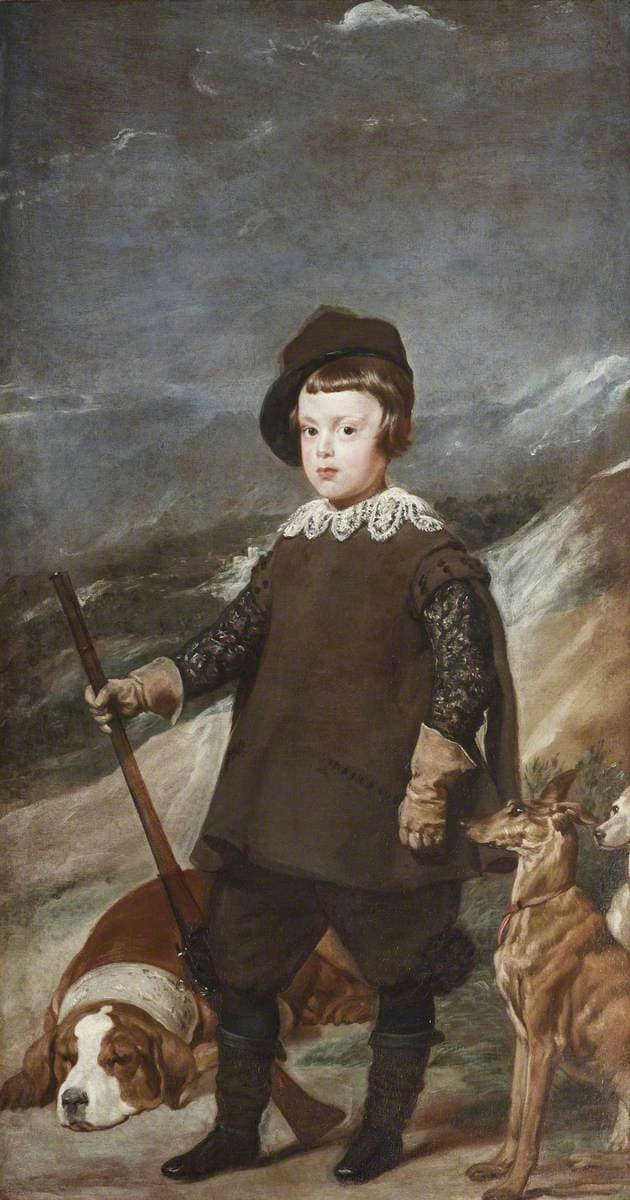
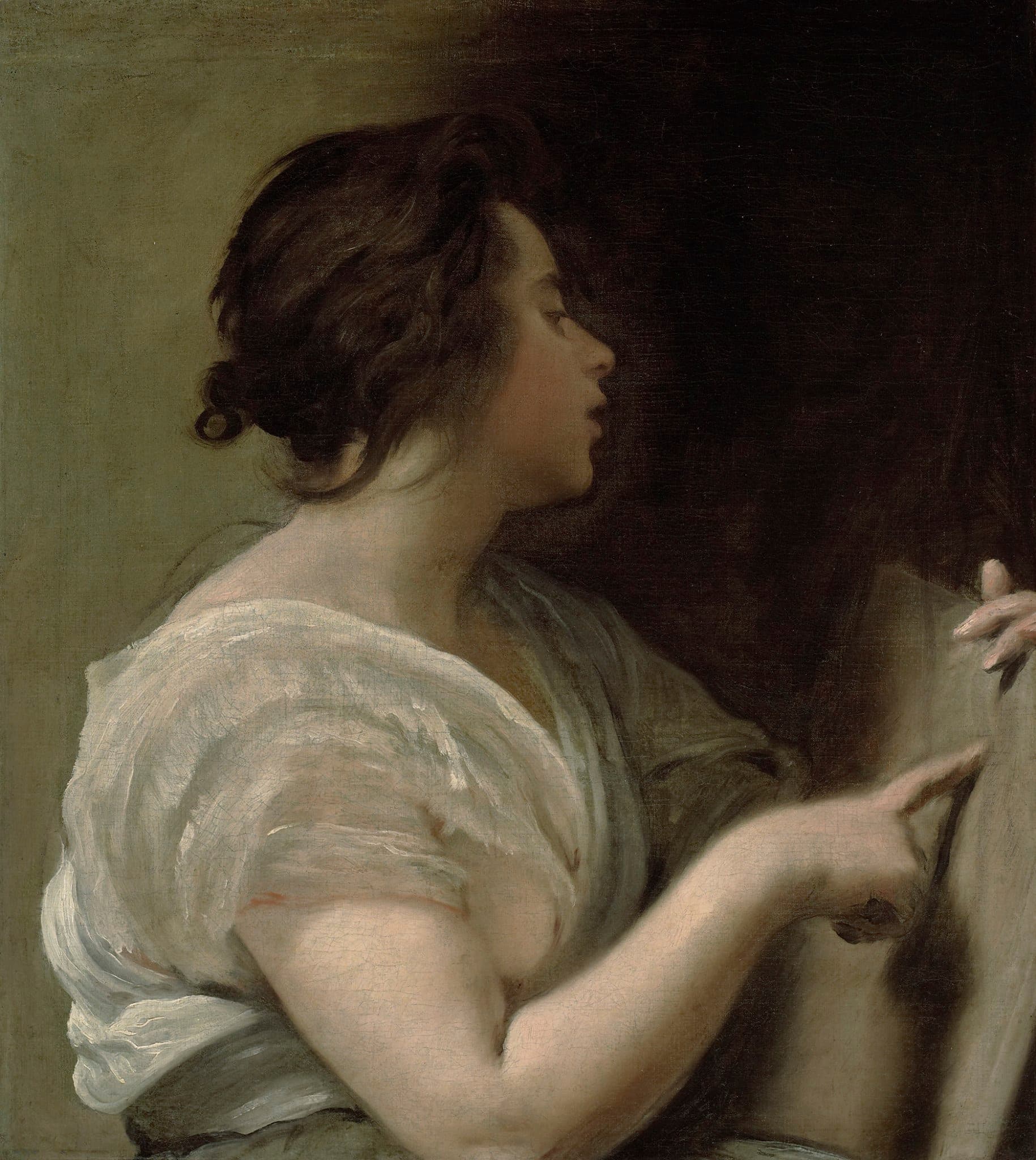
Biography
Diego Velázquez (1599-1660) was a Spanish Baroque painter whose masterful realism and court portraits redefined 17th‑century Spanish art and influenced generations of artists and collectors alike.
Diego Velázquez (1599-1660) was a Spanish Baroque painter whose masterful realism and court portraits redefined 17th‑century Spanish art and influenced generations of artists and collectors alike.
Born in Seville, Velázquez trained in the city's lively artistic milieu under the guidance of an established local master. Early work in Seville established his reputation for naturalistic observation and a refined command of light and texture. His talent attracted attention beyond Andalusia and set the stage for his move to the royal court in Madrid.
Velázquez's career can be read as a progression from provincial portraitist to the foremost court painter of his age. He combined influences from Spanish naturalism with lessons drawn from Italian and Flemish painting.
In Seville he developed a keen eye for everyday realism and a palette suited to capturing flesh, fabric and interior light. These early years produced genre scenes and portraits that reveal his interest in truthful depiction.
As a court painter in Madrid, Velázquez refined a restrained, dignified approach to royal portraiture while also producing more ambitious compositions that explored space, perspective, and the psychology of sitters.
Travels to Italy informed his handling of color and composition; exposure to Italian masters and classical antiquity deepened his pictorial vocabulary and enriched his mature style.
Velázquez is celebrated primarily for his portraits and large-scale paintings that combine formal grandeur with perceptive realism. His role as leading court painter to the Spanish monarchy established him as a central figure of 17th‑century art and secured his long-term influence on portraiture.
Velázquez's technique is known for economical, often fluid brushwork that suggests form with a minimum of strokes; masterful control of chiaroscuro; a naturalistic palette; and a psychological acuity in portraiture. He balanced intimacy and dignity, rendering textures—from skin to fabrics—with convincing tactility.
Velázquez influenced both contemporaries and later generations of European painters, admired for his realism, compositional daring, and his innovations in portraiture. His approach anticipated aspects of 19th‑ and 20th‑century painting, notably in the treatment of surface and the economy of brushwork.
Velázquez's professional life was closely tied to the Spanish court in Madrid. His position provided access to prominent sitters and shaped the ceremonial and representational demands of his work.
Awards
Frequently Asked Questions
Prince Baltasar Carlos, aged 6, as a Hunter (1635)
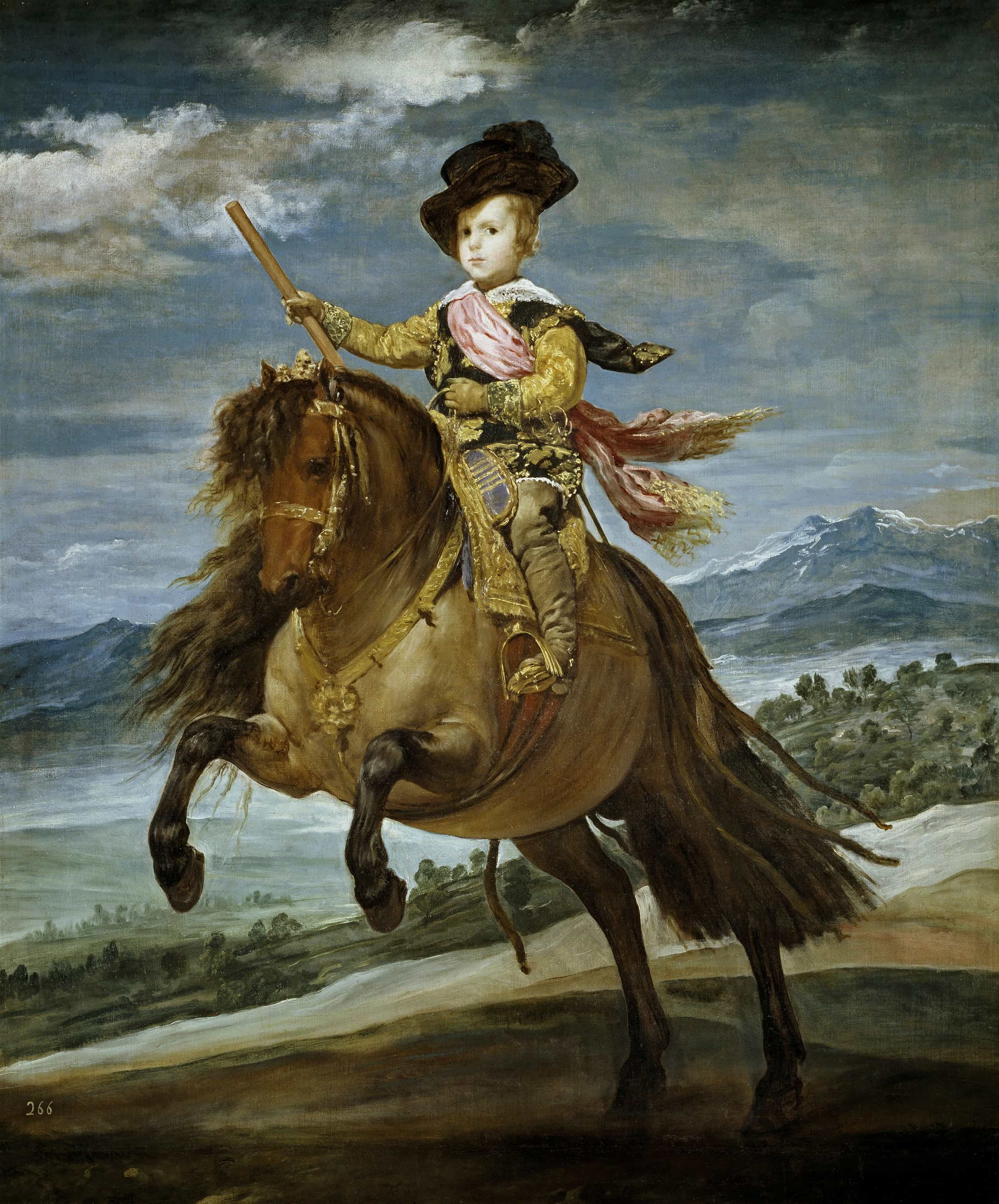
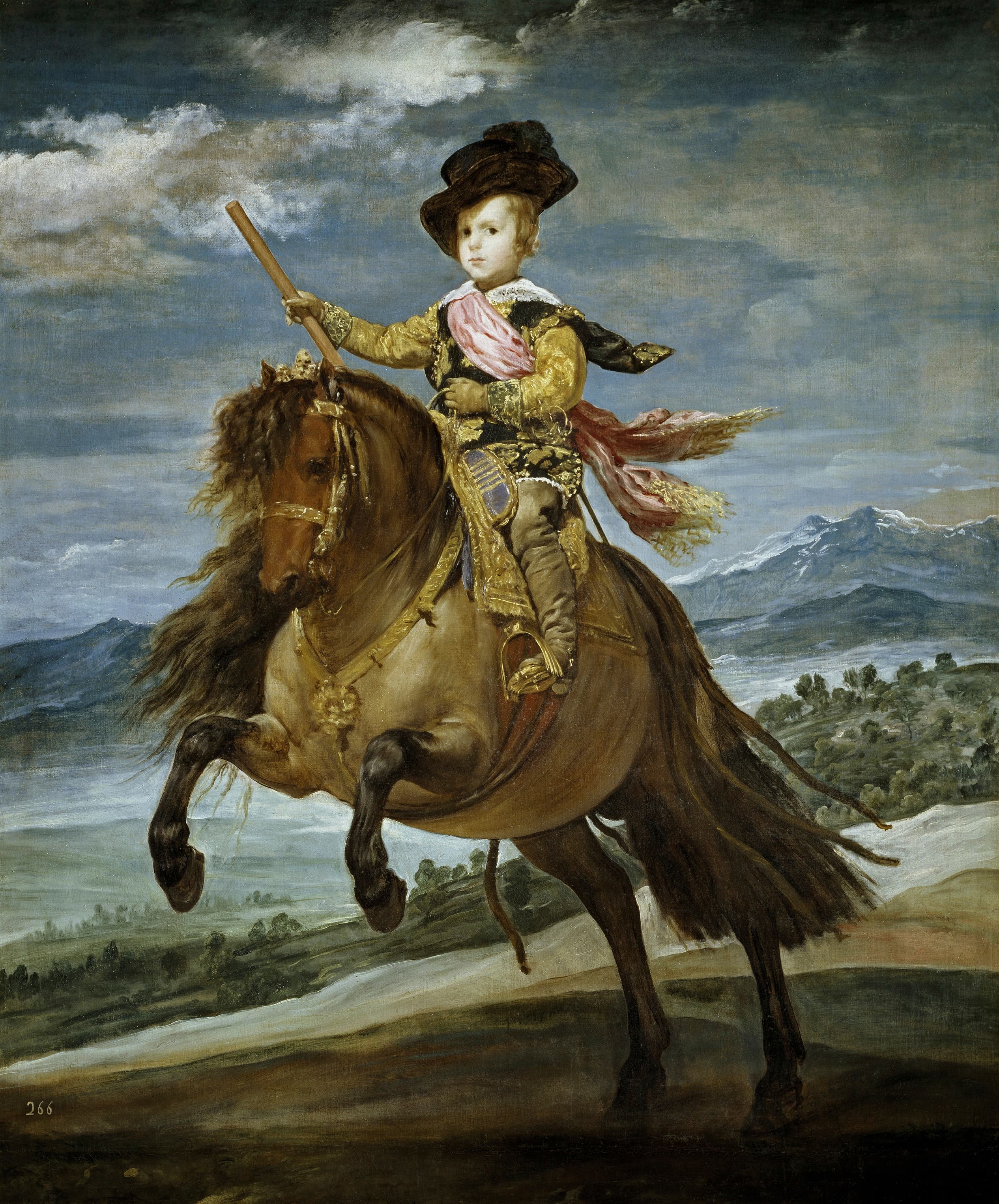
Equestrian Portrait of Prince Balthasar Charles
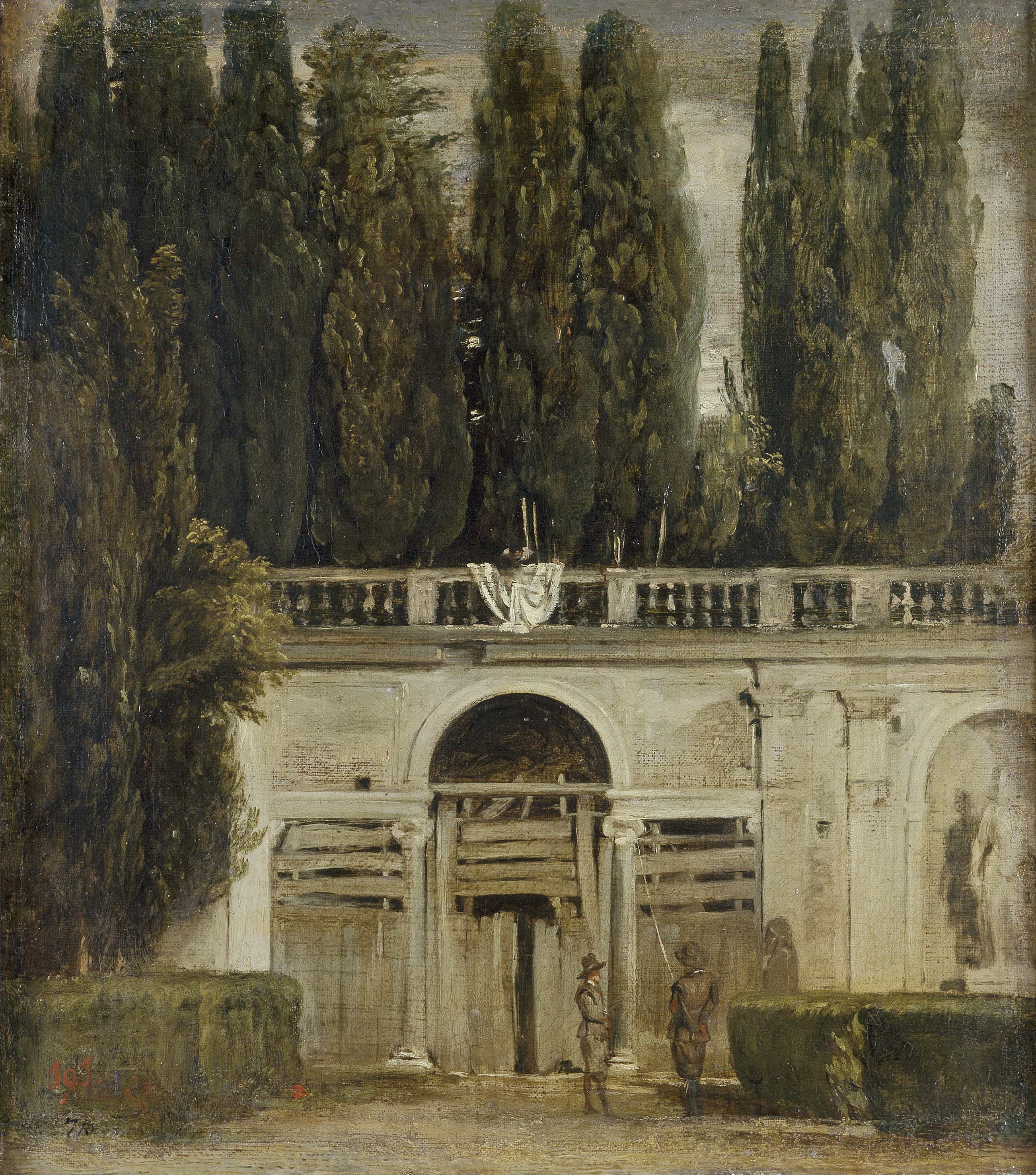
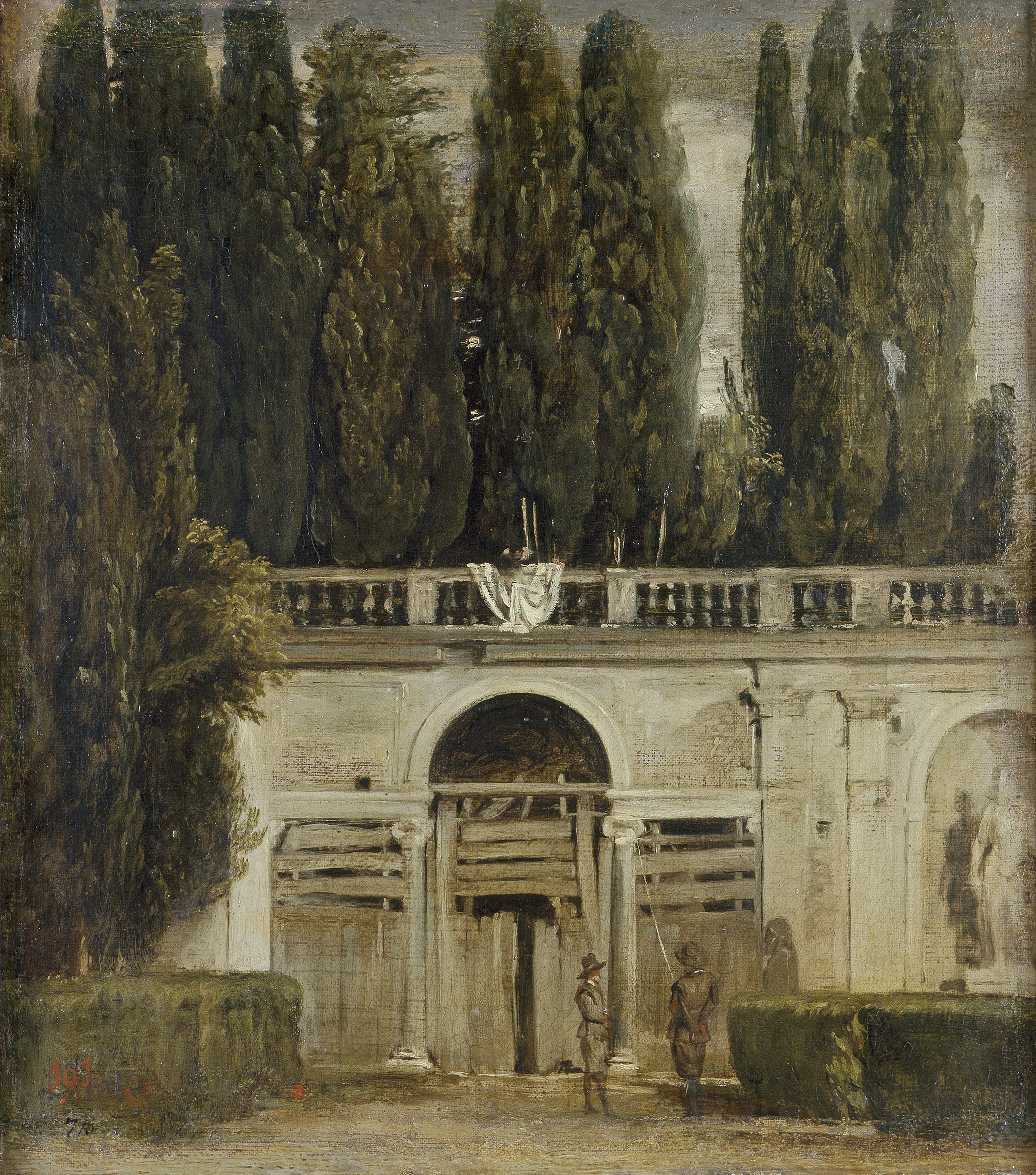
View of the Garden of the Villa Medici
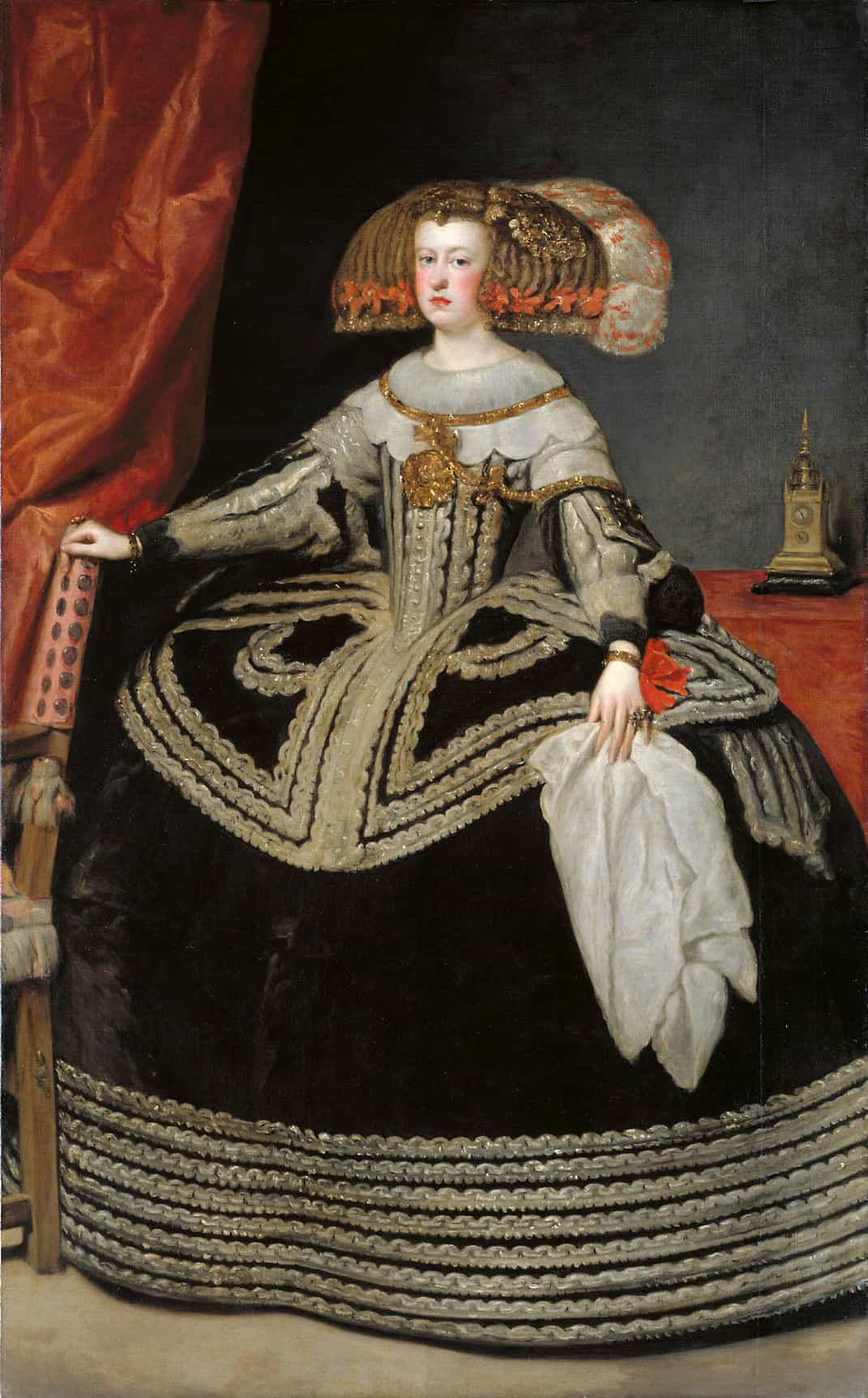
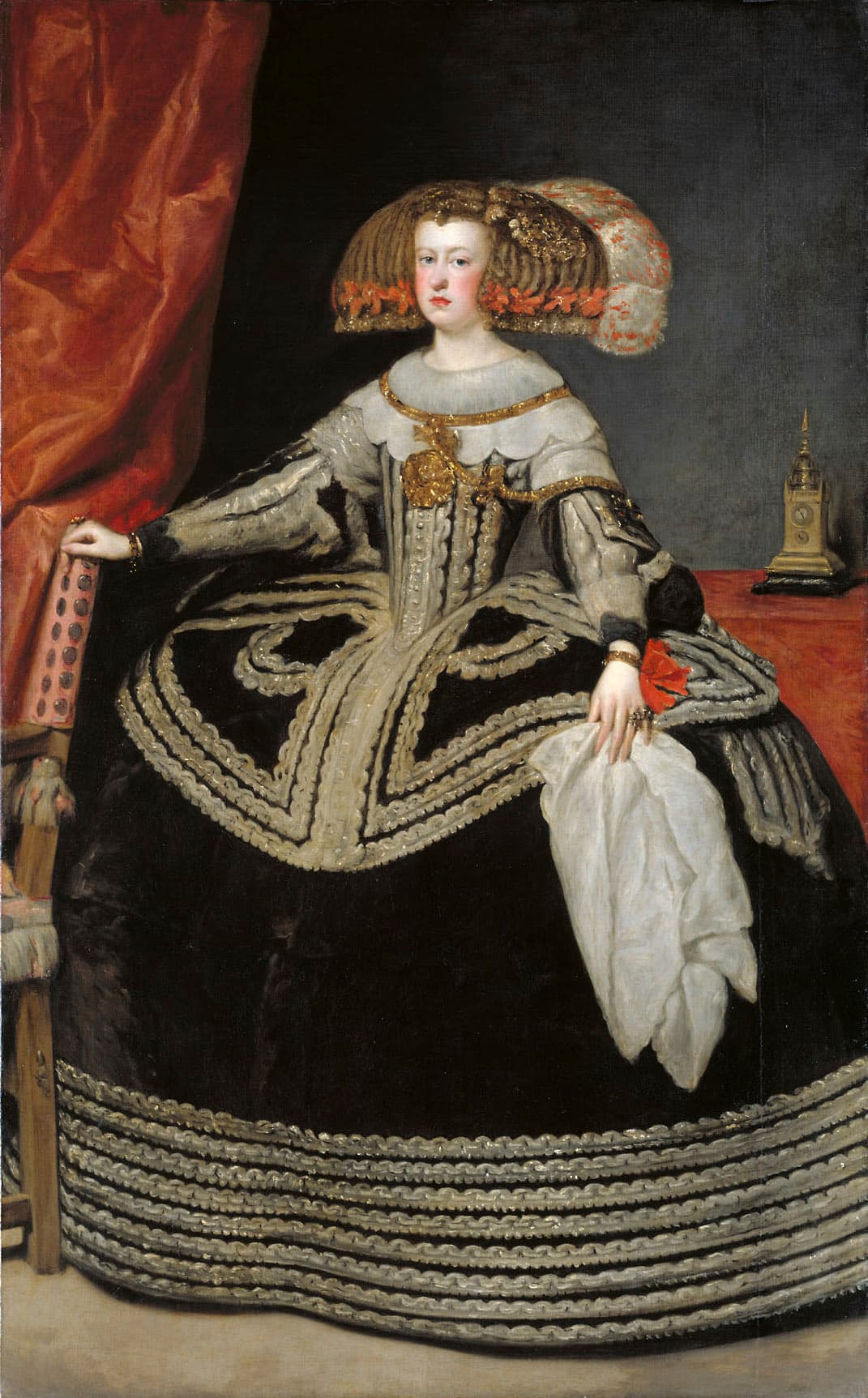
Maria Anna, Queen of Spain
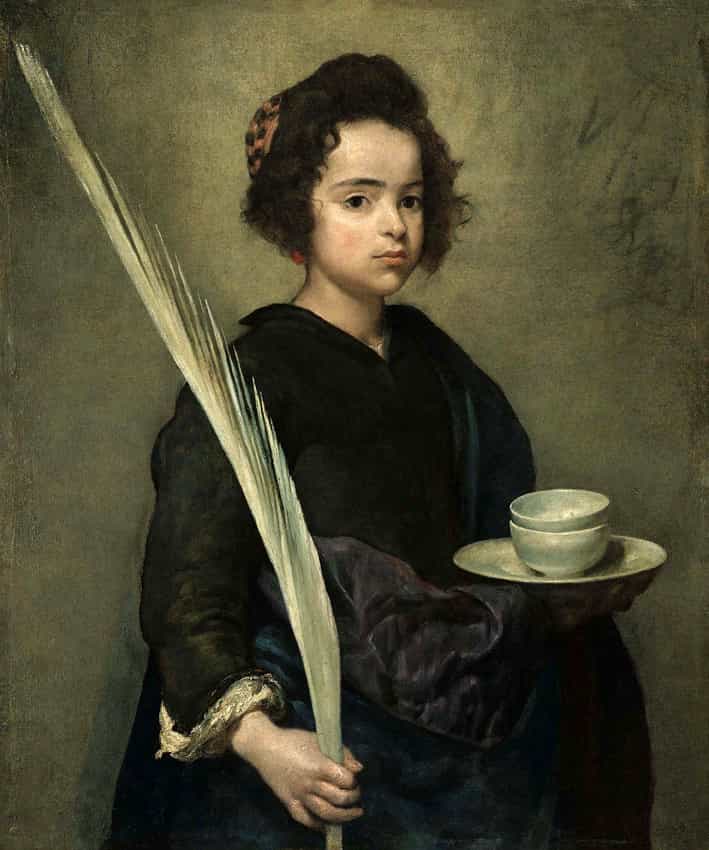
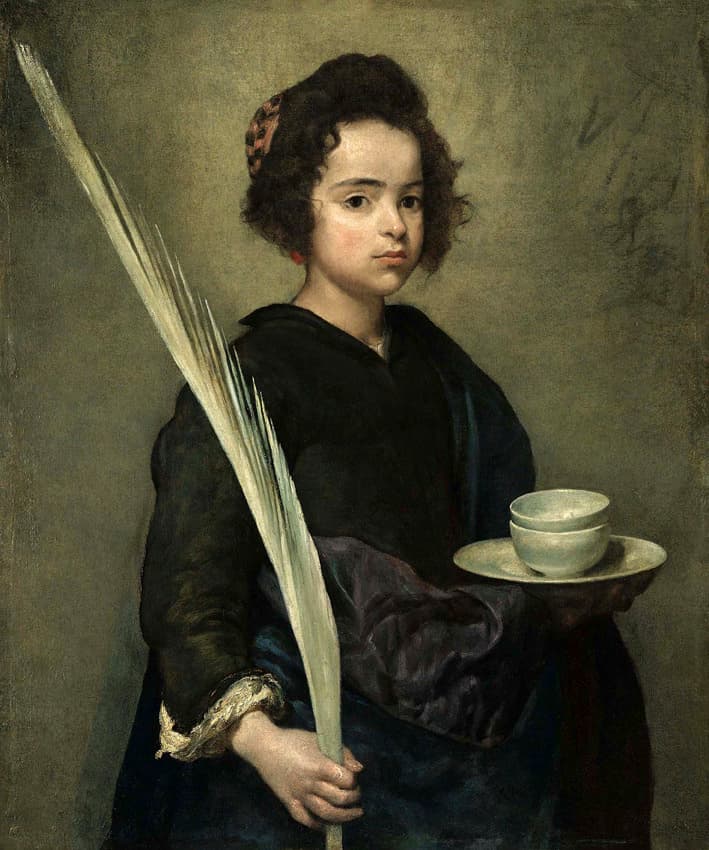
Santa Rufina
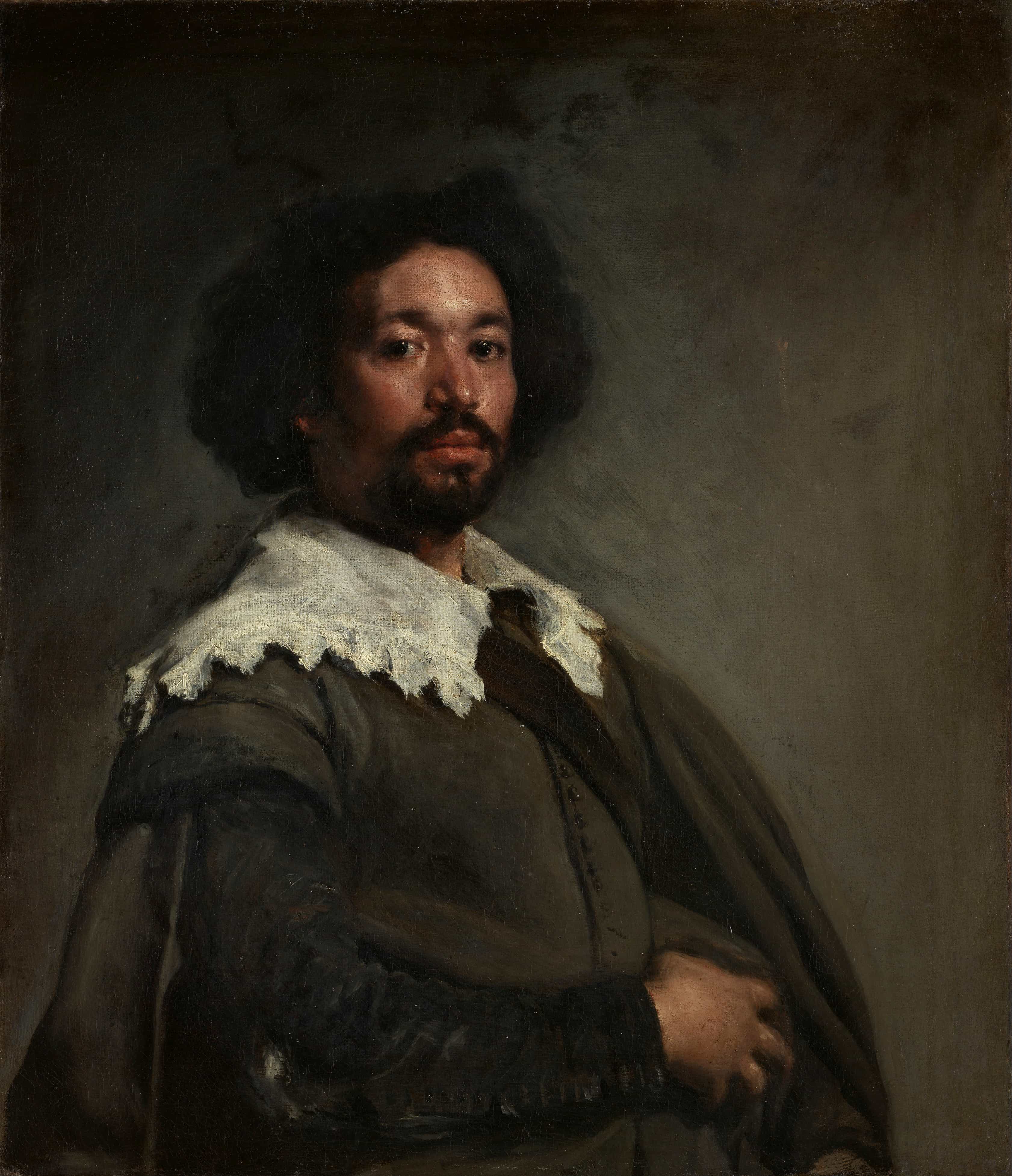
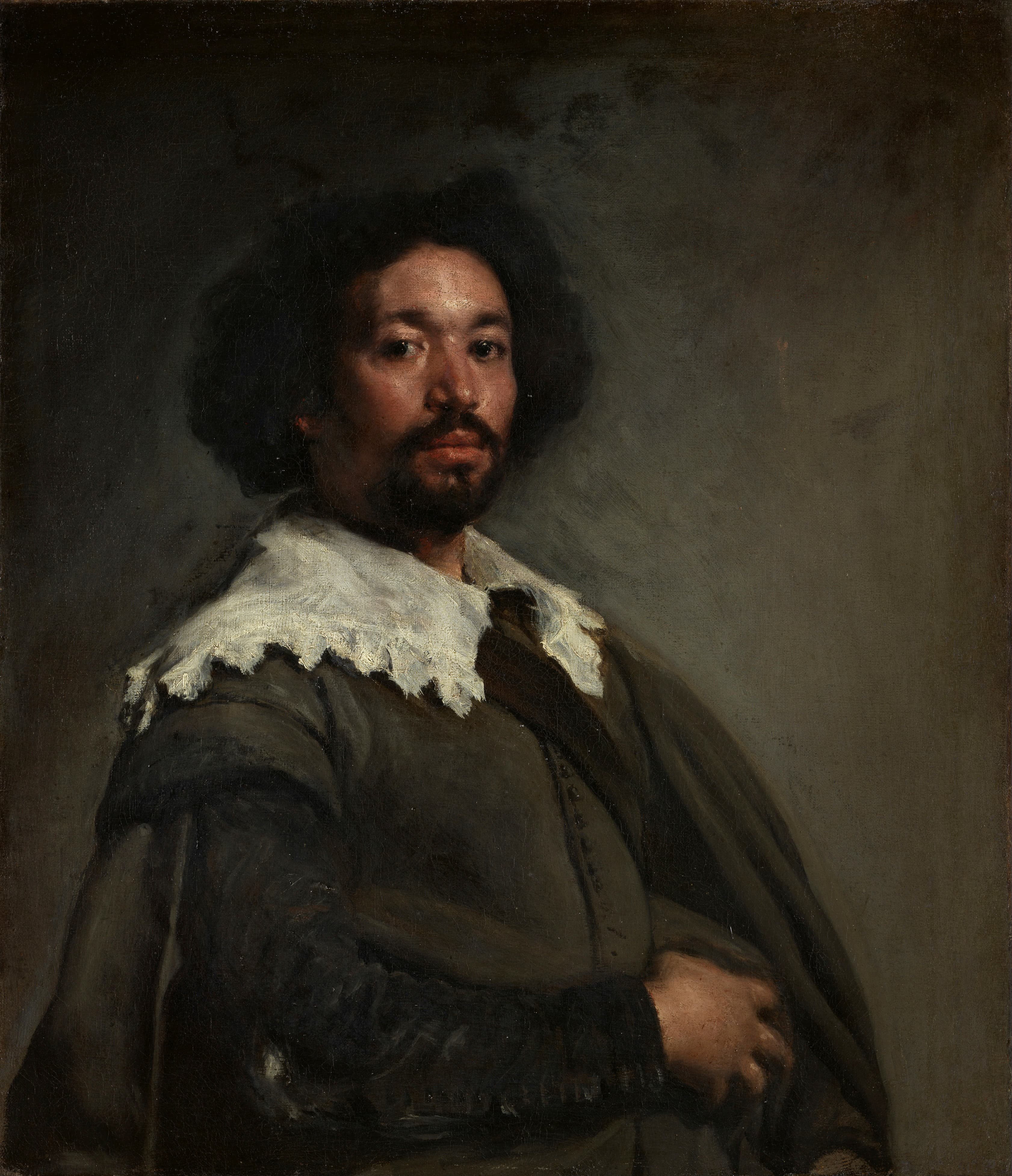
Juan Pareja
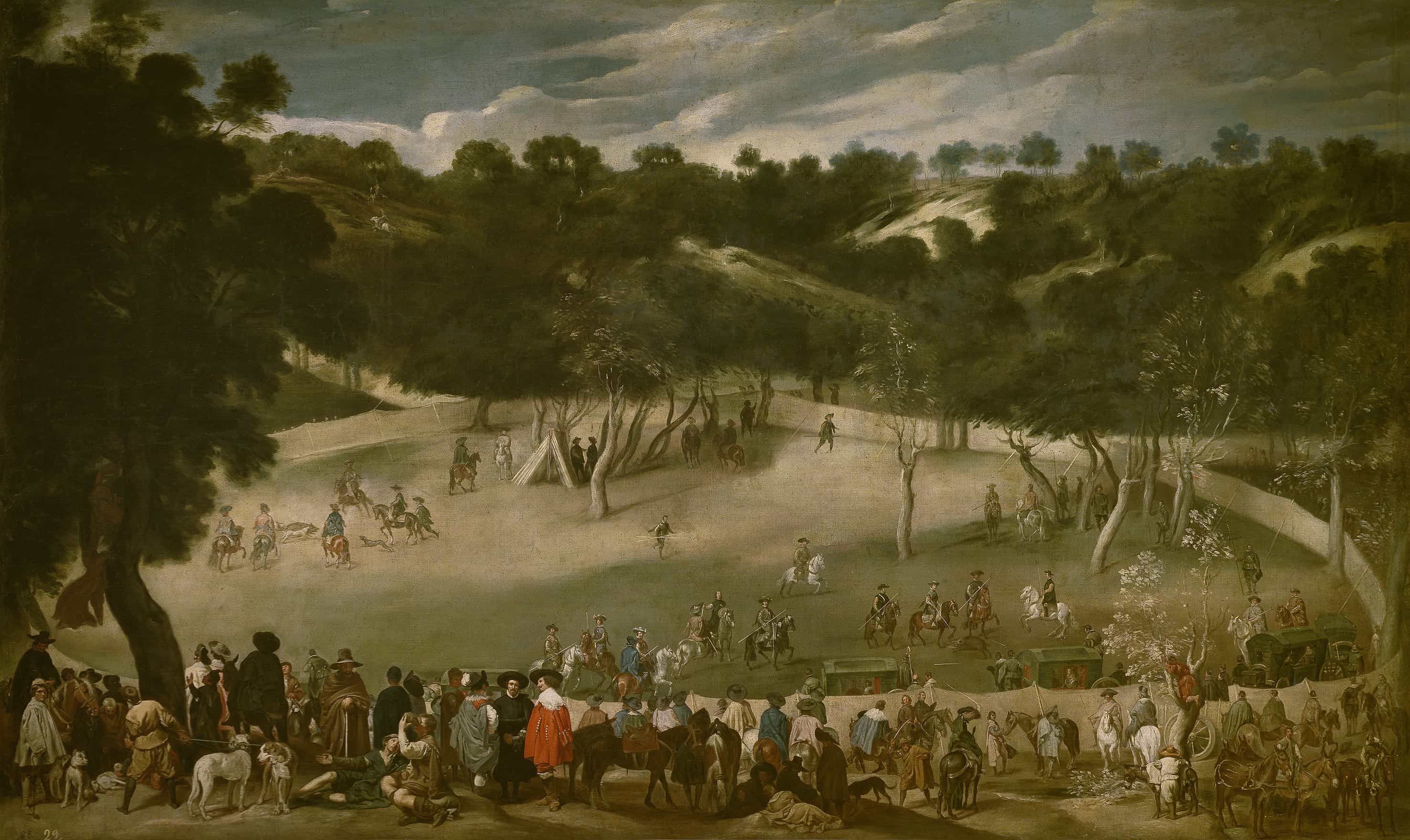
Velázquez – Taller Tela Real, Prado
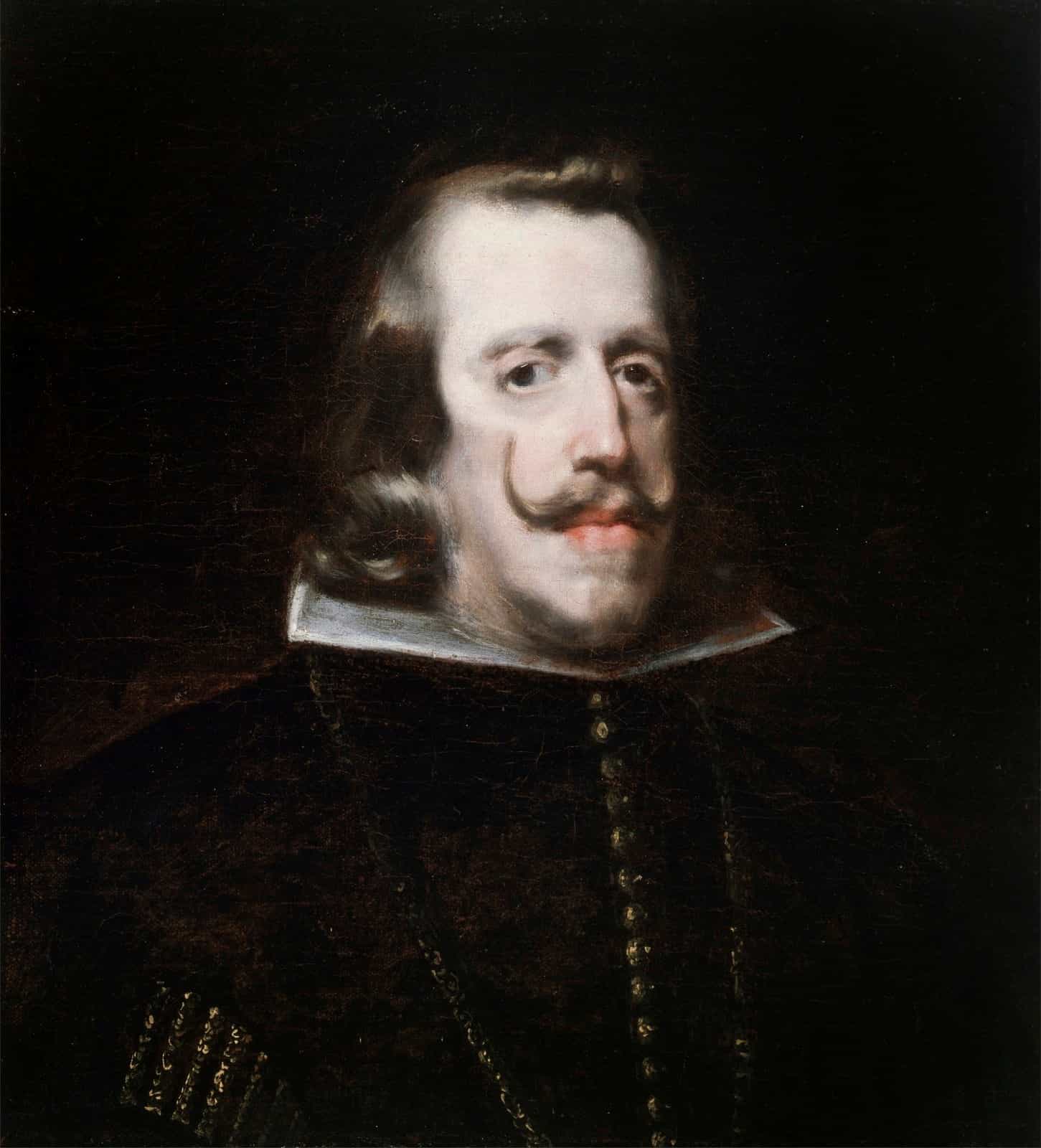
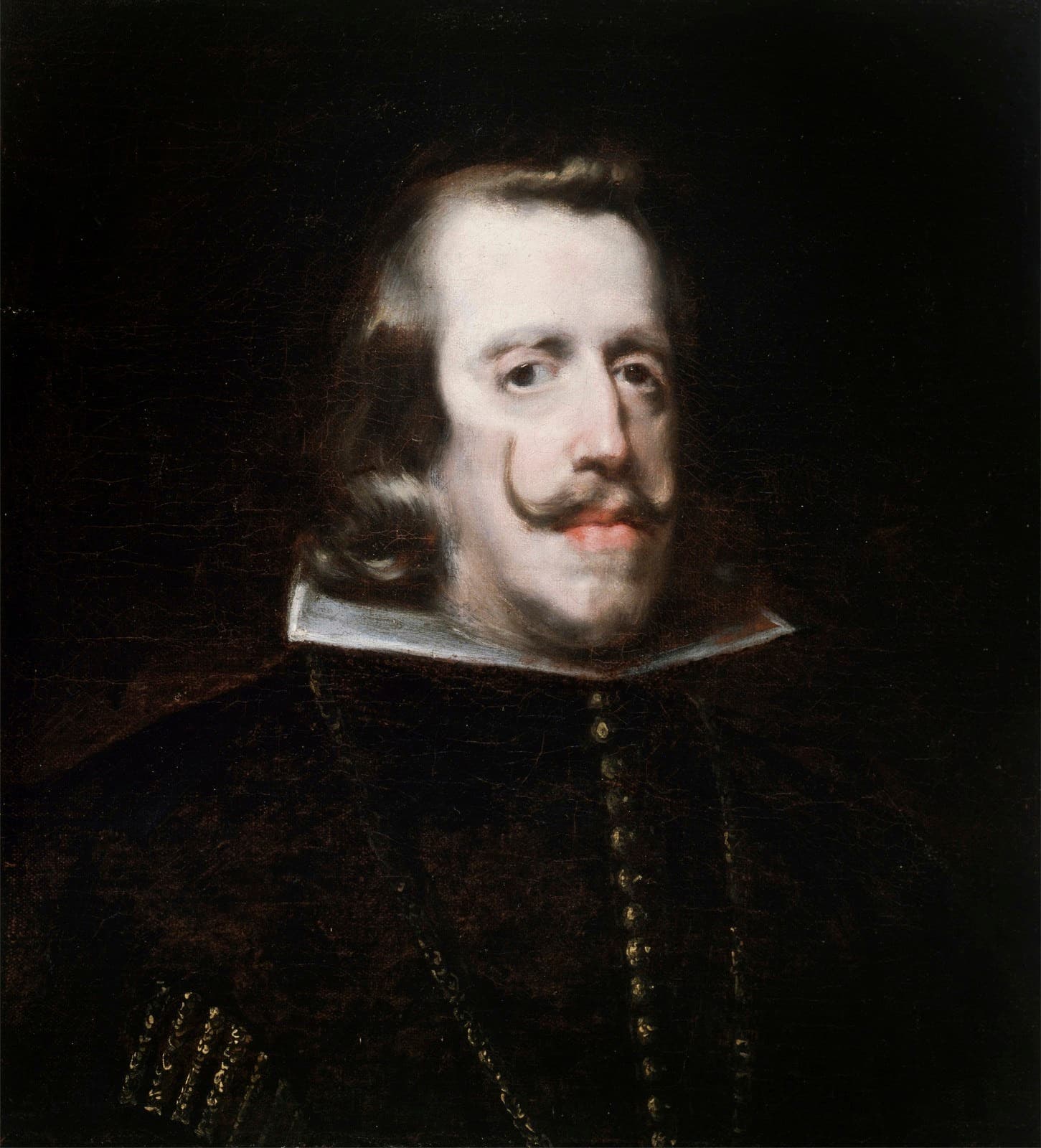
Philip IV of Spain
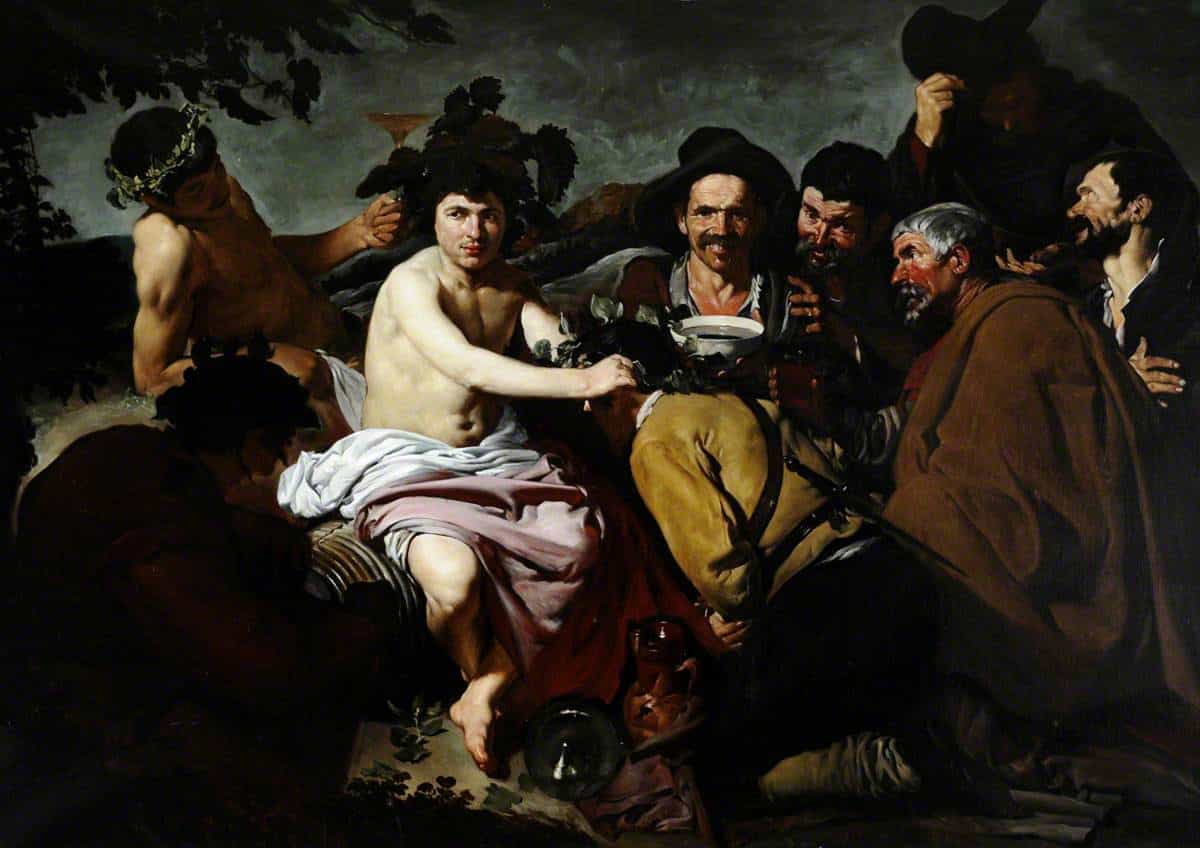
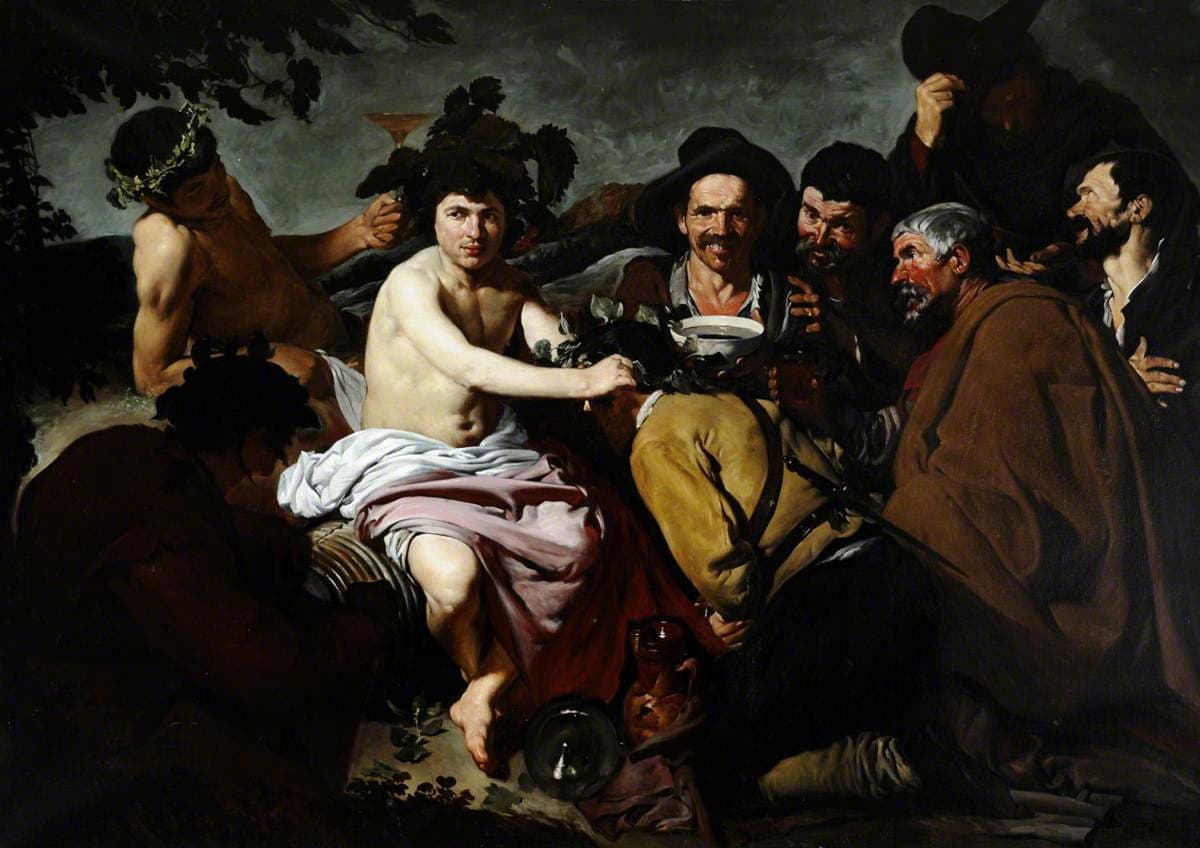
Los borrachos (The Triumph of Bacchus)
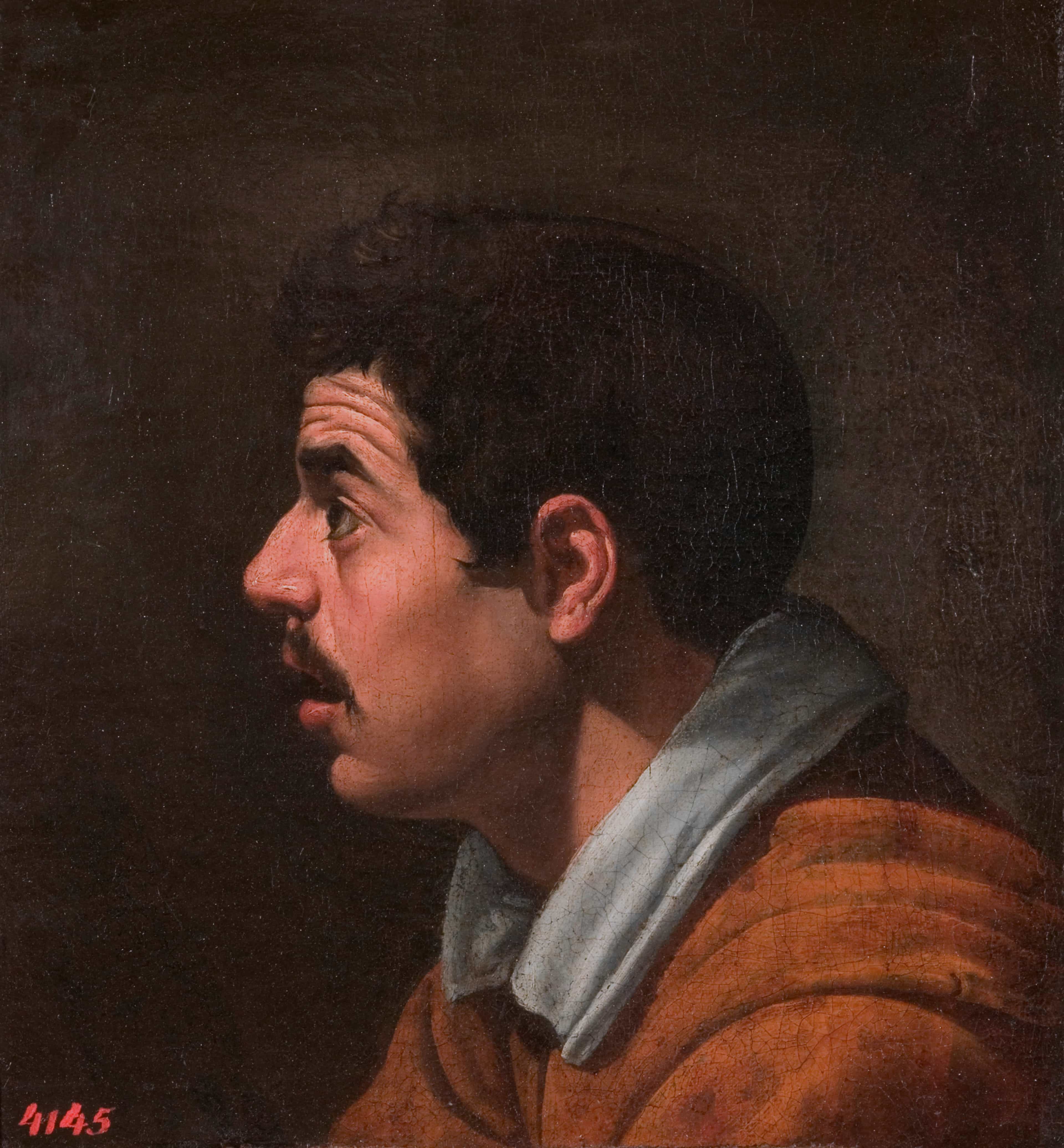
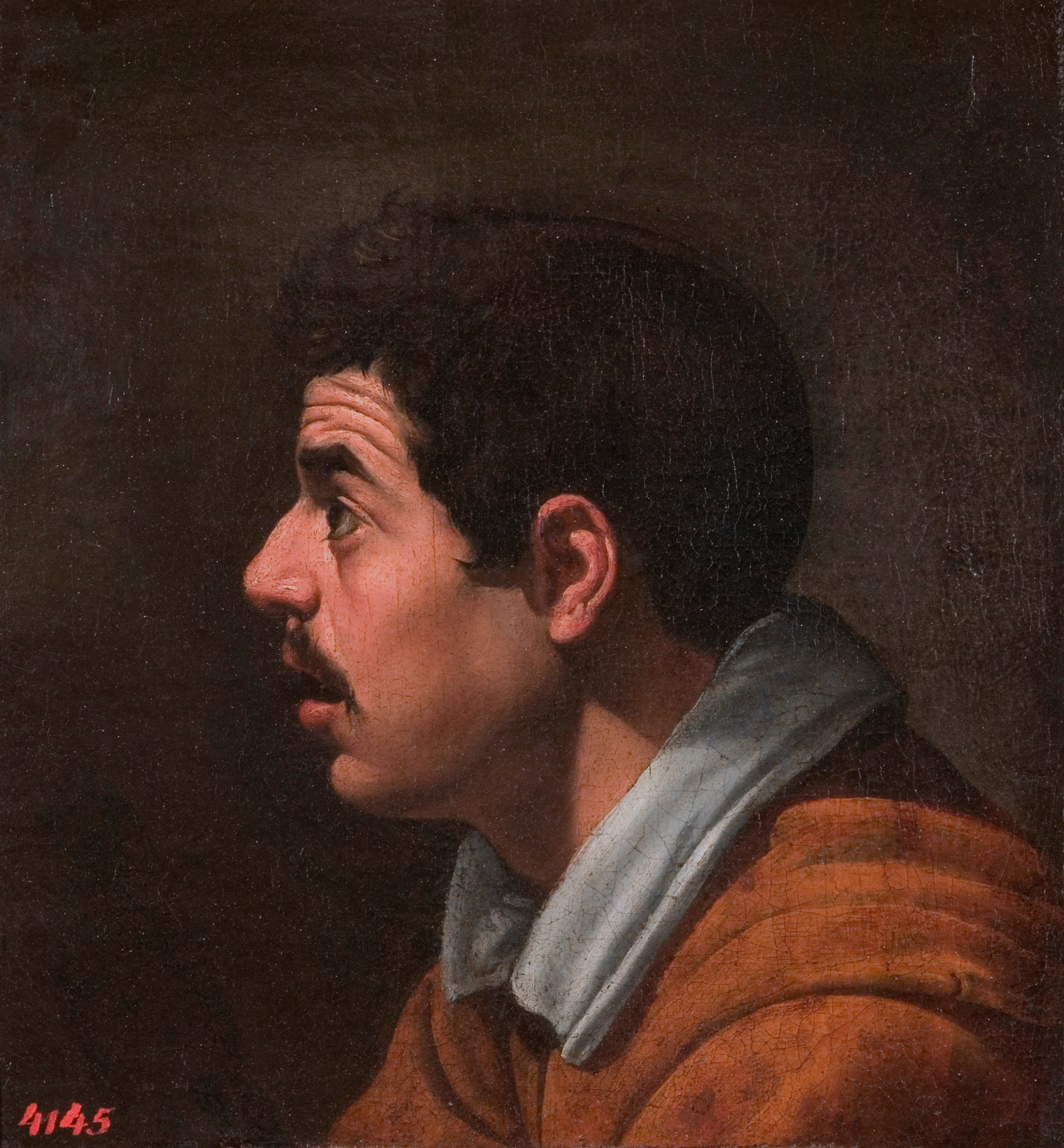
Head of a Man in Profile
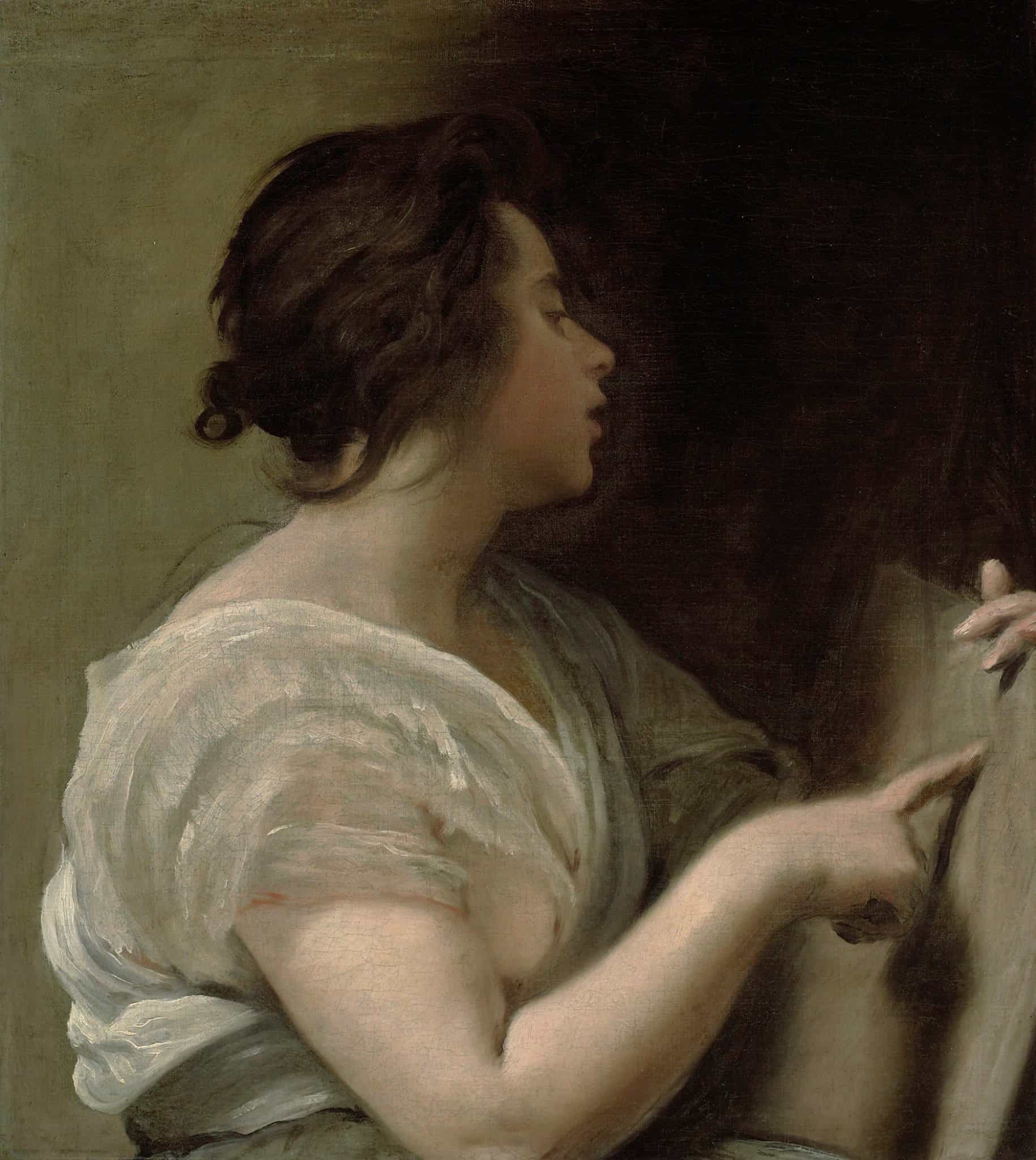
Female Figure (Sibyl with Tabula Rasa)
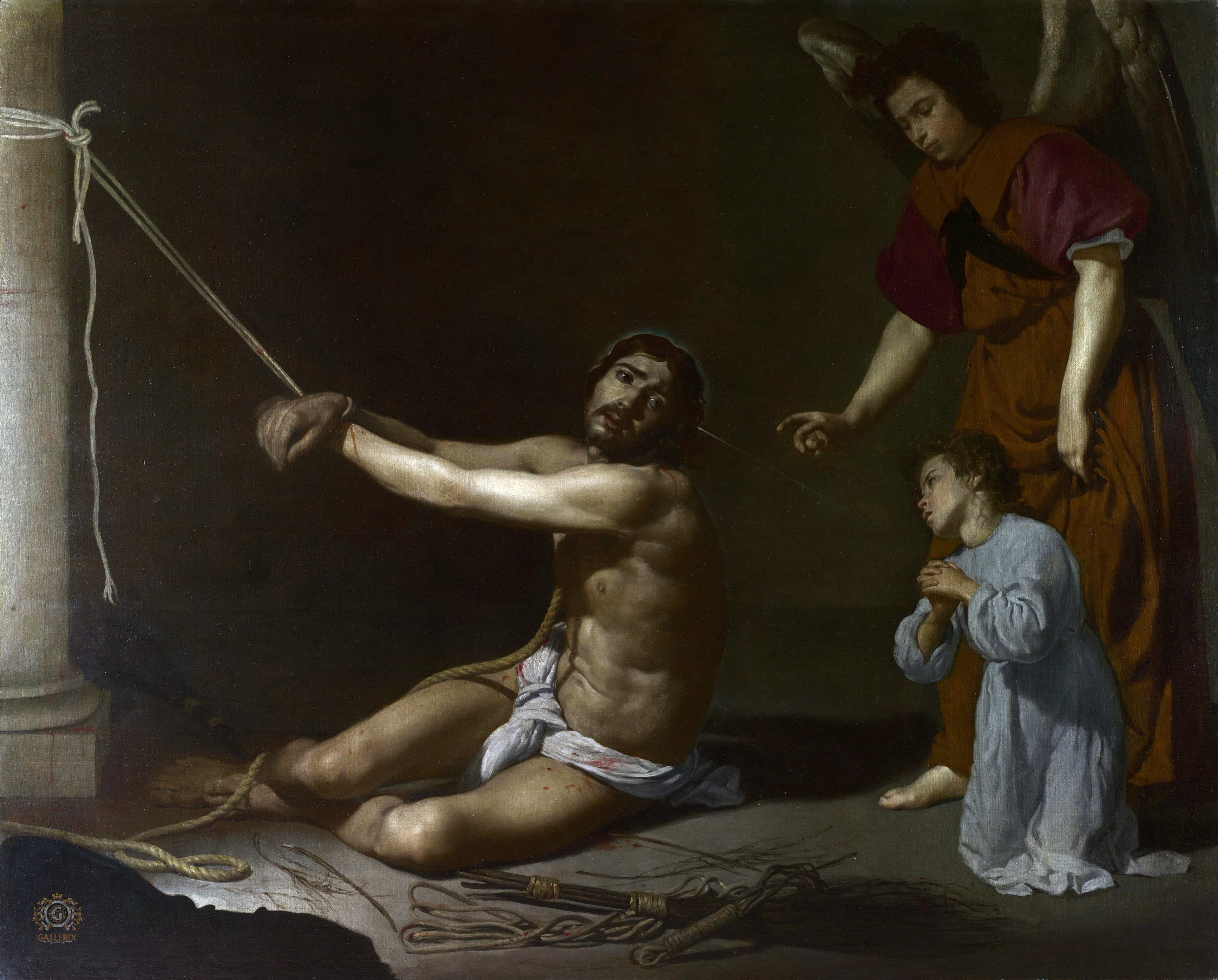
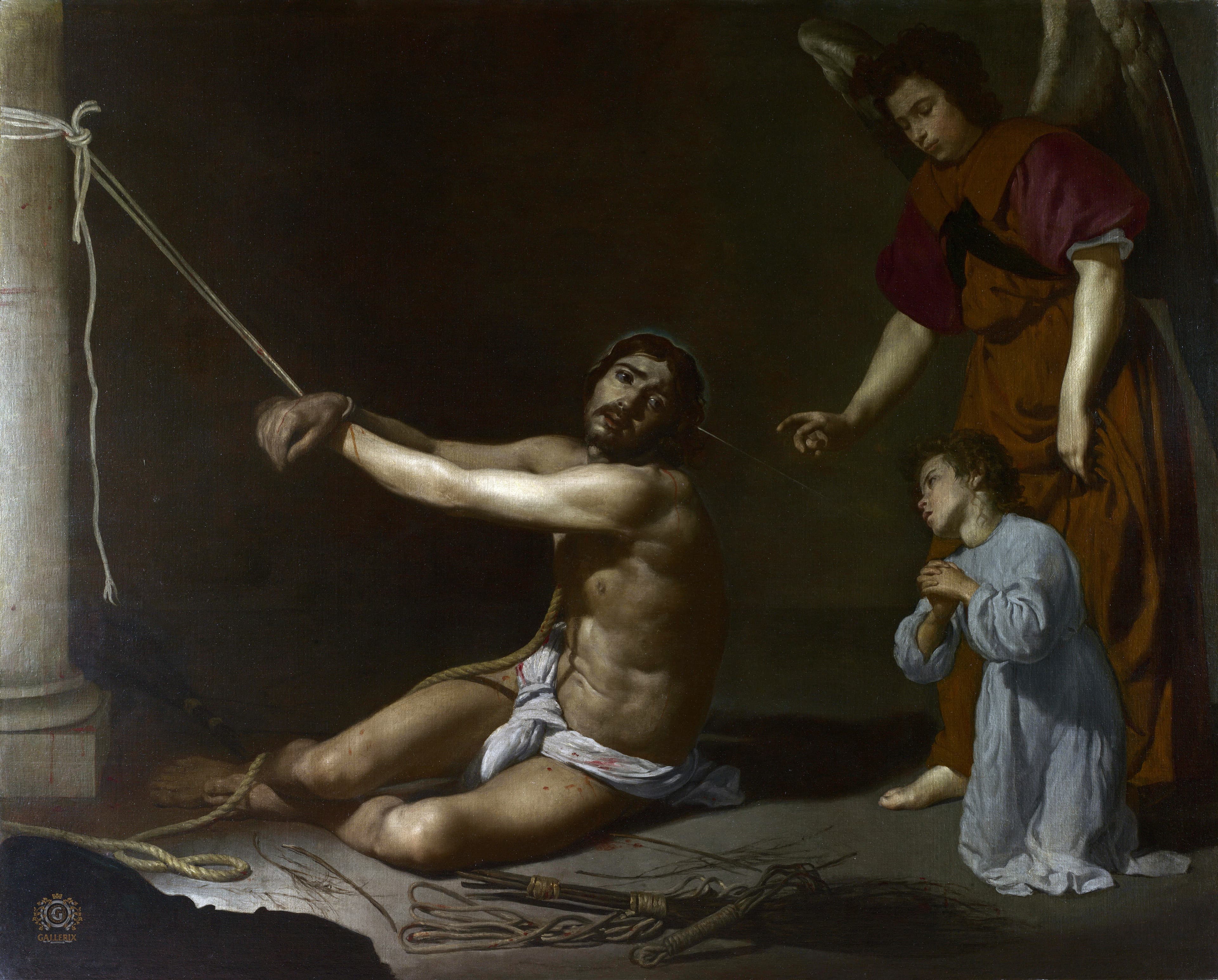
Christ Contemplated by the Christian Soul