unknown
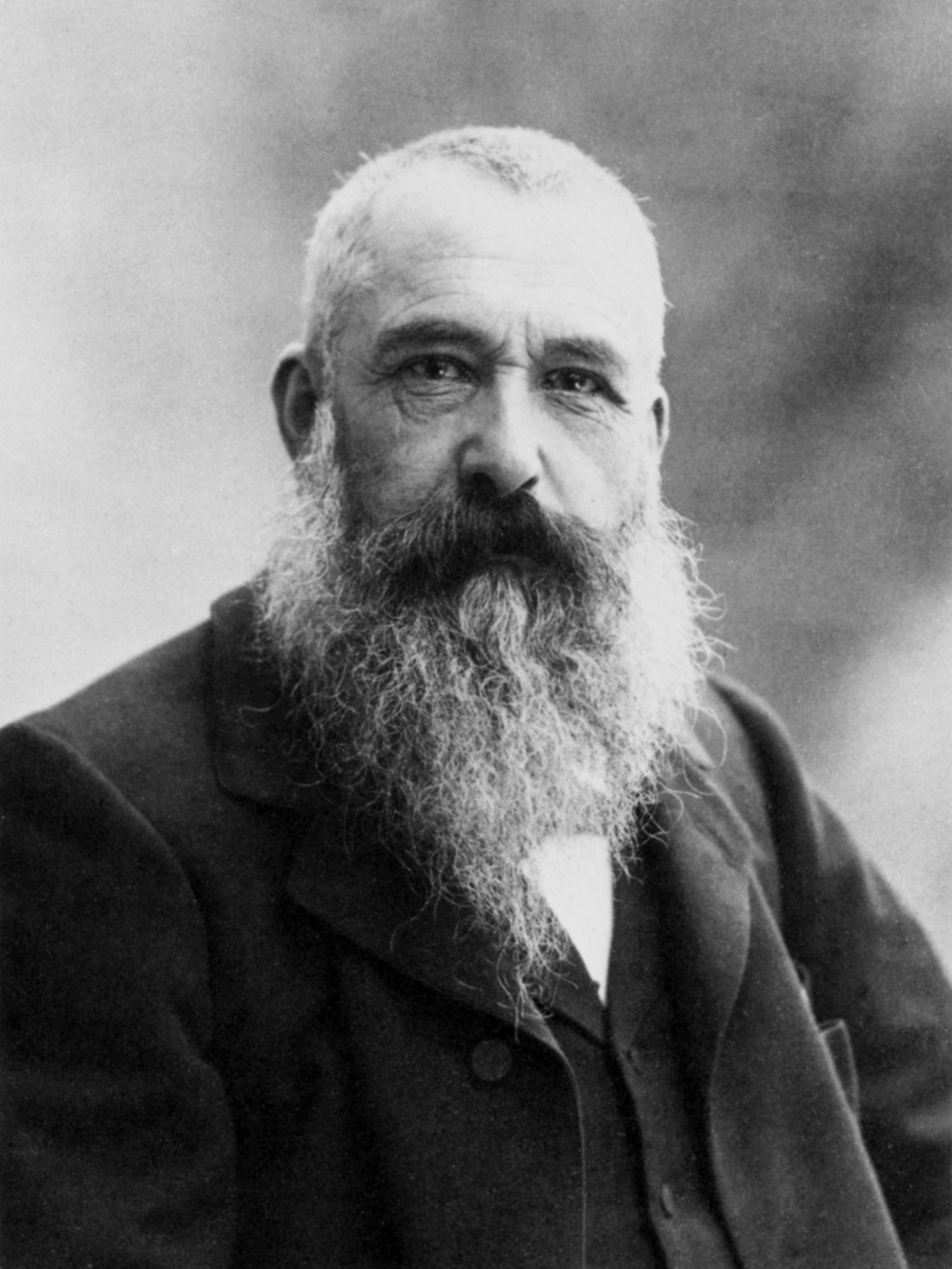
Claude Monet
From $40
Collection
Museum-quality reproductions on 310gsm textured cotton rag paper.
Shop all prints by Claude MonetArtistic Style
Style Evolution
Monet's work moved from realist beginnings to the en plein air experiments that defined Impressionism, then to a late, highly decorative phase in Giverny where serial studies and gardens yielded increasingly abstracted surfaces and immersive color fields.
Palette
Subjects
Techniques
Topics
Claude Monet (1840-1926) was a French Impressionist painter whose pioneering studies of light and color established Impressionism and transformed landscape painting.
Learn about the life of Claude Monet
Signature Works
See all available printsBiography
Claude Monet (1840-1926) was a French Impressionist painter whose pioneering studies of light and color established Impressionism and transformed landscape painting.
Claude Monet (1840-1926) was a French Impressionist painter whose pioneering studies of light and color established Impressionism and transformed landscape painting.
Born in Paris and raised in Le Havre, Monet showed an early talent for drawing and caricature. He later moved to Paris to pursue formal study and training, where he encountered the evolving art scene of mid-19th-century France. His formative years included instruction in drawing and participation in the dynamic artistic circles that would coalesce into the Impressionist movement.
Monet's career can be understood through several geographic and stylistic phases, shaped by his travels, collaborations, and an enduring fascination with natural light.
In Paris, Monet studied with established teachers and worked alongside contemporaries who favored plein-air painting and a direct observation of nature. He absorbed influences from Realism while rejecting academic conventions.
In the 1860s and 1870s Monet developed the approach that came to define Impressionism: loose brushwork, a focus on changing light, and color as structure. He exhibited with fellow artists who emphasized modern life and outdoor painting.
Later in life Monet settled in Giverny, where he cultivated gardens and water features that became the primary subject of his late work. These years produced sustained series exploring reflections, atmosphere, and the dissolution of form into color.
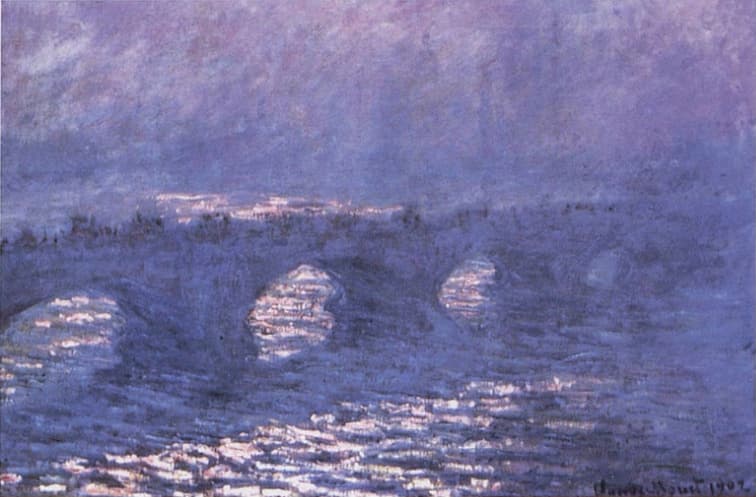
Monet's career is celebrated for revolutionary series of paintings that investigate the same motif under shifting light and weather conditions. His practice of repeating subjects in multiple studies helped redefine landscape painting and established new possibilities for decorative and immersive works prized by collectors and museums worldwide.
Monet favored painting en plein air to capture ephemeral light. His technique used broken, juxtaposed brushstrokes and an attentive palette to render vibration and atmosphere rather than detailed line. He often worked in series to study temporal and atmospheric variation.
A founder of Impressionism, Monet influenced contemporaries like Renoir and Pissarro and later generations of modern artists who pursued abstraction and color-based composition. His emphasis on perception and light reshaped the course of modern painting and continues to inform decorative taste and interior design.
Monet's life was shaped by his devotion to painting and to the gardens he created at Giverny, which served both as his private studio and an enduring source of imagery. He balanced public
Frequently Asked Questions
unknown
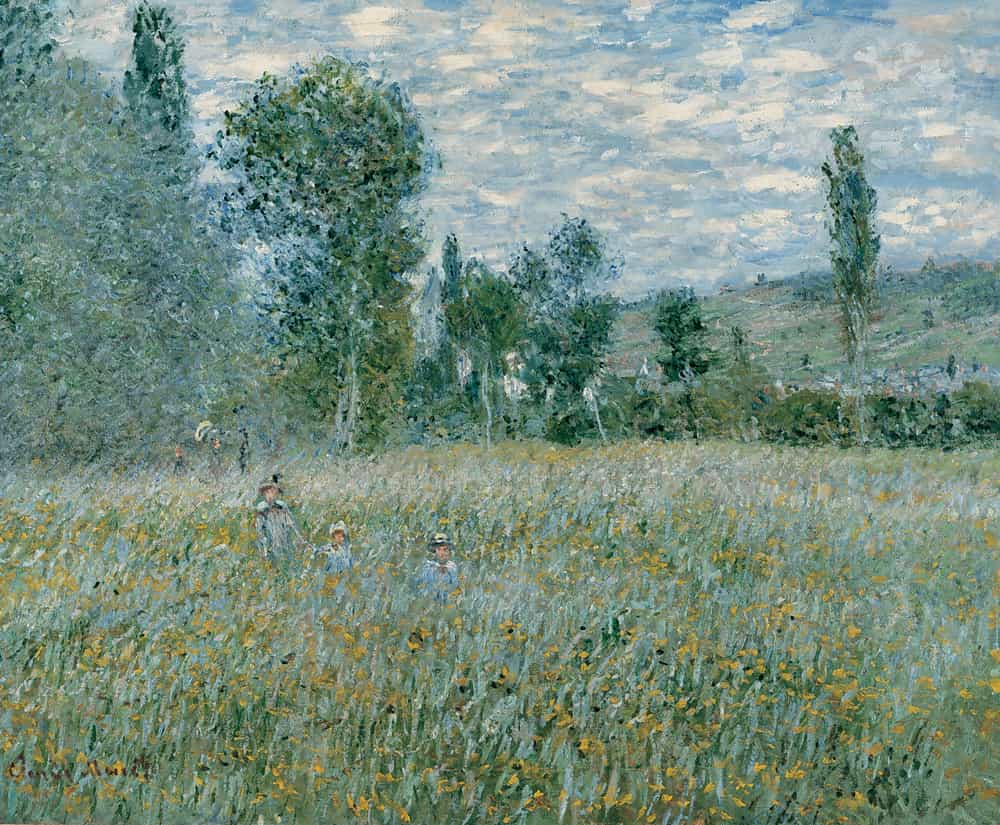
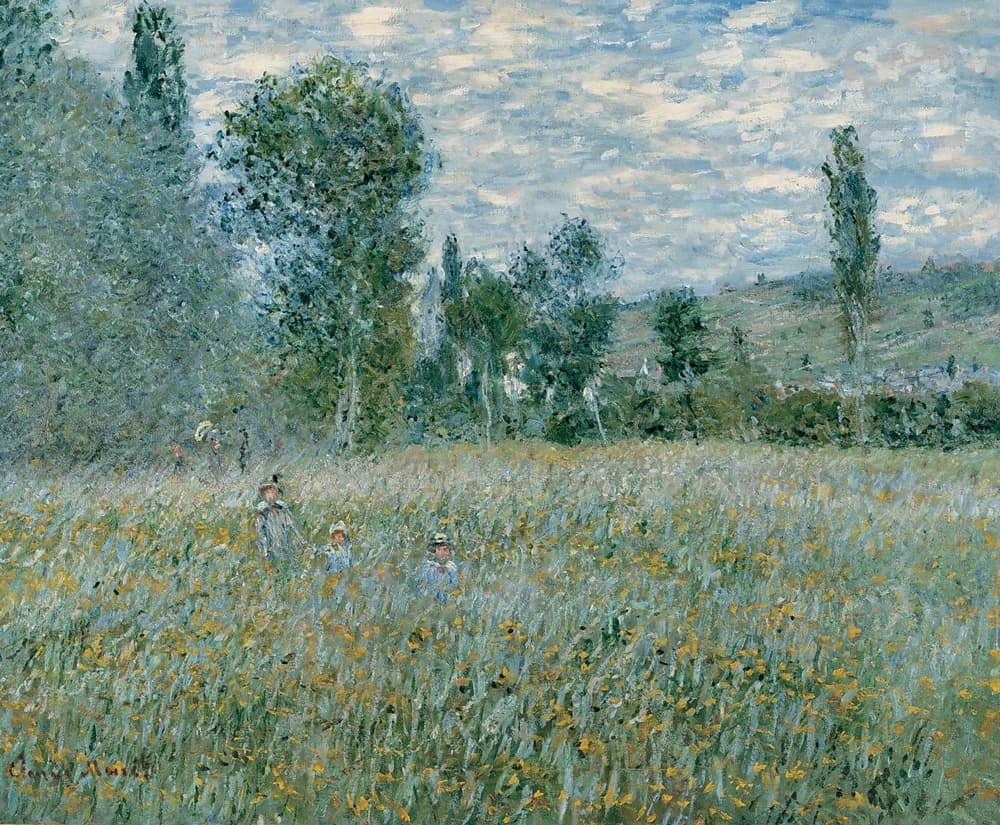
The Meadow
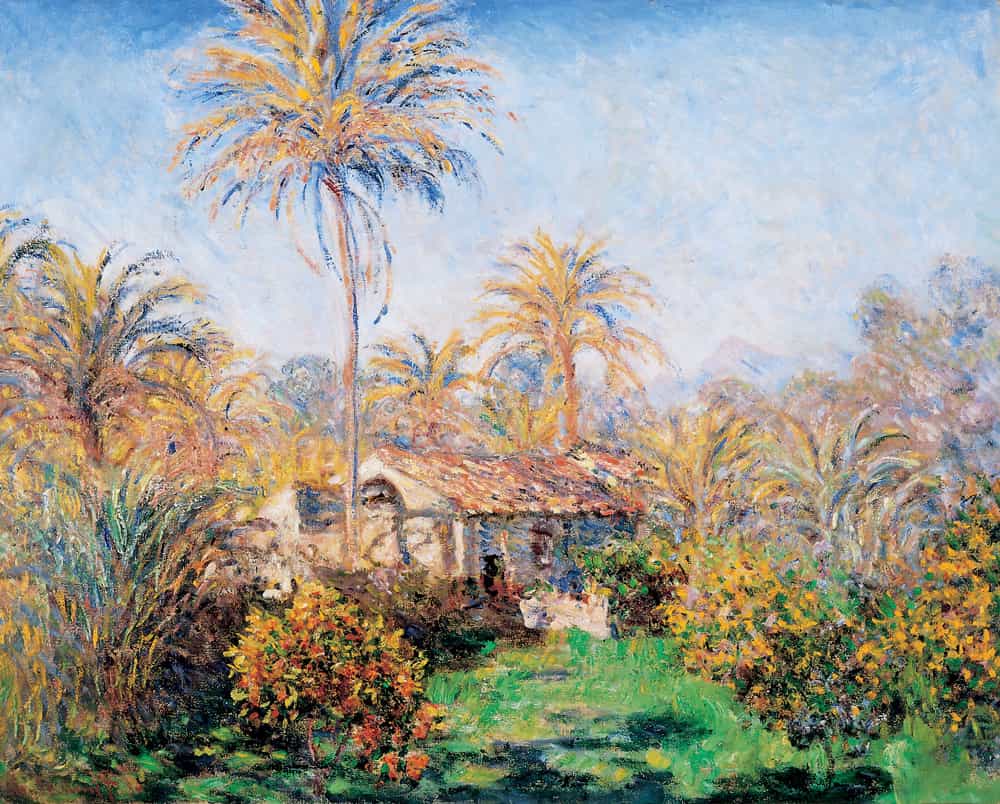
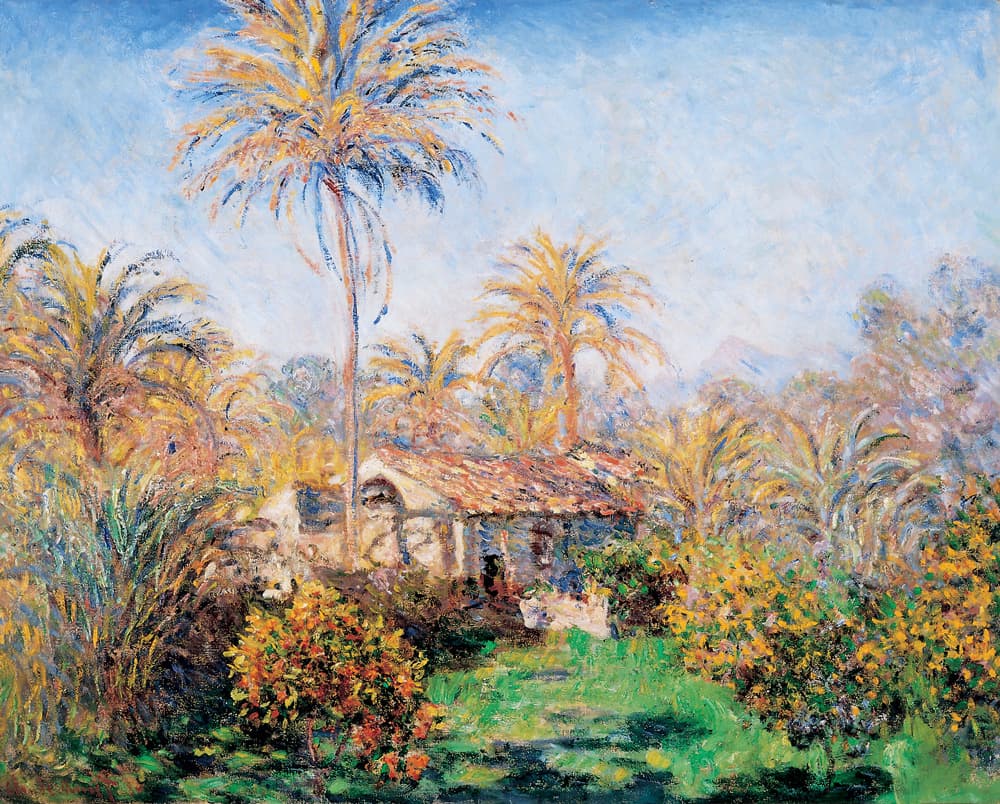
Small Country Farm at Bordighera
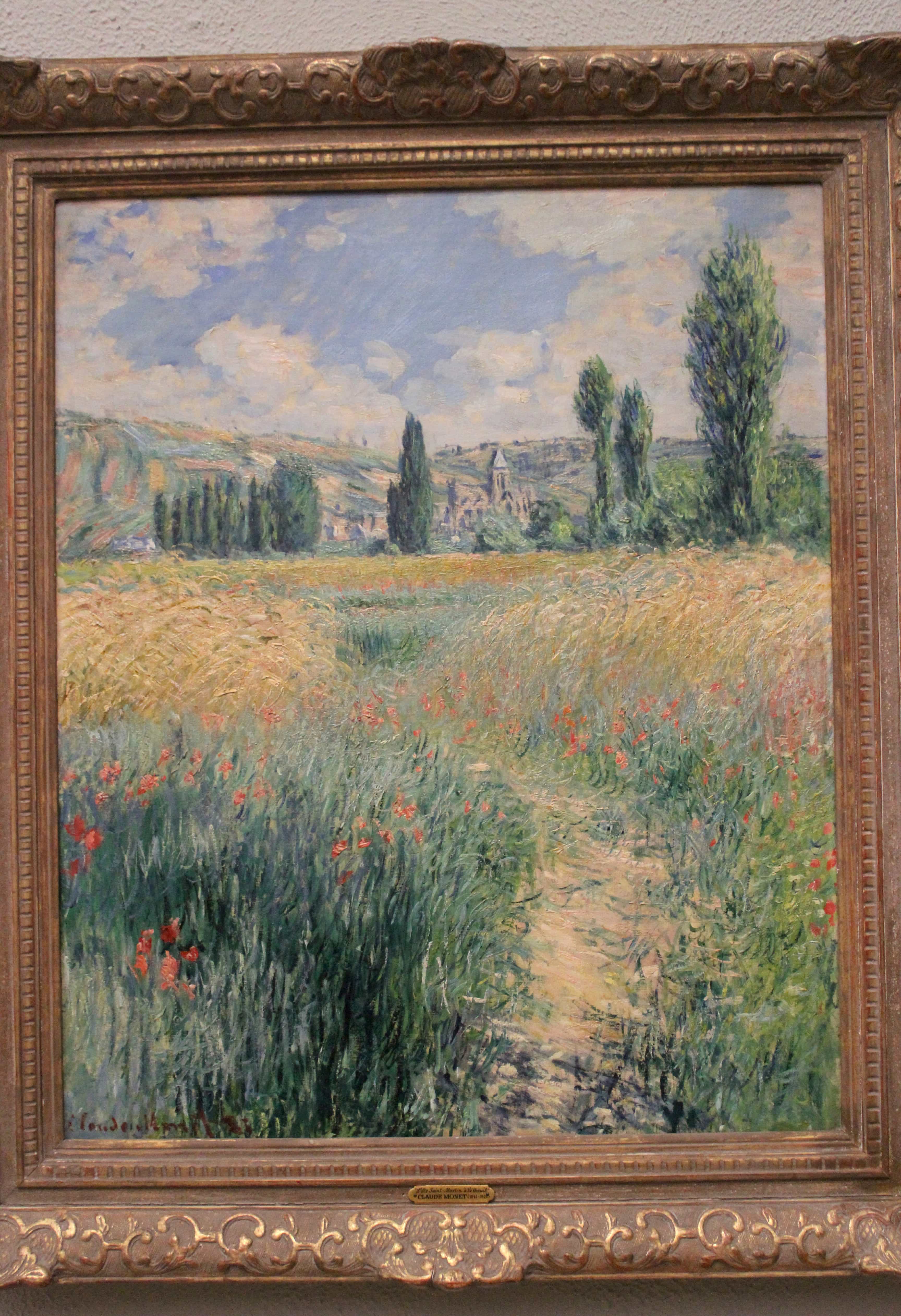
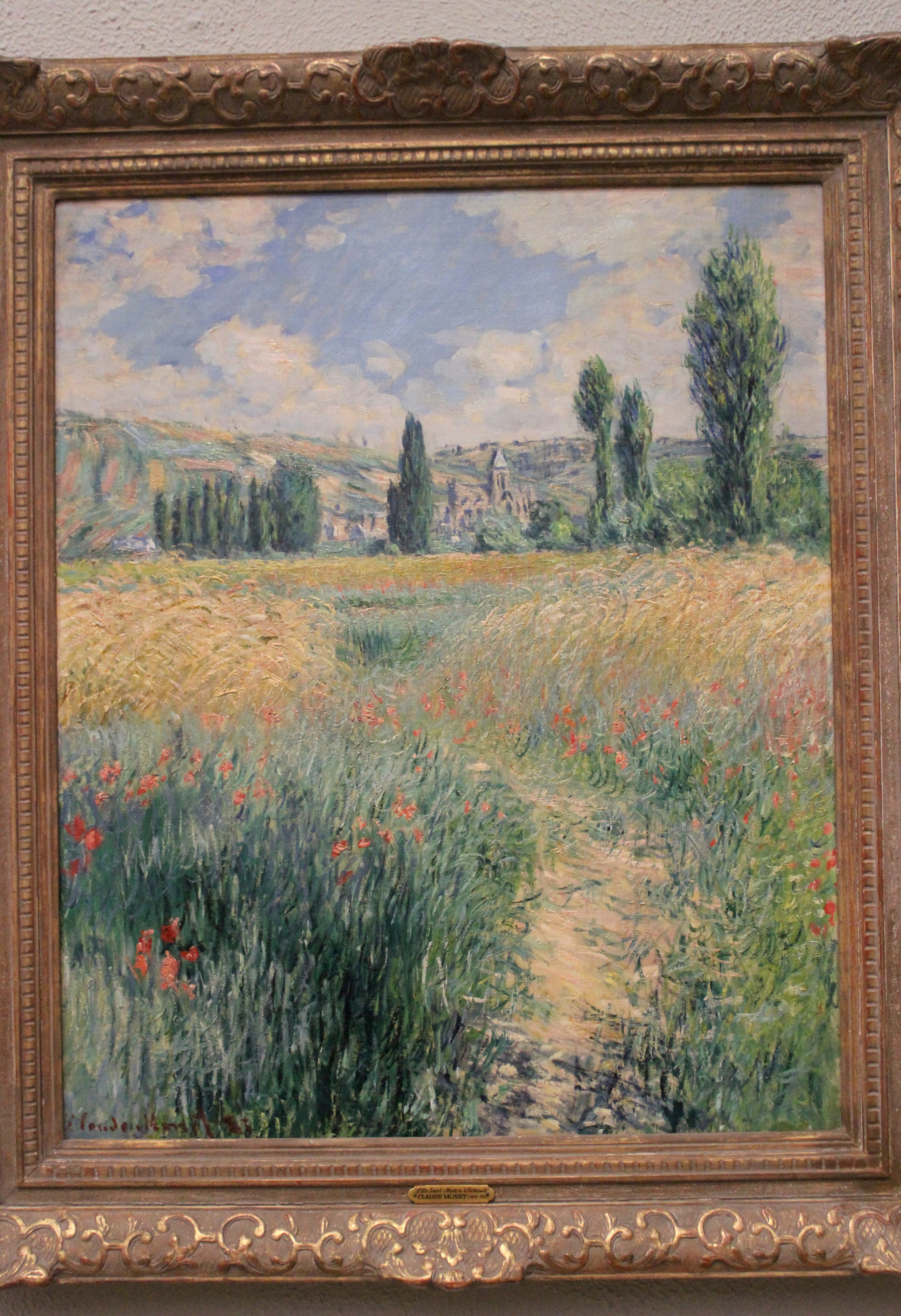
Path on the Island of Saint Martin, Vétheuil
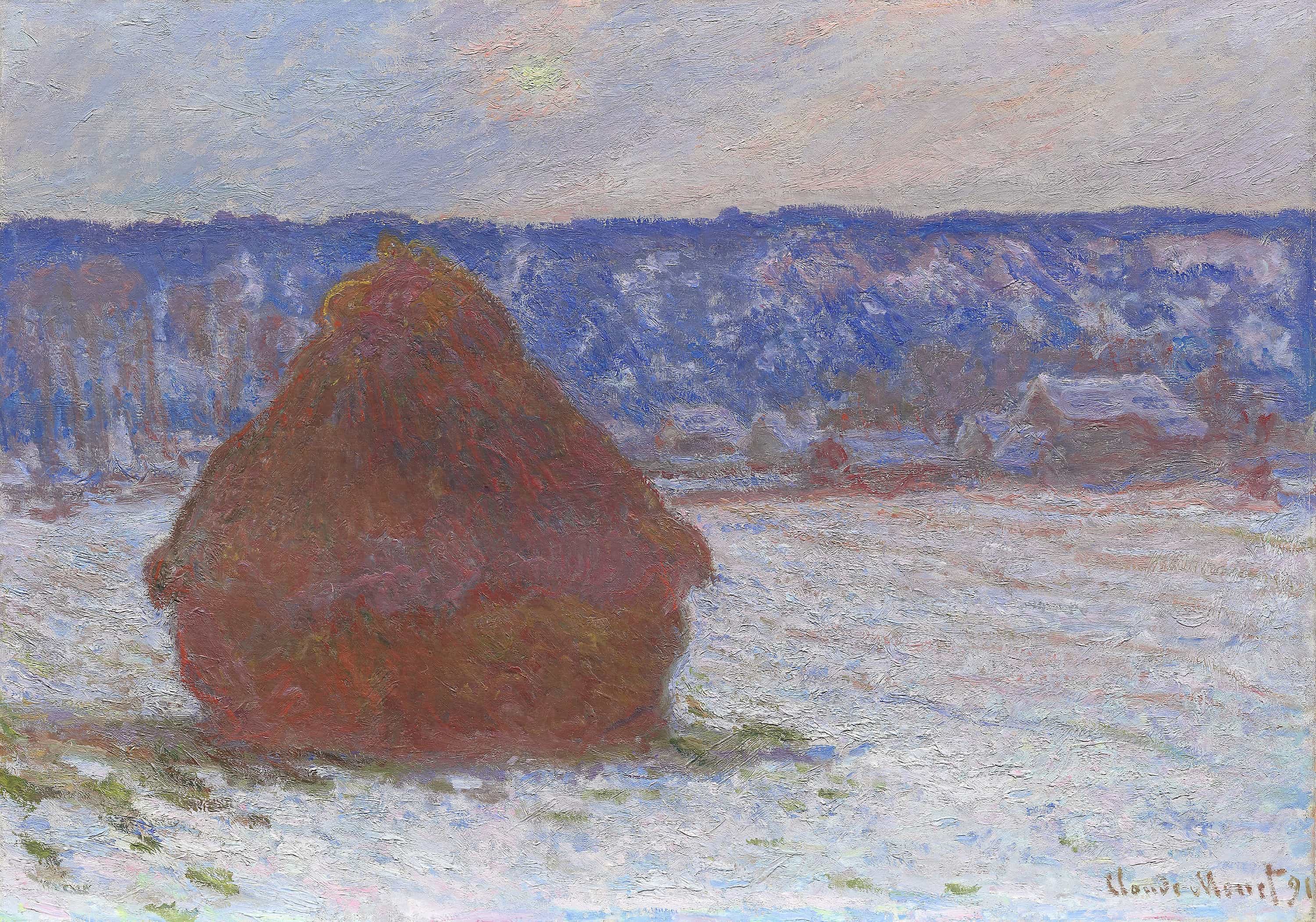
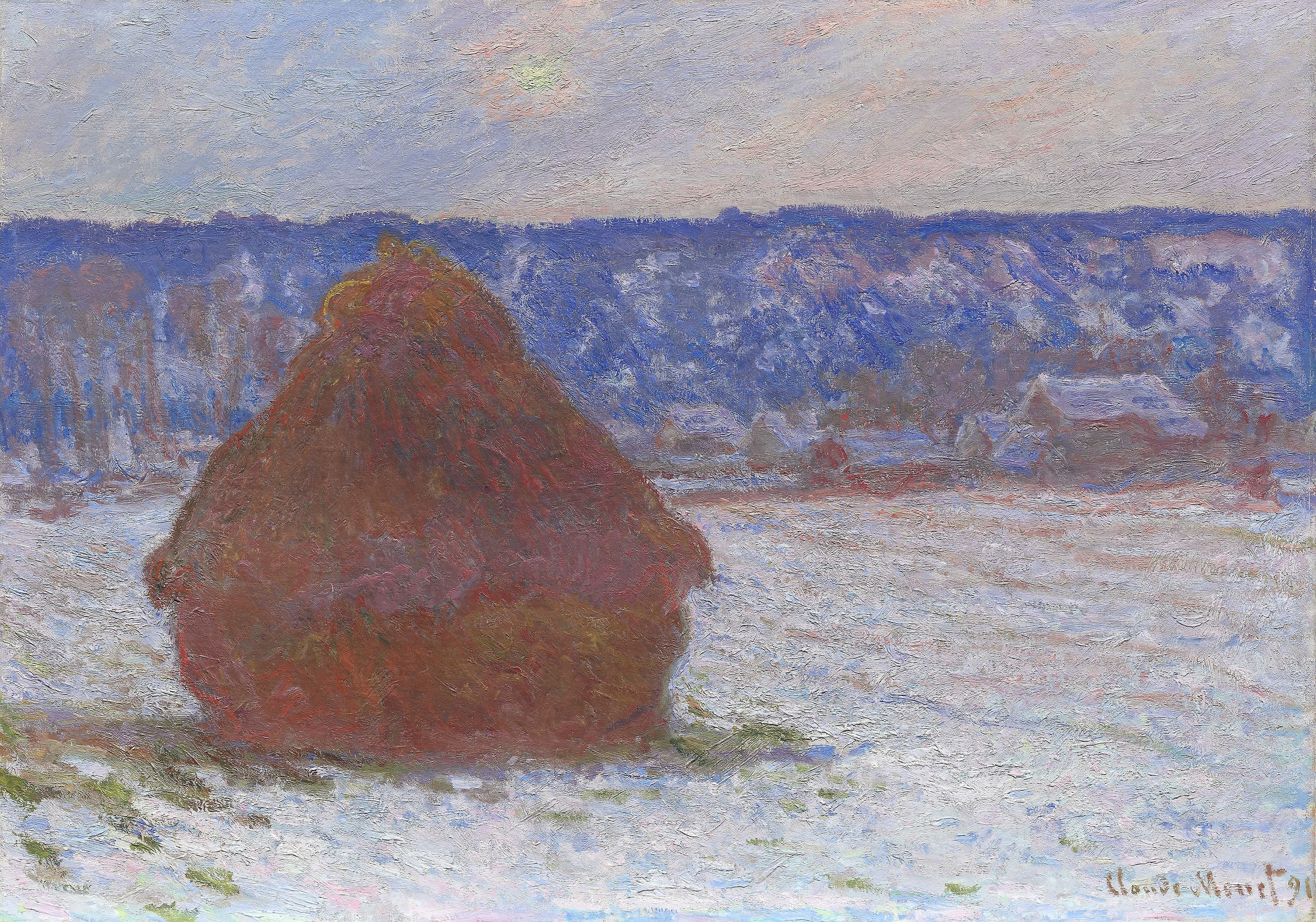
Stack of Wheat (Snow Effect, Overcast Day)
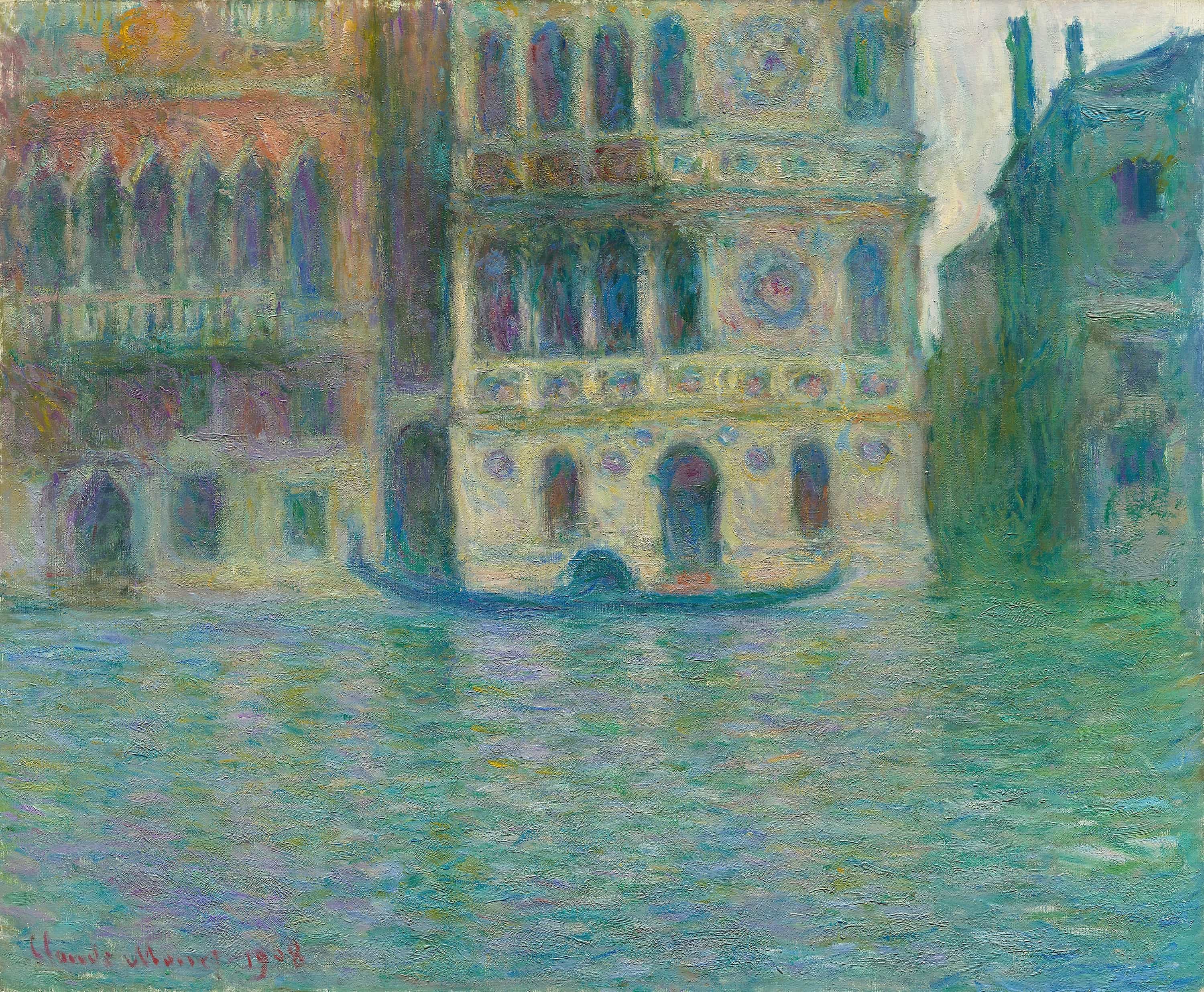
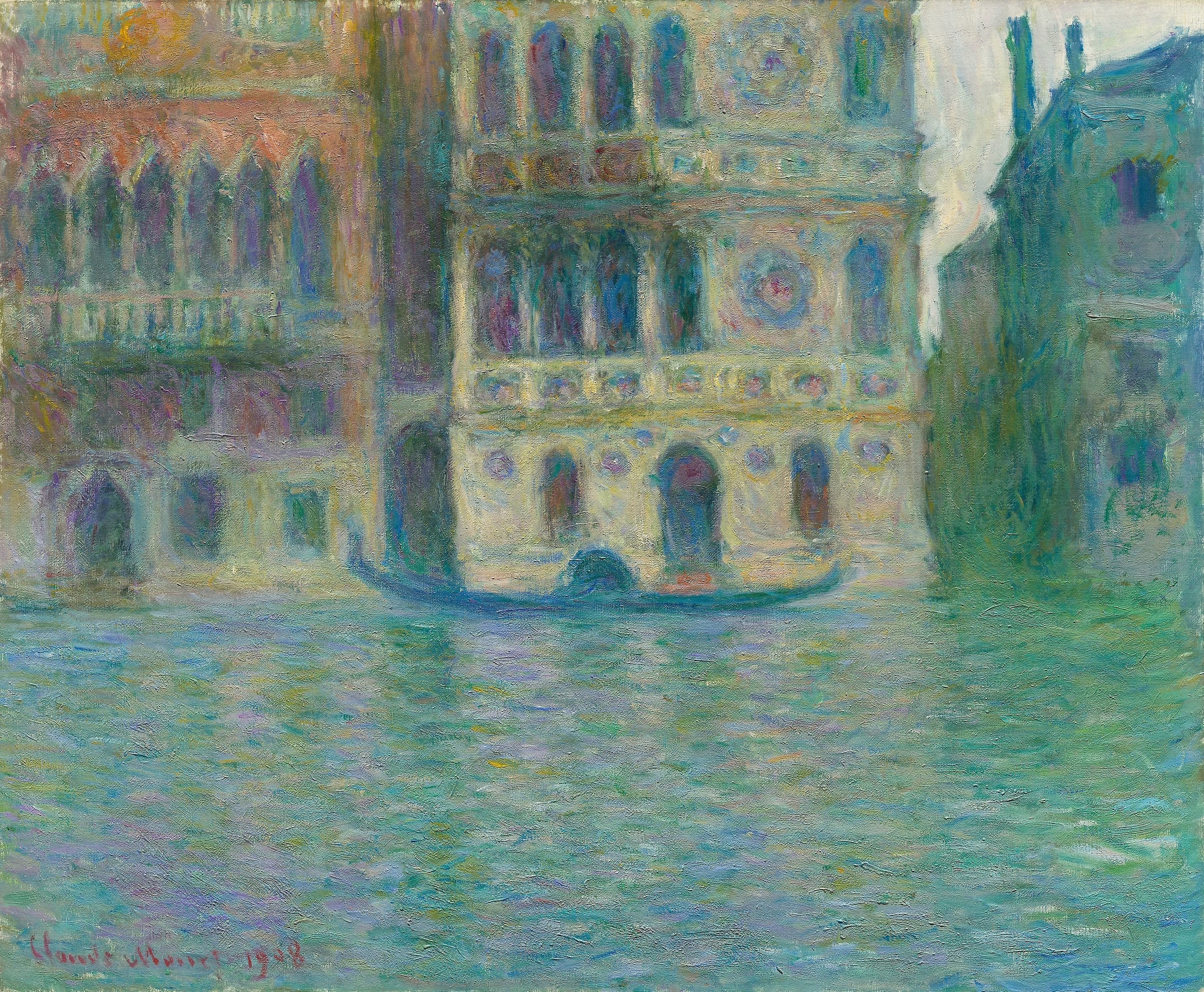
Venice, Palazzo Dario
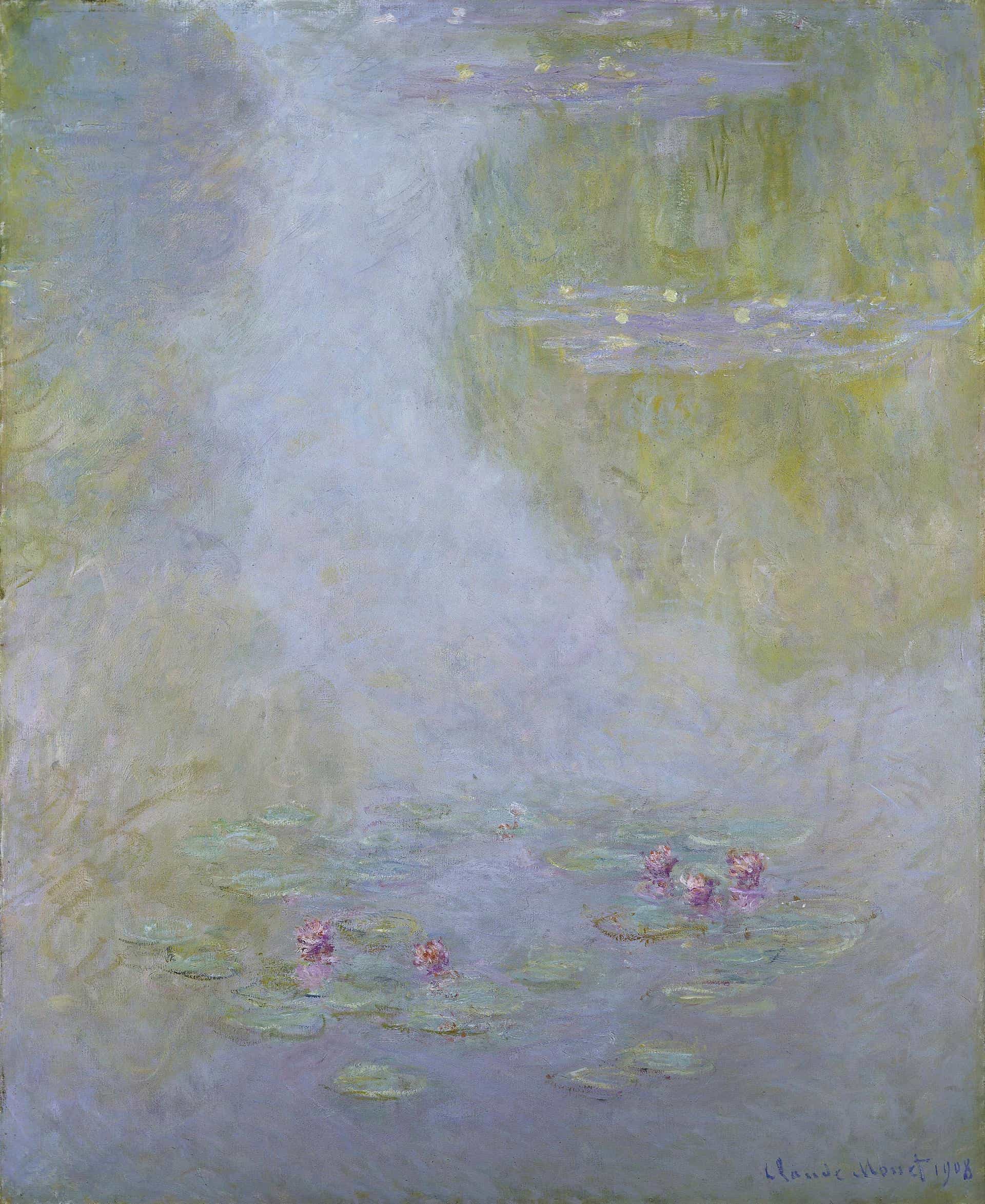
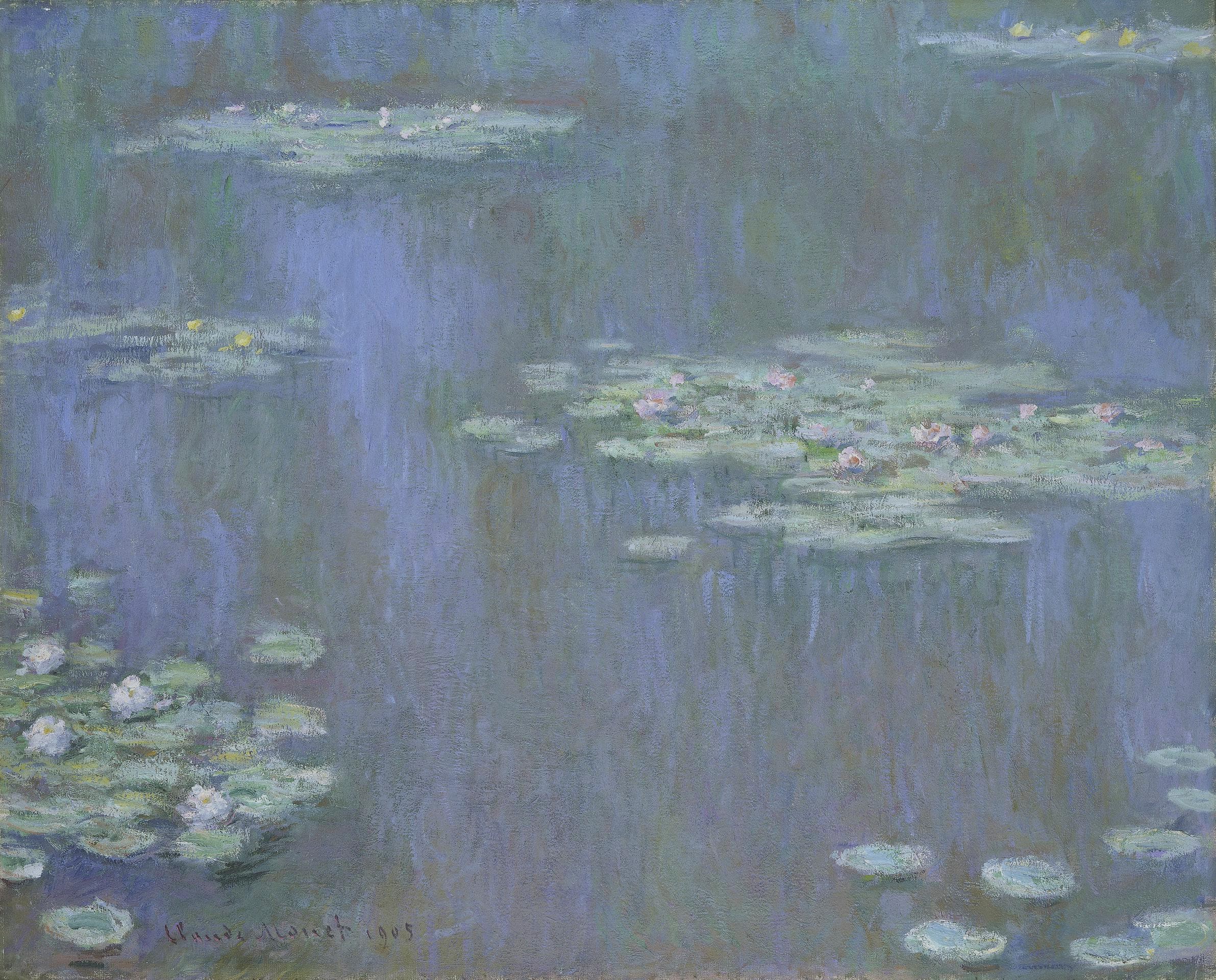
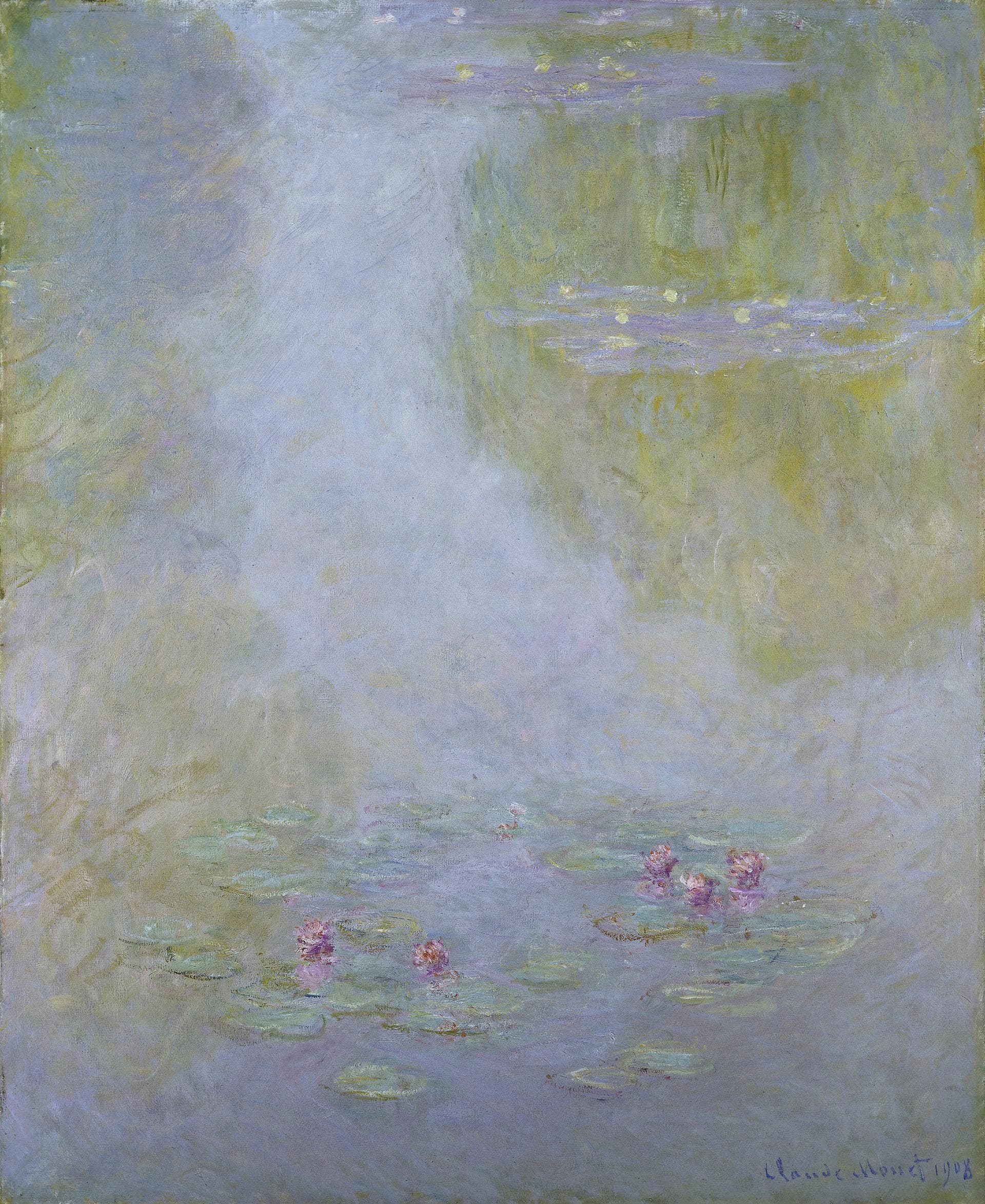
Waterlilies
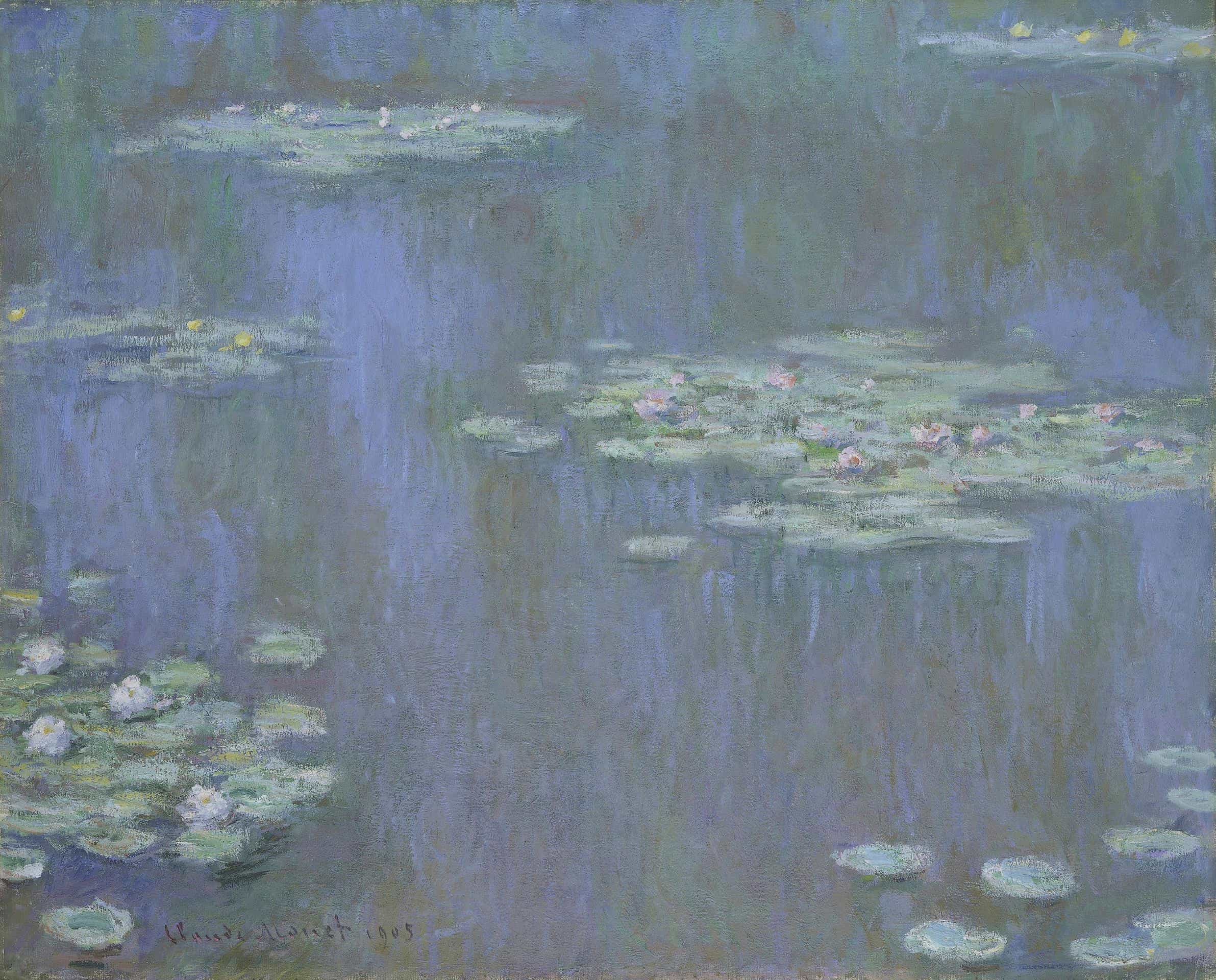
Waterlilies
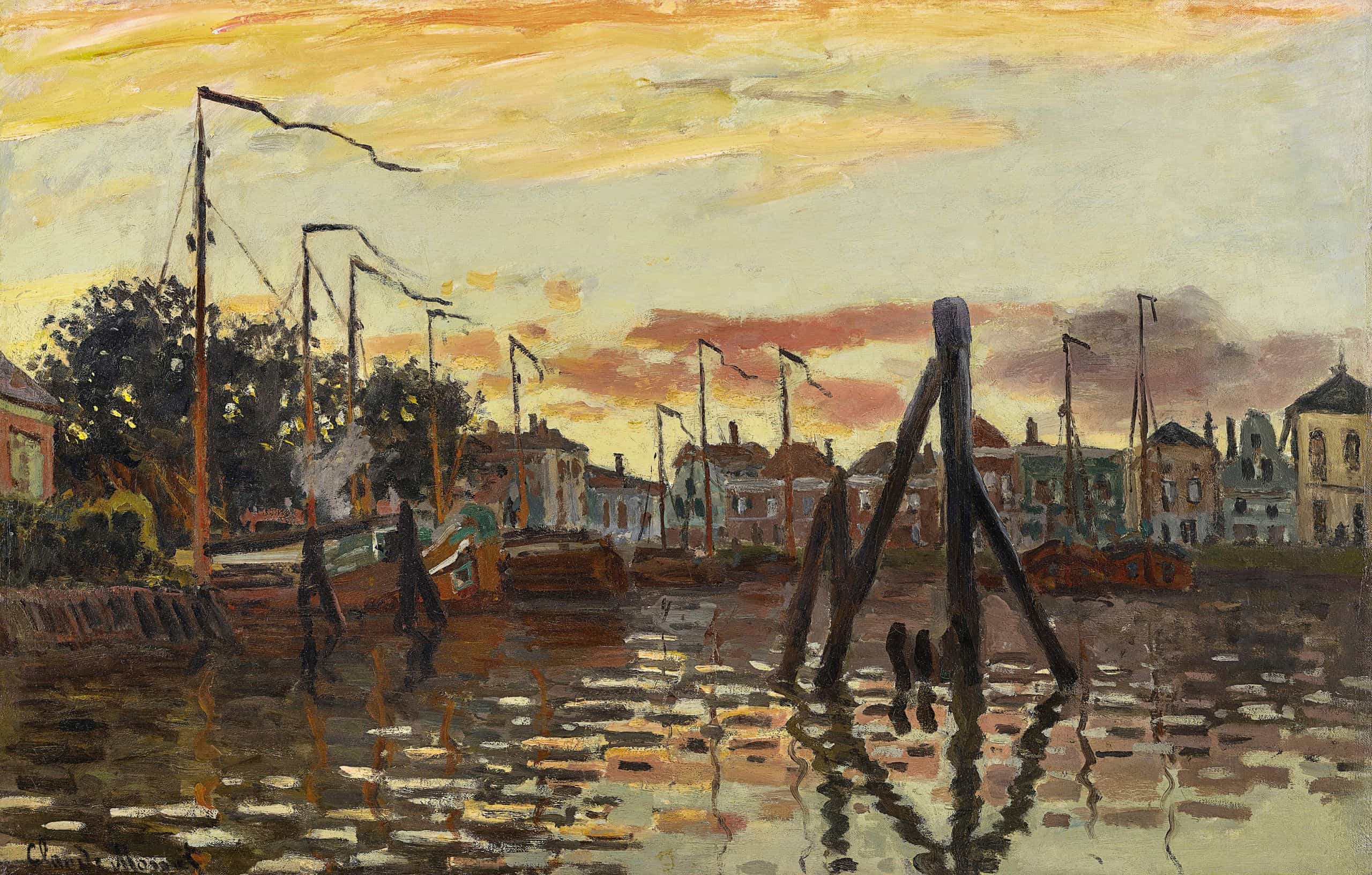
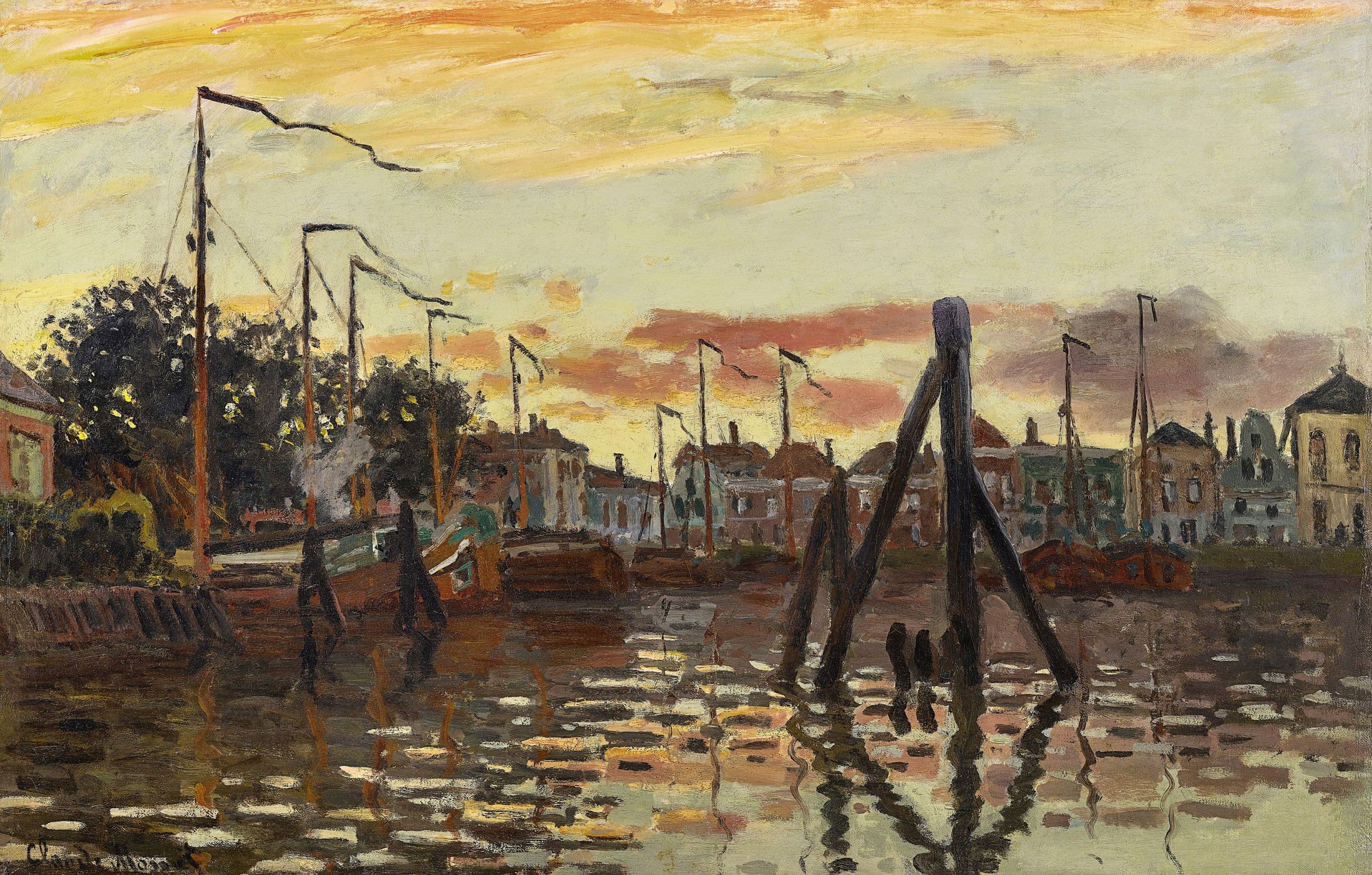
The Port of Zaandam
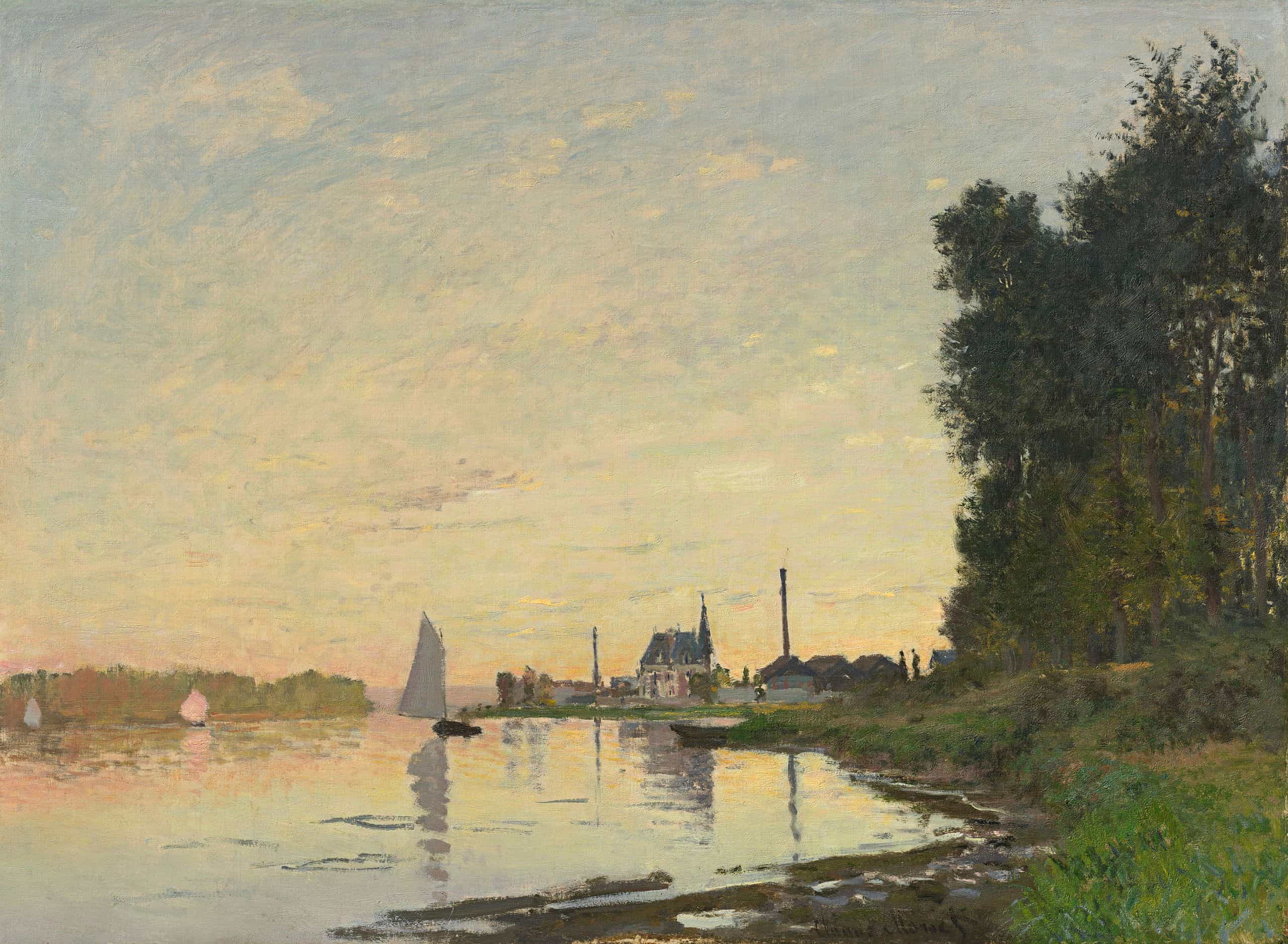
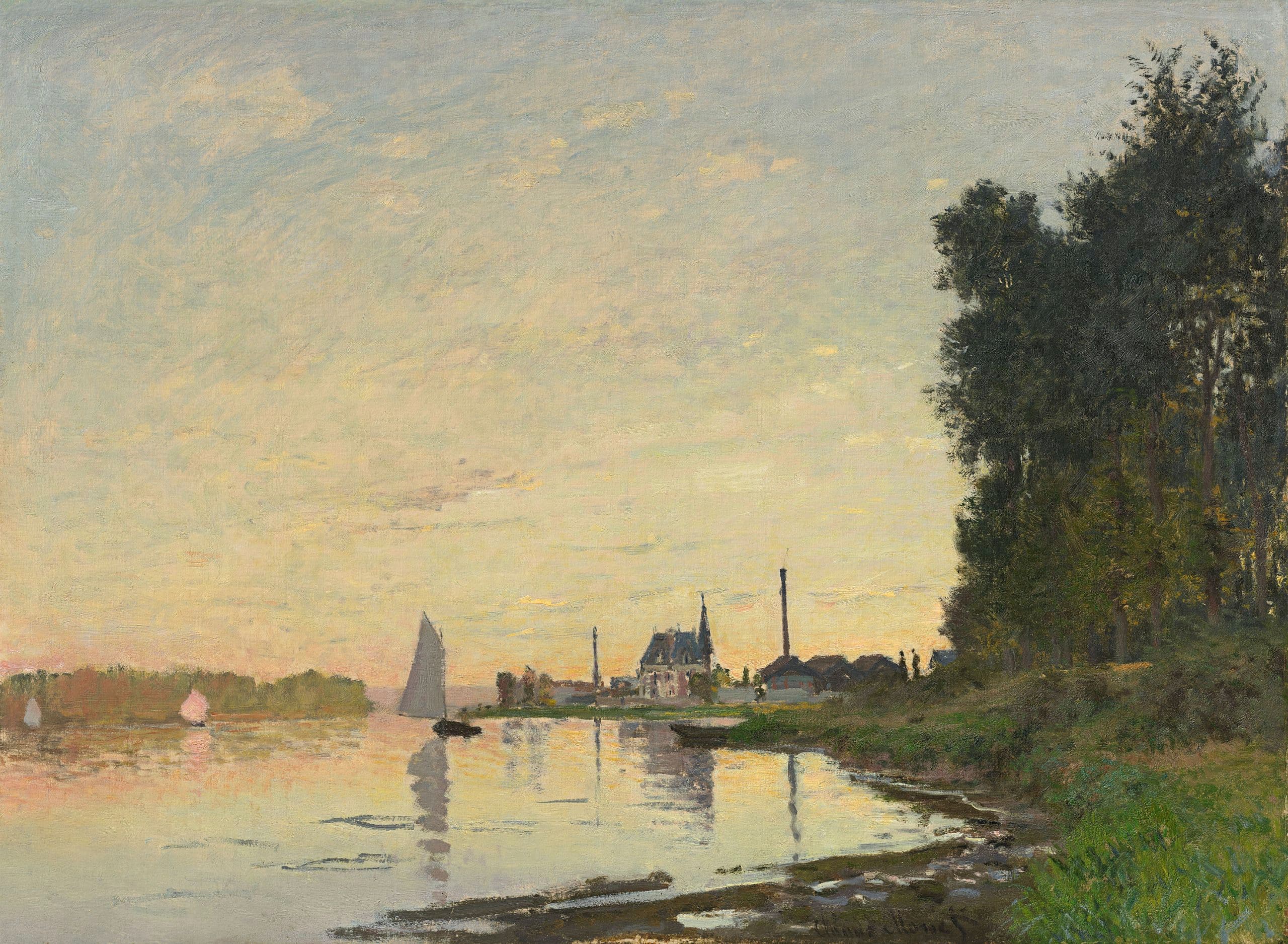
Argenteuil, Late Afternoon
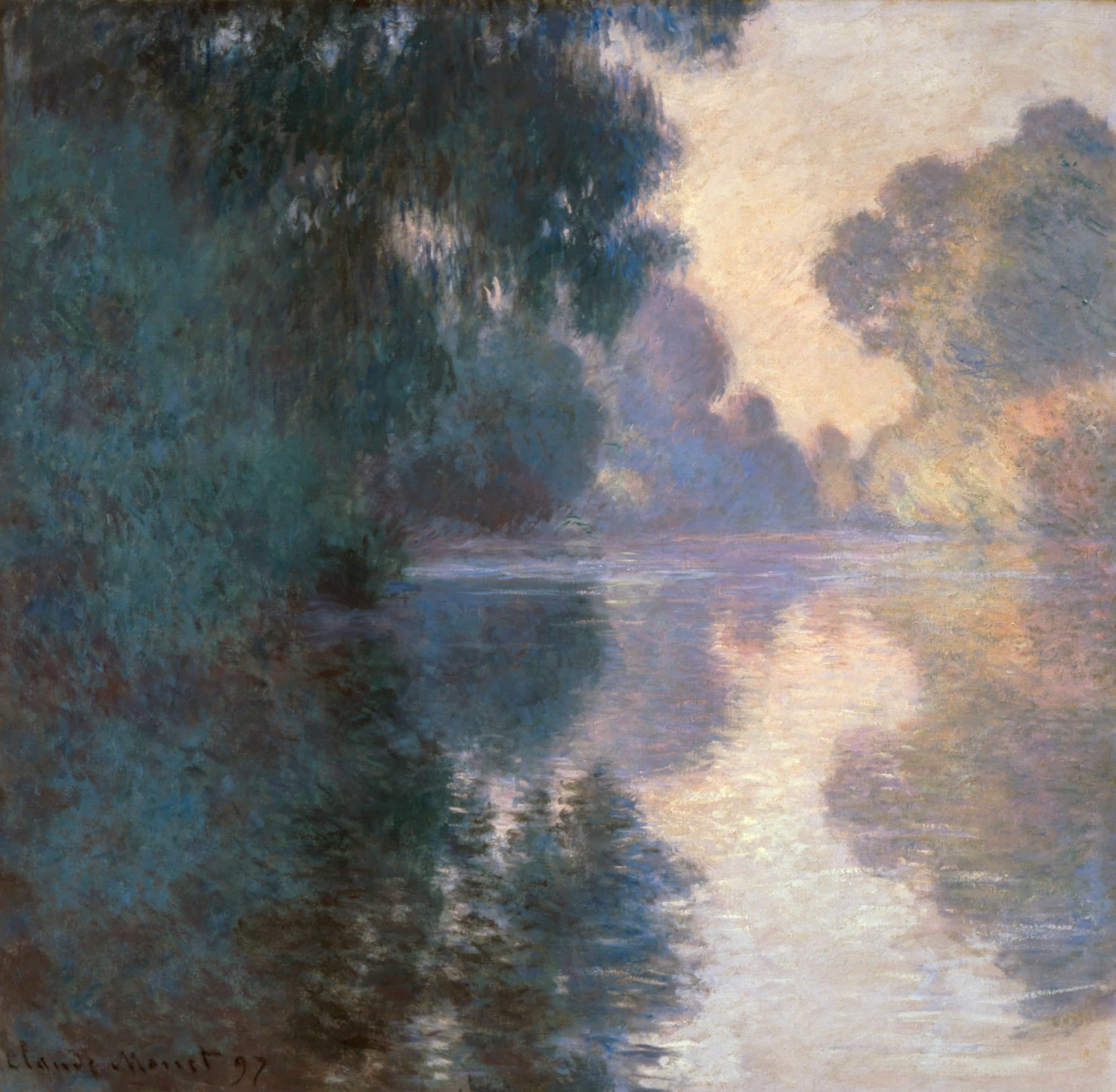
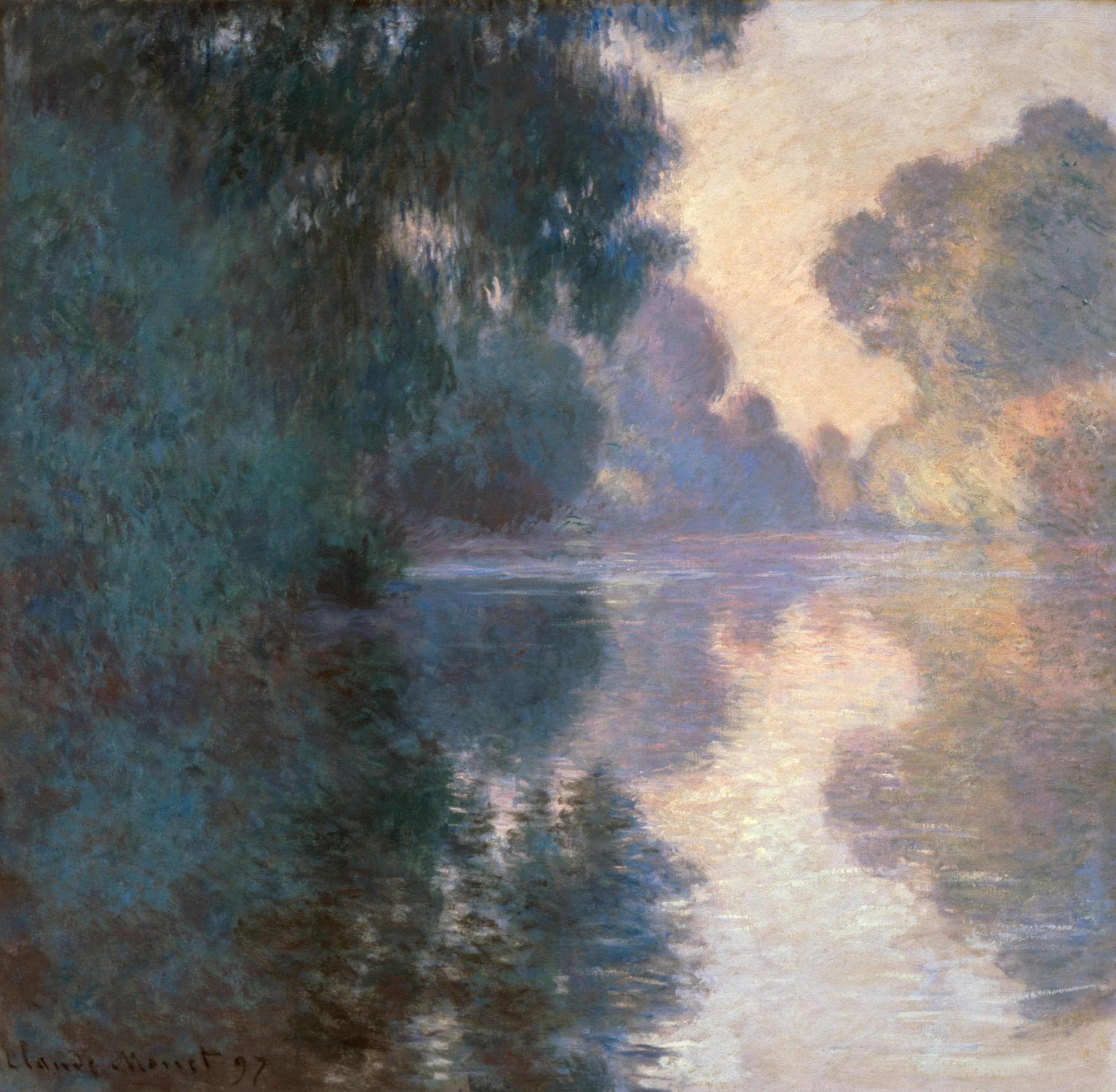
Morning on the Seine, Good Weather
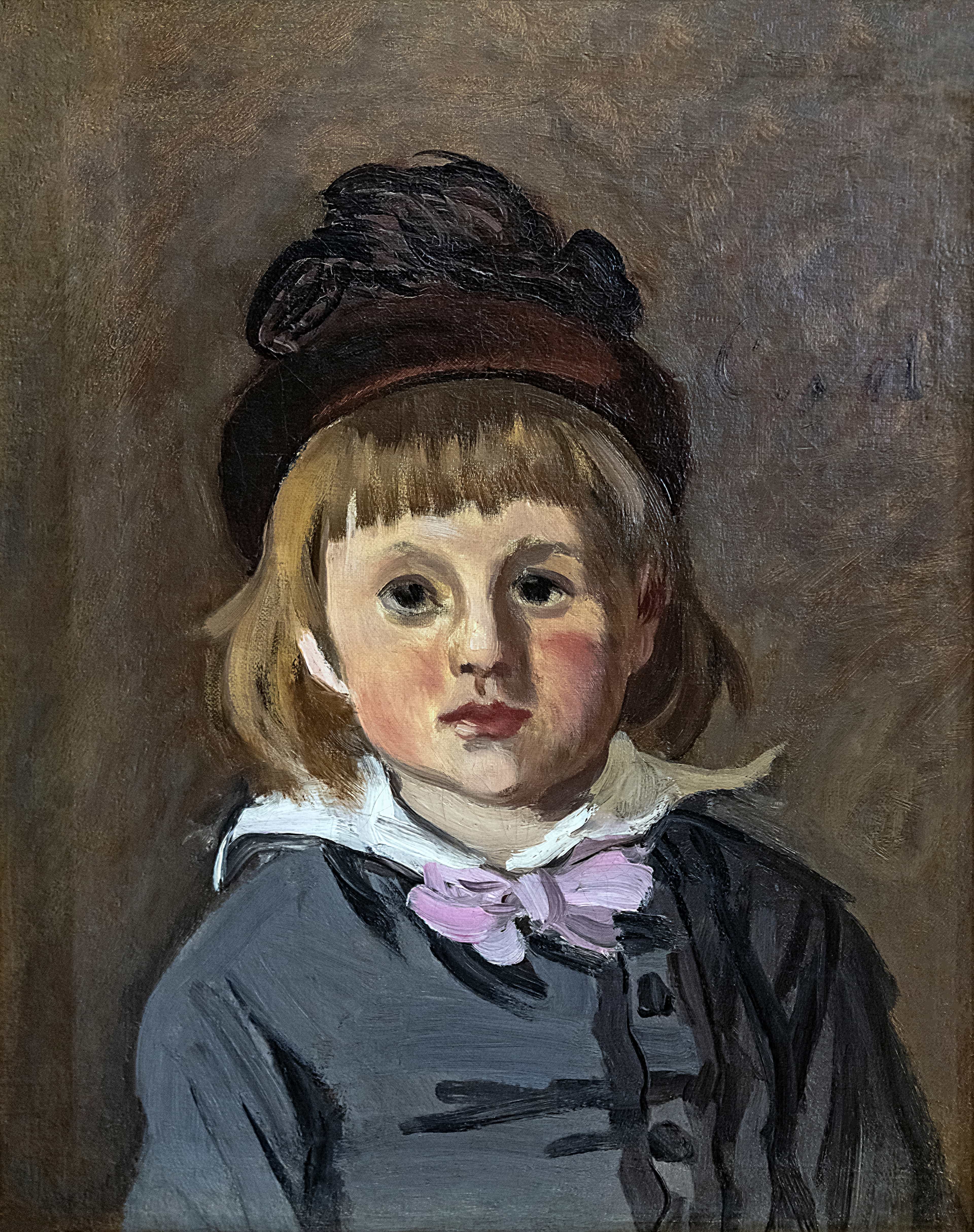
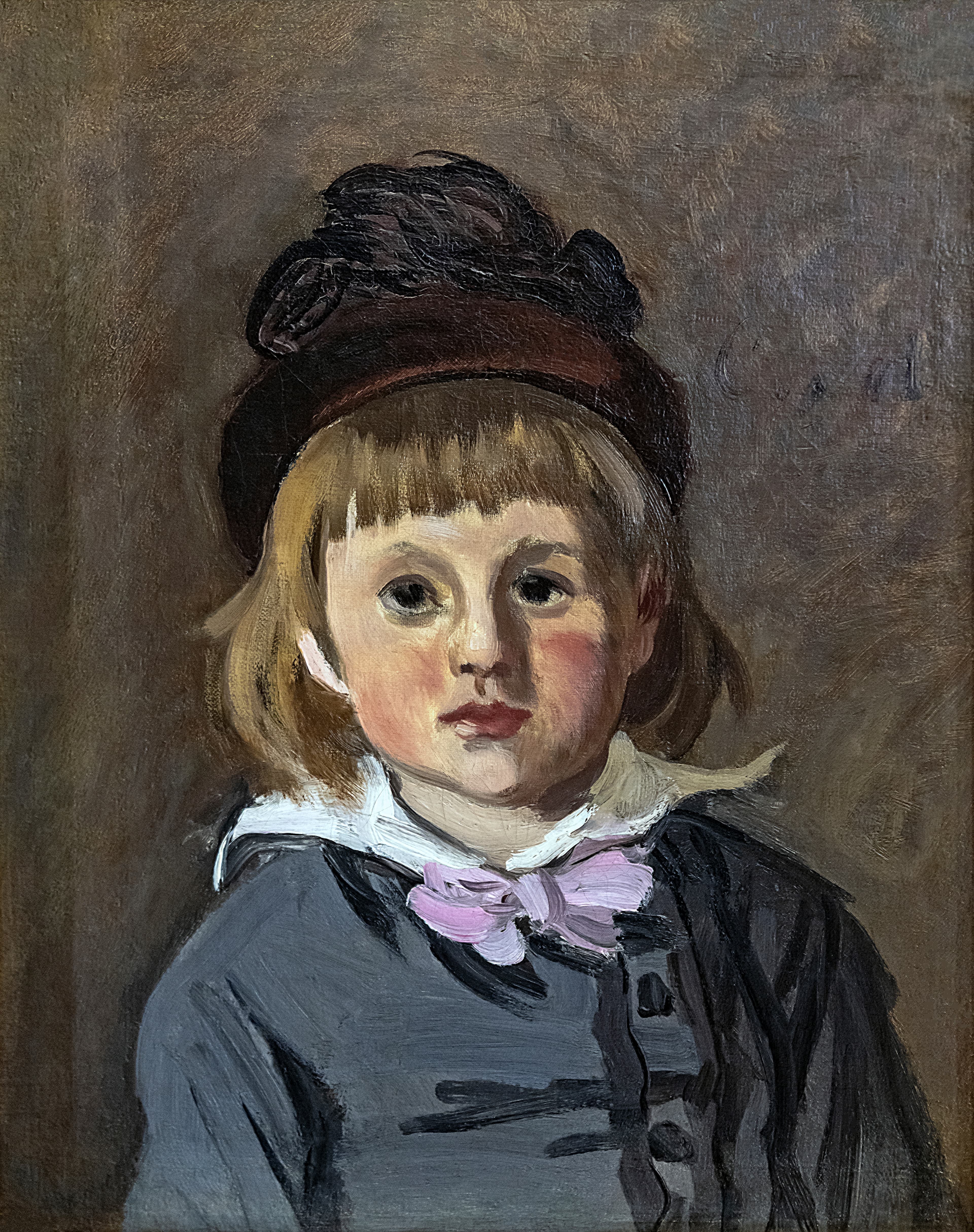
Portrait de Jean Monet en bonnet à pompon