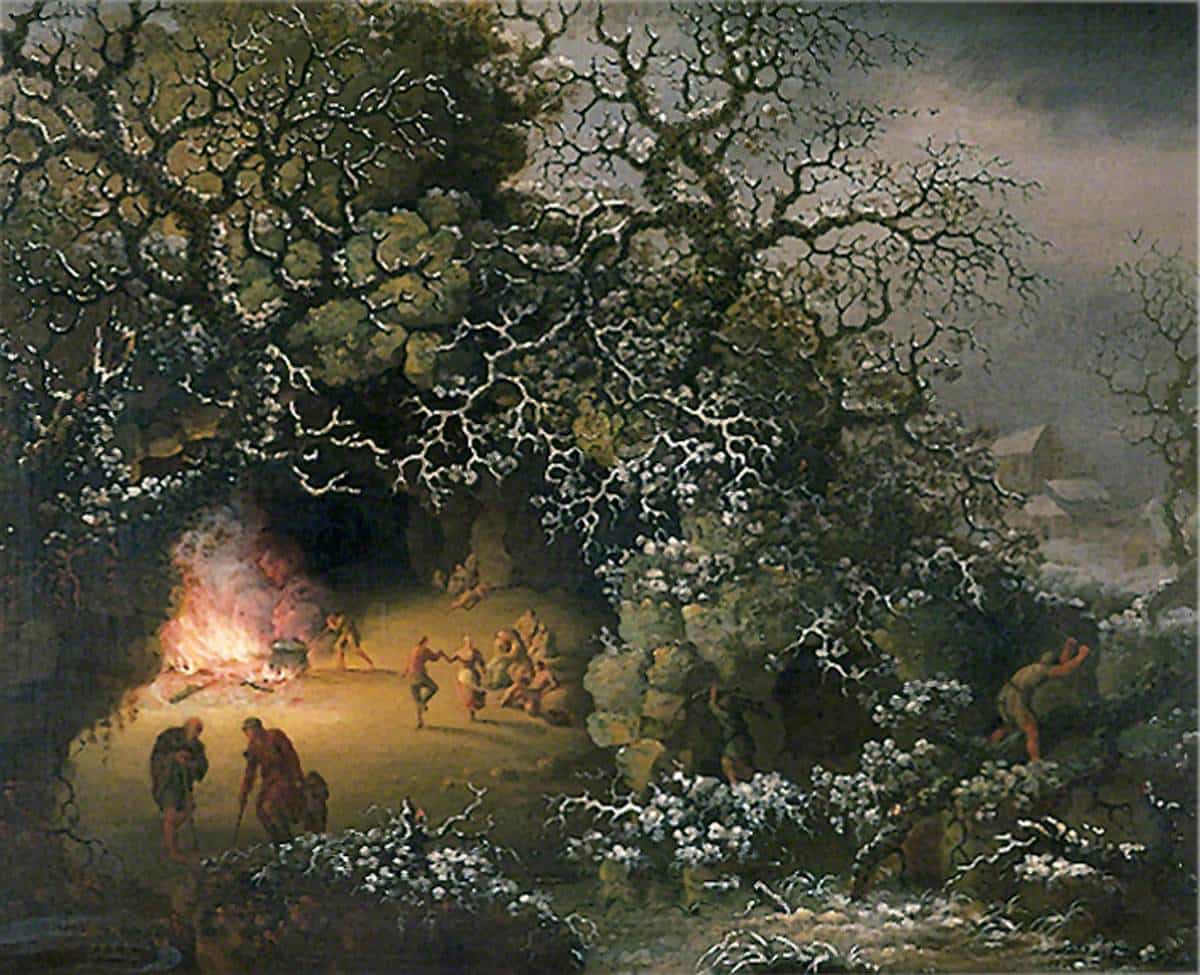
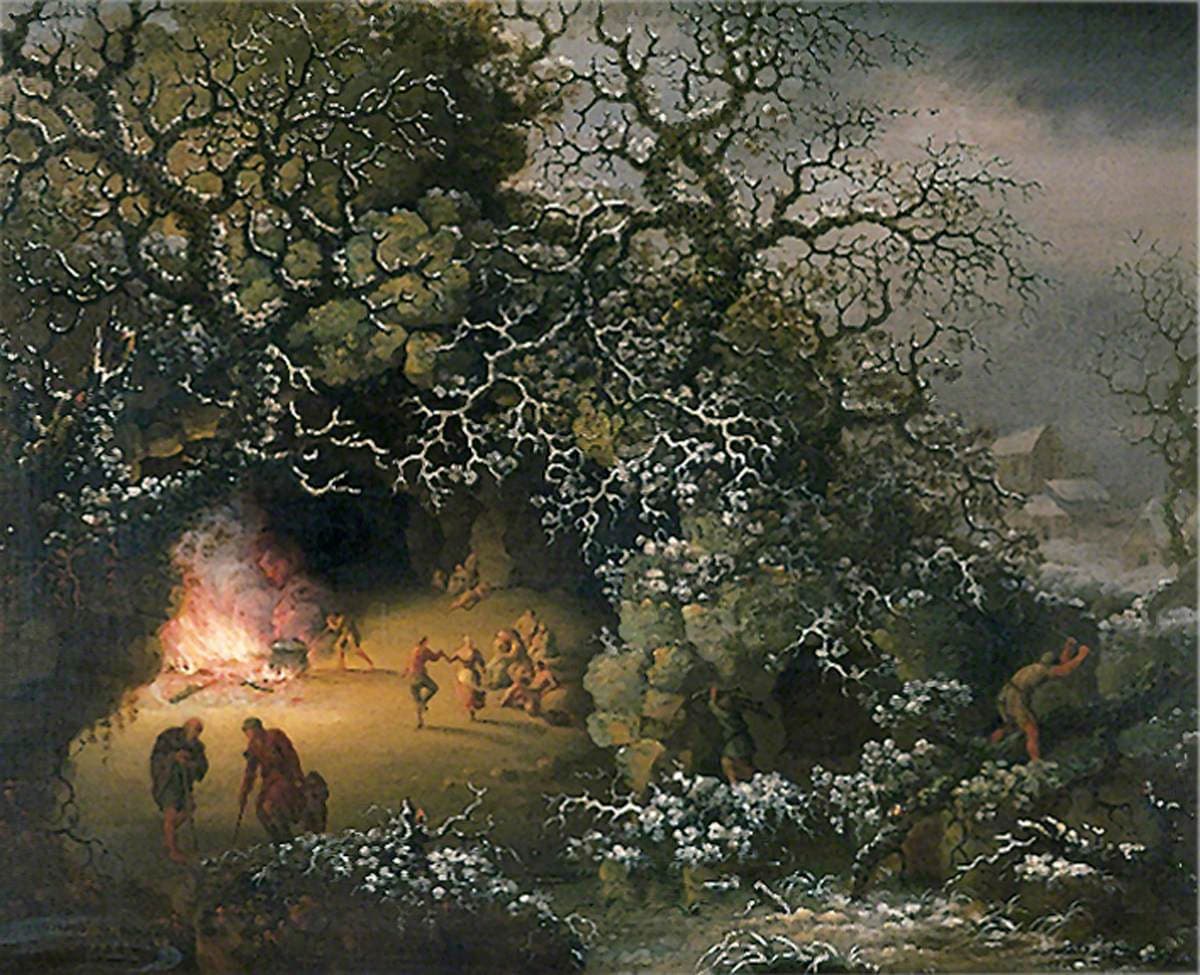
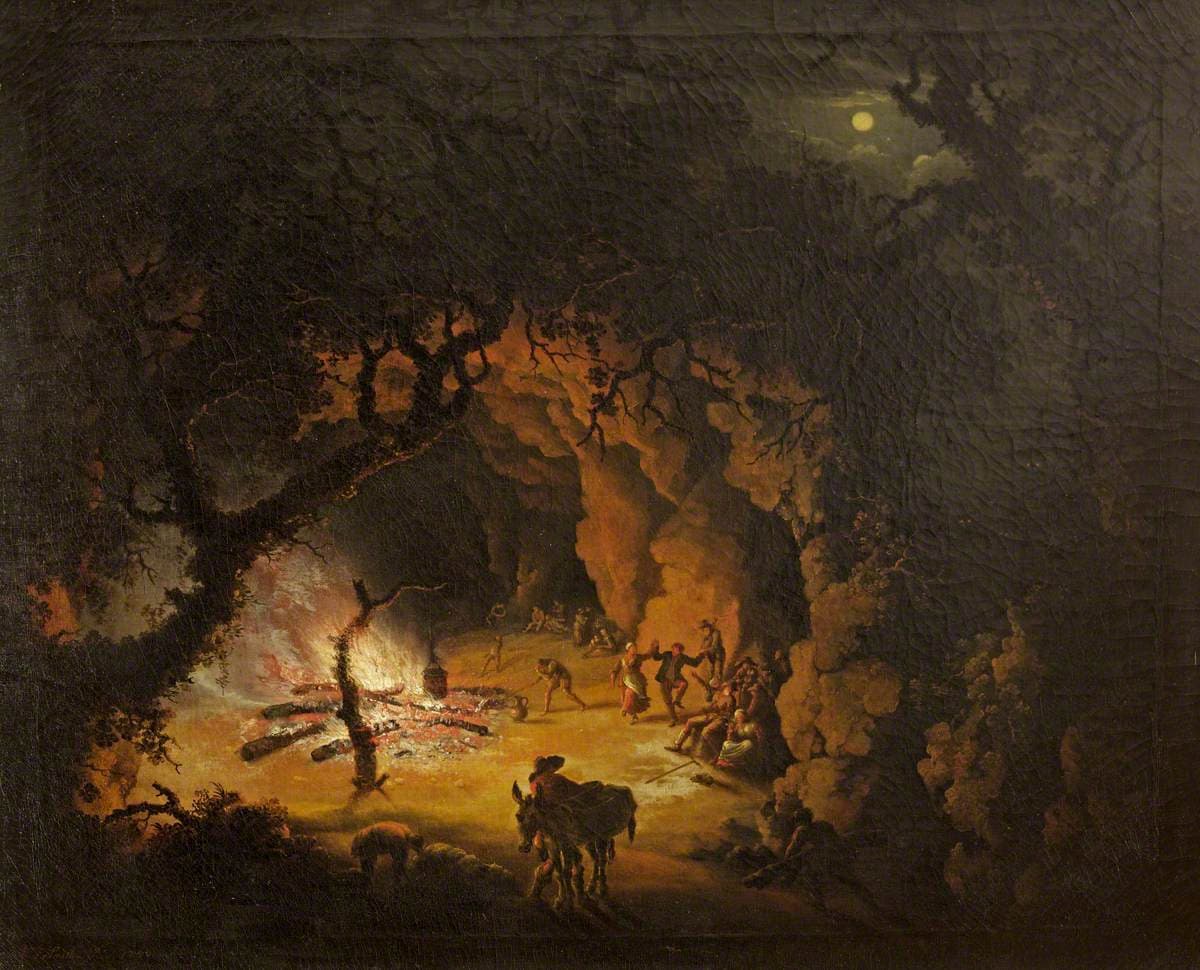
Winter Scene of a Cave in the Foreground and a Fire with Figures Dancing
William Smith
From €54
Collection
Museum-quality reproductions on 310gsm textured cotton rag paper.
Shop all prints by William SmithArtistic Style
Style Evolution
Smith's work moves within the English Baroque and early Rococo continuum: early pieces emphasize solid drawing and modeled form, mid-career paintings adopt lighter, more decorative touches, and later works demonstrate assured handling and compositional polish suited to domestic interiors and portrait commissions.
Palette
Subjects
Techniques
Topics
William Smith (1707-1764) was an English Baroque-era painter whose refined portraits and decorative compositions contributed to 18th-century British art.
Learn about the life of William Smith
Signature Works
See all available prints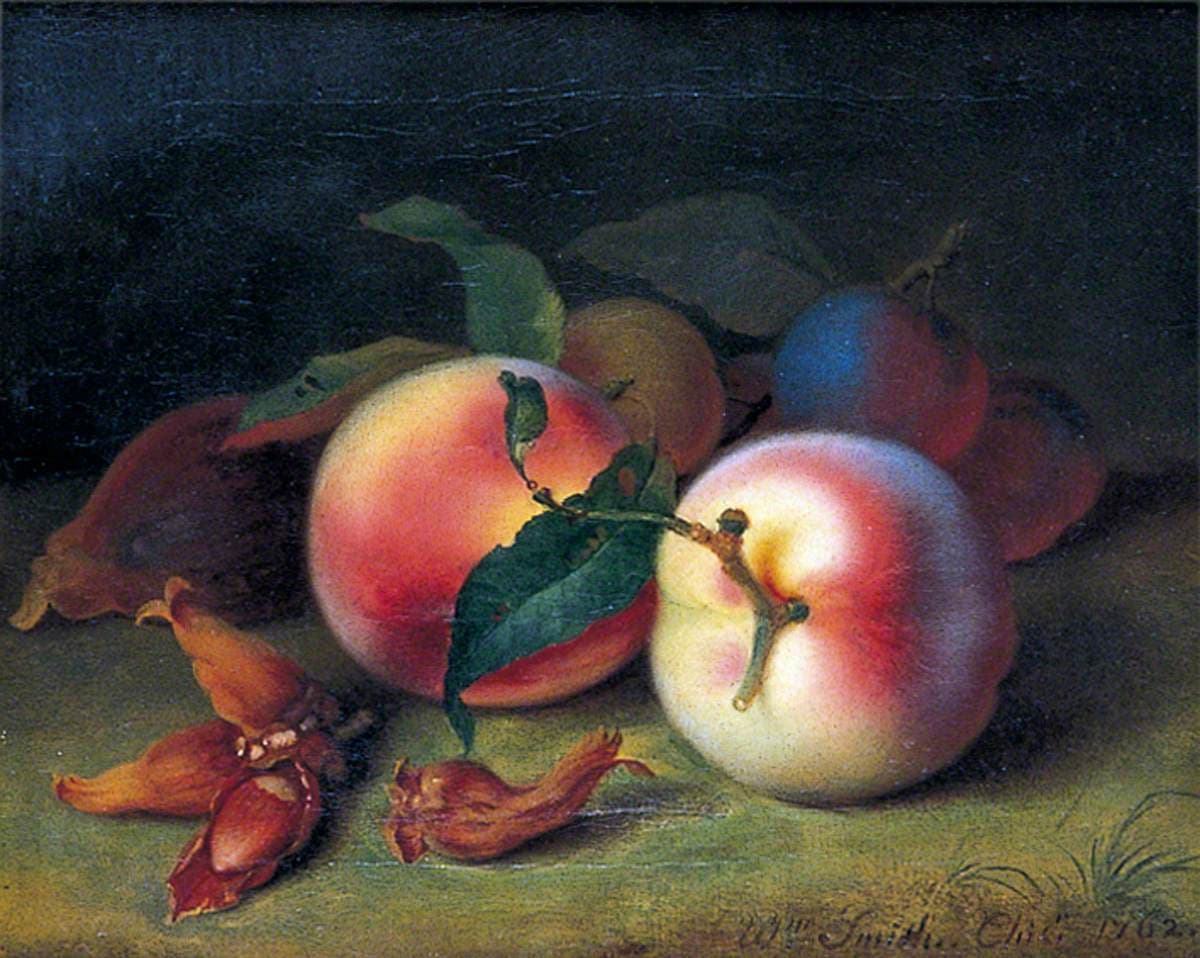
Biography
William Smith (1707-1764) was an English Baroque-era painter whose refined portraits and decorative compositions contributed to 18th-century British art.
William Smith (1707-1764) was an English painter active during the first half and mid-18th century. Little biographical detail survives in the provided record about his birthplace, family background, or formal training; what is clear is that he worked within the visual traditions of his time, producing paintings that reflect the decorative and portrait conventions of British taste in the Baroque-to-Rococo transition.
Smith's career unfolded during a period of stylistic evolution in British art, when continental influences and local patronage shaped artists’ practices. Specific documentary evidence about Smith’s teachers, studios, or exact places of residence is not provided here; nevertheless, his work is best understood in the context of 18th-century English painting, which emphasized portraiture, elegant domestic interiors, and refined decorative compositions.
In his early career Smith likely developed the technical skills and subject repertoire typical of British painters of his generation: portraiture, small-scale decorative works, and paintings suited for domestic display.
During the middle decades of his life Smith would have worked for private patrons and local collectors, adapting contemporary tastes—lighter palettes, graceful poses, and an emphasis on finish—to meet market demand.
By the final years of his life Smith’s work reflects the mature handling of paint and composition characteristic of established provincial or London-based practitioners of the mid-18th century.
The provided data does not list specific artworks attributable to William Smith. Because no titles or dated works are included in the source material, readers and collectors should consult museum records, auction catalogs, or specialist bibliographies for verified lists of paintings and attributions.
Smith’s paintings align with the restrained elegance of English Baroque and early Rococo taste: careful draughtsmanship, smooth handling of paint, and an orientation toward decorative clarity. Techniques likely include fine glazes, precise modeling of faces and textiles, and an attention to composition that enhances domestic and portraiture settings.
While detailed records of Smith’s pupils or direct influence are not provided here, his oeuvre belongs to the stream of 18th-century British painting that prepared ground for later developments in portraiture and domestic genre painting. Collectors value works from this era for their historical charm and suitability as decorative focal points in interiors.
Specifics of Smith’s personal life (family, residence, or personal anecdotes) are not att
Frequently Asked Questions
Winter Scene of a Cave in the Foreground and a Fire with Figures Dancing
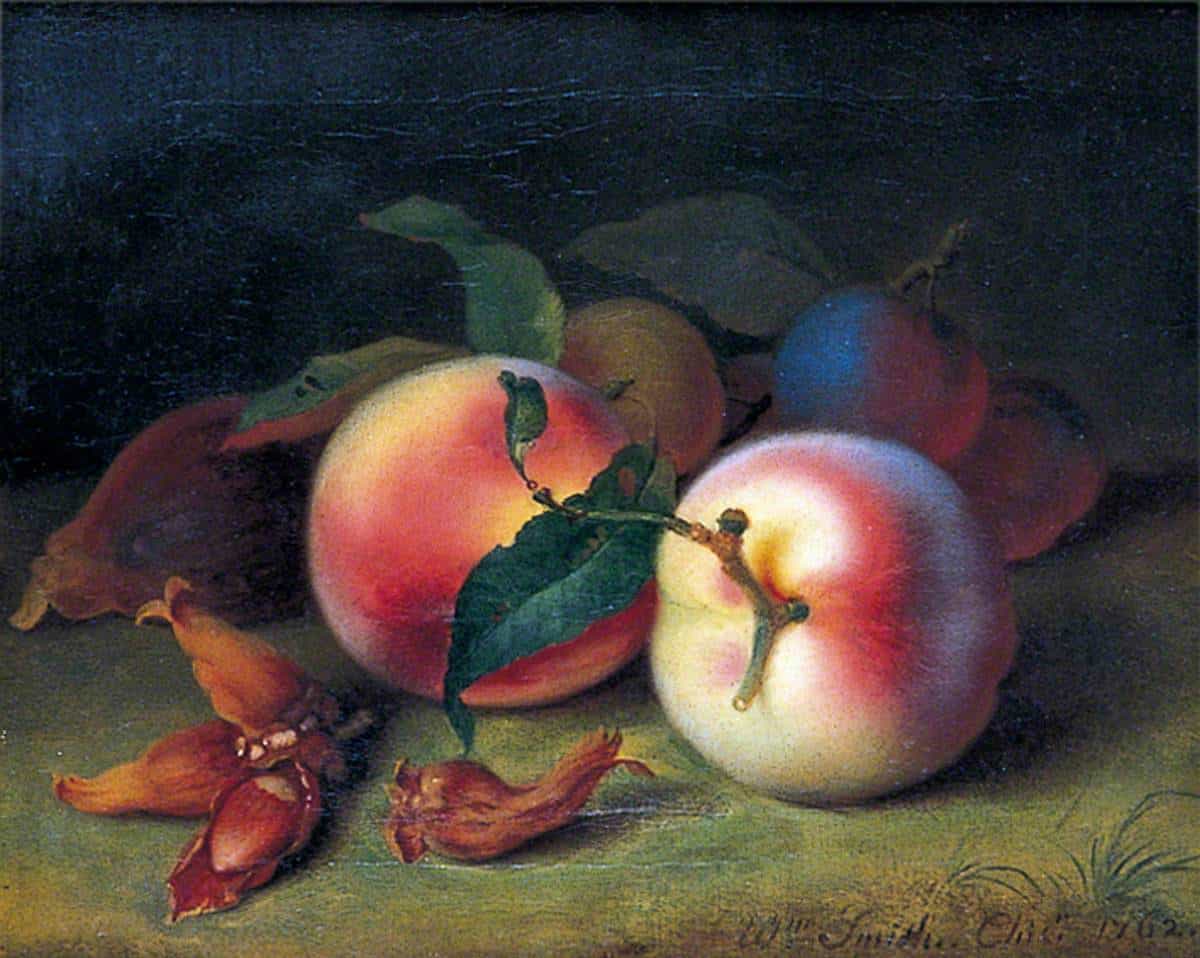
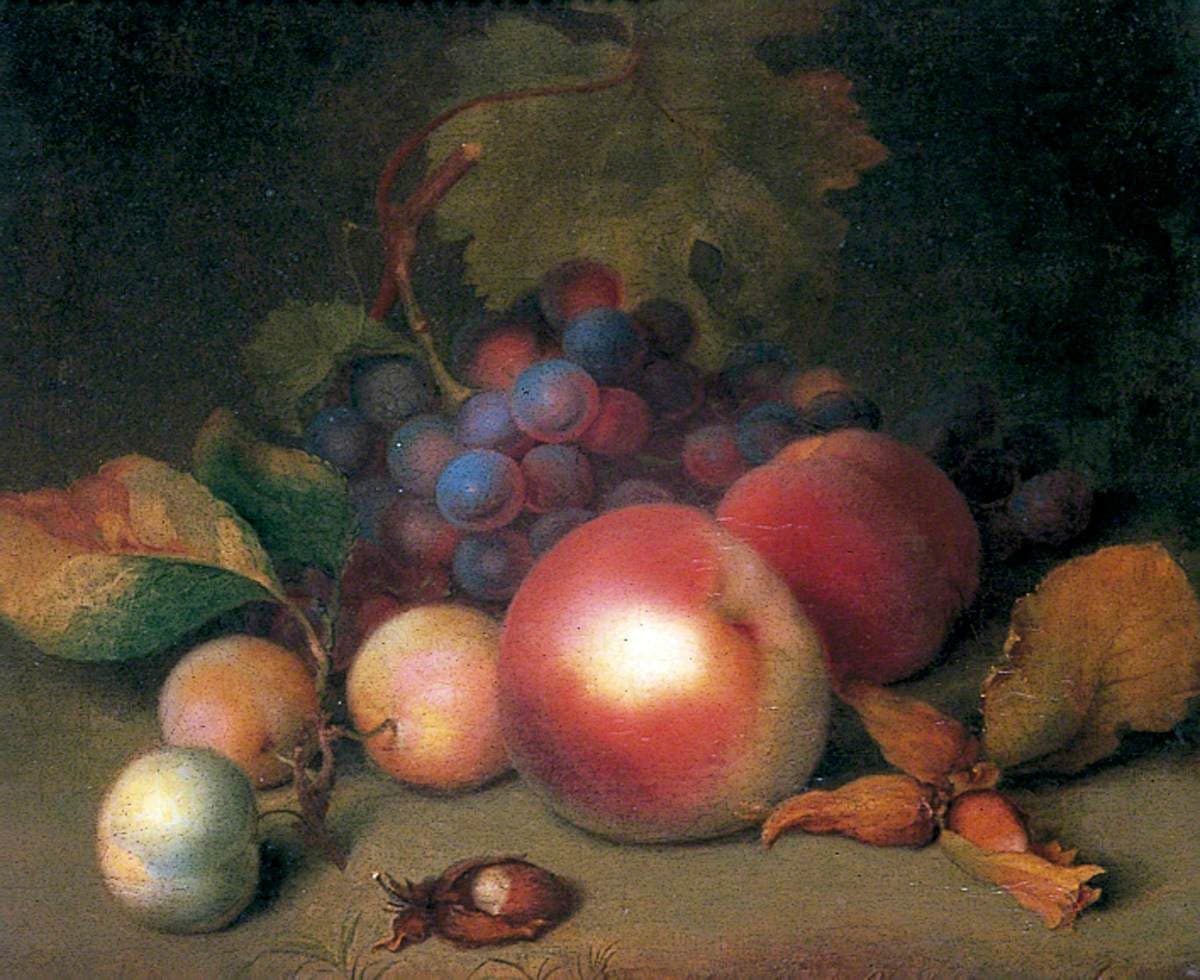
Still Life of Peaches, Plums and Cobnuts
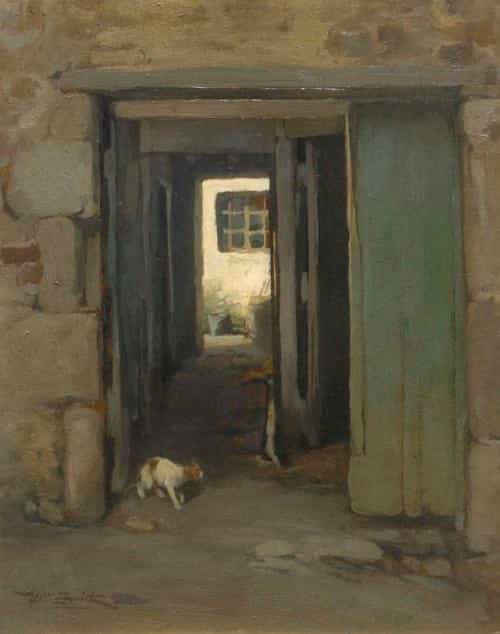
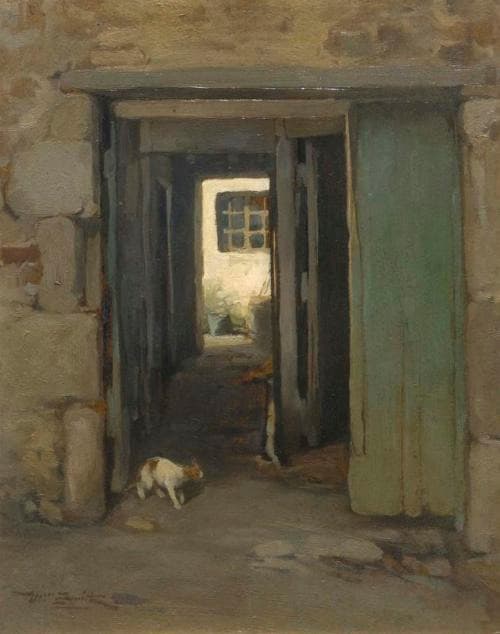
The Little Court
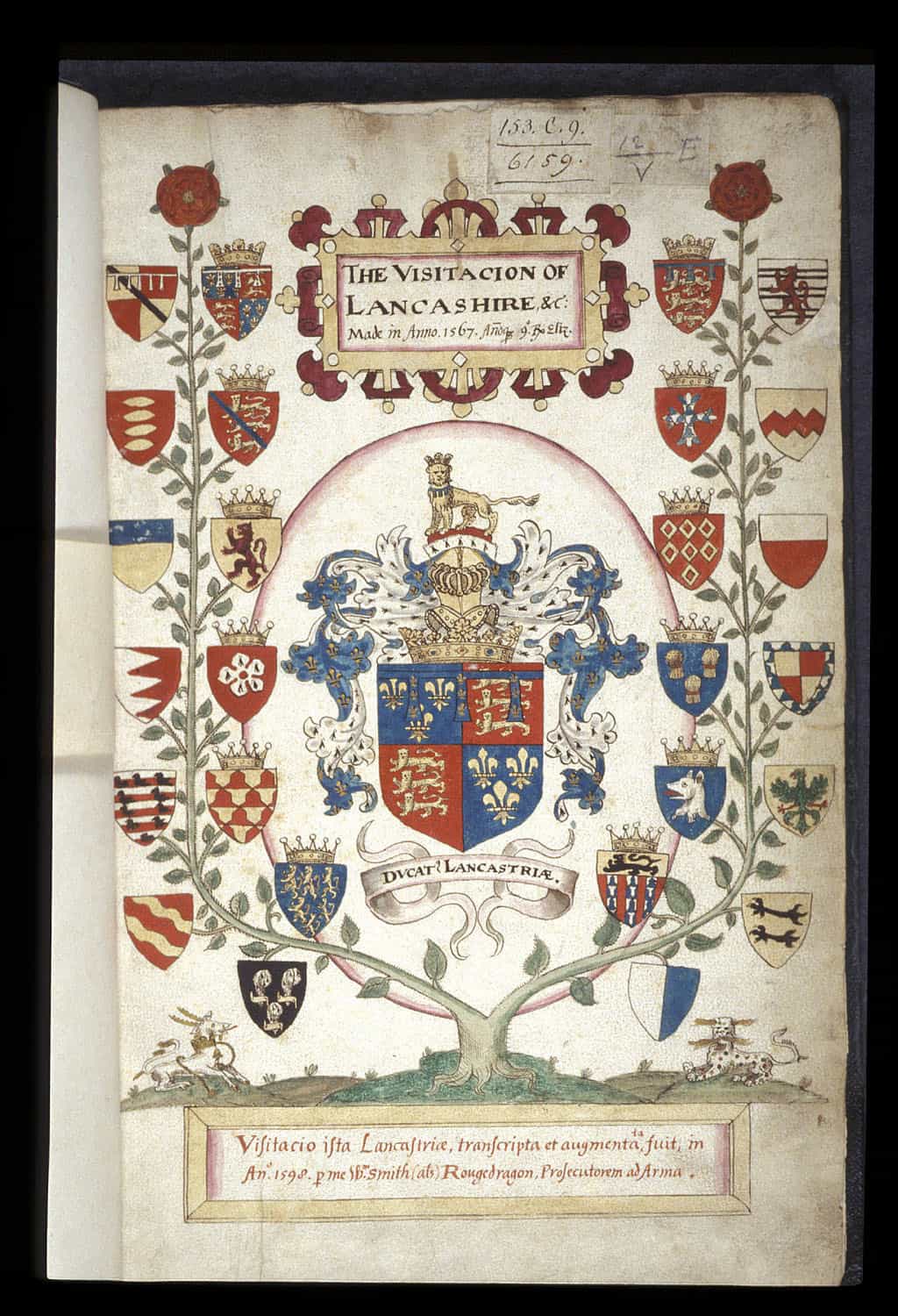
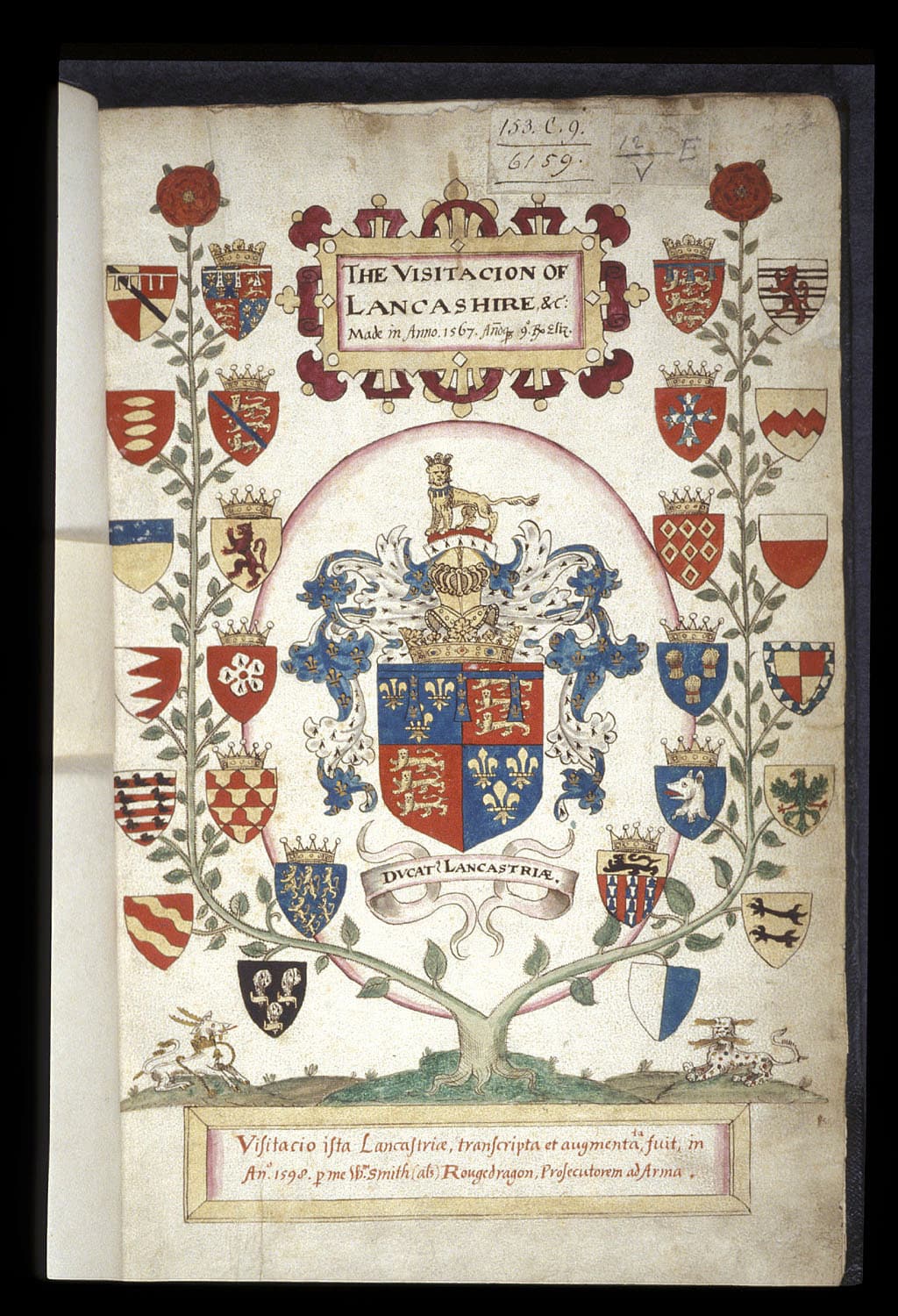
The Visitacion of Lancashire
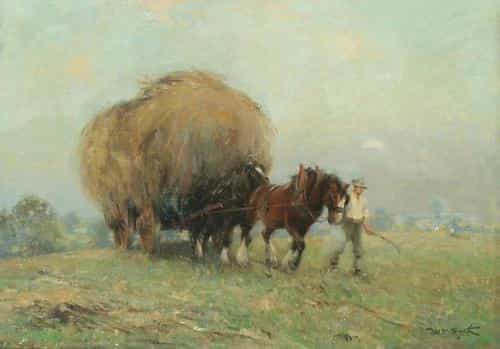
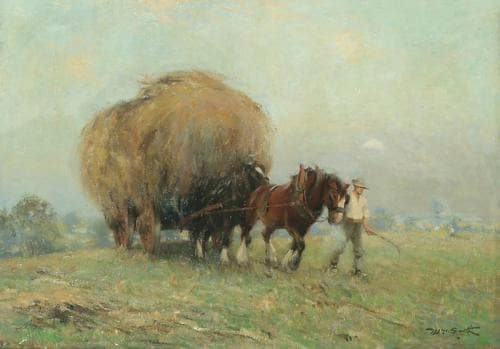
At the Top of the Hill
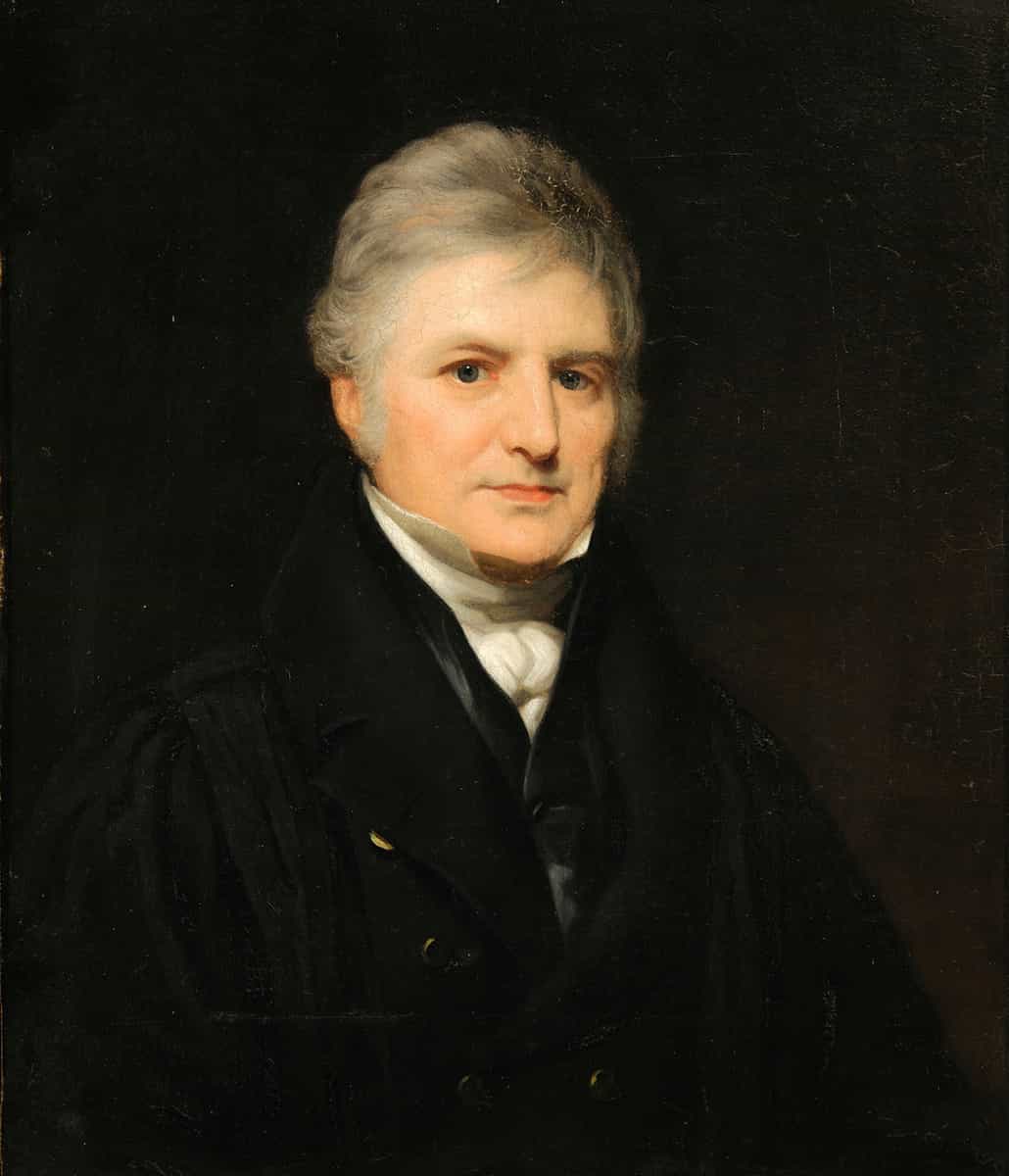
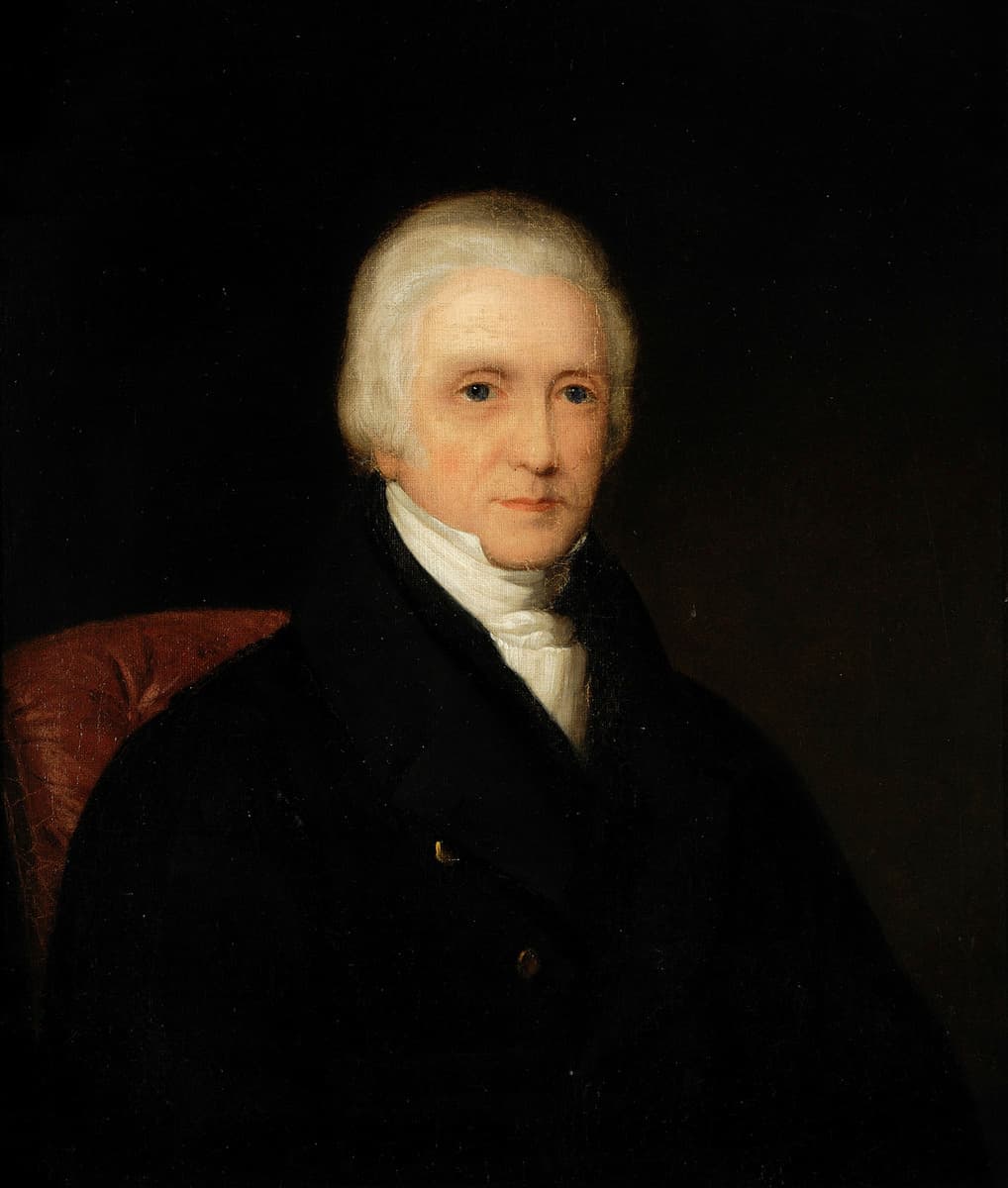
Philip Bury Duncan (1772–1863)
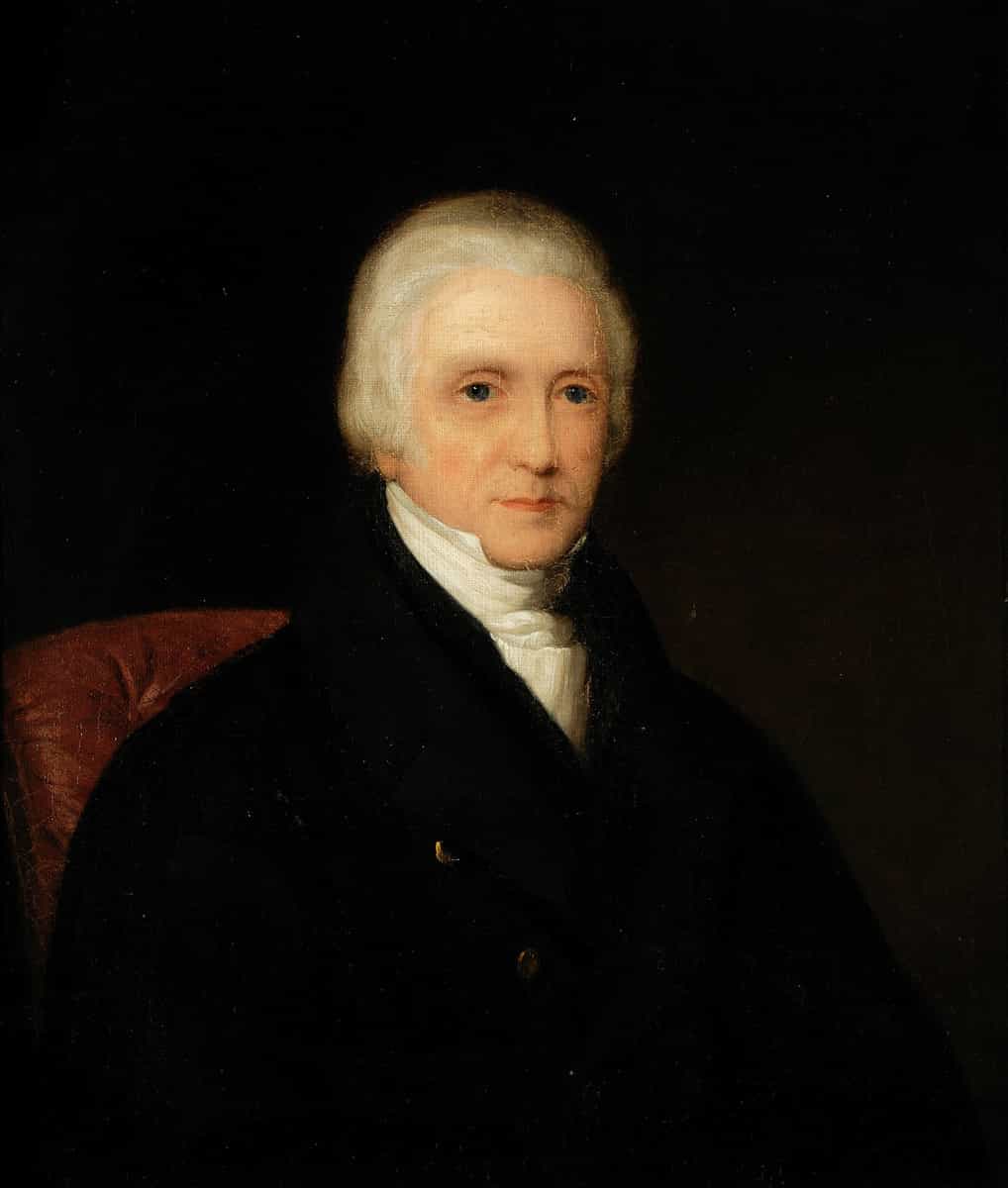
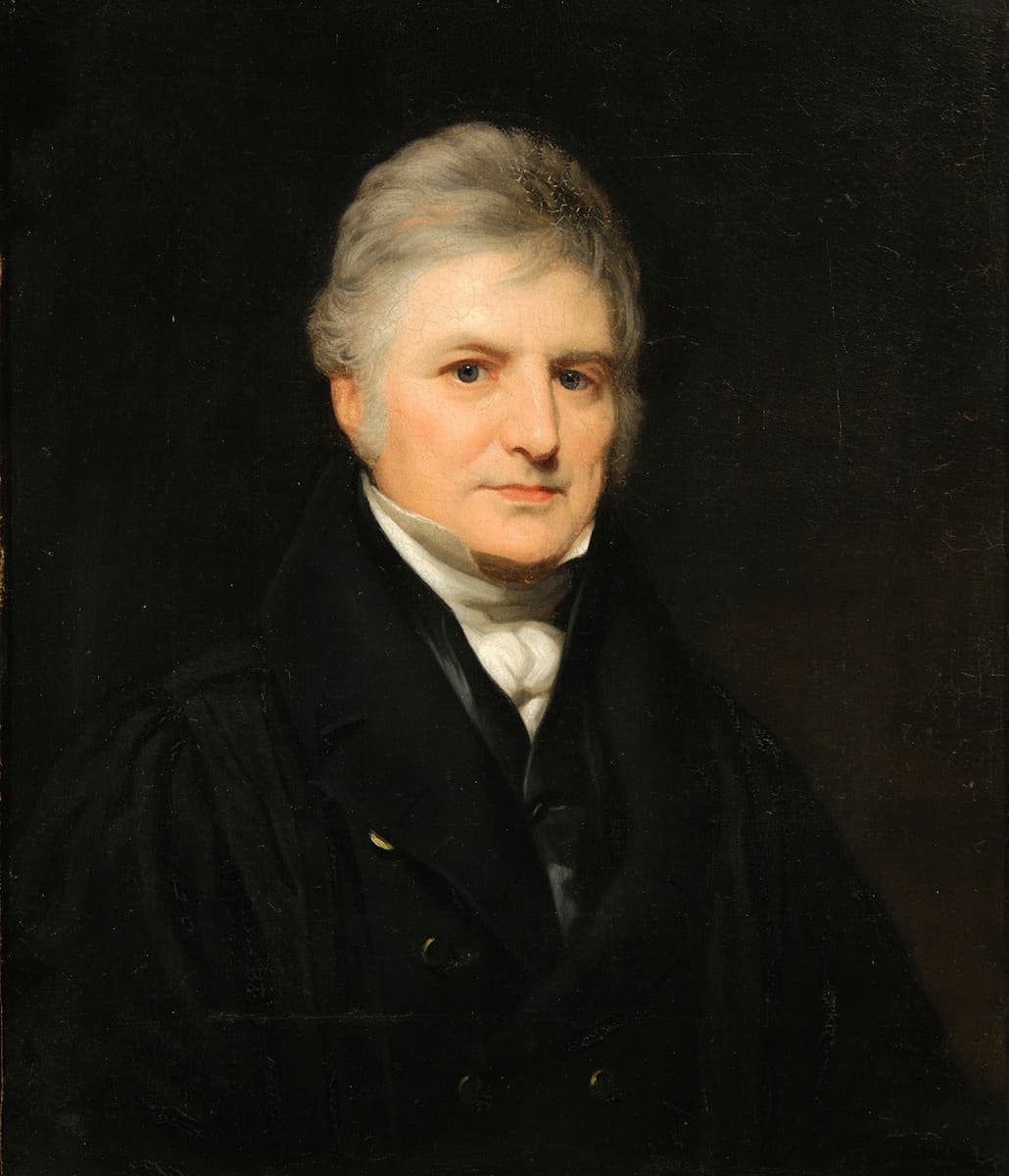
John Shute Duncan (?1769–1844)
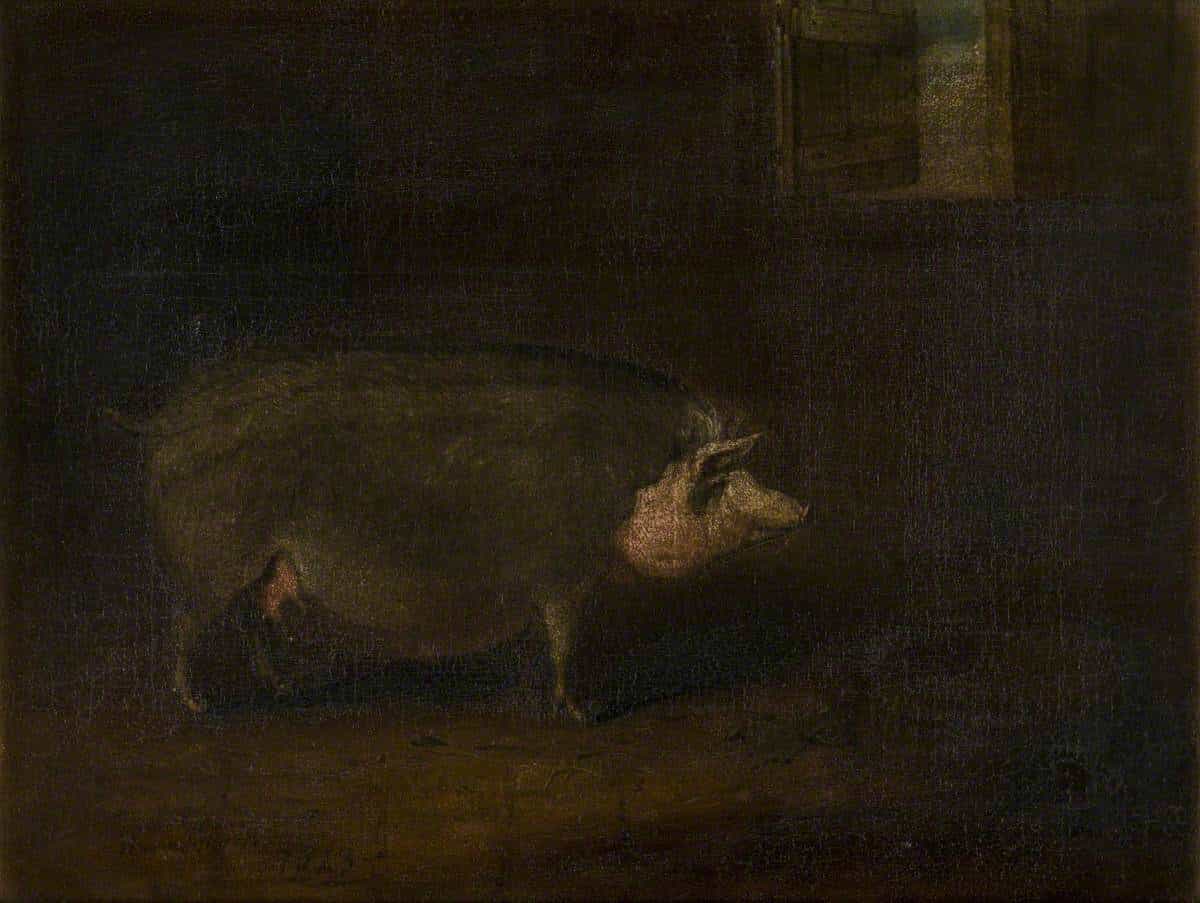
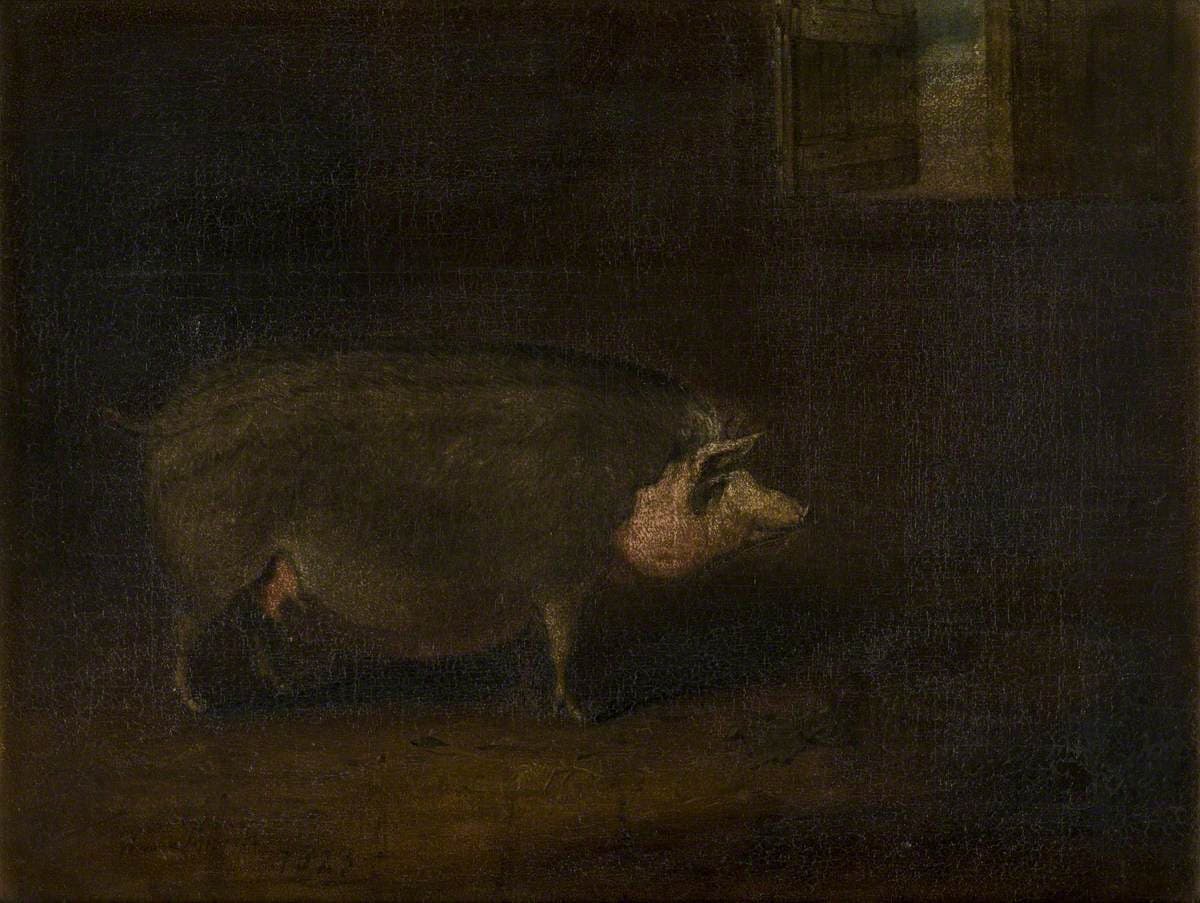
A Pig in a Sty
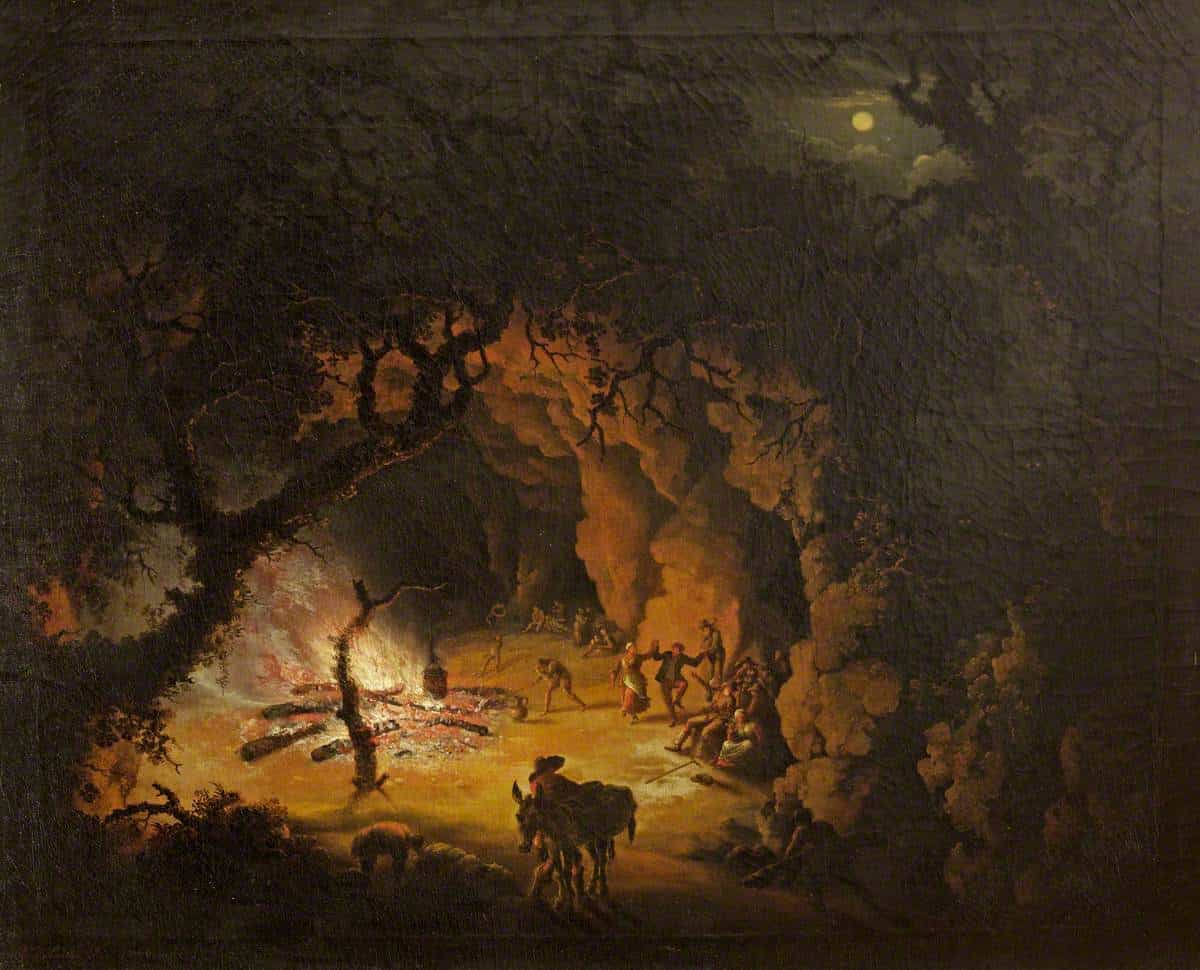
Campfire Scene by Moonlight
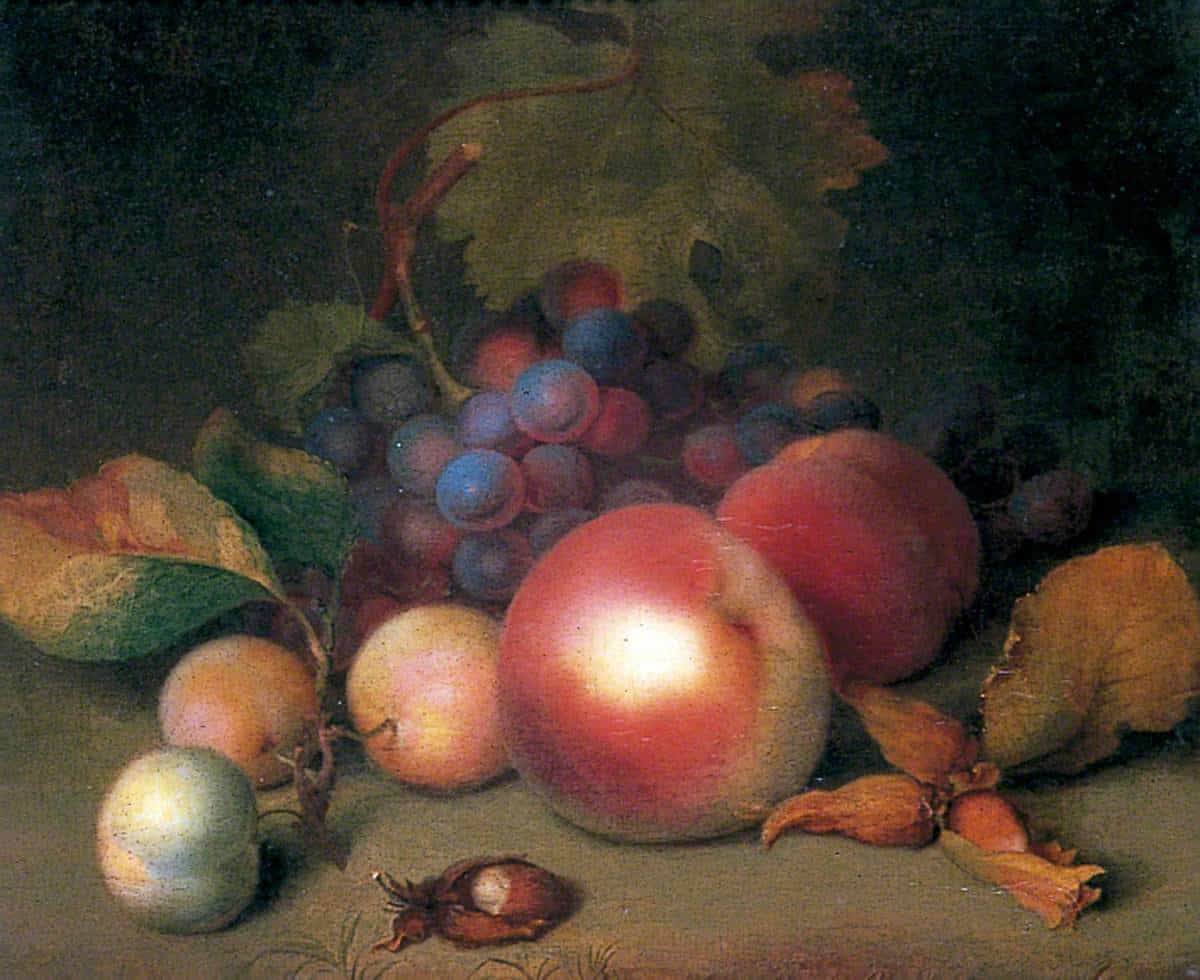
Still Life with Grapes, Peaches and Plums
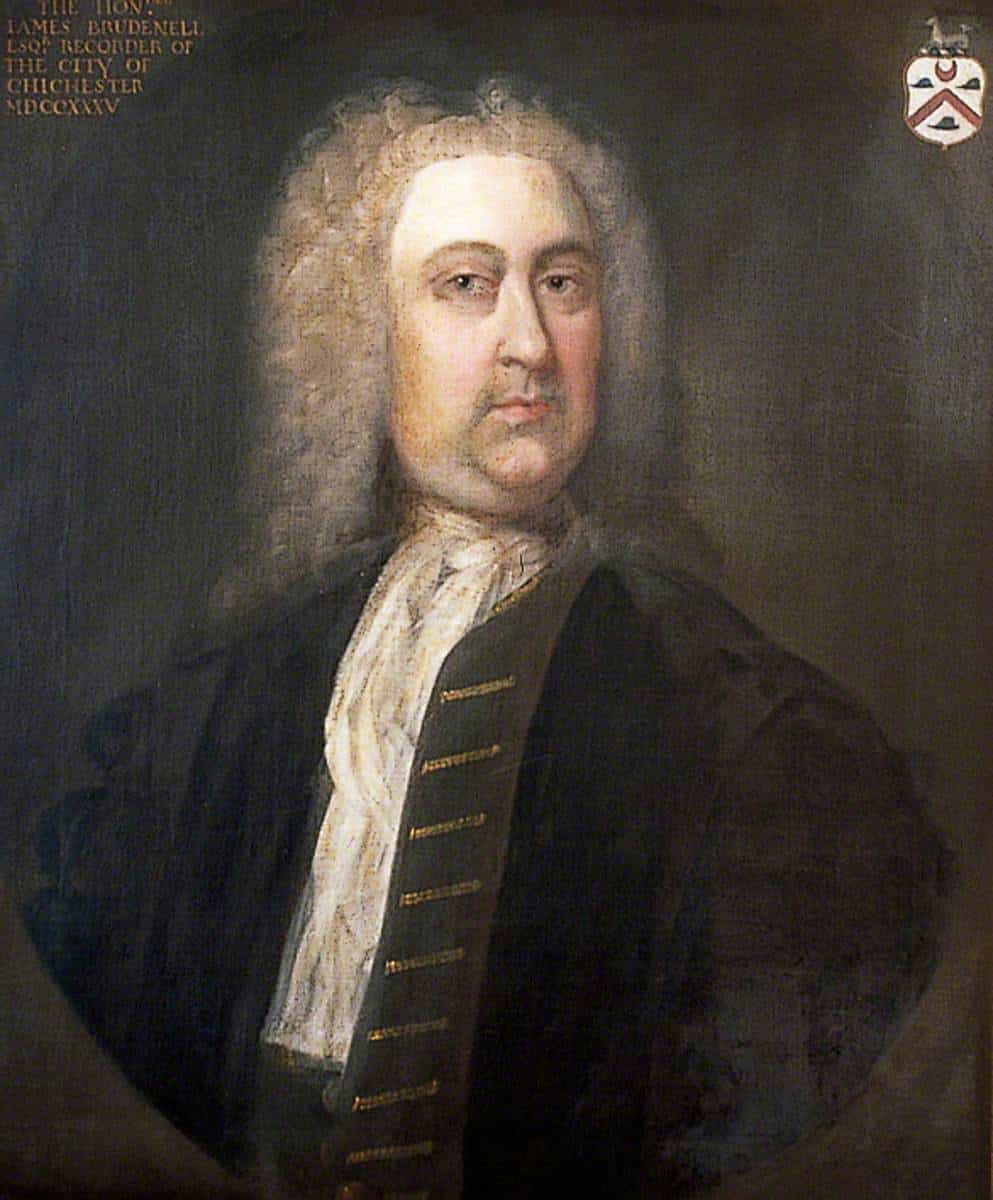
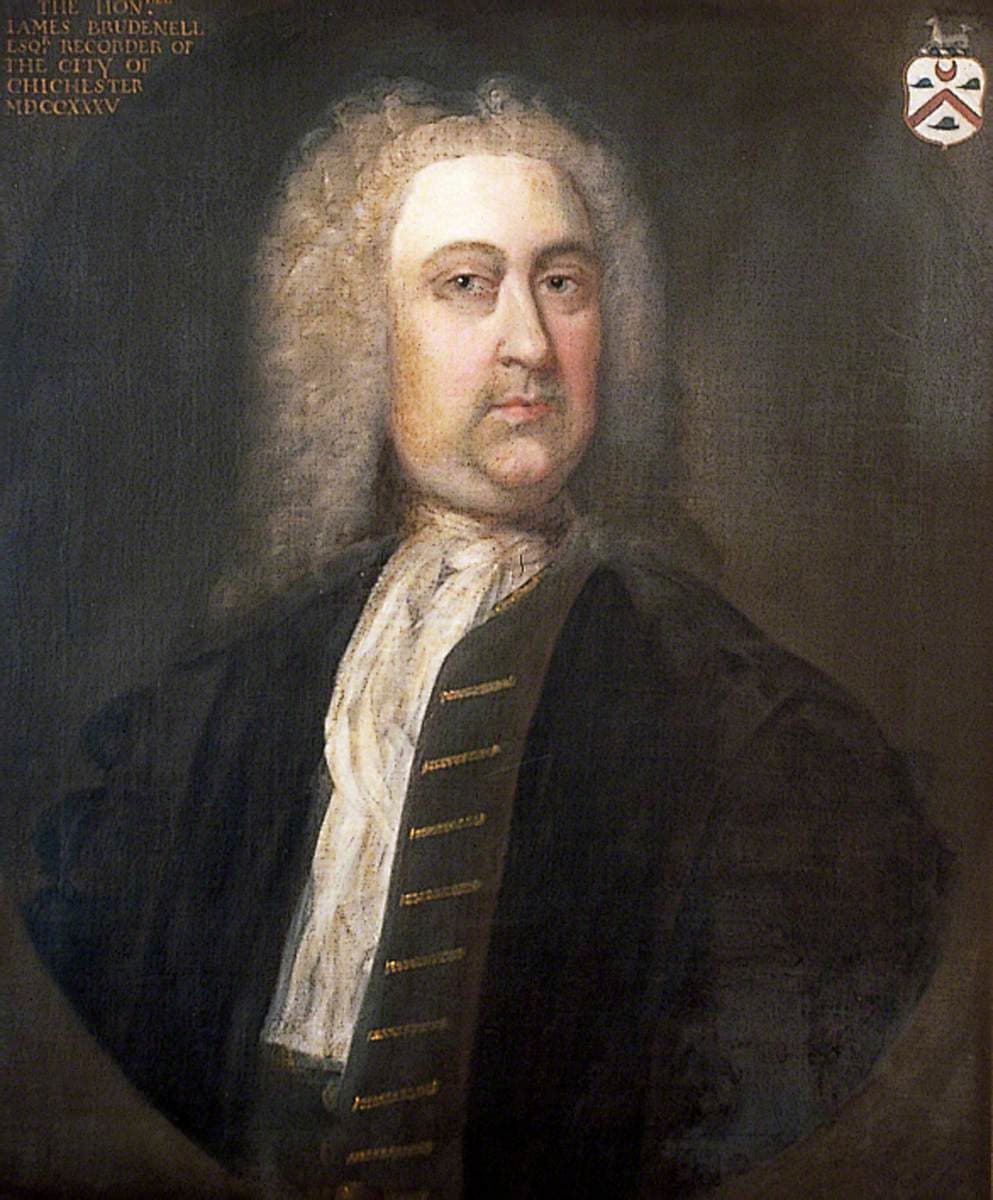
The Honourable James Brudenell, Recorder of Chichester, MP for Chichester (1713–1715 & 1734–1746)
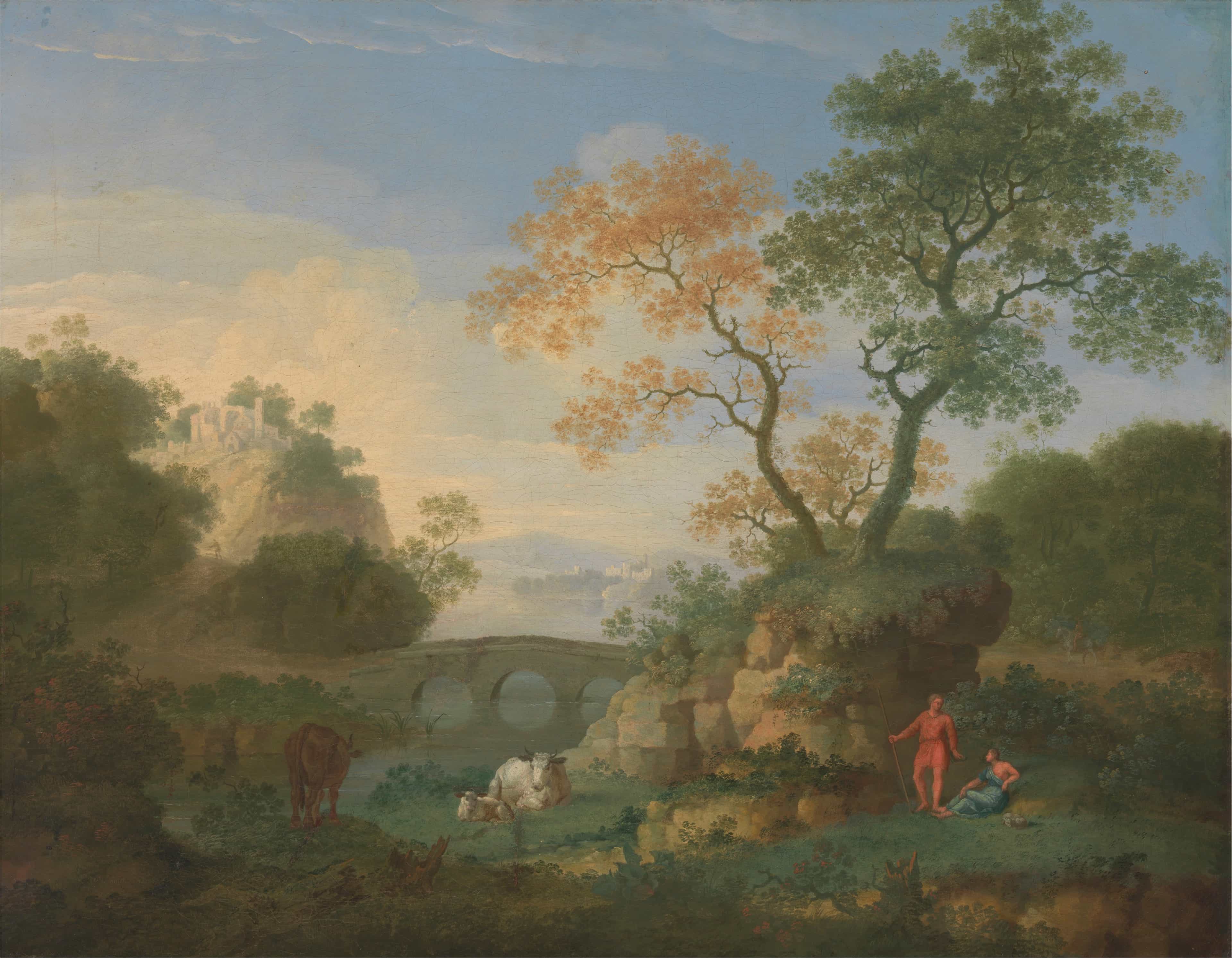
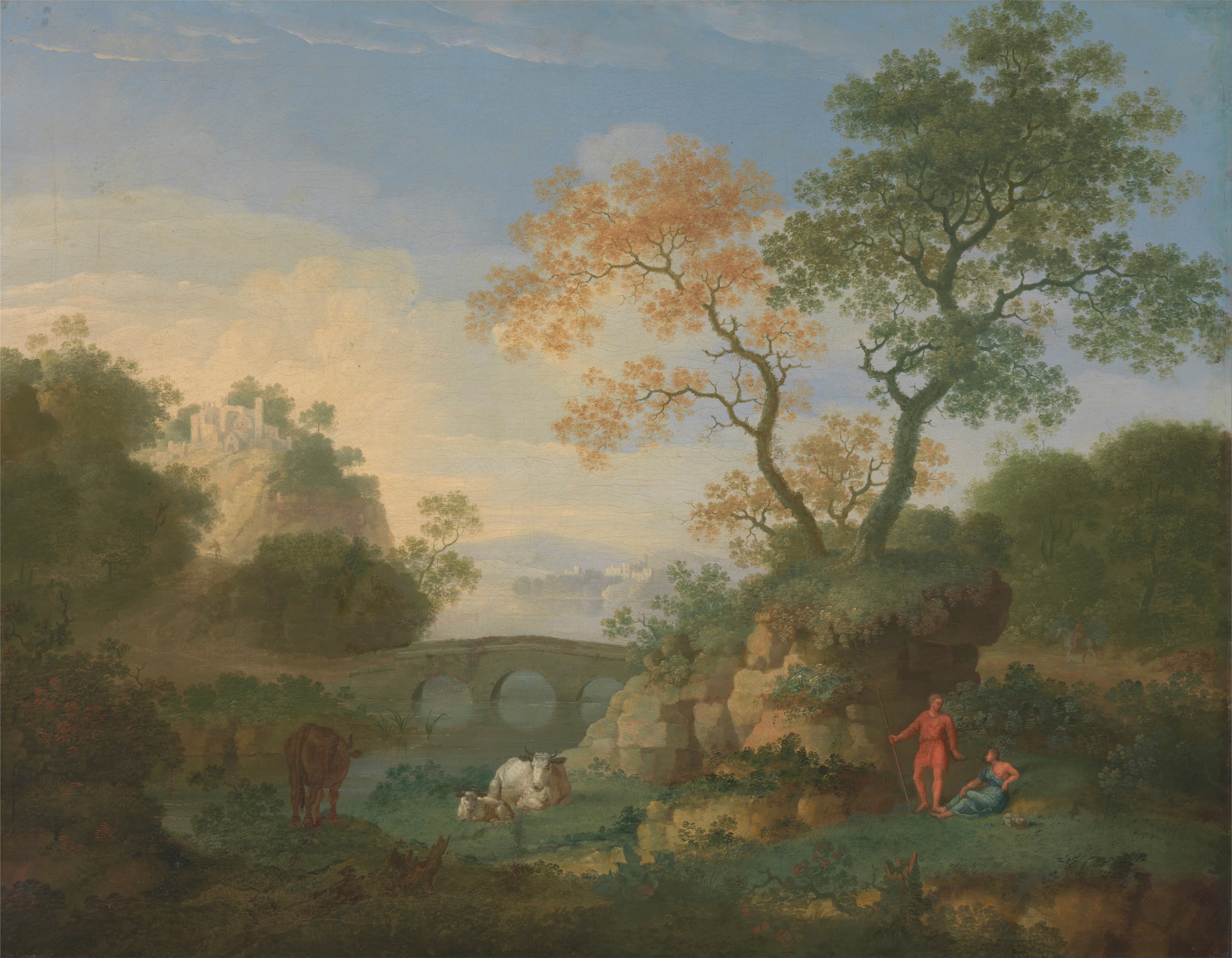
Landscape with Distant Classical Ruins, Bridge, Figures, and Cattle