📦 Sitewide sale now on: 30% off + free shipping 📦
Home/Artists/Vincent van Gogh
ExpressionismPost-impressionism

Vincent van Gogh

18531890, from Kingdom of the Netherlands

Vincent van Gogh (1853-1890) was a Dutch Post-Impressionist painter whose vivid color, expressive brushwork and emotional intensity transformed modern art.

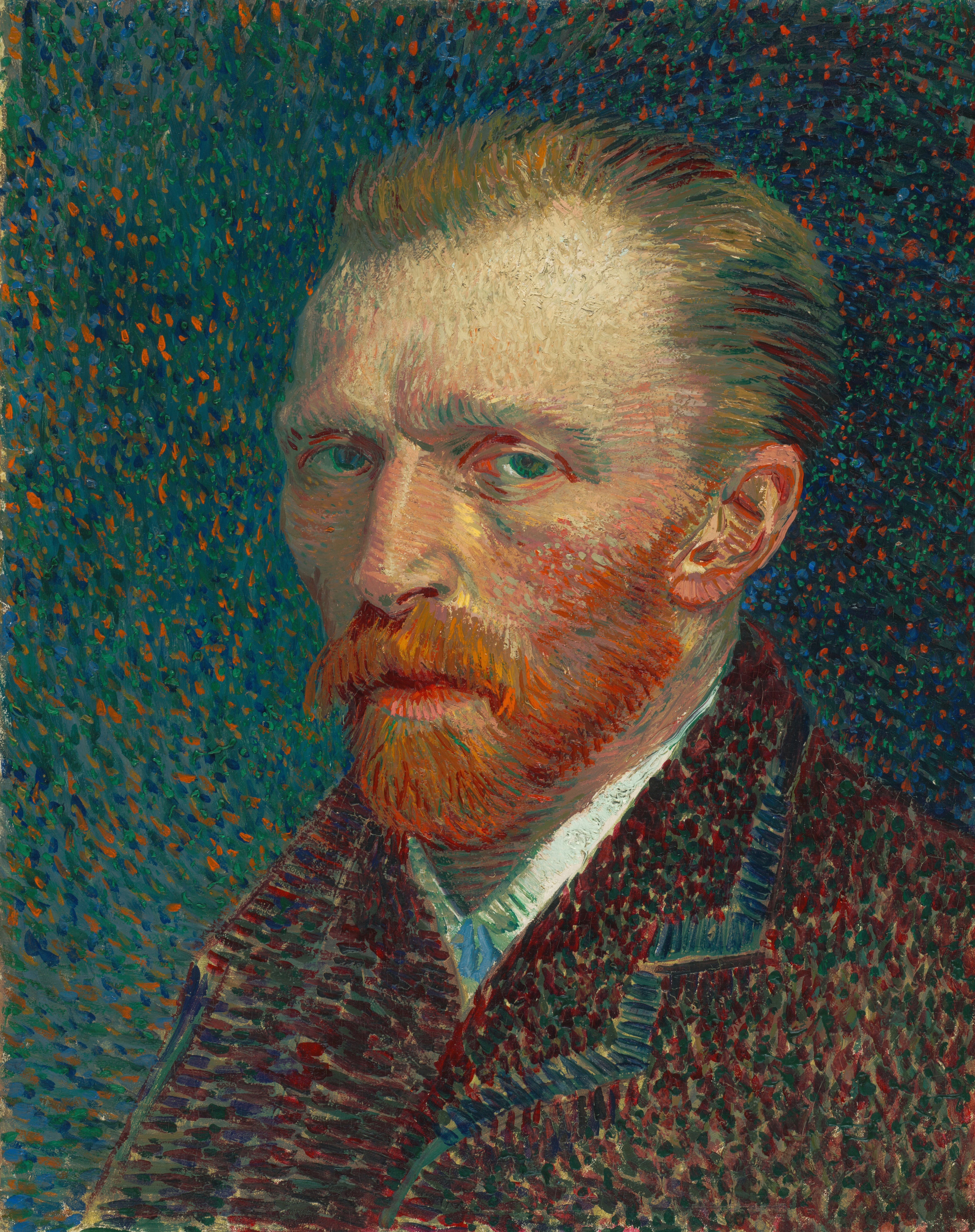
Portrait of Vincent van Gogh

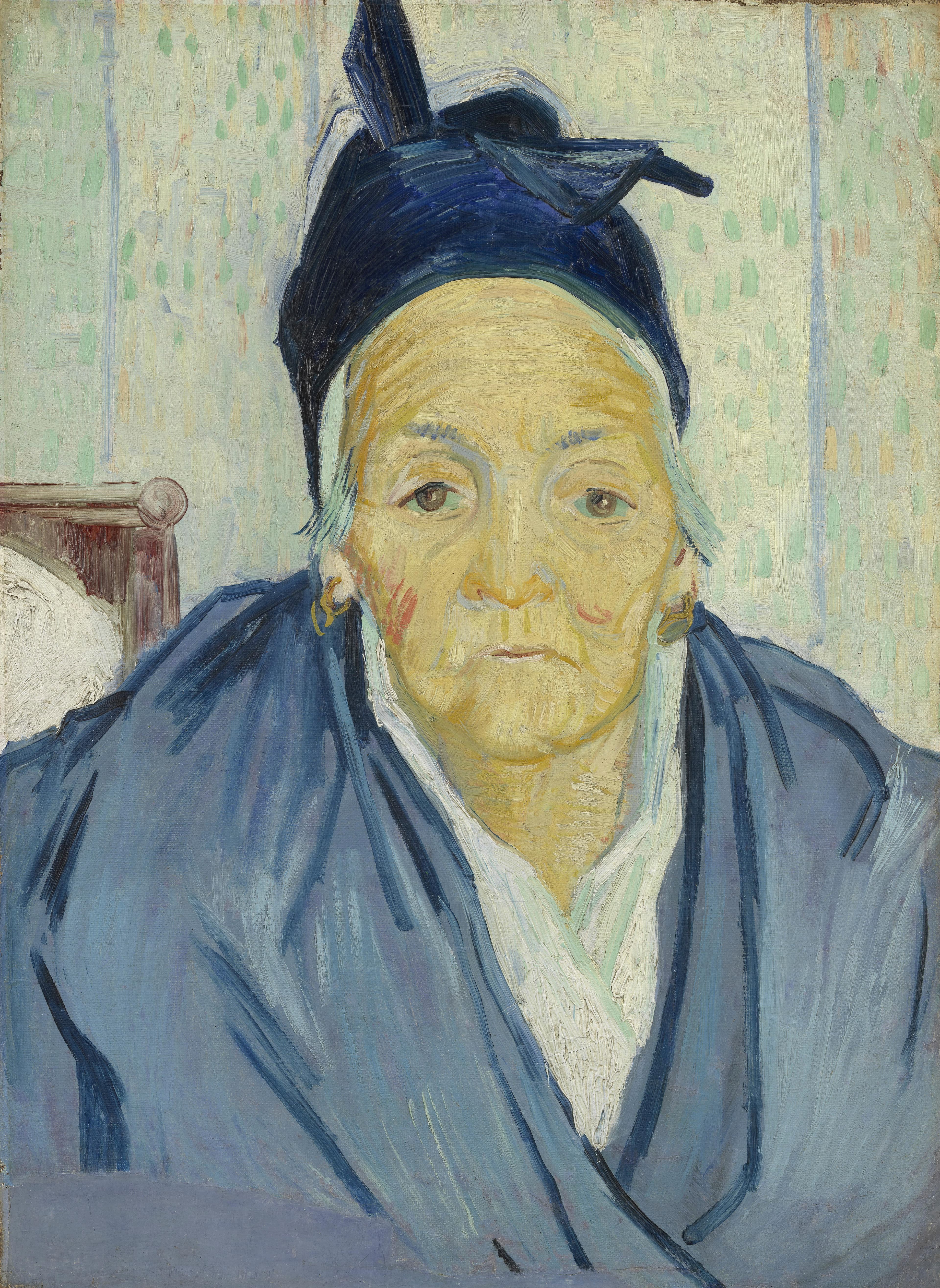
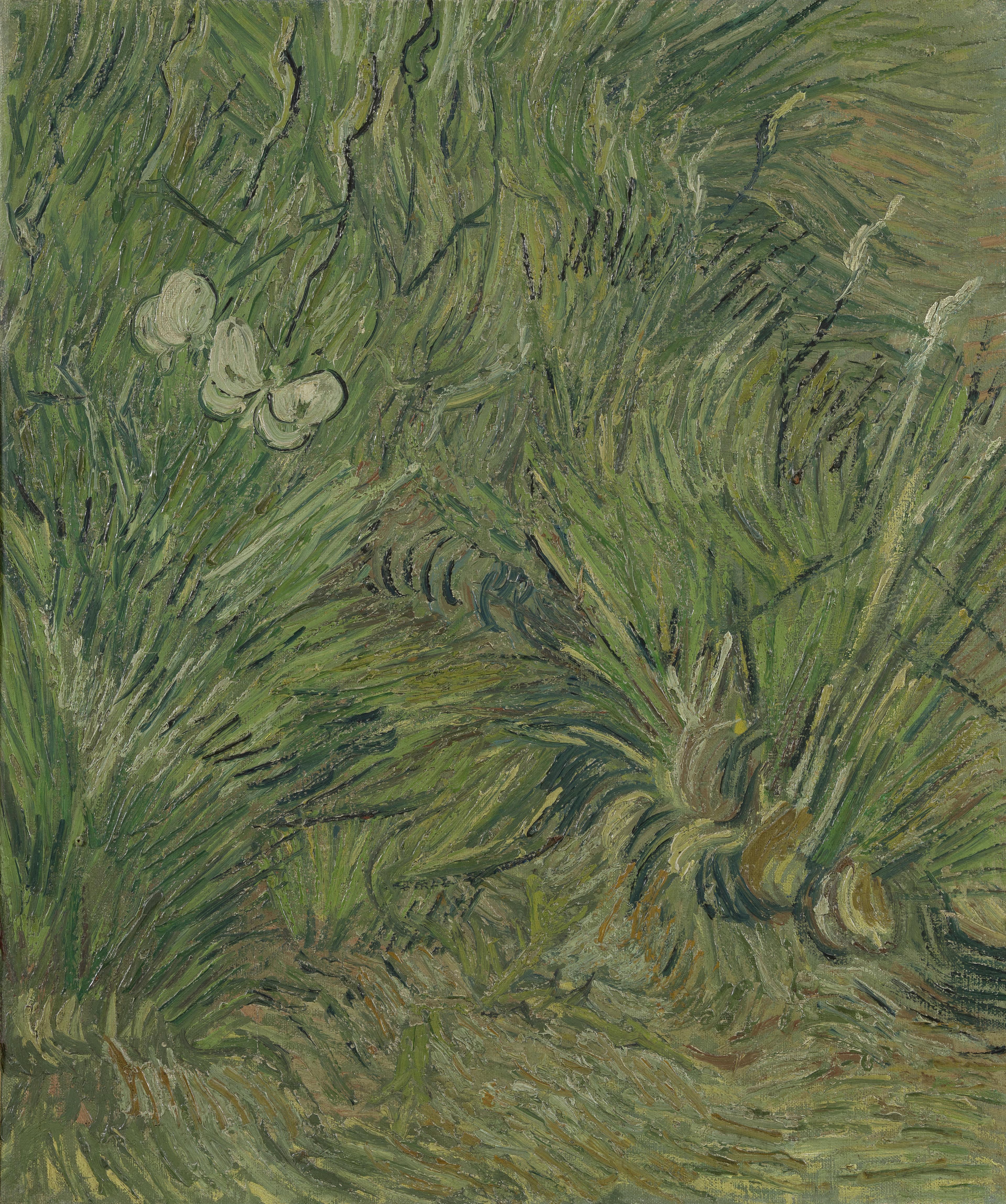
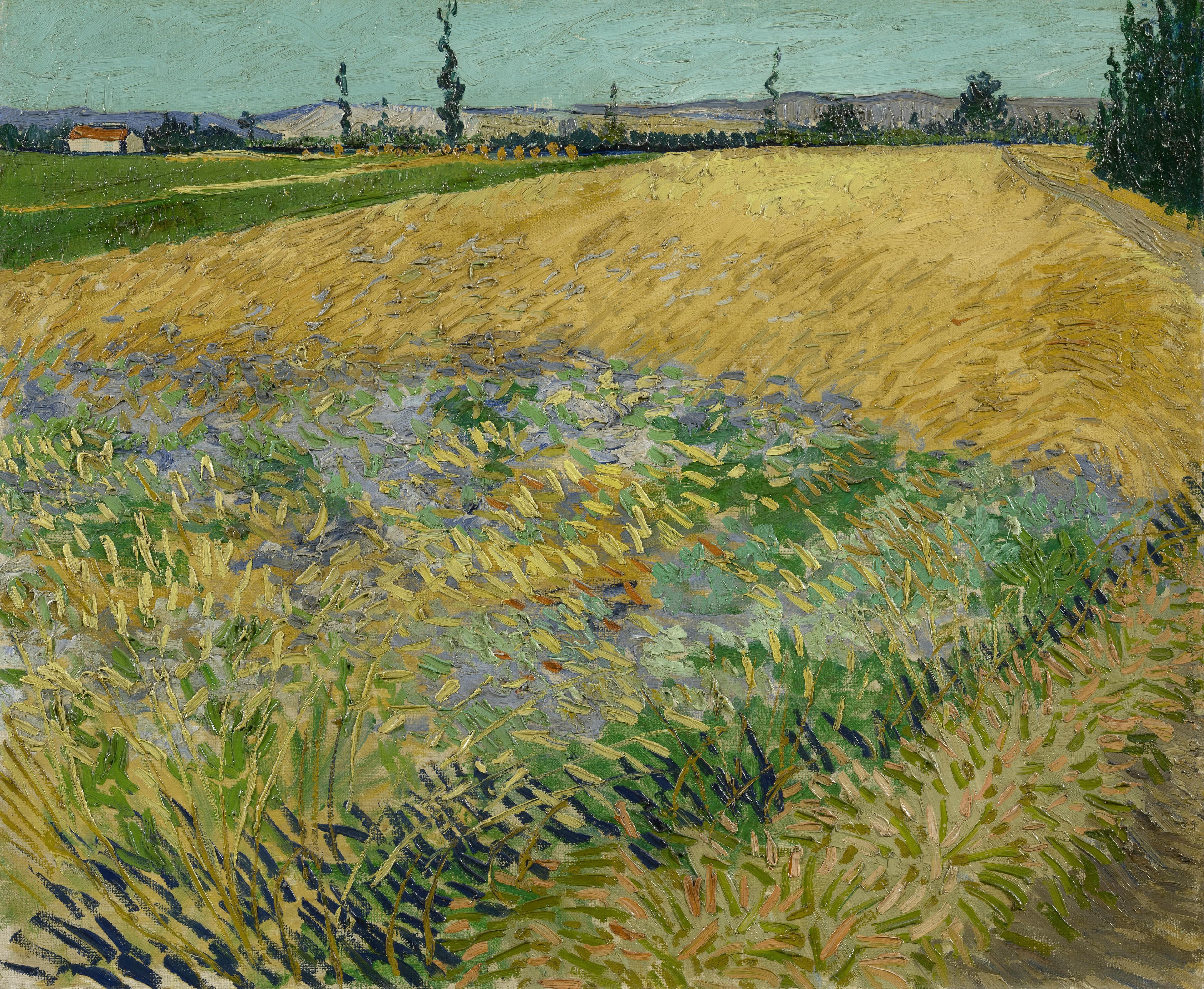
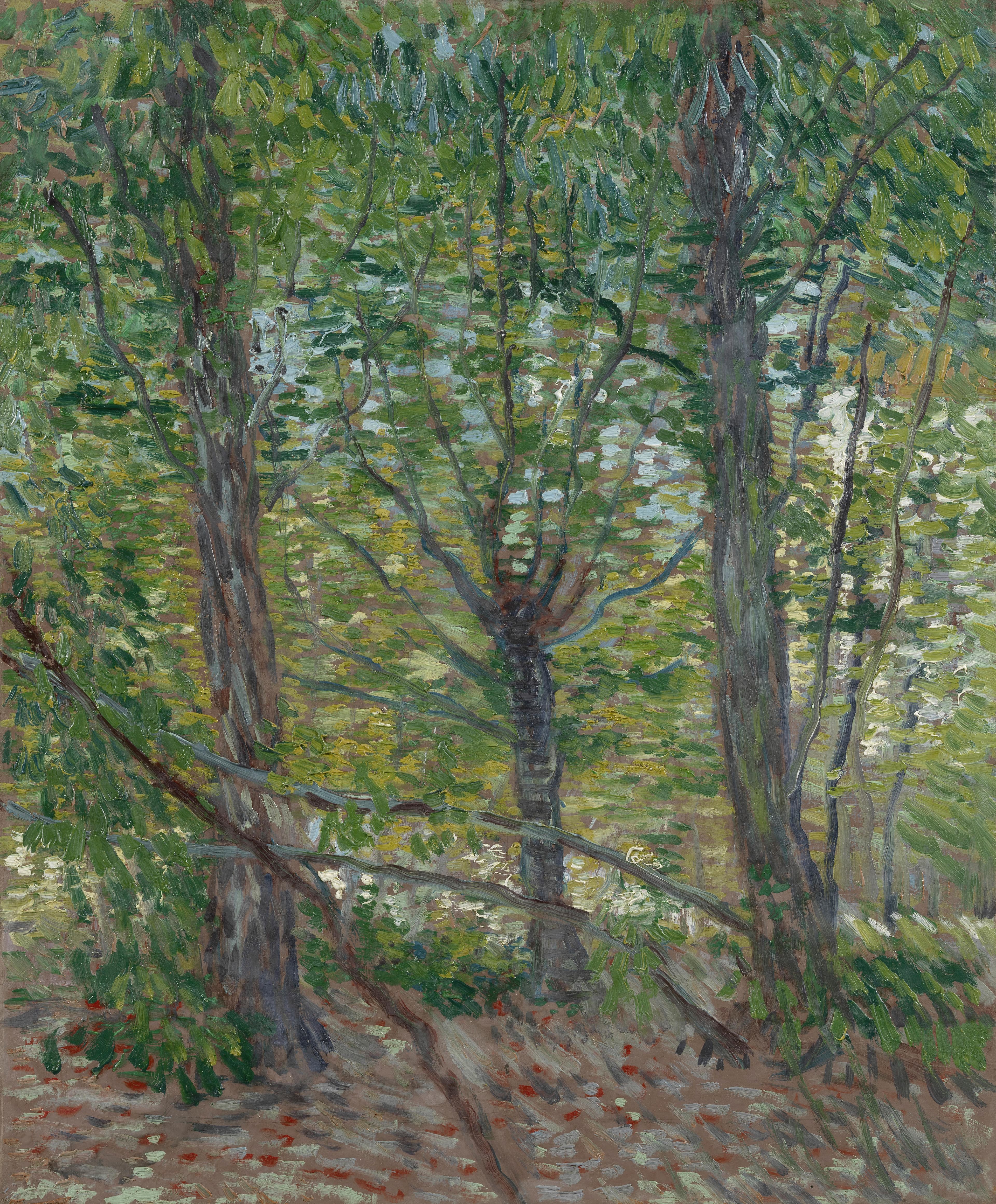
Collection

Shop Vincent van Gogh Prints

Museum-quality reproductions on 310gsm textured cotton rag paper.

Shop all prints by Vincent van Gogh

Artistic Style

Style Evolution

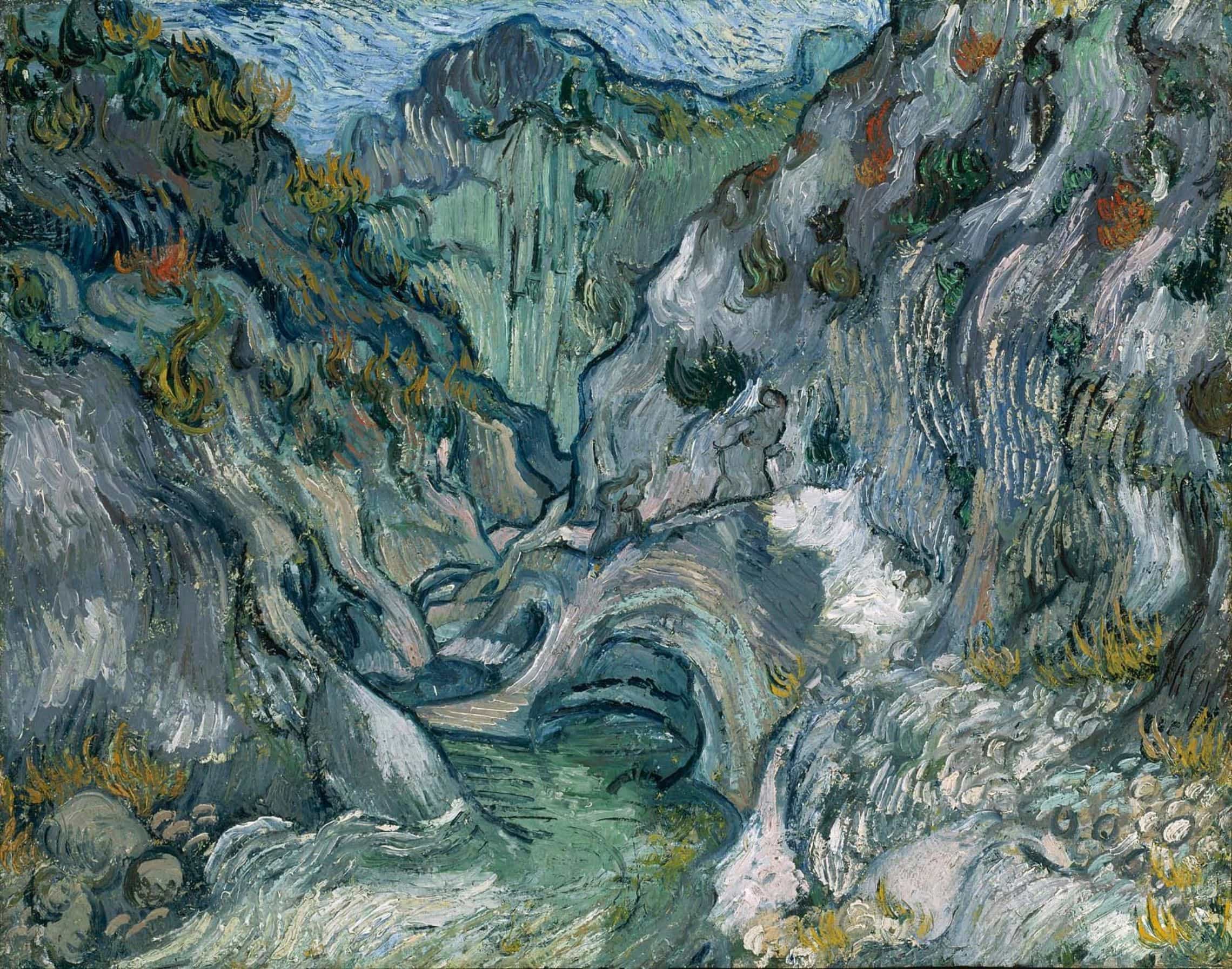
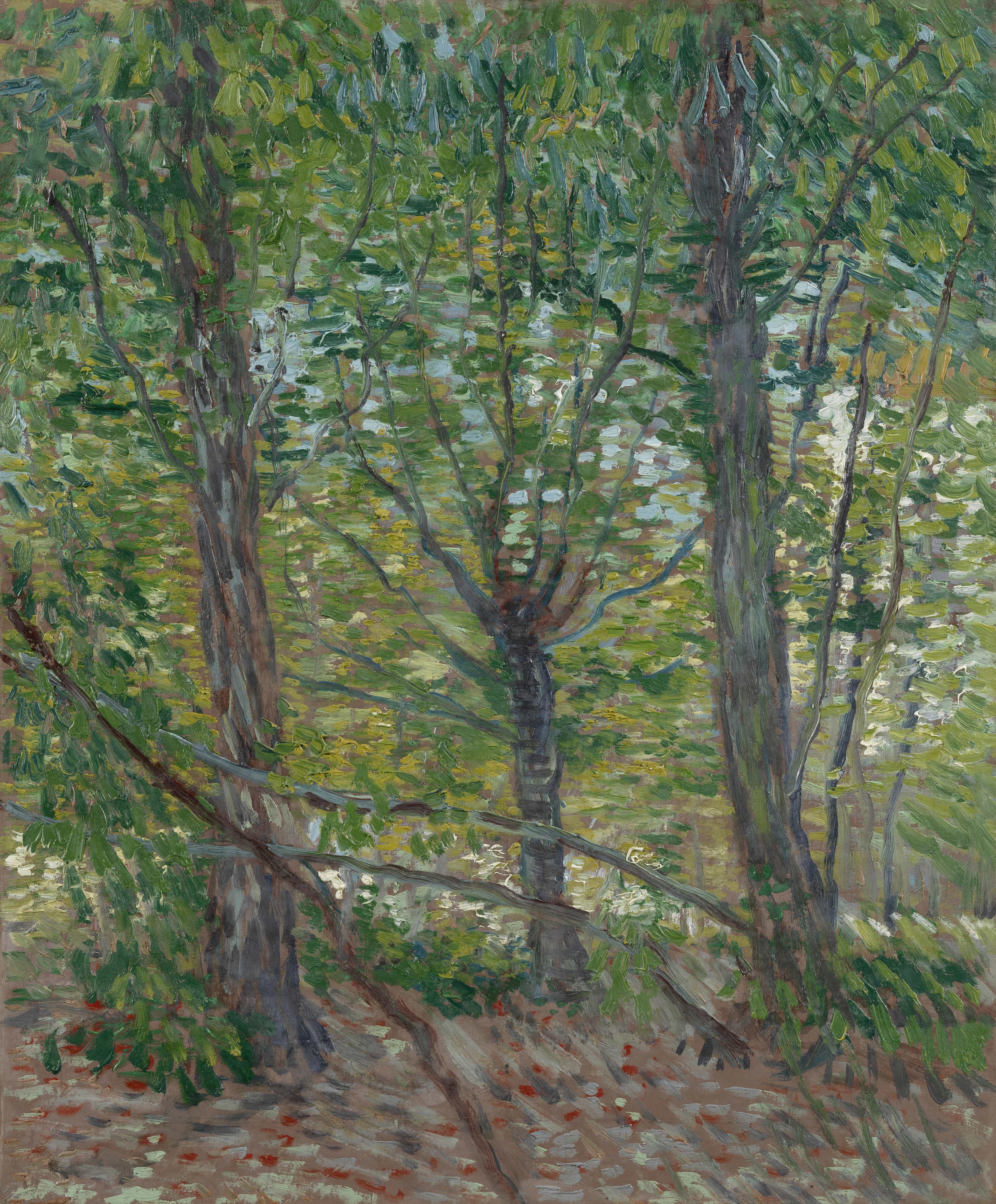
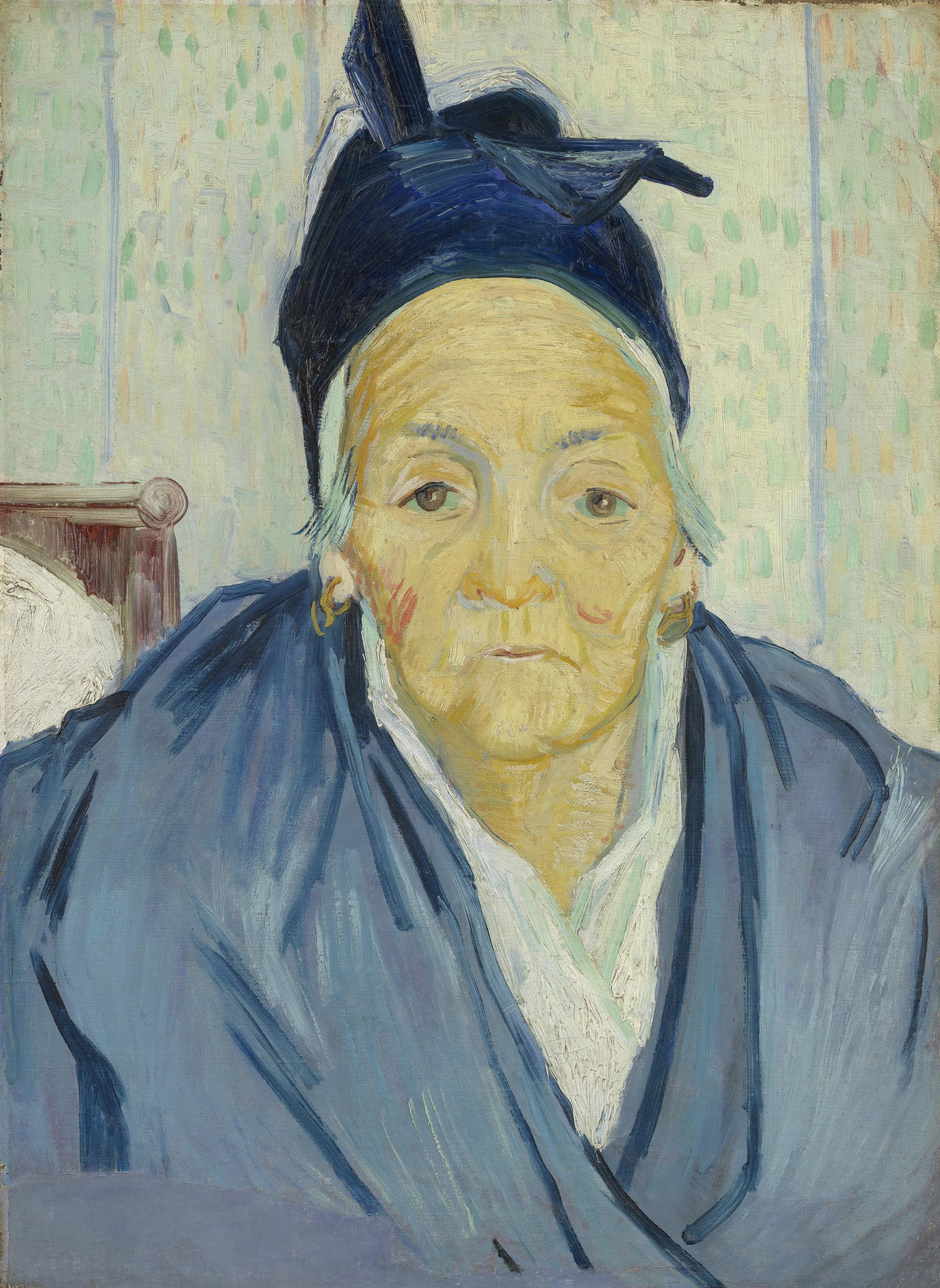
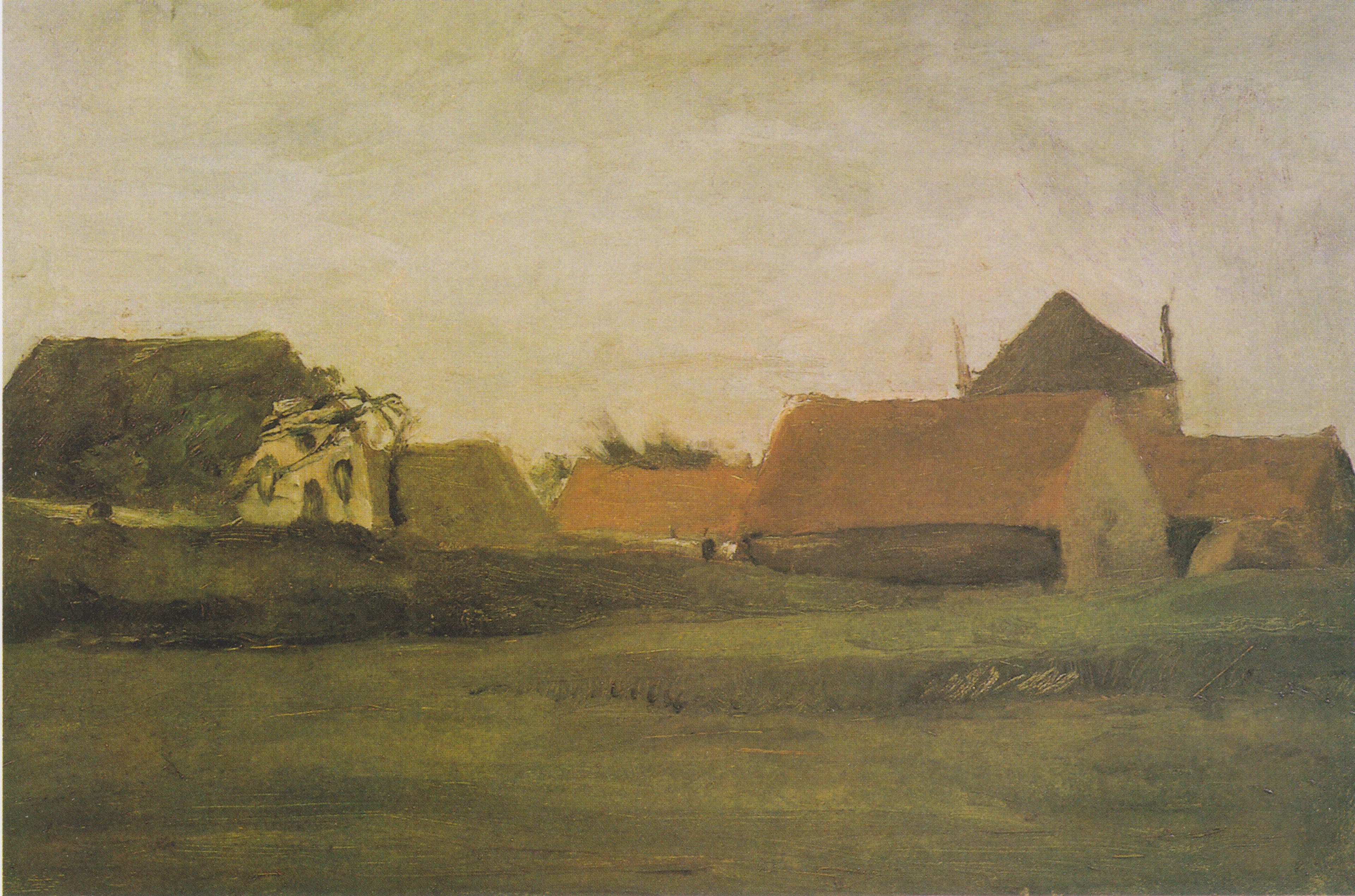
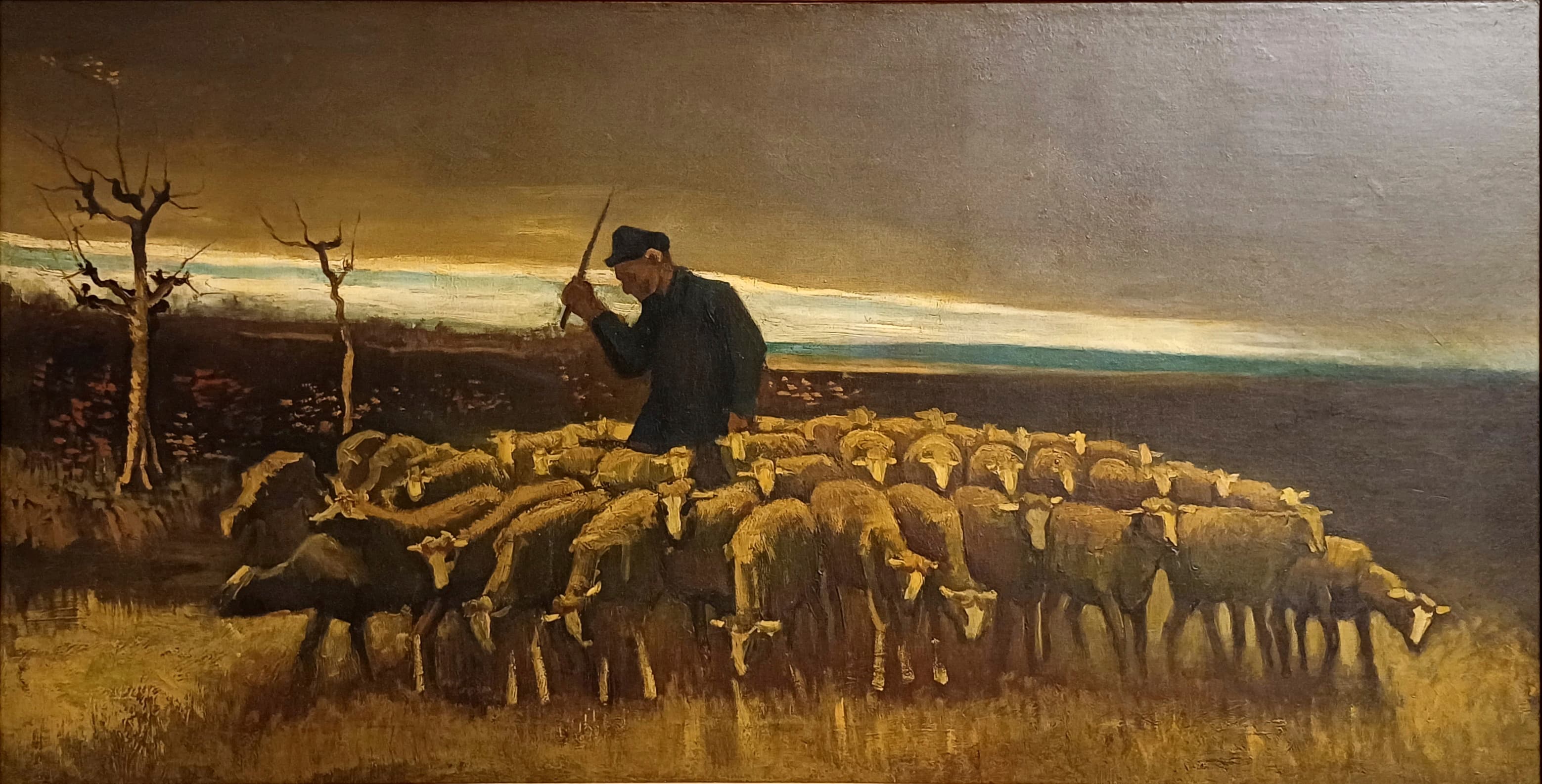
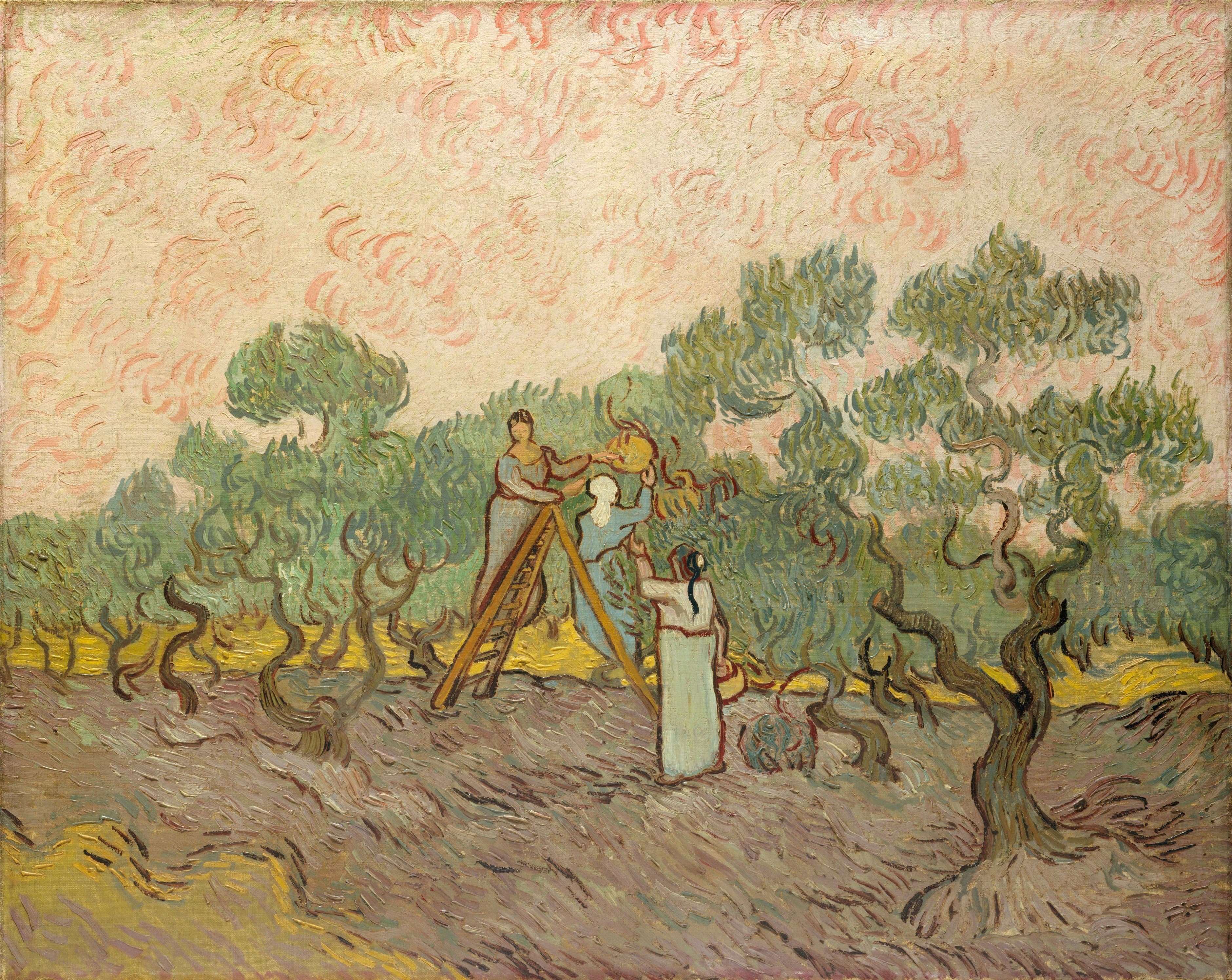
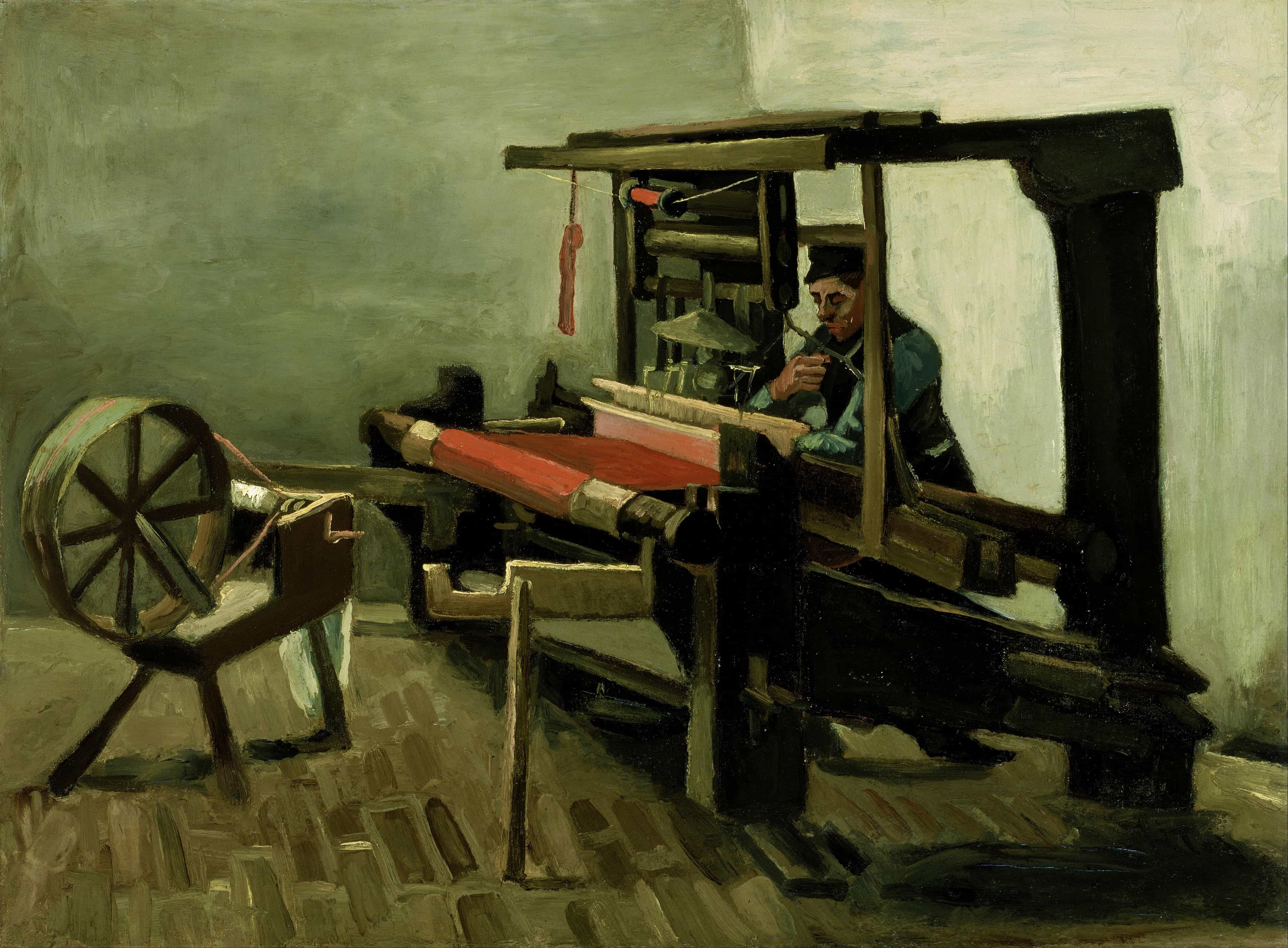
Van Gogh moved from somber, realist scenes in his early Dutch period to the vivid, expressive chromatic language of his Paris and Arles years, later intensifying texture and emotional content in Saint-Rémy and Auvers.

Palette

  • vibrant yellows
  • deep blues
  • strong complementary contrasts
  • rich earth tones

Subjects

  • landscapes
  • still lifes (notably sunflowers)
  • self-portraits
  • rural labor and interiors

Techniques

  • impasto
  • distinct directional brushstrokes
  • rhythmic mark-making
  • bold complementary color contrasts

Topics

Post-ImpressionismDutch19th centuryimpastolandscapeportraitstill lifeexpressive color

Vincent van Gogh (1853-1890) was a Dutch Post-Impressionist painter whose vivid color, expressive brushwork and emotional intensity transformed modern art.

Learn about the life of Vincent van Gogh

1853

Born in Zundert, Netherlands

1880

Commits to painting as a career, developing early works in the Netherlands

1886

Moves to Paris and absorbs Impressionist and Neo-Impressionist influences

1888

Relocates to Arles; produces many of his most celebrated canvases

1889

Lives and works in the Saint-Rémy asylum, continuing prolific output

1890

Moves to Auvers-sur-Oise and continues to paint until his death

1890

Dies in Auvers-sur-Oise

20

Posthumous rise to international recognition; works become central to modern art narrative

Biography

Vincent van Gogh (1853-1890) was a Dutch Post-Impressionist painter whose vivid color, expressive brushwork and emotional intensity transformed modern art.

Early Life and Background

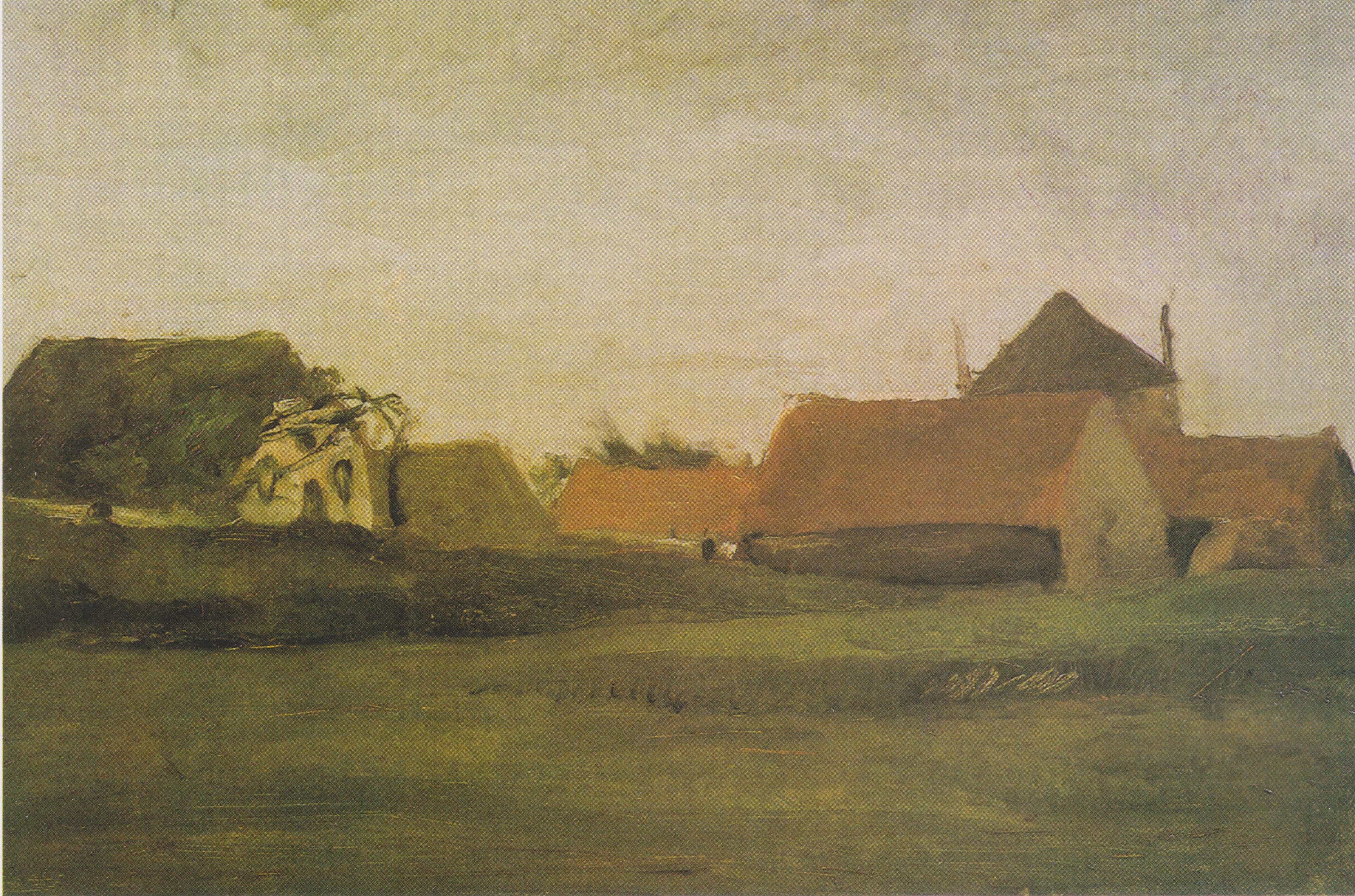
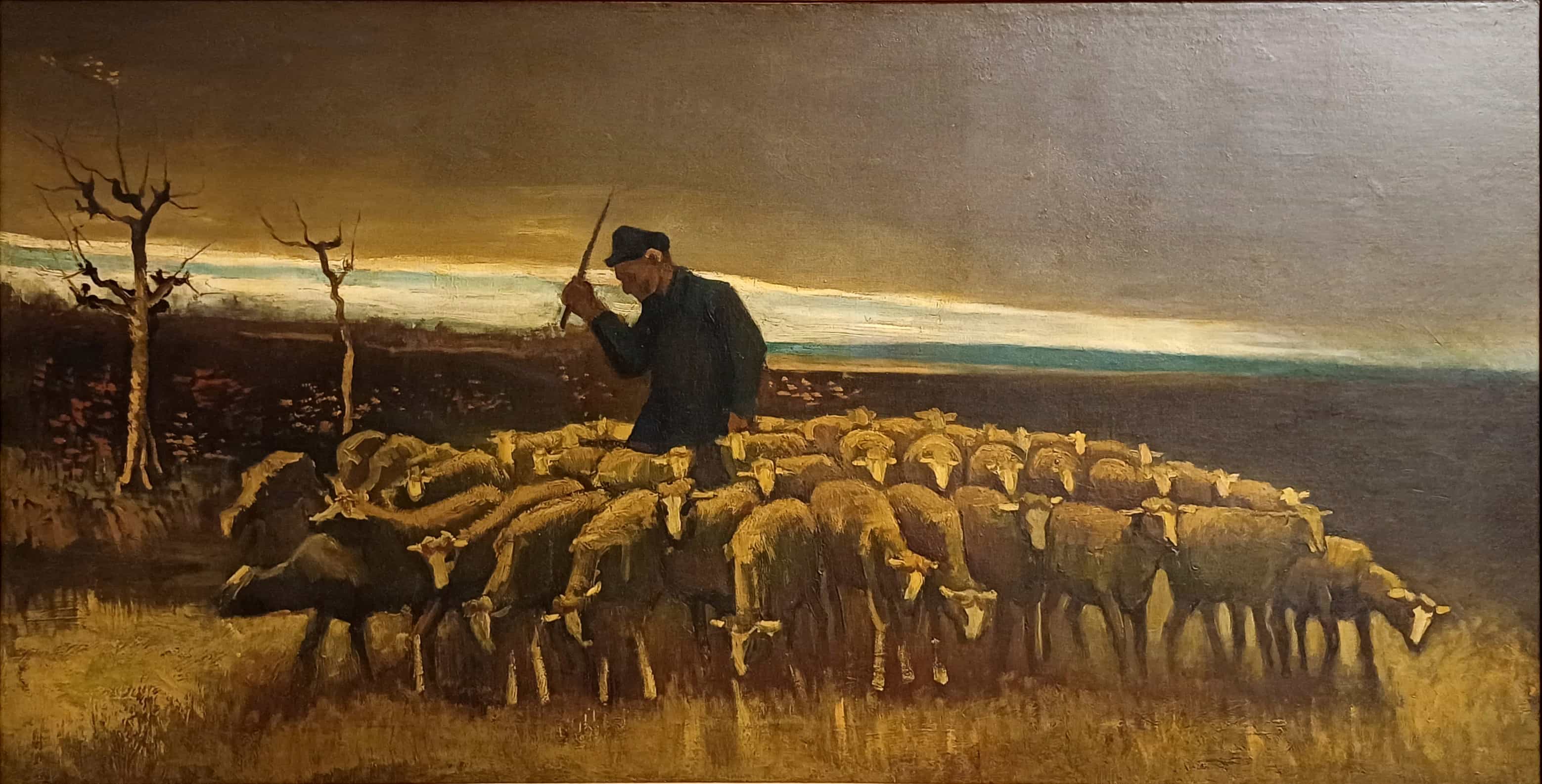
Vincent van Gogh was born in Zundert in 1853. He began his adult life pursuing various jobs before committing to art in his early twenties. Largely self-taught, van Gogh studied briefly and learned through copying works, sketching, and hands-on practice. His early Dutch period produced somber-toned scenes of rural life and labor that reflect his interest in peasant existence and honest representation.

Artistic Development and Periods

Van Gogh’s development accelerated as he moved between cities and absorbed new influences.

The Paris Period (1886–1888)

In Paris he encountered Impressionists and Neo-Impressionists, brightening his palette and experimenting with looser brushwork and complementary color effects. This period marks a decisive shift from the darker tones of his early work to more vivid color and varied subject matter.

The Arles Period (1888–1889)

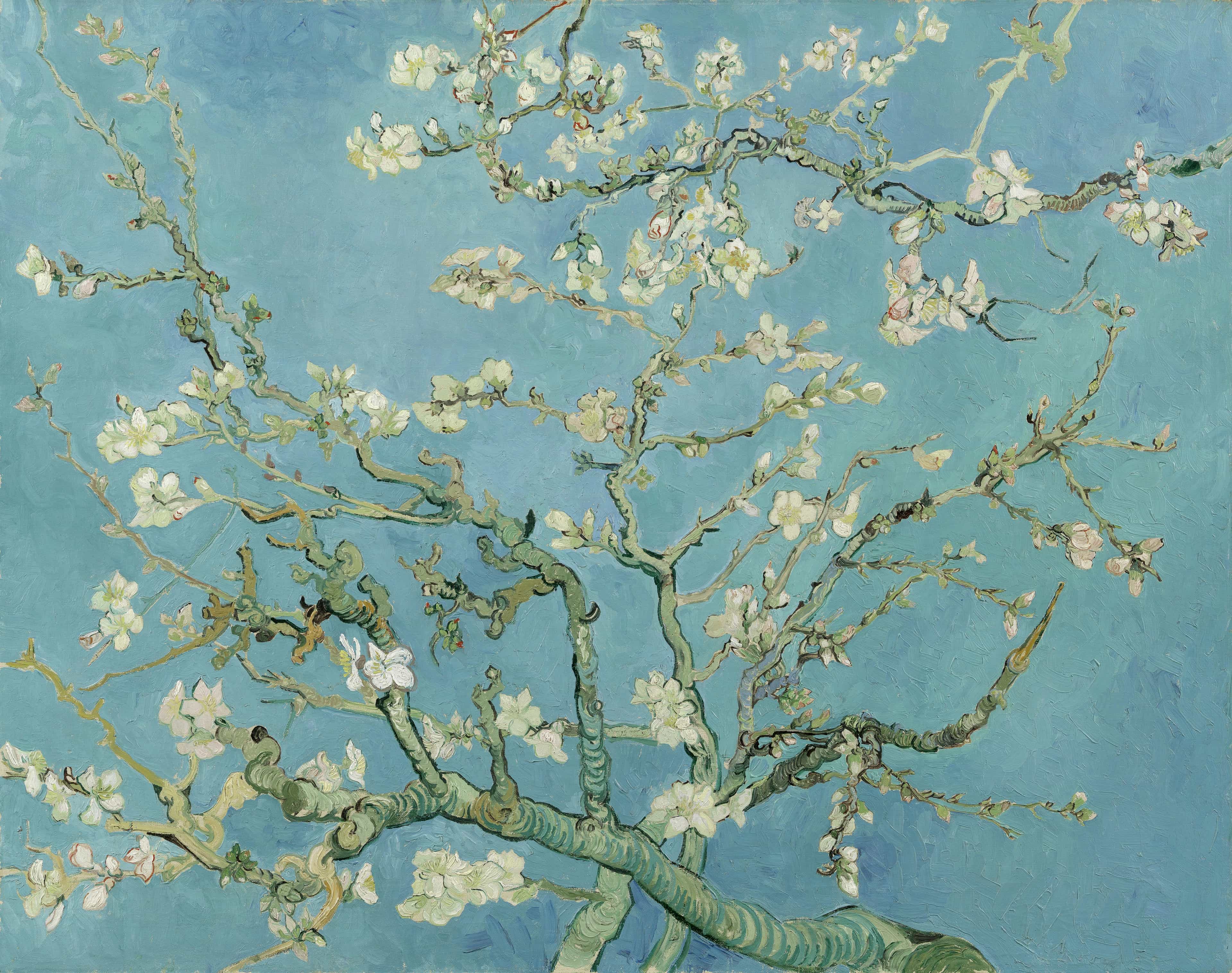
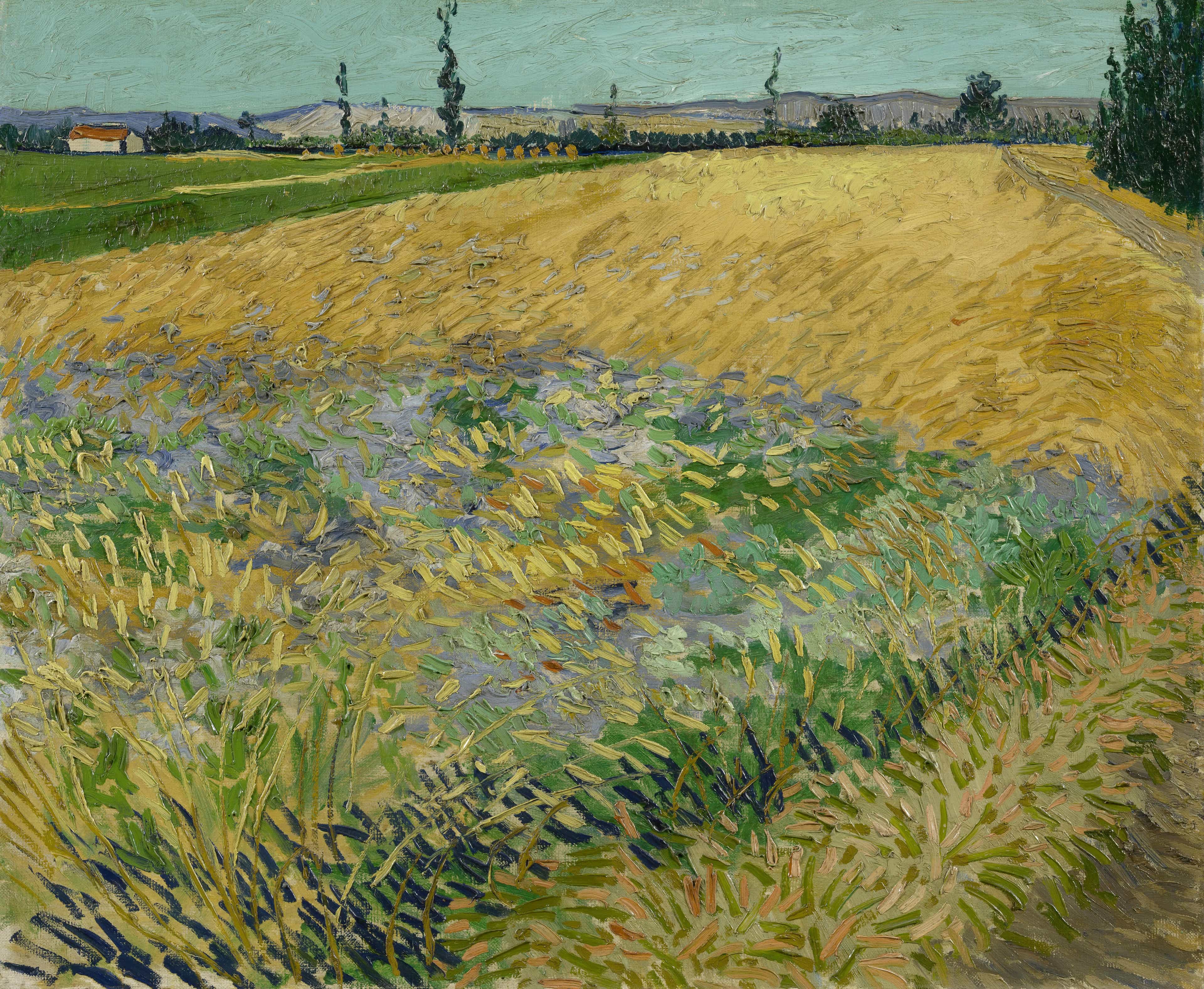
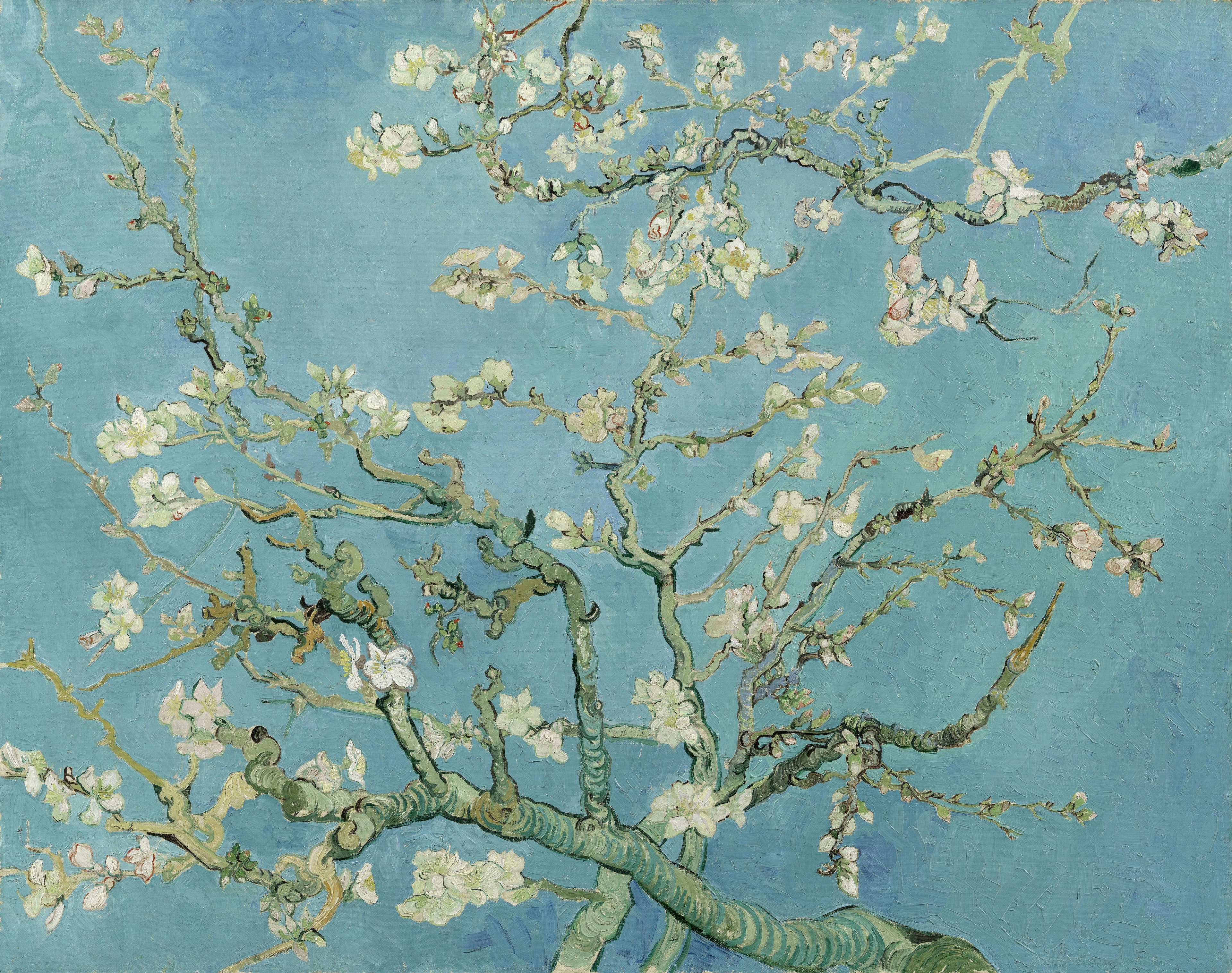
In Arles van Gogh produced many of his most iconic paintings, refining his signature impasto and rhythmic, directional strokes. He explored decorative compositions and strong color contrasts, often painting landscapes, interiors, still lifes and portraits with intense chromatic energy.

Saint-Rémy and Auvers (1889–1890)

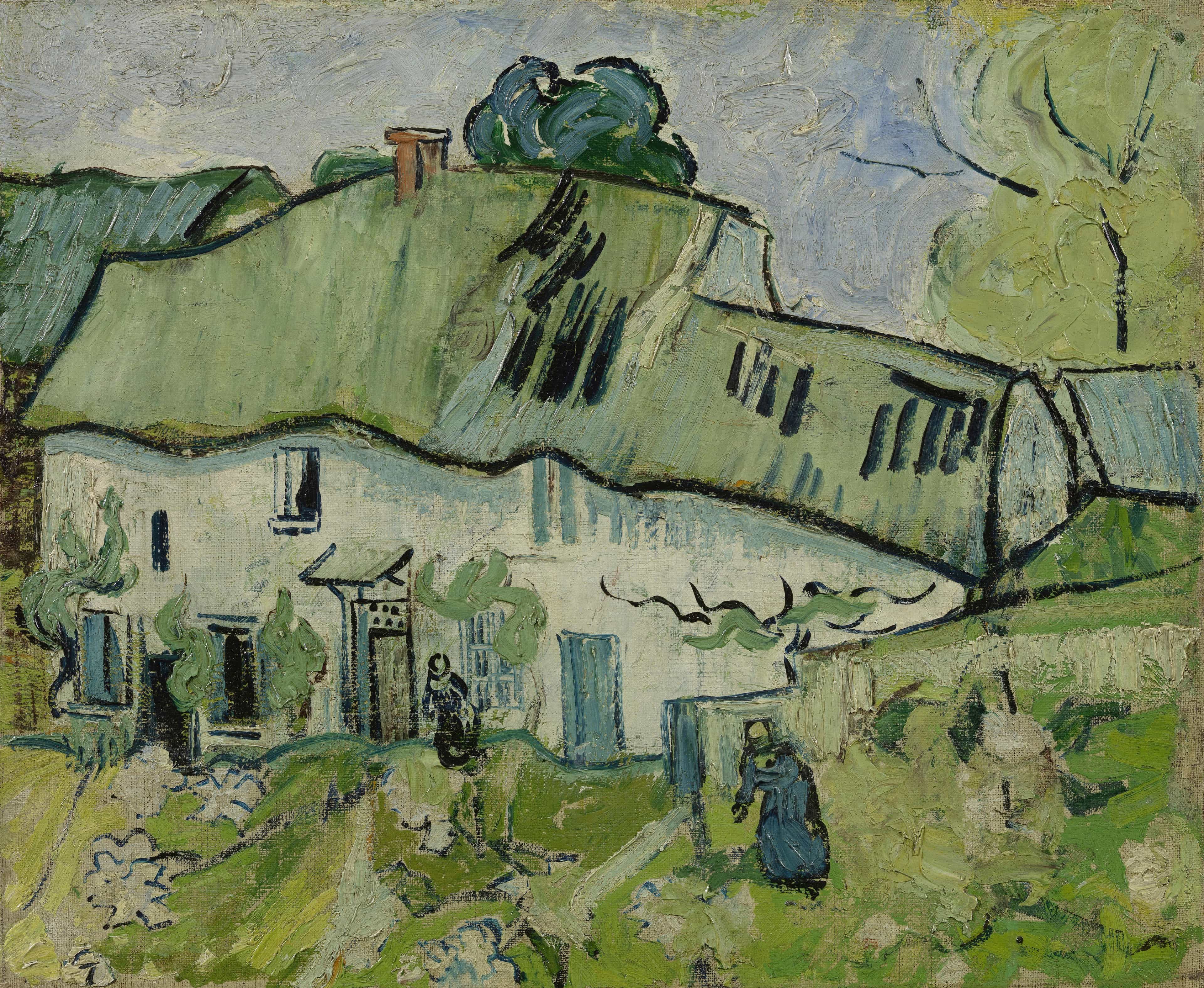
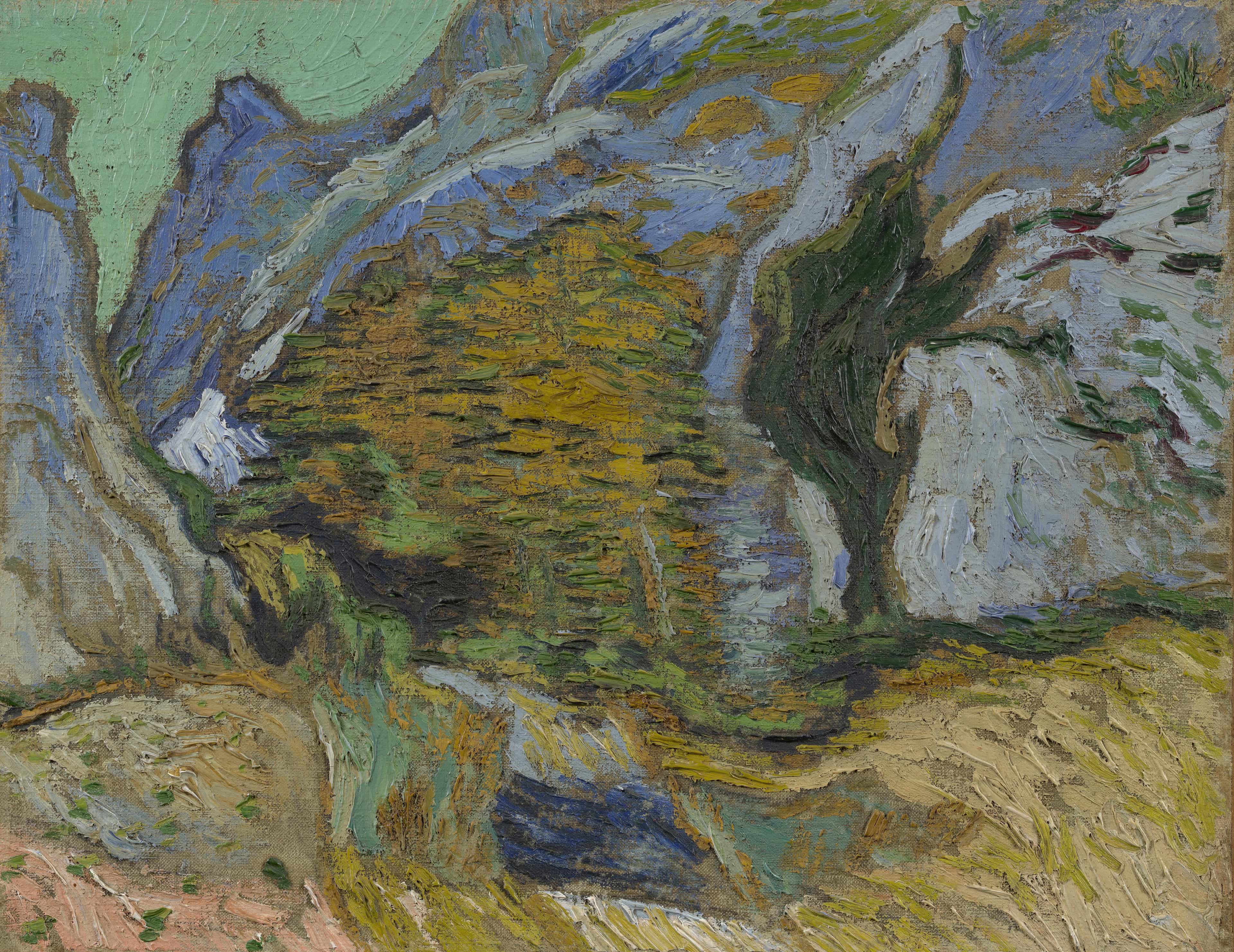
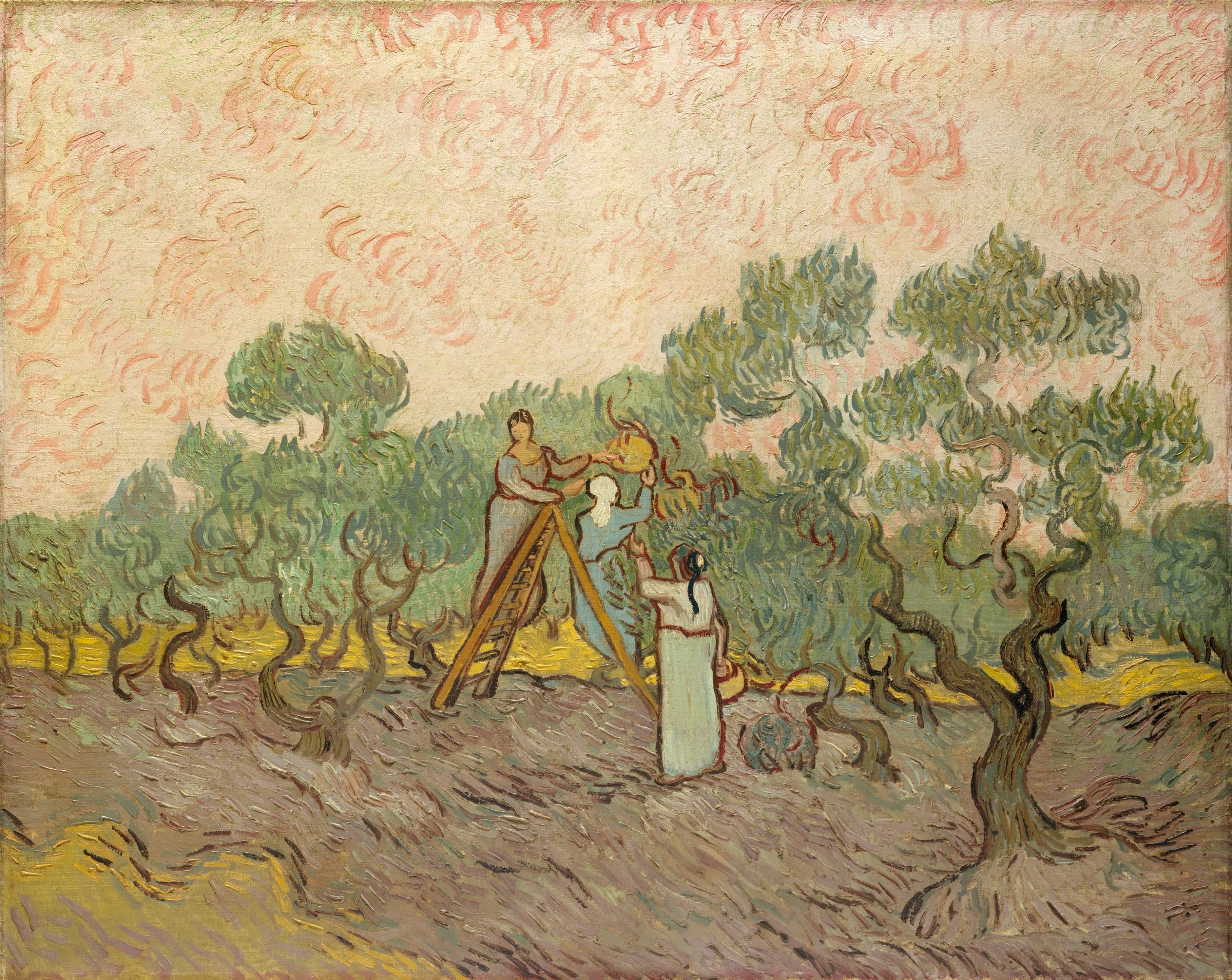
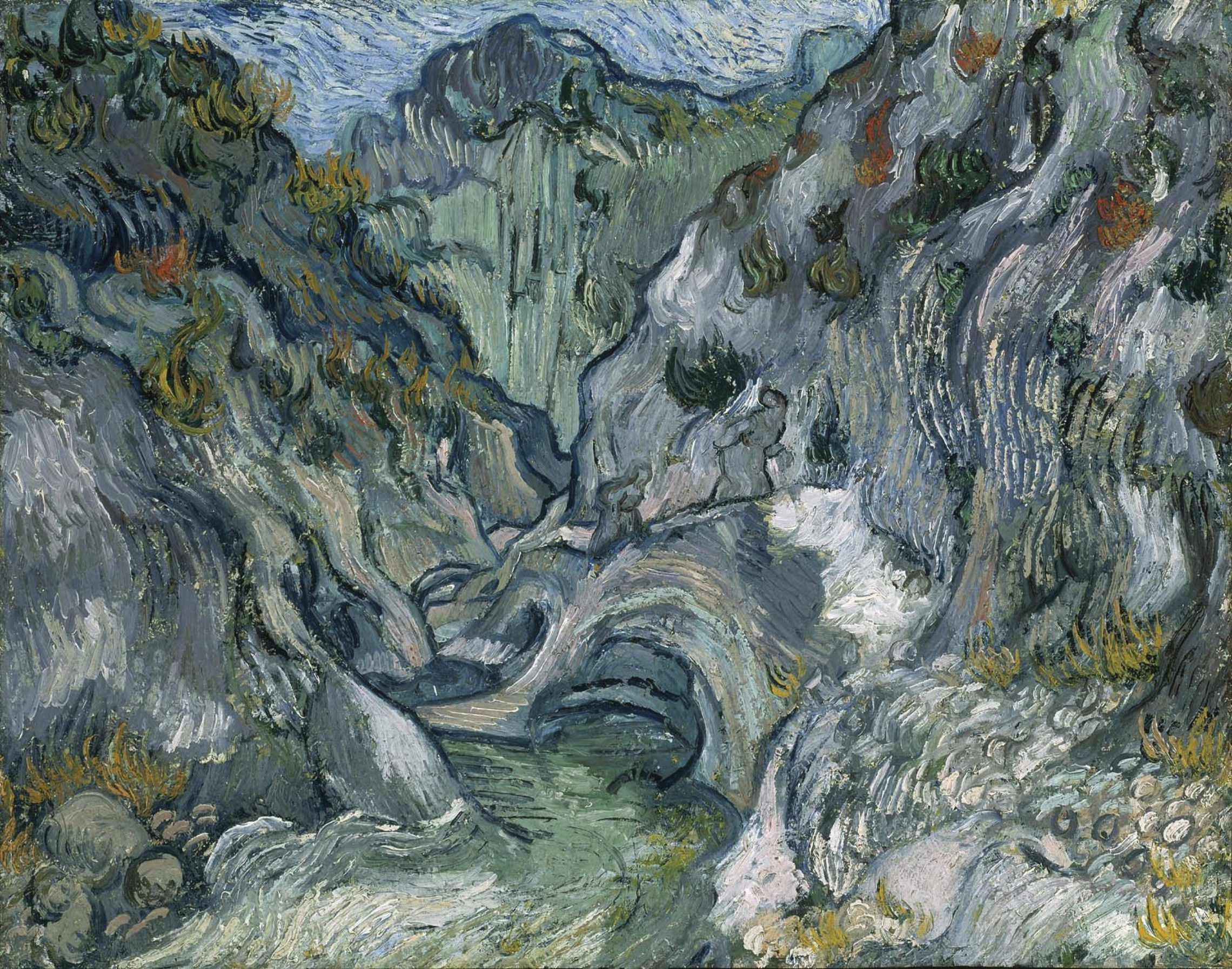
During his time in Saint-Rémy and later Auvers-sur-Oise, van Gogh continued to intensify his expressive handling of paint, creating some of his last, most emotionally charged canvases.

Major Works and Achievements

Van Gogh’s oeuvre includes masterpieces that became cornerstones of Post-Impressionism. His ability to translate feeling into visible gesture — whether in nocturnes, sunlit fields, or intimate interiors — established him as a pivotal figure who redefined modern painting.

Style and Technique

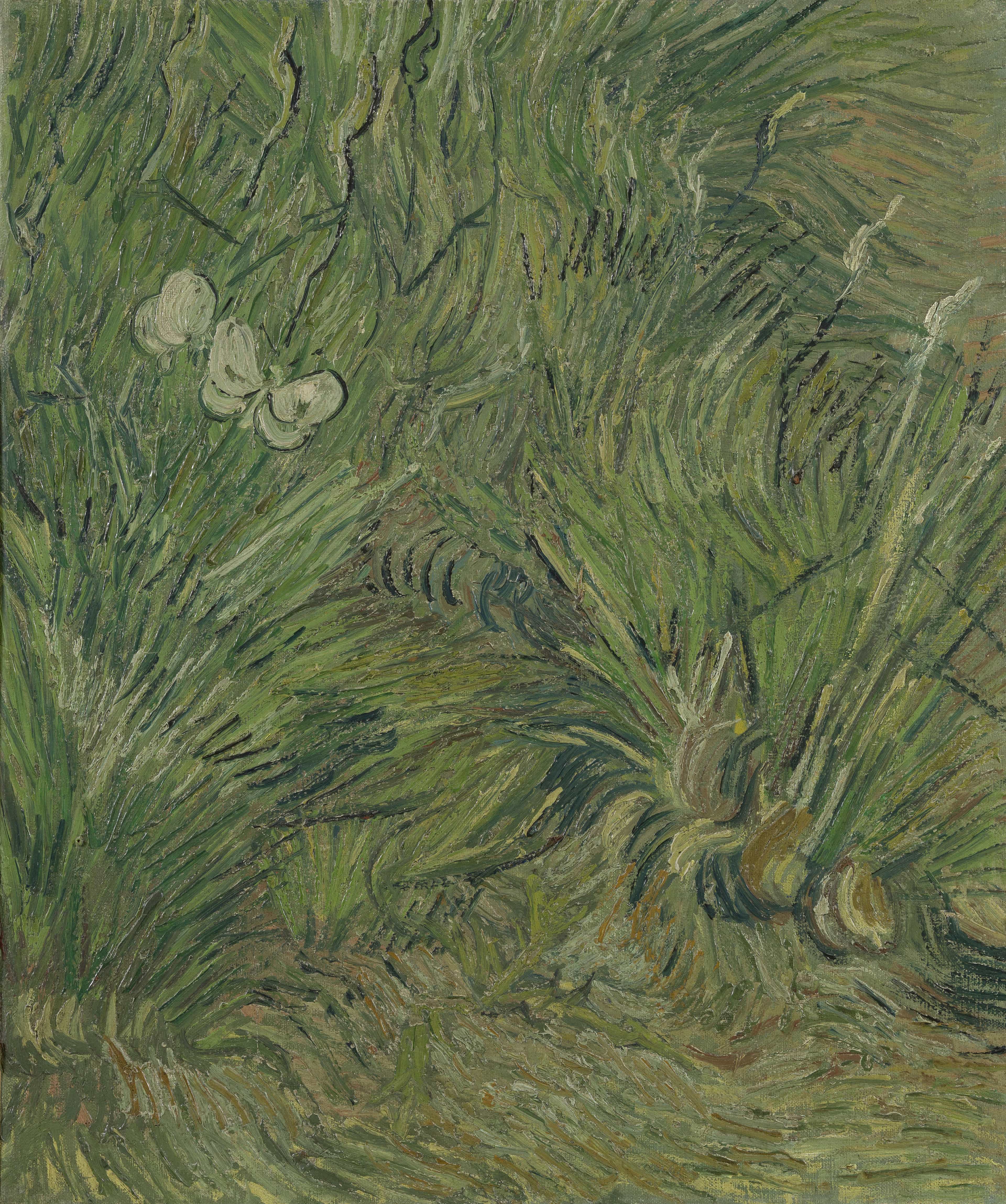
Van Gogh is celebrated for his impasto application, visible directional brushstrokes, and bold use of complementary colors. He balanced careful compositional structure with spontaneous mark-making, creating works that read as both decorative and vividly alive.

Influence and Legacy

Van Gogh absorbed influences from Dutch Realism, Impressionism and Japanese prints and in turn profoundly influenced Expressionism and 20th-century modern art. His emotional directness and chromatic innovations continue to inspire artists and collectors worldwide.

Personal Life Context

Though his life was marked by personal struggle, van Gogh’s commitment to art was relentless. He produced an extraordinary volume of work in a short time, driven by intense observation and conviction.

Recognition and Market Value

Collectors prize van Gogh for the visual power, rarity and cultural importance of his works. His paintings serve as centerpieces in private and public collections, valued both for their decorative impact — vivid color and dynamic surfaces — and their pivotal role in art history.

Frequently Asked Questions

What are Vincent van Gogh's most famous paintings?+
Van Gogh’s best-known paintings include high-profile works such as The Starry Night, Sunflowers, and The Bedroom. These paintings exemplify his mature Post-Impressionist style: bold color, energetic brushwork, and a strong sense of personal expression that resonates with viewers and collectors.
What is Vincent van Gogh's style?+
Van Gogh is associated with Post-Impressionism. His style is characterized by impasto, visible directional brushstrokes, intensified color contrasts, and emotionally charged compositions. He combined observational realism with an expressive, decorative approach to surface and pattern.
What made Vincent van Gogh unique?+
Van Gogh’s uniqueness lies in his fusion of intense personal emotion with formal innovation: a daring palette, sculptural handling of paint, and rhythmic brushwork that turn everyday subjects into powerful visual statements. His ability to balance decorative appeal with psychological depth sets his 
What are three of Vincent van Gogh's masterpieces?+
Three masterpieces widely recognized are The Starry Night, Sunflowers, and The Bedroom. Each demonstrates different strengths: nocturnal atmosphere and inventive sky in The Starry Night; chromatic intensity and decorative arrangement in Sunflowers; and intimate, color-driven composition in The Bedro
What are 5 interesting facts about Vincent van Gogh?+
1) He produced a vast body of work in about a decade. 2) He shifted from dark Dutch scenes to brilliant color after exposure to Paris. 3) His impasto and visible brushwork are key signatures. 4) He painted many self-portraits as a way to explore expression. 5) Much of his fame came after his death,
What movement was Vincent van Gogh part of?+
Van Gogh is most closely linked to Post-Impressionism, a movement that extended Impressionism’s explorations of color and light while emphasizing symbolic content, structure and personal expression. His work also shows affinities with Japanese prints and Dutch realism.
What influenced Vincent van Gogh?+
Van Gogh was influenced by Dutch genre painting and realist concerns, the color experiments of Impressionists and Neo-Impressionists, and the compositional clarity of Japanese woodblock prints. These influences combined with his personal vision to create a highly individual style.
Where can I see Vincent van Gogh's work?+
Van Gogh’s paintings are in major public and private collections worldwide. Museums with prominent holdings include national and regional institutions known for modern art. Purchasing high-quality prints or museum-edition reproductions is a popular way to enjoy his visual impact in domestic or civic