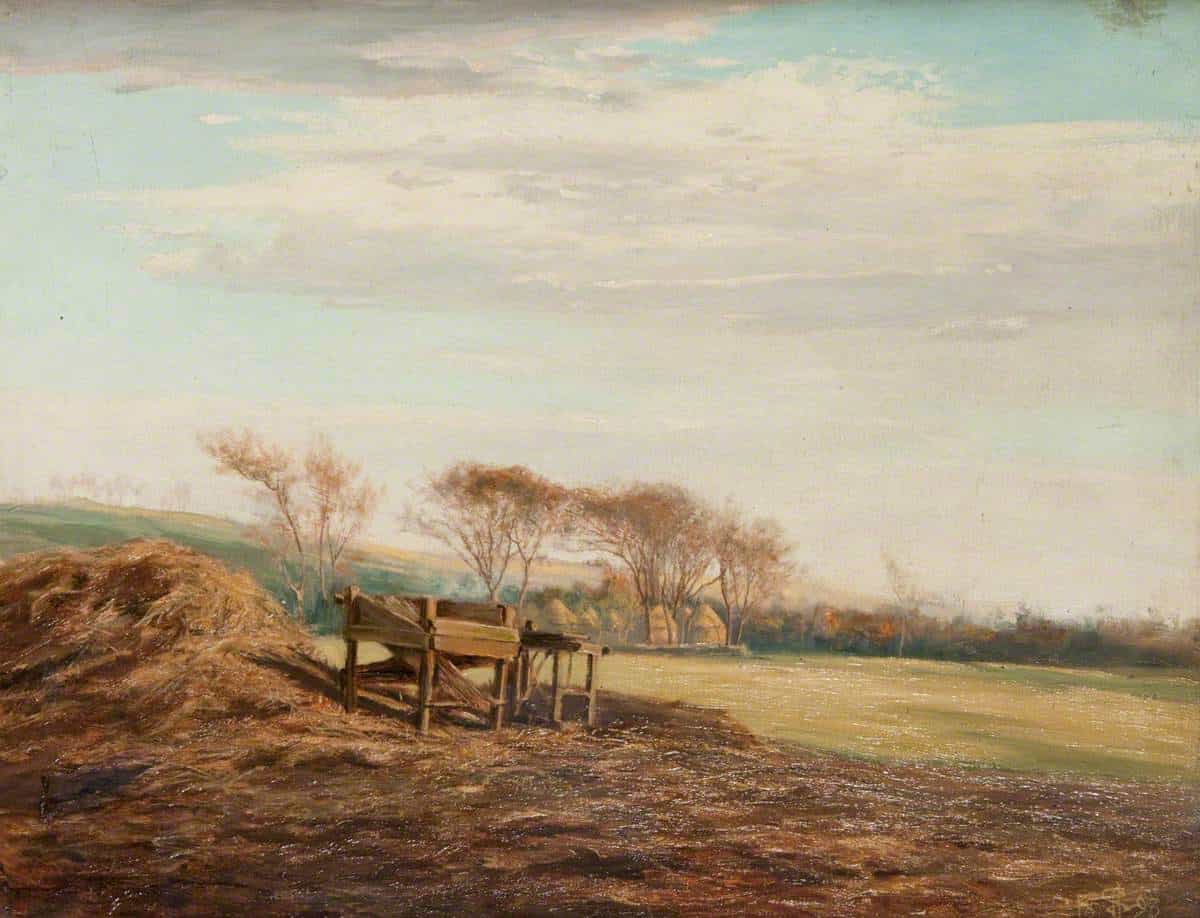
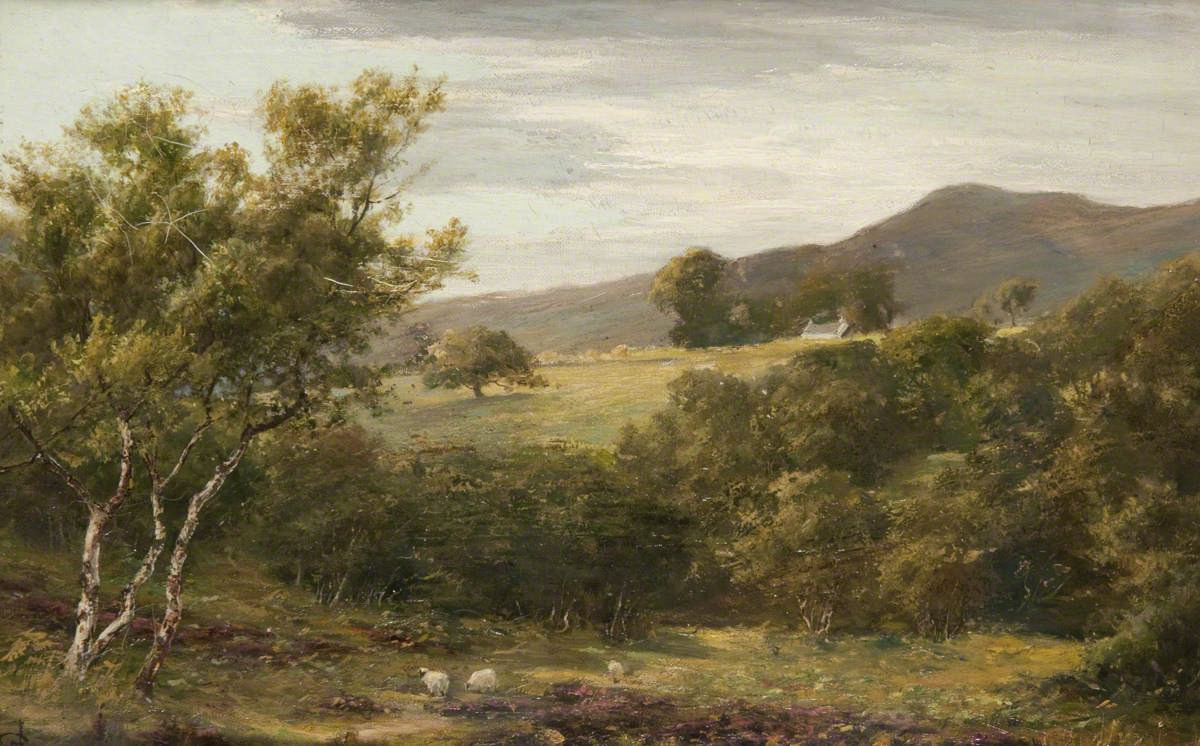
Duchal Policies, Kilmacolm
John Stewart
From €64
Collection
Museum-quality reproductions on 310gsm textured cotton rag paper.
Shop all prints by John StewartArtistic Style
Style Evolution
Stewart’s work moved from carefully rendered early compositions toward a mature, decorative realism. Across his career he retained polished technique while refining compositional balance to suit Victorian collectors and interior settings.
Palette
Subjects
Techniques
Topics
John Stewart (1842-1897) was a British Victorian-era painter whose refined, decorative canvases and commitment to realism made him a notable 19th-century artist.
Learn about the life of John Stewart
Signature Works
See all available prints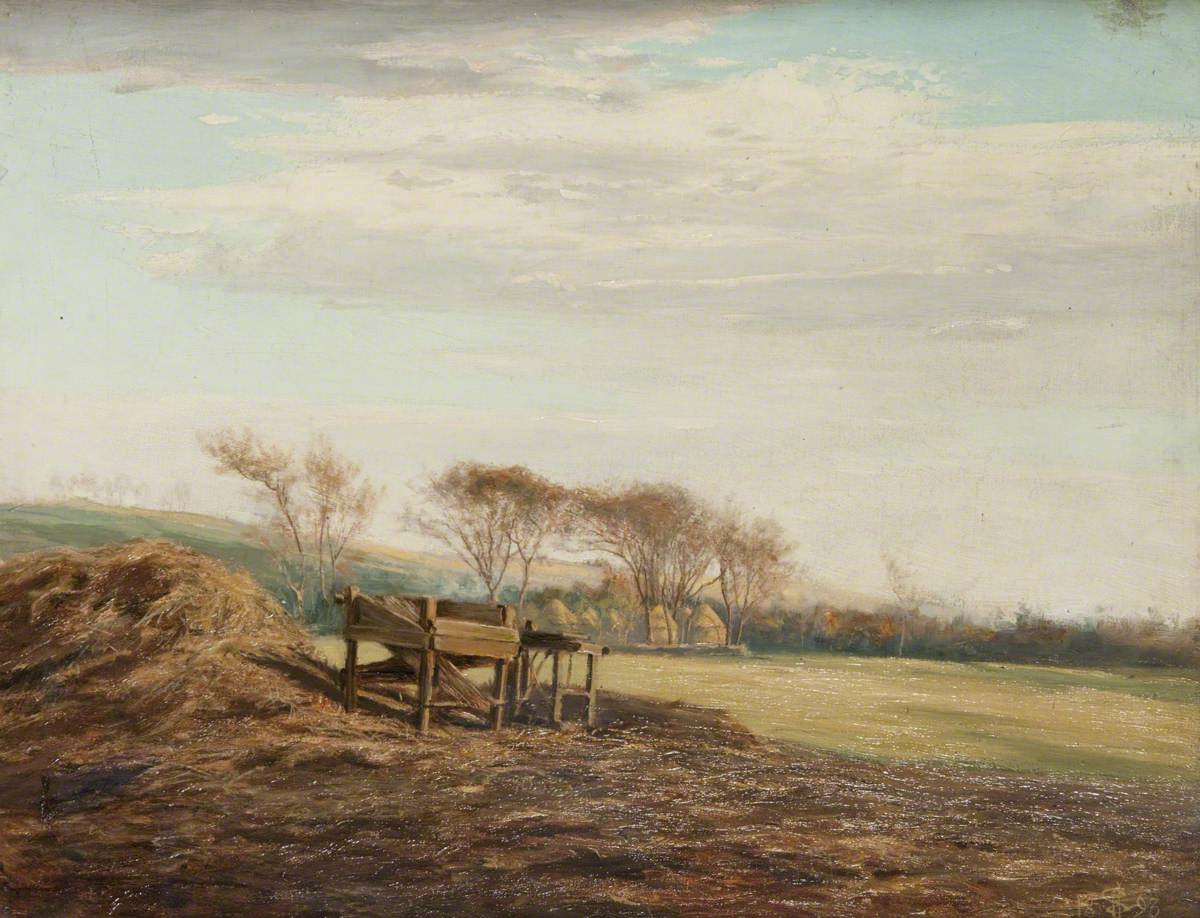

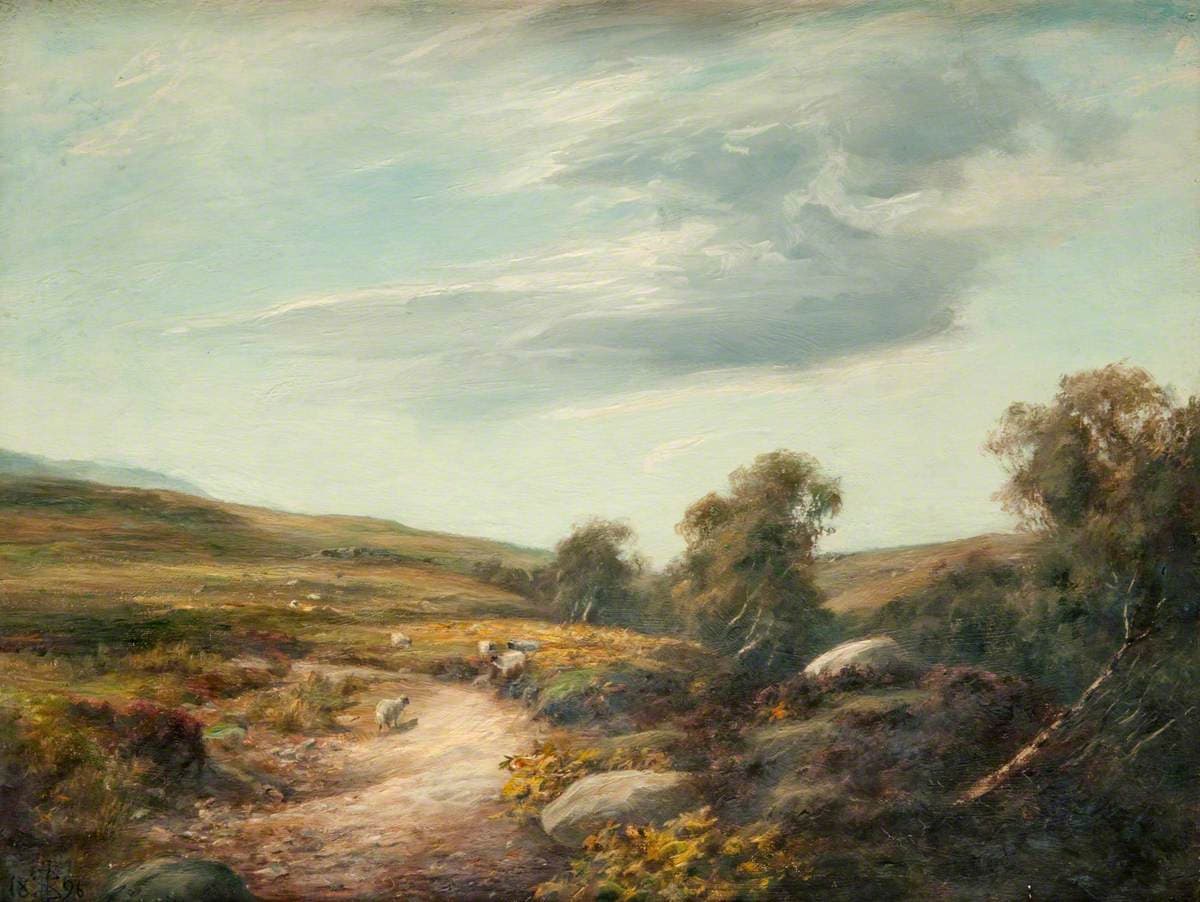
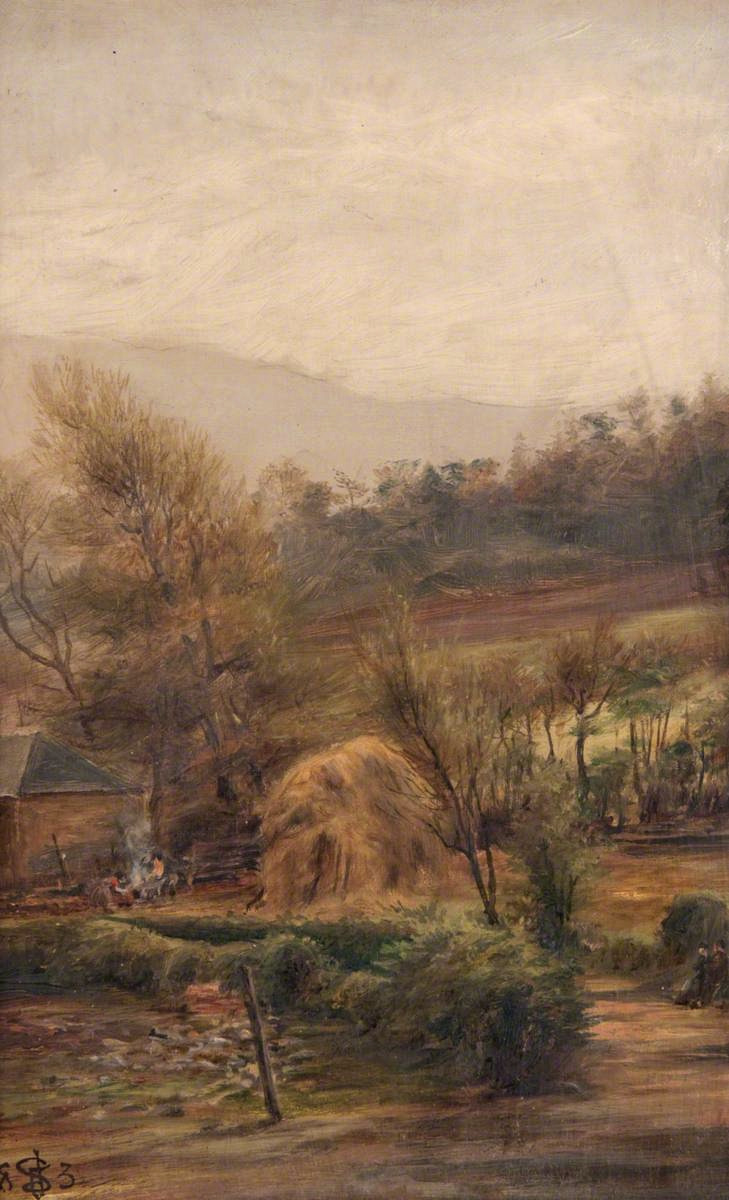
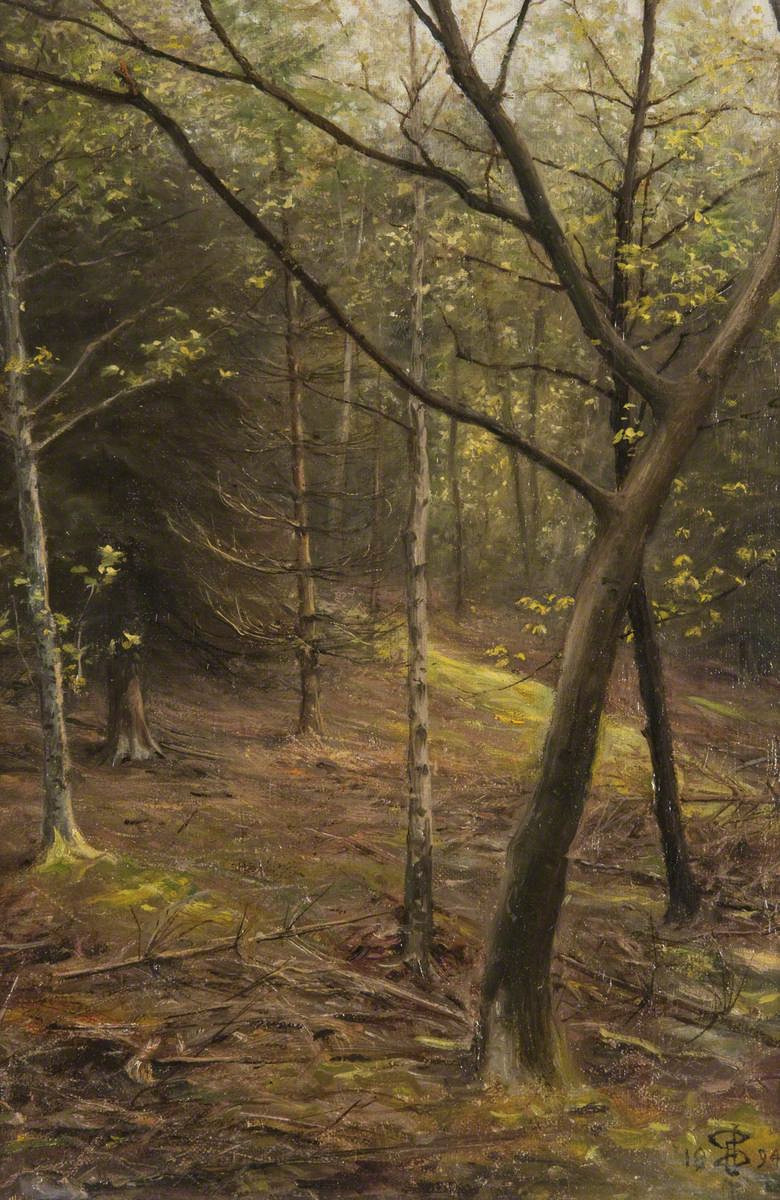

Biography
John Stewart (1842-1897) was a British Victorian-era painter whose refined, decorative canvases and commitment to realism made him a notable 19th-century artist focused on evocative domestic and landscape scenes.
John Stewart (1842-1897) was a British Victorian-era painter whose refined, decorative canvases and commitment to realism made him a notable 19th-century artist focused on evocative domestic and landscape scenes.
Stewart came of age during the mid-19th century, a period when academic training and the decorative arts held strong influence in Britain. Details about his formal education, teachers, and exact places of study are not provided here; what is clear is that his work aligns with the visual values of Victorian realism and a decorative approach to composition.
In his early career Stewart developed a disciplined handling of drawing and composition, favoring clear draftsmanship and careful arrangement of figures and interiors. Works from this time emphasize narrative clarity and polished technique.
By mid-career, Stewart’s palette and compositional choices show a refined decorative sensibility: balanced interiors, picturesque landscapes, and scenes that appealed to Victorian collectors seeking both narrative and domestic charm.
In later years Stewart consolidated his visual approach, producing works that combined tasteful ornament with a conservative but assured realism suitable for the drawing rooms and private collections of his era.
Specific titles of Stewart’s paintings are not listed in the provided data. However, his reputation rests on evocative domestic scenes and landscape compositions that exemplify Victorian decorative taste. Collectors value these works for their craftsmanship, narrative warmth, and suitability as decorative centerpieces.
Stewart’s technique reflects careful draftsmanship, smooth brushwork, and an eye for decorative arrangement. He favored clear modeling, controlled highlights, and composed settings that allow figures and interiors to communicate mood and story. His approach is appealing to buyers who value tasteful, display-ready paintings with narrative interest.
While direct teacher-student lineages or named influences are not provided here, Stewart’s work sits within the broader Victorian tradition and contributed to the market for well-crafted domestic and landscape painting in the late 19th century. His paintings continue to interest collectors who seek evocative period works that complement historic and traditionally furnished interiors.
Biographical specifics such as family life and personal relationships are not provided. Stewart’s professional identity is best understood through his artistic output and the decorative, narrative qualities of his paintings.
Frequently Asked Questions
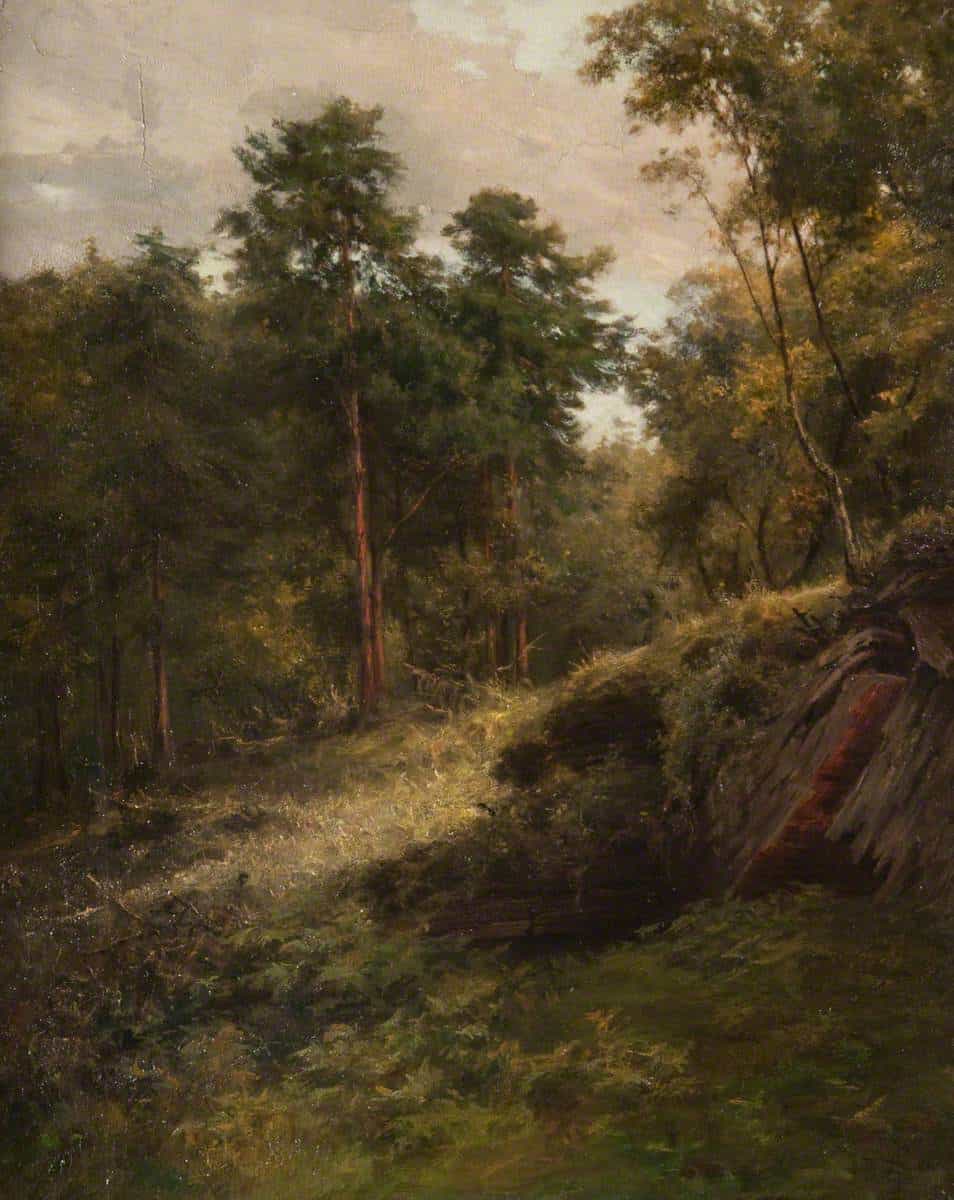
Duchal Policies, Kilmacolm
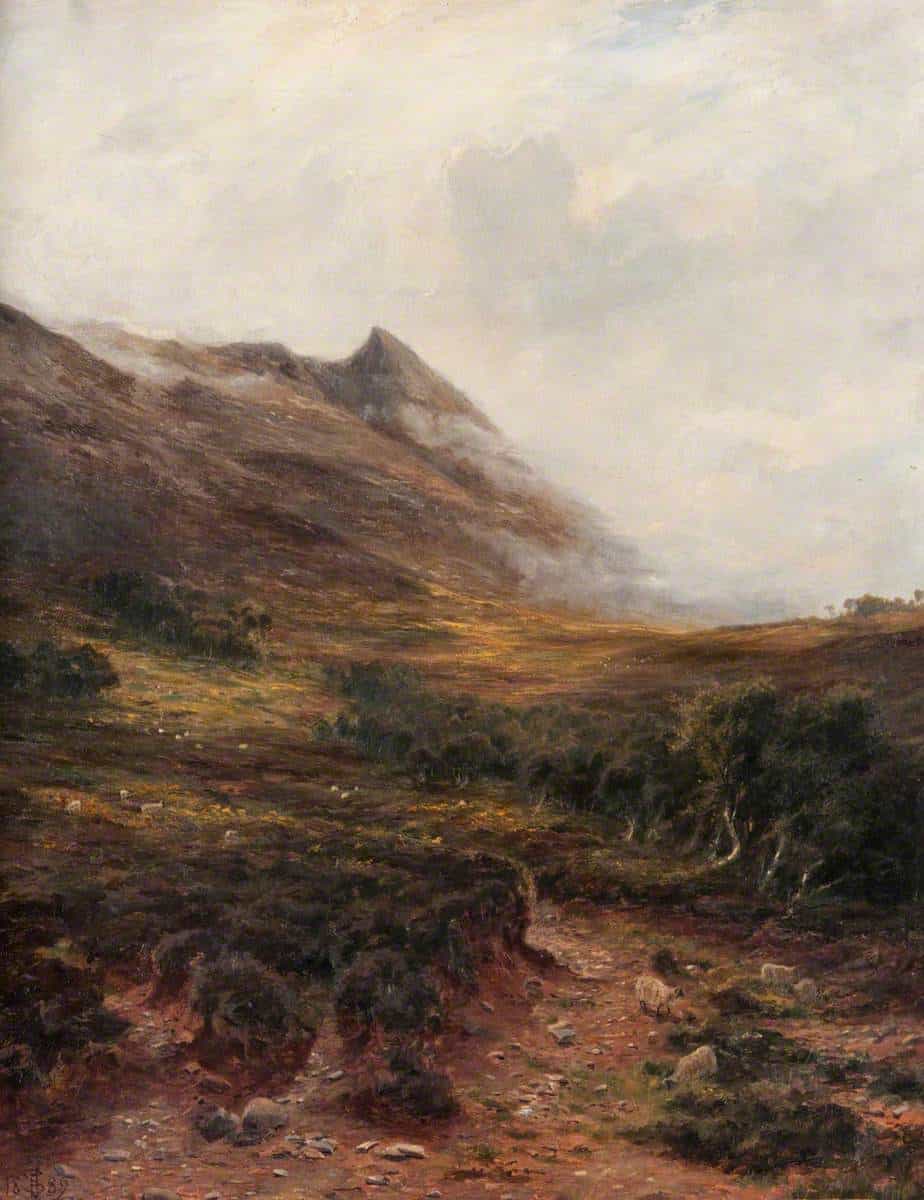
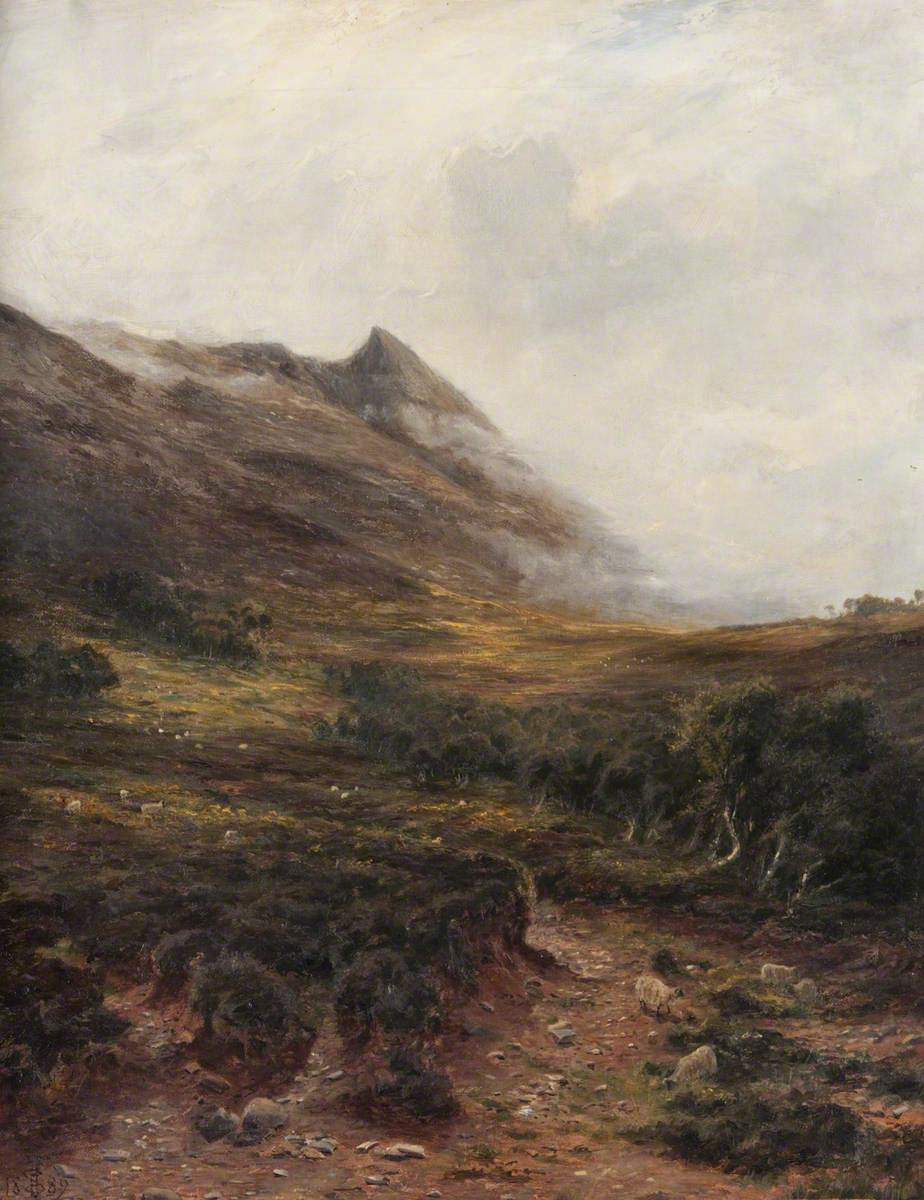
Above Corrie, Arran, Looking towards Glen Sannox

Old Duchal, Kilmacolm
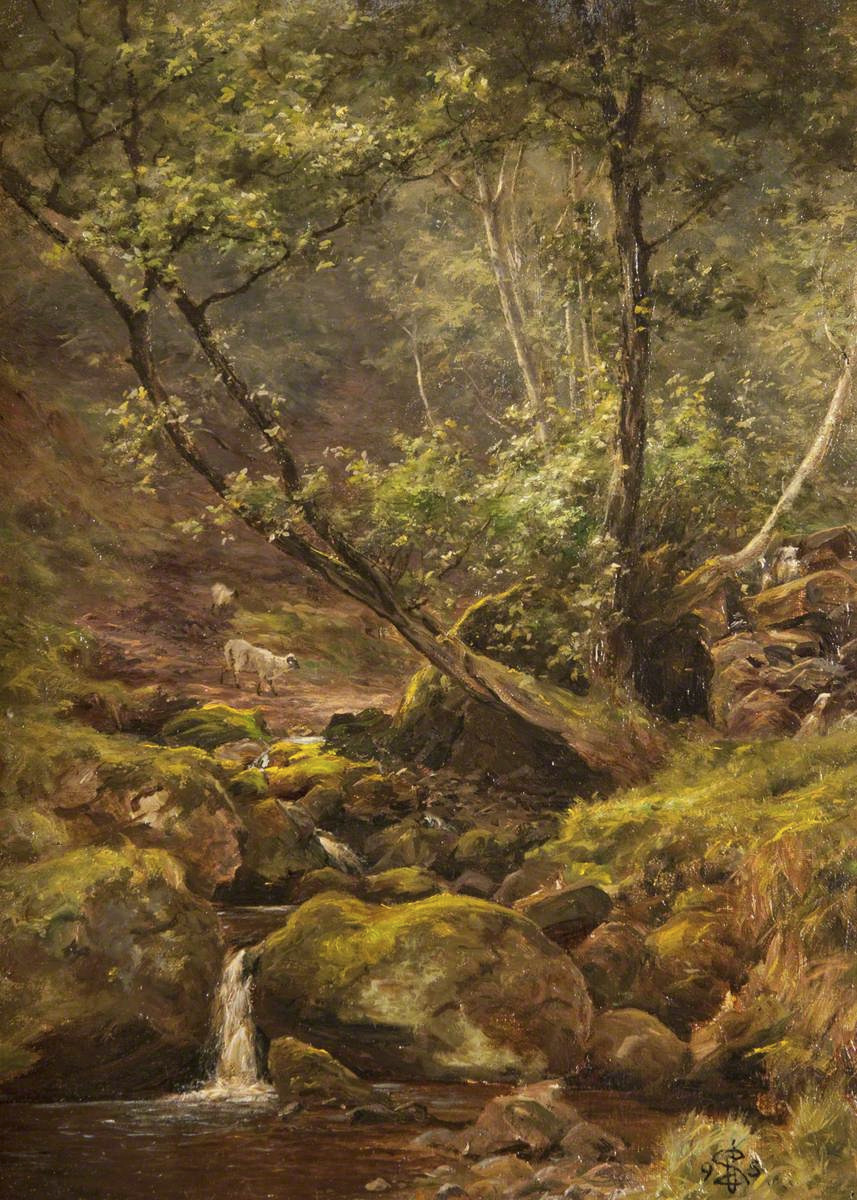
An Arran Glen
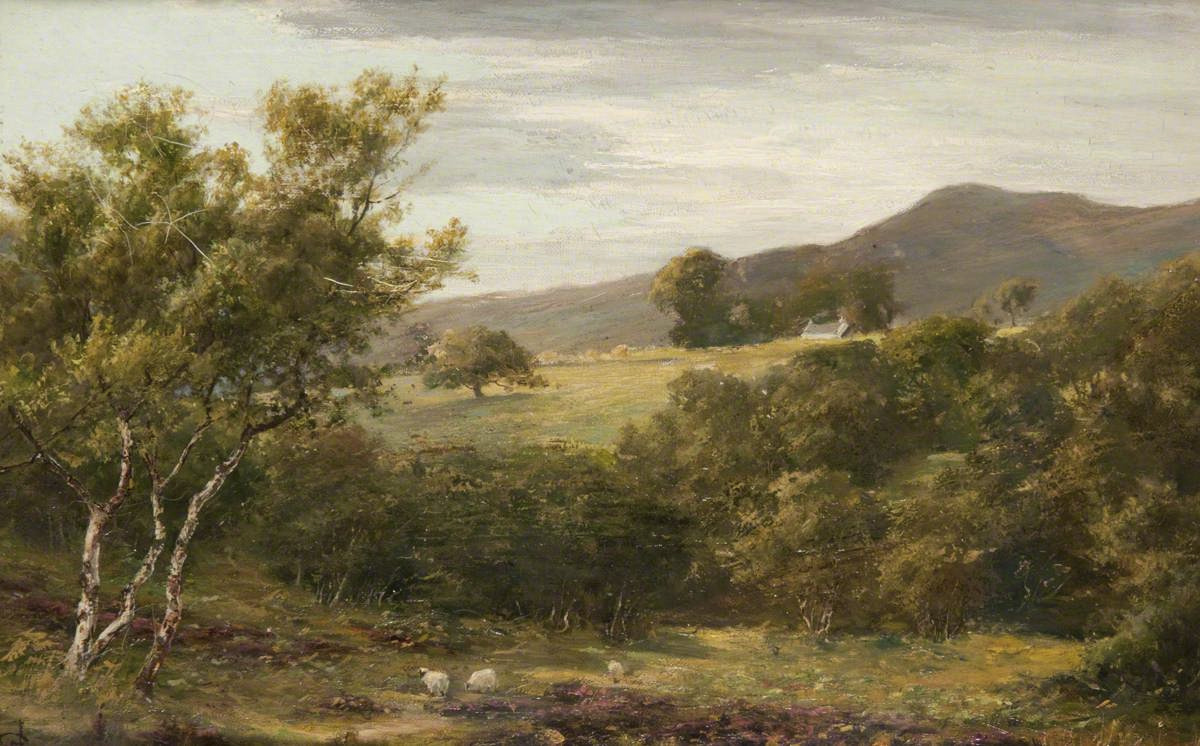
A Glen in Arran
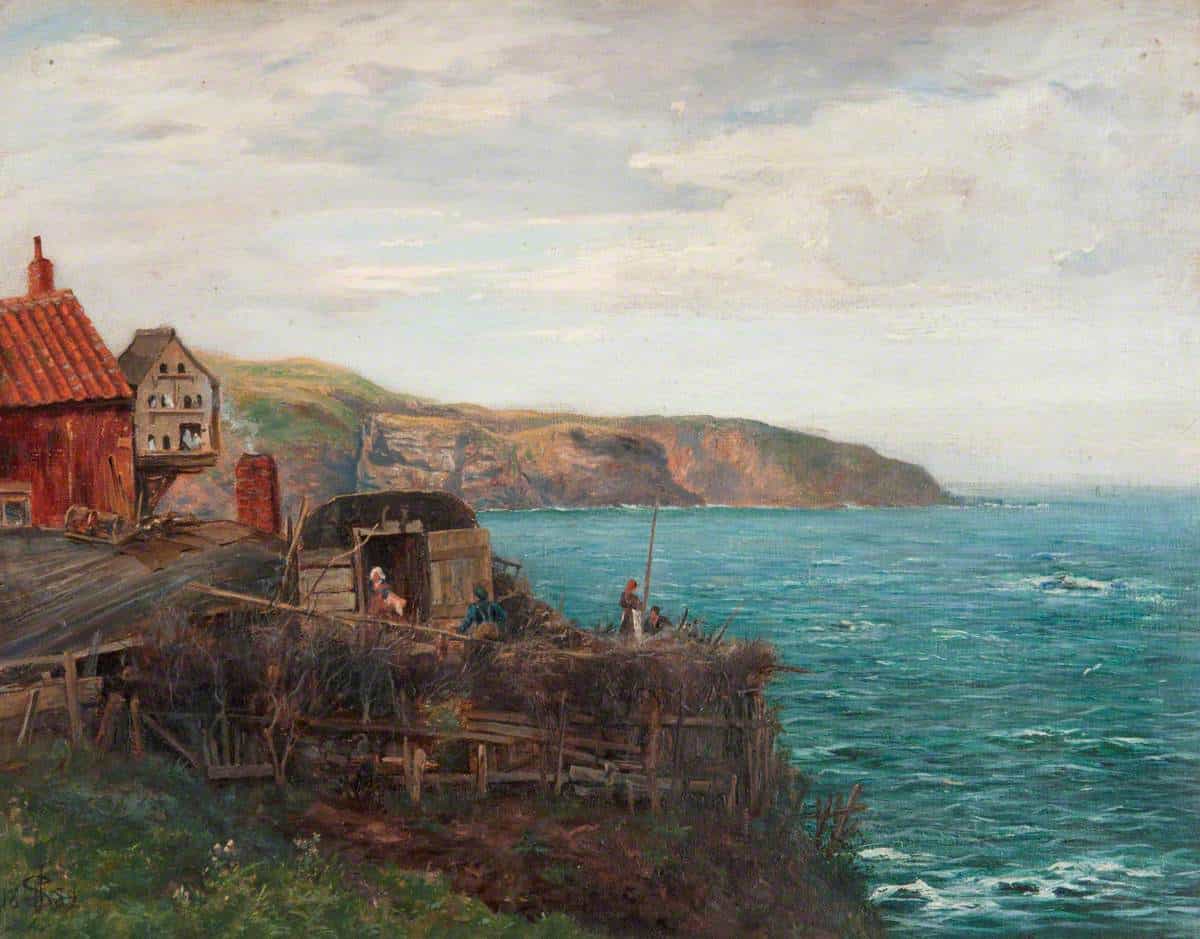
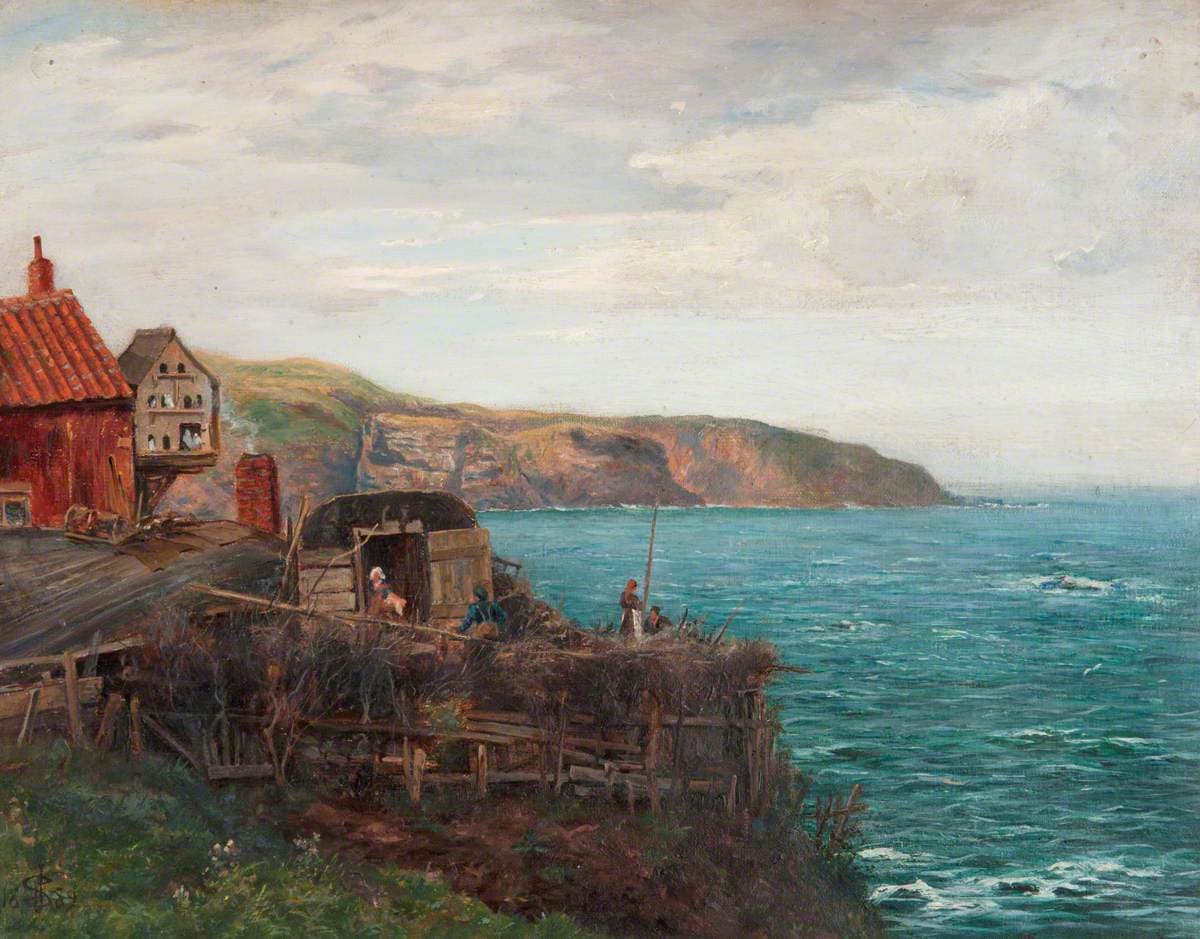
At St Abbs Head, Coldingham

The Red Rocks Between Corrie and Glen Sannox, Arran
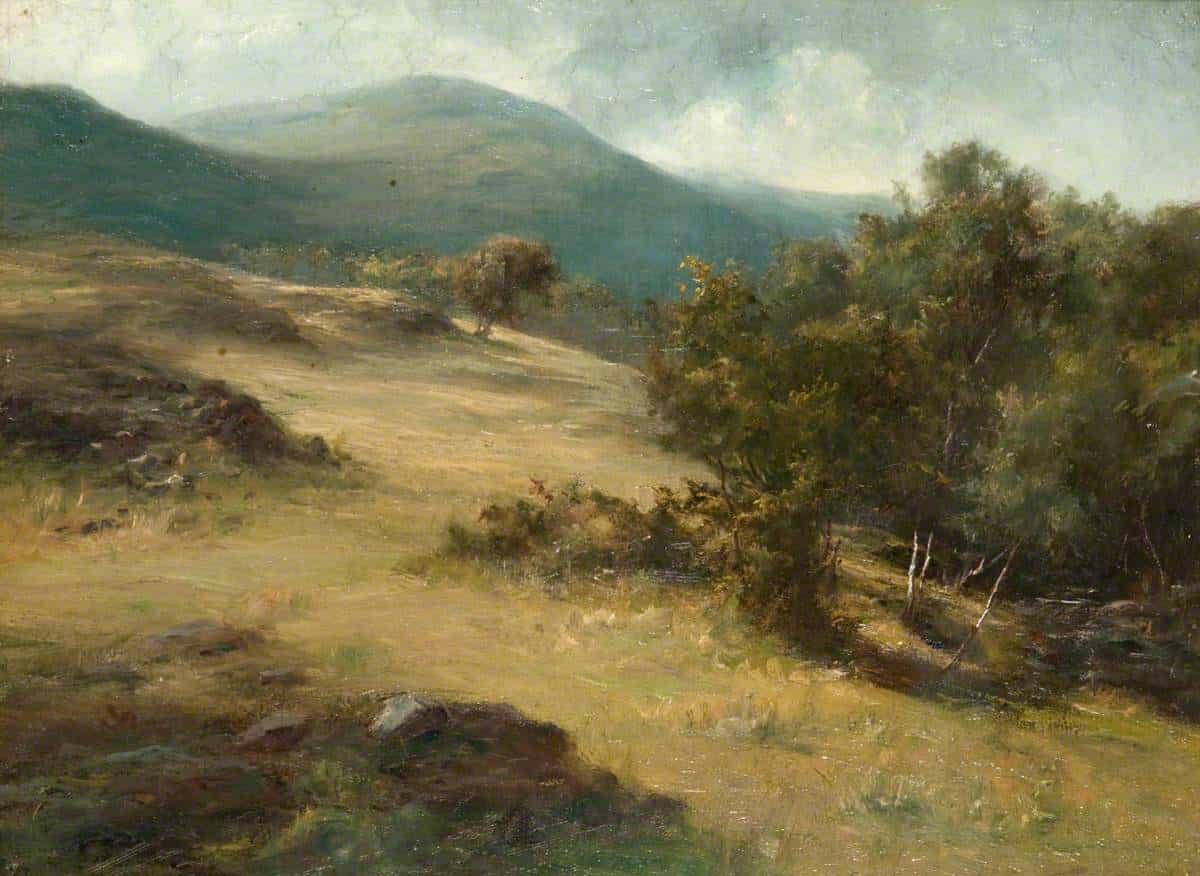
Arran Landscape
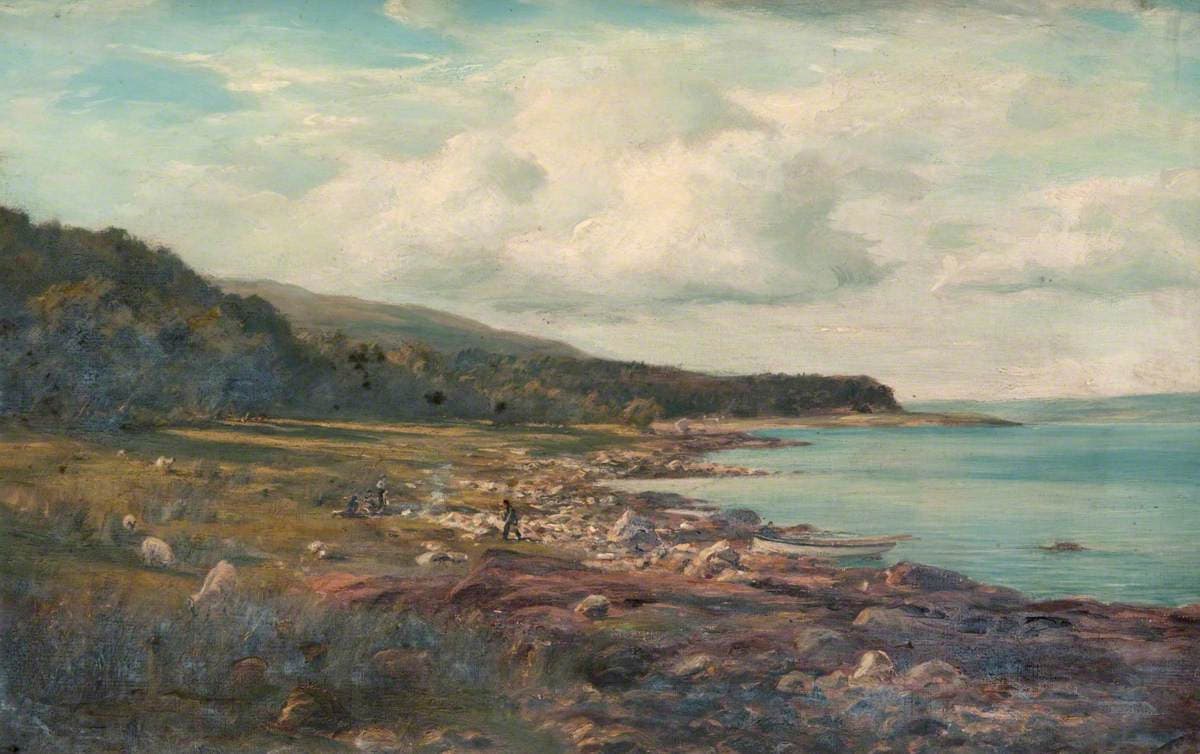
Between Brodick and Corrie, Arran
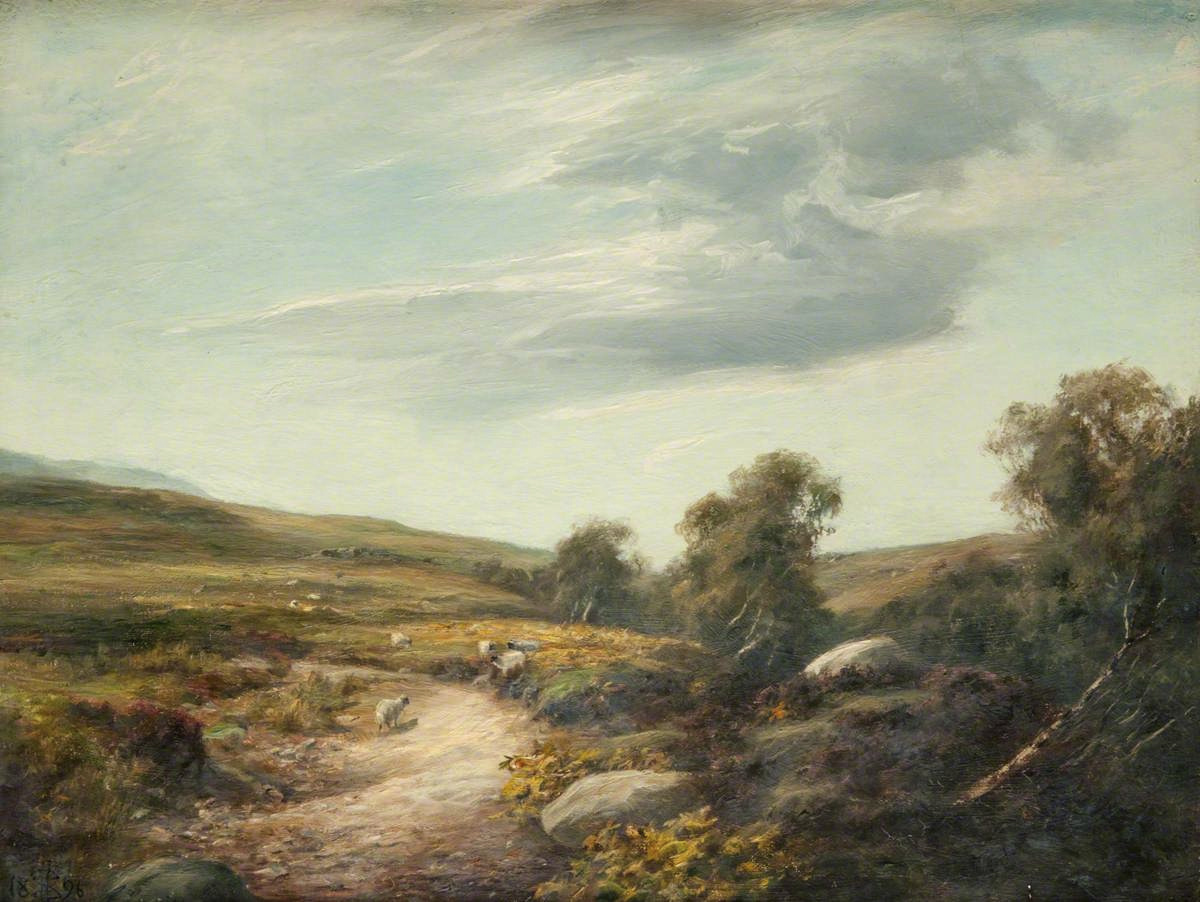
Above Corrie, Arran
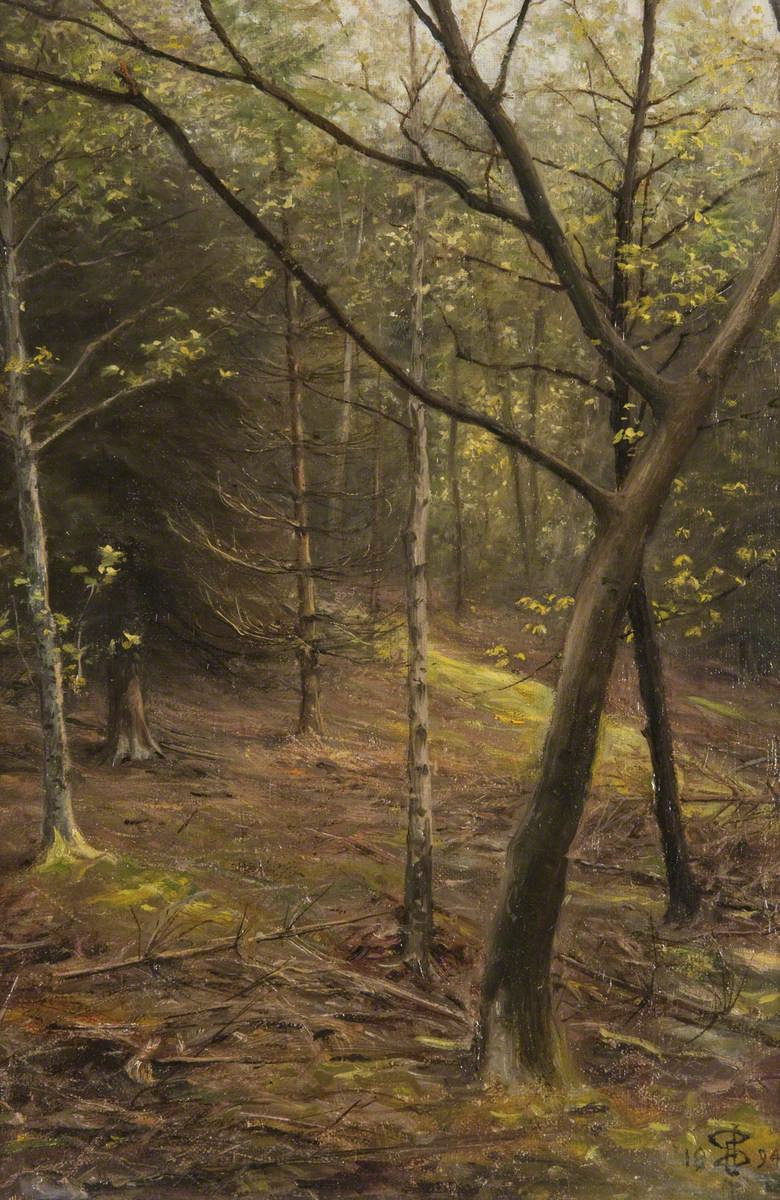
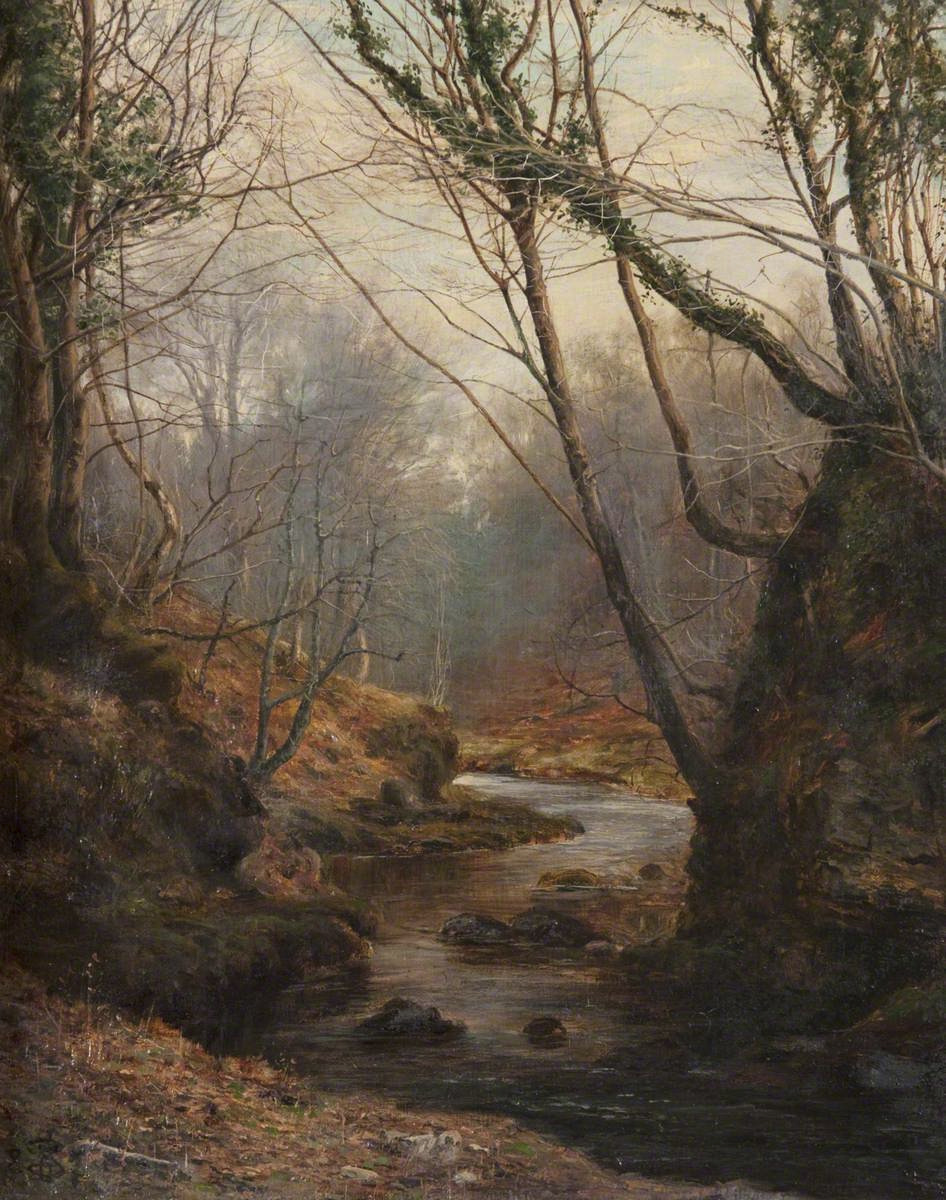
In a Wood in May

The Road to Warden's Farm, Finnart