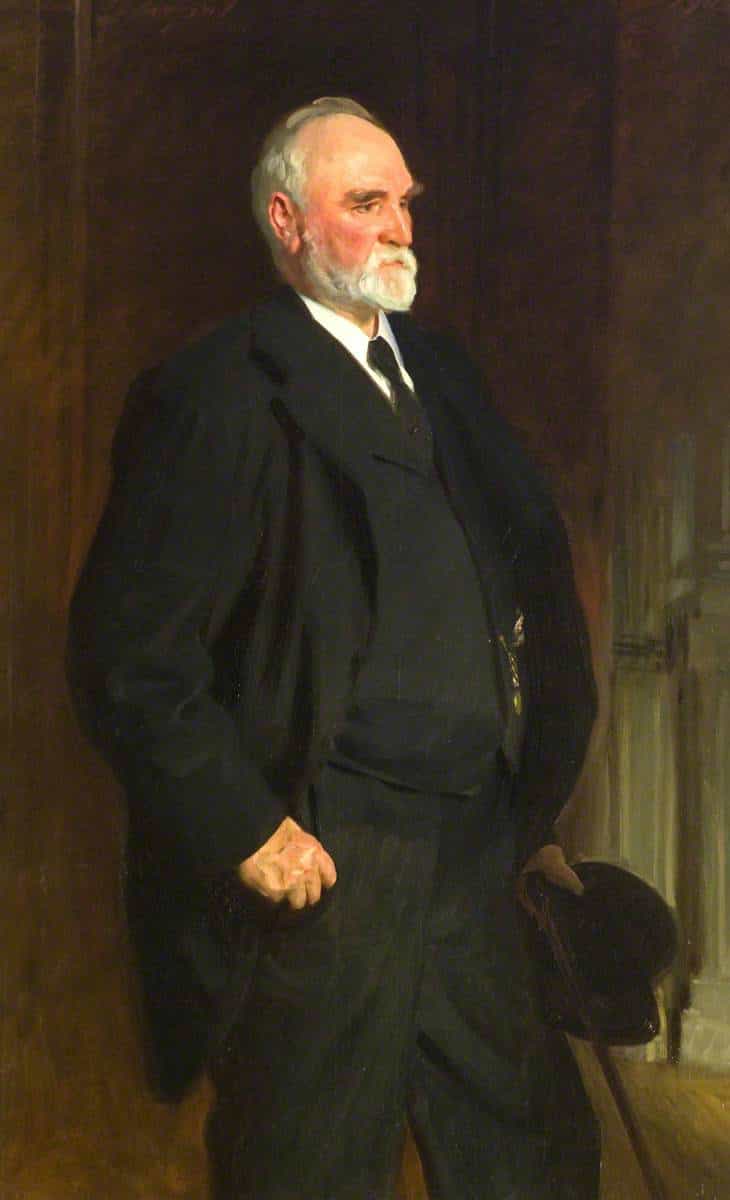
William Brownlee (1836–1914), Provost of Dundee (1878–1881)
John Singer Sargent
From €64
Collection
Museum-quality reproductions on 310gsm textured cotton rag paper.
Shop all prints by John Singer SargentArtistic Style
Style Evolution
Sargent began with rigorous academic training in Paris, developing a polished realist approach to portraiture. In his middle years he combined that precision with freer, more expressive brushwork and in later years he embraced watercolour and plein-air studies, producing brisk, luminous works that emphasize light and atmosphere.
Palette
Subjects
Techniques
Topics
John Singer Sargent (1856–1925) was an American realist and portrait painter whose dazzling technique and cosmopolitan portraits made him the leading society artist of his era.
Learn about the life of John Singer Sargent
Signature Works
See all available prints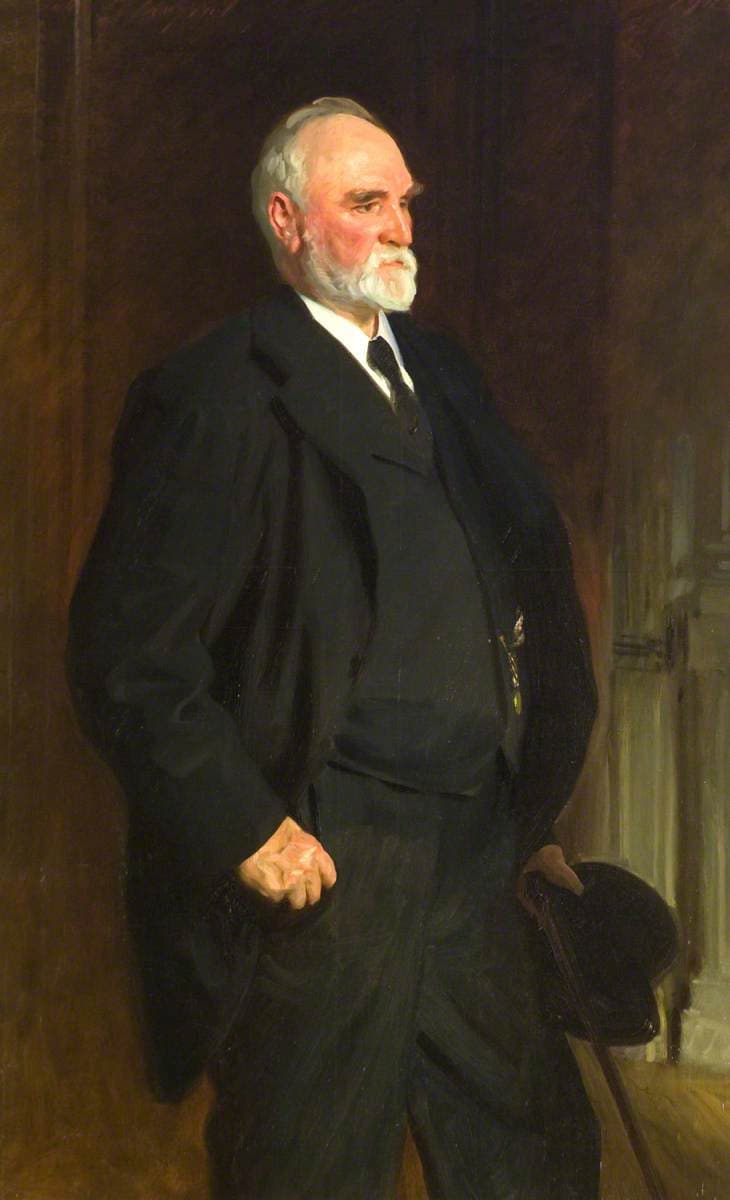
Biography
John Singer Sargent (1856–1925) was an American realist and portrait painter whose dazzling technique and cosmopolitan portraits made him the leading society artist of his era.
John Singer Sargent was born in Florence in 1856 to American parents living abroad. Raised across Europe, Sargent grew up in a multilingual, cosmopolitan environment that exposed him early to a broad range of artistic traditions. He received formal training in Paris and at times worked and lived in major cultural centers including London, where he later established his reputation. His international upbringing and fluent acquaintance with European art informed his sophisticated approach to portraiture and his facility with different mediums.
Sargent's artistic development combined academic training with an openness to contemporary tendencies. He studied with established academic painters in Paris and absorbed influences from the English and French artistic circles he frequented. His career can be read as a progression from rigorous academic portraiture to looser, more immediate treatments in oils and watercolors.
In Paris he received formal instruction and learned the conventions of academic portraiture, mastering draftsmanship and polished surface techniques that would underpin his public commissions.
By the 1880s Sargent was working extensively in London and other European cities, building a clientele among wealthy patrons and gaining international commissions. During this middle period he balanced society portraits with freer, more experimental work in watercolour and landscape.
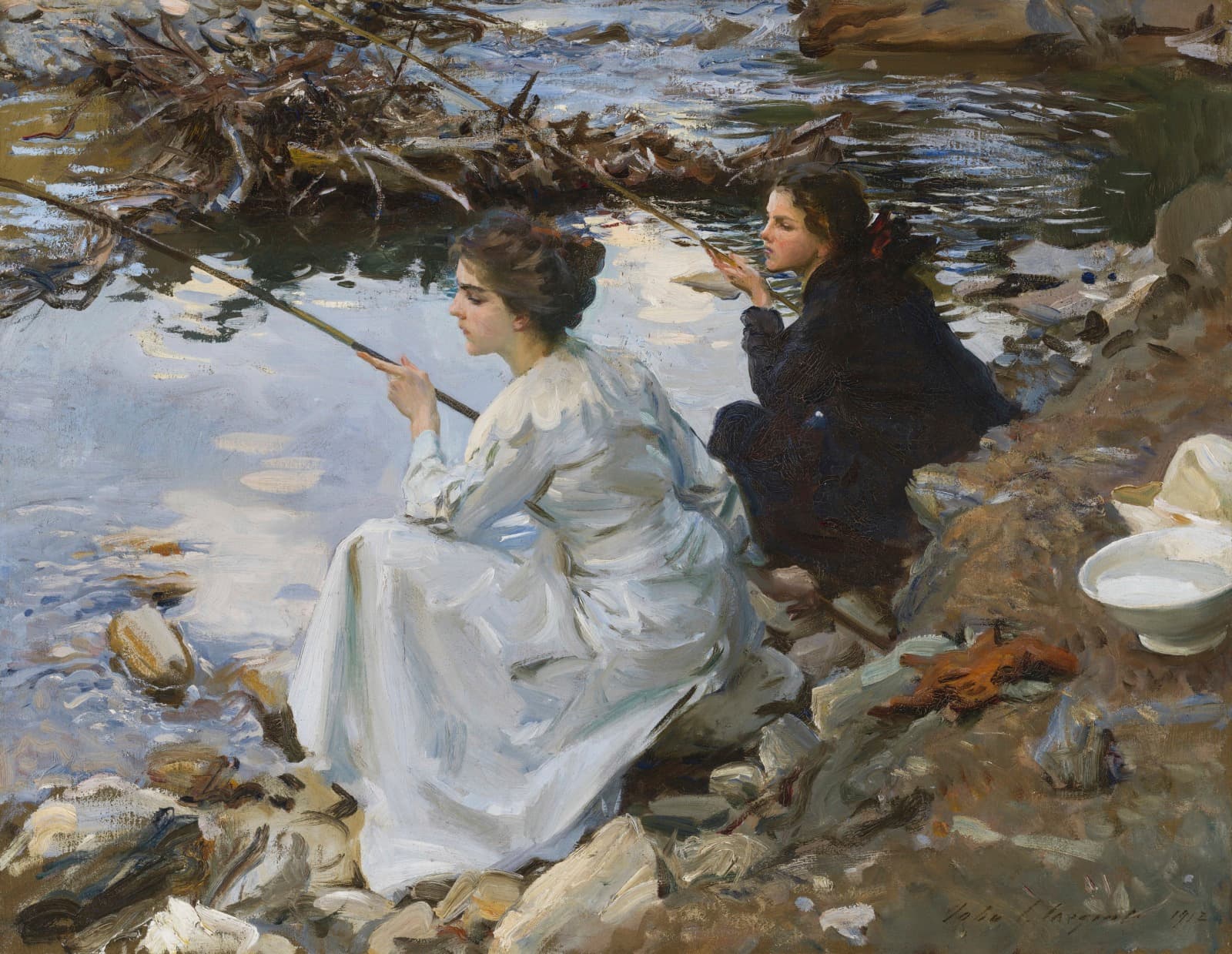
In his later career Sargent increasingly embraced travel and watercolor painting, producing brisk, luminous studies of landscapes, interiors, and informal figures while maintaining a selective portrait practice.
Sargent was celebrated for his commanding society portraits and his virtuoso handling of paint. He earned widespread commissions from private patrons and institutions and was recognized in his lifetime as a preeminent portraitist. In addition to portraiture, he produced acclaimed watercolors and informal studies that reveal his skill with light, color, and surface.
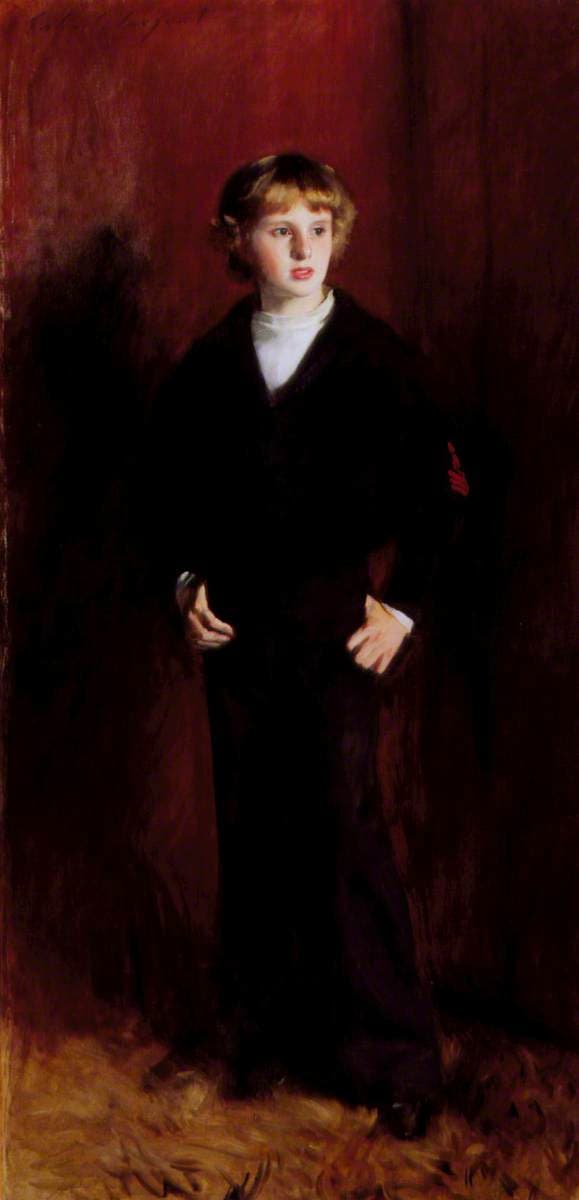
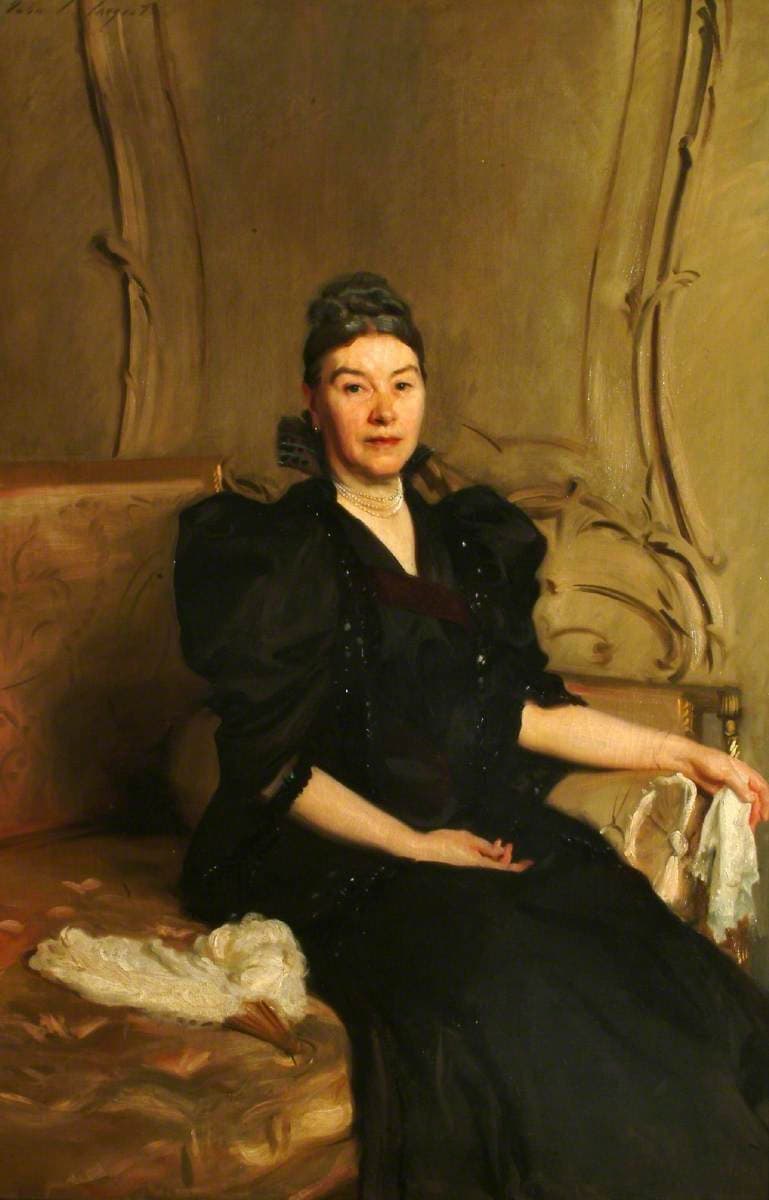
Sargent's style fused academic draftsmanship with bold, economy of brushwork. He favored a controlled realism that could become remarkably fluid: portraits often combine a precise rendering of facial features with rapid, suggestive passages for clothing and background. He worked proficiently in oil and watercolor, using a limited but sophisticated palette to model form and capture atmosphere.
Sargent bridged academic tradition and modern sensibilities. He influenced portrait practice in Britain and the United States through his technical mastery and compositional assured-
Awards
Frequently Asked Questions
William Brownlee (1836–1914), Provost of Dundee (1878–1881)
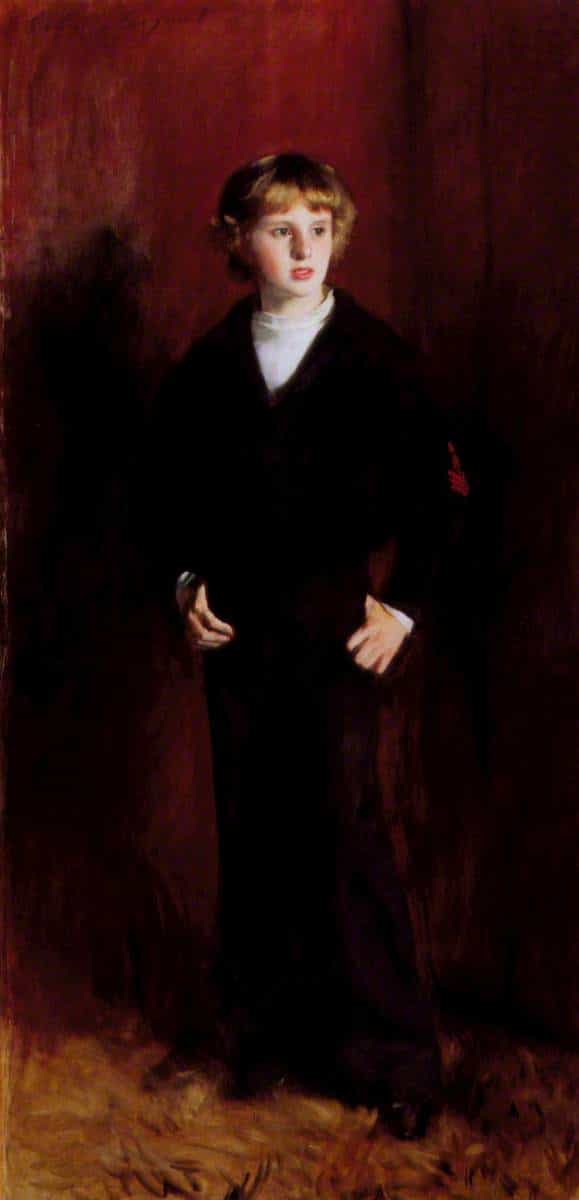
Major E. C. Harrison
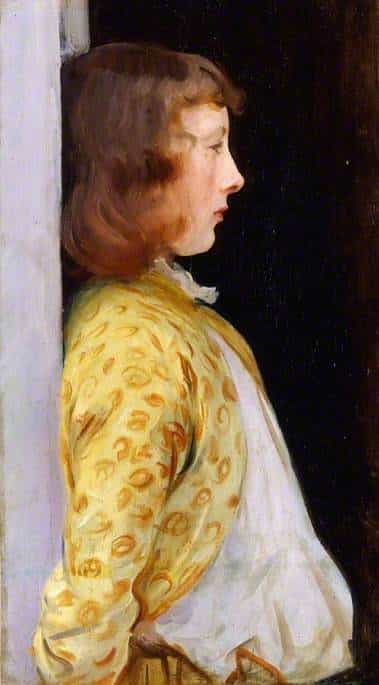
Dorothy Barnard (1878–1949)
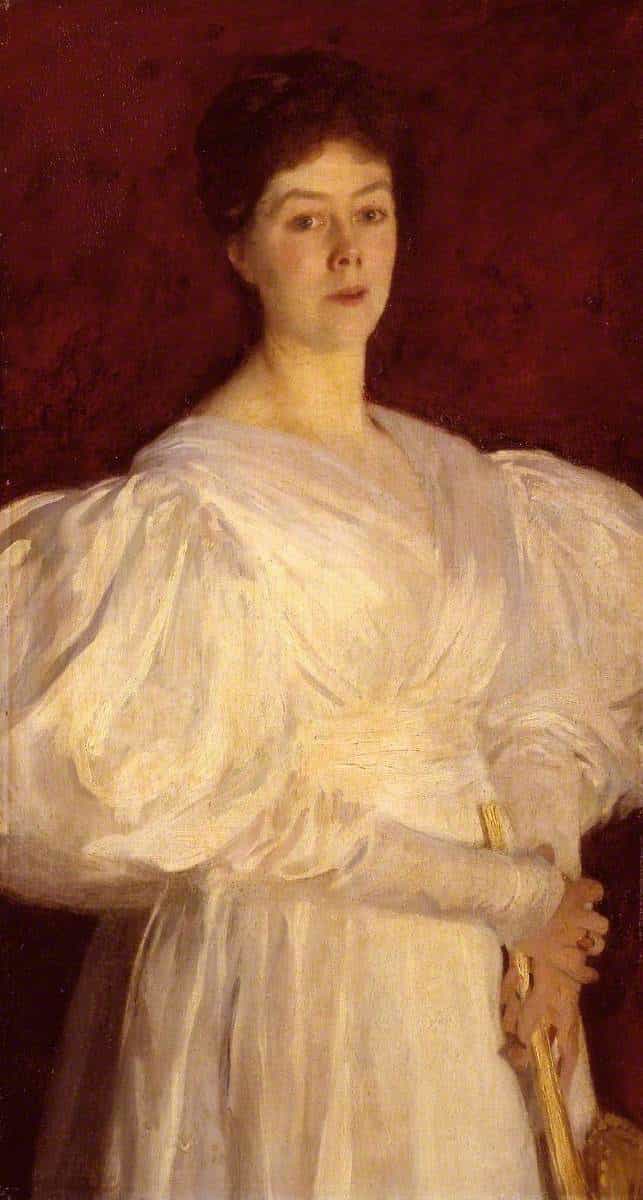
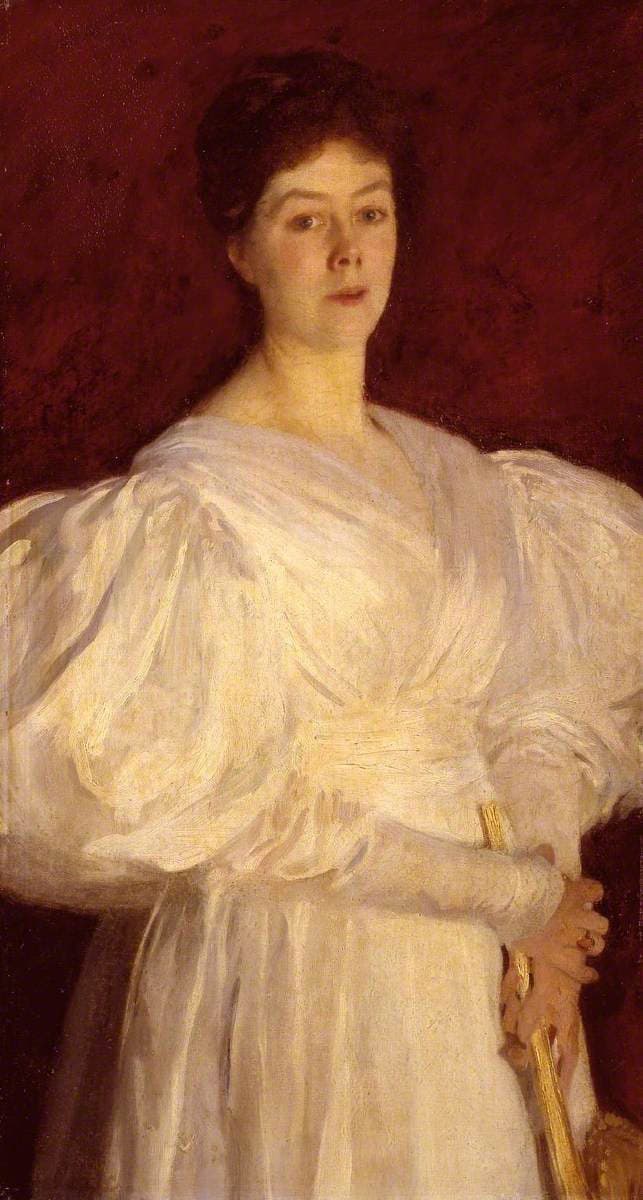
Mrs Frederick Barnard
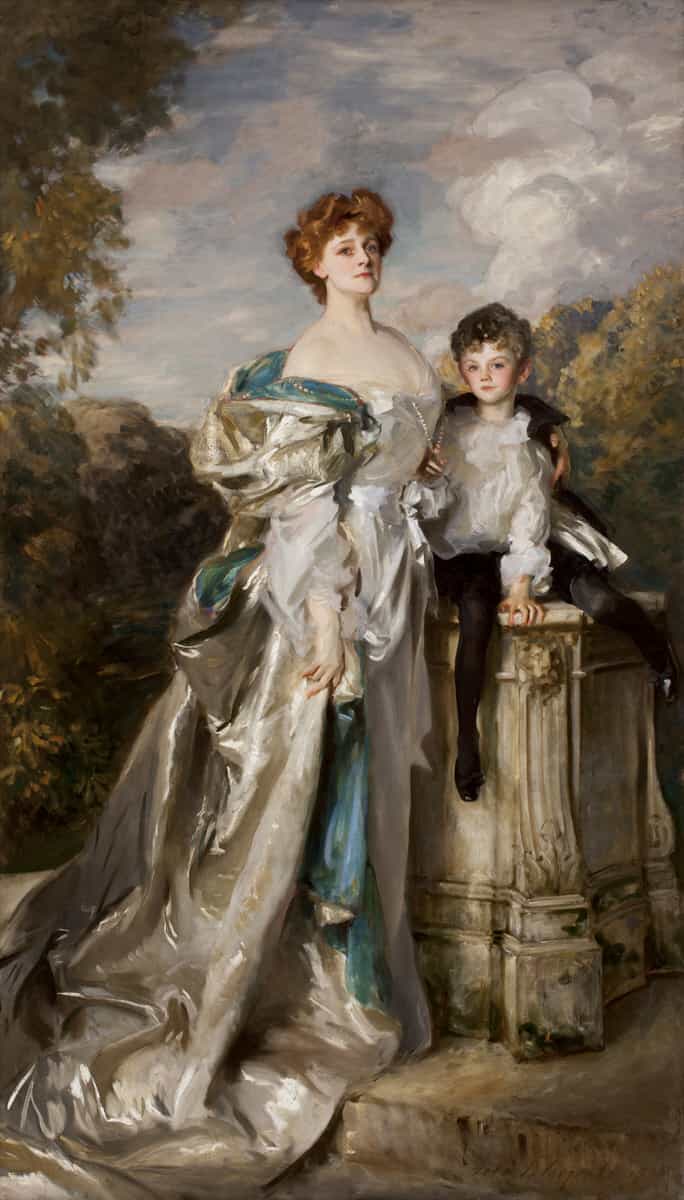
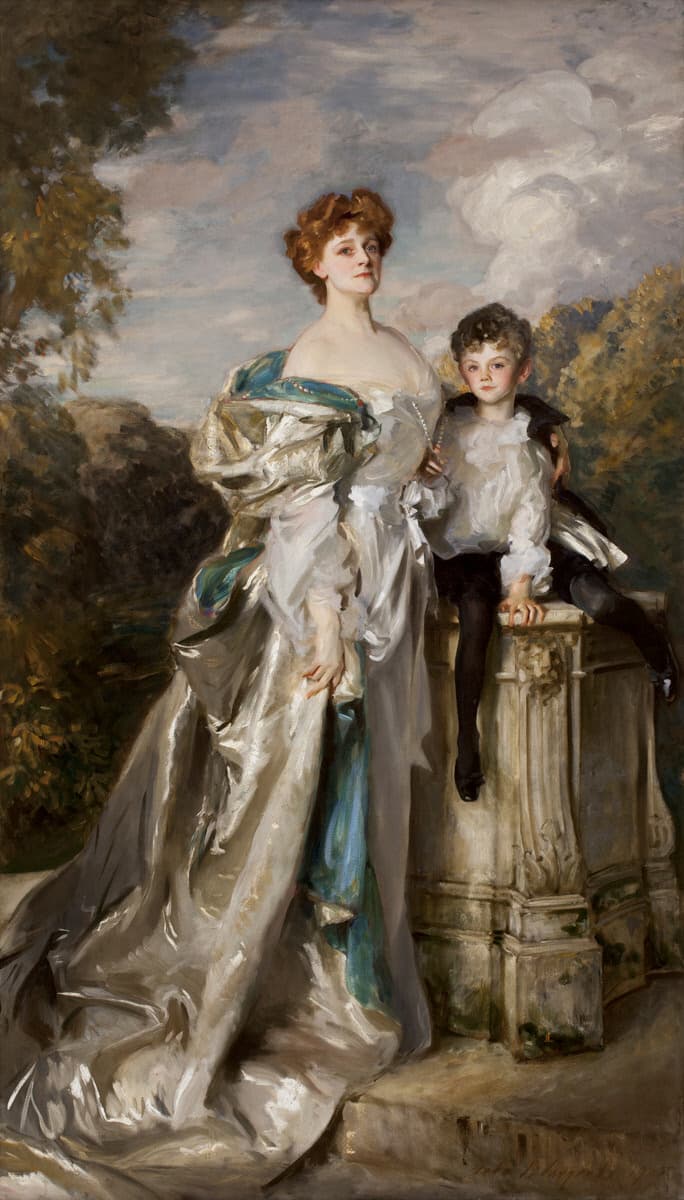
Lady Warwick and Her Son
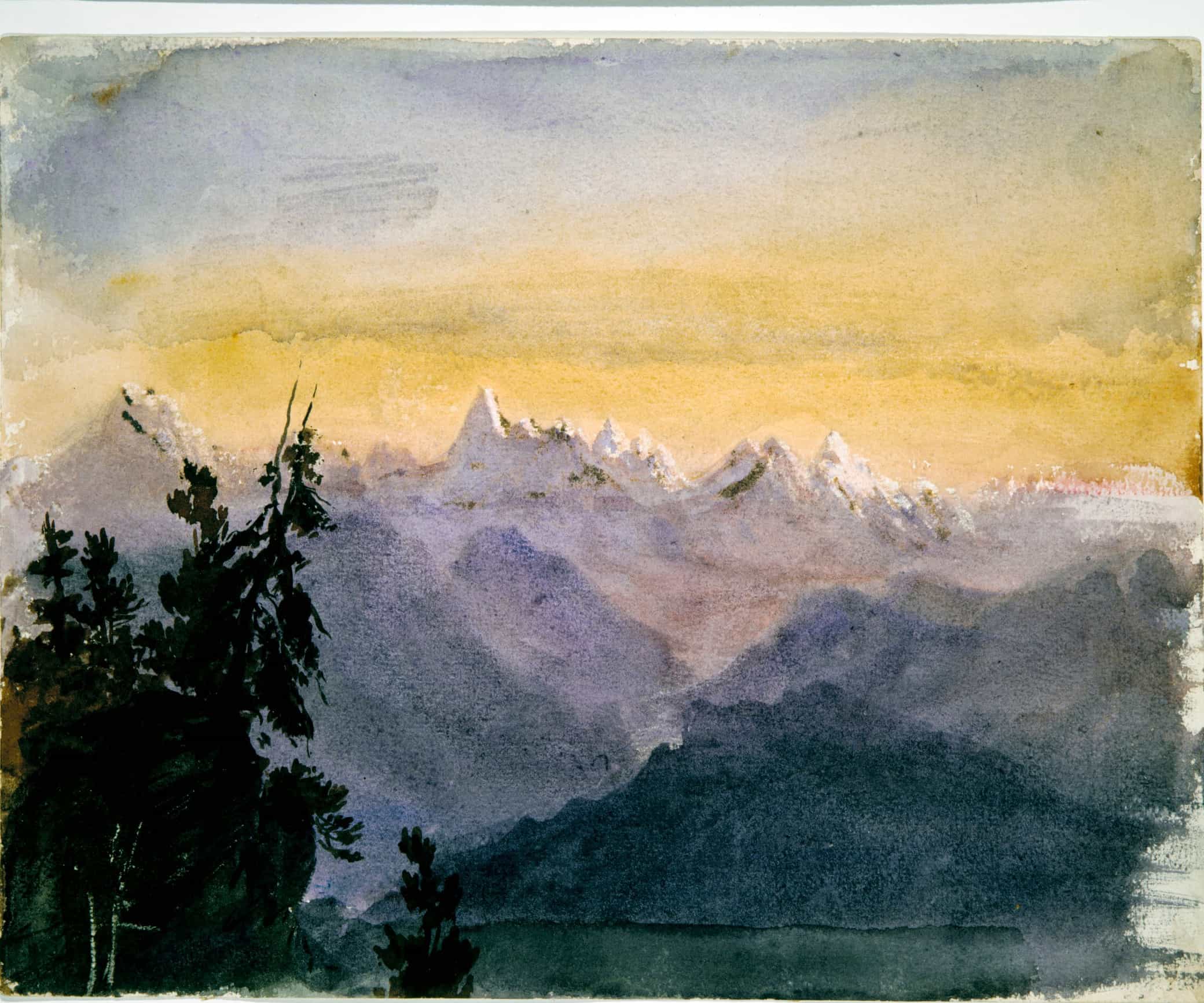
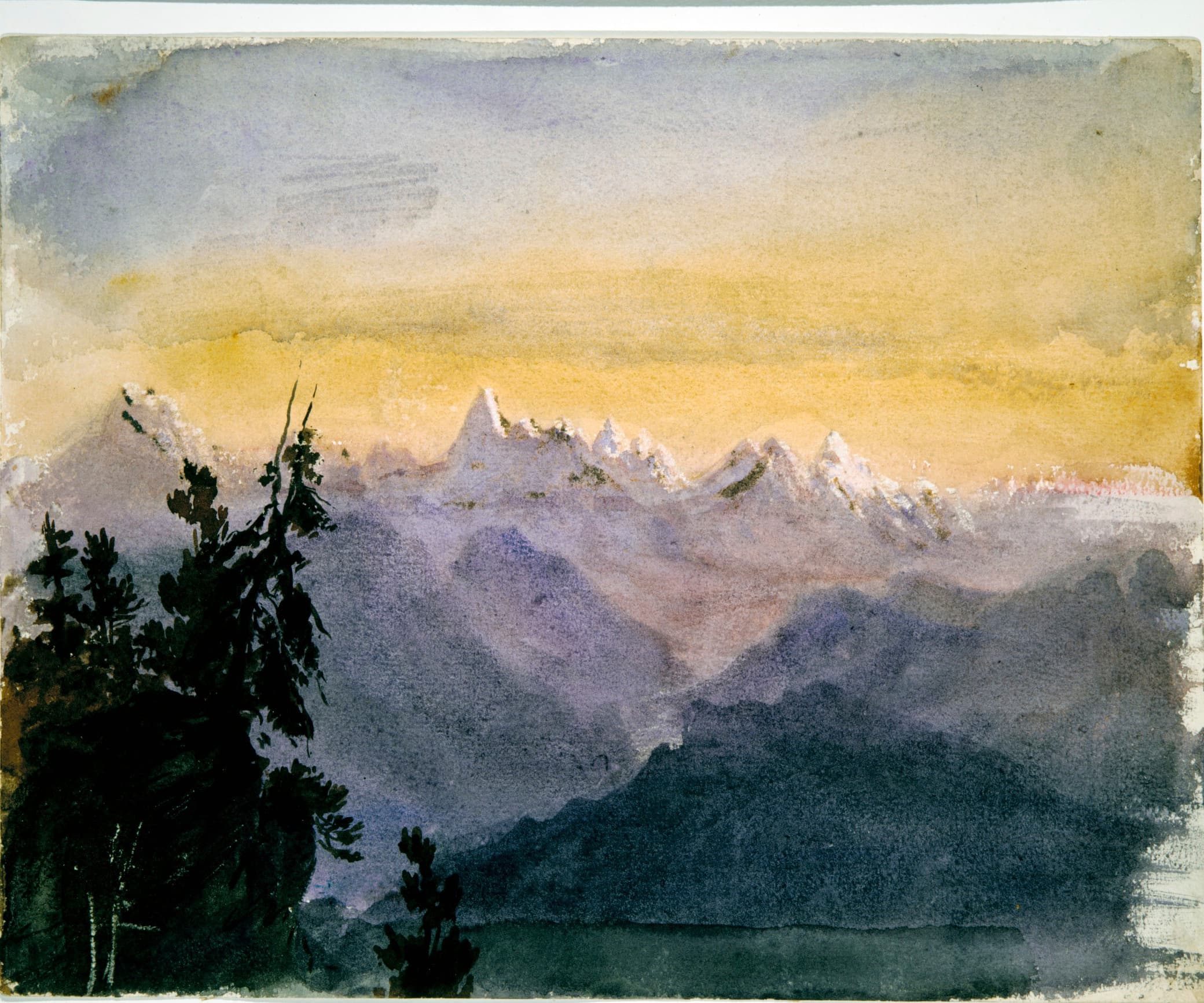
View from Mount Pilatus
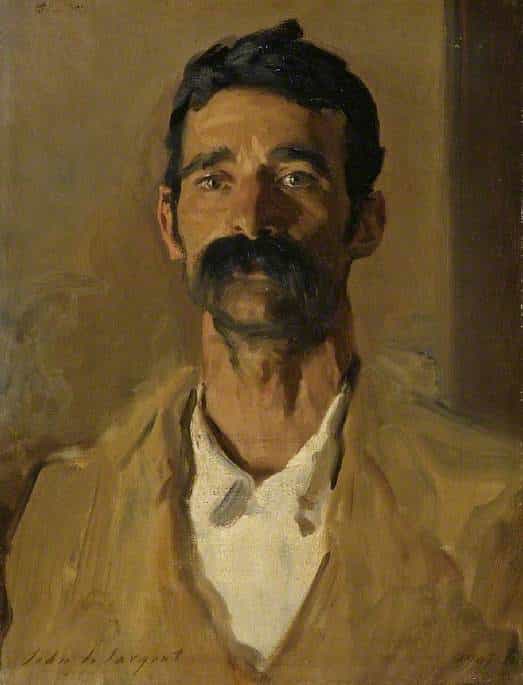
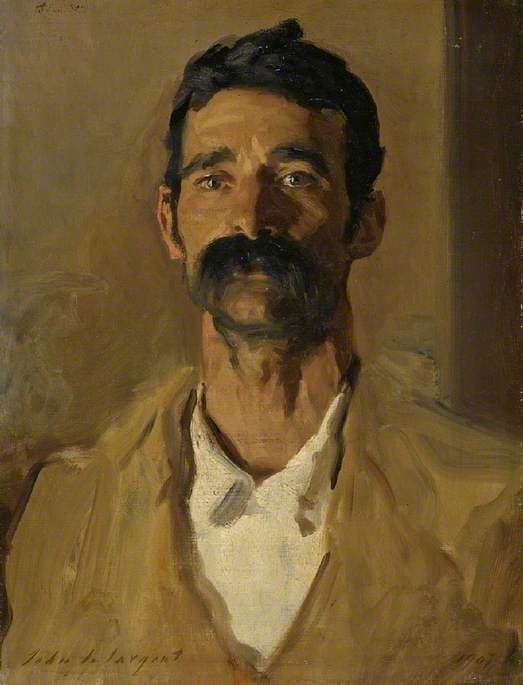
Study of a Sicilian Peasant
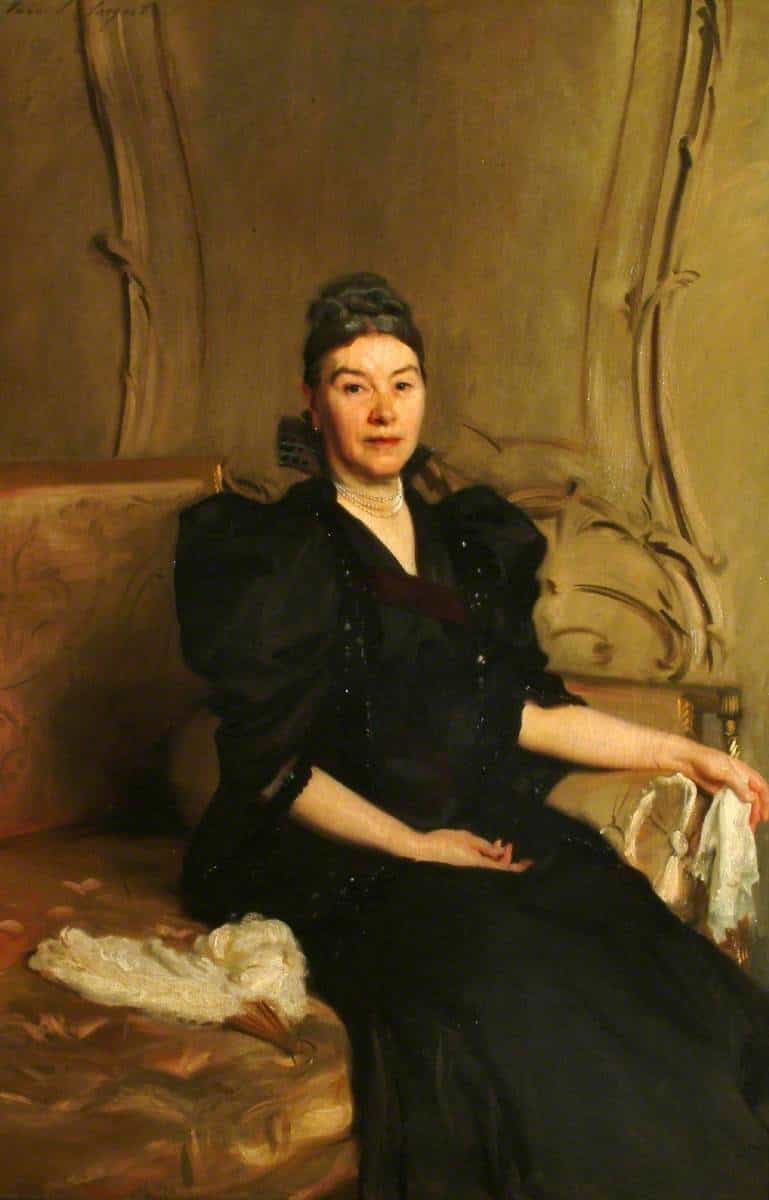
Mrs Graham Robertson
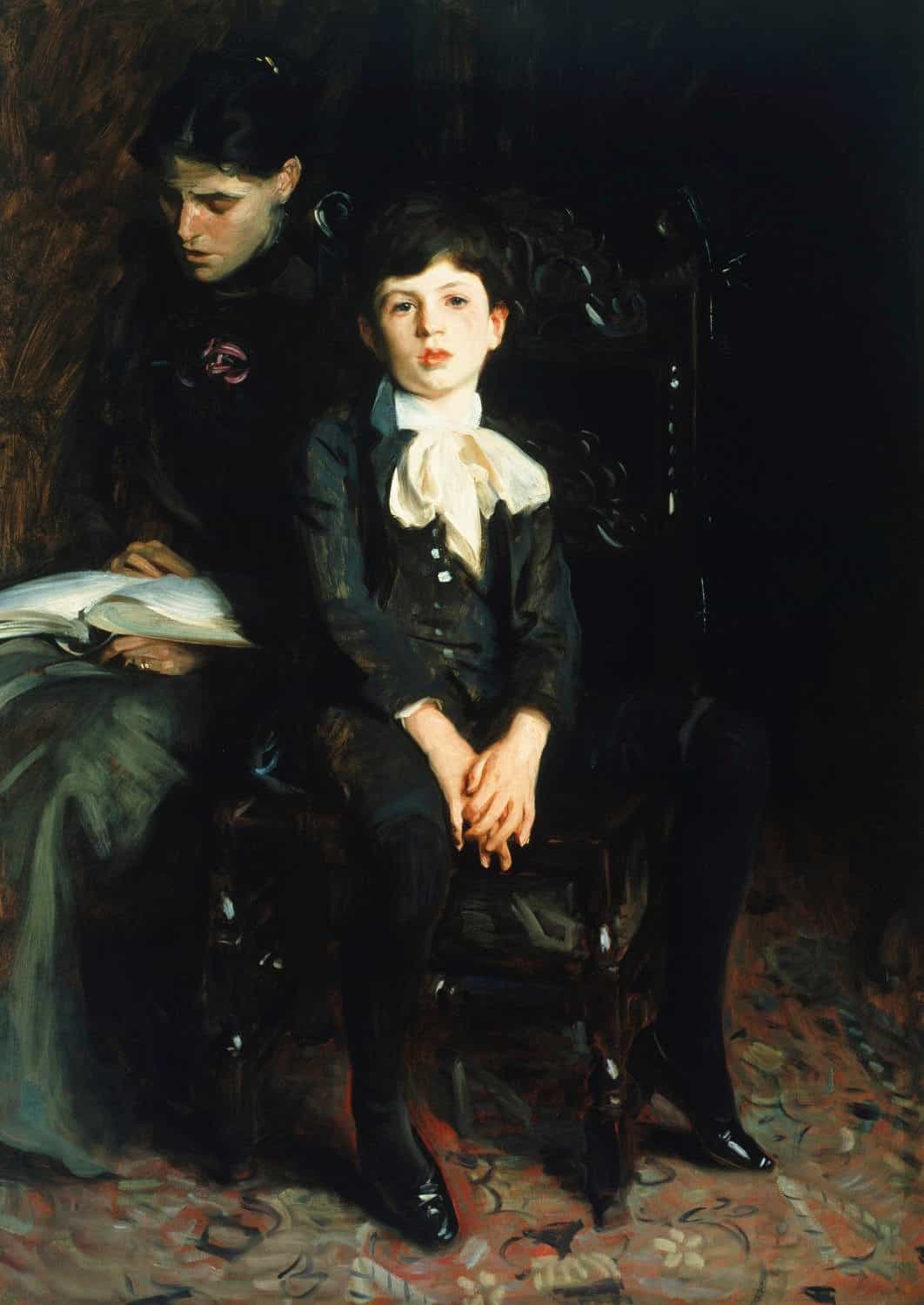
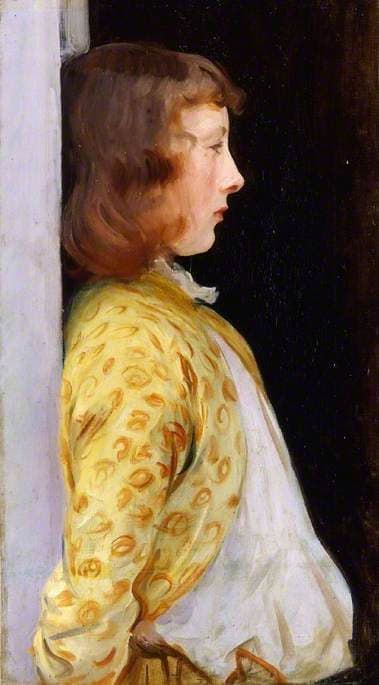
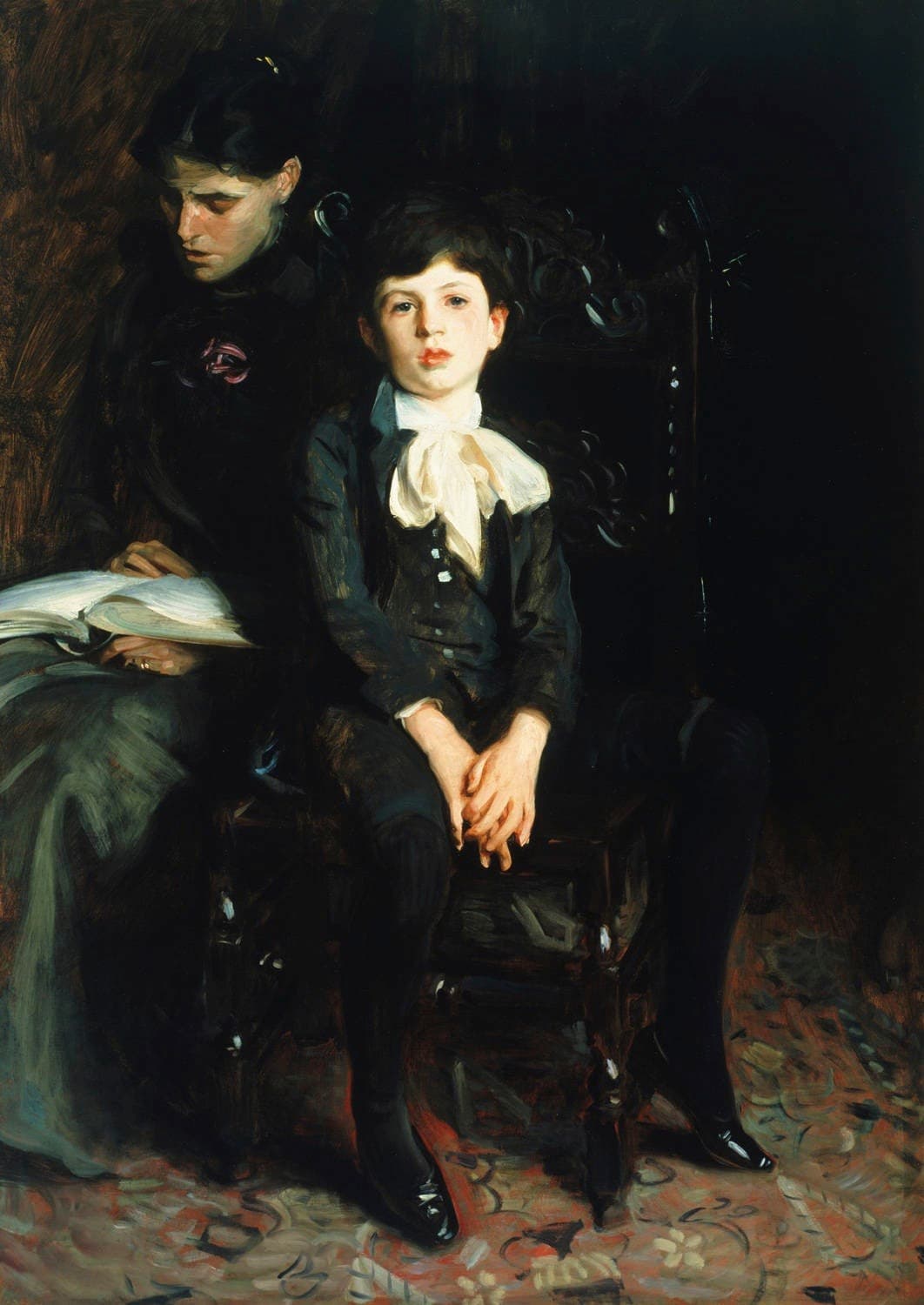
Portrait of a Boy
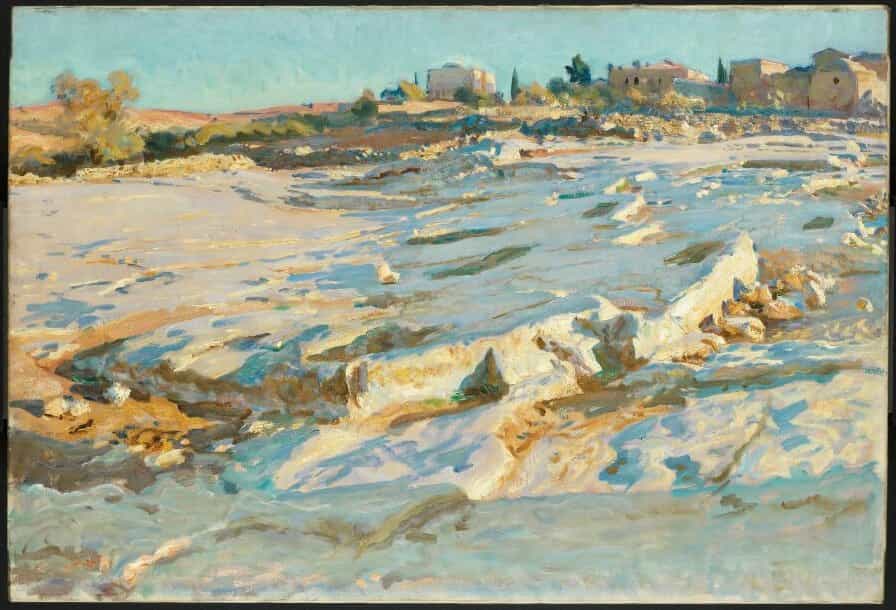
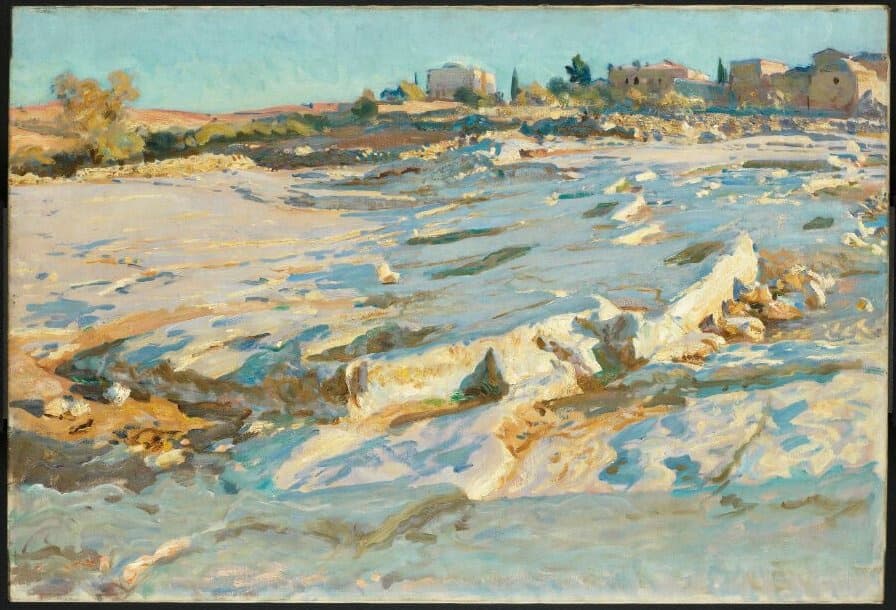
Near the Mount of Olives, Jerusalem
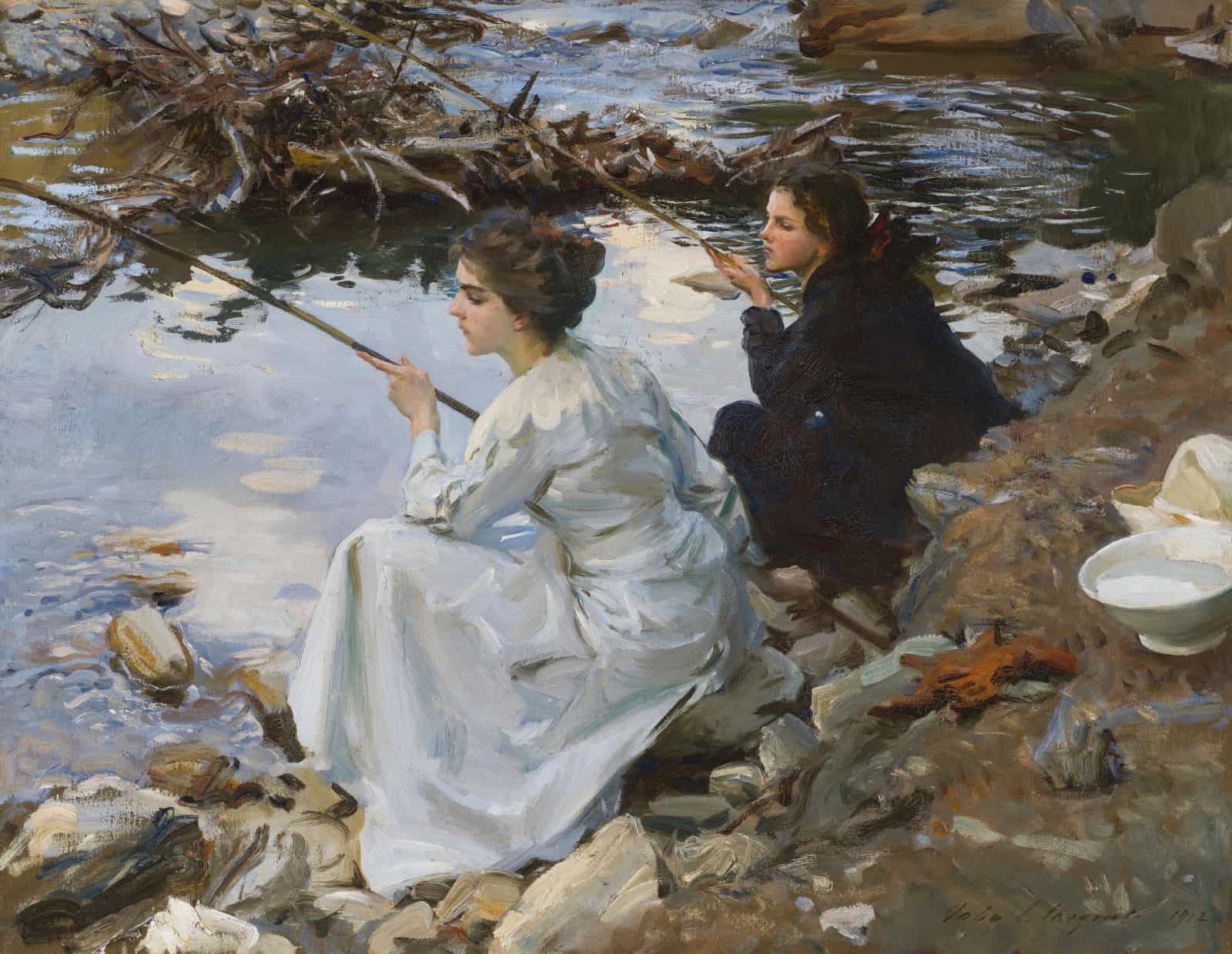
Two Girls Fishing
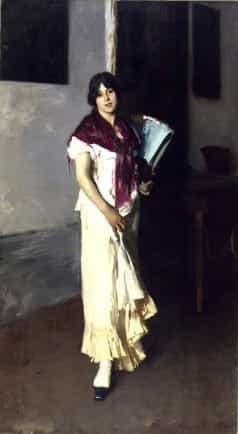
A Venetian Woman