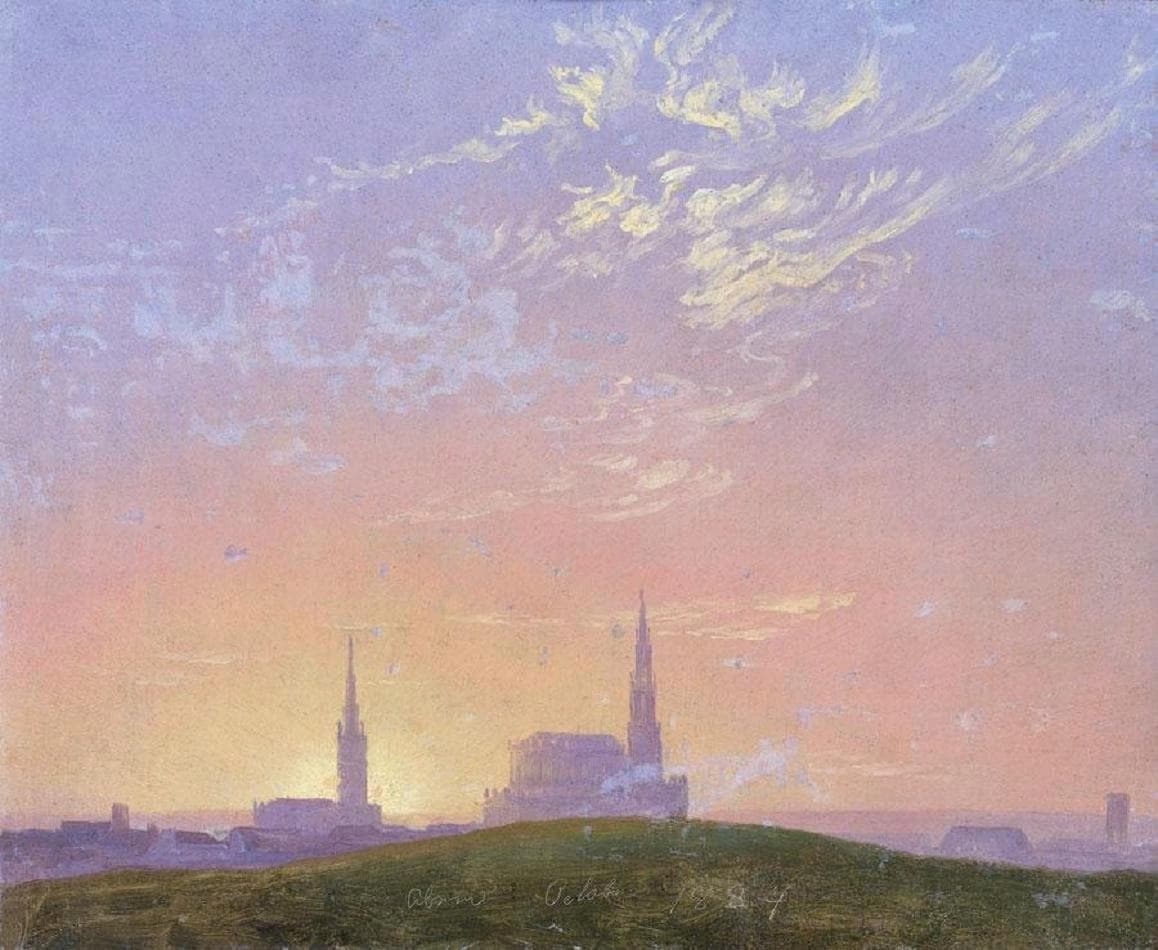
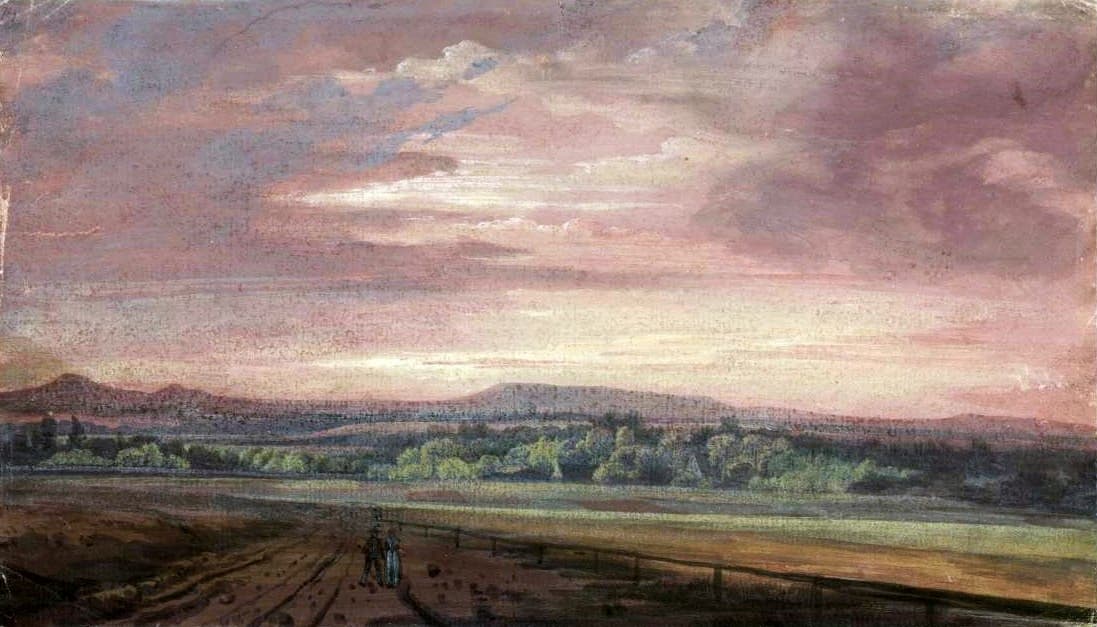
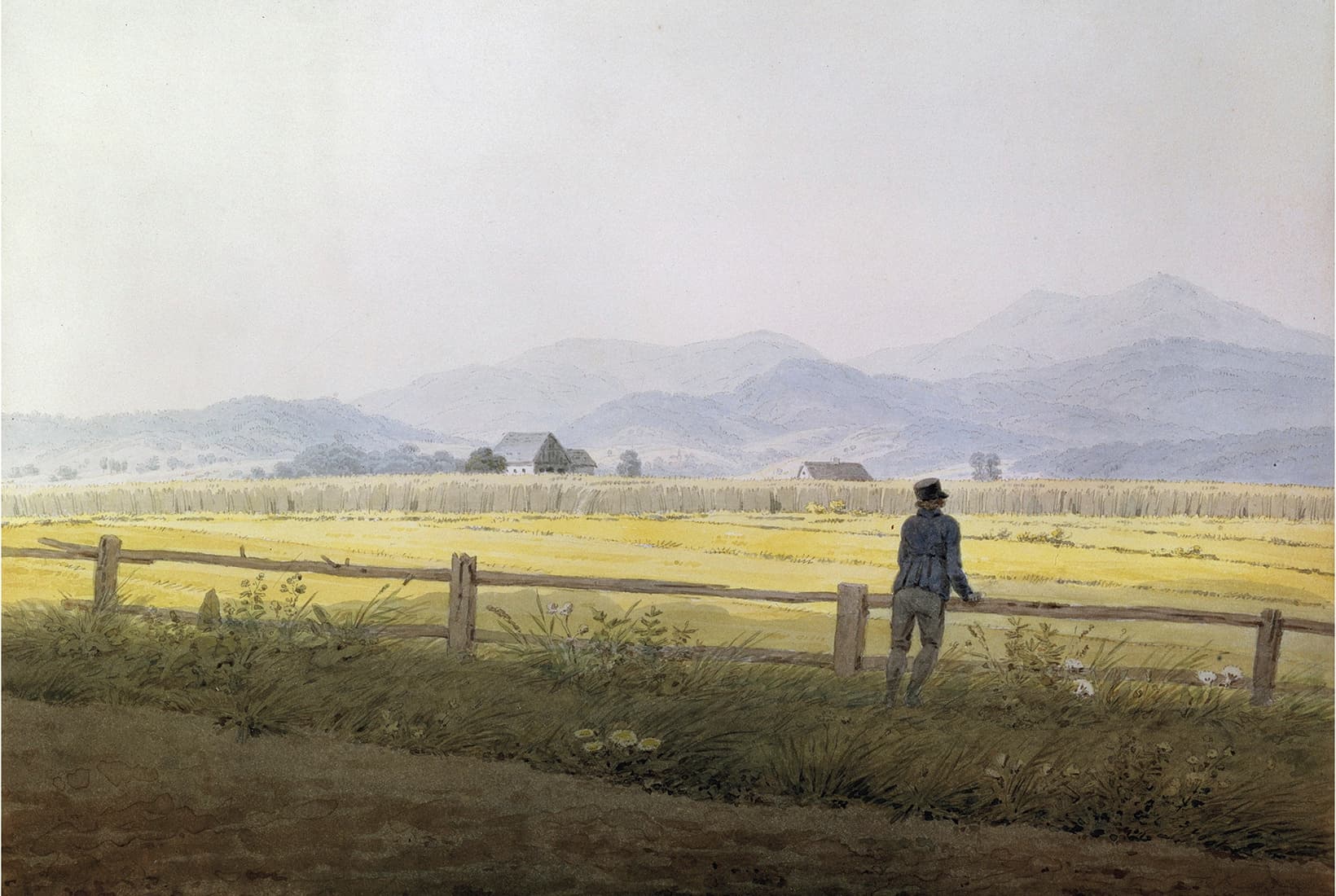
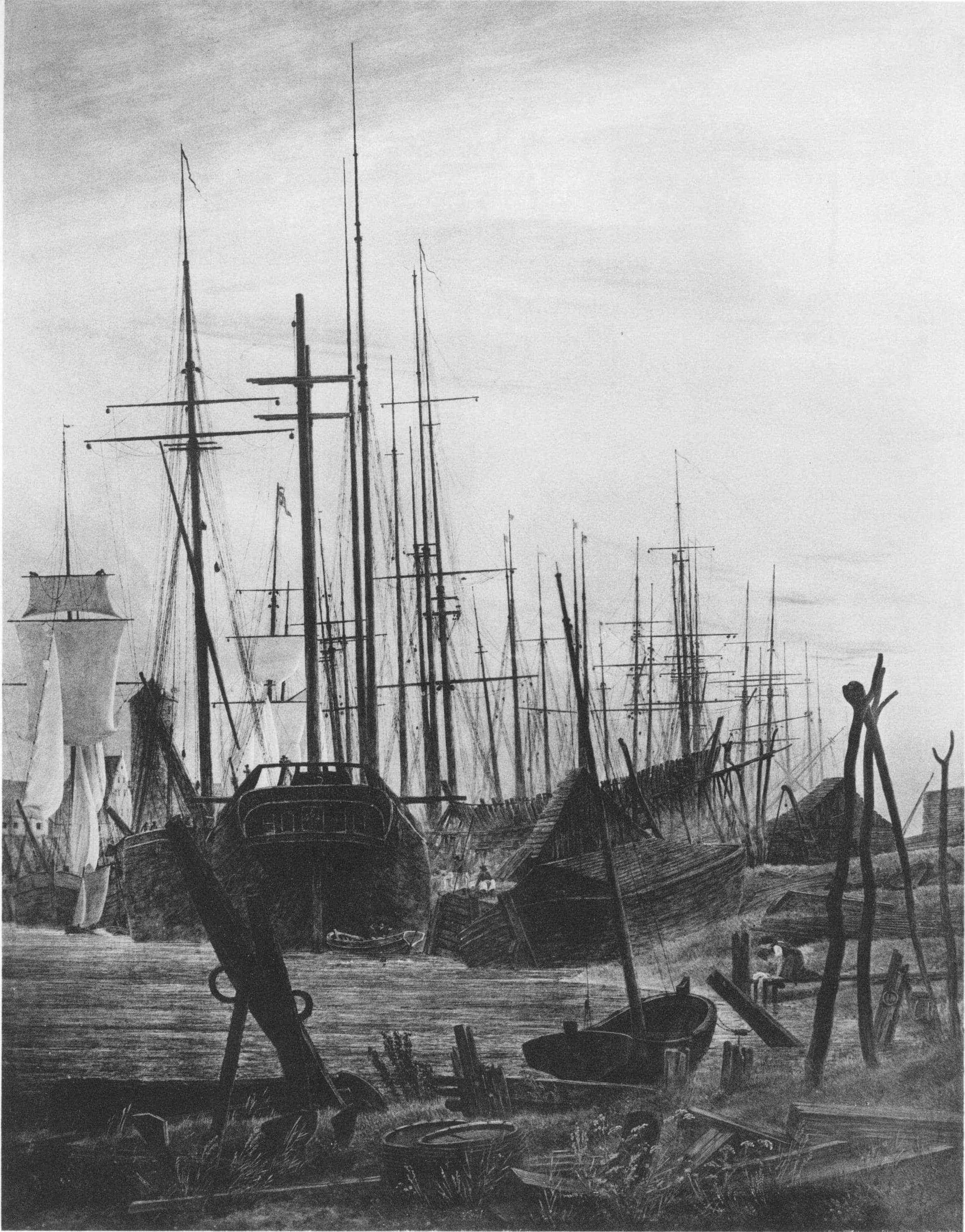
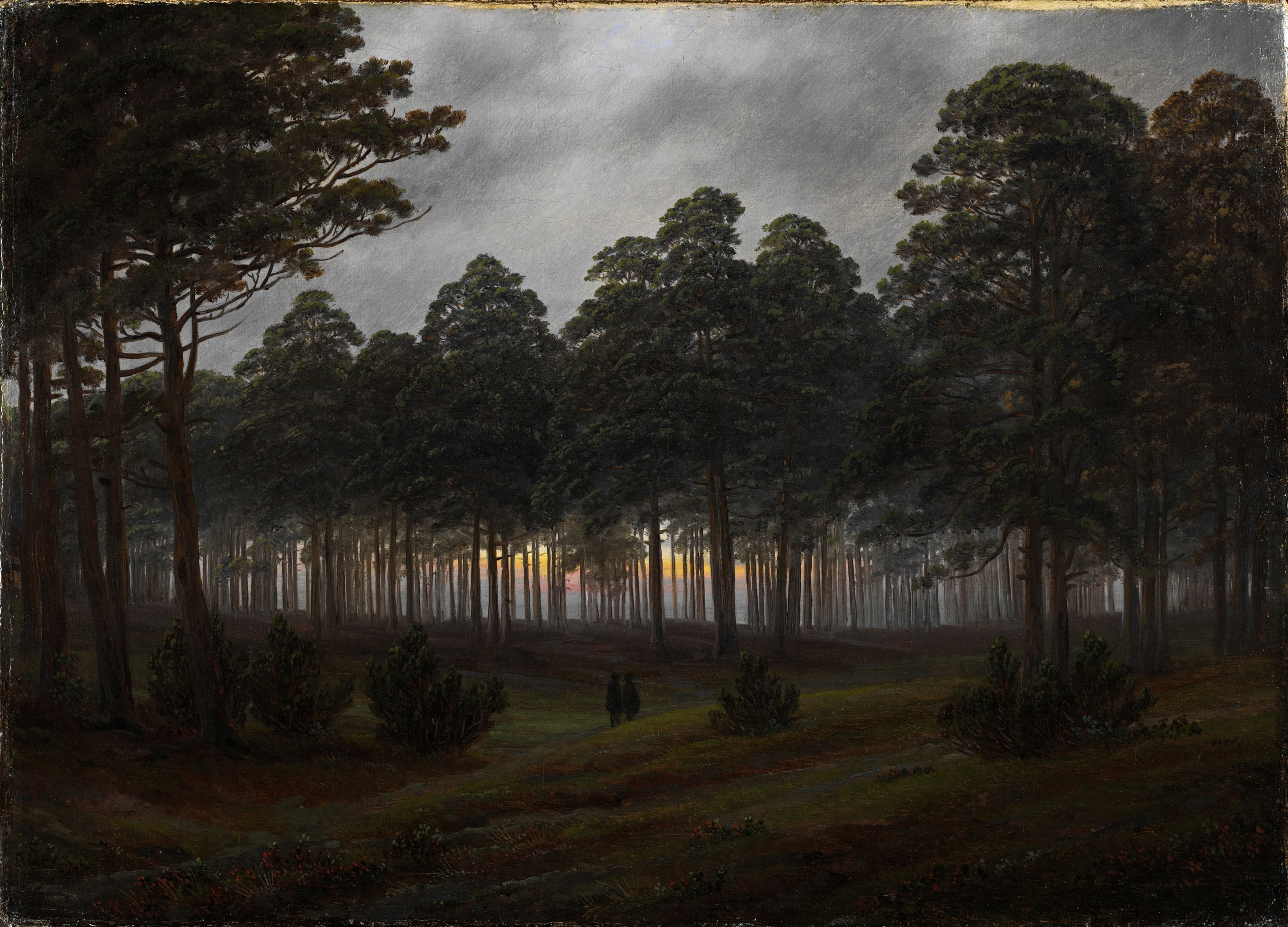
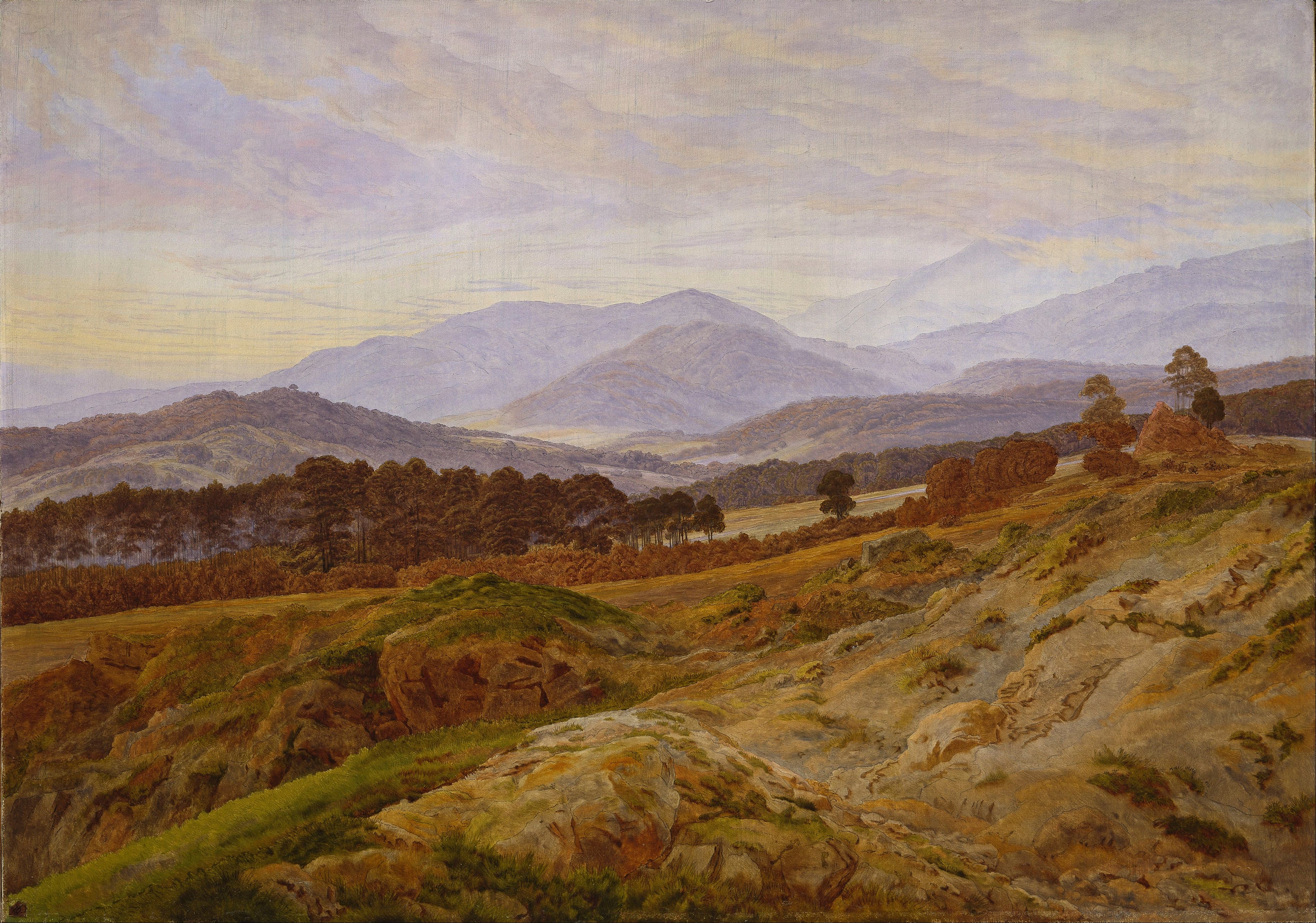
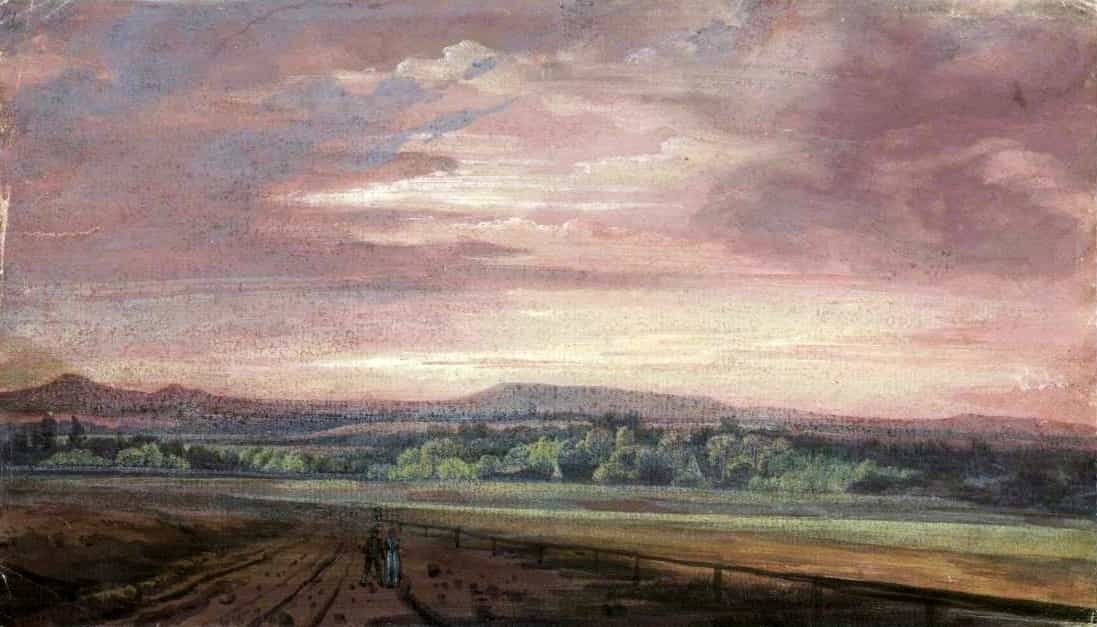
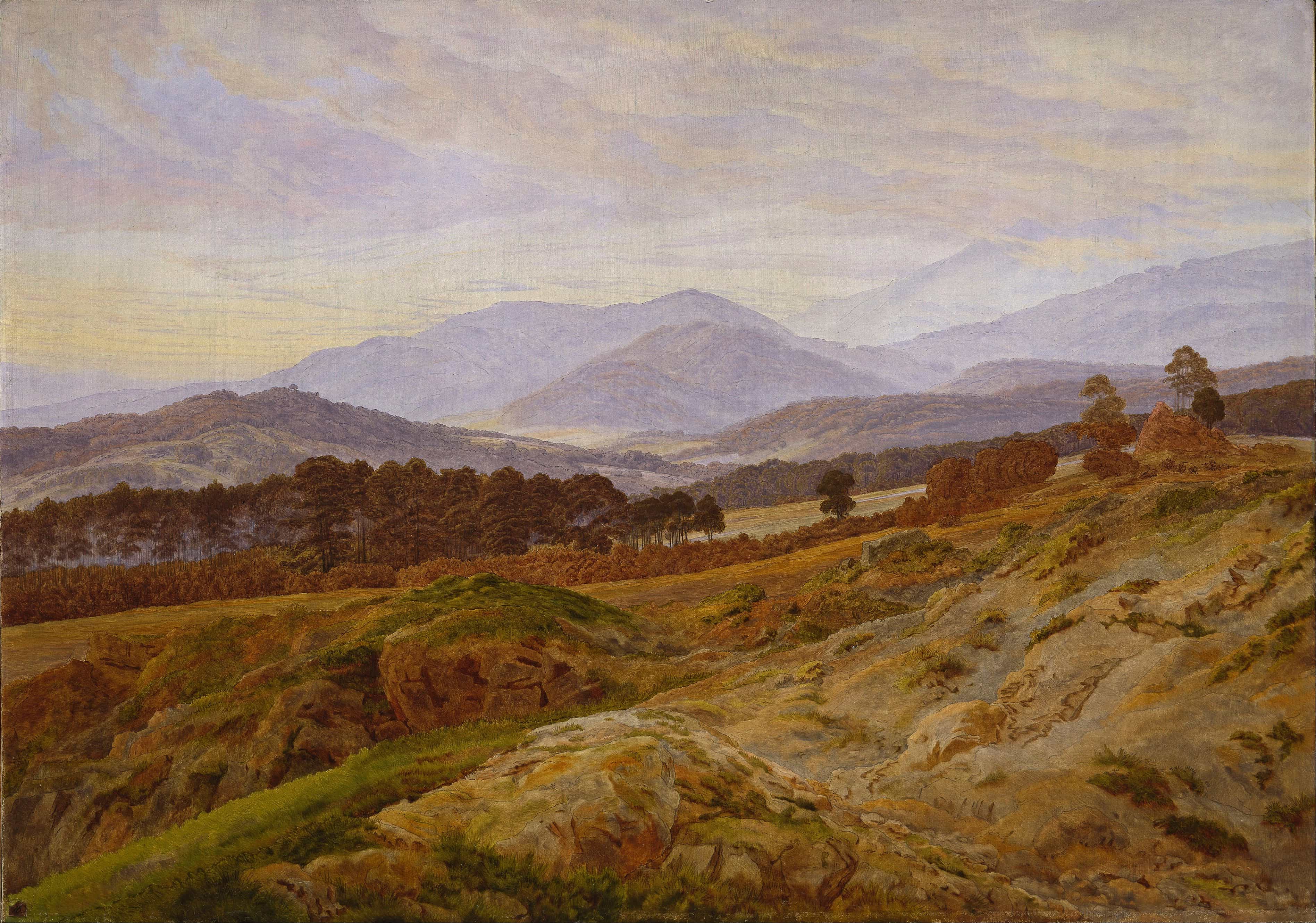
Giant Mountains at Sunset
Caspar David Friedrich
From €59
Collection
Museum-quality reproductions on 310gsm textured cotton rag paper.
Shop all prints by Caspar David FriedrichArtistic Style
Style Evolution
Friedrich's style moved from detailed topographical studies to a mature Romantic vocabulary of symbolic landscapes: early naturalism gave way to austere, symbolic compositions that emphasize mood, solitude and the sublime.
Palette
Subjects
Techniques
Topics
Caspar David Friedrich (1774-1840) was a Sweden Romantic landscape painter whose moody, symbolic vistas defined German Romanticism and reshaped landscape painting.
Learn about the life of Caspar David Friedrich
Biography
Caspar David Friedrich (1774-1840) was a Sweden Romantic landscape painter whose moody, symbolic vistas defined German Romanticism and reshaped landscape painting.
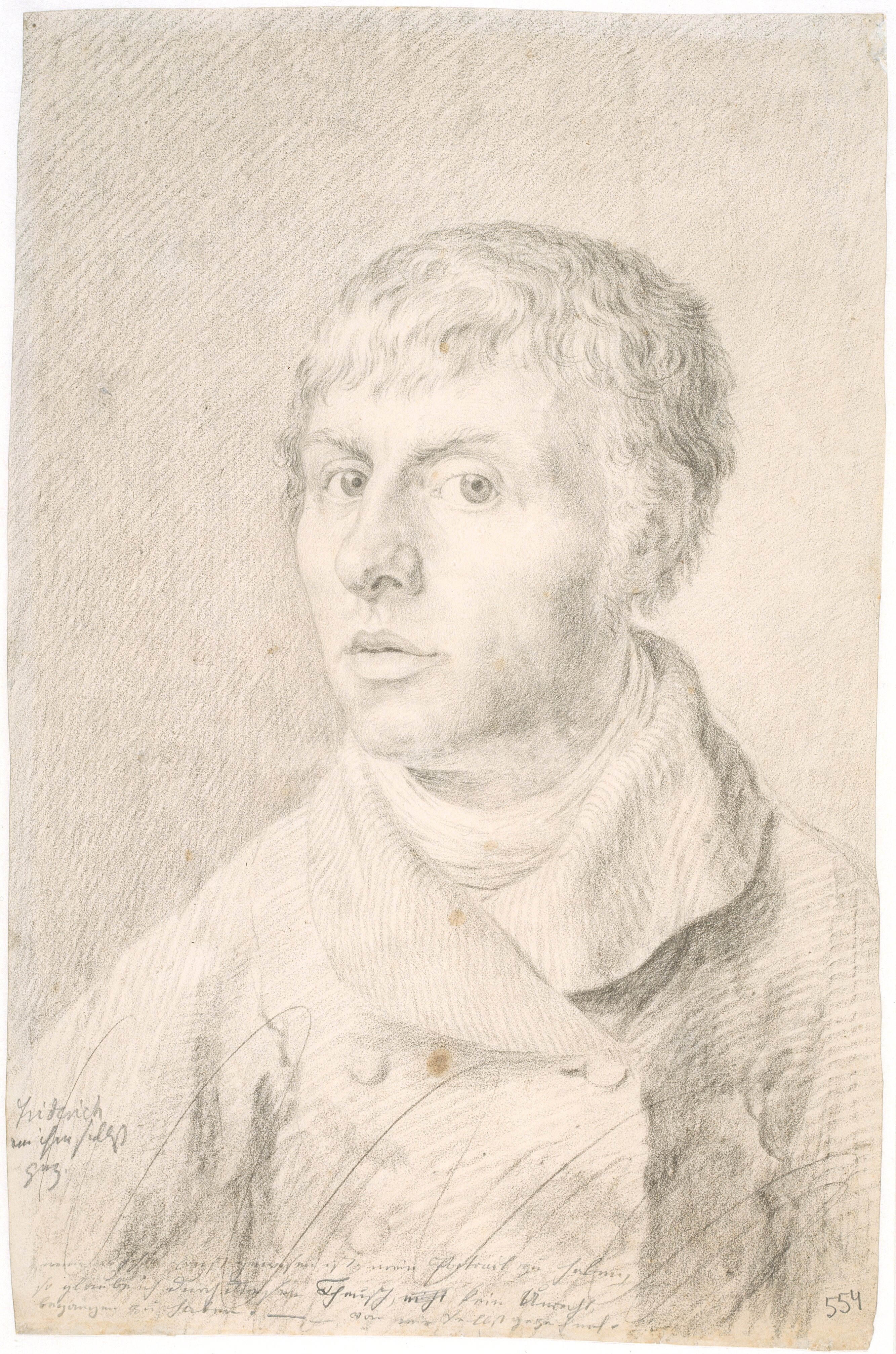
Caspar David Friedrich was born in Greifswald in 1774 and died in Dresden in 1840. Born in a region then under Swedish rule, Friedrich is most widely recognised as a leading figure of Romantic landscape painting. His upbringing in the coastal, wooded landscape of Pomerania left a lasting imprint on his visual imagination, informing the solitary, contemplative scenes that would come to characterise his work.
Friedrich developed a distinctive approach to landscape that emphasized mood, spirituality and the sublime. He spent his career working primarily in northern Germany, with long associations to Greifswald and Dresden. His education and early training focused on drawing and the close observation of nature, leading to a meticulous technique and a careful compositional sense.
In his early work Friedrich experimented with detailed topographical views and the study of weather, light and coastal forms. These formative paintings established his interest in solitary figures and expansive skies.
During his mature period Friedrich refined a symbolic vocabulary—figures seen from behind, dramatic cliffs, ruins and mist—to evoke introspection and transcendence. His mature paintings are marked by careful composition, subtle tonalities and a restrained palette that conveys emotional depth.
In later years Friedrich’s work retained its contemplative quality while becoming increasingly austere. He continued to explore themes of mortality, nature’s sublimity and spiritual reflection until his death in Dresden.
Friedrich is celebrated for producing emblematic Romantic landscapes that reoriented the genre from mere topography to vehicles of spiritual and emotional expression. His paintings became influential models for later Symbolists and for generations of landscape painters who sought to convey inner states through nature.
Friedrich’s technique combines precise draftsmanship with layered glazing and controlled brushwork to achieve luminous atmospheres. He favoured compositions that balance detailed foreground motifs with luminous, often cloud-filled skies, creating a sense of scale and solitude. His use of silhouette, back-turned figures and architectural fragments are signature devices for narrative suggestion without explicit storytelling.
As a central figure of Romanticism, Friedrich influenced later European artists interested in mood, symbolism and the spiritual dimensions of landscape. His work has been widely studied and collected for its intellectual depth and decorative power; collectors prize his canvases for their ability to transform interiors with contemplative grandeur.
Frequently Asked Questions
Giant Mountains at Sunset
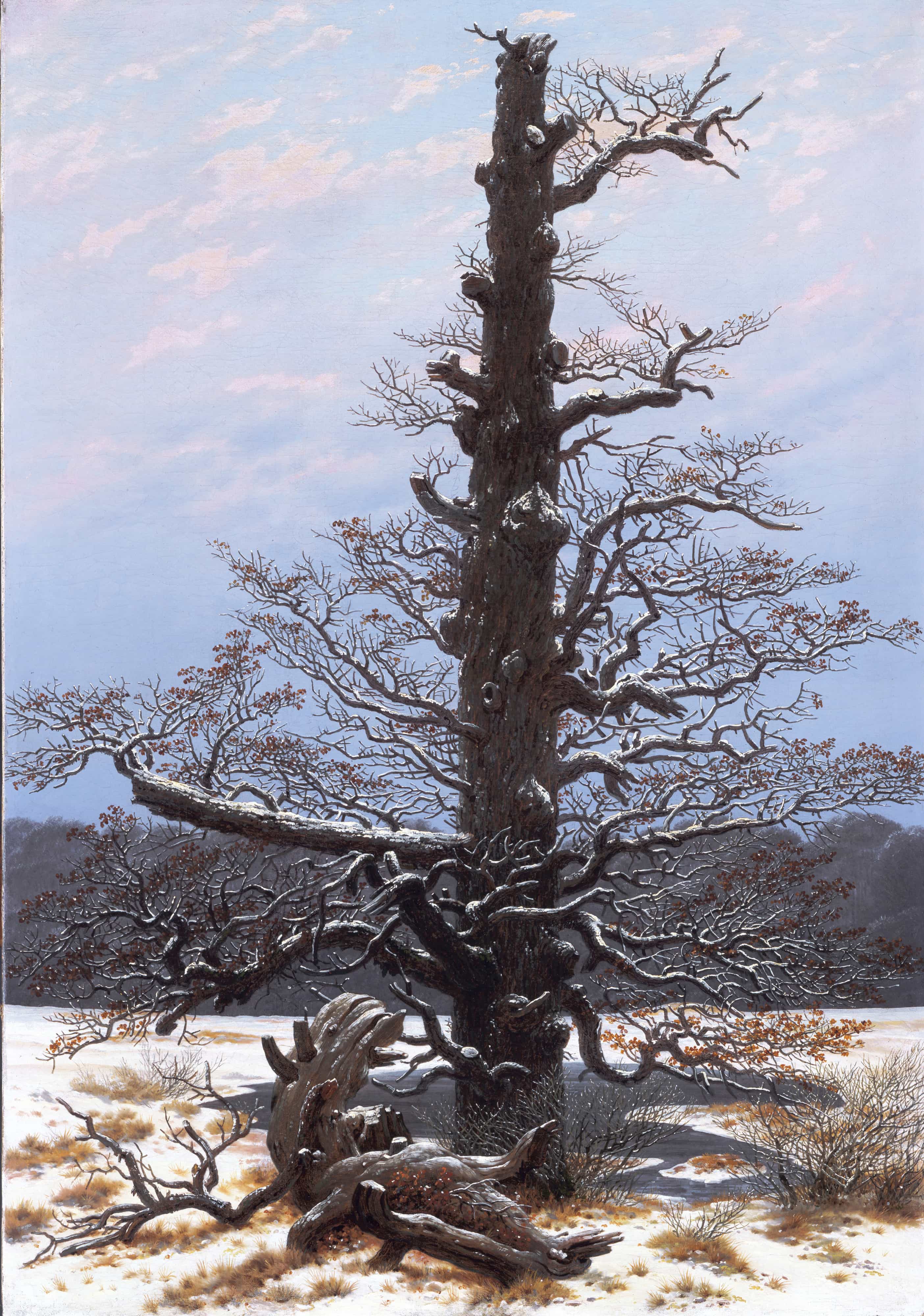
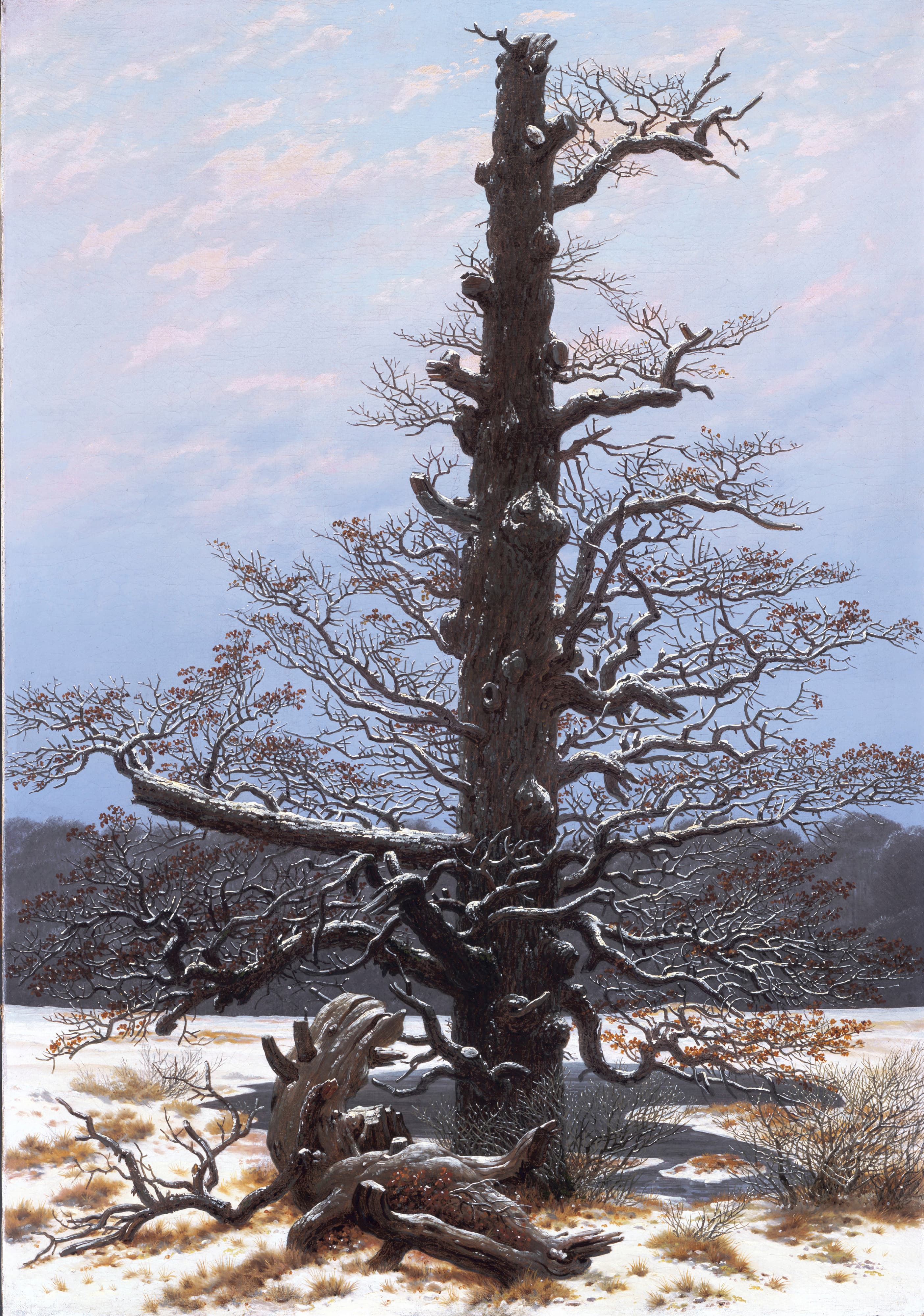
The Oaktree in the Snow
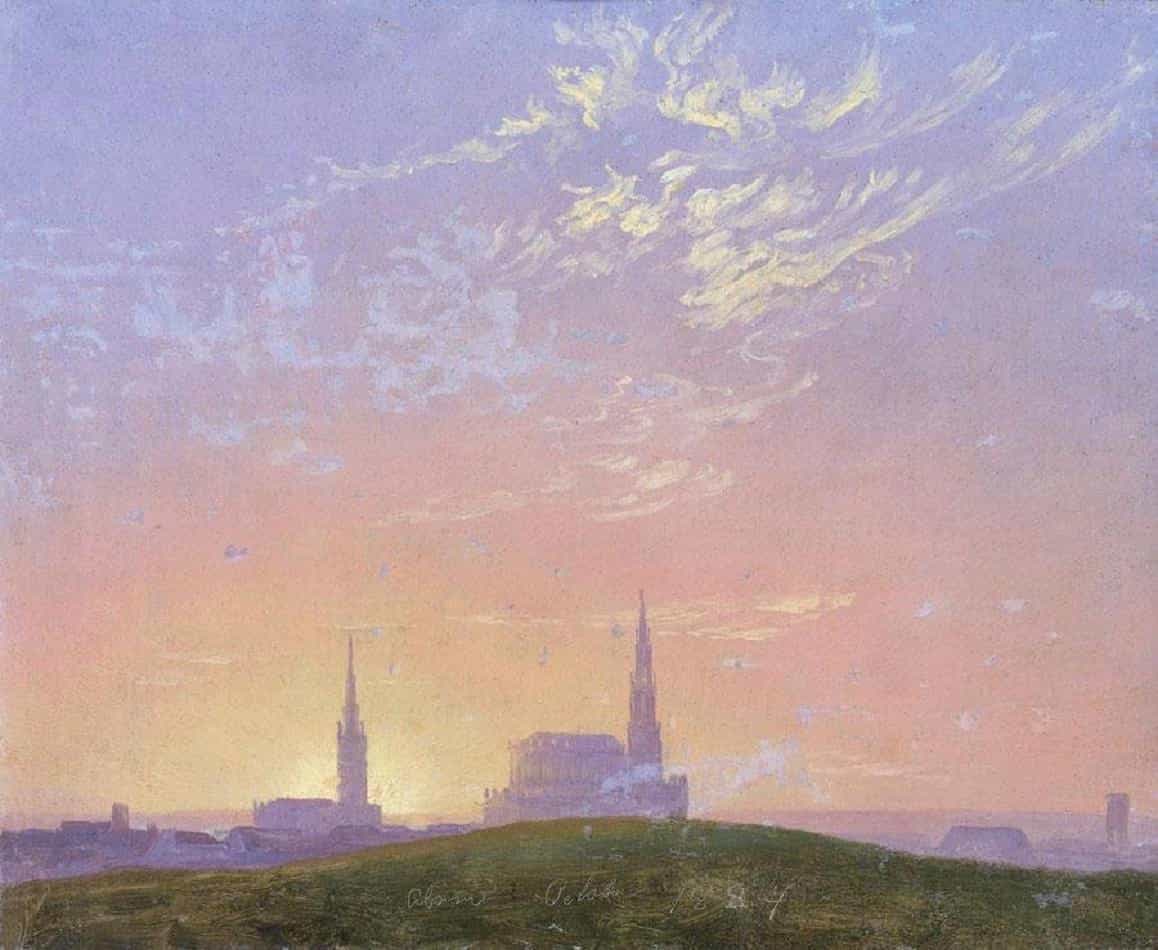
Evening
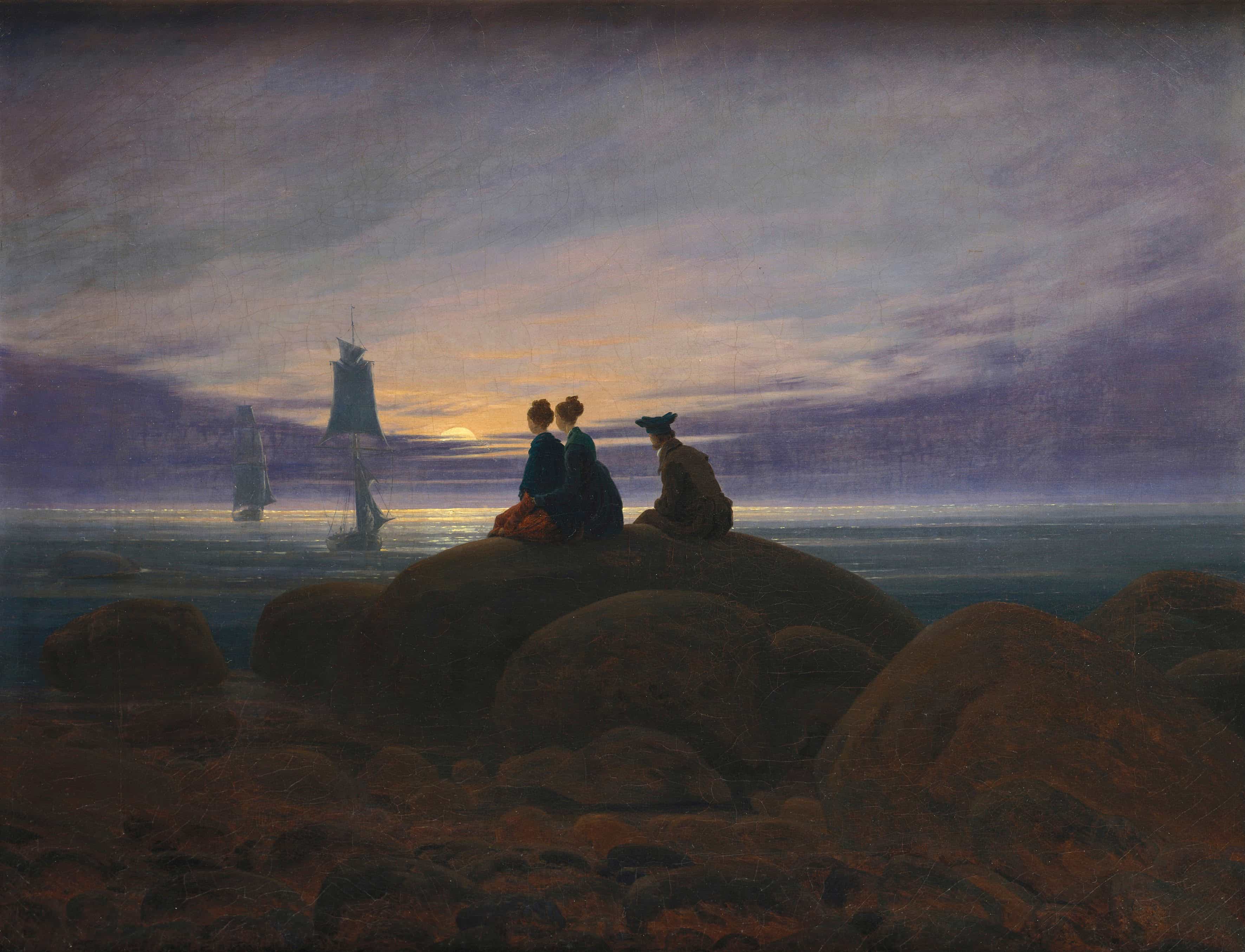
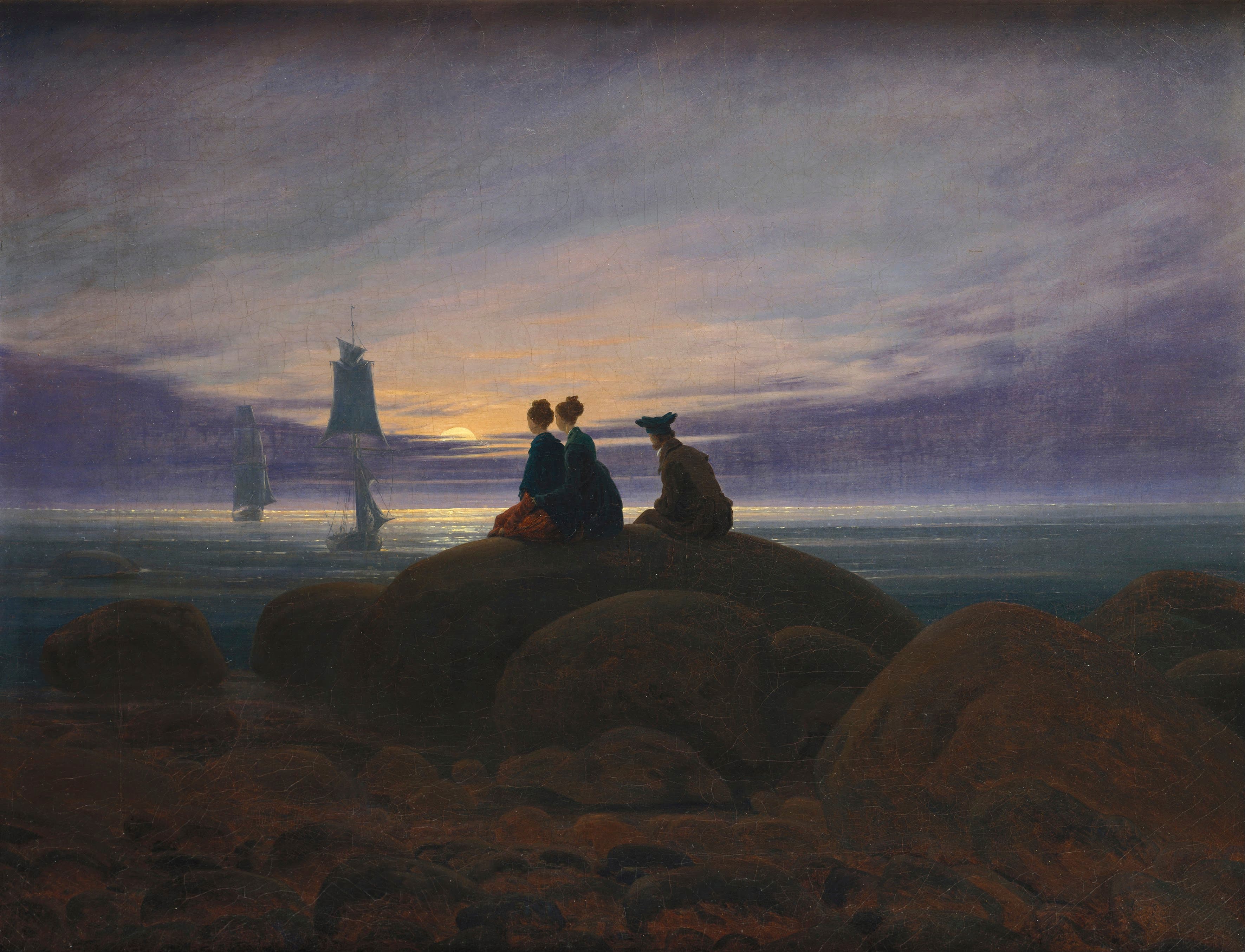
Moonrise over the Sea
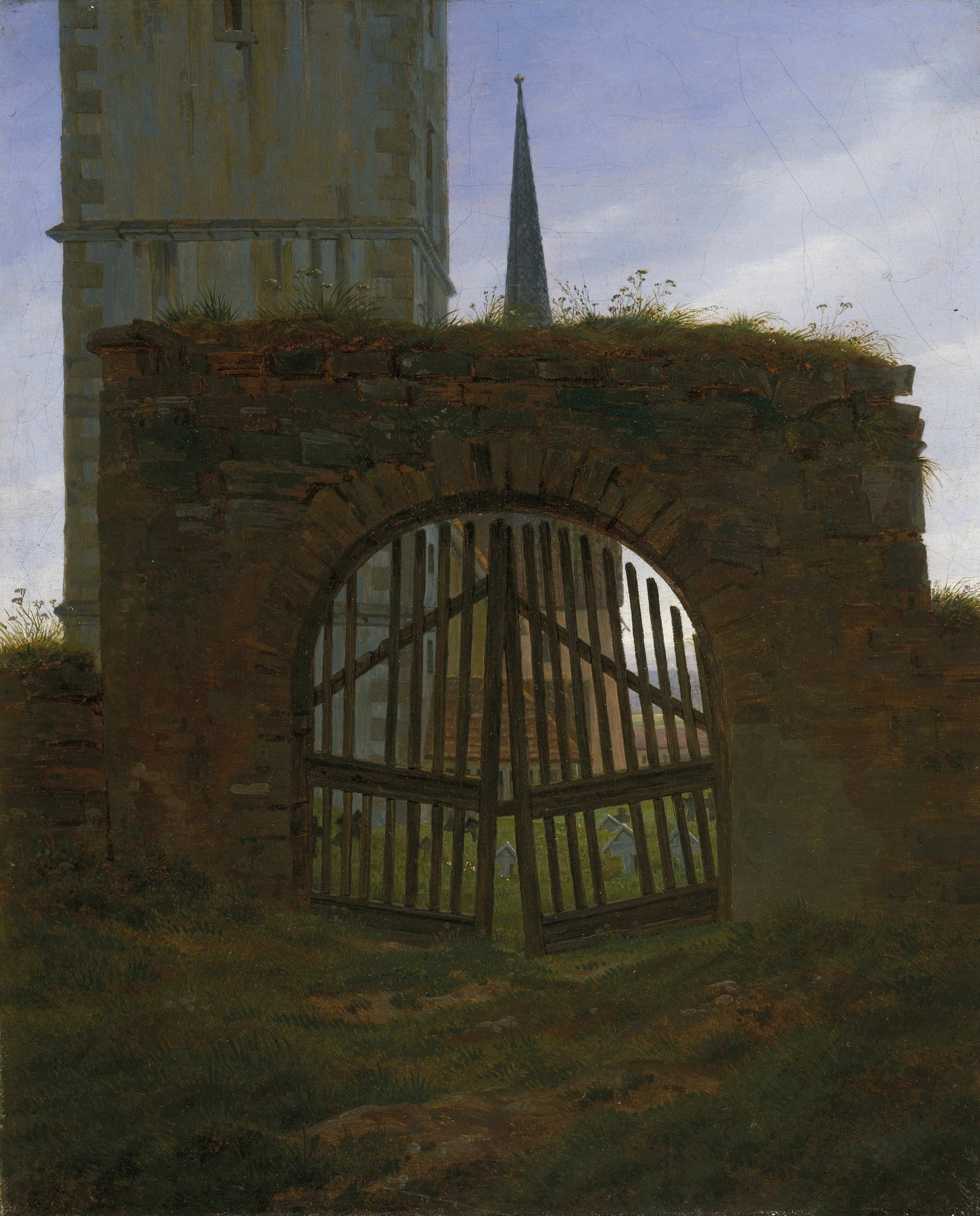
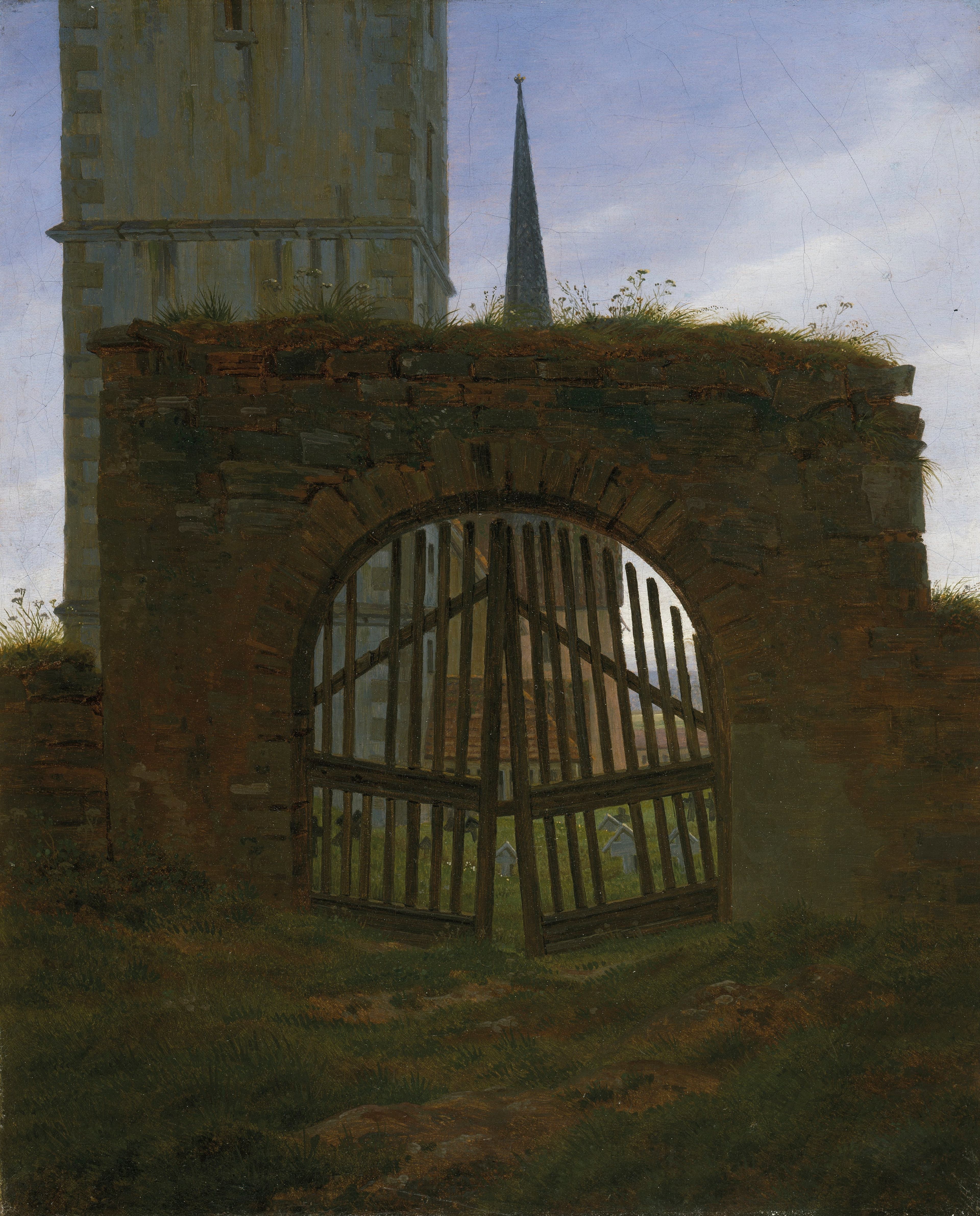
The Cemetery Gate
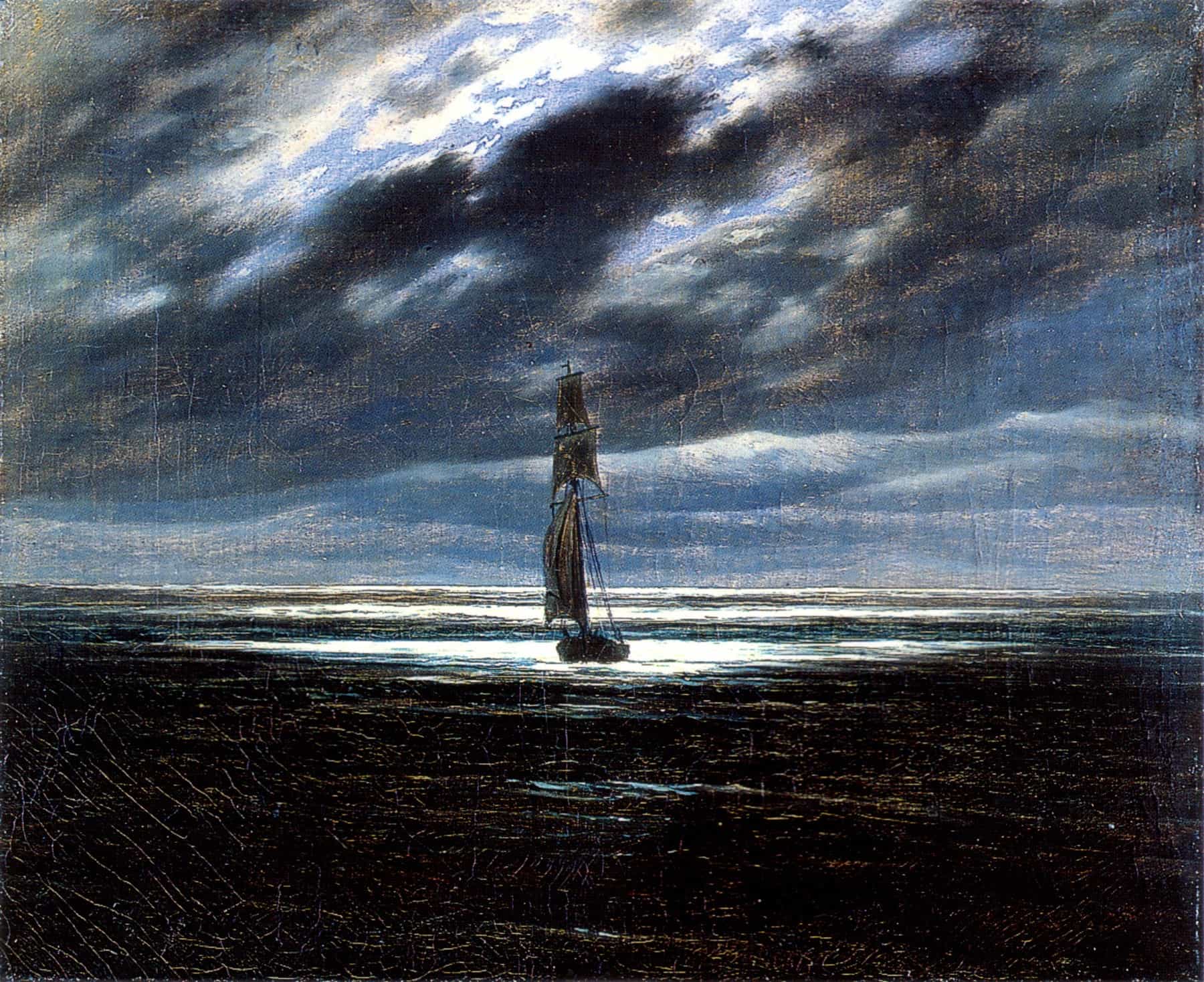
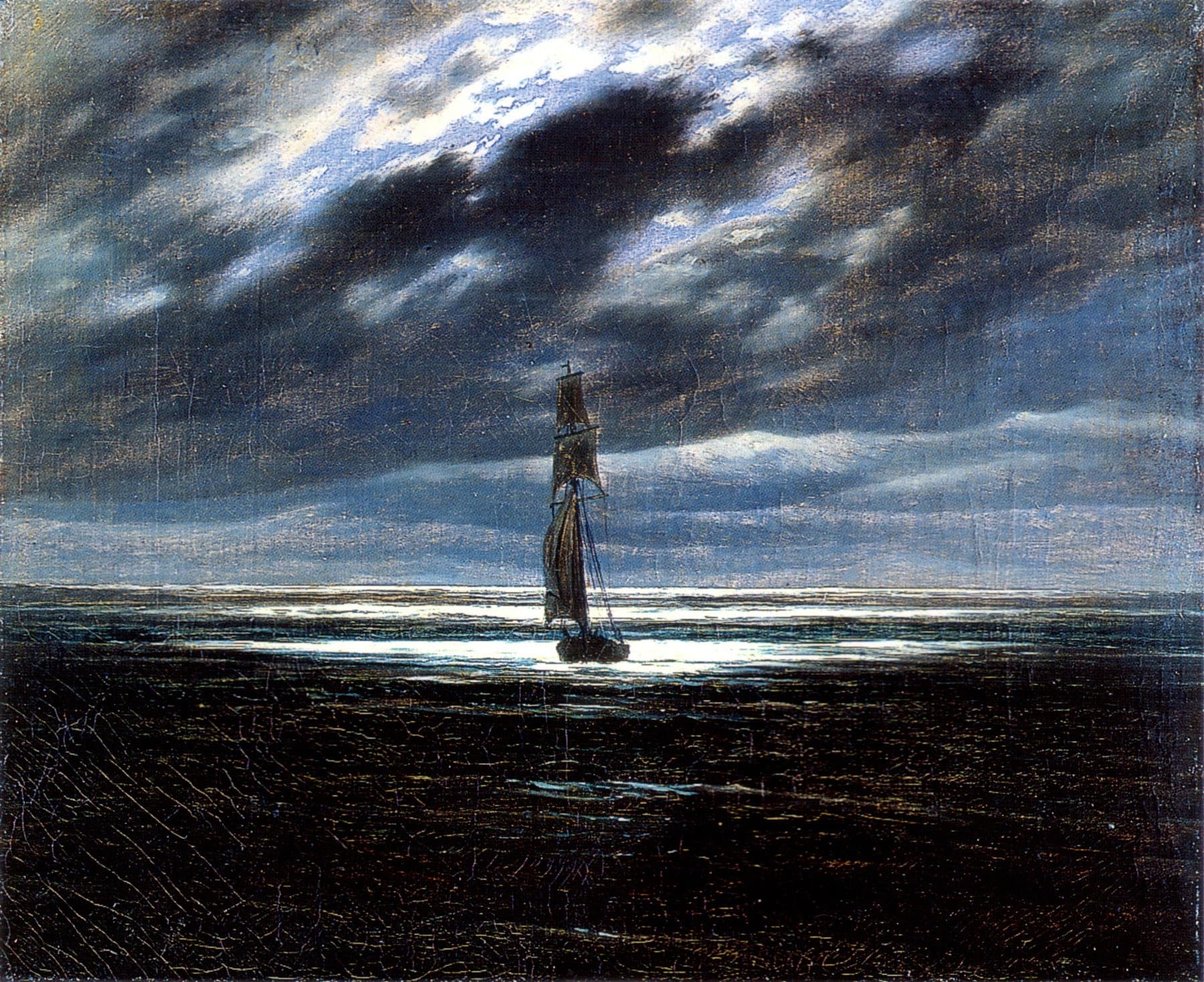
Seapiece by Moonlight
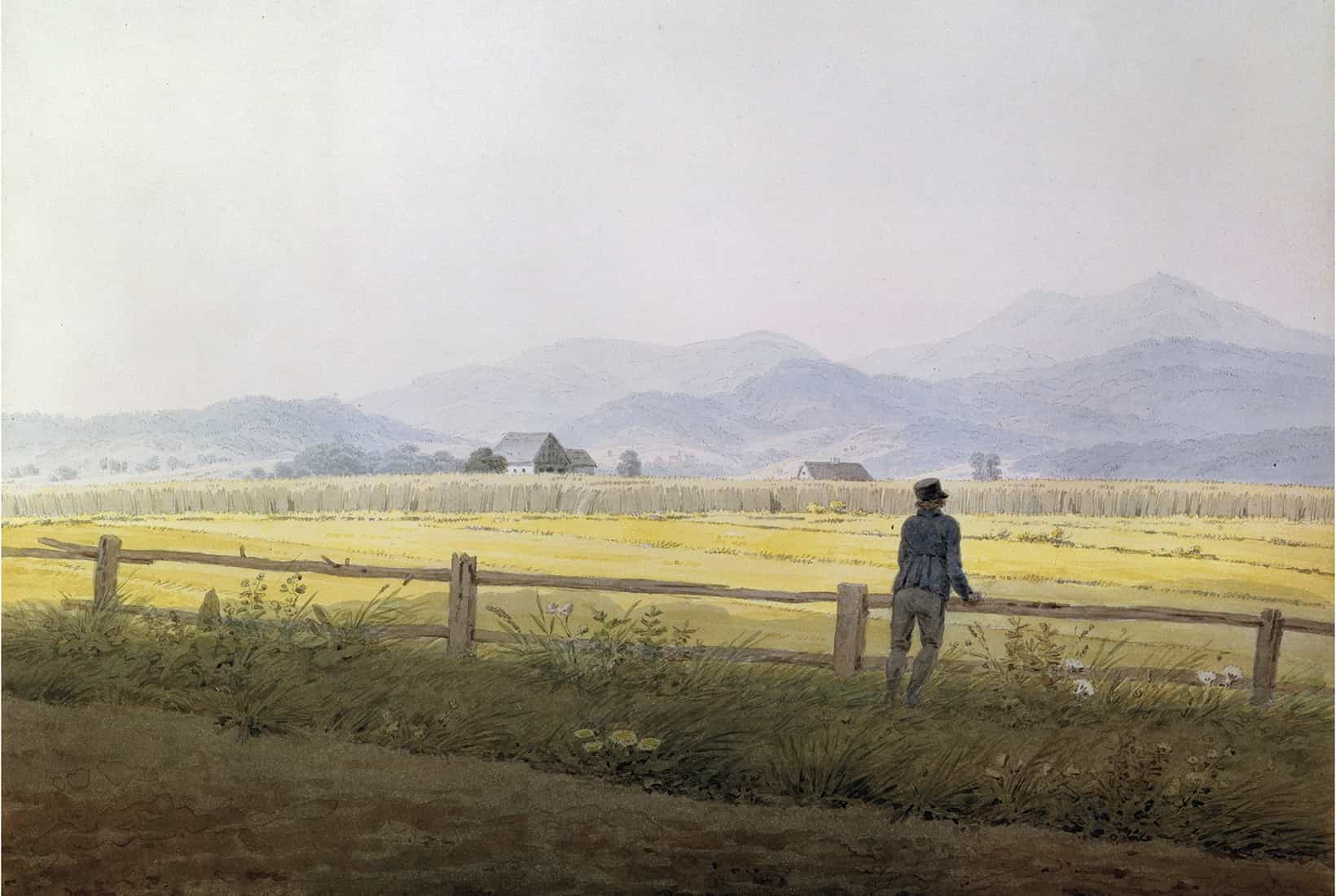
View of Schmiedebergerkamm
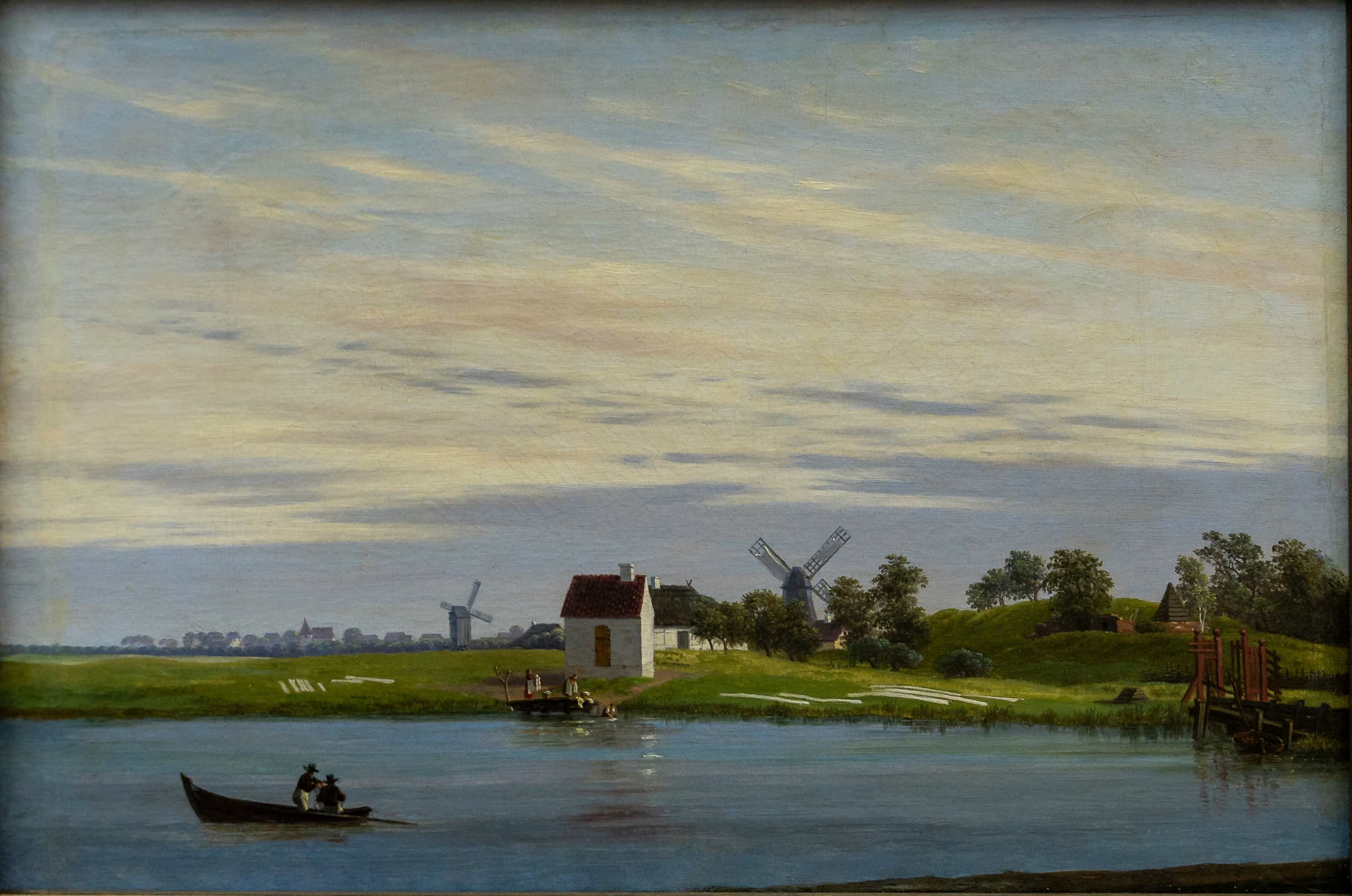
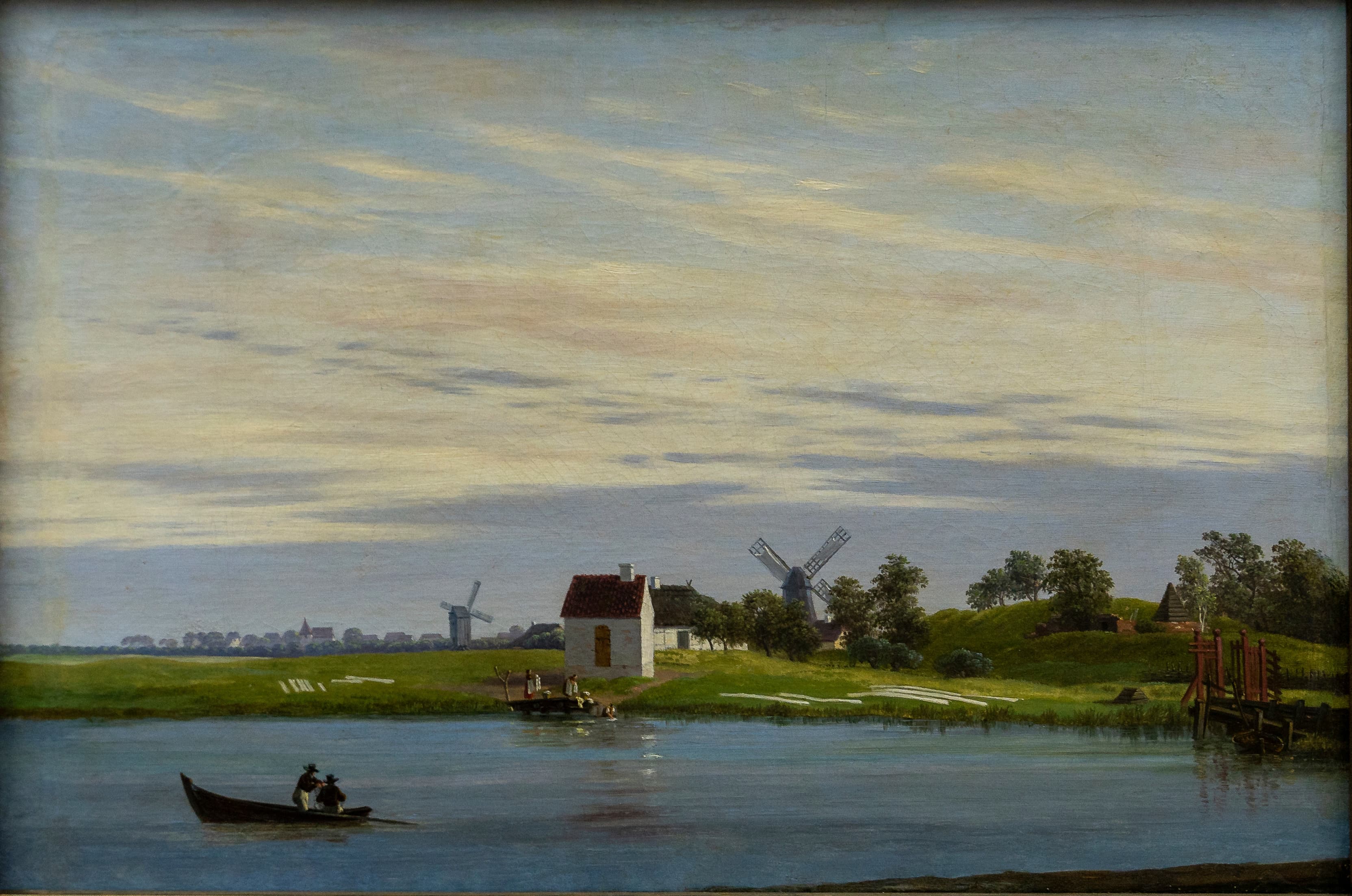
Landscape with Windmills
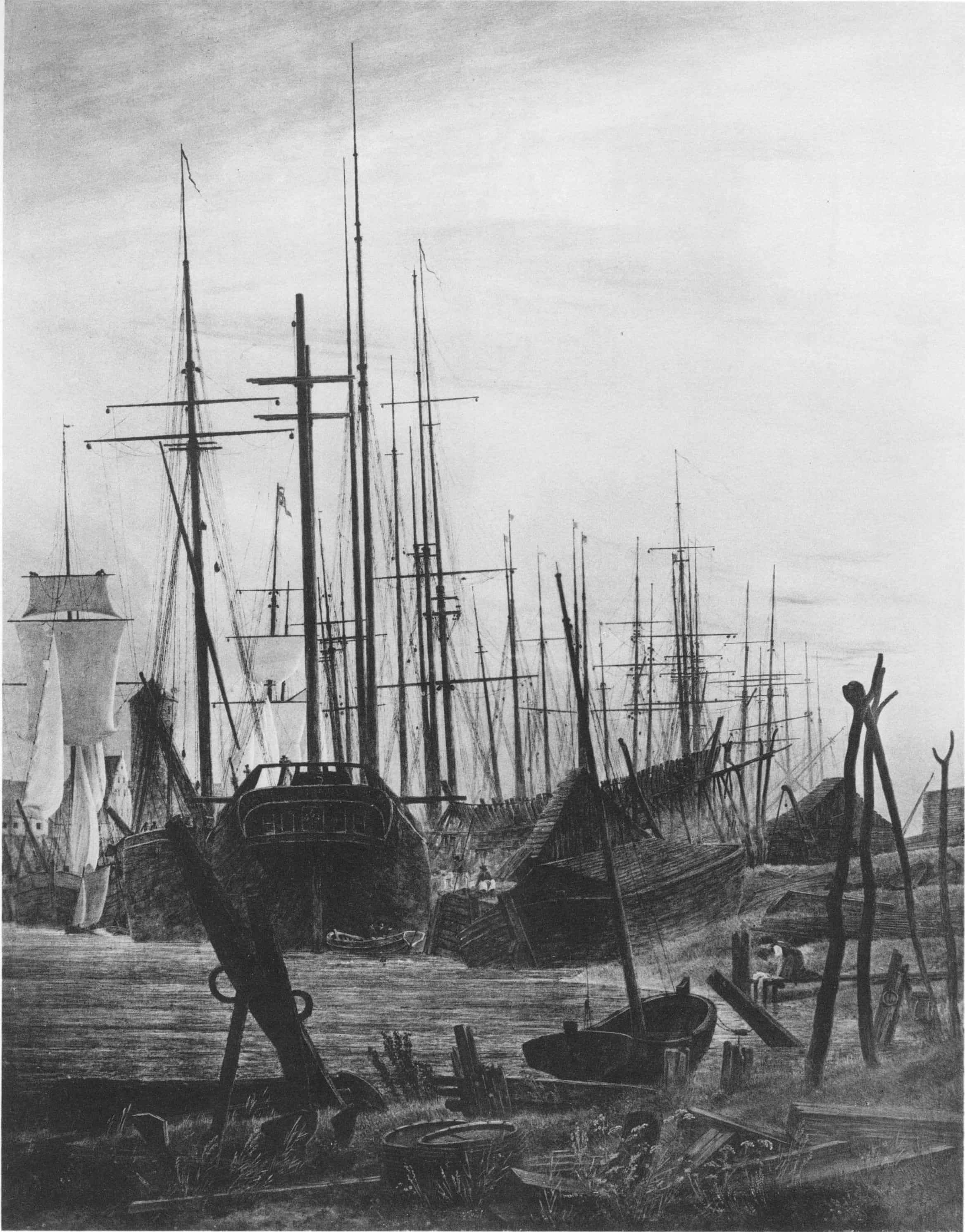
Port of Greifswald
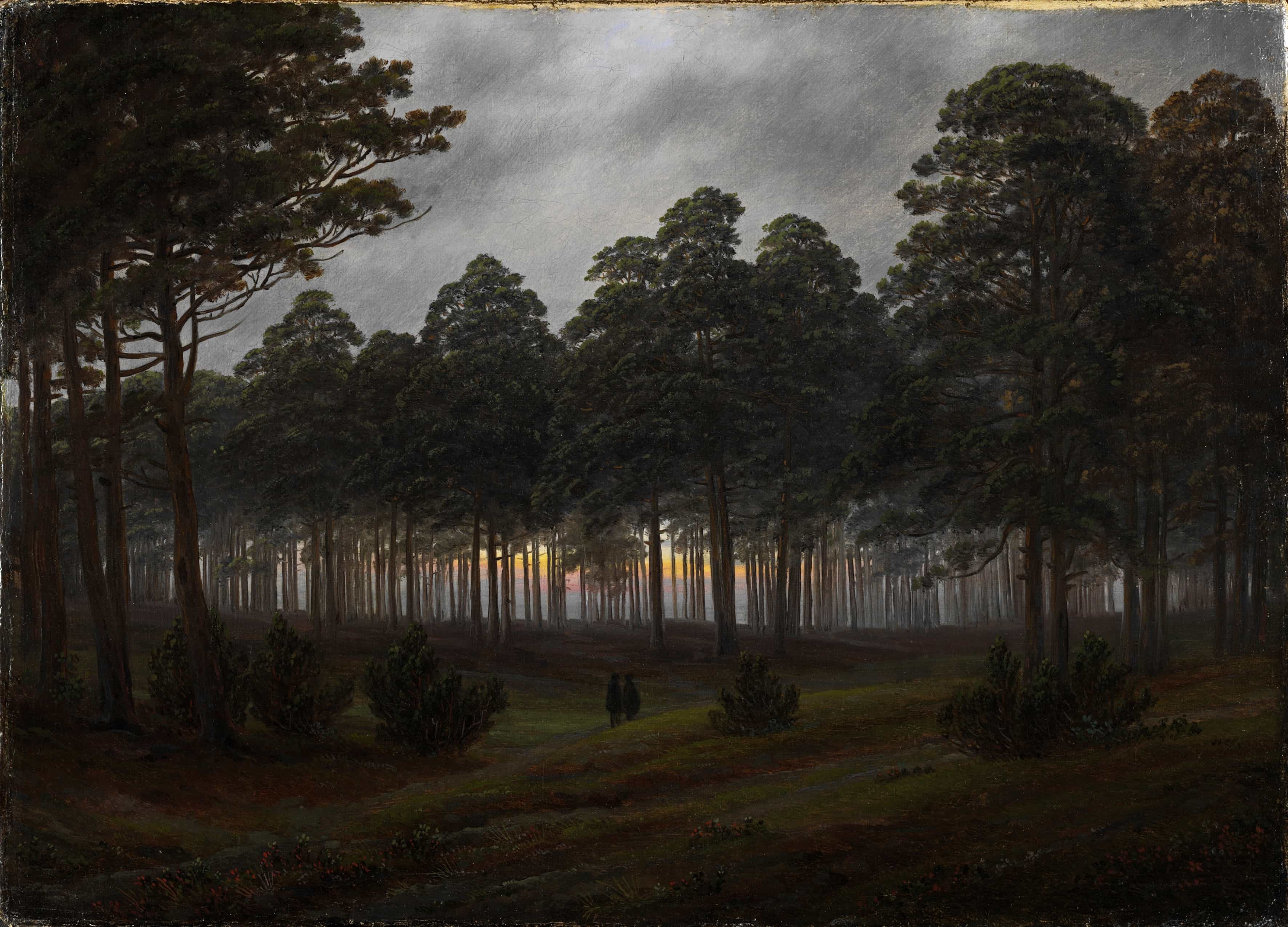
The Evening
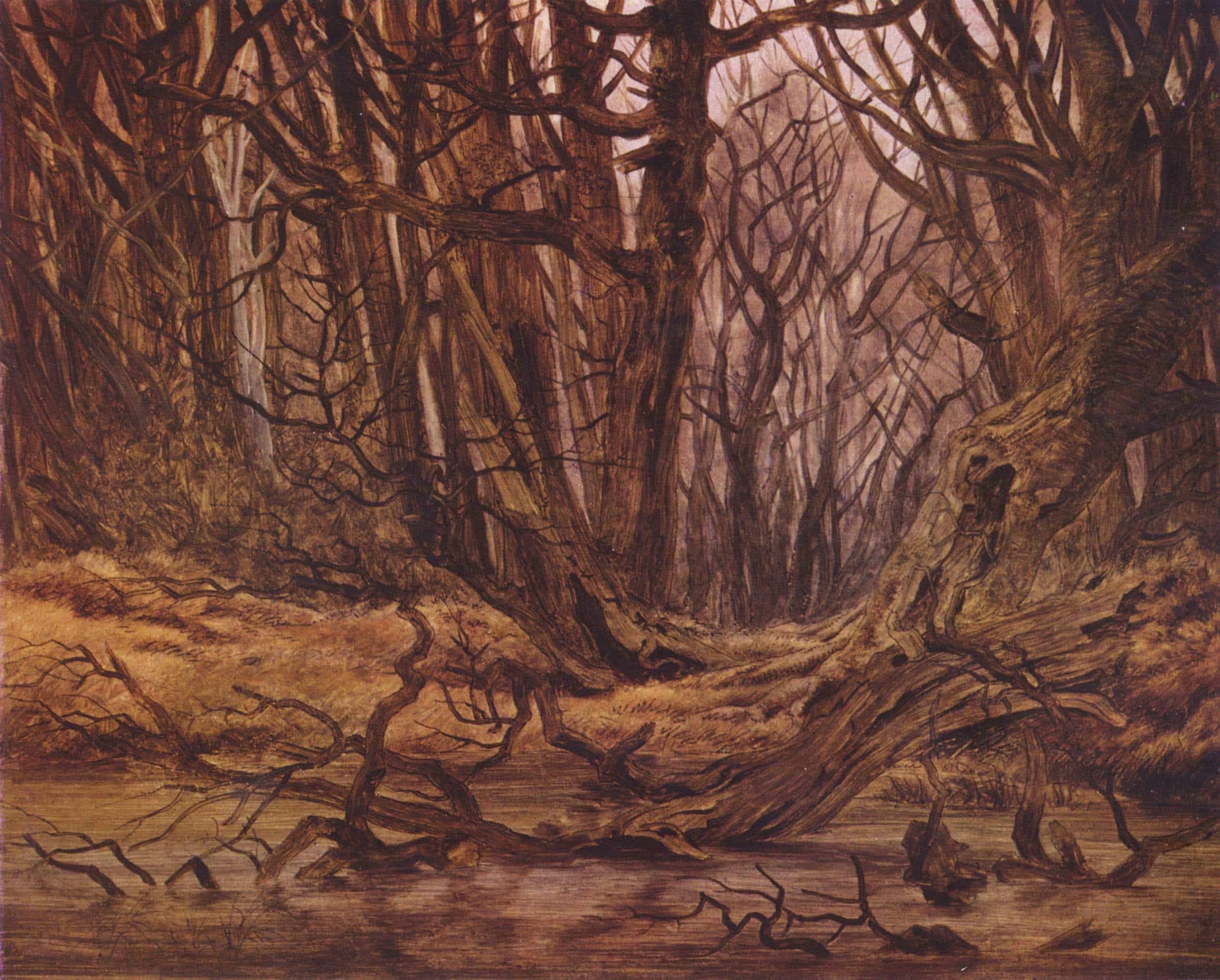
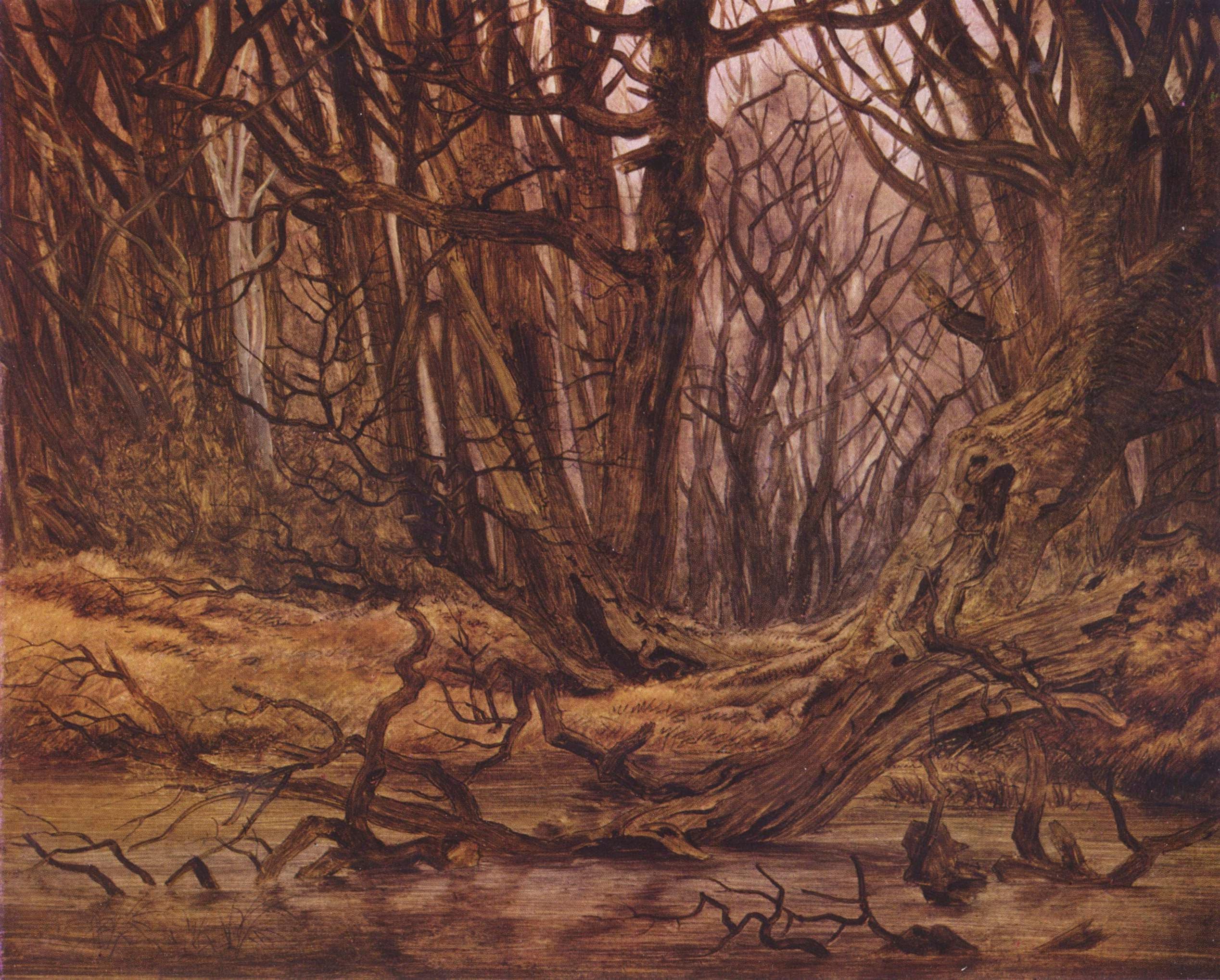
Forest in Late Autumn
Riesengebirge Landscape