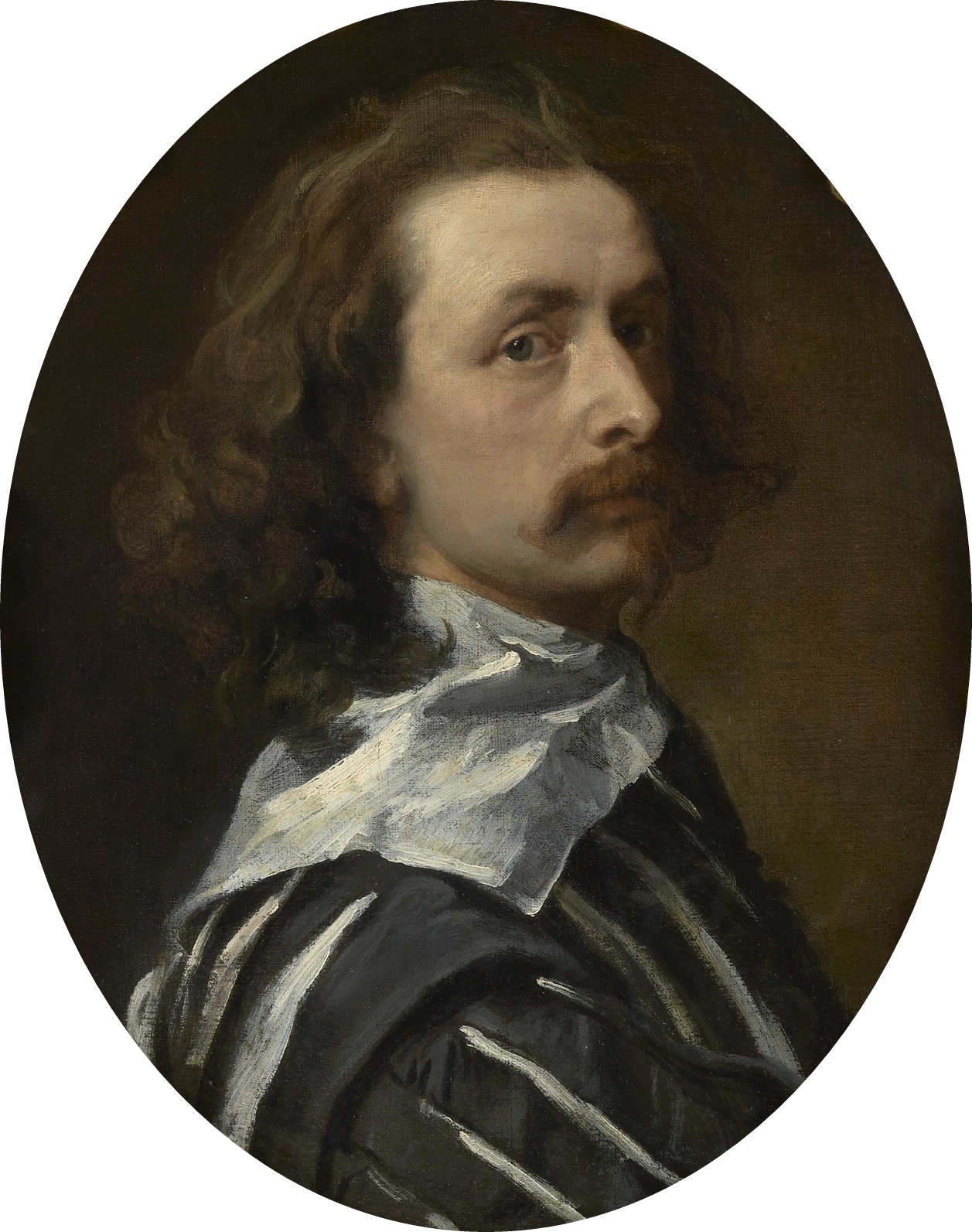
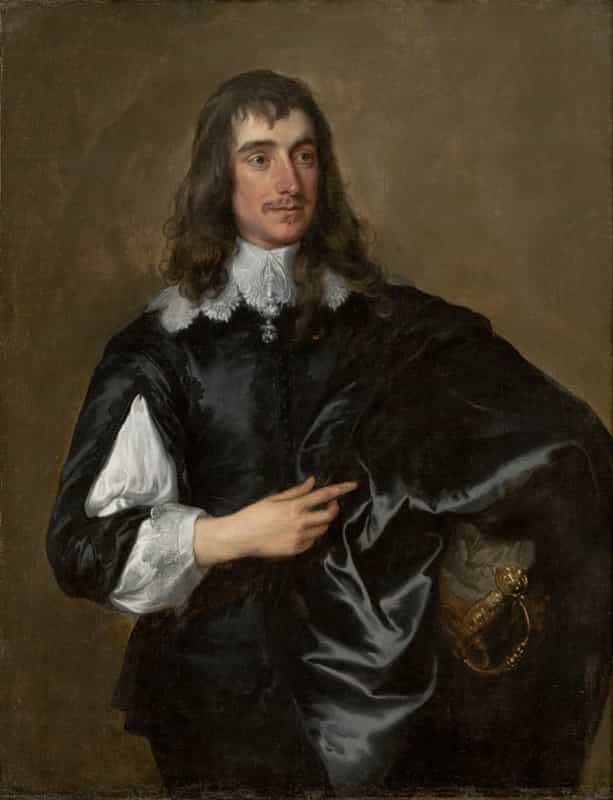
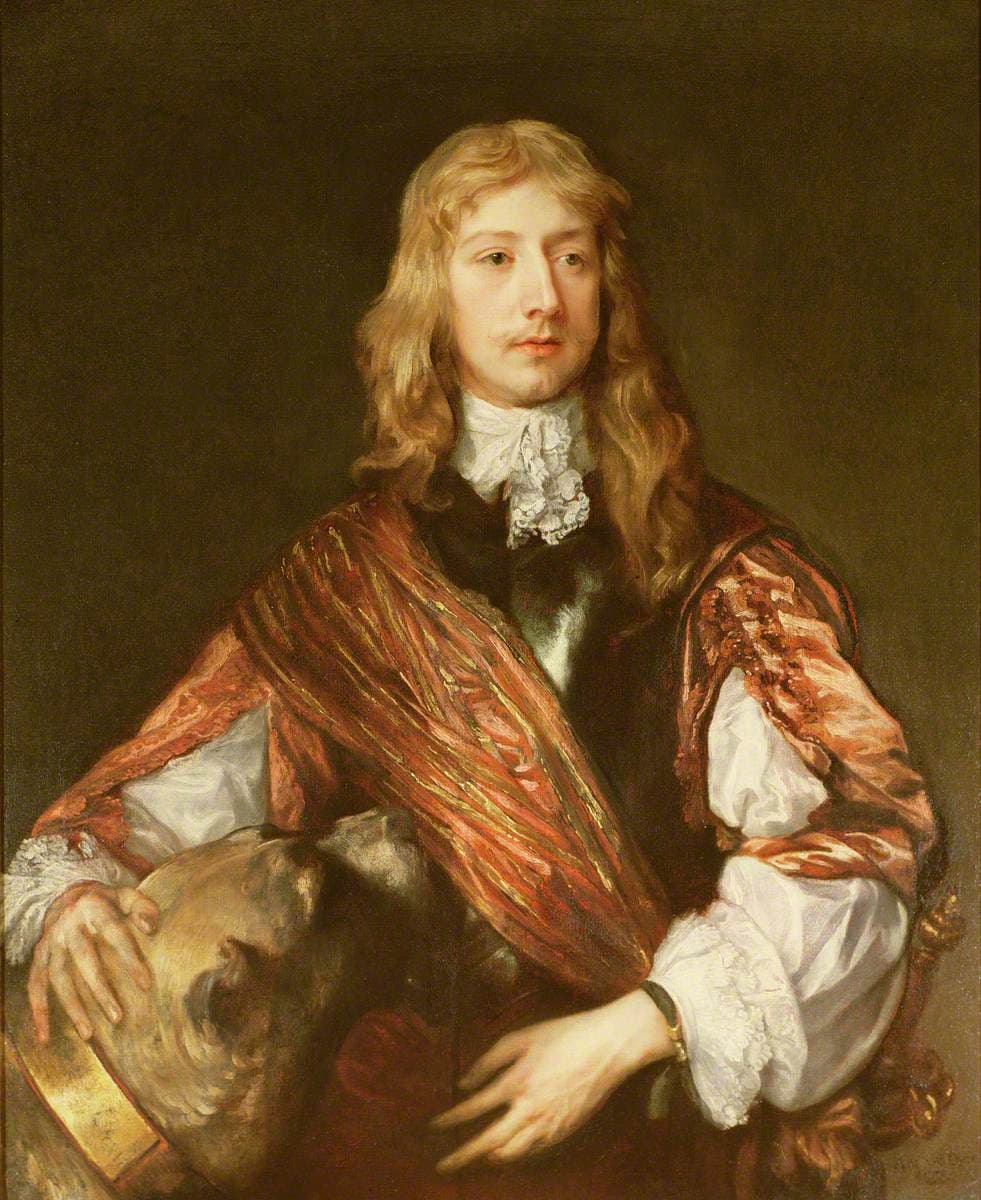
Portrait of an Unknown Man
Anthony van Dyck
From €64
Collection
Museum-quality reproductions on 310gsm textured cotton rag paper.
Shop all prints by Anthony van DyckArtistic Style
Style Evolution
Van Dyck moved from the robust Baroque energy absorbed from Rubens toward a more refined, elegant portrait idiom influenced by Italian color and Venetian portraiture; by his English period his work favored poise, refinement and dignified restraint.
Palette
Subjects
Techniques
Topics
Anthony van Dyck (1599-1641) was a Flemish Baroque painter whose refined court portraits and elegant compositions defined 17th-century aristocratic portraiture.
Learn about the life of Anthony van Dyck
Signature Works
See all available prints
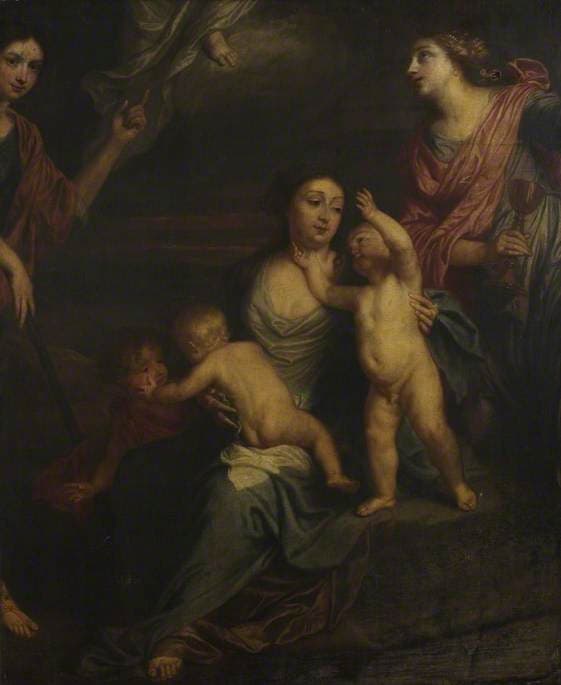
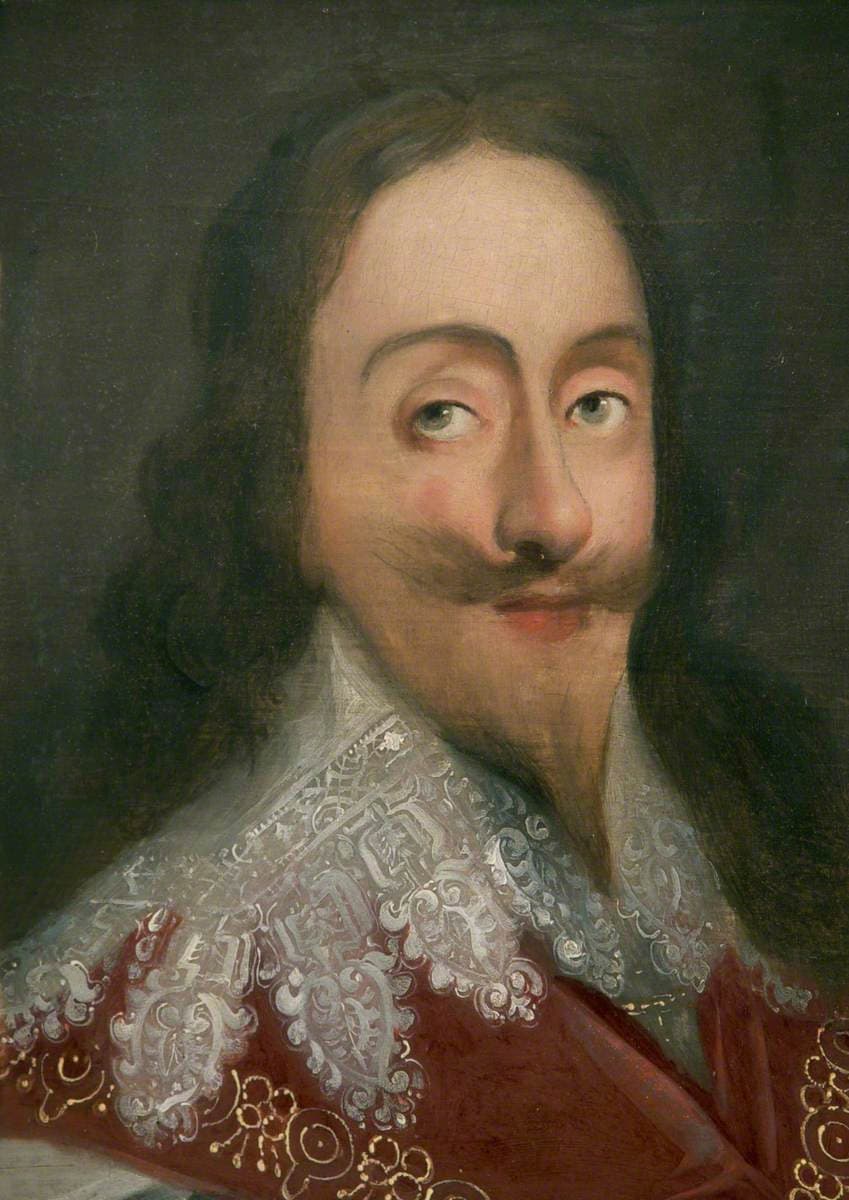
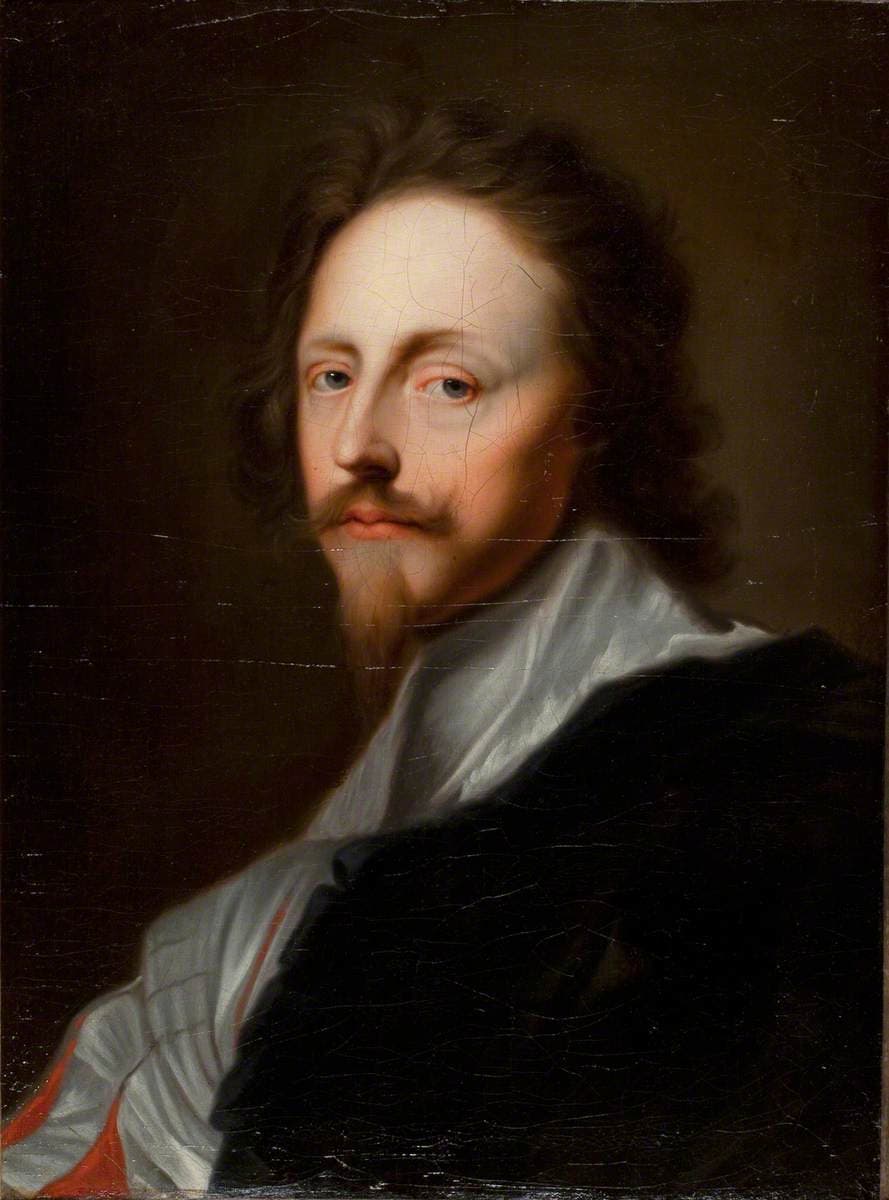
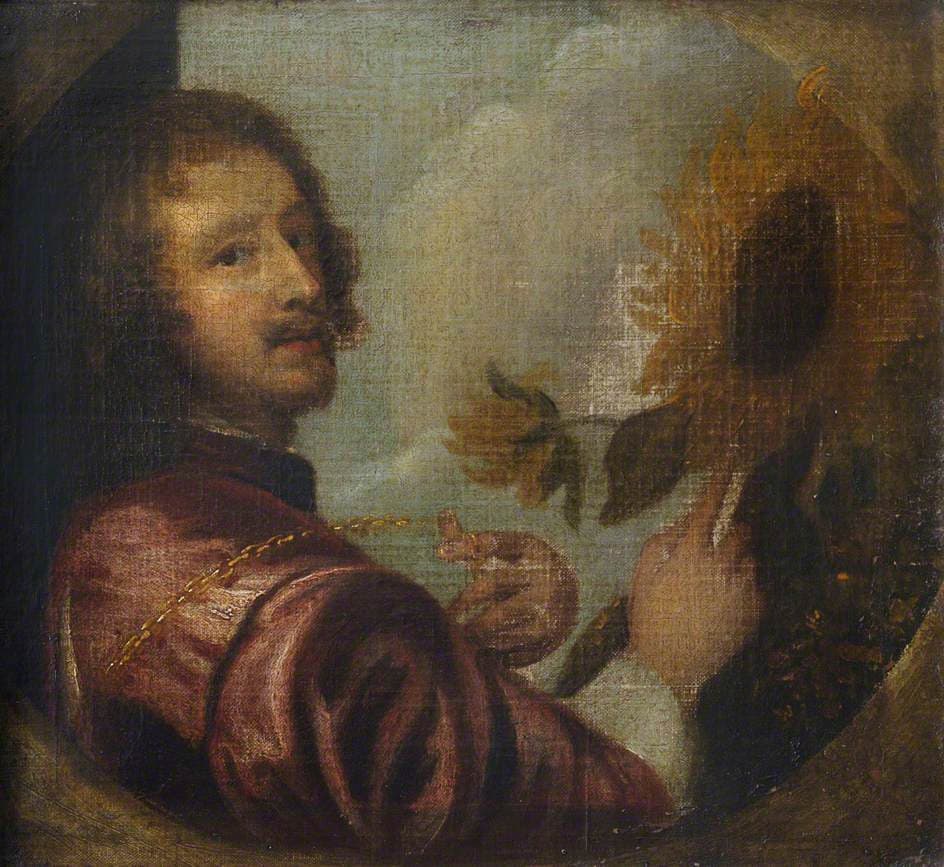
Biography
Anthony van Dyck (1599-1641) was a Flemish Baroque painter whose refined court portraits and elegant compositions defined 17th-century aristocratic portraiture.
Anthony van Dyck was born in Antwerp on 22 March 1599 in the Spanish Netherlands. He emerged in a city that was one of the major artistic centres of Northern Europe. Van Dyck received early training in Antwerp and is closely associated with the city’s artistic milieu; he is widely known to have worked in the studio of Peter Paul Rubens, an association that shaped his early development and introduced him to large-scale workshop practice and courtly patronage.
Van Dyck’s career combined periods of local activity in Antwerp with significant travel and extended residence abroad, where he refined his portrait manner.
In Antwerp he developed a graceful approach to likeness and figure, absorbing Rubens’s sense of composition and dynamism while moving toward a softer, more flattering portrait idiom.
Van Dyck spent important years on the Continent, studying Italian art and the Venetian colour tradition. These experiences enriched his palette and his use of elegant, painterly poses.
Van Dyck became internationally renowned for his portraits of aristocracy and royalty, and his work in England—where he spent his final years and died in Blackfriars in 1641—secured his reputation as a leading court portraitist of the 17th century.
Van Dyck is celebrated for elevating court portraiture: his portraits are noted for their poise, refined draughtsmanship, and the dignified ease of sitters. His achievement lies less in a single famous canvas than in a cohesive body of portraits that set a standard for aristocratic image-making across Europe.
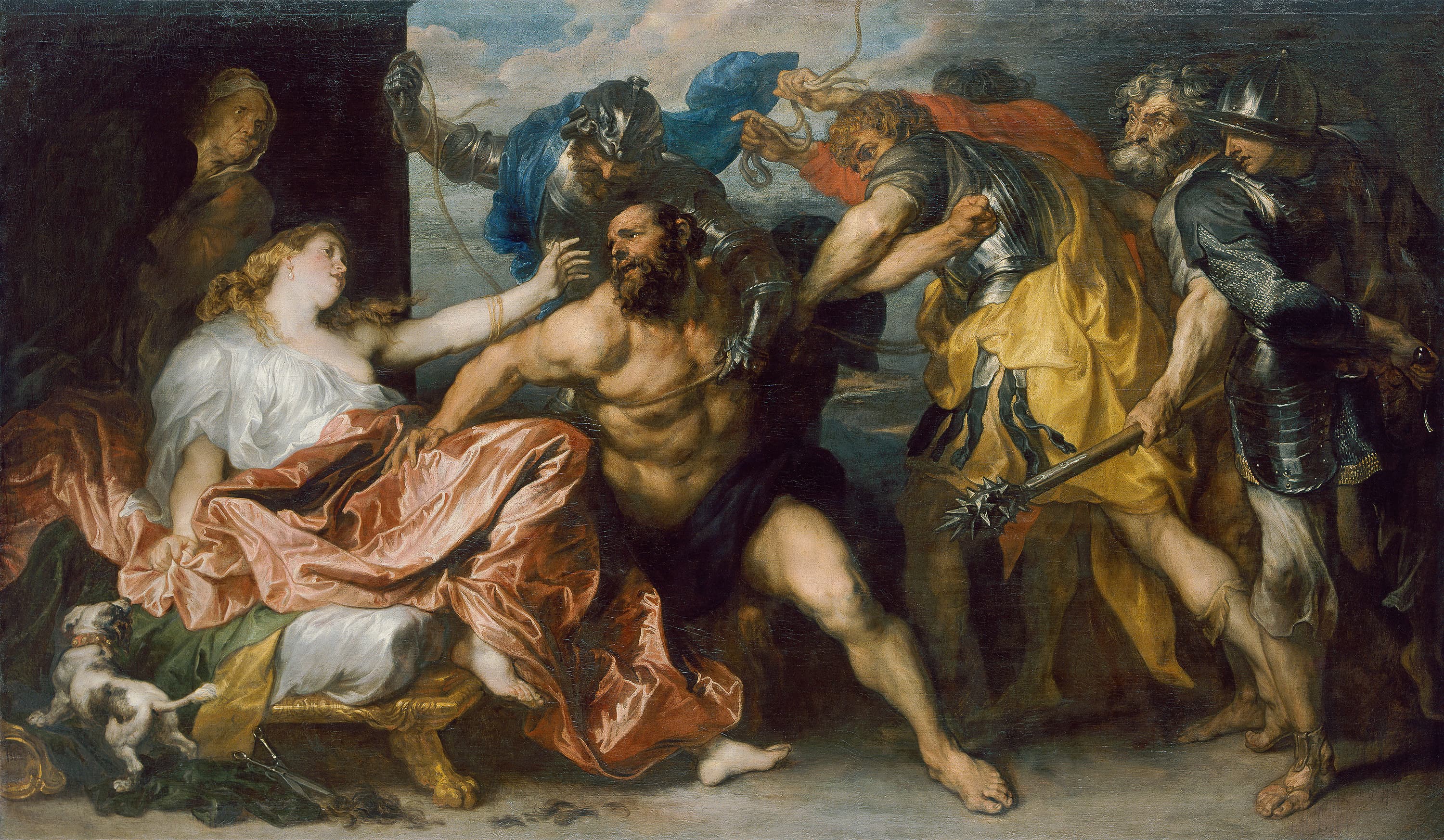
Van Dyck’s style combines refined draughtsmanship, a polished sense of composition, and a supple, painterly handling of paint. He favored elegant poses, controlled chiaroscuro, and a harmonized palette that flatteringly rendered fabrics and flesh. His brushwork balances finish with fluidity, producing portraits that feel both intimate and ceremonious.
Van Dyck influenced a generation of portrait painters across Britain and the Continent, shaping the visual language of court portraiture. His approach to pose, costume, and scale informed later British portrait traditions and the work of artists who sought to convey aristocratic dignity and elegance.
Van Dyck’s career was defined by professional mobility and court patronage. He achieved wide recognition in his lifetime and maintained strong ties to artistic centres in Antwerp, Italy, and England.
Collectors prize van Dyck’s portraits for their decorative appeal and historical prestige: they are sought after for the way they convey nob
Awards
Frequently Asked Questions
Portrait of an Unknown Man
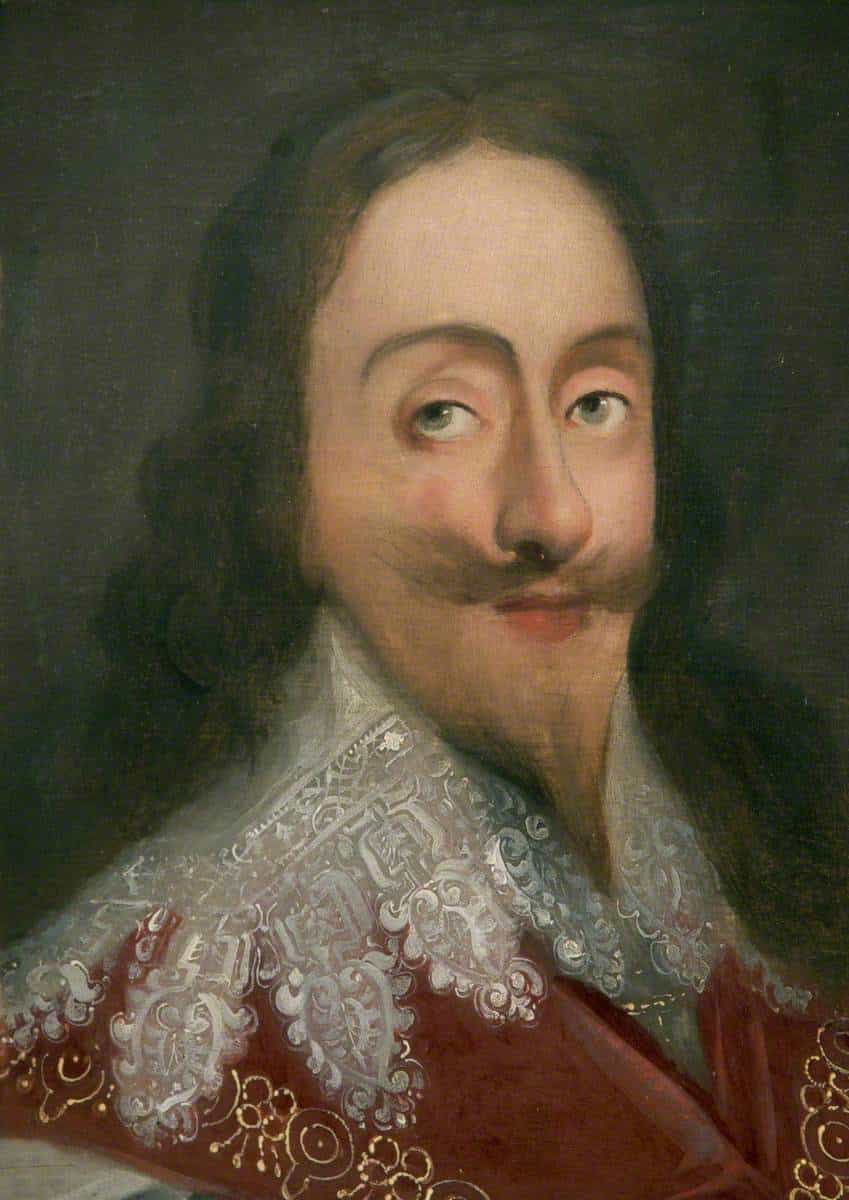
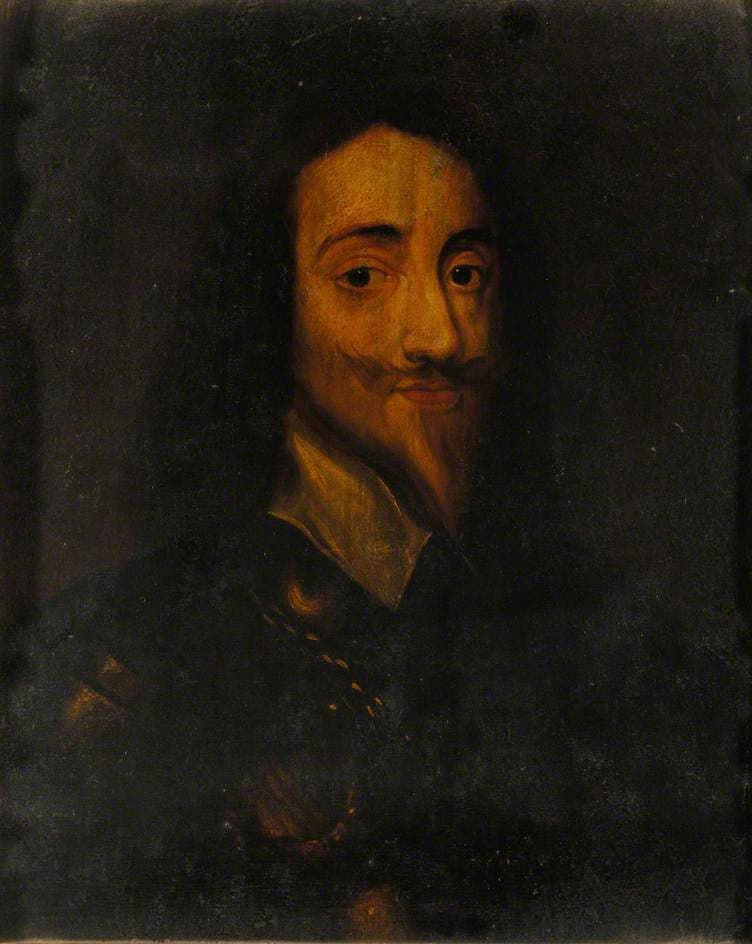
Charles I (1600–1649)
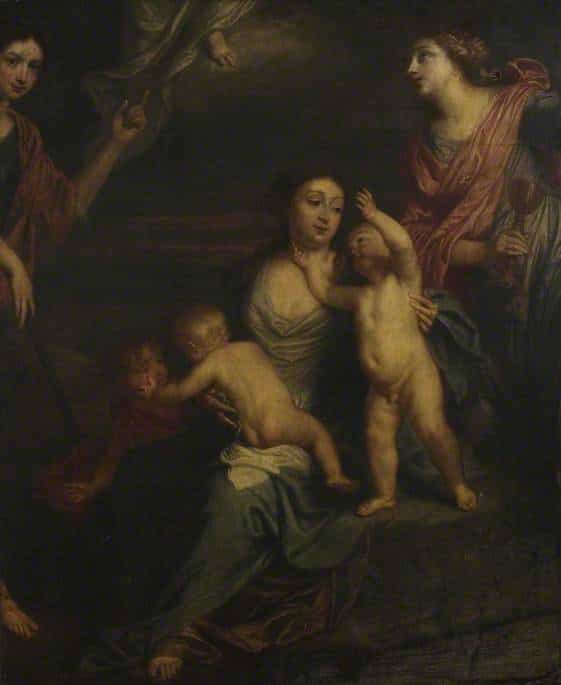
Faith, Hope and Charity
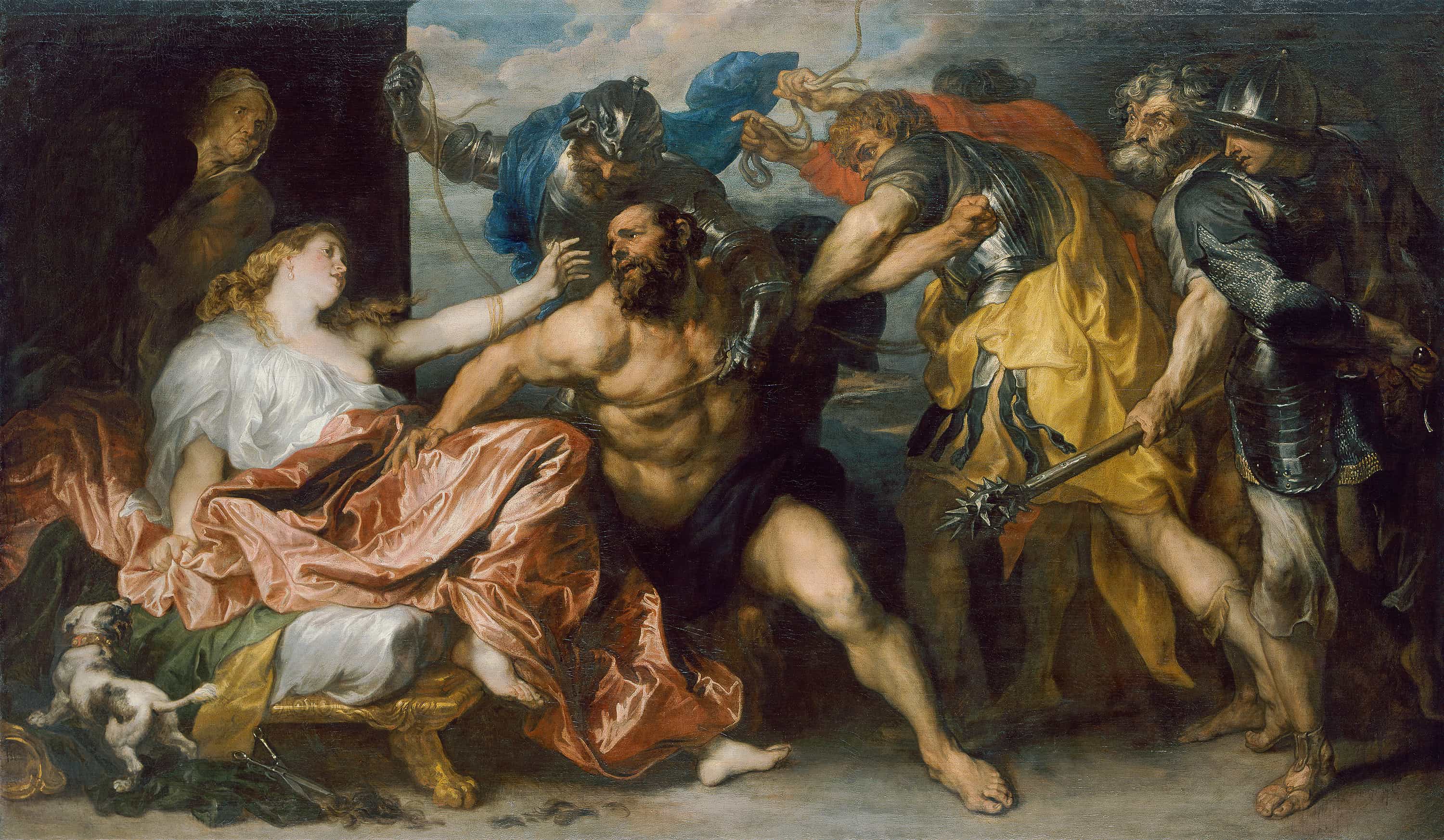
Samson and Delilah
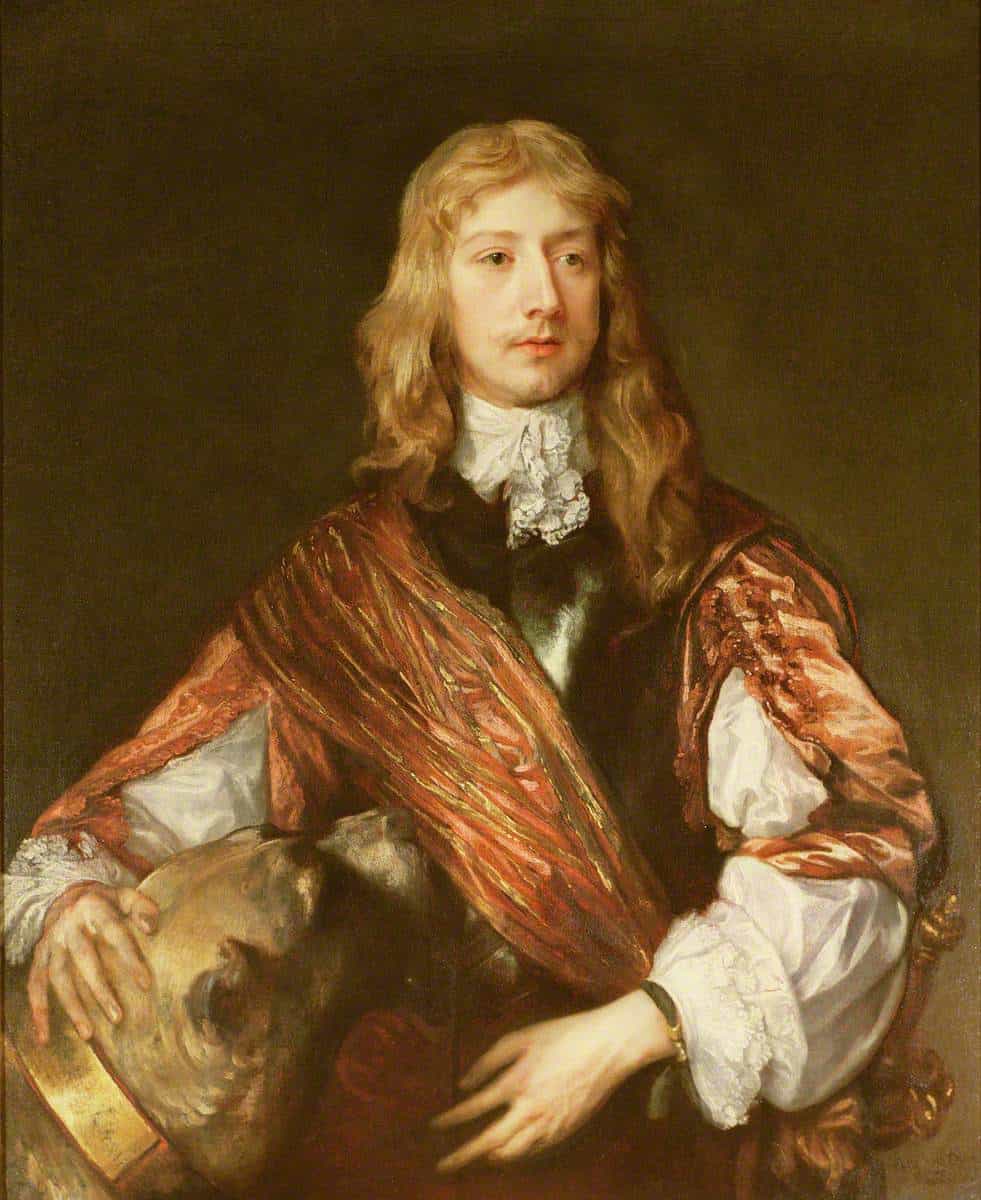
Thomas Killigrew with a Mastiff
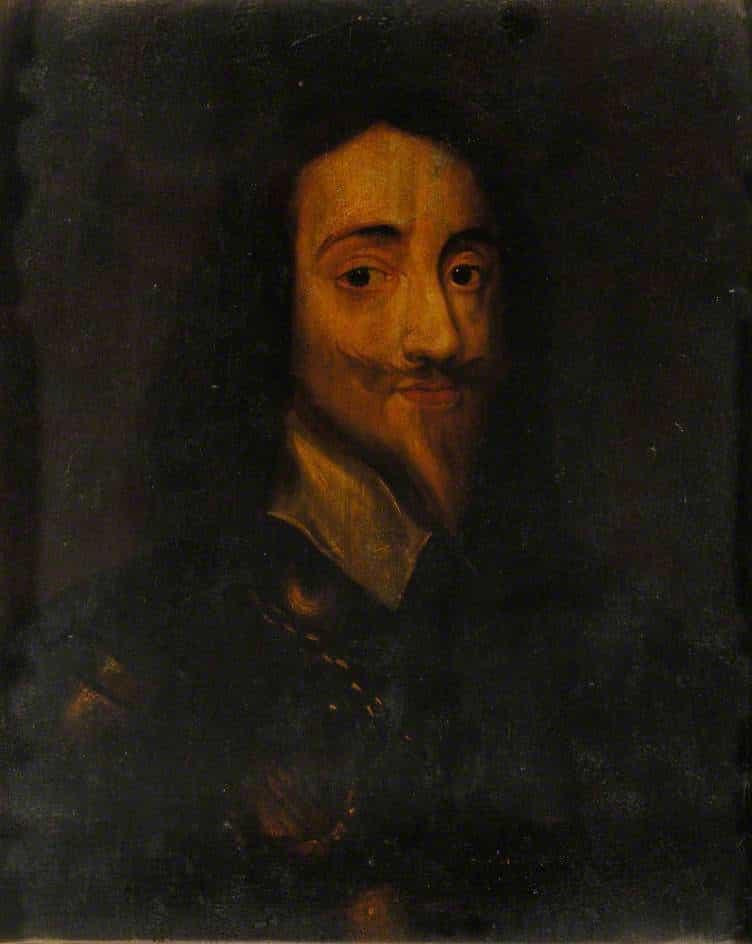
Charles I (1600–1649)
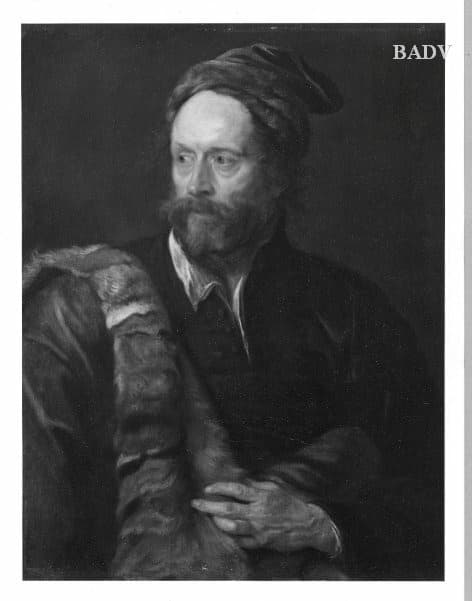
Portrait of a Man
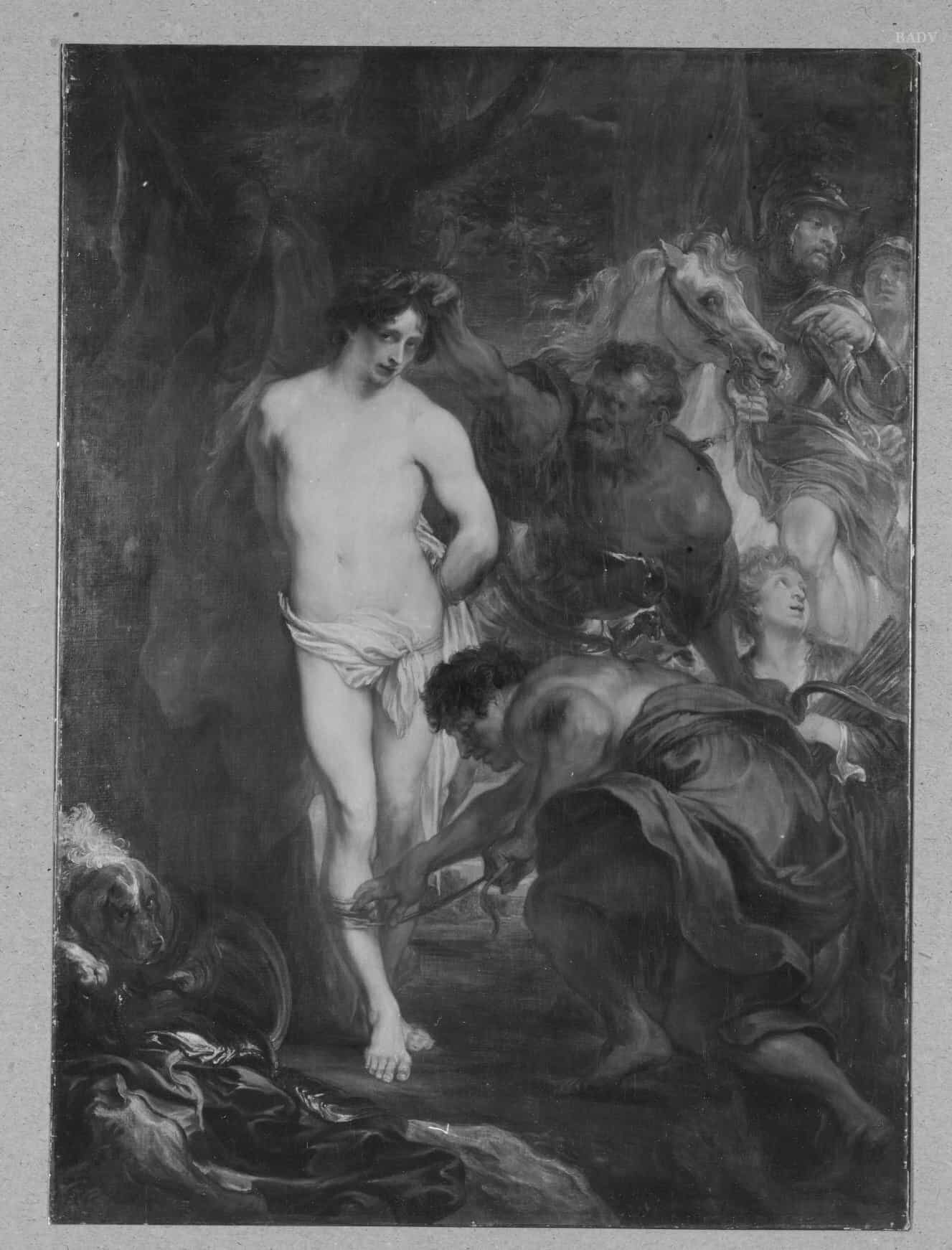
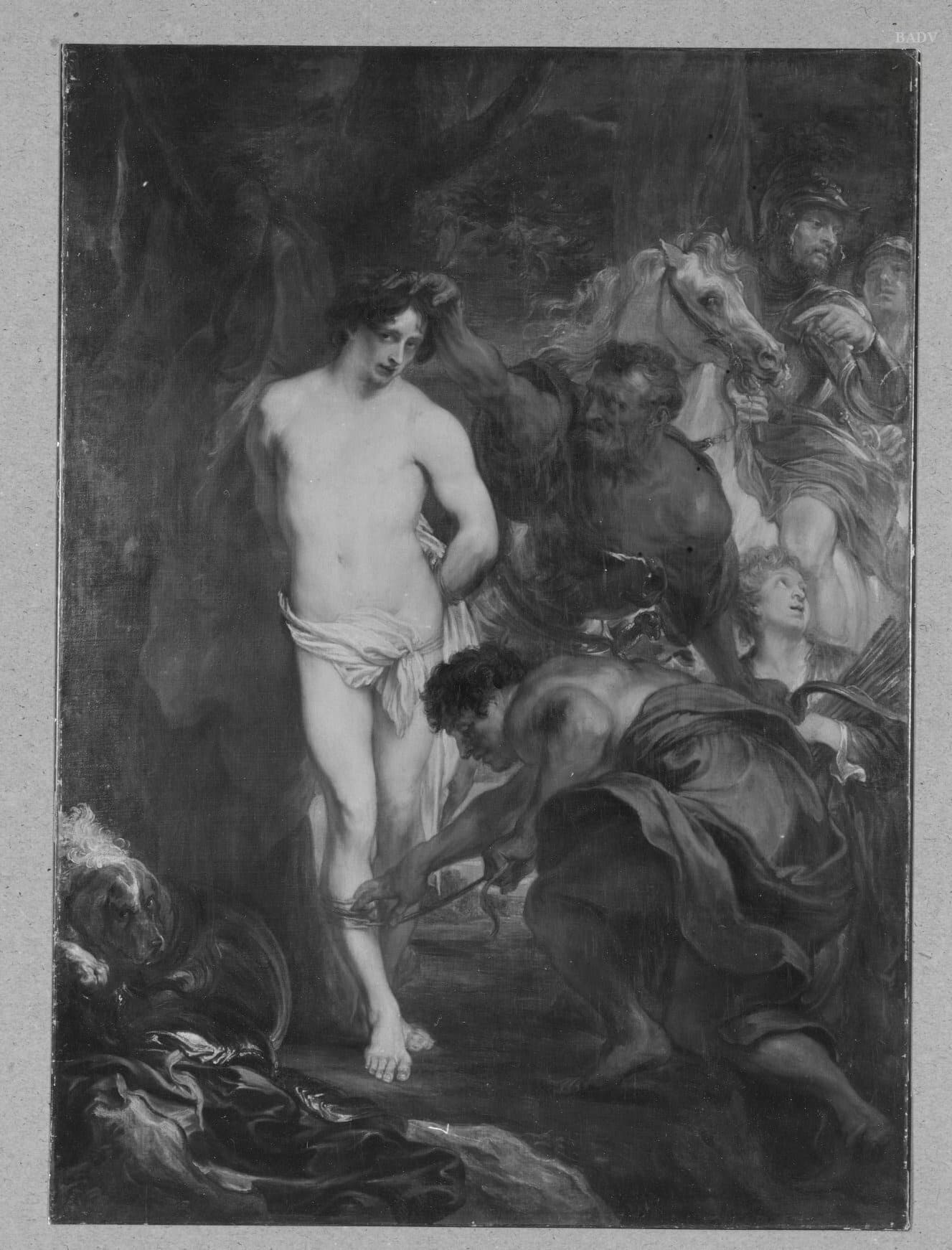
Martyrdom of St. Sebastian
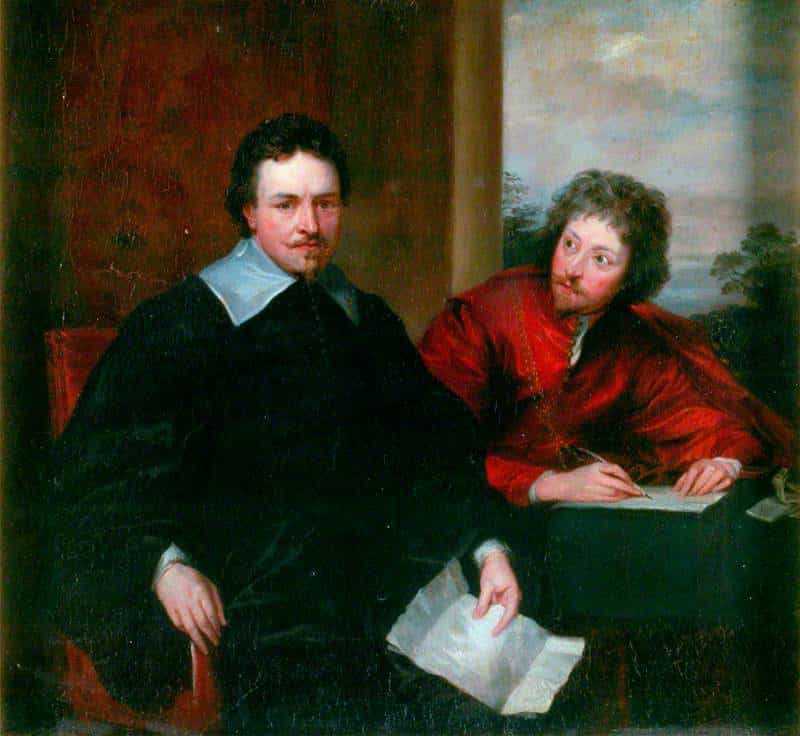
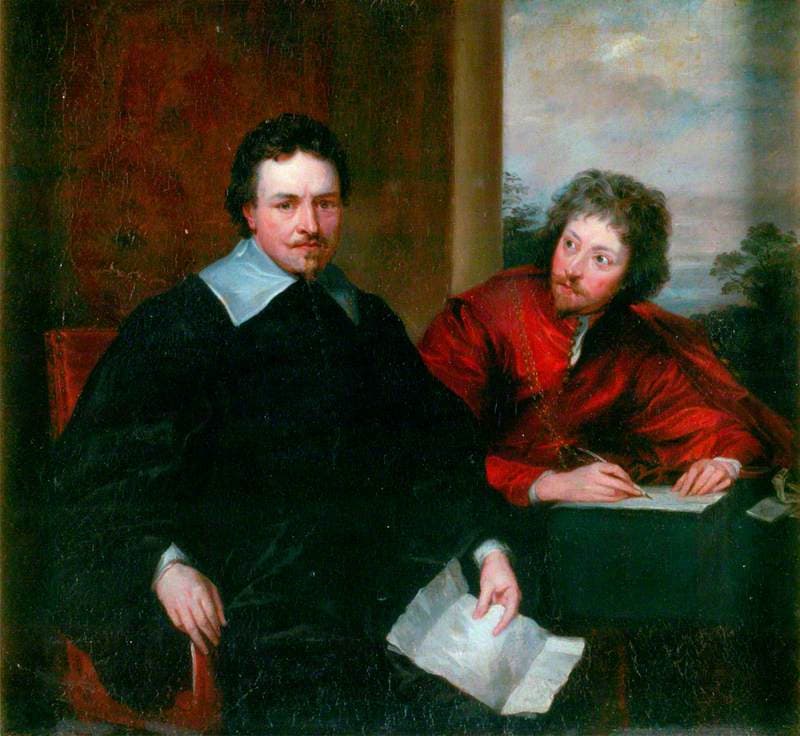
Thomas Wentworth (1593–1641), 1st Earl of Strafford, and Sir Philip Mainwaring (1589–1661)
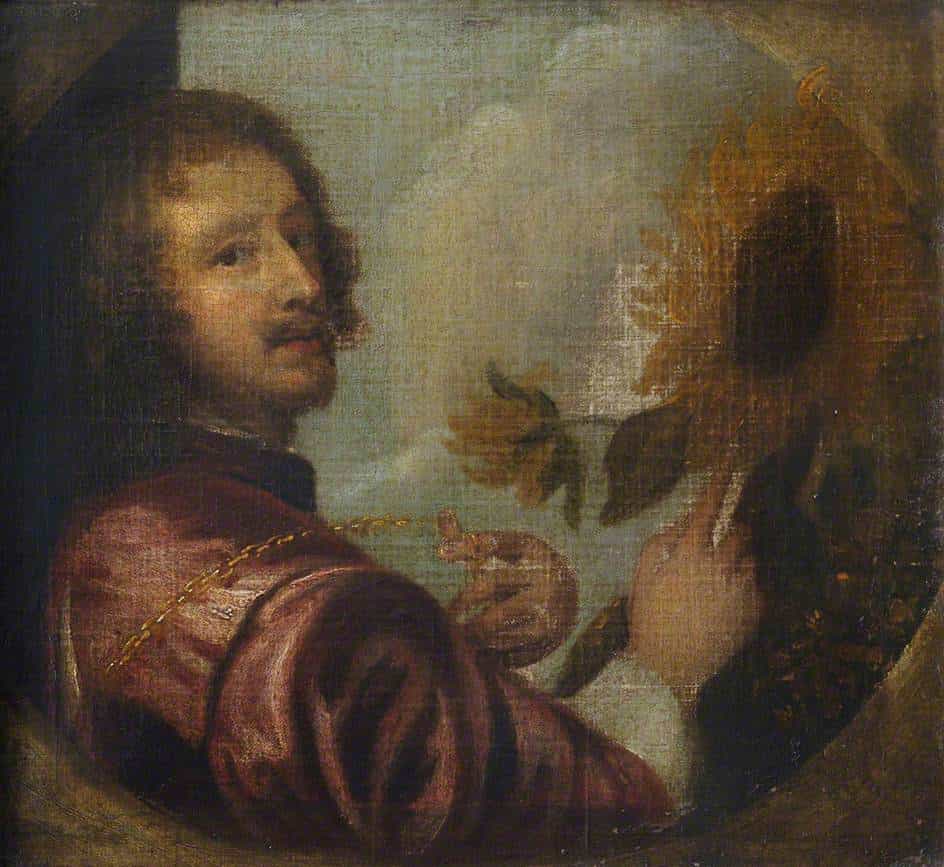
Anthony van Dyck (1599–1641)
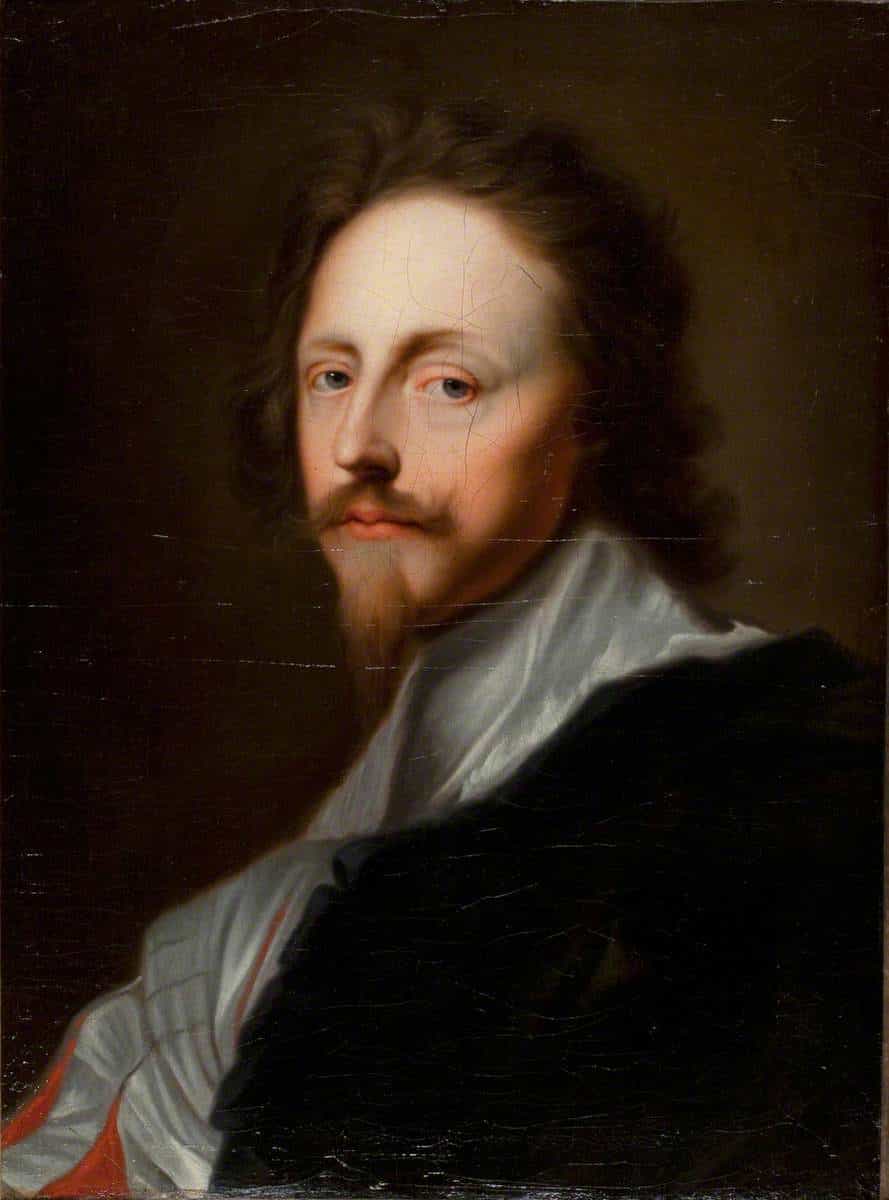
Nicholas Lanier
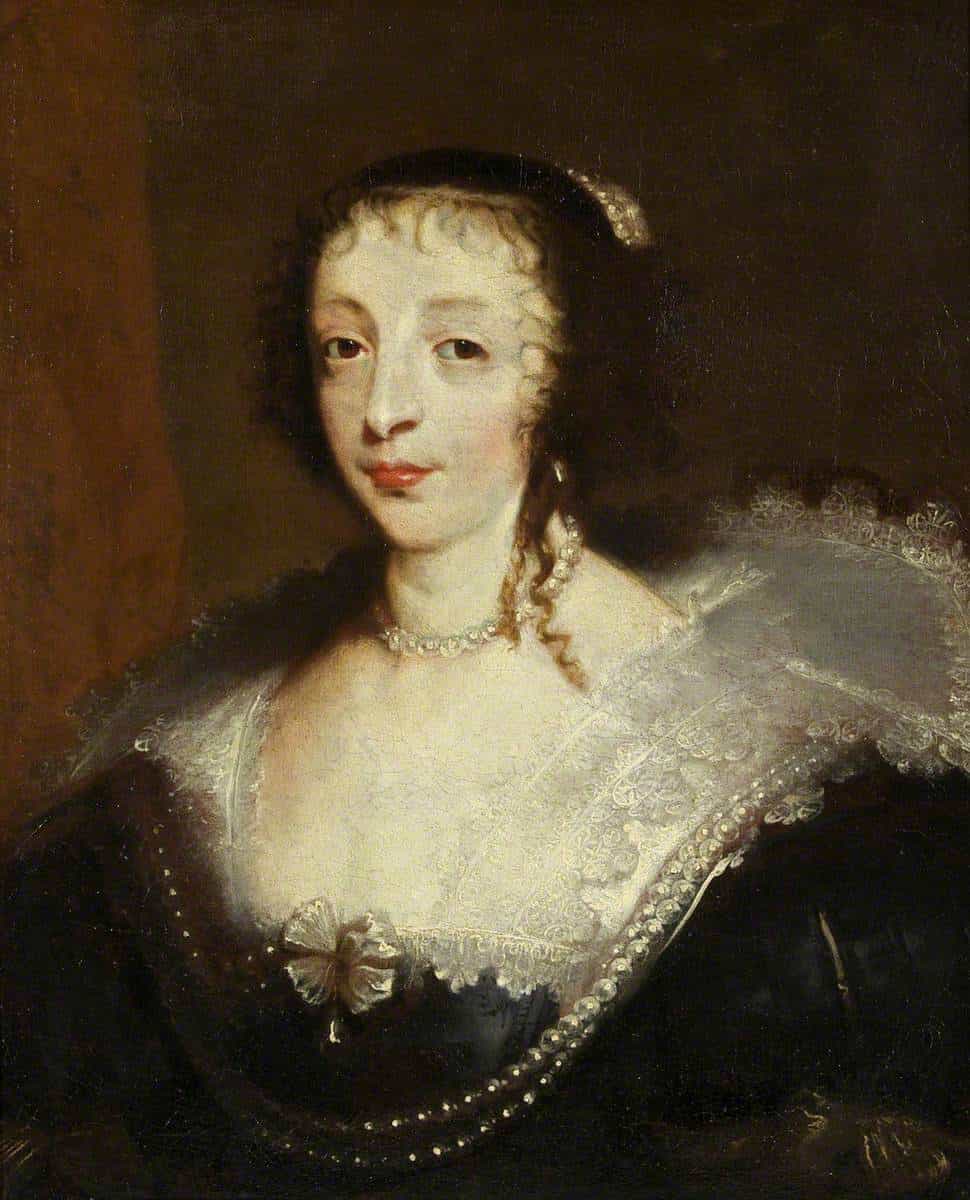
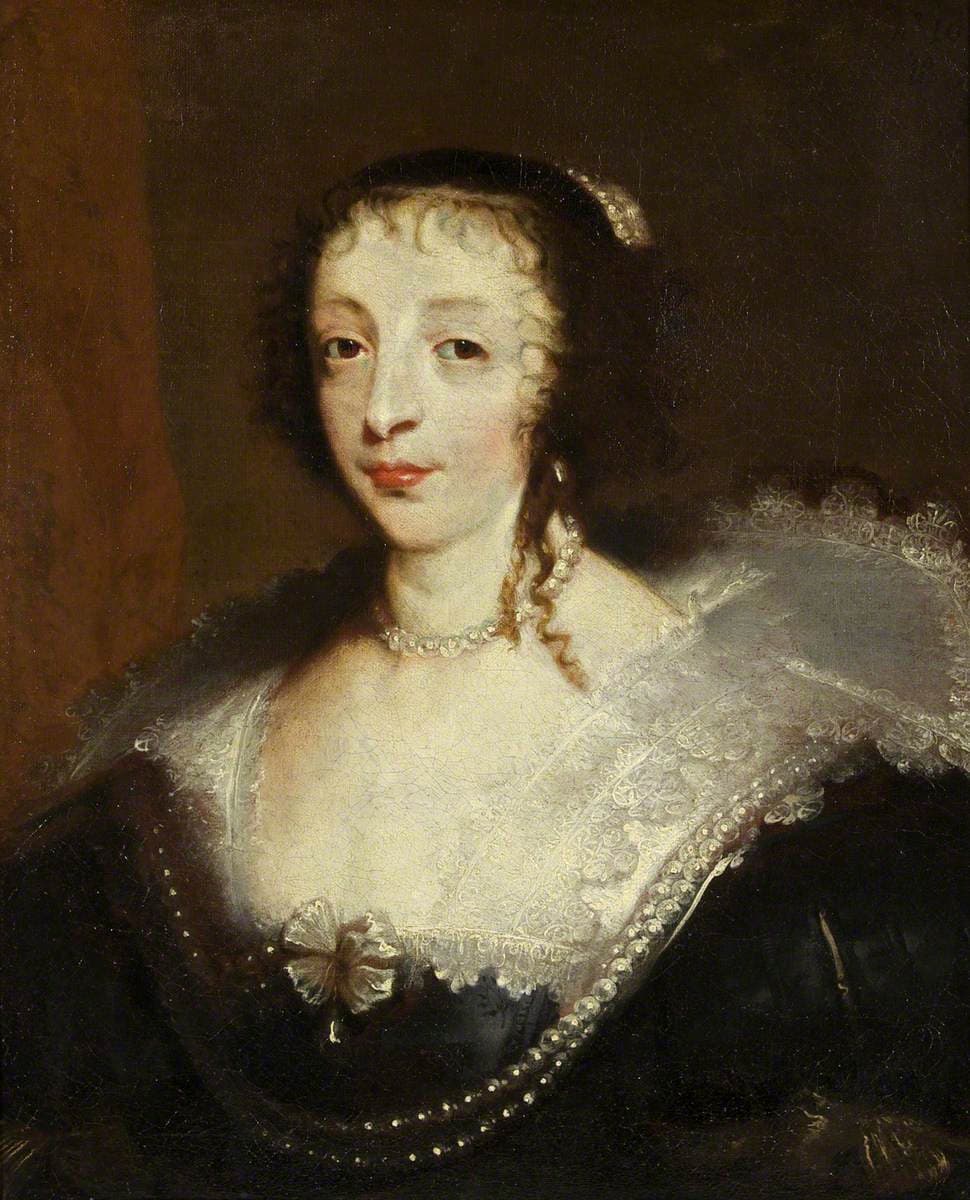
Henrietta Maria, Queen of Charles I (1609–1669)