📦 Sitewide sale now on: 30% off + free shipping 📦
Home/Artists/Samuel West

Samuel West

1810 — 1867, from United Kingdom of Great Britain and Ireland

Samuel West (1810-1867) was an Irish Romantic painter whose evocative landscapes and portraits reflect 19th-century Ireland.

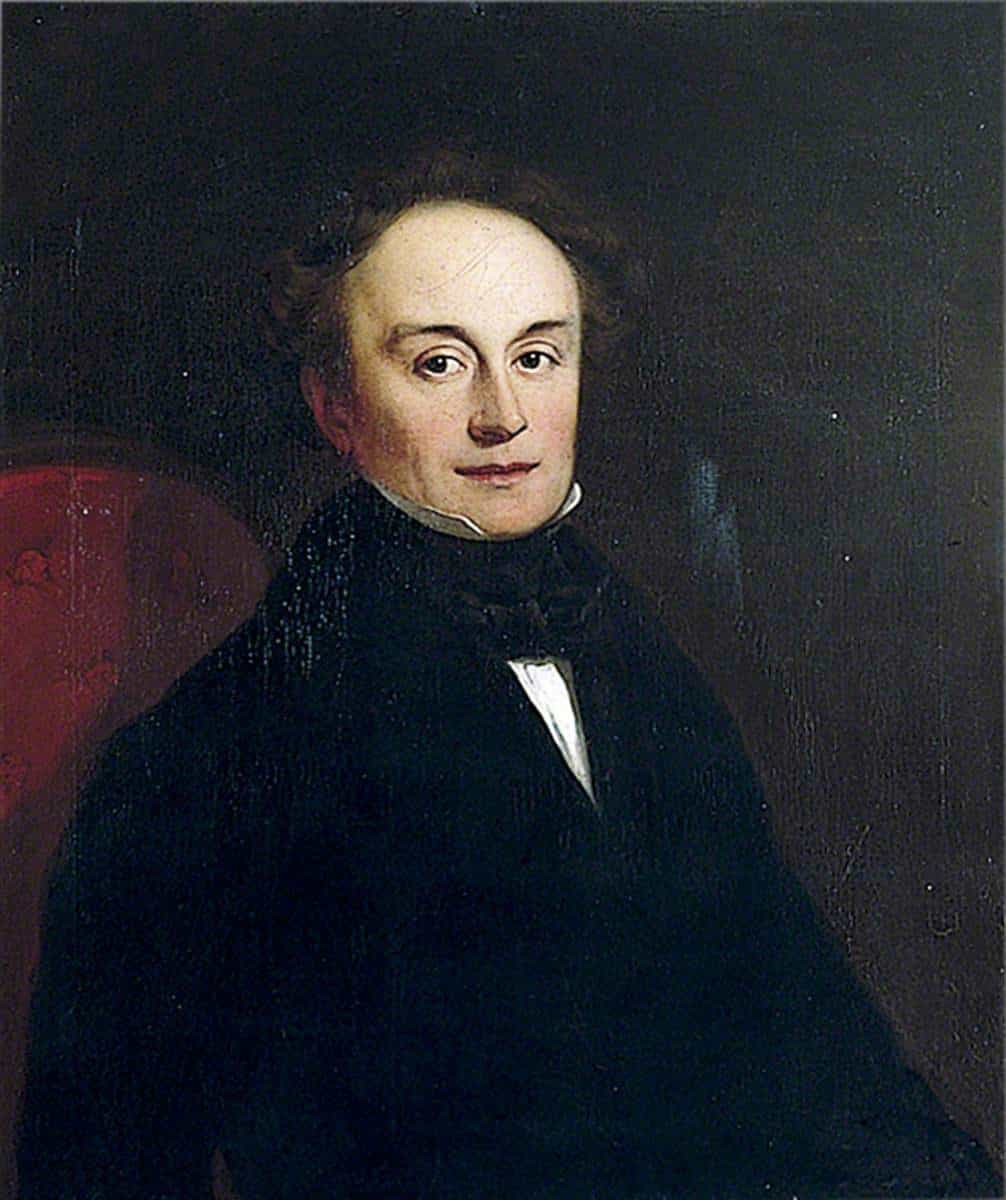
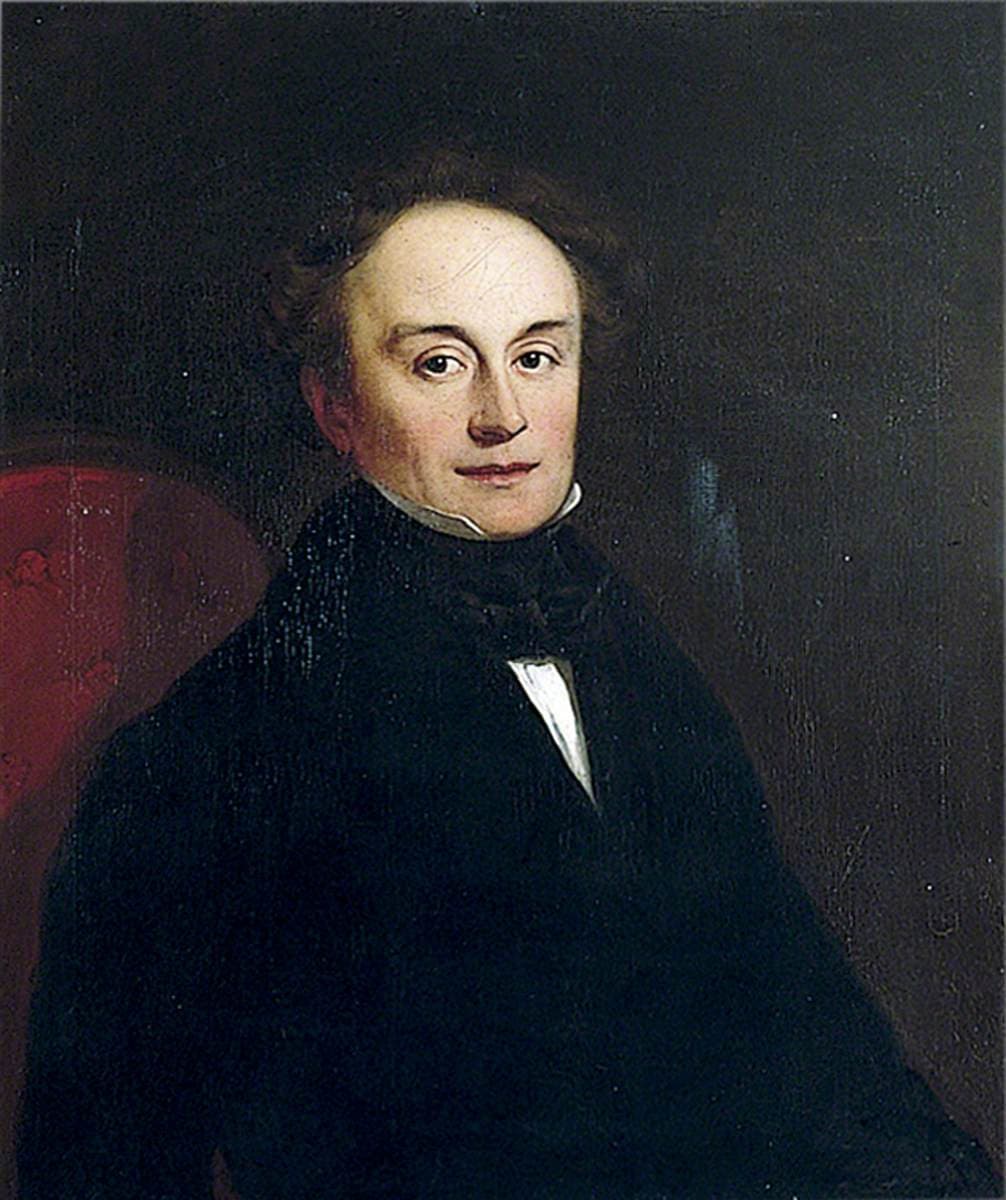
William Barnfather Eagles as a Young Man
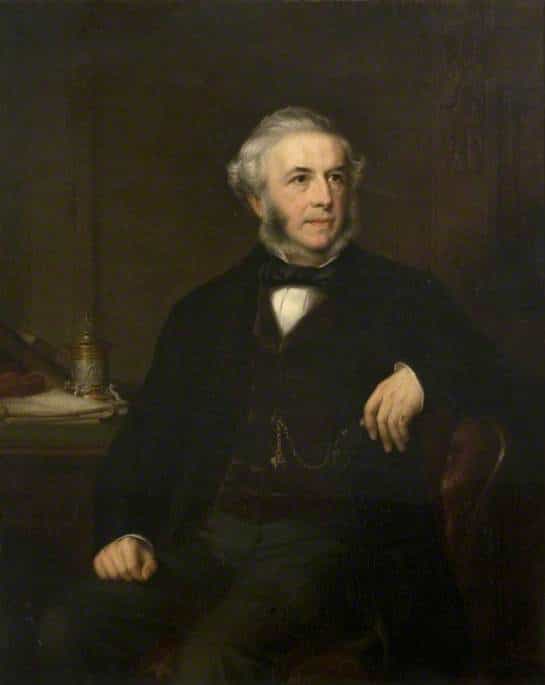
William Barnfather Eagles as a Young Man

Collection

Shop Samuel West Prints

Museum-quality reproductions on 310gsm textured cotton rag paper.

Shop all prints by Samuel West

Artistic Style

Style Evolution

West's work remains rooted in 19th-century Romantic approaches: early pieces emphasize mood and atmosphere in landscape; mid-career paintings refine figure handling and compositional clarity; late works show a polished studio technique and restrained, decorative palettes suited to collectors and interiors.

Palette

  • muted earth tones
  • soft greens and browns
  • subtle highlights of warm ochre

Subjects

  • landscapes
  • portraits and figure studies
  • domestic and rural scenes

Techniques

  • careful draftsmanship
  • delicate glazing
  • controlled brushwork

Topics

Irish painterRomantic19th centurylandscapeportraitdecorative artstudio painting

Samuel West (1810-1867) was an Irish Romantic painter whose evocative landscapes and portraits reflect 19th-century Ireland.

Learn about the life of Samuel West

1810

Born in Cork, Ireland

1830

Early artistic activity begins (established practice as a painter)

1840

Mature development of landscape and portrait work

1850

Mid-career consolidation of Romantic stylistic elements

1860

Late-period works reflect refined studio technique and atmospheric composition

1867

Death (end of active career)

Biography

Samuel West (1810-1867) was an Irish Romantic painter whose evocative landscapes and portraits reflect 19th-century Ireland and refined studio practice. His work is prized for its decorative appeal and period atmosphere, offering collectors atmospheric scenes that complement historic and traditional interiors. West's paintings demonstrate careful draftsmanship, sensitive handling of light, and a restrained yet expressive palette that bridges Romantic sensibilities with mid-19th-century Irish subject matter.

Frequently Asked Questions

What are Samuel West's most famous paintings?+
Specific titles of Samuel West's most famous paintings are not provided here. West is generally known for evocative landscapes and refined portrait or figure studies typical of mid-19th-century Irish painting. When seeking his best works, look for pieces described as landscape views, rural or domest
What is Samuel West's style?+
Samuel West worked within the Romantic tradition of the 19th century, emphasizing atmosphere, careful draftsmanship, and composed, often picturesque scenes. His paintings typically combine sensitive handling of light with restrained color palettes and refined studio technique, making them appealing,
What made Samuel West unique?+
West's distinction lies in the combination of Romantic atmosphere with a decorative, polished studio manner. His work is valued for its tasteful compositions, subtle coloration, and the way it evokes 19th-century Irish life—qualities that make his paintings well-suited to collectors seeking atmos
What are three of Samuel West's masterpieces?+
This profile does not list specific titled works by Samuel West. He is principally associated with high-quality landscape and portrait compositions of the mid-19th century. For named masterpieces, consult specialist catalogues, auction records, or museum collections that index his work.
What movement was Samuel West part of?+
Samuel West is associated with the broader Romantic movement in 19th-century painting. Romanticism emphasized mood, landscape, and expressive composition; in Ireland and Britain it often combined picturesque topography with careful figurative work—an approach apparent in West's oeuvre.
What influenced Samuel West?+
Specific documented influences for West are not provided here. Broadly, artists working in 19th-century Ireland and Britain were shaped by Romantic landscape traditions, academic training, and contemporary developments on the British art scene. Collectors and viewers often note his grounding in