unknown
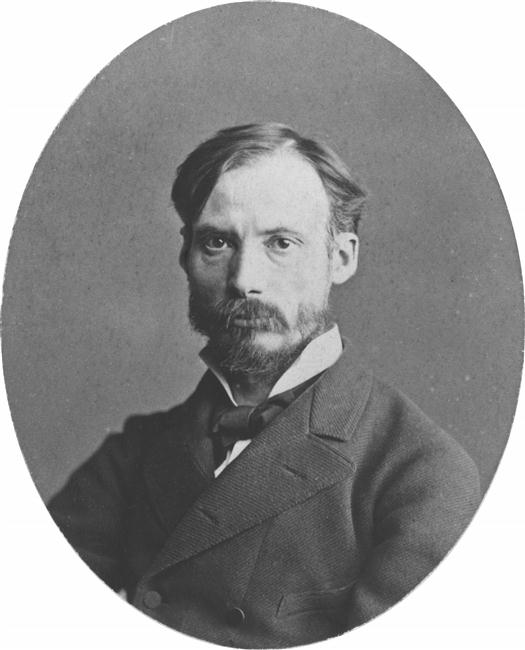
Pierre-Auguste Renoir
From €37
Collection
Museum-quality reproductions on 310gsm textured cotton rag paper.
Shop all prints by Pierre-Auguste RenoirArtistic Style
Style Evolution
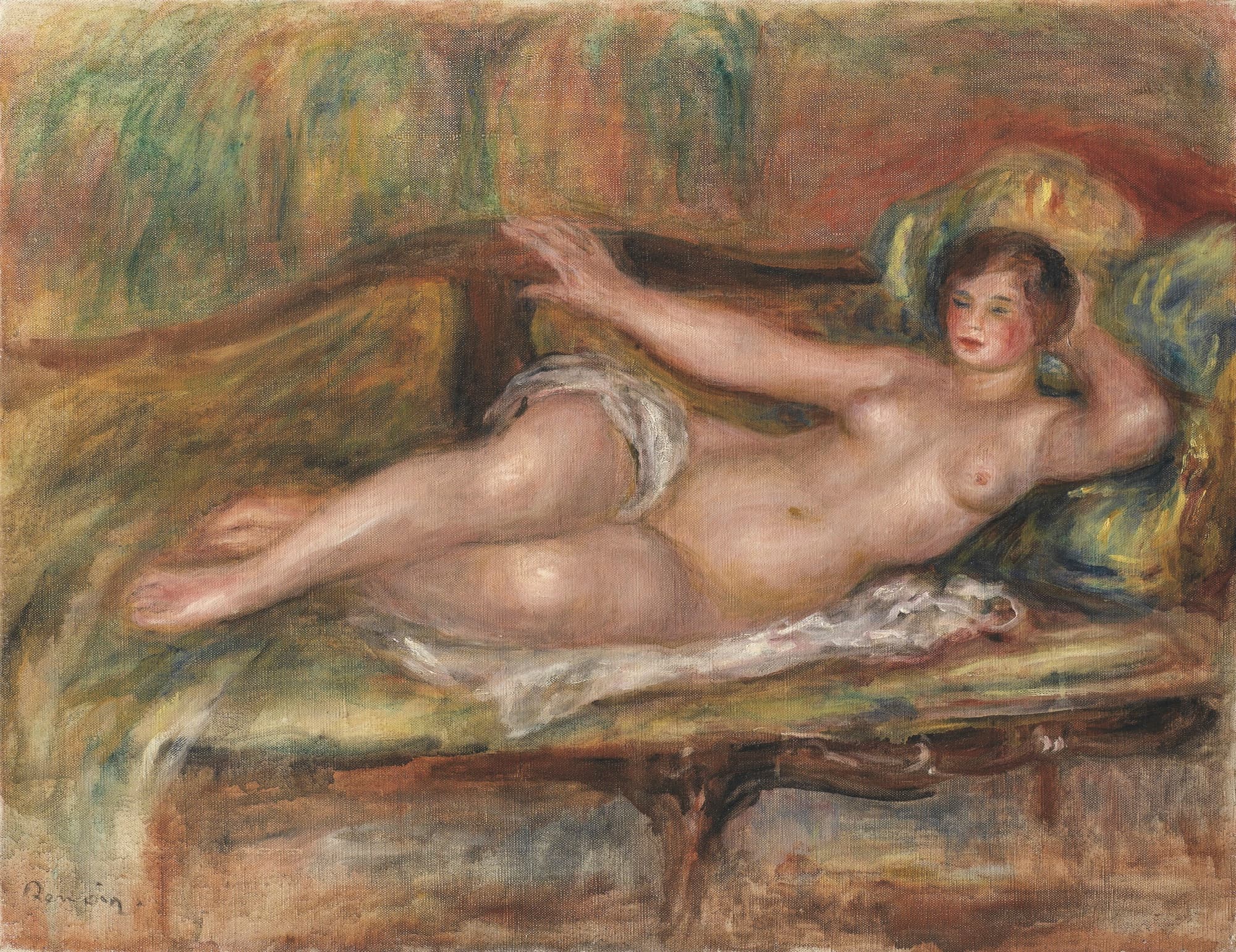
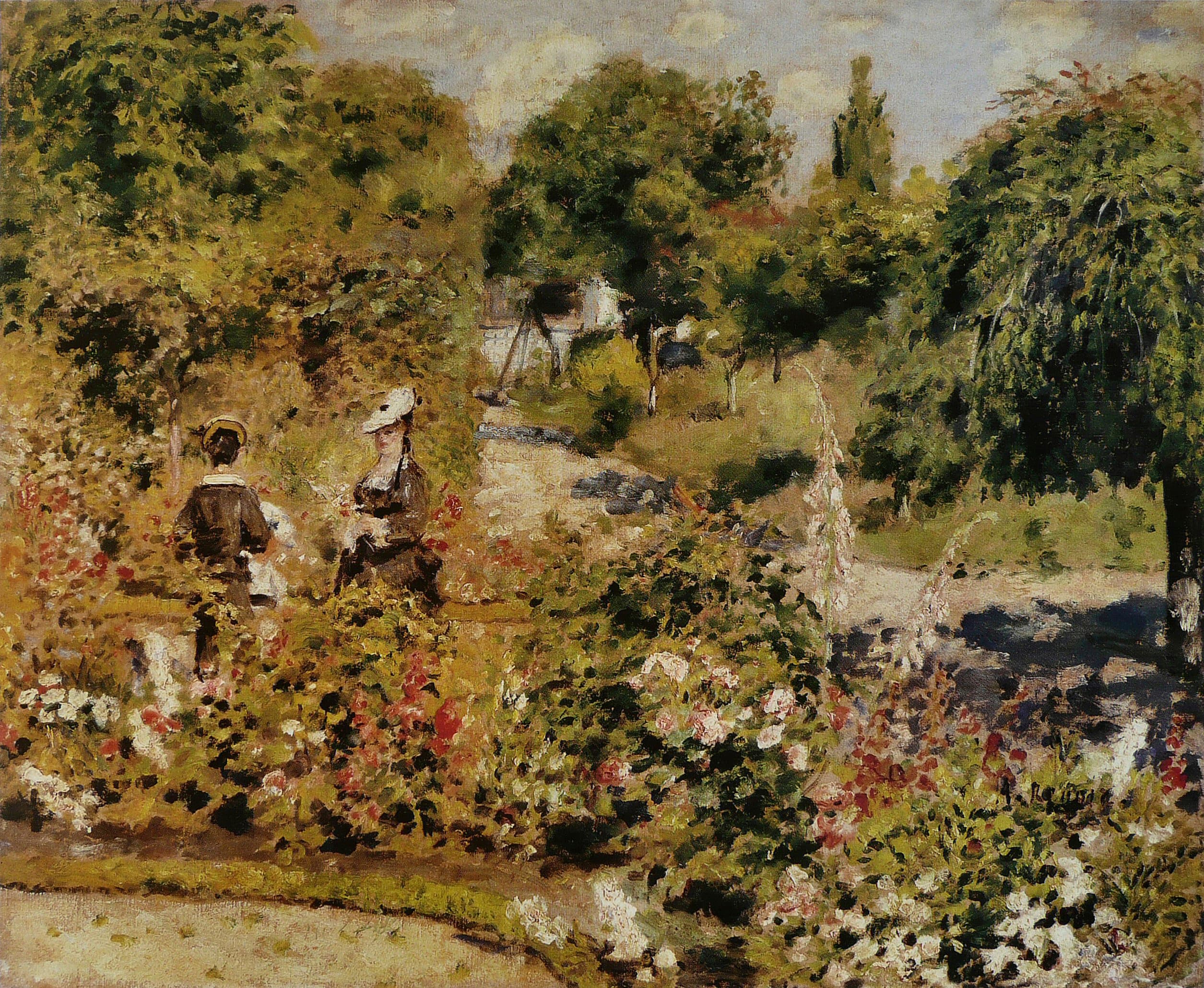
Renoir began with plein-air Impressionist experiments—bright color and light-driven compositions—then moved in the 1880s toward a firmer, more classical treatment of the figure, while maintaining his hallmark warmth and decorative sense.
Palette
Subjects
Techniques
Topics
Pierre-Auguste Renoir (1841-1919) was a French Impressionist painter whose luminous brushwork and celebratory scenes of modern life made him a leading figure in late 19th-century art.
Learn about the life of Pierre-Auguste Renoir
Biography
Pierre-Auguste Renoir (1841-1919) was a French Impressionist painter whose luminous brushwork and celebratory scenes of modern life made him a leading figure in late 19th-century art.
Pierre-Auguste Renoir was born in Limoges in 1841. Trained first in decorative and porcelain painting, he moved to Paris as a young man to pursue art. Early work included designs and apprenticeship-style painting that sharpened his eye for color, surface, and the tactile qualities of paint.
Renoir’s development unfolded amid the dynamic Paris art world of the 1860s–1890s. He studied and worked alongside fellow artists in Paris and exhibited with the group later labeled the Impressionists.
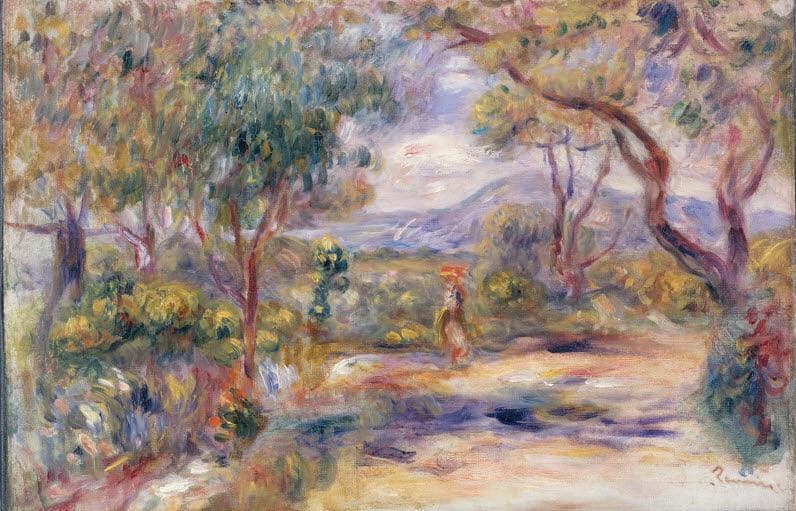
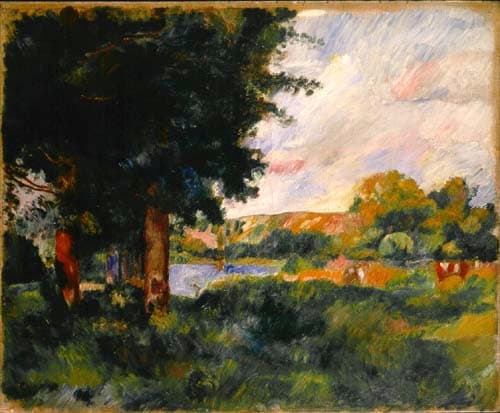
In Paris Renoir absorbed the innovations of plein-air painting and the focus on contemporary life. His work from this period is characterized by sunlit outdoor scenes, loose brushwork, and an emphasis on color and reflection.
By the 1880s and 1890s Renoir explored a warmer, more robust approach to the figure, incorporating a stronger sense of draftsmanship and sculptural form while retaining his love of color and surface.
Renoir emerged as one of the most celebrated painters of his generation. His paintings are admired for their sensuous surfaces, inviting compositions, and the way they capture light and social life. He played a central role in the Impressionist movement and helped define the visual language of late 19th-century French painting.
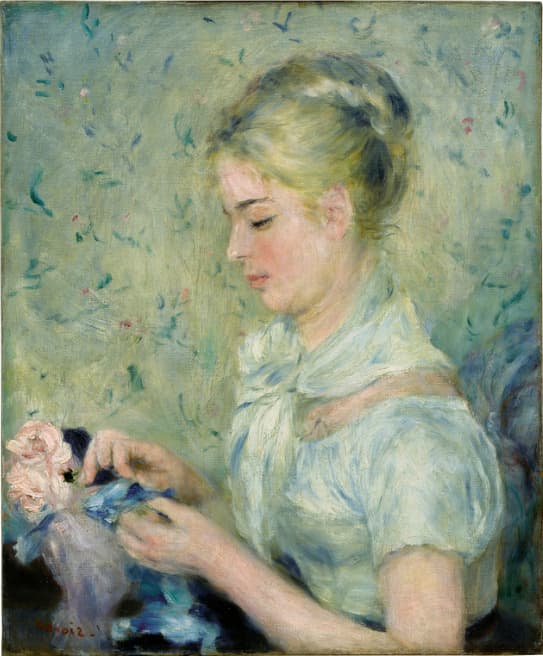
Renoir is known for warm, radiant color, fluid, rhythmic brushstrokes, and a focus on human figures and social scenes. He used broken color and nuanced layering to render skin tones, fabrics, and reflected light, producing works that are both decorative and richly observed.
Renoir influenced generations of artists who admired his colorism and handling of the human figure; his work contributed to developments that led into 20th-century modernism and decorative arts. Collectors prize his paintings for their beauty, technical mastery, and enduring popular appeal.
Renoir maintained close artistic friendships with contemporaries and worked throughout his life in France. Late in life he continued painting despite physical challenges, producing works celebrated for their warmth and intimacy.
Renoir’s work is highly sought after by collectors and museums for its decorative charm, mastery of color, and historical importance as central to Impressionism. Original paintings by Renoir command high prices at auction, and his images are widely reproduced as prints and decorative works, valued for their ability to brighten domestic and public interiors.
Awards
Frequently Asked Questions
unknown
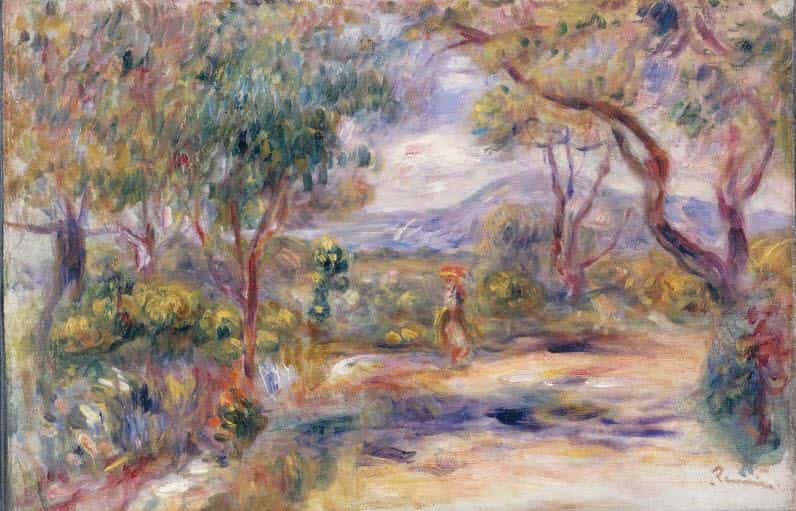
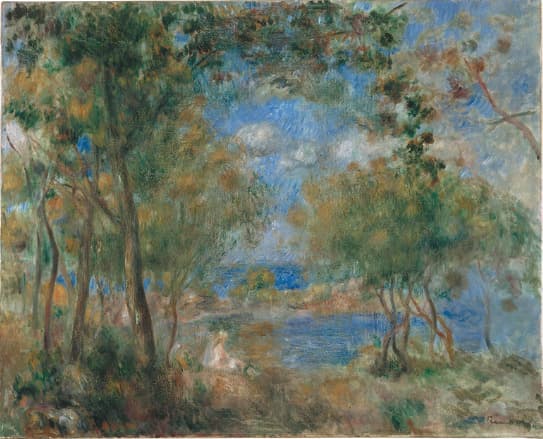
Landscape at Cagnes (Renoir's Garden)
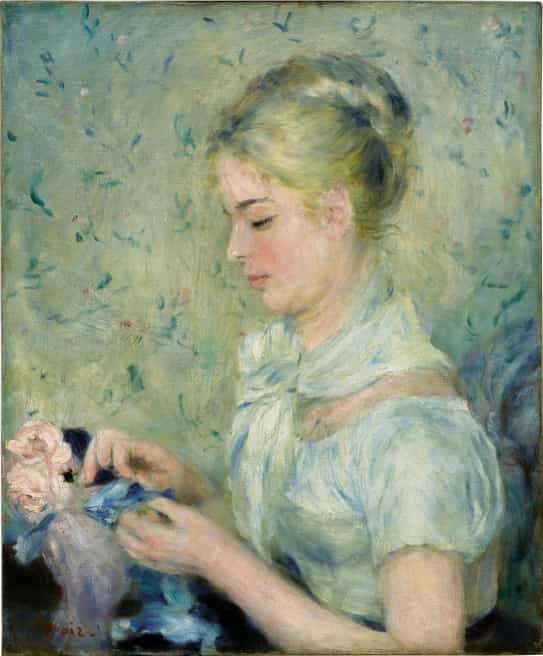
Die Modistin
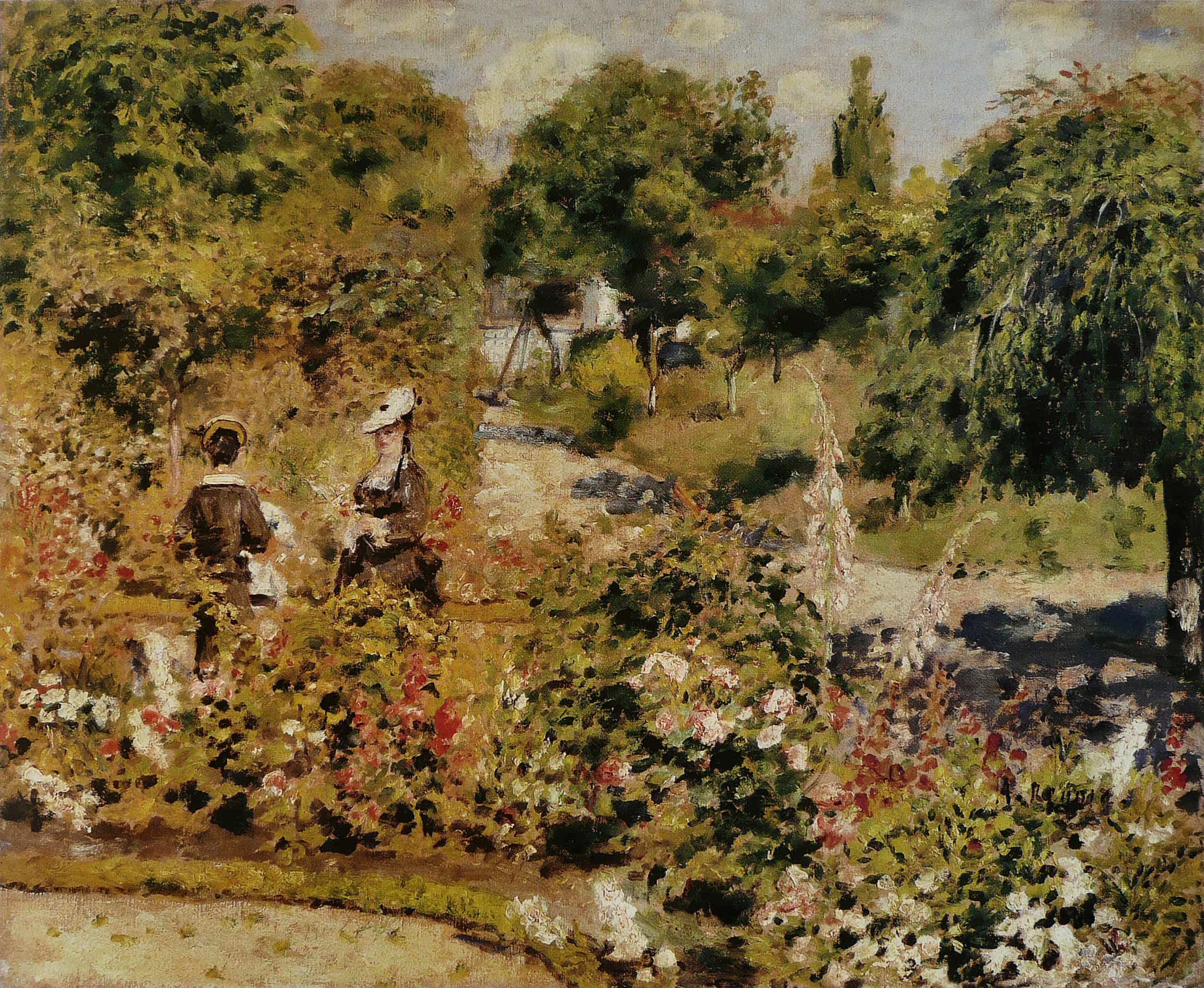
Q91932617
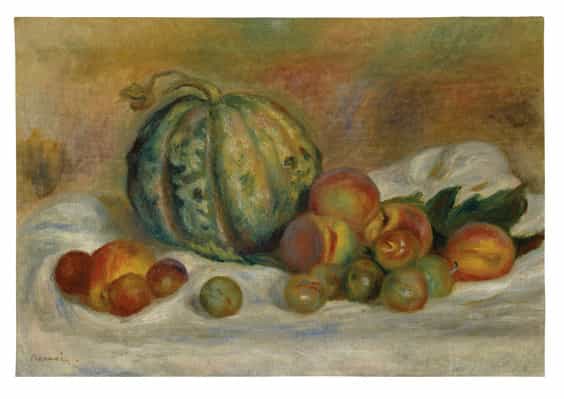
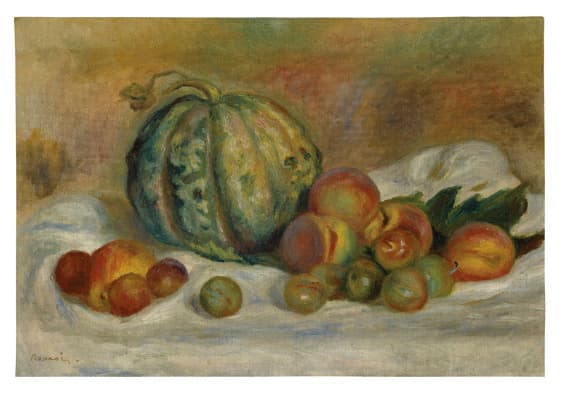
Stilleben mit Melone, Pfirsichen und Pflaumen
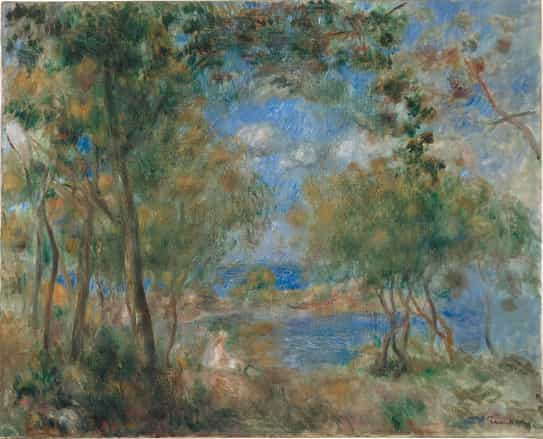
Landschaft bei Noirmoutiers
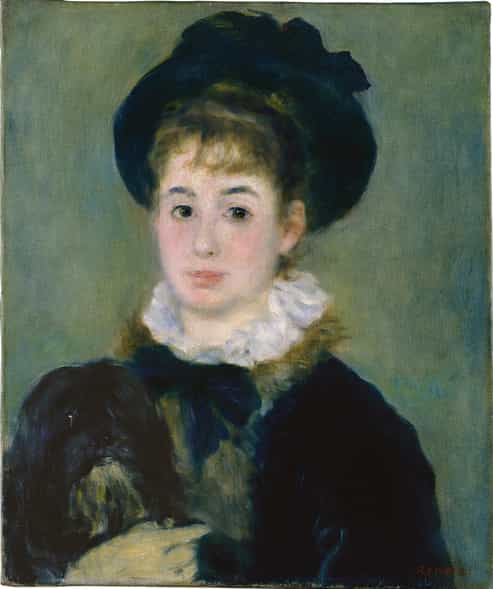
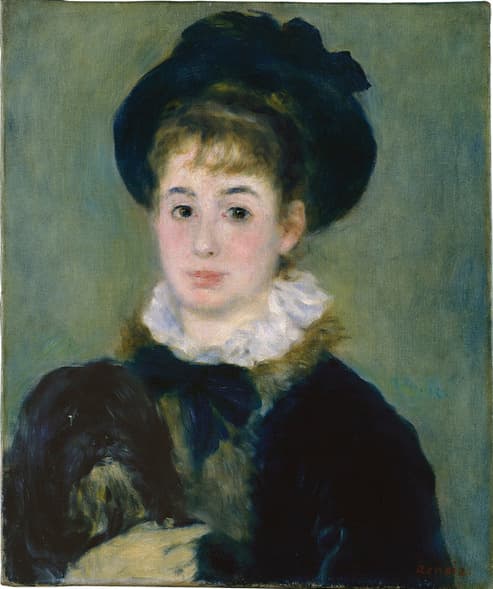
Portrait of Henriette Henriot
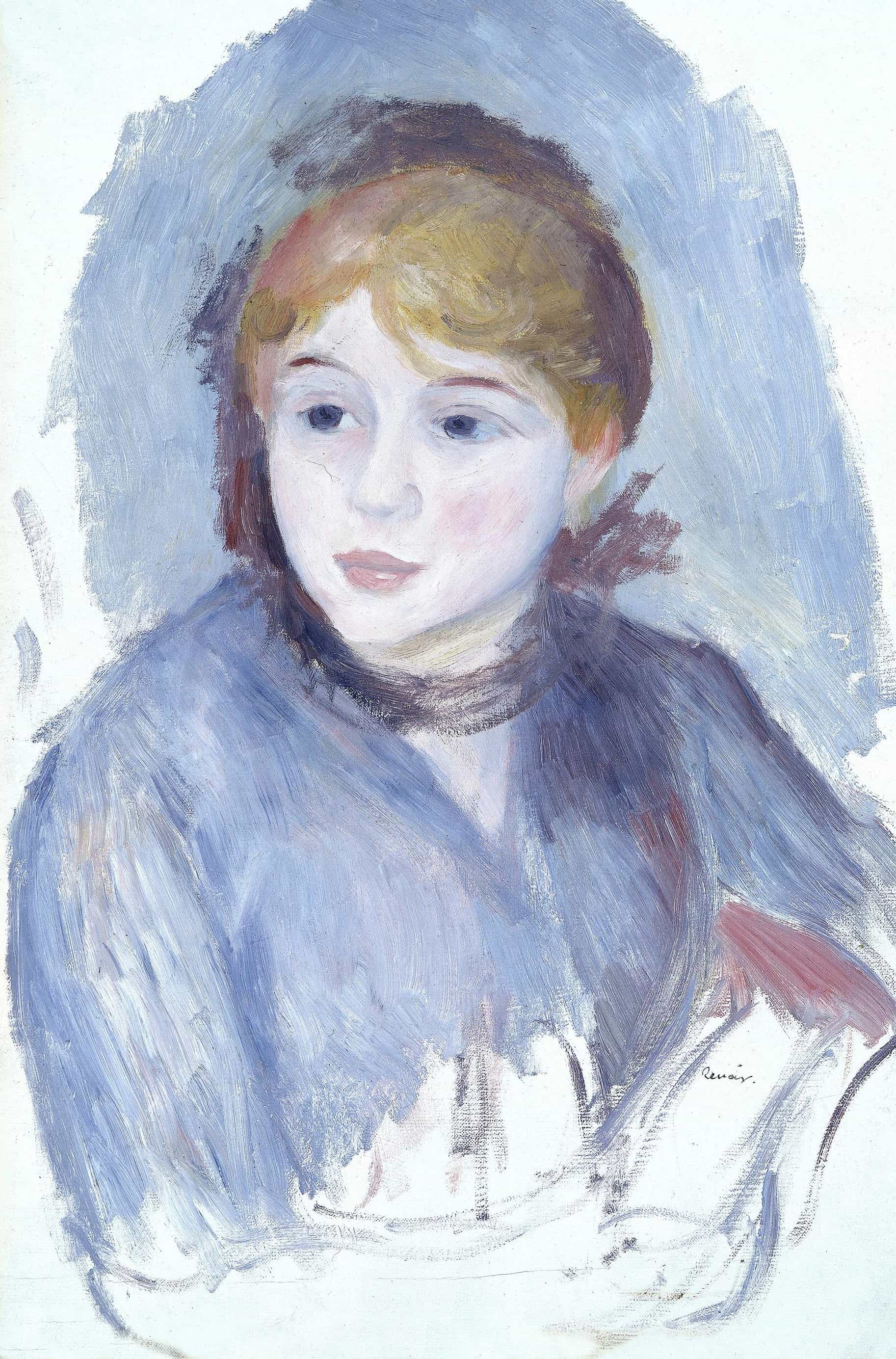
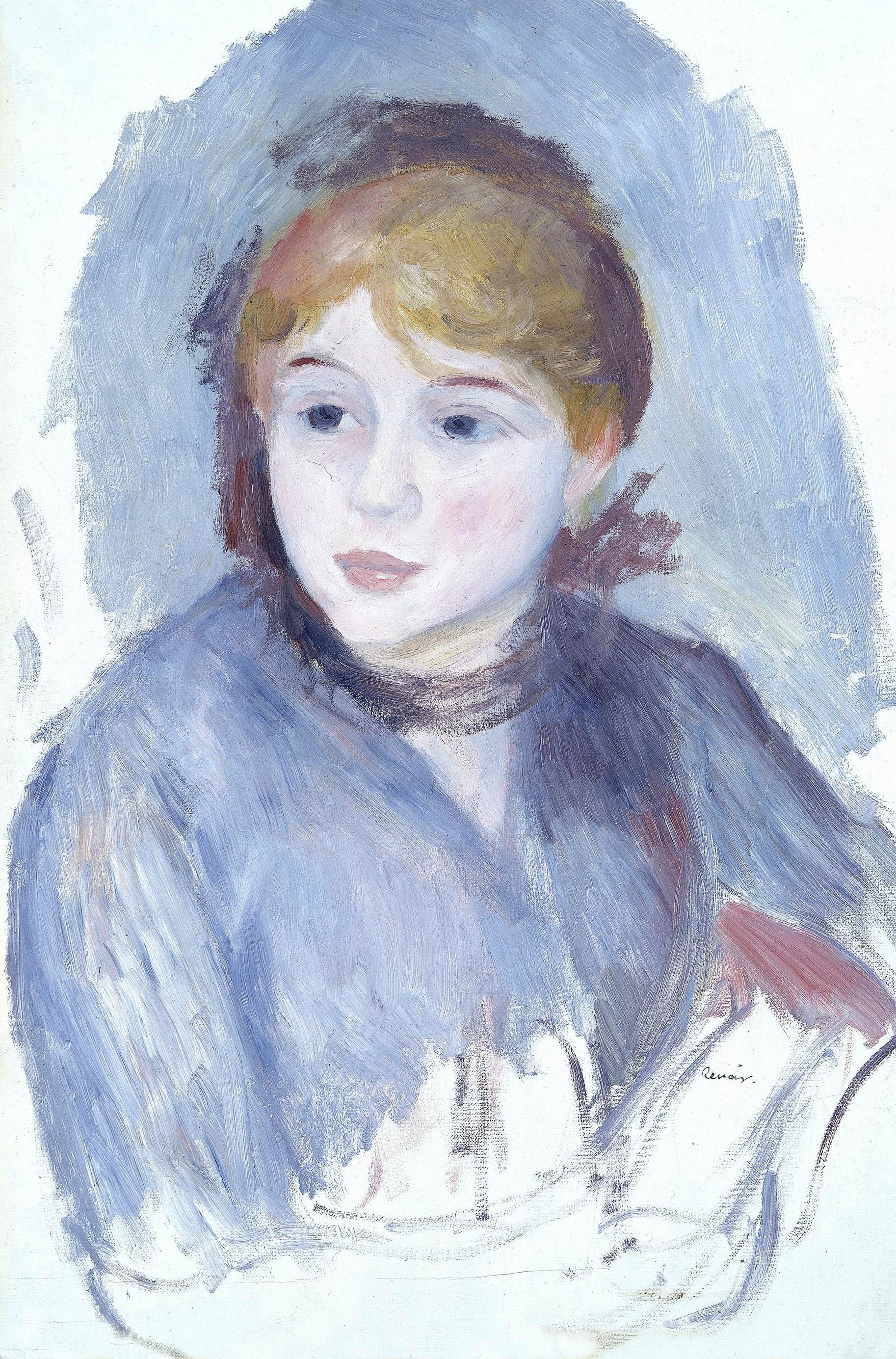
Young Girl in Blue
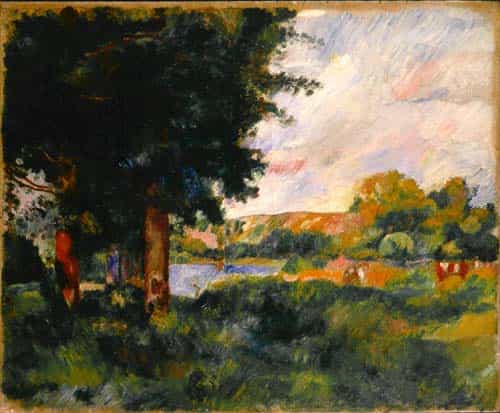
Paysage de l'Île-de-France
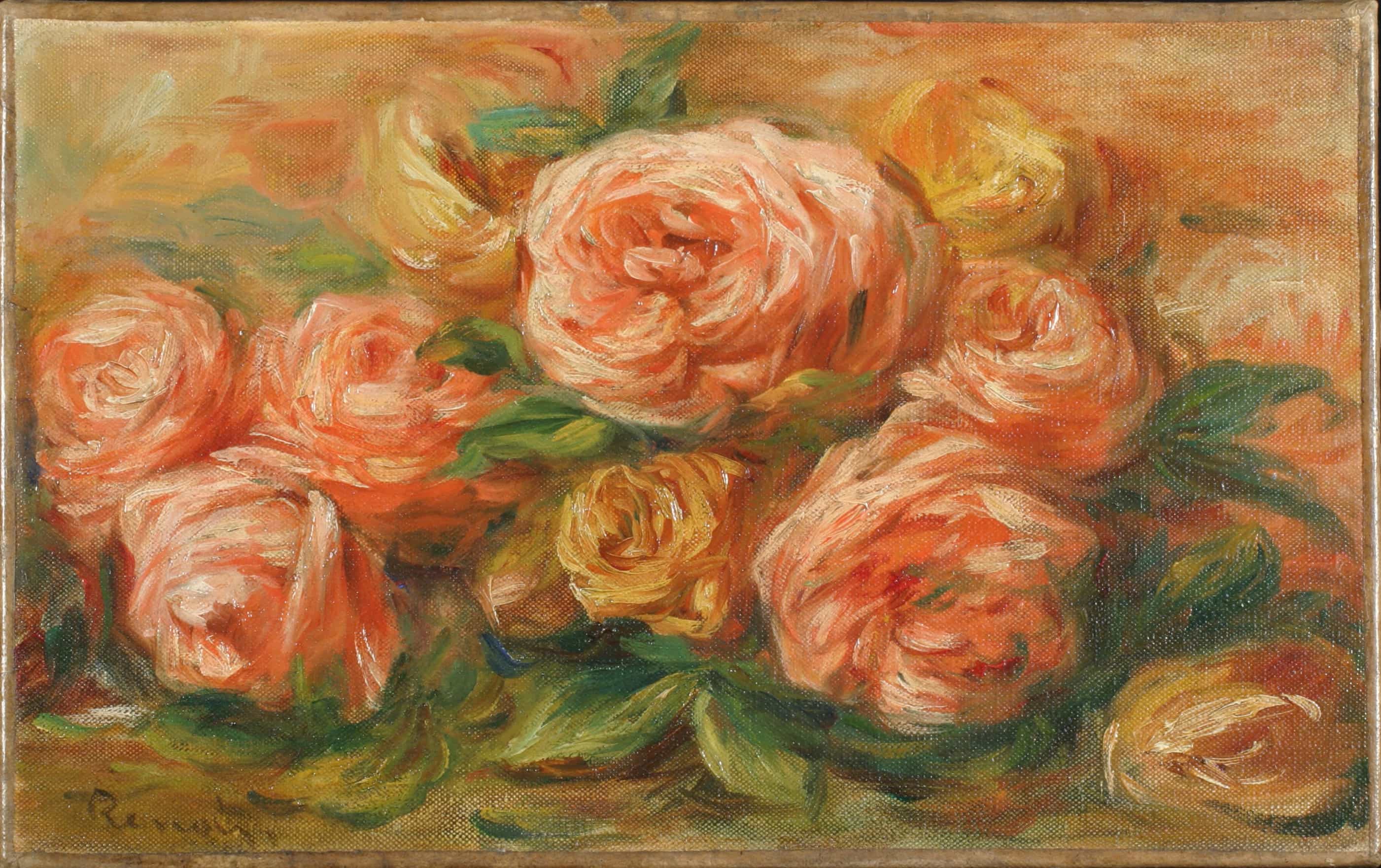
Q43091658
Coco
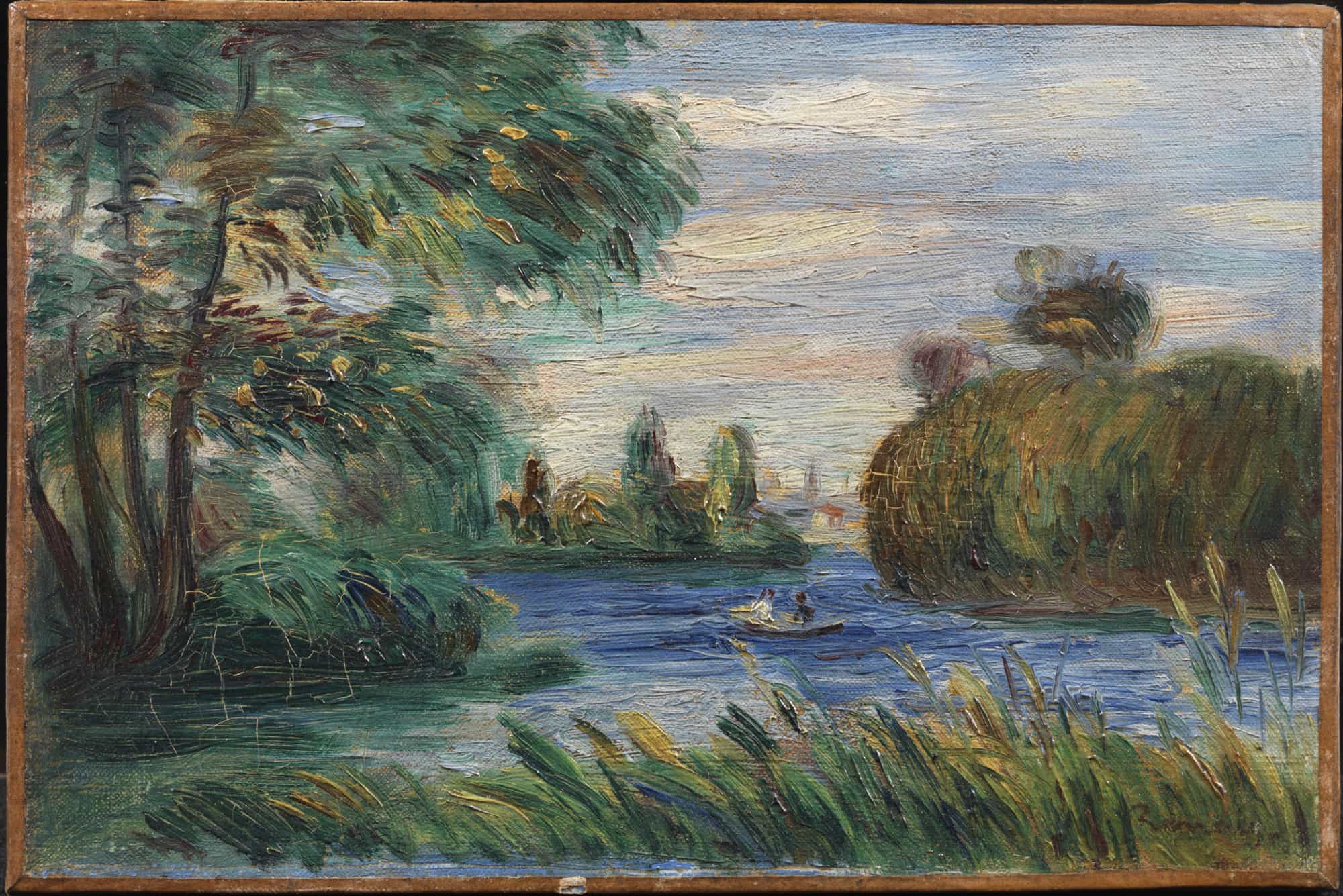
River Landscape