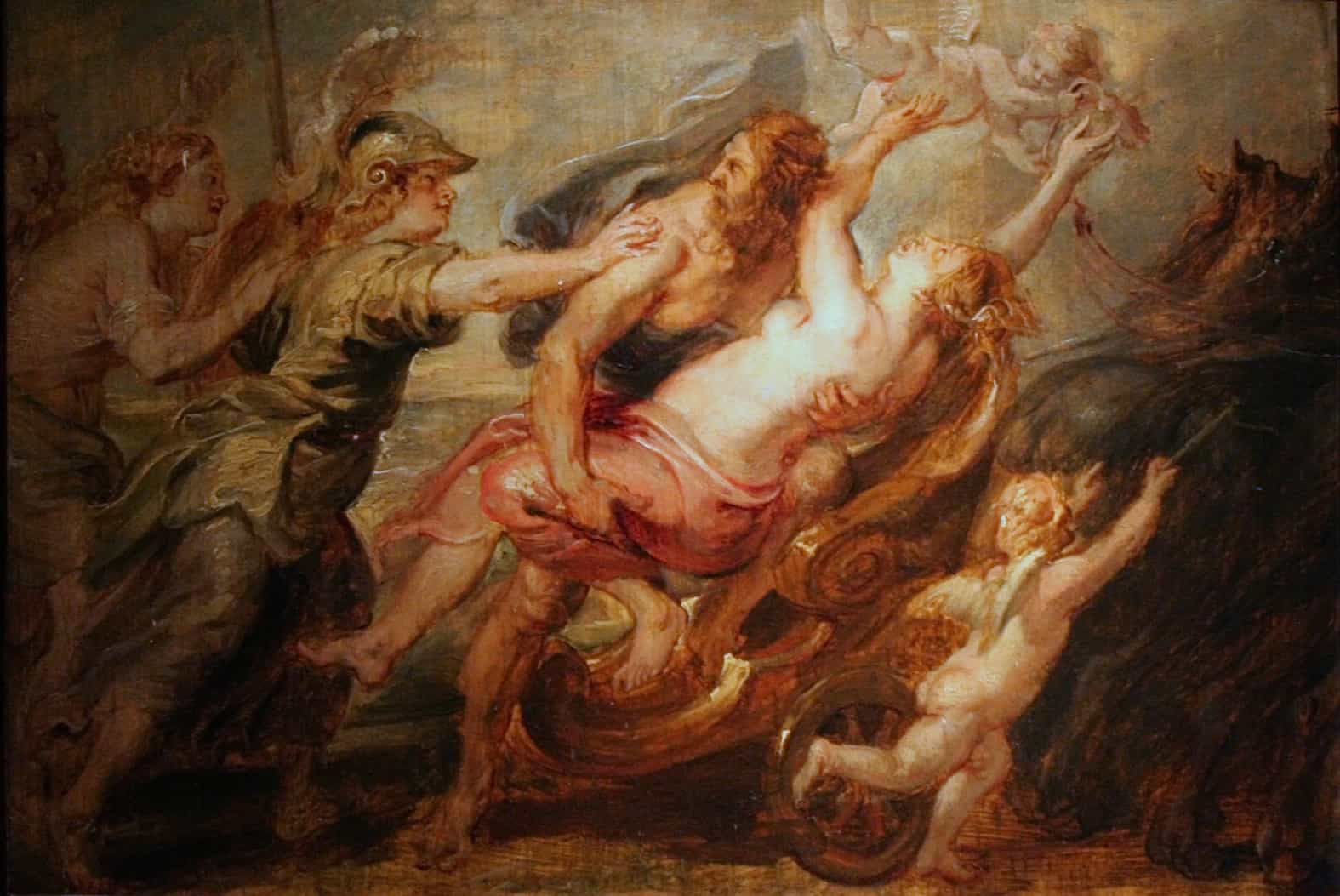
The Rape of Proserpina (Ovid, Metamorphoses V, 385–)
Peter Paul Rubens
From €38
Collection
Museum-quality reproductions on 310gsm textured cotton rag paper.
Shop all prints by Peter Paul RubensArtistic Style
Style Evolution
Rubens’s style moved from disciplined Northern draftsmanship to a mature Baroque synthesis after his Italian study: classical monumentality, theatrical lighting, and sensuous color combined with a prolific workshop practice that adapted to religious, courtly, and decorative commissions.
Palette
Subjects
Techniques
Topics
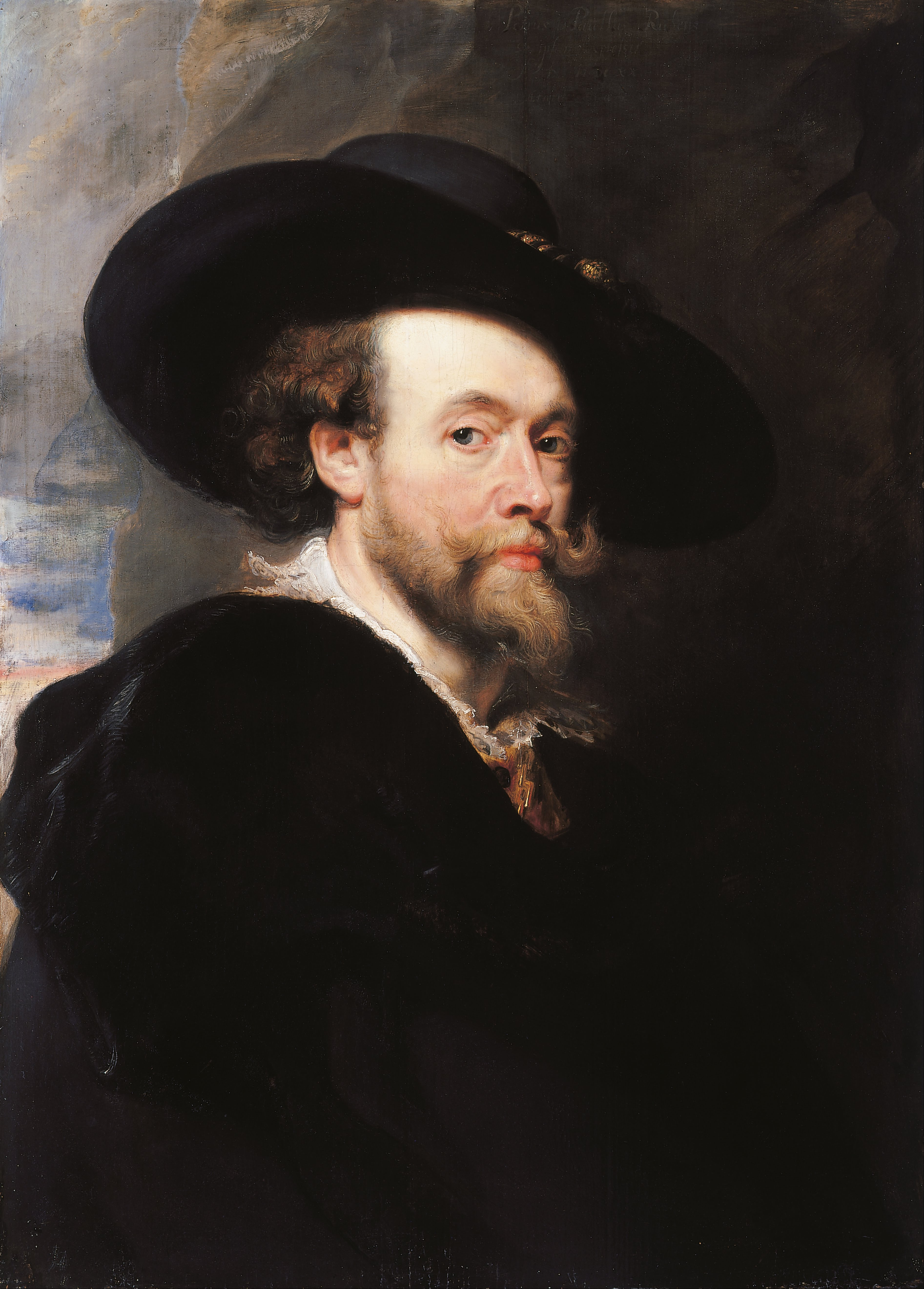
Peter Paul Rubens (1577-1640) was a Spanish Netherlands Baroque painter whose exuberant, dynamic compositions and sensuous color defined Flemish Baroque.
Learn about the life of Peter Paul Rubens
Signature Works
See all available prints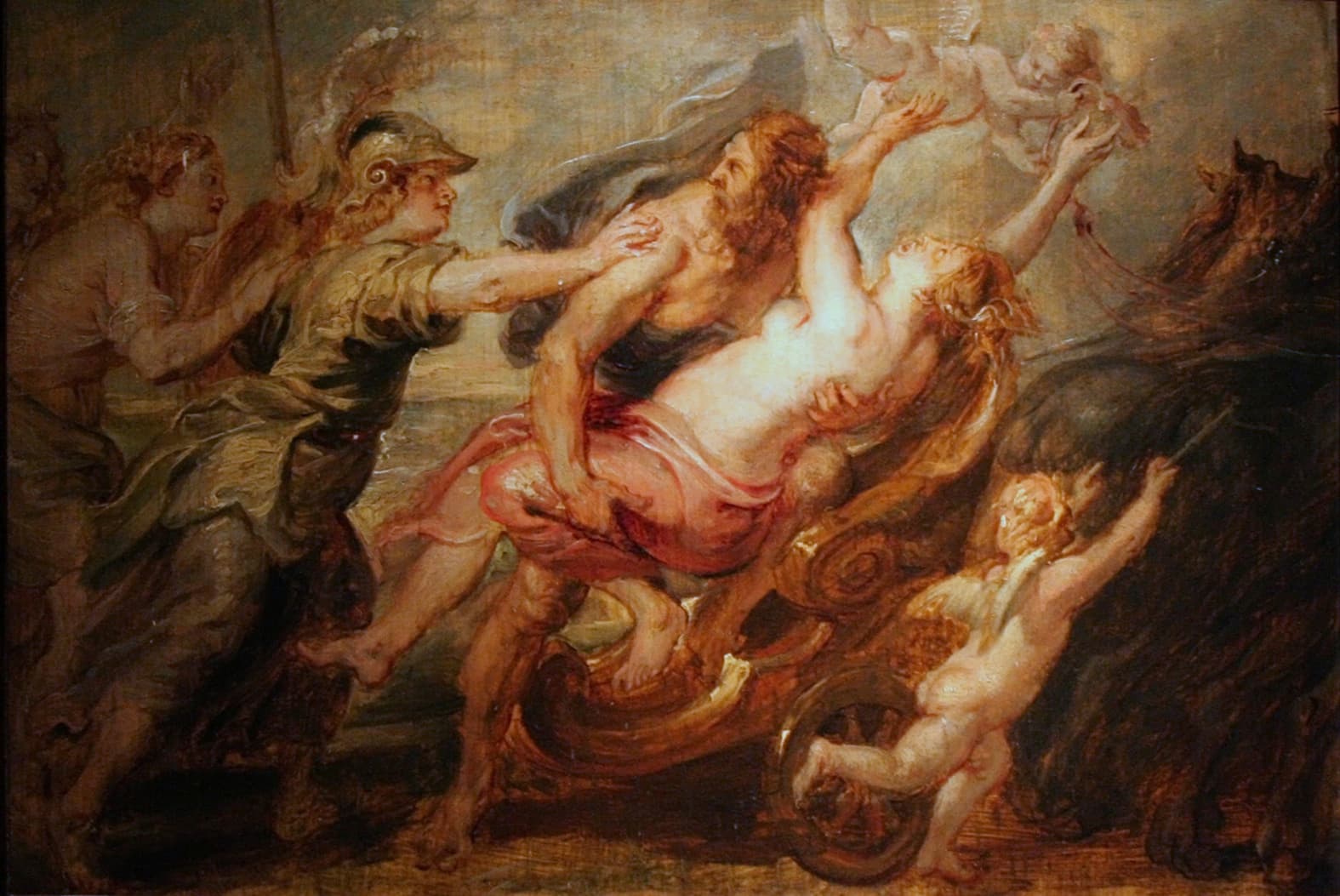
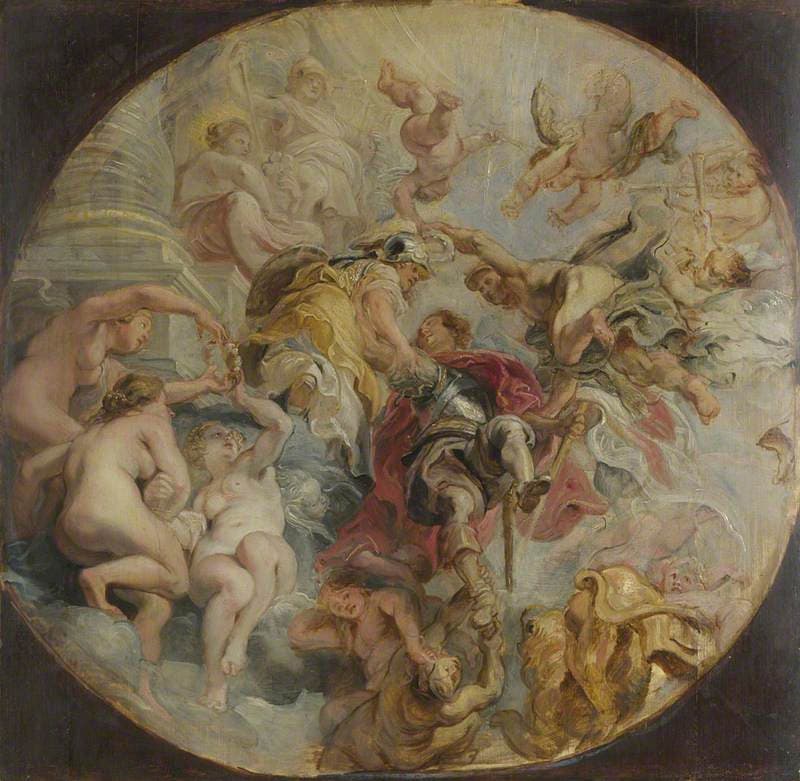
Biography
Peter Paul Rubens (1577-1640) was a Spanish Netherlands Baroque painter whose exuberant, dynamic compositions and sensuous color defined Flemish Baroque.
Peter Paul Rubens (1577-1640) was a Spanish Netherlands Baroque painter whose exuberant, dynamic compositions and sensuous color defined Flemish Baroque.
Born in Siegen in 1577, Rubens returned with his family to the Southern Netherlands during his youth. Trained in the Flemish artistic tradition, he absorbed Northern techniques while developing an early reputation for skill in drawing, composition, and the handling of color. His formative years established the technical foundation and classical interests that shaped his mature work.
Rubens’s career can be divided into identifiable phases defined by study, travel, and the expansion of a large workshop that produced paintings for churches, courts, and private patrons.
In his early period Rubens established himself in the Flemish tradition, mastering portraiture, religious subjects, and altarpiece composition. His command of draftsmanship and anatomy became a hallmark of his work.
Rubens spent several years in Italy where he studied Renaissance and High Baroque masters and absorbed classical themes and techniques. This period deepened his use of monumental figures, theatrical lighting, and grand narrative schemes.
Returning to Antwerp, Rubens ran a prolific studio that produced large-scale altarpieces, mythological scenes, and portraits. He combined artistic production with diplomatic missions and court commissions, fostering international patronage and shaping tastes across Europe.
Rubens is celebrated for large-scale religious altarpieces, dynamic mythological paintings, and richly textured court portraits. His oeuvre established the visual language of Flemish Baroque—characterized by dramatic movement, robust figures, and sumptuous color—which had broad influence among contemporaries and later generations.
Rubens’s style is marked by vigorous brushwork, dramatic chiaroscuro, and a warm, saturated palette. He balanced classical composition with theatrical energy, often arranging figures in sweeping diagonals and emphasizing tactile surfaces—fabrics, flesh, and landscape details—that read well at room scale and in grand interiors.
Rubens’s synthesis of Italian classicism and Northern realism made him a central figure of Baroque art. He influenced a wide circle of painters across Europe who emulated his compositional strategies, color sense, and workshop methods. Collectors prize his paintings for their decorative impact and capacity to anchor large interiors with dramatic narrative and color.
Rubens combined a busy public career with
Frequently Asked Questions
The Rape of Proserpina (Ovid, Metamorphoses V, 385–)
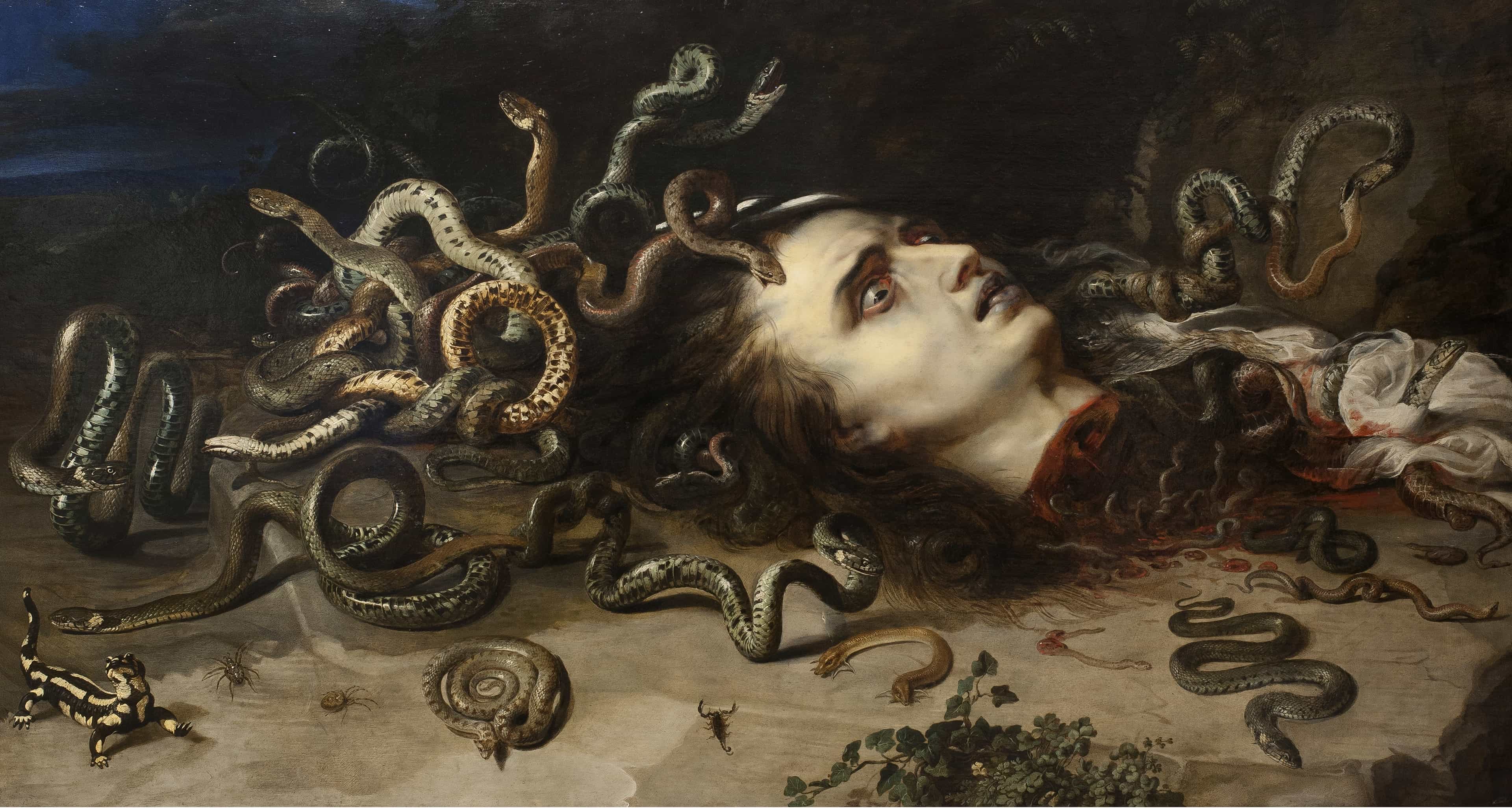
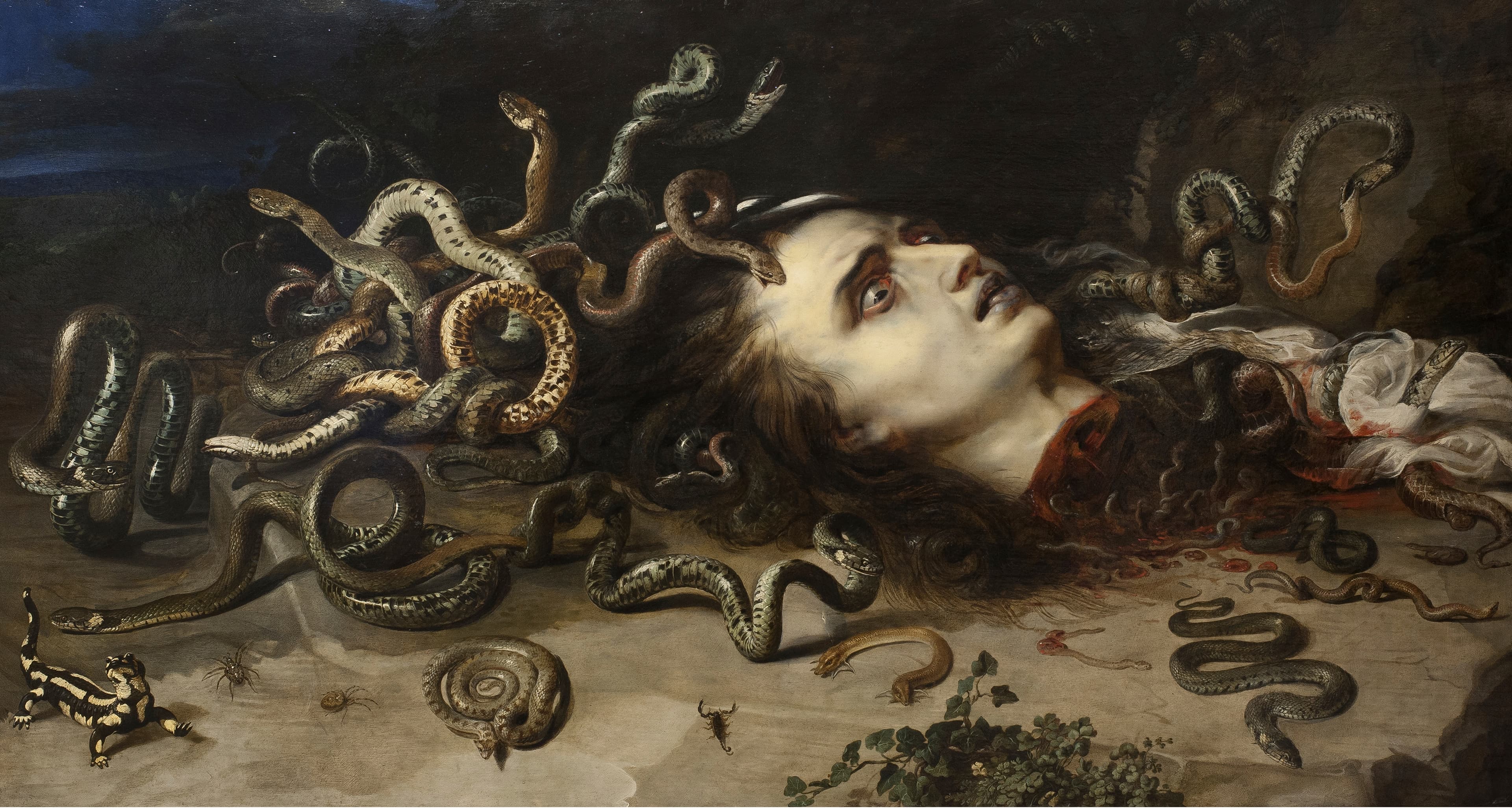
Head of Medusa
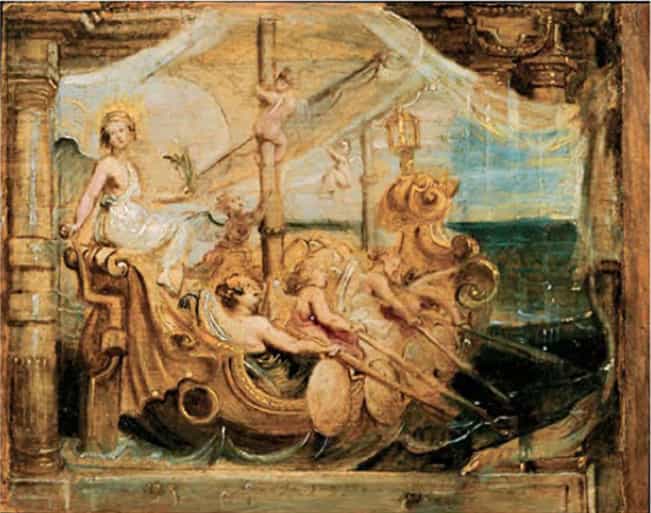
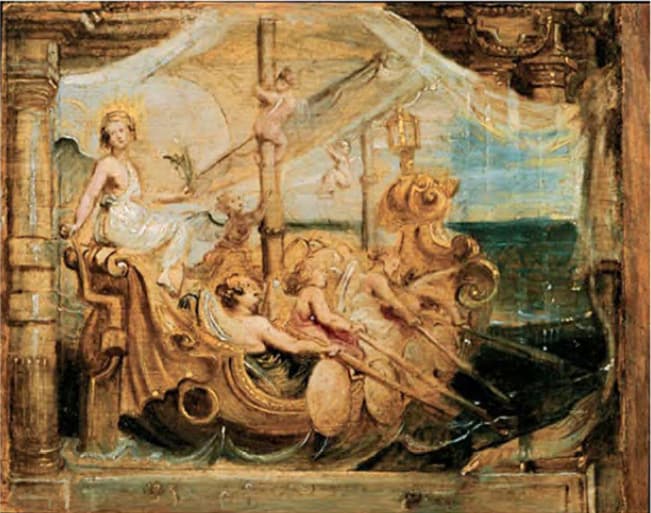
The Triumph of Hope
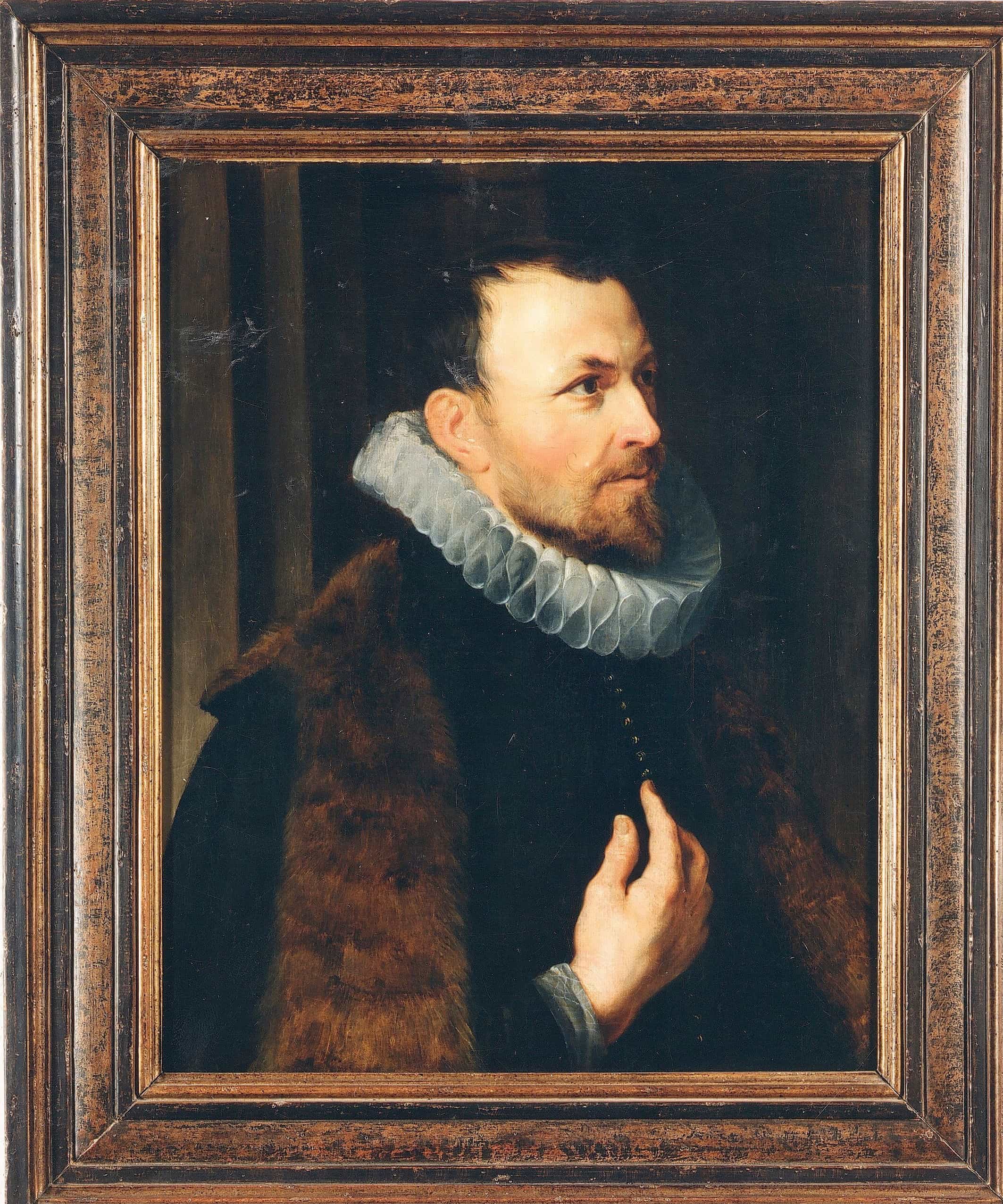
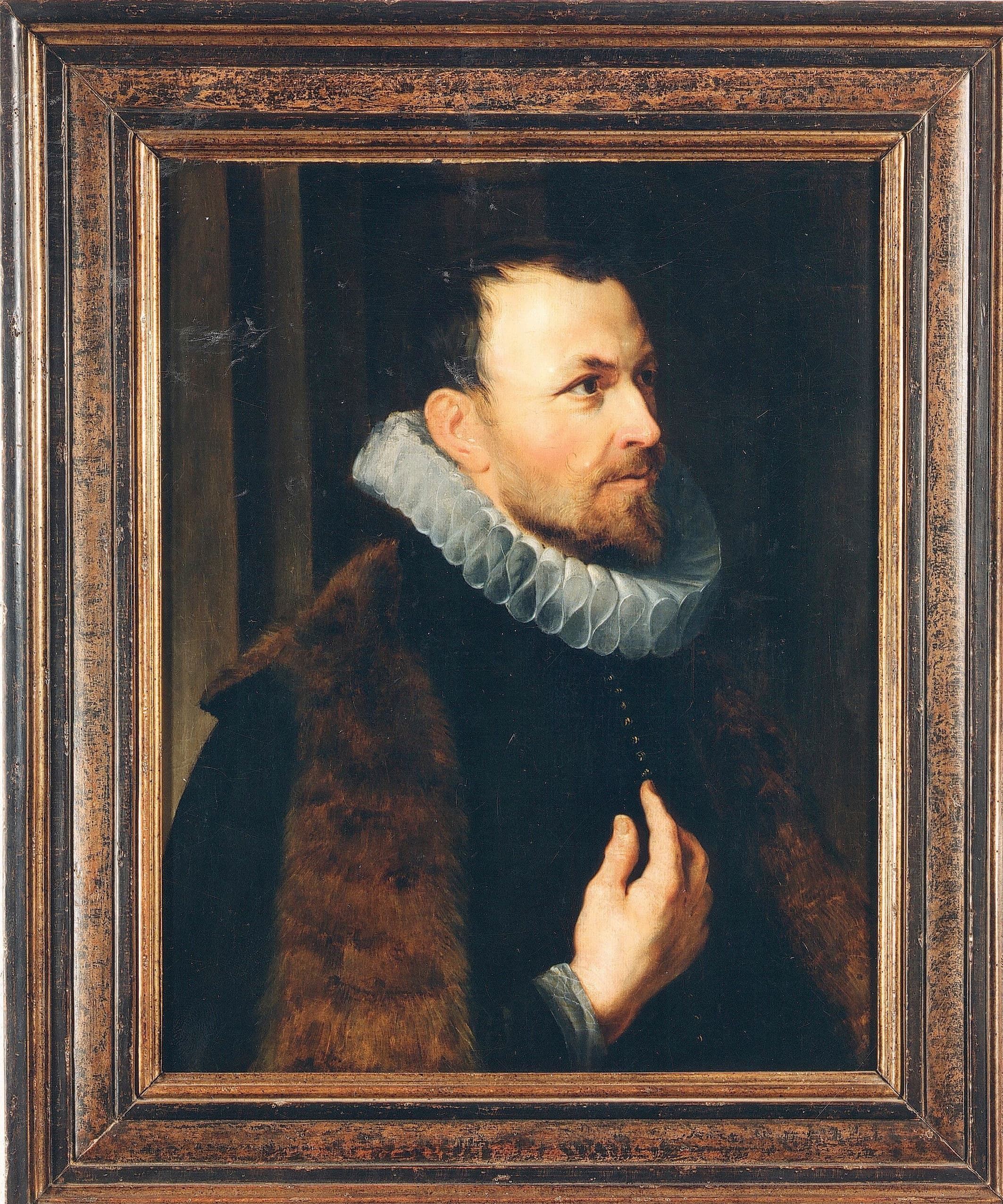
Portrait of Nicolaas Rockox
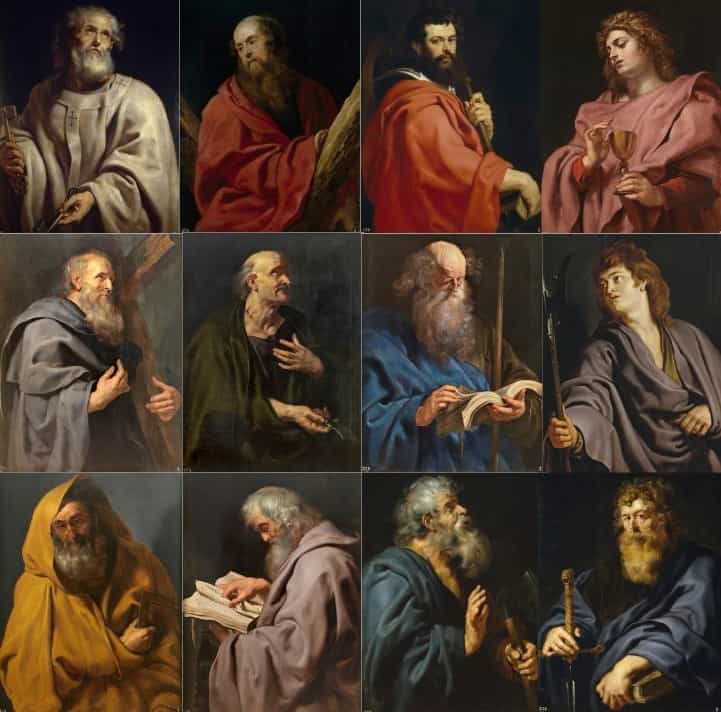
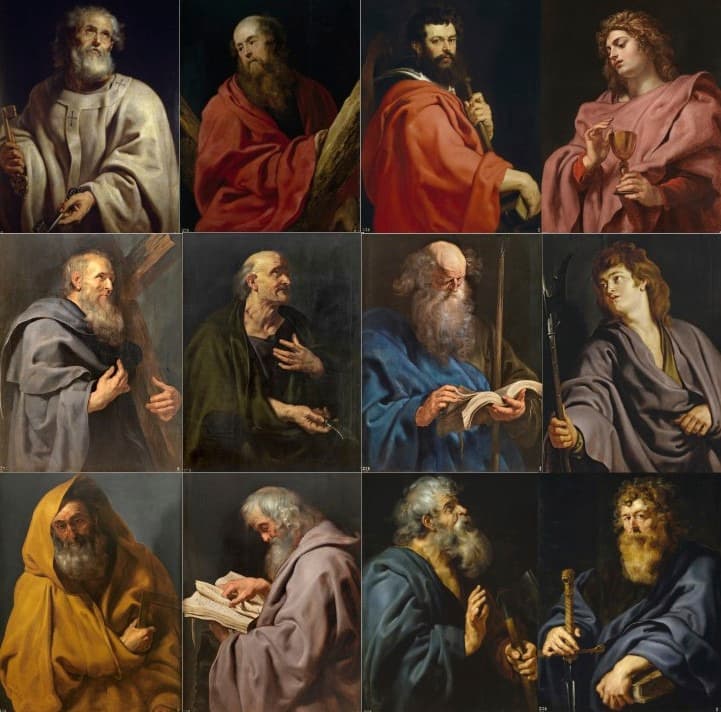
Apostolado del Duque de Lerma
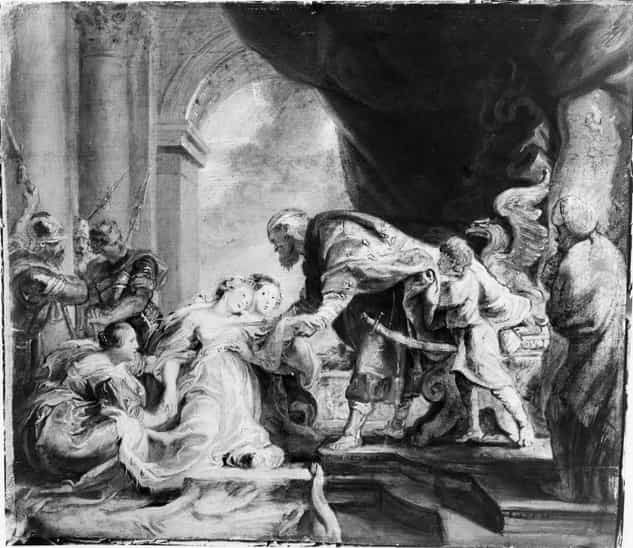
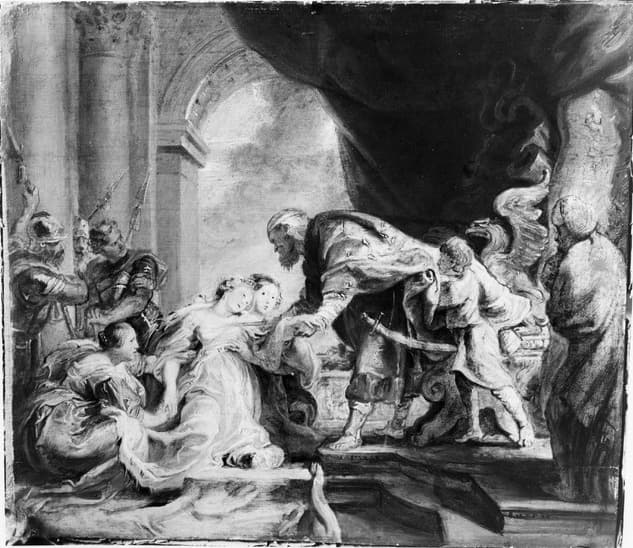
Ahasuerus Holds Out His Golden Sceptre to Esther (Esther 5:2)
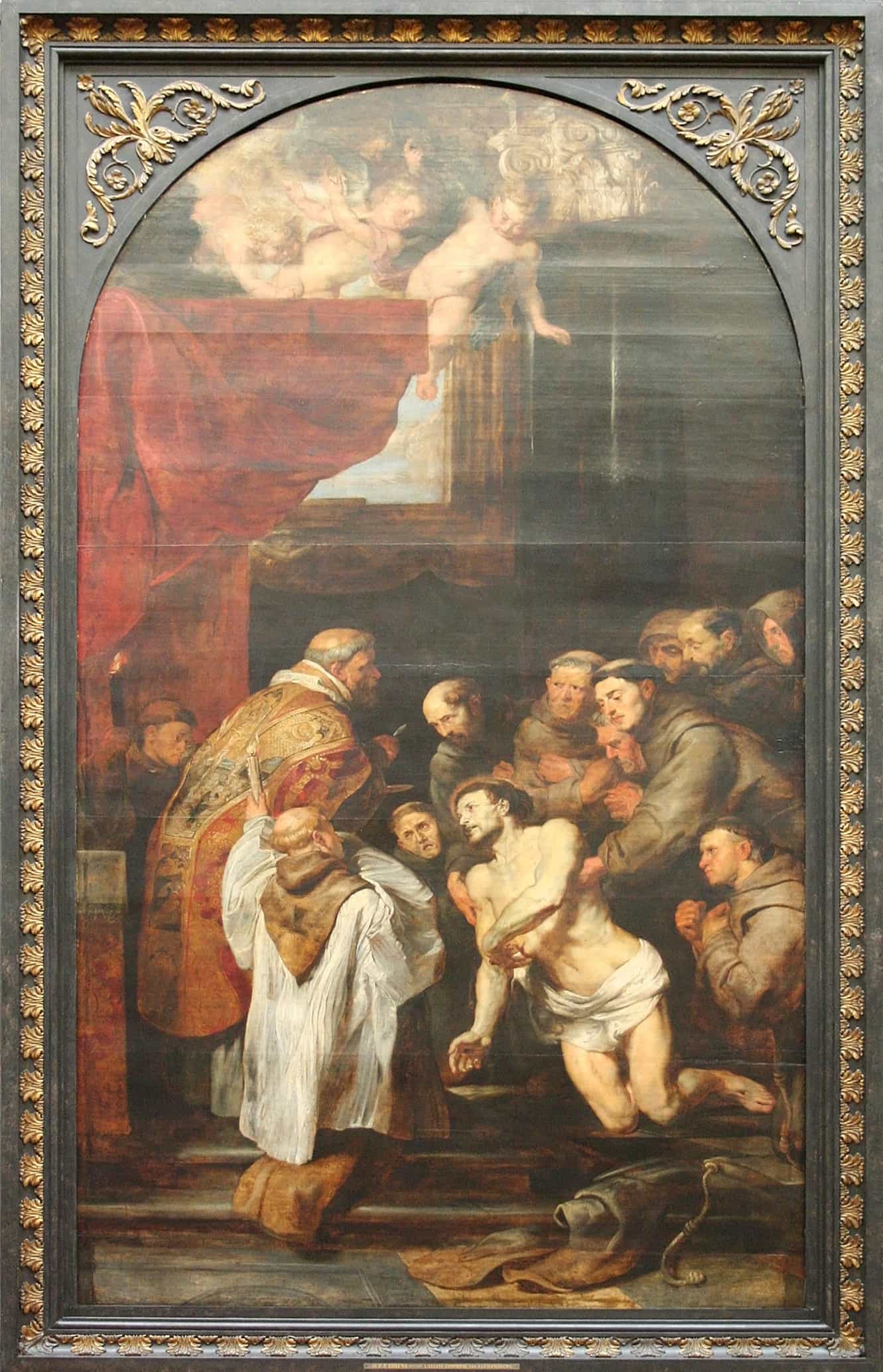
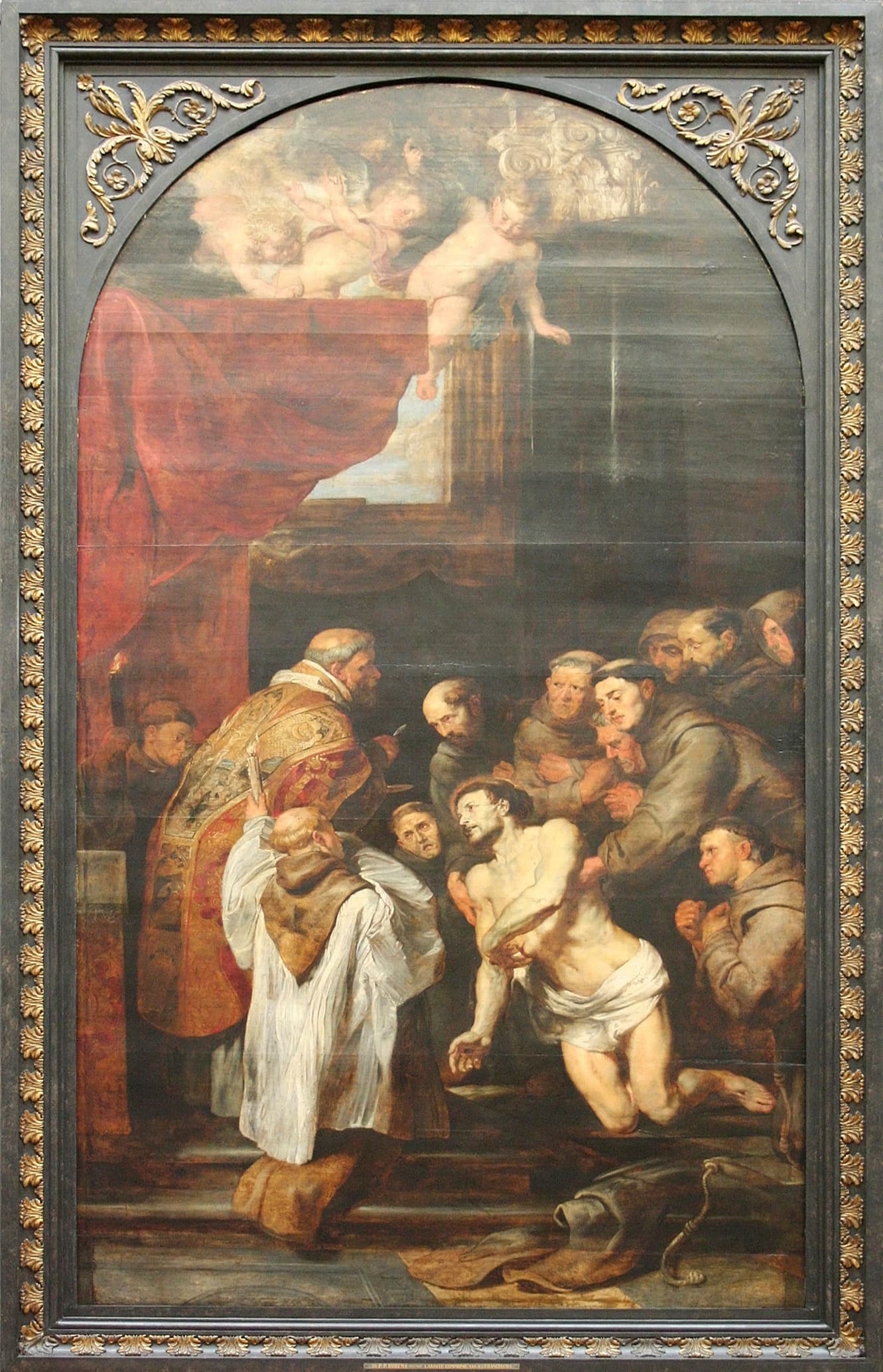
The Last Communion of Saint Francis of Assisi
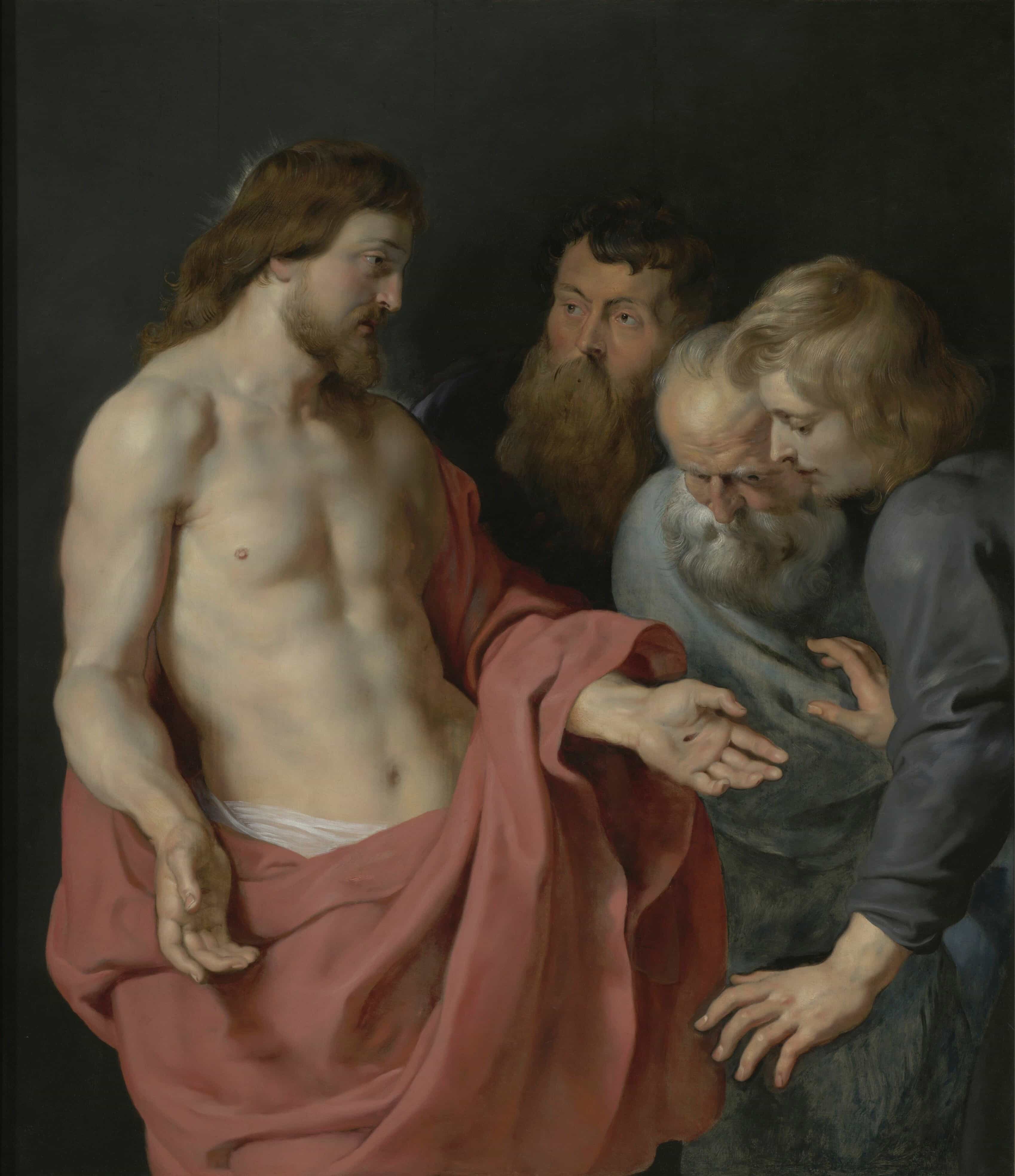
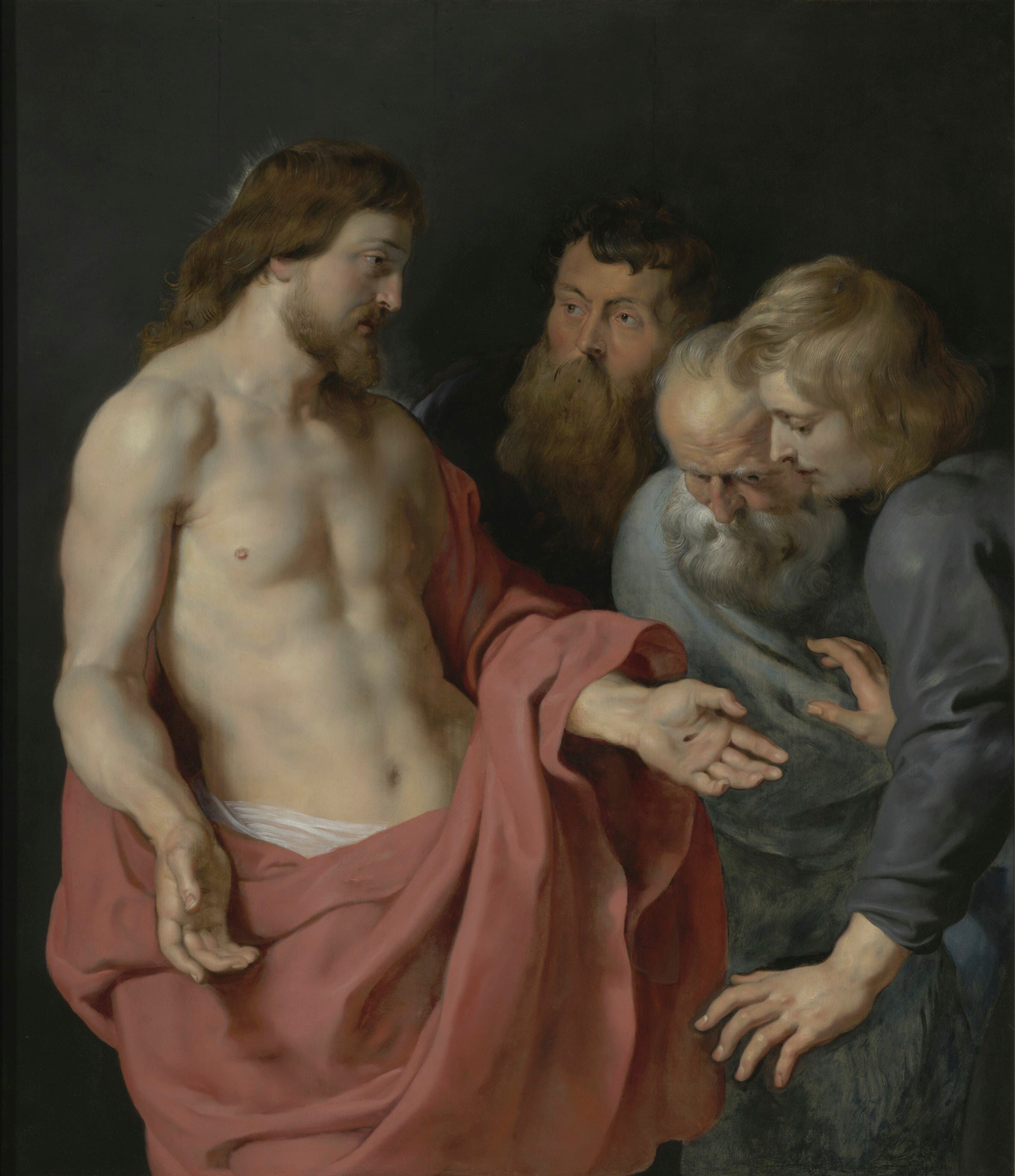
Christ's First Appearance to the Apostles in Jerusalem
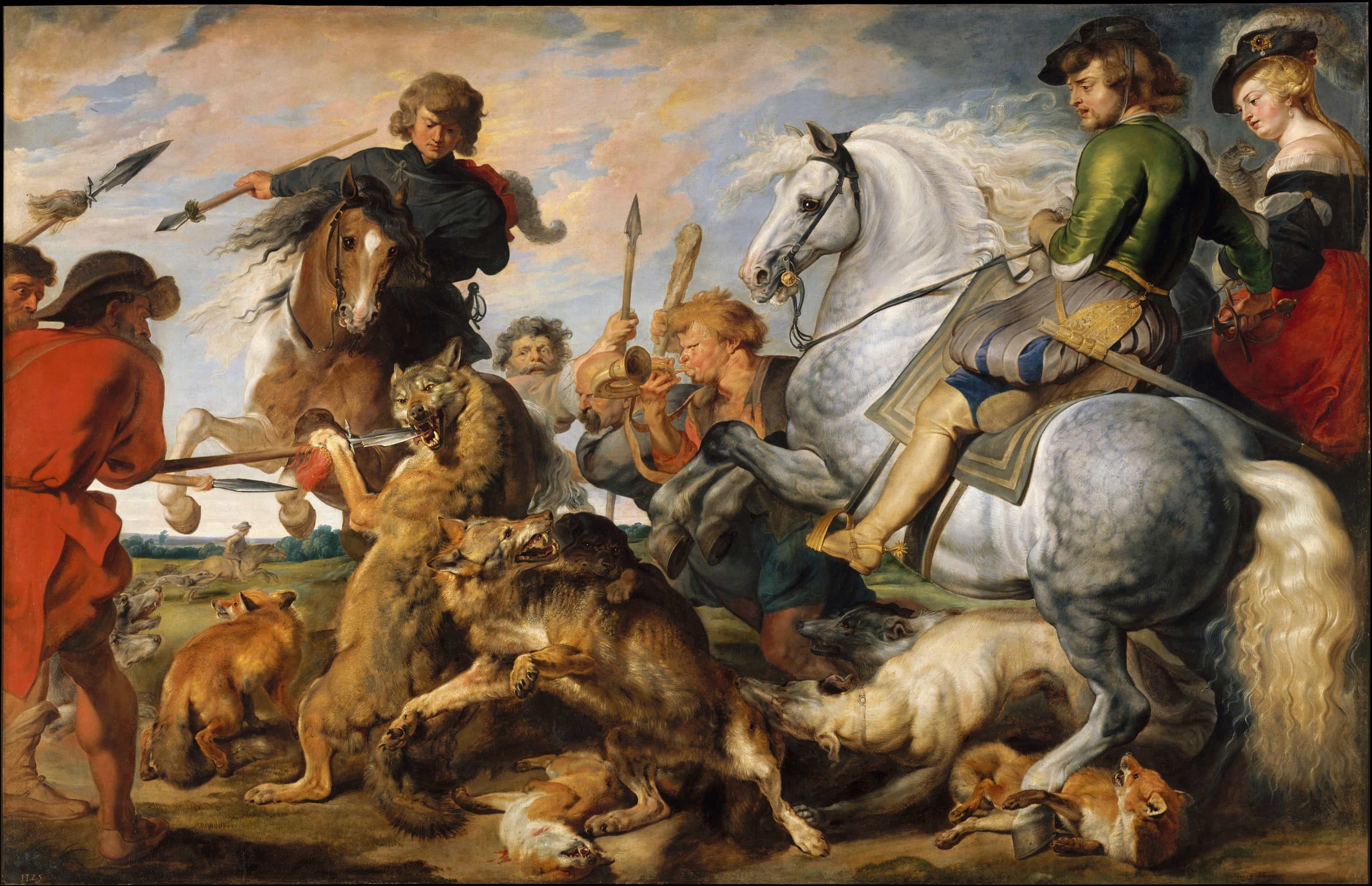
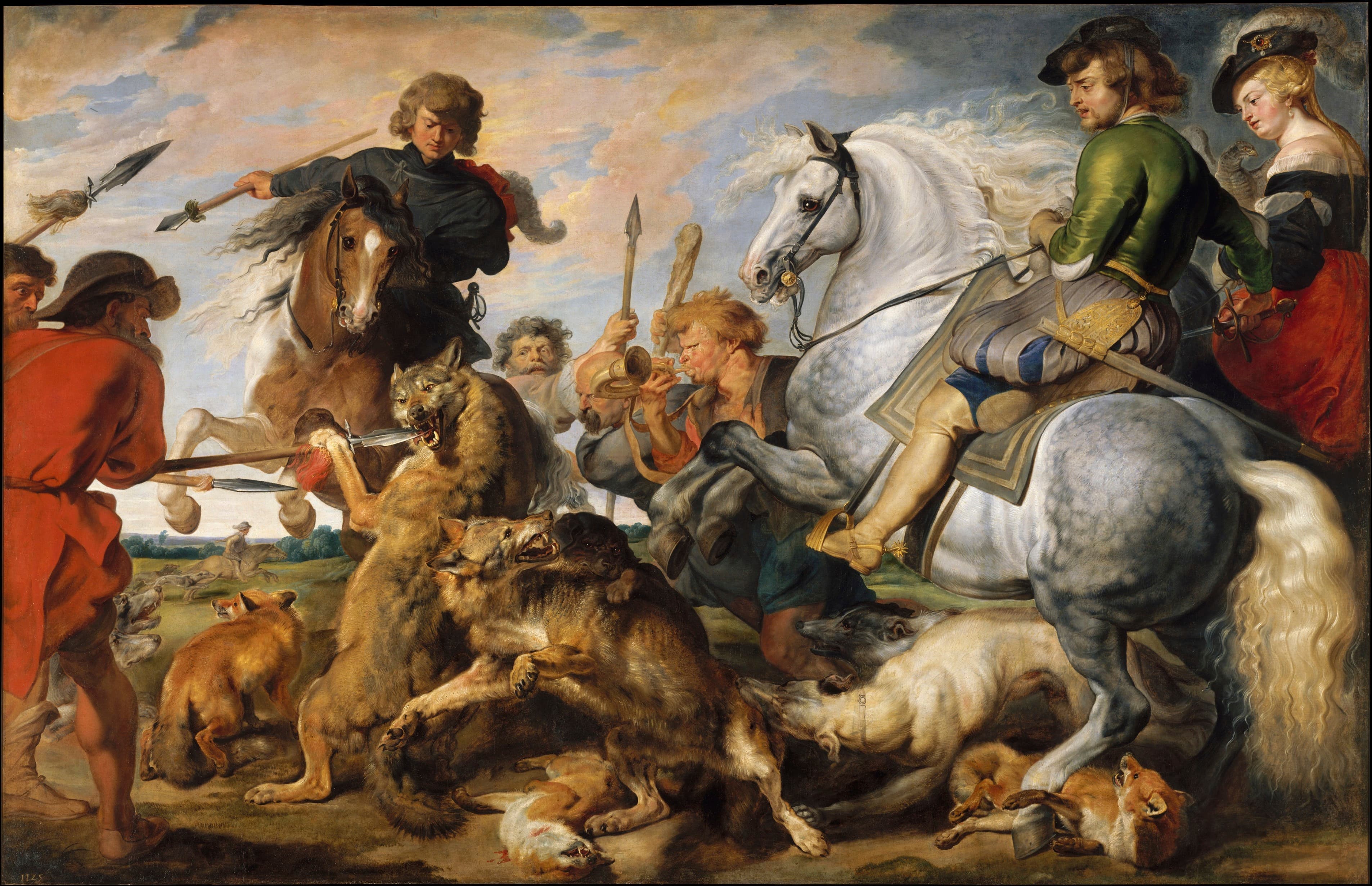
Wolf and Fox Hunt
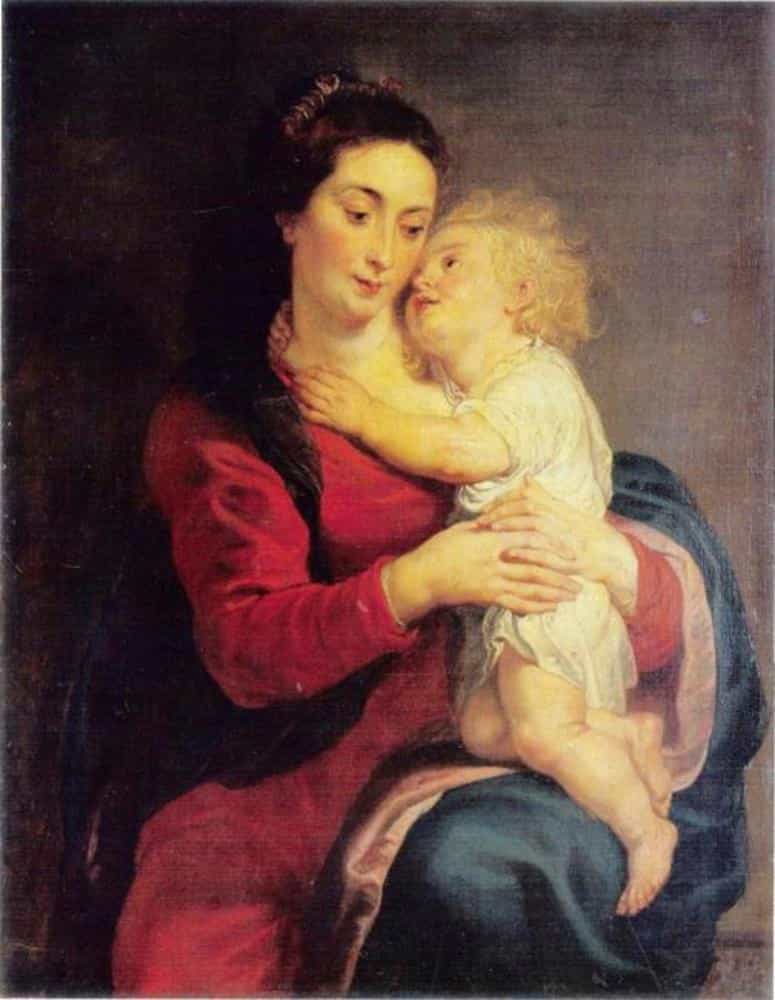
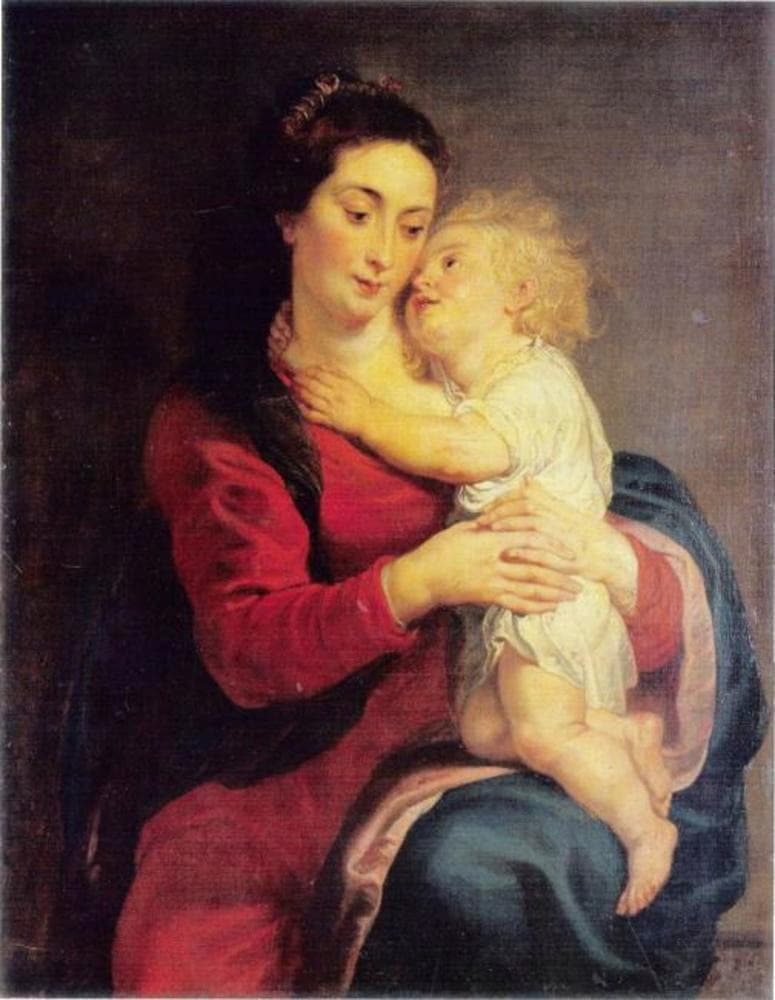
Madonna and Child
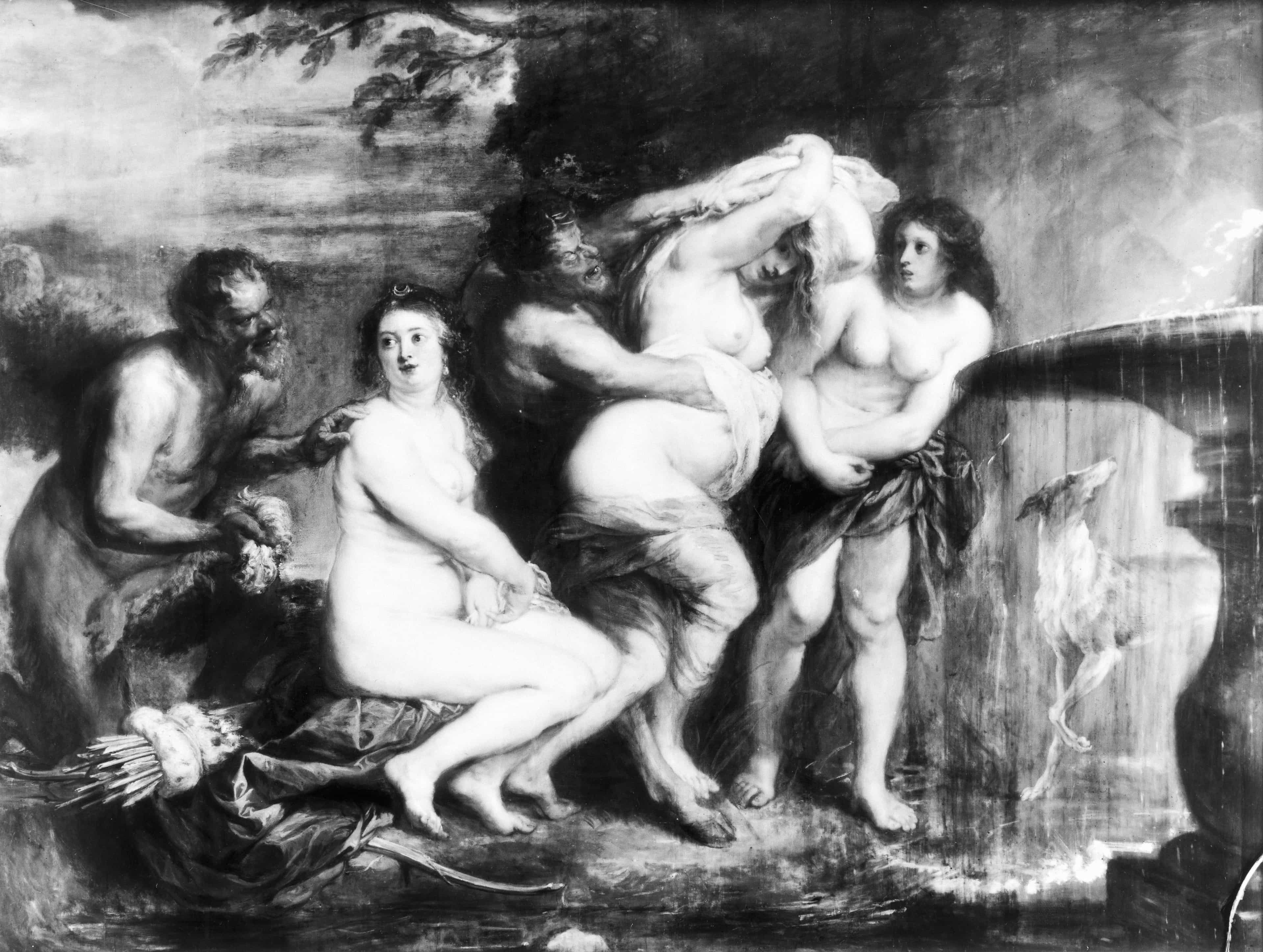
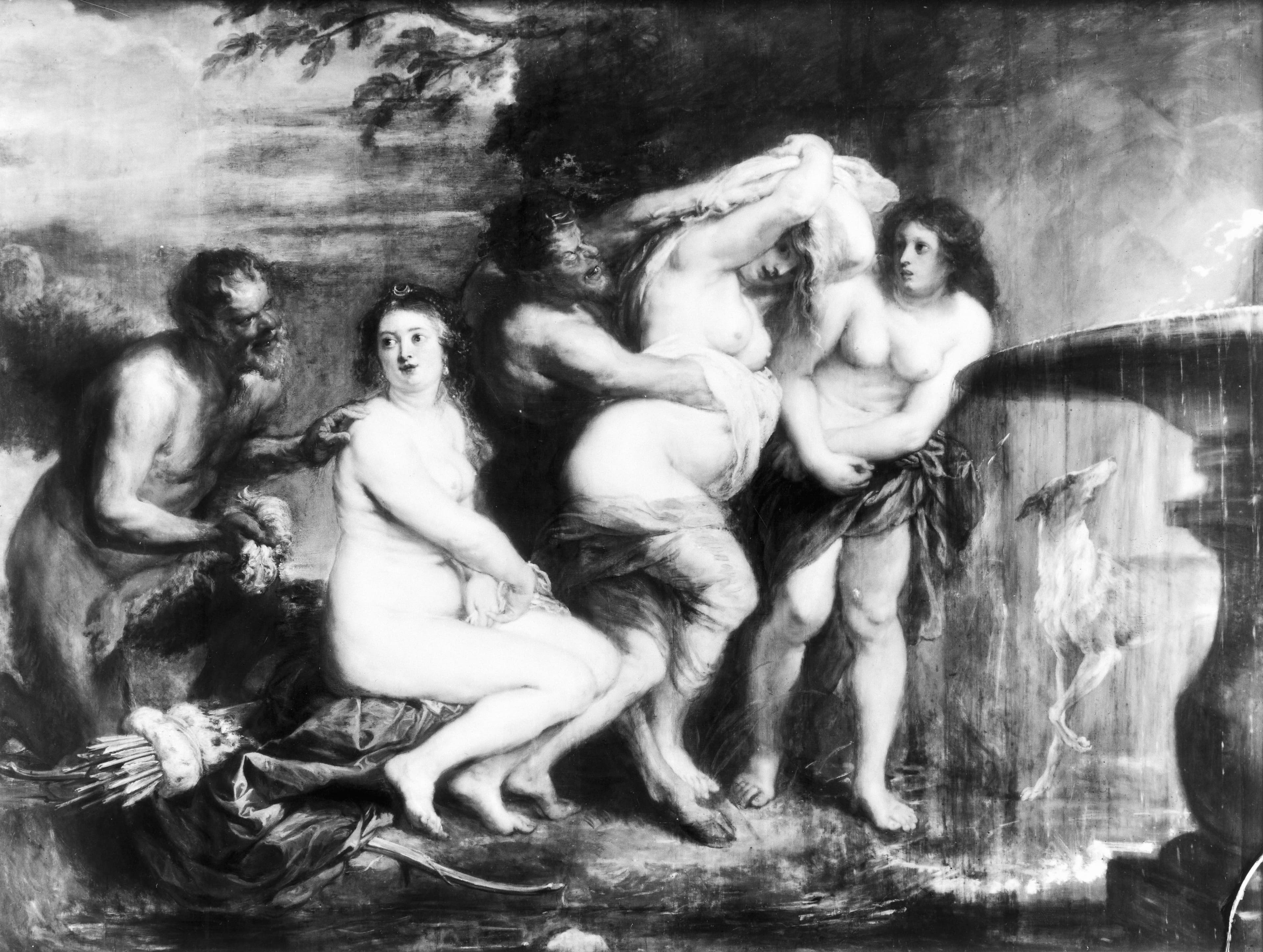
Diana and Two Nymphs Surprised by Satyrs While Bathing
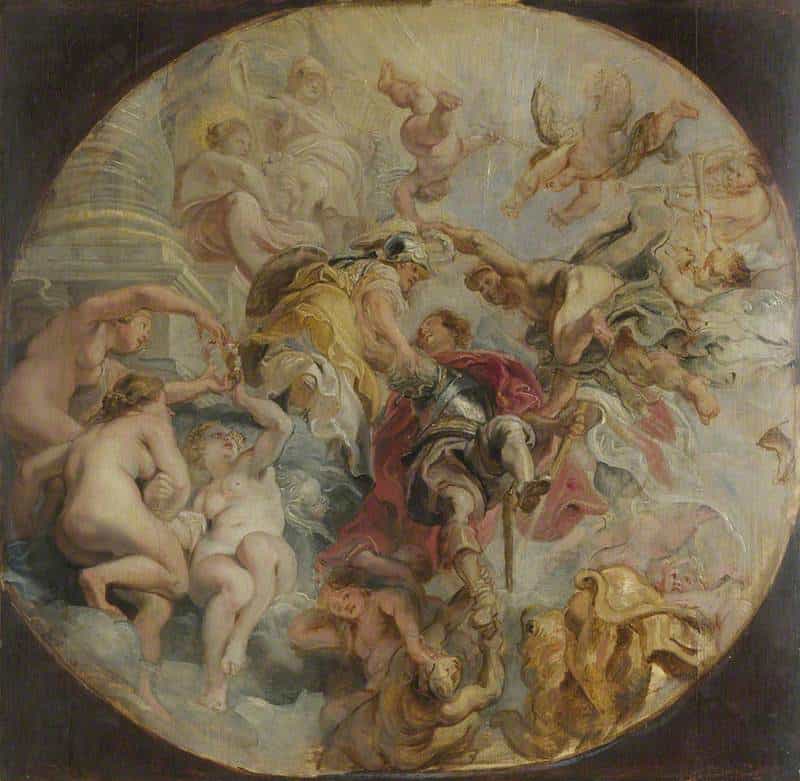
The Apotheosis of the Duke of Buckingham