📦 Sitewide sale now on: 30% off + free shipping 📦
Home/Artists/Marc Chagall
ExpressionismCatalan modernism

Marc Chagall

18871985, from France

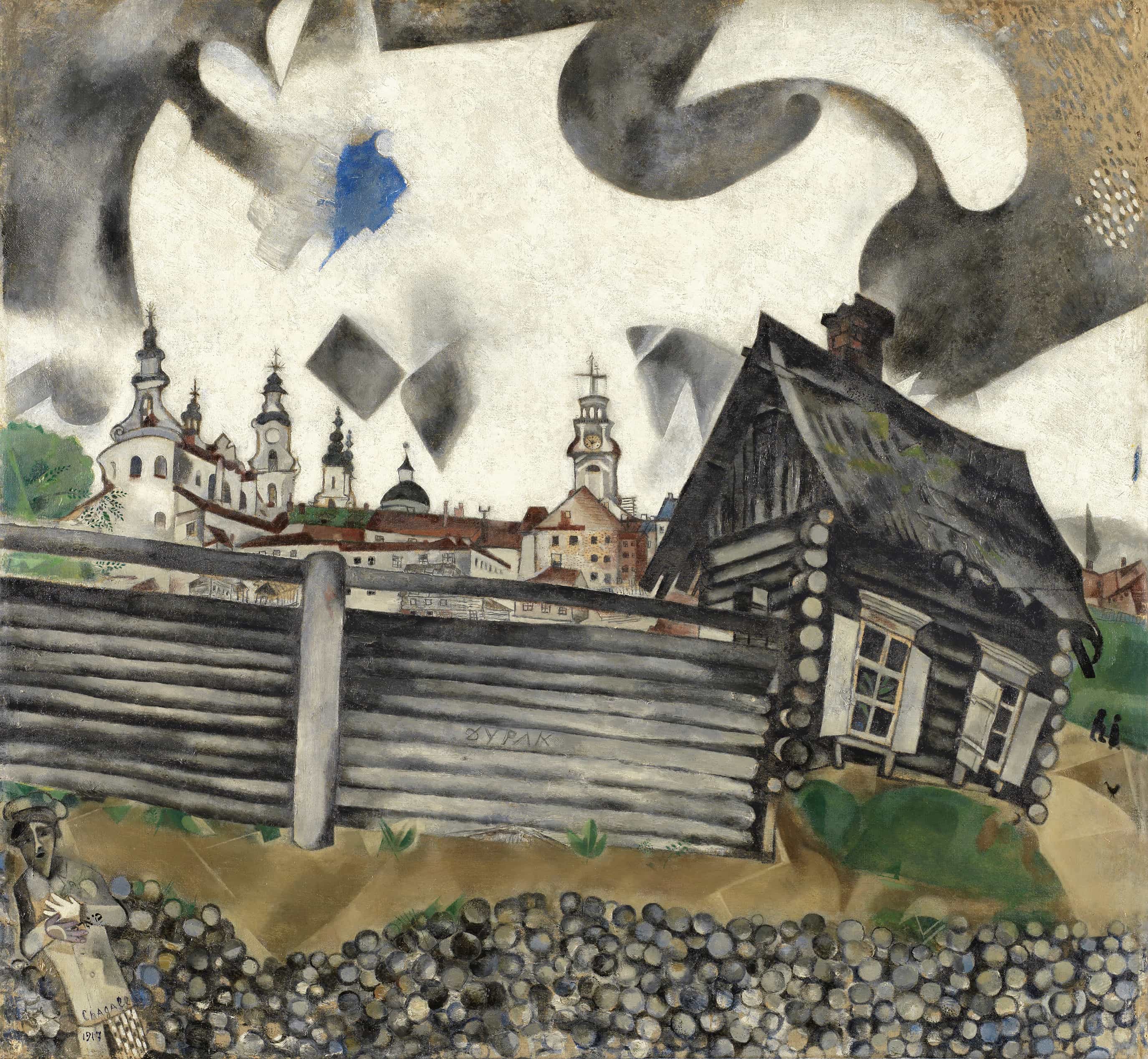
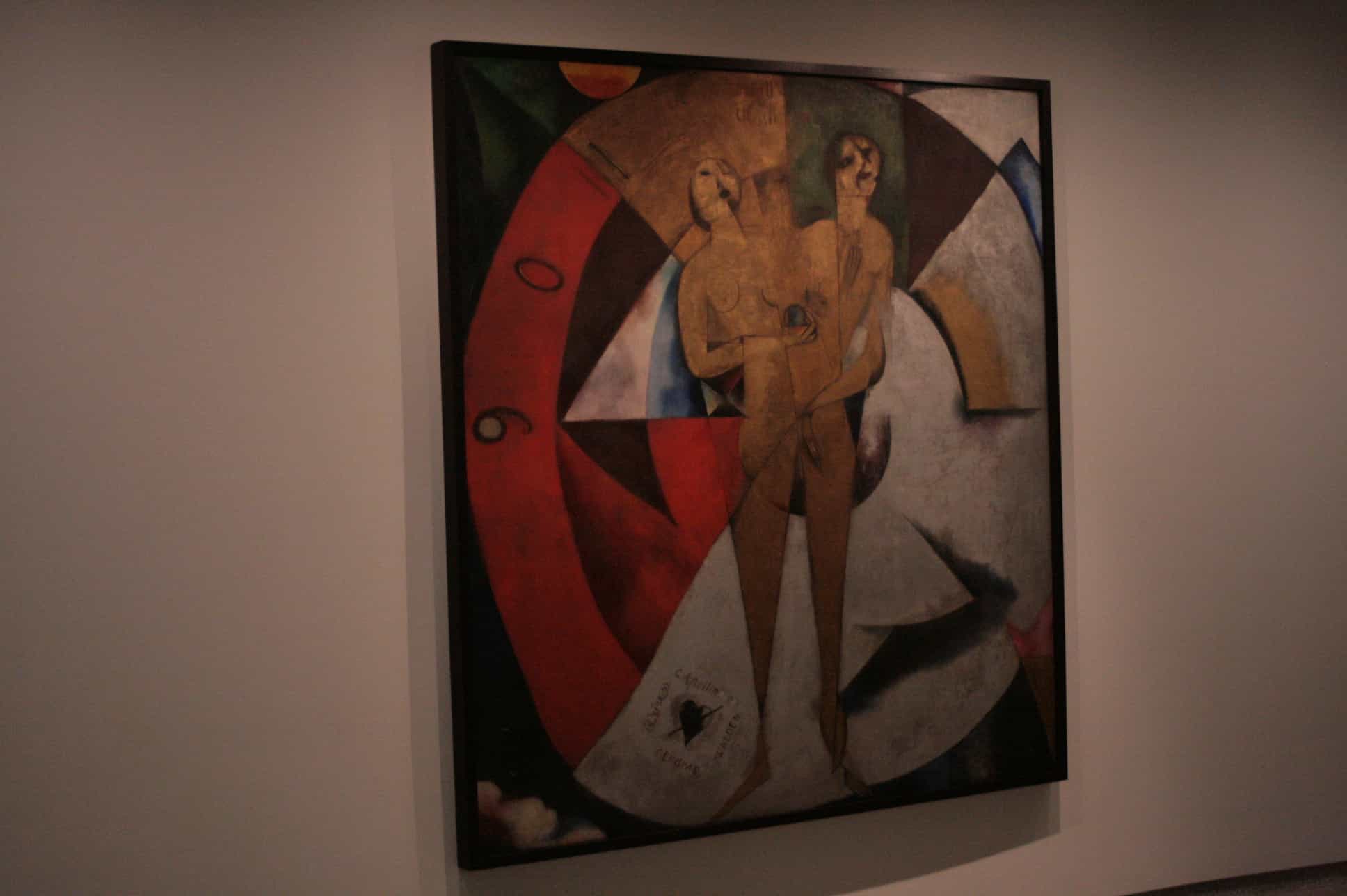
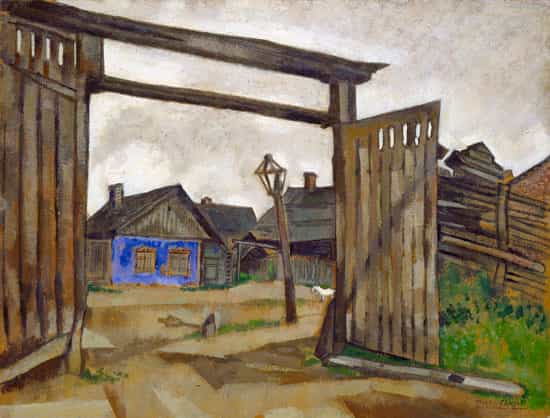
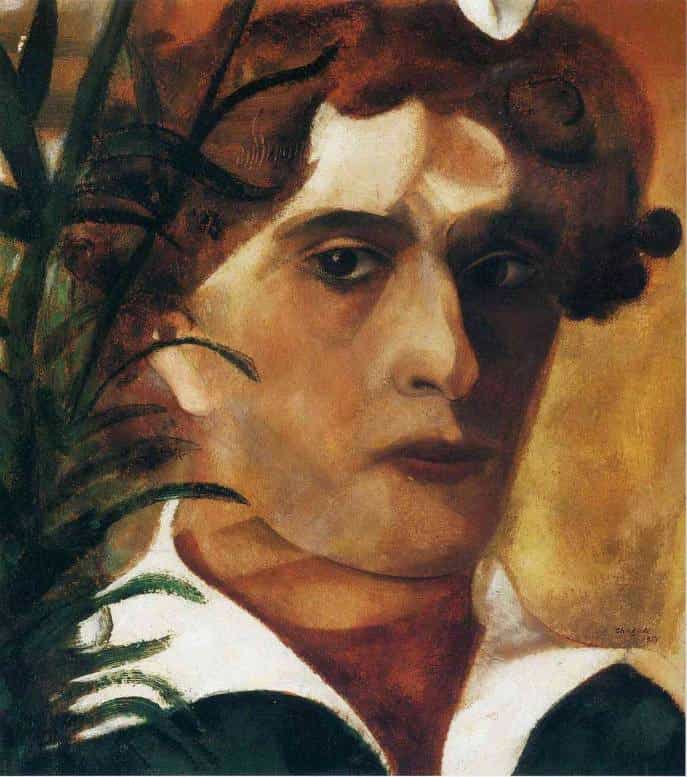
Marc Chagall (1887-1985) was a Russian-French modernist painter whose dreamlike, color-rich imagery and poetic symbolism reshaped 20th-century art.

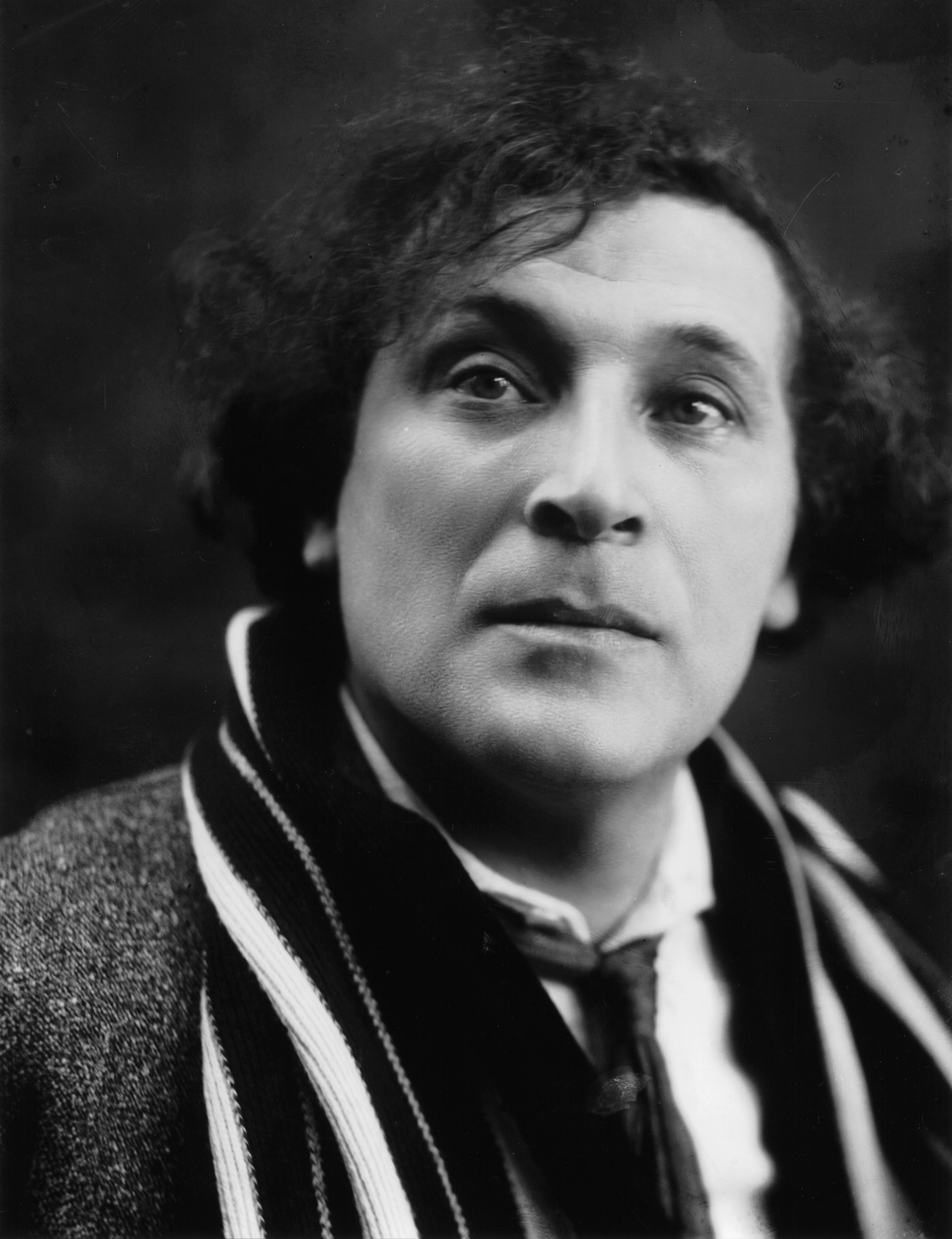
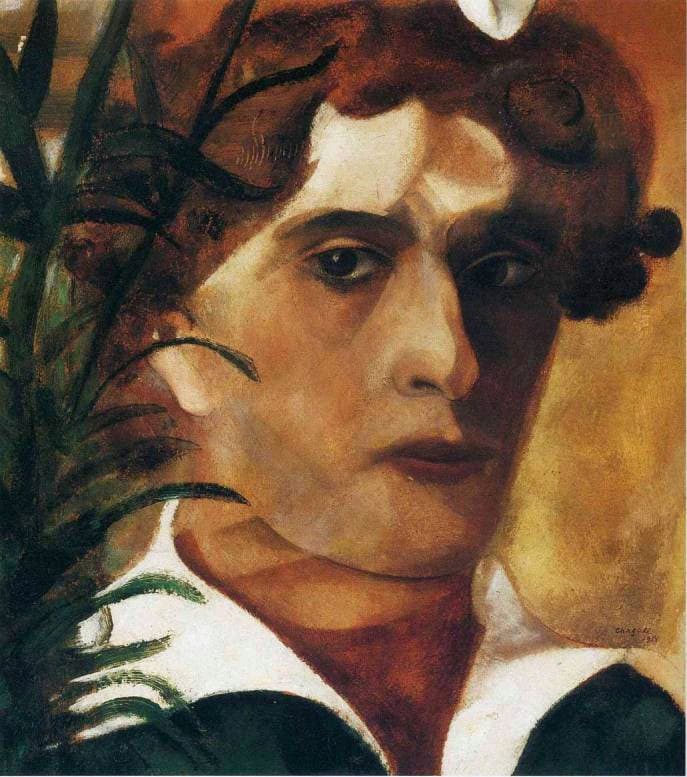
Portrait of Marc Chagall

Collection

Shop Marc Chagall Prints

Museum-quality reproductions on 310gsm textured cotton rag paper.

Shop all prints by Marc Chagall

Artistic Style

Style Evolution

Chagall moved from early, locally rooted figurative work toward a Paris-influenced modernism that merged Cubist and Fauvist color sensibilities with personal, dreamlike imagery; later decades expanded into stained glass, prints, and theatrical design while retaining his poetic iconography.

Palette

  • vivid blues
  • rich reds and purples
  • contrasting jewel tones
  • luminous, stained-glass effects

Subjects

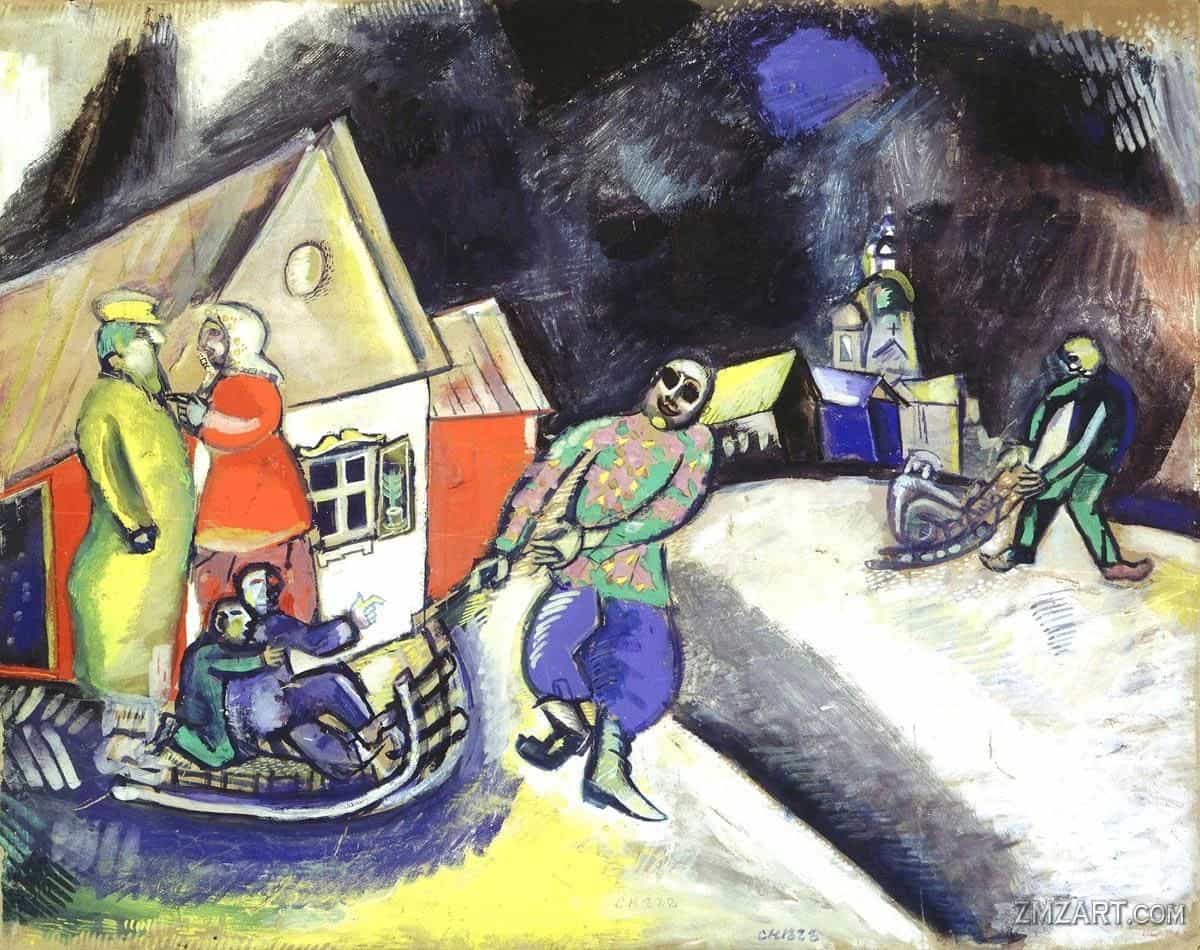
  • folk and village scenes
  • dreams and floating figures
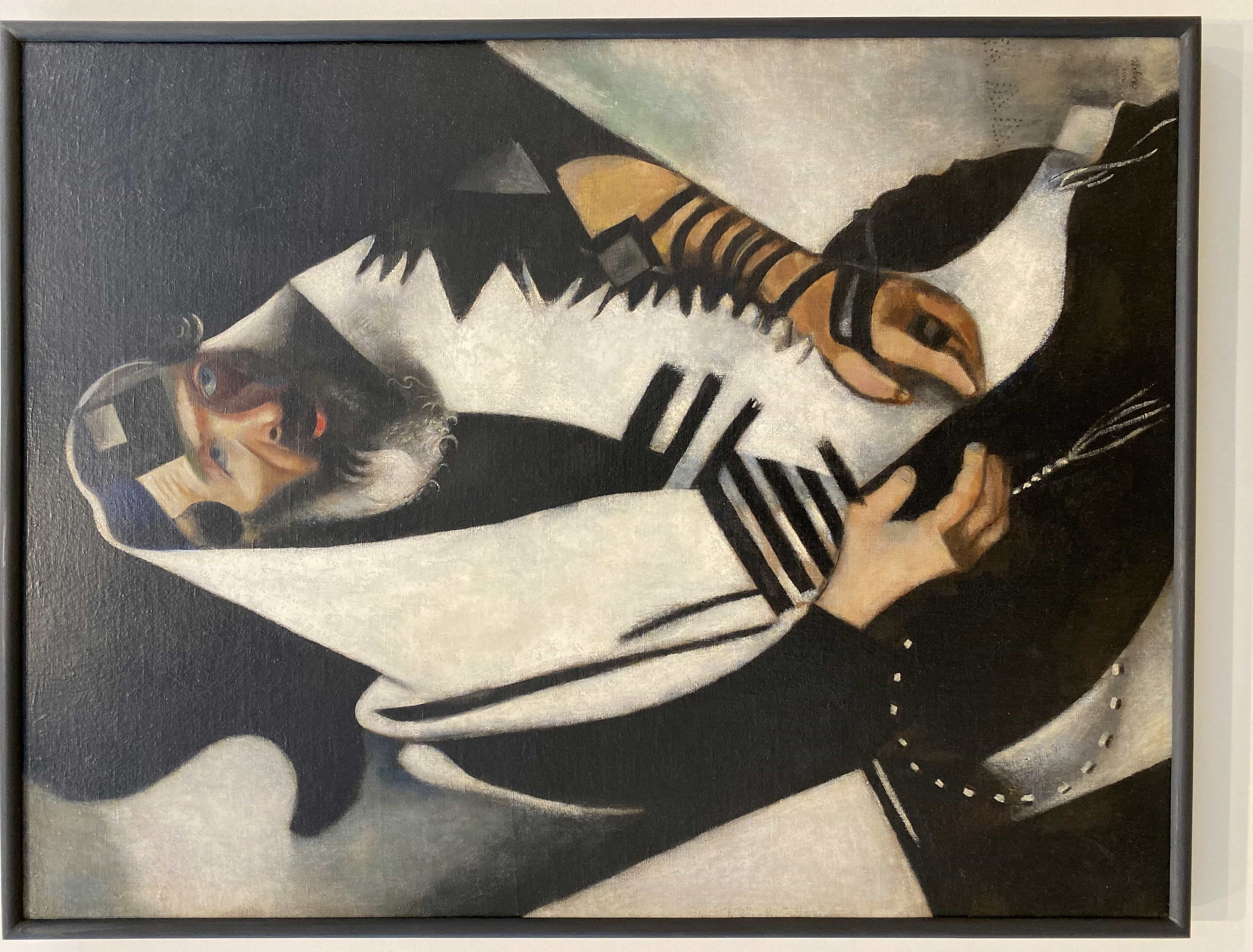
  • biblical and mythic narratives
  • musicians and lovers

Techniques

  • flattened perspective and floating figures
  • jewel-like color planes
  • linear draftsmanship combined with painterly color
  • stained-glass luminosity and mosaic-like compositions

Topics

ModernismSurrealismFrench artistsStained glassFigurative modernism20th-century paintersColorist

Marc Chagall (1887-1985) was a Russian-French modernist painter whose dreamlike, color-rich imagery and poetic symbolism reshaped 20th-century art.

Learn about the life of Marc Chagall

1887

Born in Liozna

1906

Moved to study art in larger cultural centers (early artistic training)

1910

Relocated to Paris and engaged with the avant-garde

1914

Returned to Vitebsk amid wartime upheaval and established local art activity

1920

Spent extended time in Paris and Western Europe, developing mature style

1939

Left continental Europe due to war and spent time abroad

1948

Resettled in France and expanded work in stained glass and stage design

1950

Major international recognition; continued large-scale commissions

1960

Produced celebrated stained glass and print series, consolidating legacy

1985

Died in Saint-Paul-de-Vence

Marc Chagall (1887-1985) was a Russian-French modernist painter whose dreamlike, color-rich imagery and poetic symbolism reshaped 20th-century visual culture and decorative arts.

Early Life and Background

Marc Chagall (1887-1985) was a Russian-French modernist painter whose dreamlike, color-rich imagery and poetic symbolism reshaped 20th-century visual culture and decorative arts.

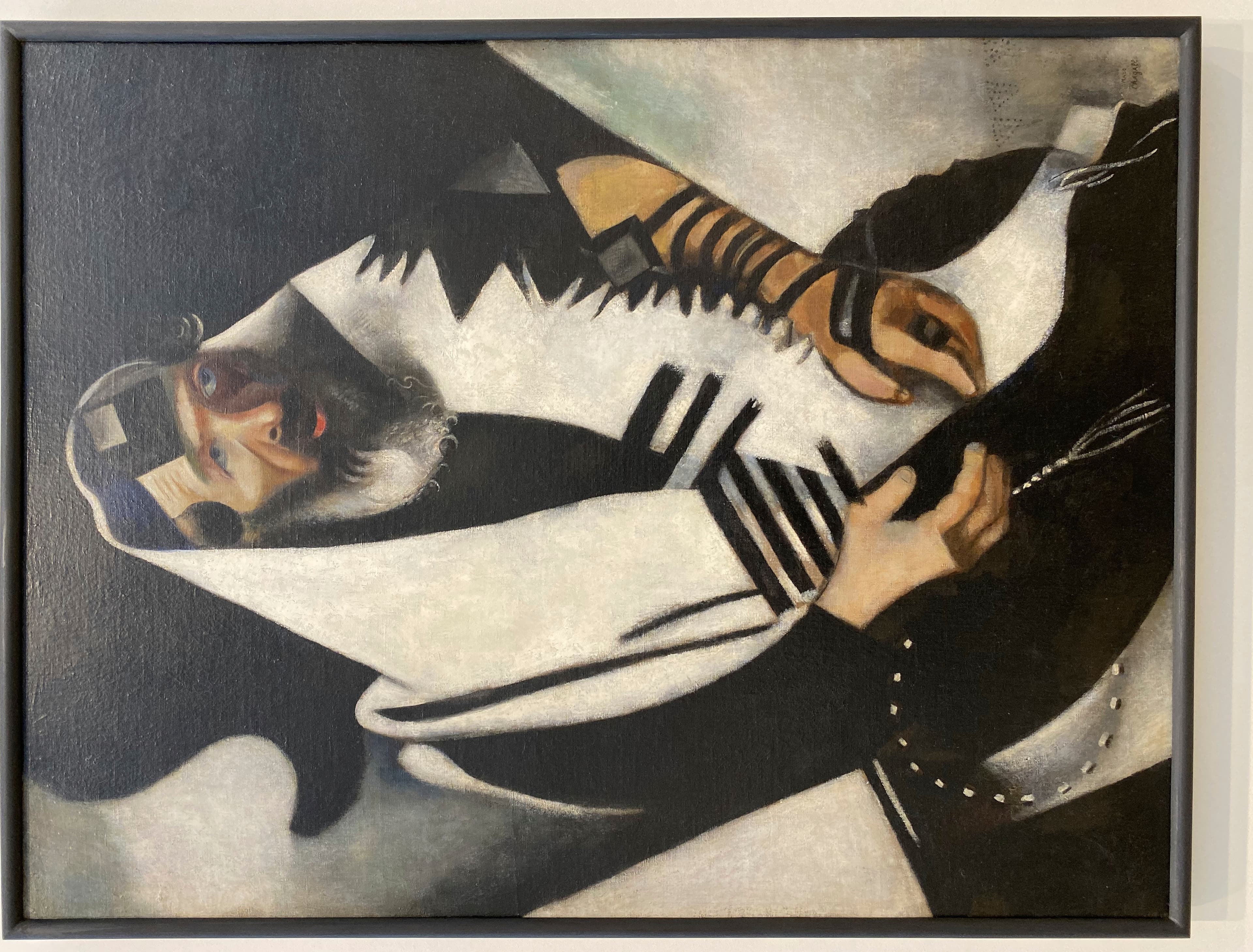
Born in Liozna in 1887, Chagall grew up in a Jewish provincial environment that deeply informed his visual vocabulary: folkloric motifs, village life, and religious ritual recur throughout his work. Early study and apprenticeships introduced him to traditional drawing and the cultural life of Belarus and the Russian Empire, after which he spent formative periods in larger cultural centers where he encountered avant-garde developments.

Artistic Development and Periods

Chagall’s artistic identity developed through relocations and encounters with modernist movements across Europe.

The Vitebsk and Saint Petersburg Years

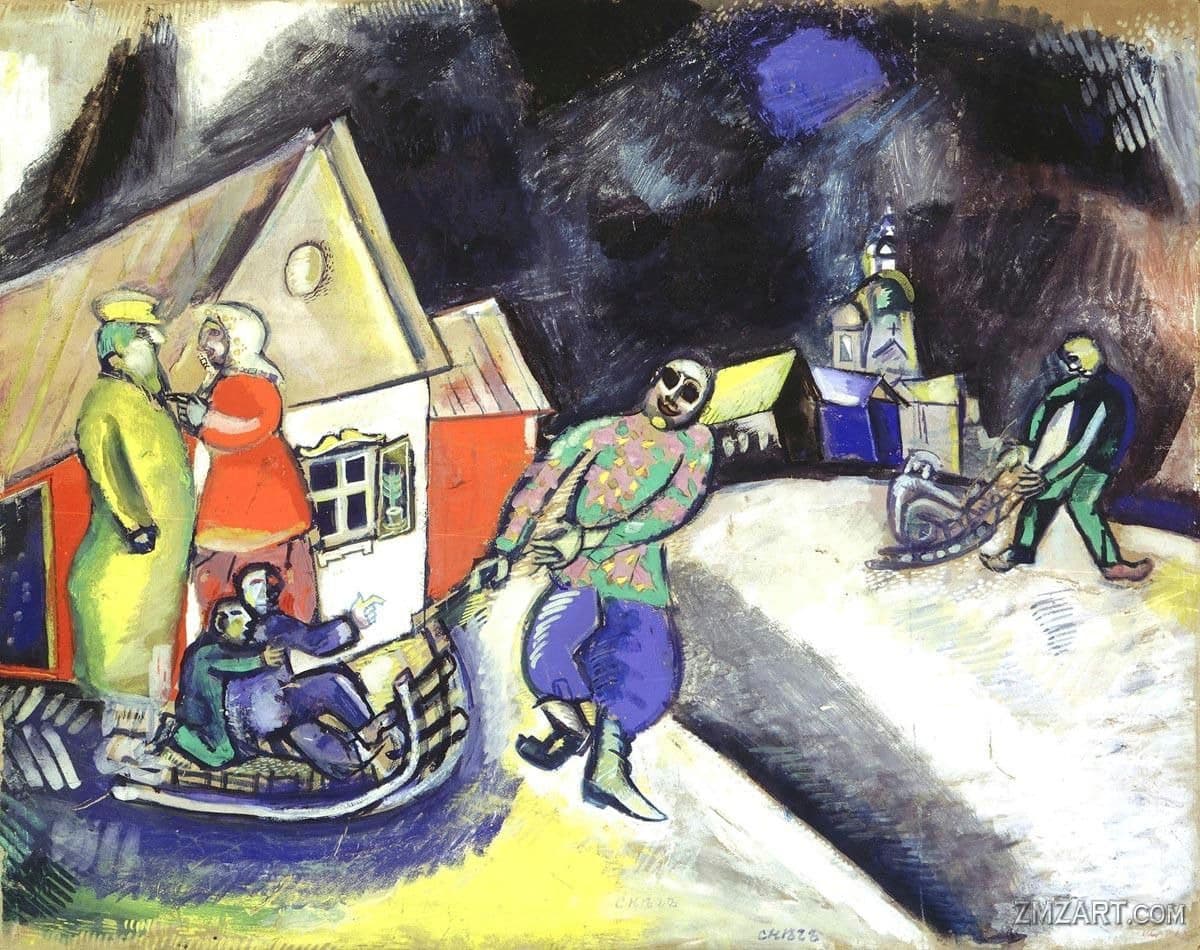
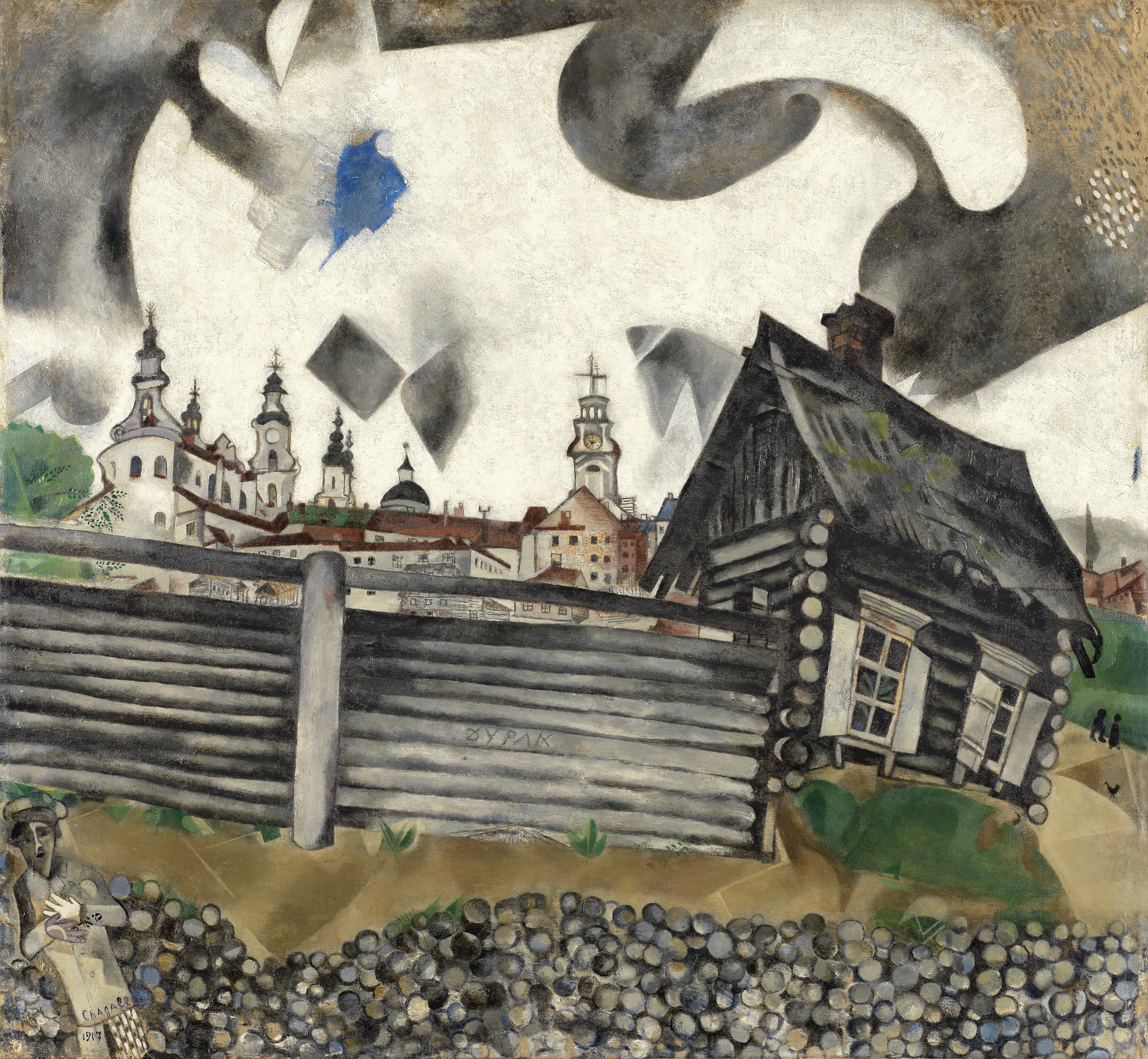
In his early years he absorbed folk imagery and learned classical drawing techniques, then moved to urban centers where exposure to contemporary art broadened his approach. These early experiences produced works that combine narrative, memory, and vivid color.

The Paris Years

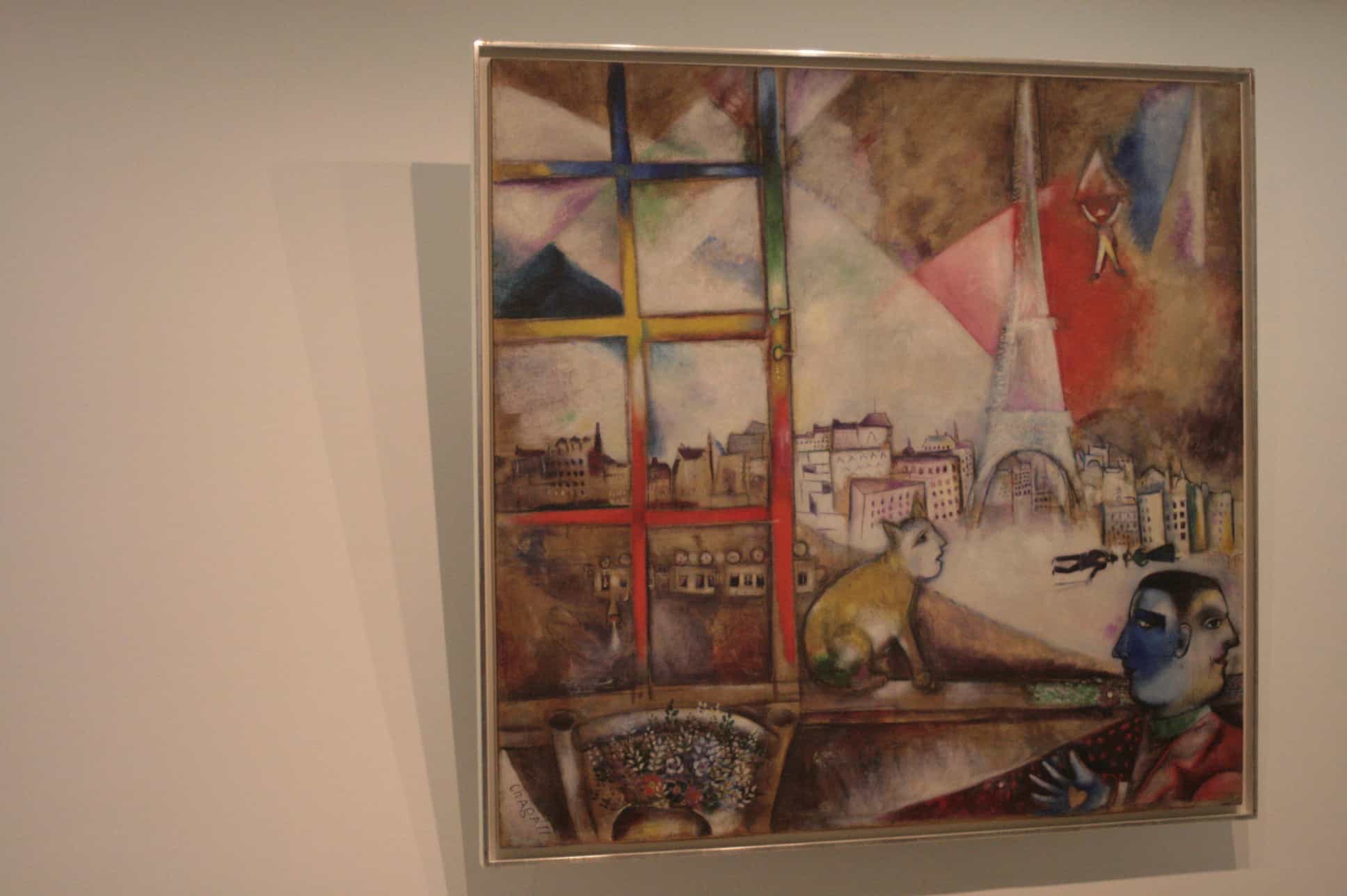
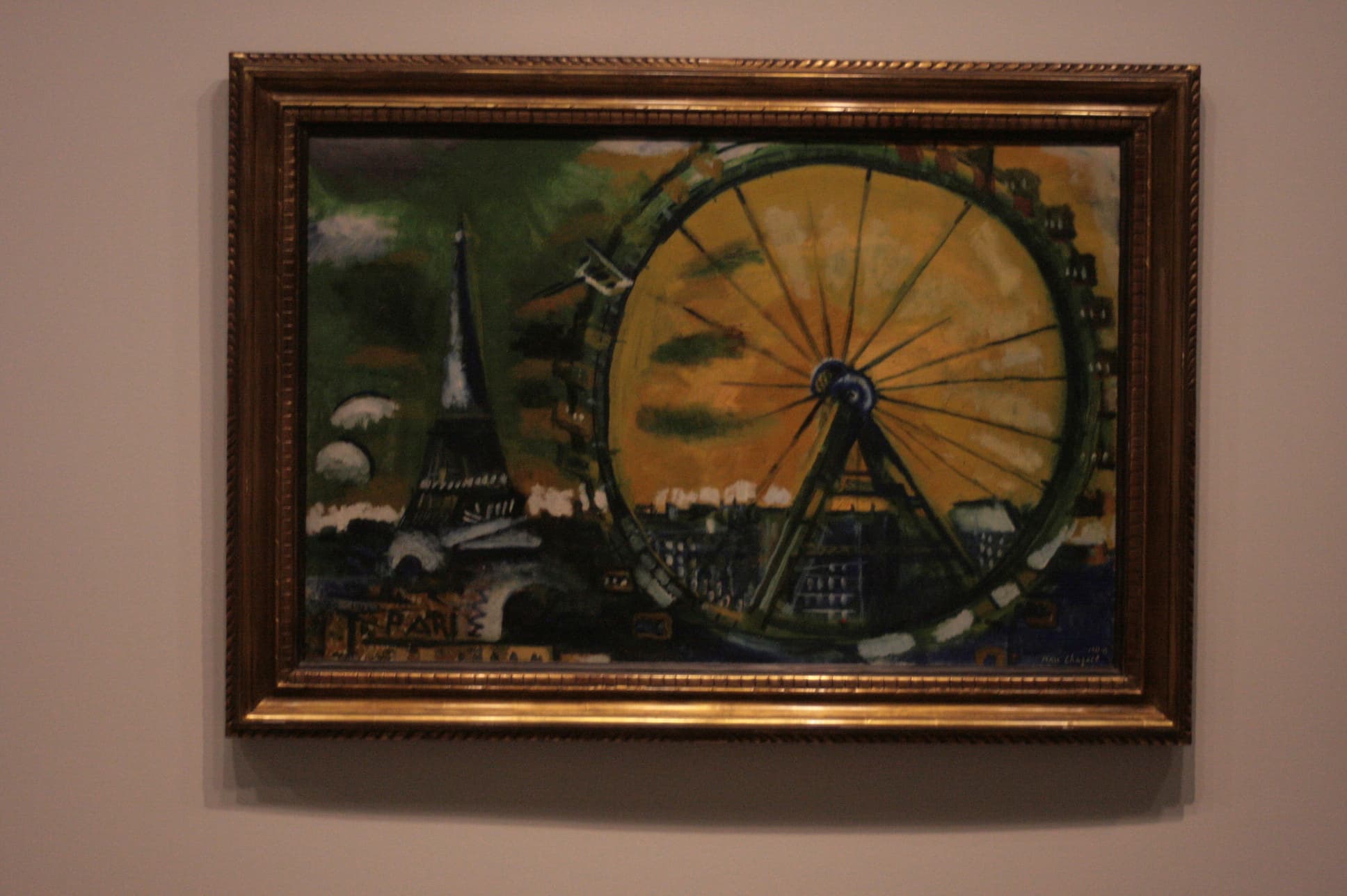
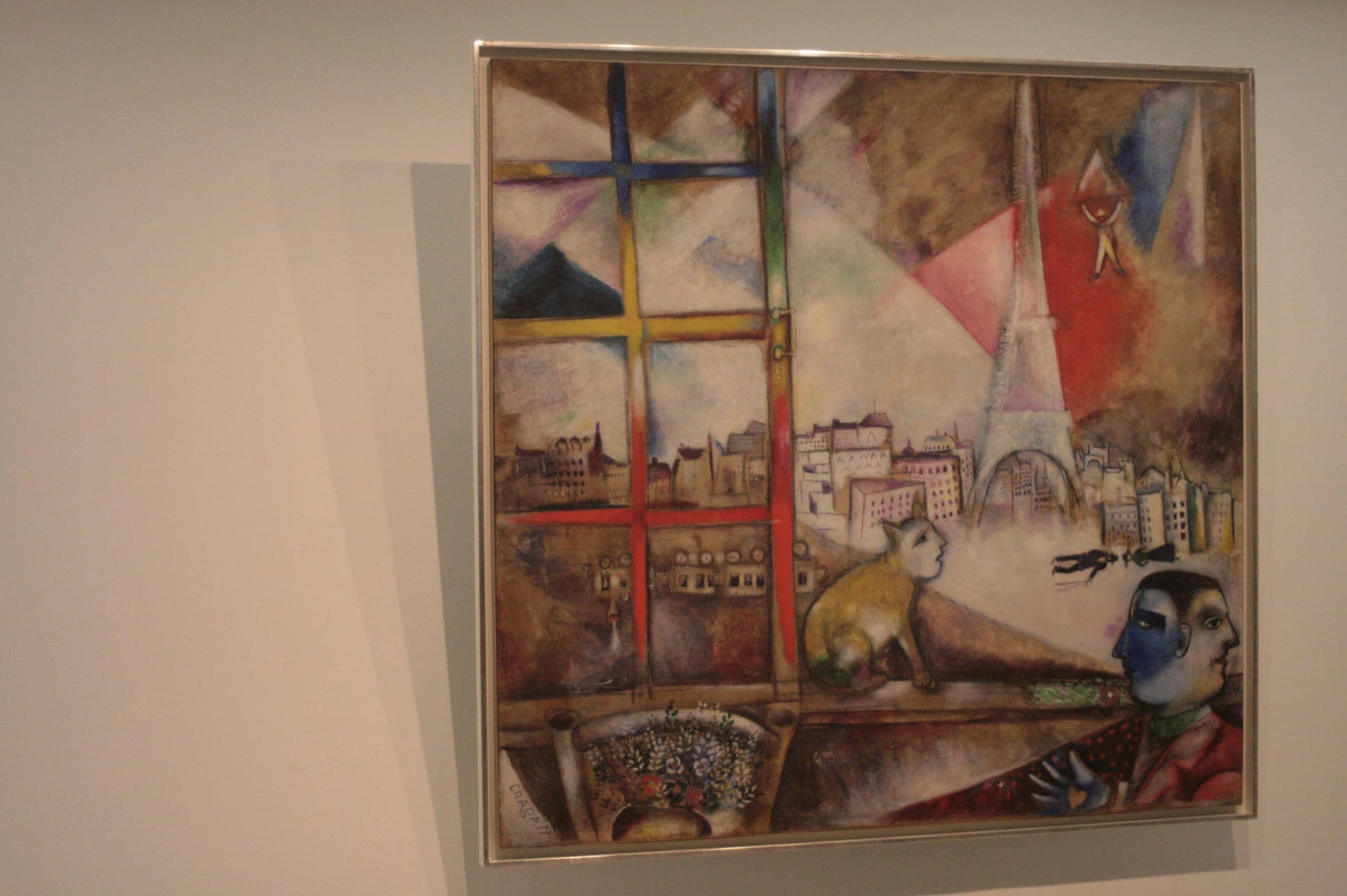
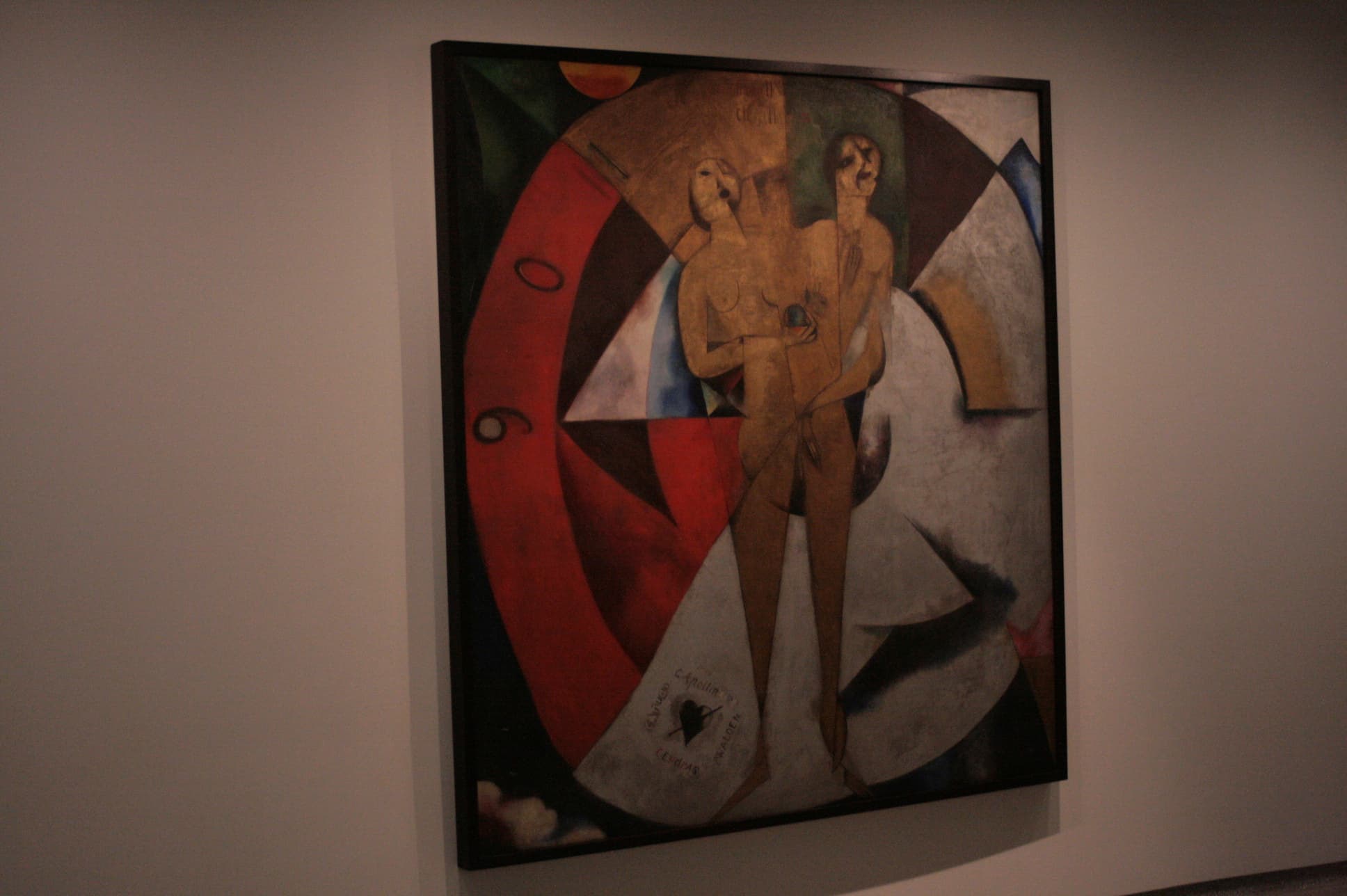
Chagall spent crucial years in Paris where he encountered Cubism, Fauvism, and other avant-garde currents. Rather than adopt any single school wholesale, he synthesized elements—flattened perspective, vivid color fields, and playful composition—into a highly personal visual language.

Wartime and Later Periods

Throughout the mid-20th century Chagall adapted his practice to new media—stained glass, stage design, and printmaking—while maintaining the lyrical imagery that defined his paintings. His later years were marked by international recognition and continued exploration of color and mythic subject matter.

Major Works and Achievements

Chagall worked across painting, printmaking, stained glass, and theatrical design. Major achievements include pioneering a poetic, nonliteral use of color and scale that brought folkloric and biblical narratives into modernist practice. His work has become prized for its decorative appeal and ability to transform domestic and public interiors with vivid, emotionally resonant imagery.

Style and Technique

Chagall’s signature techniques include flattened perspectives, floating figures, and richly layered color planes. He balanced precise draftsmanship with painterly color application to create compositions that feel both intimate and monumental. His interest in stained glass and mosaics informed a jewel-like palette and luminosity in his paintings.

Influence and Legacy

Chagall bridged Eastern European Jewish culture and Western modernism, influencing later figurative and surrealist-leaning artists. His imaginative synthesis of memory, myth, and modernist formal strategies left a lasting mark on 20th-century art, as

Awards

Wolf Prize in Arts, Erasmus Prize, Yakir Yerushalayim, Carnegie Prize, Grand Cross of the Legion of Honour, Honorary doctor of the Catholic University of Louvain, honorary doctor of the Hebrew University of Jerusalem, honorary doctorate of the University of Glasgow

Frequently Asked Questions

What are Marc Chagall's most famous paintings?+
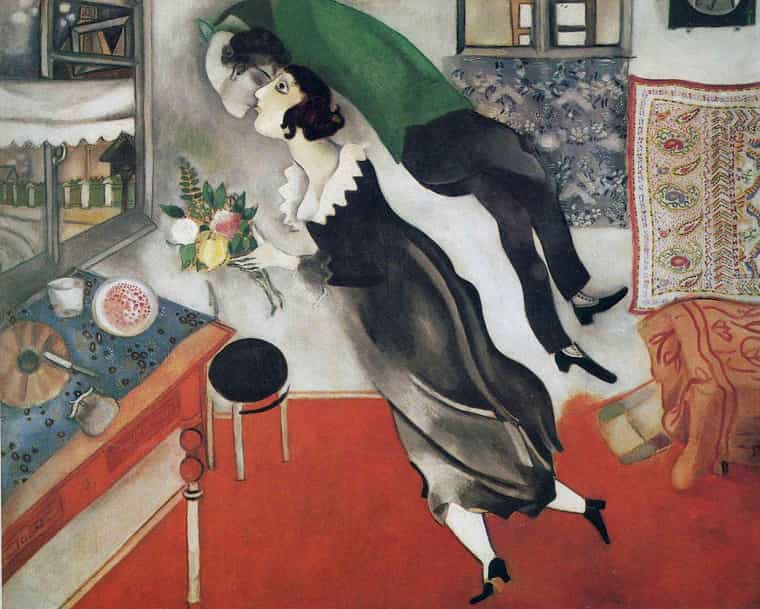
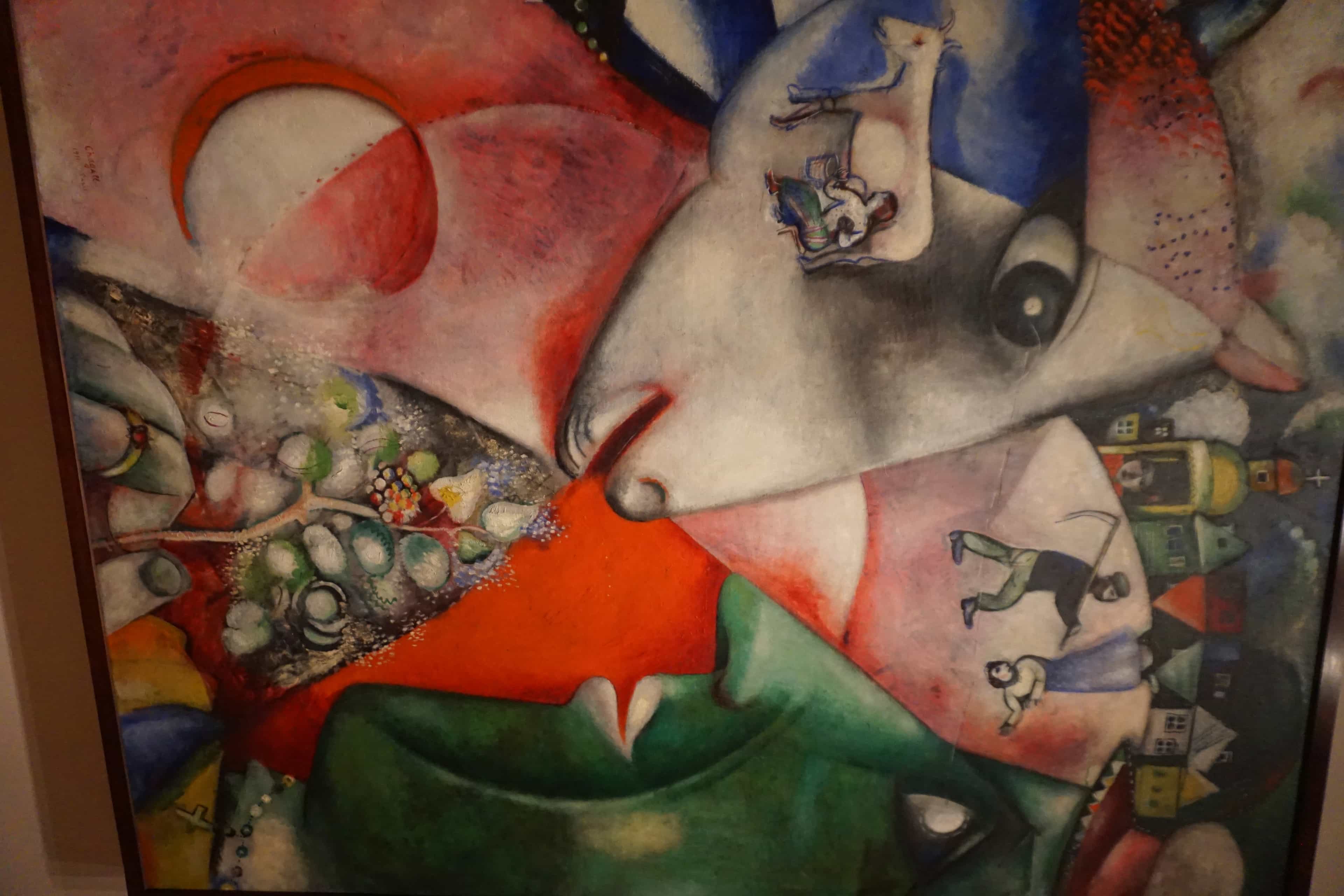
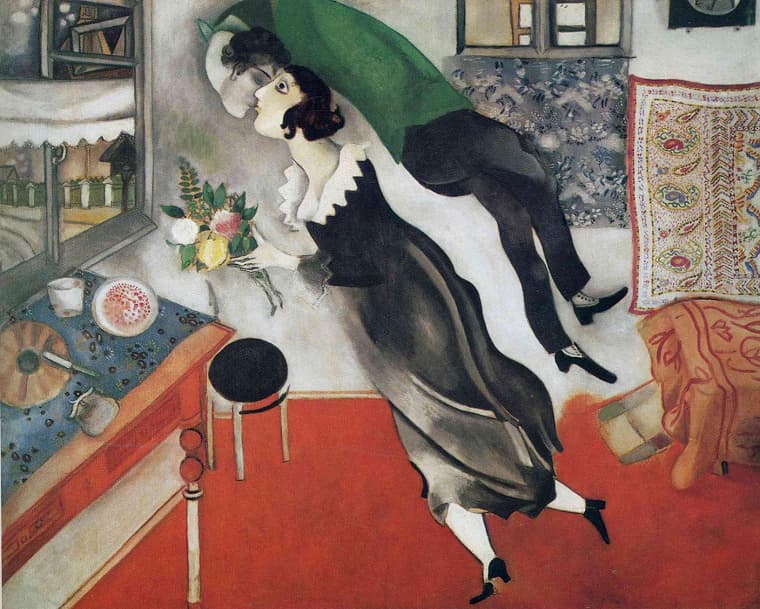
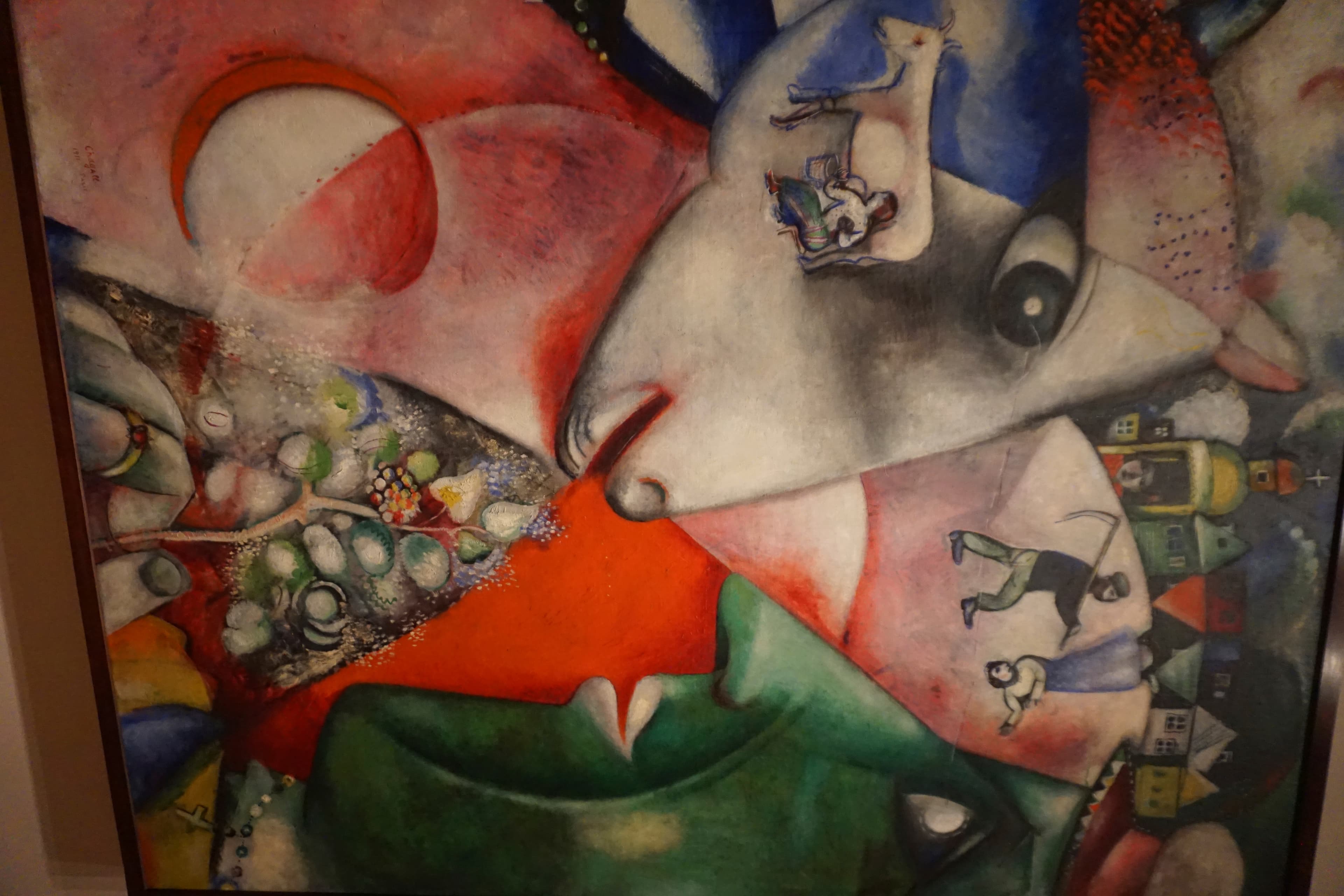
Marc Chagall is known for a number of iconic paintings that exemplify his poetic, dreamlike style. High‑profile works that frequently appear in discussions of his oeuvre include I and the Village, The Birthday, and White Crucifixion. These paintings showcase Chagall’s hallmark floating figures, bold
What is Marc Chagall's style?+
Chagall's style is a personal form of modernism that blends folkloric narrative, biblical themes, and surreal, dreamlike composition. He often uses flattened perspective, floating figures, and vivid, jewel‑like colors. While aware of Cubism, Fauvism, and Surrealism, Chagall synthesized elements from
What made Marc Chagall unique?+
Chagall's uniqueness lies in his ability to fuse memory and legend with modernist form: his work combines Eastern European Jewish folk motifs and biblical imagery with the bold color and compositional freedom of early 20th‑century avant‑garde movements. The result is visually decorative, emotionally
What are three of Marc Chagall's masterpieces?+
Among Chagall’s widely cited masterpieces are I and the Village, The Birthday, and White Crucifixion. Each work demonstrates his characteristic blend of narrative, color, and floating, symbolic figures—qualities that make his paintings both emotionally resonant and highly decorative for interiors.
What movement was Marc Chagall part of?+
Chagall is best described within the broader context of modernism. He intersected with movements active in Paris—such as Cubism and Fauvism—and had affinities with Surrealist ideas, but he remained essentially sui generis, developing a highly personal visual language rather than aligning fully with
What influenced Marc Chagall?+
Chagall’s sources include his upbringing in a Jewish provincial milieu (folk tales, village rituals), exposure to Russian and European avant‑garde art in St. Petersburg and Paris, and an interest in theater and religious imagery. These influences combined to produce his luminous palette and poetic,
Where can I see Marc Chagall's work?+
Chagall’s paintings, prints, and stained glass are held by major museums and are frequently included in exhibitions of 20th‑century art; many institutions and public sites also feature his stained‑glass commissions. For purchasers and decorators, high‑quality museum reproductions and authorized