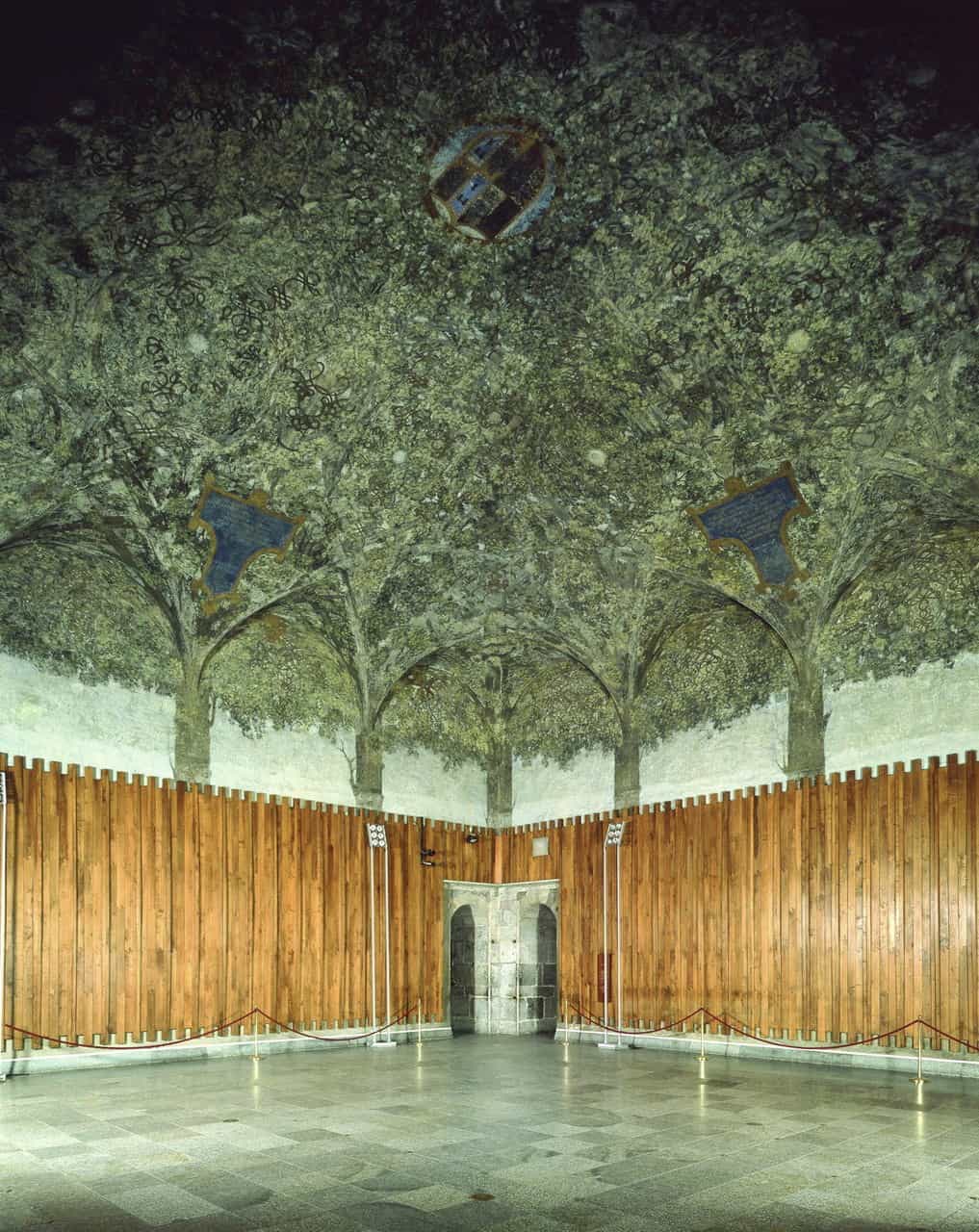
Sala delle Asse
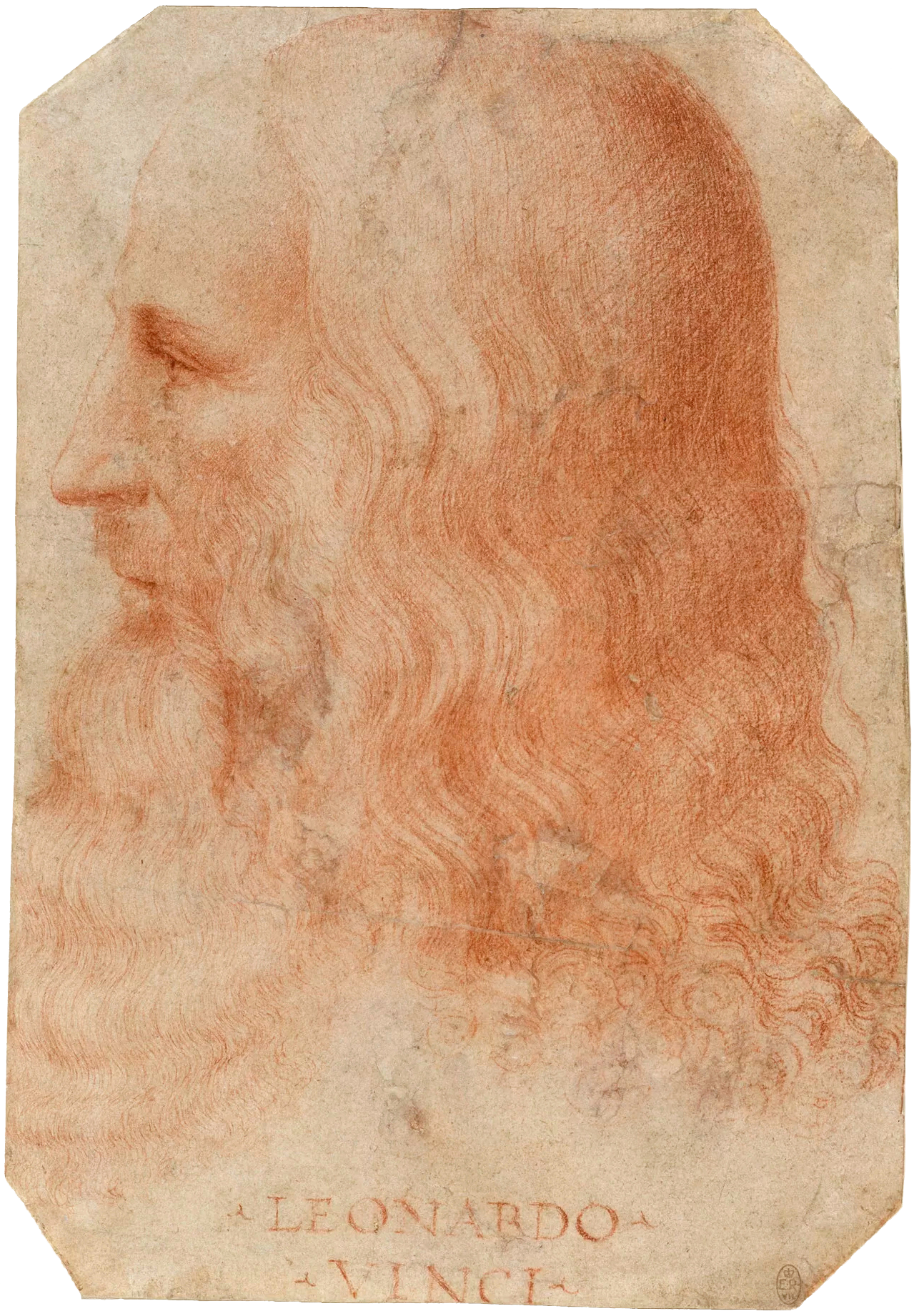
Leonardo da Vinci
From €54
Collection
Museum-quality reproductions on 310gsm textured cotton rag paper.
Shop all prints by Leonardo da VinciArtistic Style
Style Evolution
Leonardo's work evolved from disciplined workshop training in Florence to a mature synthesis of art and empirical study. His middle period deepened compositional complexity and experimental materials; his late work emphasizes psychological subtlety and atmospheric unity informed by anatomy and optics.
Palette
Subjects
Techniques
Topics
Leonardo da Vinci (1452-1519) was a Republic of Florence Italian Renaissance polymath and painter whose inventive studies of anatomy, light and mechanical design reshaped art and science.
Learn about the life of Leonardo da Vinci
Signature Works
See all available prints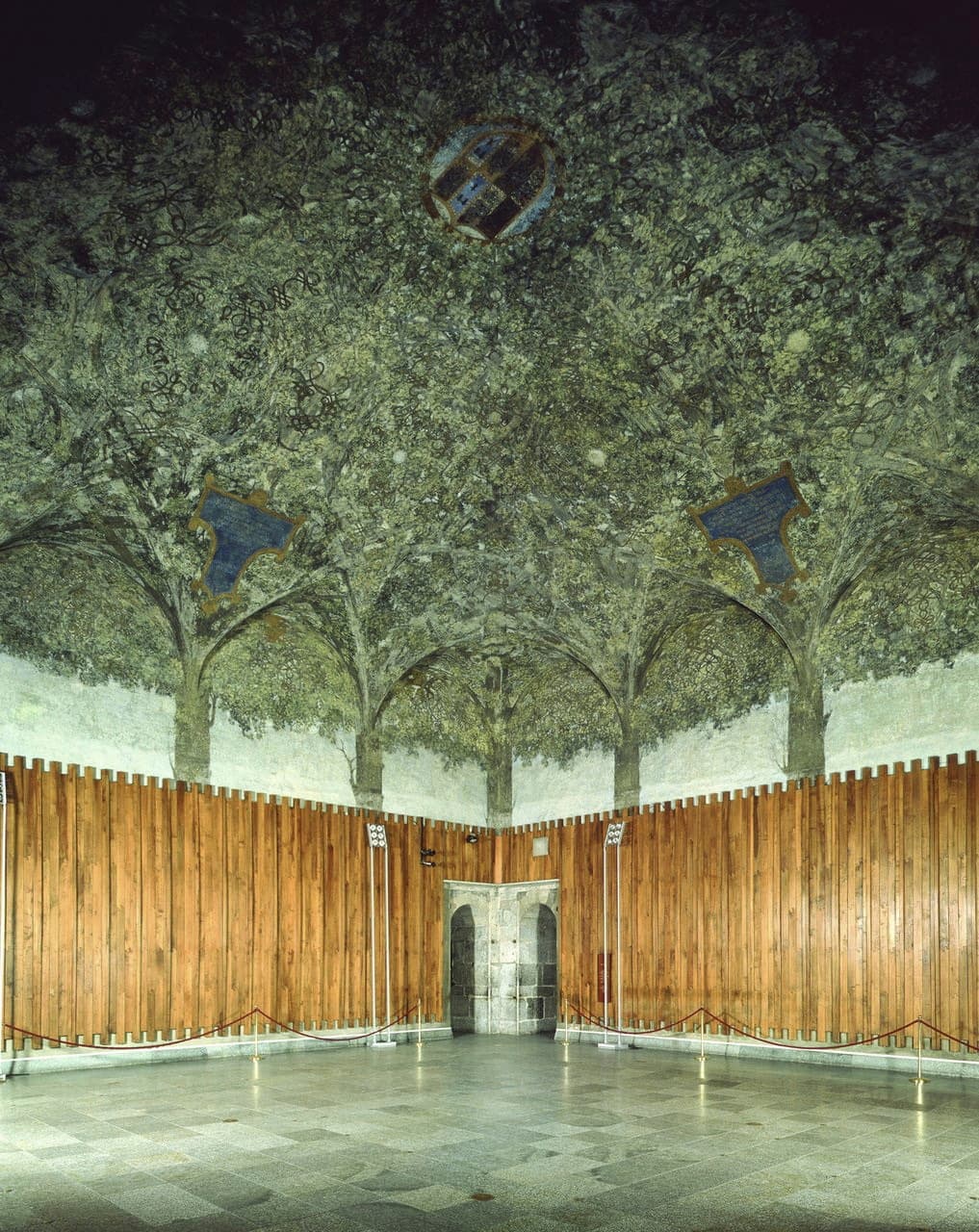
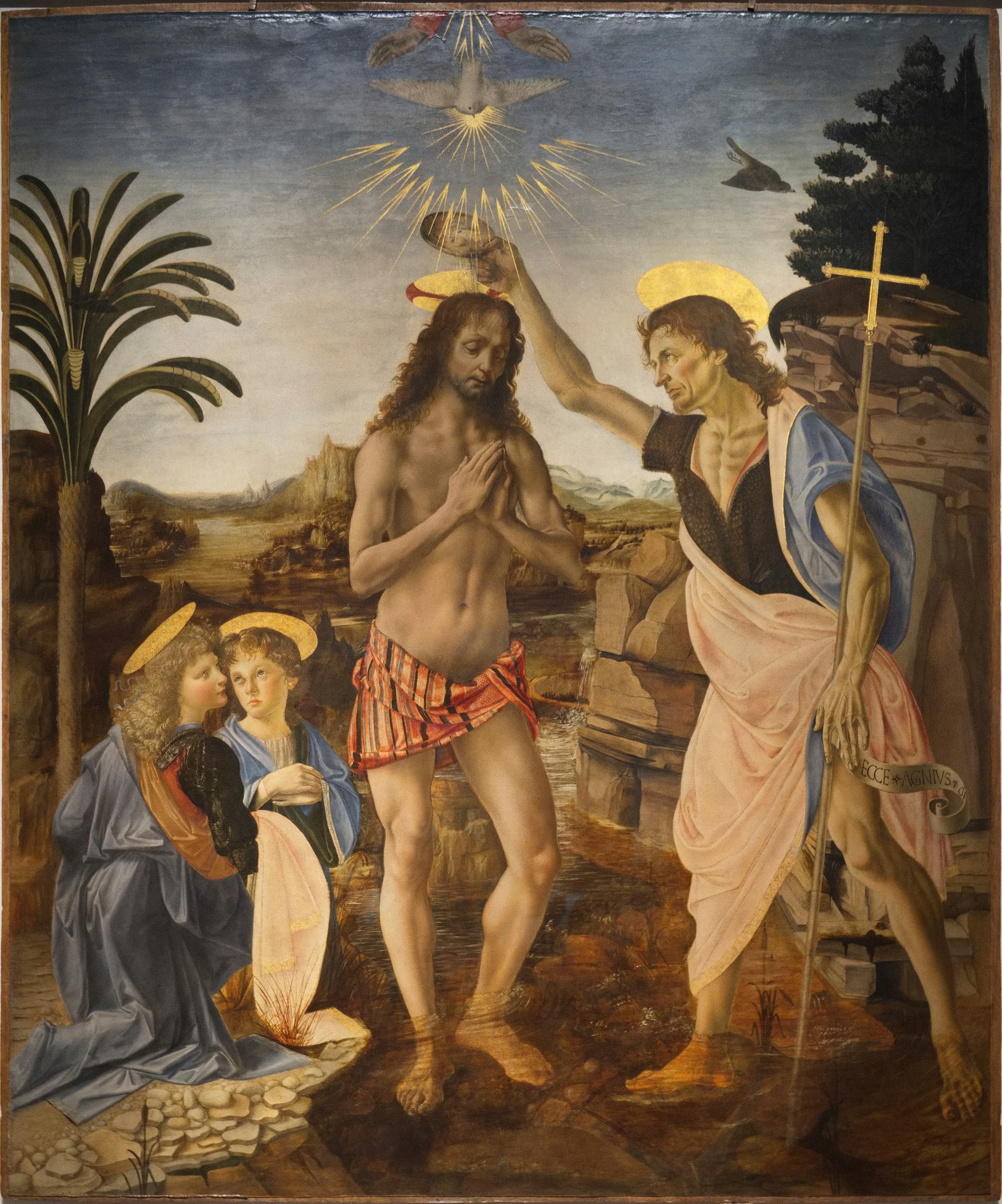
![Wreath of Laurel, Palm and Juniper with Scroll inscribed Virtutem Forma Decorat [reverse]](/_next/image?url=https%3A%2F%2Fimages.easelhouse.com%2Fartworks%2Fmaster%2FQ20174114%2FQ20174114_master_b9a1d084.jpg&w=3840&q=75)
Biography
Leonardo da Vinci (1452-1519) was a Republic of Florence Italian Renaissance polymath and painter whose inventive studies of anatomy, light and mechanical design reshaped art and science.
Leonardo da Vinci (1452-1519) was a Republic of Florence Italian Renaissance polymath and painter whose inventive studies of anatomy, light and mechanical design reshaped art and science. Born in Anchiano, Leonardo trained in the Florentine workshop system as a young artist and developed the broad observational skills that would define his career. His curiosity extended far beyond painting to anatomy, engineering, botany and architecture, making him a quintessential Renaissance figure.
Leonardo's artistic development combined workshop training with lifelong study and travel. He received formative training in Florence, where the workshops of leading masters shaped his early approach to draftsmanship and composition. Over the course of his career he worked in major Italian cultural centers and later spent his final years in France.
In his early period Leonardo focused on mastering drawing and the technical foundations of painting, producing meticulous studies of form, proportion and light that underpinned his later works.
During his mature years Leonardo expanded his repertoire to complex figure composition, experimental painting techniques and large-scale projects. His notebooks from this time show integrated investigations in anatomy, optics and mechanics that informed his pictorial practice.
In later years Leonardo's work shows profound refinement of psychological expression and atmospheric treatment, along with continued inventions and studies in scientific subjects.
Leonardo's output combined technical mastery with scientific inquiry. While his surviving painted works are relatively few, they demonstrate pioneering techniques in modelling, composition and atmospheric perspective. His drawings and notebooks are celebrated for detailed anatomical studies, mechanical designs and observational sketching that influenced both art and science.
Leonardo is known for subtle tonal modeling, soft transitions of light and shadow, and an emphasis on precise drawing. He developed and favored techniques that allowed for delicate gradations—producing lifelike flesh tones and convincing three-dimensional forms. His experimental approach to materials and layered glazing contributed to the depth and visual allure of his works.
Leonardo's fusion of art and science became a template for later generations. His methods influenced contemporaries and subsequent artists through his emphasis on observation, anatomical accuracy and atmospheric effects. Beyond painting, his notebooks inspired engineers, anatomists and designers for centuries, cementing his reputation as a universal genius
Frequently Asked Questions
Sala delle Asse
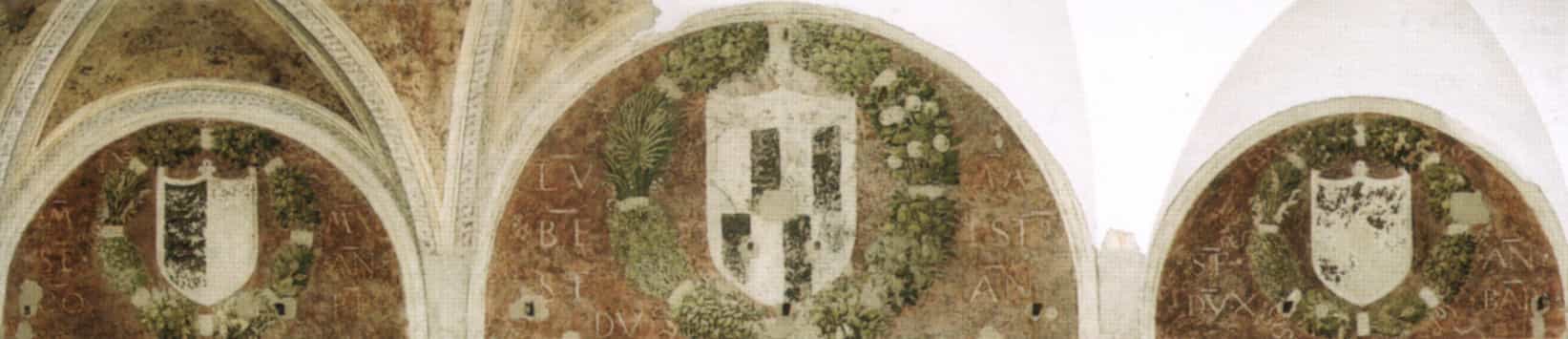
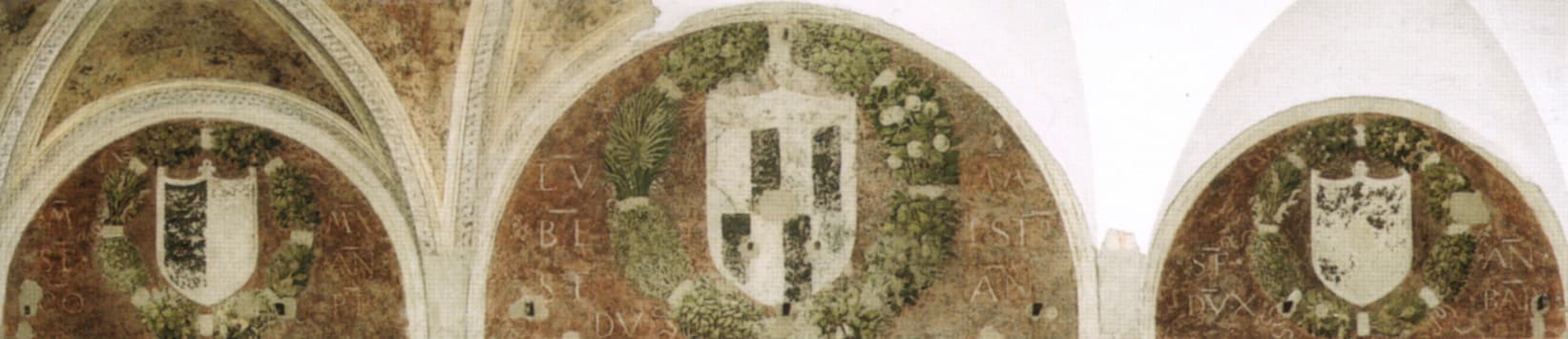
Three Lunettes Above the Last Supper
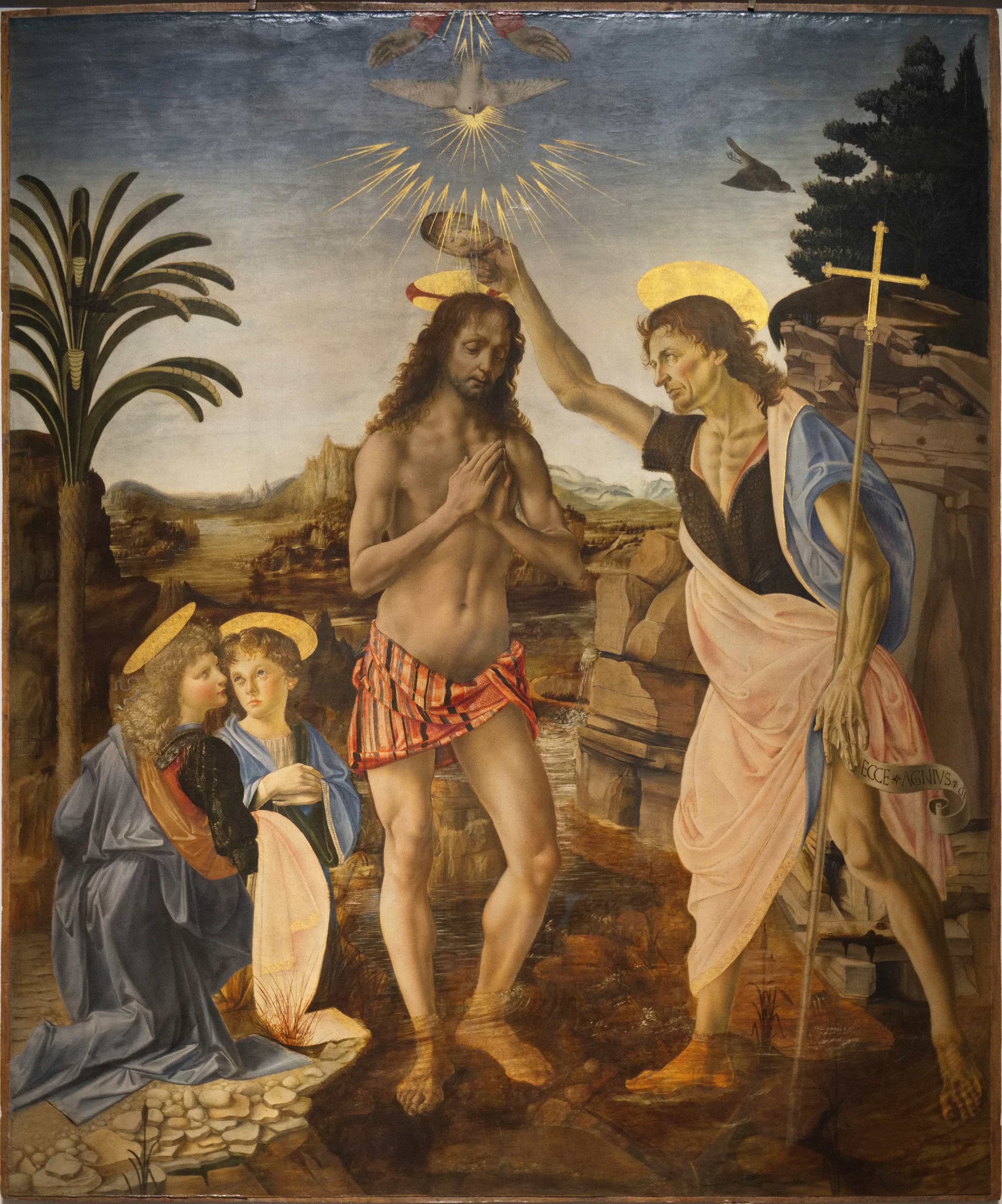
The Baptism of Christ
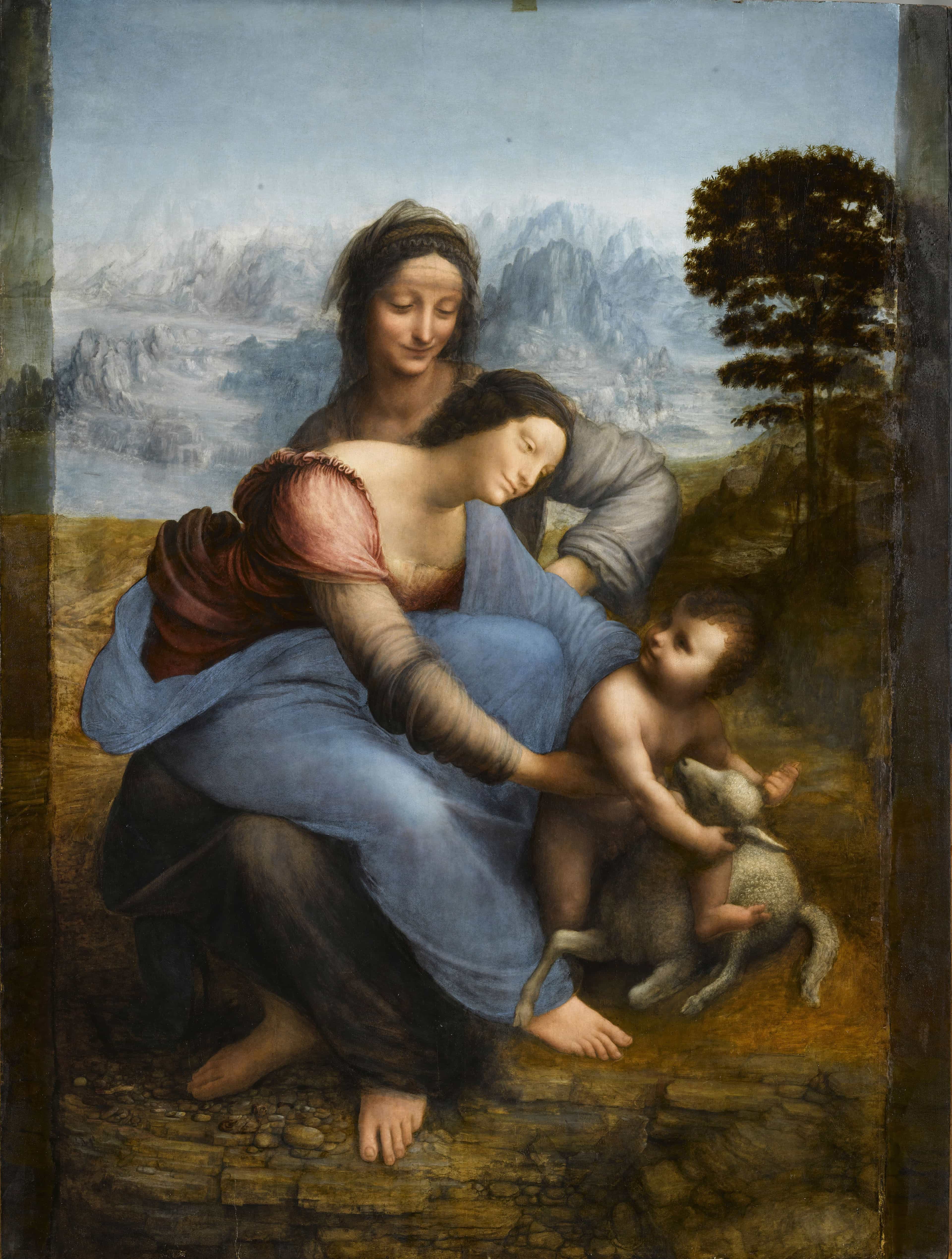
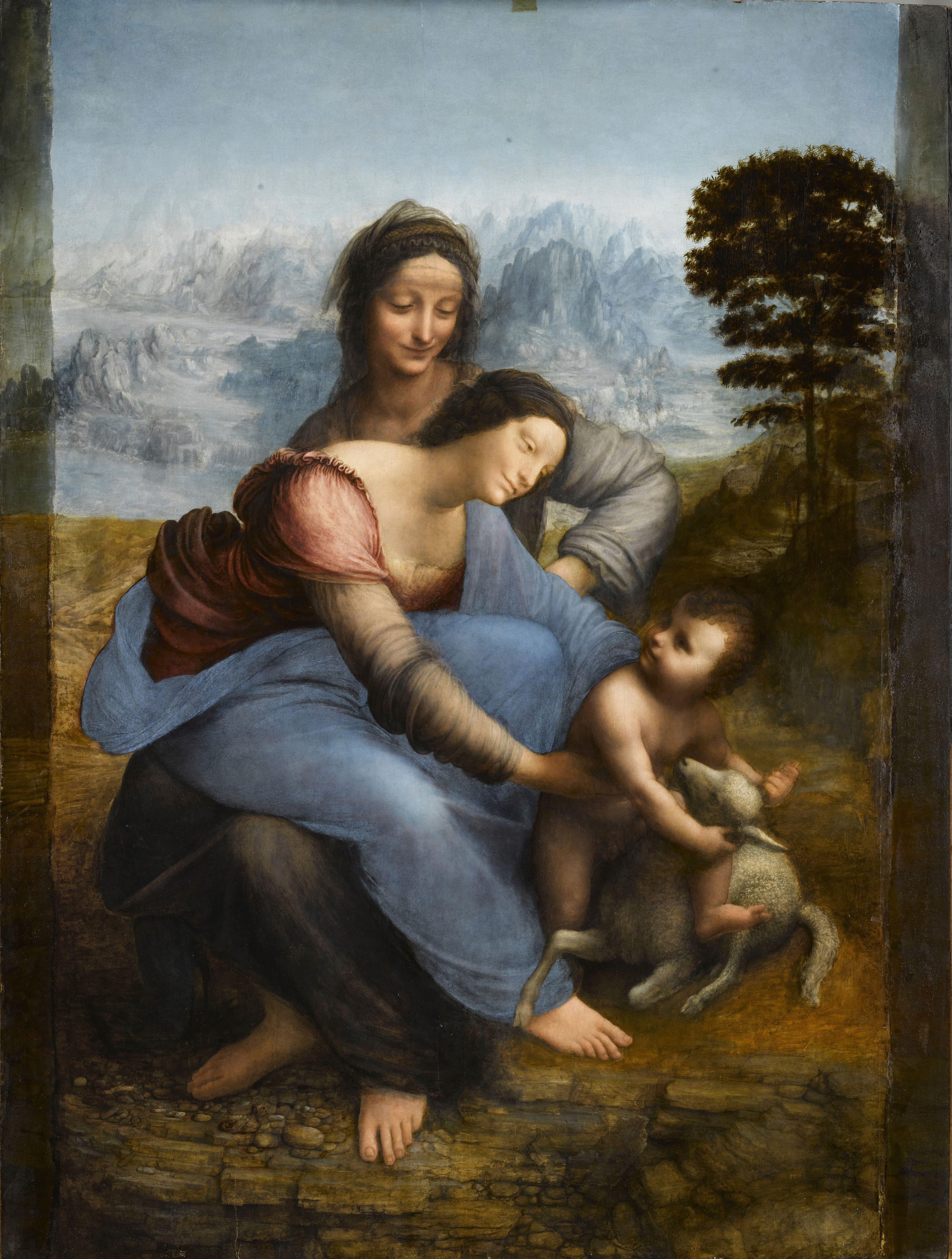
The Virgin and Child with Saint Anne
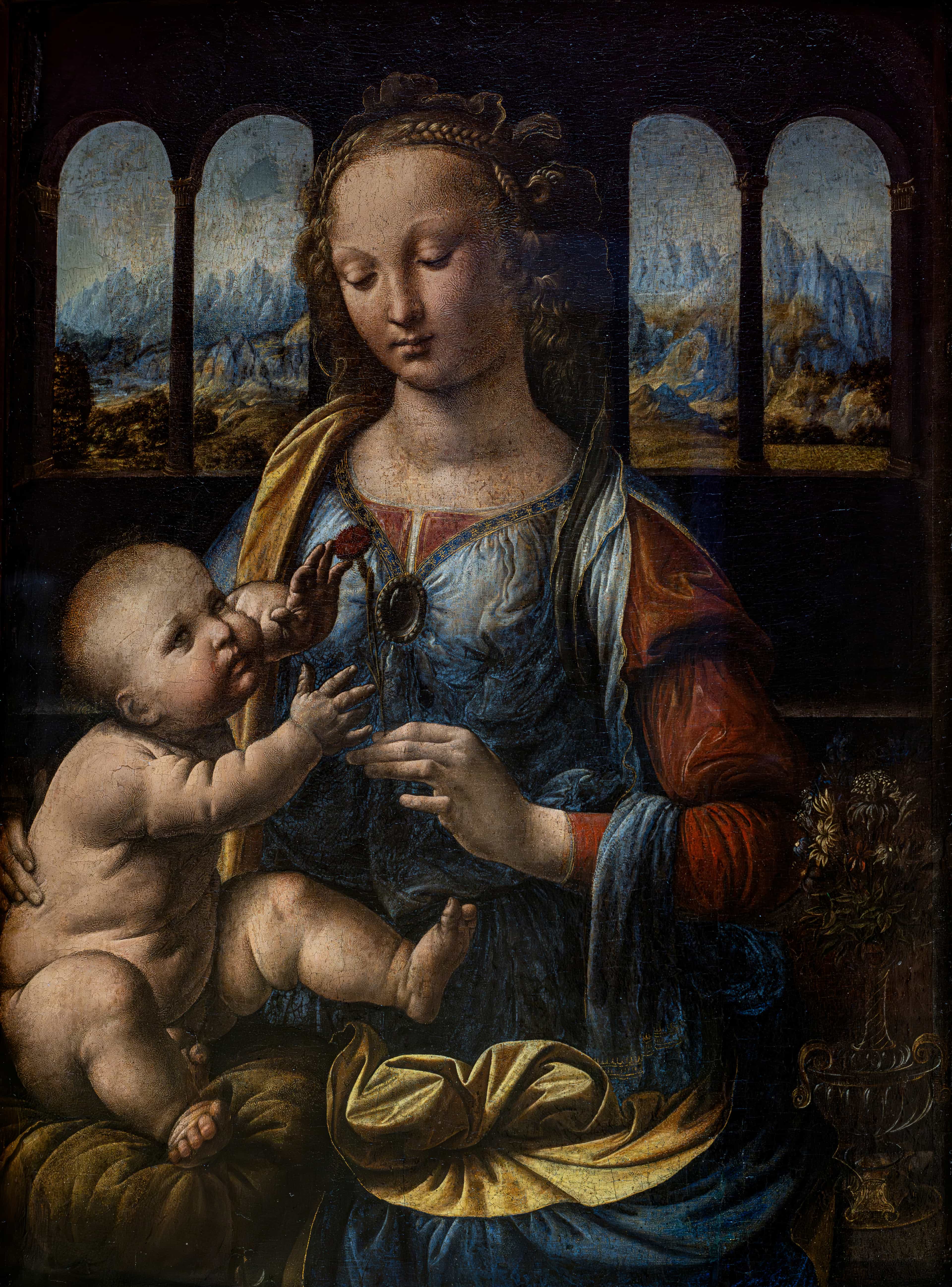
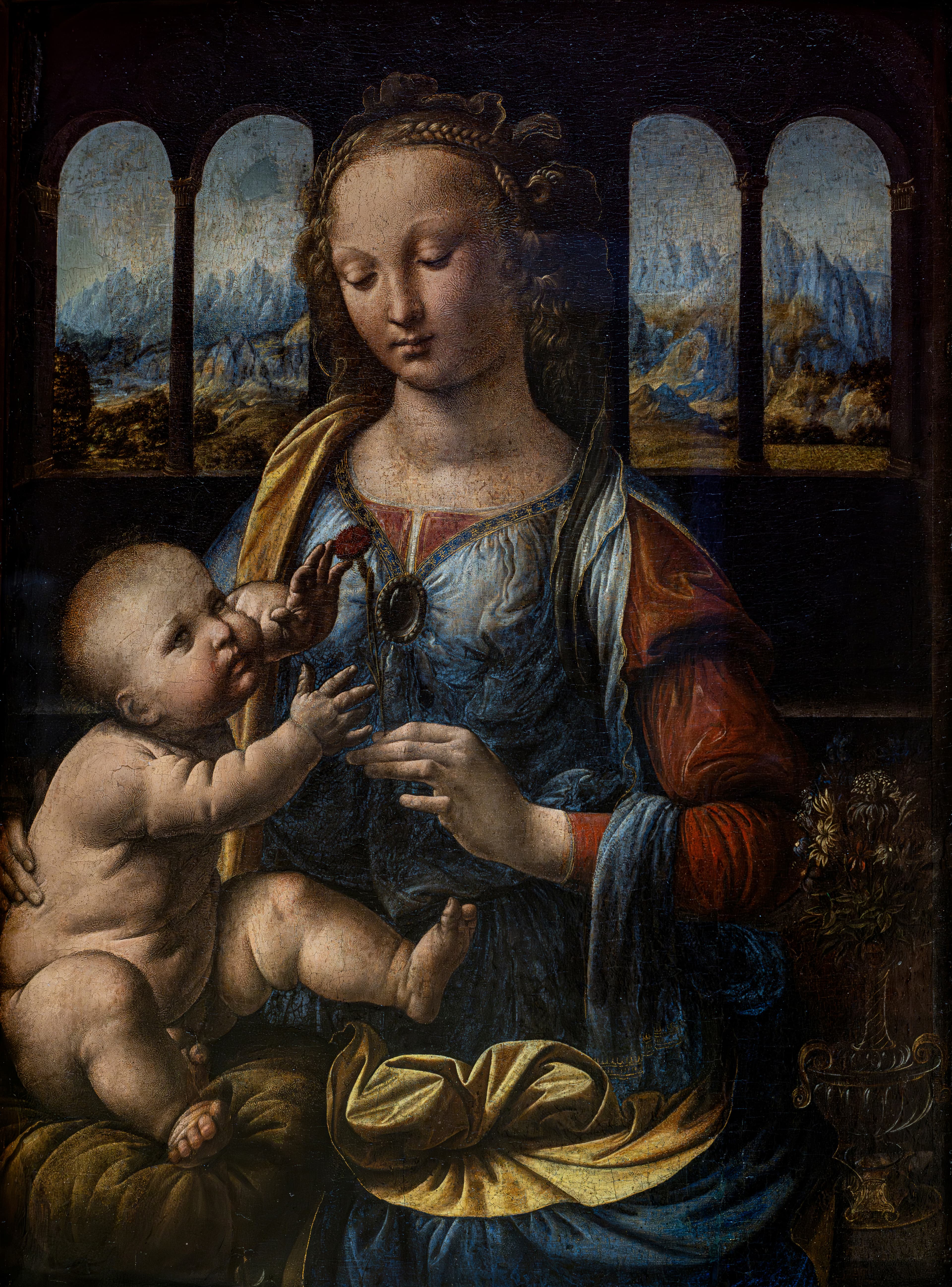
Madonna of the Carnation
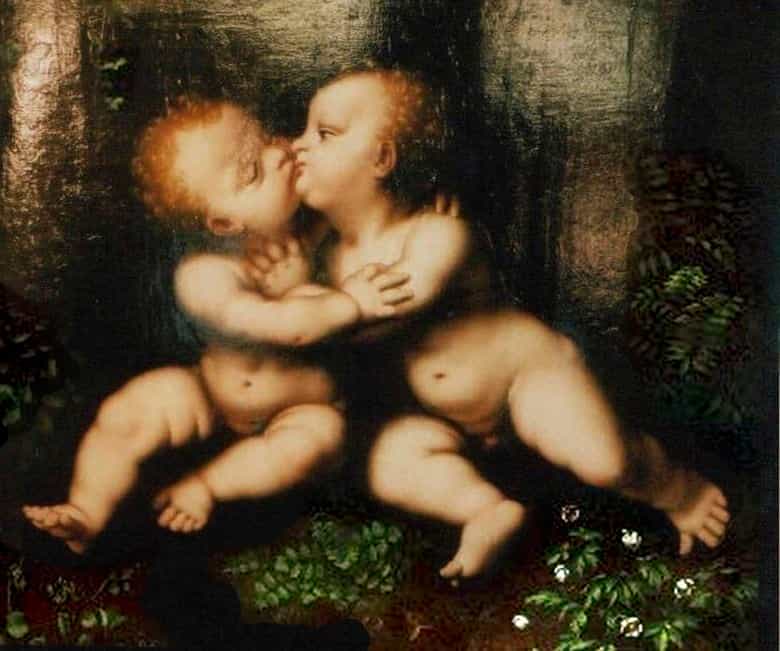
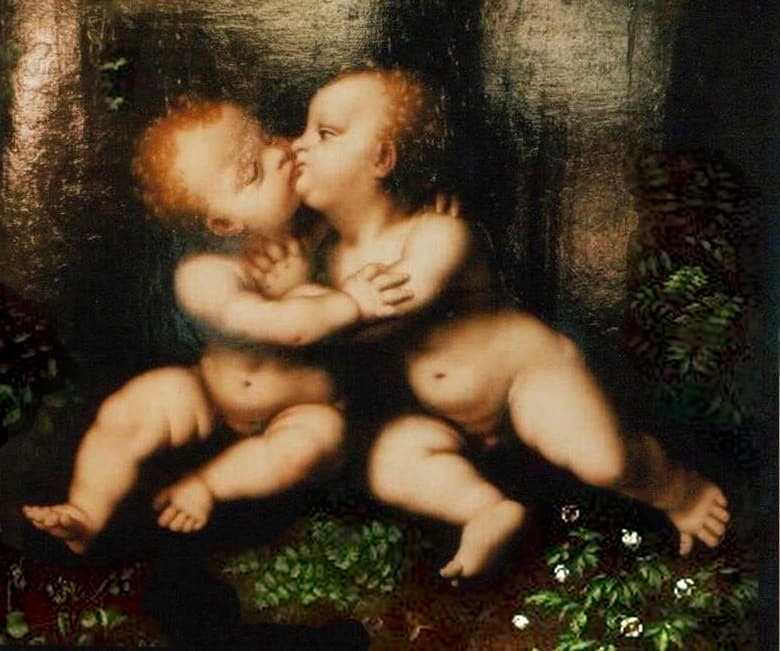
The Holy Infants Embracing
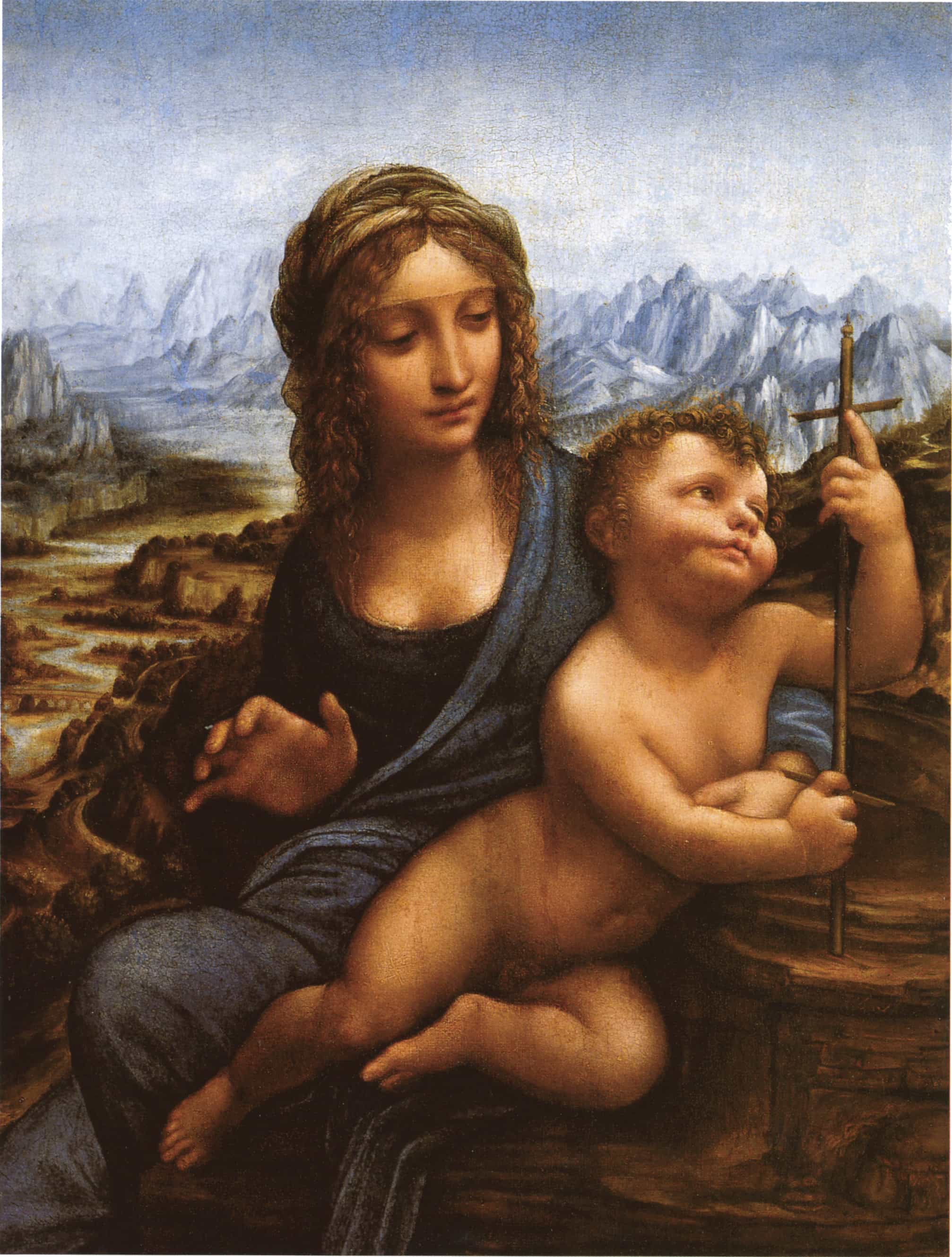
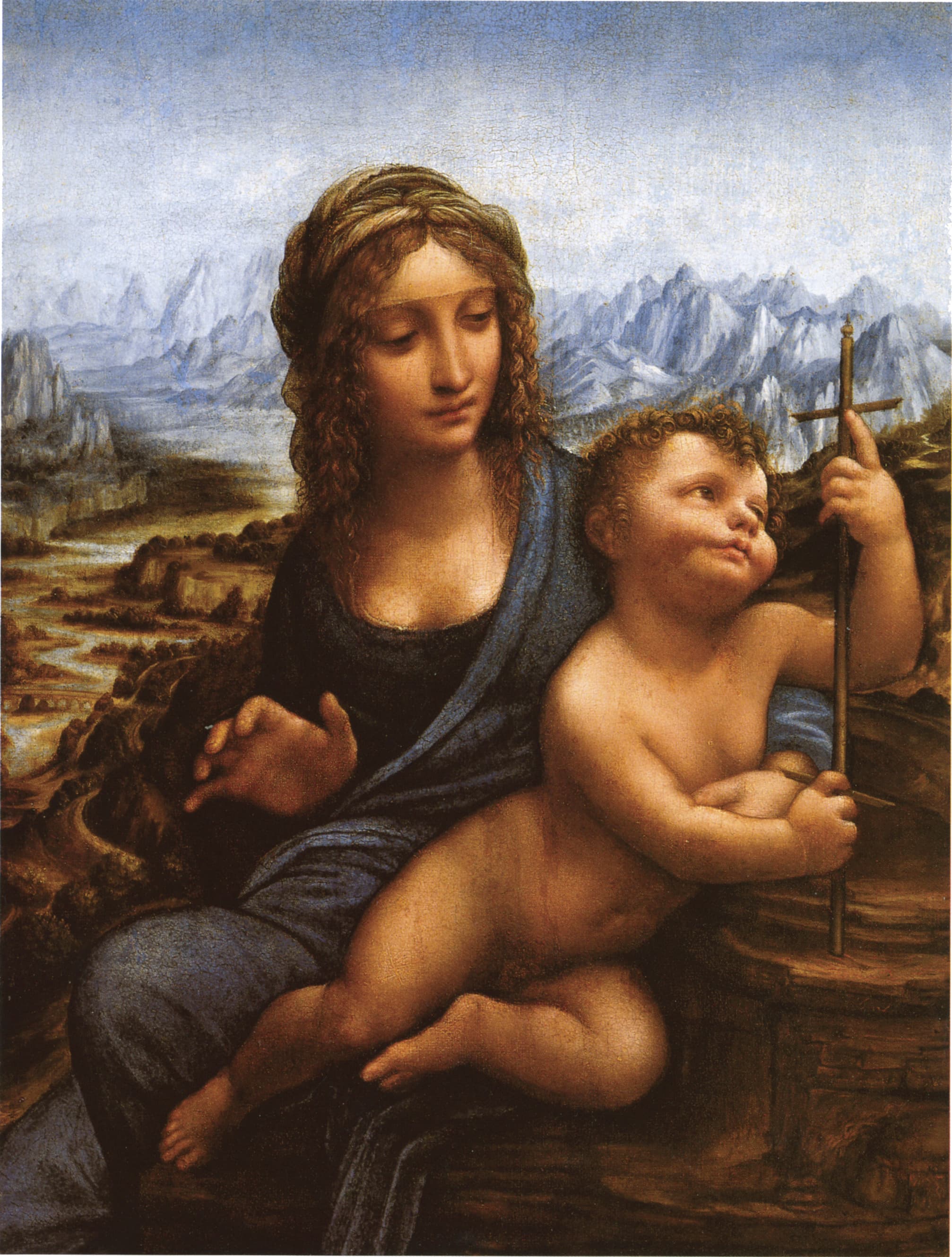
Madonna of the Yarnwinder
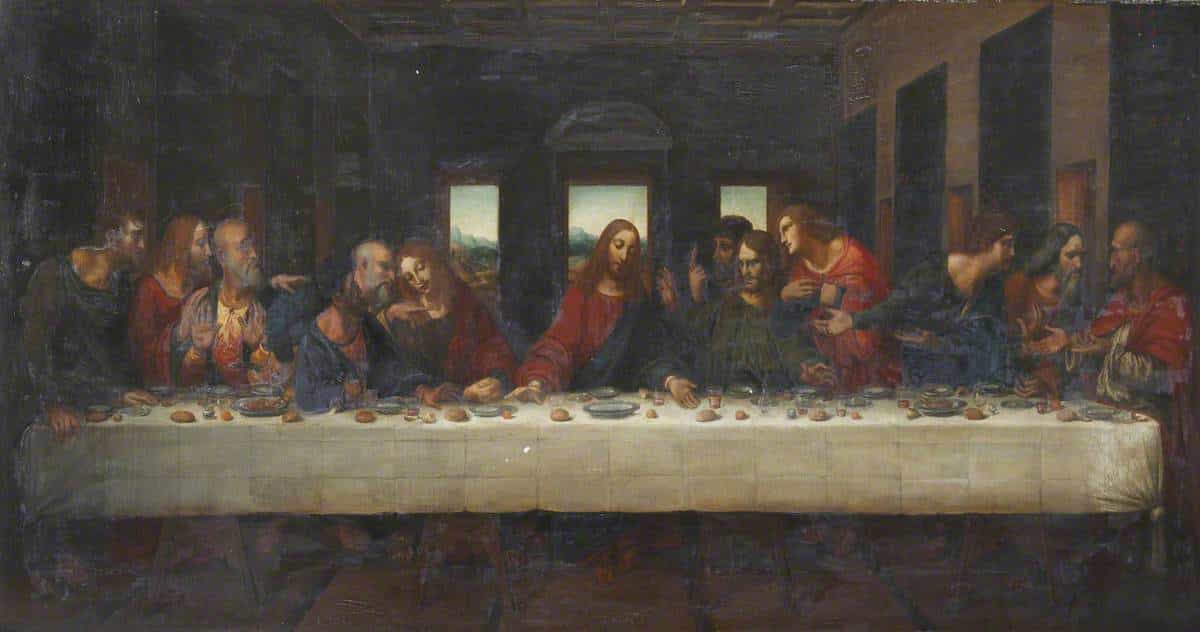
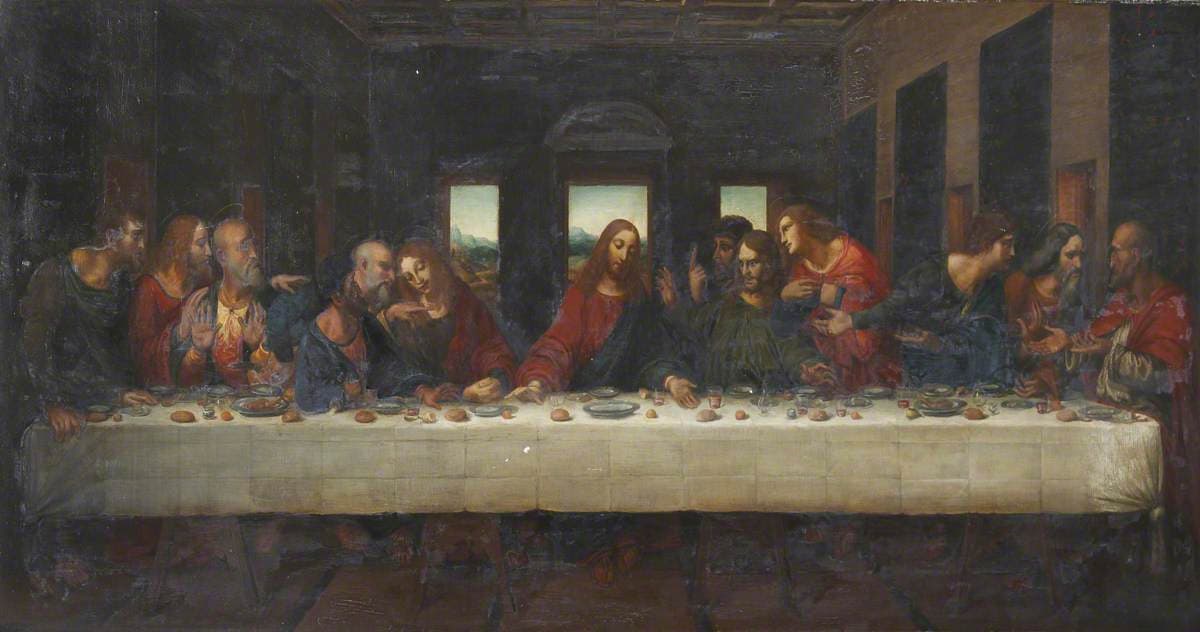
The Last Supper
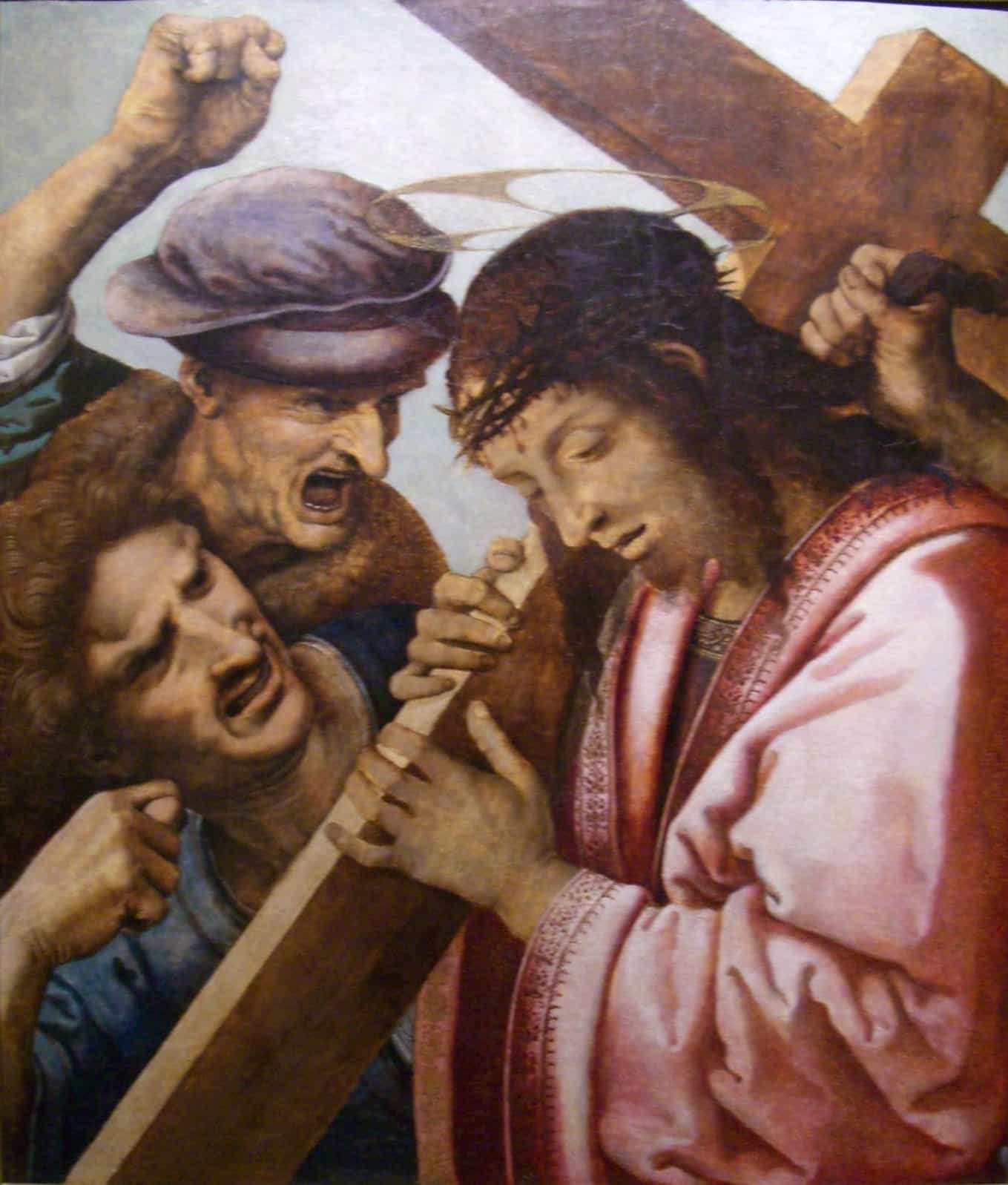
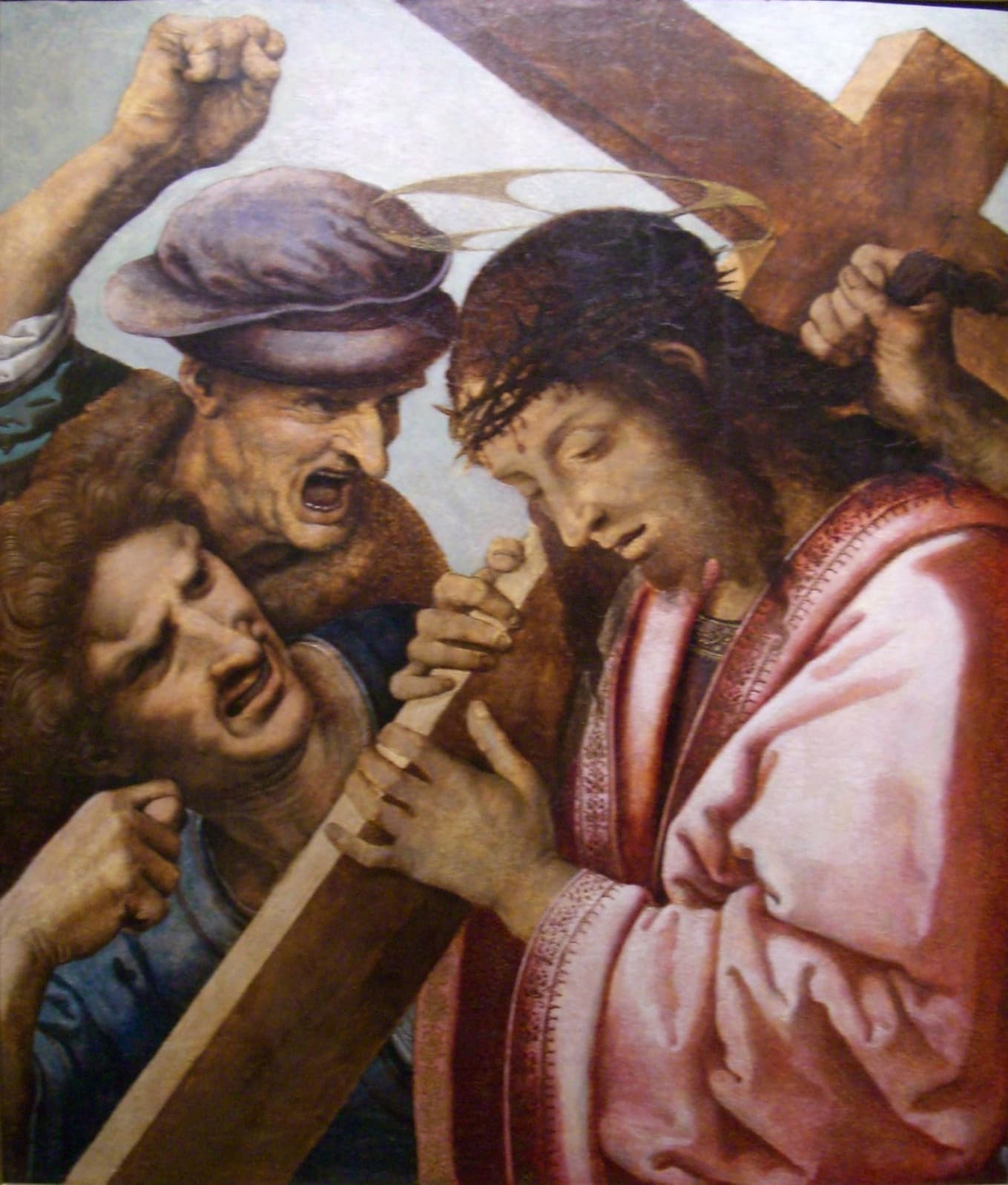
Christ Carrying the Cross
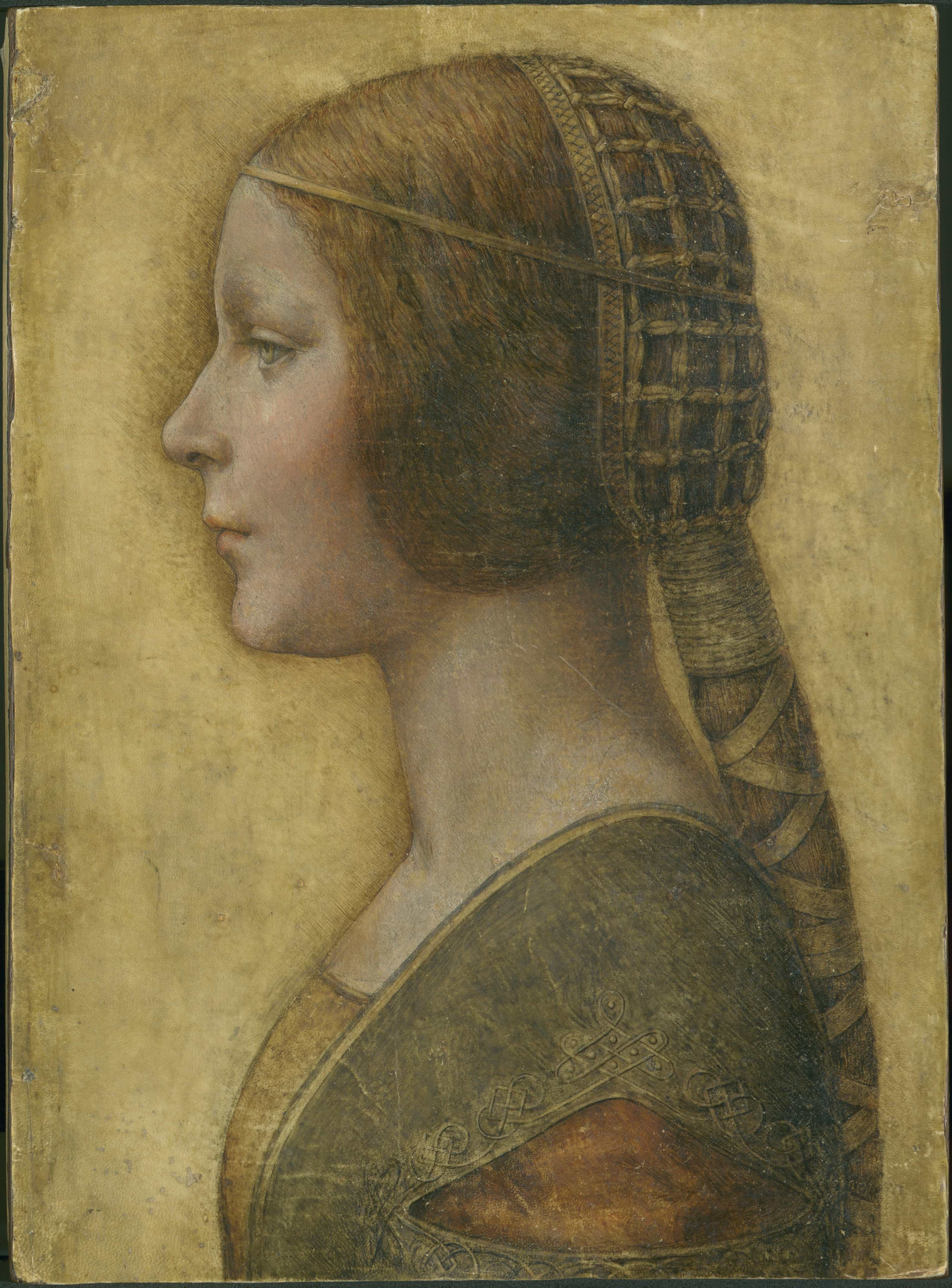
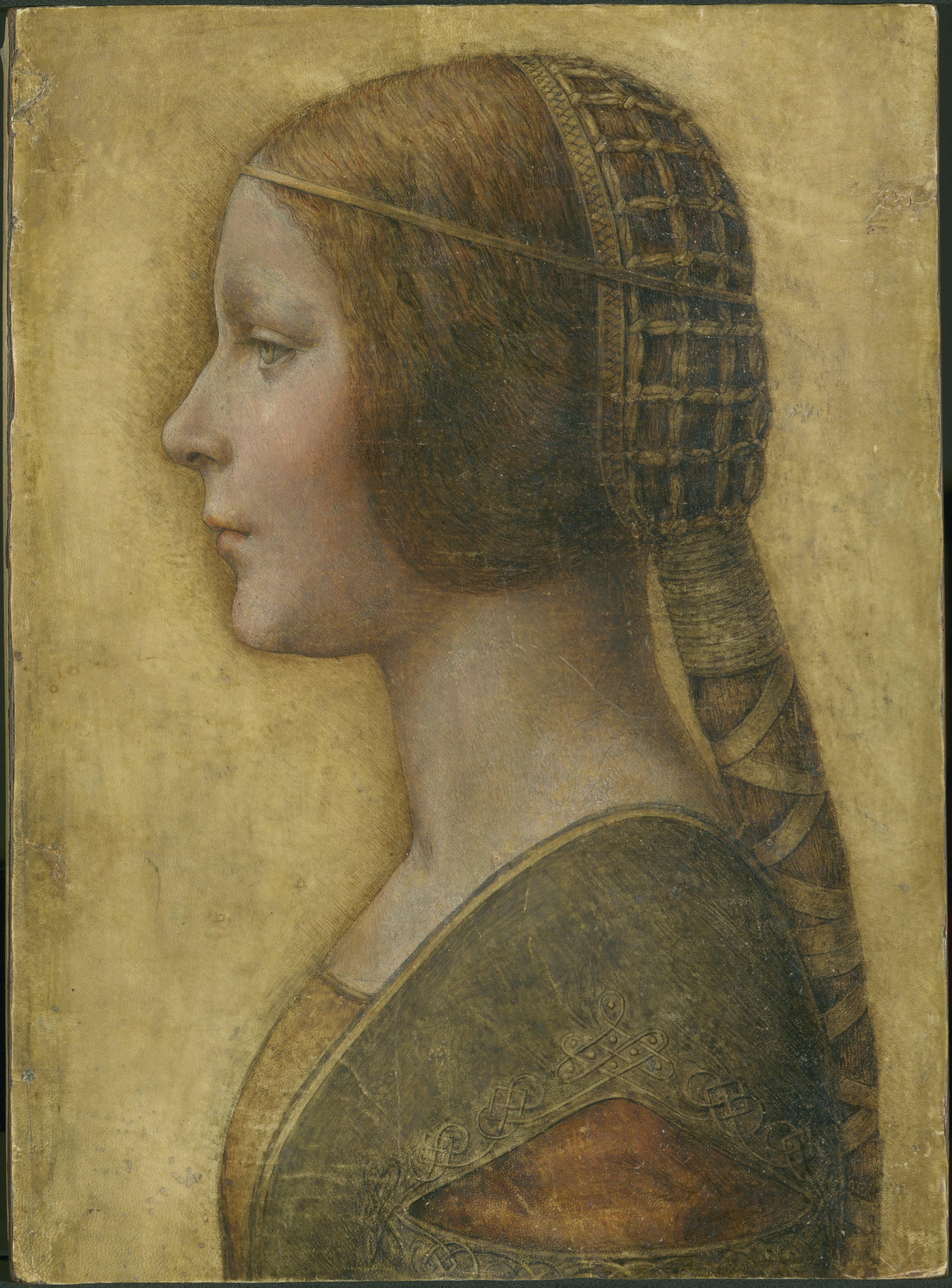
Portrait of a Young Fiancée
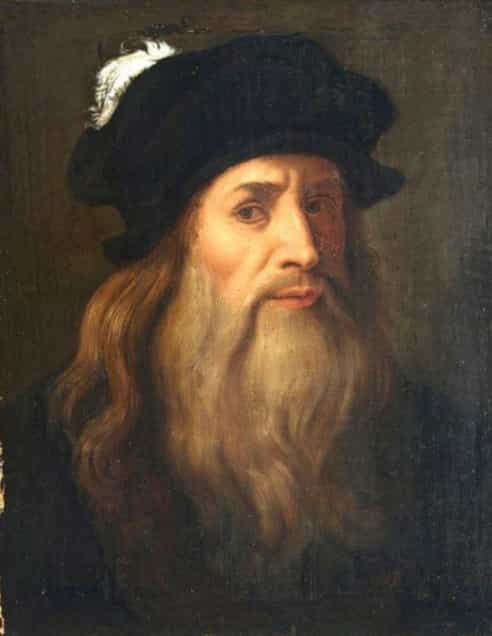
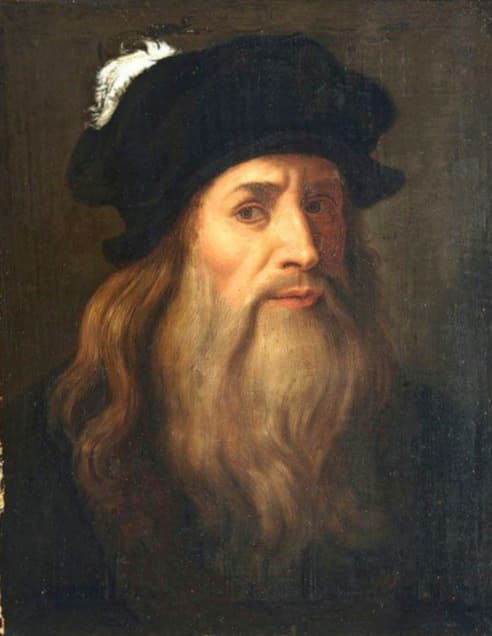
Lucan Portrait of Leonardo da Vinci

Wreath of Laurel, Palm and Juniper with Scroll inscribed Virtutem Forma Decorat [reverse]