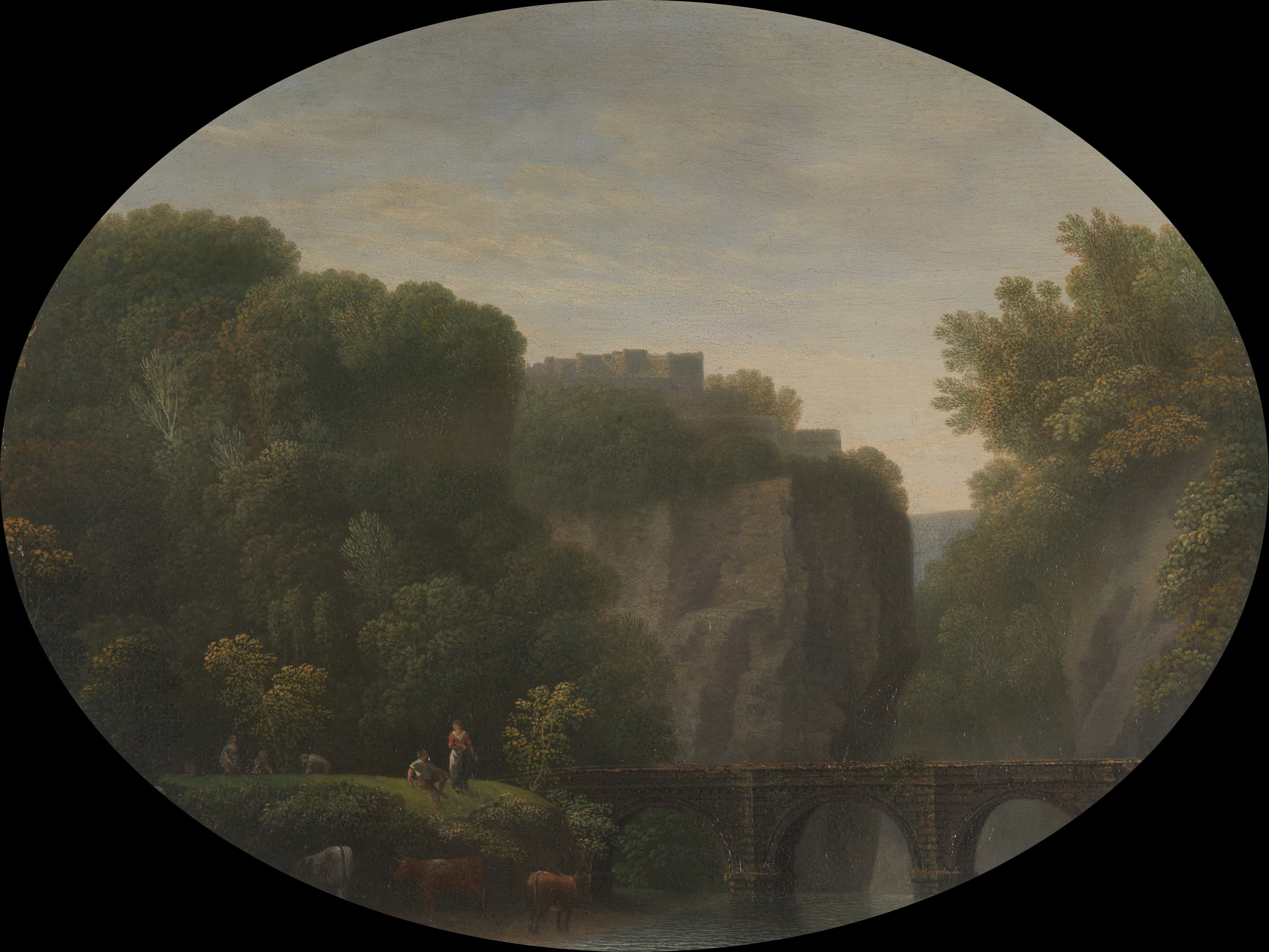
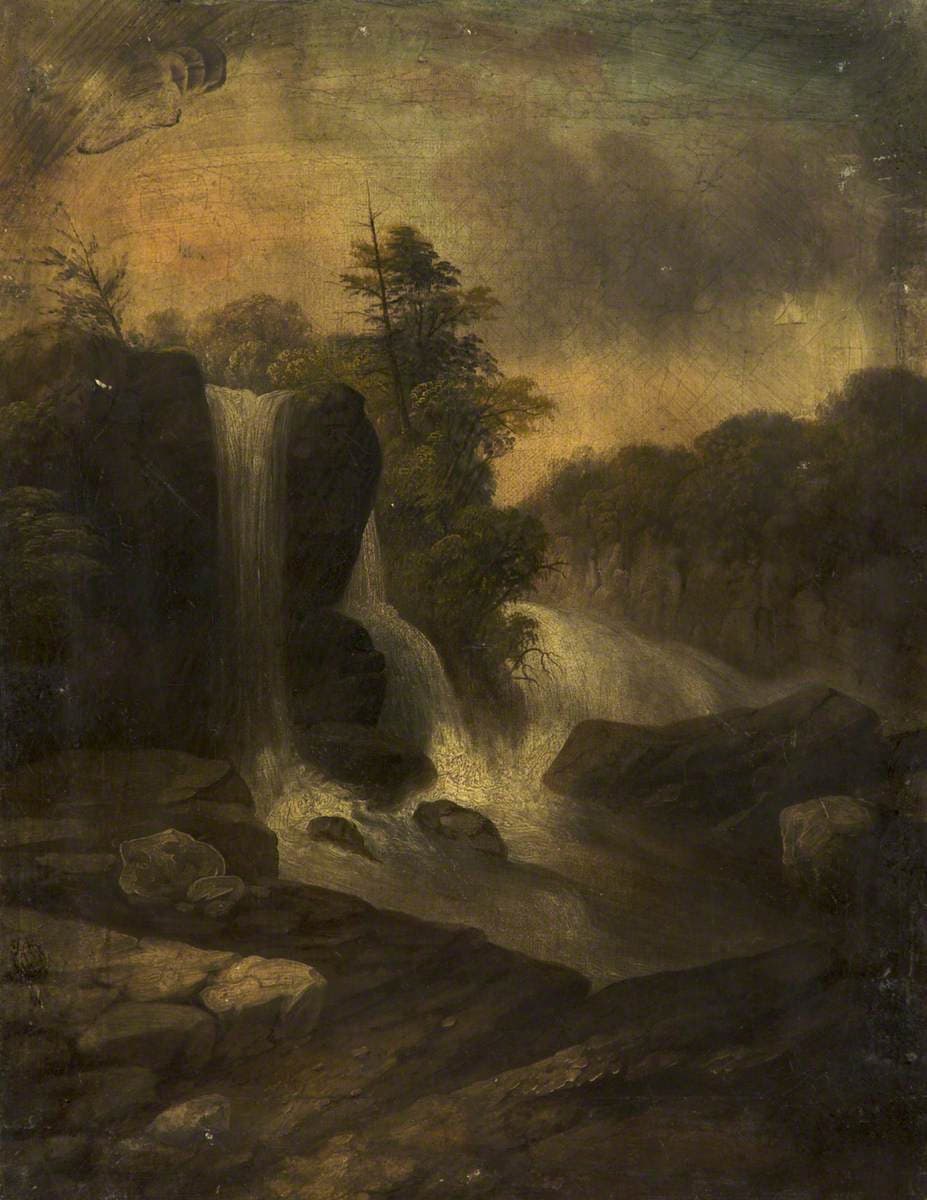
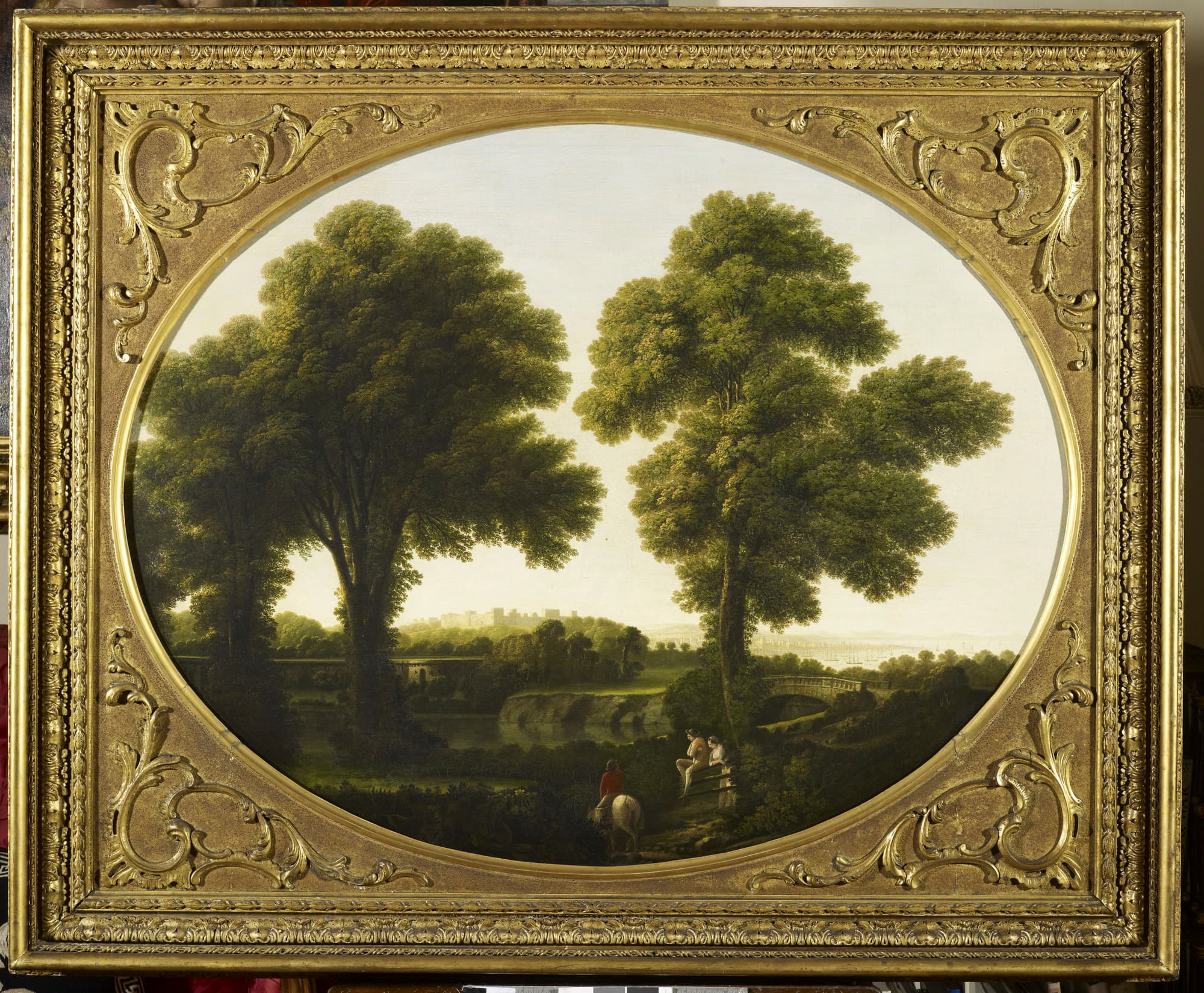
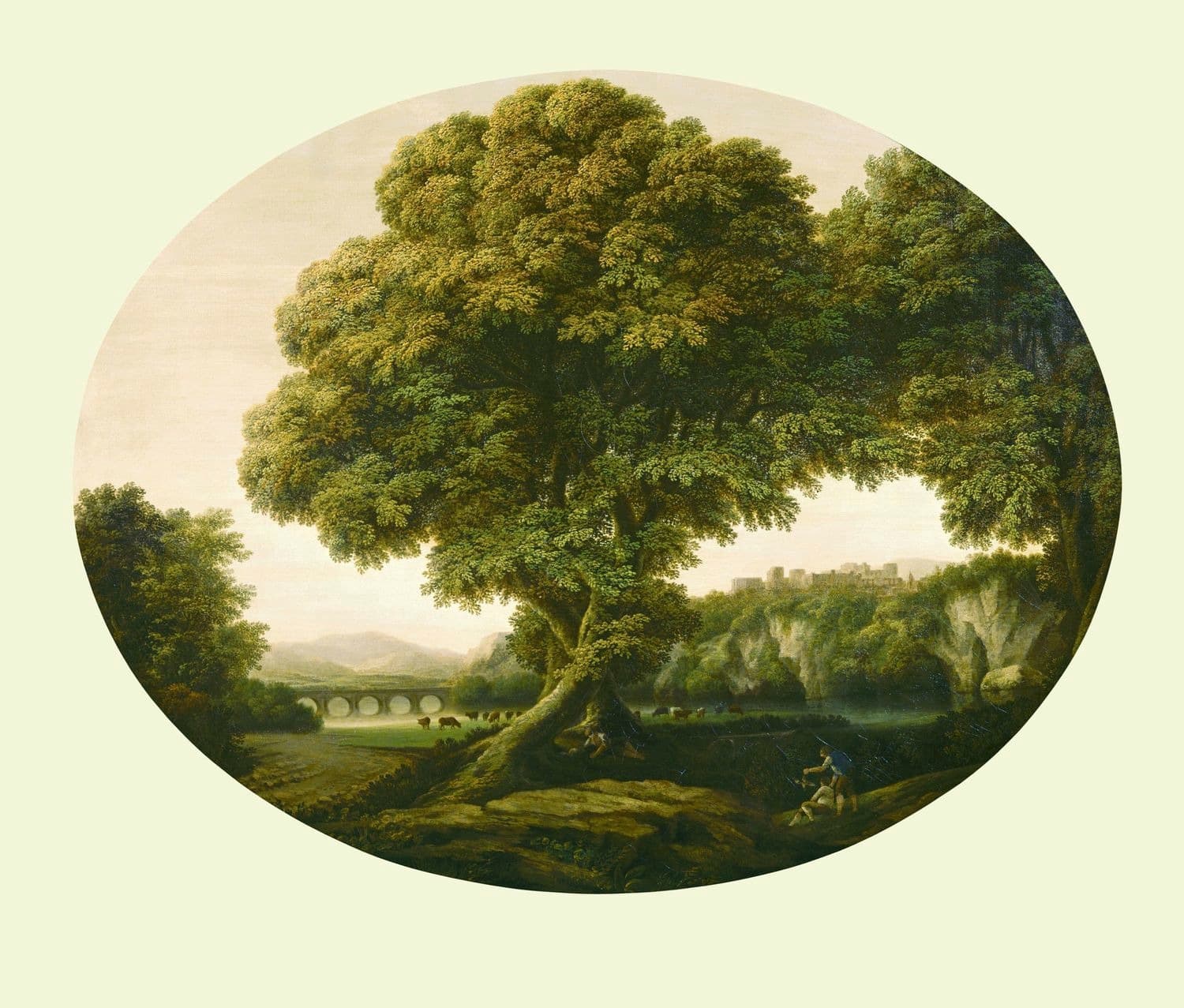
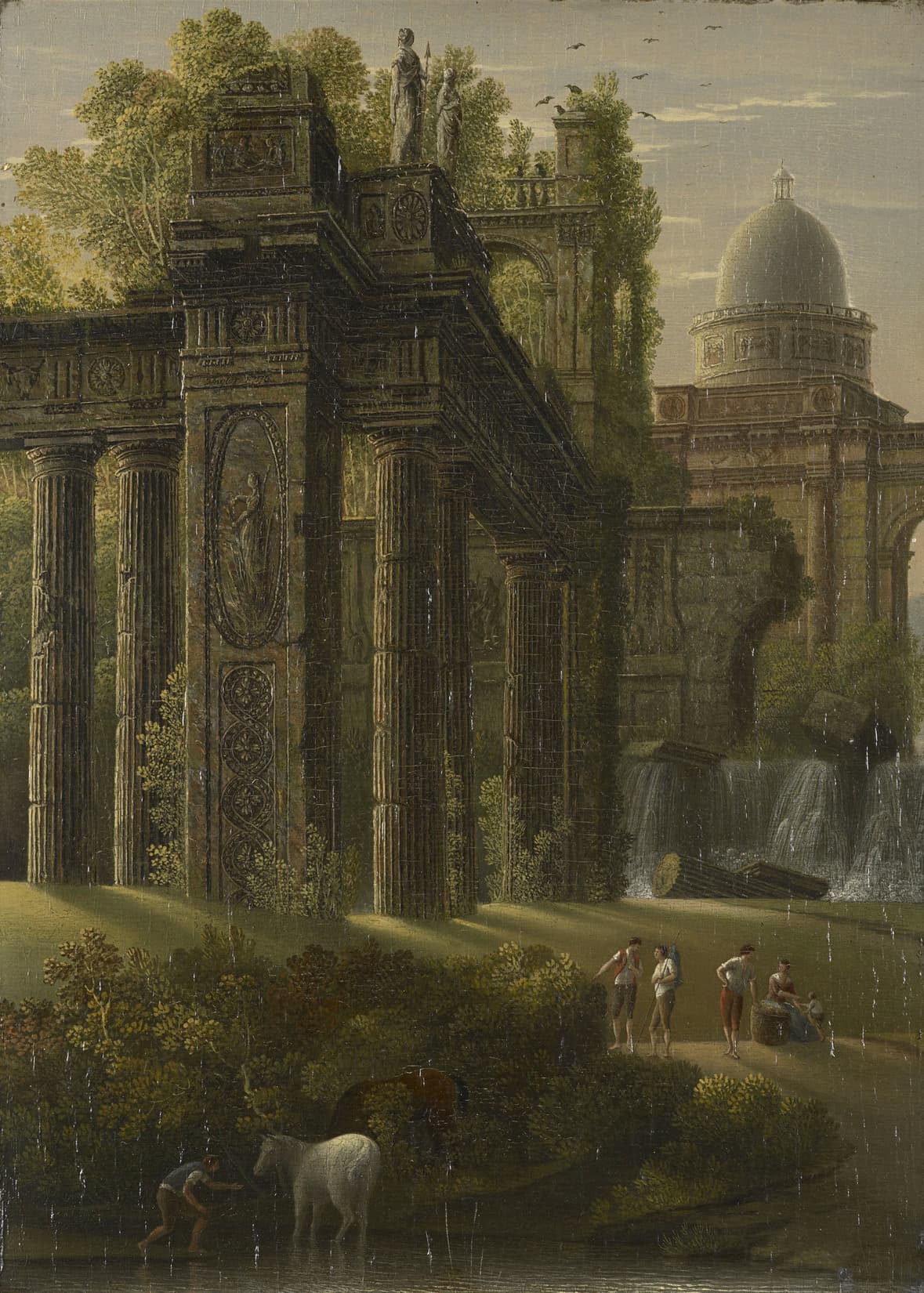
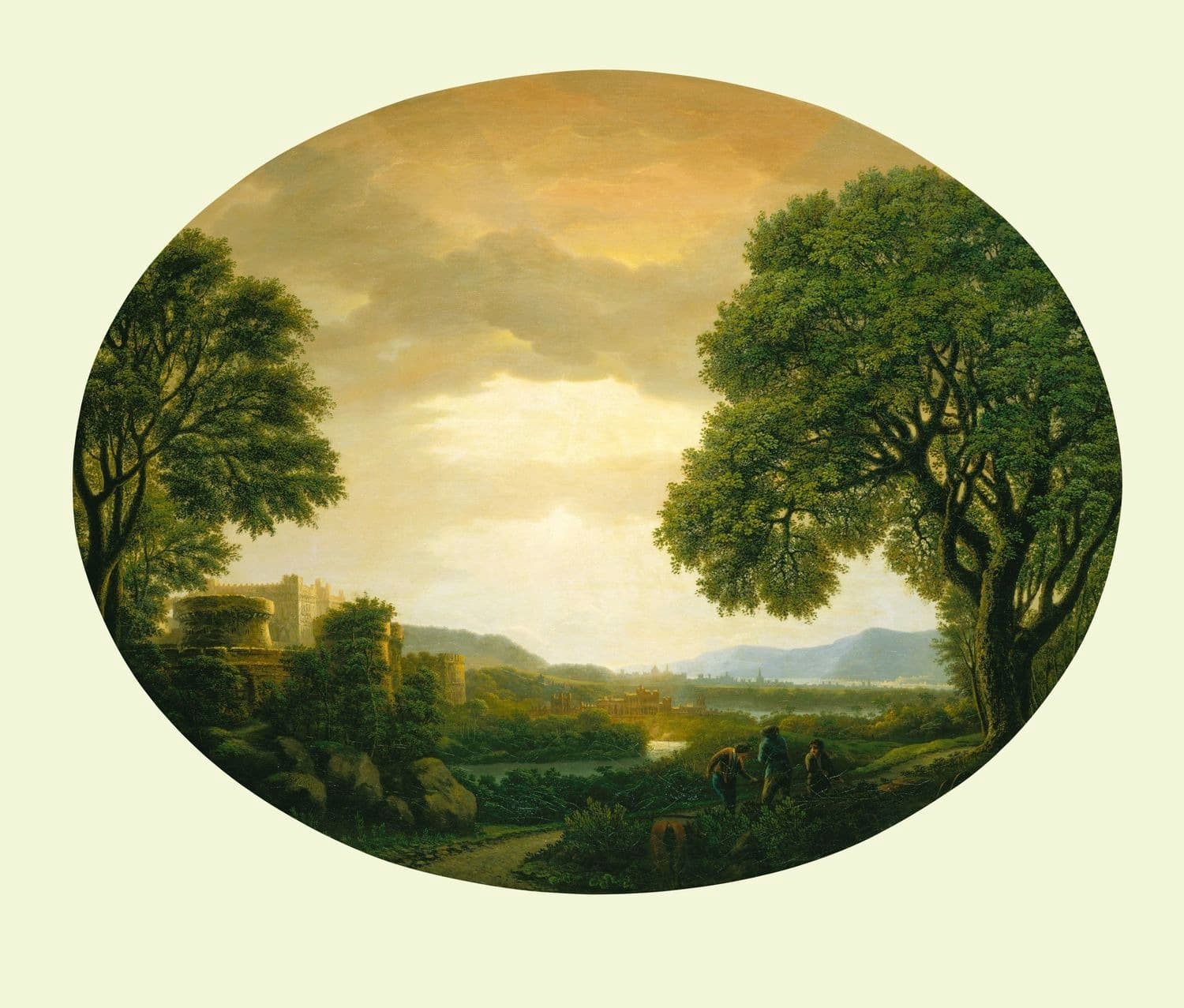
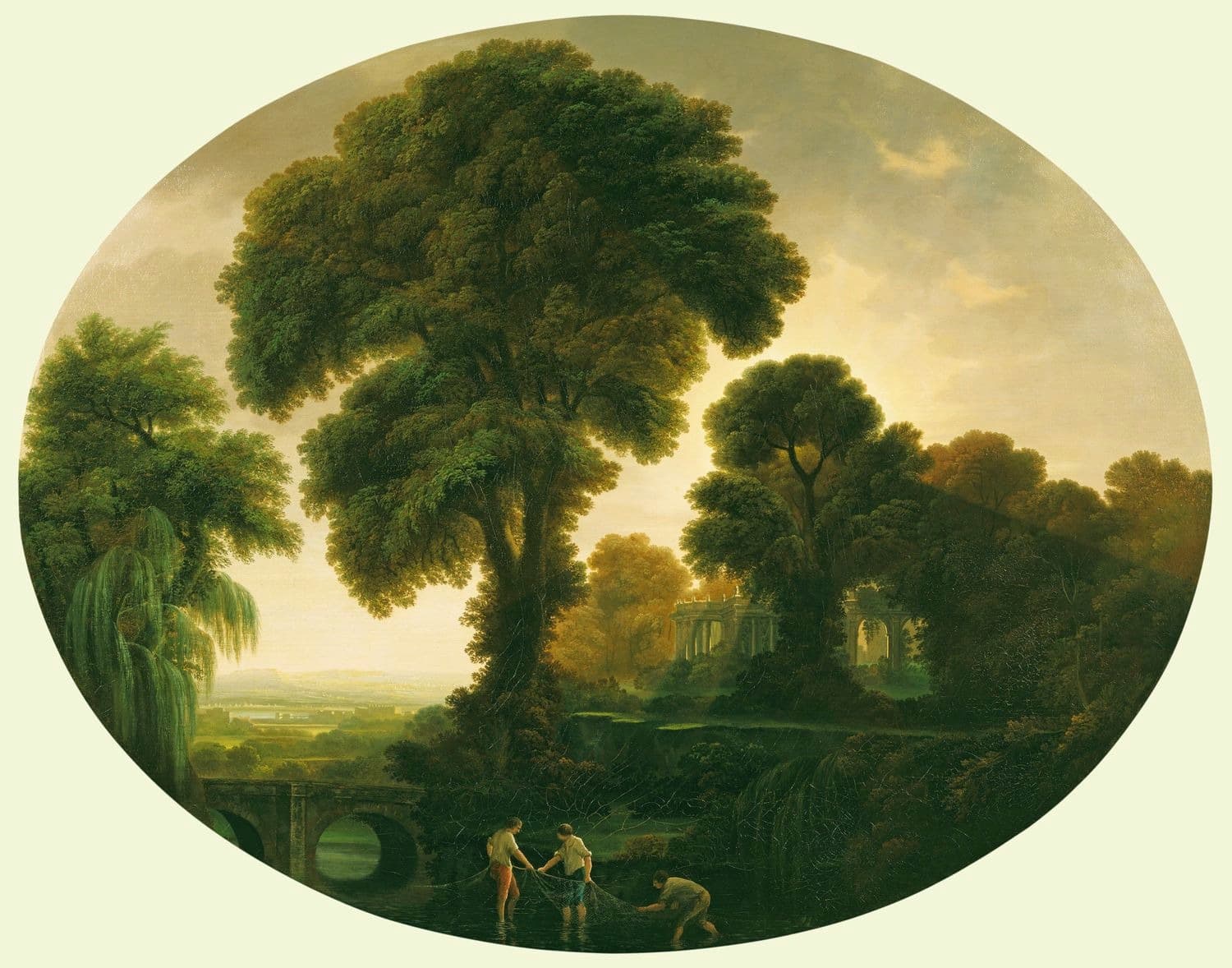
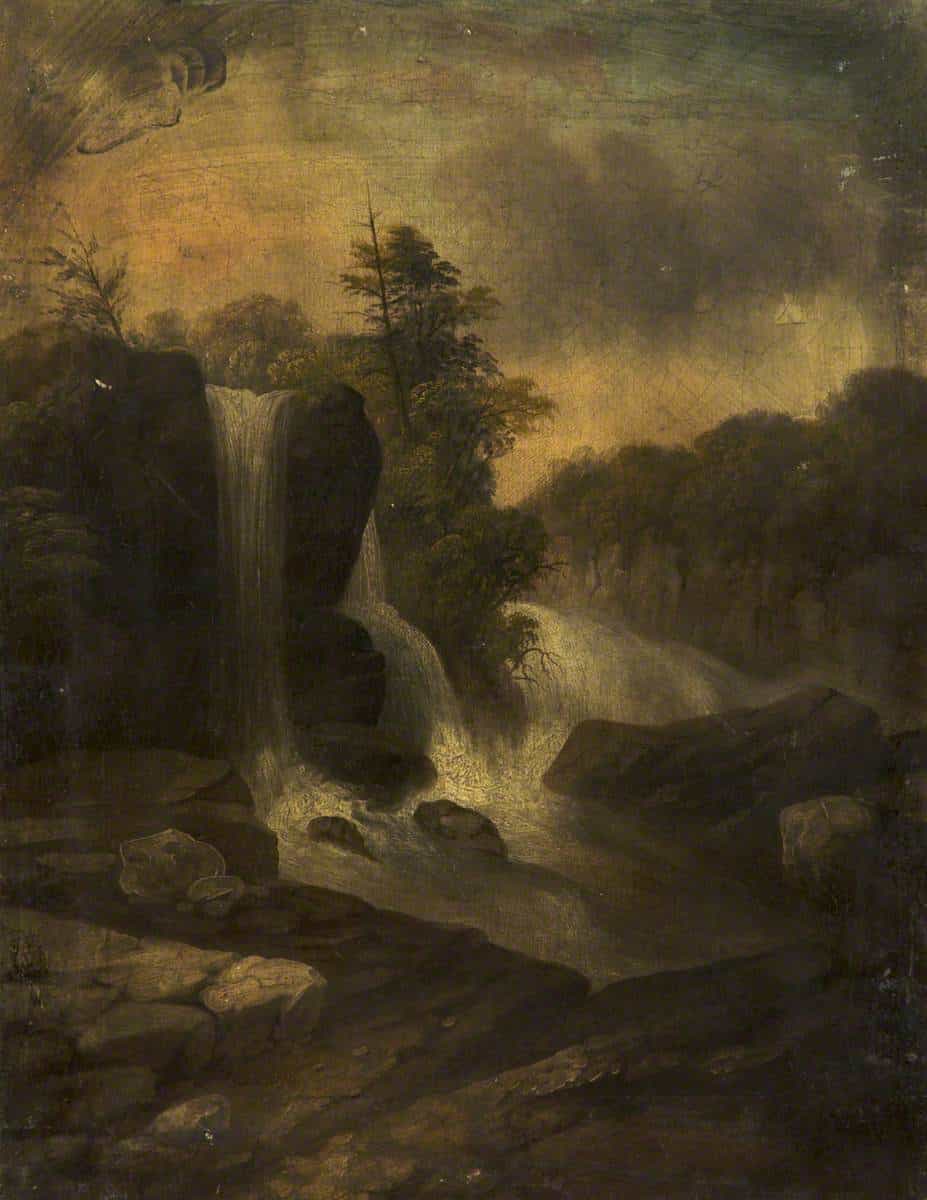
Waterfall
John Taylor
From €54
Collection
Museum-quality reproductions on 310gsm textured cotton rag paper.
Shop all prints by John TaylorArtistic Style
Style Evolution
Taylor's work aligns with early modern English painting: beginning in a tradition of precise likeness and clear composition, his mature approach emphasized refined drafting and tonal control suited to domestic and civic decorative contexts.
Palette
Subjects
Techniques
Topics
John Taylor (1585-1651) was a Kingdom of England early modern painter whose refined draftsmanship and measured compositions reflect his era.
Learn about the life of John Taylor
Biography
John Taylor (1585-1651) was a Kingdom of England early modern painter whose refined draftsmanship and measured compositions reflect the visual traditions of his era.
Little documentary detail survives about Taylor's family background, formal training, or places of residence. Born in 1585 in the Kingdom of England, he came of age during a period when English painting drew on both native portrait conventions and continental influences. Records that would precisely place his apprenticeship or teachers are not available in the sources provided.
John Taylor's long life (1585–1651) spanned a time of stylistic continuity and gradual change in English art. Because specific dates for works and relocations are not provided here, his career is best understood through broad periods that correspond to the cultural shifts of early modern England.
Taylor's formative years coincided with a continued emphasis on clear draughtsmanship and representational portraiture in England. Painters working in this period often focused on careful likeness, fine detail, and restrained compositional arrangements.
Across the middle decades of his life, English artists absorbed subtle continental influences in surface treatment and tonal modeling. Taylor's work, as described in surviving notices, sits within this context of measured refinement.
The final phase of Taylor's life took place amid political and social upheaval. While specific late works are not documented here, artists of his generation frequently consolidated their techniques into mature, decorous compositions suited to patrons and domestic interiors.
There are no specific artworks listed in the material provided for citation. Taylor is recorded simply as an English painter active between 1585 and 1651. Because named works are not available in this dataset, discussion of major paintings must be confined to his general reputation as a skilled early modern English painter.
Taylor worked within the visual idioms typical of early modern English painting: careful drawing, controlled modeling of light and shade, and compositions that favor clarity and dignified presence. His probable use of oil paint and attention to surface detail would have made his pictures appropriate for both private houses and modest civic commissions. The decorative qualities of such work—calm proportions, refined poses, and subtle tonal harmonies—make them appealing for collectors interested in historical interiors.
Specific teacher-student lineages or direct influences for Taylor are not provided in the available data. More broadly, painters of his era contributed to the continuity of English portrait and representational painting between Tudor traditions and later 17th-century developments. His
Frequently Asked Questions
Waterfall
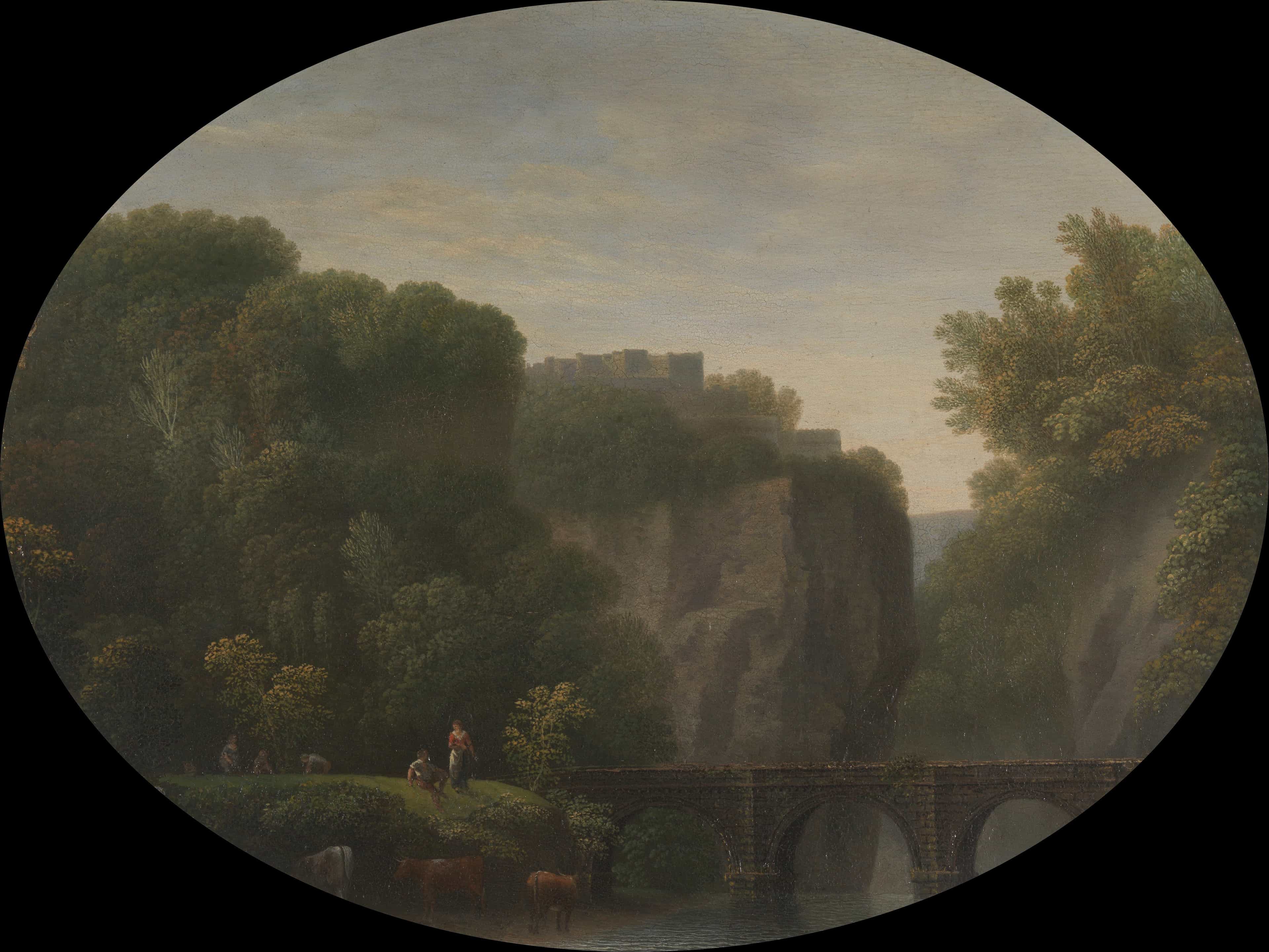
Bridge over the River Wye
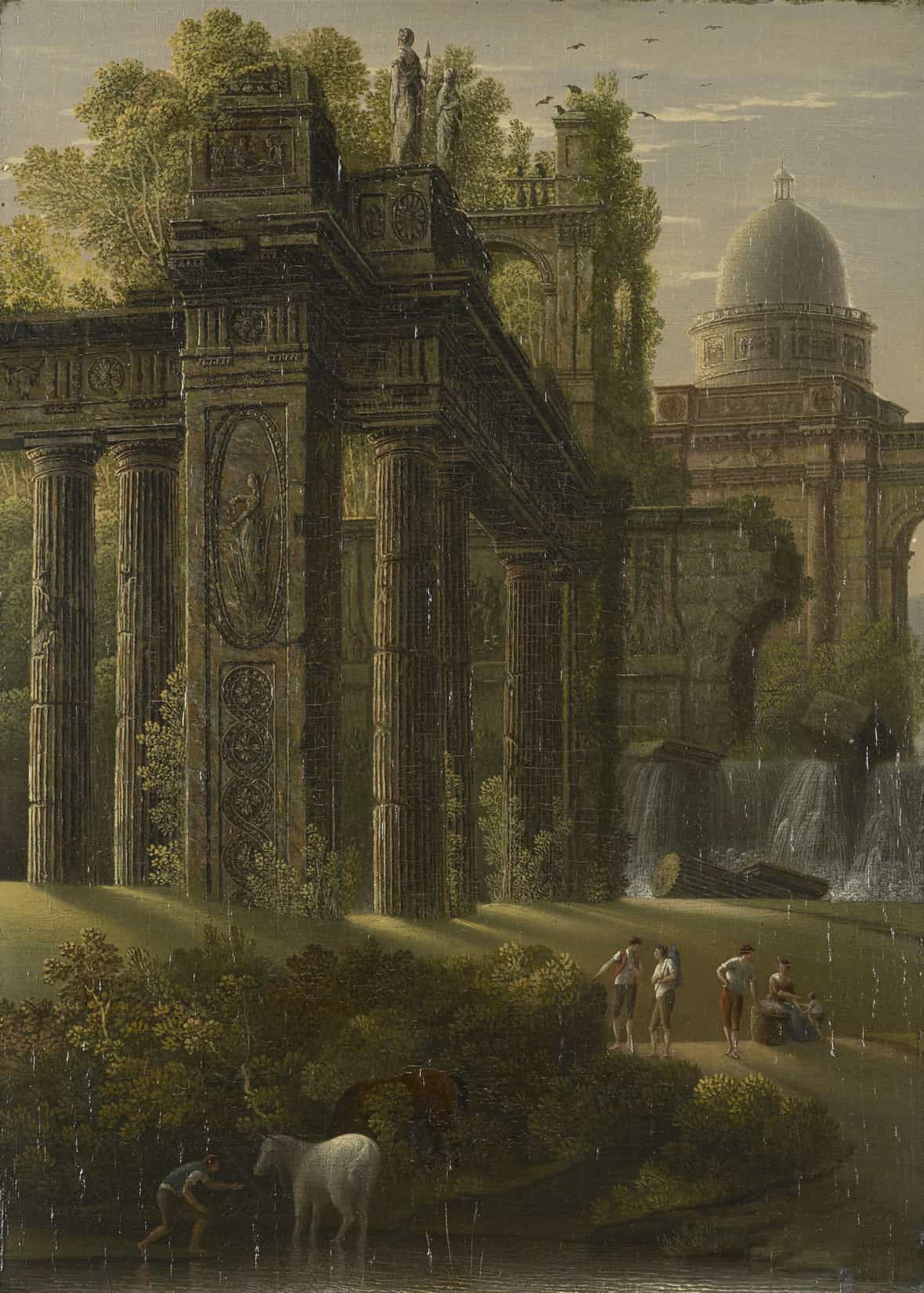
Landscape with Ruins
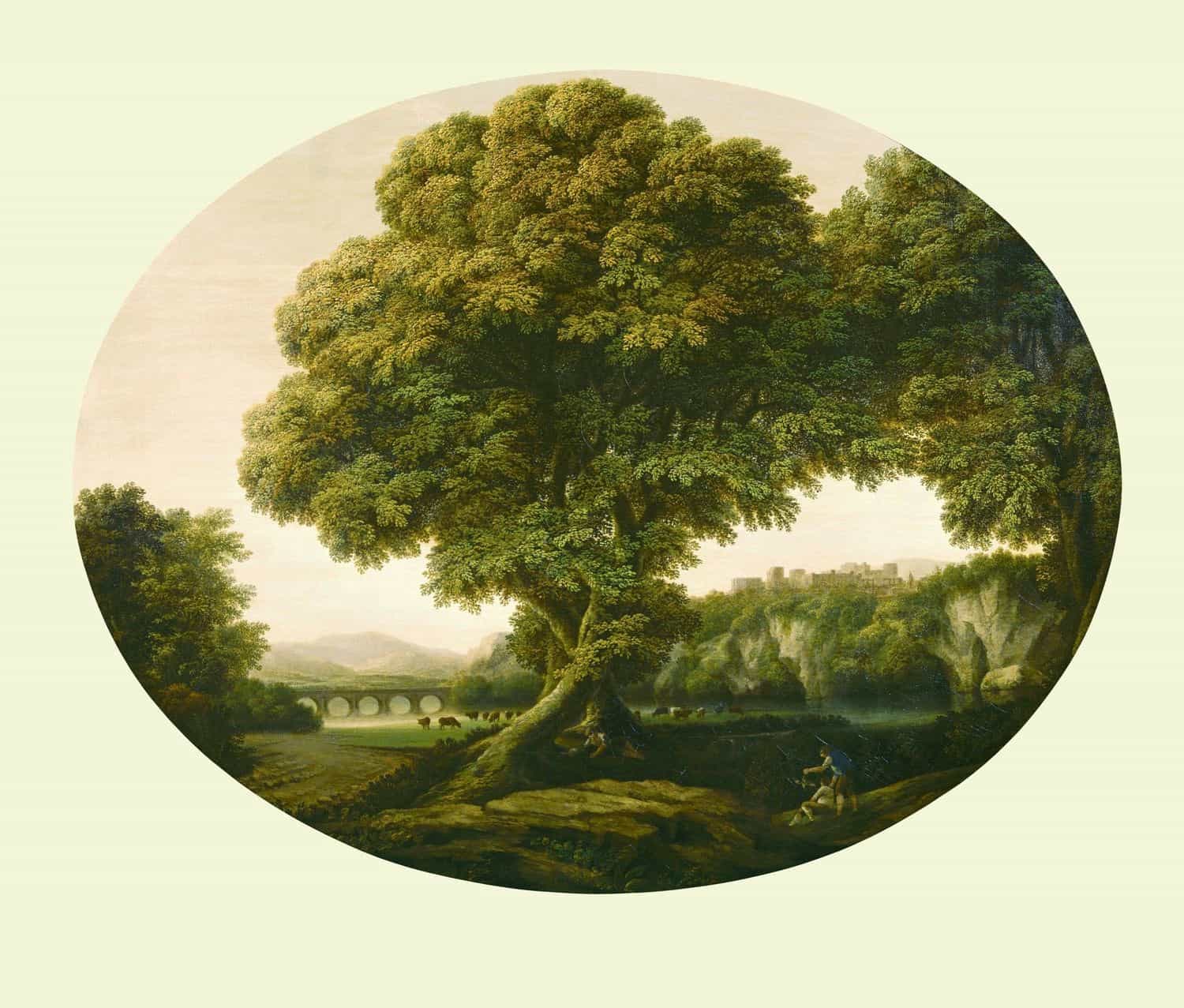
Landscape with a Large Tree
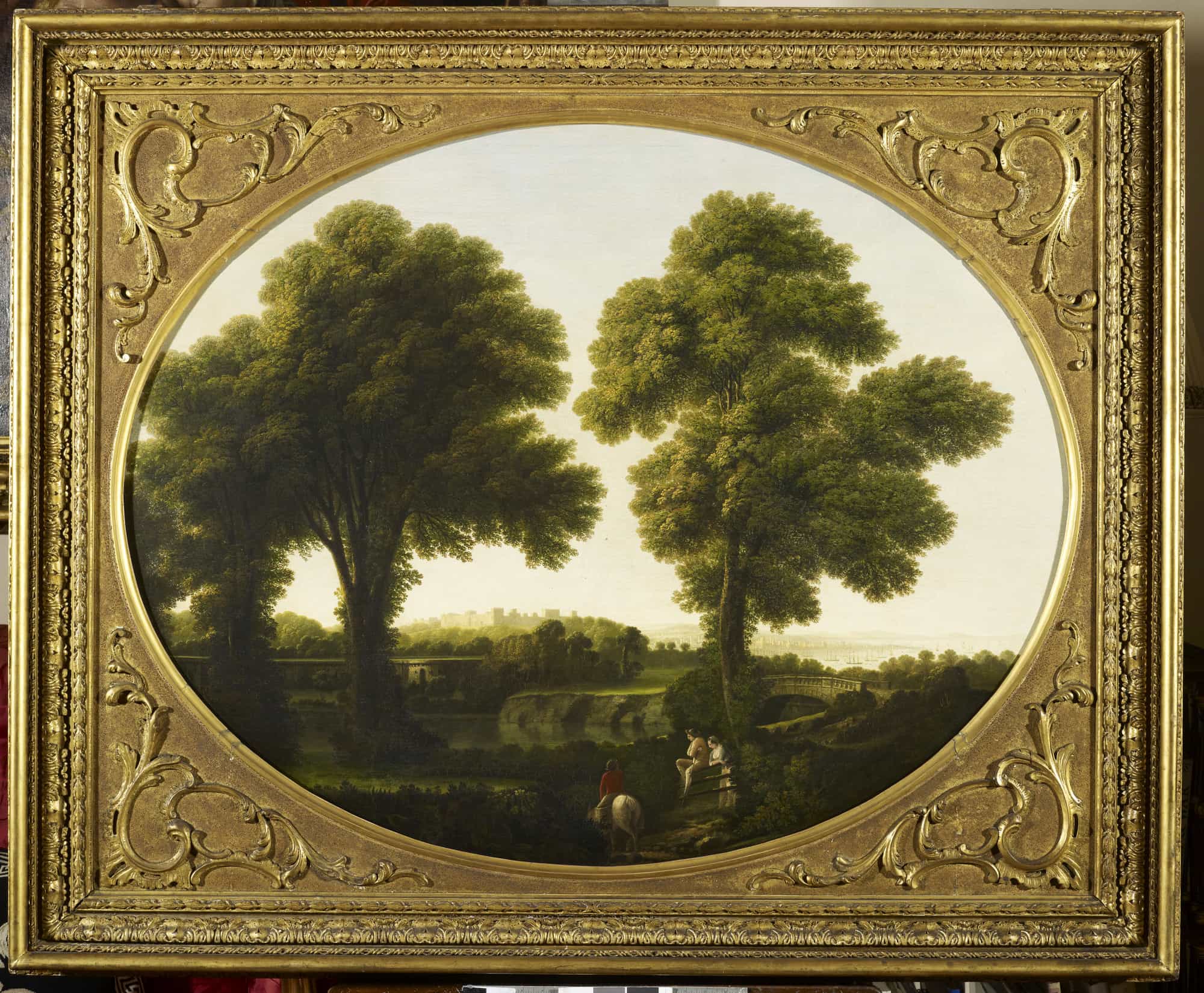
Landscape with Figures
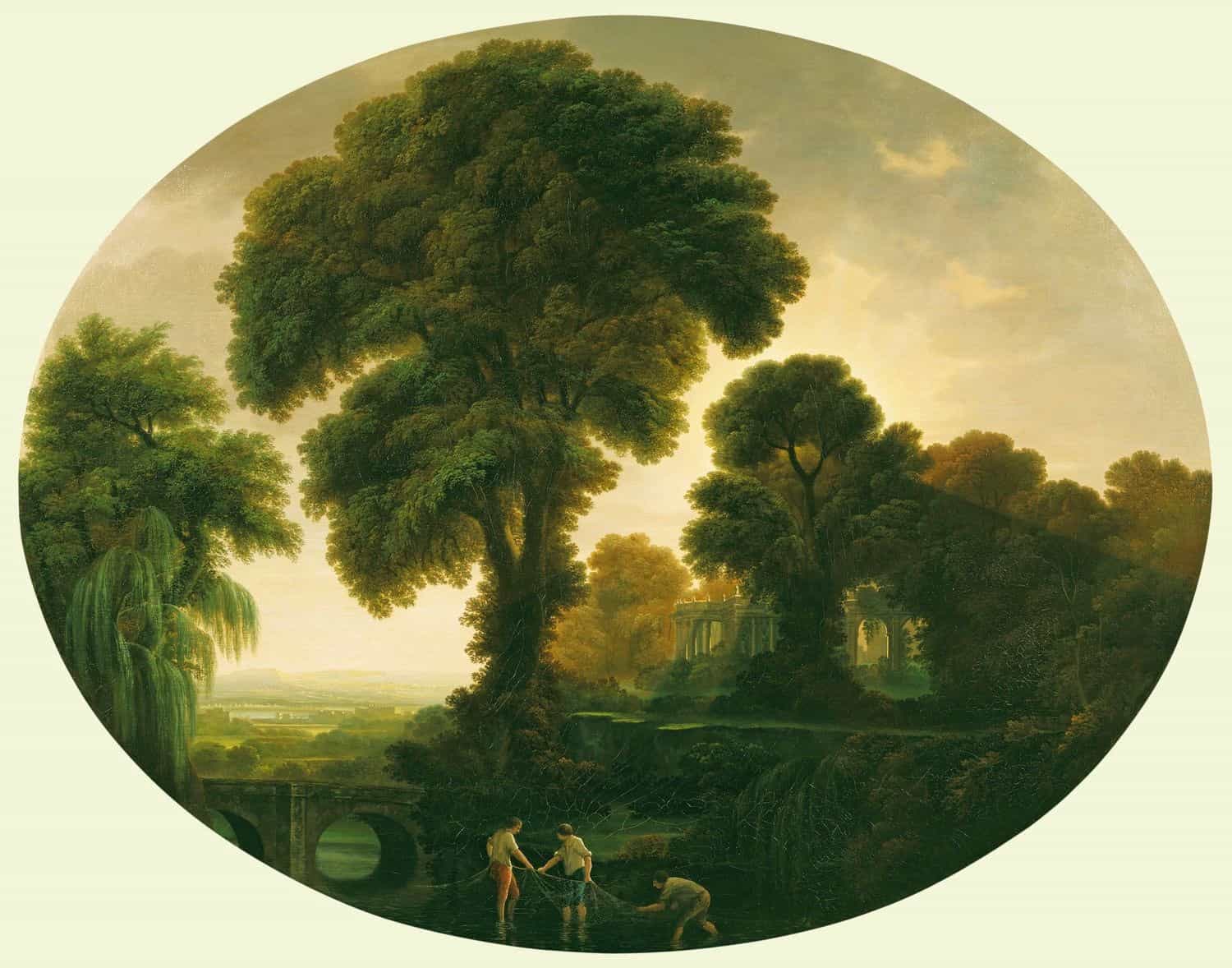
Classical Landscape with Fishermen
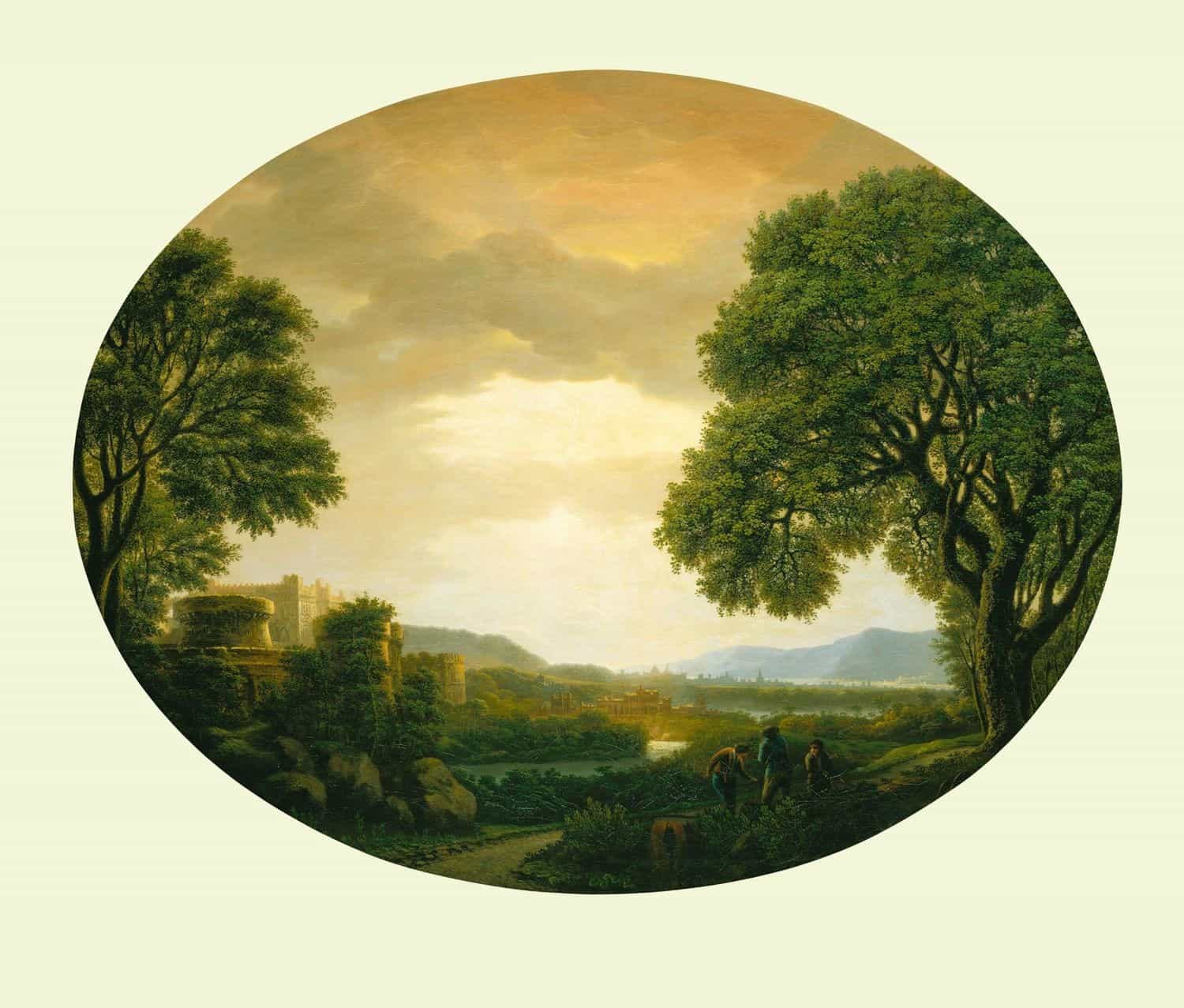
Classical Landscape with Figures