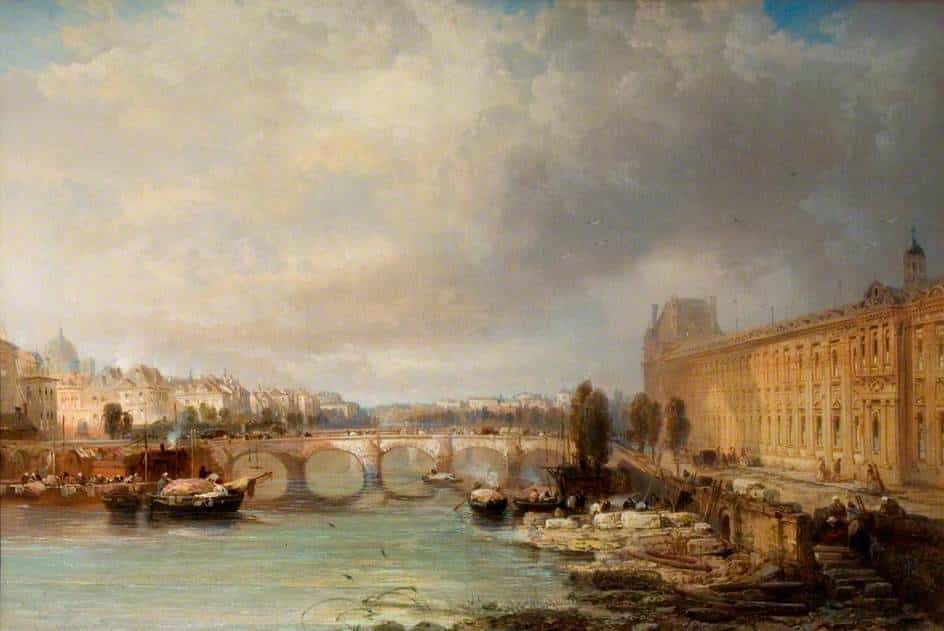
Paris
James Webb
From €38
Collection
Museum-quality reproductions on 310gsm textured cotton rag paper.
Shop all prints by James WebbArtistic Style
Style Evolution
Working within the Victorian tradition, Webb maintained a consistent decorative realism: early practice emphasized careful drawing and tonal control, maturing into a focus on atmospheric effects and refined domestic appeal in later years.
Palette
Subjects
Techniques
Topics
James Webb (1835-1895) was a British Victorian painter whose atmospheric landscapes and refined decorative sensibility captured 19th-century English light.
Learn about the life of James Webb
Biography
James Webb (1835-1895) was a British Victorian painter whose atmospheric landscapes and refined decorative sensibility captured 19th-century English light.
James Webb (1835-1895) was born in Chelsea, London. Details of his formal education and training are not well documented in the available record, but Webb worked within the broad context of mid- to late-19th-century British painting. Chelsea—an established artistic quarter of London—offered a milieu in which many painters, illustrators and designers developed careers linked to the decorative and domestic market of the Victorian era.
Webb produced work during the Victorian period, responding to prevailing tastes for well-crafted, atmospheric imagery suited to domestic interiors and the expanding art market of the 19th century. Specific records of places lived beyond his Chelsea birth and his death in London are limited in the dataset provided.
Through the middle decades of the 19th century Webb worked as part of the British painting tradition that prioritized careful draftsmanship and tonal subtlety, producing compositions that appealed to collectors seeking refined, decorative finishes for homes and public spaces.
By the final decades of his life Webb continued to paint within established Victorian idioms, emphasizing mood, harmonious composition and the play of English light.
Detailed catalogues of Webb’s specific paintings are not supplied here. His reputation rests on atmospheric landscapes and domestic scenes typical of British Victorian taste—works valued for their decorative appeal, measured composition and sensitive handling of light.
Webb’s work is best understood within the Victorian aesthetic: careful drawing, controlled brushwork and attention to tonal atmosphere. Paintings from this period often employ layered oils and glazing to achieve luminous surfaces, subtle transitions of light and a subdued, elegant palette that complements domestic interiors.
While Webb is not widely documented in major international survey texts, his practice reflects the broader British landscape and domestic tradition of the 19th century. Collectors and historians interested in Victorian decorative painting regard artists like Webb as important contributors to the visual language of their era; their works illustrate how British painters balanced realism with tasteful decoration.
Recorded facts note Webb’s birth in Chelsea and his death in London. Further personal details, such as family life or specific teachers, are not provided in the available dataset and are therefore omitted.
Collectors appreciate Webb’s paintings for their atmospheric qualities and decorative suitability. Works by Victorian-era painters who emphasize composition, light and a calm
Frequently Asked Questions
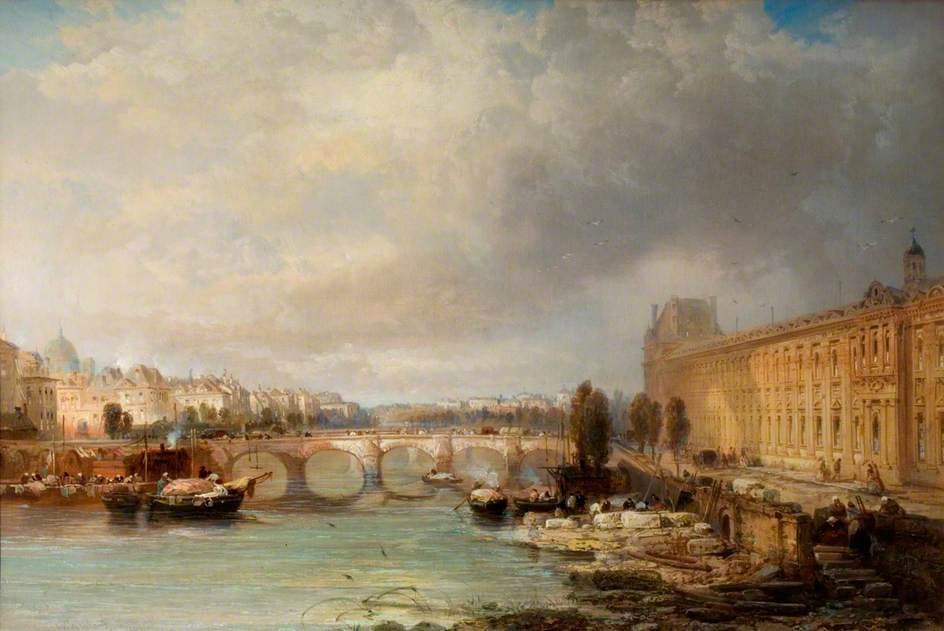
Paris
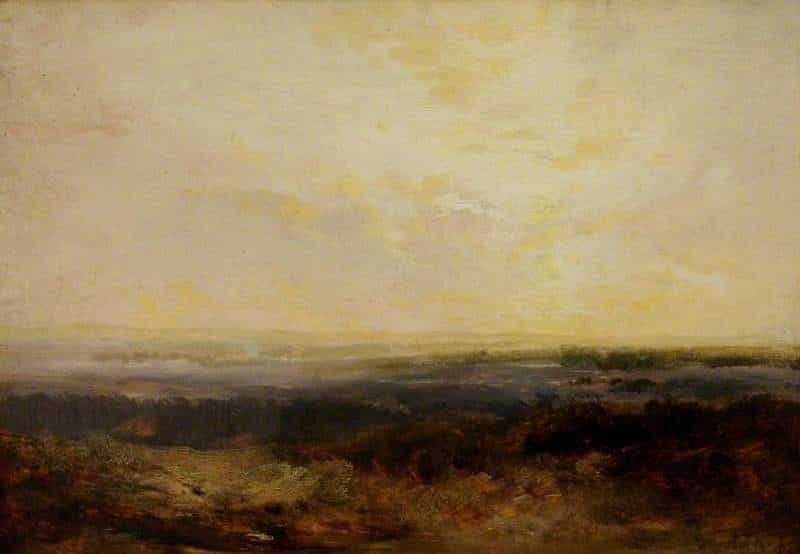
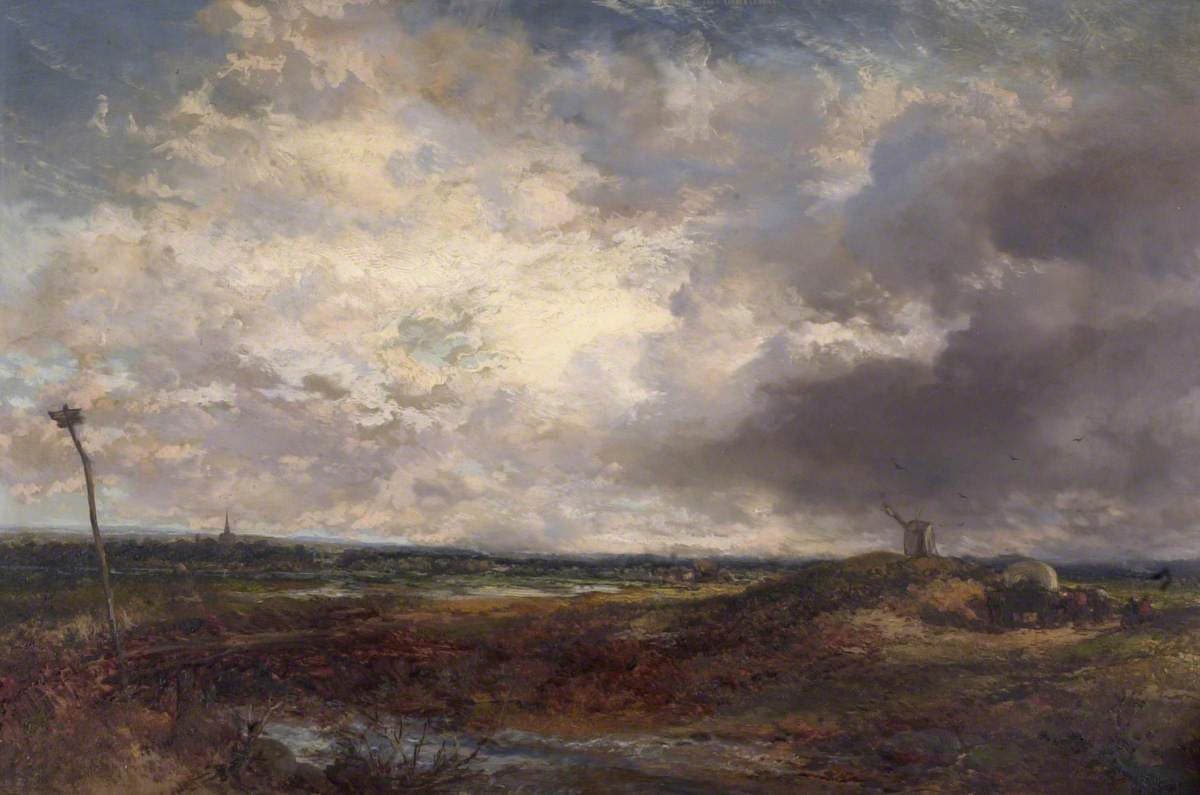
The Sussex Weald
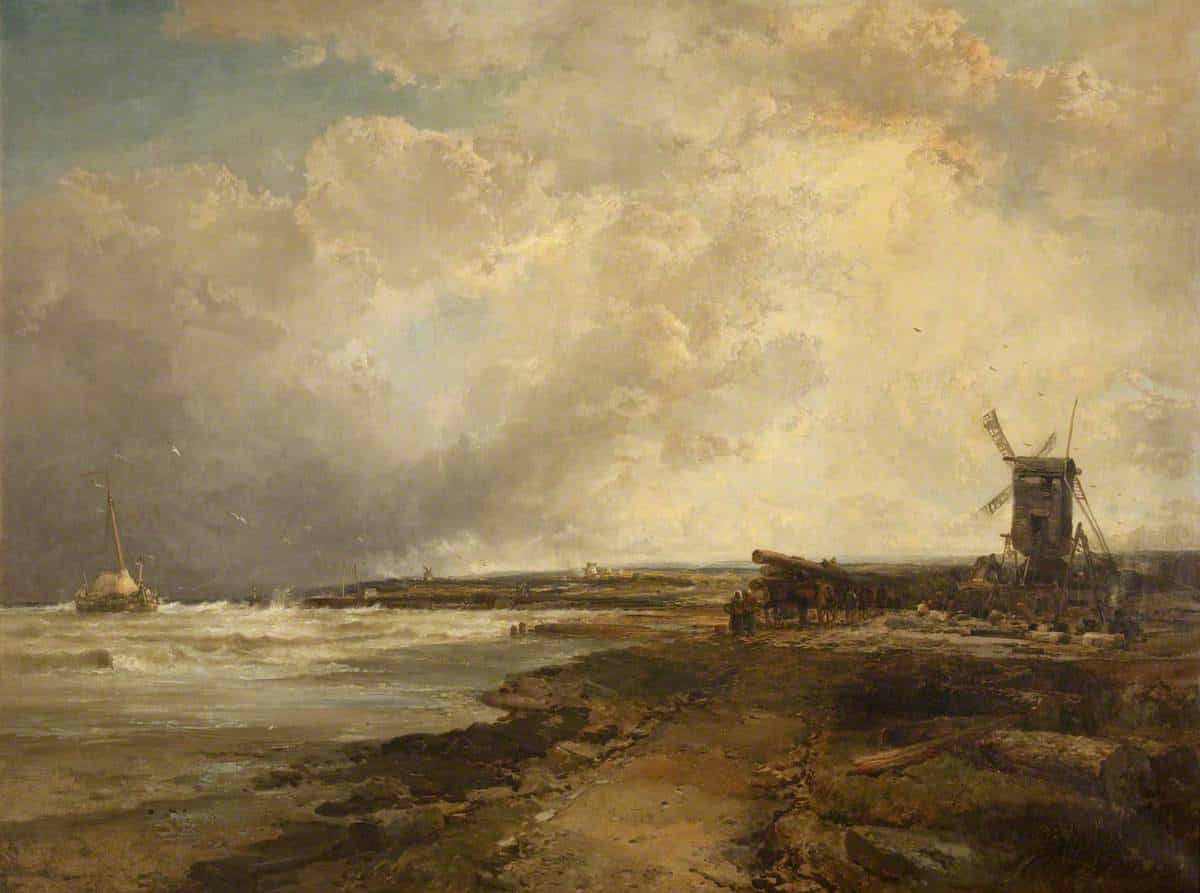
After a Thunderstorm on the Sussex Coast
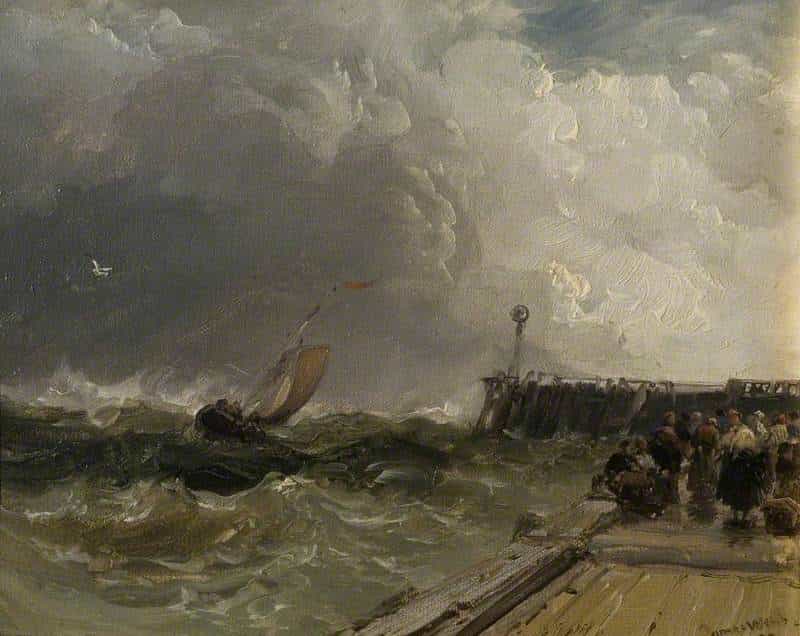
A Coastal Scene
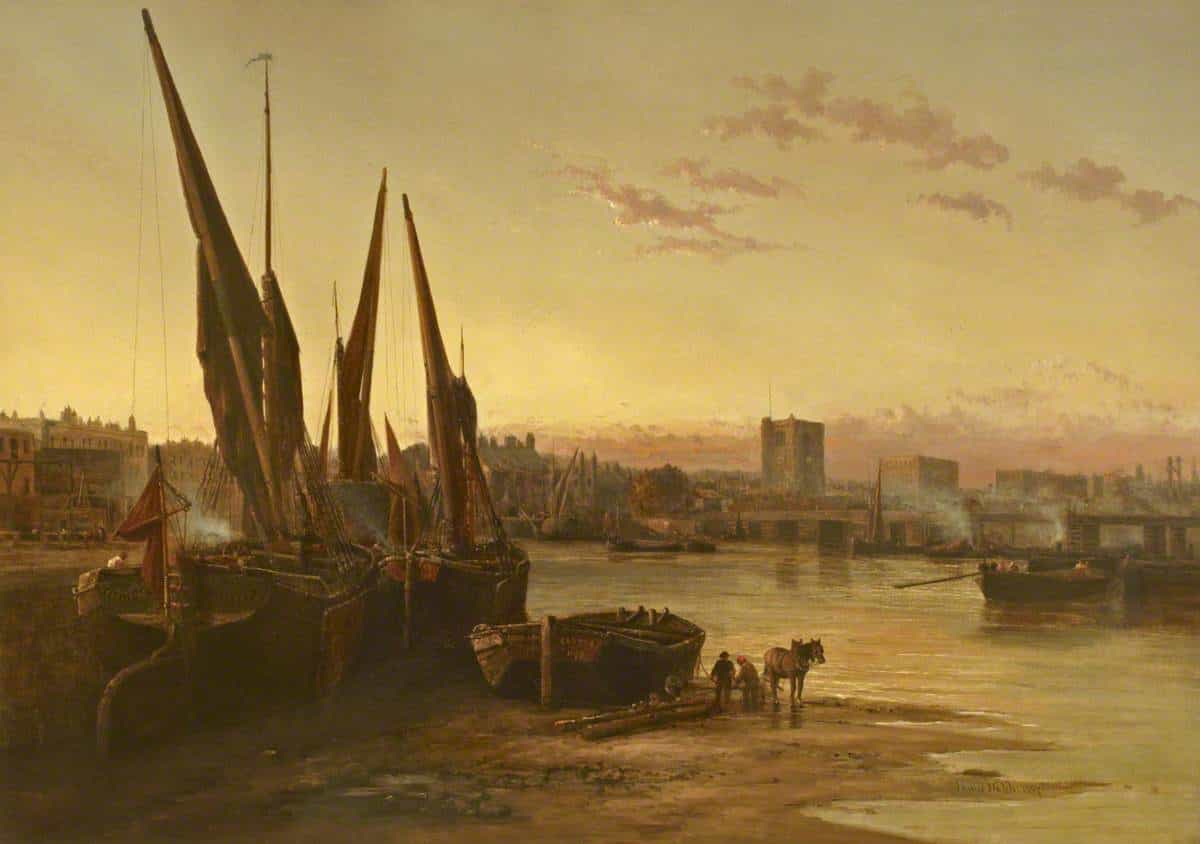
Cheyne Walk

Cartagena, Spain
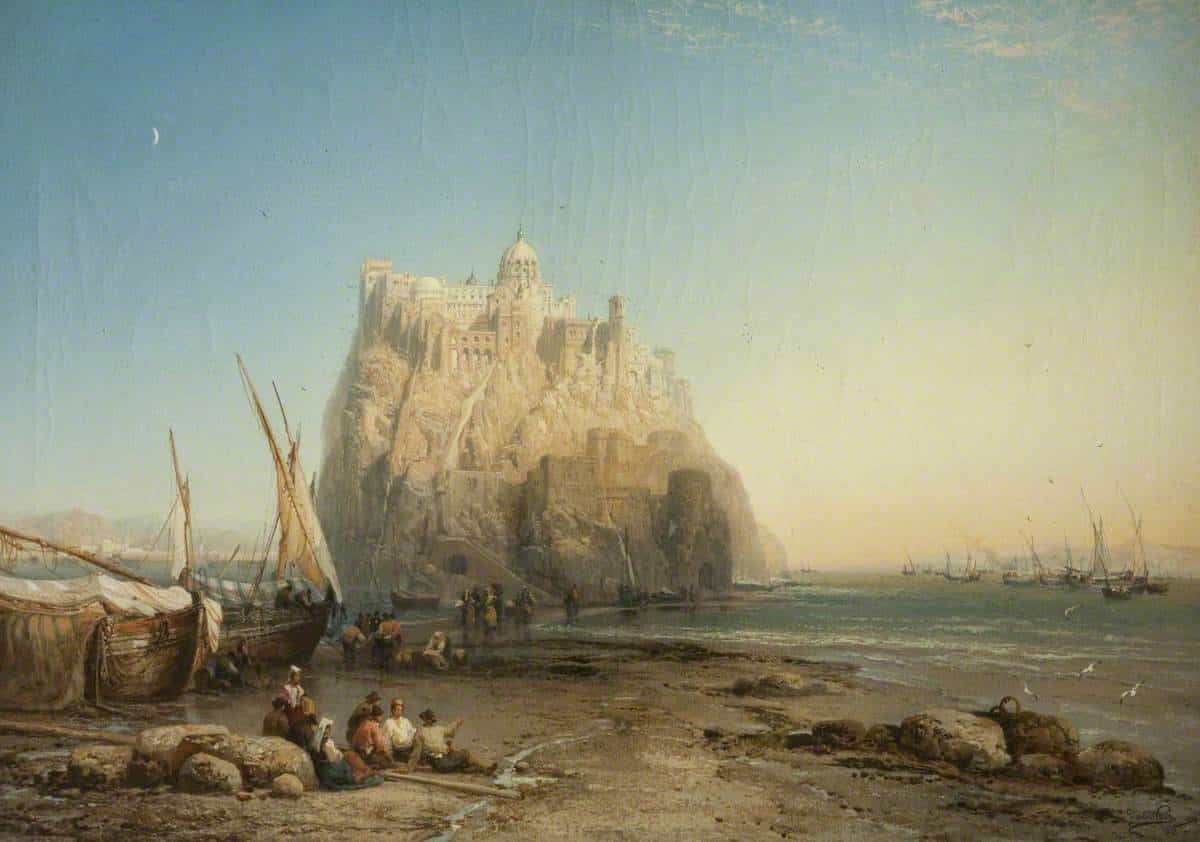
Ischia
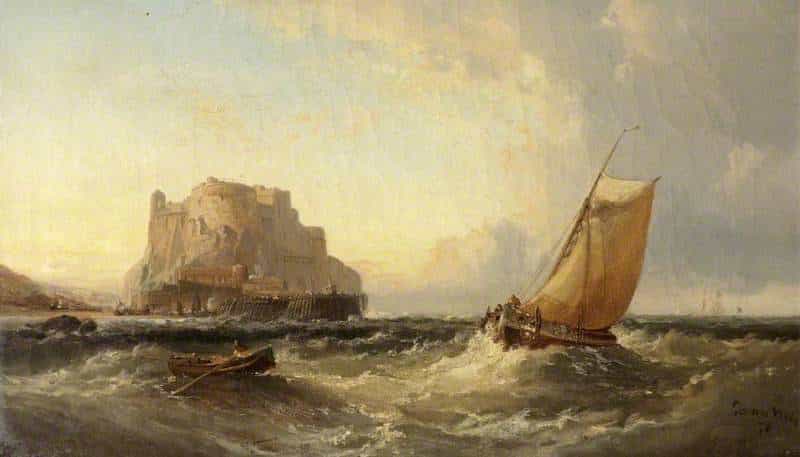
Off the Jersey Coast, Mont Orgueil Castle
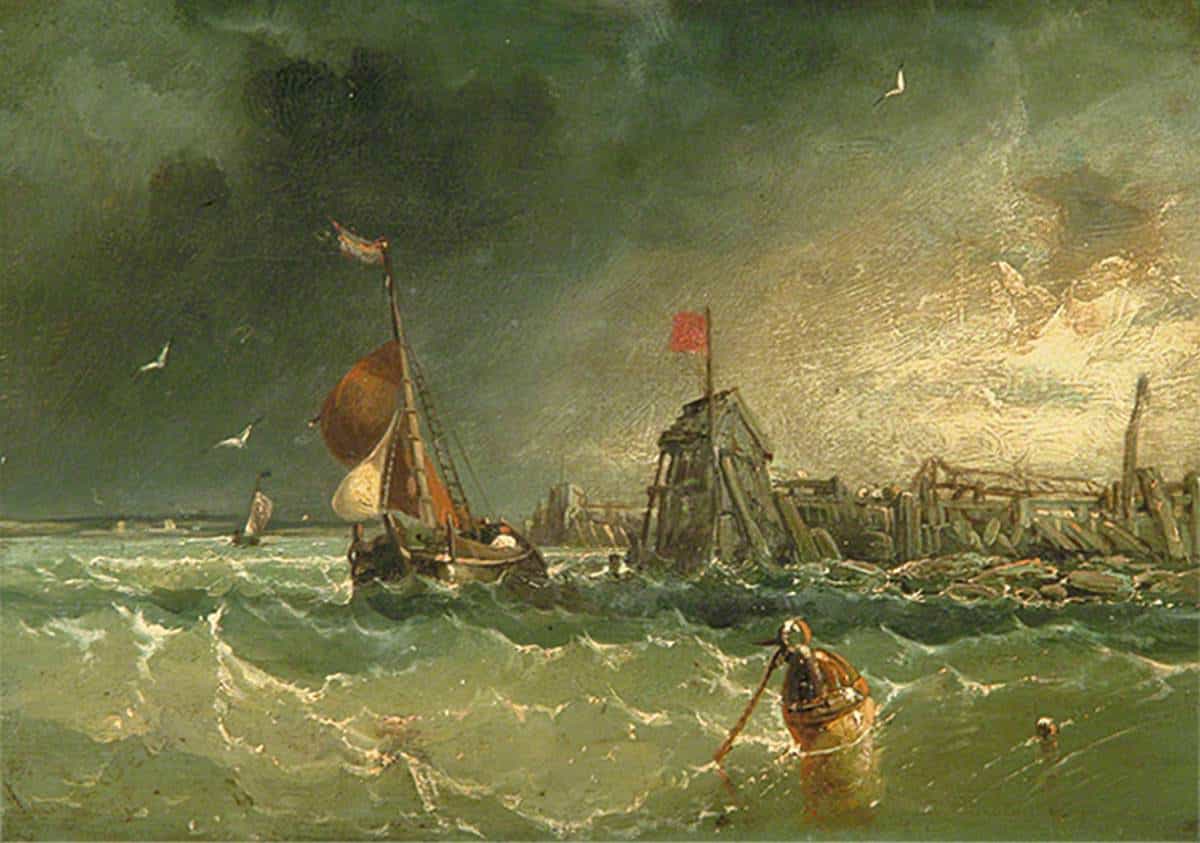
Seascape
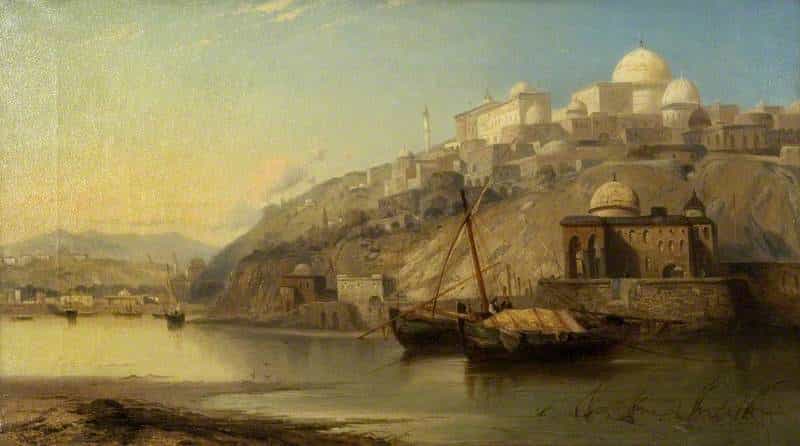
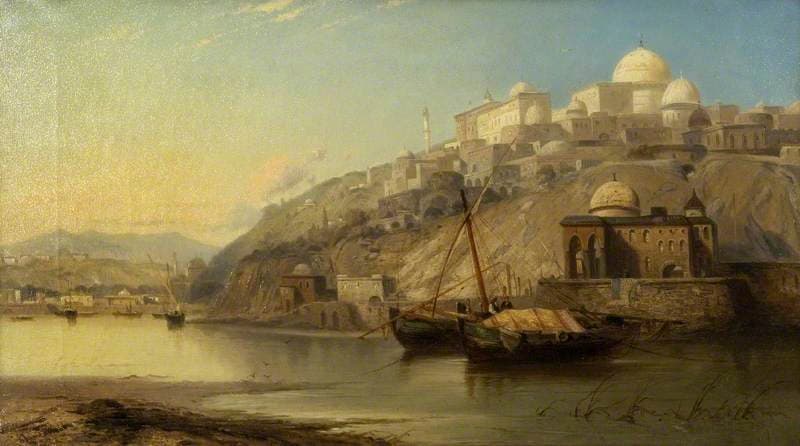
Constantinople
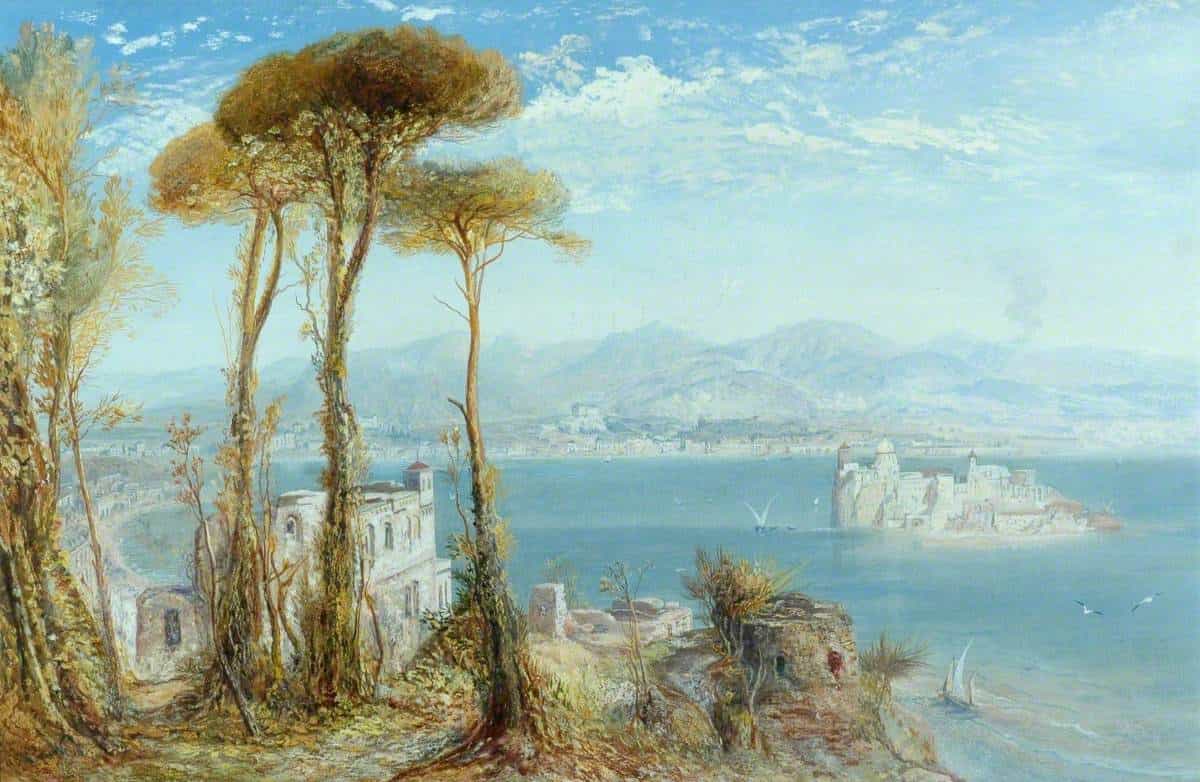
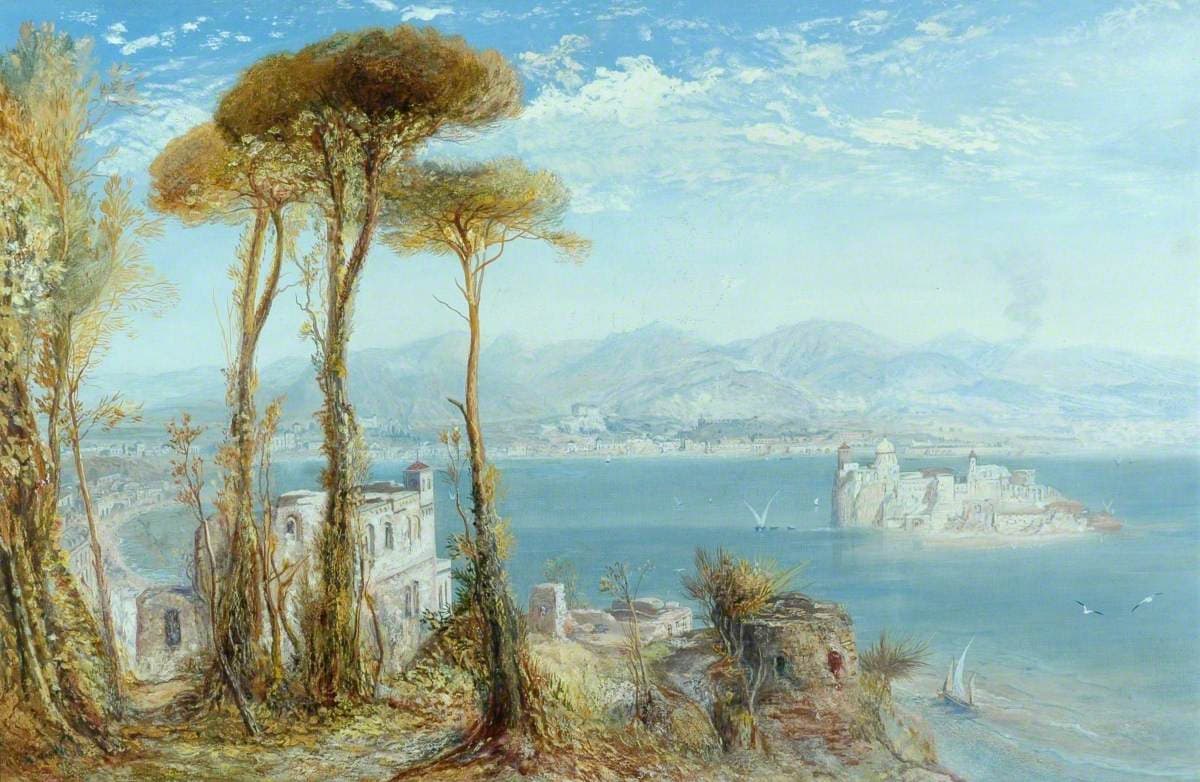
The Bay of Naples
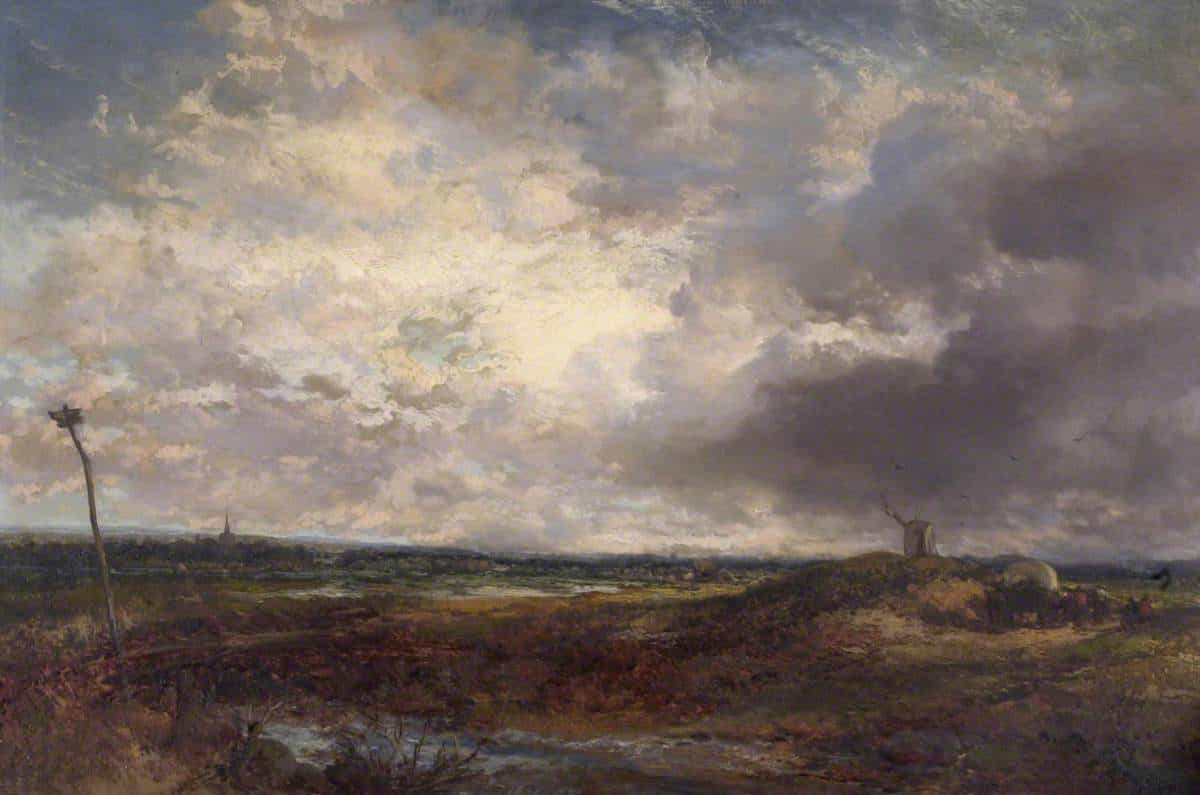
A Bit of Sussex