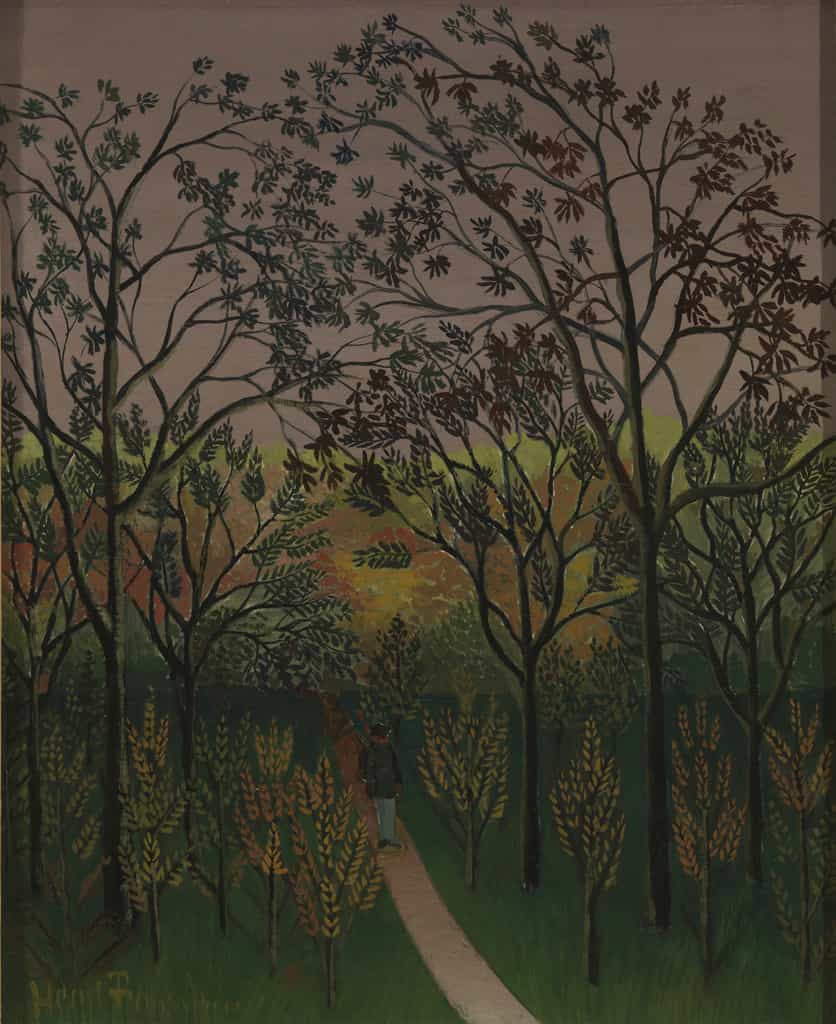
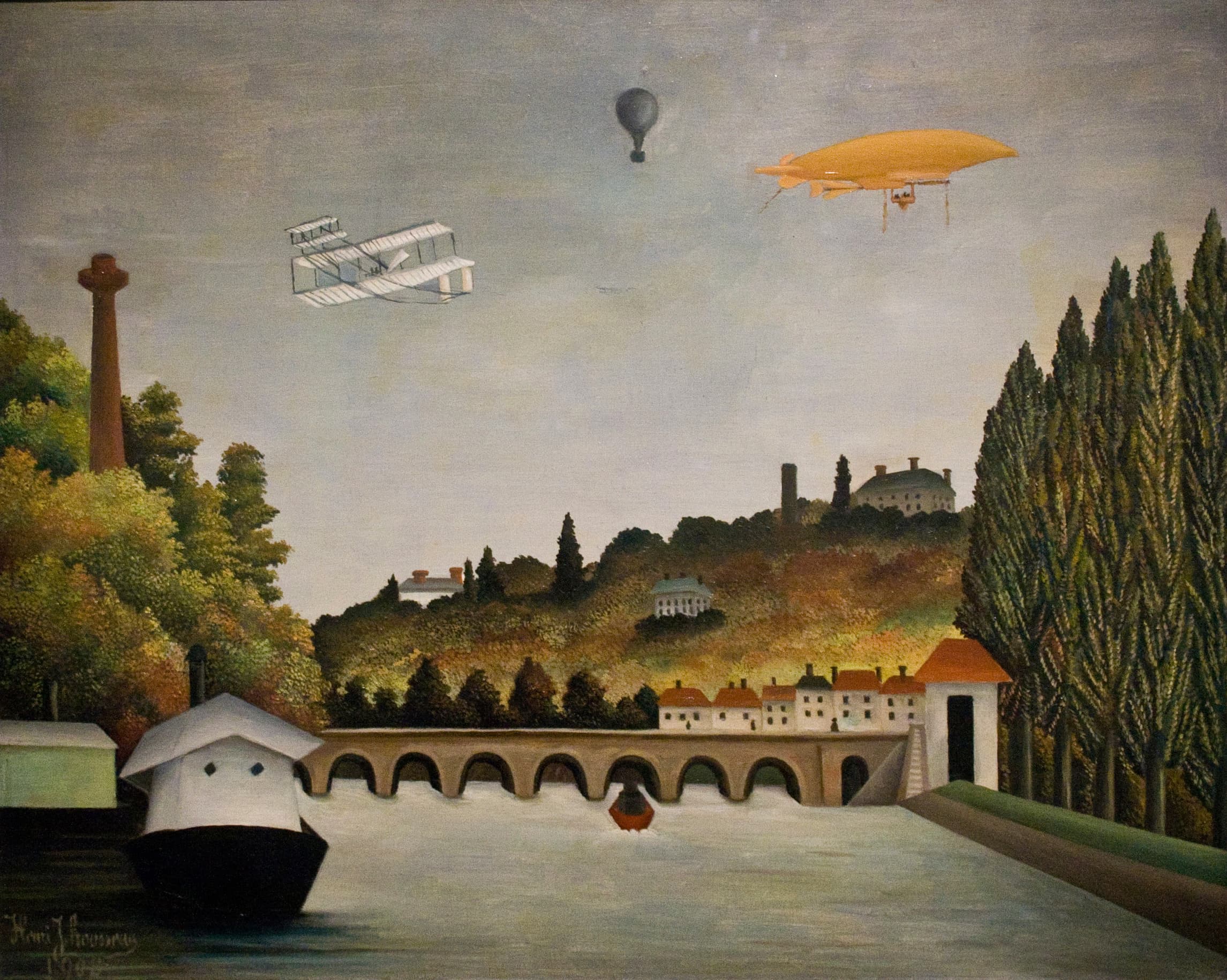
A Corner of the Park at Bellevue, Autumn, Sunset
Henri Rousseau
From €54
Collection
Museum-quality reproductions on 310gsm textured cotton rag paper.
Shop all prints by Henri RousseauArtistic Style
Style Evolution
Rousseau's work remained remarkably consistent: from early experiments in Paris to a mature period of highly decorative, dreamlike compositions. His self-taught methods and exposure to prints and botanical imagery produced a distinctive Naïve visual language that later modernists celebrated.
Palette
Subjects
Techniques
Topics
Henri Rousseau (1844–1910) was a French self-taught Naïve (Post-Impressionist) painter whose dreamlike, richly patterned jungle scenes and flattened perspective reshaped modern taste.
Learn about the life of Henri Rousseau
Signature Works
See all available prints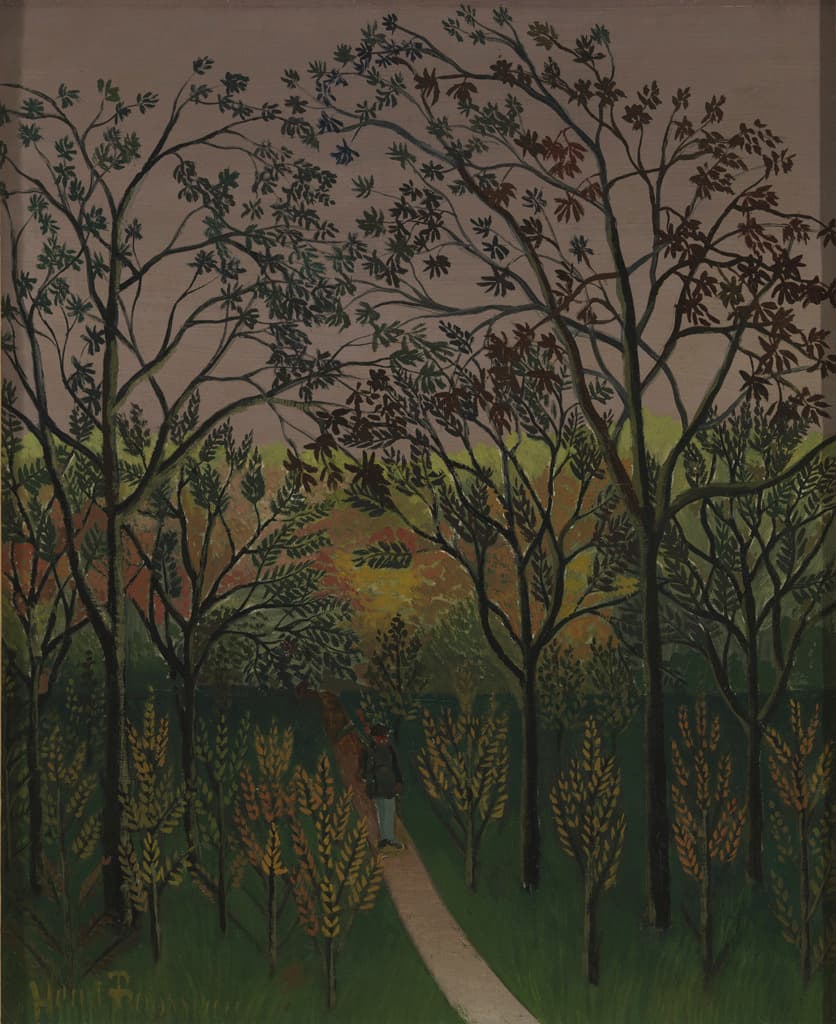
Biography
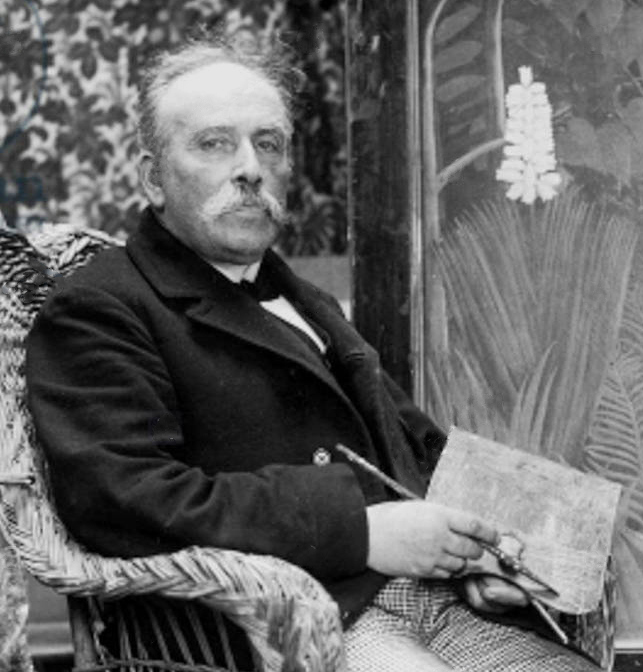
Henri Rousseau (1844–1910) was a French self-taught Naïve (Post-Impressionist) painter whose dreamlike, richly patterned jungle scenes and flattened perspective helped redefine modern taste.
Henri Rousseau was born in Laval, France, in 1844. Largely self-taught, he worked in government service for many years and pursued painting in his spare time. Known in Parisian circles by the nickname "Le Douanier" (a reference to an early customs-related job), Rousseau moved to Paris as a young man where he lived and worked for the remainder of his life. His background outside formal academic training shaped his distinctive approach: a direct, meticulous handling of paint and a deliberate departure from academic perspective.
Rousseau developed his practice without formal atelier training, relying instead on observation, prints, and visits to museums and botanical gardens. He maintained a steady output of canvases over decades, showing a personal, consistent vision that rejected academic convention.
In Paris he absorbed the visual culture of the time—illustrations, popular prints, and the work of contemporary avant-garde painters—while remaining stylistically apart from academic circles. The city provided material and audiences for his exhibitions as he increasingly showed his work at independent salons and in public venues.
As his mature style took shape, Rousseau became best known for highly composed scenes with precise, decorative foliage, clear silhouettes, simplified forms, and an evocative, sometimes uncanny atmosphere. His paintings combined careful detail with a deliberately naive spatial logic.
Rousseau's oeuvre is celebrated for its originality and decorative power. Although he worked outside academic training, he achieved recognition among younger avant-garde artists and collectors during his lifetime and especially in the years after his death. His canvases are prized for their unique visual language and ability to transform interior spaces with bold imagery.
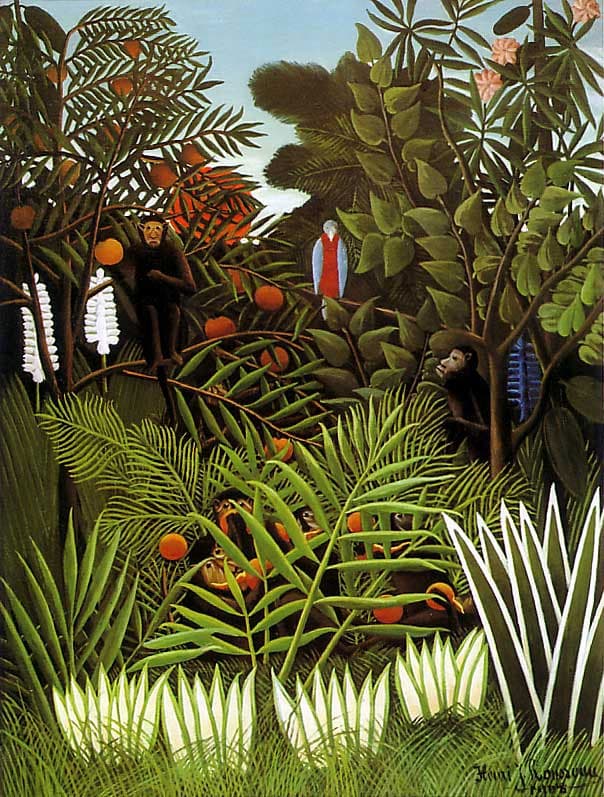
Rousseau's technique emphasizes flat planes of color, crisp outlines, and layered patterning. He often flattened perspective, used dense, ornamental foliage, and created staged, theatrical compositions. His application of paint is controlled and even, producing surfaces that read both as illustrative and painterly.
Rousseau became a touchstone for modern artists who admired his imaginative vision and formal independence. Later movements—particularly Surrealism and other 20th-century avant-garde groups—recognized his work as a precursor to more radical reworkings of pictorial space. Collectors and museums value his paintings for their originality and cultural impact.
Rousseau led a modest life in Paris, balancing a civil-service career with a persistent devotion to painting. His non
Frequently Asked Questions
A Corner of the Park at Bellevue, Autumn, Sunset
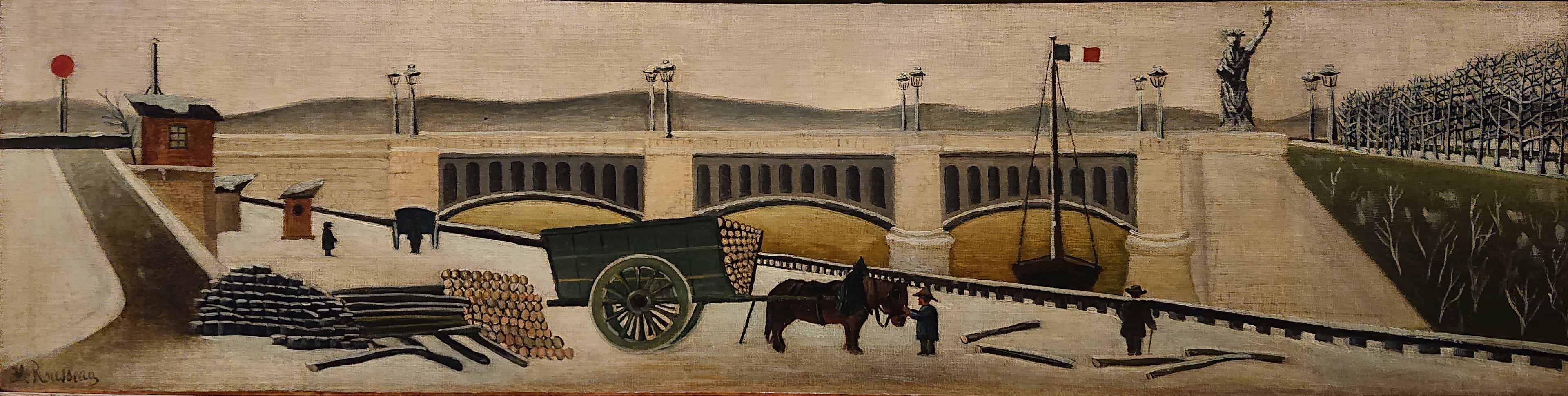
Le Pont de Grenelle
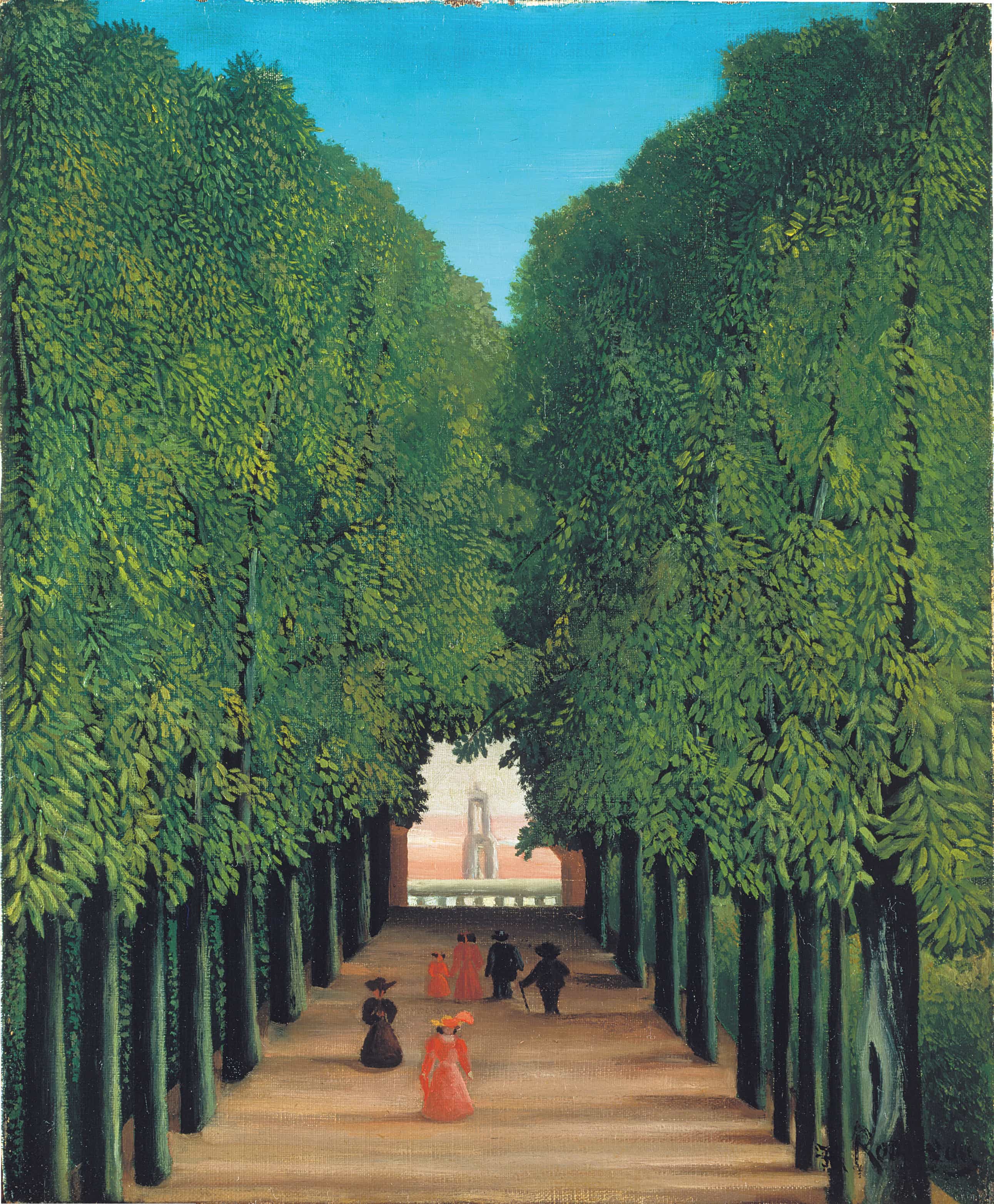
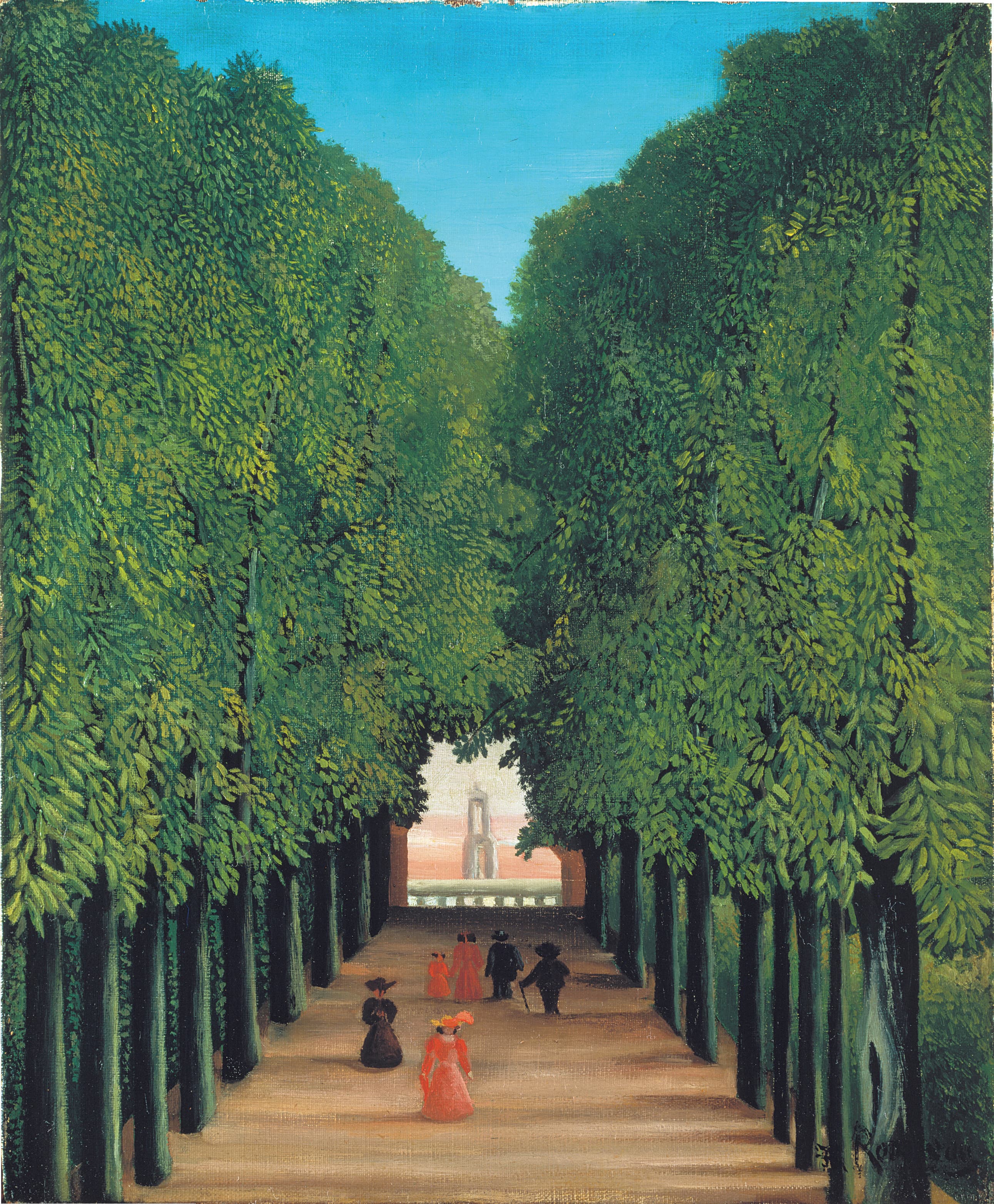
The Avenue in Saint-Cloud Park
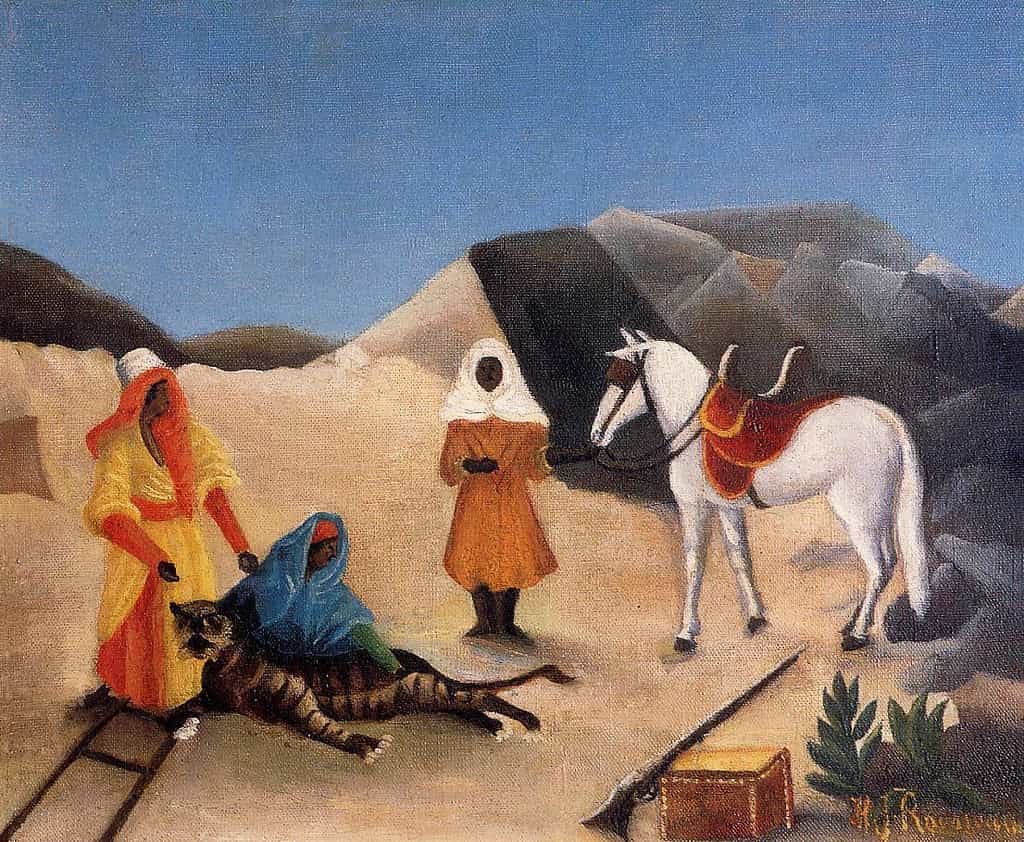
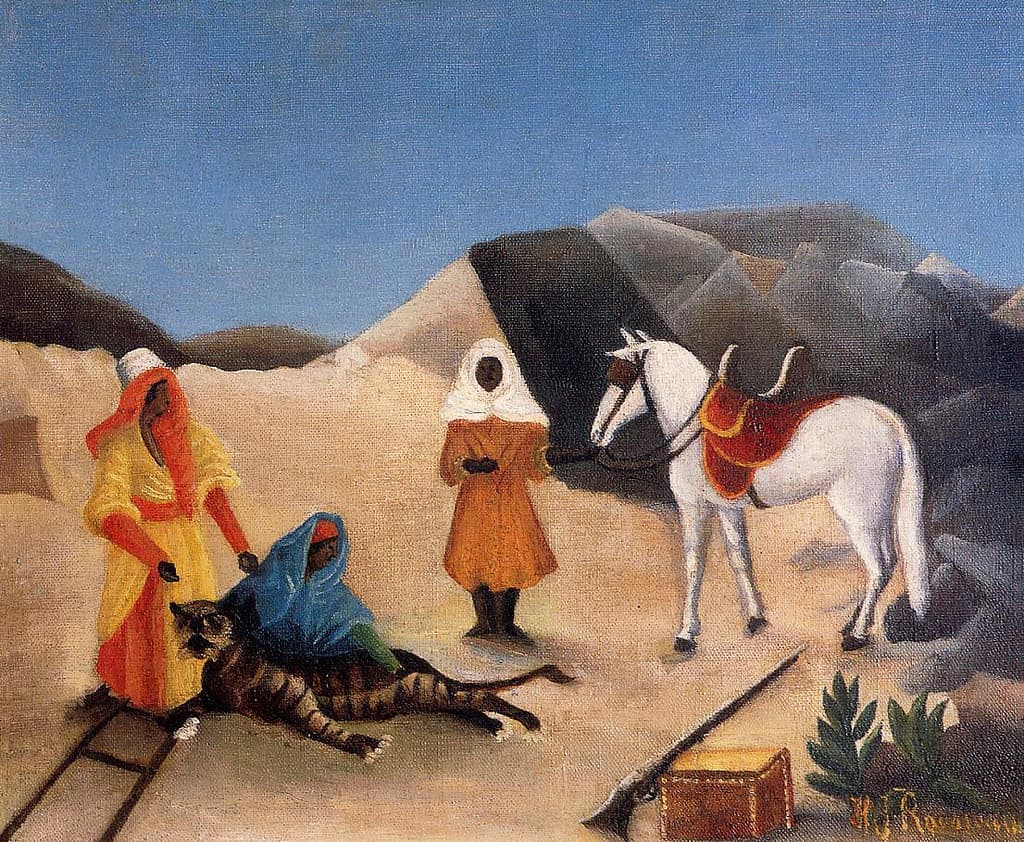
Tiger Hunt
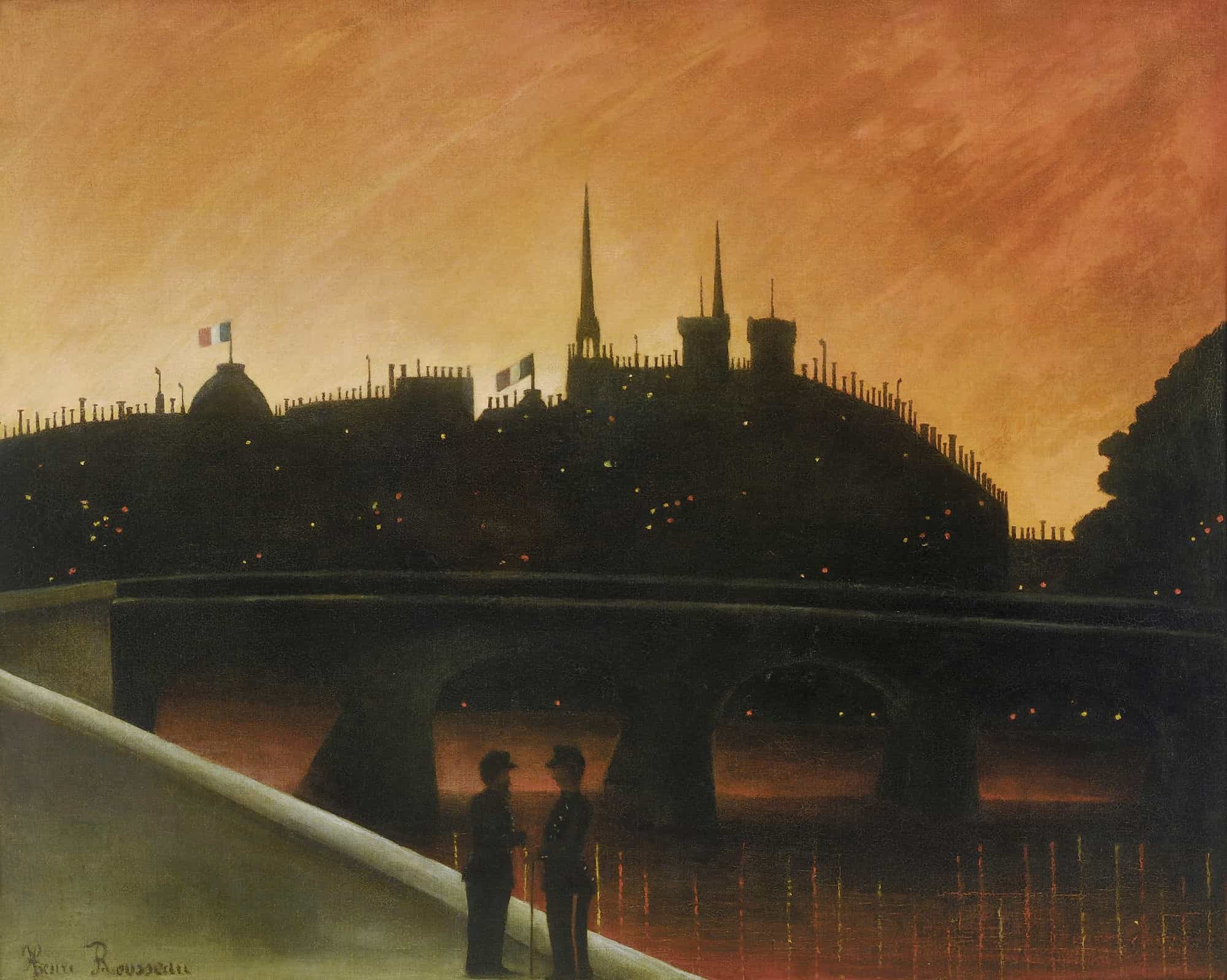
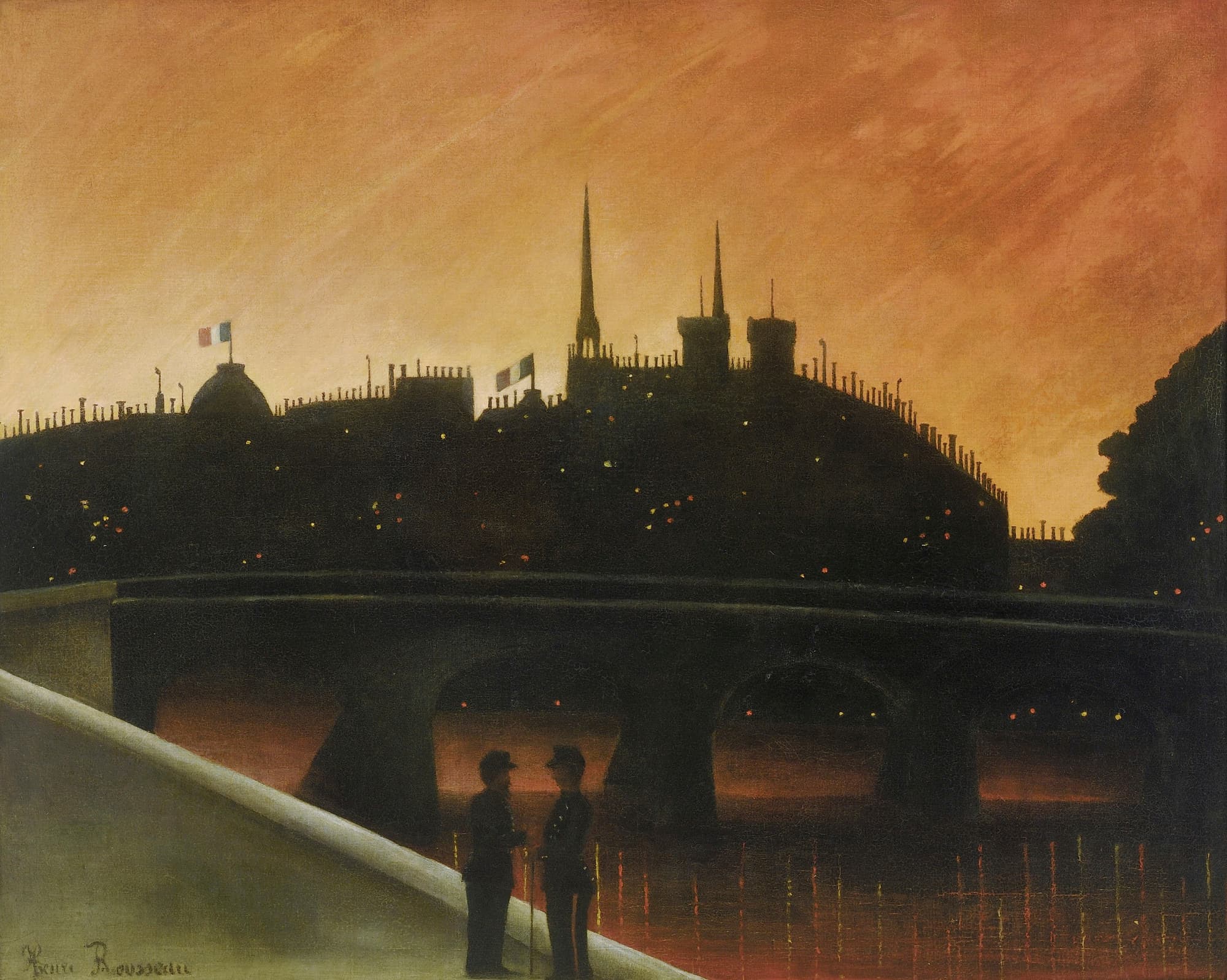
View of the Île de la Cité, Paris
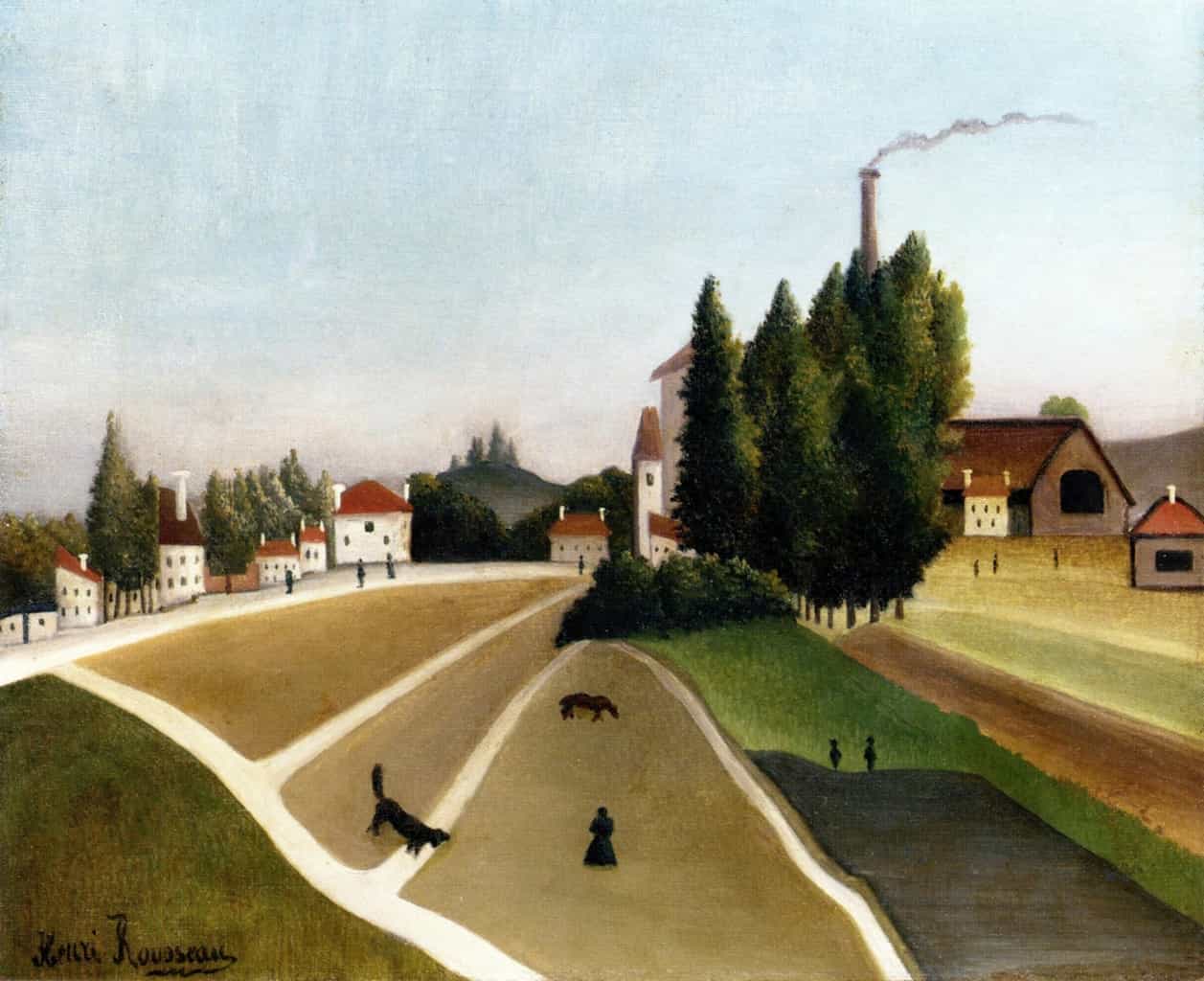
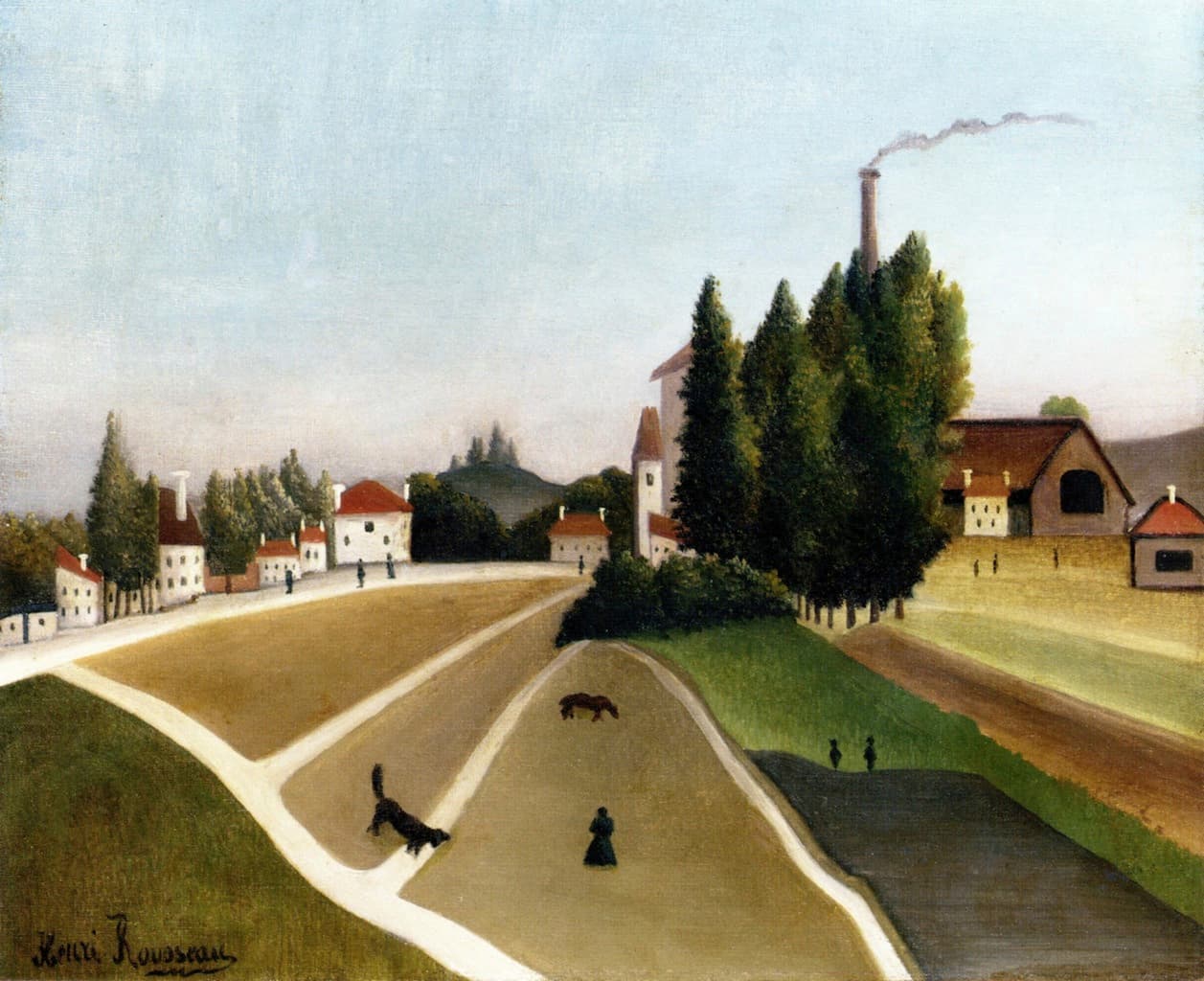
Landscape with Factory
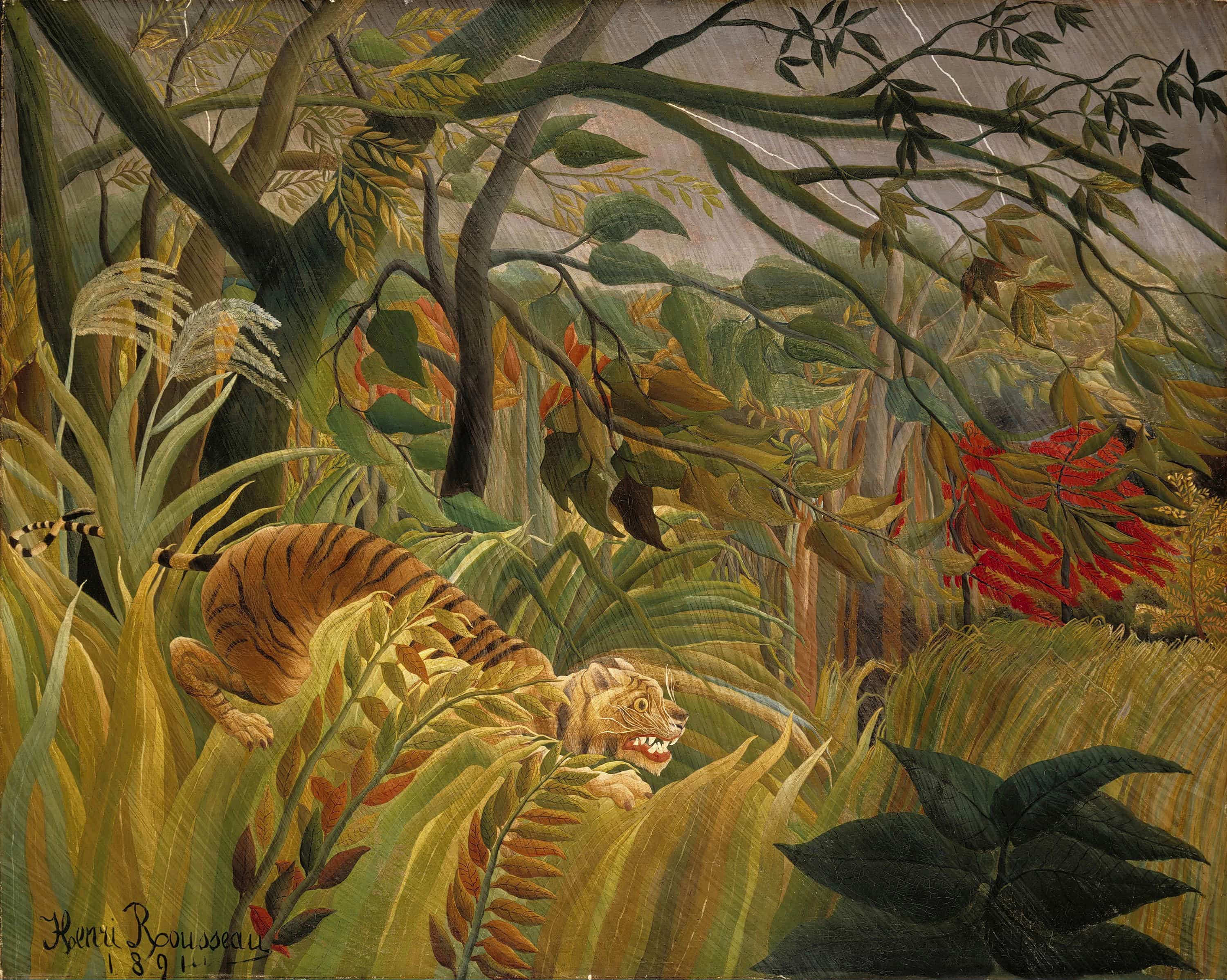
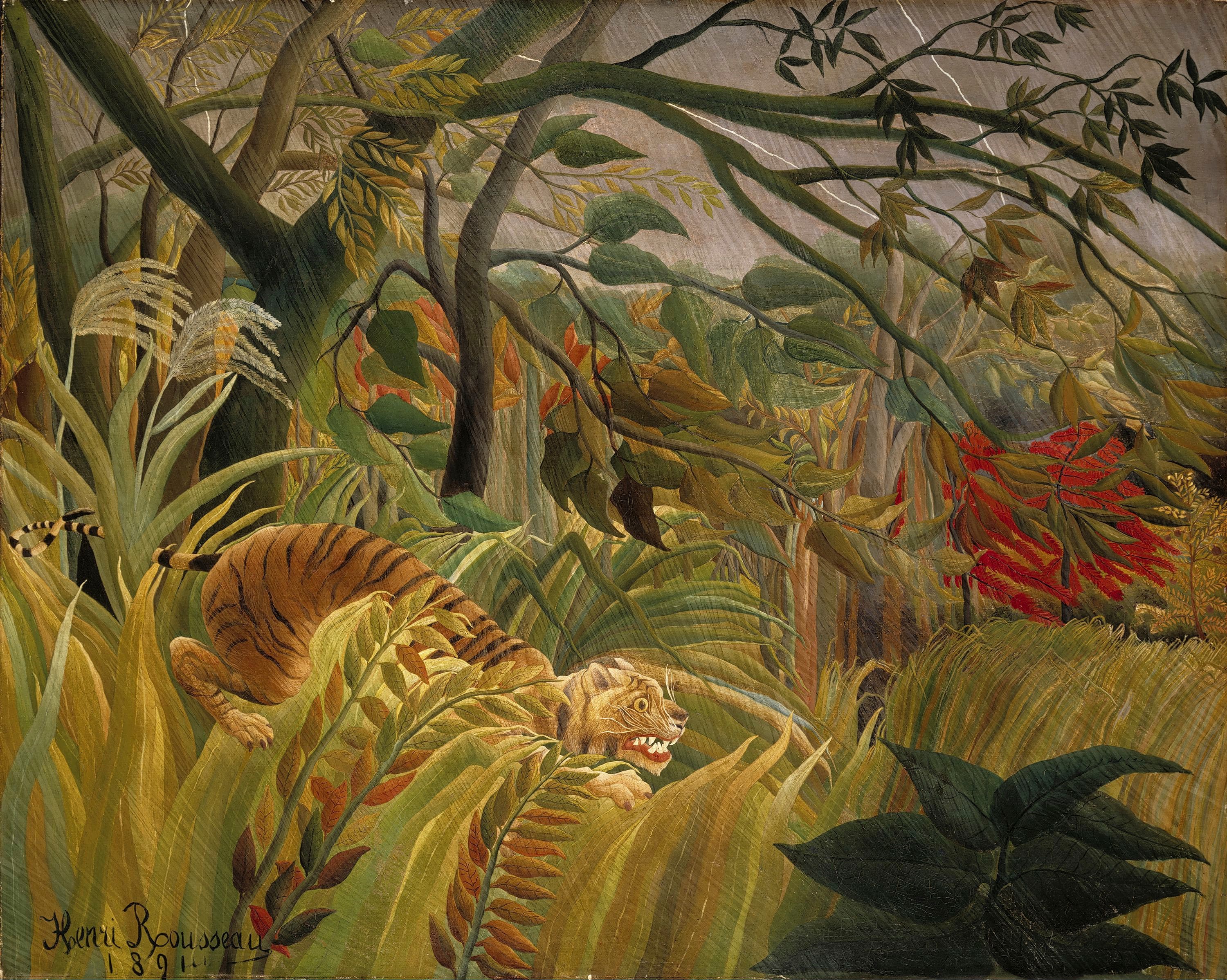
Surprised!
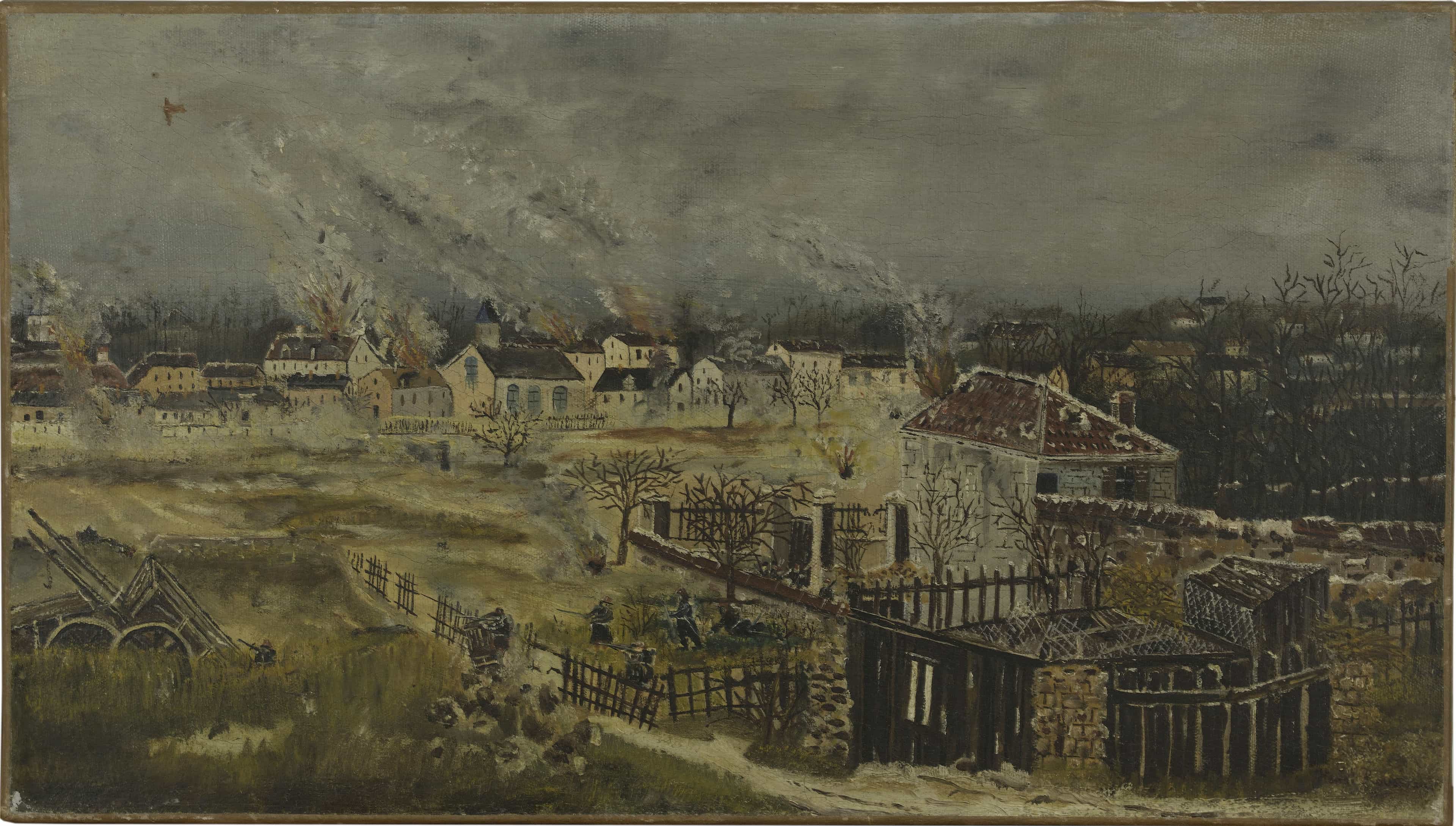
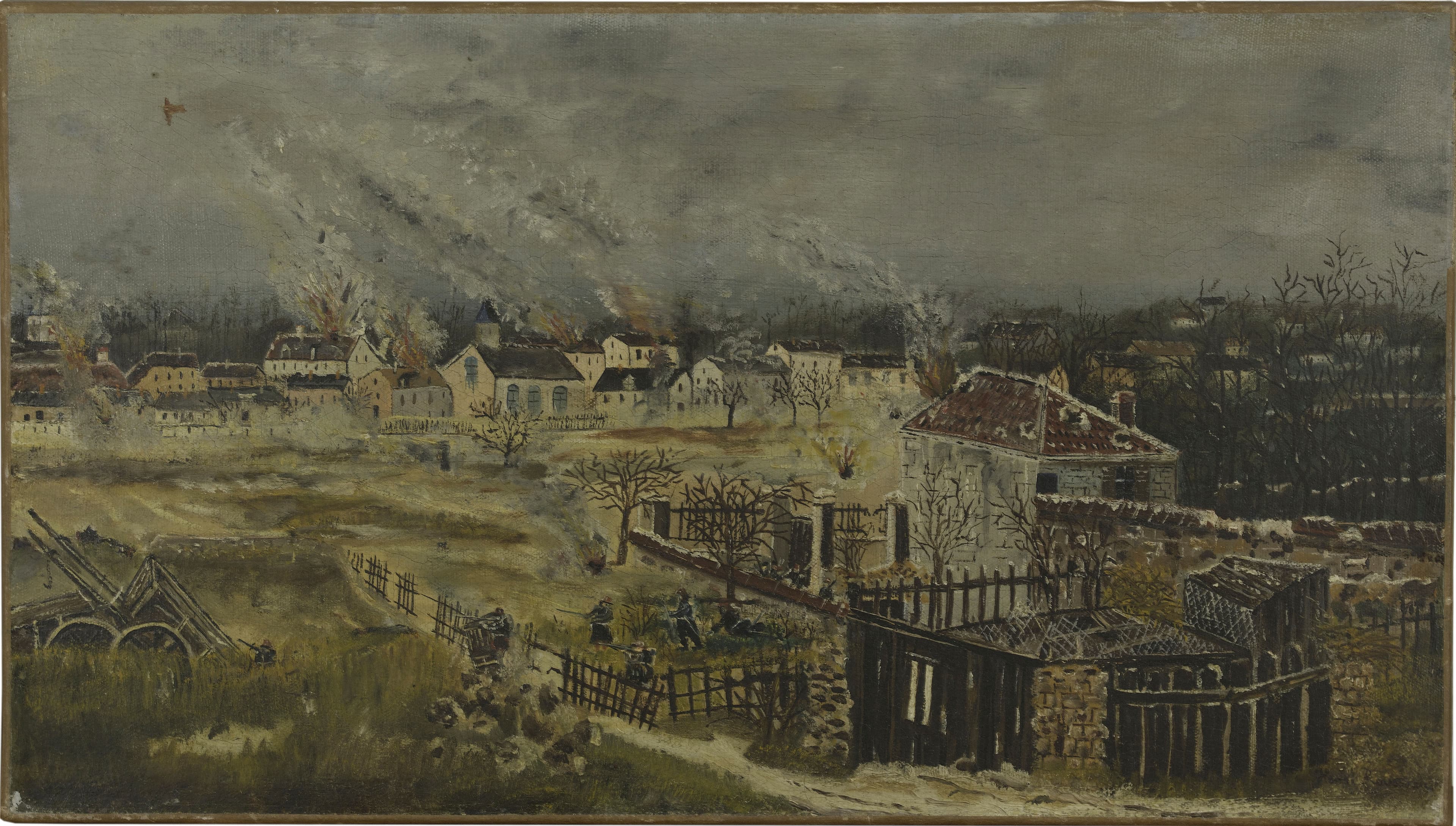
Bataille de Champigny - Episode de la guerre de 1870
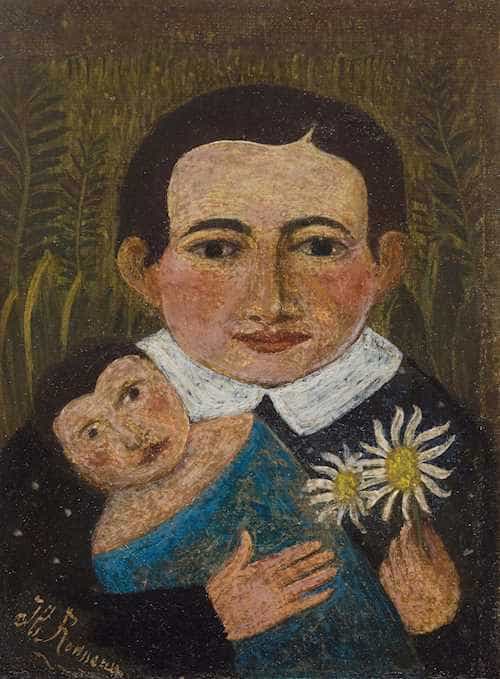
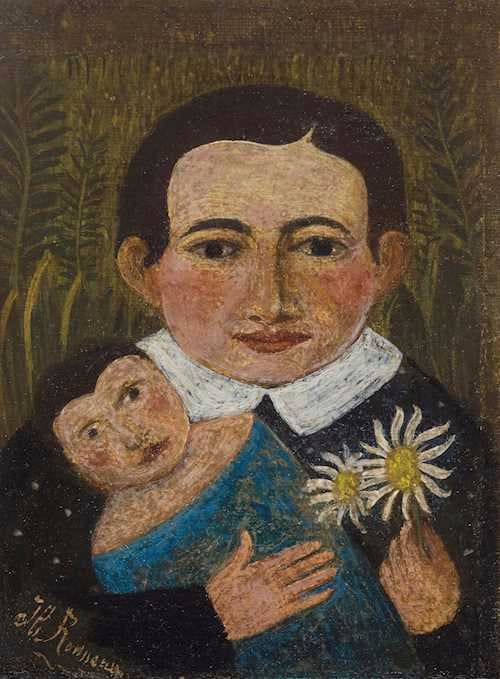
La petite Fille à la poupée et aux deux marguerites
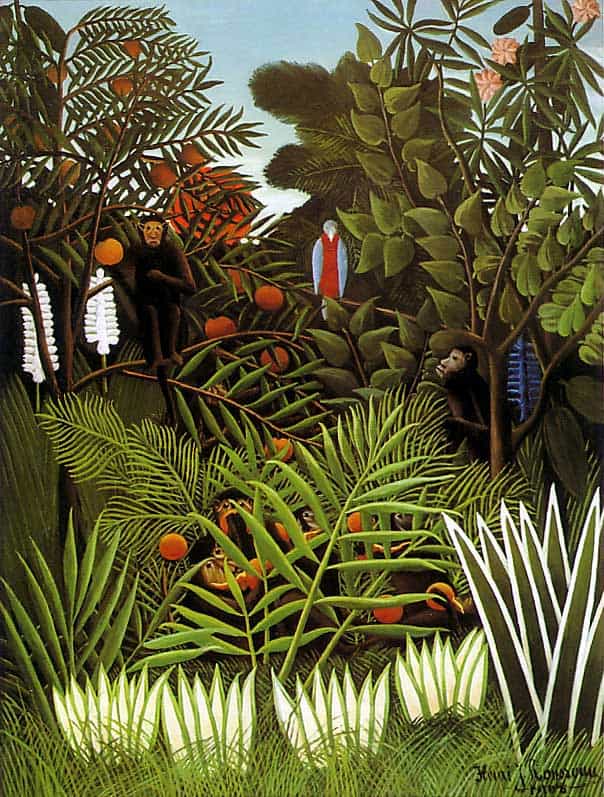
Exotic Landscape
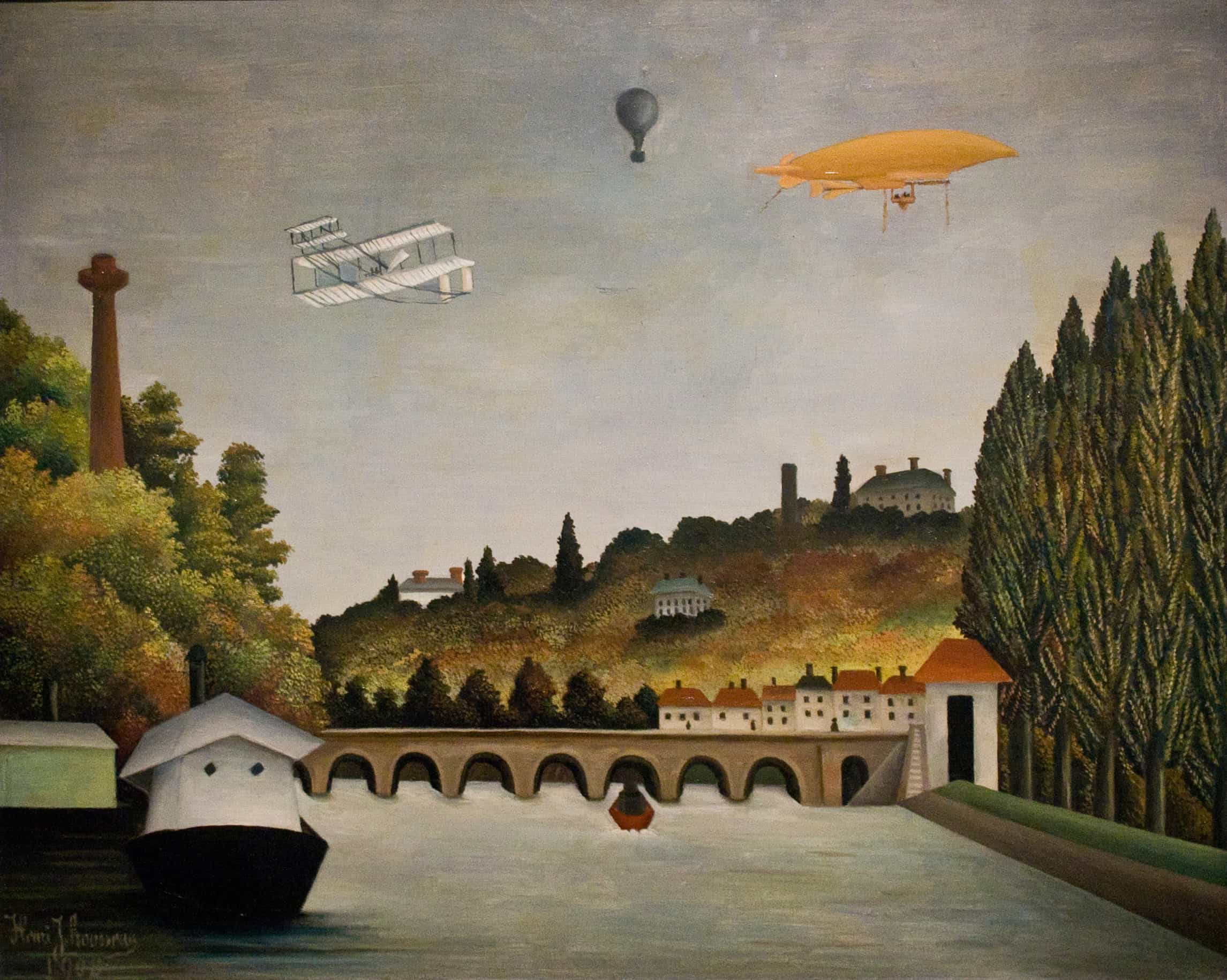
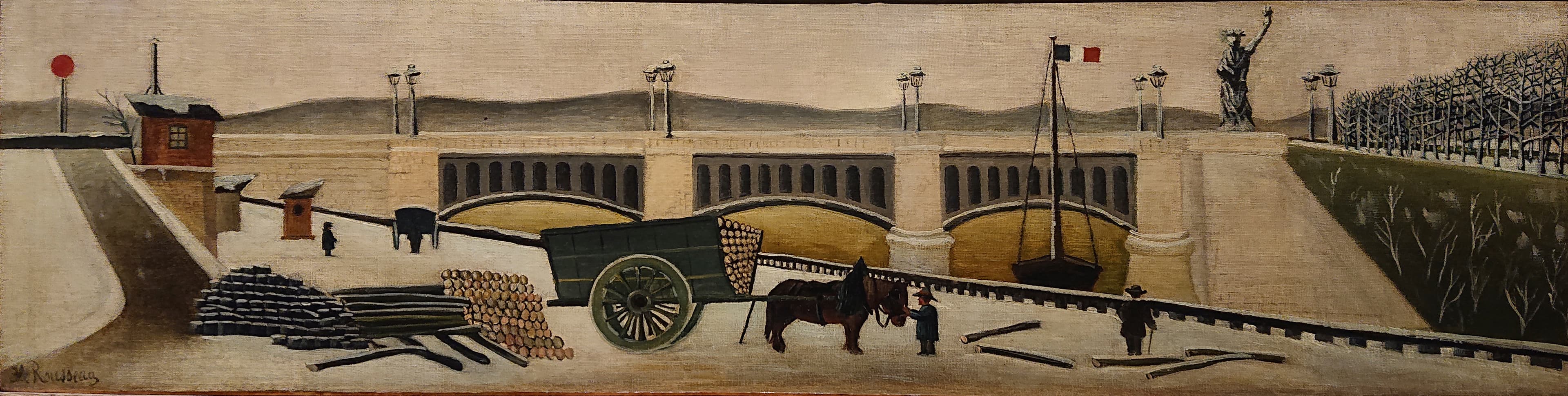
View of the Bridge of Sevres
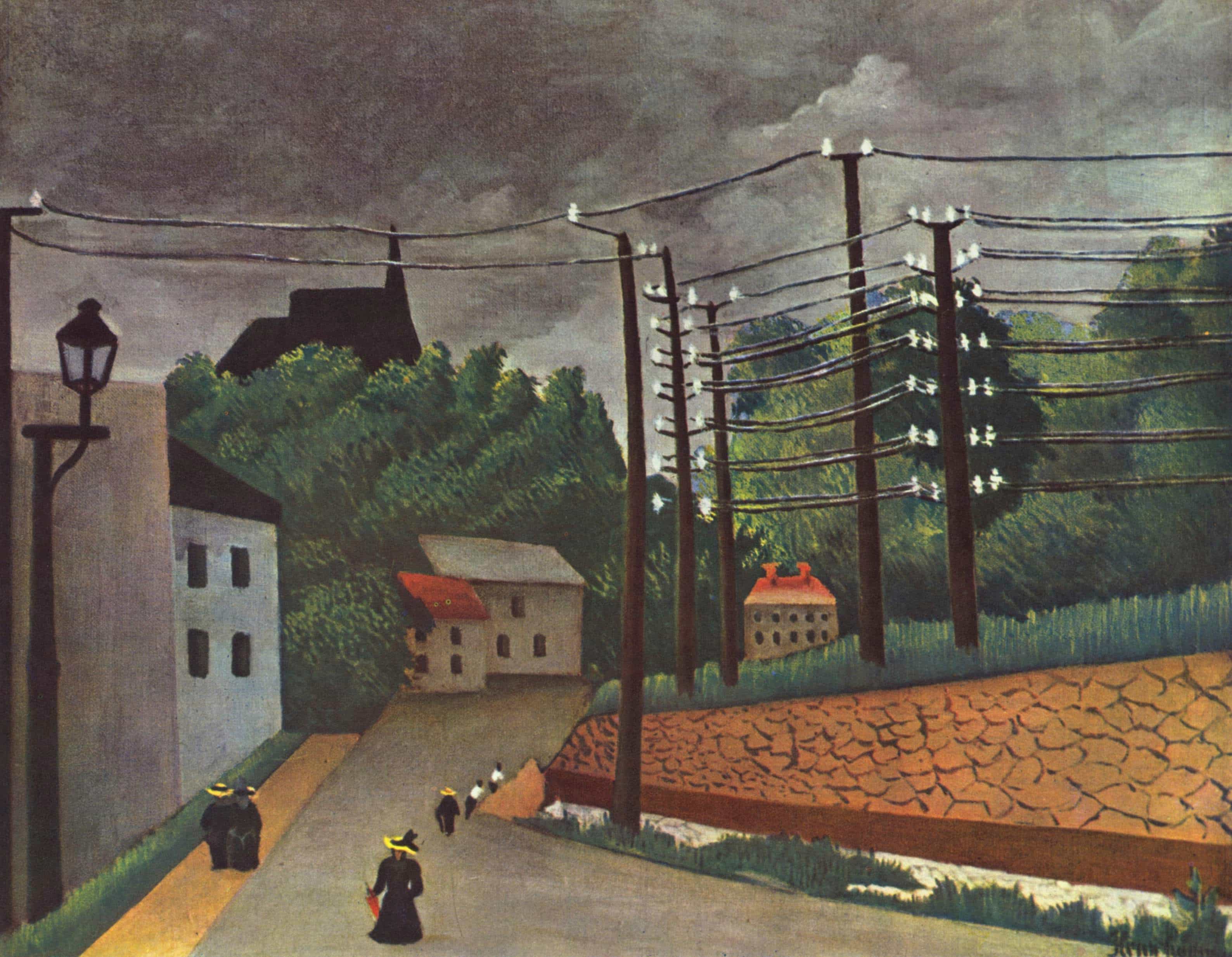
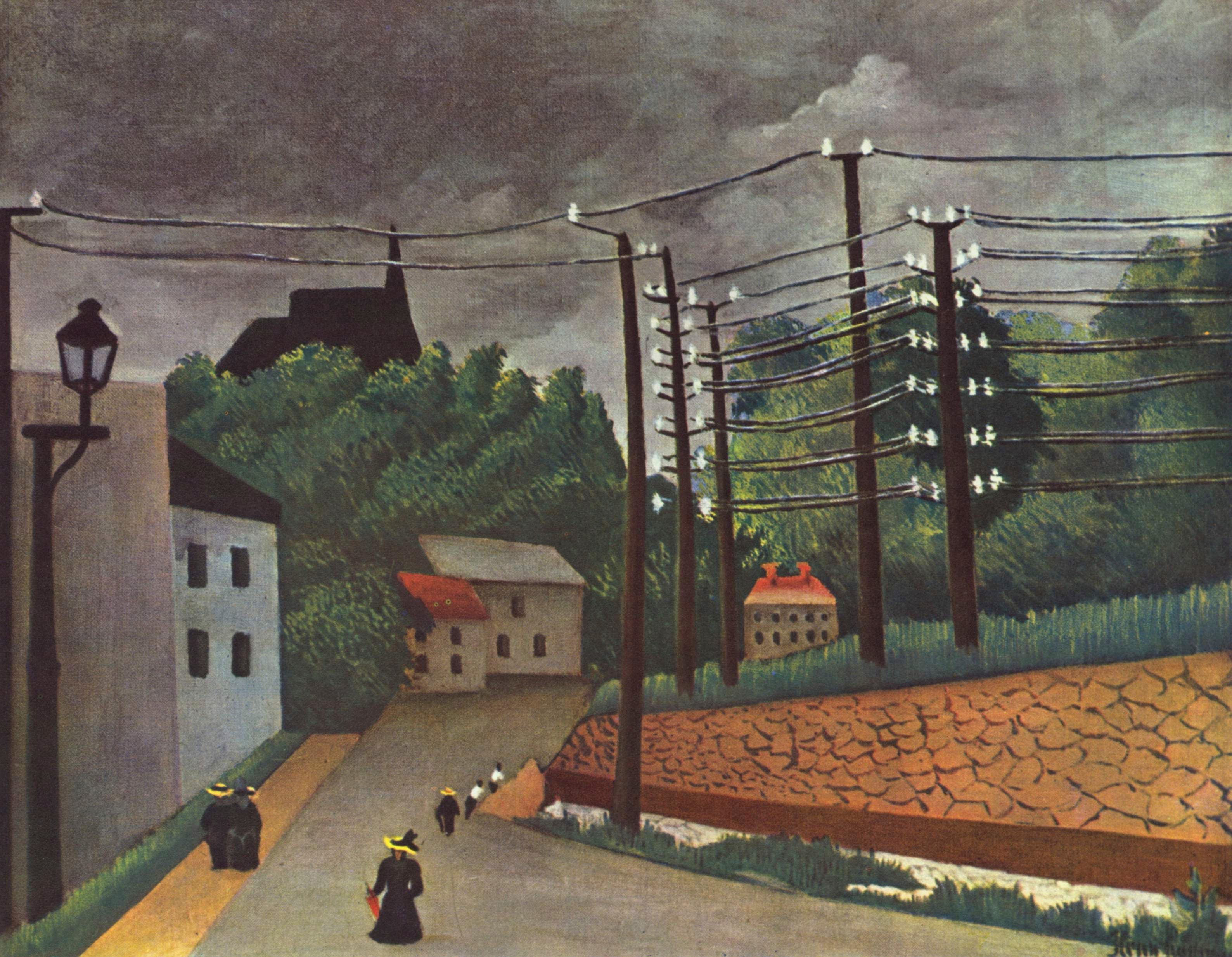
Malakoff