





Interior with a Violin Case
Henri Matisse
From €54
Collection
Museum-quality reproductions on 310gsm textured cotton rag paper.
Shop all prints by Henri MatisseArtistic Style
Style Evolution
Matisse moved from academic training to radical Fauvist color and simplified form, then to increasingly decorative compositions. In late life he reinvented his practice with large-scale cut‑outs that emphasize color and silhouette.
Palette
Subjects
Techniques
Topics
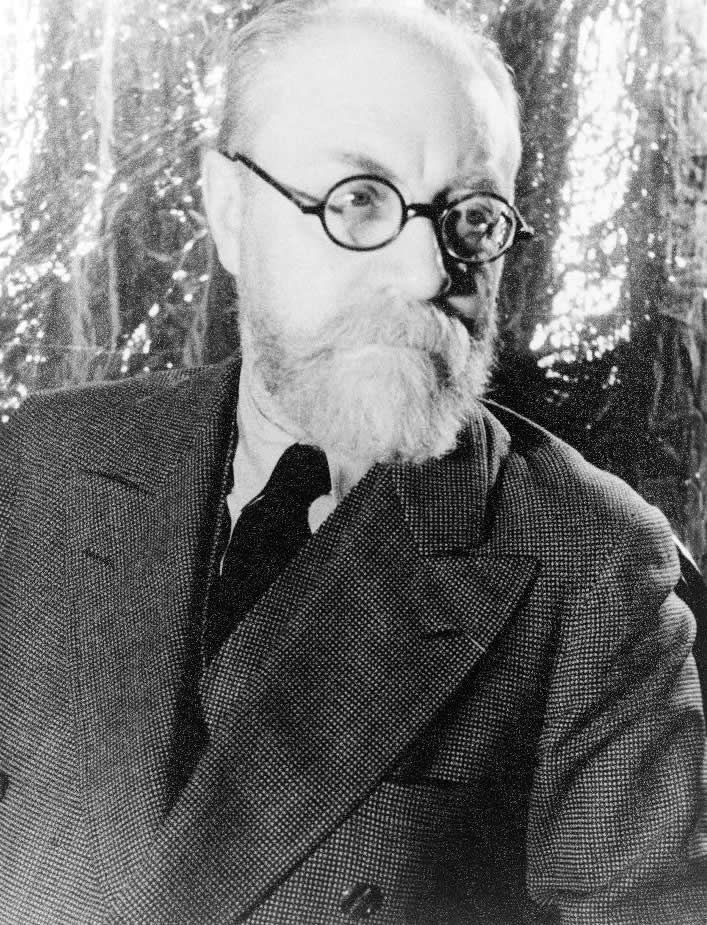
Henri Matisse (1869–1954) was a French Fauvist painter and sculptor whose vibrant color and simplified form transformed modern art.
Learn about the life of Henri Matisse
Signature Works
See all available printsBiography
Henri Matisse (1869–1954) was a French Fauvist painter and sculptor whose vibrant color and simplified form transformed modern art.
Henri Matisse was born in Le Cateau-Cambrésis in 1869 and became one of the defining figures of 20th‑century French art. Originally trained in provincial schools, he later moved to Paris to study art. His early years included formal instruction that grounded his draftsmanship and introduced him to academic practices that he would later simplify and subvert.
Matisse’s career unfolded across several key phases as he lived and worked between northern France, Paris and the Mediterranean.
In Paris he encountered contemporary movements and studied in established ateliers where he absorbed academic technique while responding to Impressionism and Post‑Impressionist developments.
Around the early 1900s Matisse led a group later labeled the Fauves, known for intense, non‑naturalistic color and bold brushwork. This period marked his public breakthrough and established his reputation as a colorist.
Matisse spent extended periods on the Mediterranean coast, where light and pattern shaped his palette. In his later years he returned to more decorative, simplified compositions and developed the paper cut‑out technique that renewed his practice.
Matisse’s oeuvre spans painting, drawing, printmaking, sculpture and collage. He is celebrated for interior scenes, figure compositions and the late cut‑outs that combined color, shape and scale in innovative decorative works prized by collectors and museums worldwide.
Matisse is best known for radical use of color, fluid line, flattened space and an emphasis on decorative pattern. He paired rigorous draughtsmanship with liberated hues, often simplifying form to heighten visual and emotional impact. His cut‑outs introduced scissors and gouache‑painted paper as major sculptural elements within pictorial space.
Matisse helped redefine modern visual vocabulary and influenced painters, designers and decorators throughout the 20th century. His approaches to color, composition and surface informed later modernists and continue to inspire contemporary painters, textile designers and architects.
Matisse maintained lifelong commitments to drawing and to exploring the decorative possibilities of color and pattern. His studio life and travels between Paris and the south of France informed both subject matter and palette.
Collectors prize Matisse for his unmistakable color sensibility, decorative elegance and innovation across media. His works are considered cornerstones of modern art and command strong market interest for their visual impact and capacity to transform interiors with bold color and refined composition.
Awards
Frequently Asked Questions
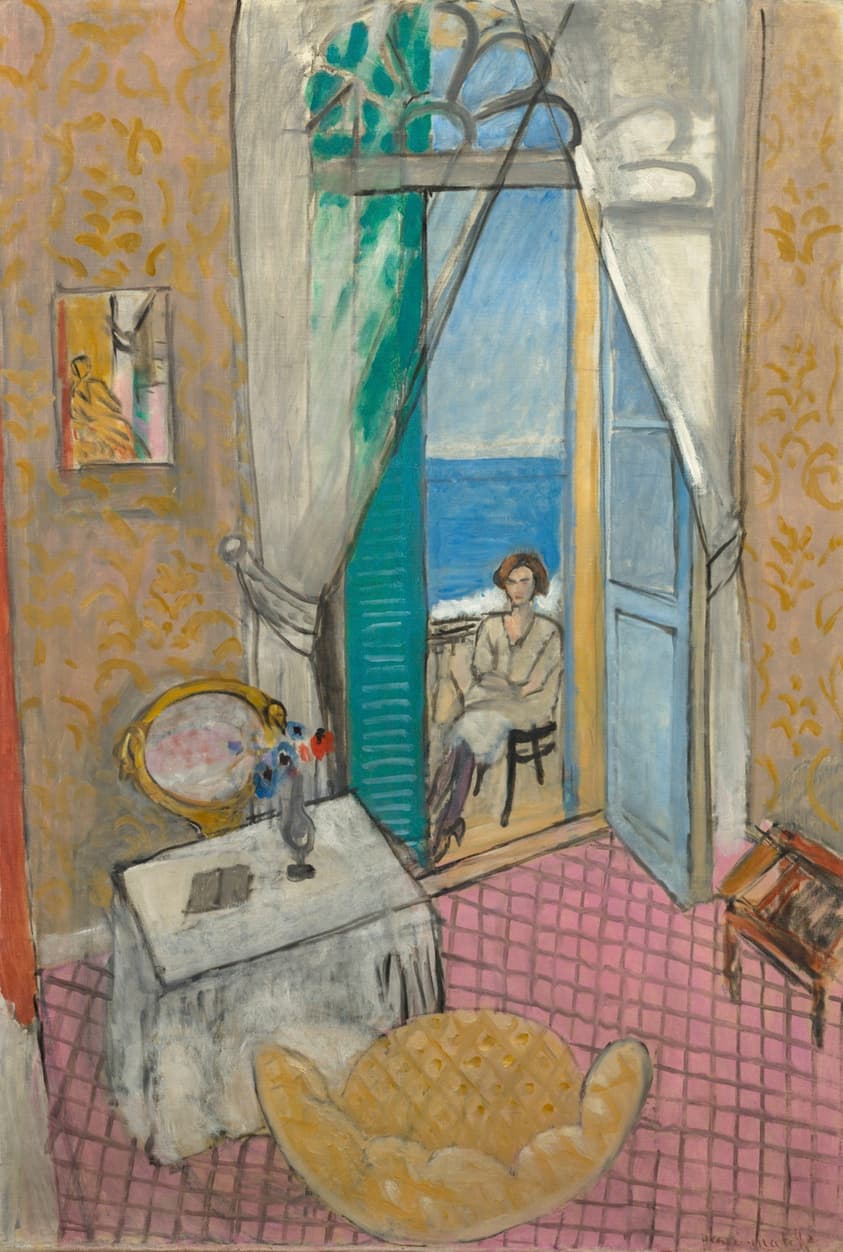
Interior with a Violin Case
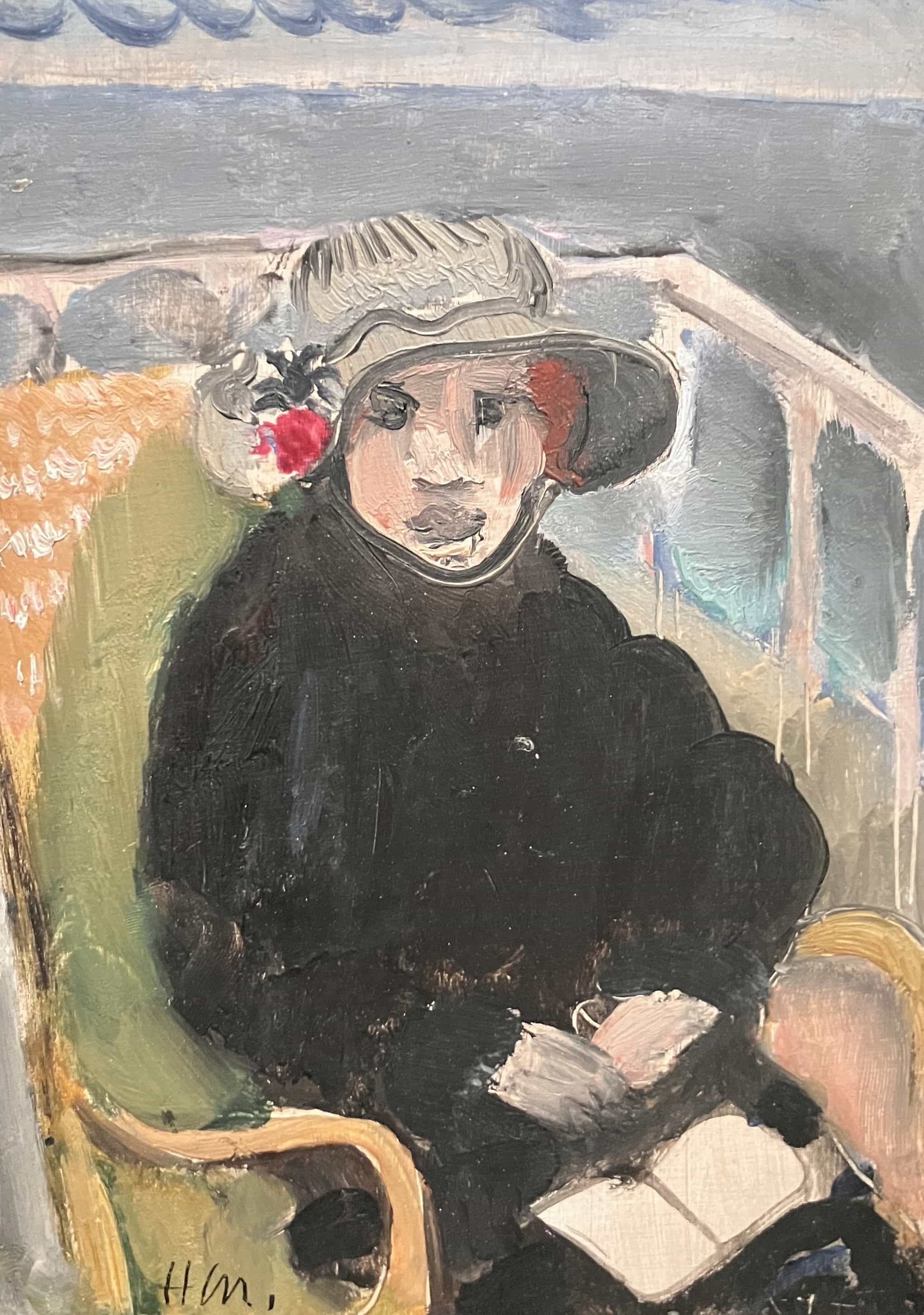
Marguerite on the Balcony
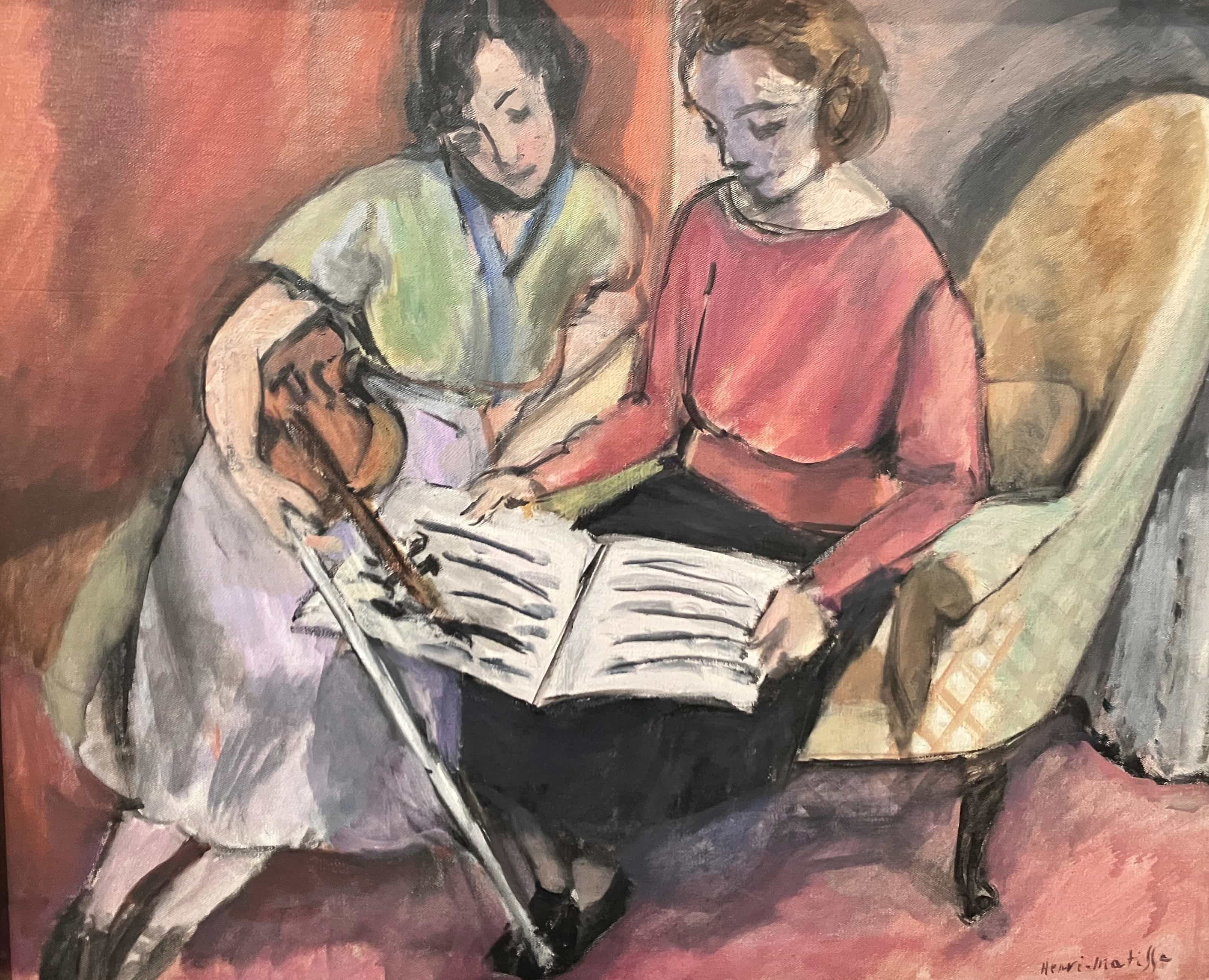
The Music Lesson (Two Women Seated on a Divan)
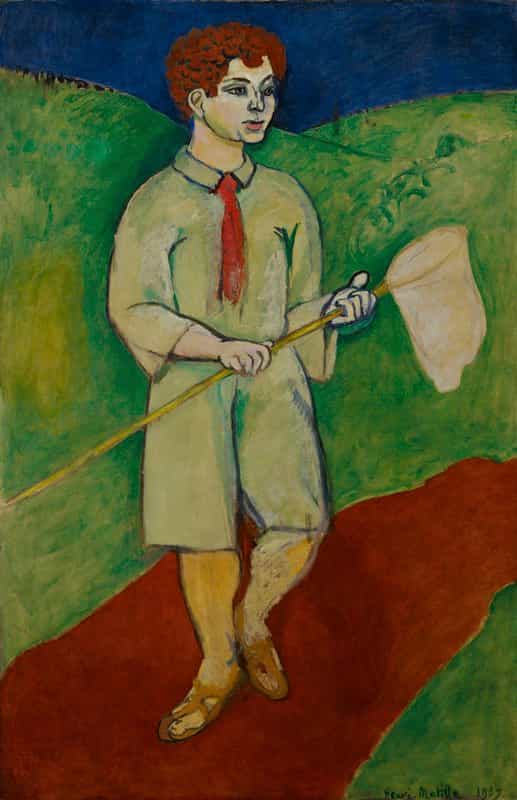
Boy with Butterfly Net
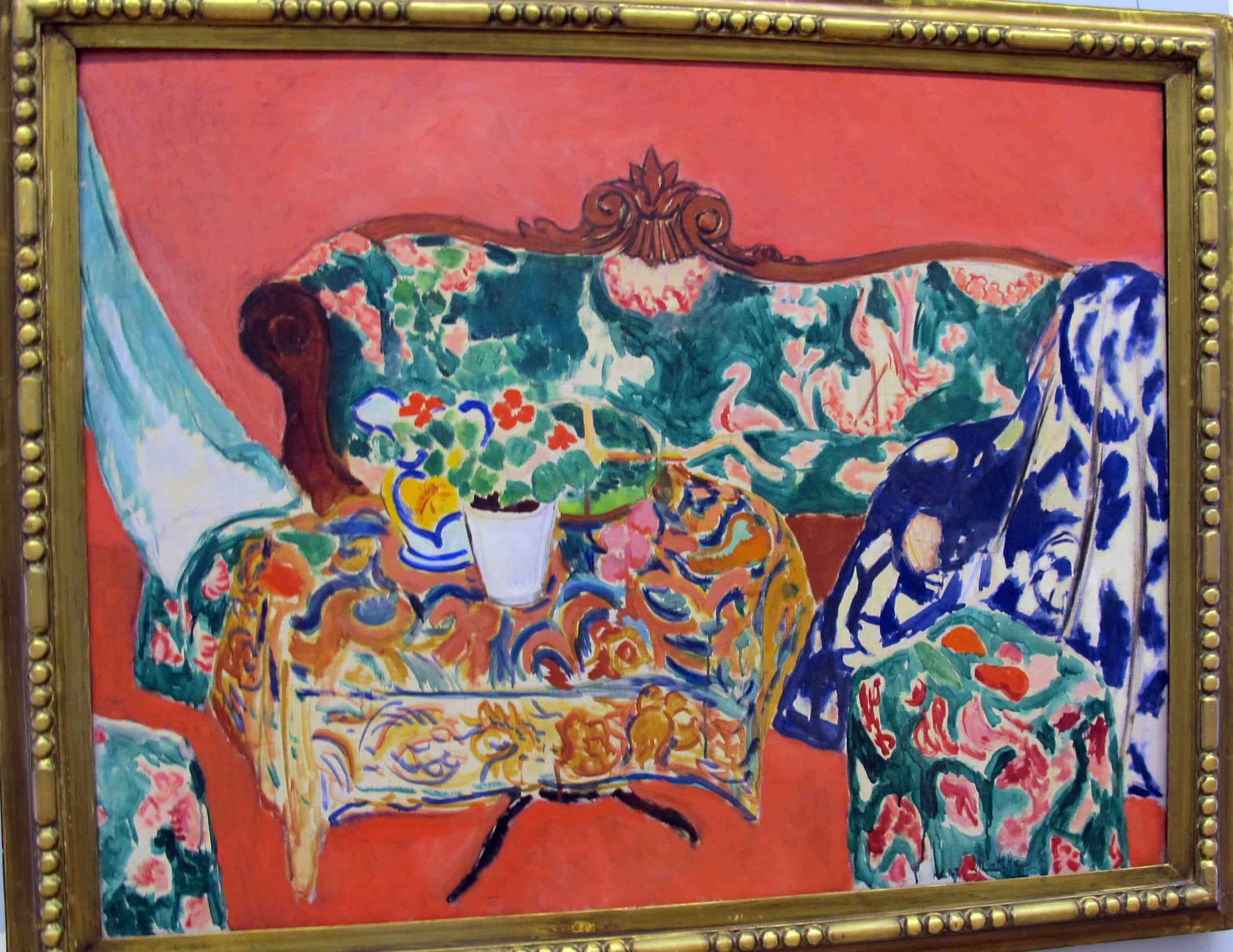
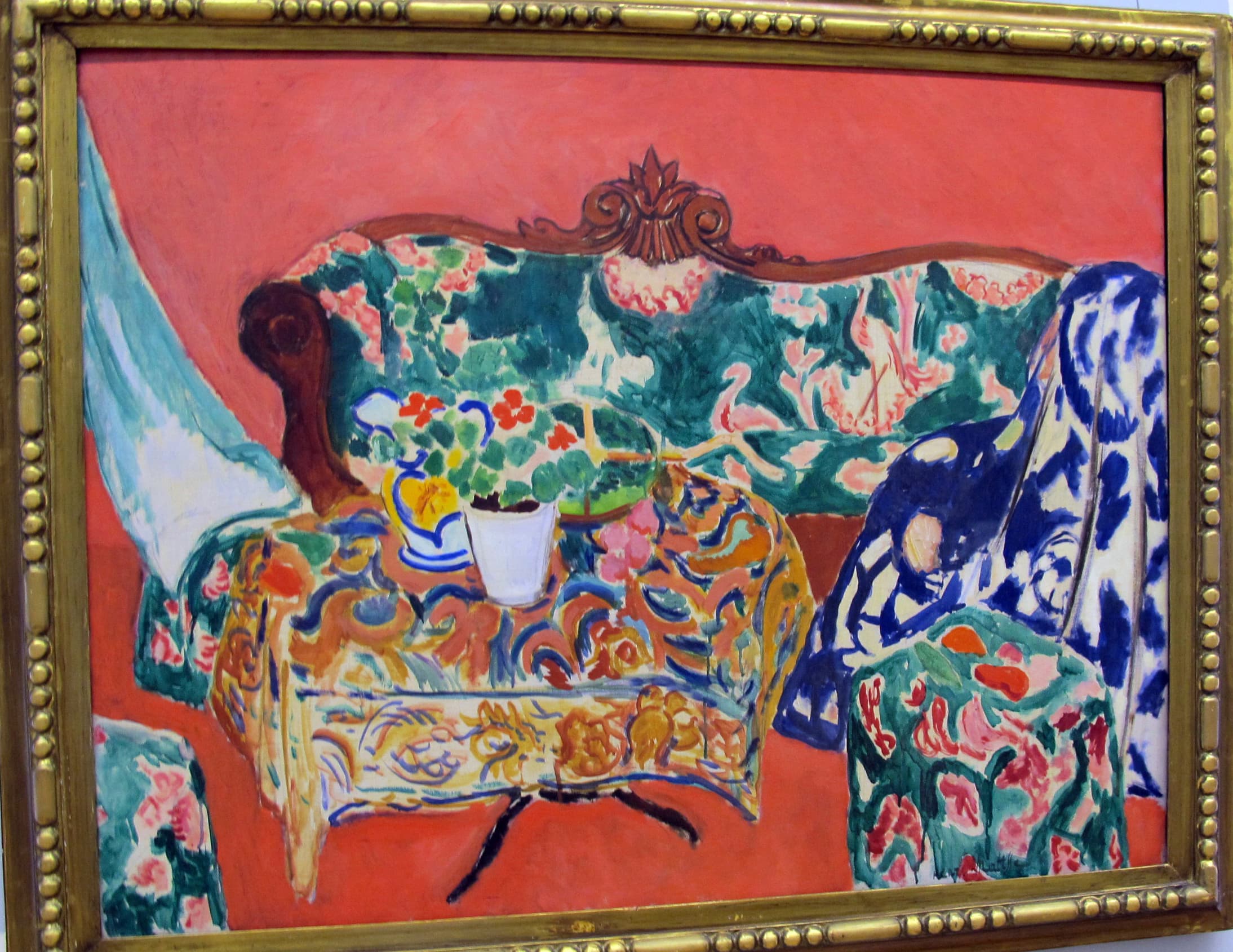
Seville Still Life
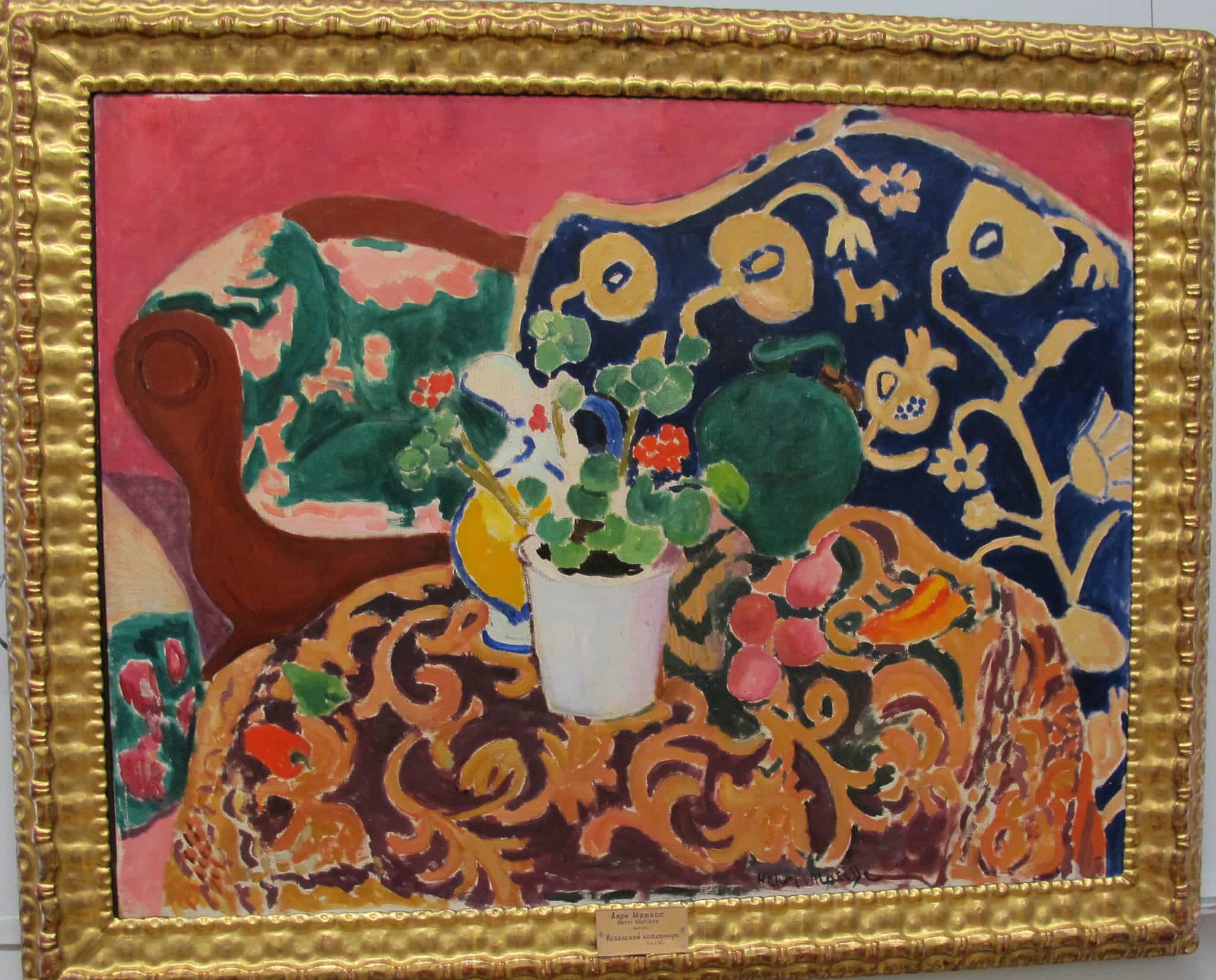
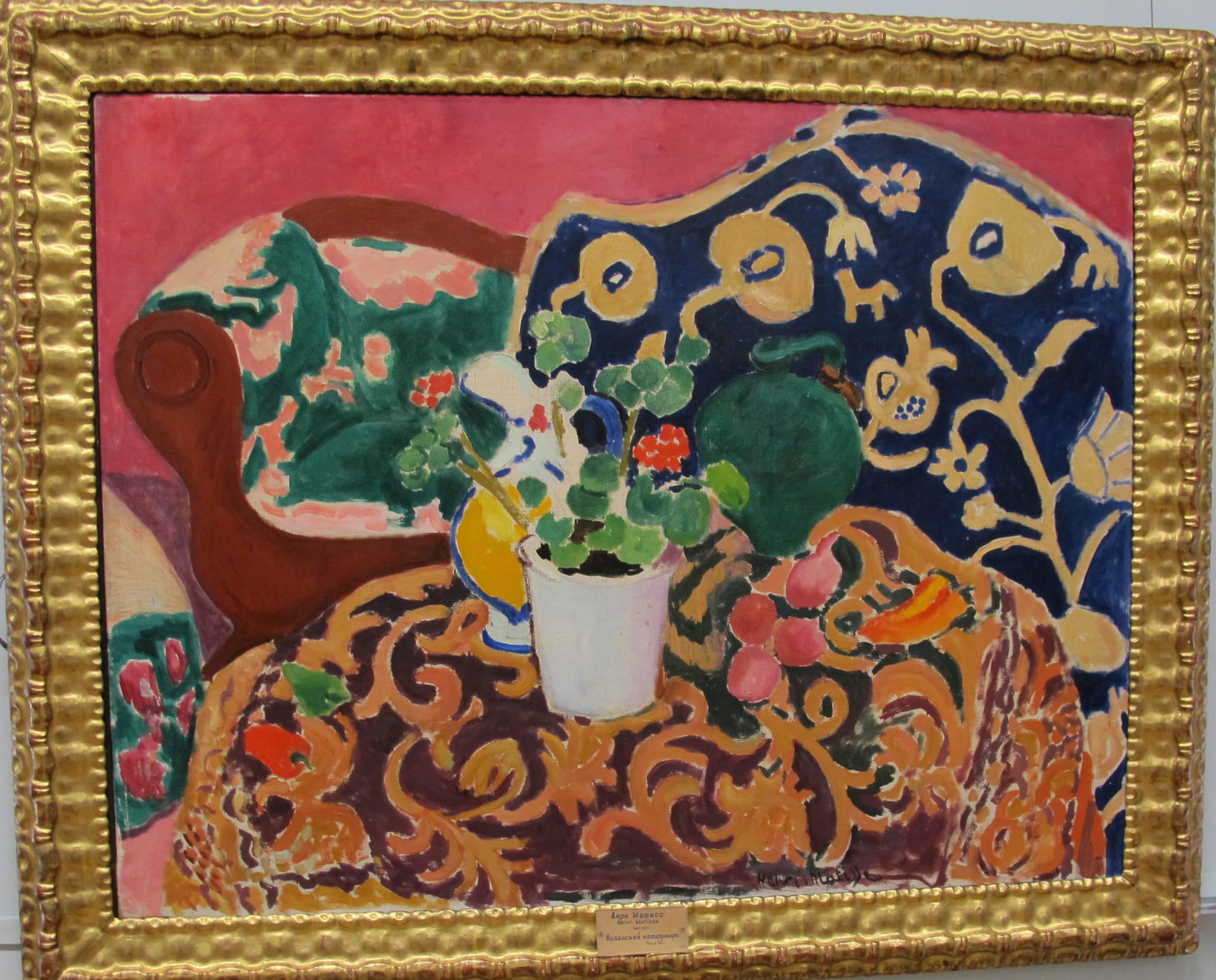
Spanish Still Life
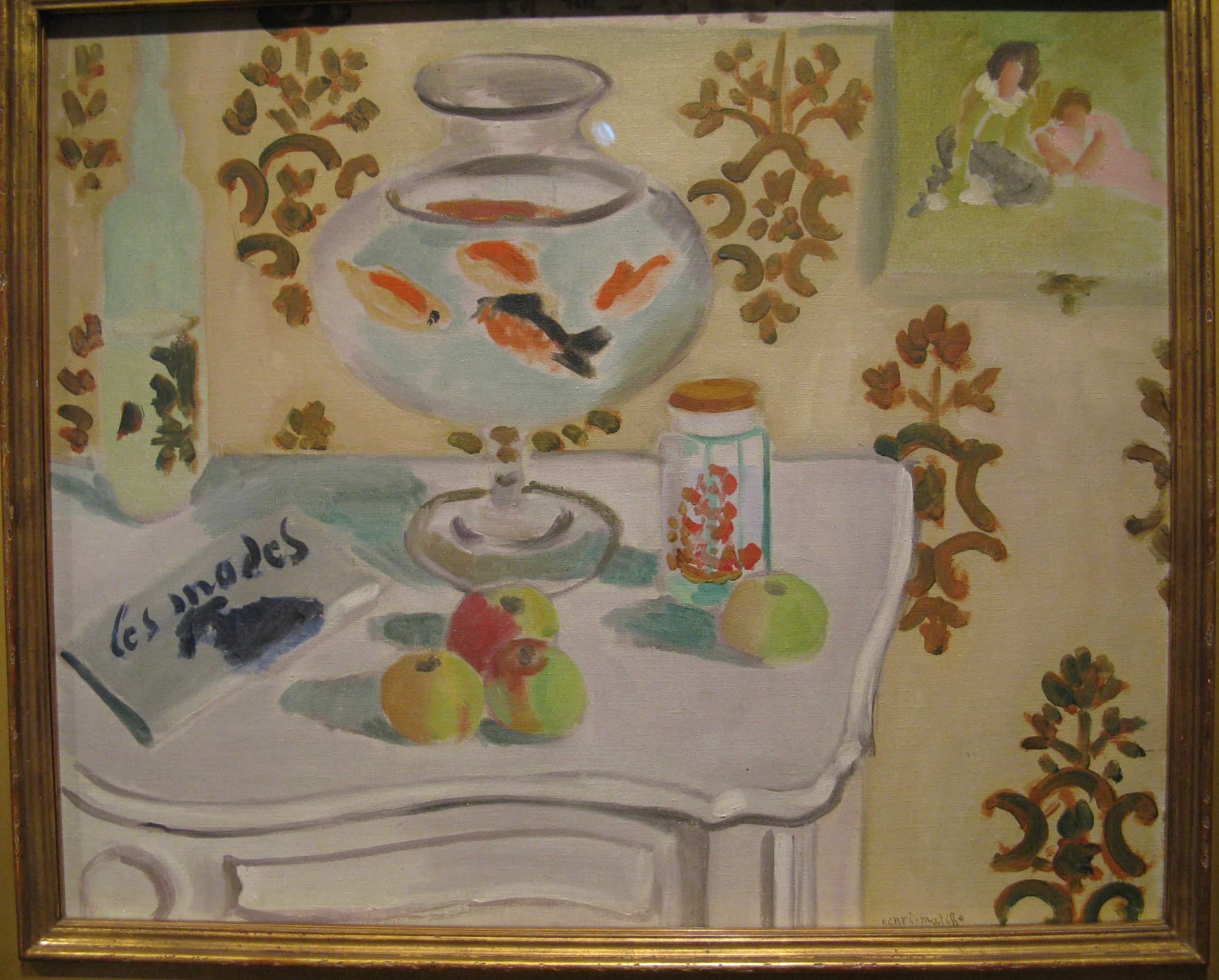
The Goldfish Bowl
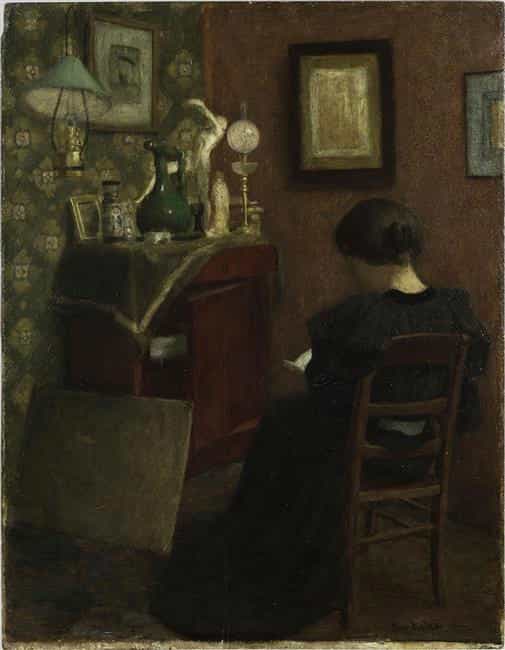
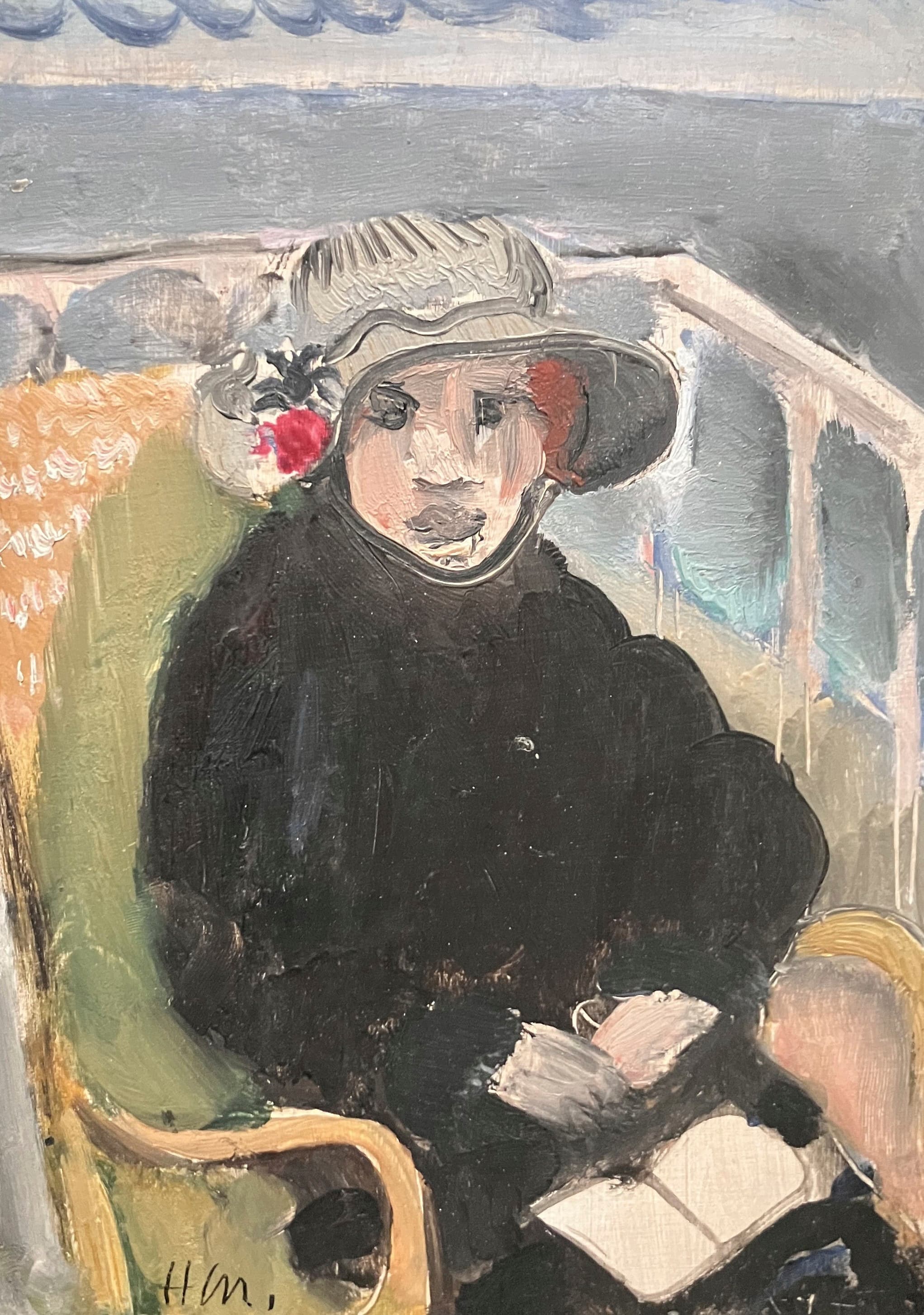
Woman Reading
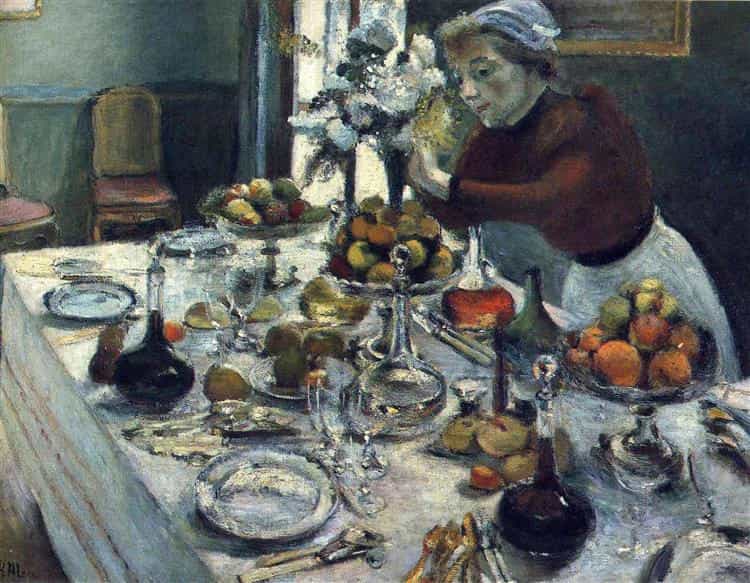
The Dinner Table
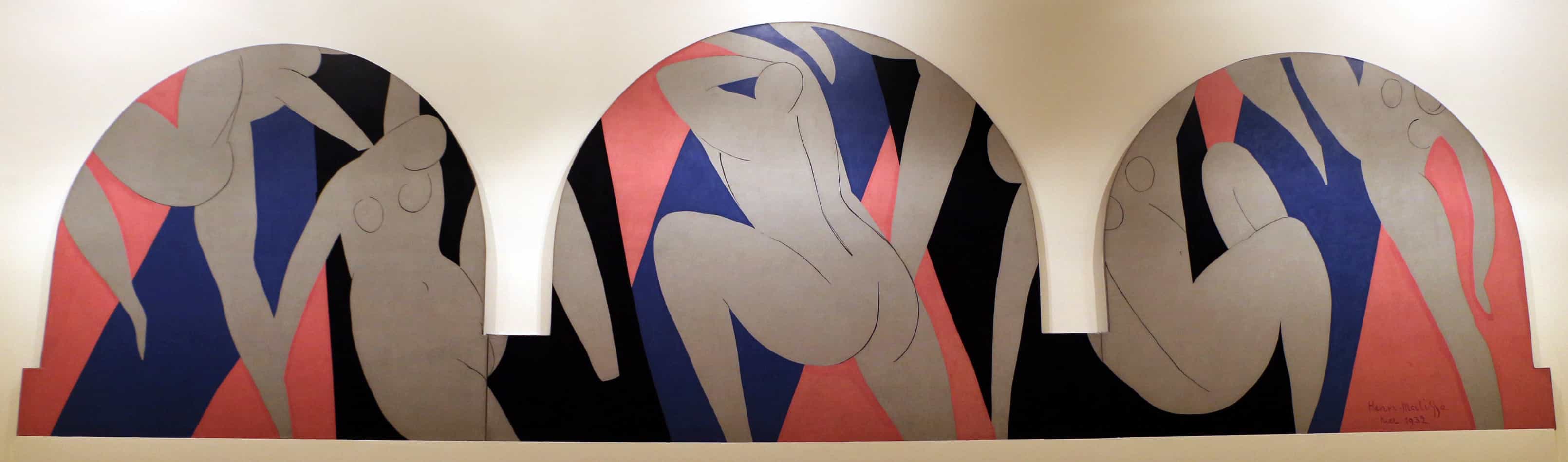
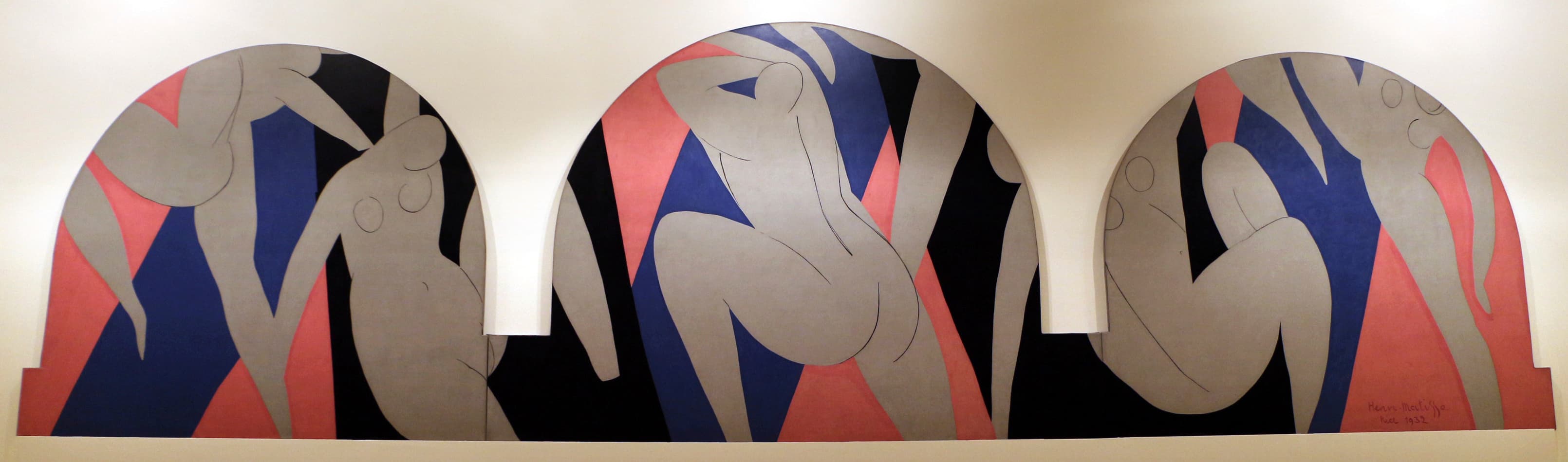
The Dance
Annelies, White Tulips and Anemones
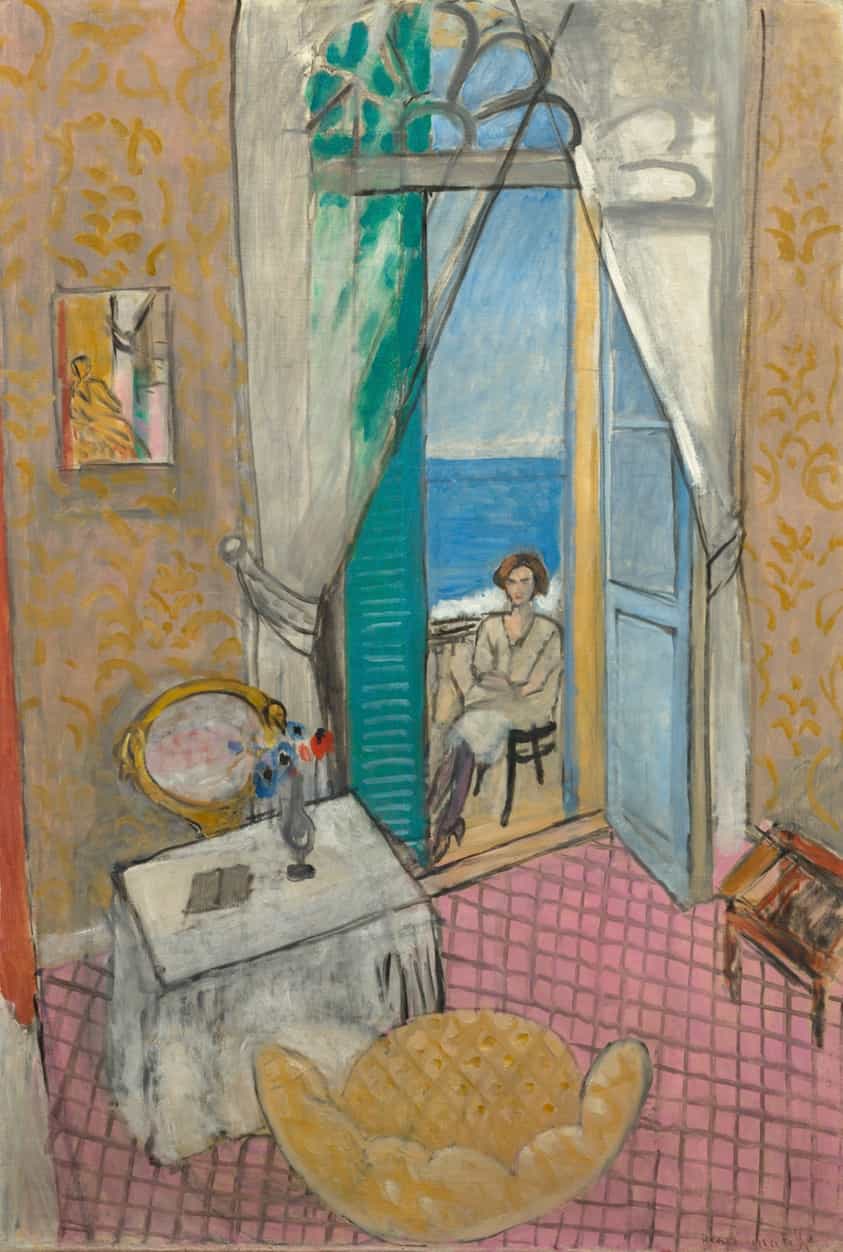
Interior at Nice