

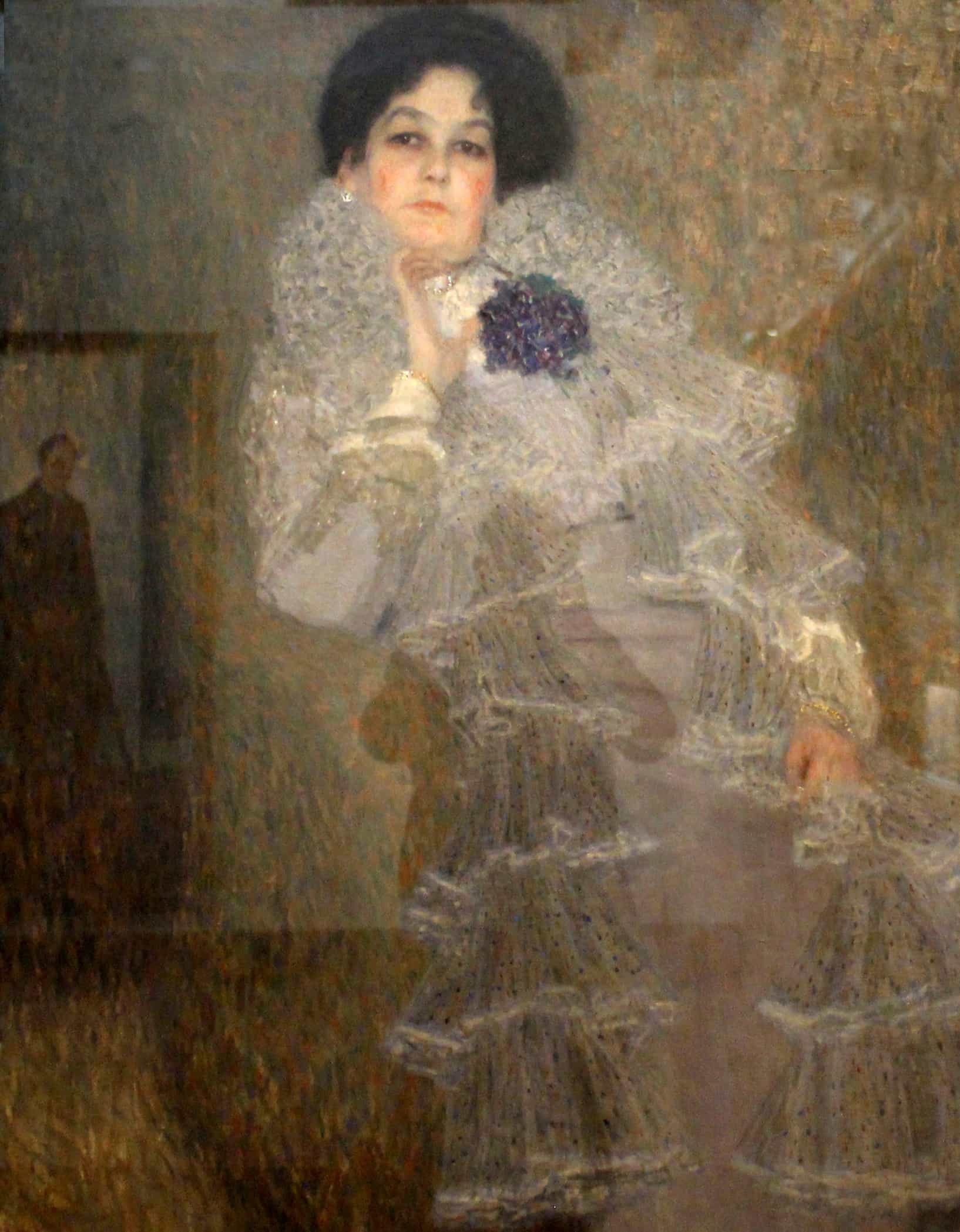
Portrait of Marie Henneberg
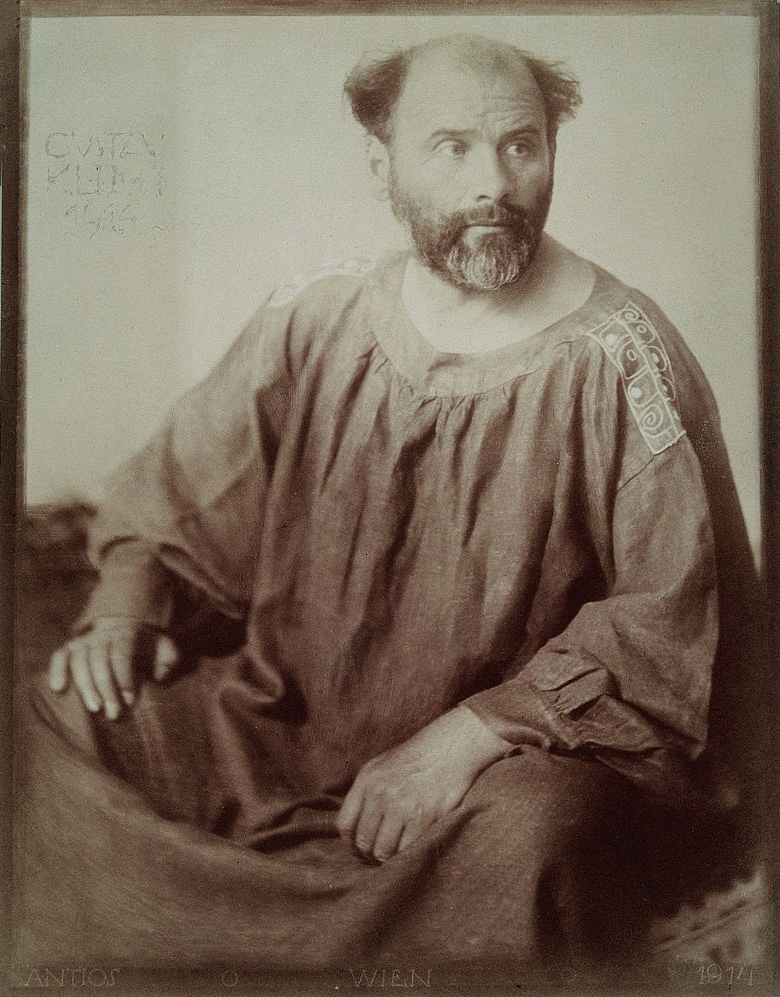
Gustav Klimt
From €54
Collection
Museum-quality reproductions on 310gsm textured cotton rag paper.
Shop all prints by Gustav KlimtArtistic Style
Style Evolution
Klimt progressed from academic decorative murals to a distinct Symbolist vocabulary and, later, a richly ornamented 'Golden' phase. His work moved from naturalistic detail toward highly stylized, patterned surfaces informed by Byzantine mosaics, Japonisme, and applied arts trends.
Palette
Subjects
Techniques
Topics
Gustav Klimt (1862-1918) was an Austrian Symbolist painter whose ornamental, gilded canvases and sensual portraits redefined Viennese modernism.
Learn about the life of Gustav Klimt
Biography
Gustav Klimt (1862-1918) was an Austrian Symbolist painter whose ornamental, gilded canvases and sensual portraits redefined Viennese modernism.
Born in Baumgarten, near Vienna, Klimt trained at the Vienna School of Arts and Crafts and began his career producing decorative murals and academic commissions. Early success in official decorative painting established his technical skill and introduced him to Vienna's artistic circles.
Klimt's career moved from academic ornamentation toward a highly personal Symbolist language. He was a founding figure of the Vienna Secession in 1897, a collective that sought new forms beyond academic tradition. Klimt spent most of his life in Vienna, working prolifically on portraits, allegorical panels, murals, and drawings.
In his early years Klimt executed large-scale murals and official commissions, demonstrating a mastery of composition and ornament that would serve his later, more experimental work.
As a leader of the Vienna Secession, Klimt developed a vocabulary of flattened space, pattern, and allegory, combining figuration with abstracted ornament.
In his mature phase Klimt embraced gilt surfaces, mosaic-like patterning, and erotic figuration; these paintings married sumptuous decorative surfaces with psychological intensity.
Klimt achieved international recognition as a pioneering figure of the Vienna Secession and for his richly decorative canvases that fused painting and applied arts. His portraits redefined artistic portraiture in fin-de-siècle Vienna and remain among the most celebrated images of early modernism.
Klimt's technique is characterized by a synthesis of naturalistic figuration and stylized ornament: delicate line work, flattened backgrounds, and the use of gold leaf and gilded surfaces to create jewel-like effects. He combined influences from Byzantine mosaics, Japanese prints, and contemporary decorative arts to produce highly textured, patterned surfaces.
Klimt helped shape Viennese modernism and directly influenced younger artists such as Egon Schiele and Oskar Kokoschka. His blend of sensuality, decoration, and psychological depth continues to inform contemporary decorative painting, design, and fashion.
Klimt remained closely tied to Vienna's cultural life, often working on private portrait commissions alongside more experimental, allegorical panels. He valued artistic autonomy and resisted strict academic conventions.
Collectors prize Klimt for the visual luxury, decorative richness, and cultural cachet of his paintings. His gilded surfaces and iconic portraits are highly sought after in the art market and popular with collectors and institutions for their visual impact and art-h
Awards
Frequently Asked Questions
Portrait of Marie Henneberg
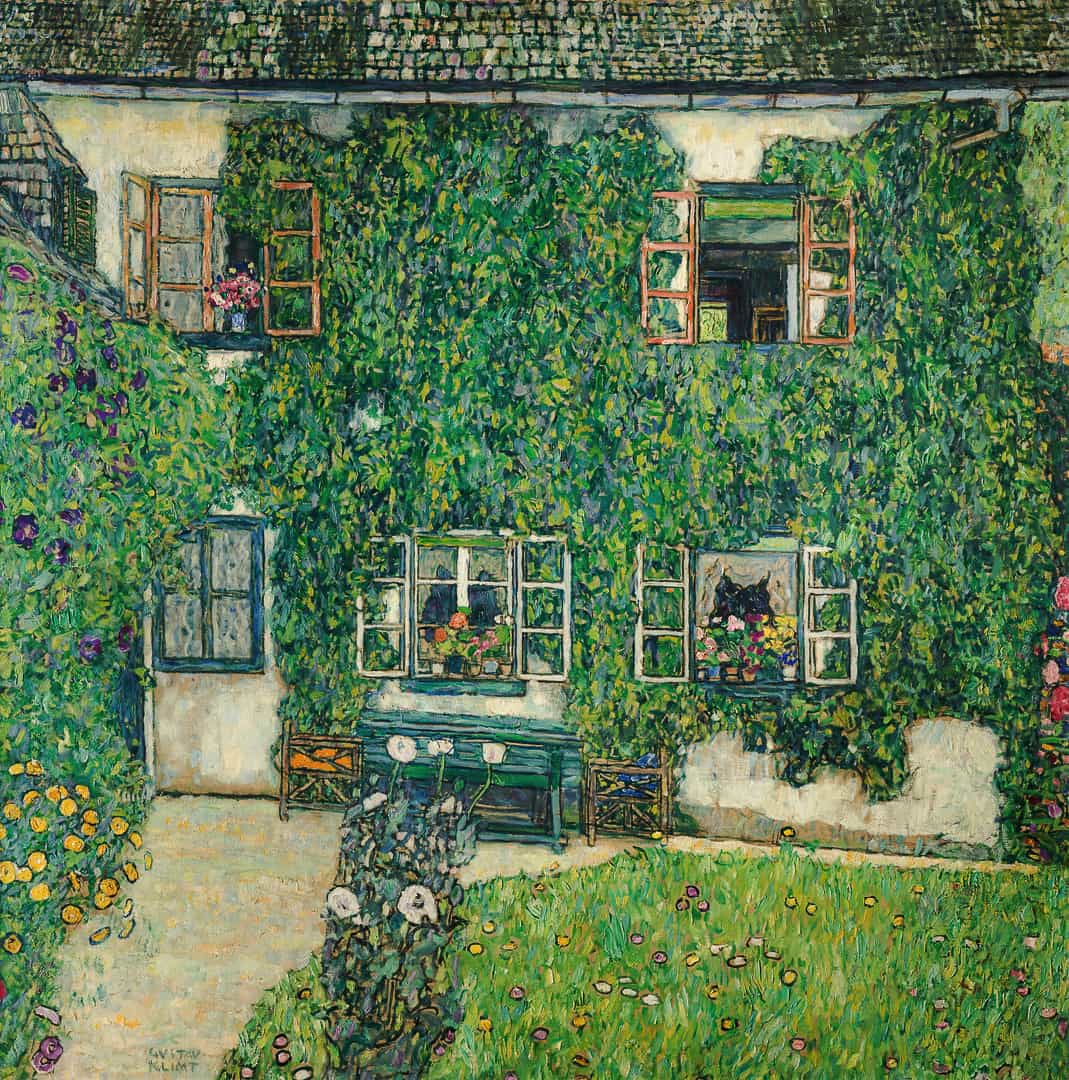
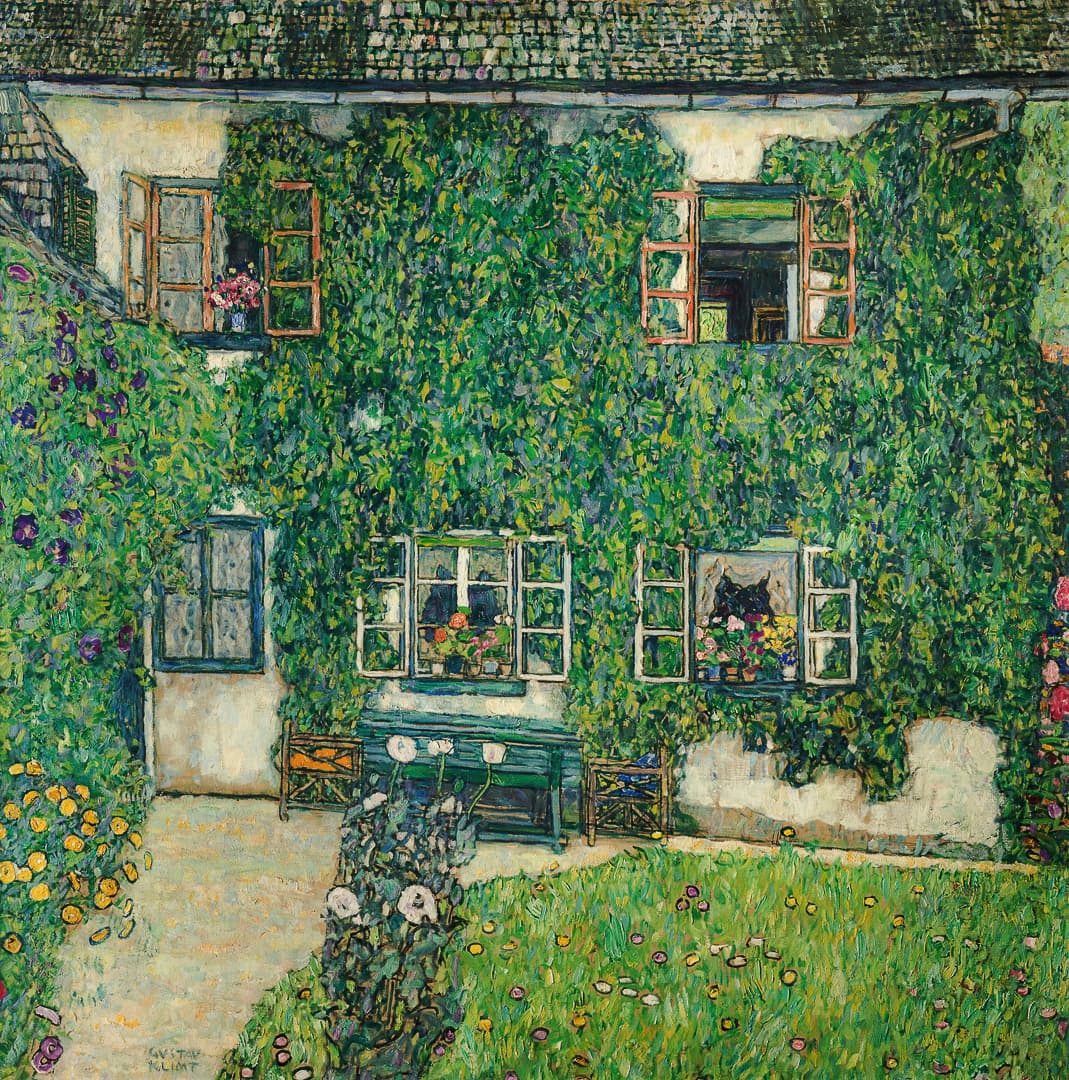
Forester's House in Weissenbach II (Garden)
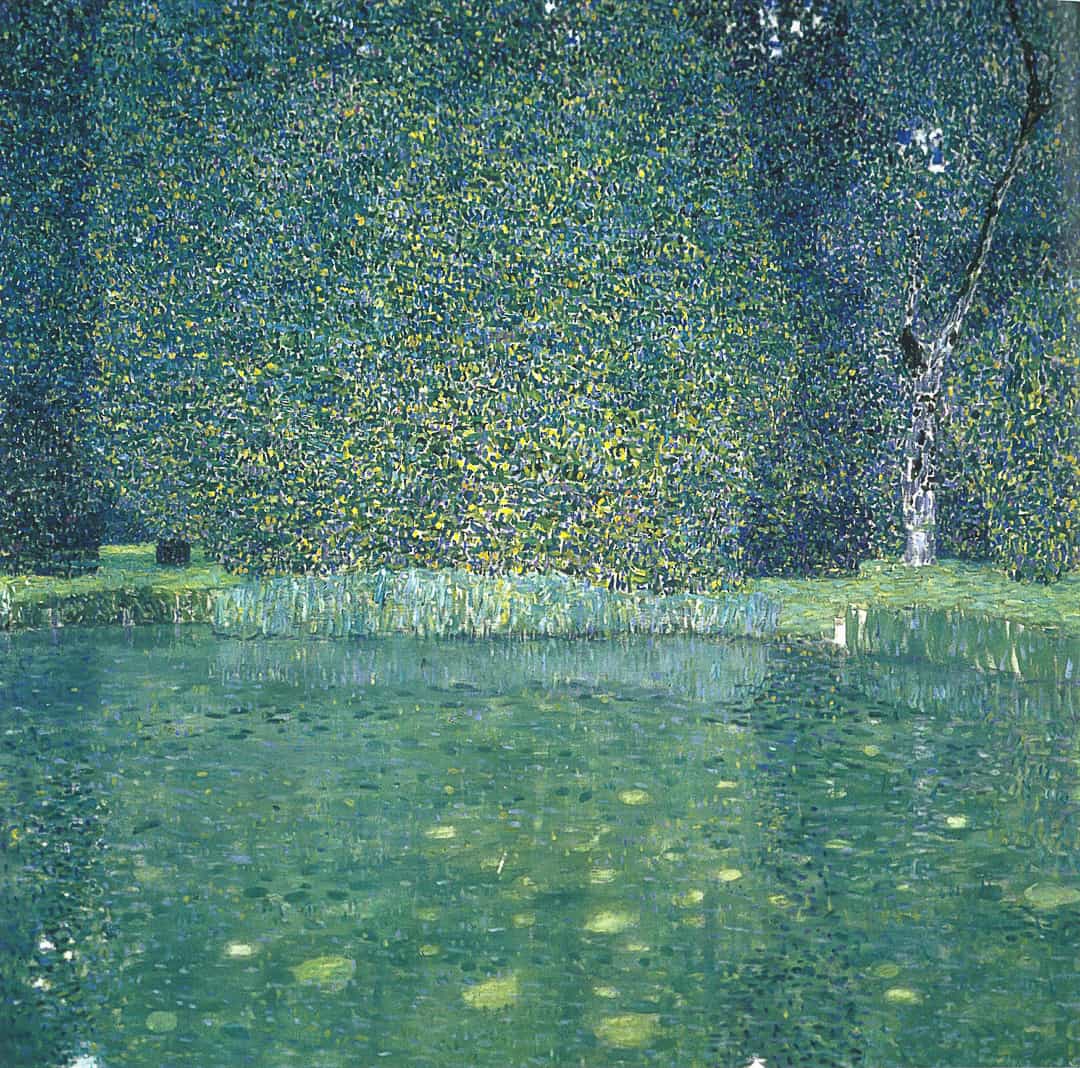
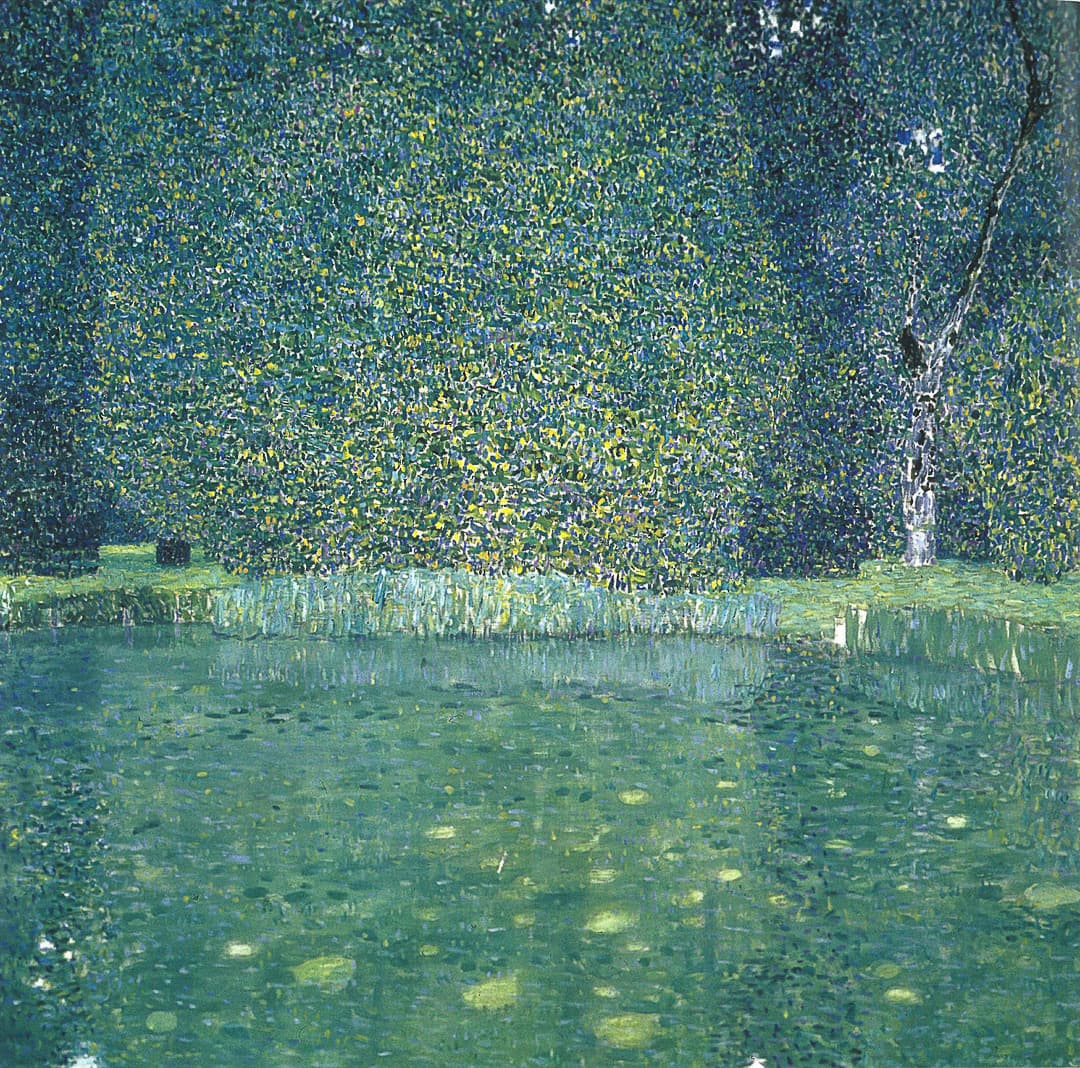
Park at Kammer Castle
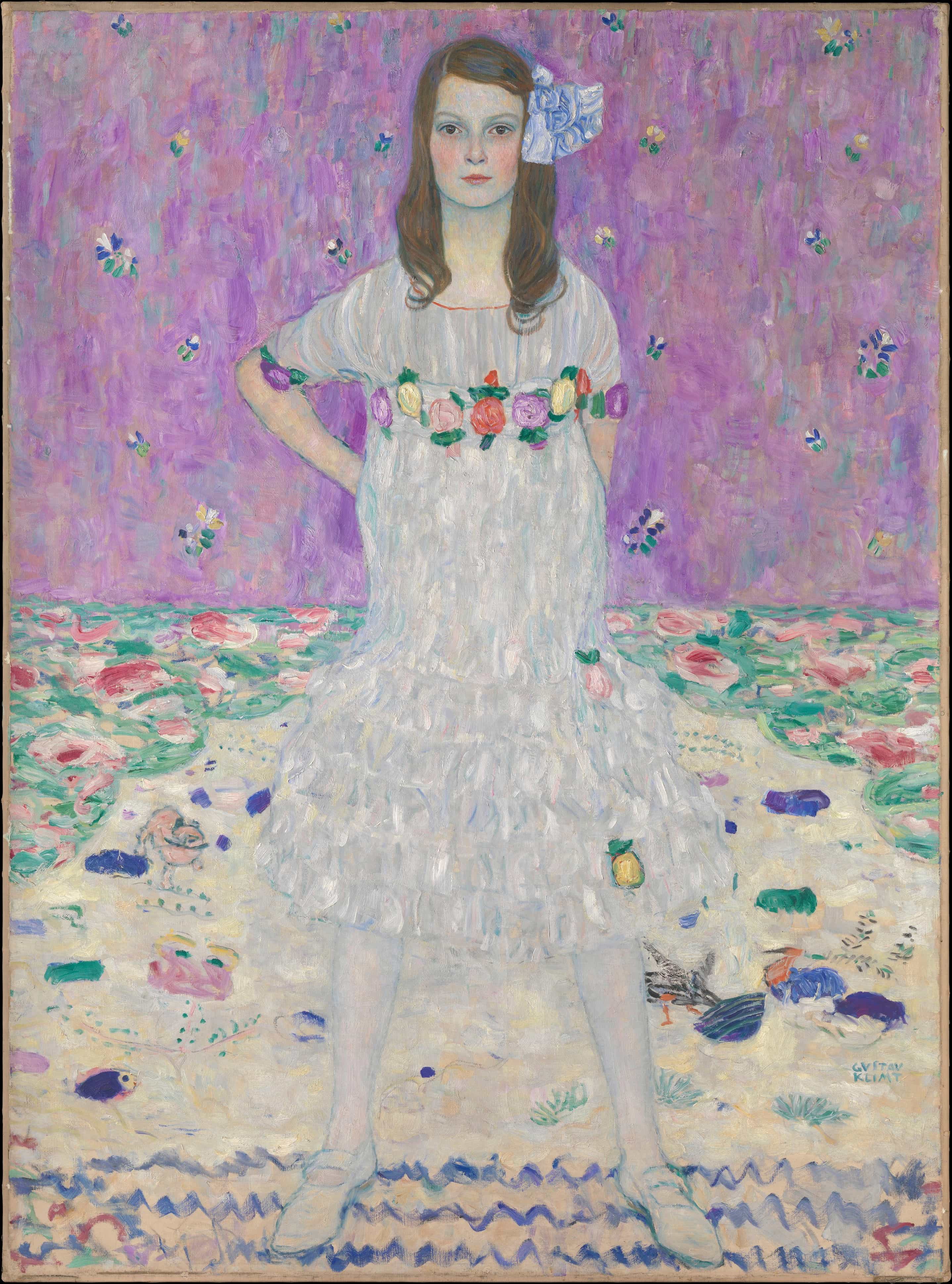
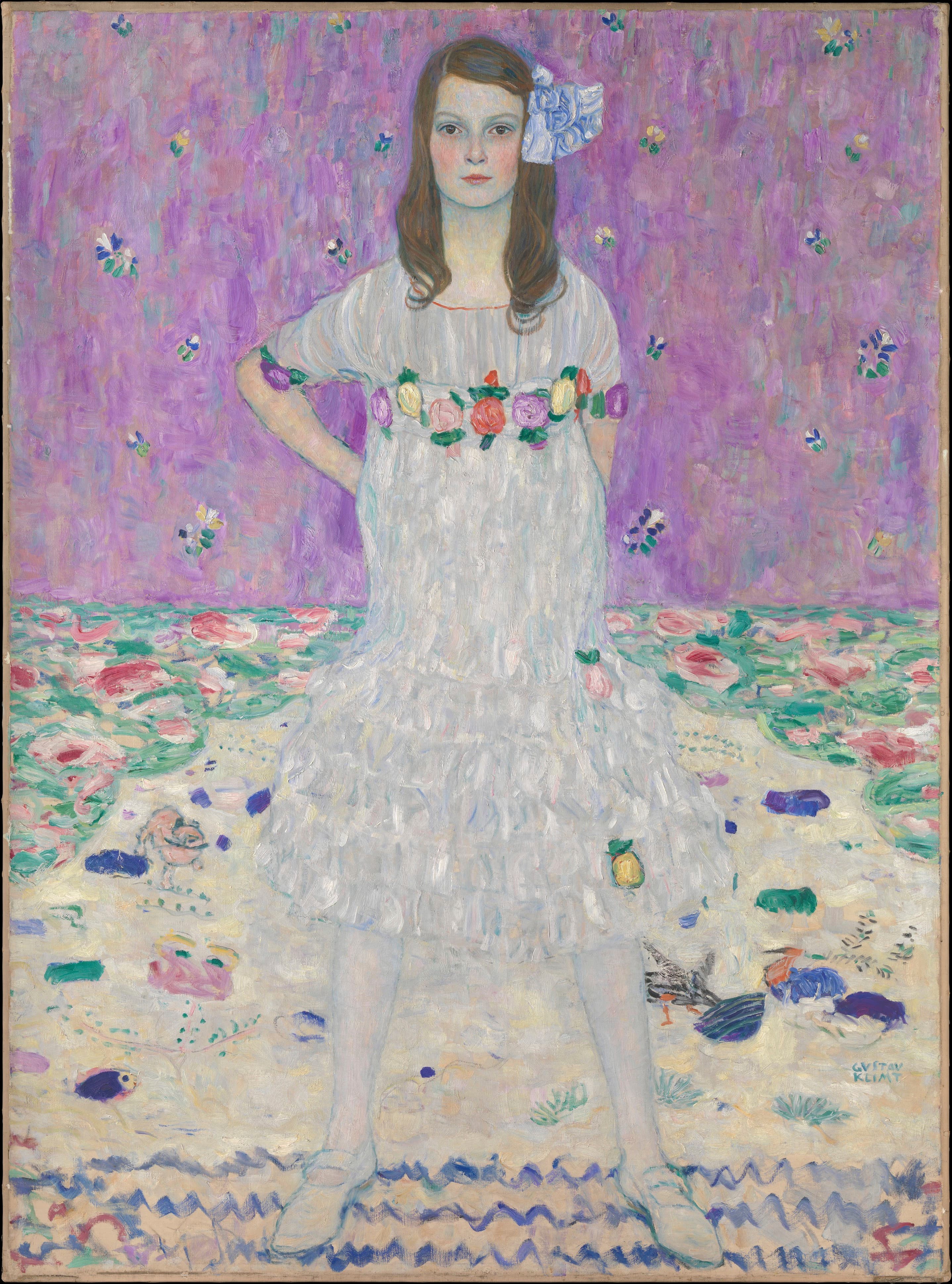
Mäda Primavesi (1903–2000)
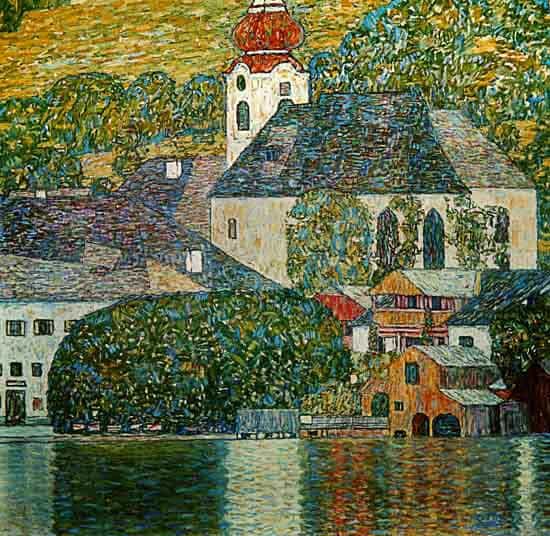
Church in Unterach
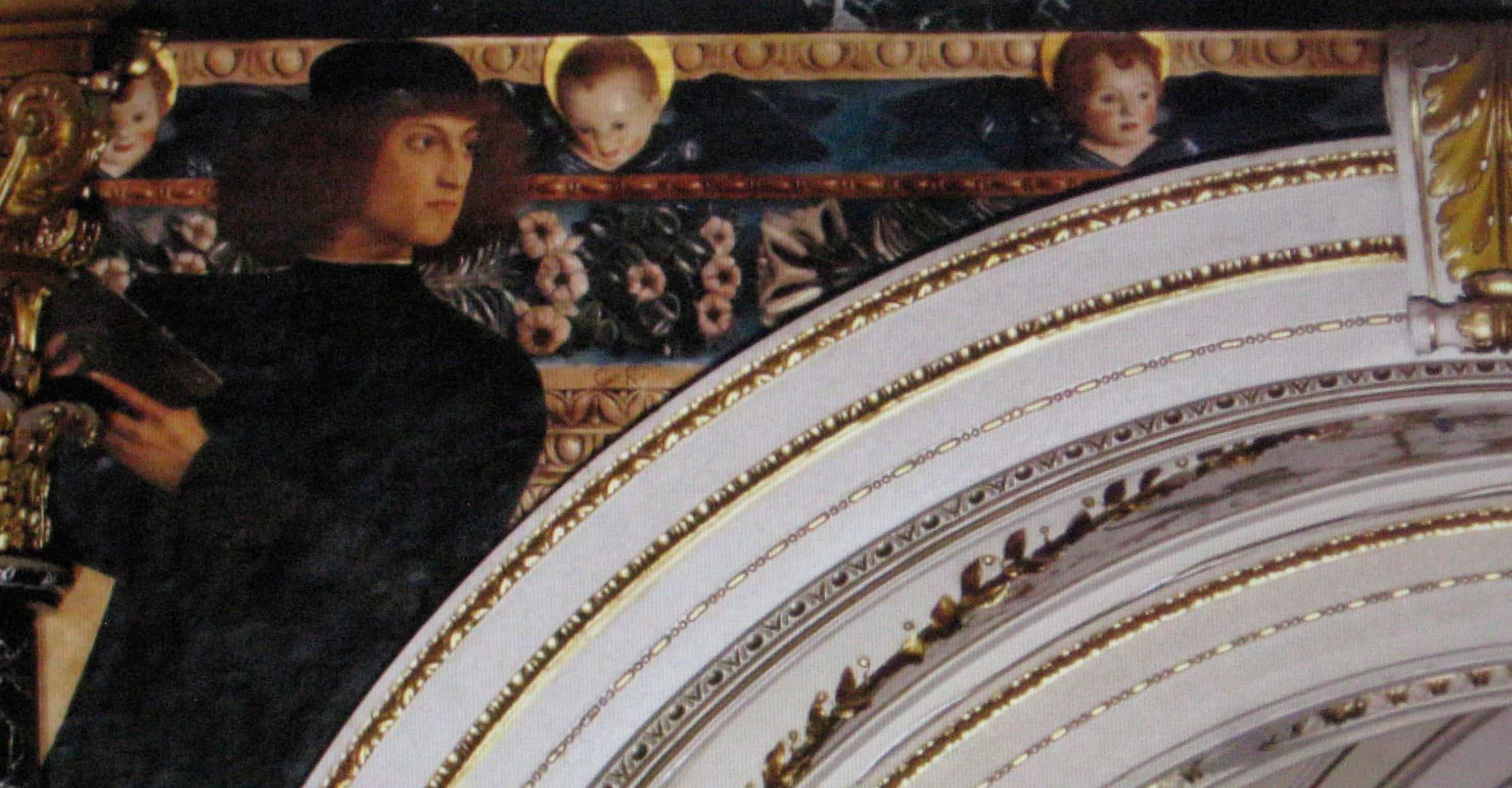
Old Italian Art
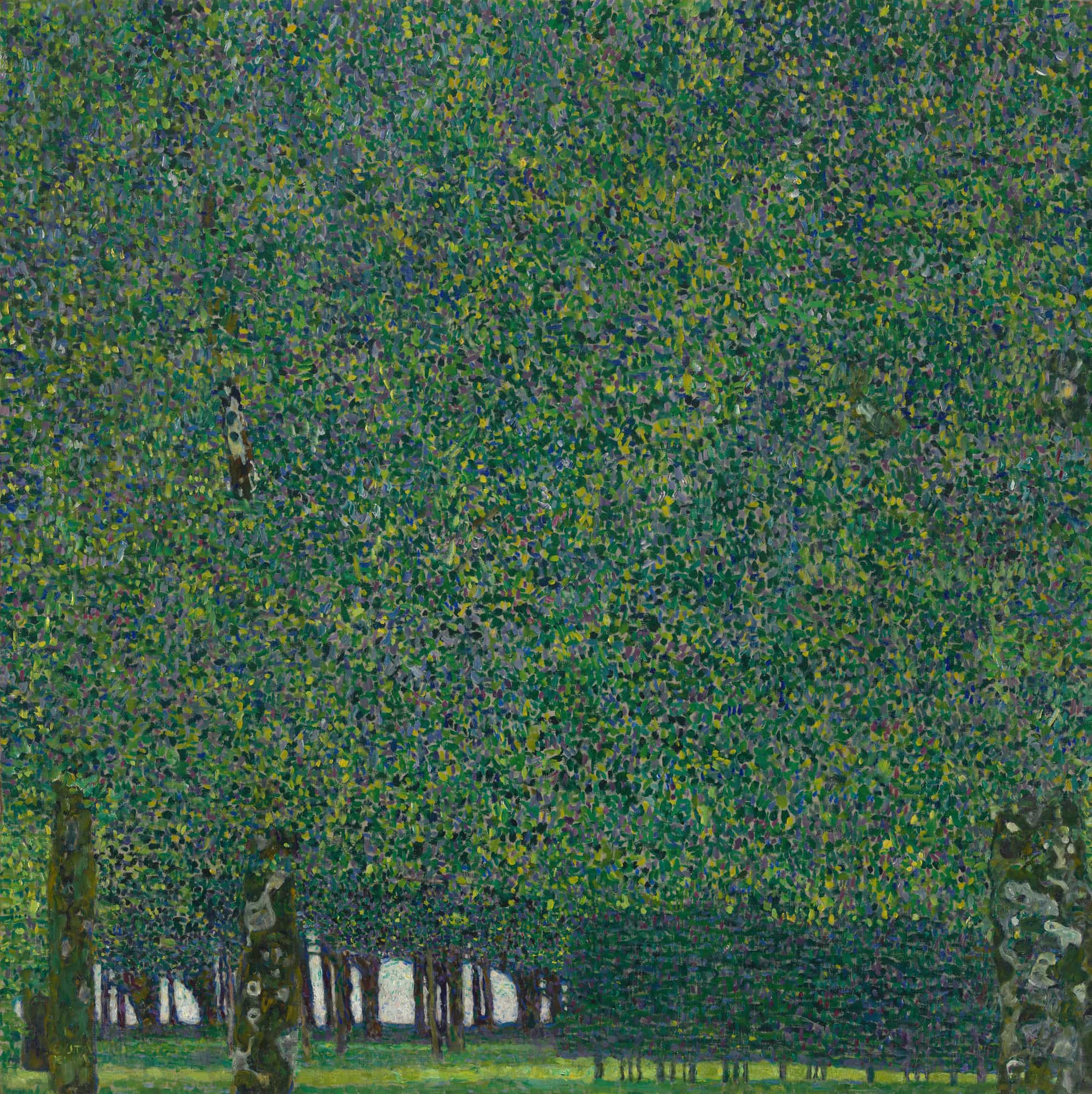
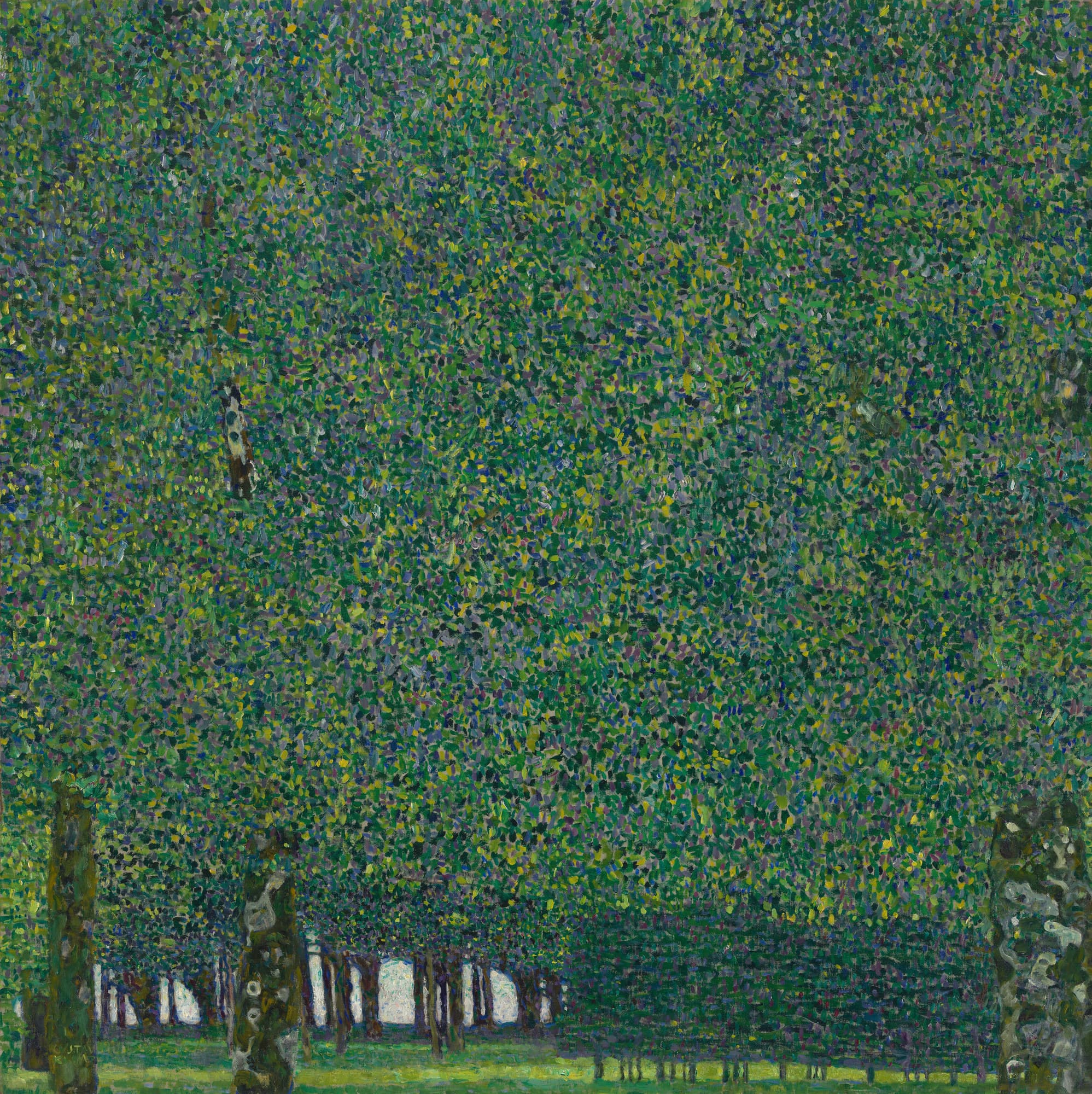
Park
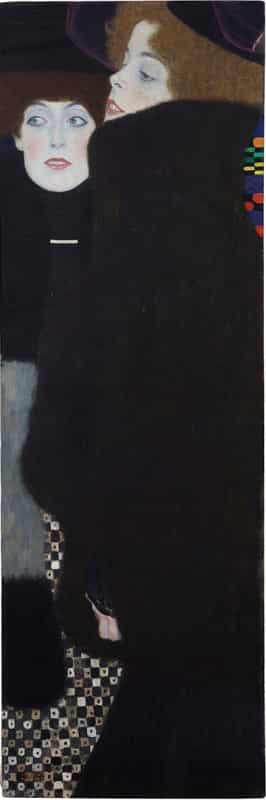
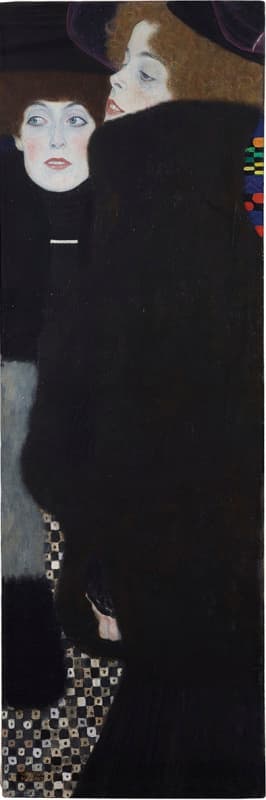
Friends I
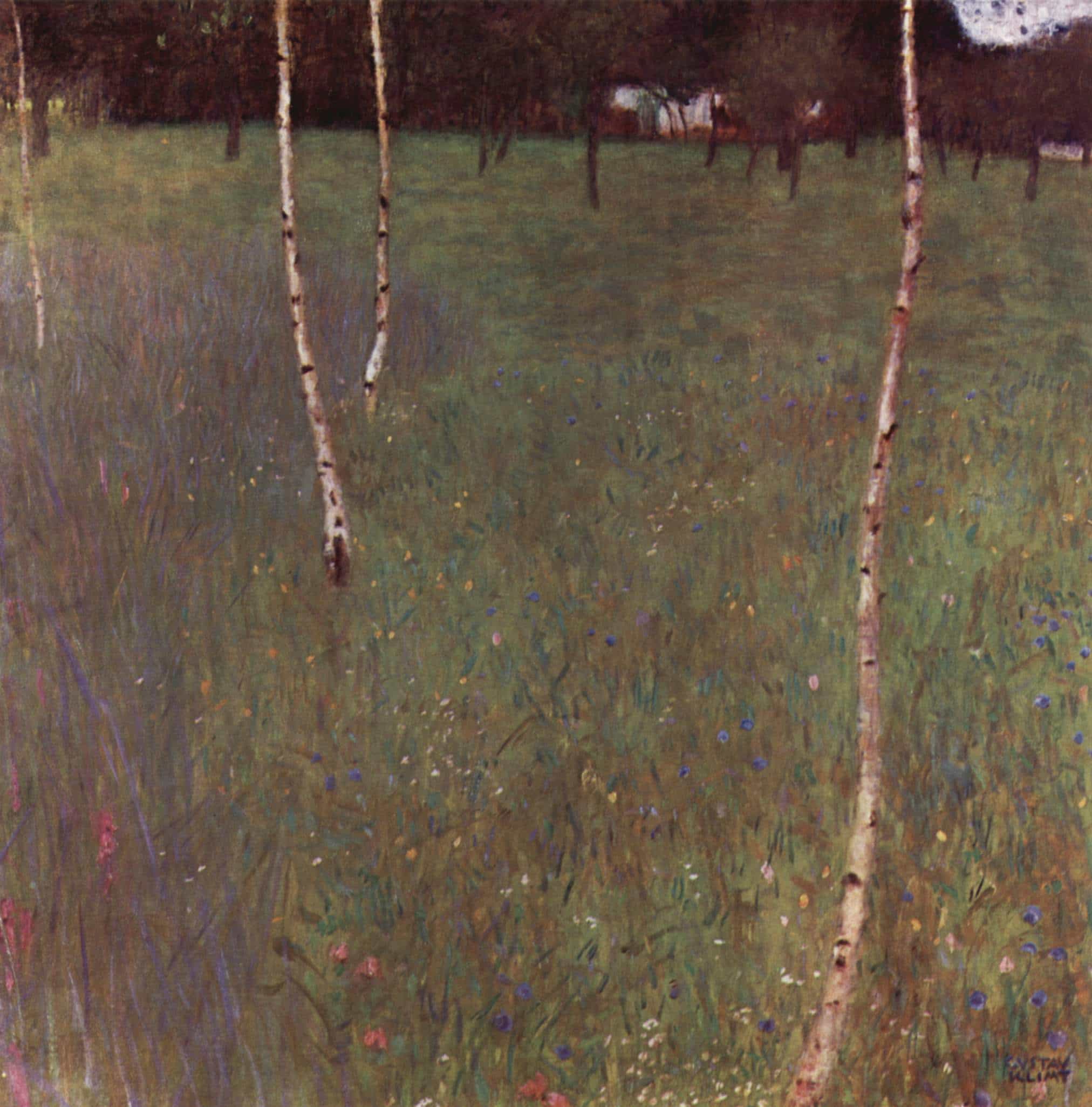
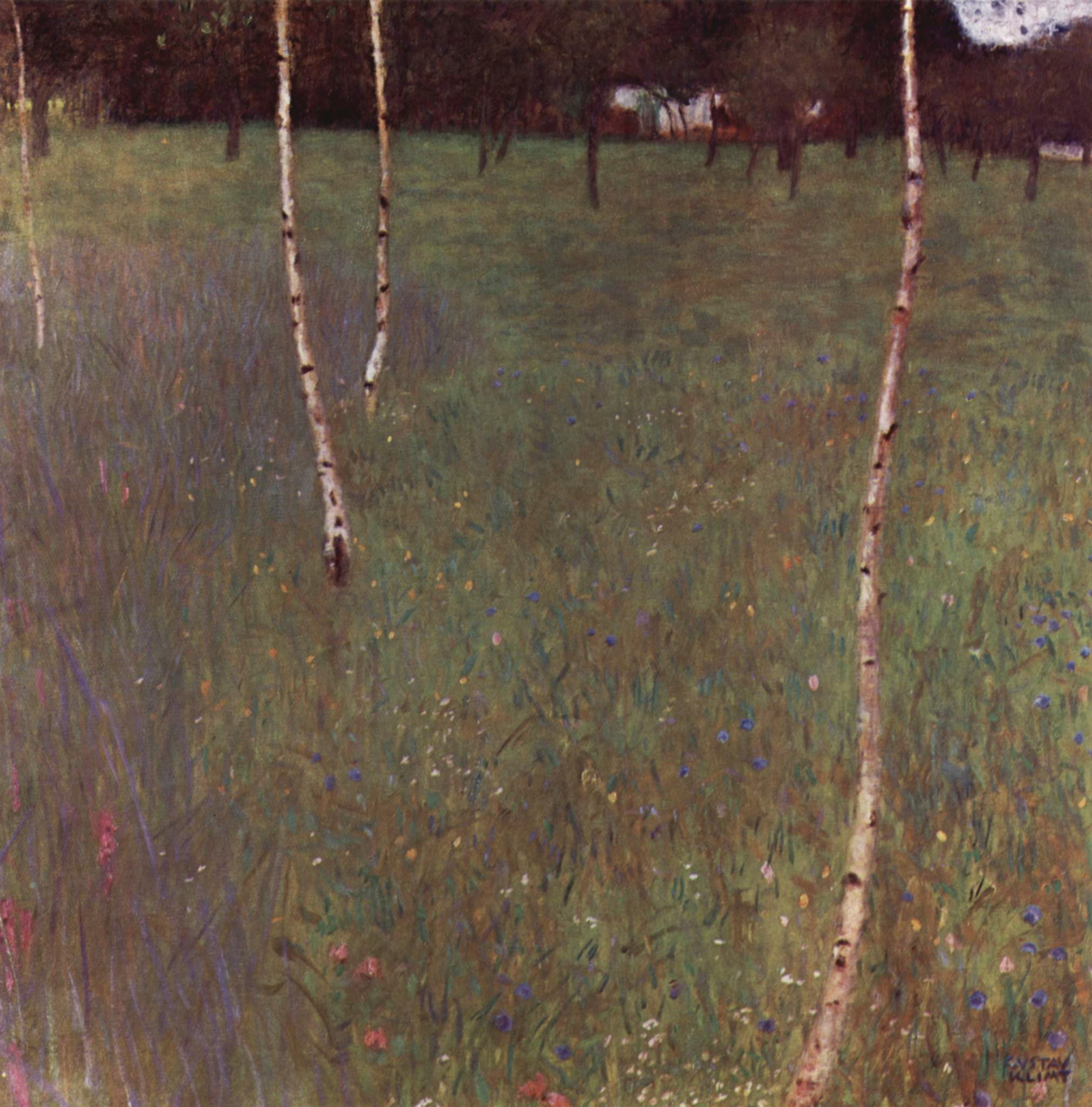
Farmhouse with Birch Trees
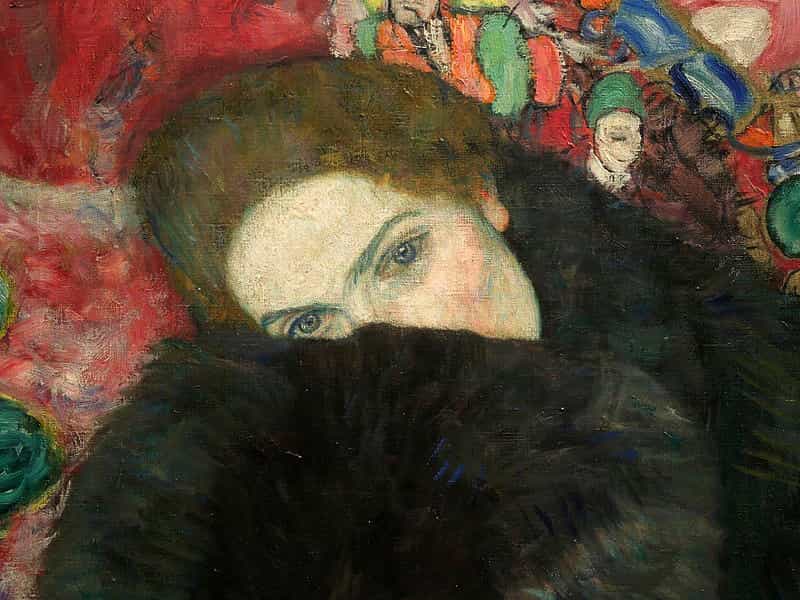
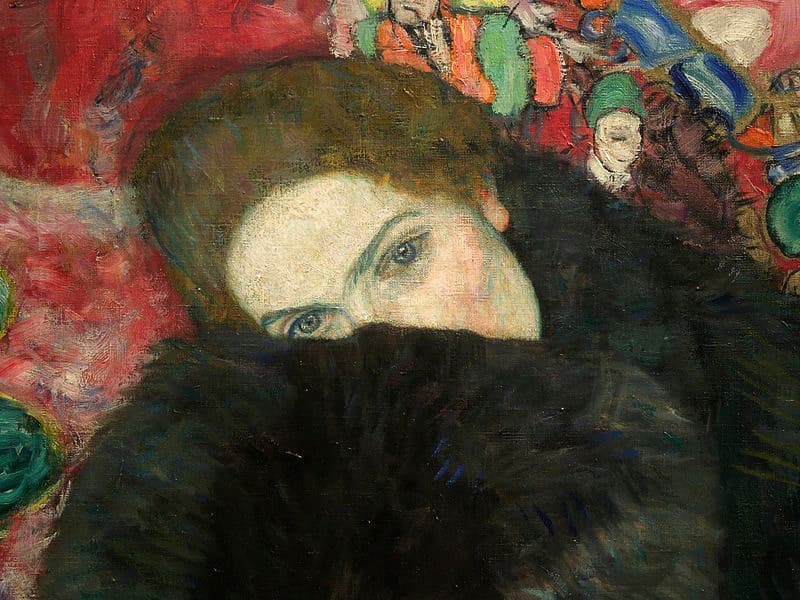
Lady with a Muff
unknown
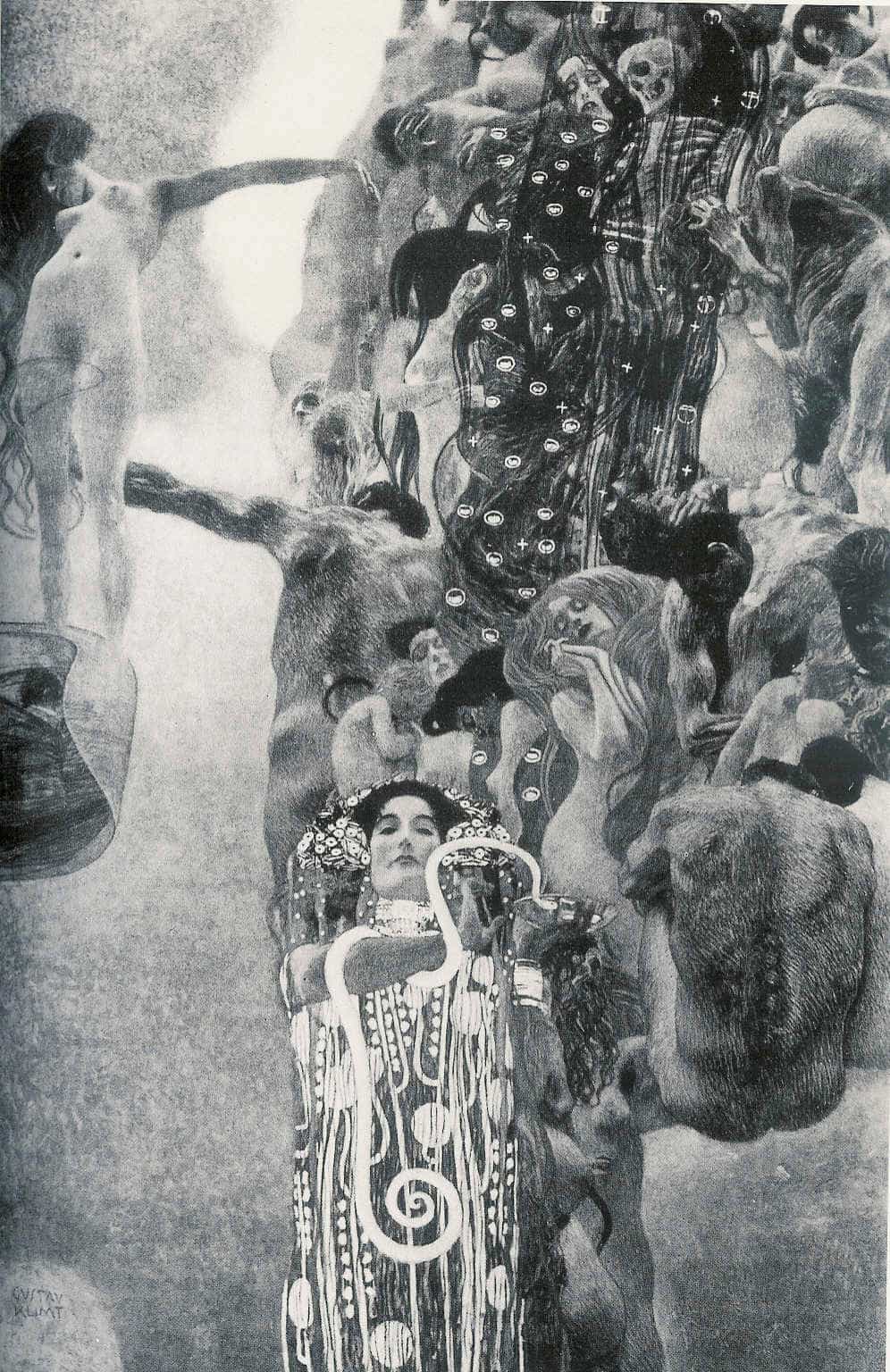
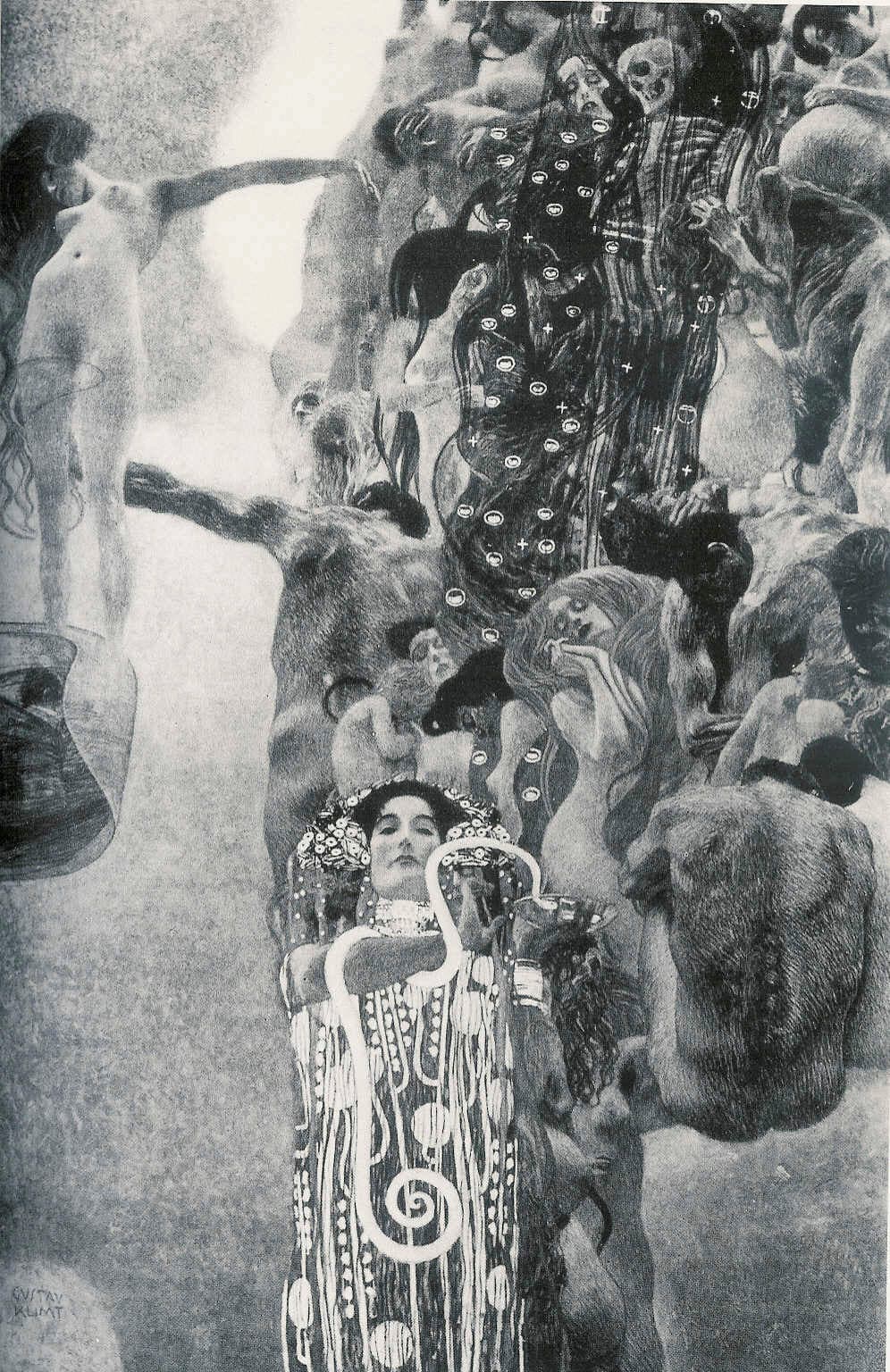
Medicine