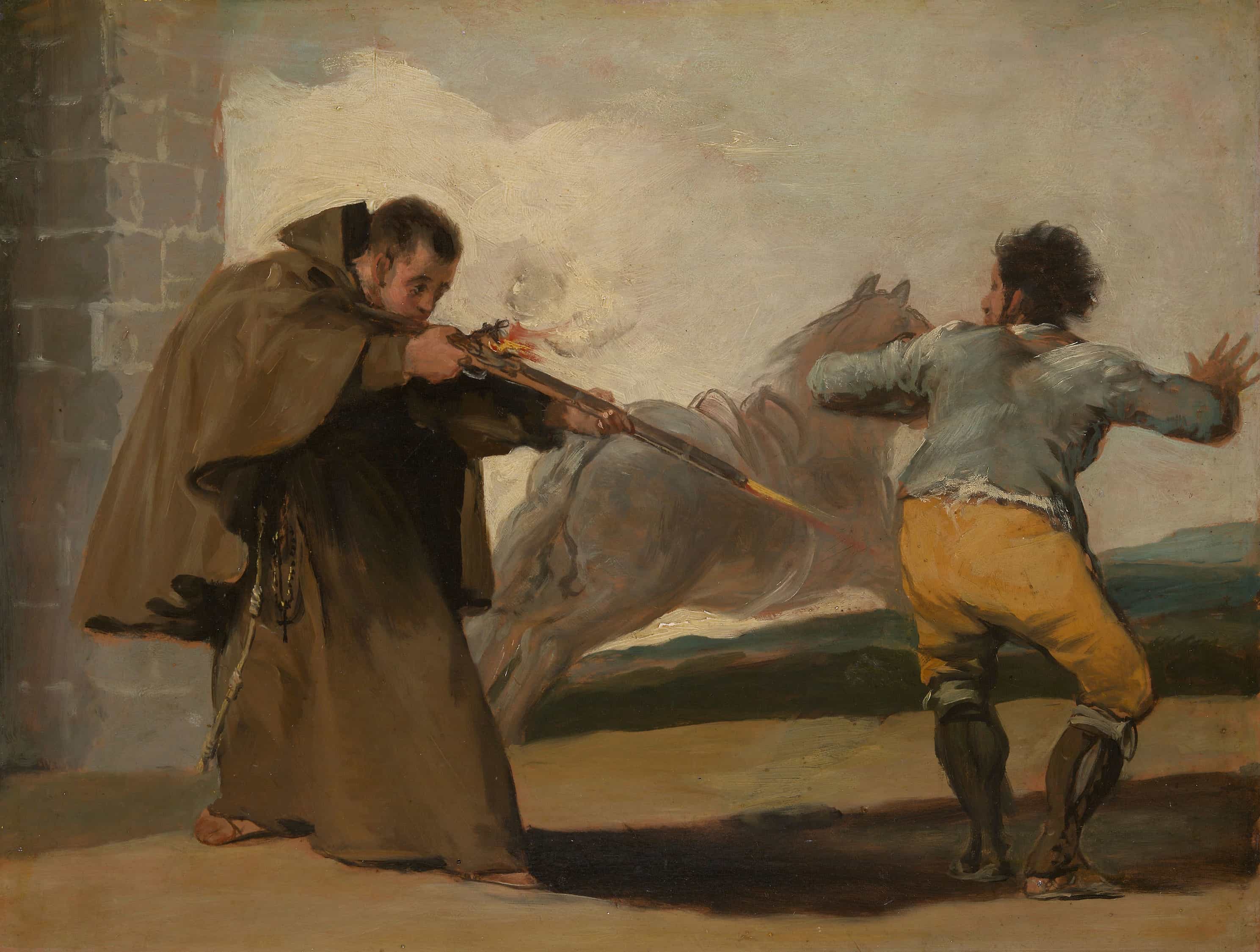
Friar Pedro Shoots El Maragato as His Horse Runs Off
Francisco Goya
From €64
Collection
Museum-quality reproductions on 310gsm textured cotton rag paper.
Shop all prints by Francisco GoyaArtistic Style
Style Evolution
Goya moved from precise academic draftsmanship and decorative tapestry designs in his early Madrid years to more direct, psychologically charged portraiture and socially engaged print series. After illness and wartime trauma his palette and imagery darkened, producing intensely personal and experimental late works that anticipated modern art movements.
Palette
Subjects
Techniques
Topics
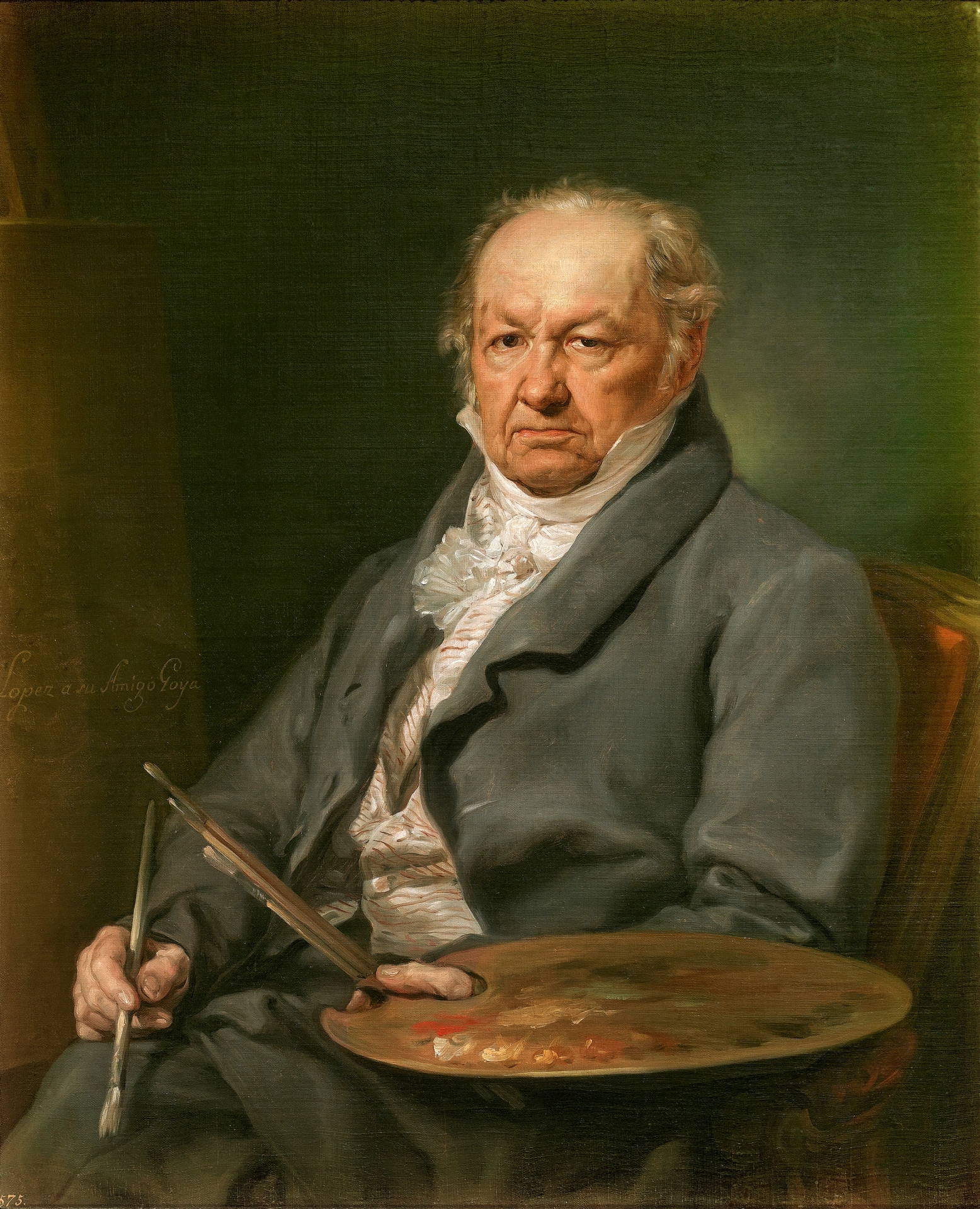
Francisco Goya (1746-1828) was a Spanish Romantic painter and printmaker whose penetrating portraits and dark, visionary prints bridged classical tradition and modern art.
Learn about the life of Francisco Goya
Signature Works
See all available prints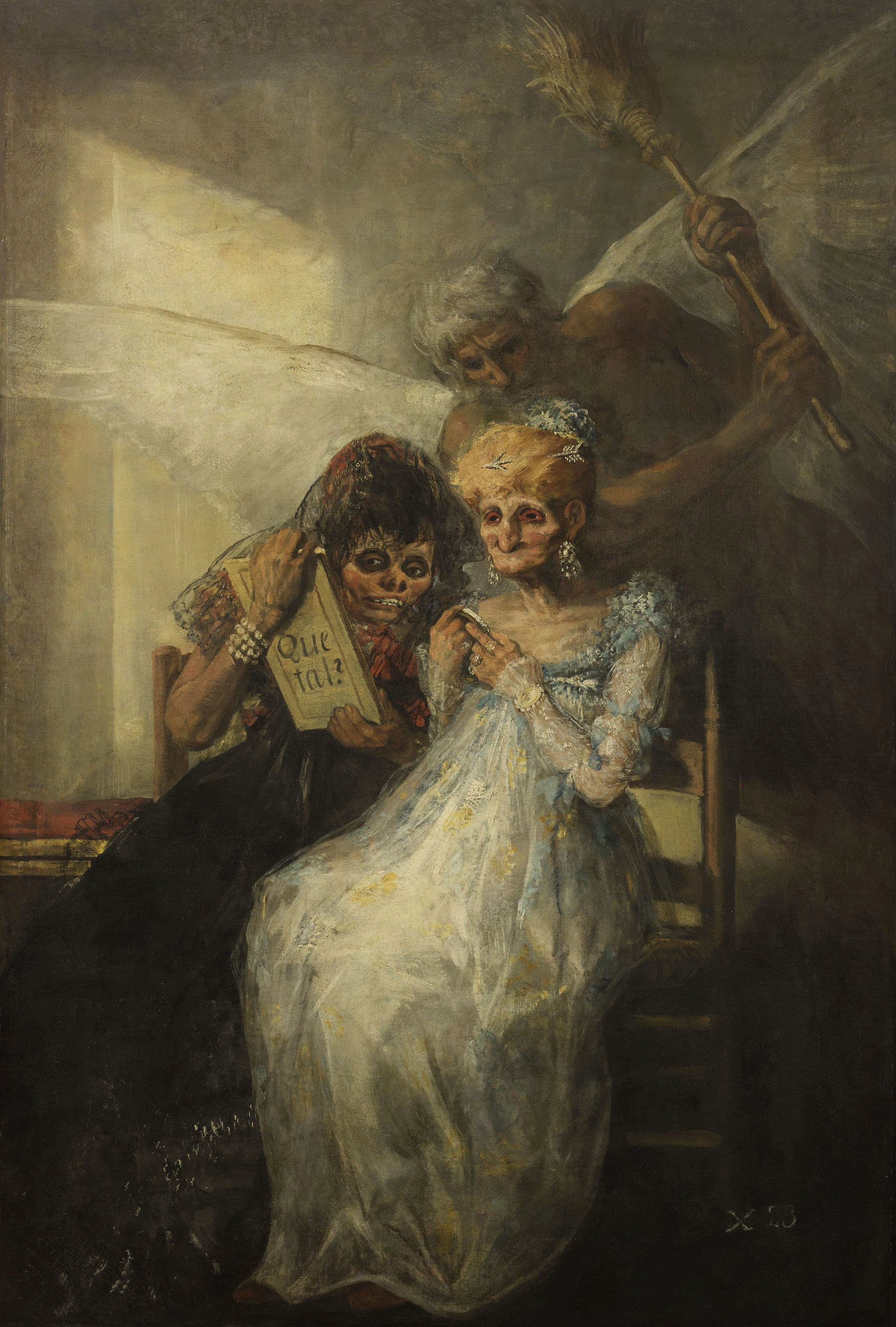
Biography
Francisco Goya (1746-1828) was a Spanish Romantic painter and printmaker whose penetrating portraits and dark, visionary prints bridged classical tradition and modern art.
Francisco Goya was born in Fuendetodos in 1746. He trained as a painter in Spain and established himself in Madrid, where he worked on tapestry designs and built a reputation that led to commissions from aristocratic and court circles. Goya's early career combined academic training with practical work for decorative and liturgical projects, giving him technical precision that he later adapted to bolder, more personal subjects.
Goya's artistic life spans distinct phases, shaped by location, patronage, and personal crisis. He spent much of his career in Madrid as a working artist for elite patrons and the Spanish court, later producing some of his most challenging work after illness and political upheaval.
During his mature years in Madrid, Goya developed a reputation as a portraitist and a designer for royal tapestries. His portraits of nobles and members of the court are noted for psychological acuity and a direct observation of character.
In the late 18th and early 19th centuries Goya produced powerful prints and satirical series that criticized social follies and human cruelty. His work from this period combines social commentary with refined print technique.
Following illness and the traumatic events of war and repression, Goya's imagery grew darker and more introspective. In his final years he left Spain and spent his last years in exile in Bordeaux, where he continued to paint and experiment until his death.
Goya secured his place in art history through a wide range of work—court portraits that record elite society, and prints and paintings that confront violence, superstition, and the subconscious. His mastery across oil painting and intaglio printmaking set new expressive possibilities for both mediums.
Goya combined academic draftsmanship with inventive handling of paint and print processes. He is known for fluid brushwork in oils, dramatic chiaroscuro, and innovative use of etching and aquatint in print series. His technique allowed him to shift between flattering court portraiture and stark, sometimes nightmarish imagery.
Goya is widely regarded as a pivotal figure between the Old Masters and modern art. His psychologically intense portraits and unflinching depictions of war influenced later Romantic and modern artists; his work is often cited as a precursor to Realism, Expressionism, and Surrealism. Artists such as Édouard Manet and Pablo Picasso acknowledged Goya’s compositional daring and moral courage.
Goya's personal experiences—periods of
Frequently Asked Questions
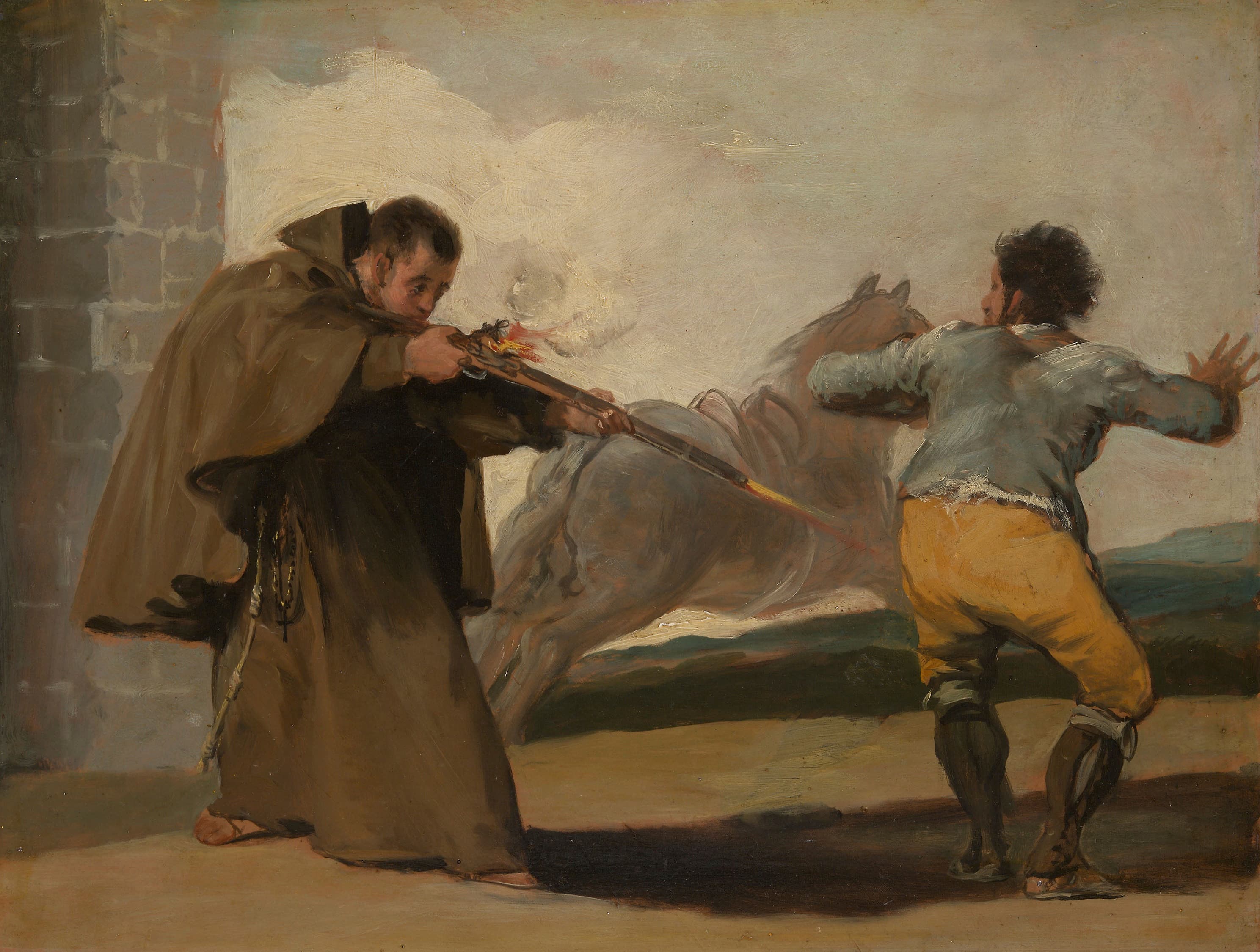
Friar Pedro Shoots El Maragato as His Horse Runs Off
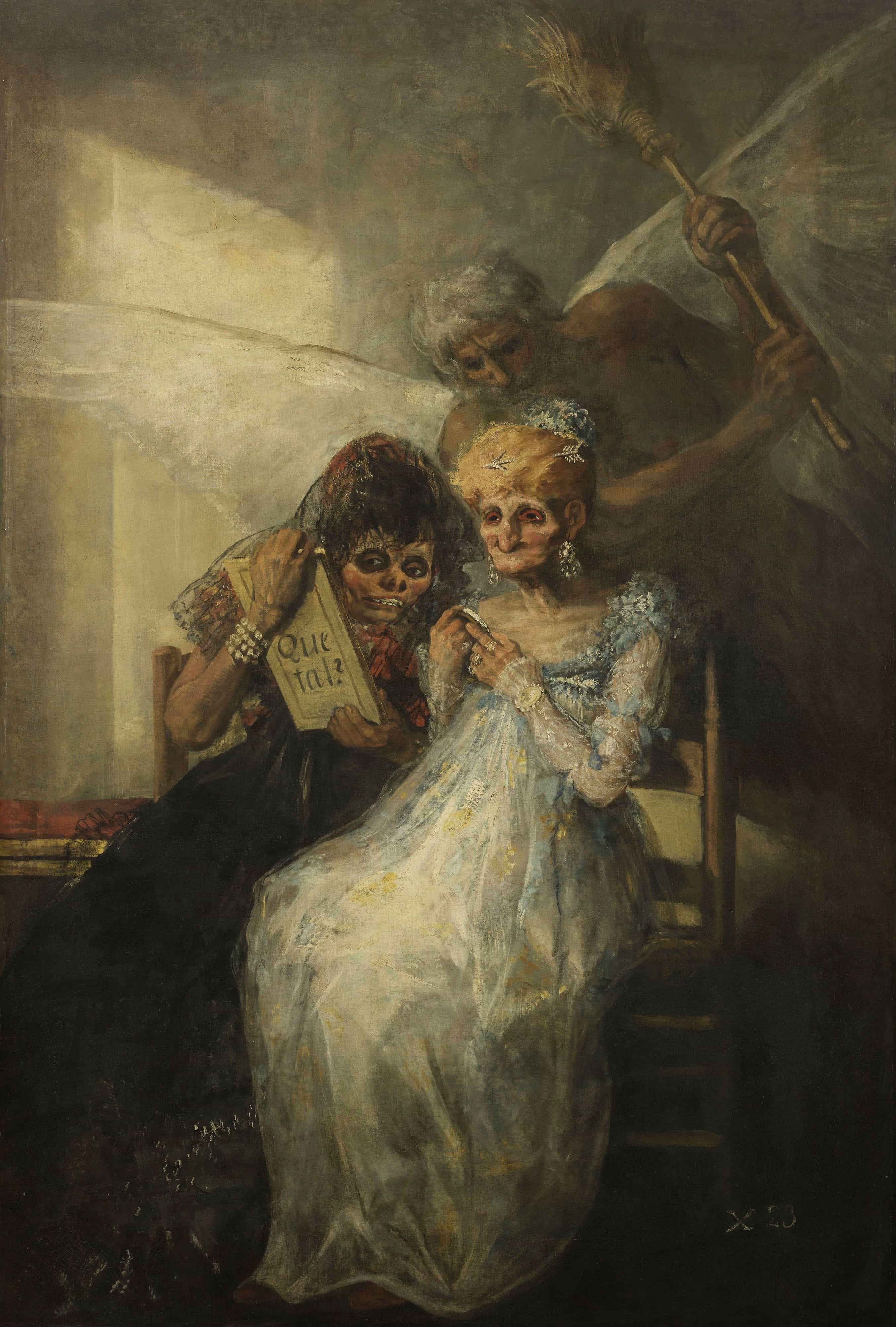
The Time and the Old Woman
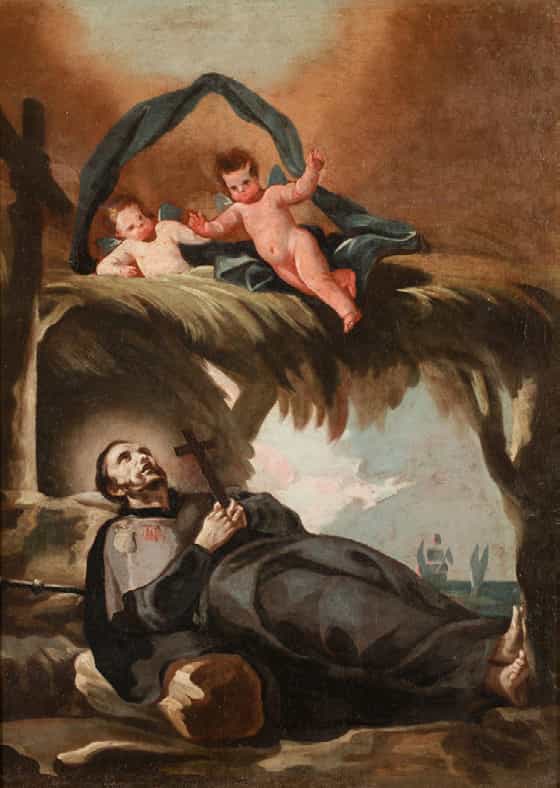
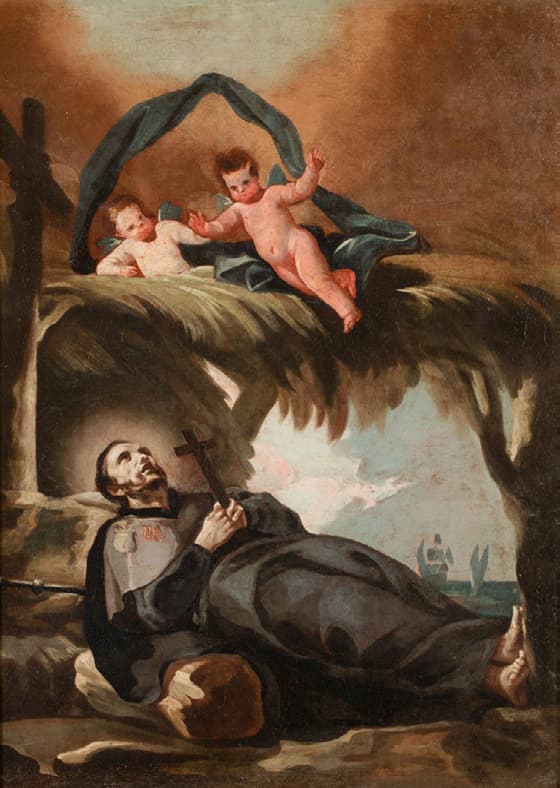
Death of Saint Francis Xavier
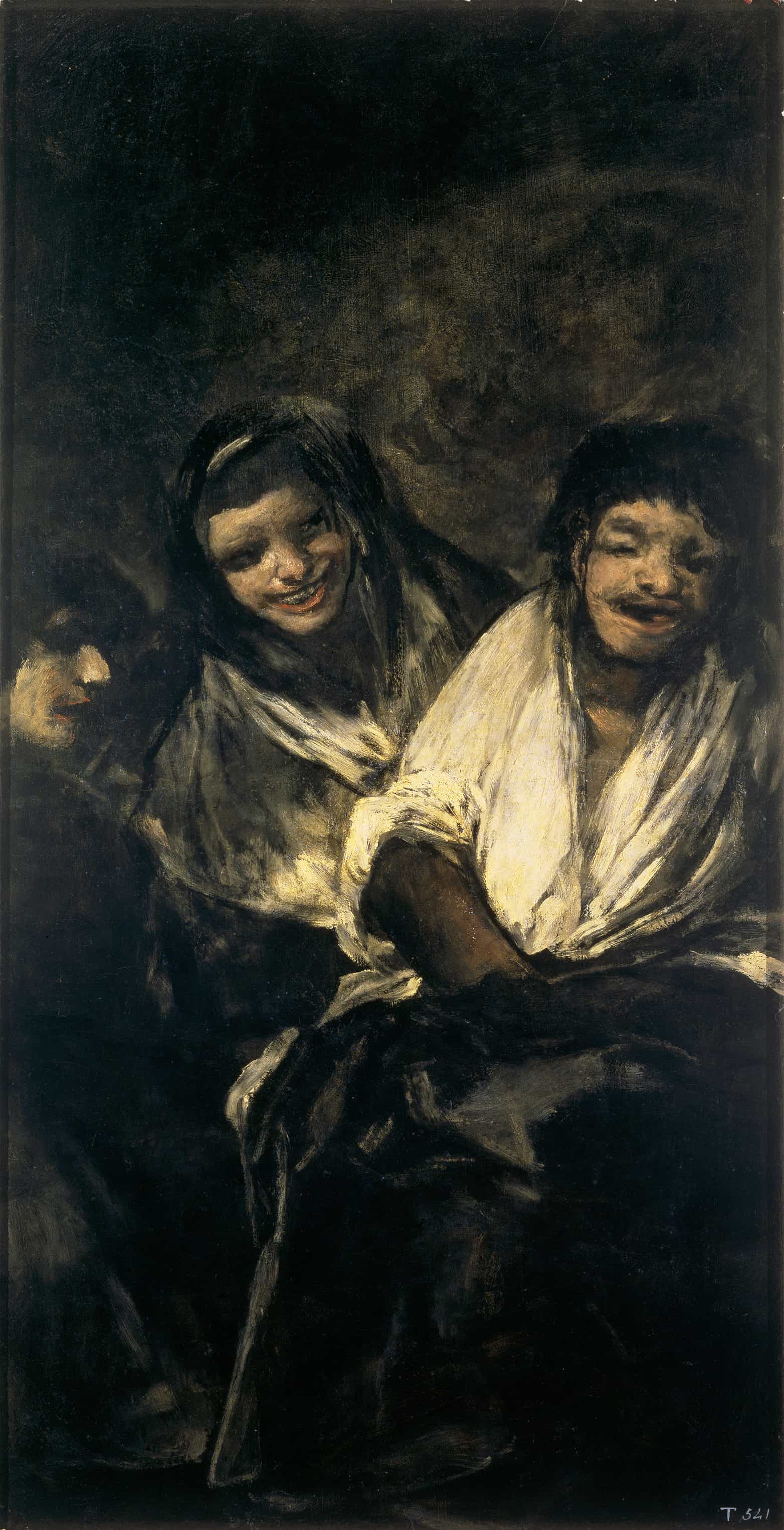
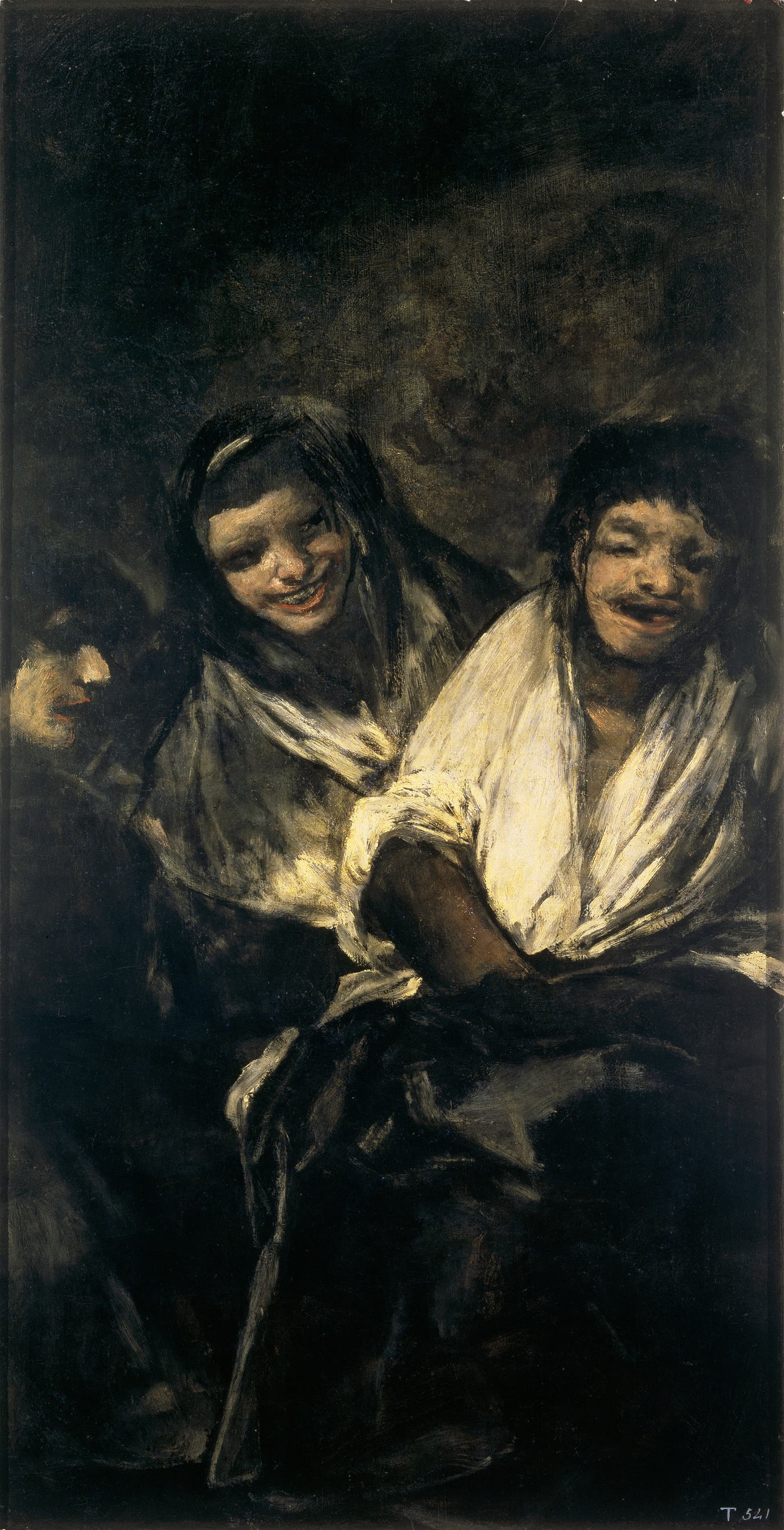
Man Mocked by Two Women
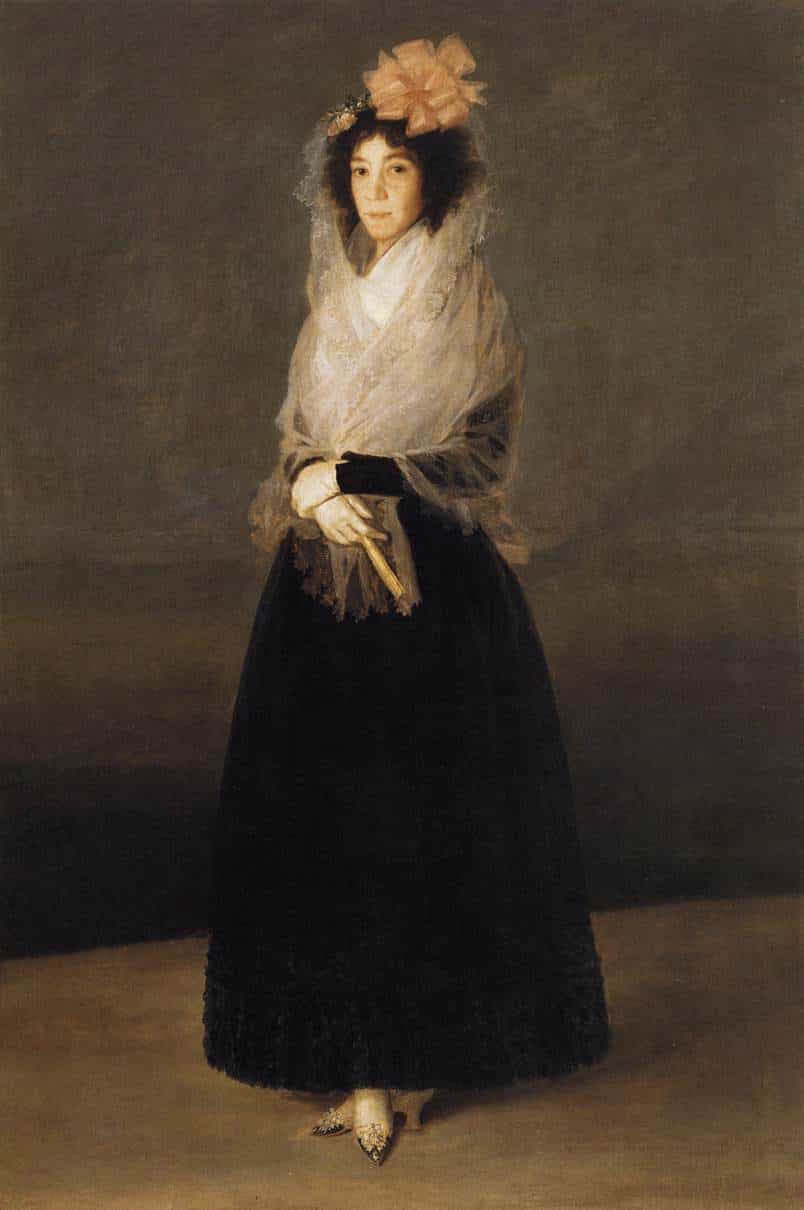
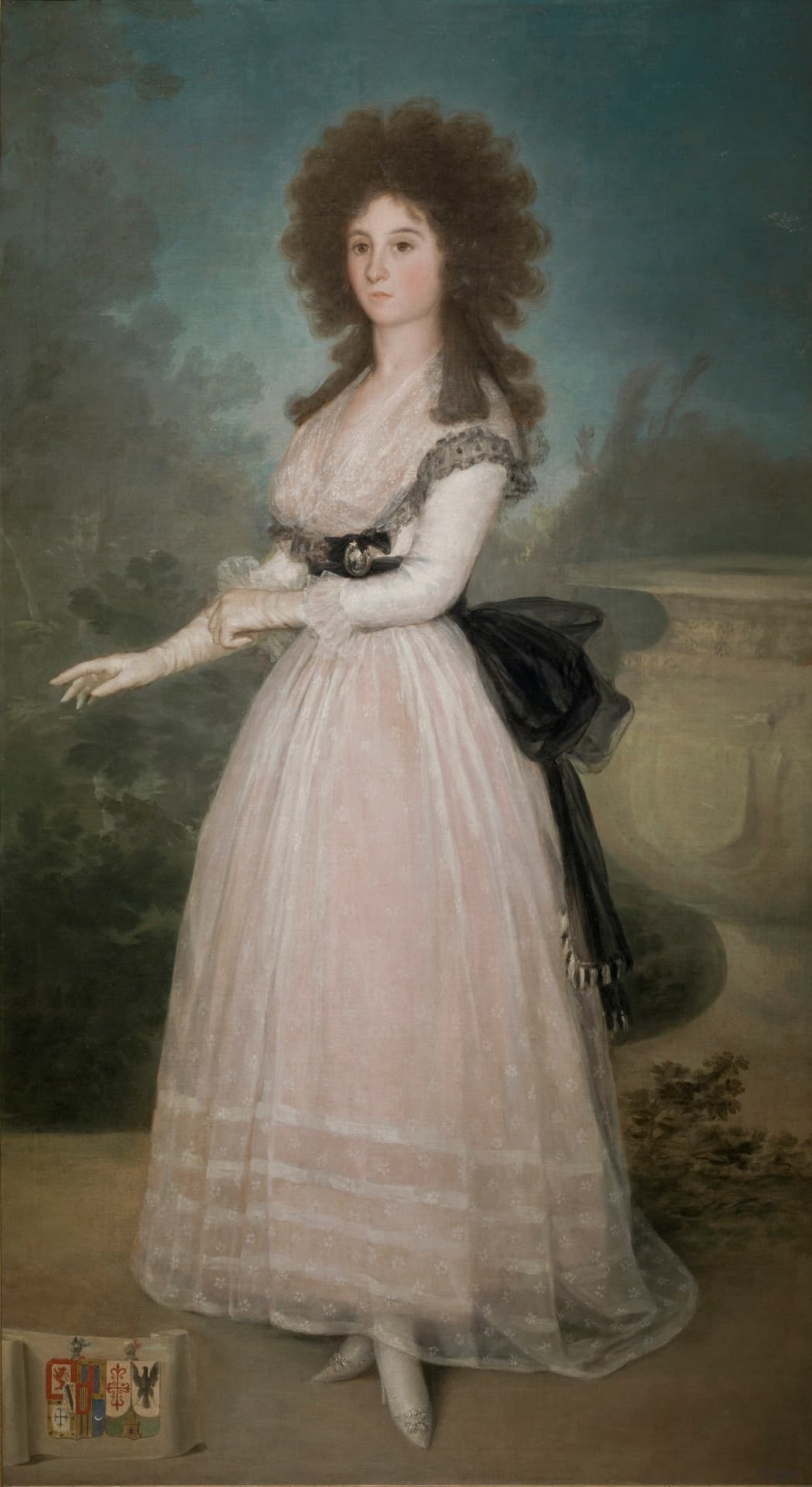
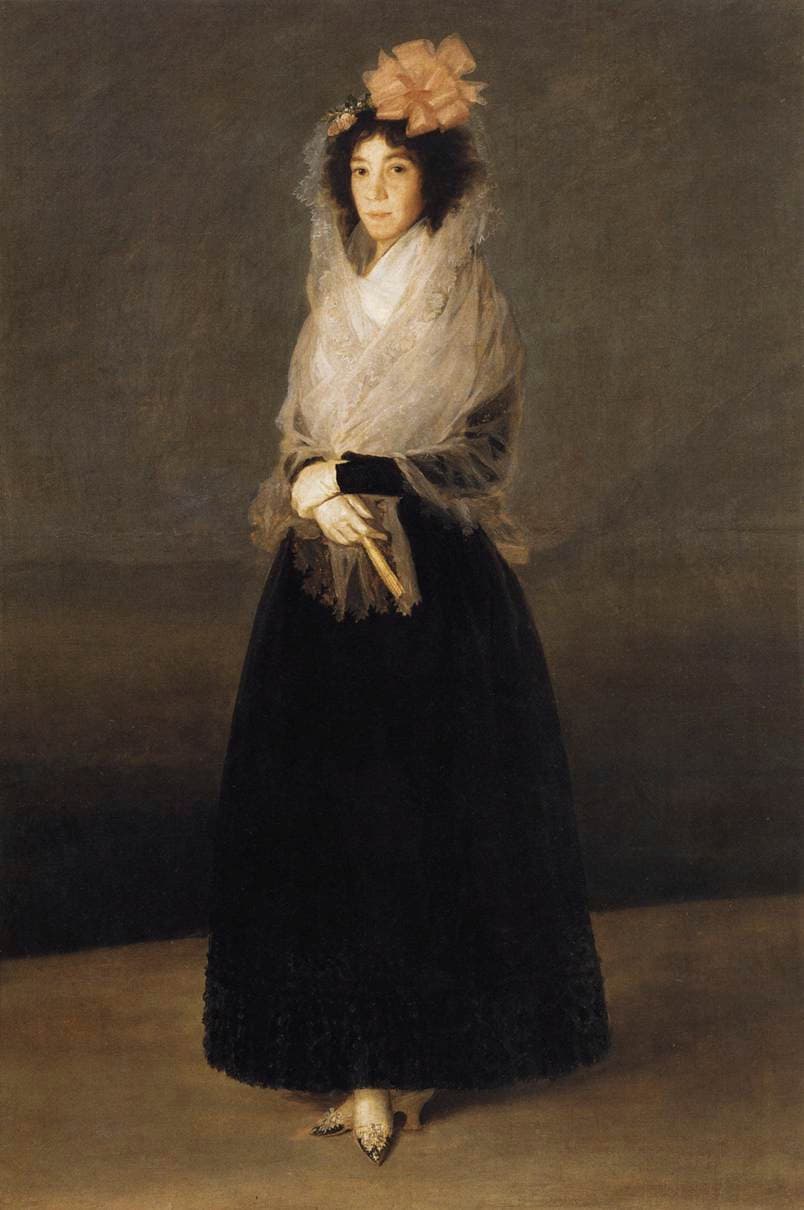
Countess del Carpio, Marquesa de La Solana
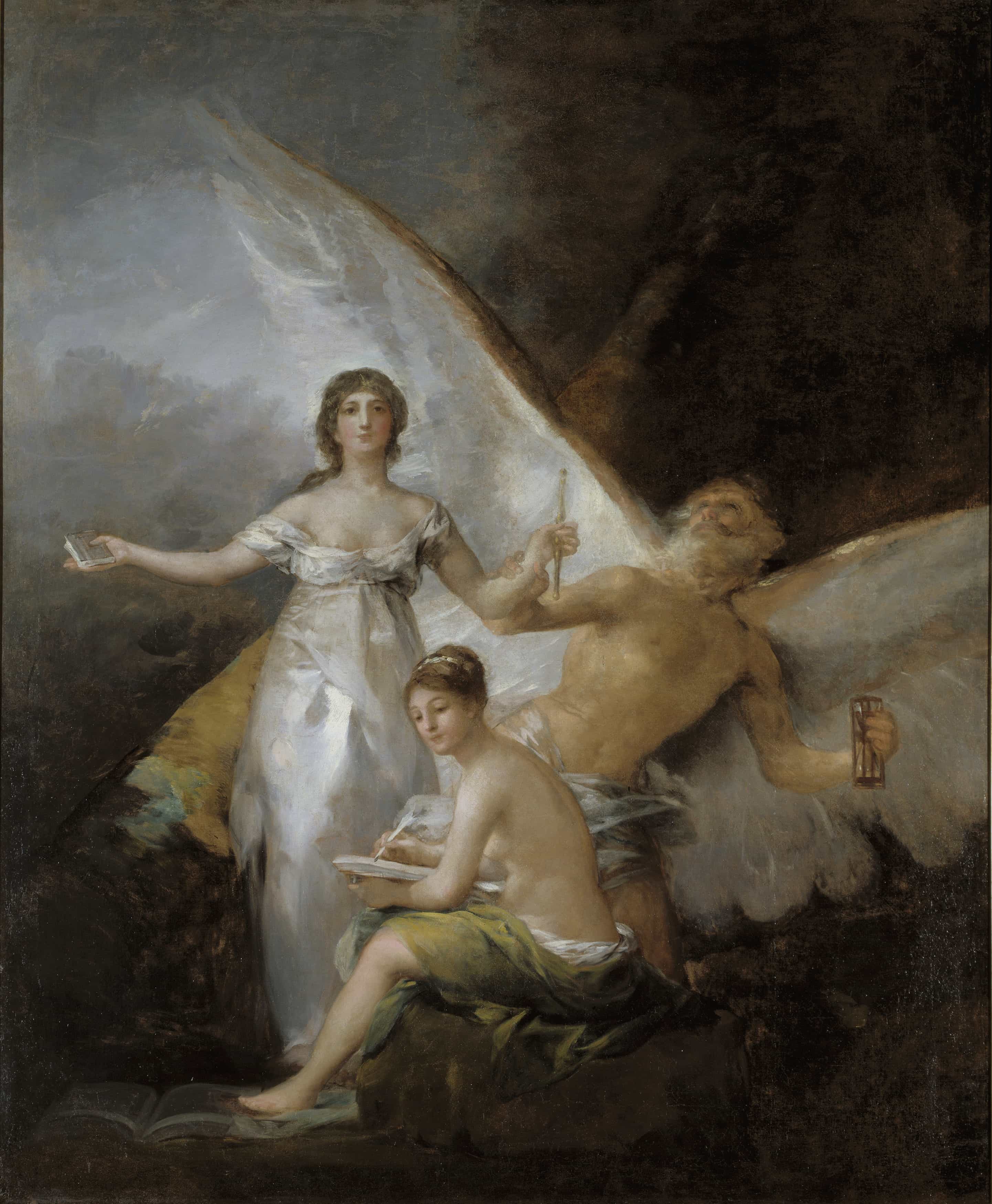
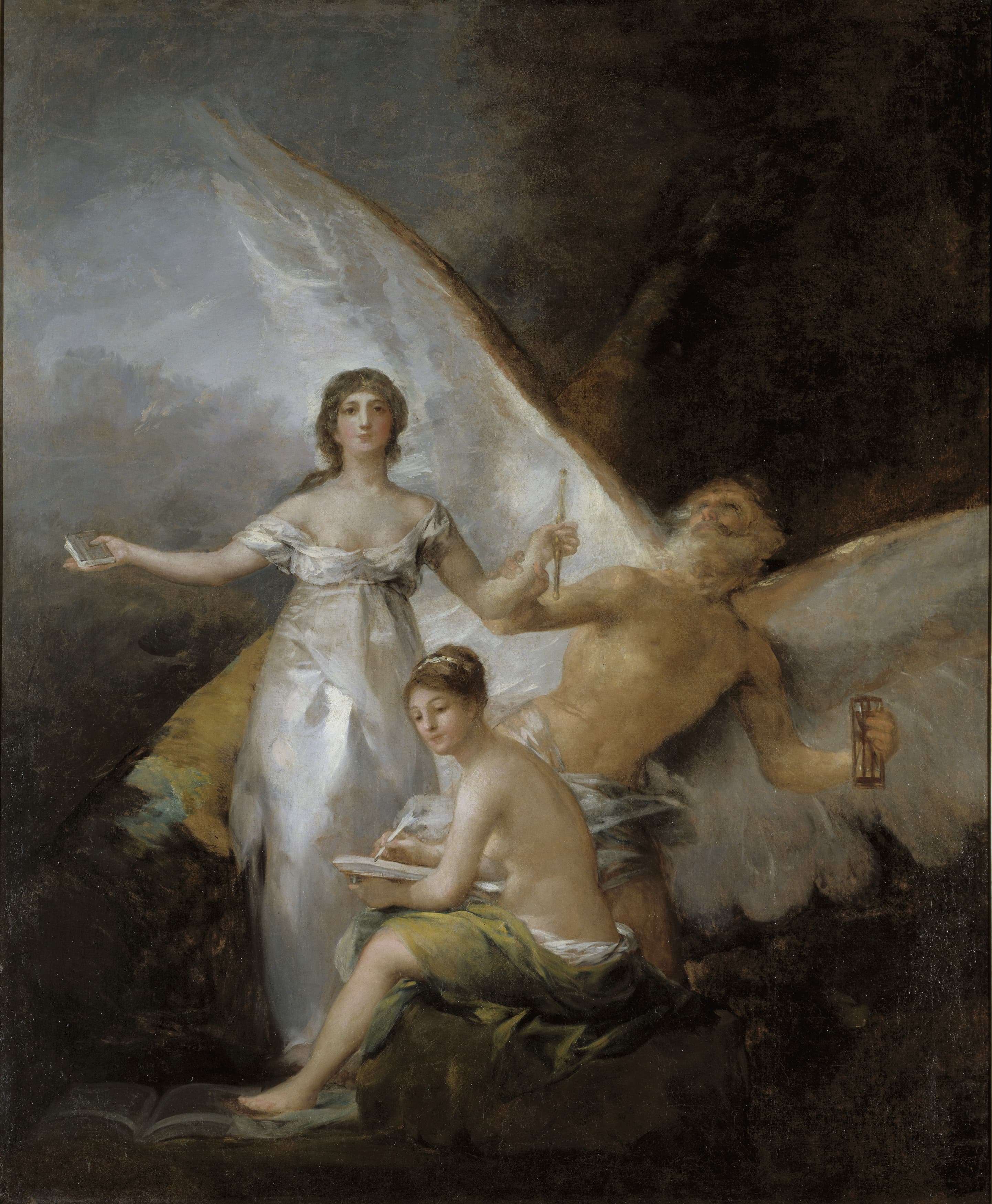
Truth, Time and History
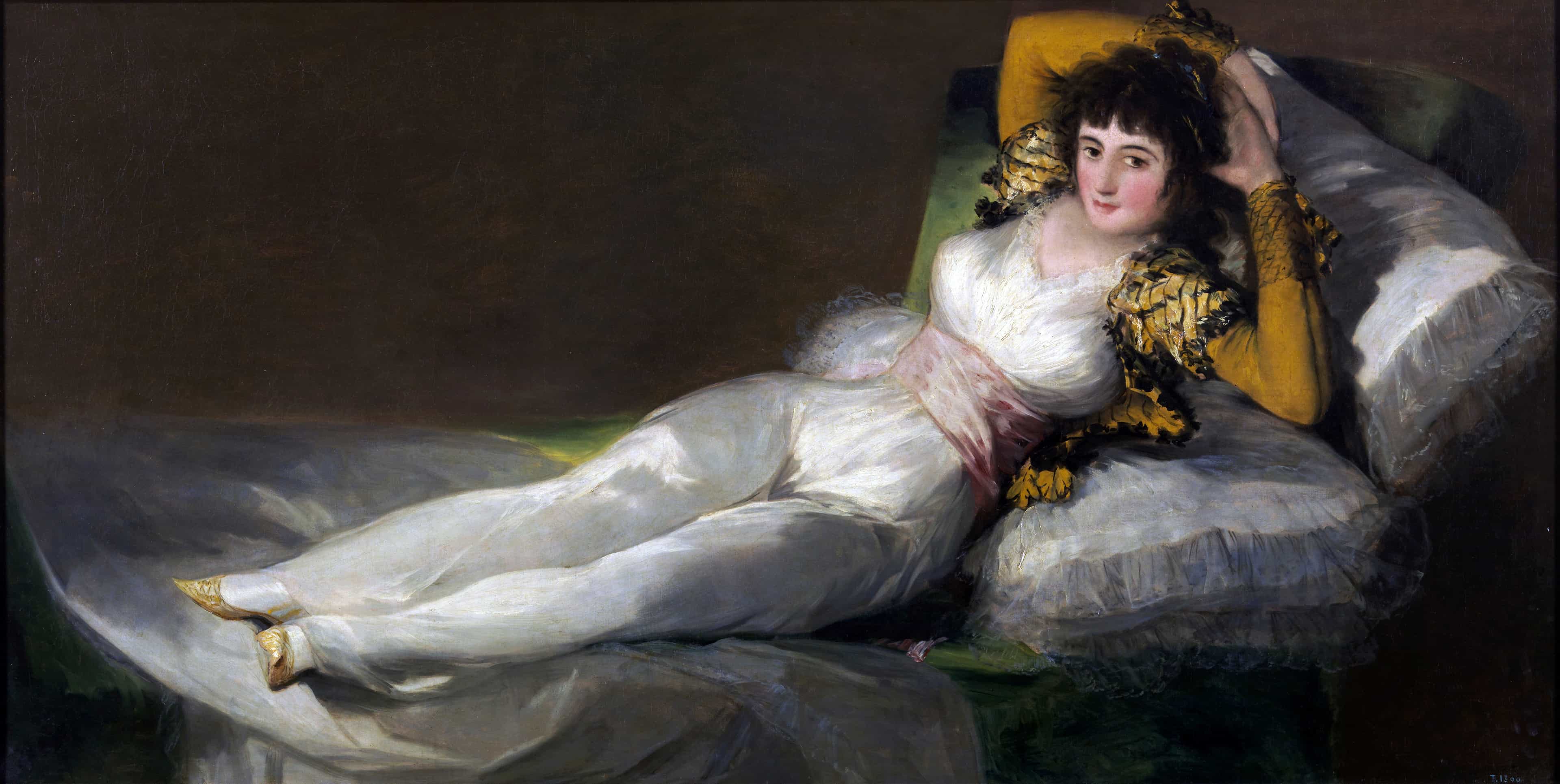
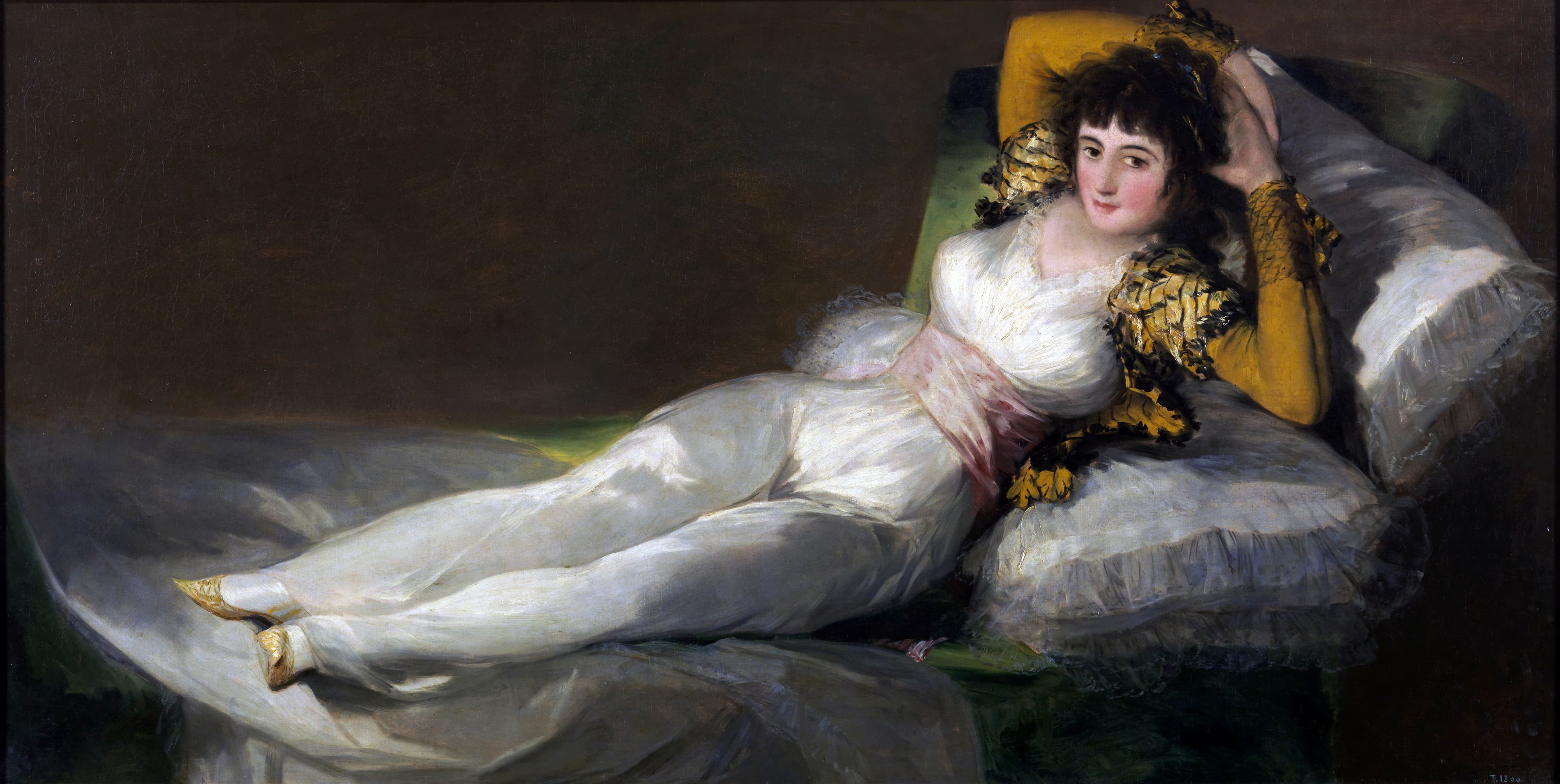
The Clothed Maja
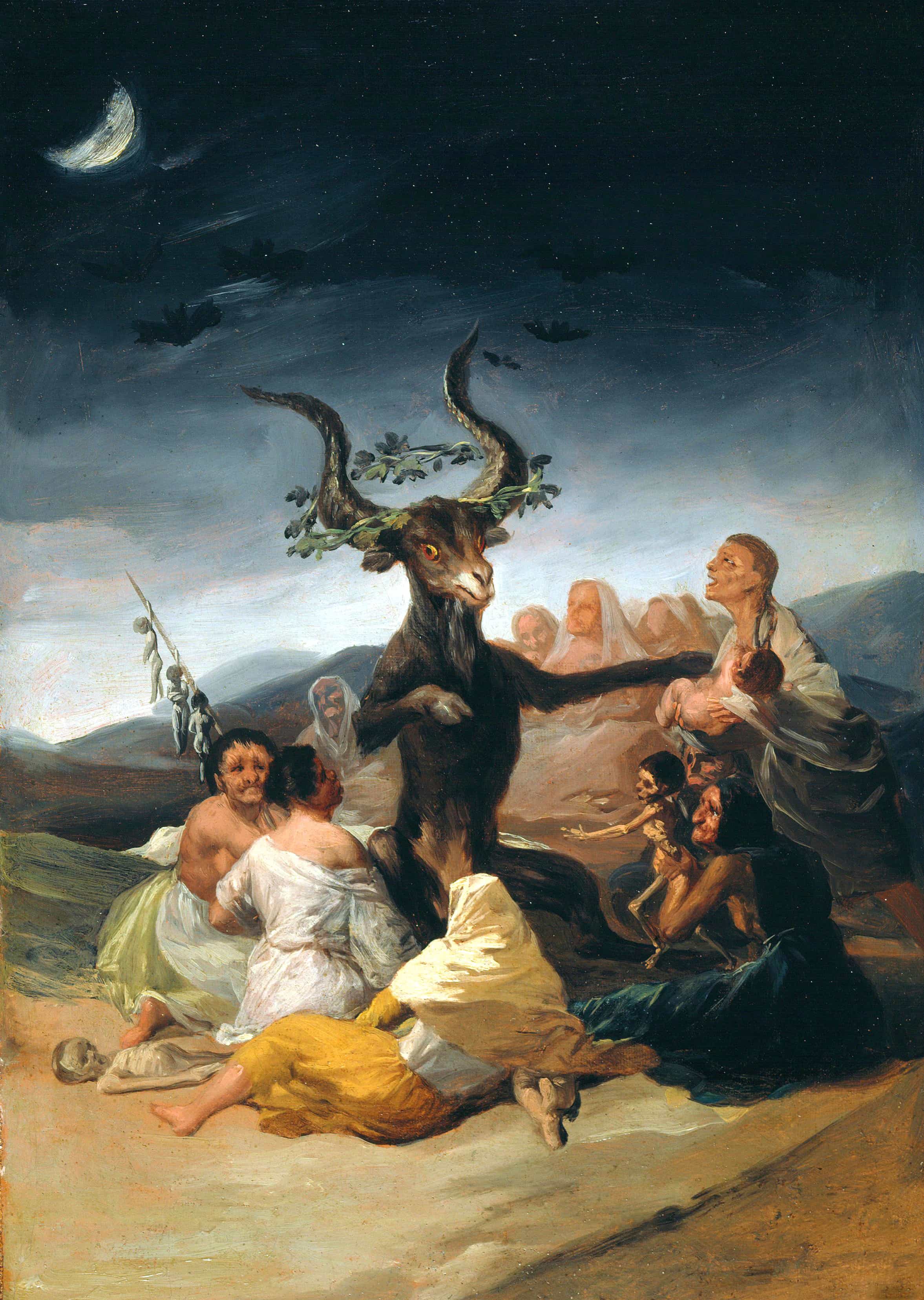
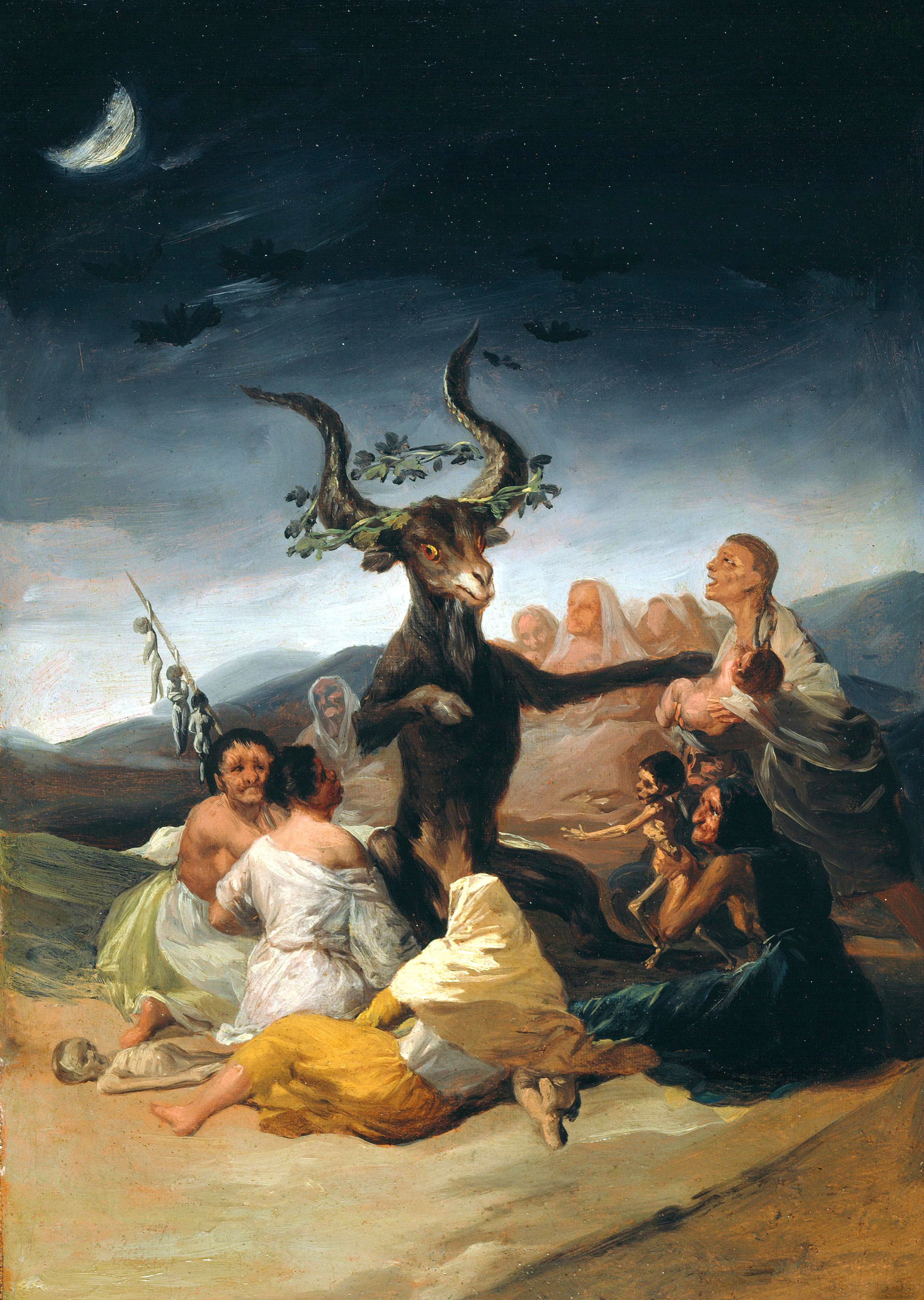
Witches' Sabbath
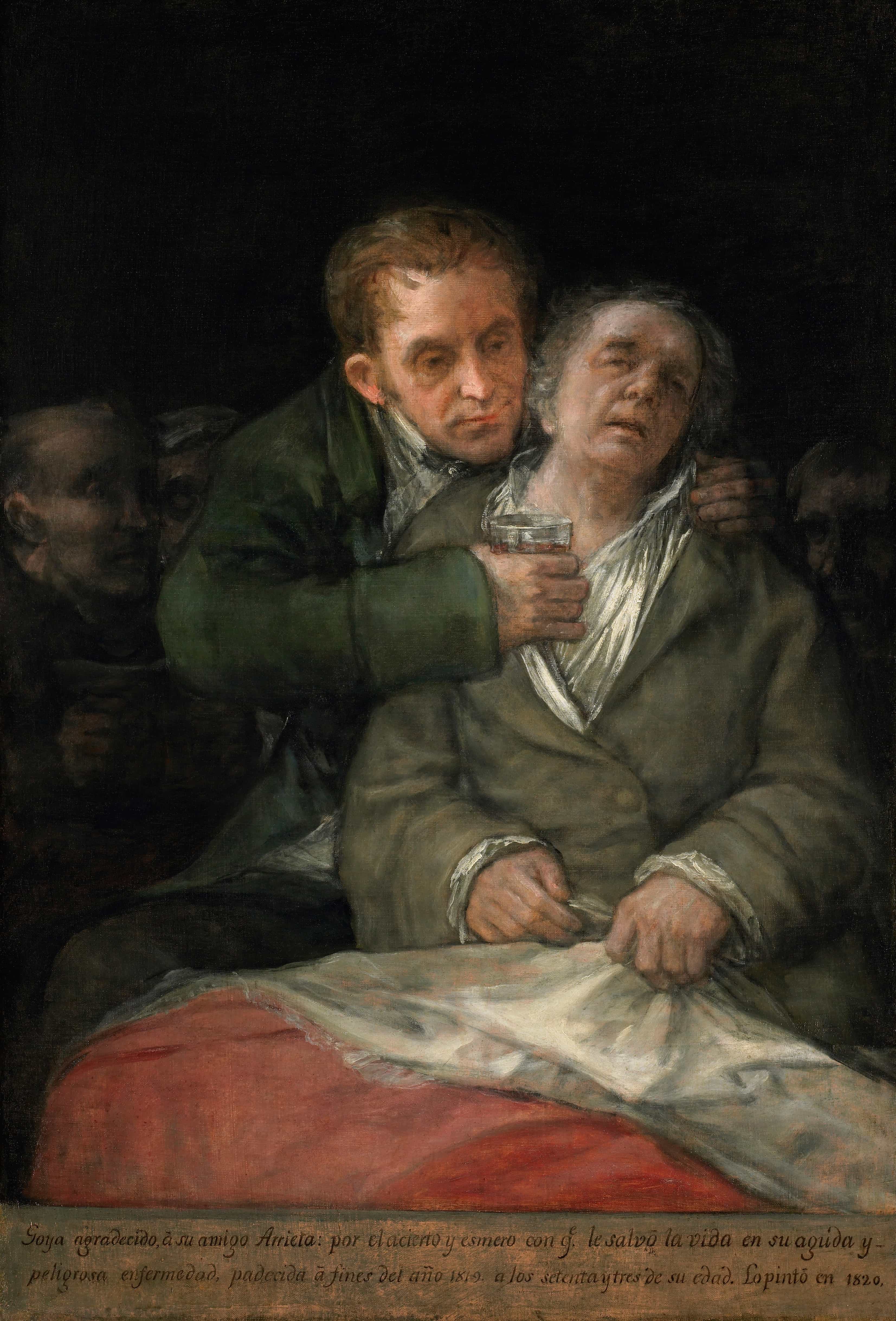
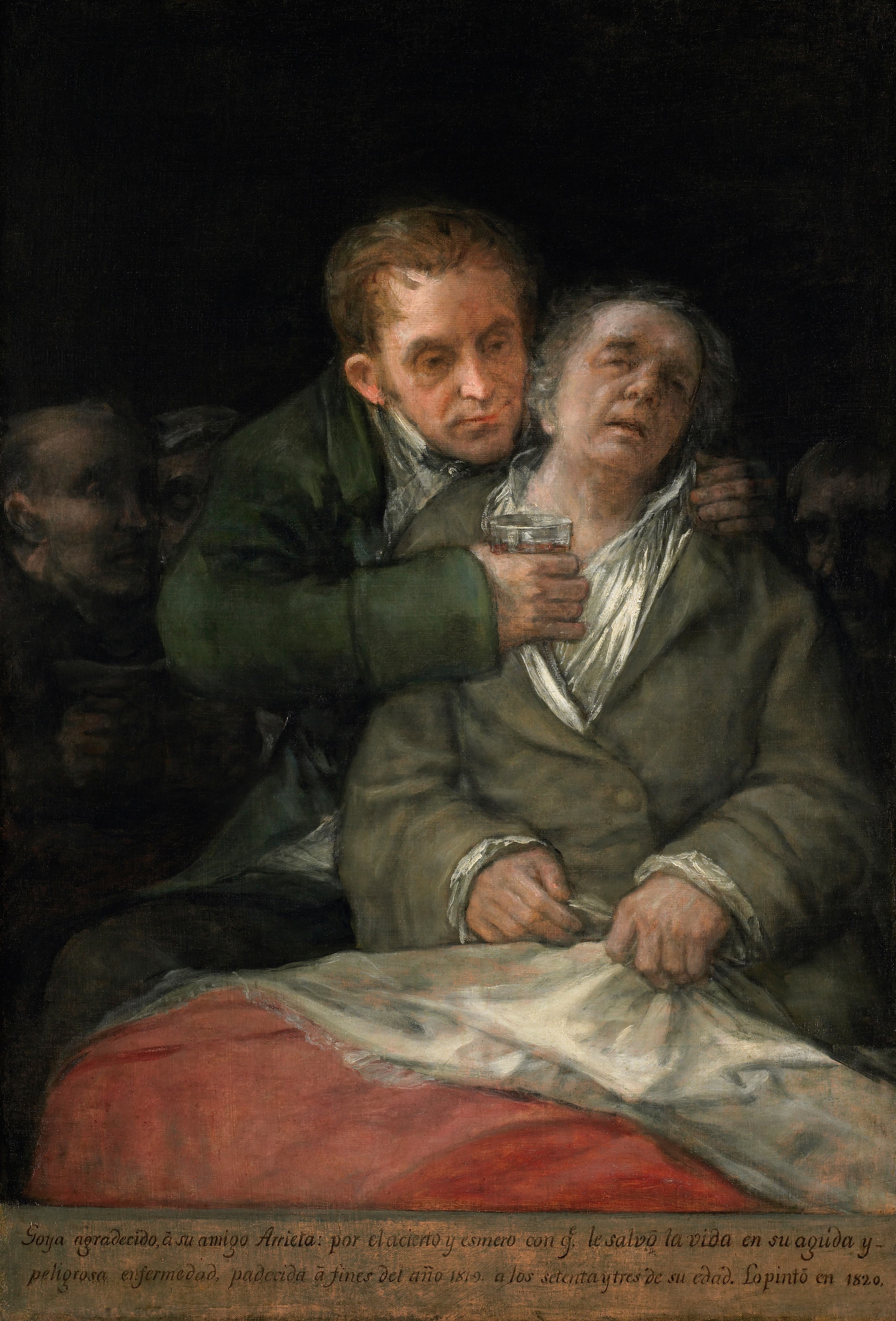
Self-Portrait with Dr. Arrieta
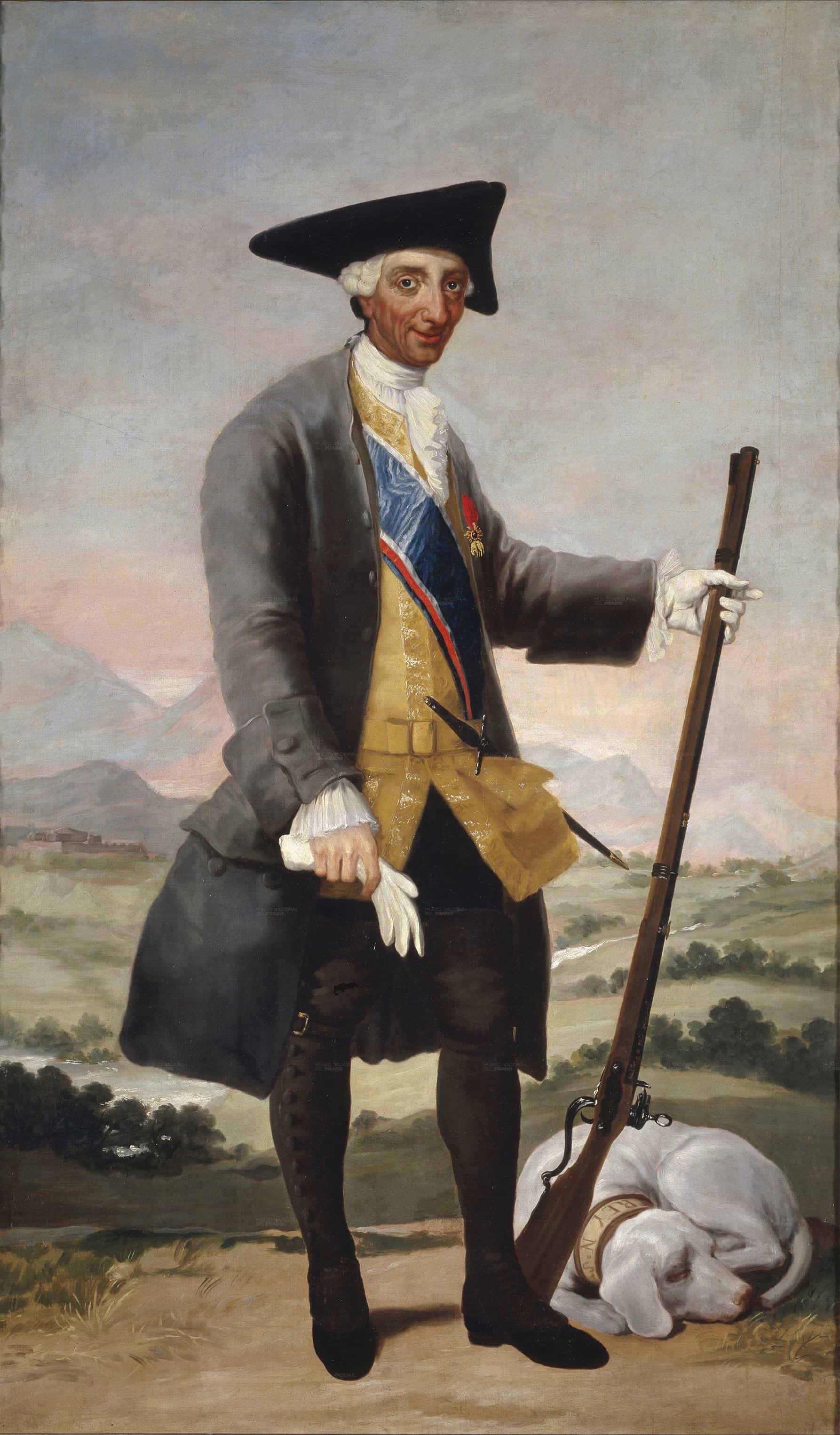
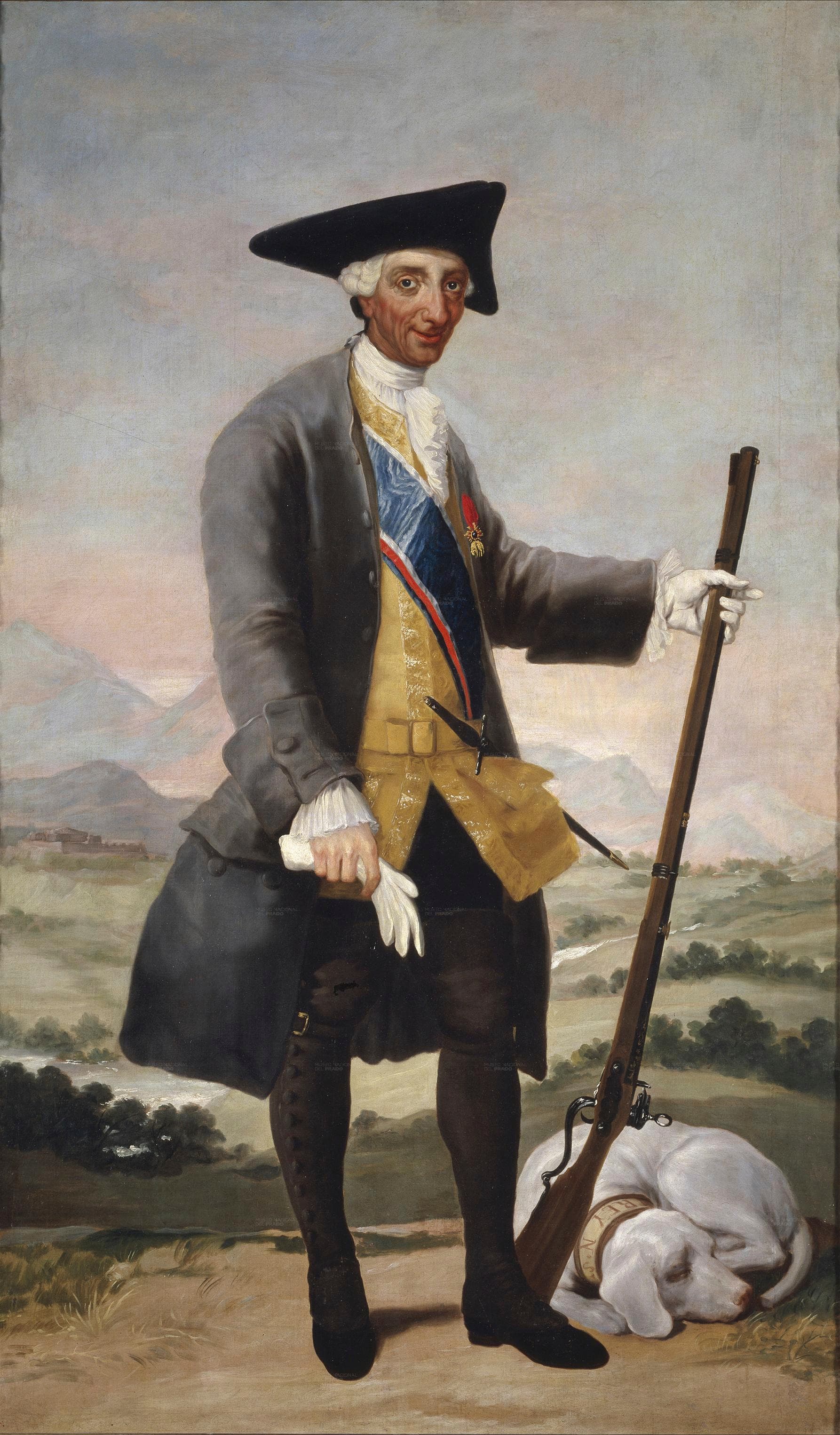
Charles III in Hunting Dress
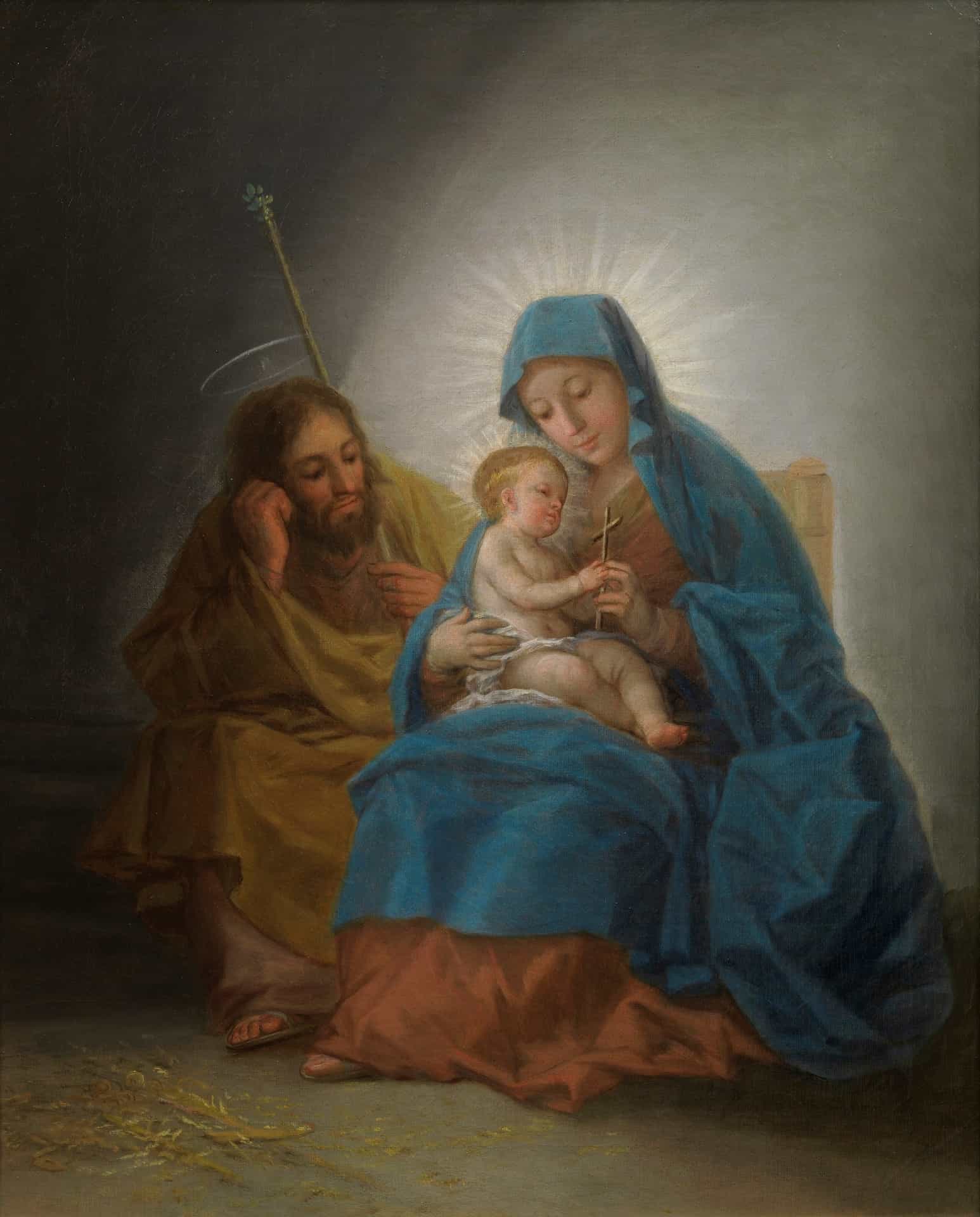
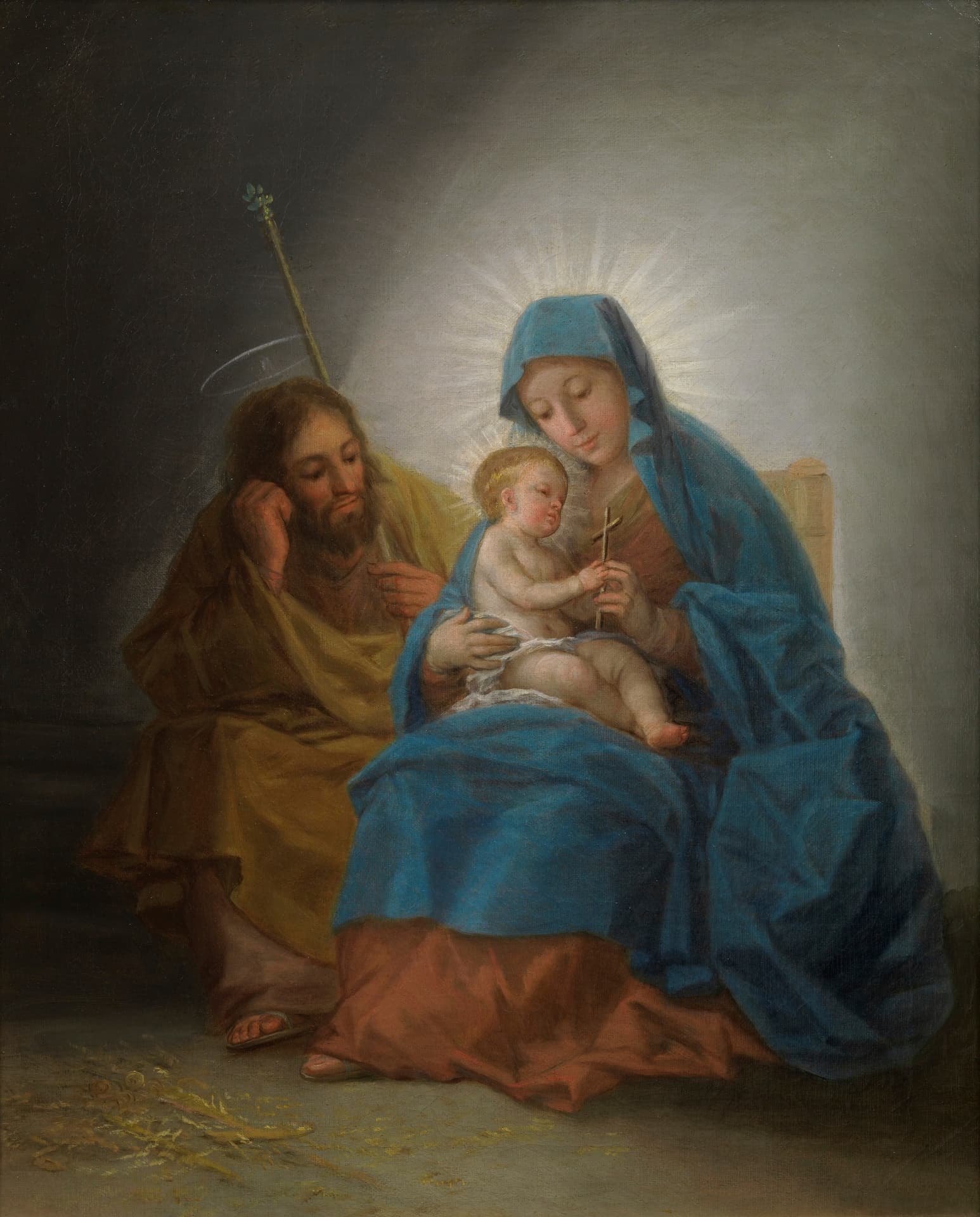
The Holy Family
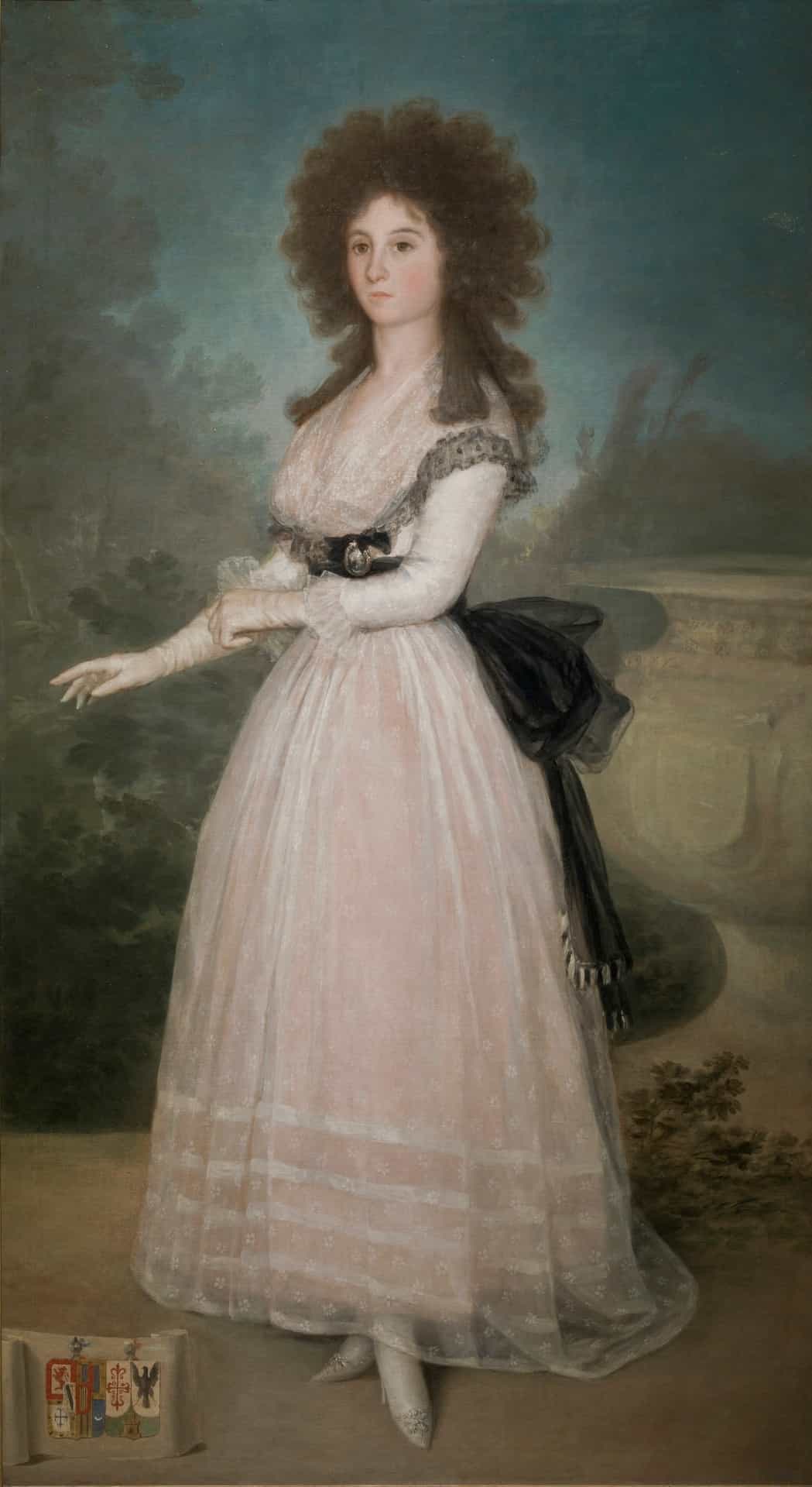
Tadea Arias de Enríquez