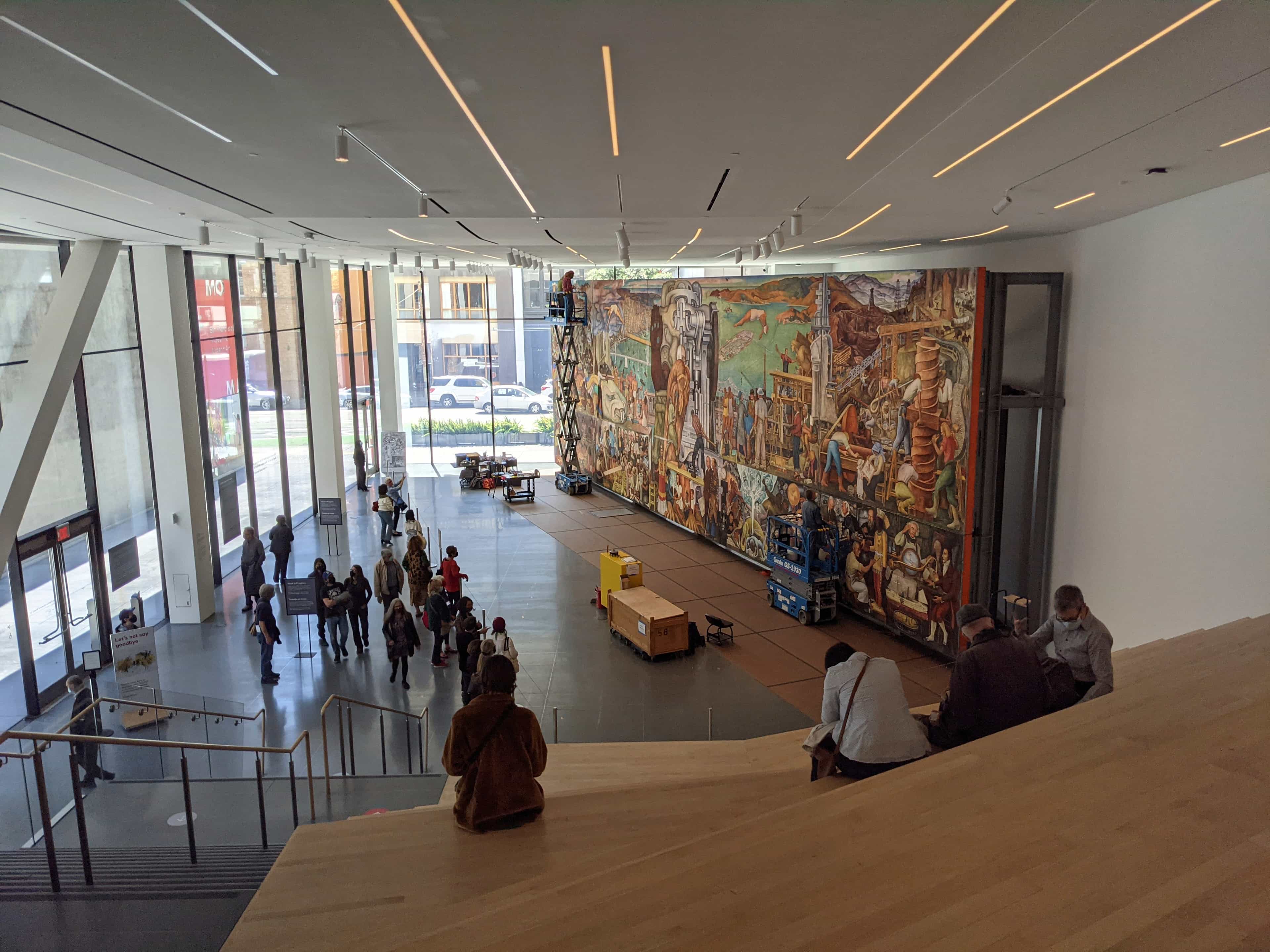
Pan American Unity
Diego Rivera
From €64
Collection
Museum-quality reproductions on 310gsm textured cotton rag paper.
Shop all prints by Diego RiveraArtistic Style
Style Evolution
Rivera moved from academic training and European modernist experimentation to a powerful public mural style. His Paris-influenced draftsmanship combined with a later focus on national narrative and social themes, producing large-scale frescoes designed for civic spaces.
Palette
Subjects
Techniques
Topics
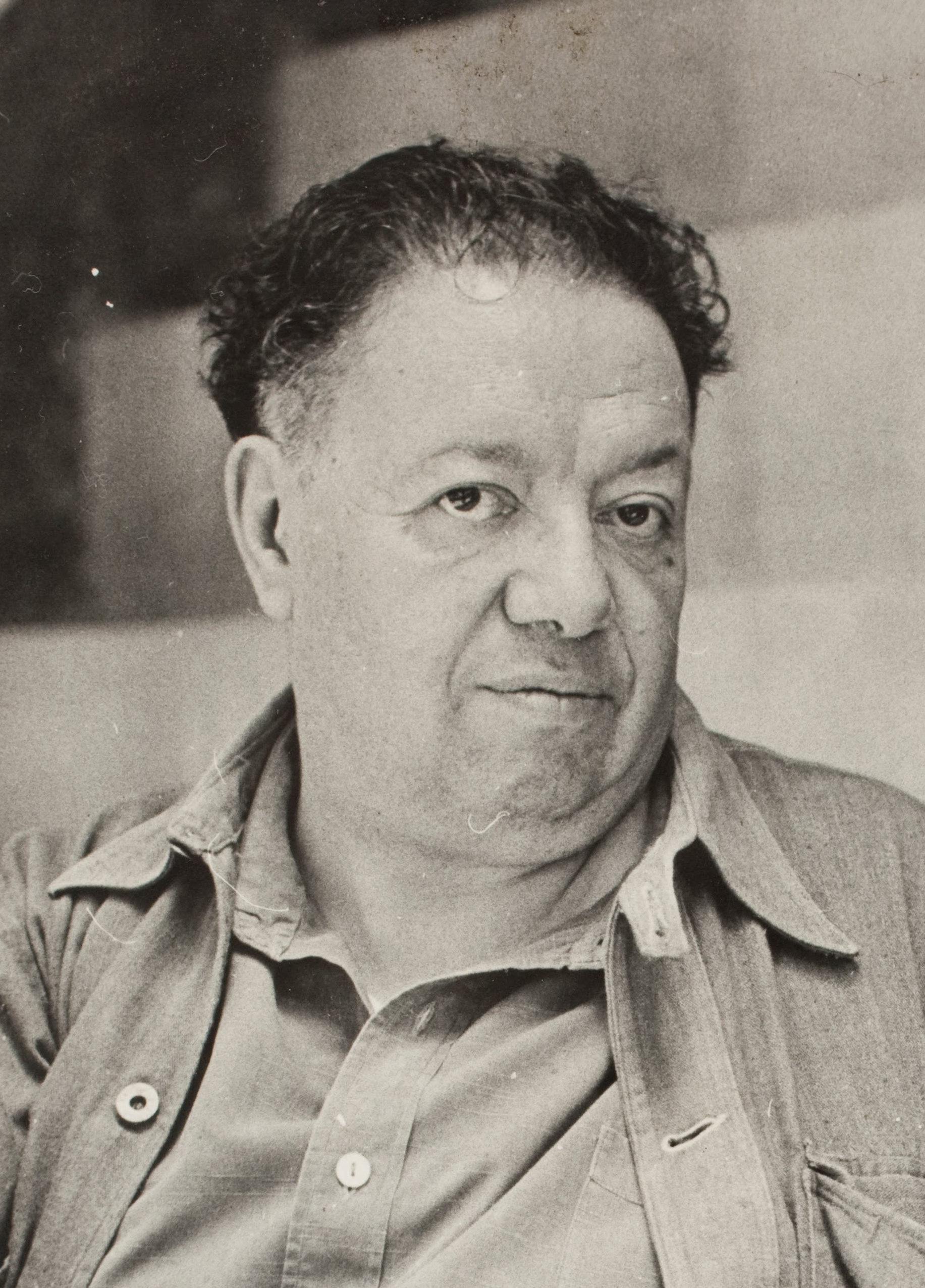
Diego Rivera (1886-1957) was a Mexican muralist and leader of the Mexican Mural Movement whose large-scale, socially engaged murals reshaped public art.
Learn about the life of Diego Rivera
Biography
Diego Rivera (1886-1957) was a Mexican muralist and leader of the Mexican Mural Movement whose large-scale, socially engaged murals reshaped public art.
Diego Rivera was born in Guanajuato, Mexico, in 1886. Raised in a period of profound social and political change, he showed artistic promise early and received formal training that prepared him for study abroad. Rivera studied traditional academic techniques before traveling to Europe, where he encountered modern movements that broadened his visual language and informed his later public work.
Rivera's career moves through distinct phases defined by place, study, and social engagement. He absorbed European modernism and later translated its lessons into a uniquely Mexican public art.
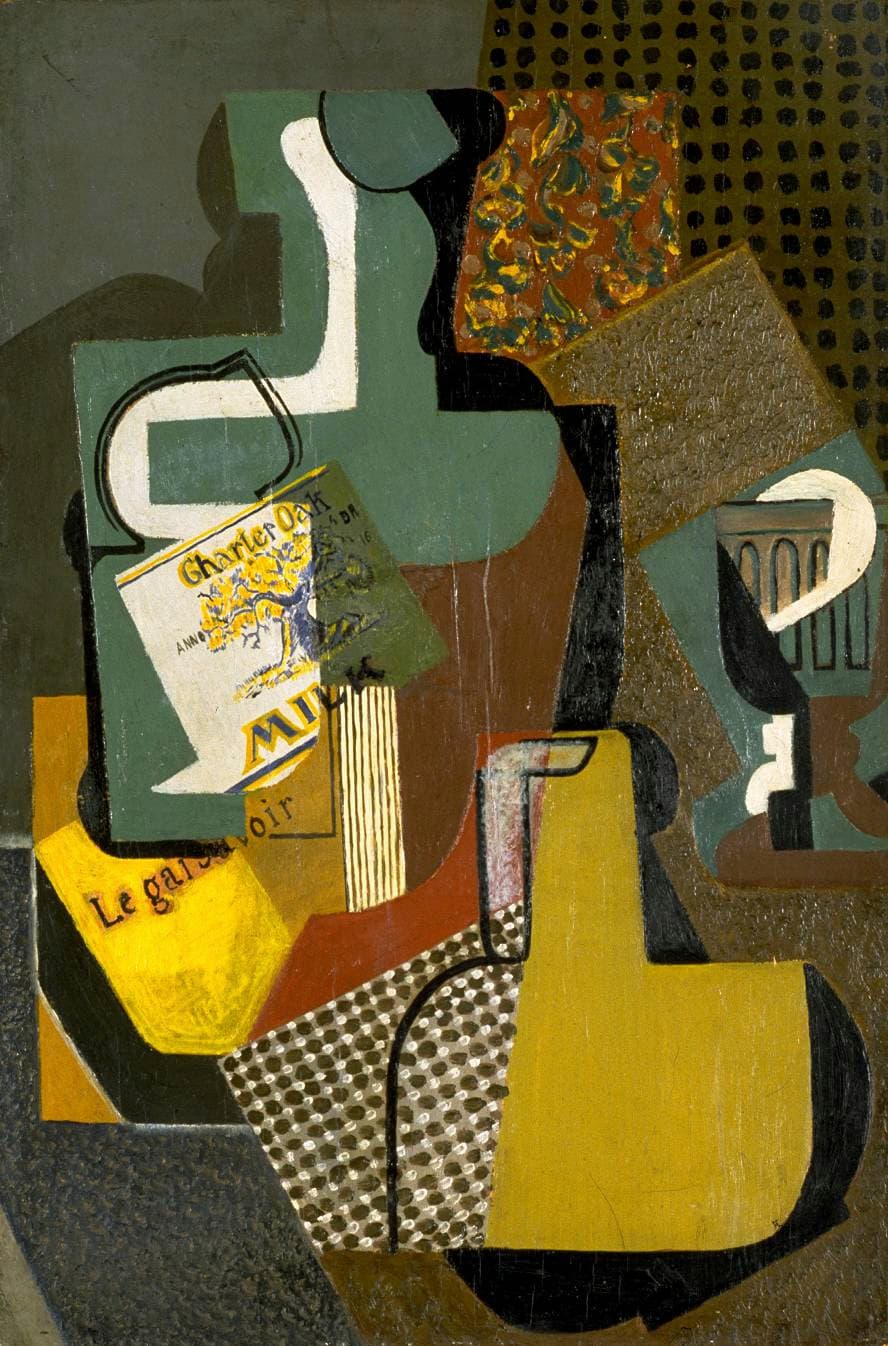
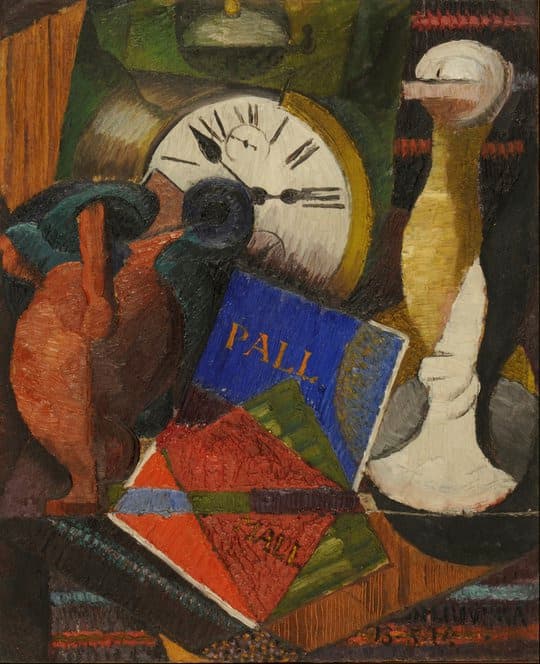
During his time in Europe he engaged with contemporary currents—Cubism and early modernist experimentation—while deepening his technical knowledge and compositional ambition. This period sharpened his interest in large-scale narrative and public-facing imagery.
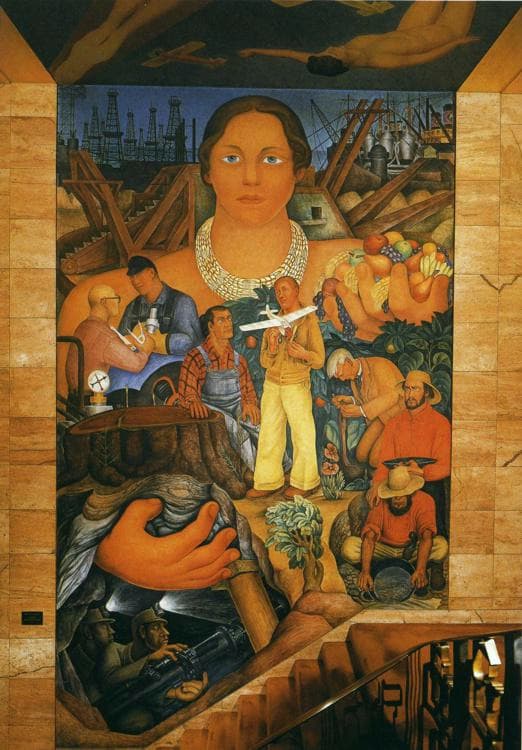
Returning to Mexico, Rivera emerged as a central figure in the Mexican Mural Movement, producing monumental murals that combined historical narrative, indigenous motifs, and social commentary. His murals were intended for public buildings, accessible to broad audiences and rich in allegory and civic purpose.
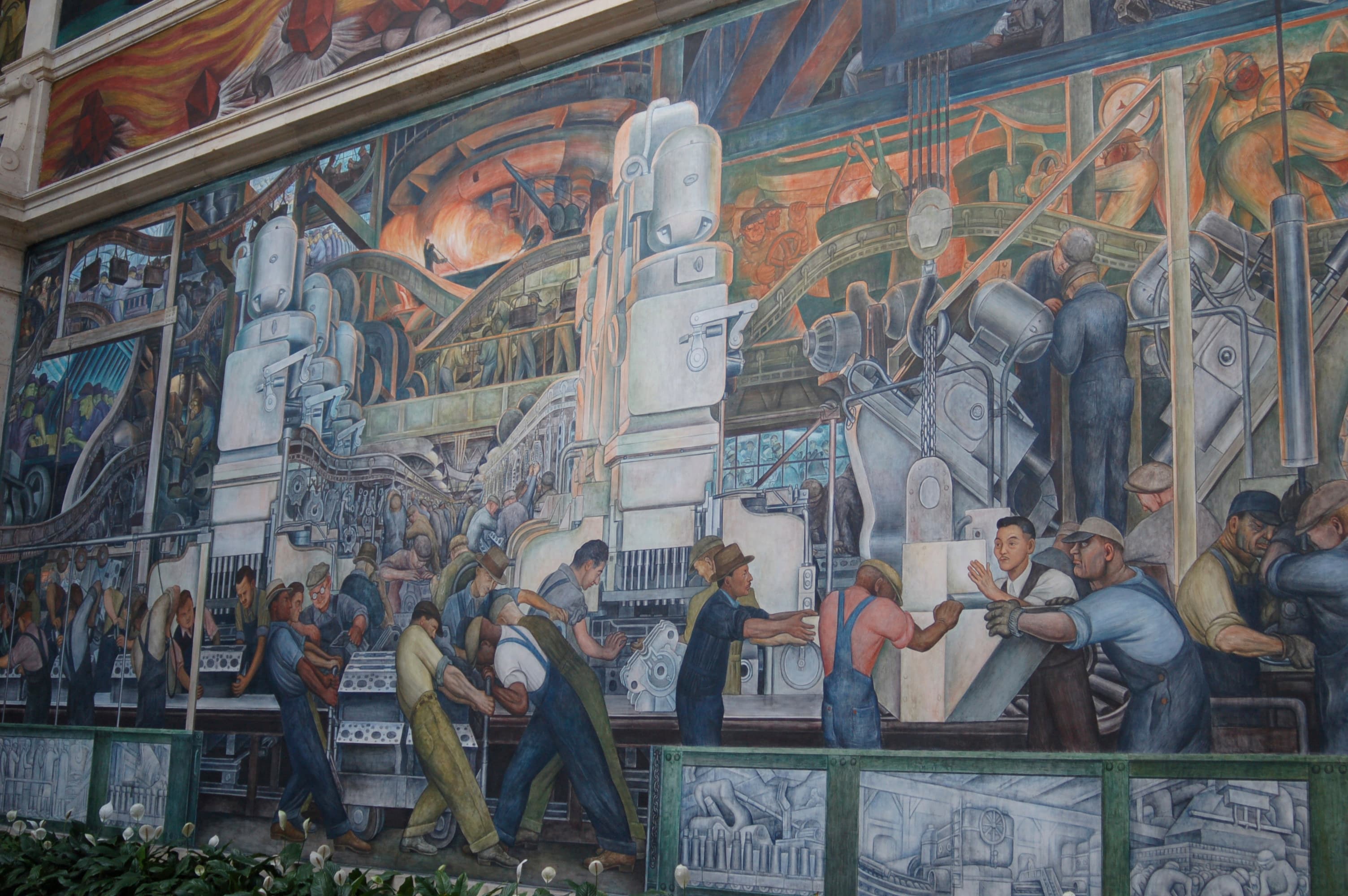
Rivera's output redefined the role of painting in public life. He undertook major public commissions across Mexico and abroad, creating expansive murals that integrated architecture, storytelling, and political message. These works established him as a model for socially engaged, decorative art that could carry both aesthetic and educational value.
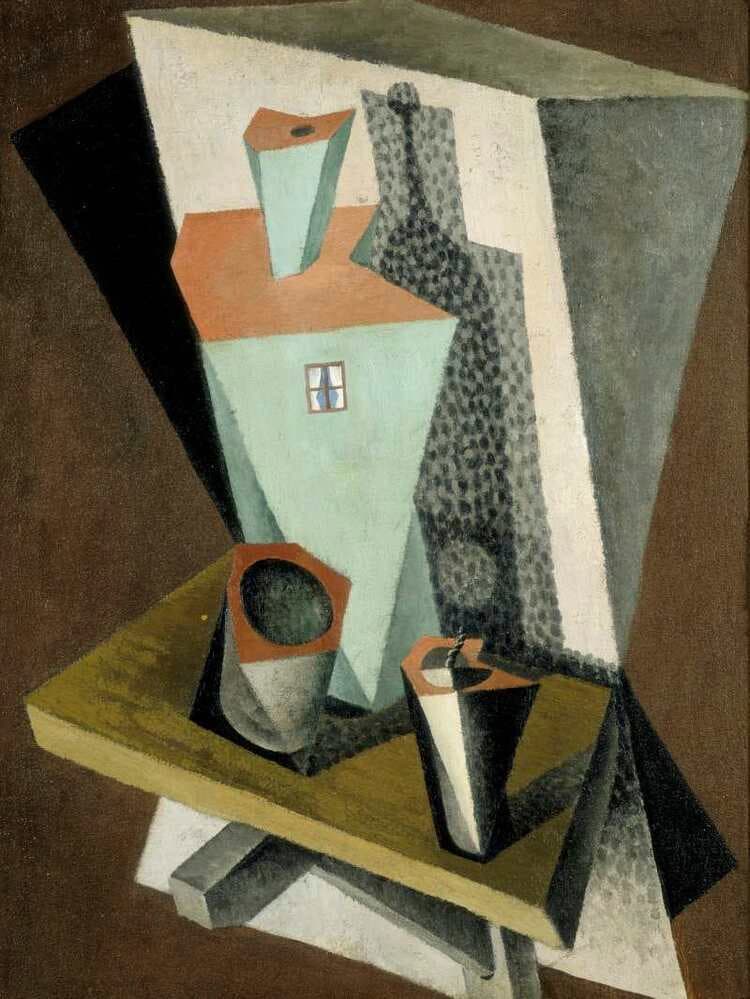
Rivera favored fresco and large-scale mural techniques, designing compositions with bold forms, clear figures, and an emphasis on storytelling. His work combines academic draftsmanship with simplified, monumental shapes and a palette that highlights earthy tones alongside vivid accents to enhance visual impact in architectural spaces.
Rivera helped institutionalize mural painting as a modern public art form. He influenced generations of artists in Mexico and internationally, contributing to movements that emphasized social content, national identity, and public accessibility. His legacy endures in public buildings, art education, and the market for works that evoke cultural narrative and decorative presence.
Rivera's life was intertwined with Mexico's cultural life; he maintained strong political and artistic commitments and had prominent personal and professional relationships within Mexico's artistic community.
Collectors prize Rivera's work for its monumental scale, historical significance, and decorative power. His murals and related works are culturally重要—
Awards
Frequently Asked Questions
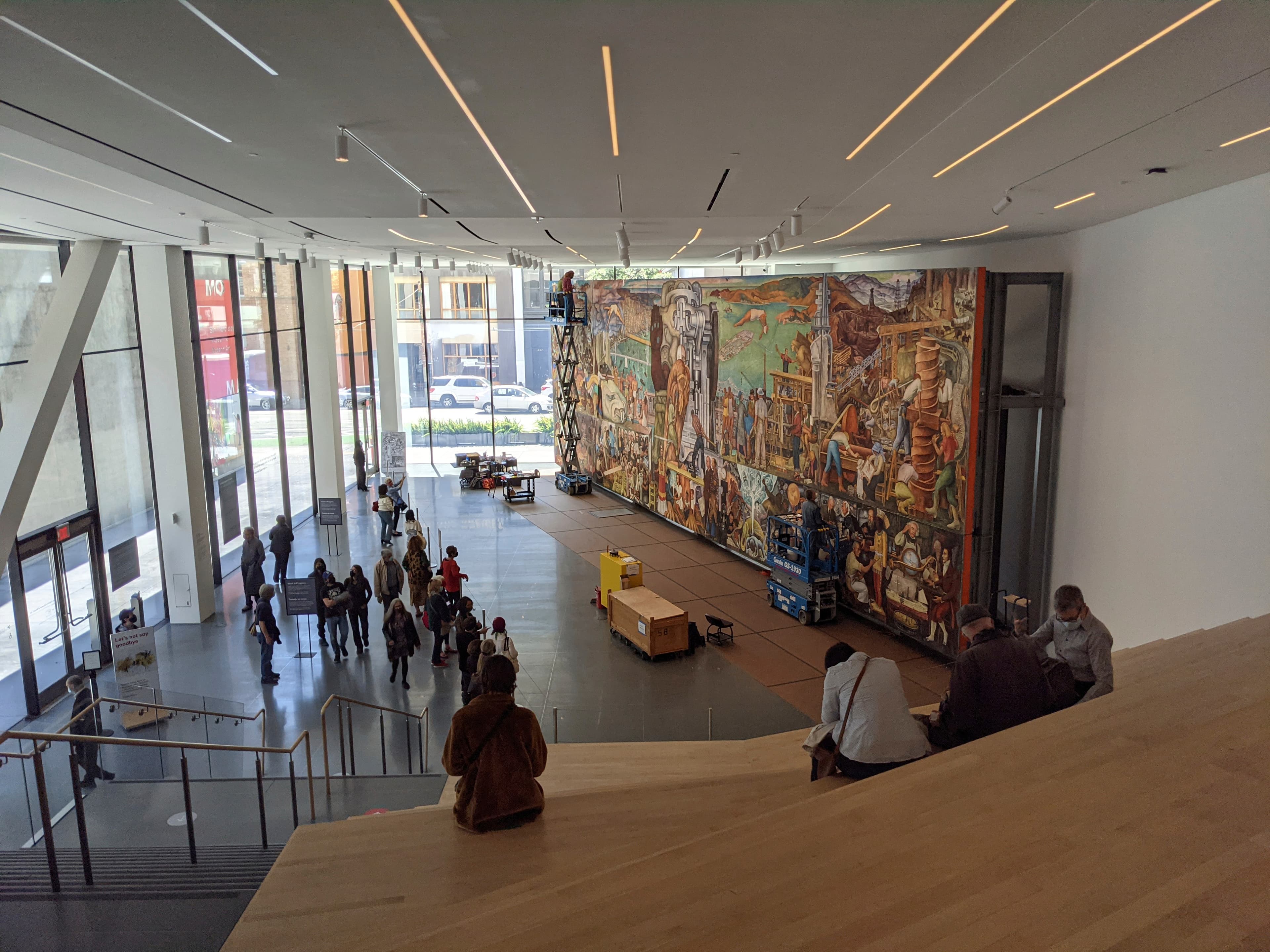
Pan American Unity
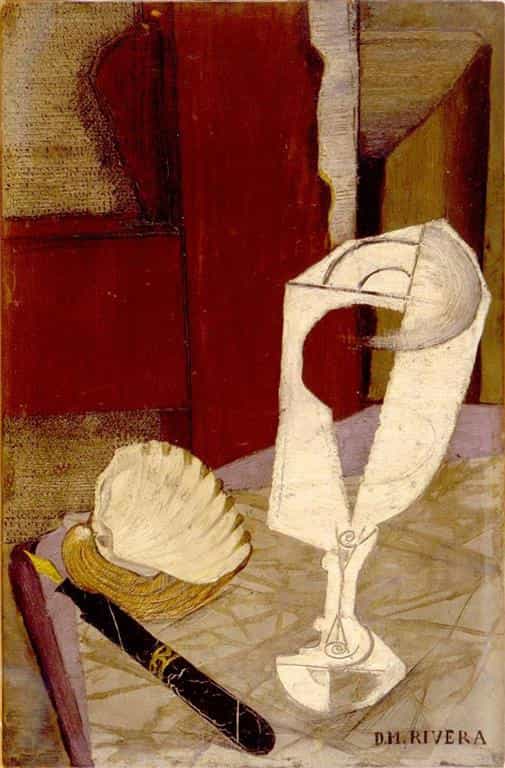
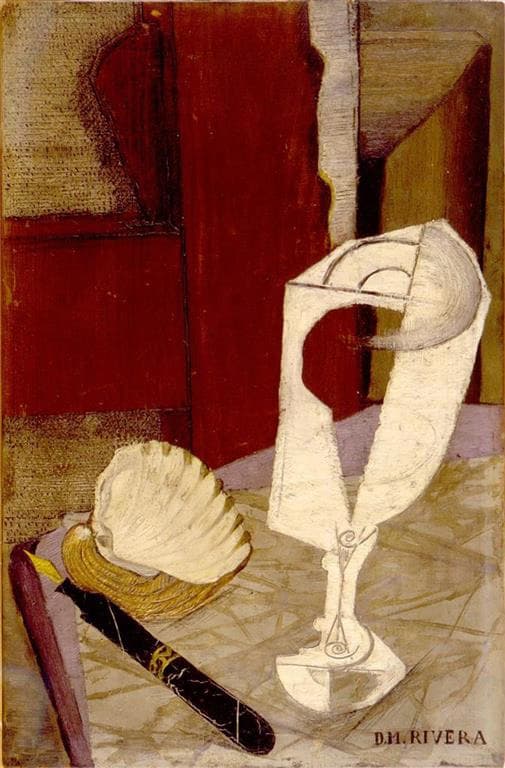
Still-Life with Glass
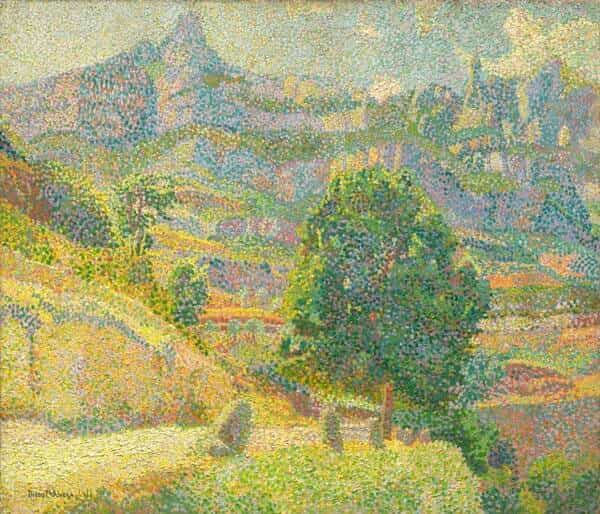
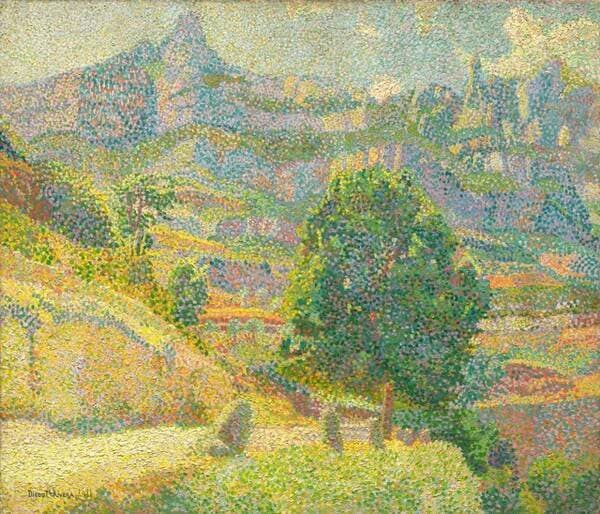
Montserrat
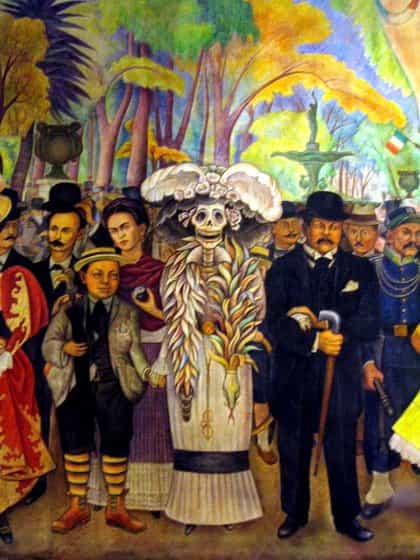
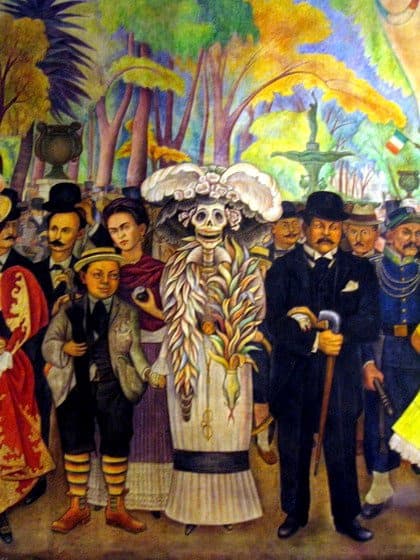
Sueño de una Tarde Dominical en la Alameda Central
Río Juchitán
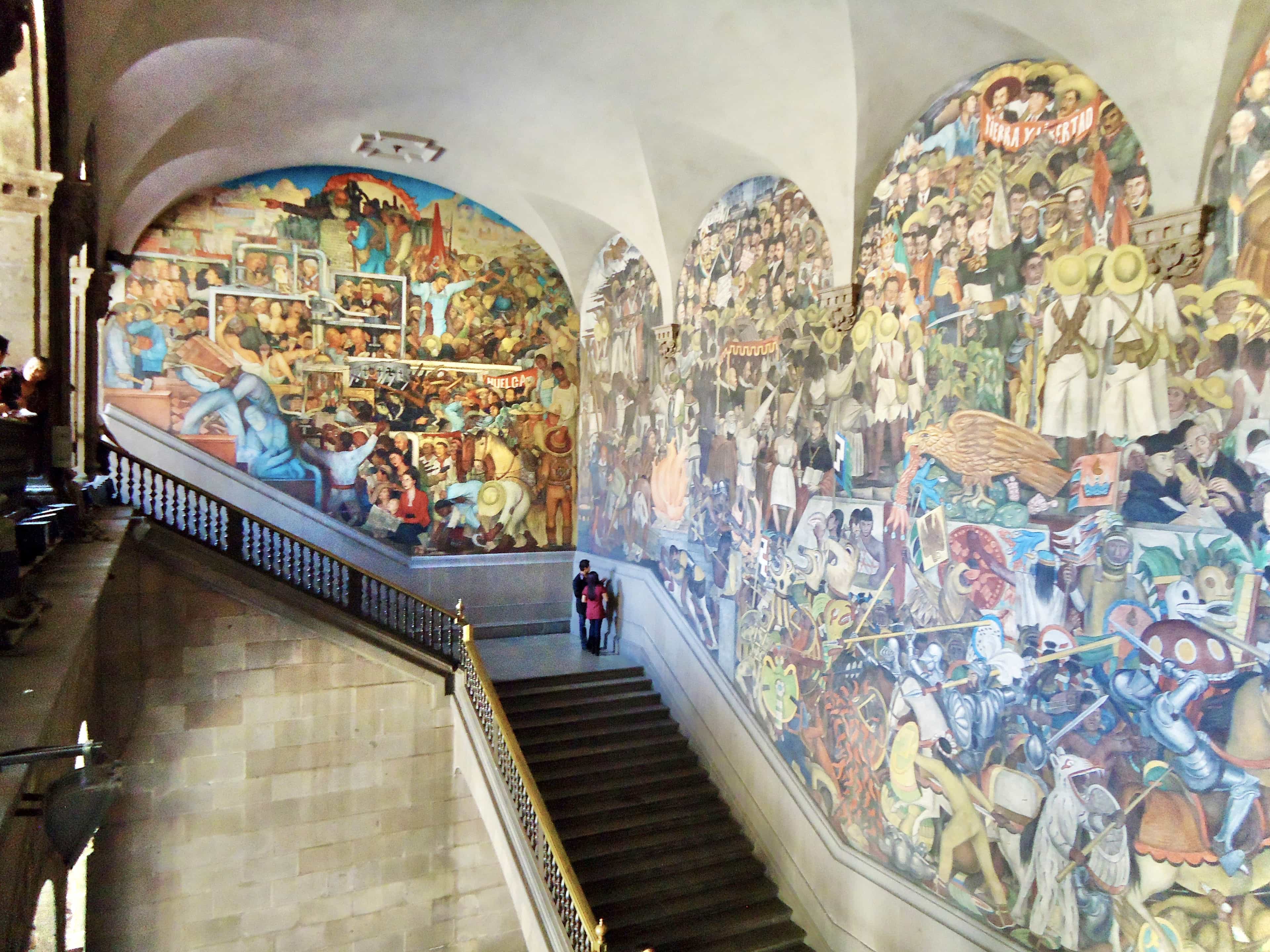
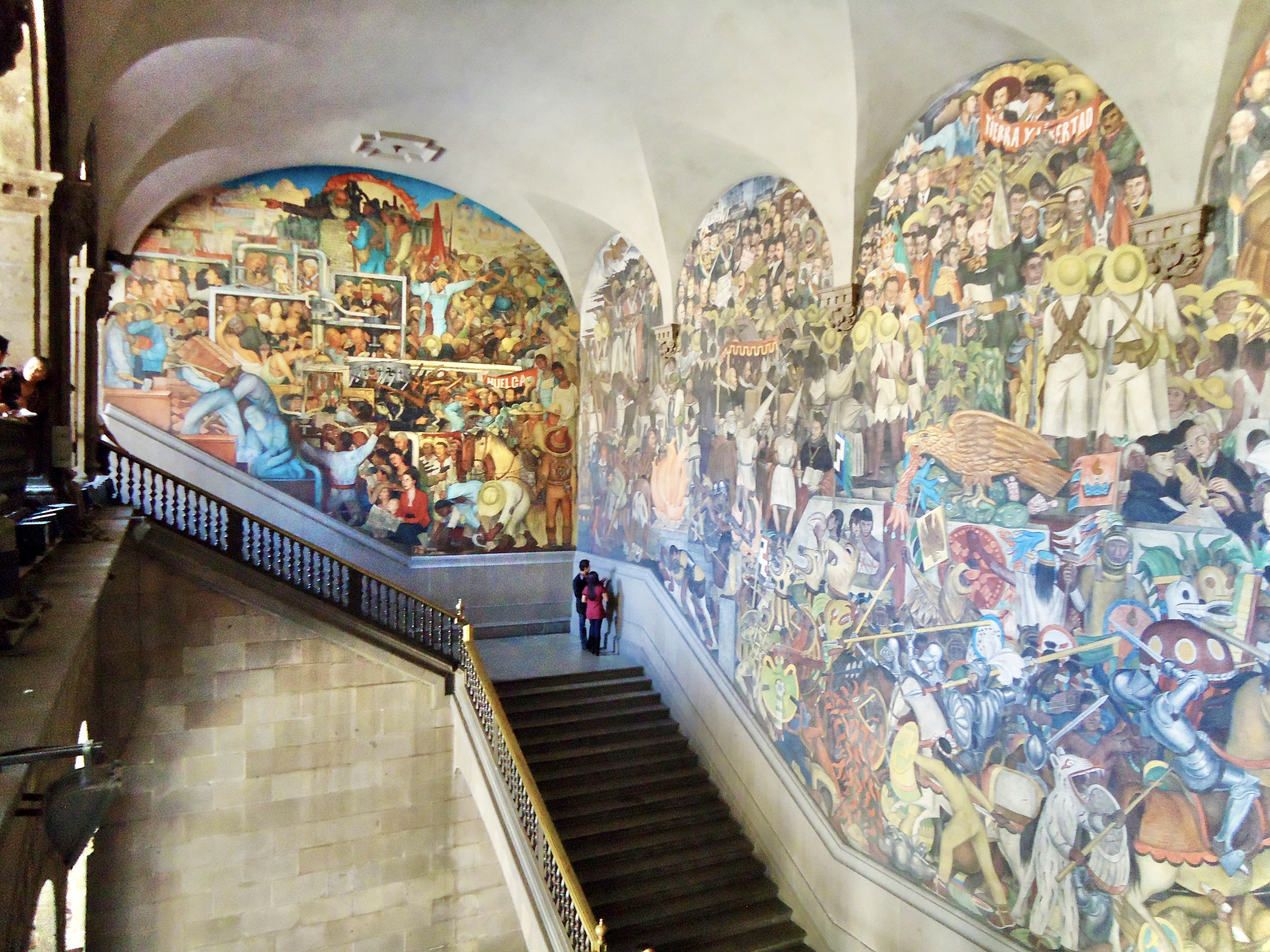
The History of Mexico
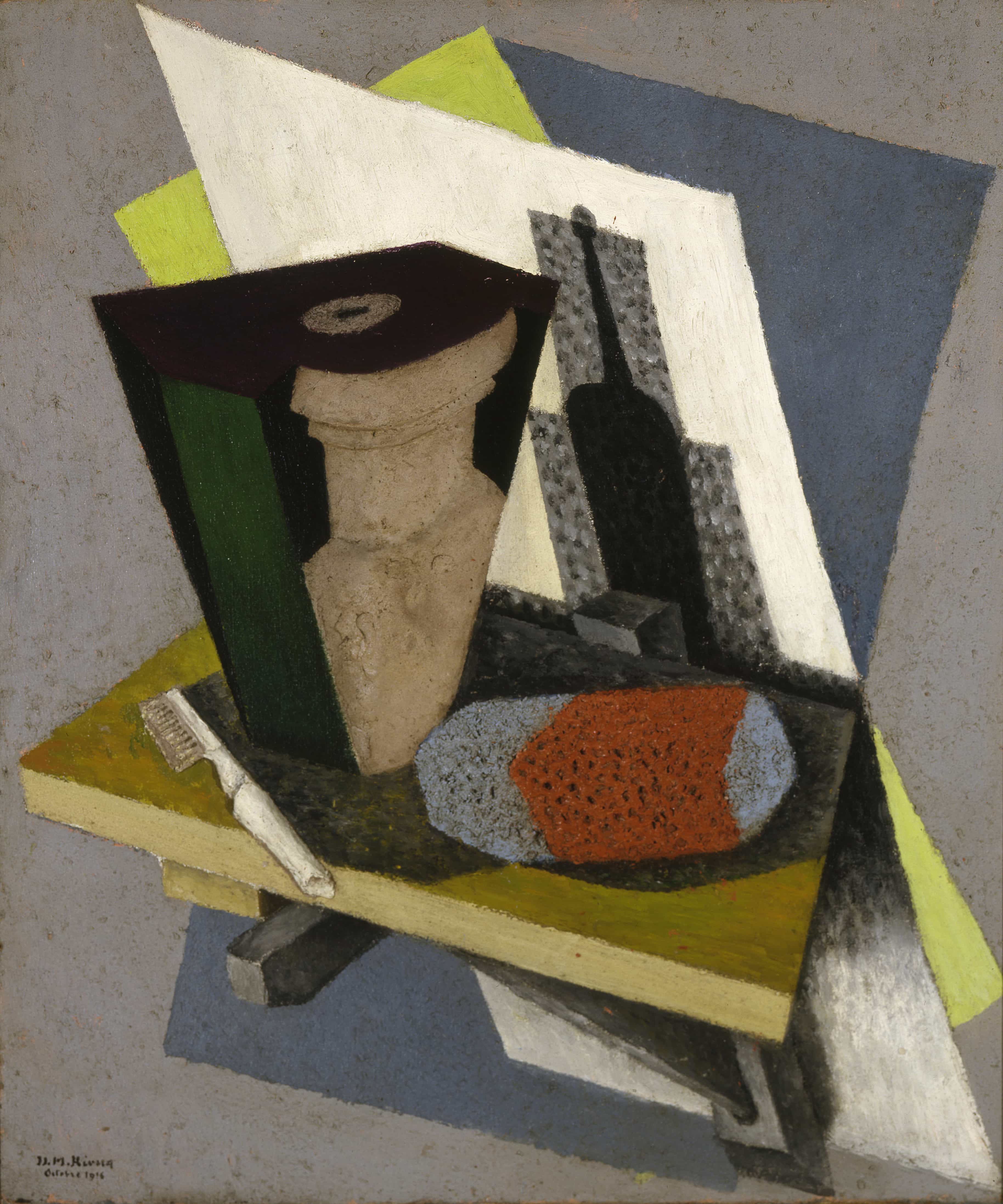
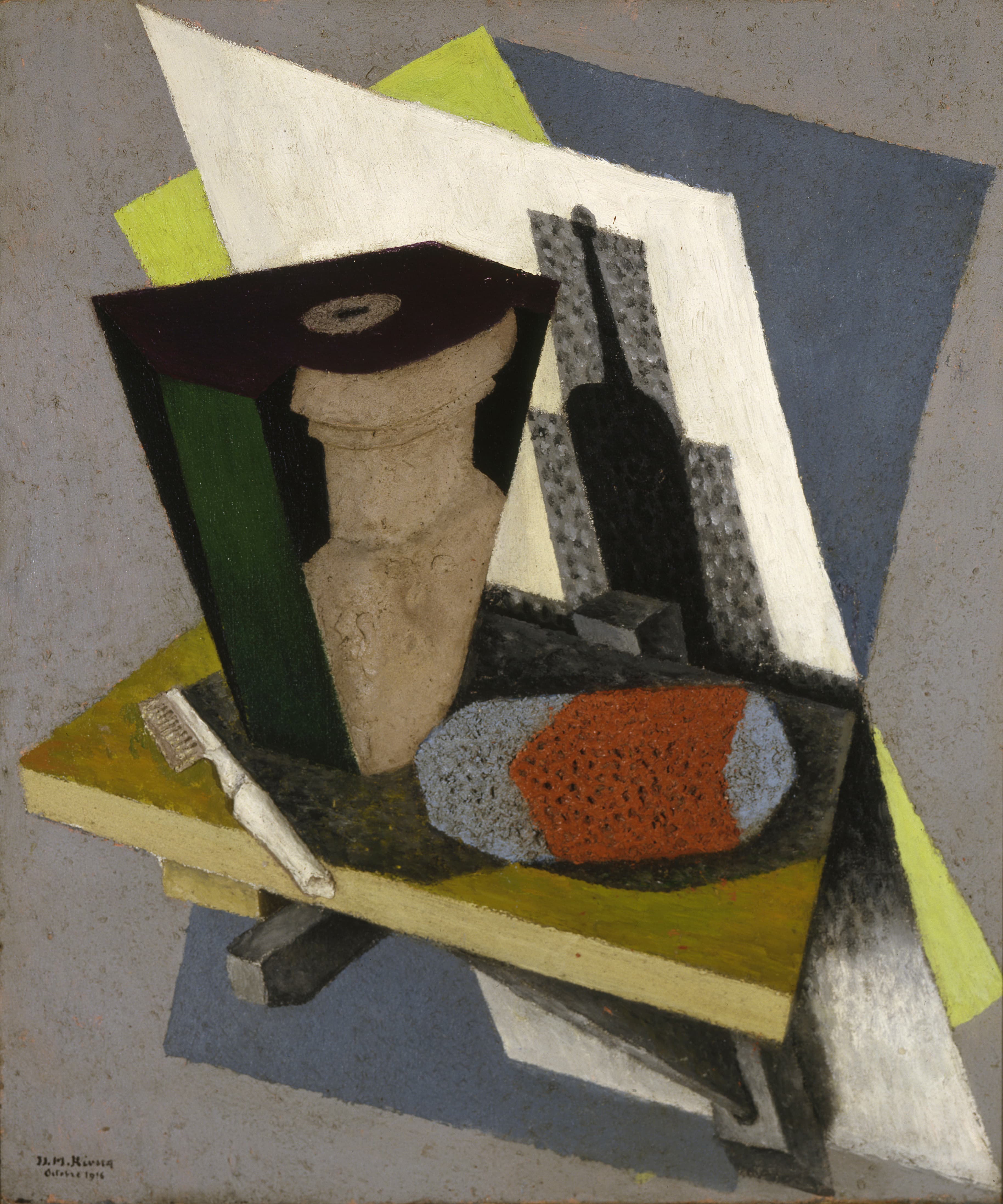
Naturaleza muerta
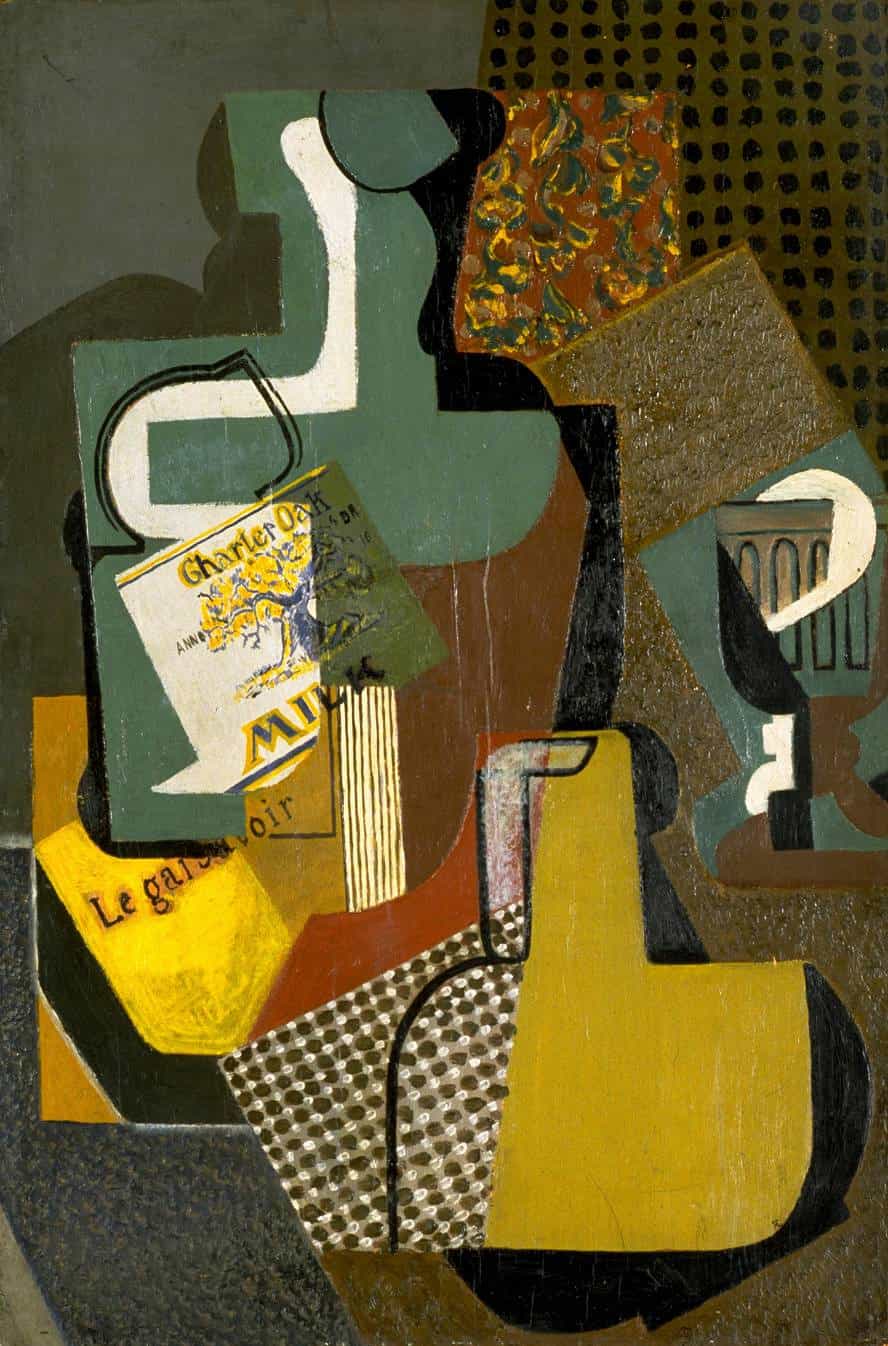
Still Life
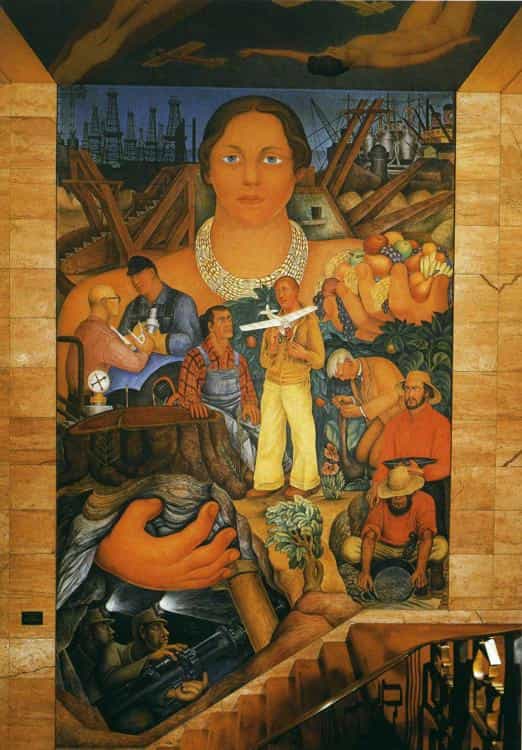
Allegory of California
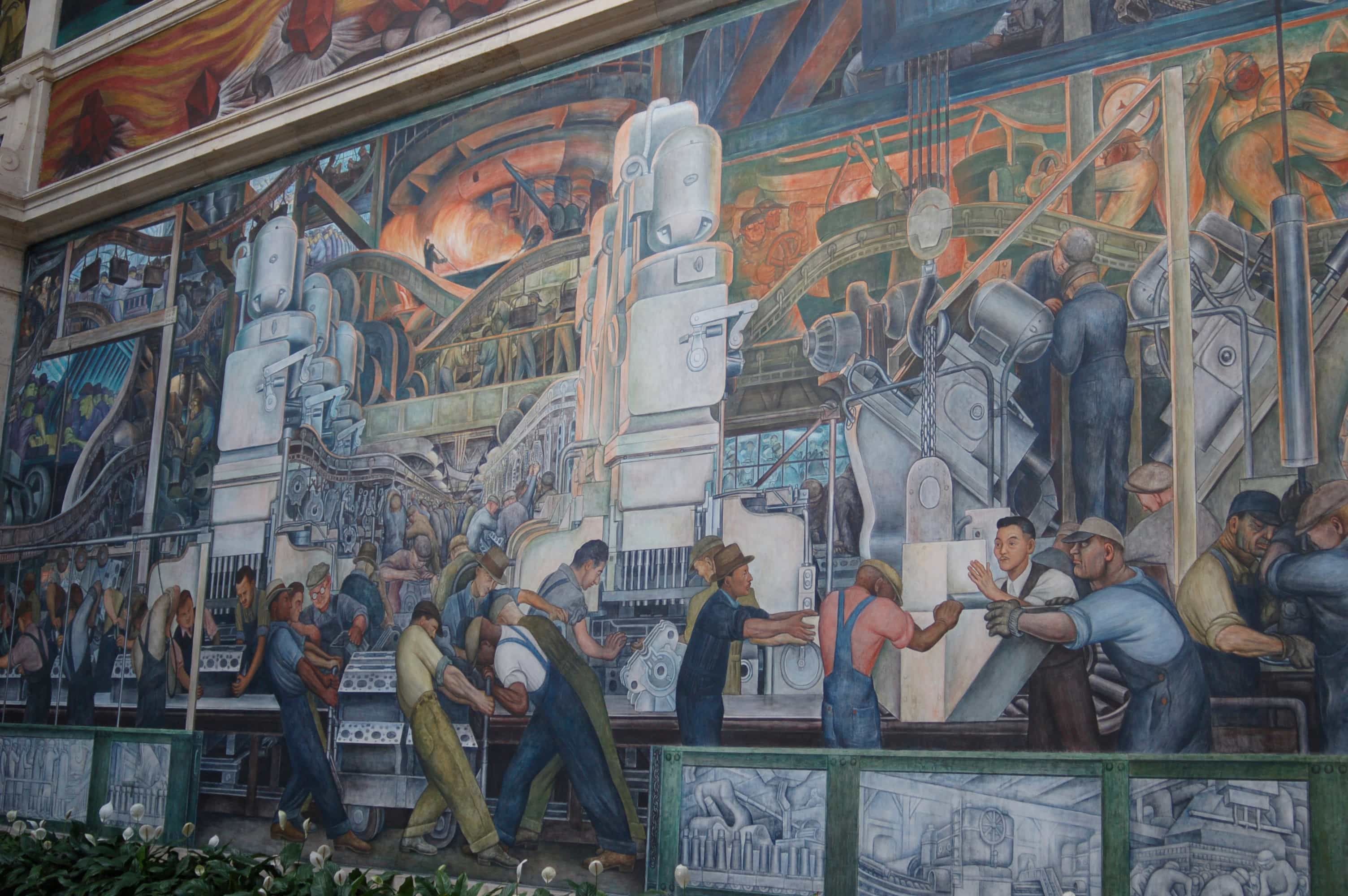
Detroit Industry, North Wall
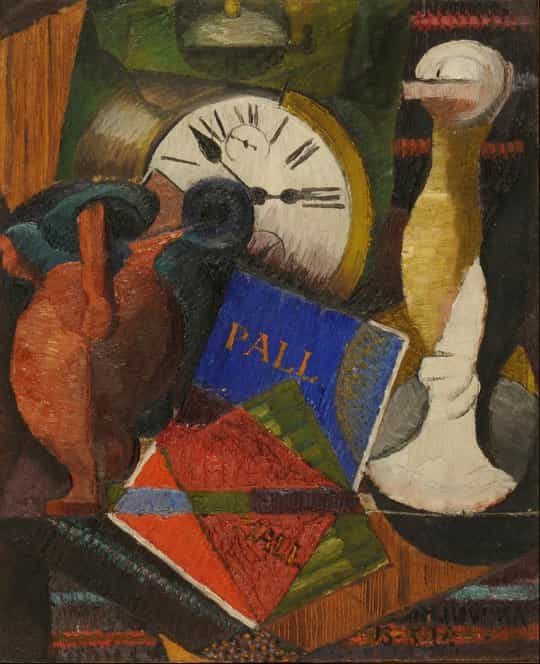
Composition with Clock
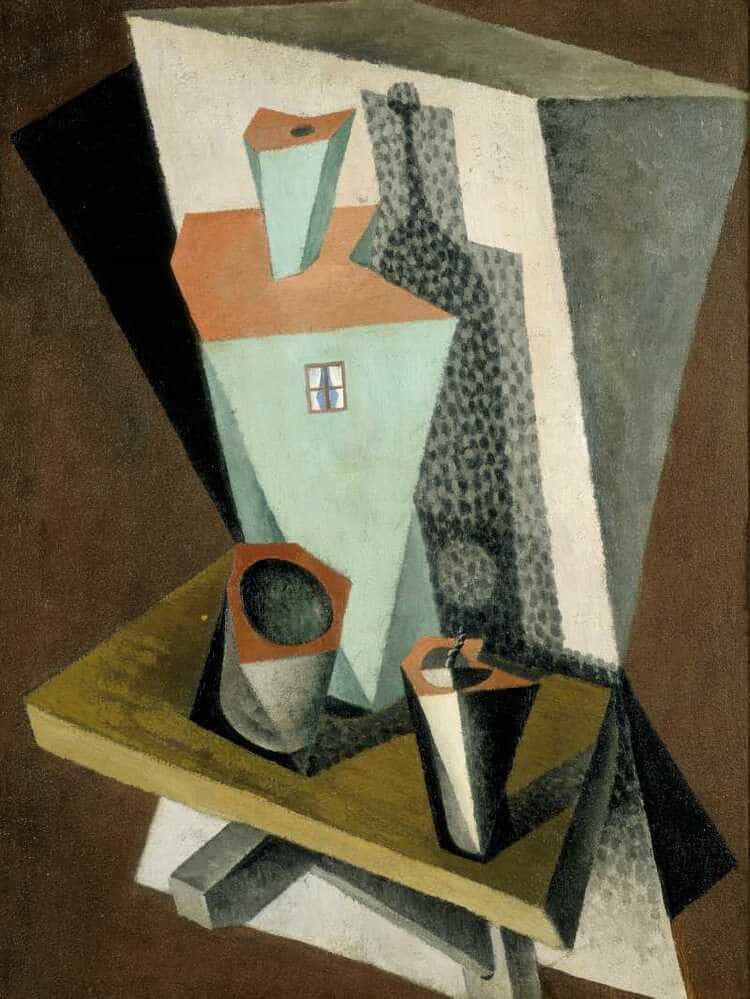
Still Life with Green House