📦 Sitewide sale now on: 30% off + free shipping 📦
Home/Artists/Claude Monet
Impressionism

Claude Monet

1840 — 1926, from France

Claude Monet (1840-1926) was a French Impressionist painter whose pioneering studies of light and color established Impressionism and transformed landscape painting.

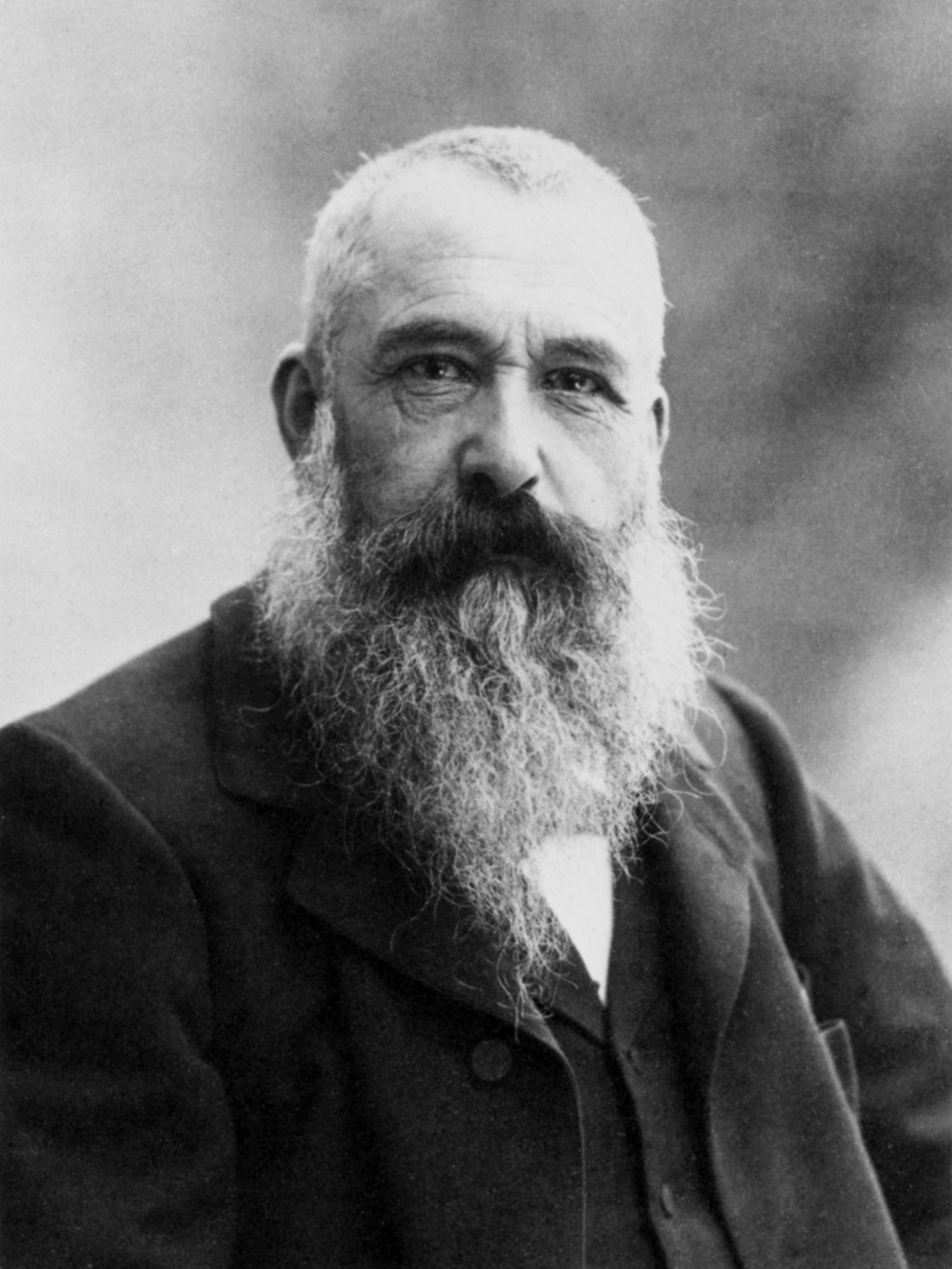
Portrait of Claude Monet

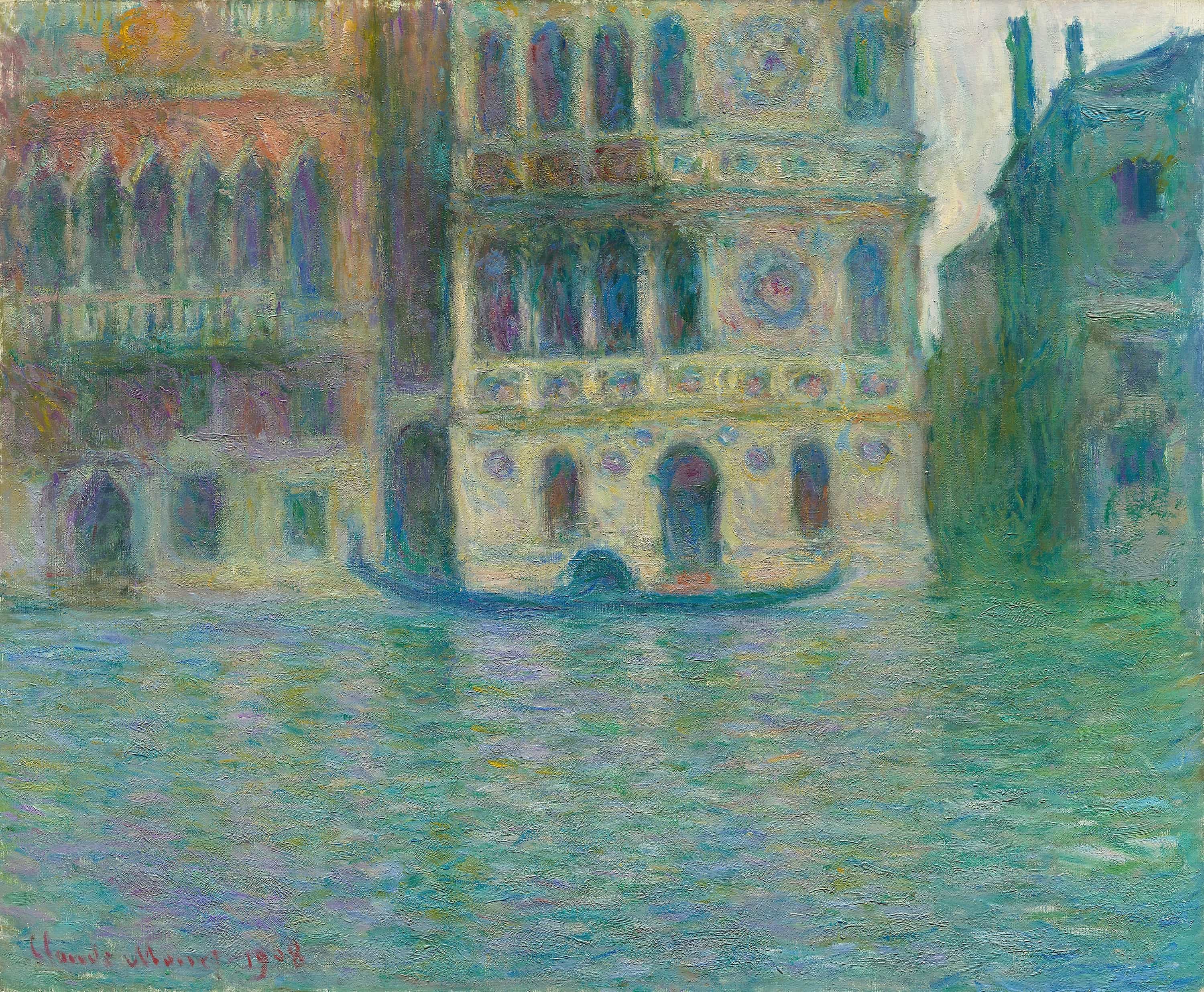
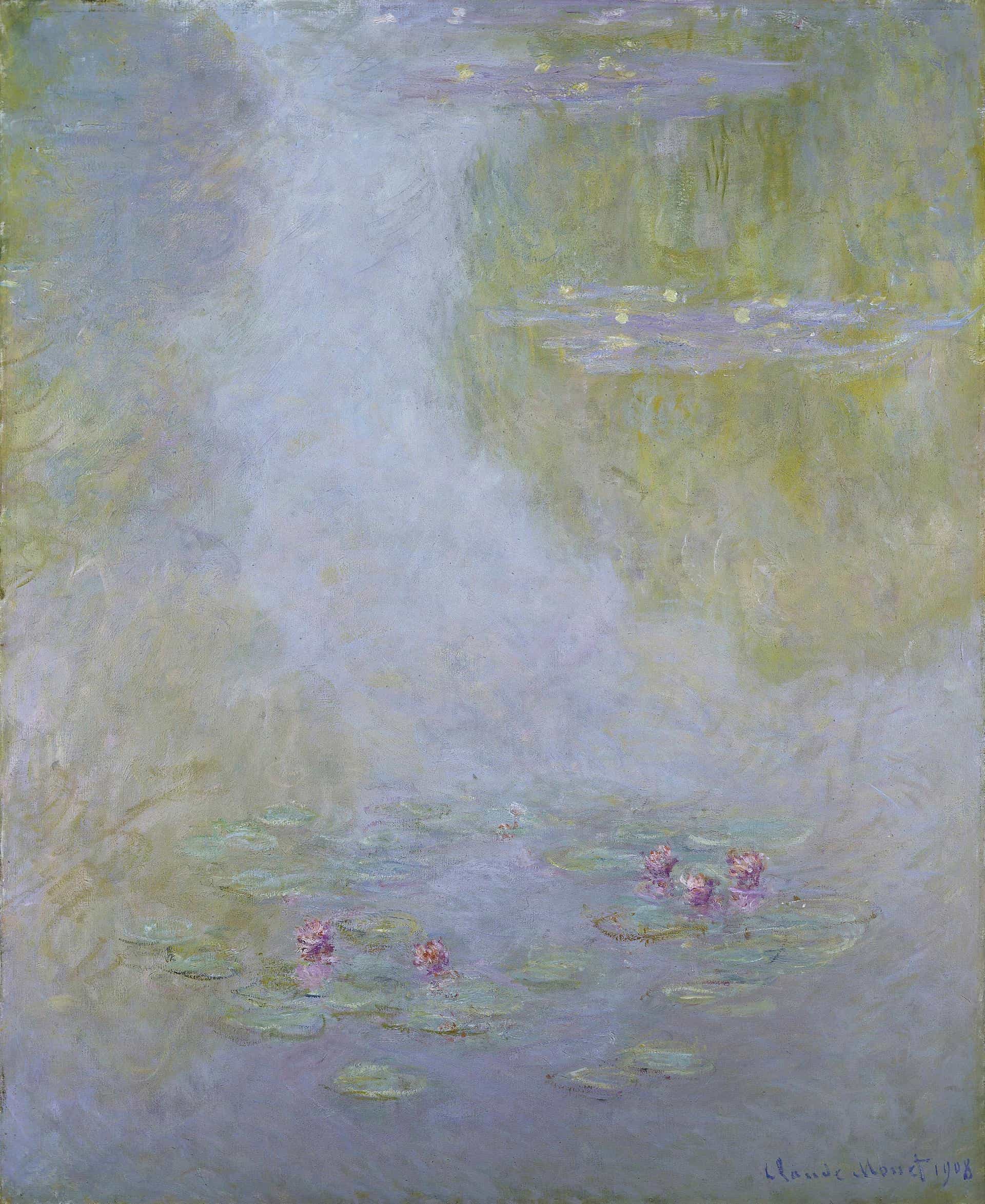
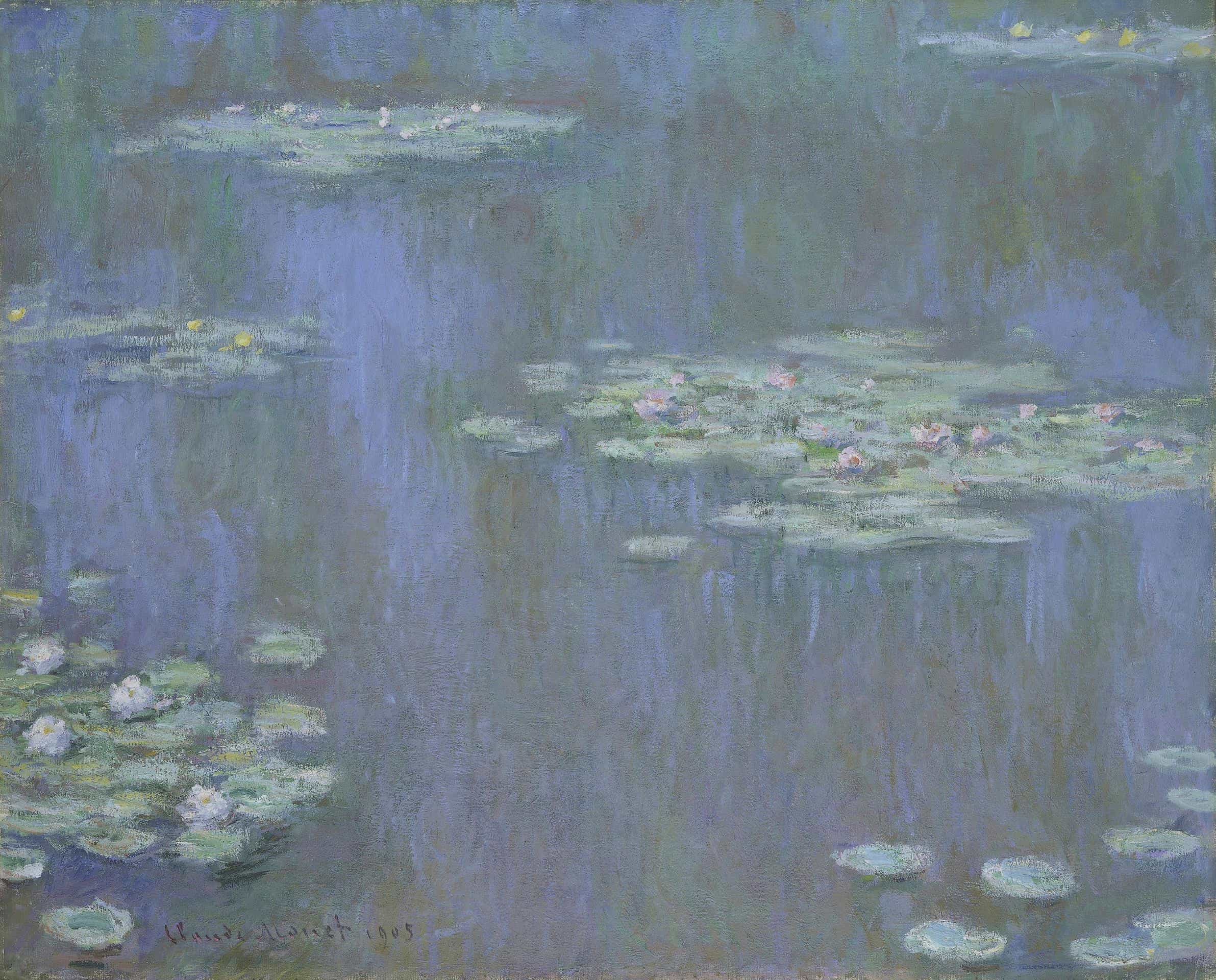
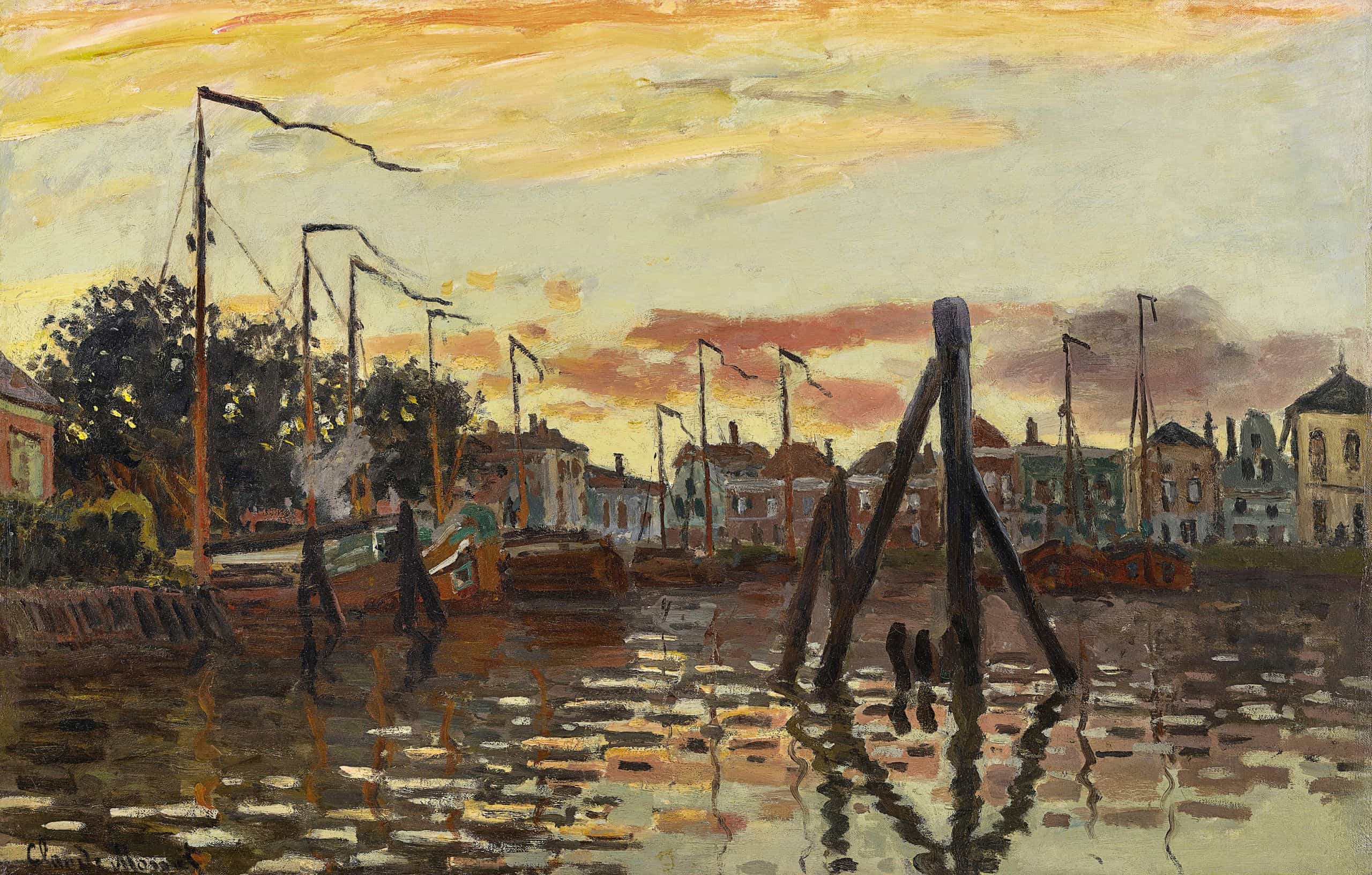
Collection

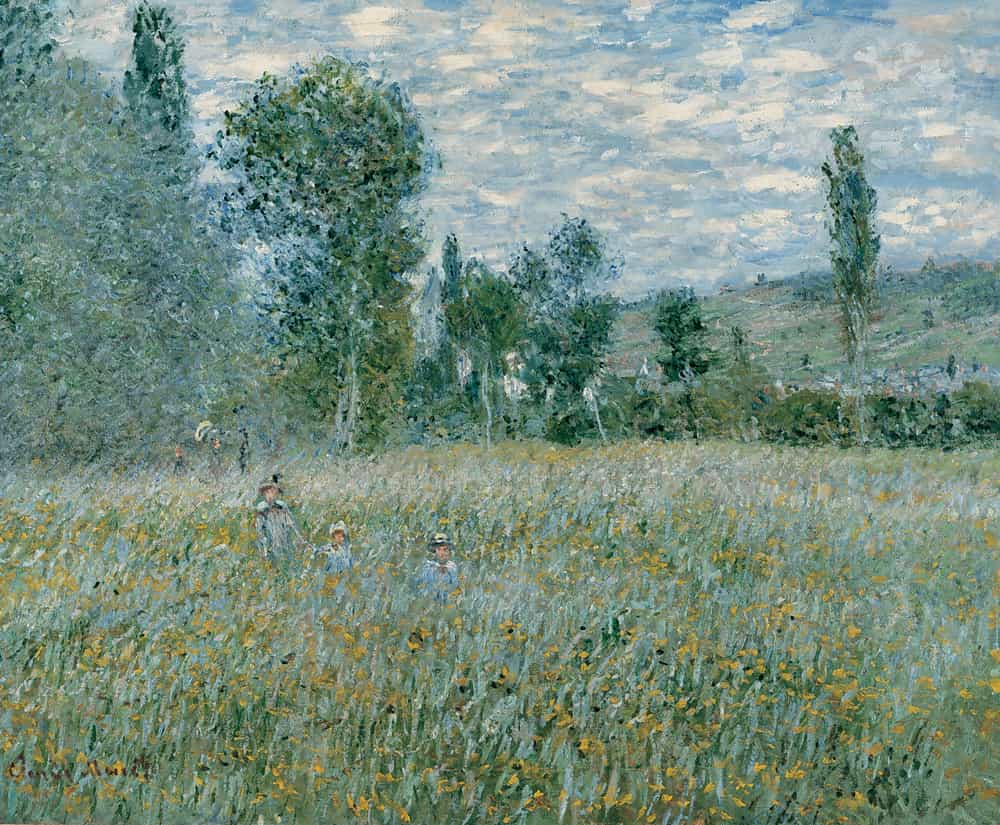
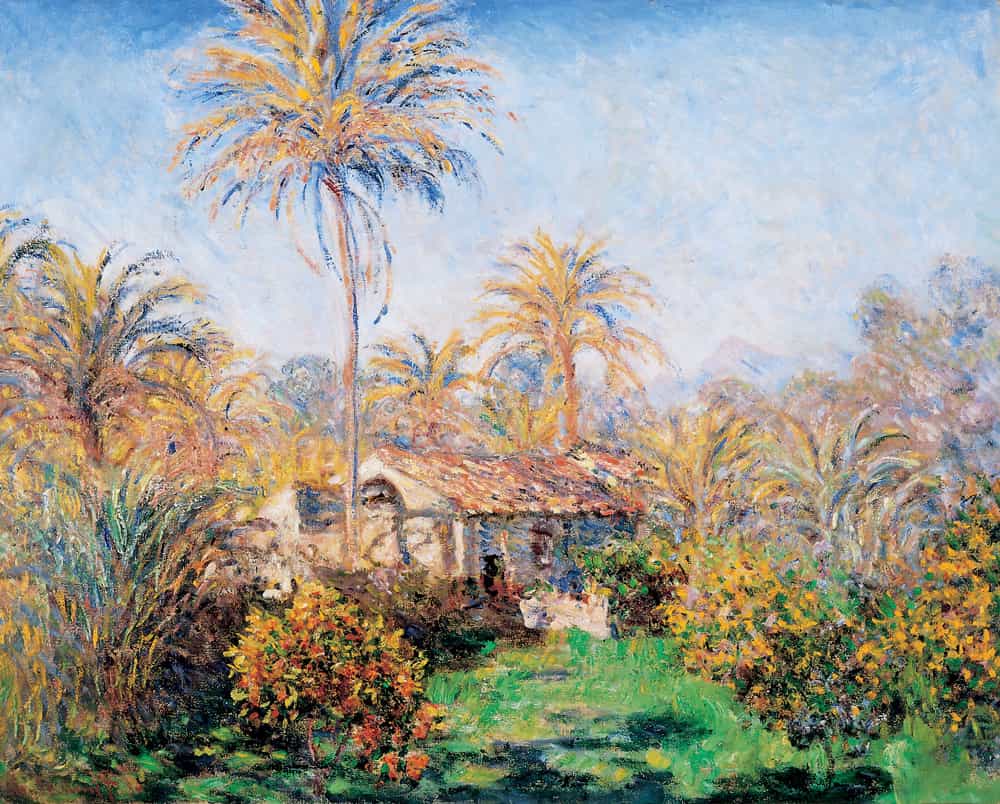
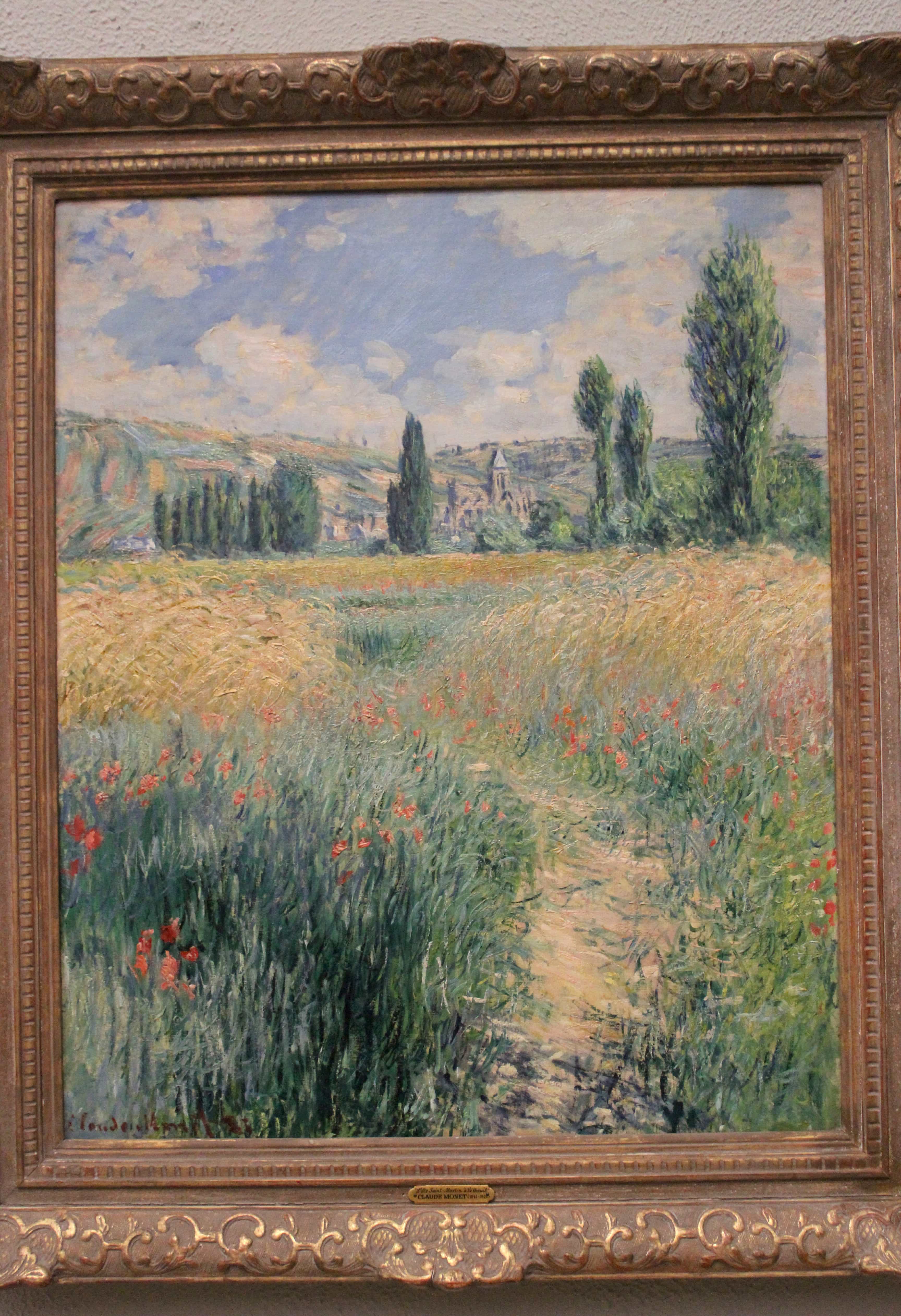
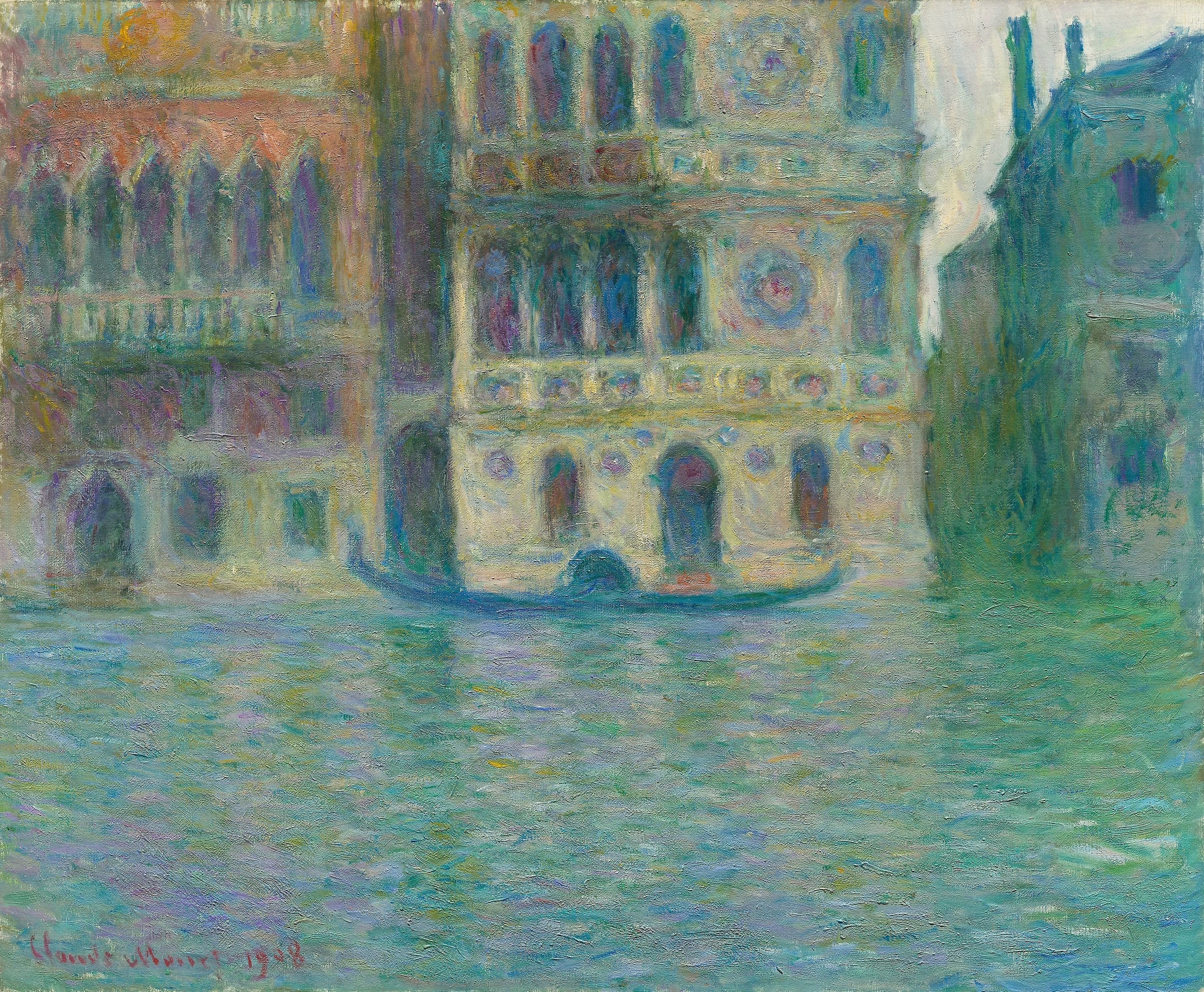
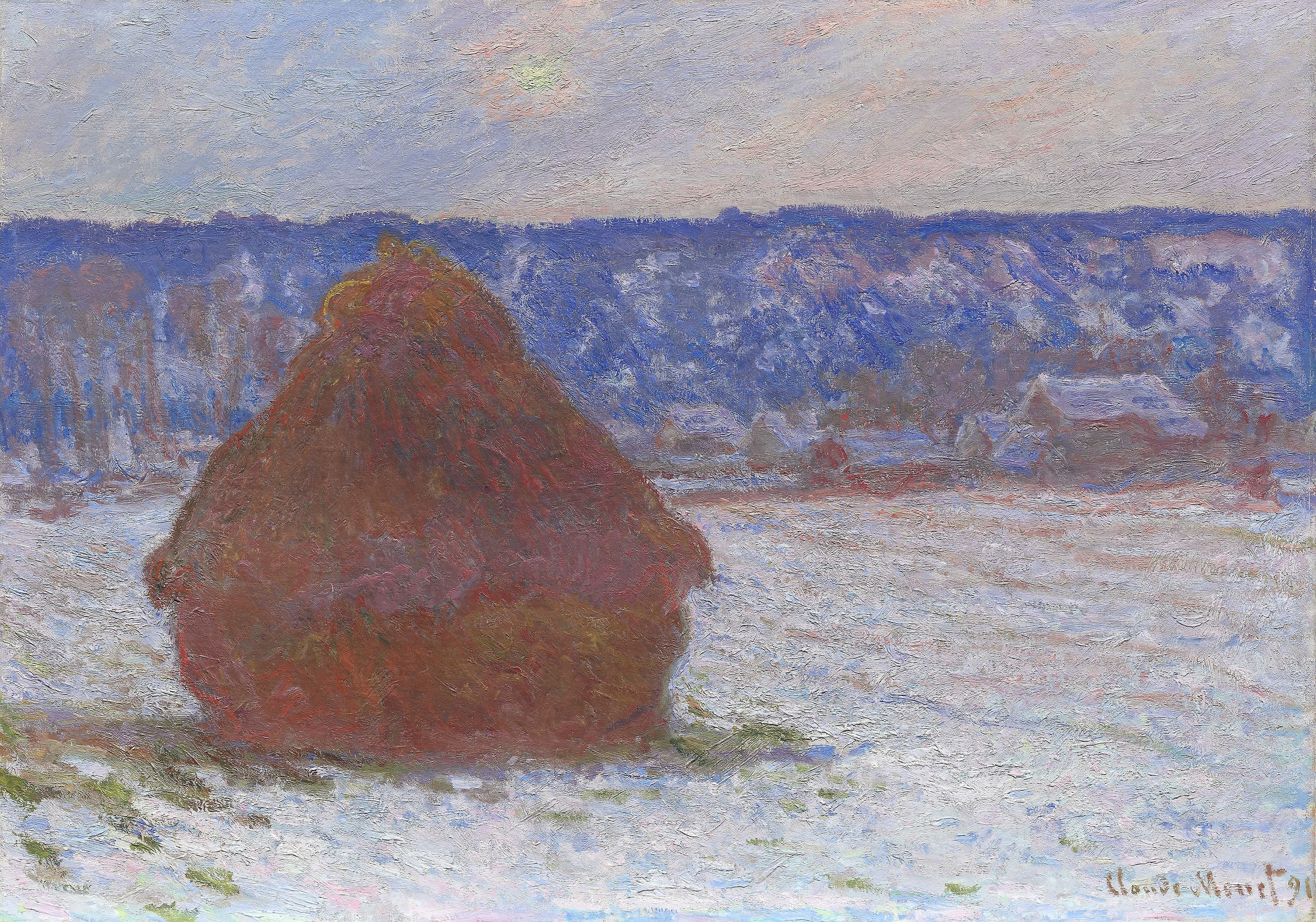
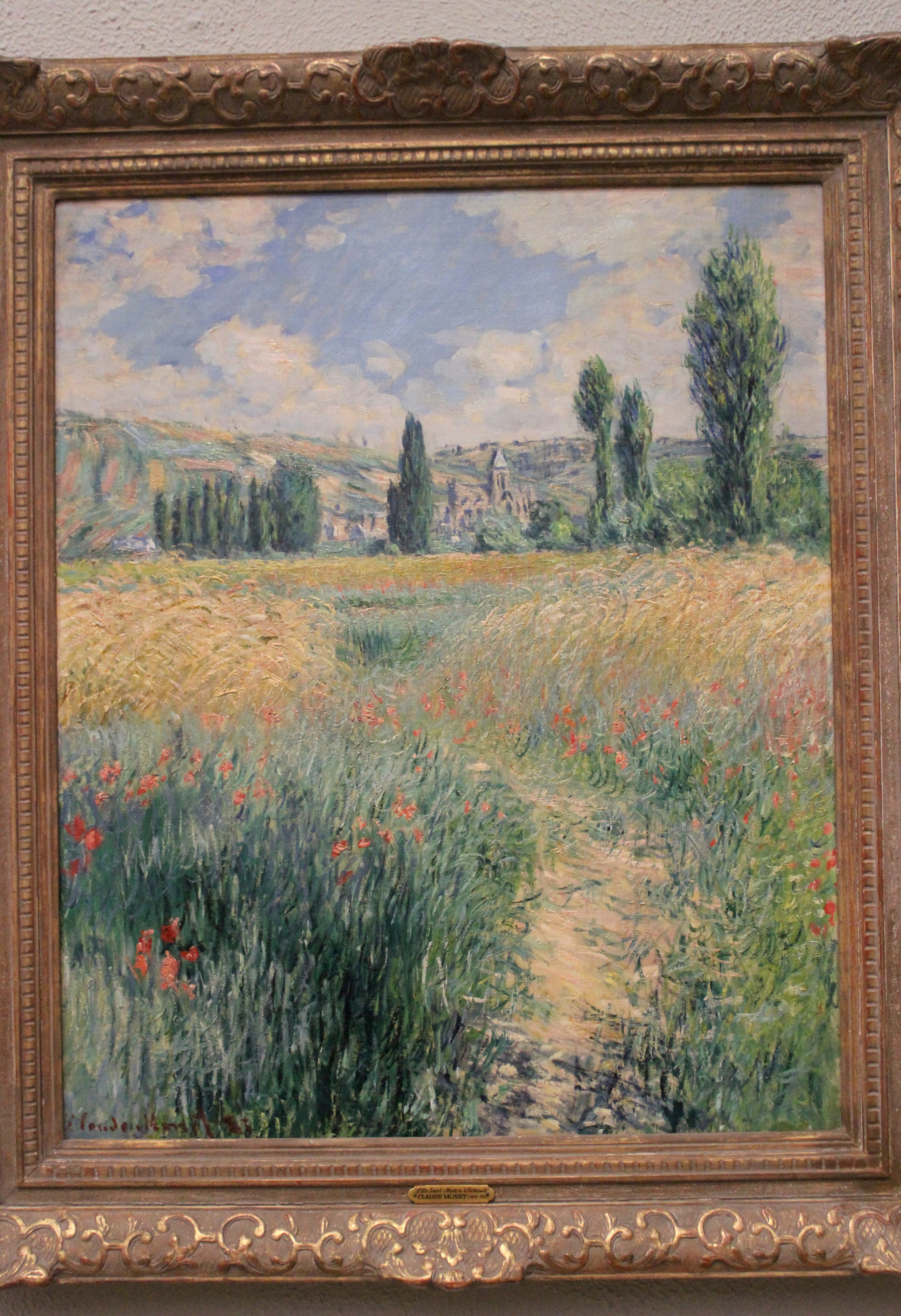
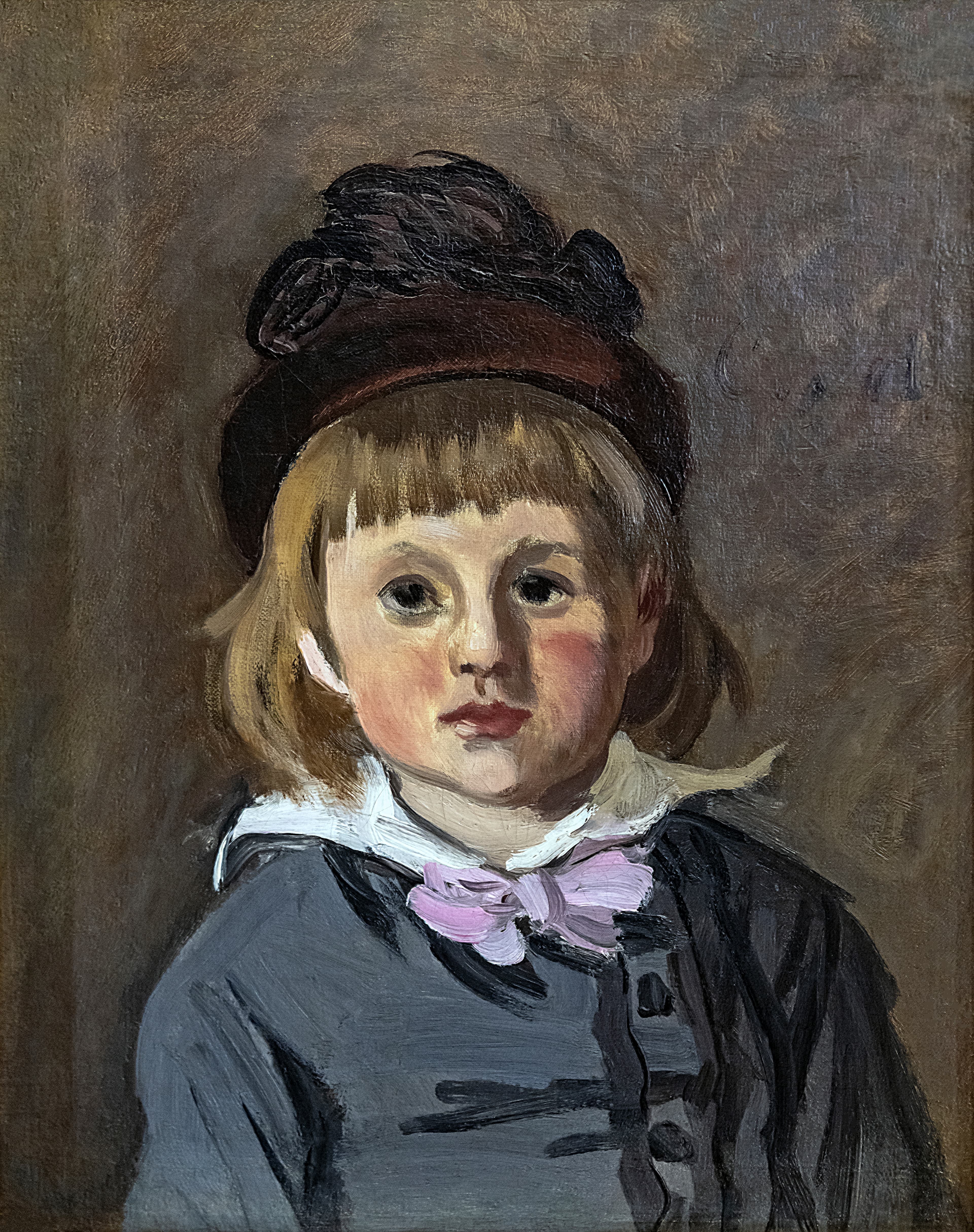
Shop Claude Monet Prints

Museum-quality reproductions on 310gsm textured cotton rag paper.

Shop all prints by Claude Monet

Artistic Style

Style Evolution

Monet's work moved from realist beginnings to the en plein air experiments that defined Impressionism, then to a late, highly decorative phase in Giverny where serial studies and gardens yielded increasingly abstracted surfaces and immersive color fields.

Palette

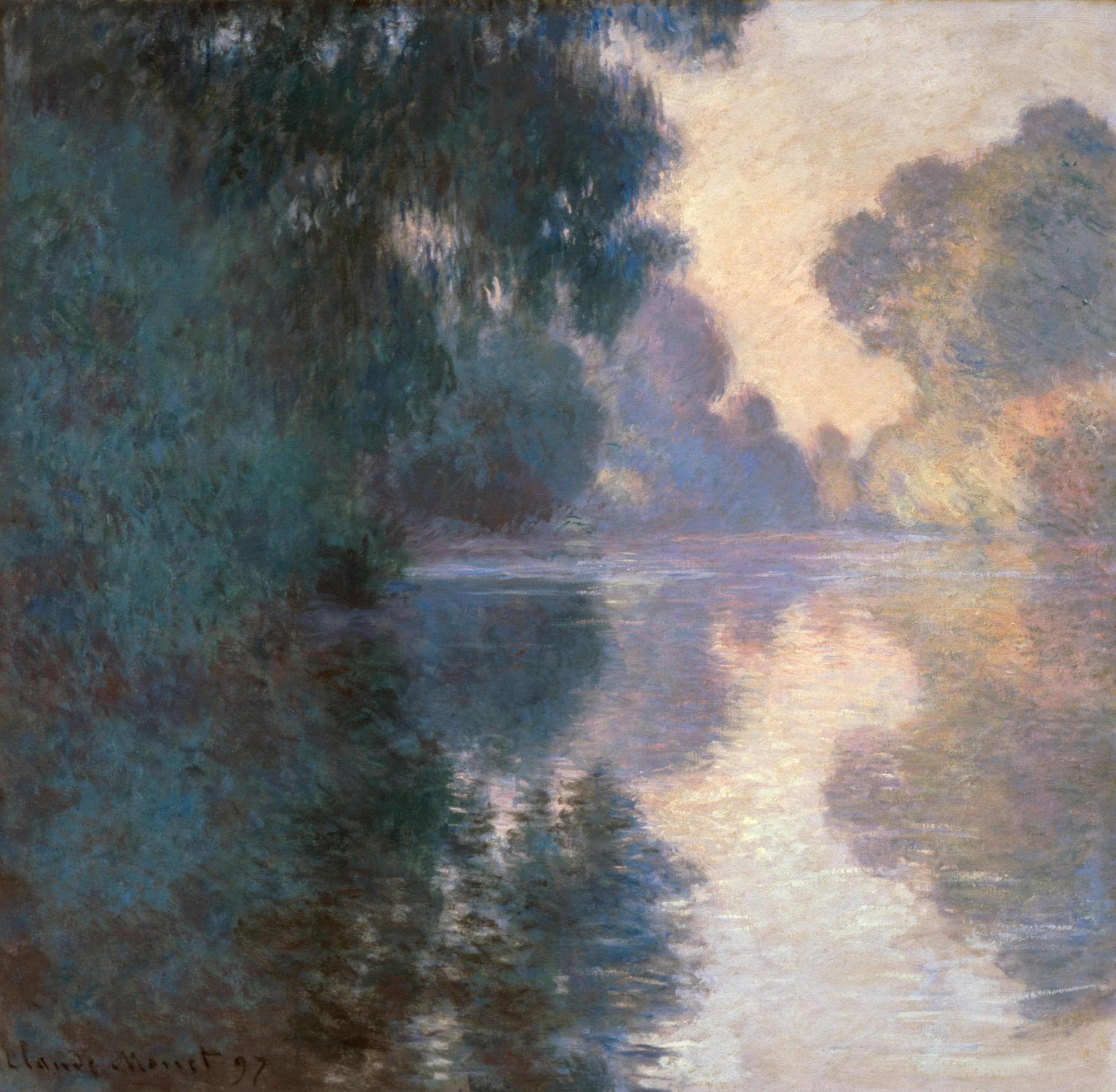
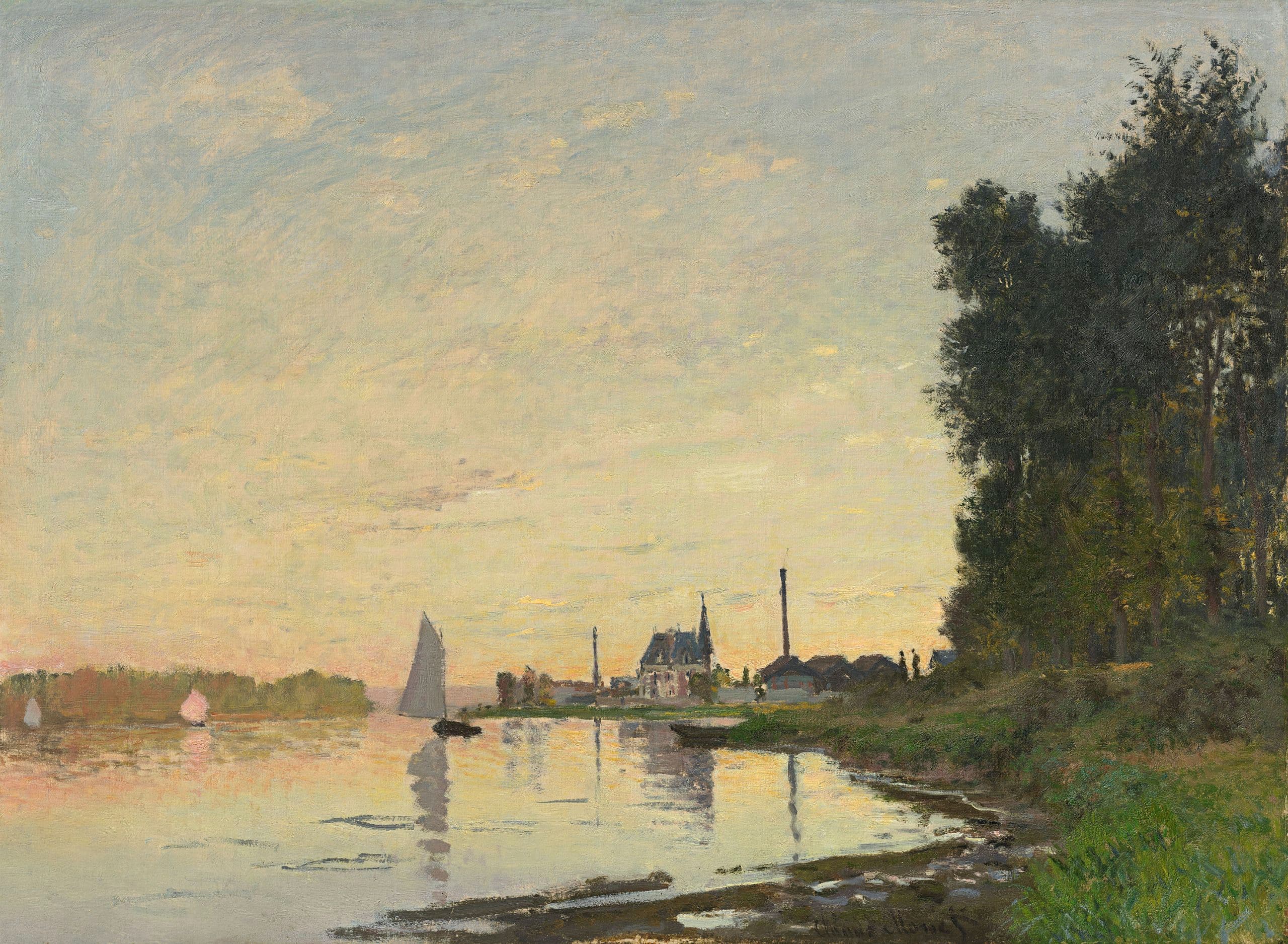
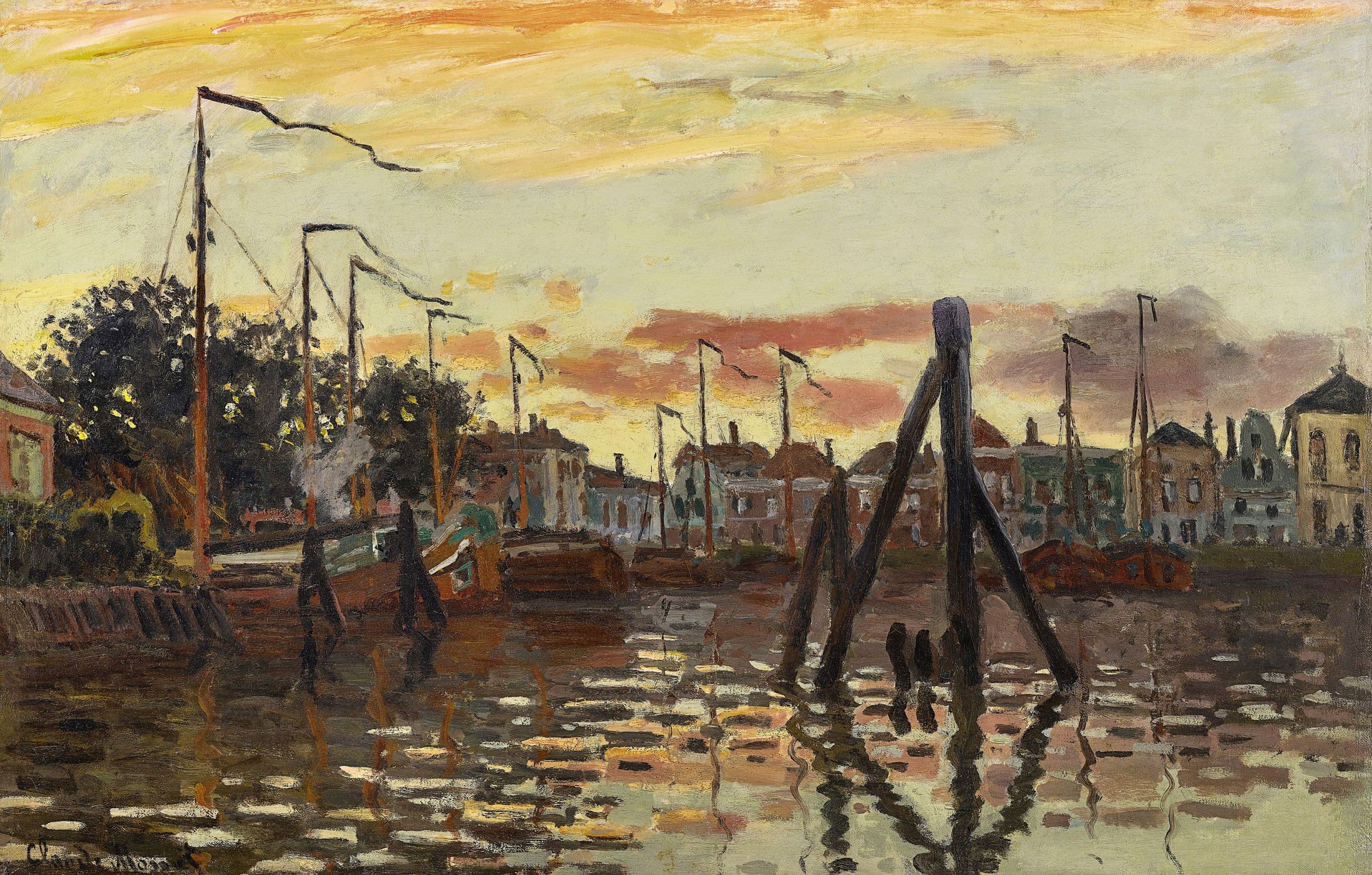
  • subtle pastels at dawn and dusk
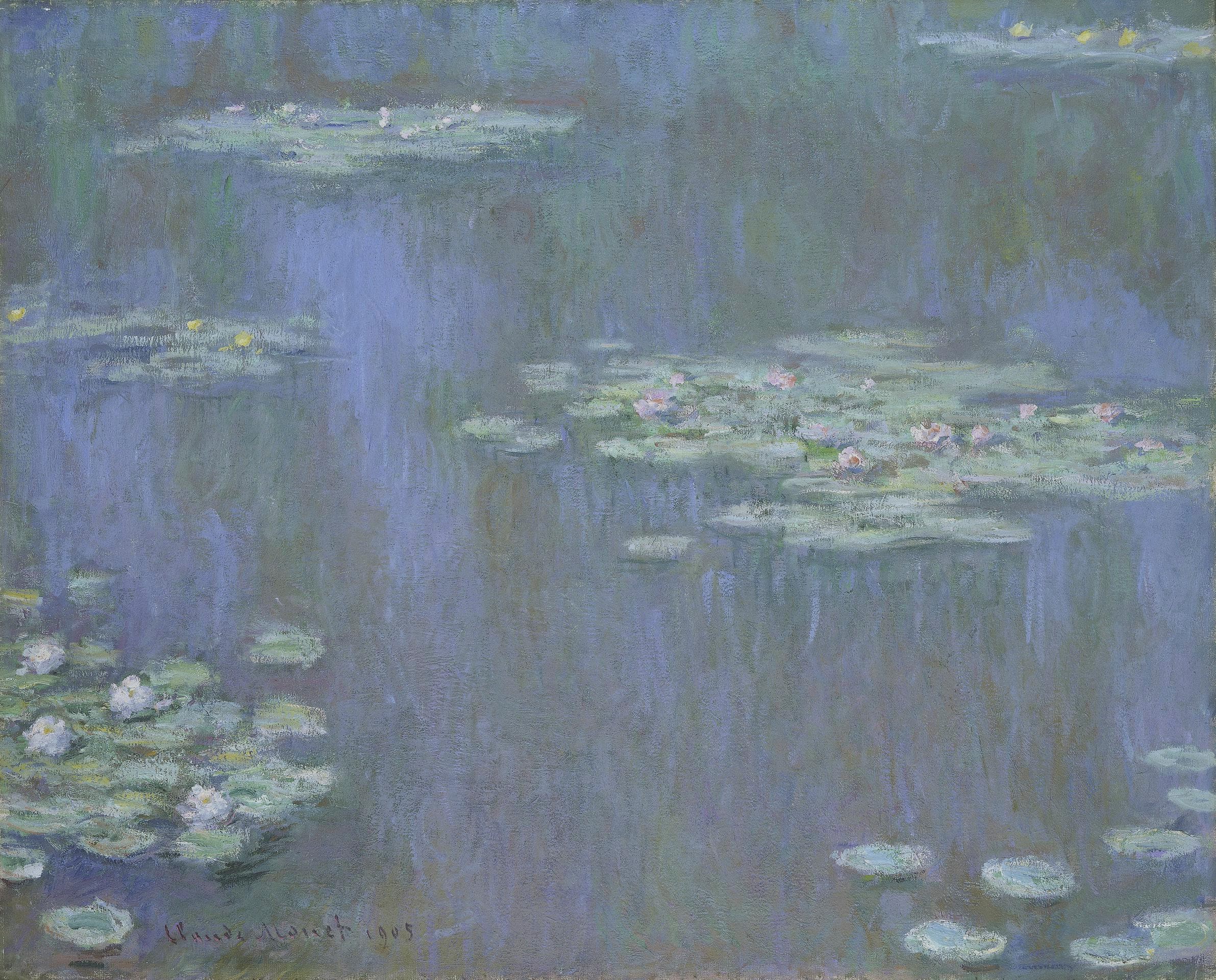
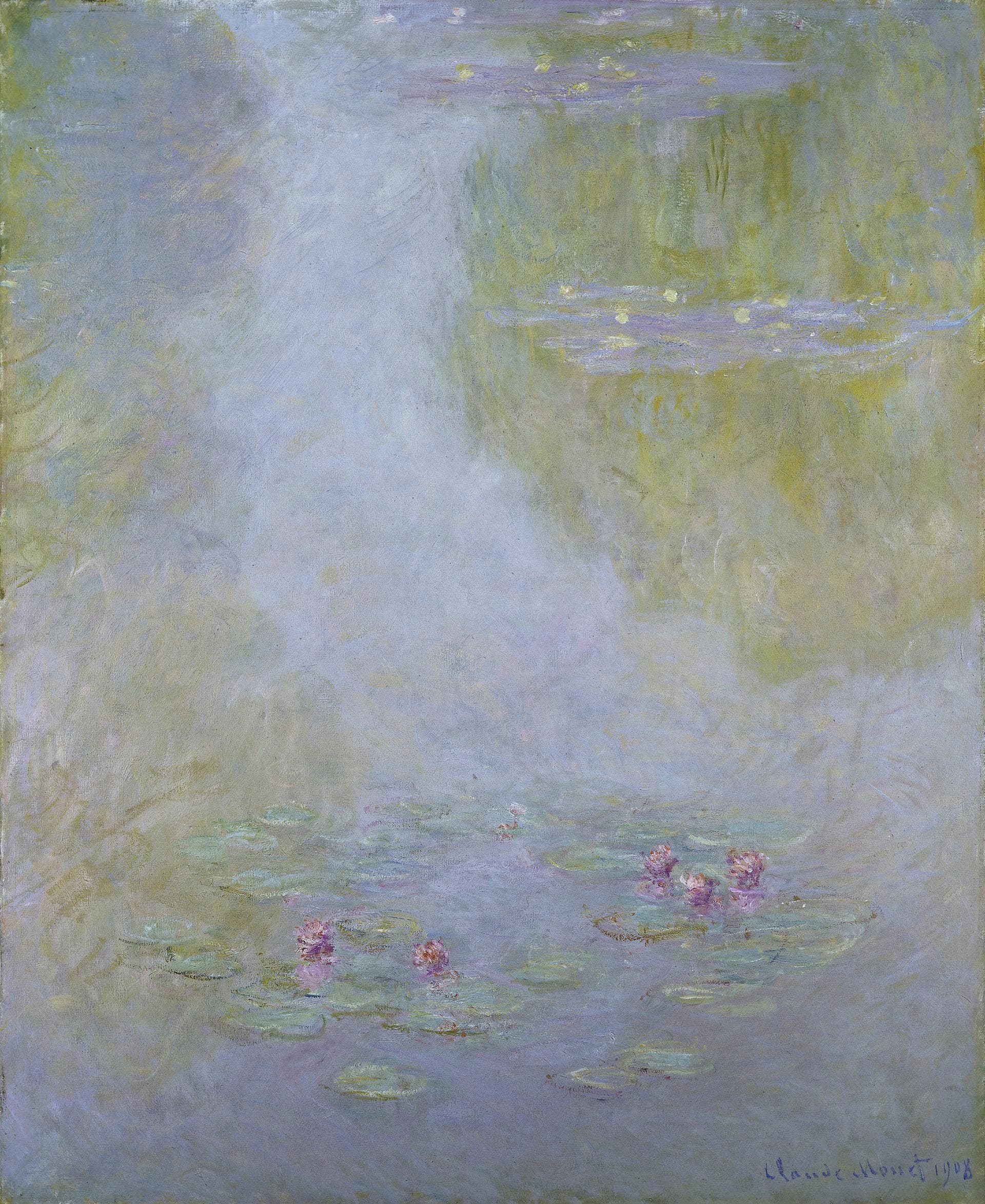
  • vibrant greens and aquatic blues
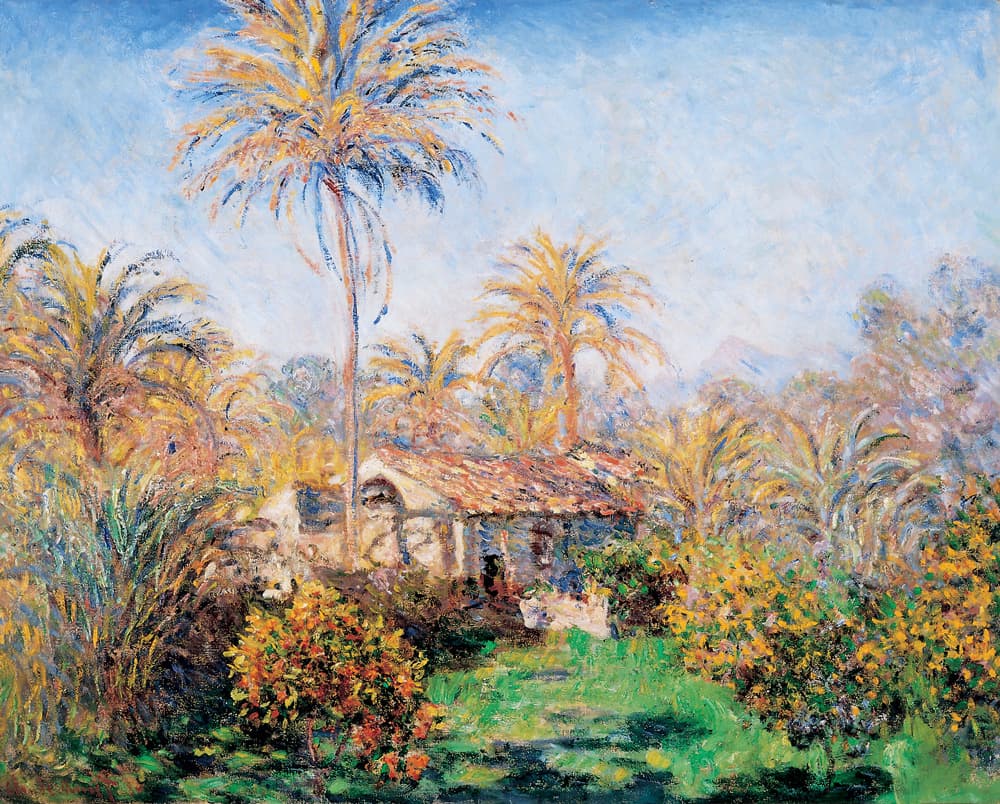
  • warm golden sunlight tones
  • delicate violet and rose accents

Subjects

  • garden and water-lily ponds
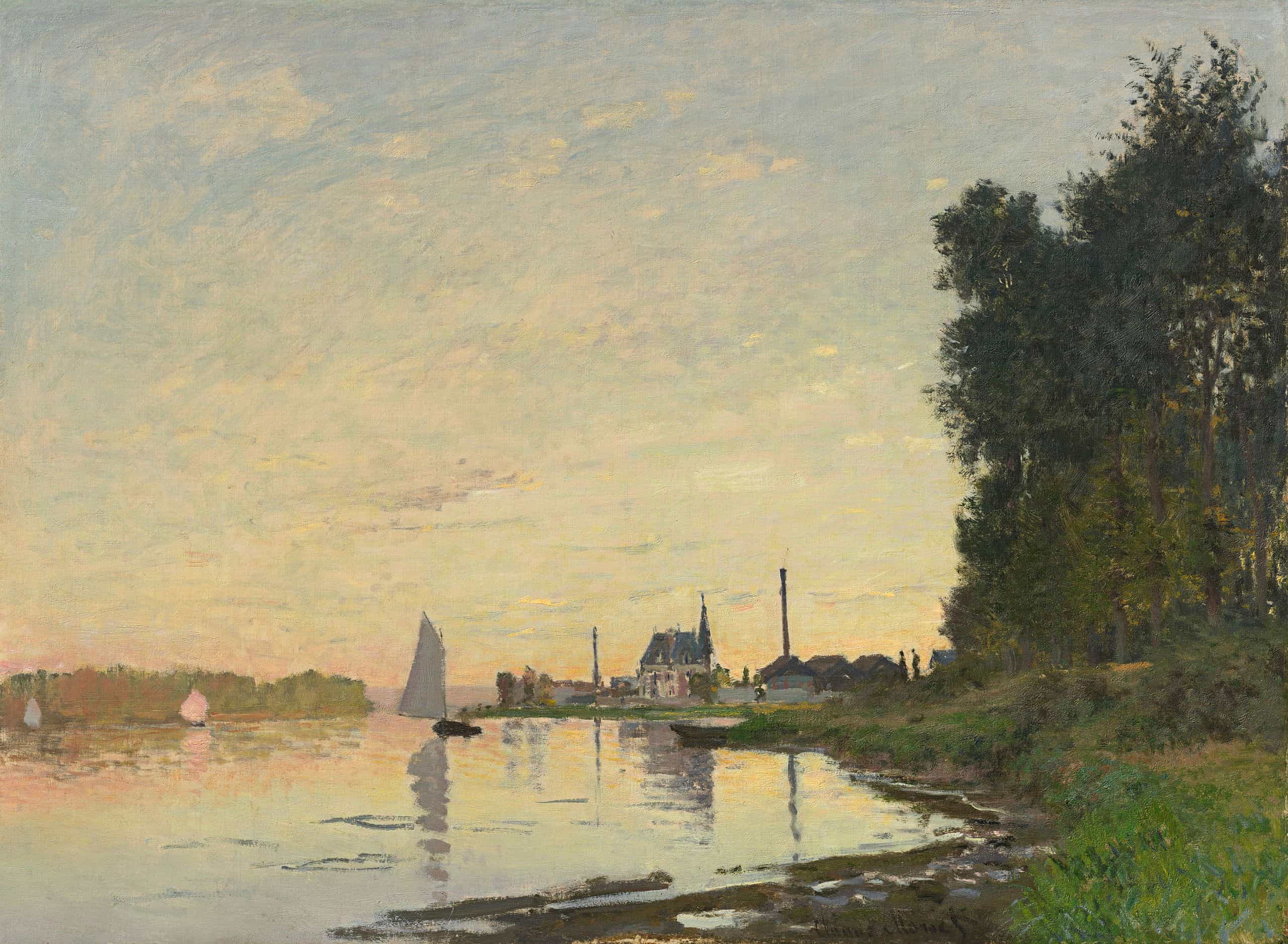
  • rivers and seaside views
  • urban and cathedral facades studied in light
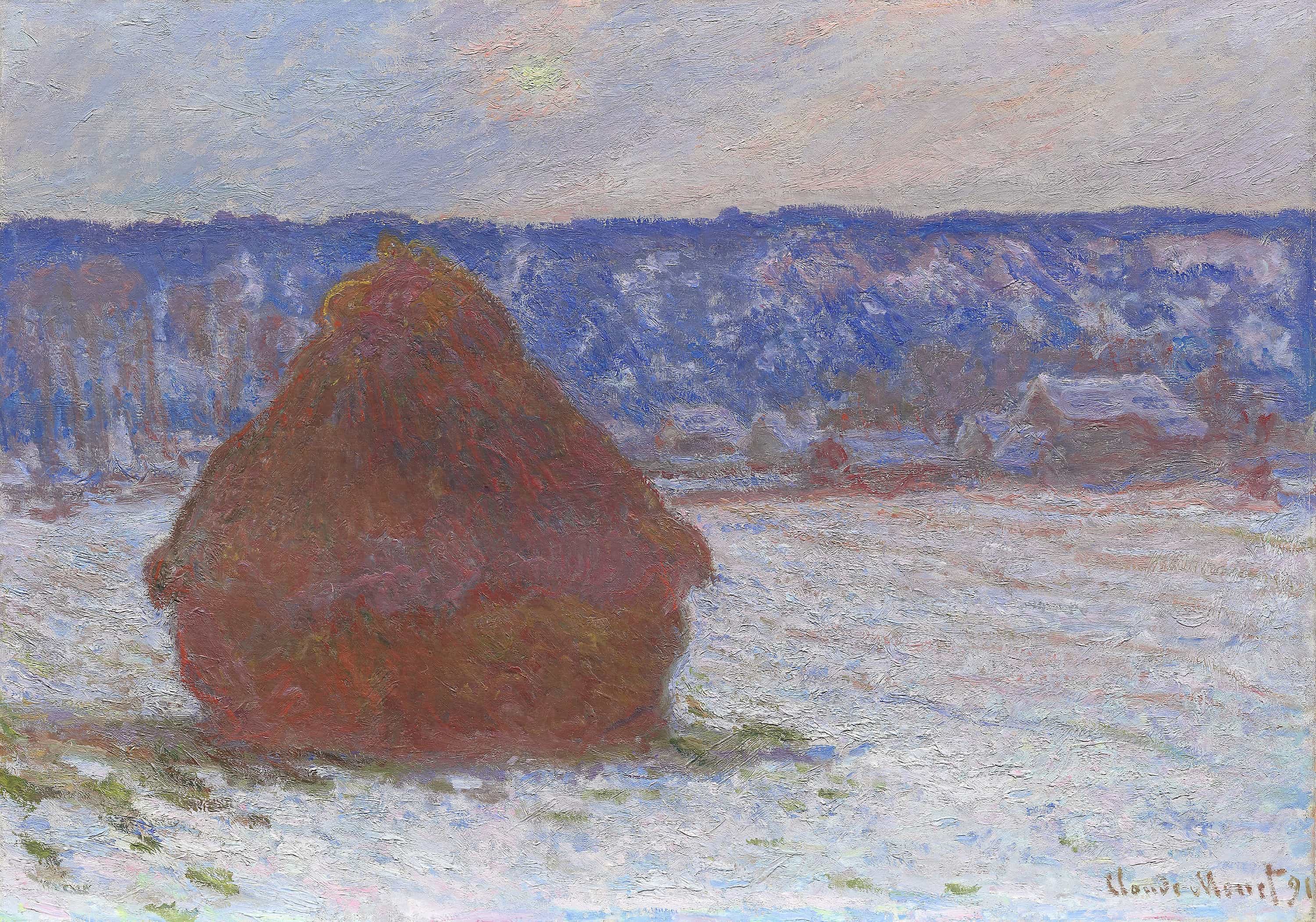
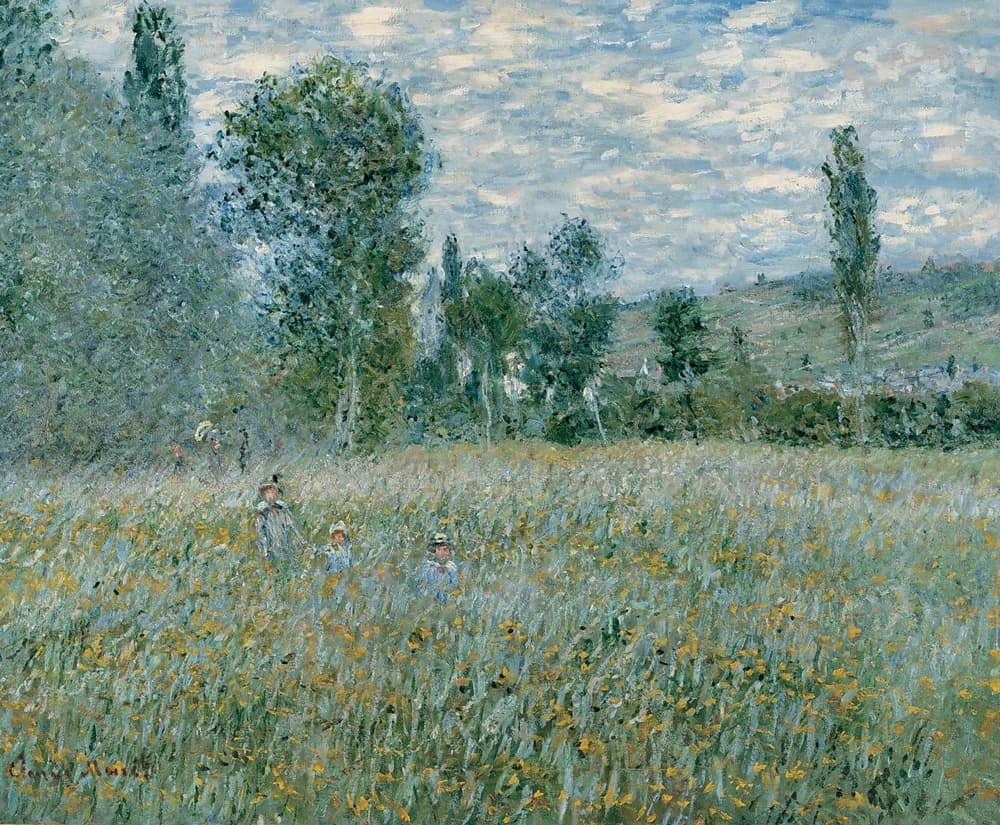
  • haystacks and rural landscapes
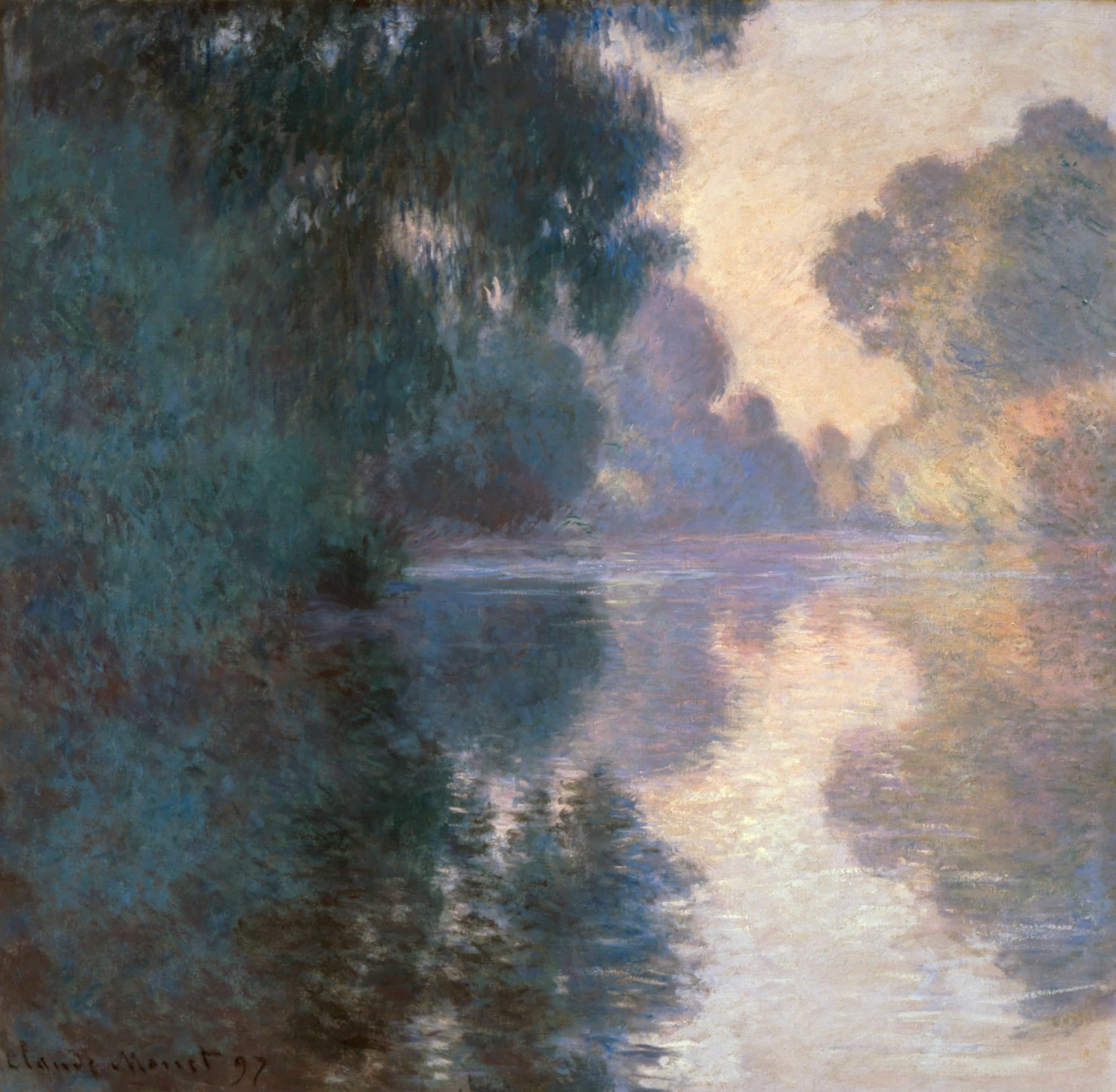
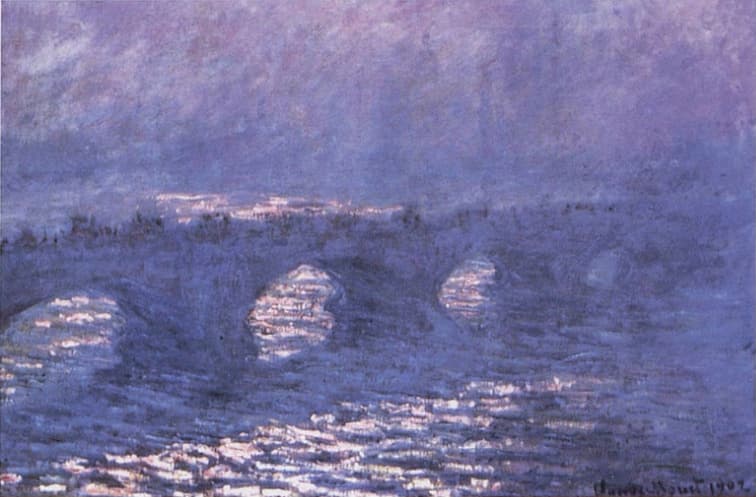
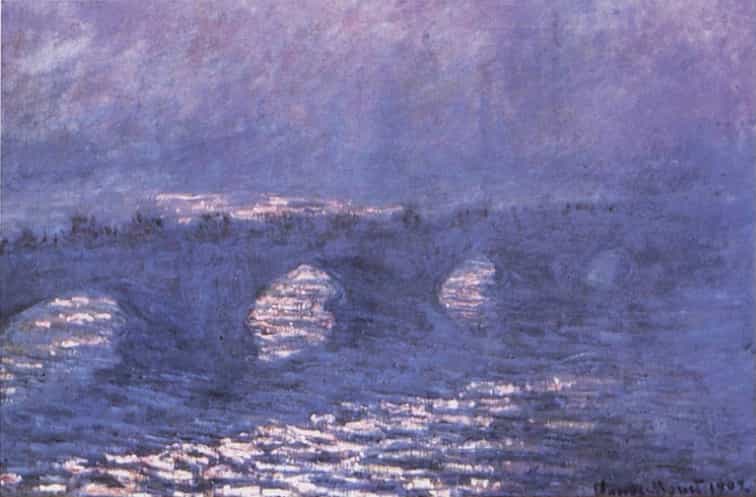
  • bridges and reflections

Techniques

  • en plein air painting
  • broken, juxtaposed brushstrokes
  • series painting (repeating motifs)
  • focused studies of light and atmosphere
  • softened outlines and color modulation

Topics

ImpressionismFrenchlandscapeplein airGivernyseries paintingslight and colorwater lilies19th centurydecorative art

Claude Monet (1840-1926) was a French Impressionist painter whose pioneering studies of light and color established Impressionism and transformed landscape painting.

Learn about the life of Claude Monet

1840

Born in Paris, France

1850

Raised in Le Havre; early drawing and caricature work

1860

Moved to Paris to study and work with contemporary artists

1870

Developed plein-air techniques and began core Impressionist experiments

1874

Exhibited with fellow artists in the exhibitions that defined Impressionism

1871

Worked at Argenteuil and explored riverside landscapes and modern life

1883

Settled in Giverny and began creating the gardens that would inspire late work

1890

Produced major series exploring light and atmosphere across motifs

1900

Established reputation as a leading modern landscape painter

1926

Died in Giverny, France

Biography

Claude Monet (1840-1926) was a French Impressionist painter whose pioneering studies of light and color established Impressionism and transformed landscape painting.

Early Life and Background

Claude Monet (1840-1926) was a French Impressionist painter whose pioneering studies of light and color established Impressionism and transformed landscape painting.

Born in Paris and raised in Le Havre, Monet showed an early talent for drawing and caricature. He later moved to Paris to pursue formal study and training, where he encountered the evolving art scene of mid-19th-century France. His formative years included instruction in drawing and participation in the dynamic artistic circles that would coalesce into the Impressionist movement.

Artistic Development and Periods

Monet's career can be understood through several geographic and stylistic phases, shaped by his travels, collaborations, and an enduring fascination with natural light.

The Paris Years and Early Training

In Paris, Monet studied with established teachers and worked alongside contemporaries who favored plein-air painting and a direct observation of nature. He absorbed influences from Realism while rejecting academic conventions.

The Impressionist Period

In the 1860s and 1870s Monet developed the approach that came to define Impressionism: loose brushwork, a focus on changing light, and color as structure. He exhibited with fellow artists who emphasized modern life and outdoor painting.

Giverny and Late Landscapes

Later in life Monet settled in Giverny, where he cultivated gardens and water features that became the primary subject of his late work. These years produced sustained series exploring reflections, atmosphere, and the dissolution of form into color.

Major Works and Achievements

Monet's career is celebrated for revolutionary series of paintings that investigate the same motif under shifting light and weather conditions. His practice of repeating subjects in multiple studies helped redefine landscape painting and established new possibilities for decorative and immersive works prized by collectors and museums worldwide.

Style and Technique

Monet favored painting en plein air to capture ephemeral light. His technique used broken, juxtaposed brushstrokes and an attentive palette to render vibration and atmosphere rather than detailed line. He often worked in series to study temporal and atmospheric variation.

Influence and Legacy

A founder of Impressionism, Monet influenced contemporaries like Renoir and Pissarro and later generations of modern artists who pursued abstraction and color-based composition. His emphasis on perception and light reshaped the course of modern painting and continues to inform decorative taste and interior design.

Personal Life Context

Monet's life was shaped by his devotion to painting and to the gardens he created at Giverny, which served both as his private studio and an enduring source of imagery. He balanced public

Frequently Asked Questions

What are Claude Monet's most famous paintings?+
Claude Monet is best known for series of paintings that investigate light and atmosphere: notably the Water Lilies, Impression, Sunrise, Haystacks, and his studies of cathedral facades and the Japanese bridge at Giverny. These works are celebrated for their luminous color, painterly surface and the飾
What is Claude Monet's style?+
Monet's style is the quintessential expression of Impressionism: plein-air observation, broken brushwork, and a palette tuned to shifting light and atmosphere. Rather than relying on precise outlines, Monet used juxtaposed strokes and color contrasts to render the impression of a scene at a specific
What made Claude Monet unique?+
Monet's uniqueness lies in his systematic study of the same motif under varying light and weather conditions. His series approach—painting haystacks, cathedral facades, or water gardens at different times of day—turned temporal change into a subject itself and expanded possibilities for decorative,
What are three of Monet's masterpieces?+
Three widely recognized masterpieces are Impression, Sunrise; selections from the Water Lilies series; and the Haystacks series. Each exemplifies Monet's investigation of light, color and atmosphere and has become iconic in both museum collections and the art market.
What movement was Claude Monet part of?+
Monet was a central figure in Impressionism, a movement that emphasized direct observation, modern life, and the effects of light. Impressionism challenged academic traditions and paved the way for many strands of 20th-century modern art, influencing artists who pursued color and perception.
What influenced Claude Monet?+
Monet was influenced by plein-air practice, contemporary colleagues interested in modern life, and the desire to capture atmospheric effects. He also drew inspiration from Japonisme and landscape traditions, adapting these sources into a method that prioritized perceived color relationships and mo
Where can I see Claude Monet's work?+
Monet's paintings are held in major museums and collections worldwide and are frequently included in exhibitions focused on Impressionism. High-quality prints and museum reproductions make his work accessible for home decor—offering luminous focal points that suit contemporary and traditional int