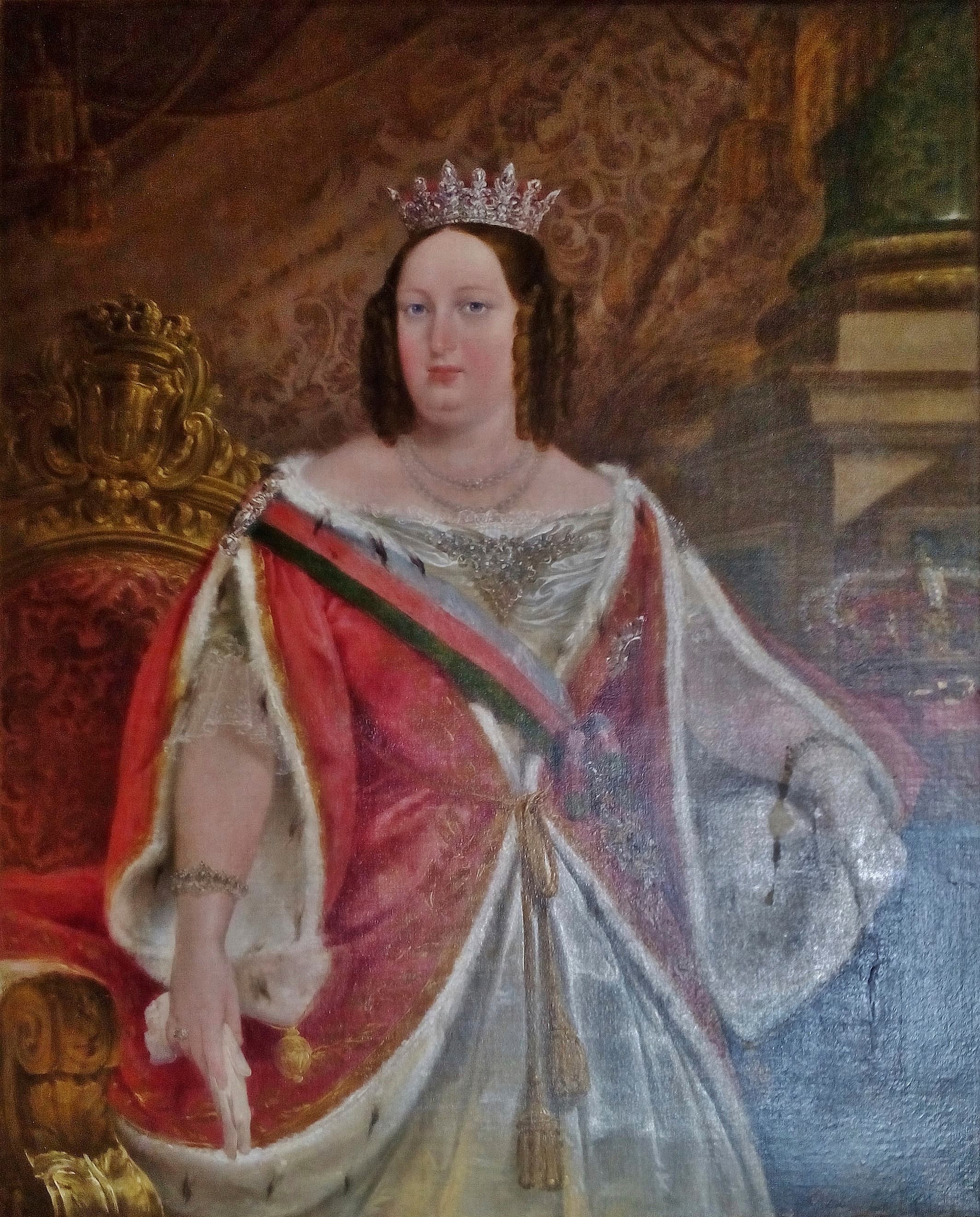
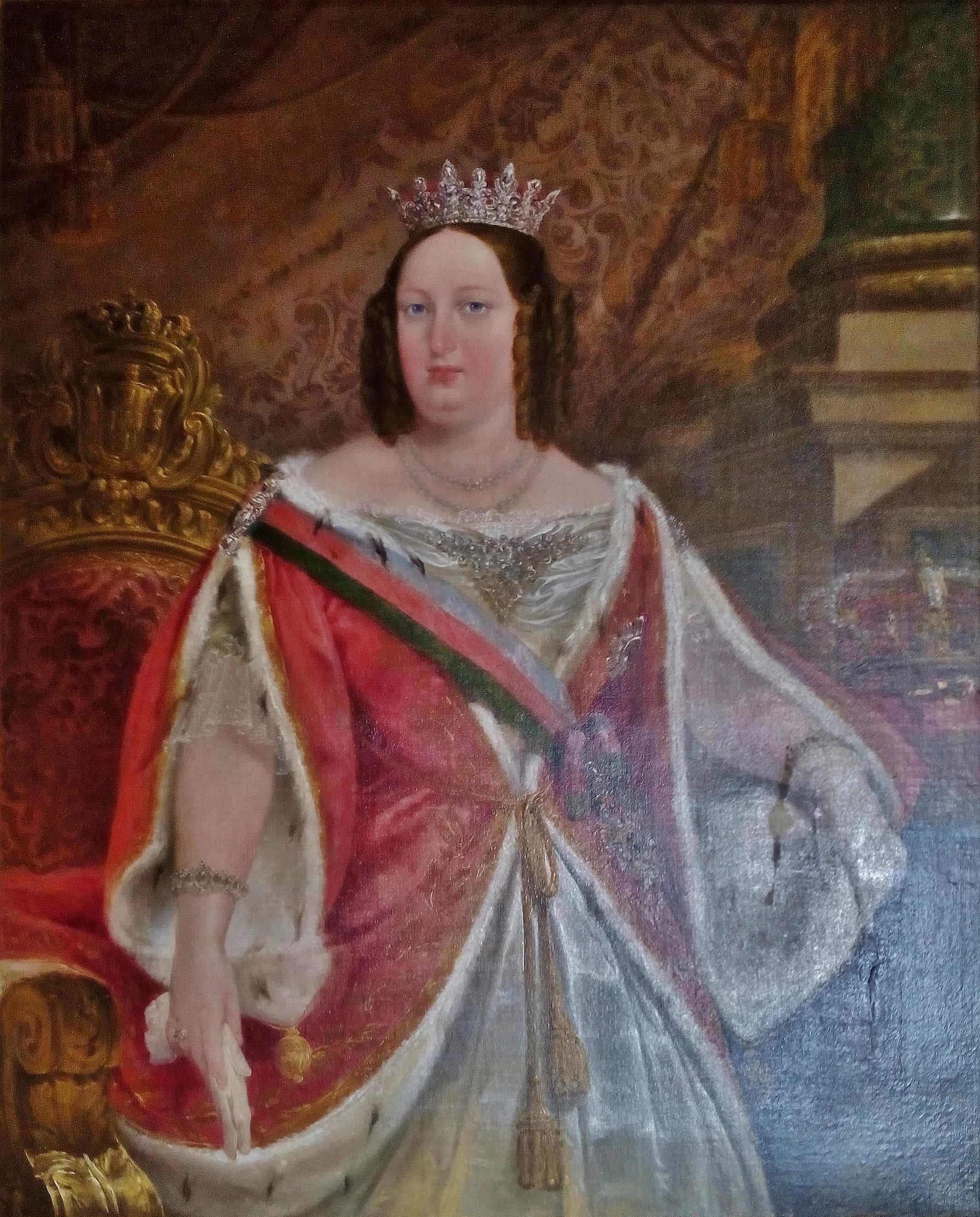
Retrato da Rainha D. Maria II (1843)
António Manuel da Fonseca
From €54
Collection
Museum-quality reproductions on 310gsm textured cotton rag paper.
Shop all prints by António Manuel da FonsecaArtistic Style
Style Evolution
Fonseca maintained an academic and Romantic visual language throughout his career, refining draftsmanship and decorative composition from early works into mature historical and commemorative paintings suited to 19th‑century Portuguese tastes.
Palette
Subjects
Techniques
Topics
António Manuel da Fonseca (1796-1890) was a Portuguese academic and Romantic painter whose historical scenes and decorative talent shaped 19th‑century Portuguese art.
Learn about the life of António Manuel da Fonseca
Signature Works
See all available printsBiography
António Manuel da Fonseca (1796-1890) was a Portuguese academic and Romantic painter whose historical scenes and decorative talent shaped 19th‑century Portuguese art.
António Manuel da Fonseca (1796-1890) was a Portuguese academic and Romantic painter whose historical scenes and decorative talent shaped 19th‑century Portuguese art. He was born in Lisbon and spent his life and career closely connected to the city and to Portugal’s 19th‑century cultural life. Details of his formal training and early apprenticeship are not provided here; what is clear from his surviving reputation is a mastery of academic composition and an eye for narrative and decorative detail that served public and private commissions.
Fonseca’s career unfolded across the long arc of the 19th century, working within academic and Romantic conventions that emphasized historical subject matter, careful draftsmanship, and decorative clarity. He remained active in Lisbon, producing works that aligned with institutional tastes of his time and that often served civic, religious, or commemorative purposes.
In his early period Fonseca developed the technical foundations that would characterize his work: precise drawing, balanced composition, and attention to costume and architectural detail, all hallmarks of academic practice in the early 19th century.
During the middle decades of his career Fonseca consolidated a reputation for refined historical and decorative painting. His work from this phase typically balanced narrative clarity with ornamental flourishes suited to interiors and public commissions.
In later years Fonseca’s work continued to reflect academic values and decorative sensibility; his longevity allowed him to remain a reference point in Portuguese 19th‑century painting.
Specific titles of works are not provided here. Fonseca’s major achievements lie in his contribution to 19th‑century Portuguese historical and decorative painting—works valued for their narrative precision, compositional skill, and decorative finish.
Fonseca worked within academic and Romantic aesthetics: controlled, polished brushwork; strong draftsmanship; careful modeling of figure and costume; and a decorative sense that made his paintings effective in architectural and domestic settings. His compositions emphasize clarity of story and ornamented detail, making them readable from a distance and visually attractive in an interior.
Fonseca occupies an important place in Portuguese 19th‑century visual culture as a practitioner of academic and Romantic genres. While specific teacher–student lineages are not listed here, his legacy is tied to the national taste for historical painting and the decorative arts; collectors and institutions value his works for their period authenticity and their role in Portugalʼ
Awards
Frequently Asked Questions
Retrato da Rainha D. Maria II (1843)