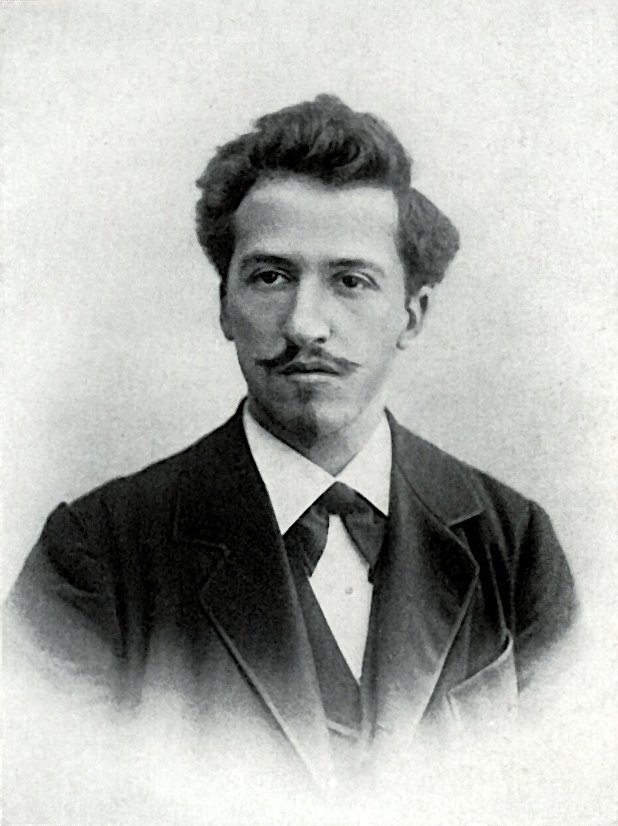
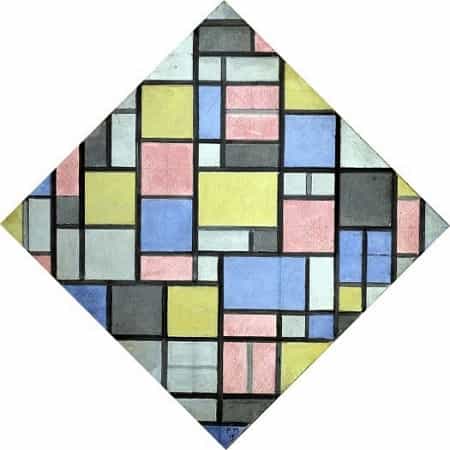
Compositie met raster 6: ruit, compositie met kleuren
Piet Mondrian
From €59
Collection
Museum-quality reproductions on 310gsm textured cotton rag paper.
Shop all prints by Piet MondrianArtistic Style
Style Evolution
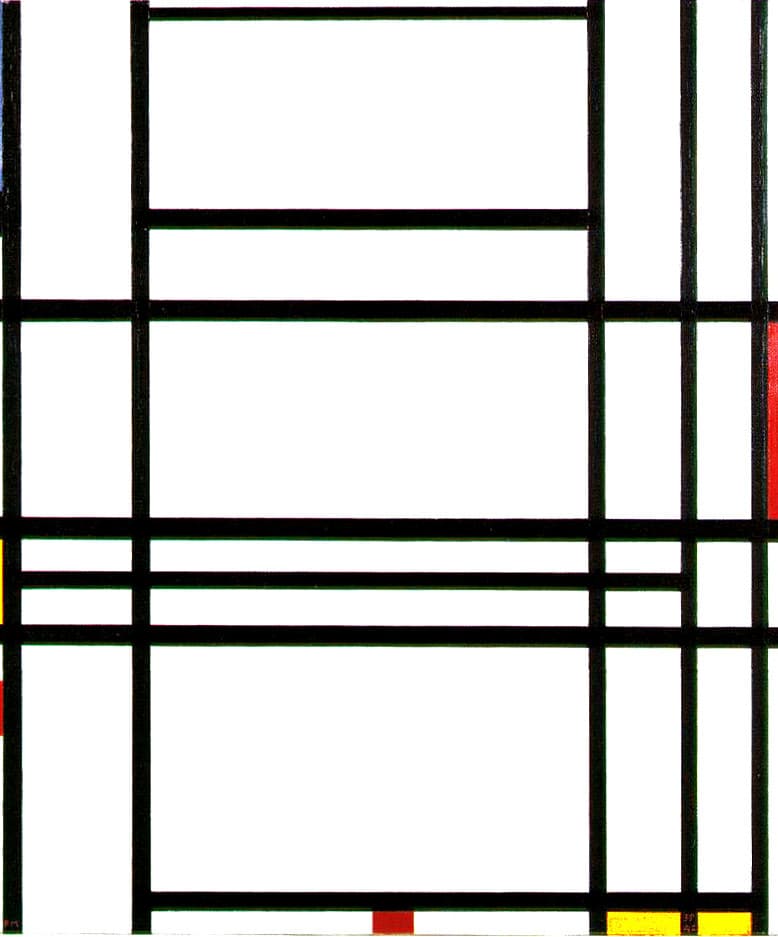
Mondrian moved from representational Dutch landscapes to radical abstraction: early natural subjects gave way in Paris and with De Stijl to neoplastic grids of black lines and primary-color planes, culminating in large-scale, refined geometric works produced in his later international period.
Palette
Subjects
Techniques
Topics
Piet Mondrian (1872–1944) was a Dutch De Stijl pioneer and abstract painter whose grid-based compositions and pursuit of pure form reshaped modern visual language.
Learn about the life of Piet Mondrian
Signature Works
See all available prints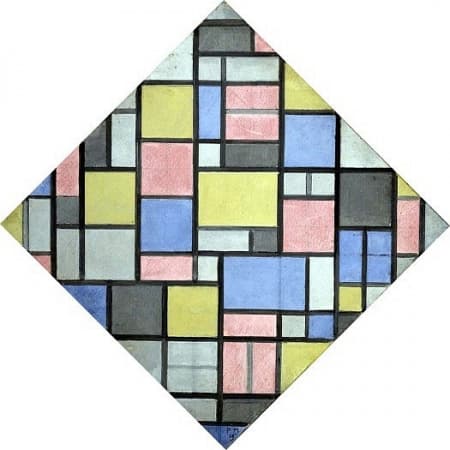
Biography
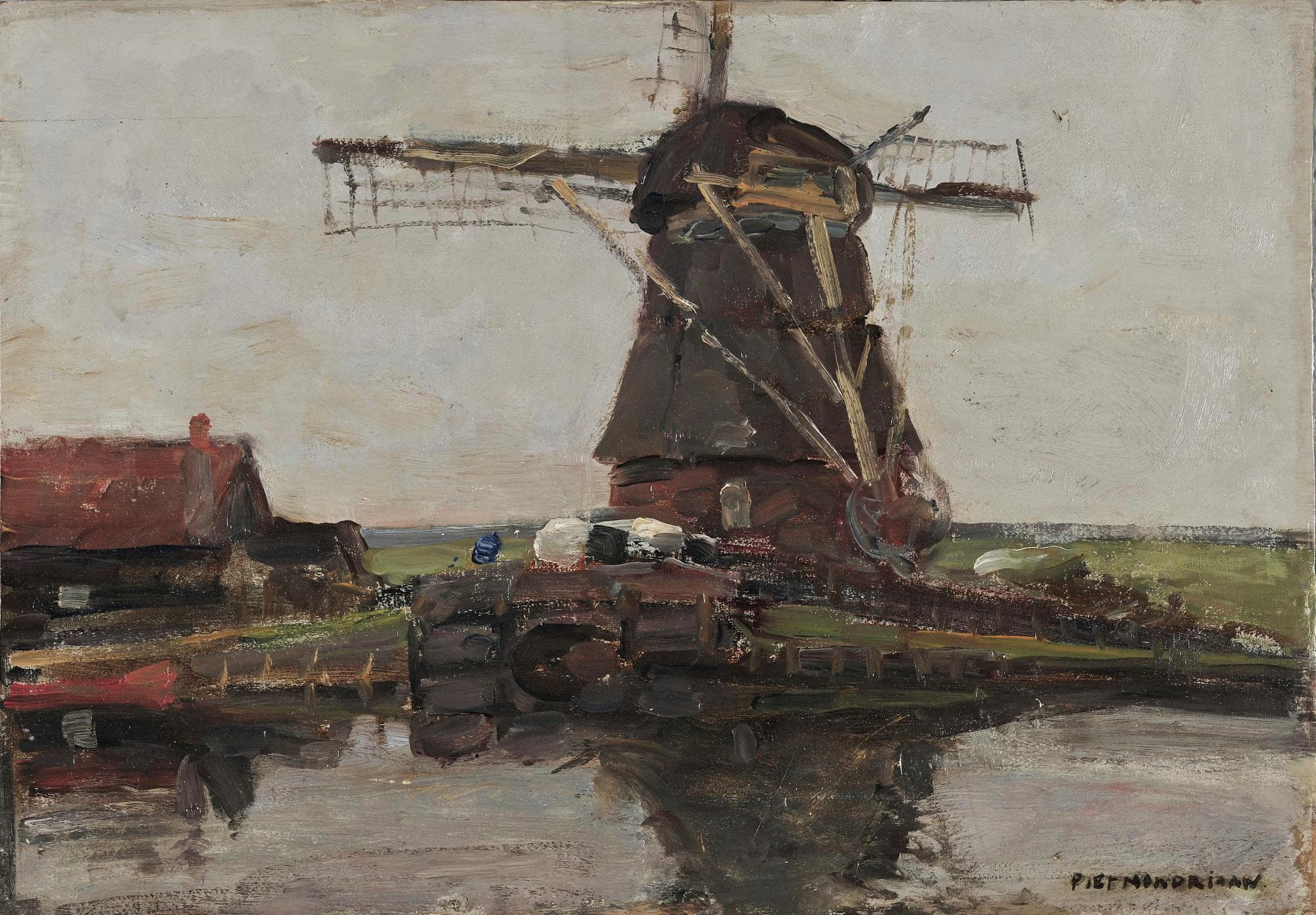
Piet Mondrian (1872–1944) was a Dutch De Stijl pioneer and abstract painter whose grid-based compositions and pursuit of pure form reshaped modern visual language.
Piet Mondrian (1872–1944) was a Dutch De Stijl pioneer and abstract painter whose grid-based compositions and pursuit of pure form reshaped modern visual language.
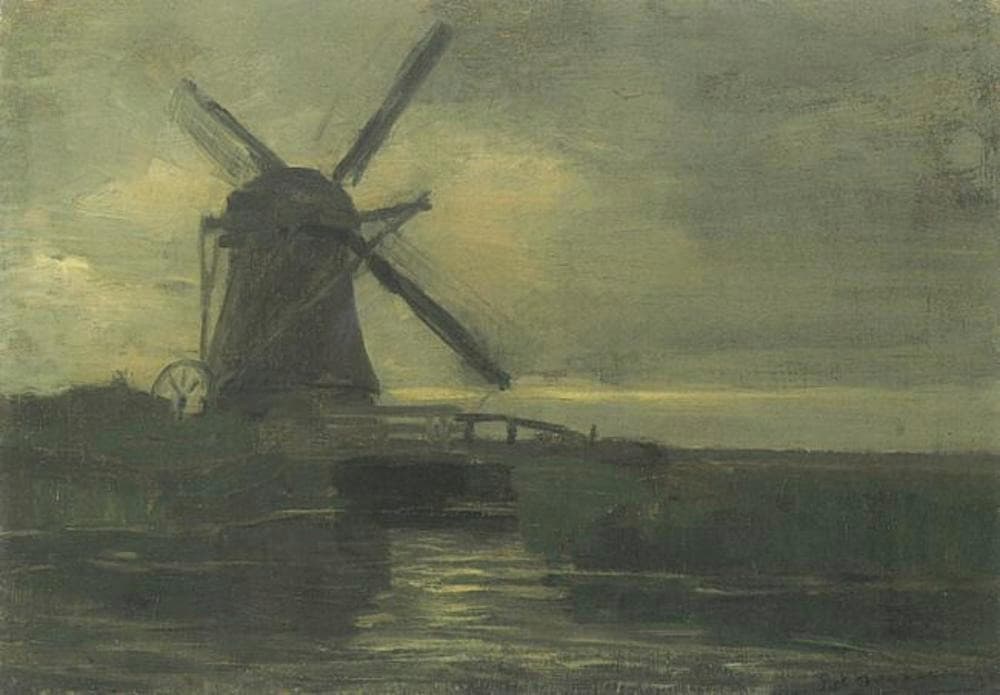
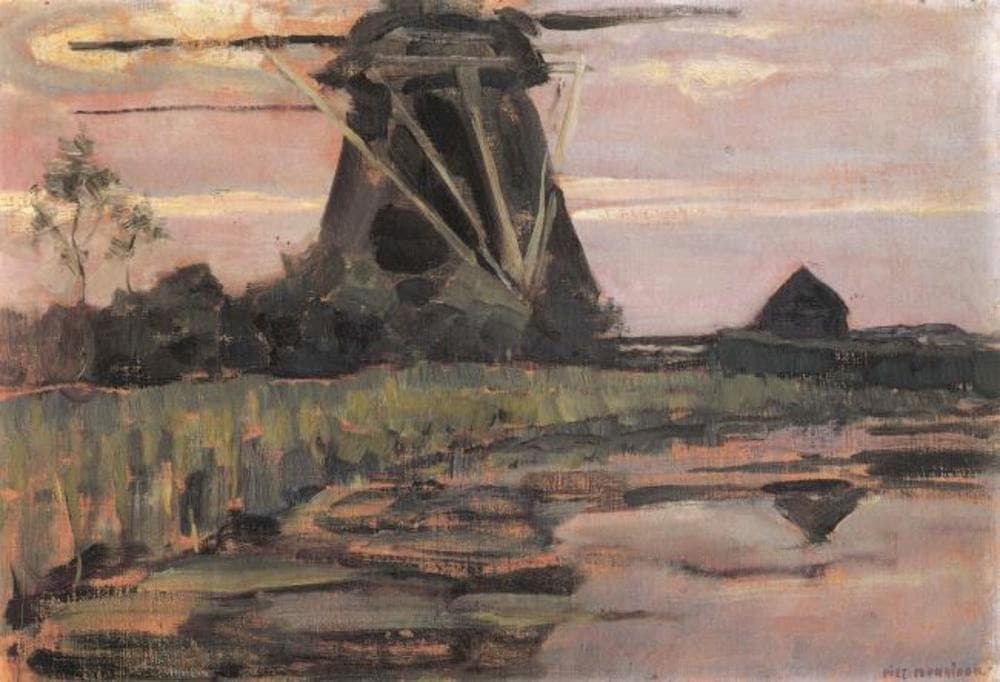
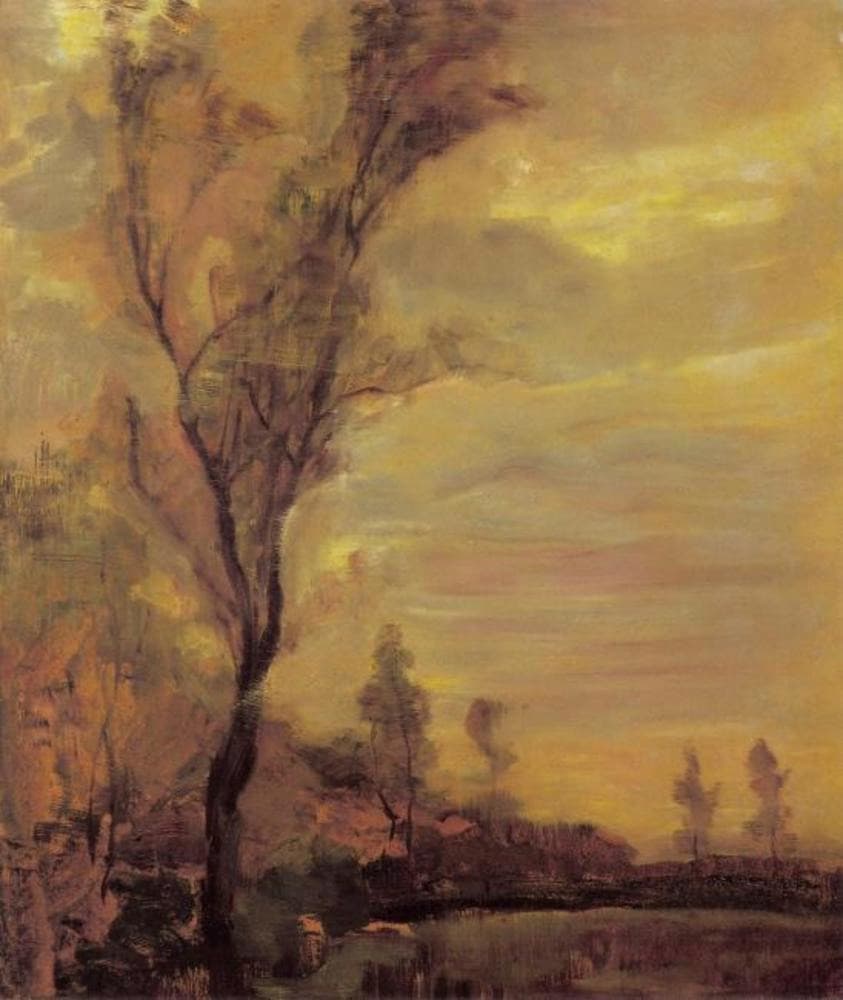
Born in Amersfoort, Netherlands, Mondrian trained initially as a landscape painter and worked within late 19th-century Dutch realist and impressionist traditions. Early work emphasized natural subjects—trees, dunes, and rural views—rendered with an interest in structure and rhythm that would later inform his abstract experiments.
Mondrian's development moved from representational studies to increasing abstraction as he encountered contemporary European avant-garde art.
In his early career he focused on landscapes and figurative subjects, exploring form and color while building technical skill in drawing and composition.
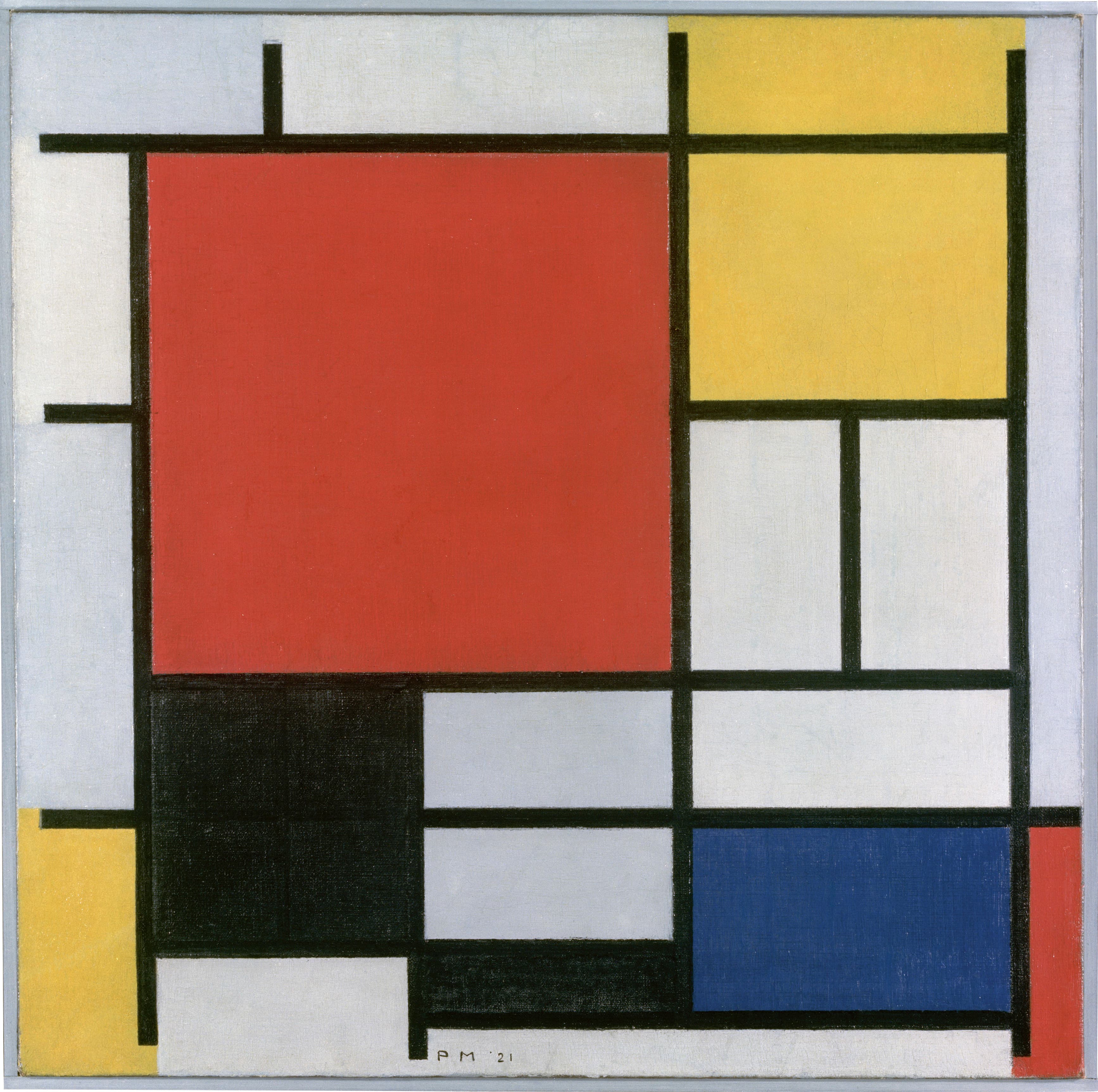
In the 1910s and 1920s Mondrian embraced radical simplification, developing the visual language later called neoplasticism. He became associated with De Stijl, favoring orthogonal lines, rectangular forms and a restricted palette to express universal harmony.
Late in life Mondrian worked in larger, more urban-inflected compositions, continuing to refine his grid structures and chromatic balance until his death in New York City.
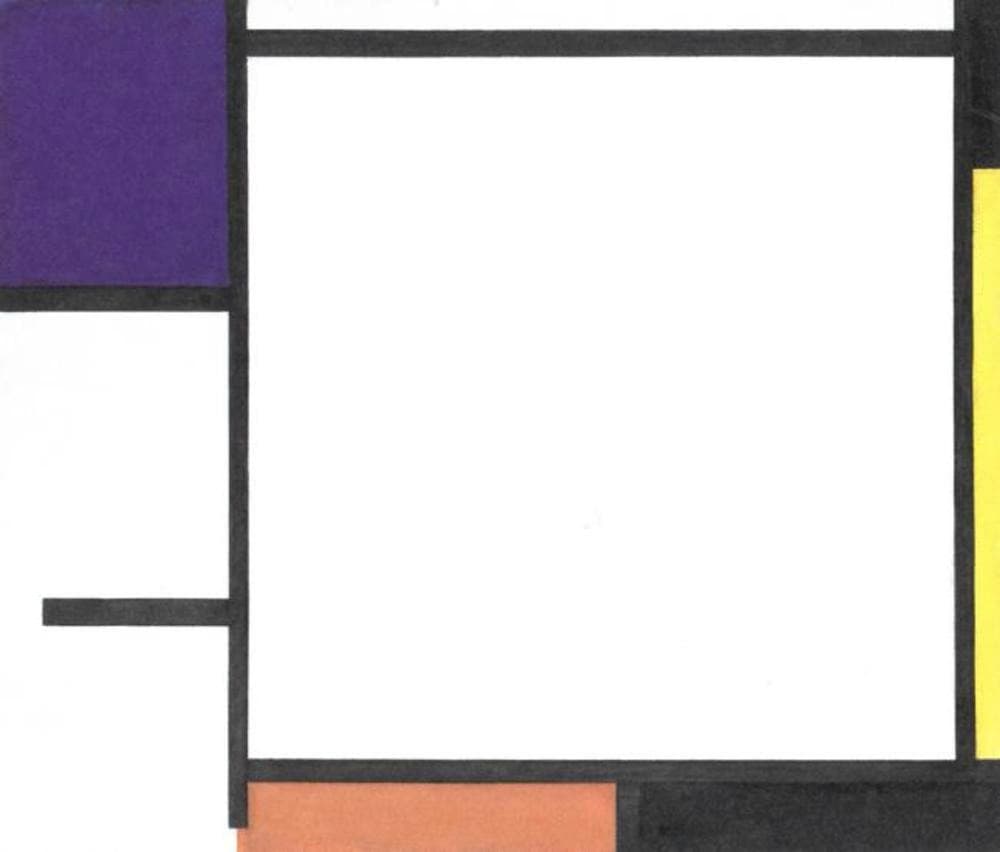
Mondrian did not merely reduce pictorial elements; he codified a new visual vocabulary—straight black lines, white space, and areas of primary color—that became a hallmark of 20th-century design and architecture. His theoretical writings and exhibitions with the De Stijl group helped define neoplasticism as a major movement in modern art.
Mondrian's technique centers on precise, planar compositions built from perpendicular black lines and rectangles of color. He prioritized balance and dynamic equilibrium, often leaving expanses of white to emphasize spatial relationships. His surfaces are intentionally flat and deliberate, rejecting illusionistic depth.
Mondrian's reduction of form influenced generations of artists, designers, and architects. His concepts shaped minimalism, graphic design, and modern interior aesthetics. Collectors prize his works for their intellectual rigor and striking decorative clarity; his visual vocabulary remains instantly recognizable worldwide.
Mondrian lived and worked across Europe and later in the United States. He was committed to artistic theory and group collaboration, contributing to journals and the De Stijl circle while continually refining his abstract method.
Mondrian's works are valued for their canonical role in modern,
Frequently Asked Questions
Compositie met raster 6: ruit, compositie met kleuren
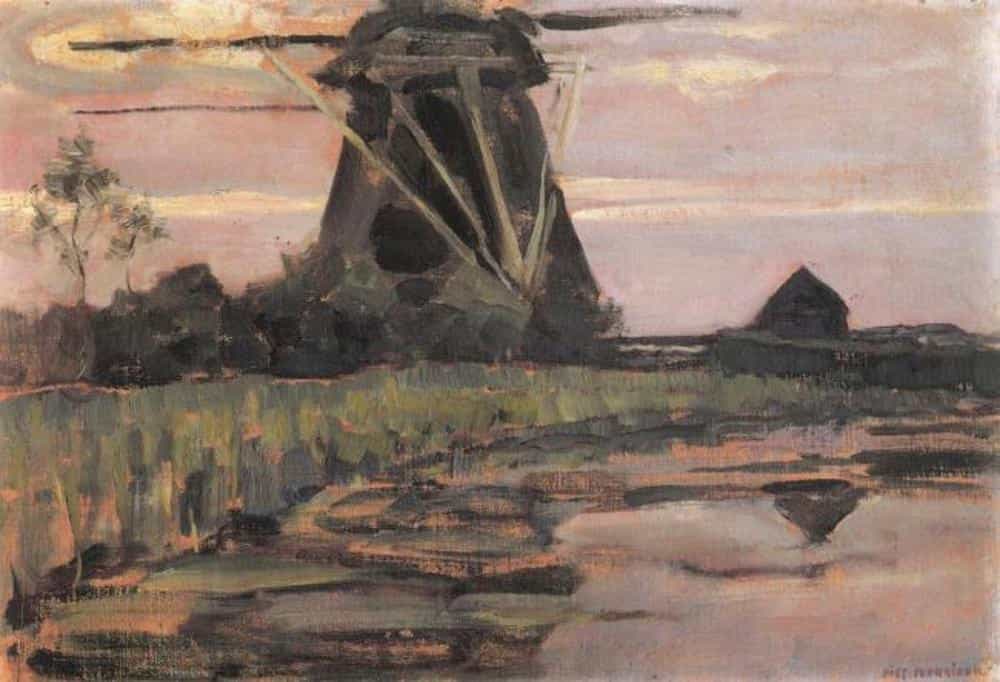
Oostzijdse Mill Viewed from Downstream with Streaked Pinkish-Blue Sky
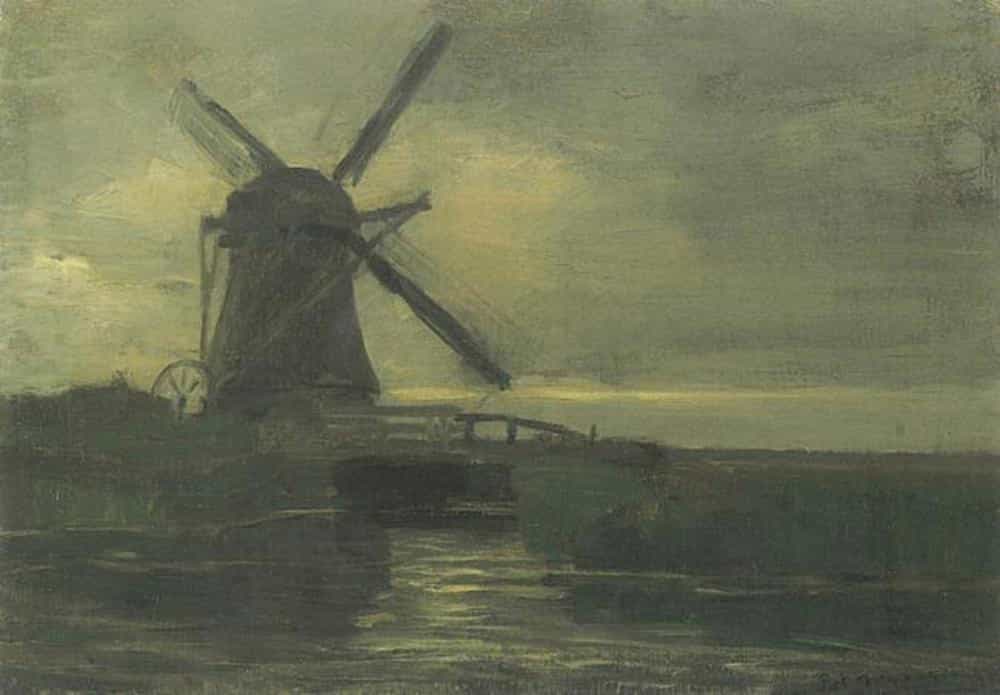
Broekzijder Mill in the Evening
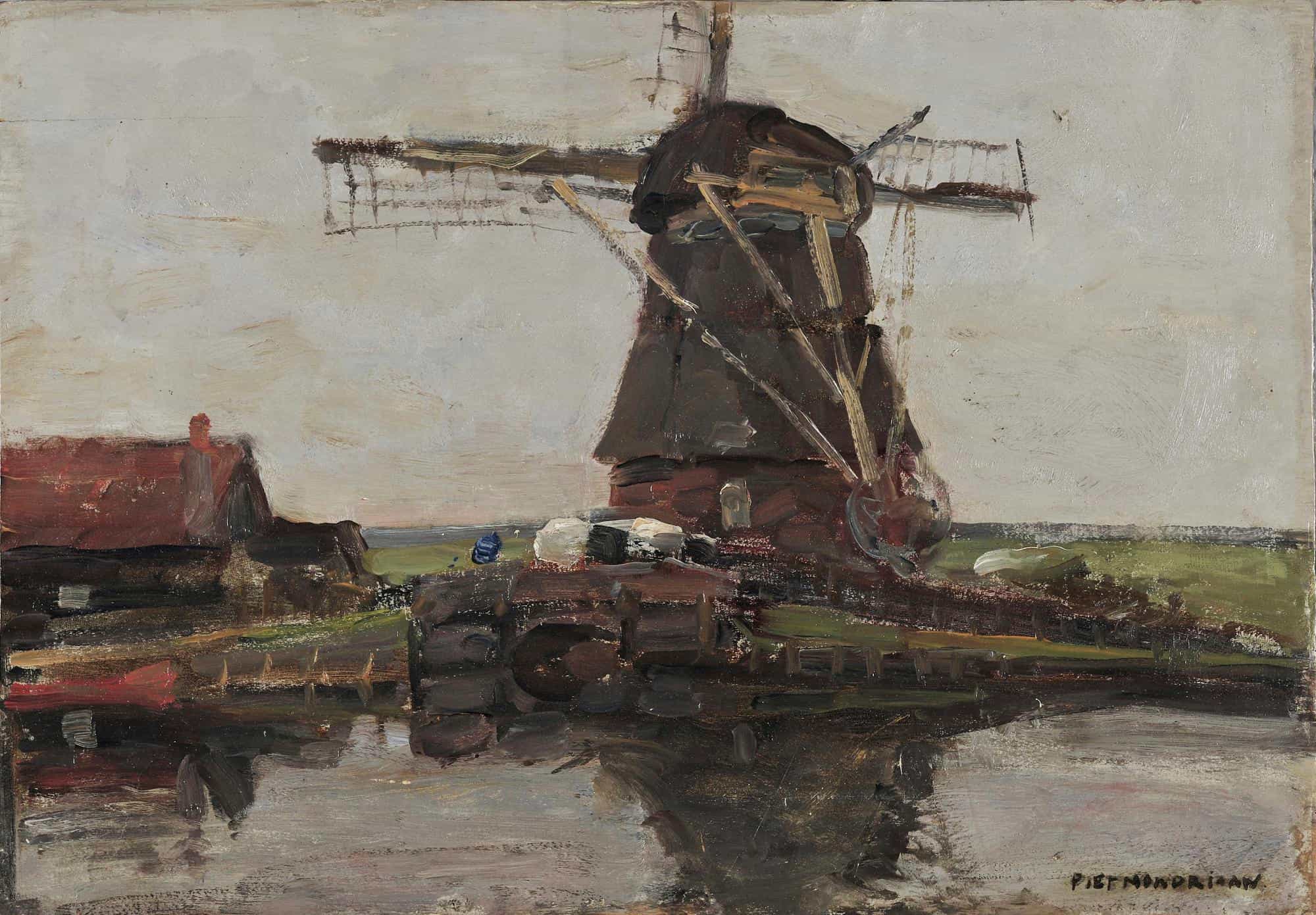
Stammer Mill with Summer House

Field with Row of Trees at Left
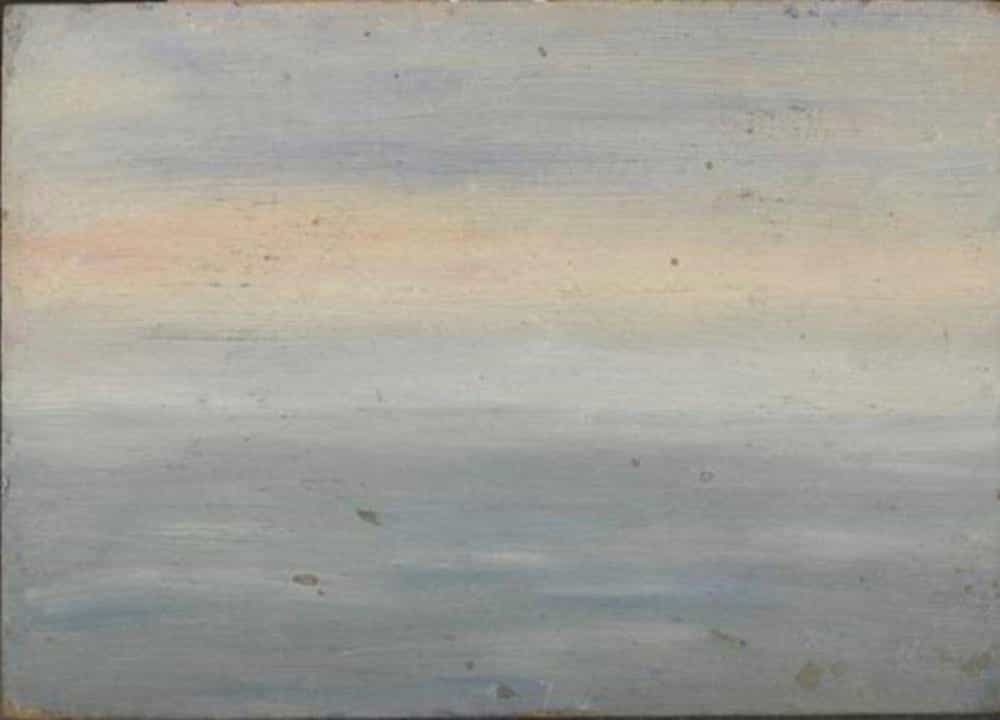
Underpainting for Land and Sky
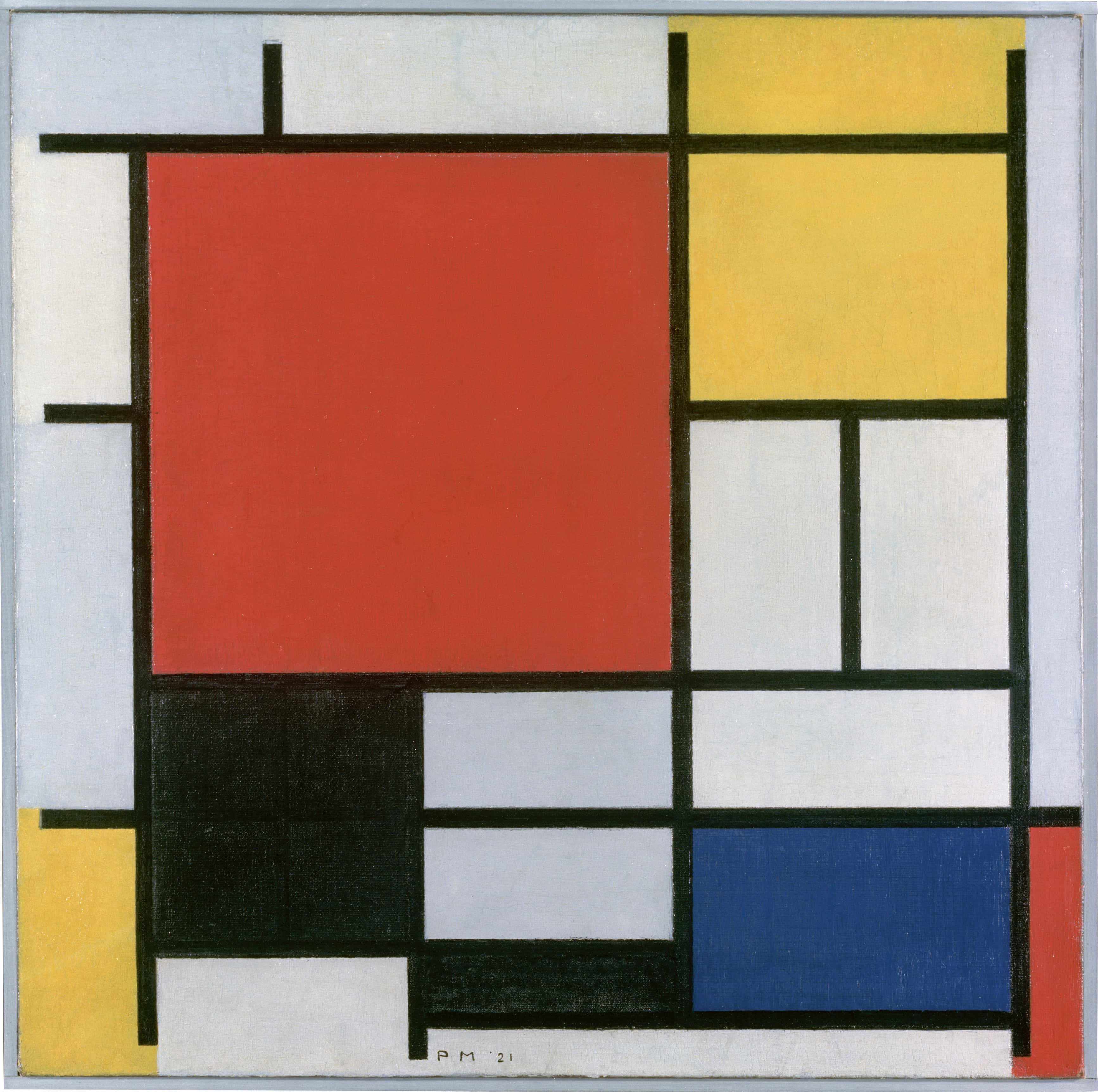
Composition with Large Red Plane, Yellow, Black, Grey and Blue
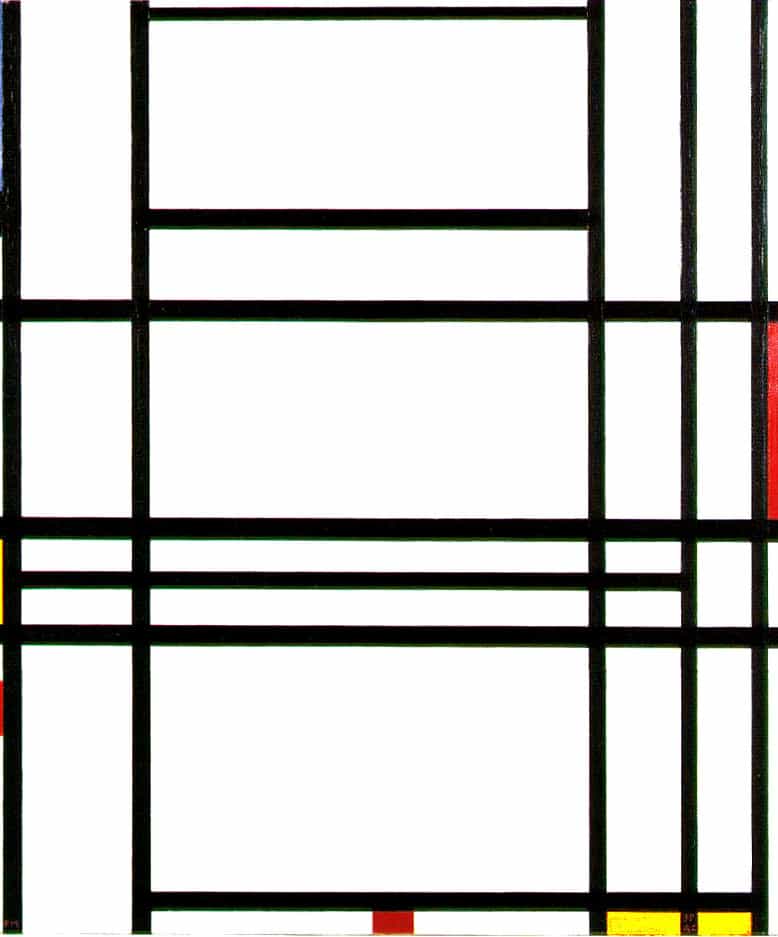
Composition No. 10
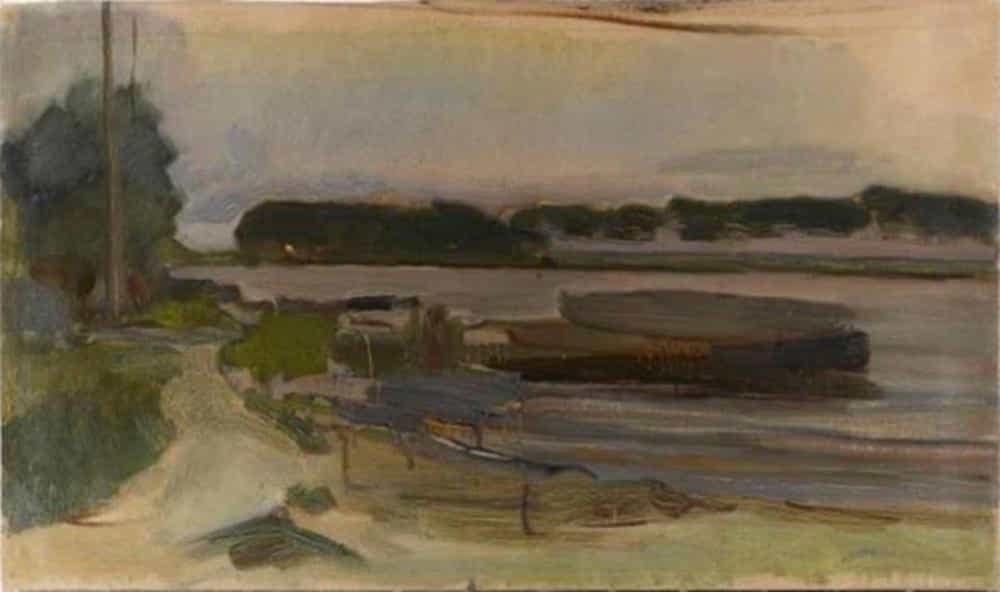
On the Amstel
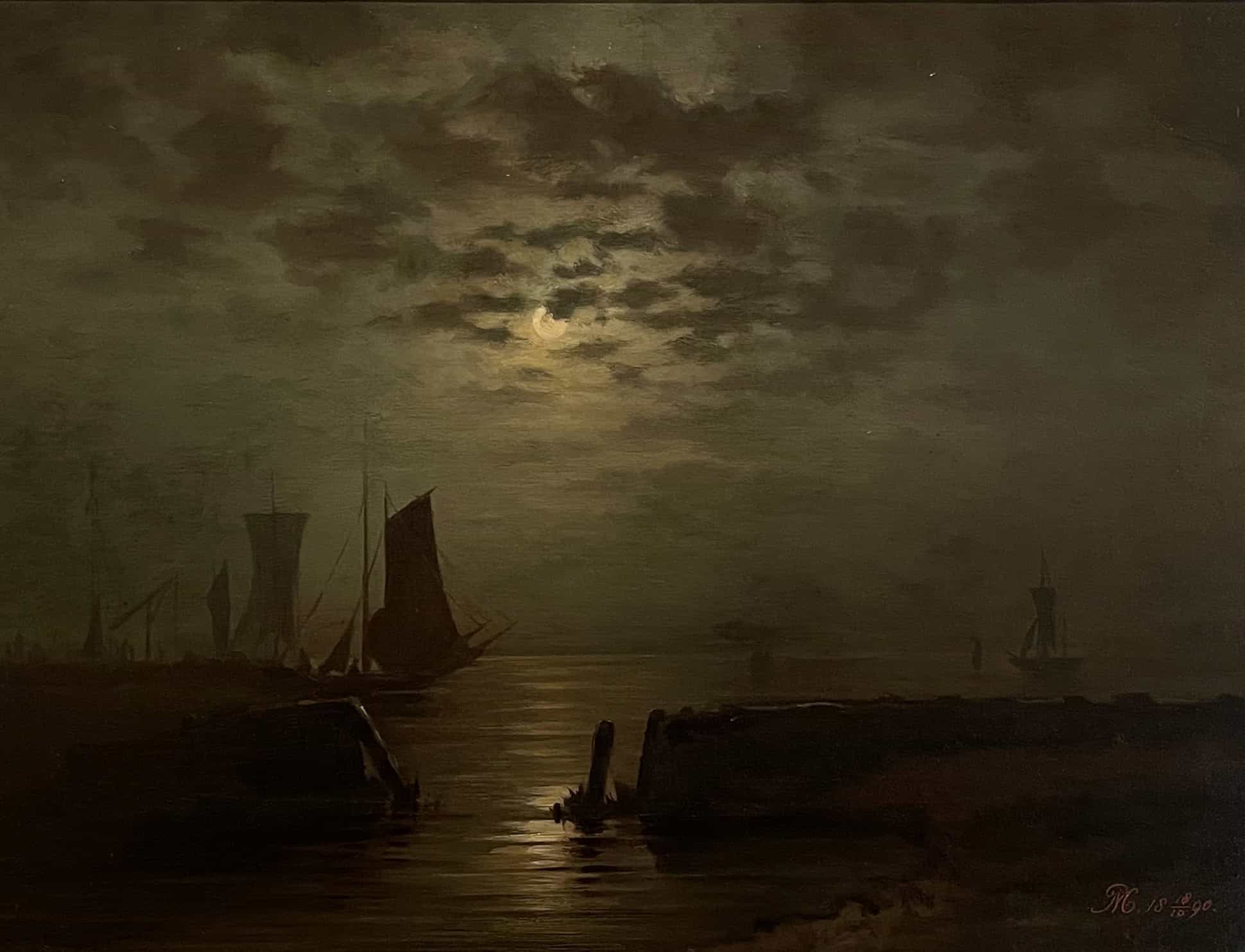
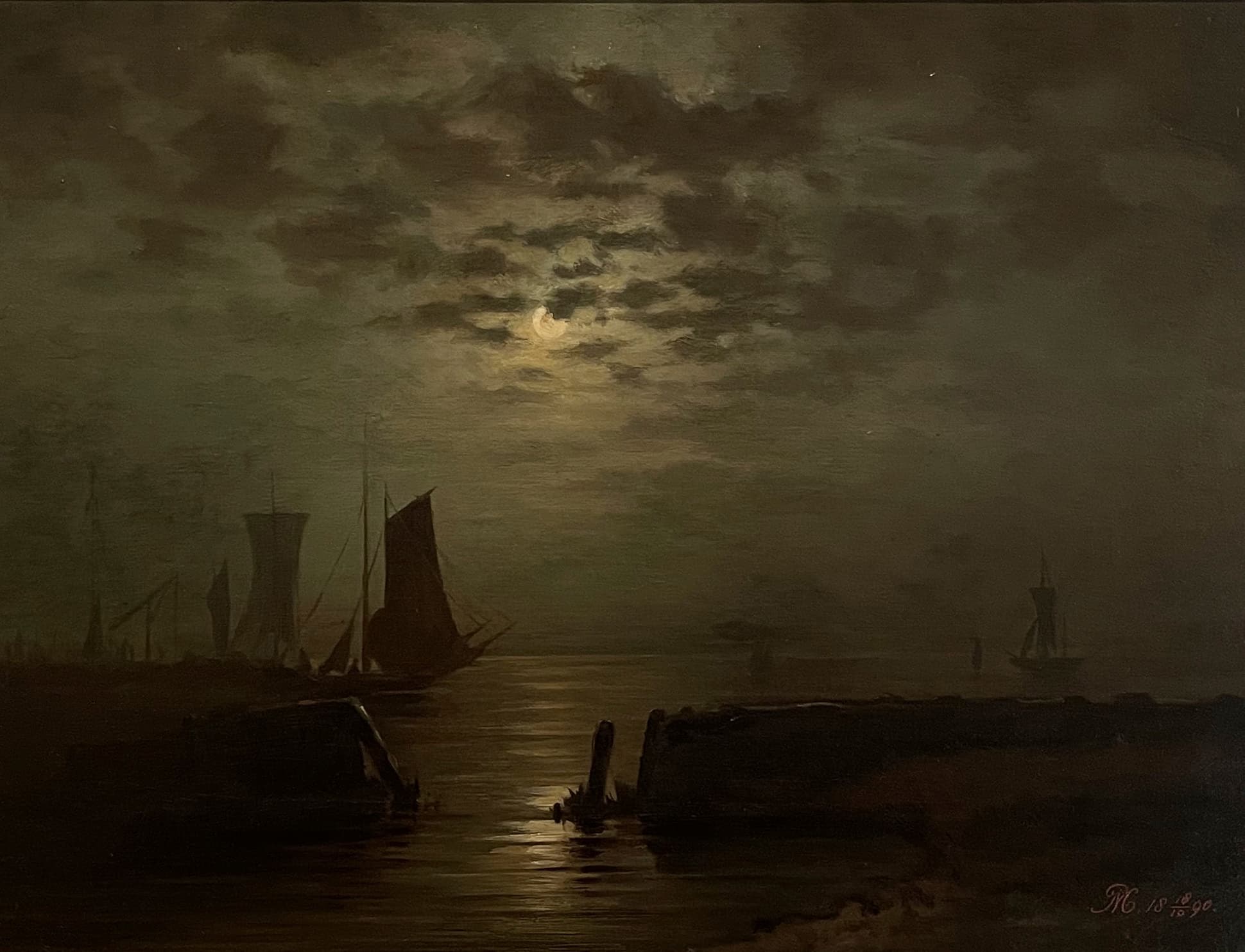
Ships in the Moonlight
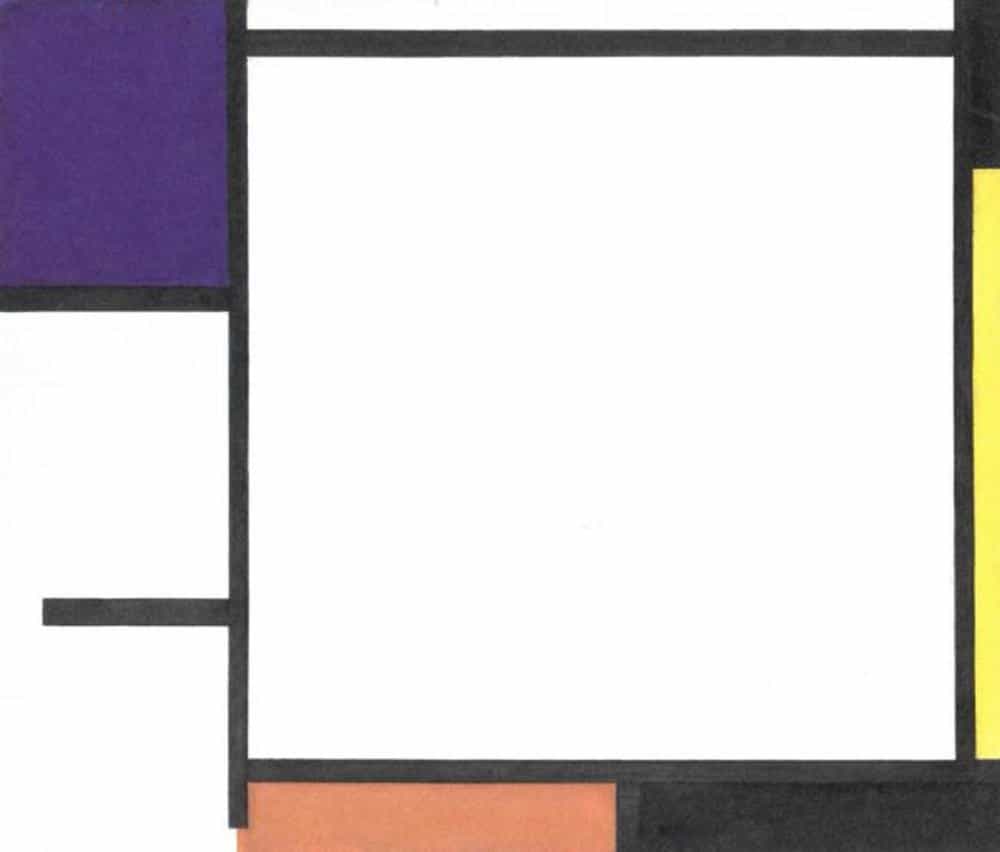
Composition with Blue, Black, Yellow and Red
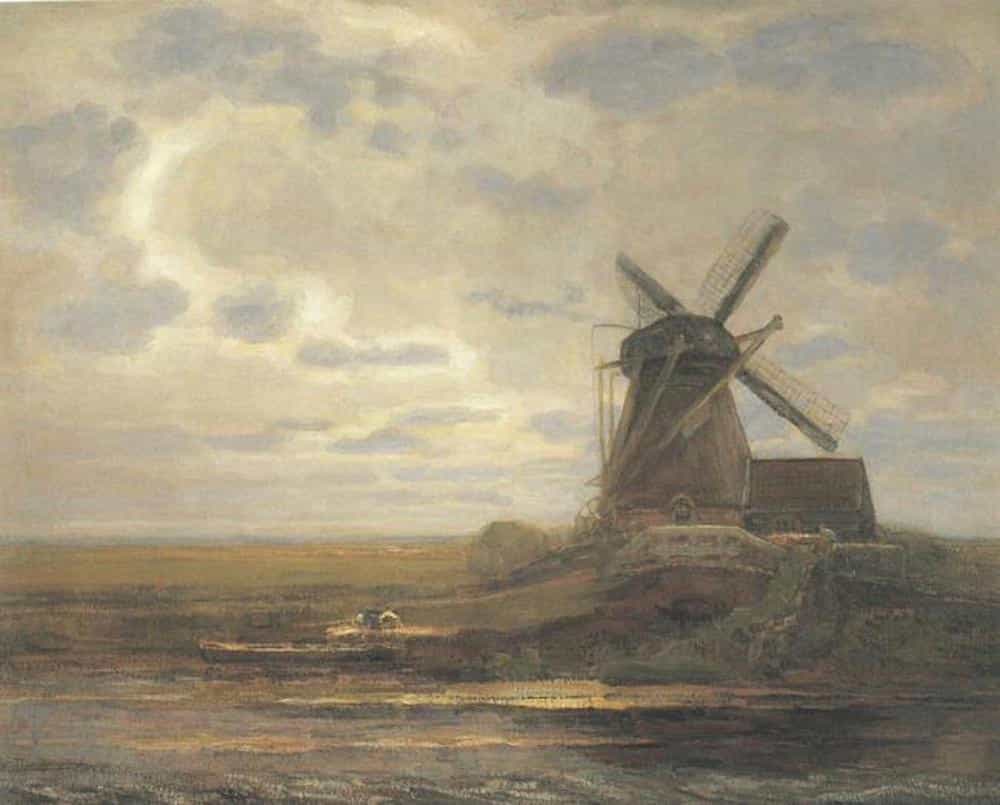
Oostzijdse Mill with Panoramic Sunset, Mill at Right