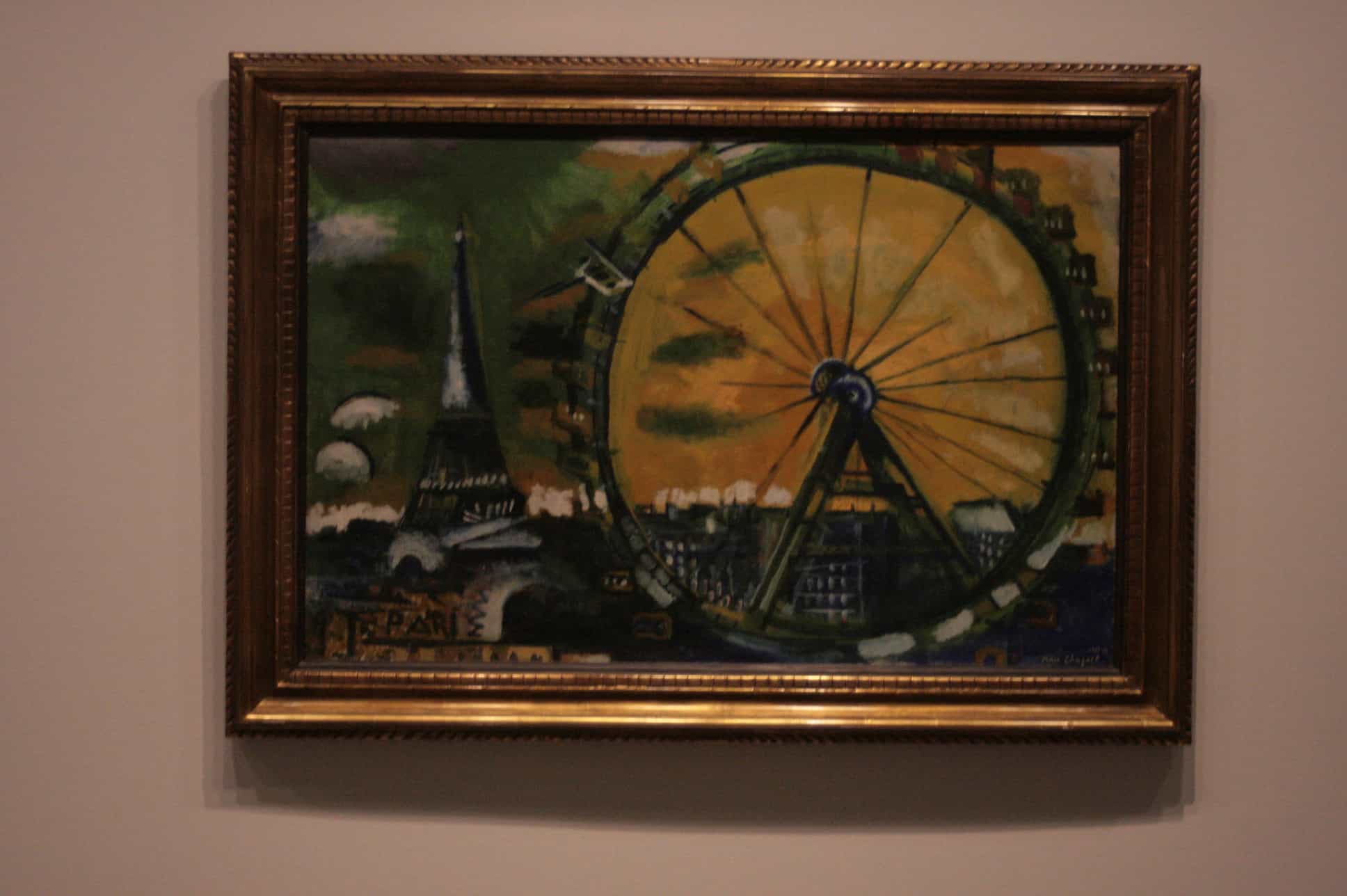
La Grande Roue
Marc Chagall
From €38
Collection
Museum-quality reproductions on 310gsm textured cotton rag paper.
Shop all prints by Marc ChagallArtistic Style
Style Evolution
Chagall moved from early, locally rooted figurative work toward a Paris-influenced modernism that merged Cubist and Fauvist color sensibilities with personal, dreamlike imagery; later decades expanded into stained glass, prints, and theatrical design while retaining his poetic iconography.
Palette
Subjects
Techniques
Topics
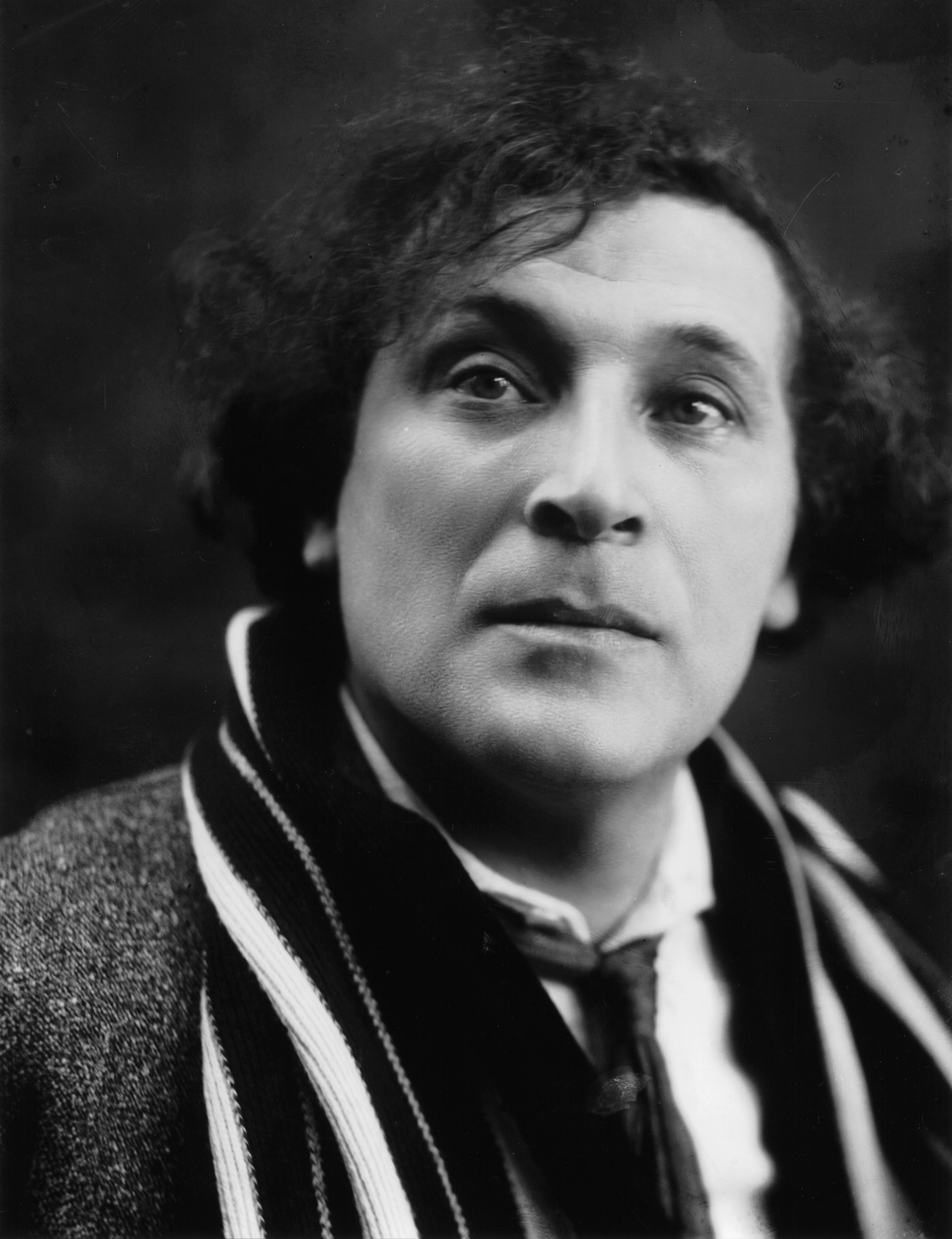
Marc Chagall (1887-1985) was a Russian-French modernist painter whose dreamlike, color-rich imagery and poetic symbolism reshaped 20th-century art.
Learn about the life of Marc Chagall
Biography
Official websiteMarc Chagall (1887-1985) was a Russian-French modernist painter whose dreamlike, color-rich imagery and poetic symbolism reshaped 20th-century visual culture and decorative arts.
Marc Chagall (1887-1985) was a Russian-French modernist painter whose dreamlike, color-rich imagery and poetic symbolism reshaped 20th-century visual culture and decorative arts.
Born in Liozna in 1887, Chagall grew up in a Jewish provincial environment that deeply informed his visual vocabulary: folkloric motifs, village life, and religious ritual recur throughout his work. Early study and apprenticeships introduced him to traditional drawing and the cultural life of Belarus and the Russian Empire, after which he spent formative periods in larger cultural centers where he encountered avant-garde developments.
Chagall’s artistic identity developed through relocations and encounters with modernist movements across Europe.
In his early years he absorbed folk imagery and learned classical drawing techniques, then moved to urban centers where exposure to contemporary art broadened his approach. These early experiences produced works that combine narrative, memory, and vivid color.
Chagall spent crucial years in Paris where he encountered Cubism, Fauvism, and other avant-garde currents. Rather than adopt any single school wholesale, he synthesized elements—flattened perspective, vivid color fields, and playful composition—into a highly personal visual language.
Throughout the mid-20th century Chagall adapted his practice to new media—stained glass, stage design, and printmaking—while maintaining the lyrical imagery that defined his paintings. His later years were marked by international recognition and continued exploration of color and mythic subject matter.
Chagall worked across painting, printmaking, stained glass, and theatrical design. Major achievements include pioneering a poetic, nonliteral use of color and scale that brought folkloric and biblical narratives into modernist practice. His work has become prized for its decorative appeal and ability to transform domestic and public interiors with vivid, emotionally resonant imagery.
Chagall’s signature techniques include flattened perspectives, floating figures, and richly layered color planes. He balanced precise draftsmanship with painterly color application to create compositions that feel both intimate and monumental. His interest in stained glass and mosaics informed a jewel-like palette and luminosity in his paintings.
Chagall bridged Eastern European Jewish culture and Western modernism, influencing later figurative and surrealist-leaning artists. His imaginative synthesis of memory, myth, and modernist formal strategies left a lasting mark on 20th-century art, as
Awards
Frequently Asked Questions
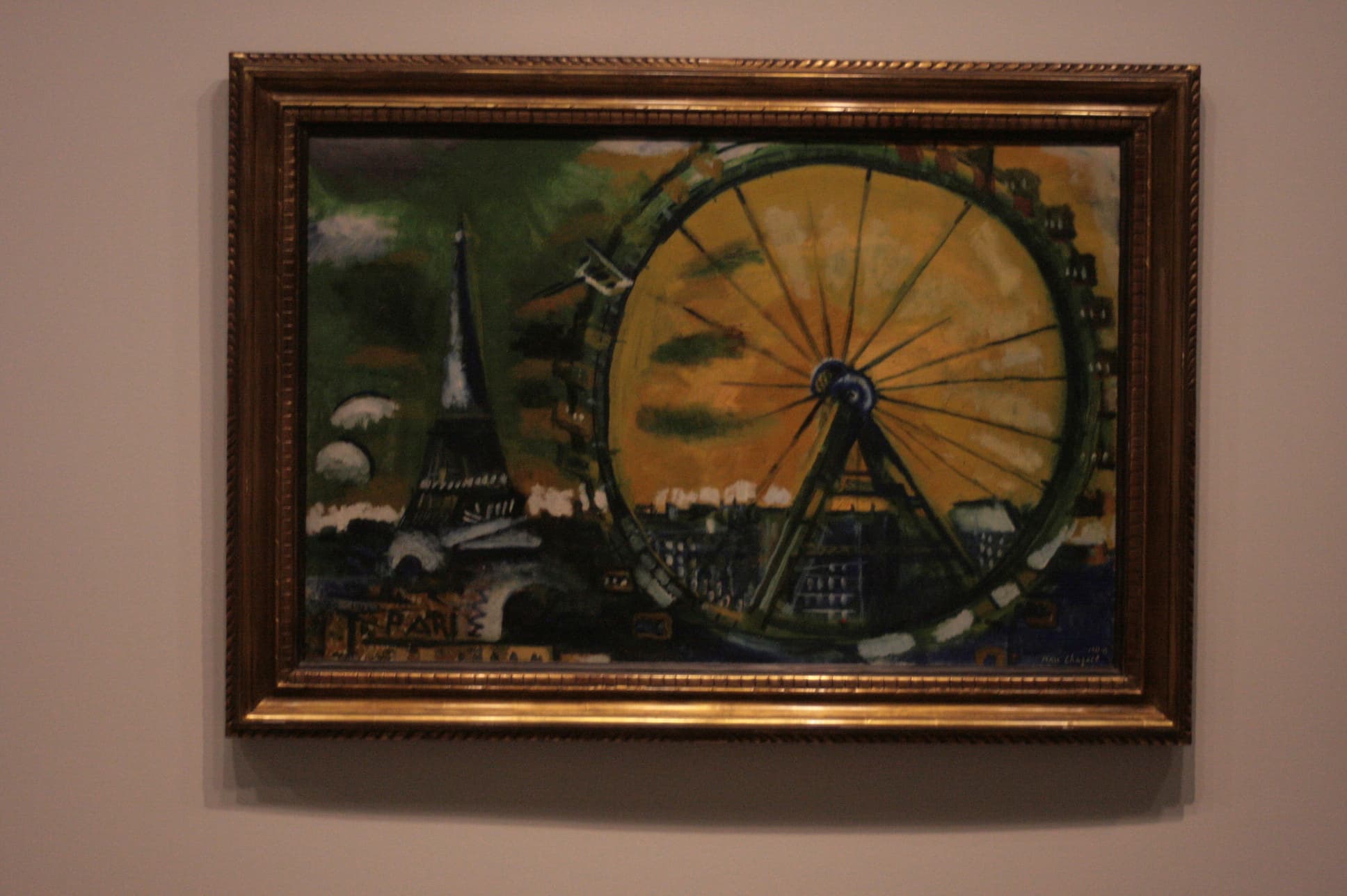
La Grande Roue
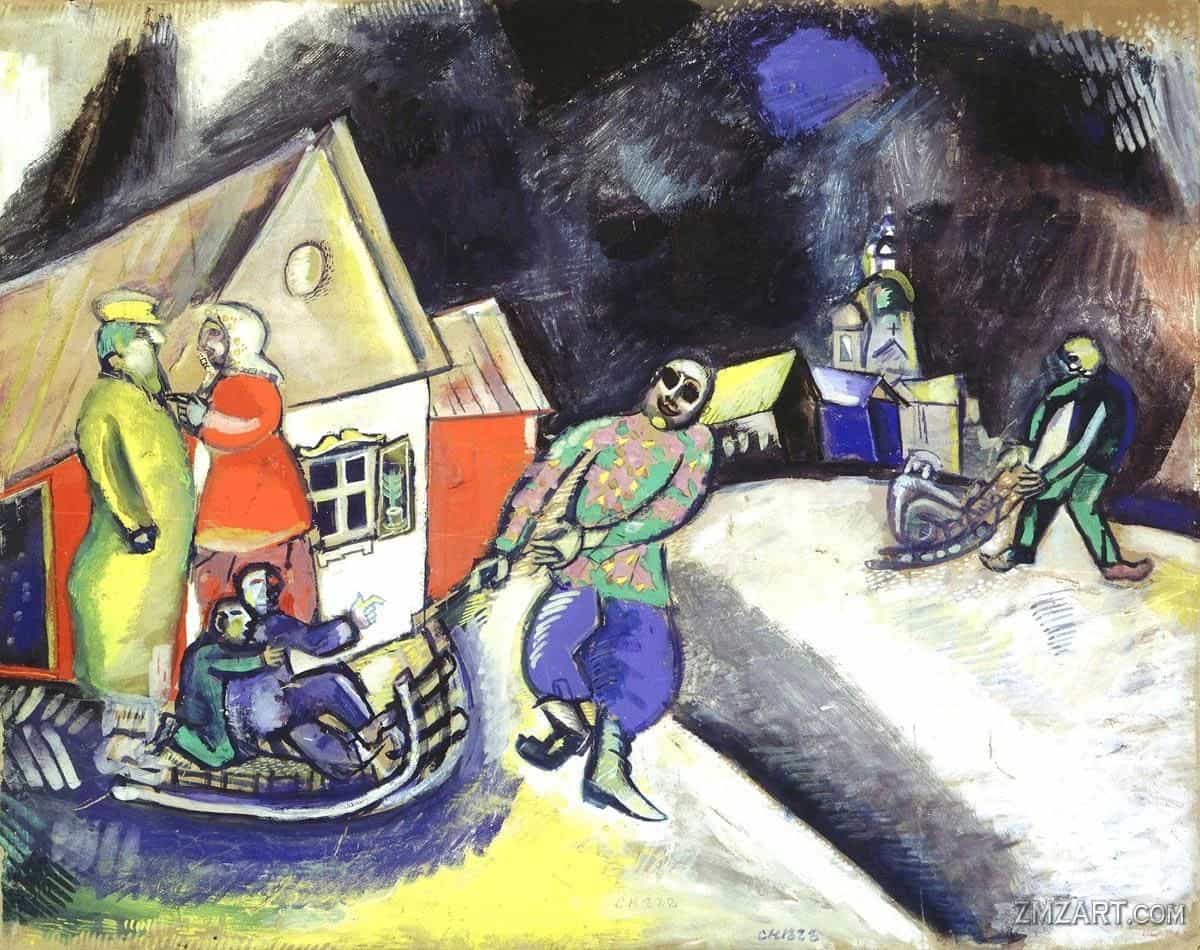
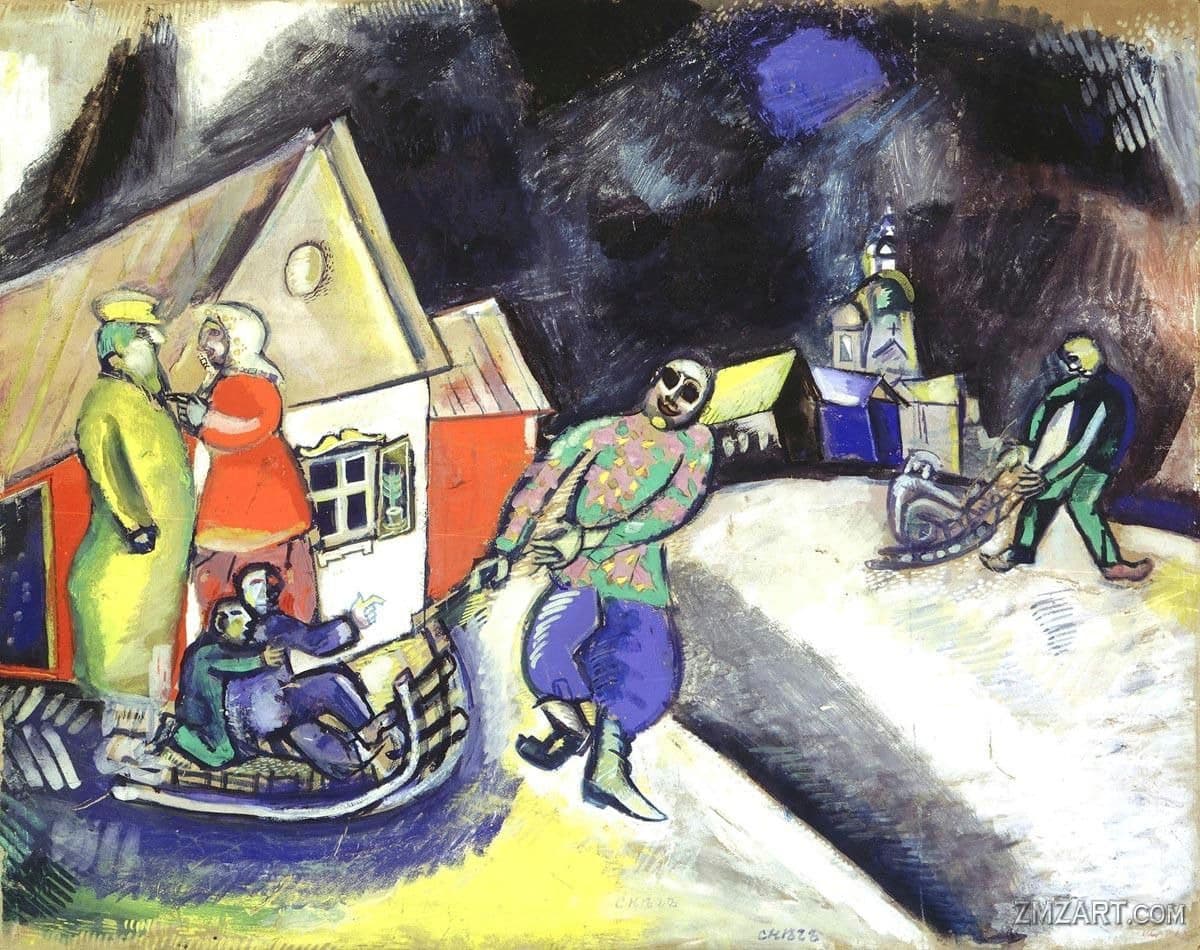
Snow, Winter in Vitebsk
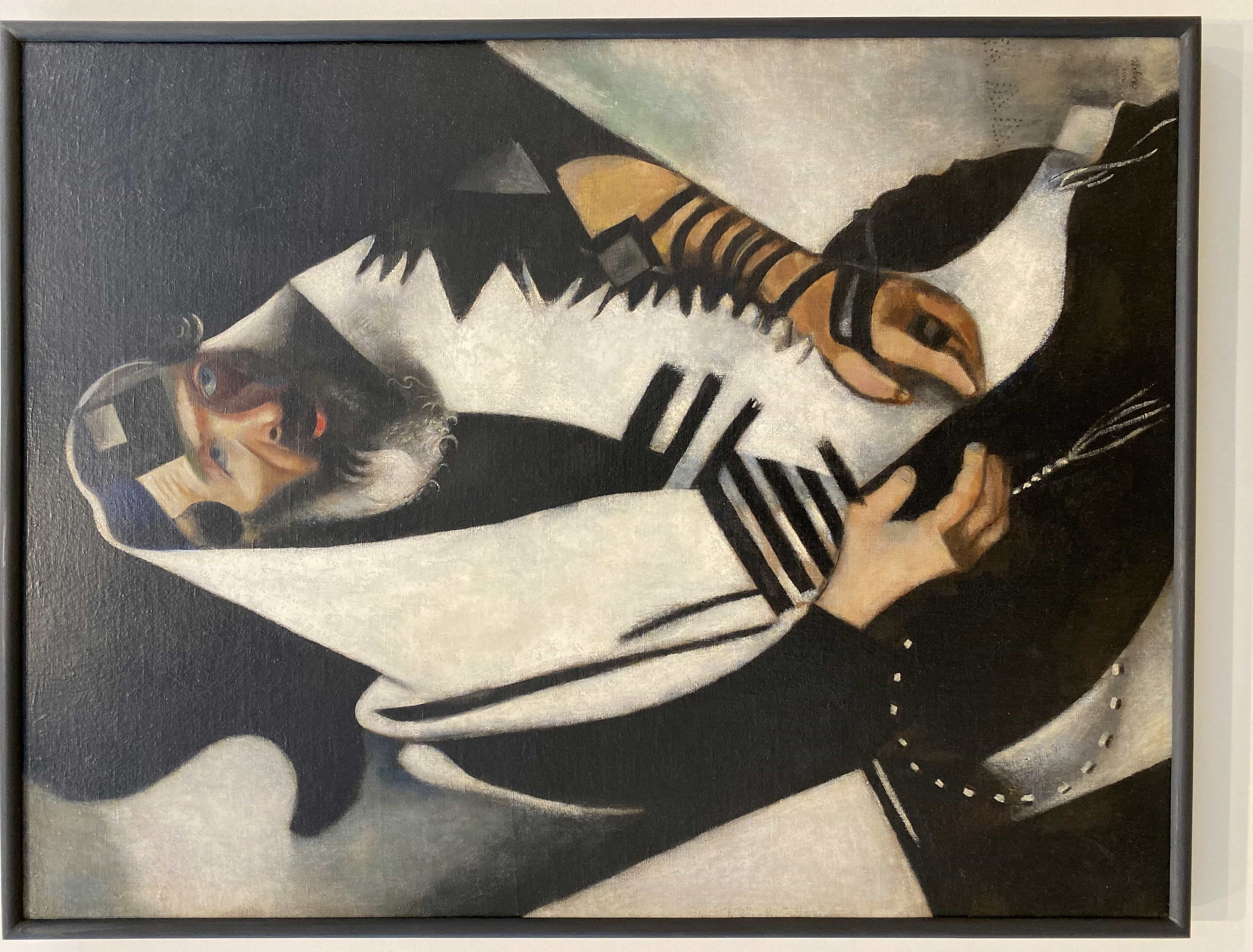
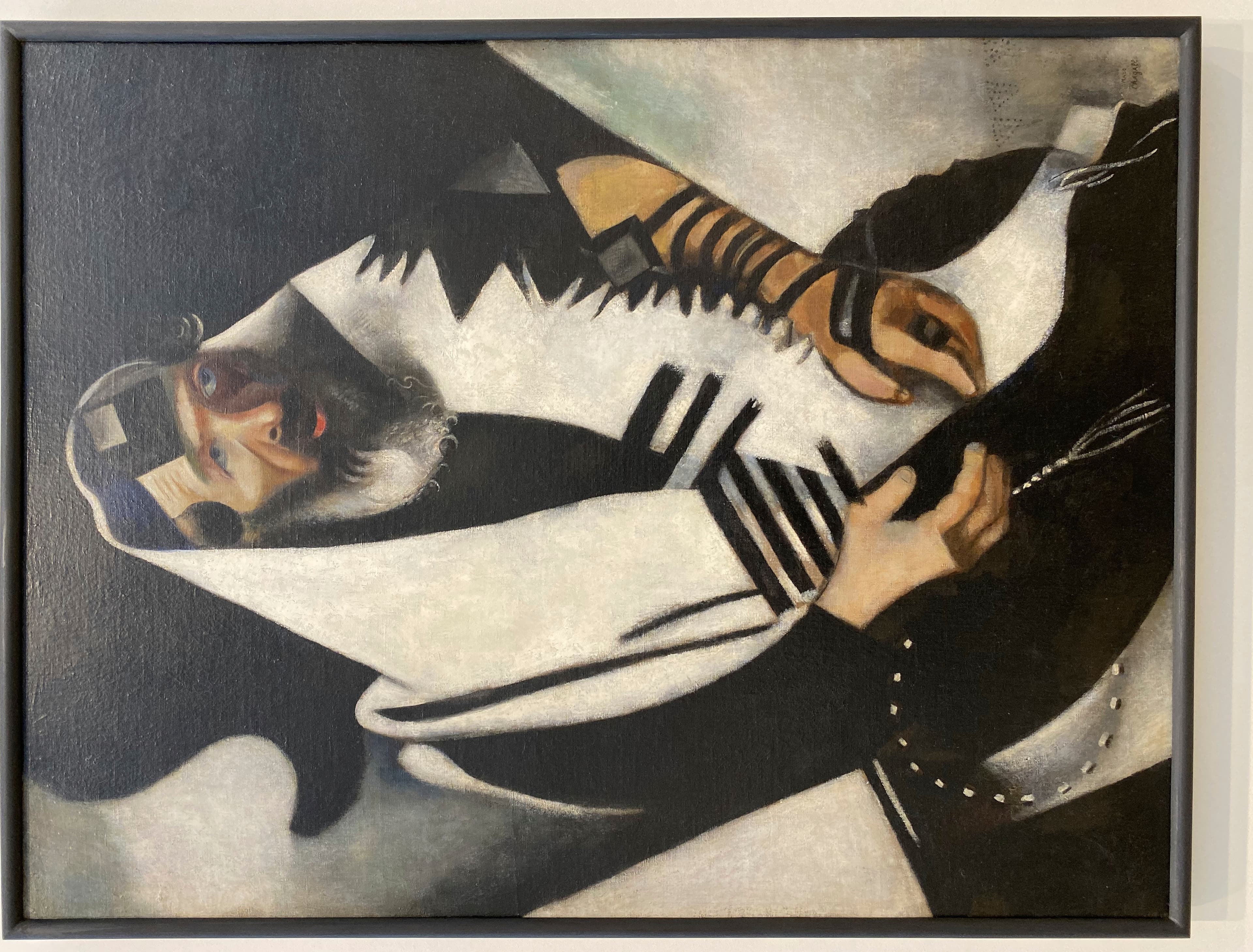
The Praying Jew
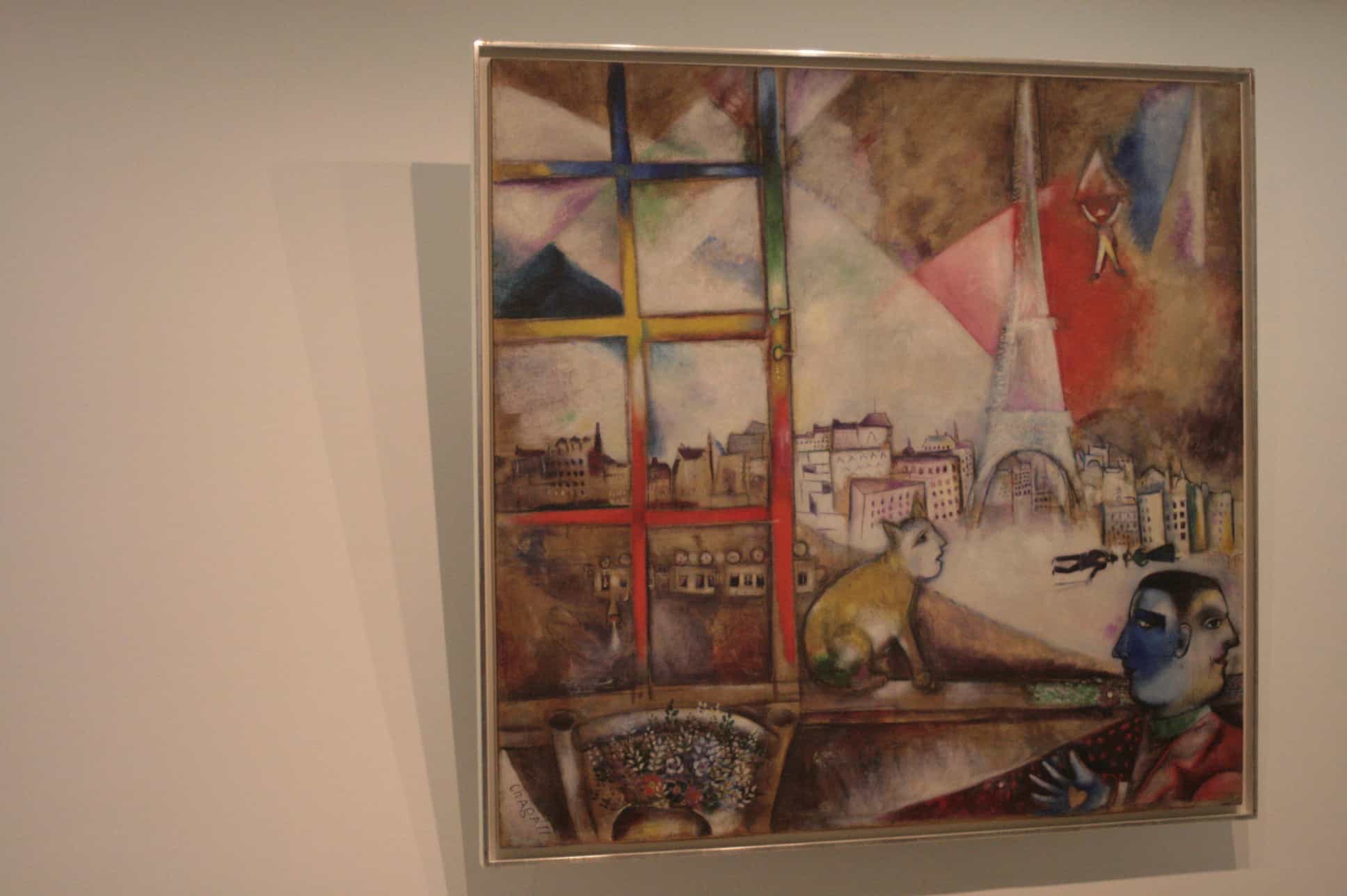
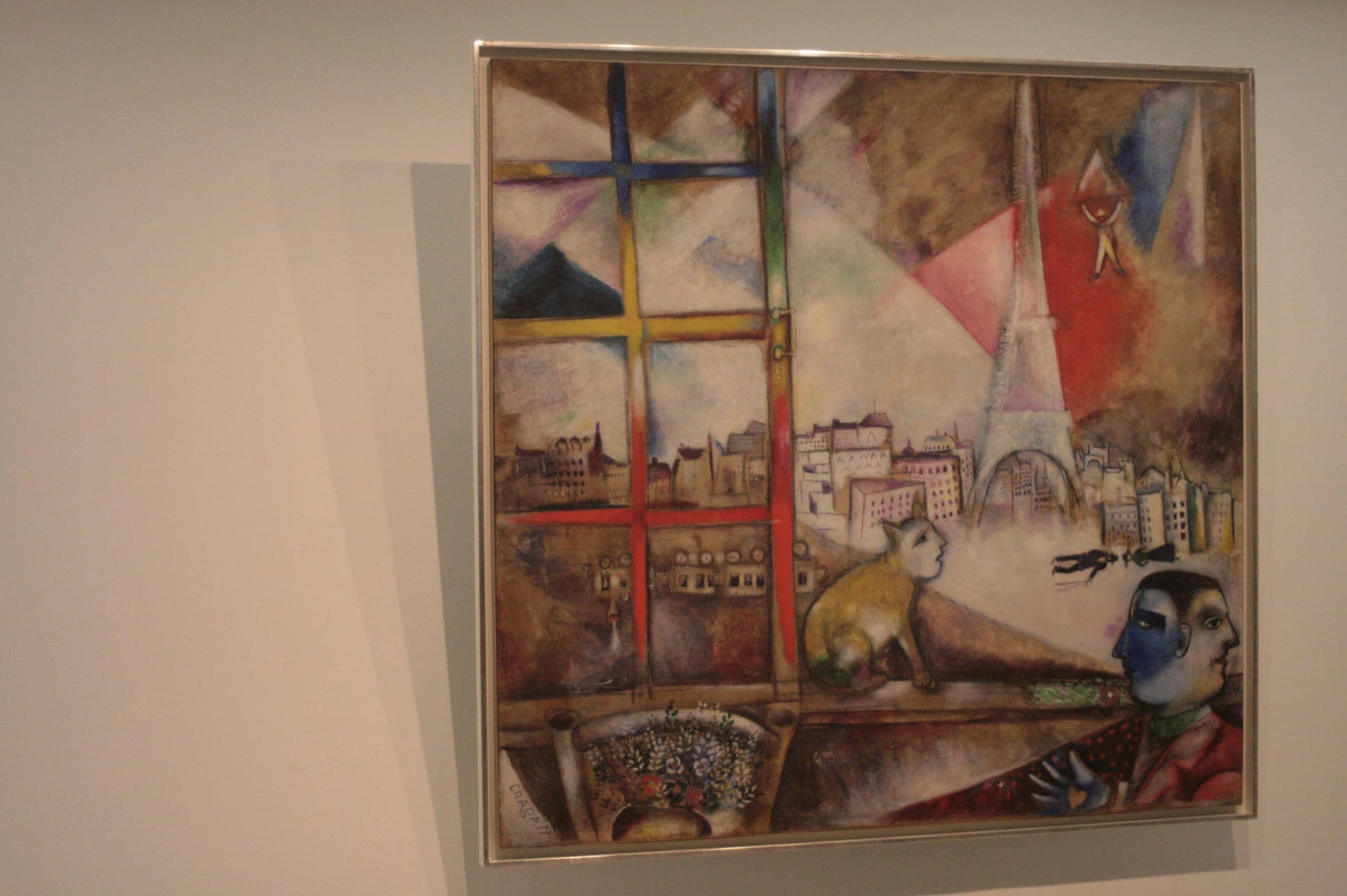
Paris Through the Window
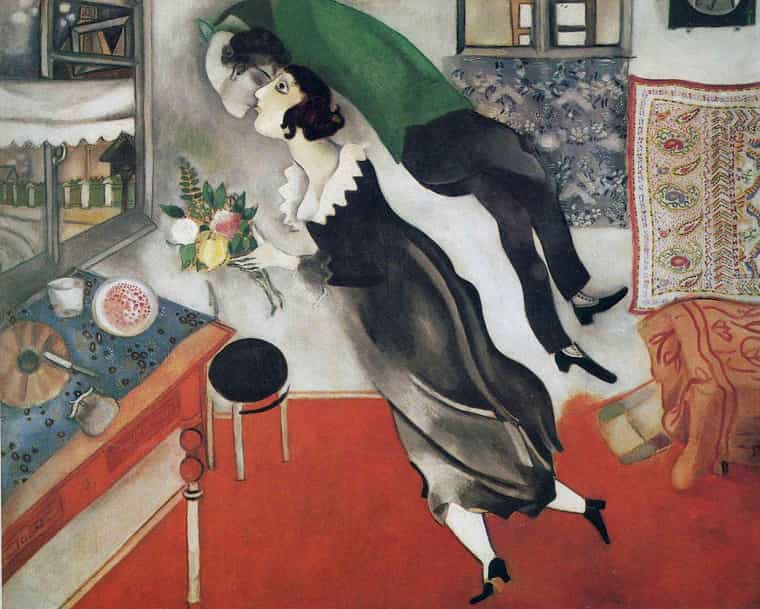
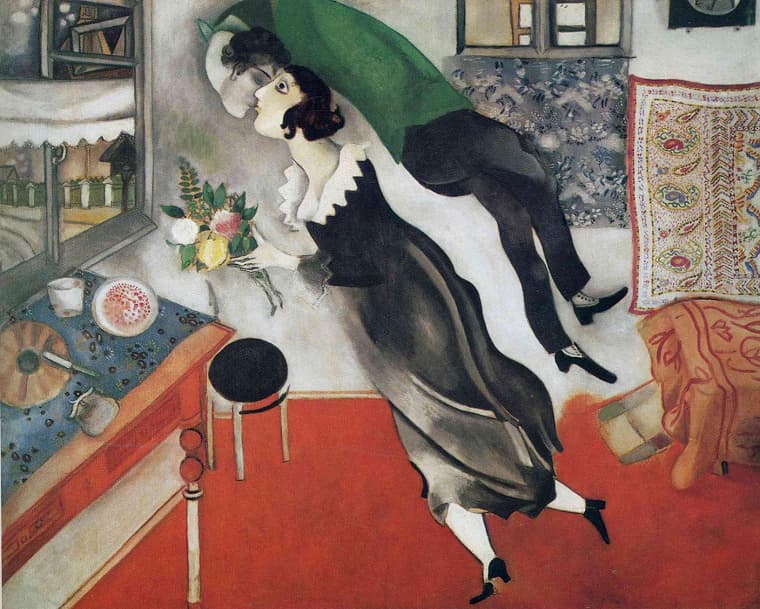
Birthday
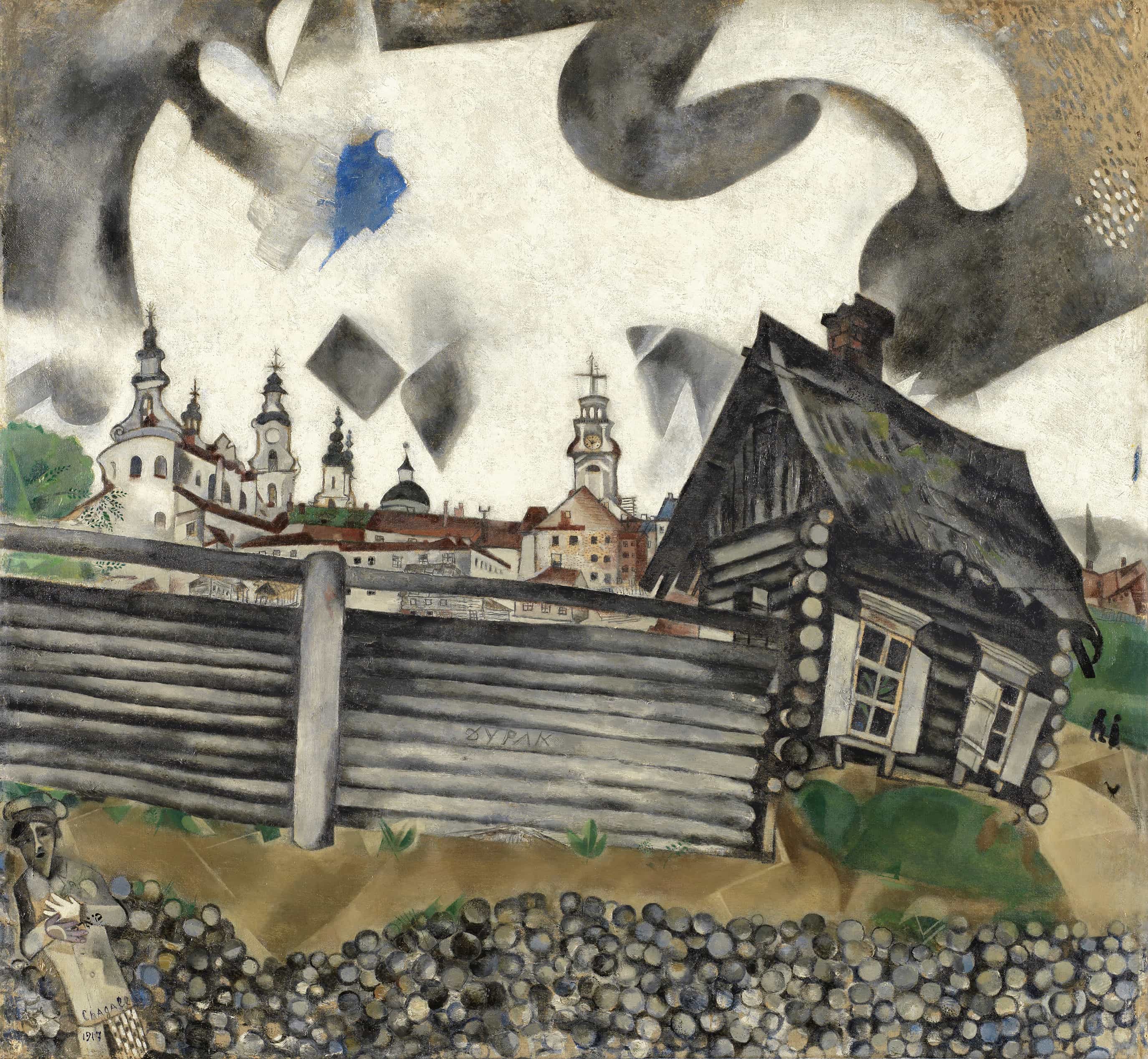
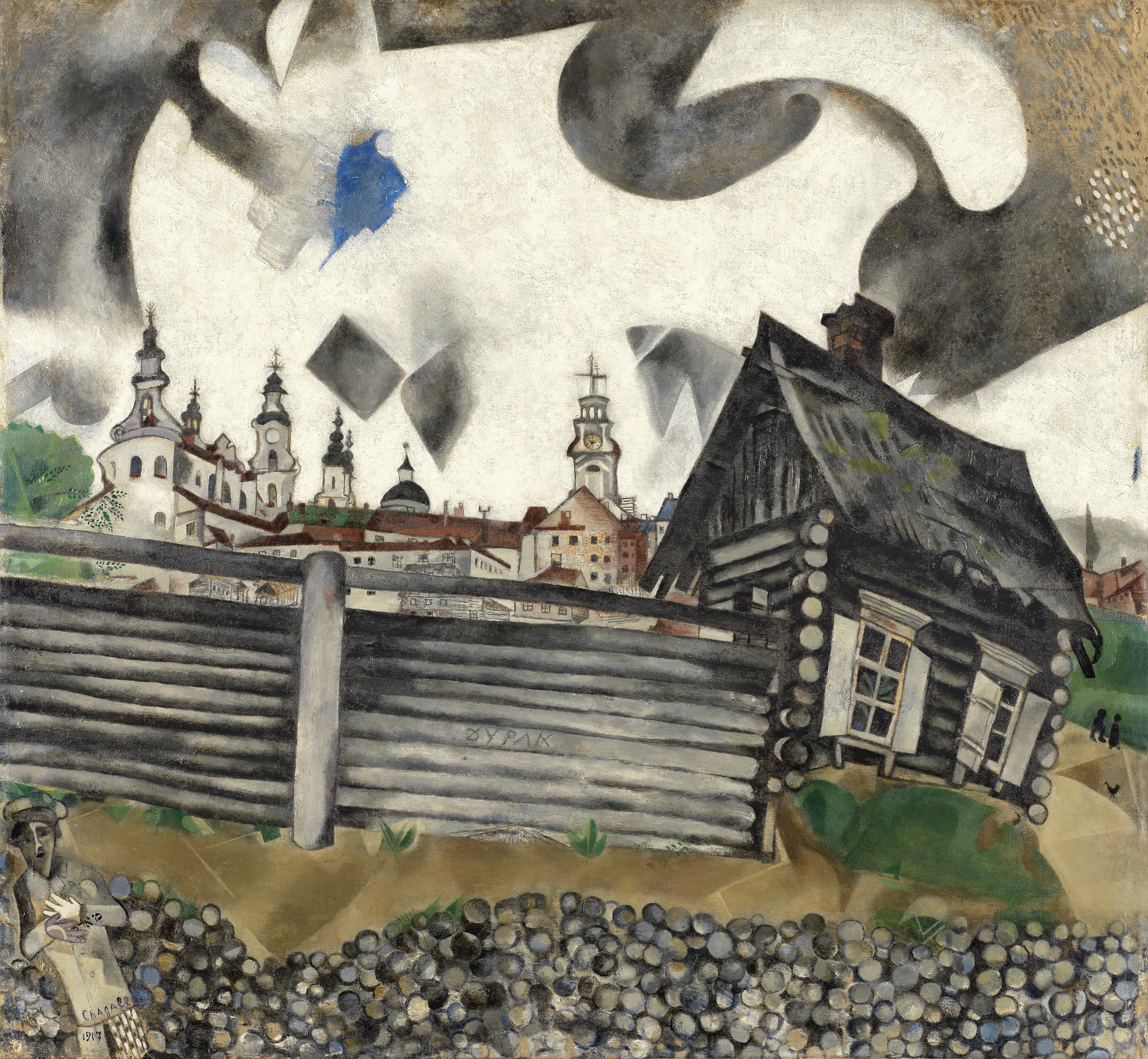
The House in Grey
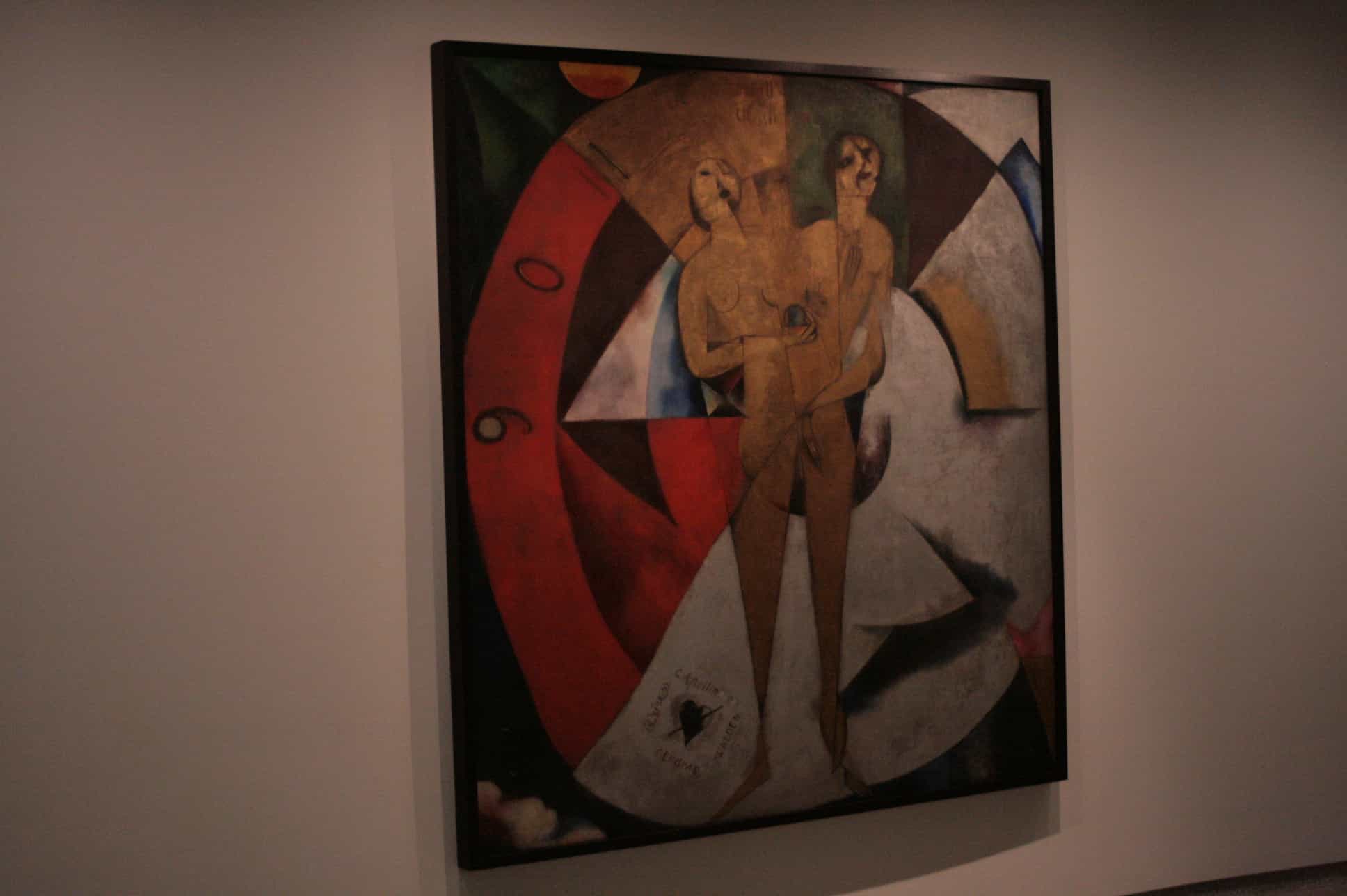
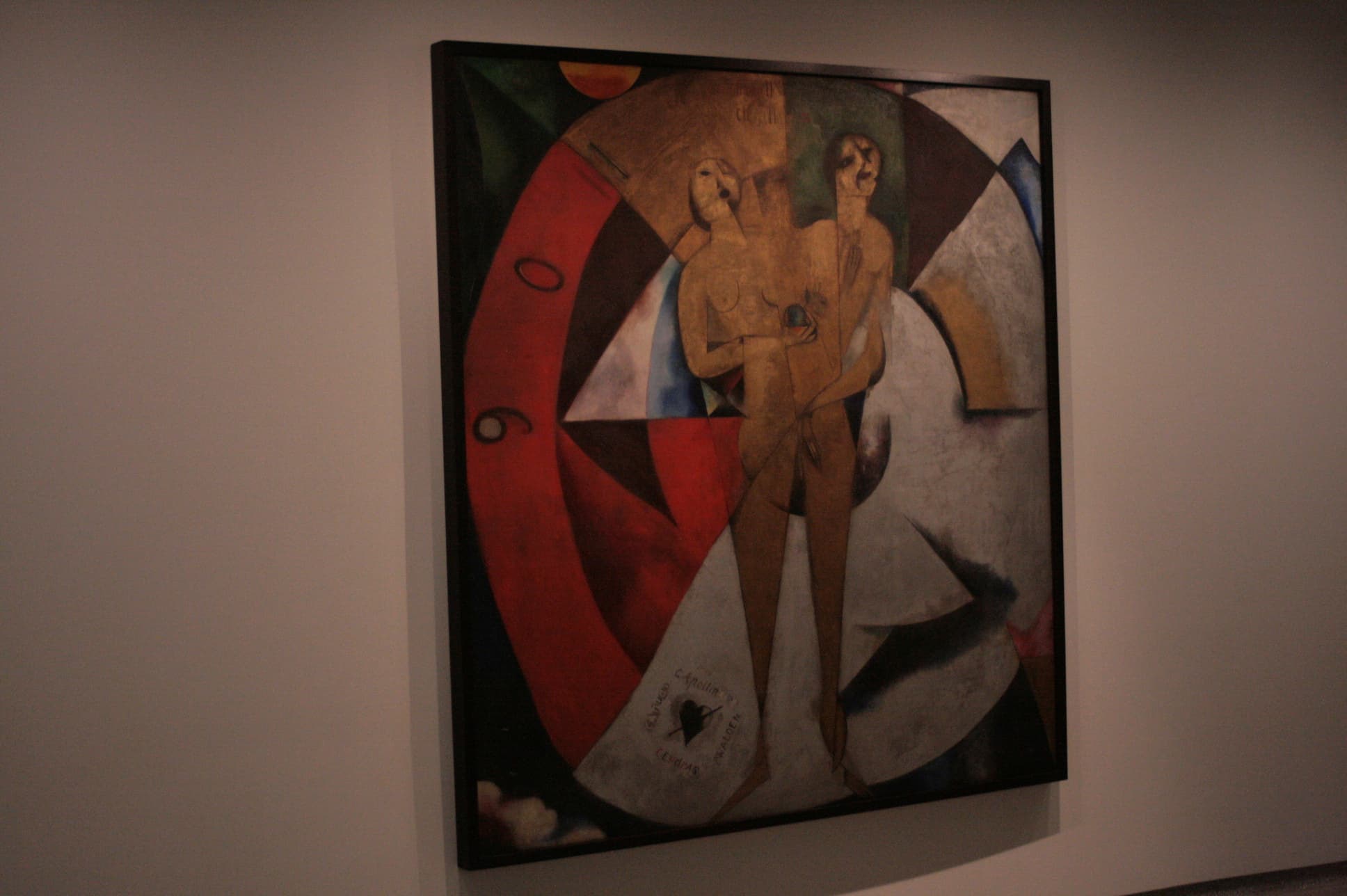
Hommage à Apollinaire
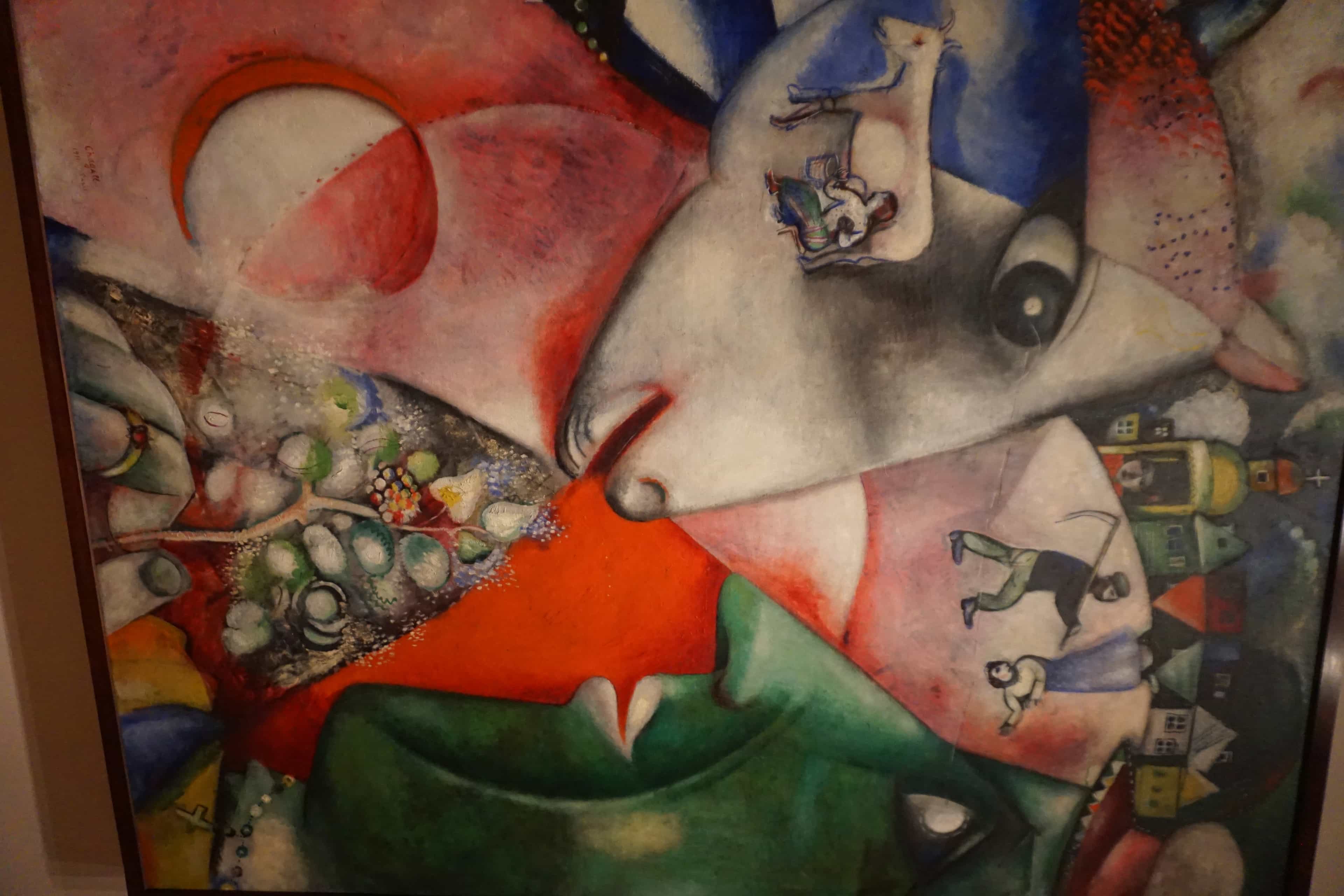
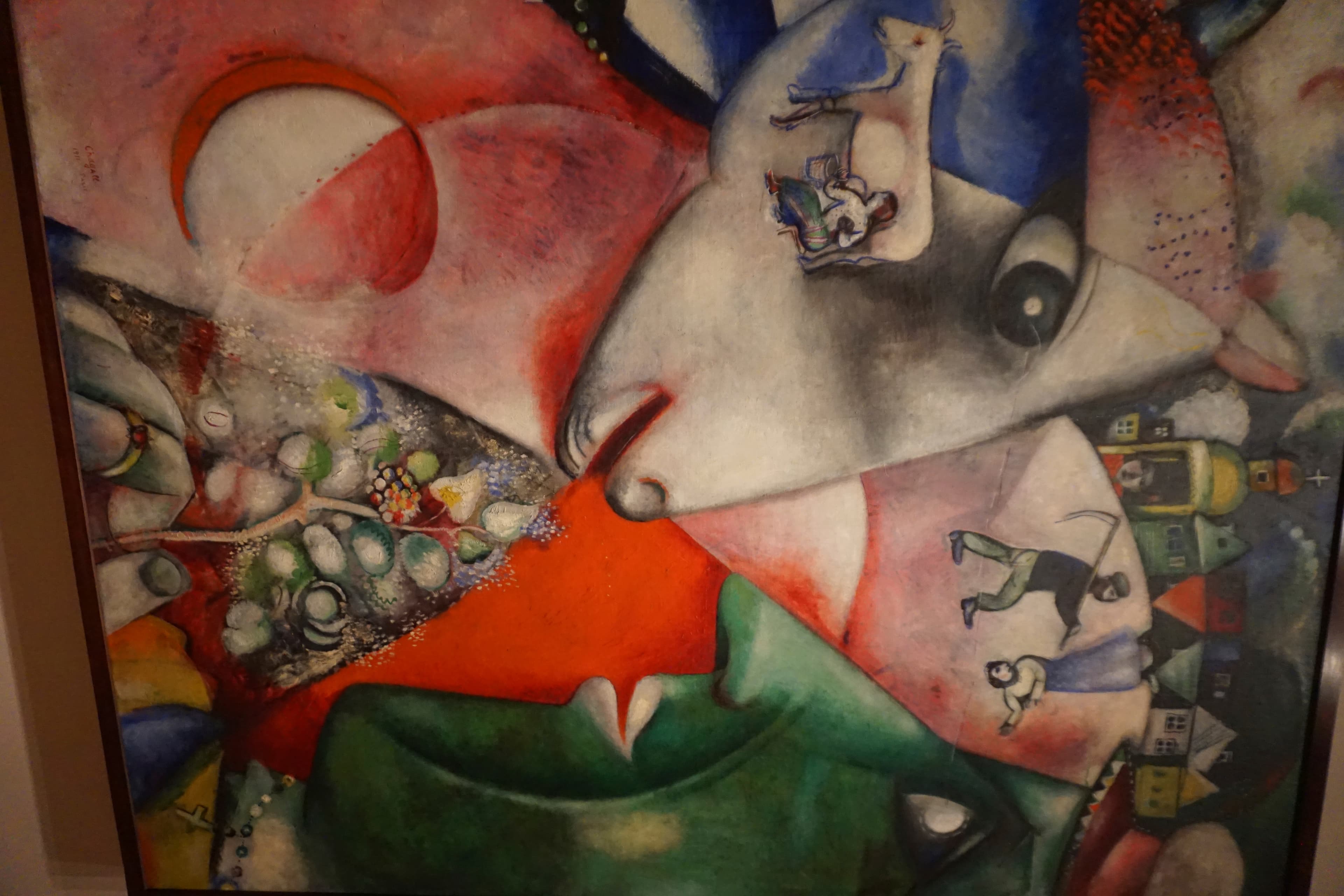
I and the Village
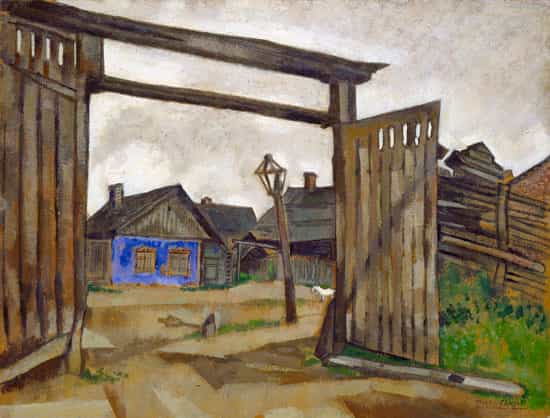
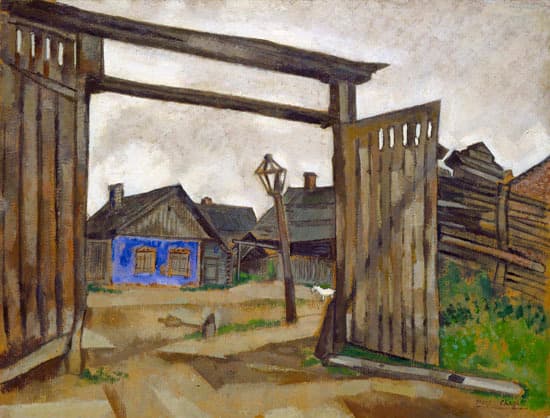
Houses at Vitebsk
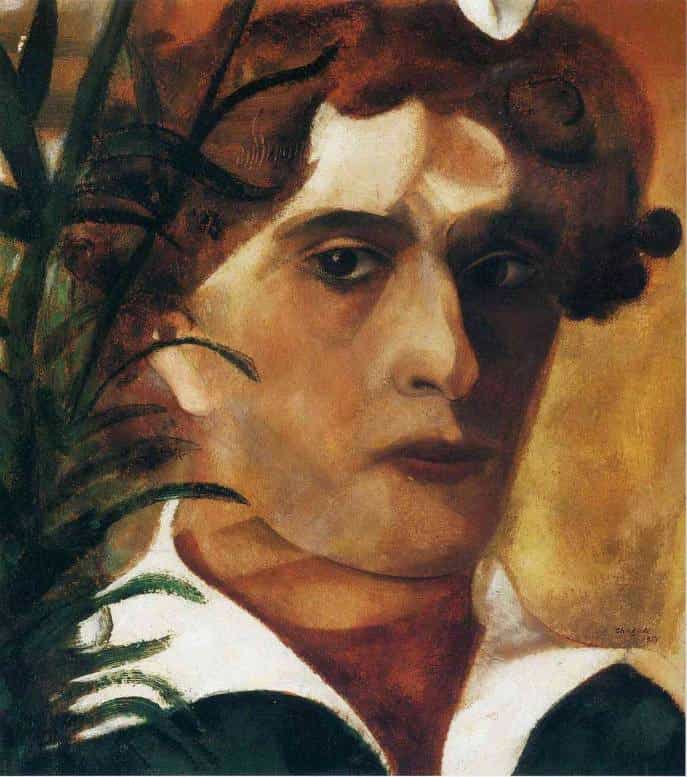
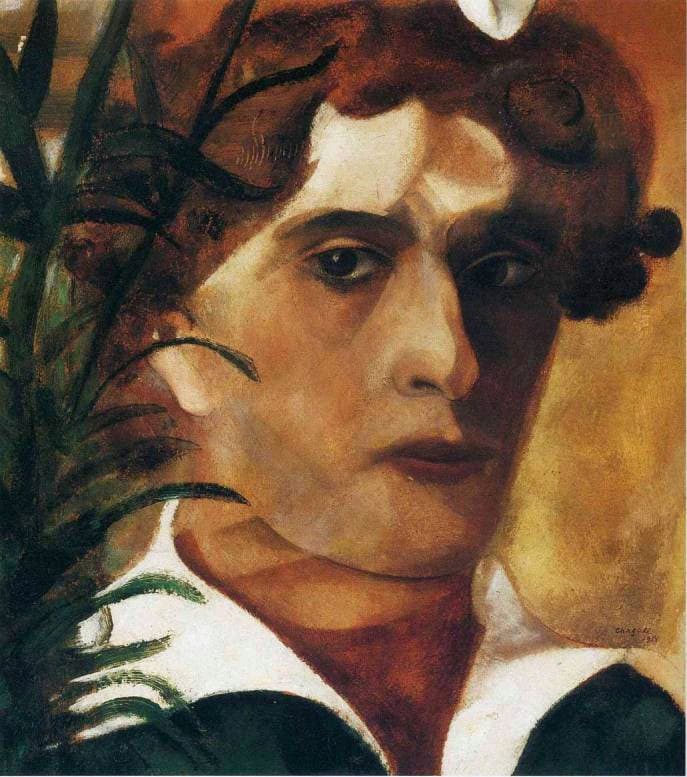
Self-Portrait with White Collar
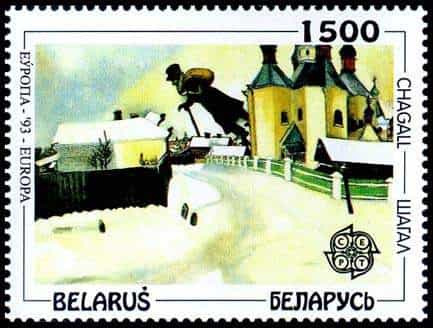
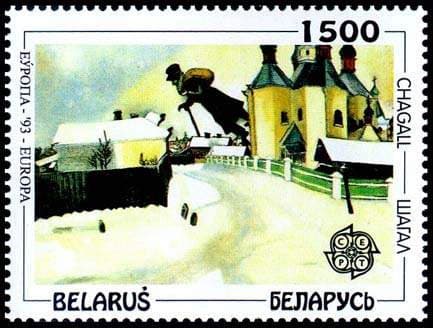
Over Vitebsk
unknown