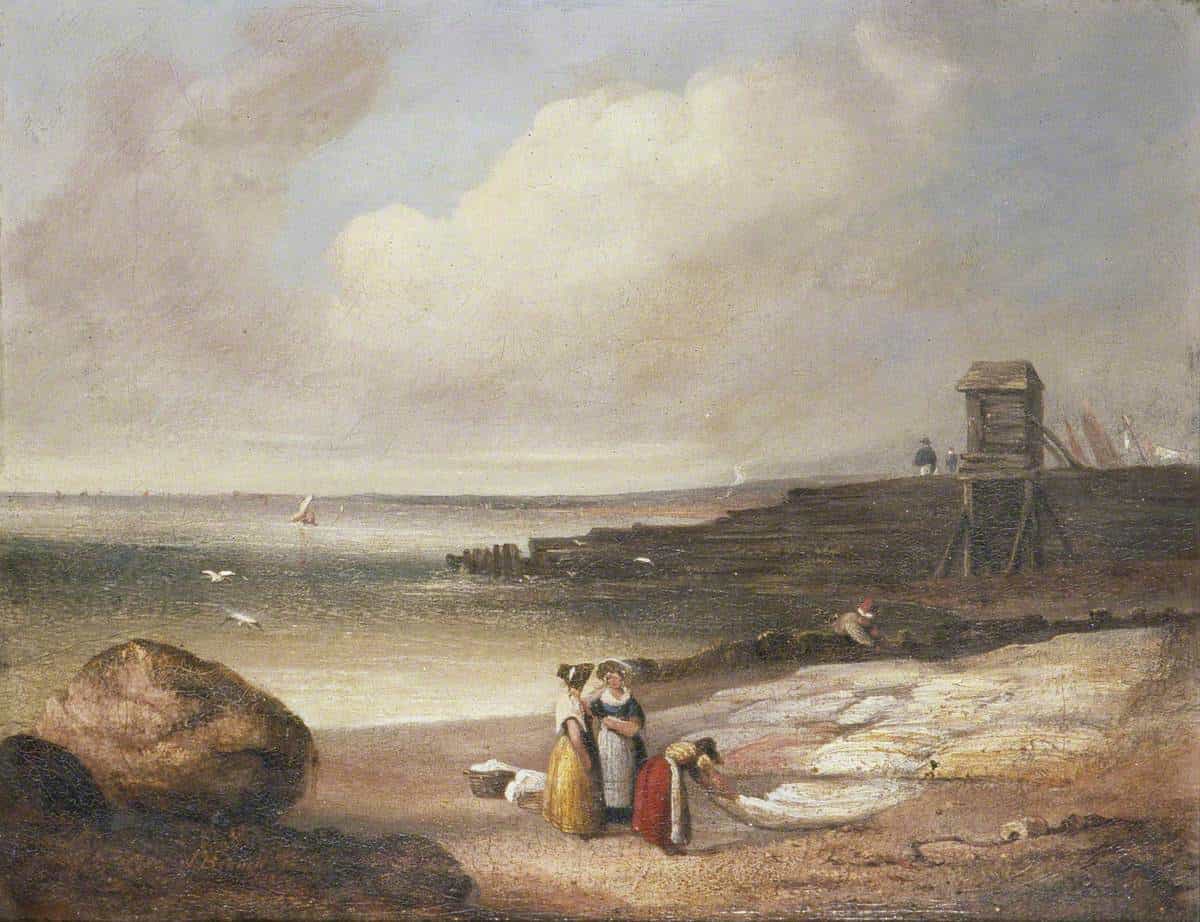
Seascape
James Bennett
From €64
Collection
Museum-quality reproductions on 310gsm textured cotton rag paper.
Shop all prints by James BennettArtistic Style
Style Evolution
Bennett's work retained academic clarity throughout his career: early adherence to draftsmanship and finish developed into mature, decorative pictures appealing to Victorian collectors, with limited evidence of radical stylistic shifts.
Palette
Subjects
Techniques
Topics
James Bennett (1808-1888) was a British 19th-century painter whose refined compositions and adherence to academic traditions exemplified Victorian-era taste and decorative appeal.
Learn about the life of James Bennett
Signature Works
See all available prints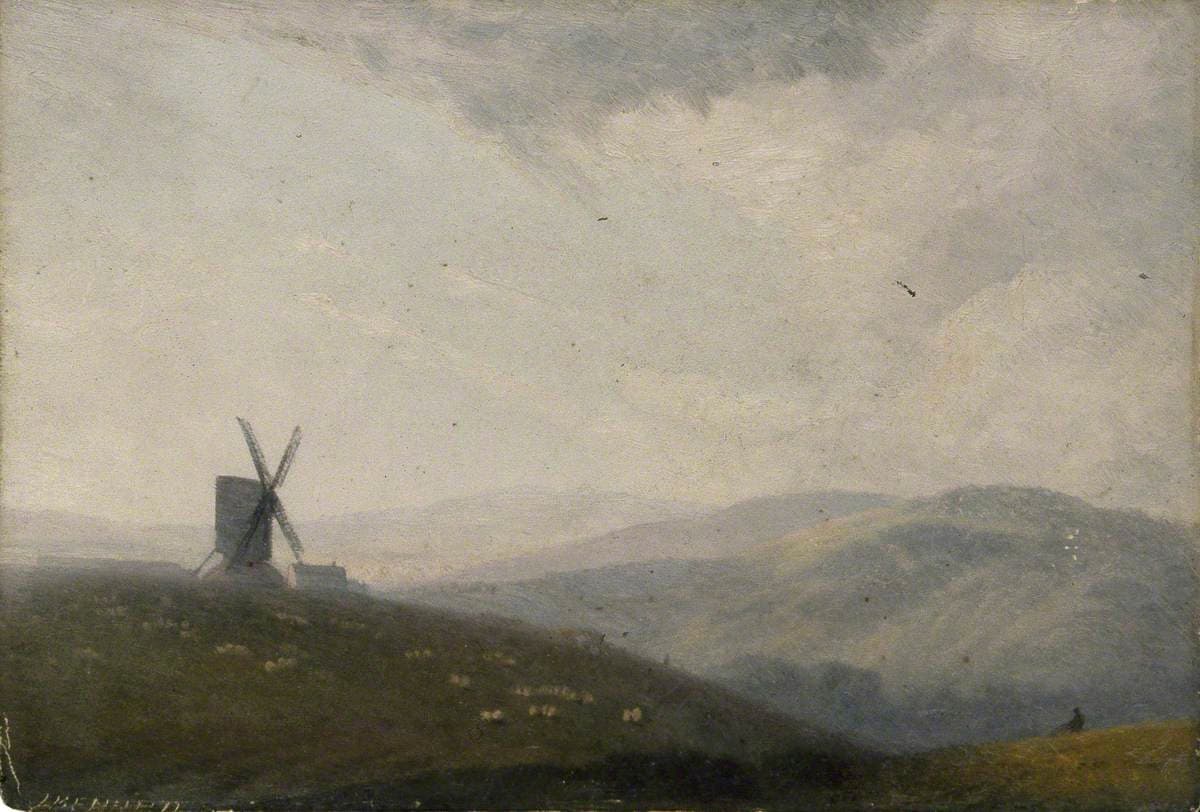
Biography
James Bennett (1808-1888) was a British 19th-century painter whose refined compositions and adherence to academic traditions exemplified Victorian-era taste and decorative appeal.
James Bennett (1808-1888) was a British 19th-century painter whose refined compositions and adherence to academic traditions exemplified Victorian-era taste and decorative appeal.
Little verifiable public information is available about Bennett's early childhood, family background, or formal training in widely accessible reference sources. What is recorded with confidence is his lifespan (1808–1888) and his identification as a painter active in the 19th century. Because documentary detail is limited in standard references, assessments of his development rely on surviving works and stylistic comparisons to contemporaries of the period.
Bennett worked during a century when academic painting, genre scenes, portraiture and landscape all flourished. Without detailed archival records of his education or teachers, his artistic development is best understood through the stylistic language of his paintings: careful composition, attention to drawing, and an emphasis on surface finish consistent with academic and Victorian tastes.
In his early career Bennett adopted the measured compositional principles taught in academies and ateliers of the era: balanced figures, clear modeling, and refined draftsmanship.
As the century progressed, many painters responded to changing tastes by integrating more naturalistic lighting and domestic subject matter; Bennett's middle-period works show a concern for pictorial harmony and decorative detail suited to collectors furnishing Victorian interiors.
In later years Bennett's work maintained technical control and an emphasis on finish—qualities that continued to appeal to conservative collectors even as avant-garde movements emerged.
Extant catalogues and comprehensive lists of Bennett's paintings are limited in the readily available sources. While specific titled works are not reliably documented here, Bennett is recognized in references as a 19th-century painter whose oeuvre reflects the decorative and collectible qualities valued in his time. Collectors and curators note the painterly control and compositional clarity typical of his output.
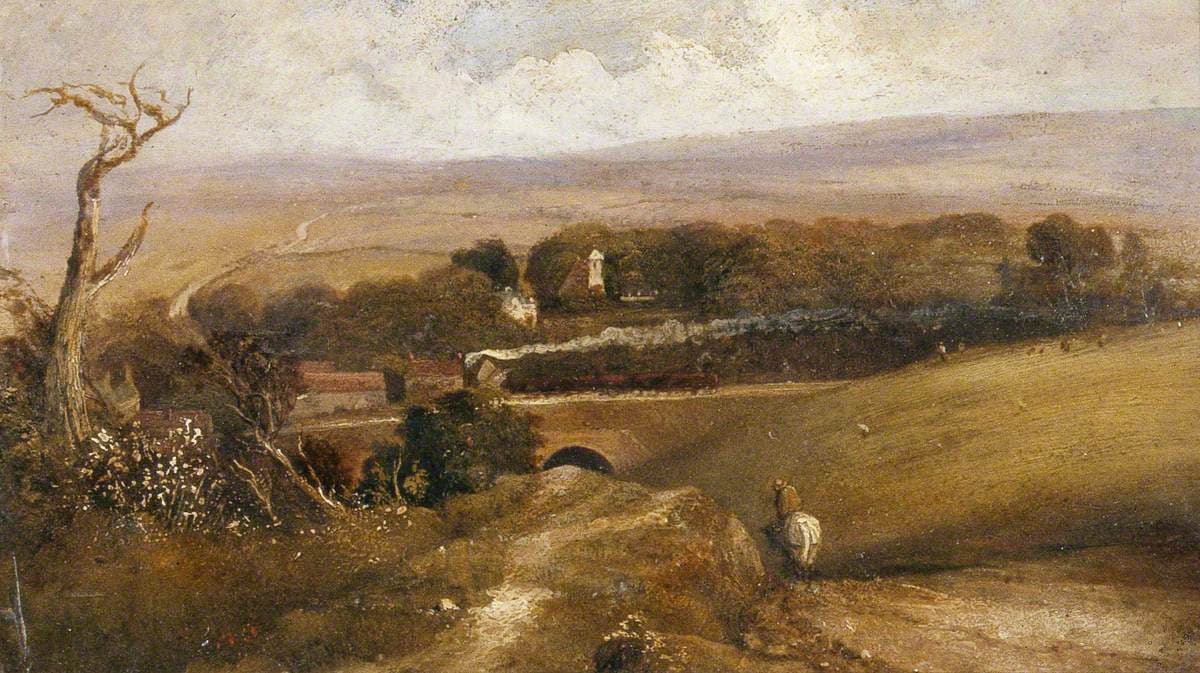
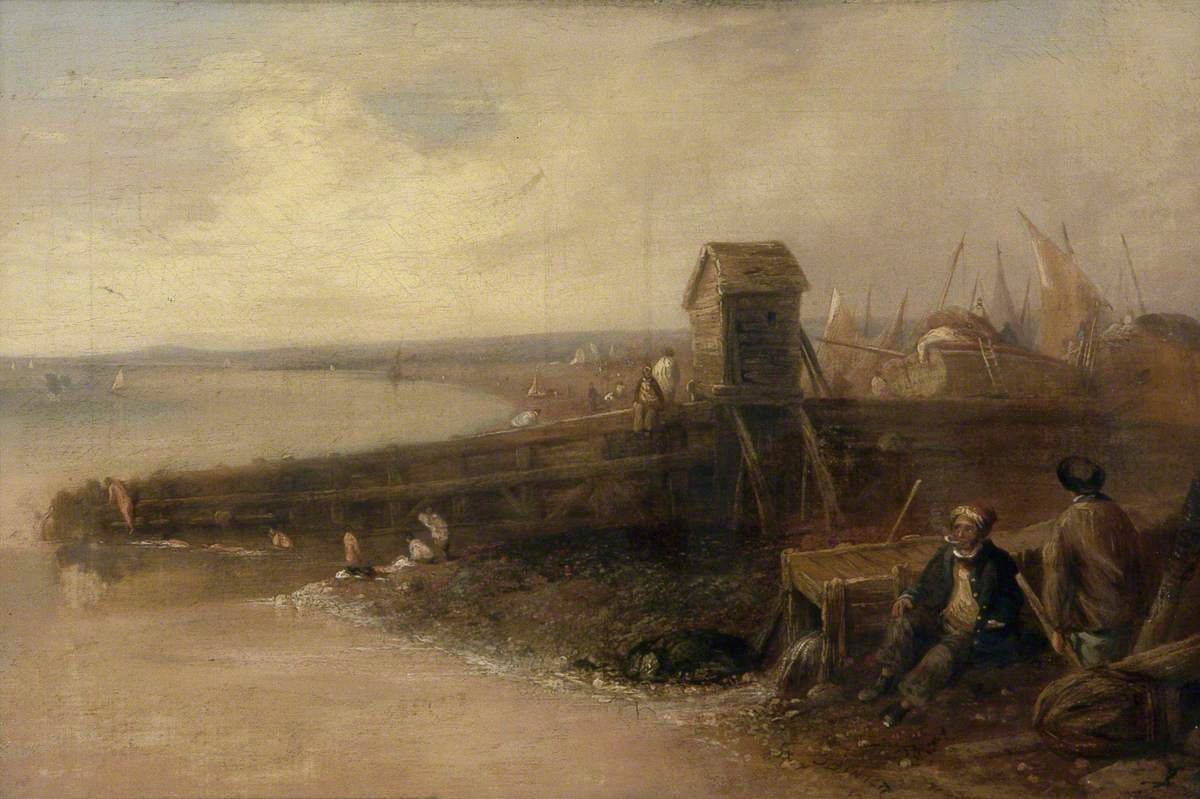
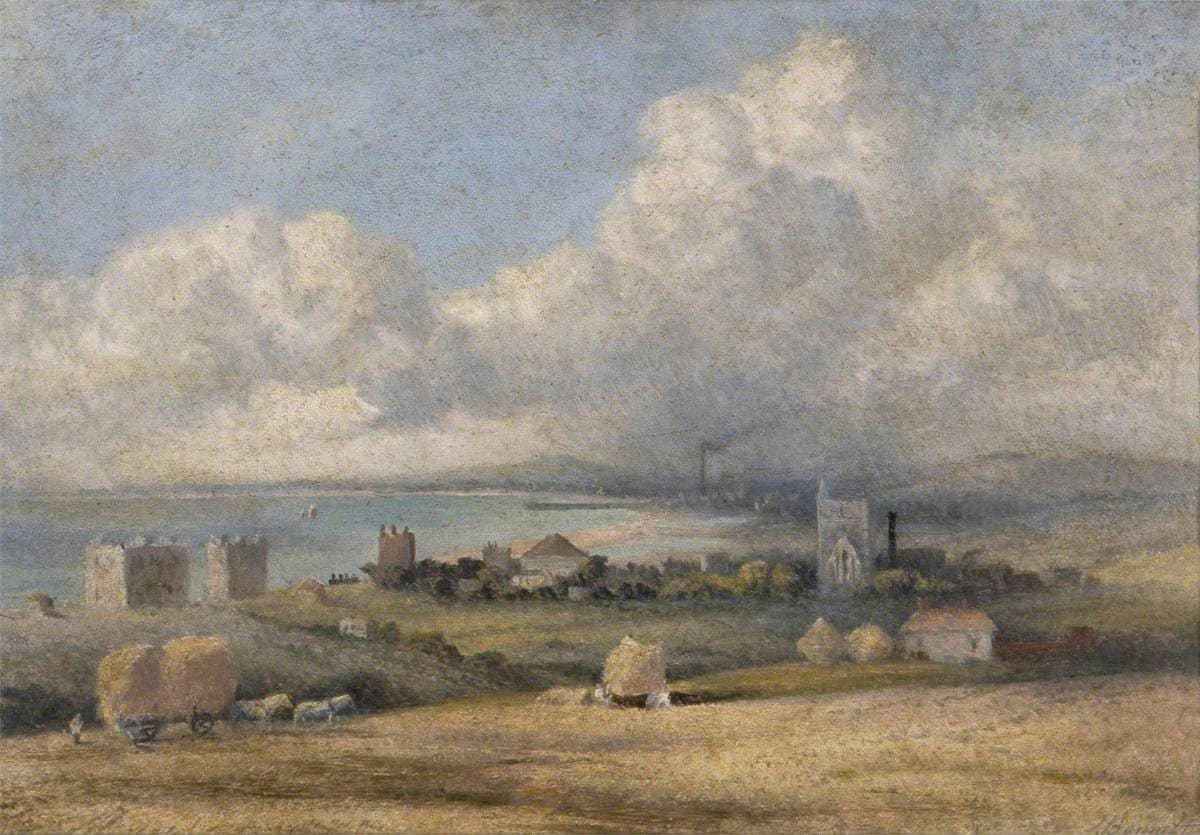
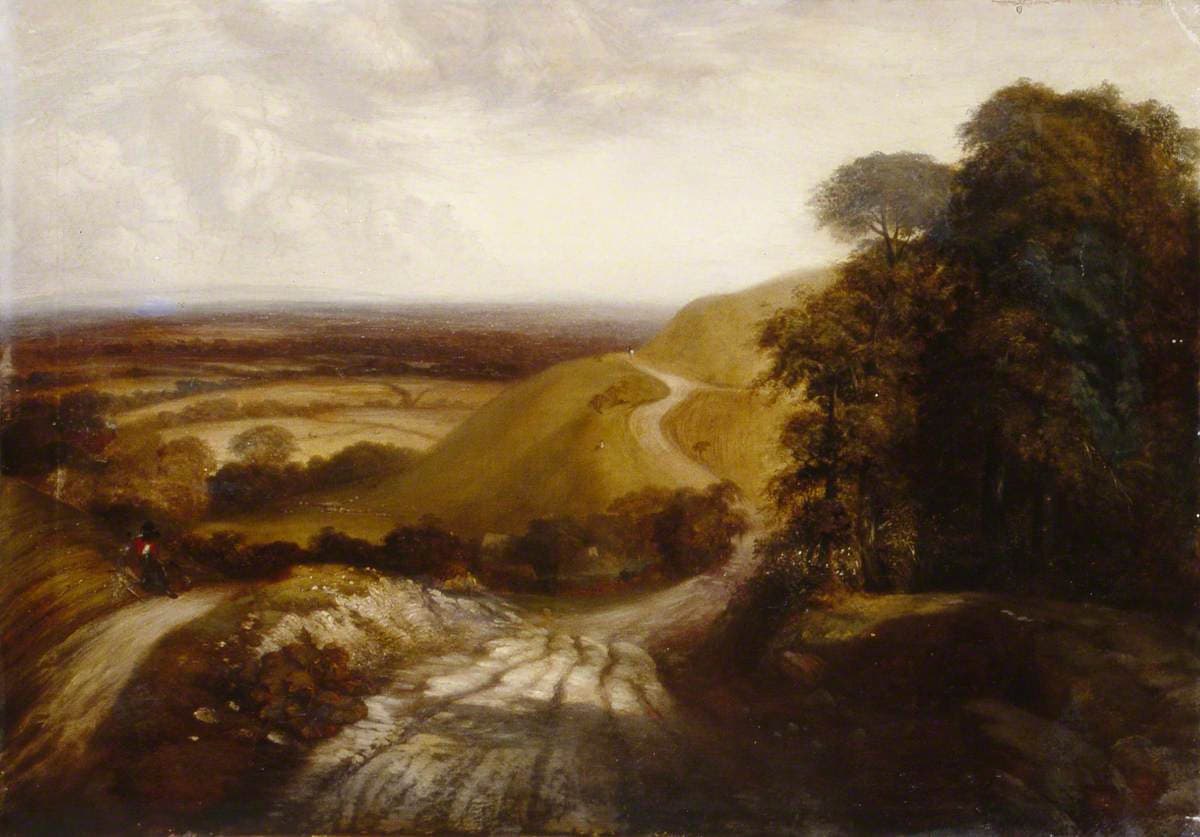
Bennett's style aligns with academic and Victorian conventions: clear drawing, controlled brushwork, and a polished surface. His technique privileges legible forms and harmonious color relationships, producing works that function both as visual narratives and as decorative objects suited to domestic display.
Though not widely celebrated in modern surveys of avant-garde movements, Bennett represents the many skilled professional painters of the 19th century whose work sustained domestic and municipal (
Frequently Asked Questions
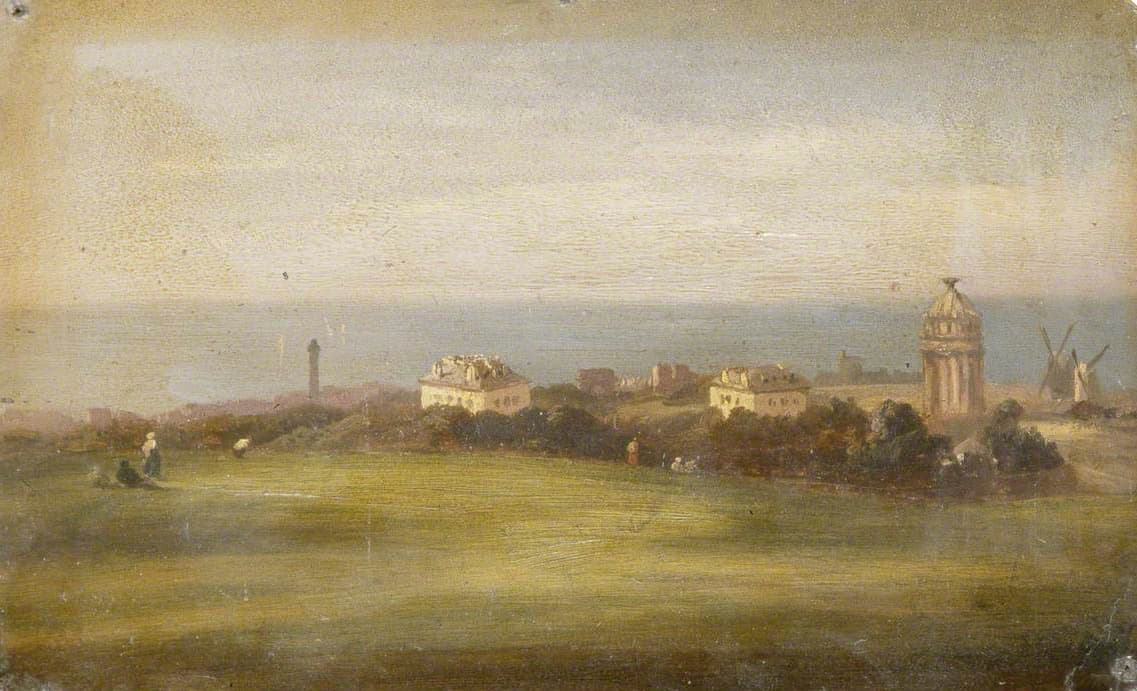
Seascape
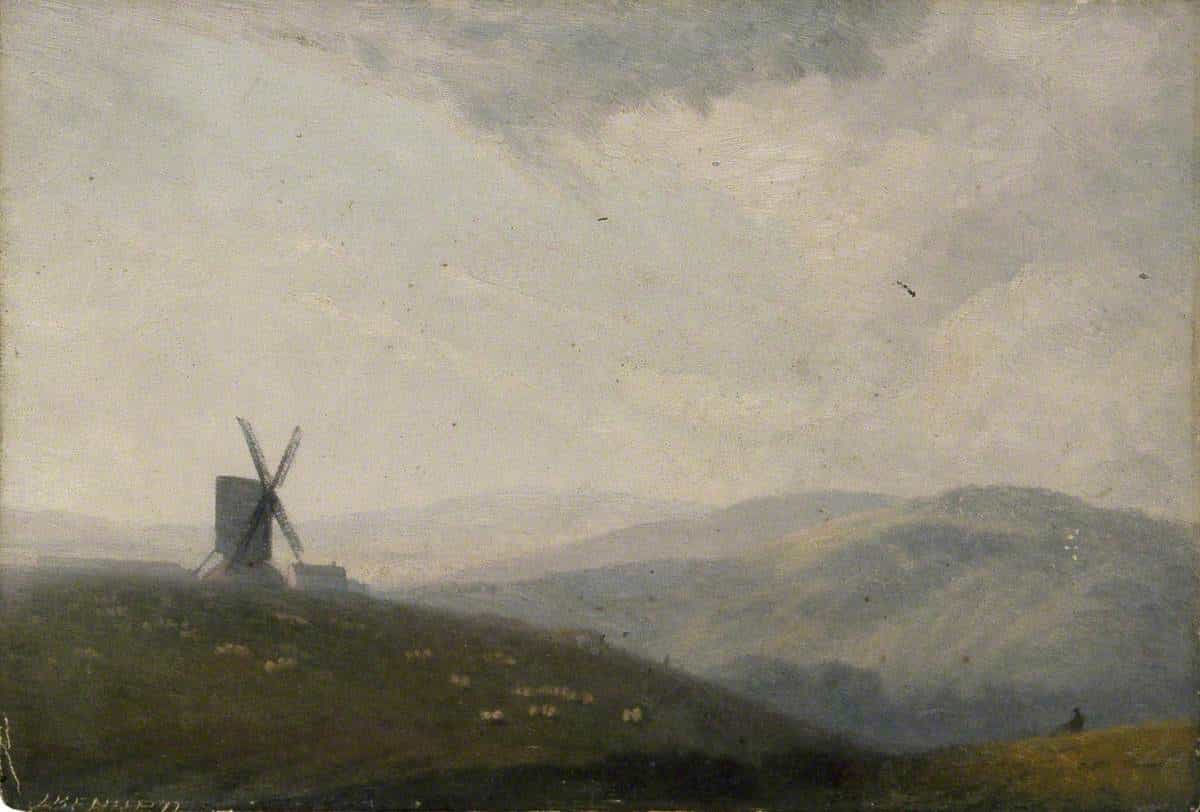
The Windmill
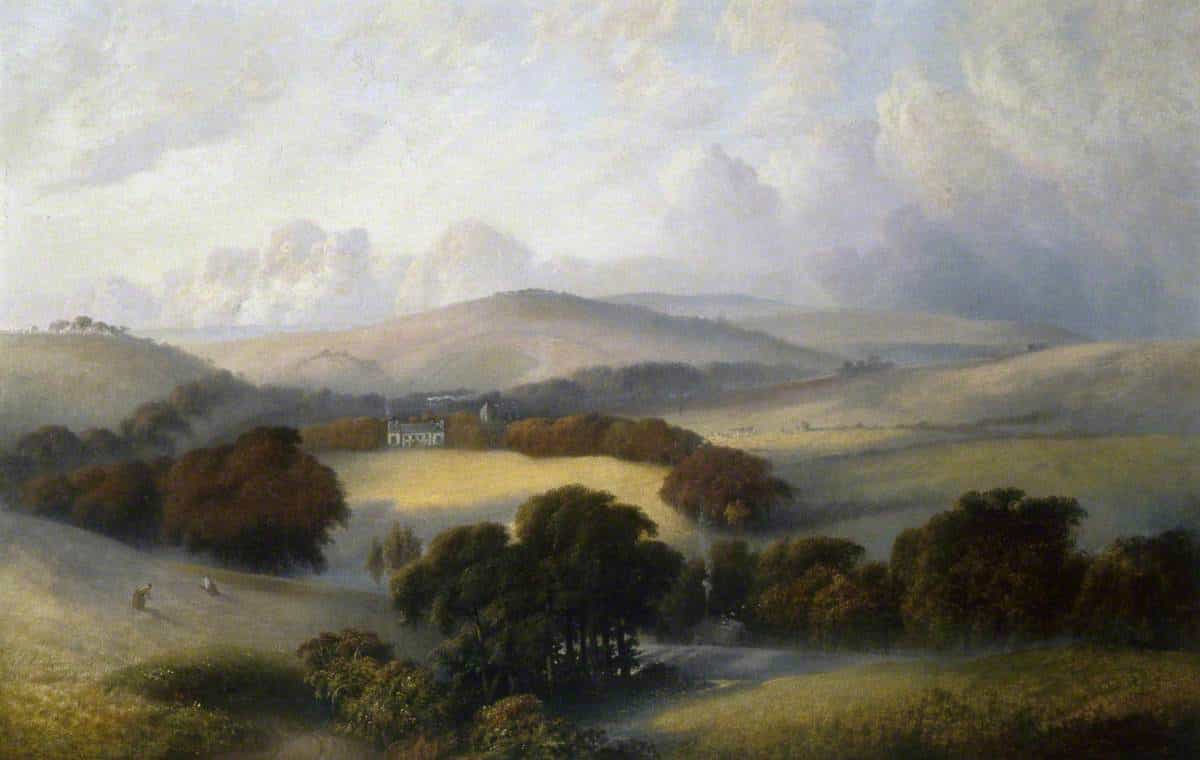
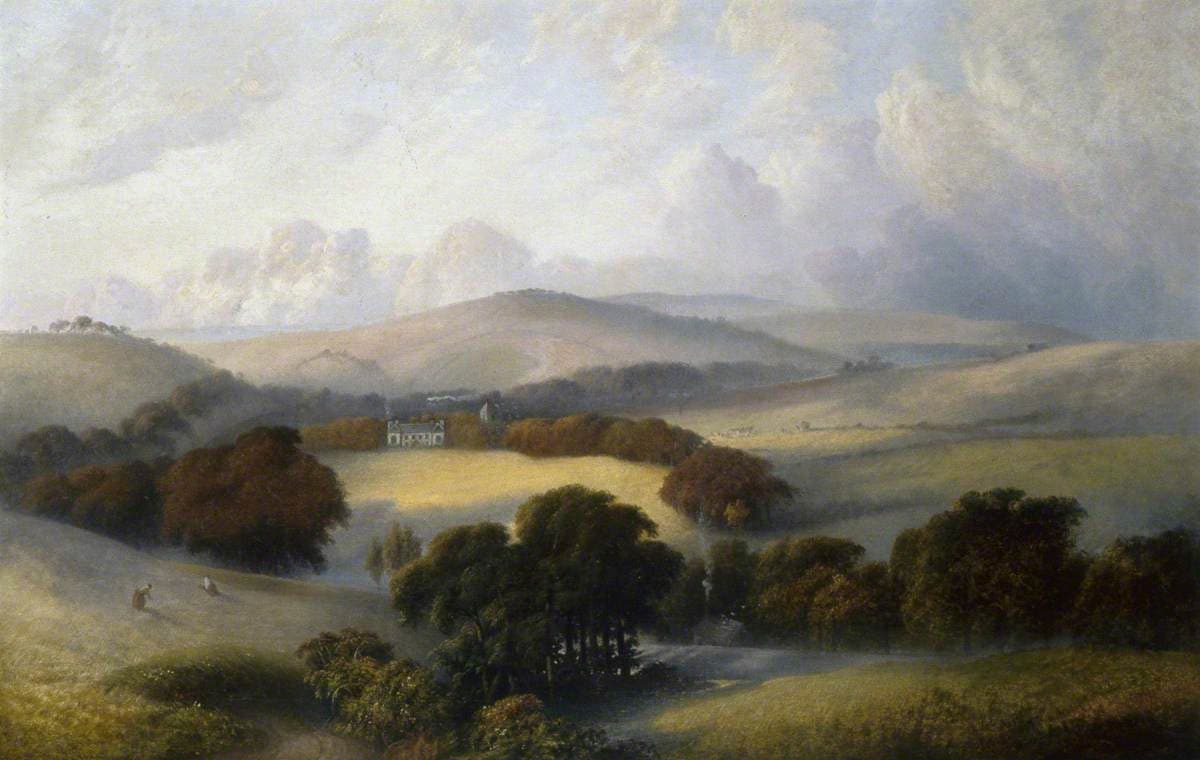
The Manor House, Preston Place, East Sussex
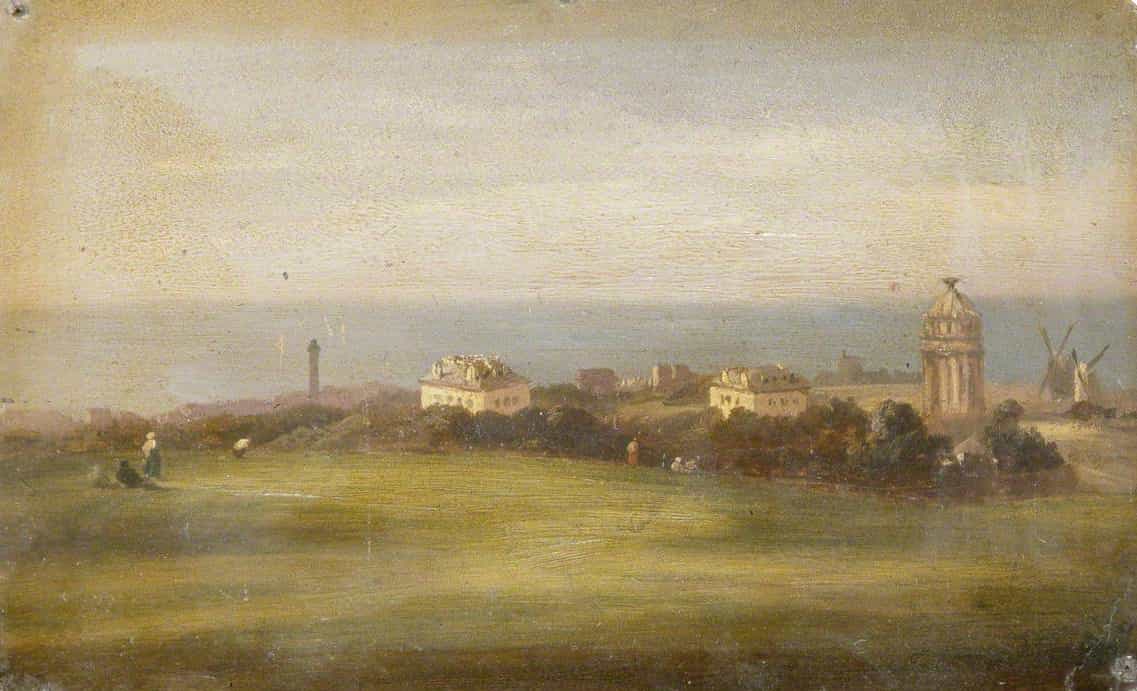
Kemptown Park from Coes Field, East Sussex
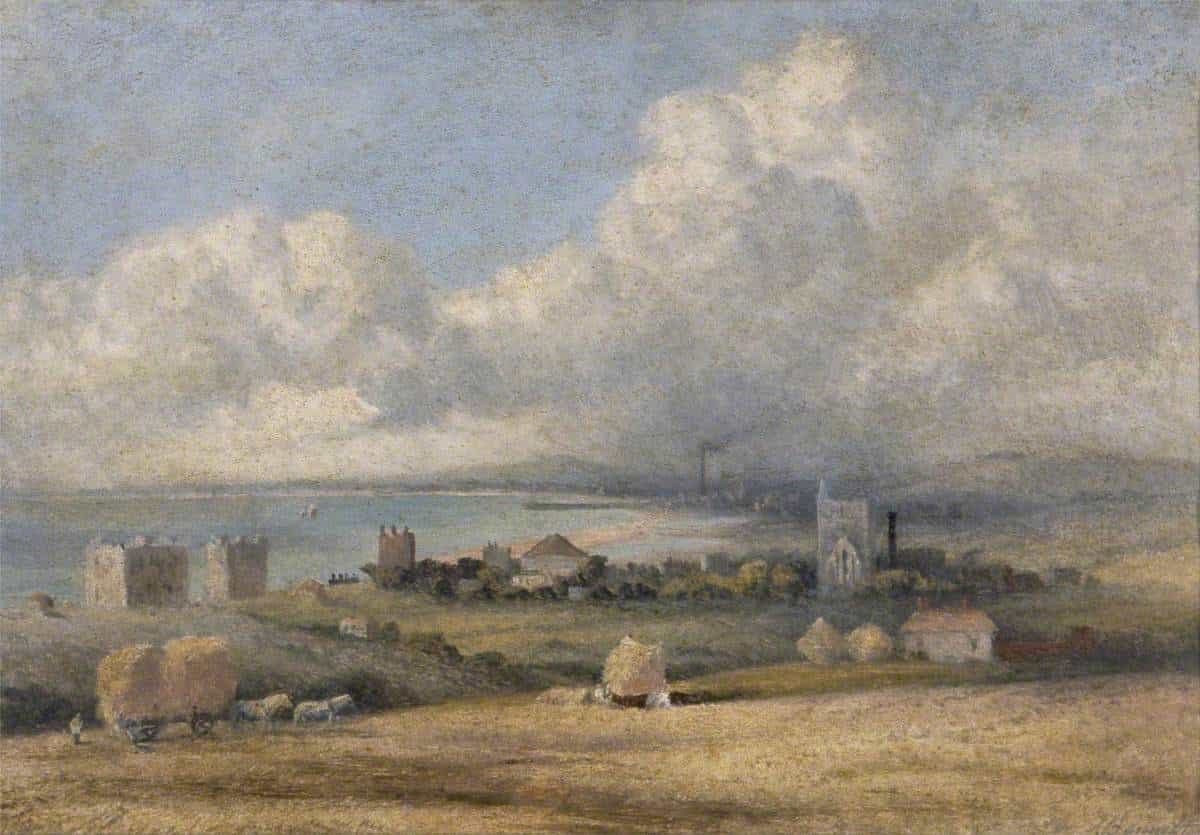
Hove, East Sussex, from the top of Holland Road
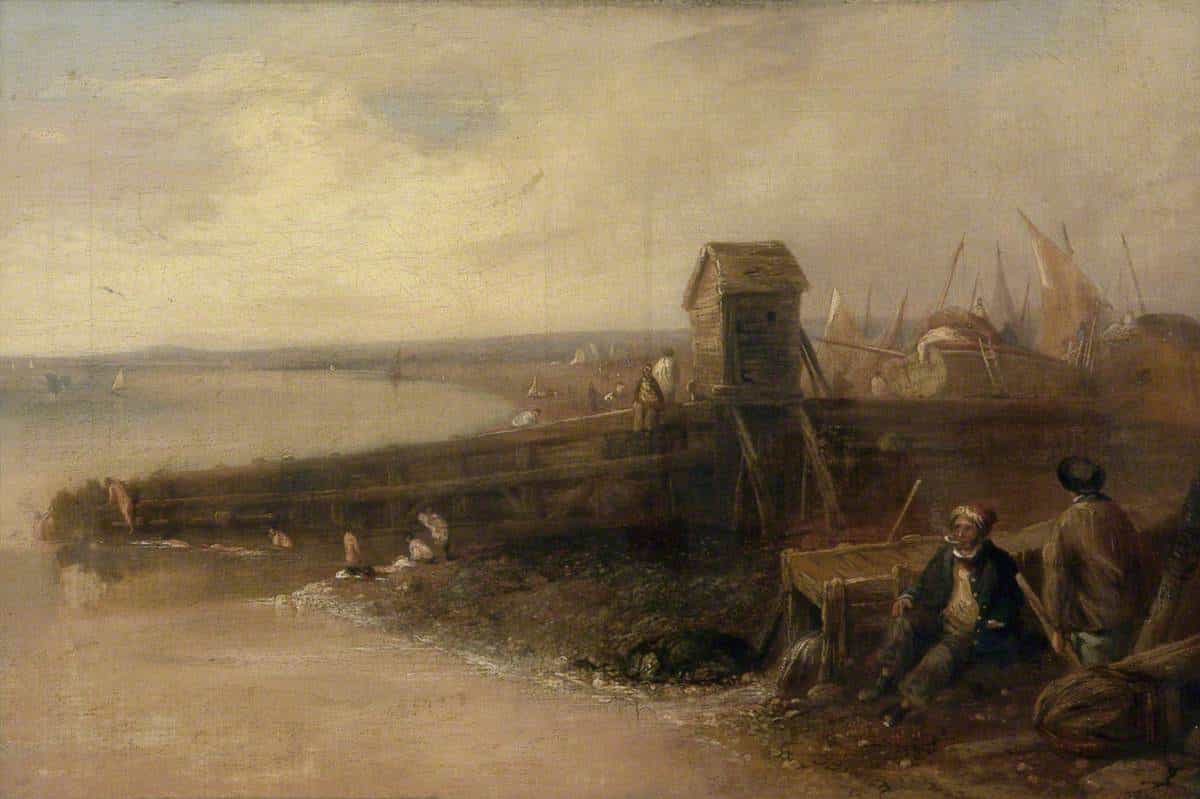
The Pump House, Brighton, East Sussex, 1825
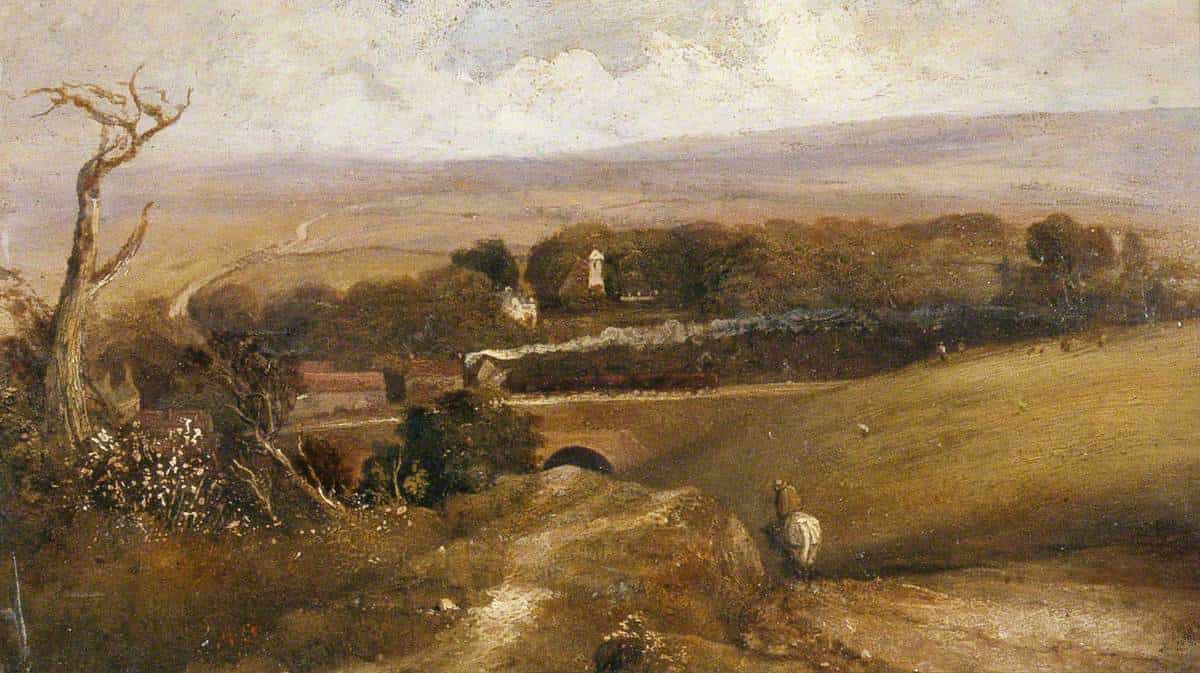
View of Preston, near Brighton, East Sussex
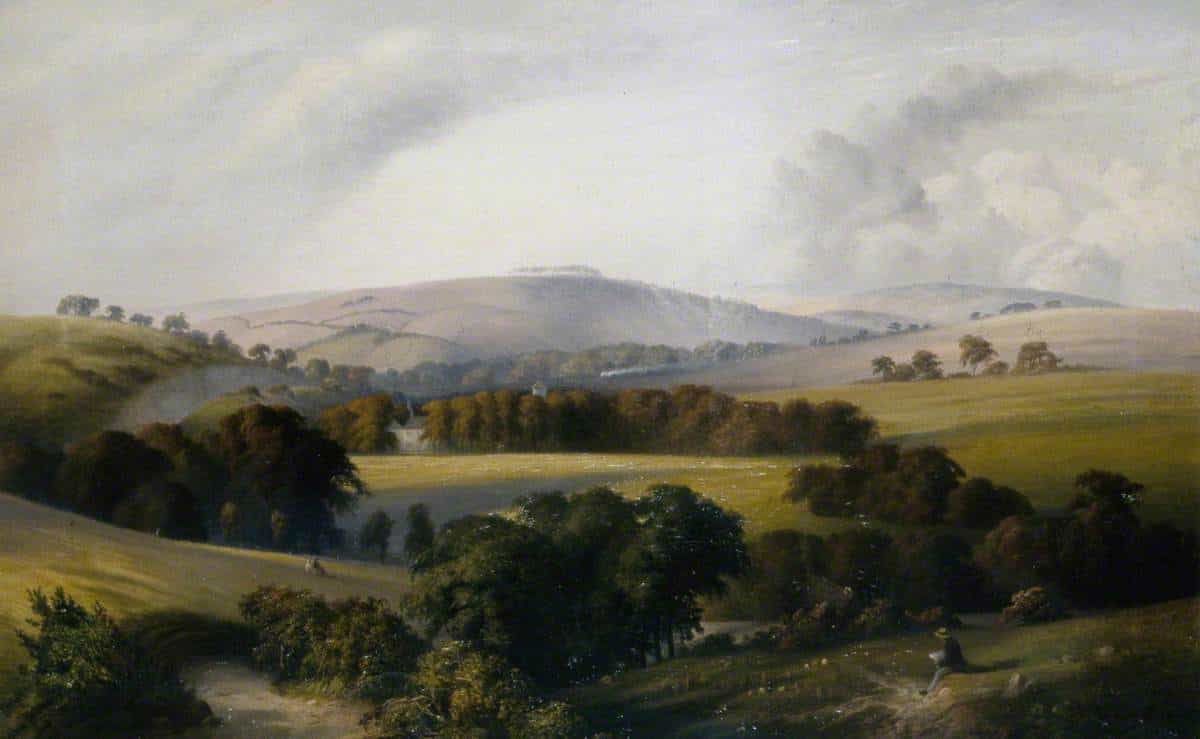
Preston Village and Manor, East Sussex
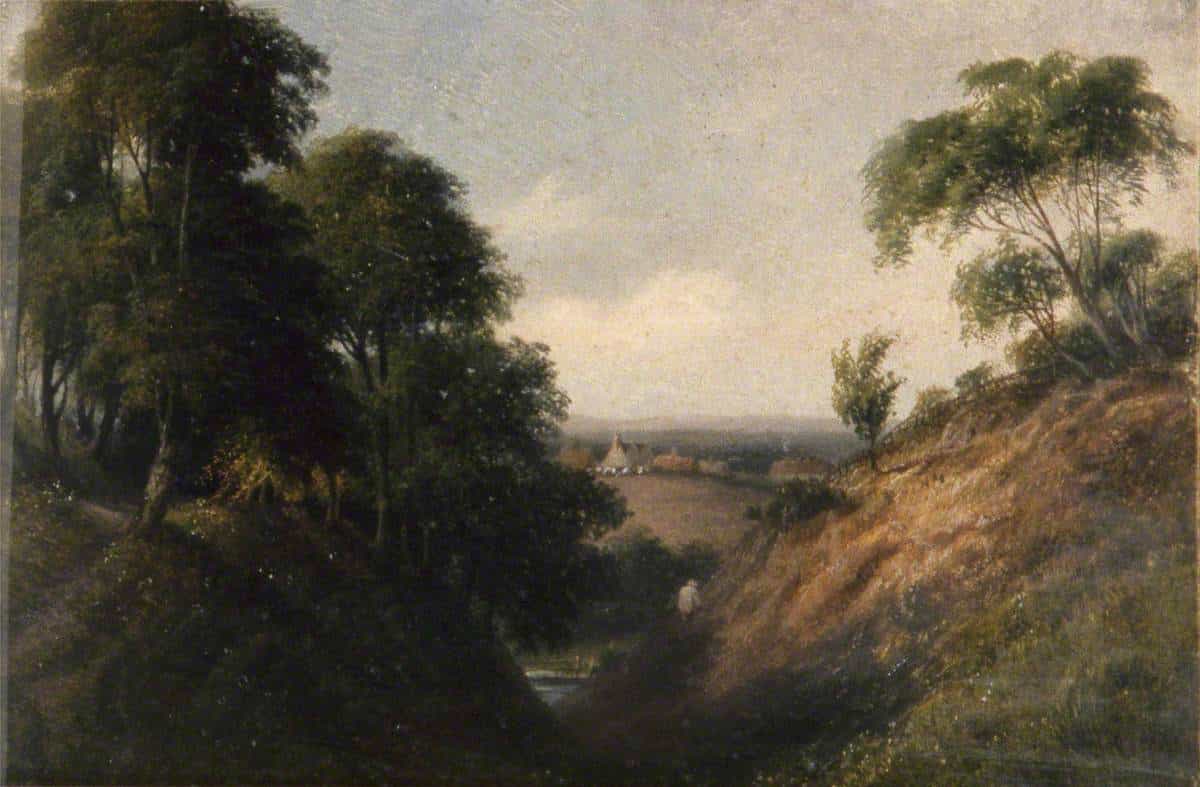
Poynings, East Sussex
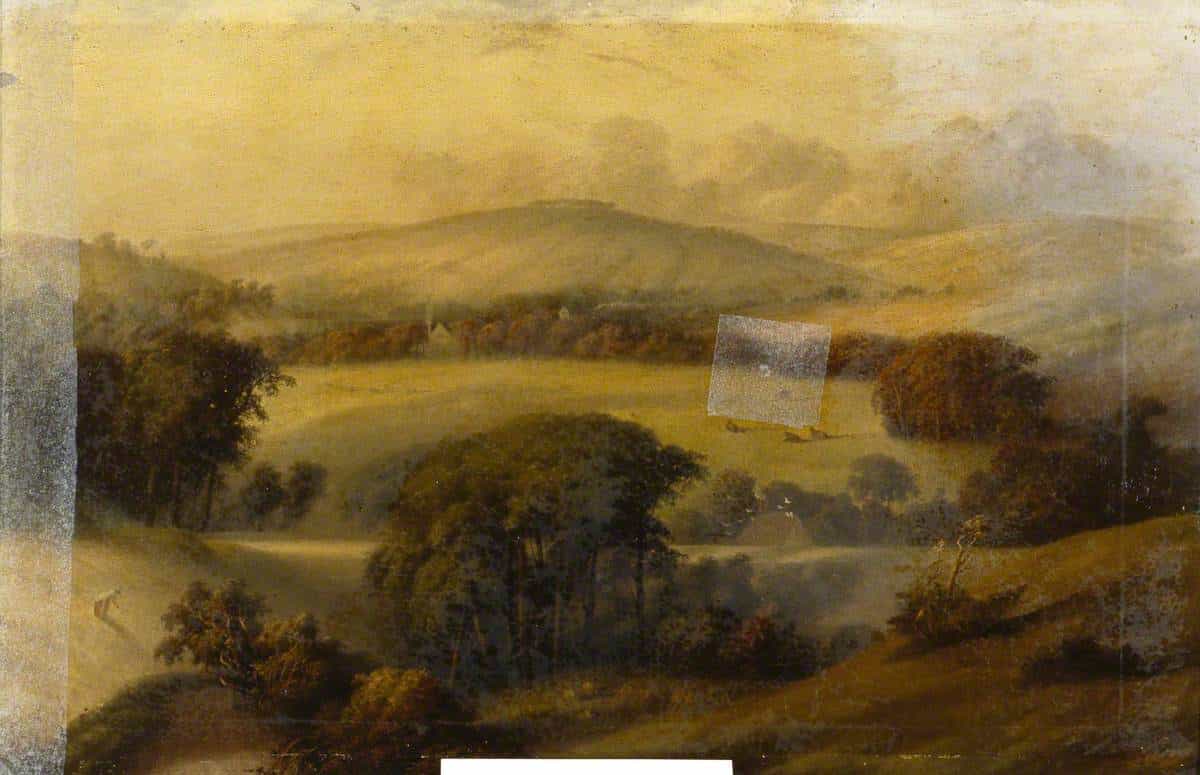
Preston Park, East Sussex
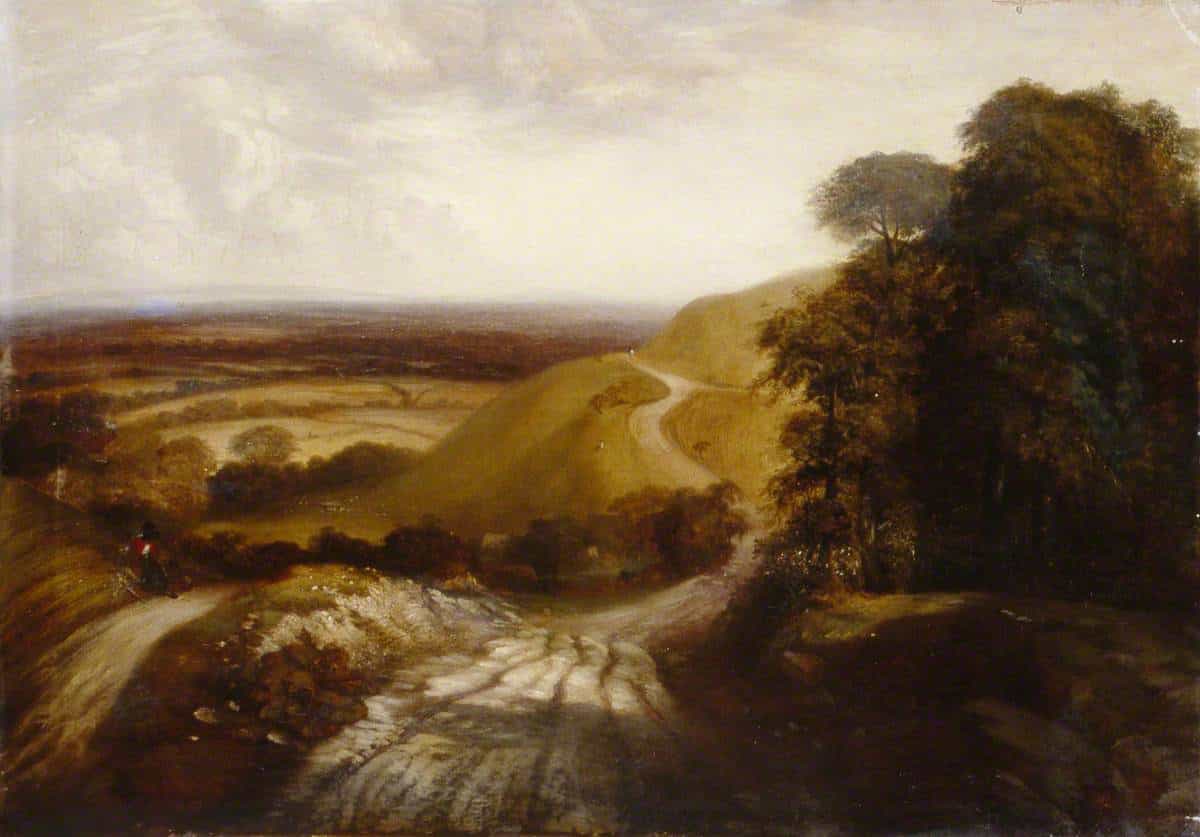
Country Scene