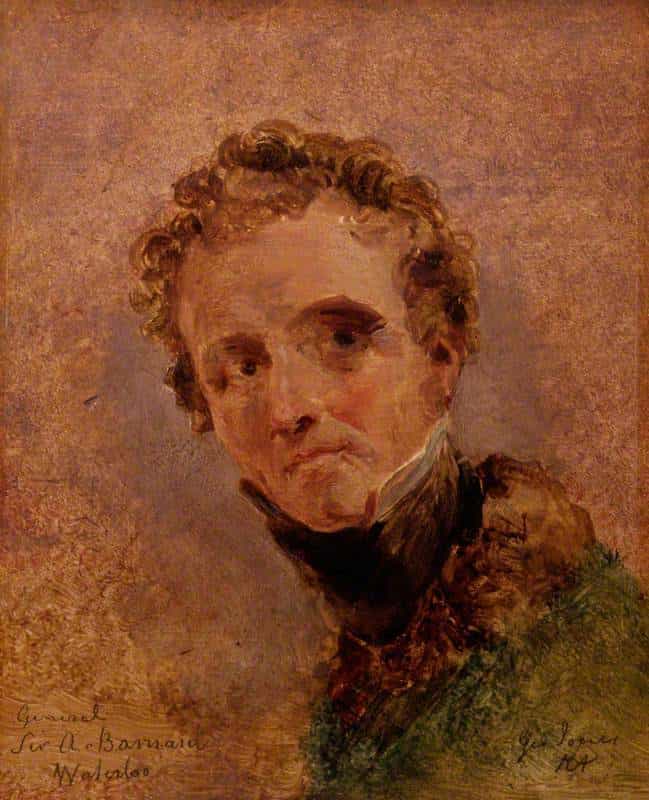
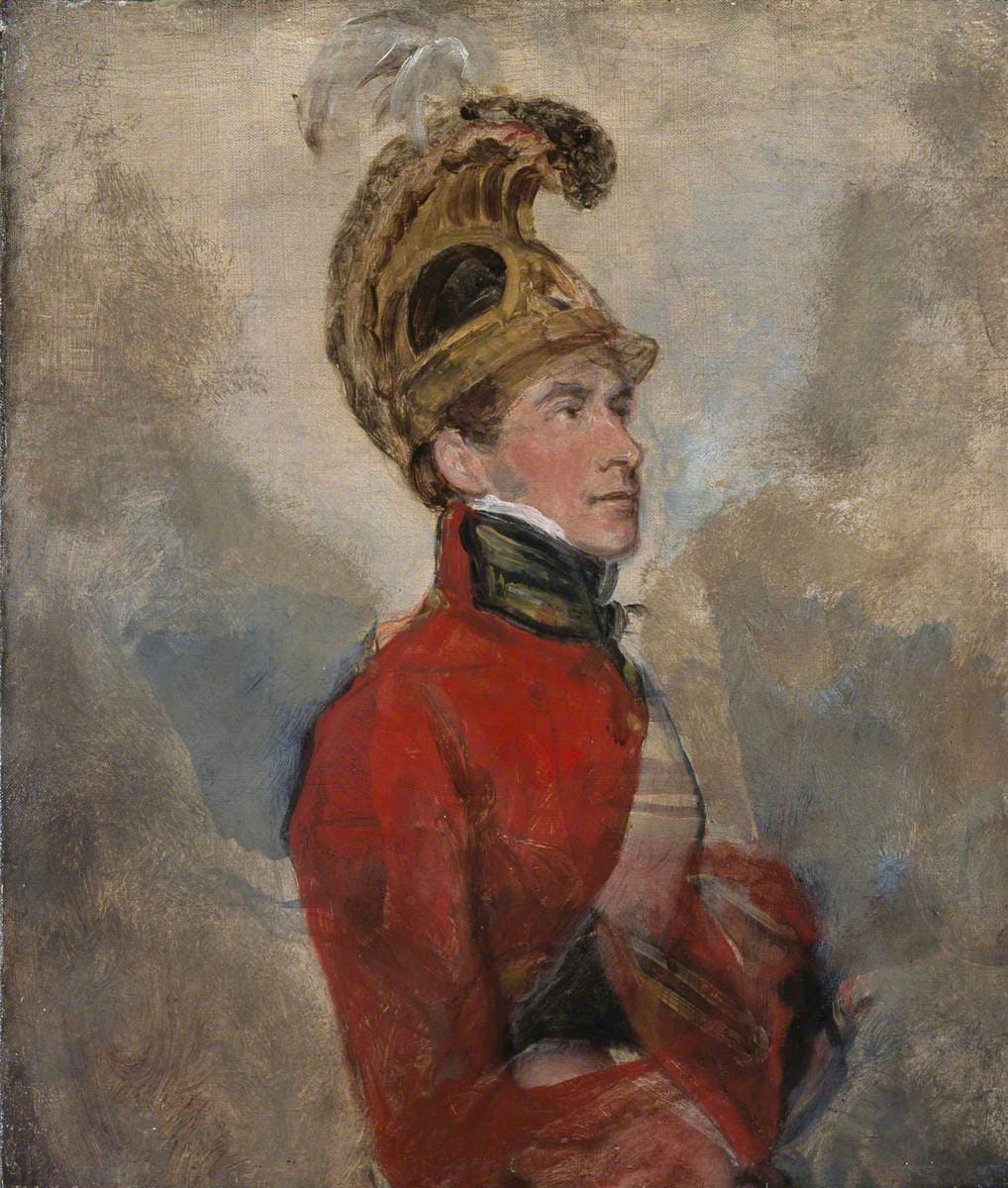
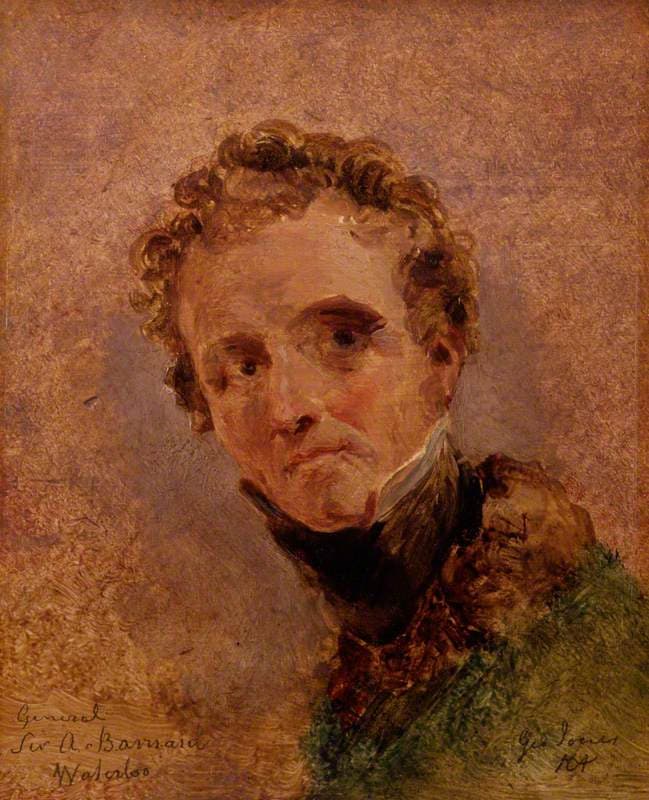
Sir Andrew Francis Barnard
George Jones
From €54
Collection
Museum-quality reproductions on 310gsm textured cotton rag paper.
Shop all prints by George JonesArtistic Style
Style Evolution
Jones maintained a consistent academic style throughout his career: early emphasis on draughtsmanship and neat finish evolved into a mature, polished manner aligned with Royal Academy ideals, prioritizing clarity, decorum and legible portraiture suited to interiors and institutional display.
Palette
Subjects
Techniques
Topics
George Jones (1786-1869) was a British academic painter and Keeper of the Royal Academy whose refined technique and dedication to academic practice marked 19th-century British art.
Learn about the life of George Jones
Signature Works
See all available prints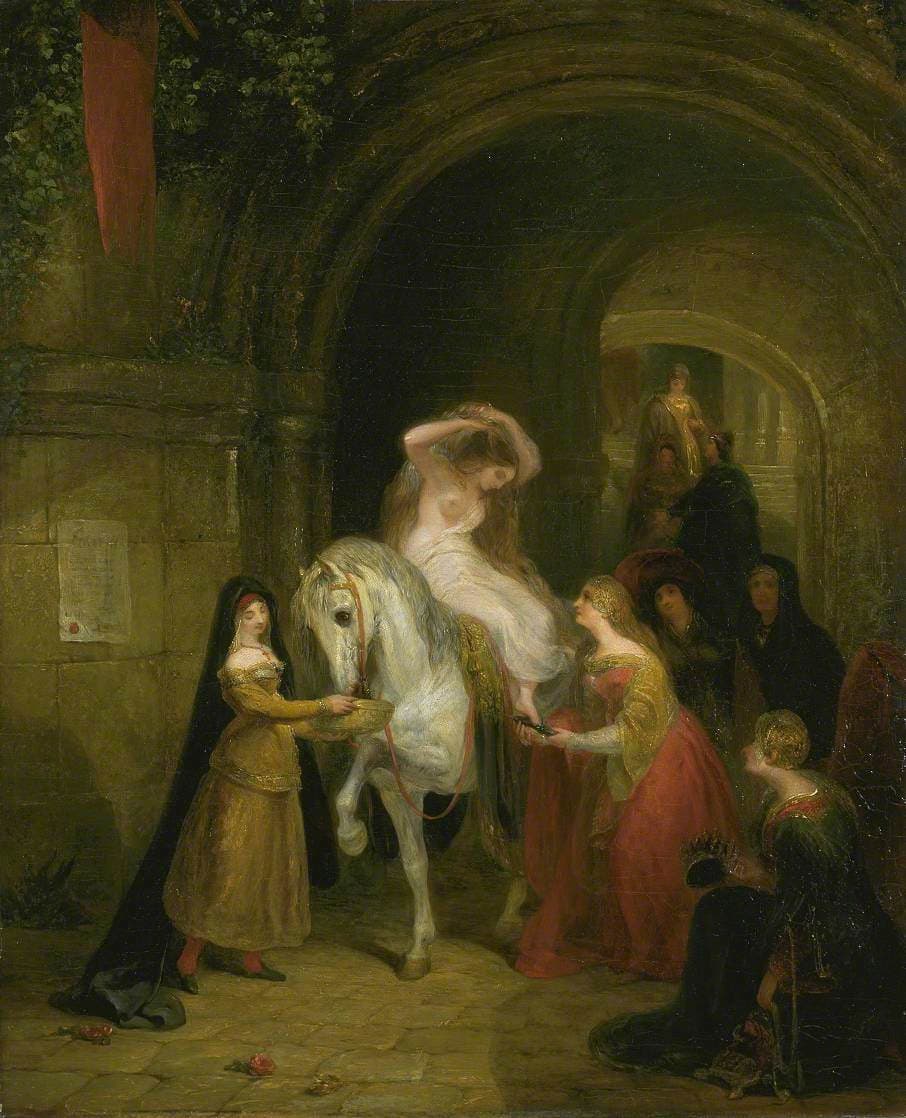
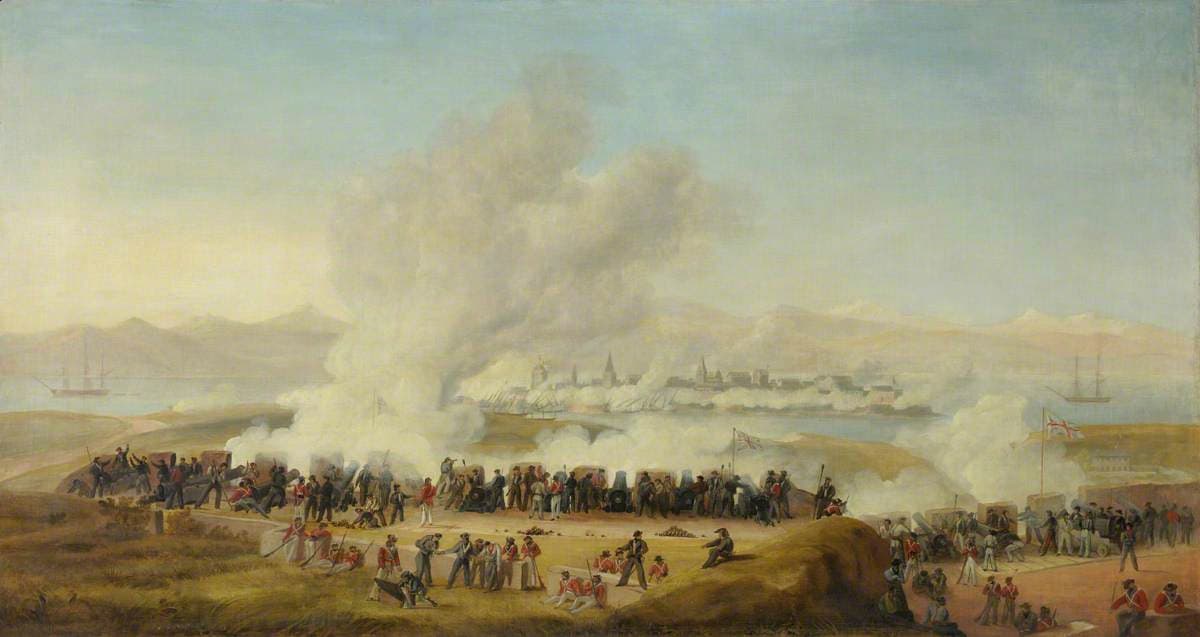
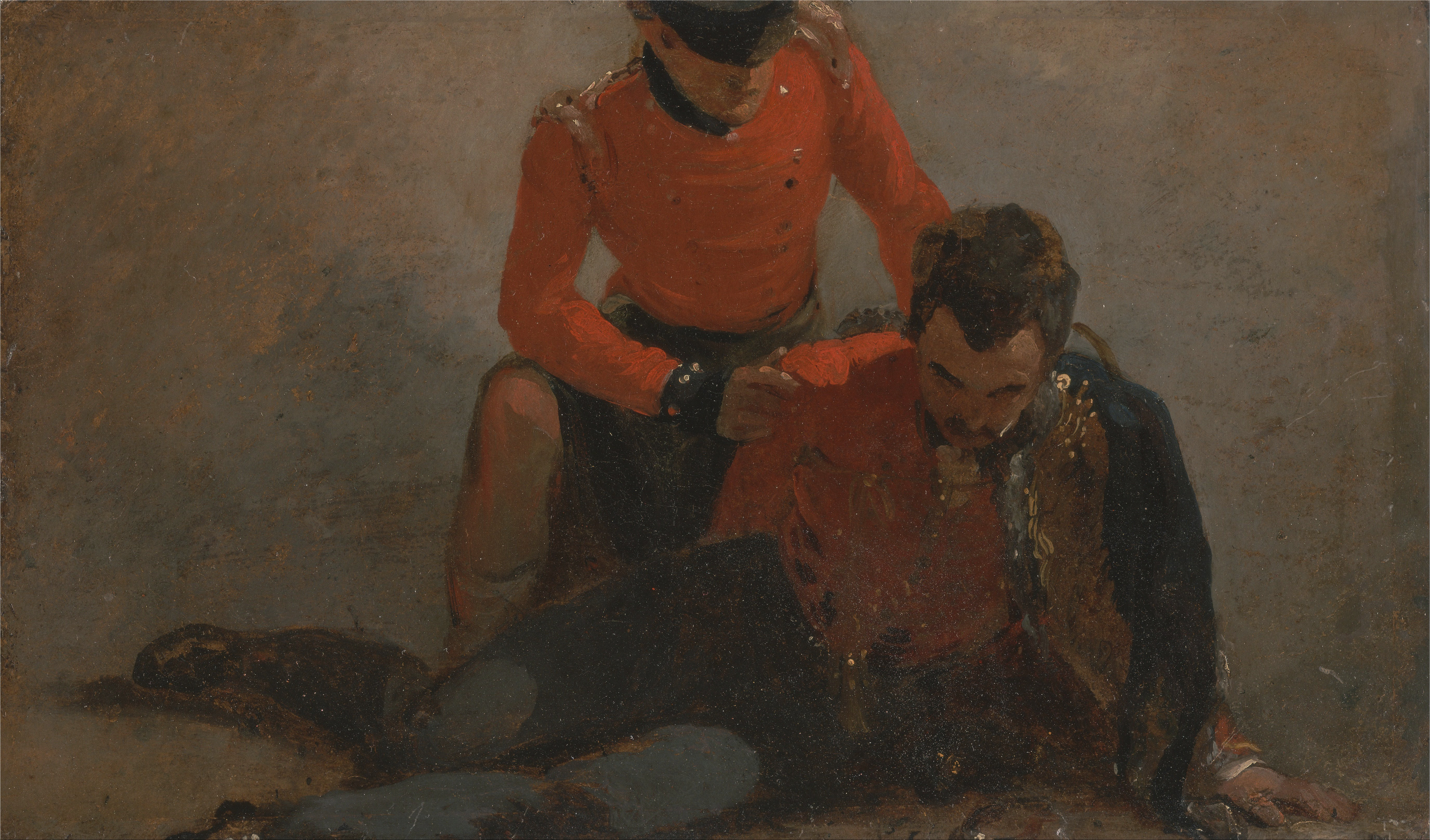
Biography
George Jones (1786-1869) was a British academic painter and Keeper of the Royal Academy whose refined technique and dedication to academic practice marked 19th-century British art.
George Jones was born in London in 1786. Raised and trained in the artistic milieu of the British capital, he emerged into a period when academic training, drawing from historical subjects, portraiture and careful studio technique shaped professional practice. His early years were formed within the institutions and networks of London art life, which informed his lifelong association with the Royal Academy.
Jones’s career unfolded within the established structures of British academic art. He worked primarily in London where he developed a controlled, polished manner suited to portraiture and history painting. His education and specific teachers are not detailed here, but his professional life was closely tied to the Royal Academy and the capital’s exhibition culture.
In his early career Jones focused on mastering draughtsmanship and the conventions of academic painting, producing works that emphasized clarity of outline and careful rendering.
During his middle years he consolidated a reputation for dependable technique and a conservative, refined approach appreciated by patrons who sought dignified portraiture and historically minded compositions.
In later life Jones served as Keeper of the Royal Academy, a role that underscored his standing within Britain’s academic institutions and his commitment to training successive generations of artists.
Jones’s significance rests on his long professional practice within London and his service at the Royal Academy. His reputation was built on accomplished, academically informed painting valued for decorative presence, refined finish and reliability for collectors and institutions.
Jones’s work is characterized by controlled drawing, polished surface finish, and a restrained, academic use of color. His technique favored careful modeling, clear composition and a visual clarity that suited interior display and decorative settings. Such qualities make his paintings appealing as focal pieces in domestic and institutional interiors.
As Keeper of the Royal Academy, Jones contributed to the training environment of mid-19th-century British art, helping to perpetuate academic standards. His work reflects the continuity of academic practice in Britain and influenced students and colleagues who experienced the Academy’s teaching during his tenure.
Jones lived and worked in London throughout his life. His personal biography is primarily noted for his professional roles and long association with British academic institutions rather than for widely recorded private details.
Frequently Asked Questions
Sir Andrew Francis Barnard
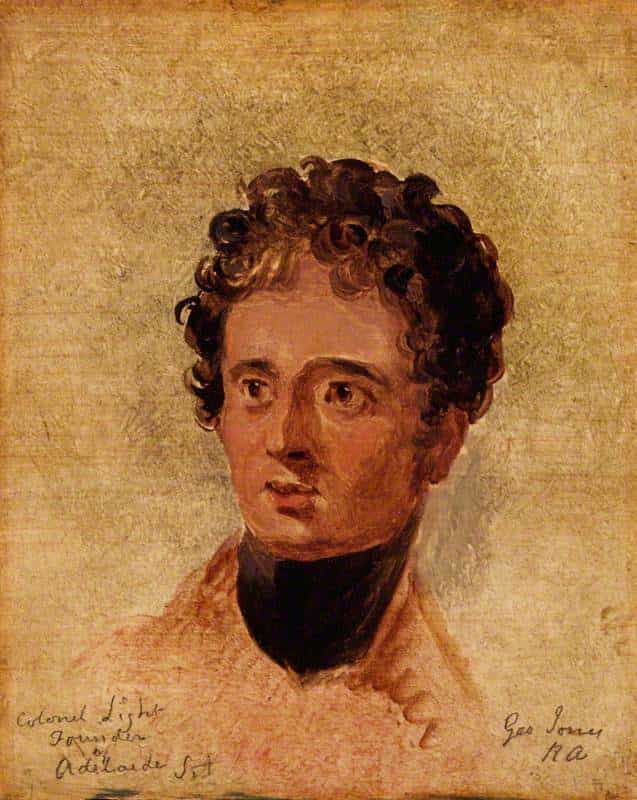
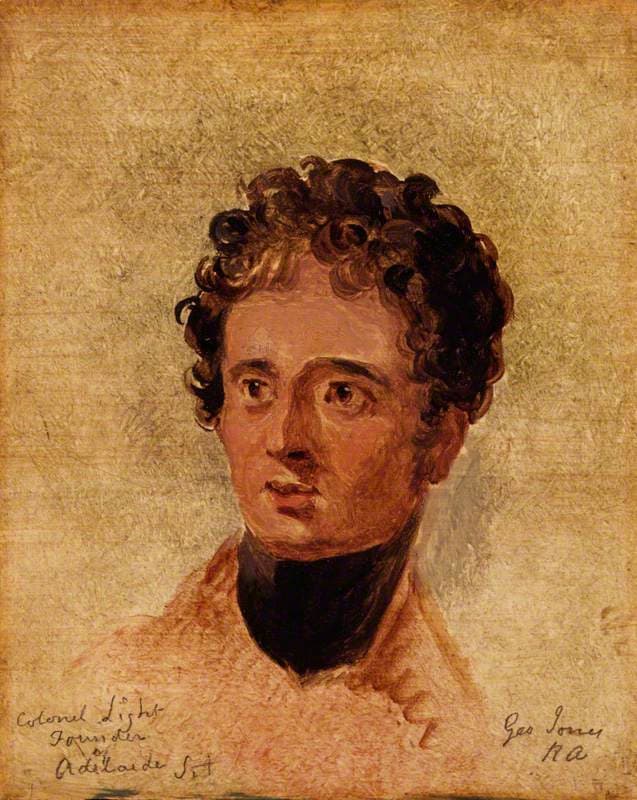
William Light
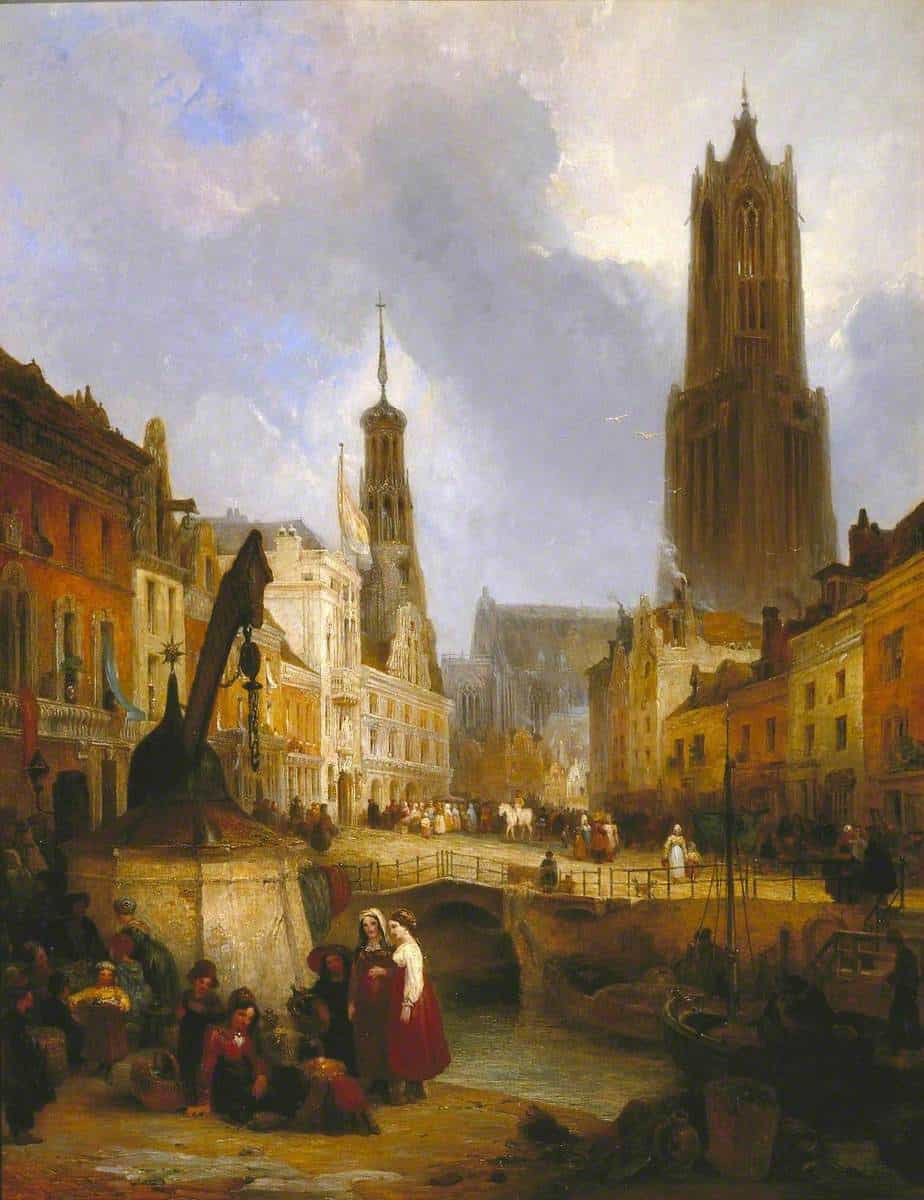
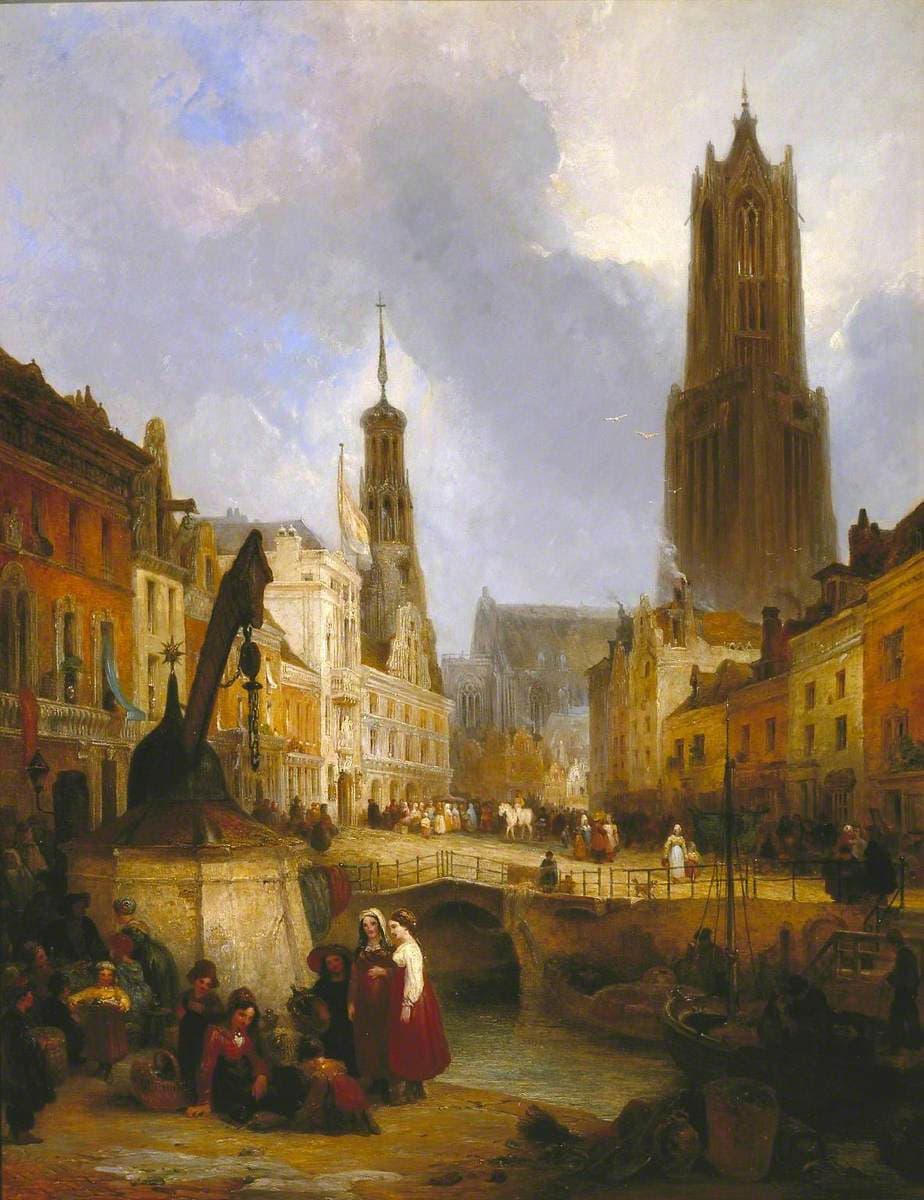
Utrecht
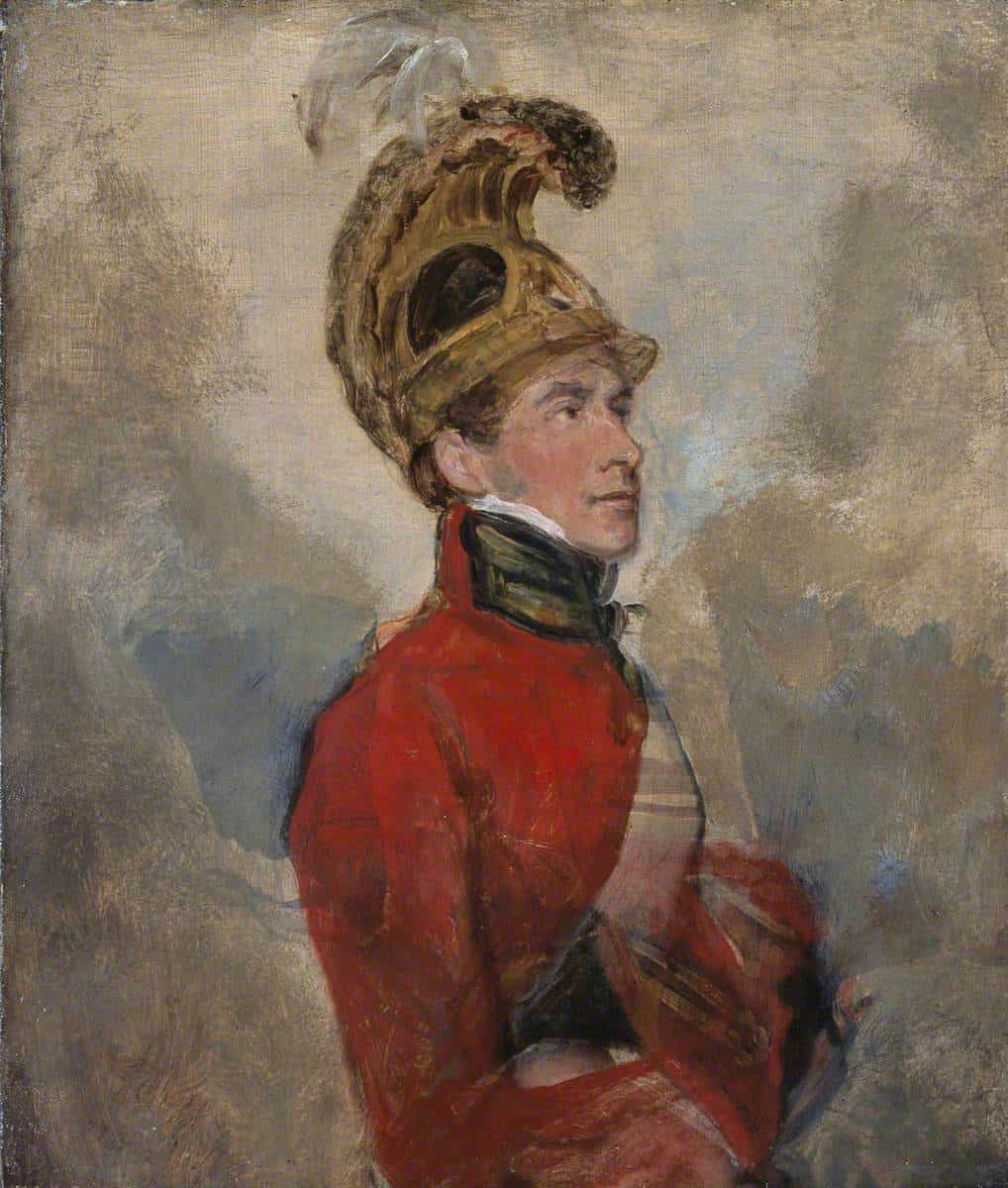
An Officer of the Life Guards
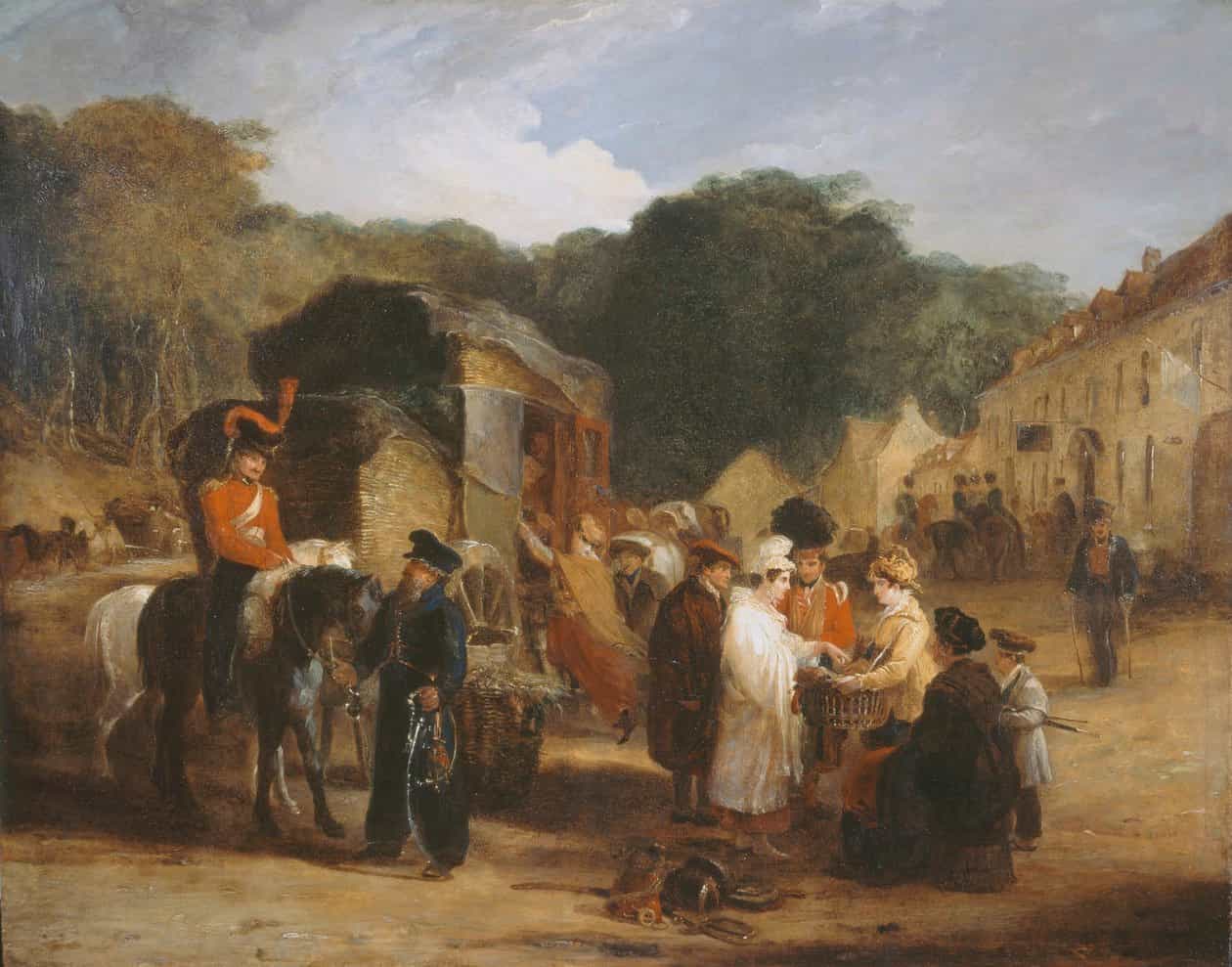
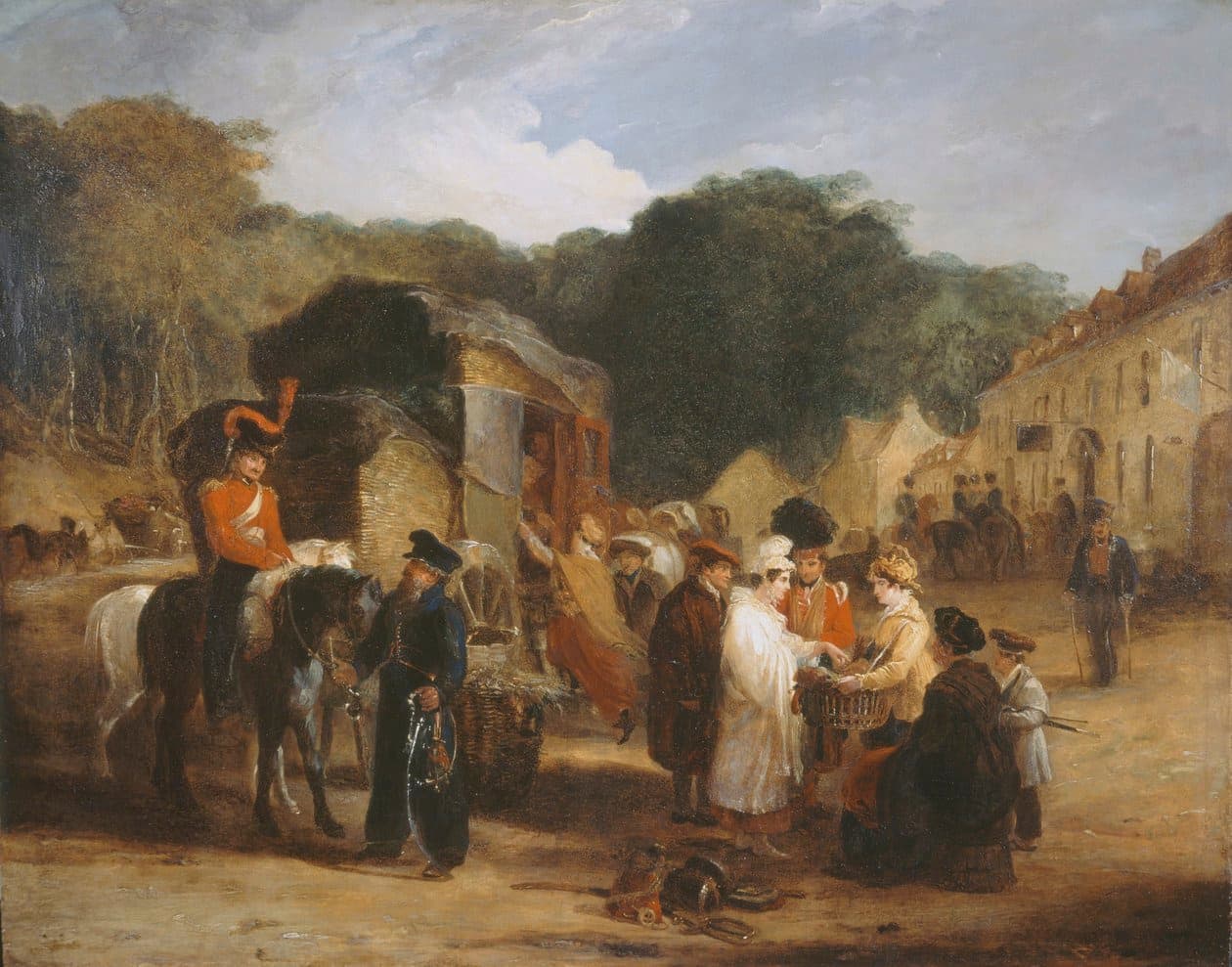
The Village of Waterloo (Travellers Purchasing Battlefield Relics), 1815
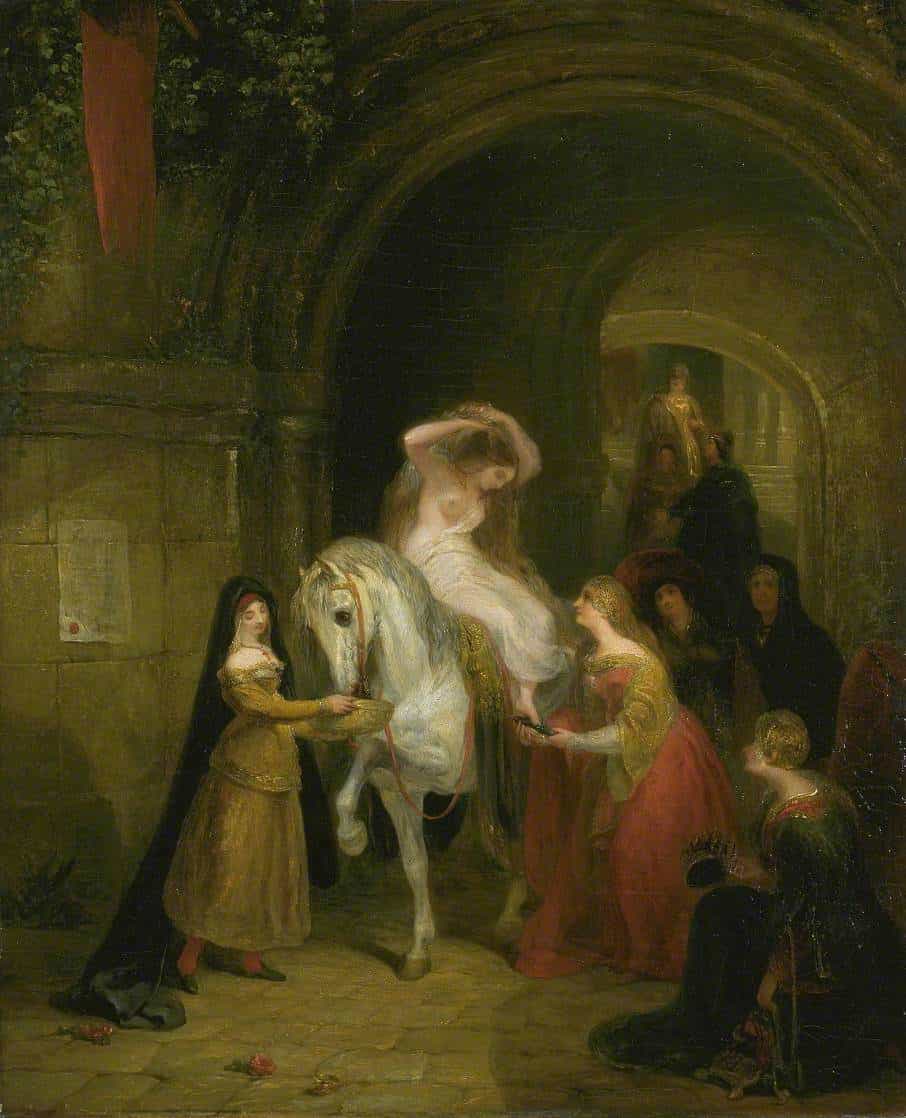
Godiva Preparing to Ride through Coventry
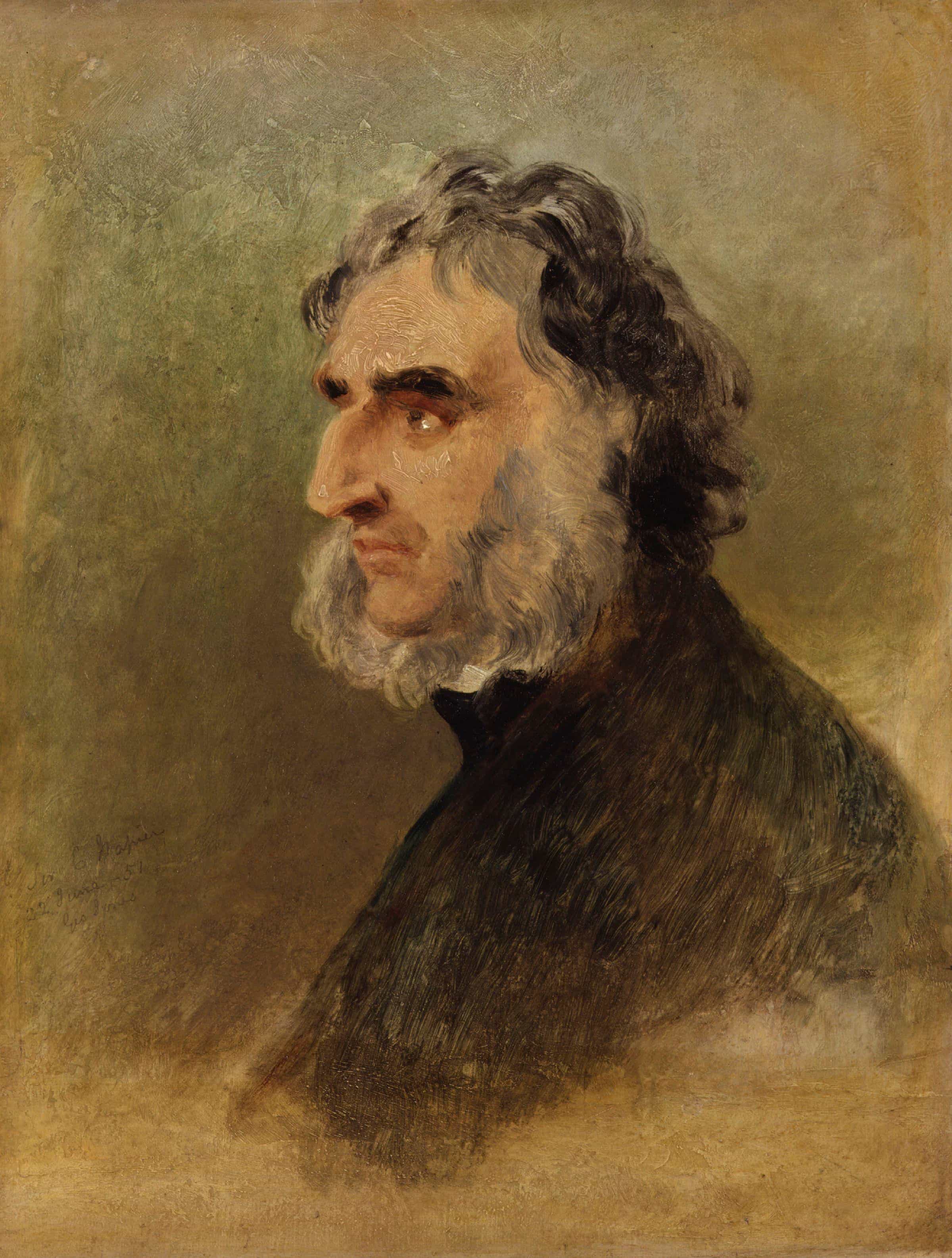
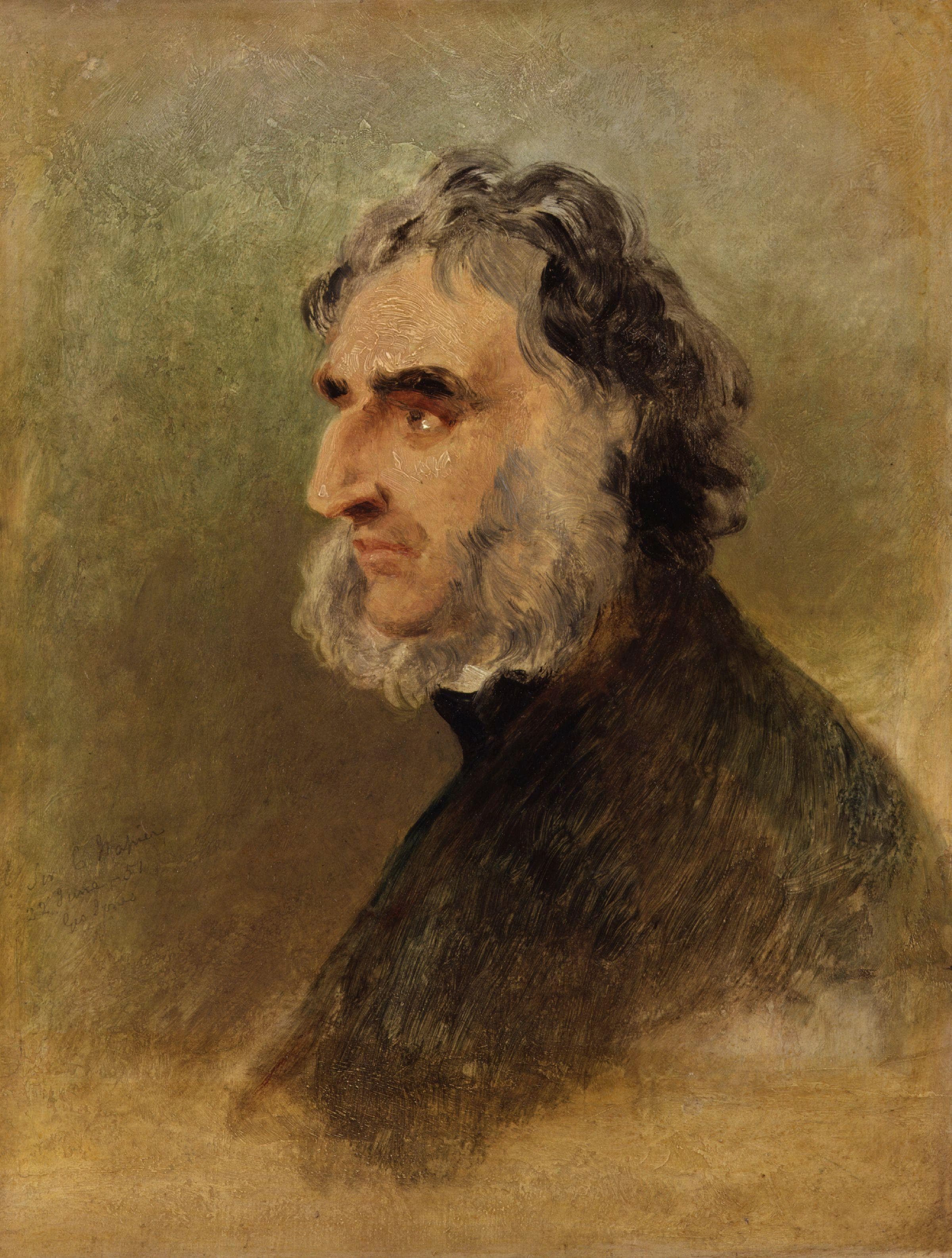
Sir Charles James Napier
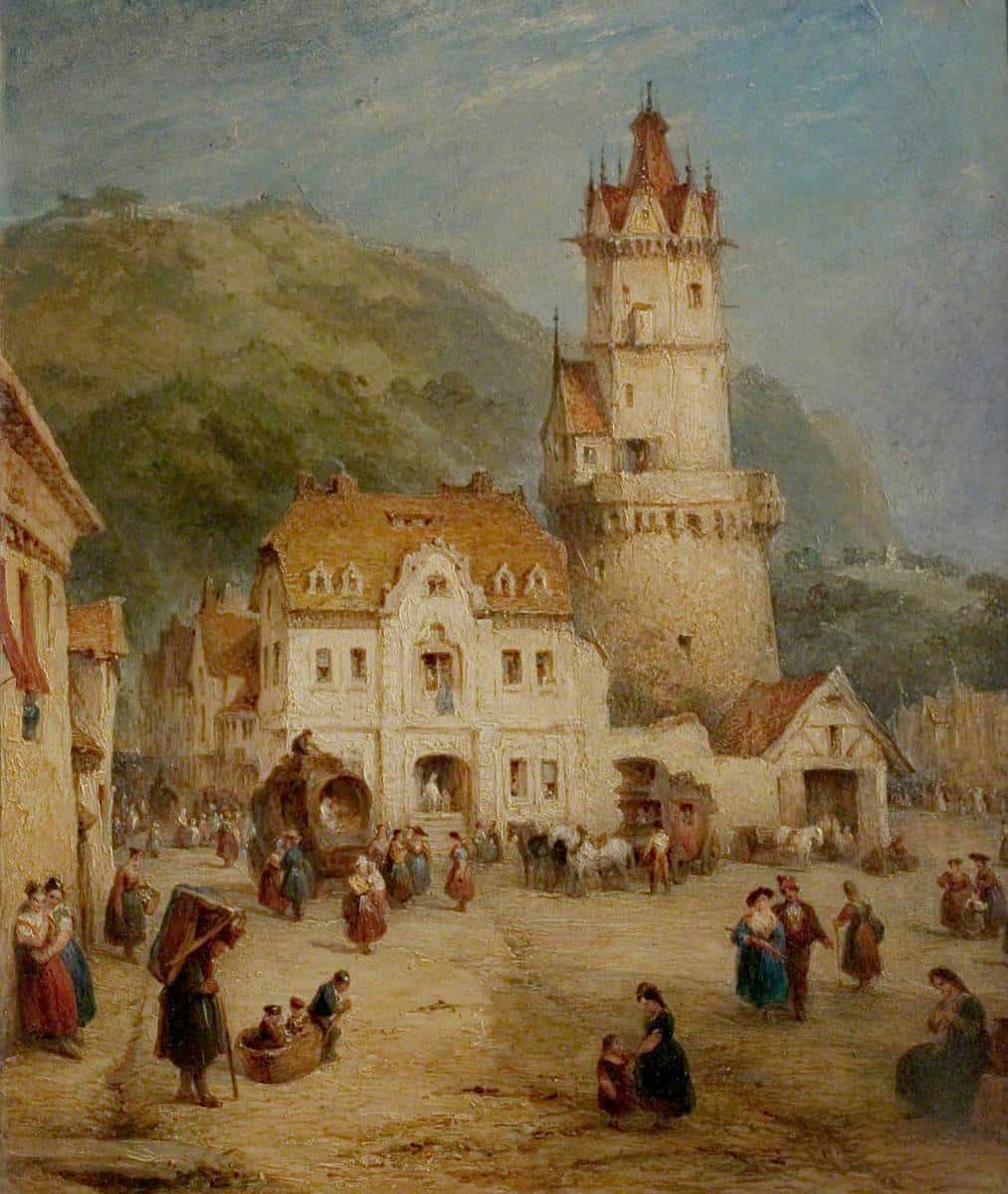
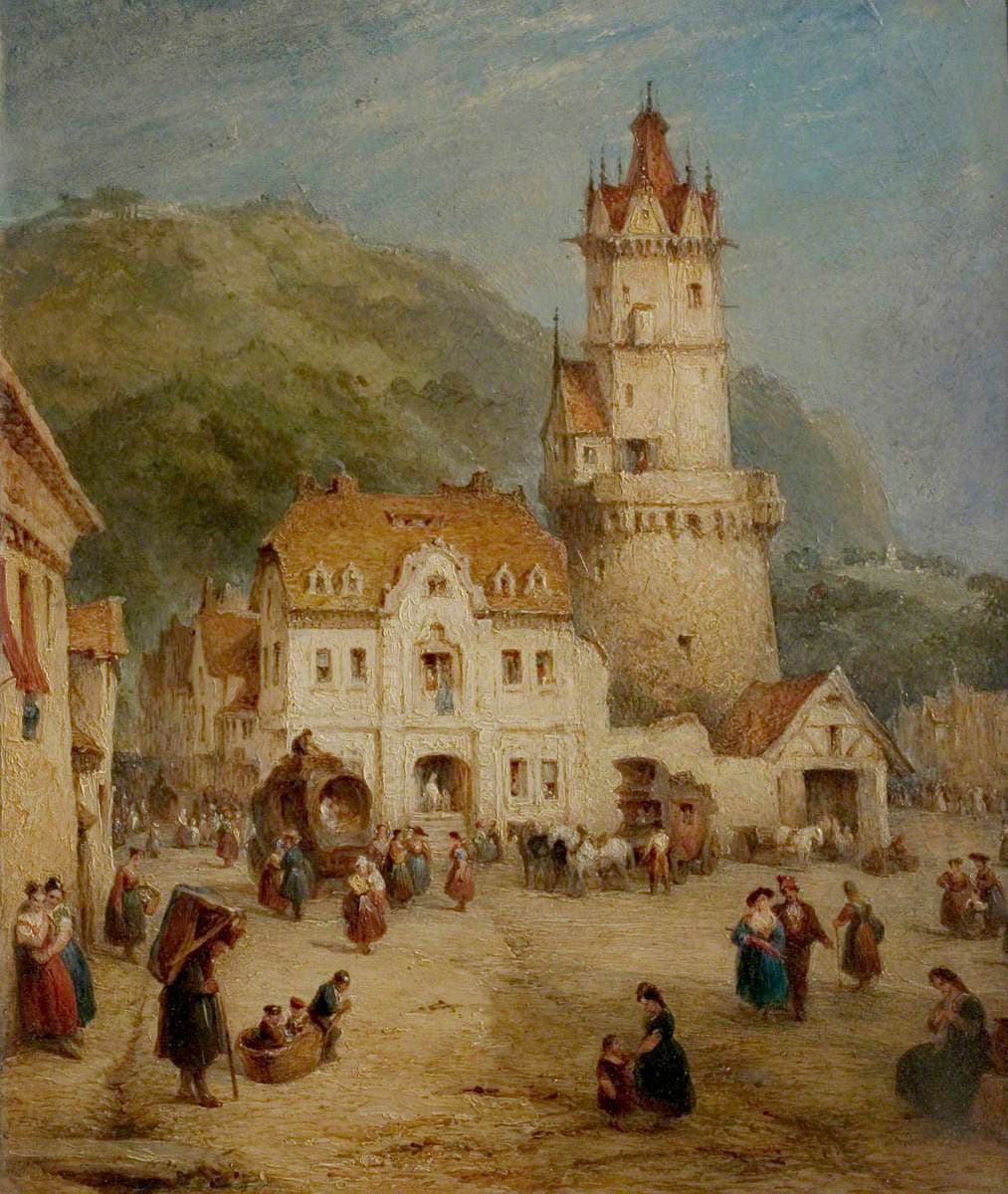
Andernach, Prussia
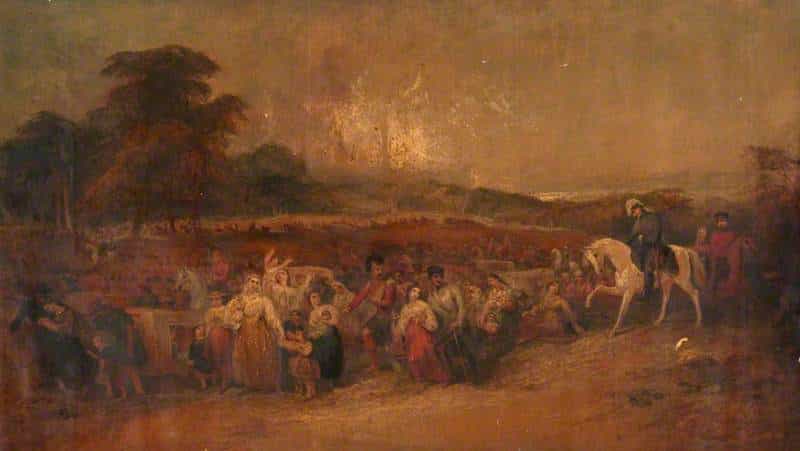
The Relief of Lucknow
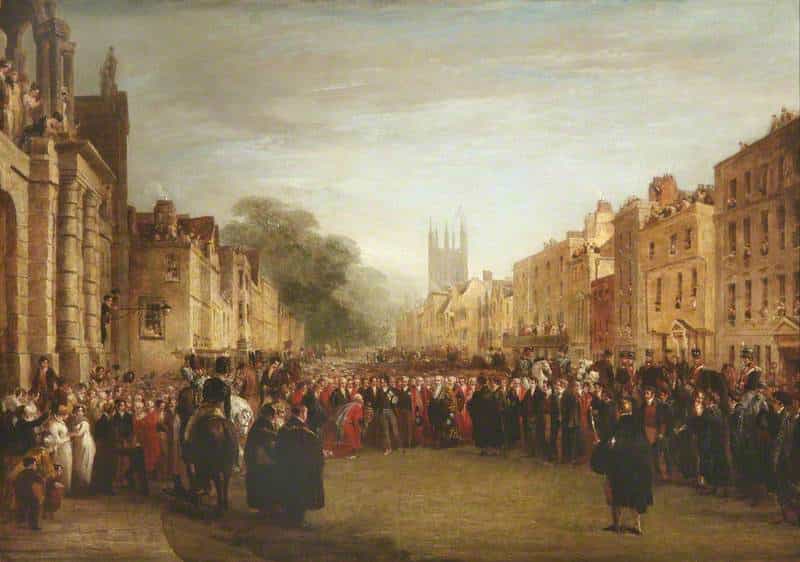
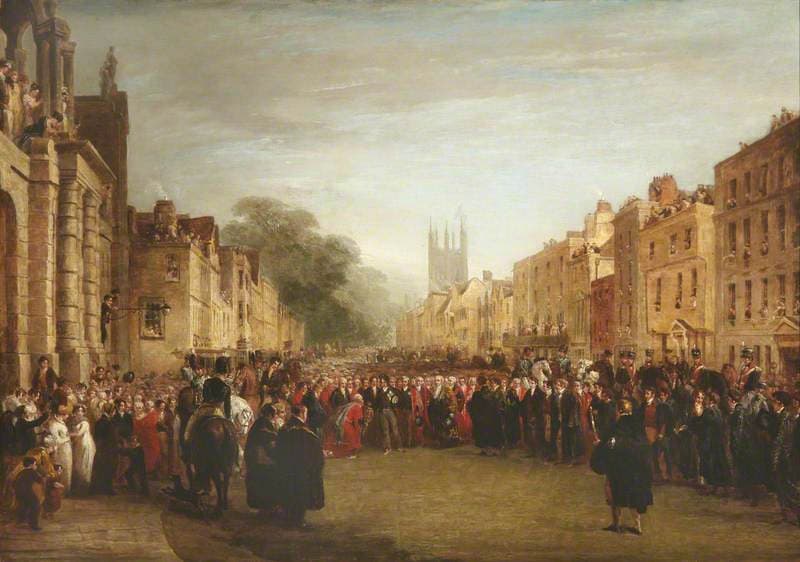
Prince Regent received by the University and City of Oxford, 14 June 1814
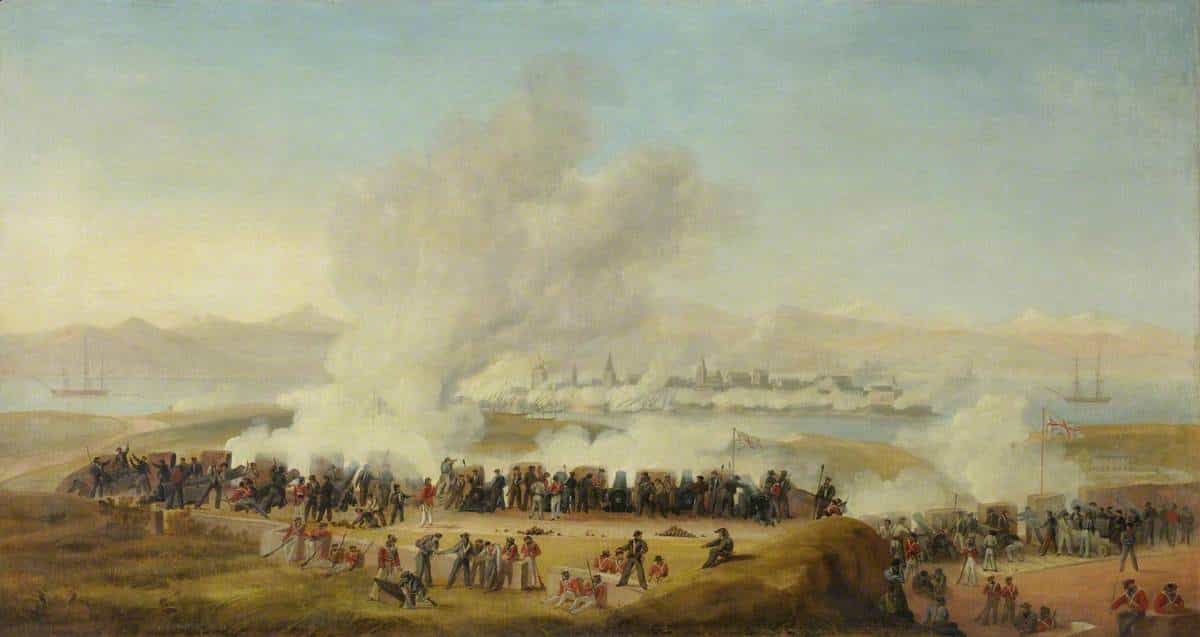
Manning the Guns: British Bluejackets Firing on a French Island Fort
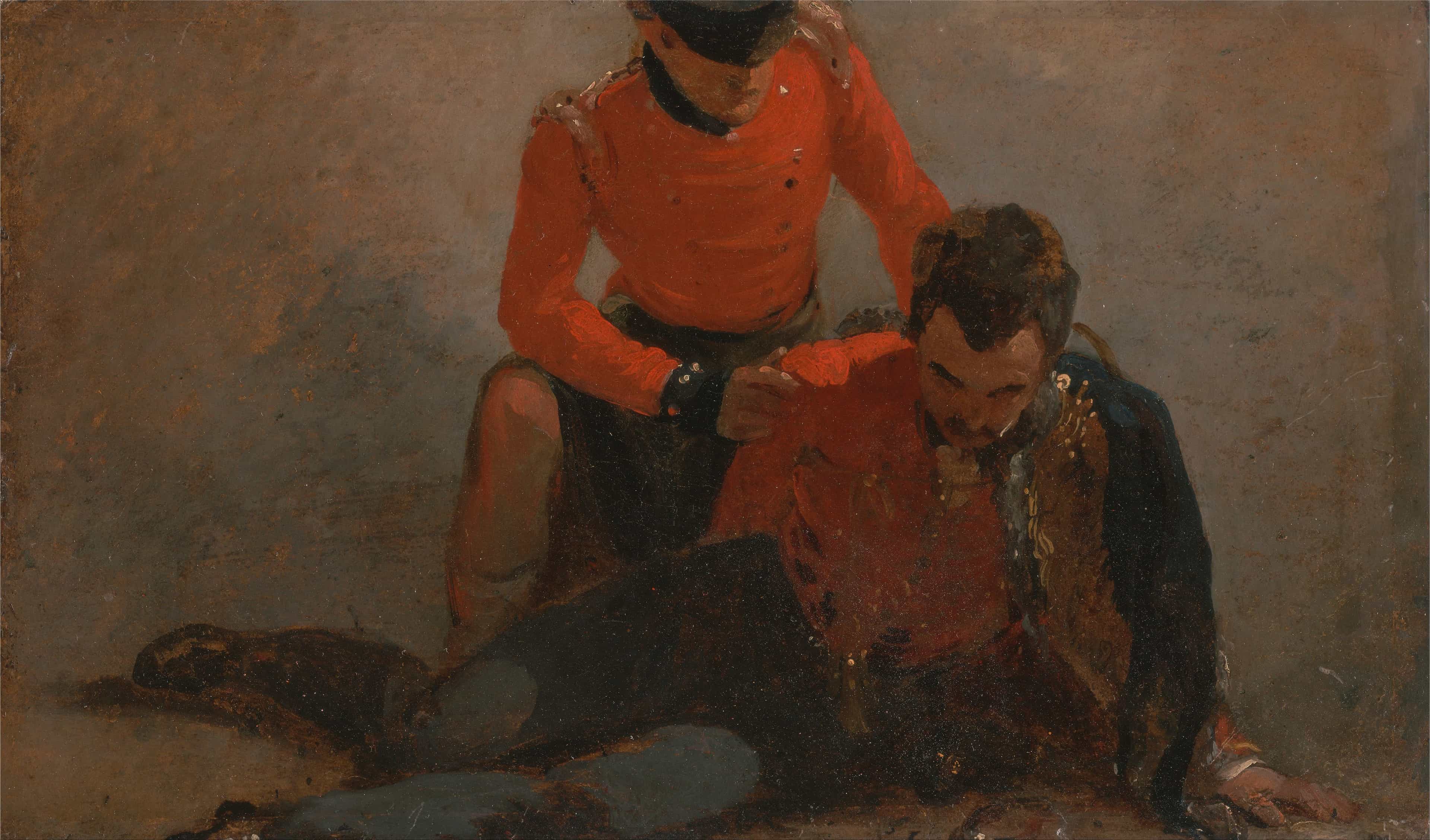
A 42nd Highlander Attending a General of the 7th Hussars, Possibly Henry William Bayly