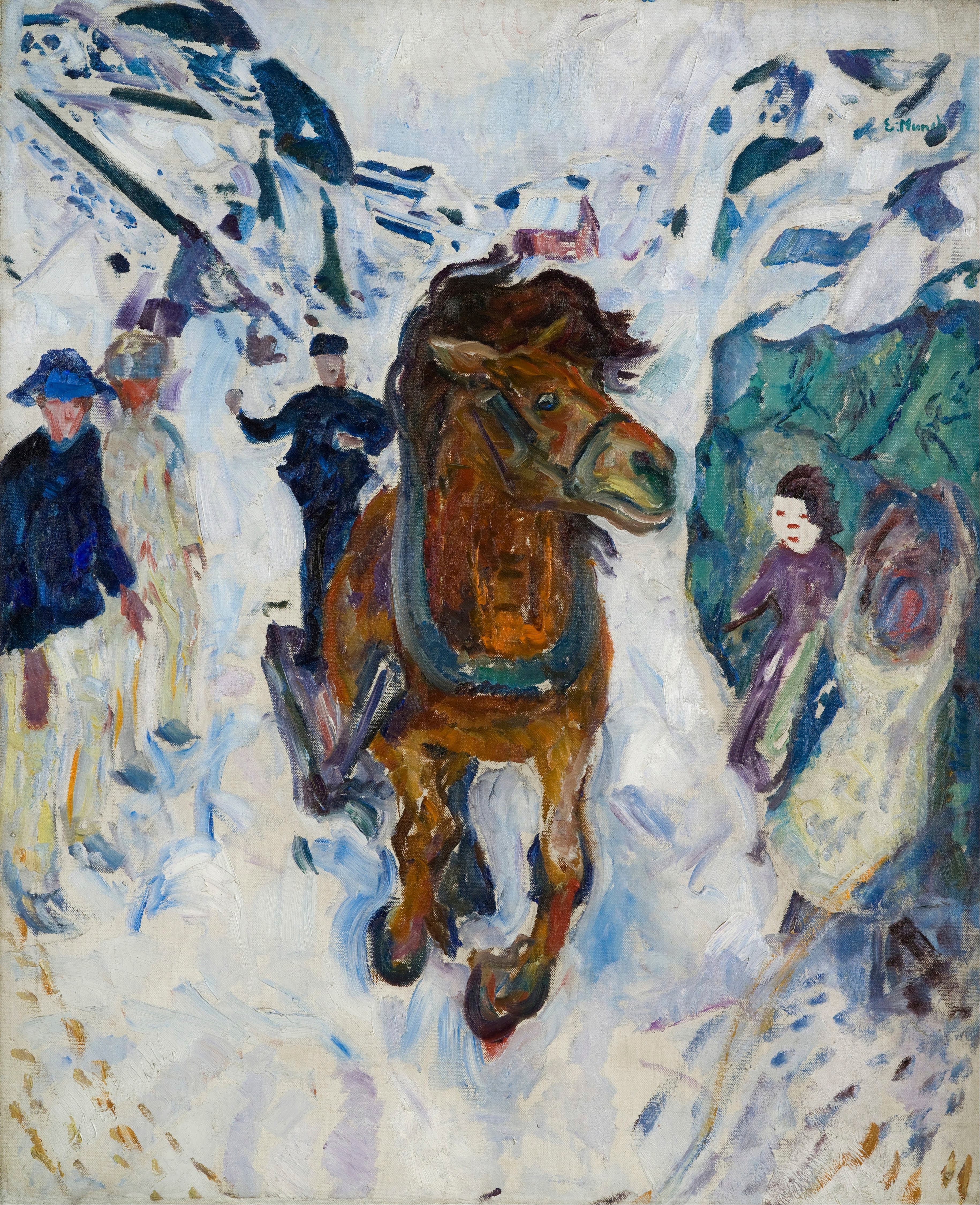
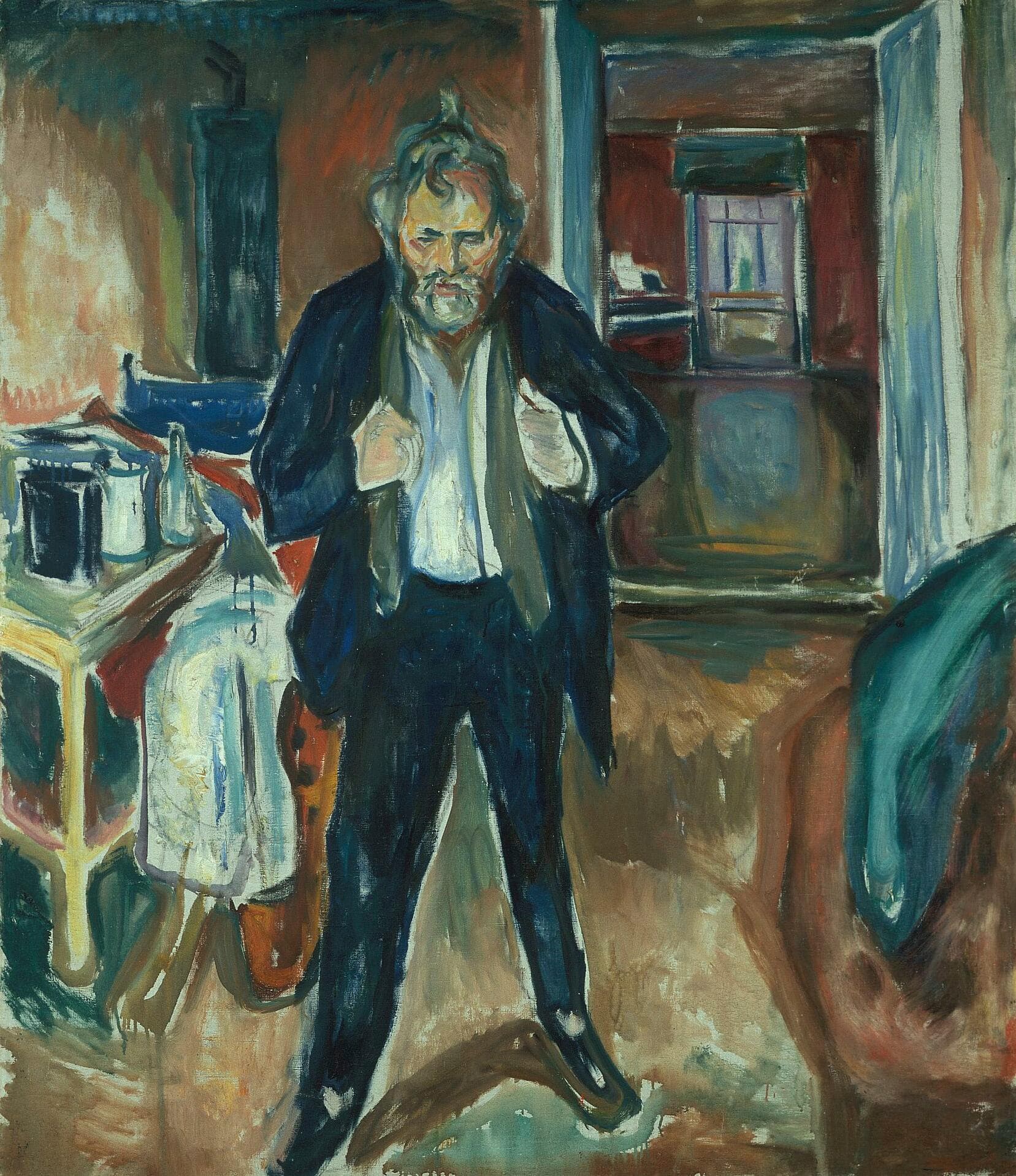
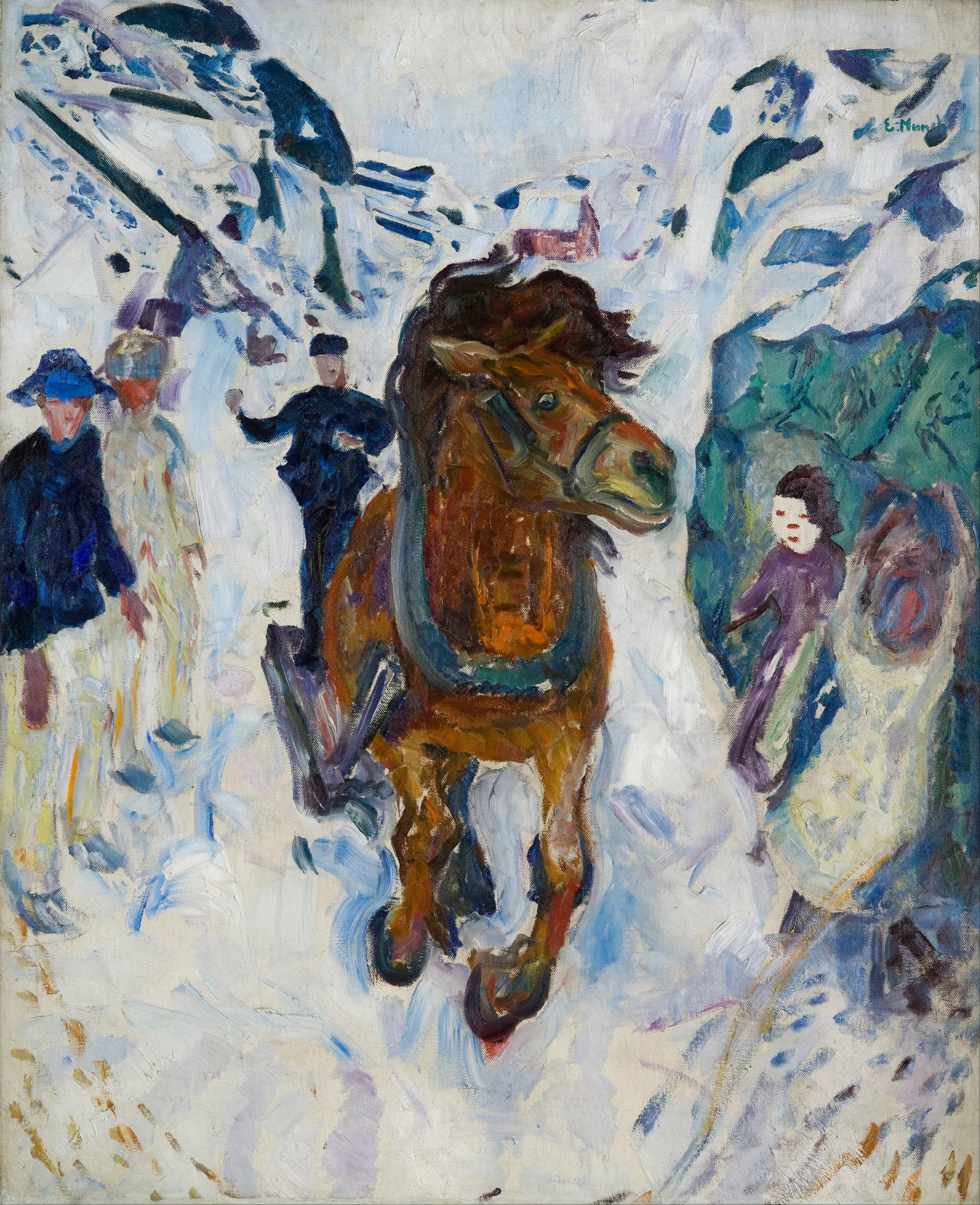
Galloping Horse
Edvard Munch
From €54
Collection
Museum-quality reproductions on 310gsm textured cotton rag paper.
Shop all prints by Edvard MunchArtistic Style
Style Evolution
Munch moved from early realist and academic studies toward a personal Symbolist and Expressionist idiom: his early work established motifs and mood, the mature period intensified color and psychological focus, and later work consolidated his influence on modernist painting.
Palette
Subjects
Techniques
Topics
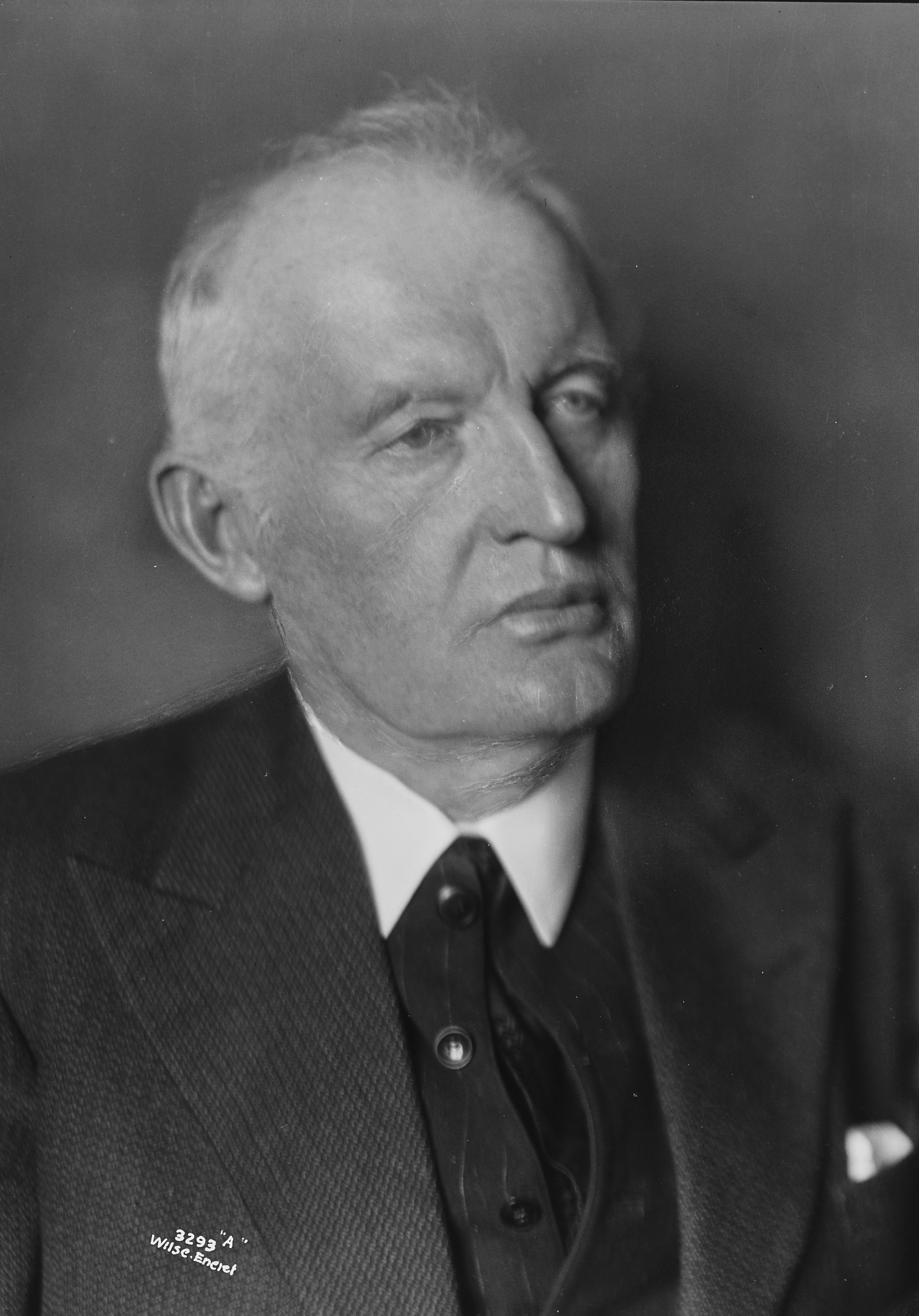
Edvard Munch (1863-1944) was a Norwegian Symbolist and Expressionist painter whose psychologically charged imagery and iconic use of color transformed modern art.
Learn about the life of Edvard Munch
Signature Works
See all available printsBiography
Edvard Munch (1863-1944) was a Norwegian Symbolist and Expressionist painter whose psychologically charged imagery and iconic use of color transformed modern art.
Edvard Munch was born in Ådalsbruk, Norway, in 1863. He grew up in a family affected by illness and loss, experiences that later informed the emotional intensity of his art. Munch spent his formative years in Norway where he began to study drawing and developed an early interest in literature and visual storytelling.
Munch's artistic development moved from academic training and realist beginnings toward a more personal, symbolist-inflected visual language that anticipated Expressionism. He lived and worked across Northern Europe, including significant periods in Kristiania (now Oslo) and extended stays in European cultural centers that exposed him to contemporary movements.
In his early career Munch experimented with naturalism and printmaking while refining a visual vocabulary centered on mood, memory, and psychological states. These years established recurring motifs—figures, interiors, landscapes—as carriers of inner experience.
During his mature period, Munch intensified his focus on color, simplified forms, and expressive line to convey existential themes. His paintings and graphic works became more direct, with symbolic compositions that resonate emotionally and visually.
Munch produced a significant body of paintings, prints and drawings that explored themes of love, anxiety, illness and death. His works became internationally recognized for their emotional force and formal innovations, helping to shape early 20th-century modernism.
Munch's style is marked by expressive brushwork, flattened space, and a heightened color sense used to evoke mood rather than to describe optical reality. He worked across media—including oil painting and printmaking—often reworking motifs in multiple variants to explore their psychological possibilities.
Munch is widely regarded as a forerunner of Expressionism; his emphasis on emotion and inner life influenced generations of artists across Europe. His visual language—intense color, distilled form, and symbolic content—remains a touchstone for artists and collectors seeking powerful, emotionally resonant imagery.
Munch's personal history of family illness and bereavement informed the recurrent themes in his work. He maintained a committed artistic practice throughout his life, producing works that combined autobiographical intensity with broader cultural concerns.
Collectors prize Munch for the emotional immediacy and decorative power of his imagery. His works are culturally significant and market-desirable for their iconic status in modern art history and for their strong visual presence—s
Awards
Frequently Asked Questions
Galloping Horse
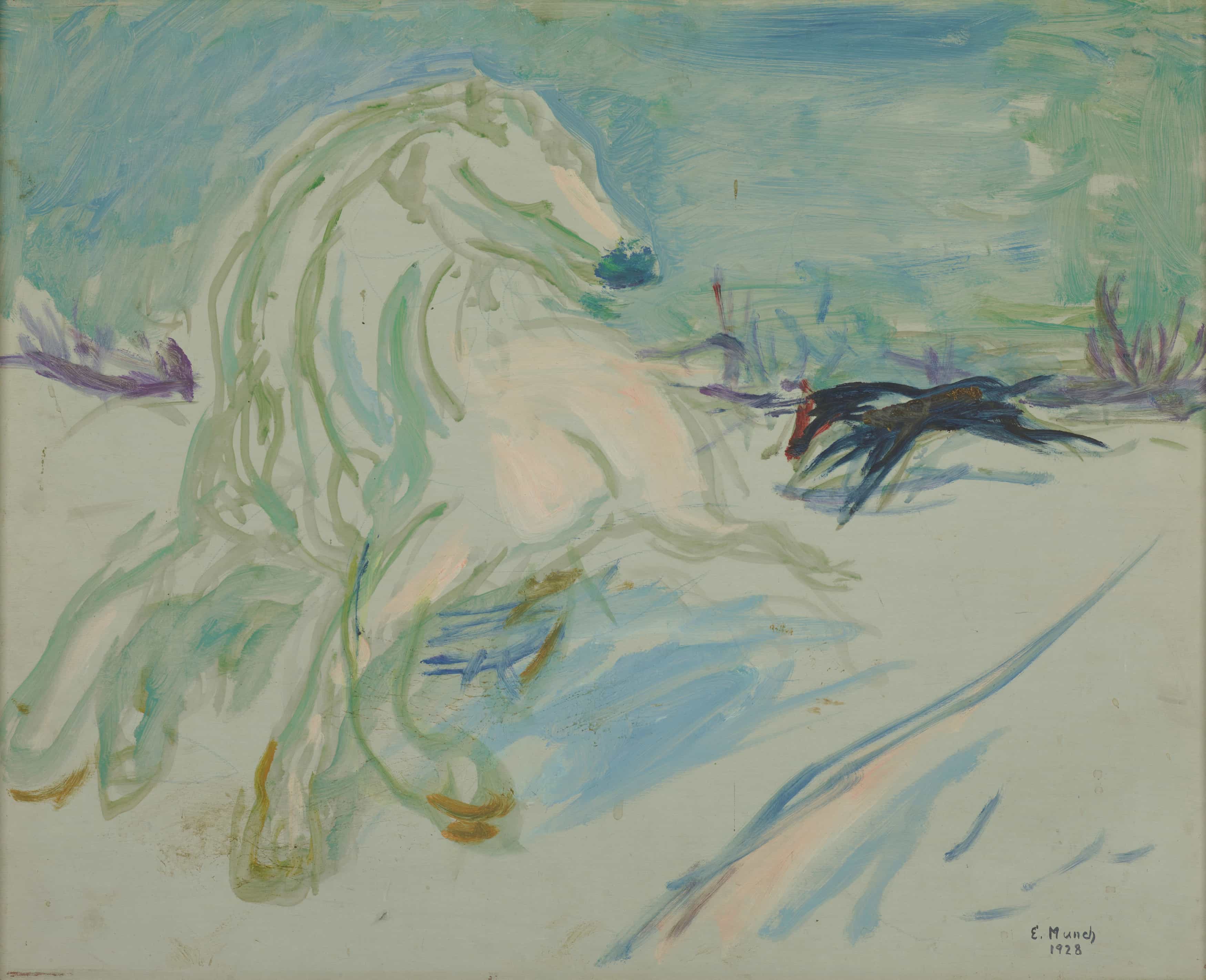
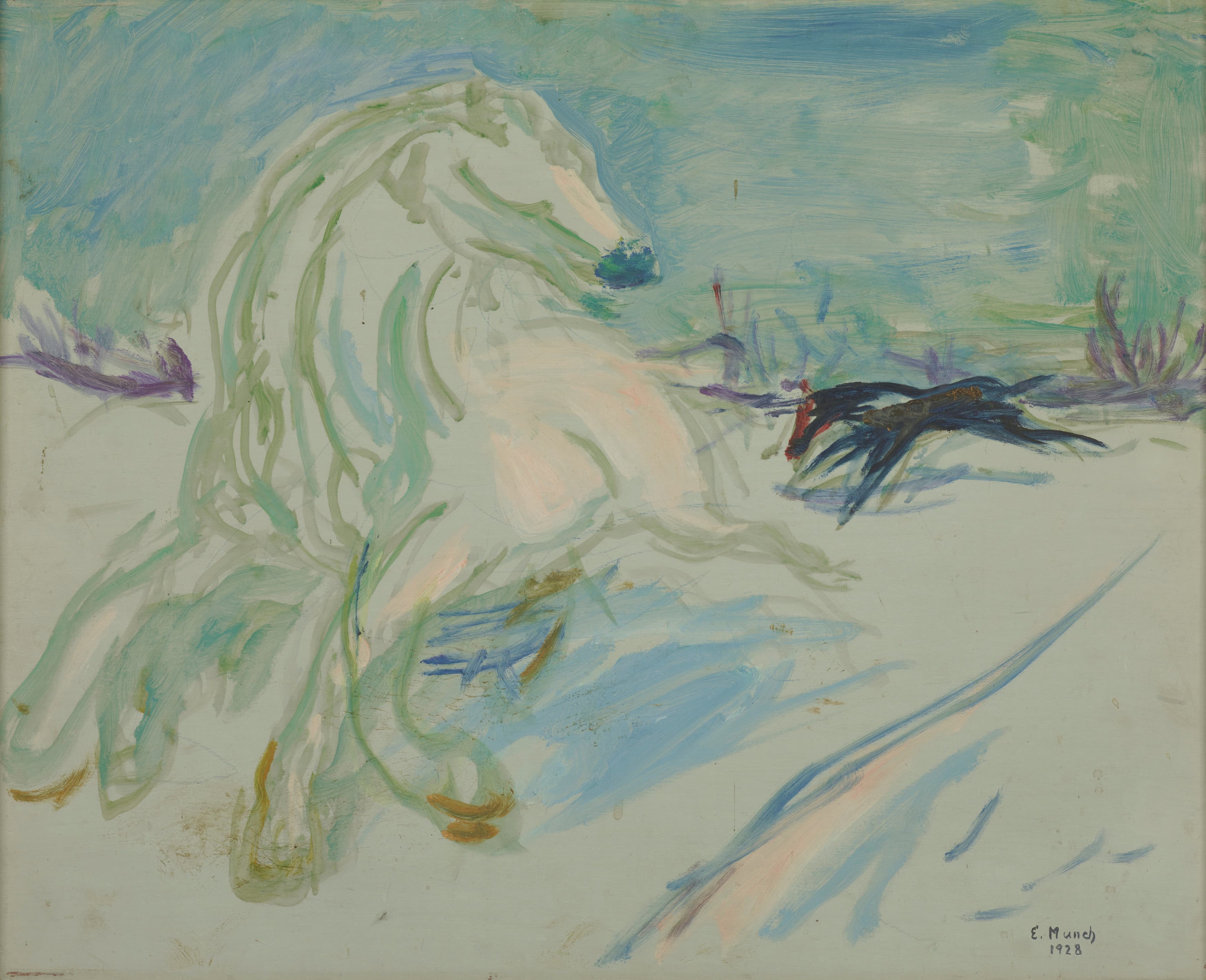
Galloping White Horse
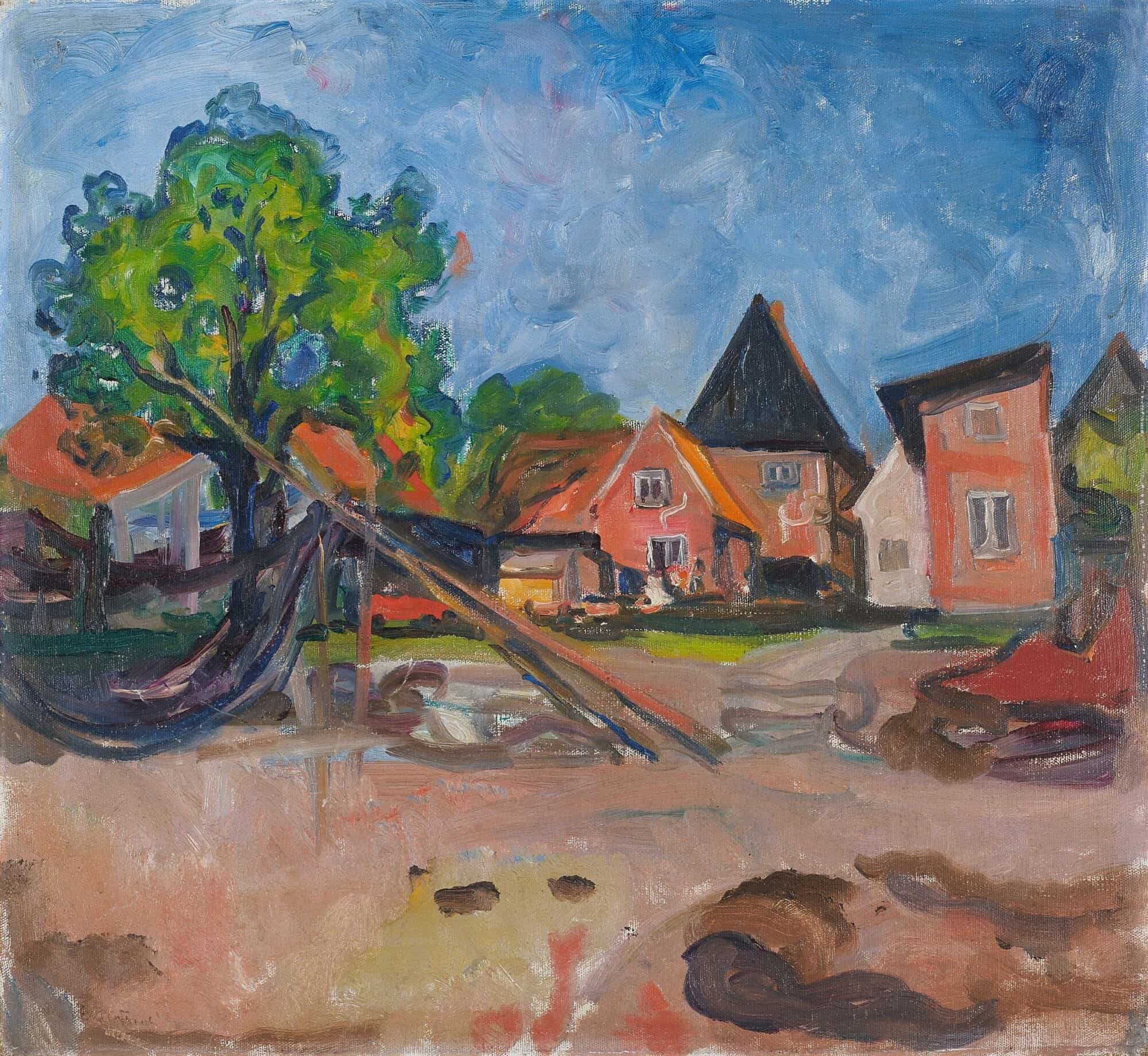
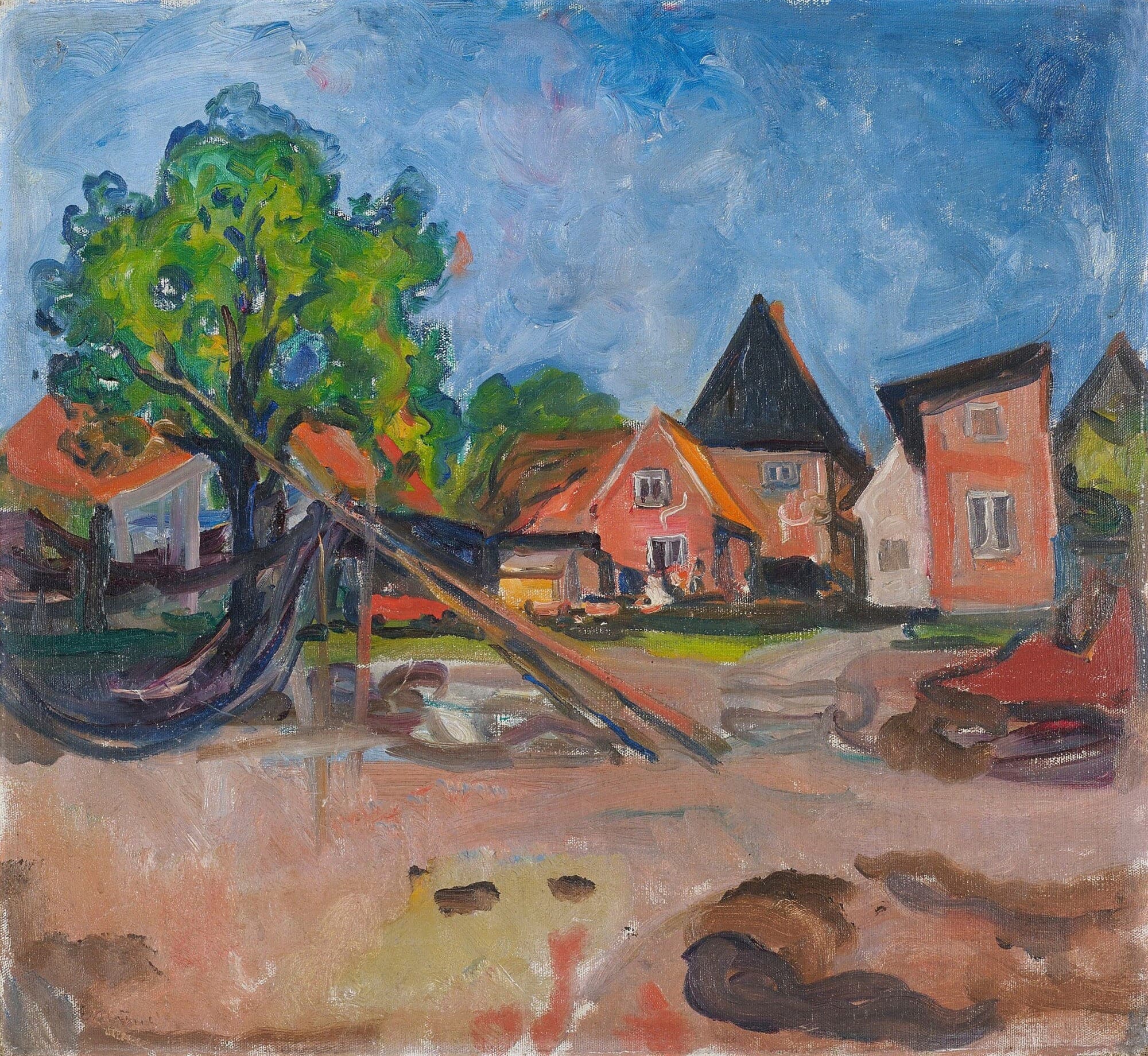
From Travemünde
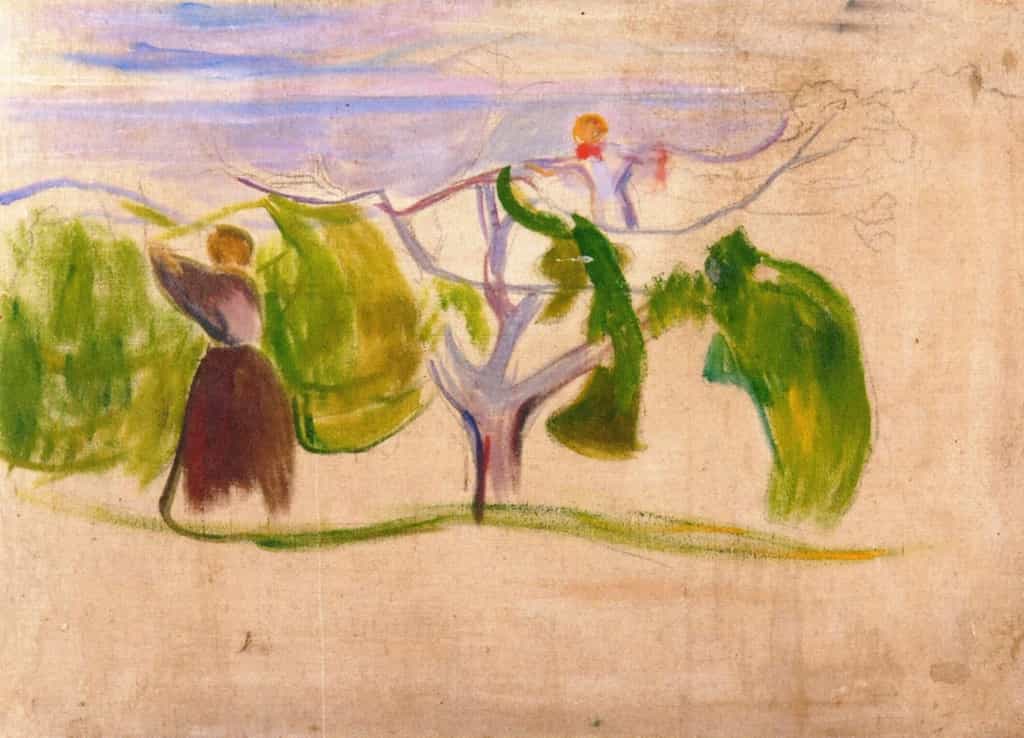
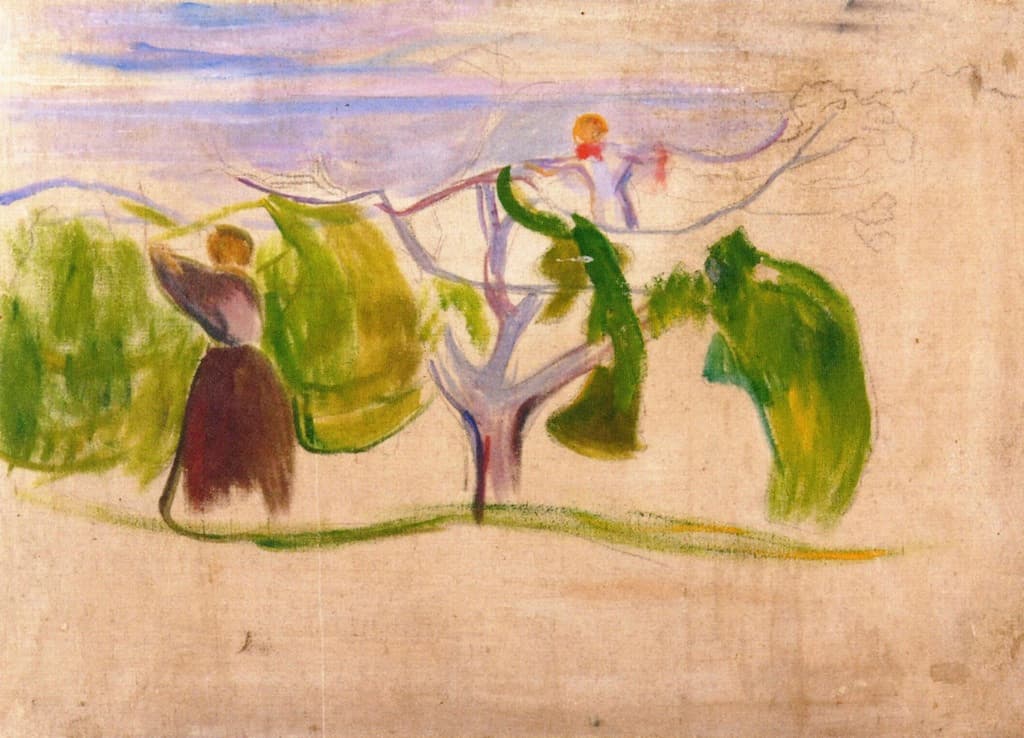
Fruit Harvest
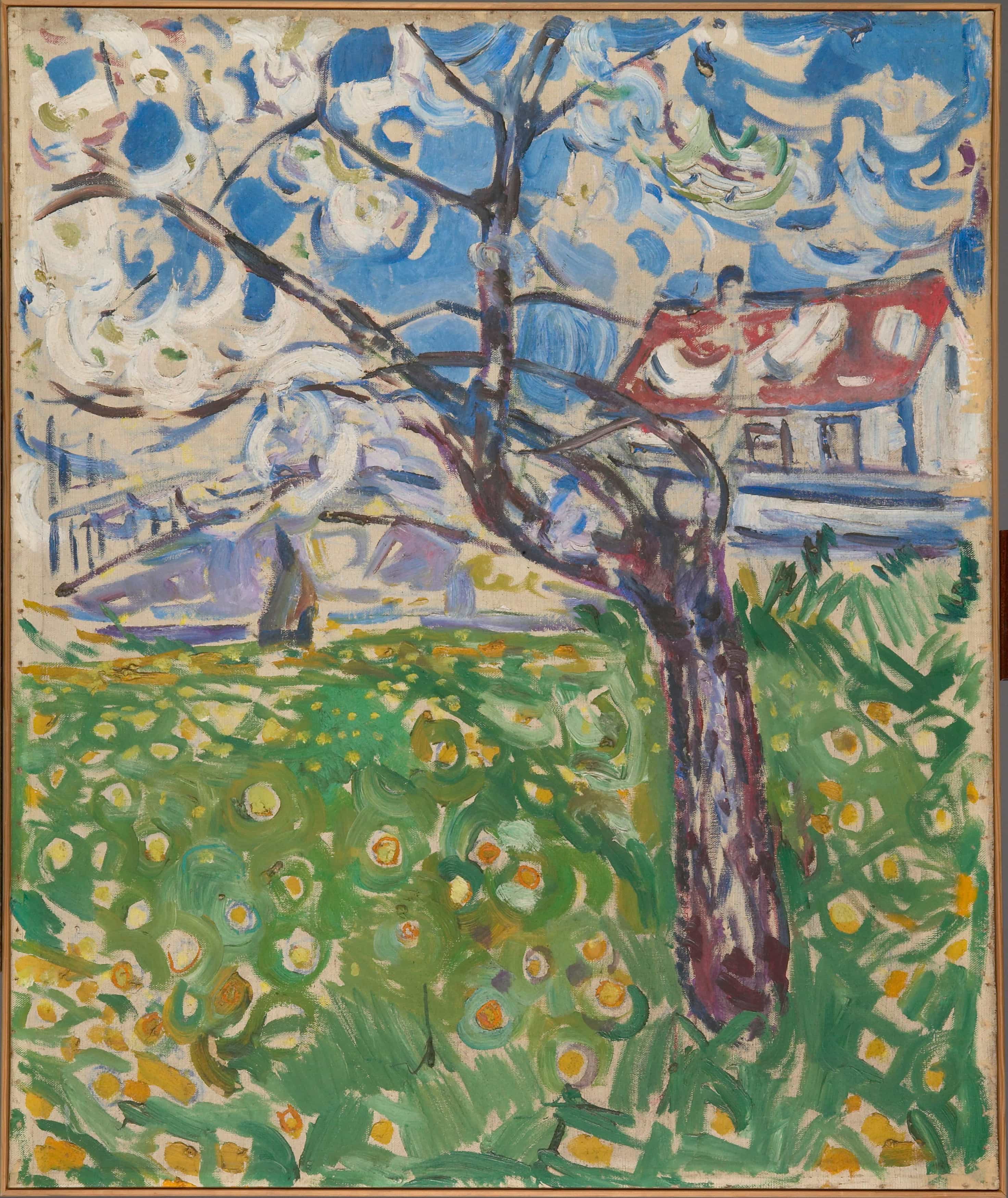
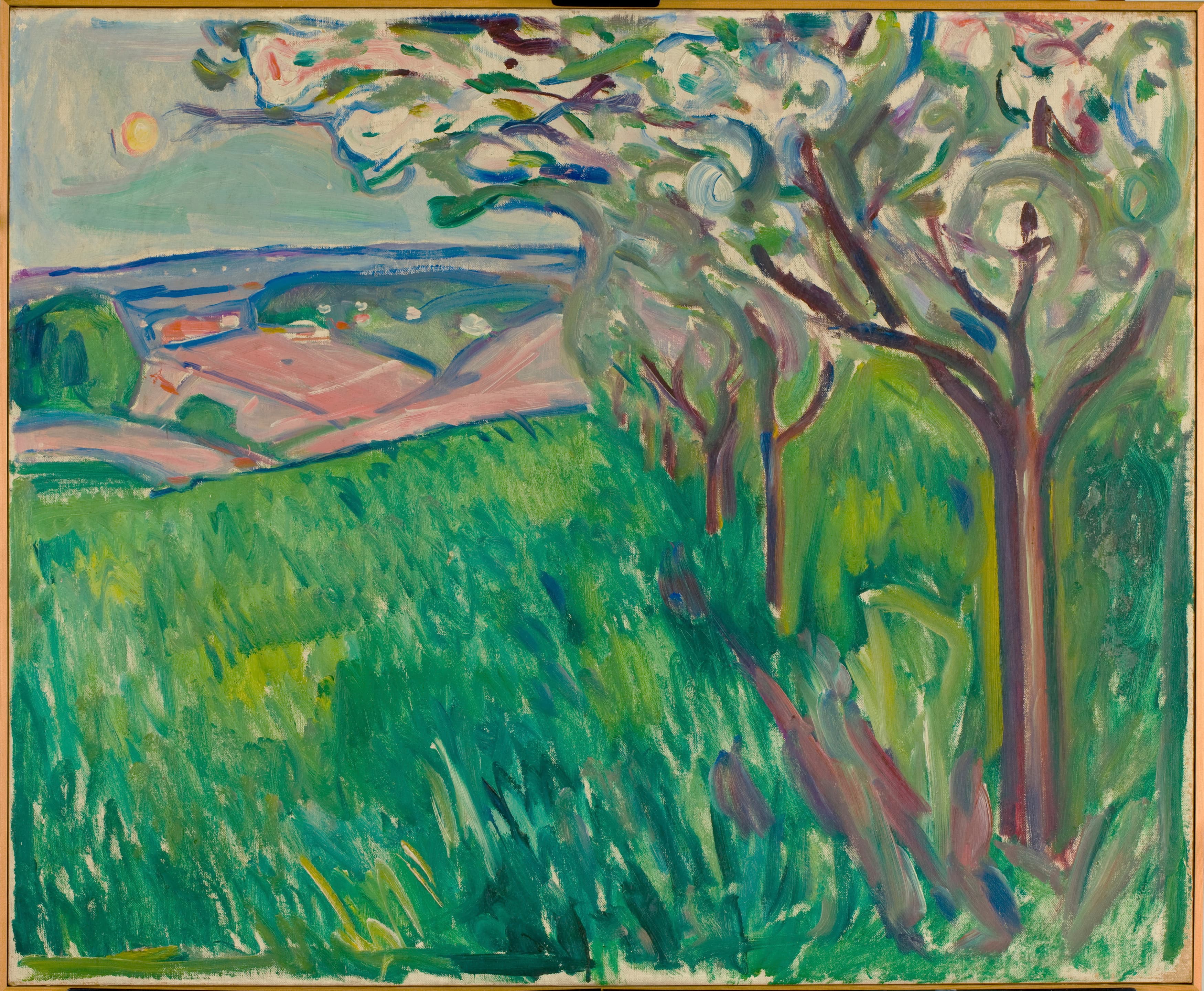
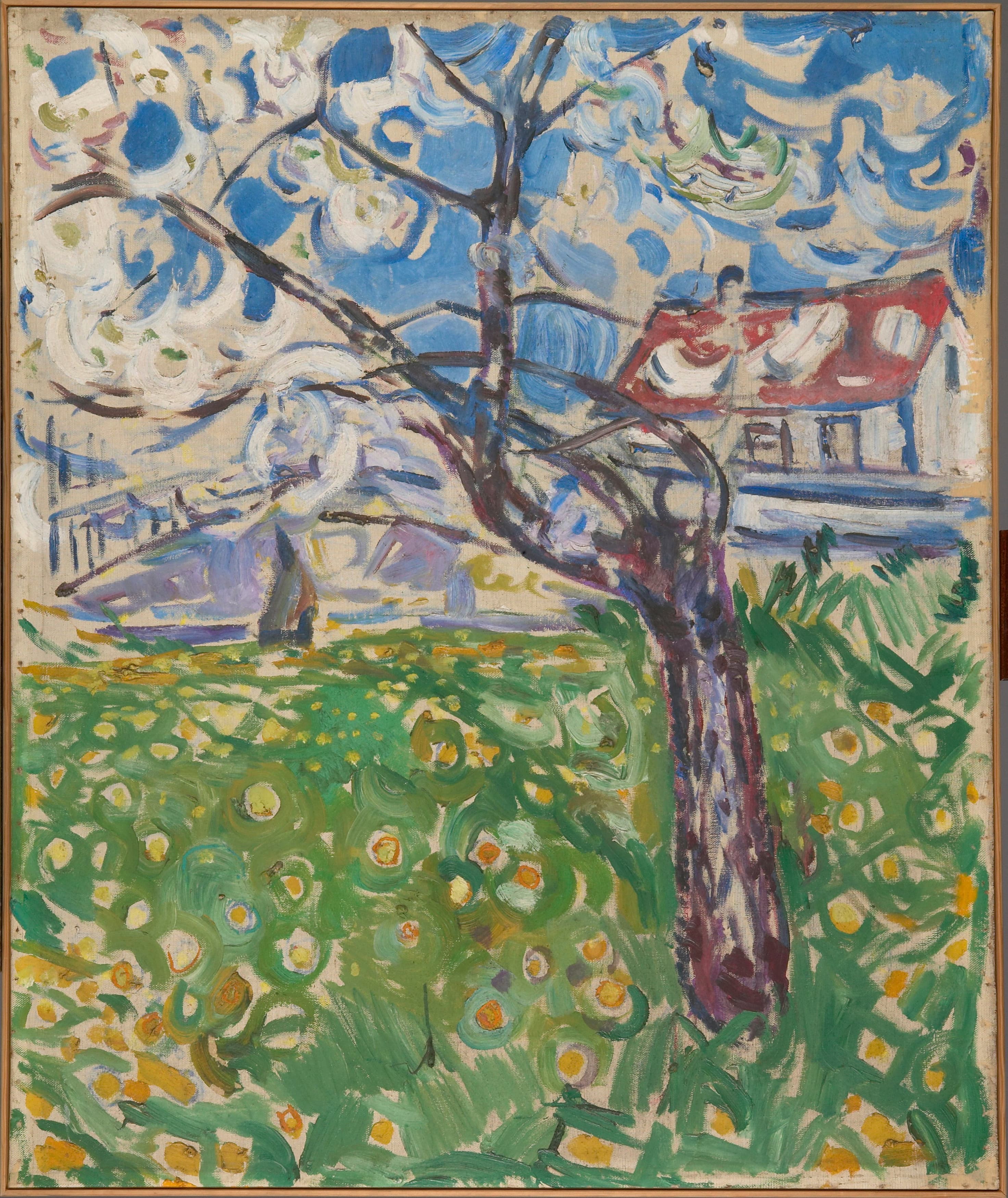
Fruit Trees in Blossom
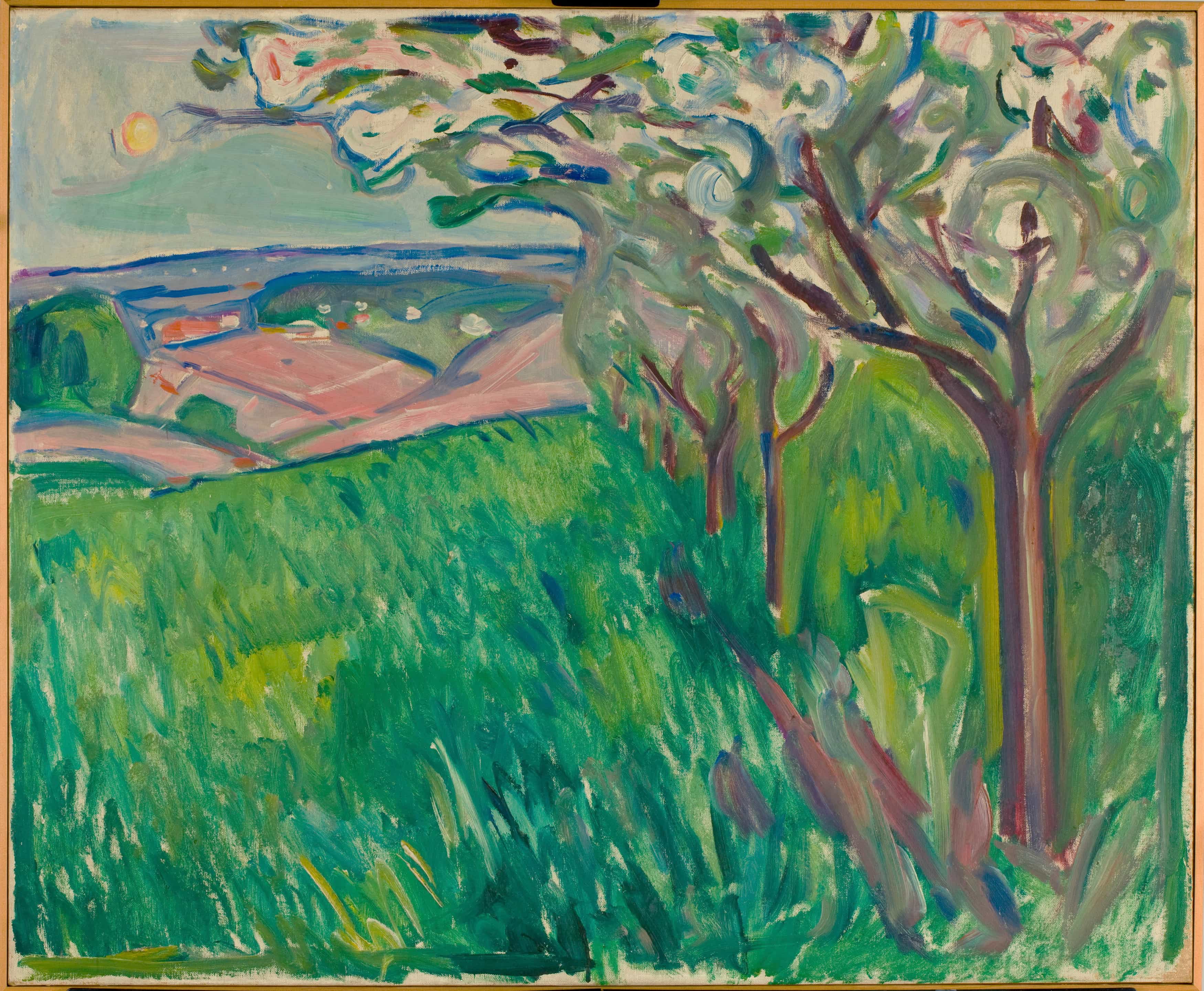
Fruit Trees in Blossom
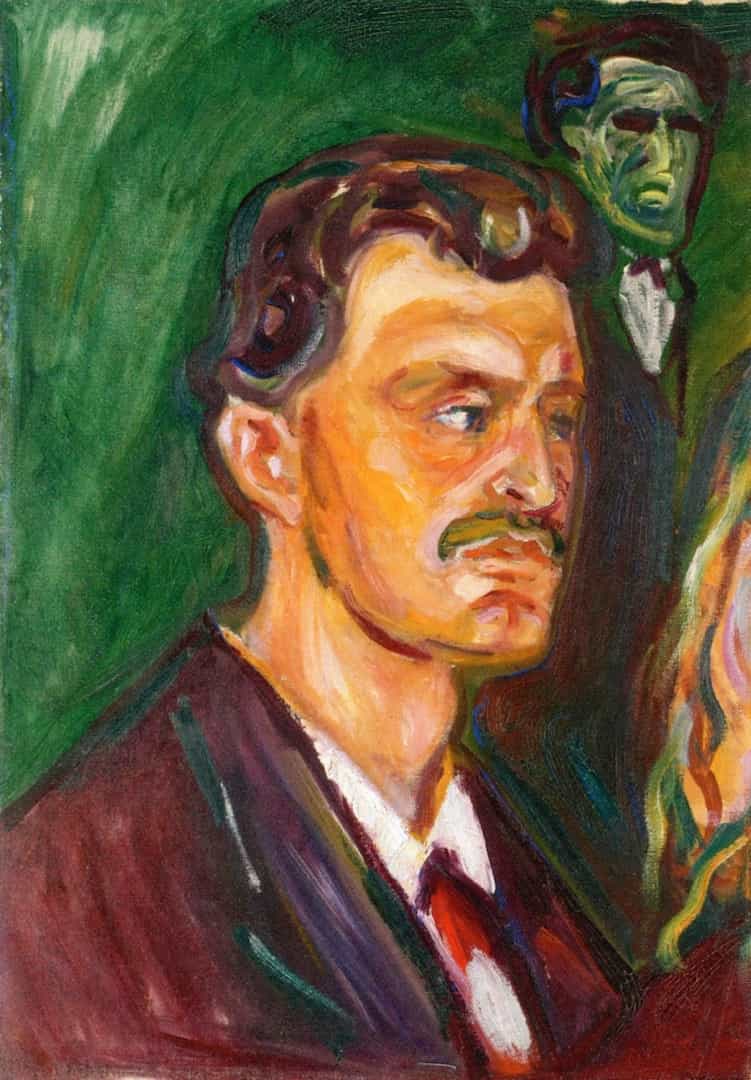
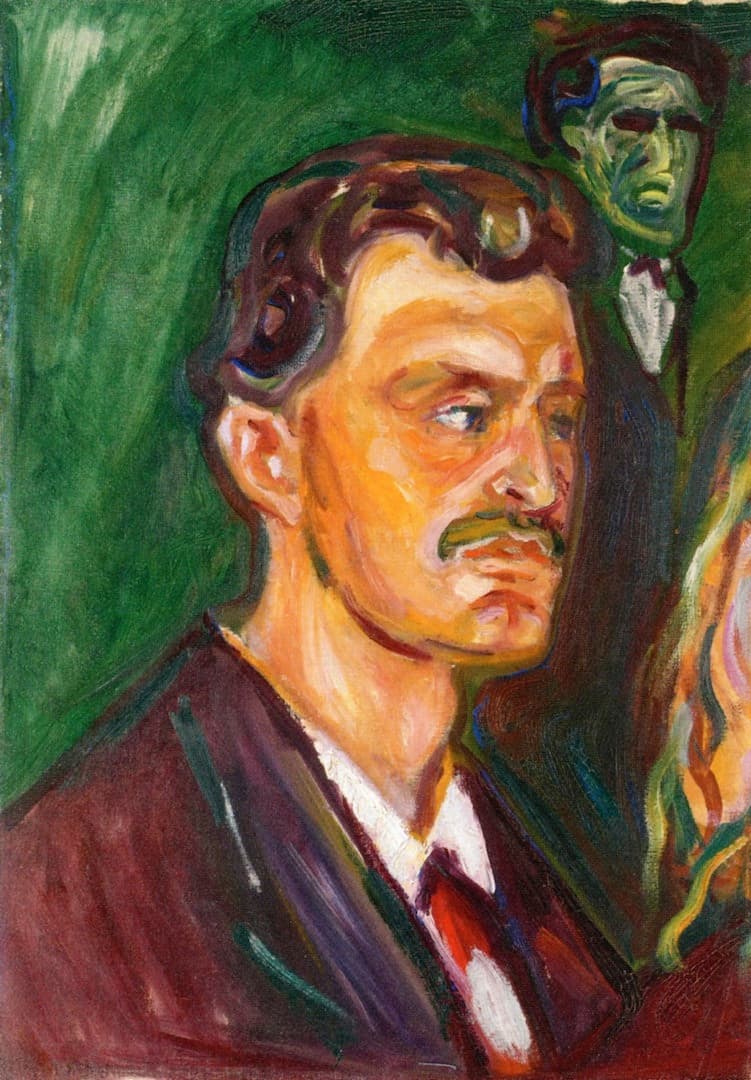
Self-Portrait against a Green Background
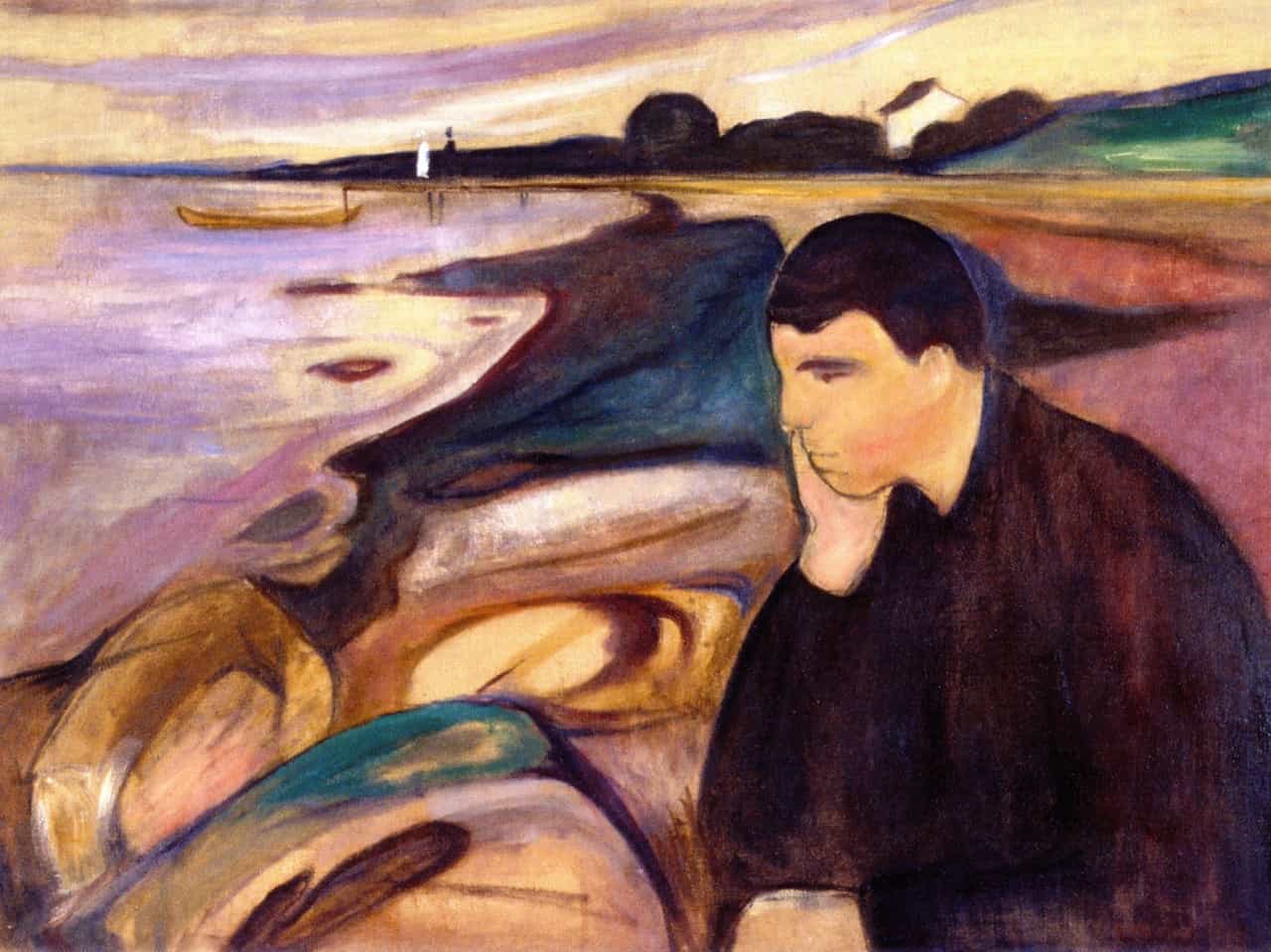
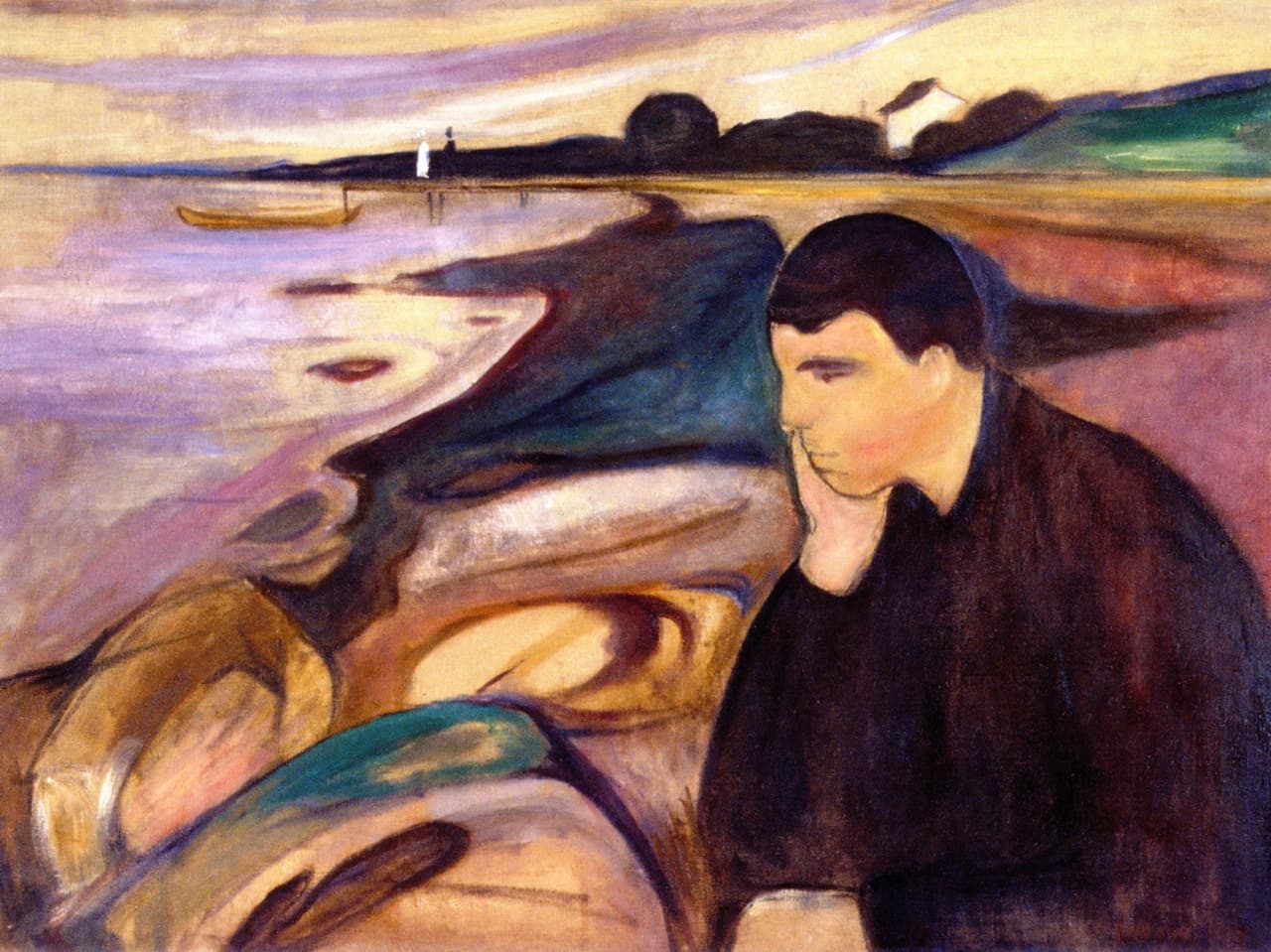
Melancholy
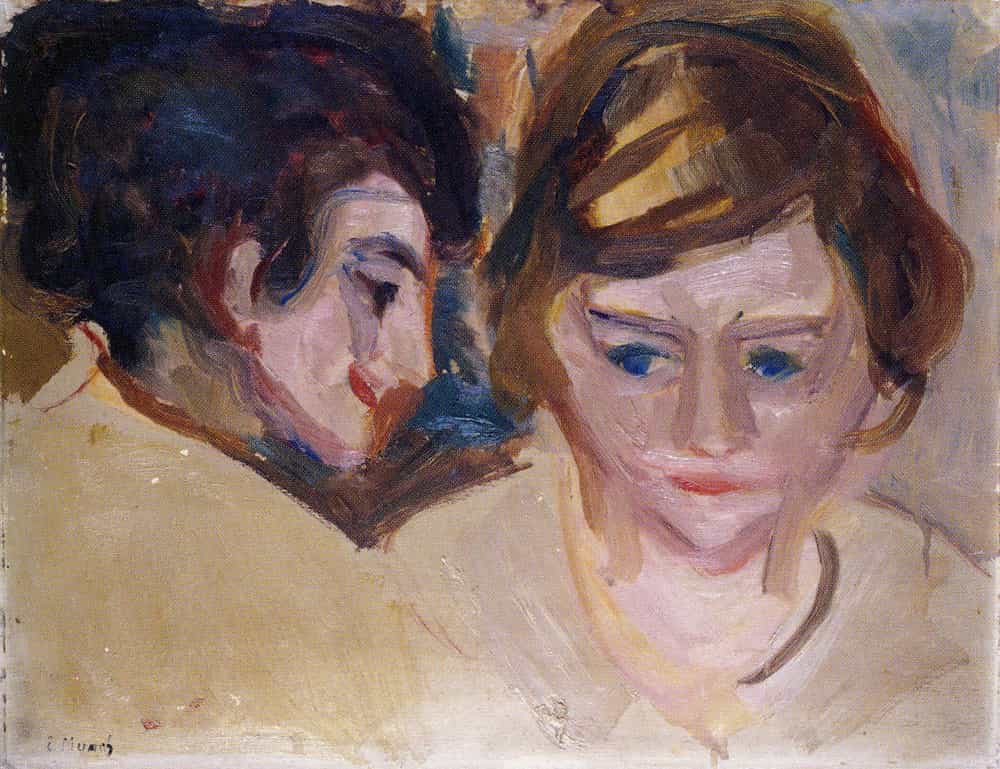
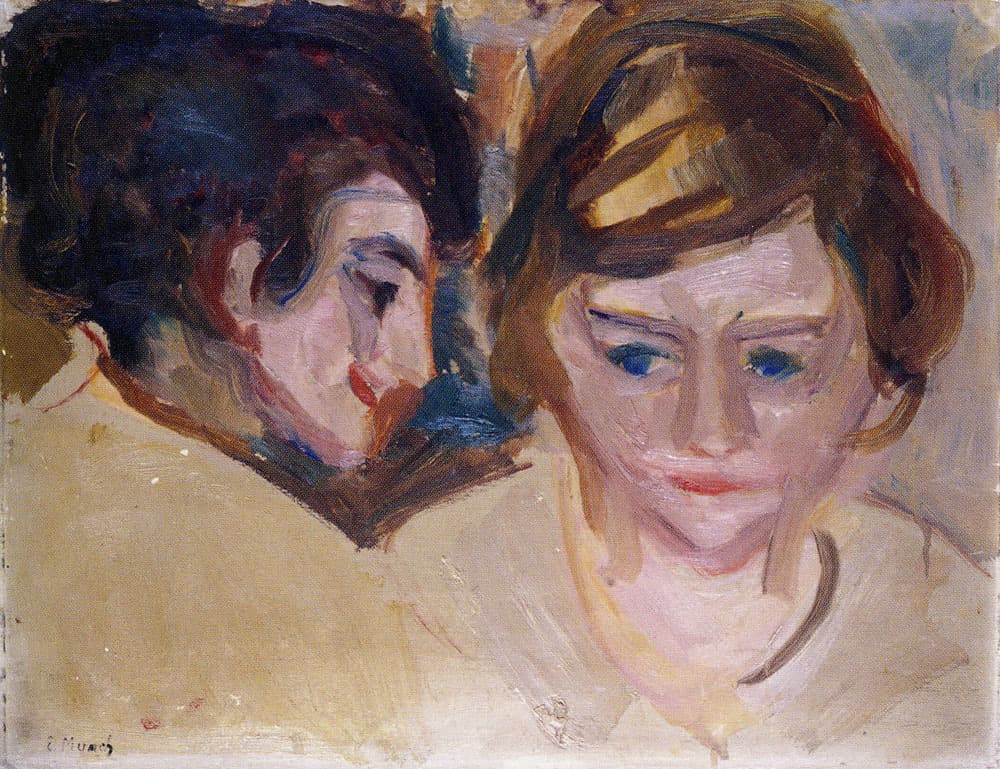
Double Portrait
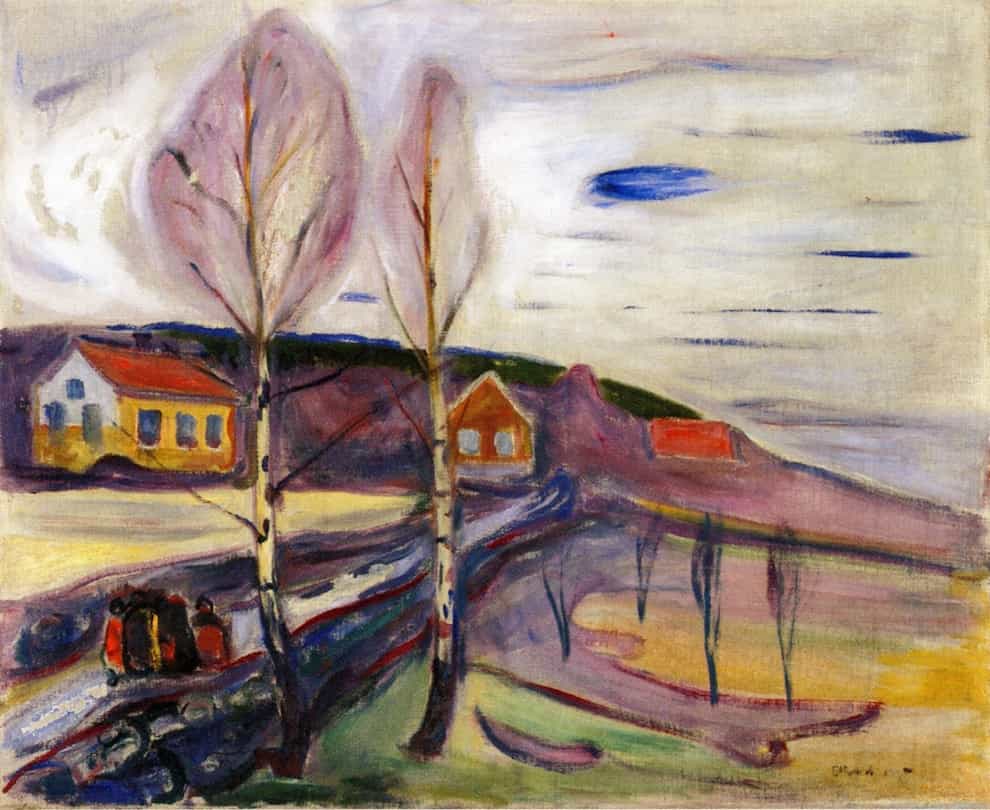
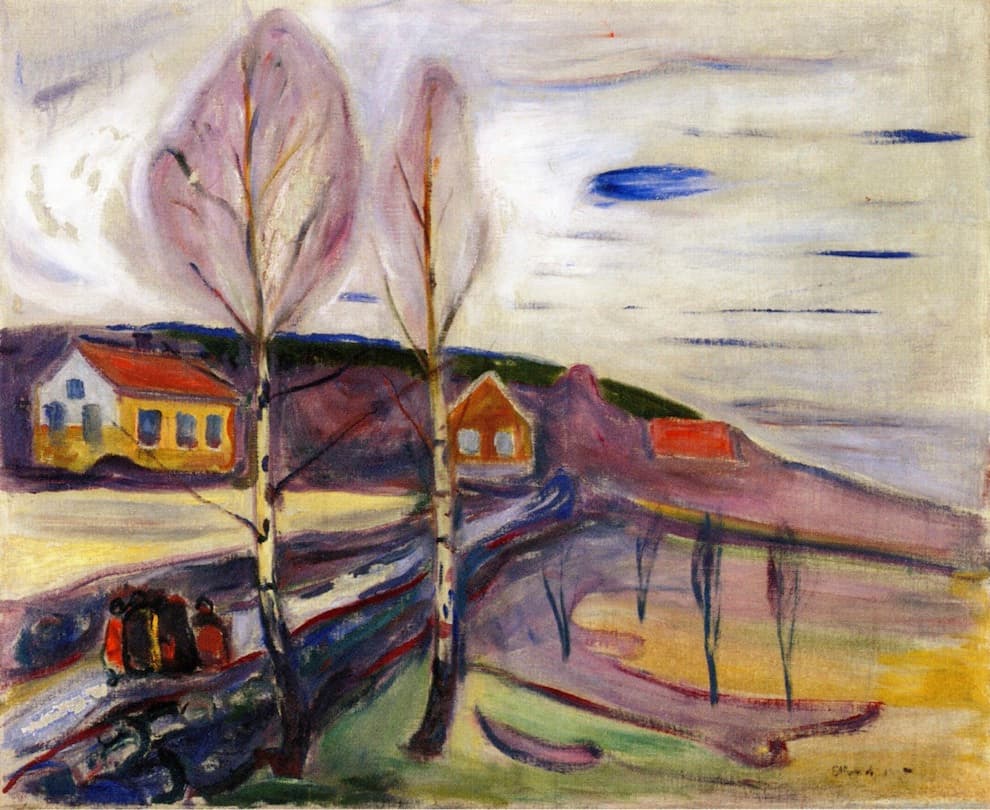
Early Spring in Åsgårdstrand
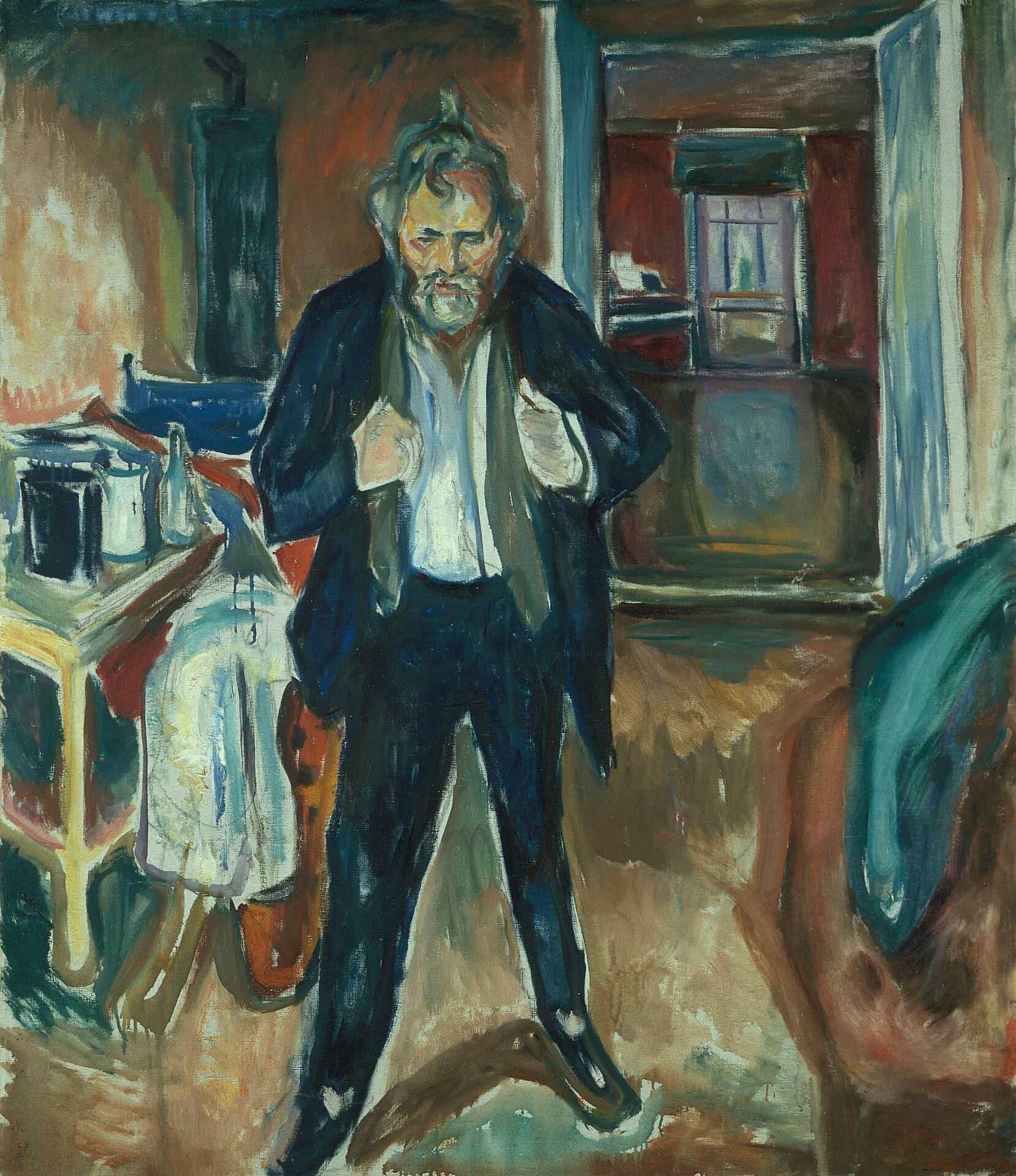
Sleepless Night: Self-Portrait in Inner Turmoil
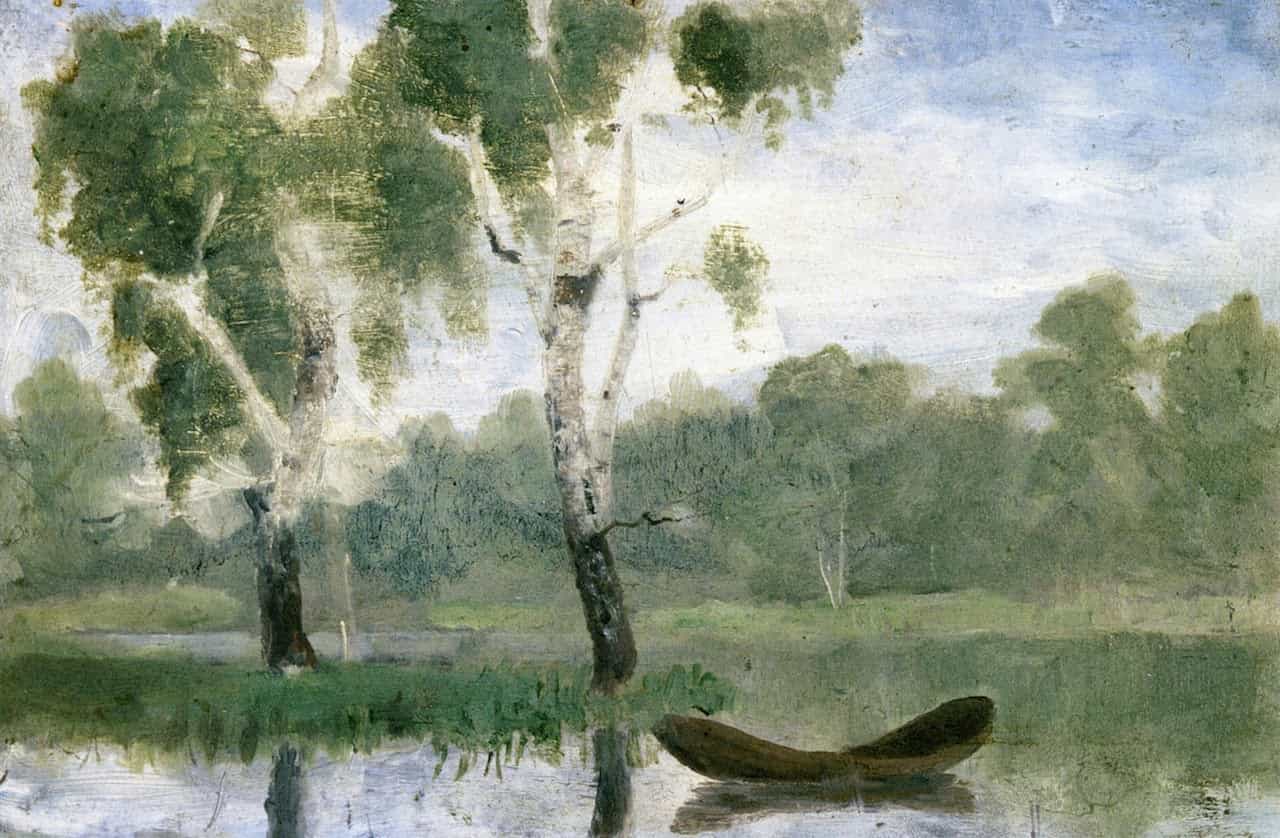
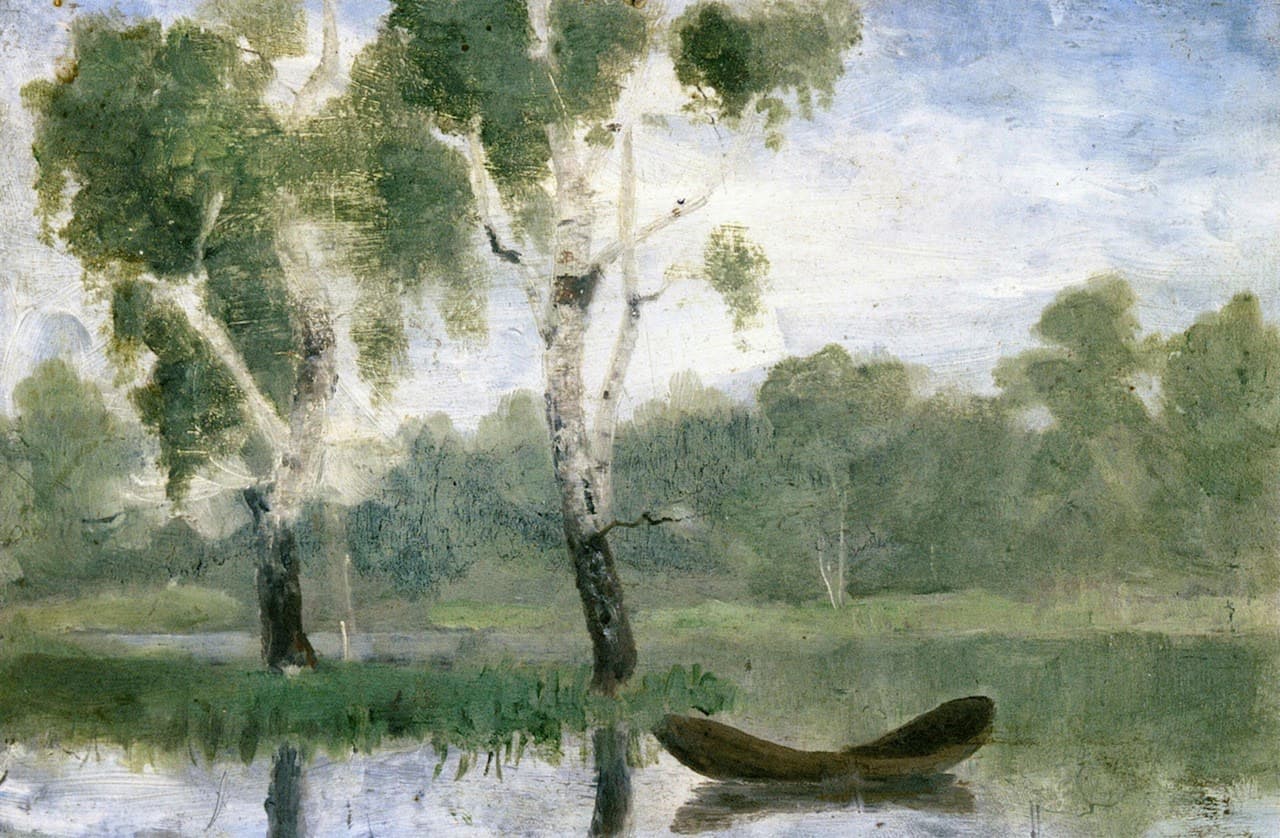
Small Lake with Boat