




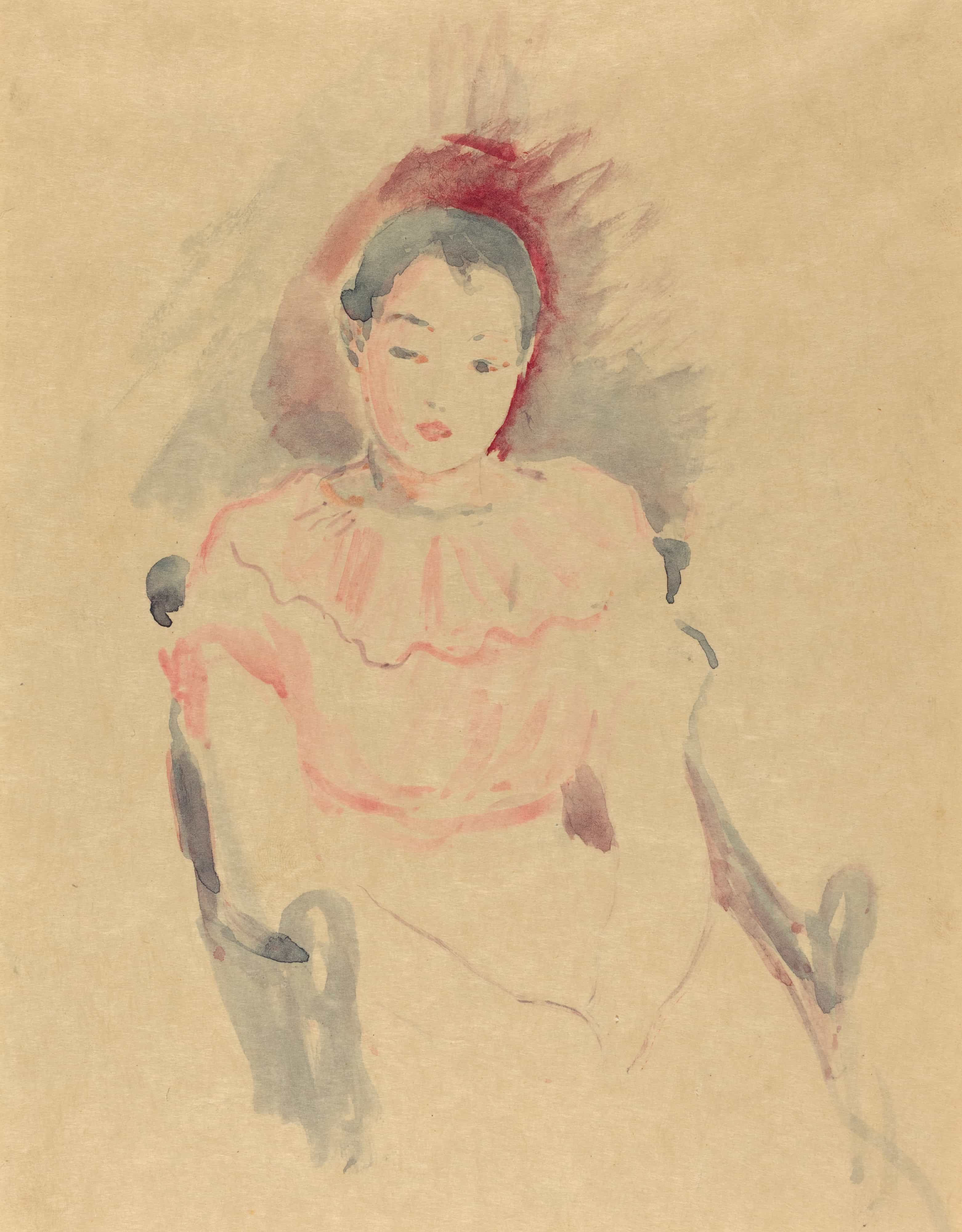
Girl Seated
Berthe Morisot
From €54
Collection
Museum-quality reproductions on 310gsm textured cotton rag paper.
Shop all prints by Berthe MorisotArtistic Style
Style Evolution
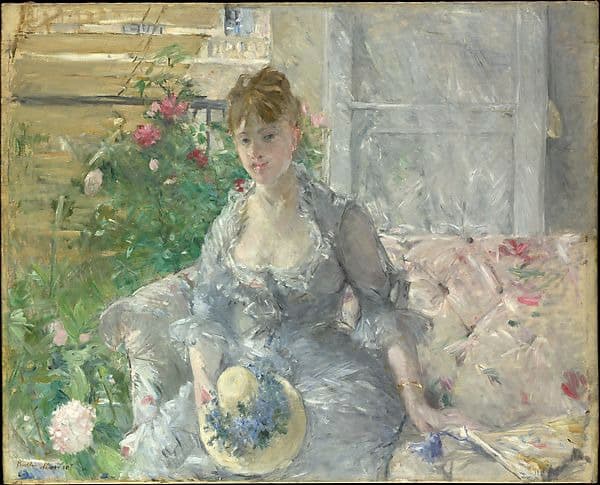
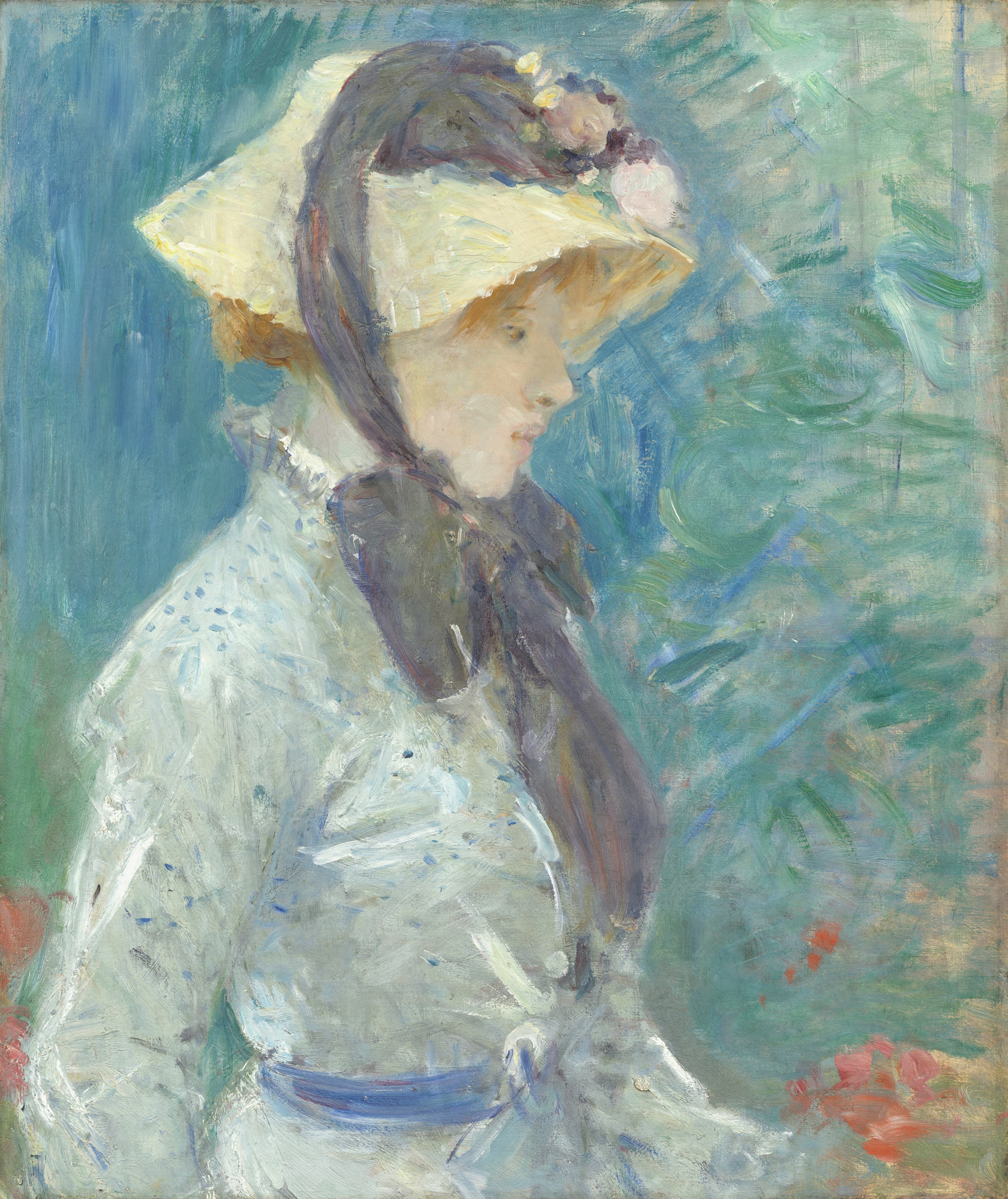
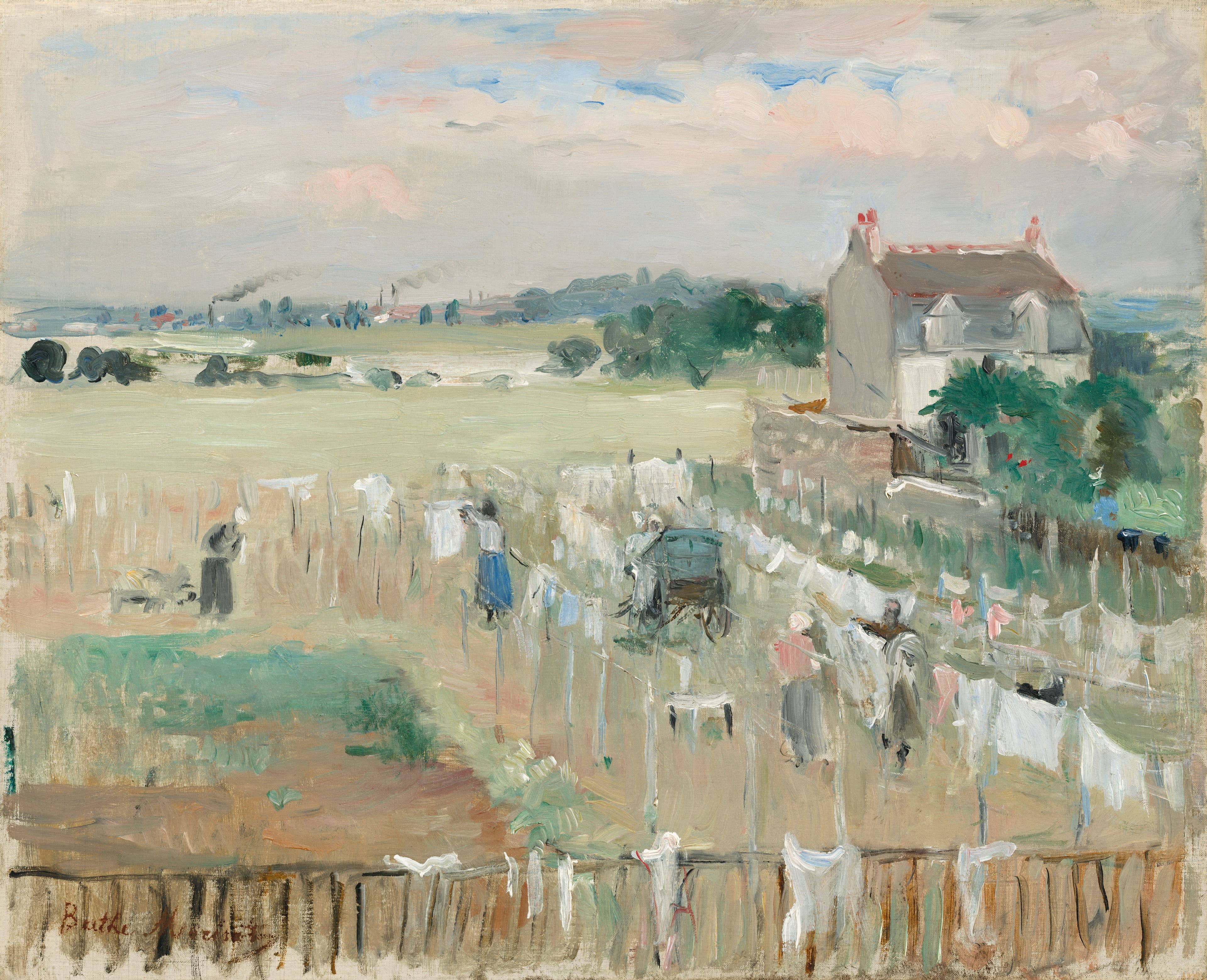
Morisot's style moved from careful academic beginnings to a distinct Impressionist language: looser brushwork, emphasis on light and atmosphere, and an intimate focus on domestic and feminine subjects. Her work balances spontaneity with compositional control, reflecting Parisian influences and the plein‑air practice of the Impressionists.
Palette
Subjects
Techniques
Topics
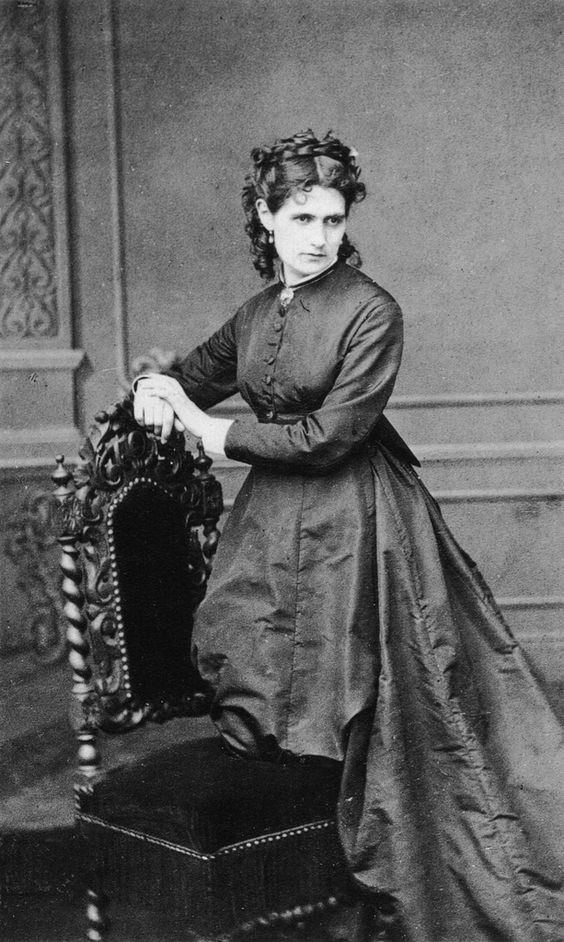
Berthe Morisot (1841-1895) was a French Impressionist painter whose luminous brushwork and intimate domestic scenes helped shape modern painting.
Learn about the life of Berthe Morisot
Signature Works
See all available printsBiography
Berthe Morisot (1841-1895) was a French Impressionist painter whose luminous brushwork and intimate domestic scenes helped shape modern painting and women's presence in art history. Her work balances spontaneity and careful composition, offering elegant, decorative surfaces prized by collectors for their light-filled atmospheres and refined color harmonies, making her paintings both historically significant and beautifully suited to display in domestic interiors and curated collections alike.
Berthe Morisot (1841–1895) was born in Bourges, France. Raised in a cultured bourgeois family, she received artistic training in Paris, where private instruction and access to contemporary exhibitions introduced her to new approaches to light and color circulating in mid-19th-century French art. From an early age she pursued painting as a professional practice at a time when women artists faced social constraints on formal atelier training and public recognition.
Morisot developed her mature style in Paris amid the circle of avant-garde painters who experimented with plein-air painting and modern subject matter. She became closely associated with other innovative artists of her generation and showed regularly in the group exhibitions that gave the Impressionist movement its public identity.
In Paris she refined a light, airy technique suited to domestic interiors, gardens, and portraits. Her work from these years often focuses on everyday moments rendered with economy of stroke and subtle tonal shifts.
Morisot was a regular participant in the Impressionist exhibitions and absorbed key ideas of broken color, rapid brushwork, and direct observation of light. Her paintings combine spontaneity with an underlying compositional rigor, balancing immediacy and finish.
Morisot is considered one of the leading women of the Impressionist movement and a principal voice among her contemporaries. Her consistent presence in Impressionist exhibitions and her innovative treatment of domestic and feminine subjects cemented her reputation in late-19th-century French art. Collectors prize her paintings for their decorative qualities, luminous surfaces, and refined sense of atmosphere.
Morisot's technique is characterized by loose, fluid brushwork, a restrained but luminous palette, and an emphasis on surface texture and light effects. She often worked en plein air and in small-format studies as well as more finished salon-scale pictures. Her compositions frequently feature cropped perspectives and informal poses that convey intimacy and immediacy.
As a prominent woman in the Impressionist circle, Morisot helped expand acceptable subject matter and modes of representation in modern art—especially depictions of domestic life and female experience. She maintained a respected position in ‑
Frequently Asked Questions
Girl Seated
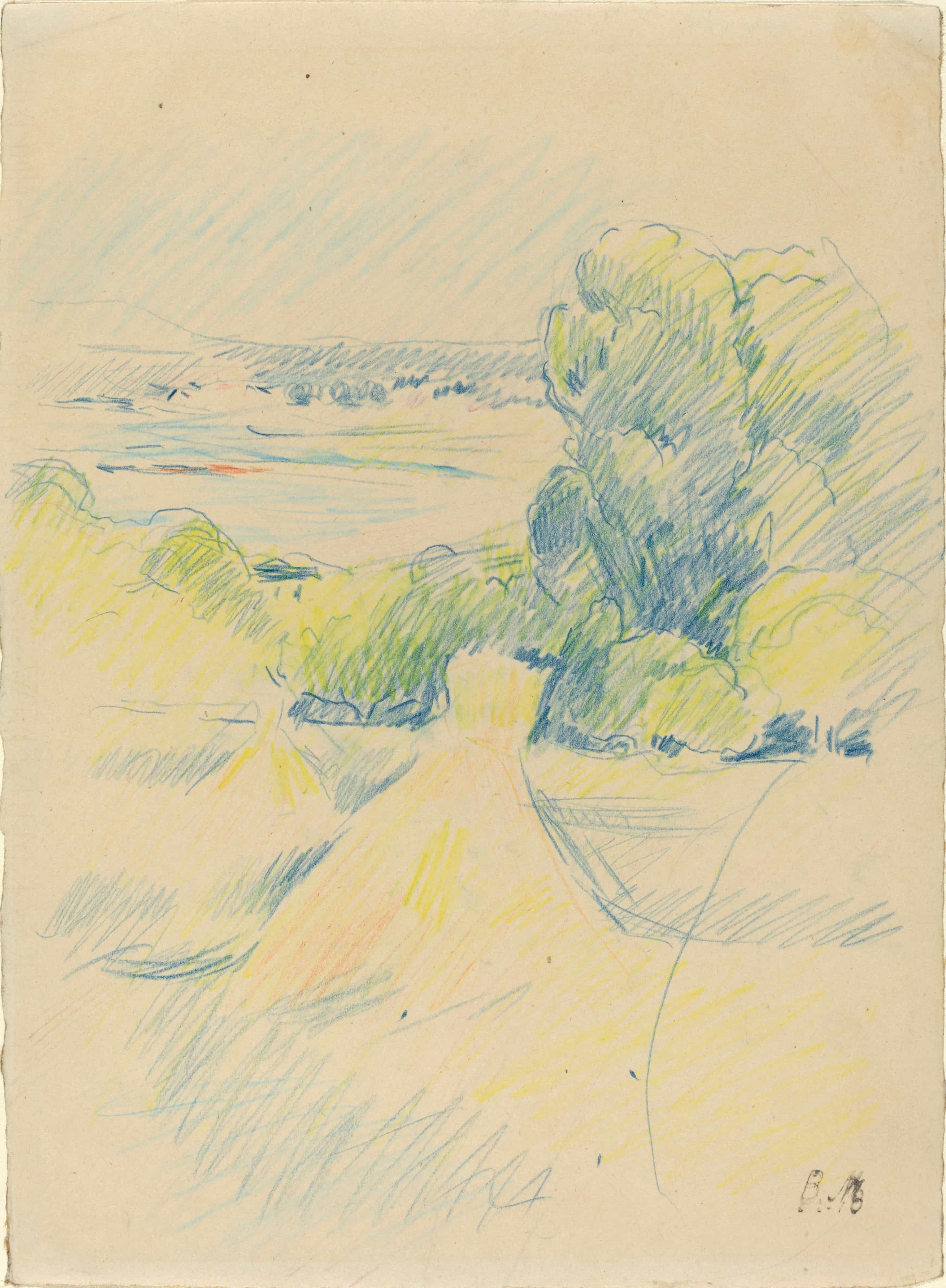
Landscape
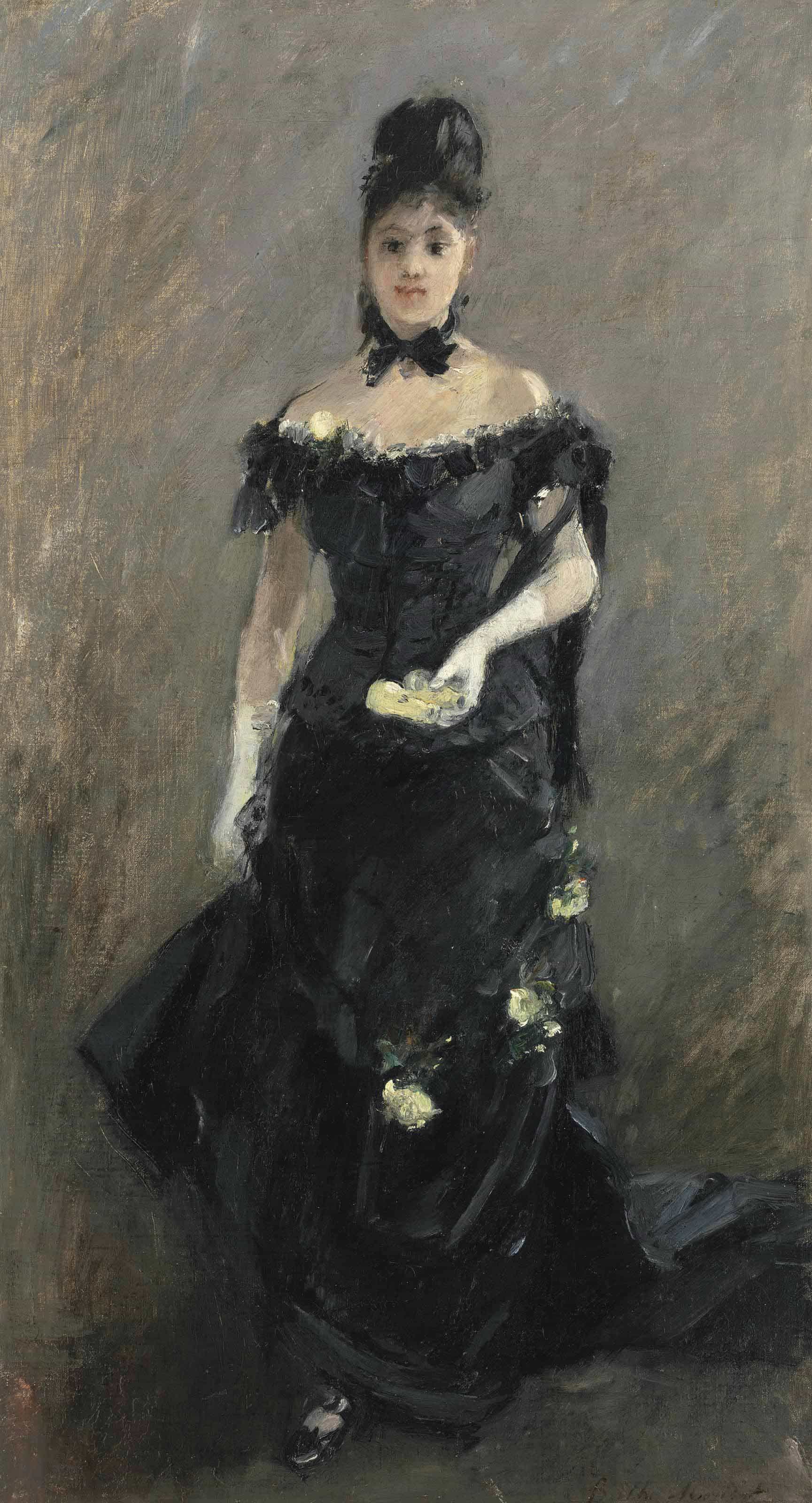
Femme en noir ou Avant le théâtre
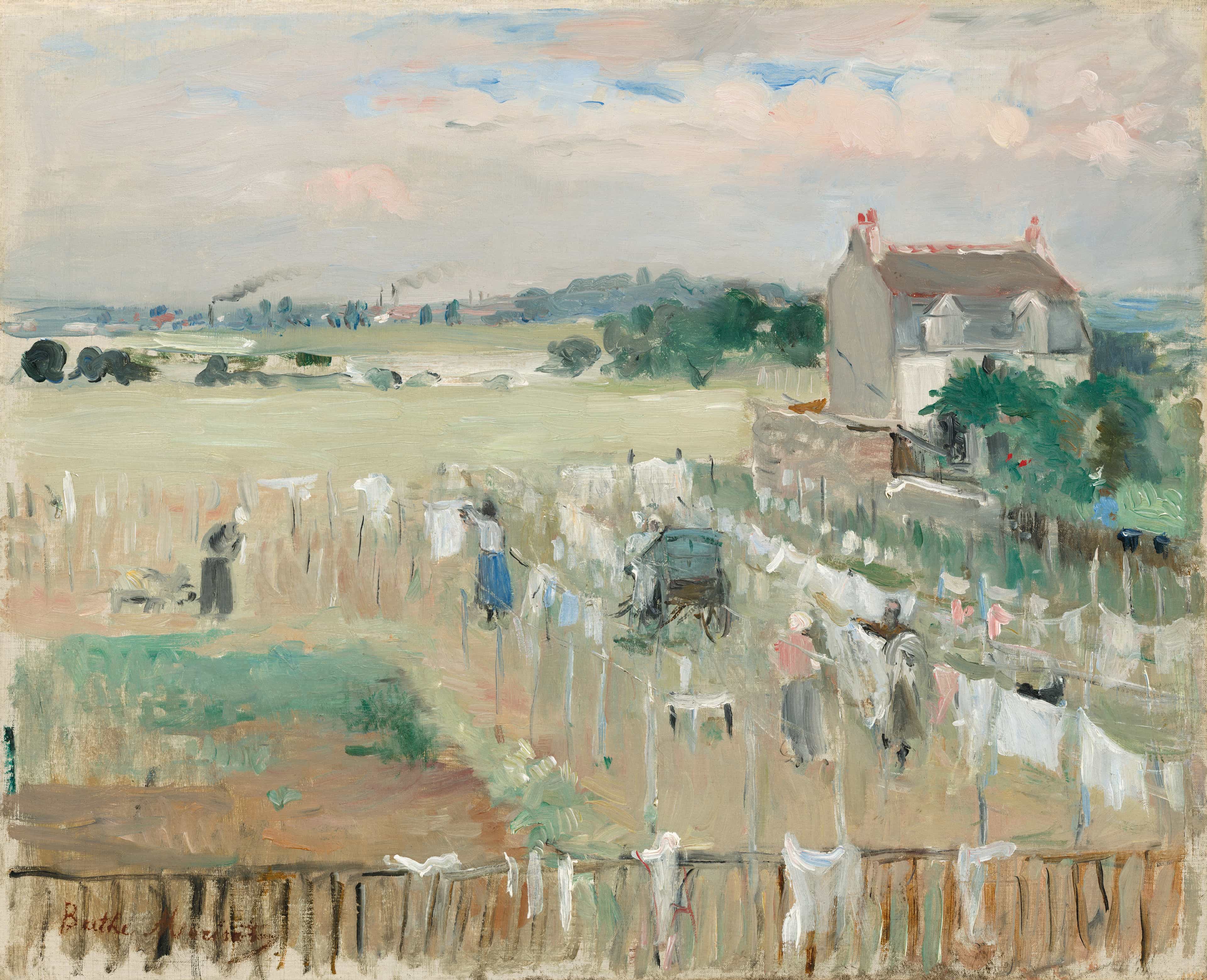
Hanging the Laundry Out to Dry
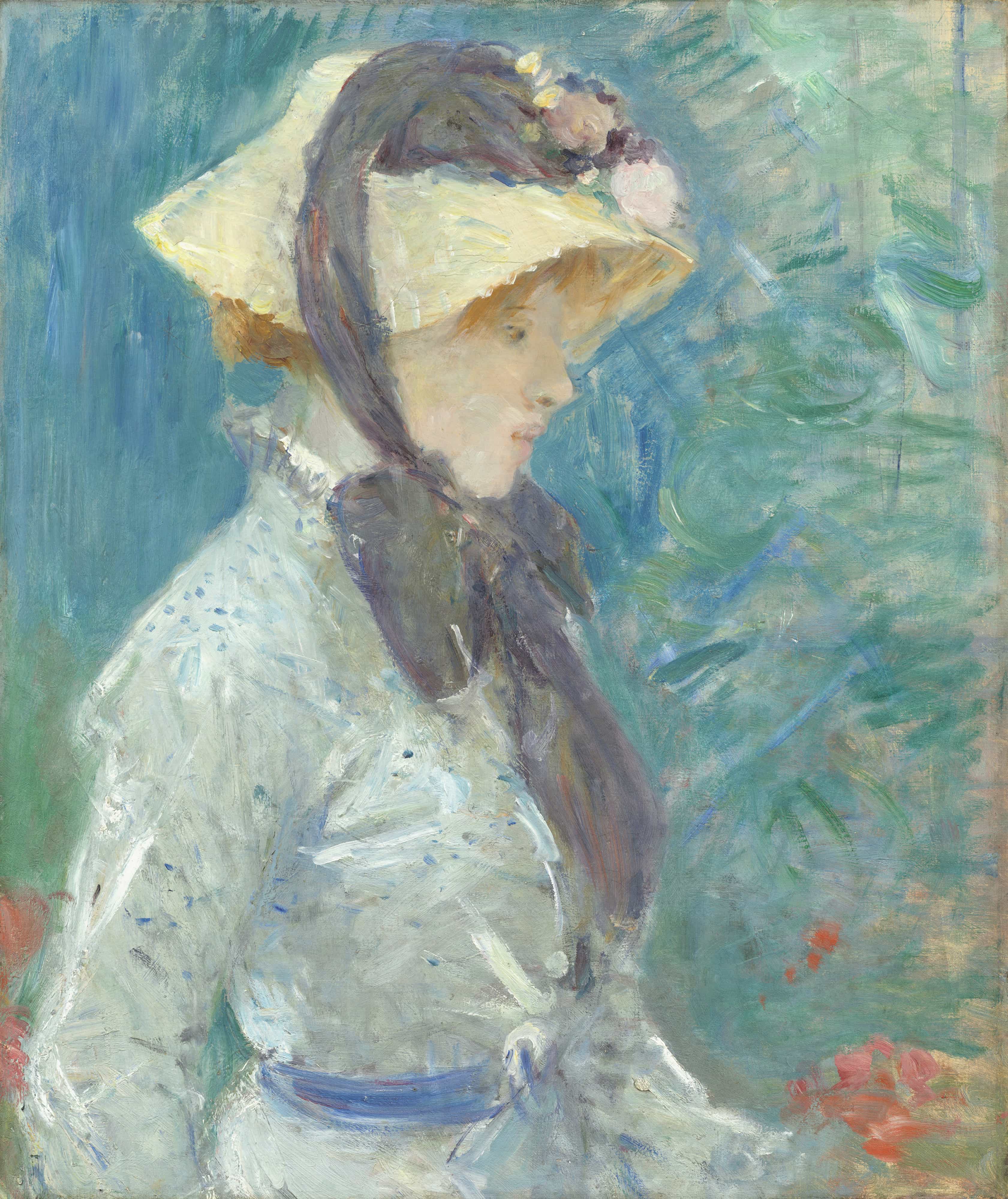
Young Woman with a Straw Hat
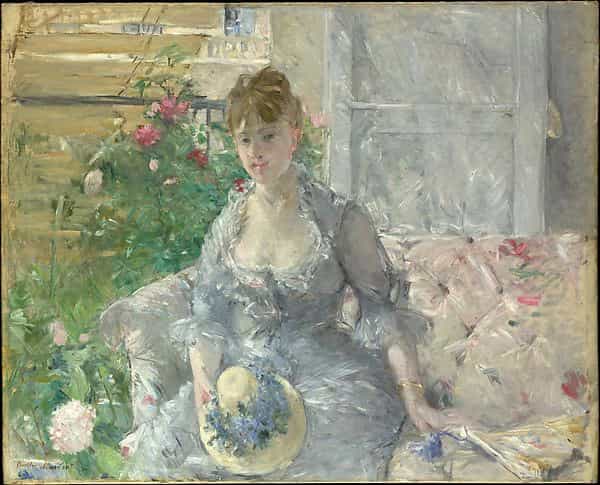
Young Woman Seated on a Sofa
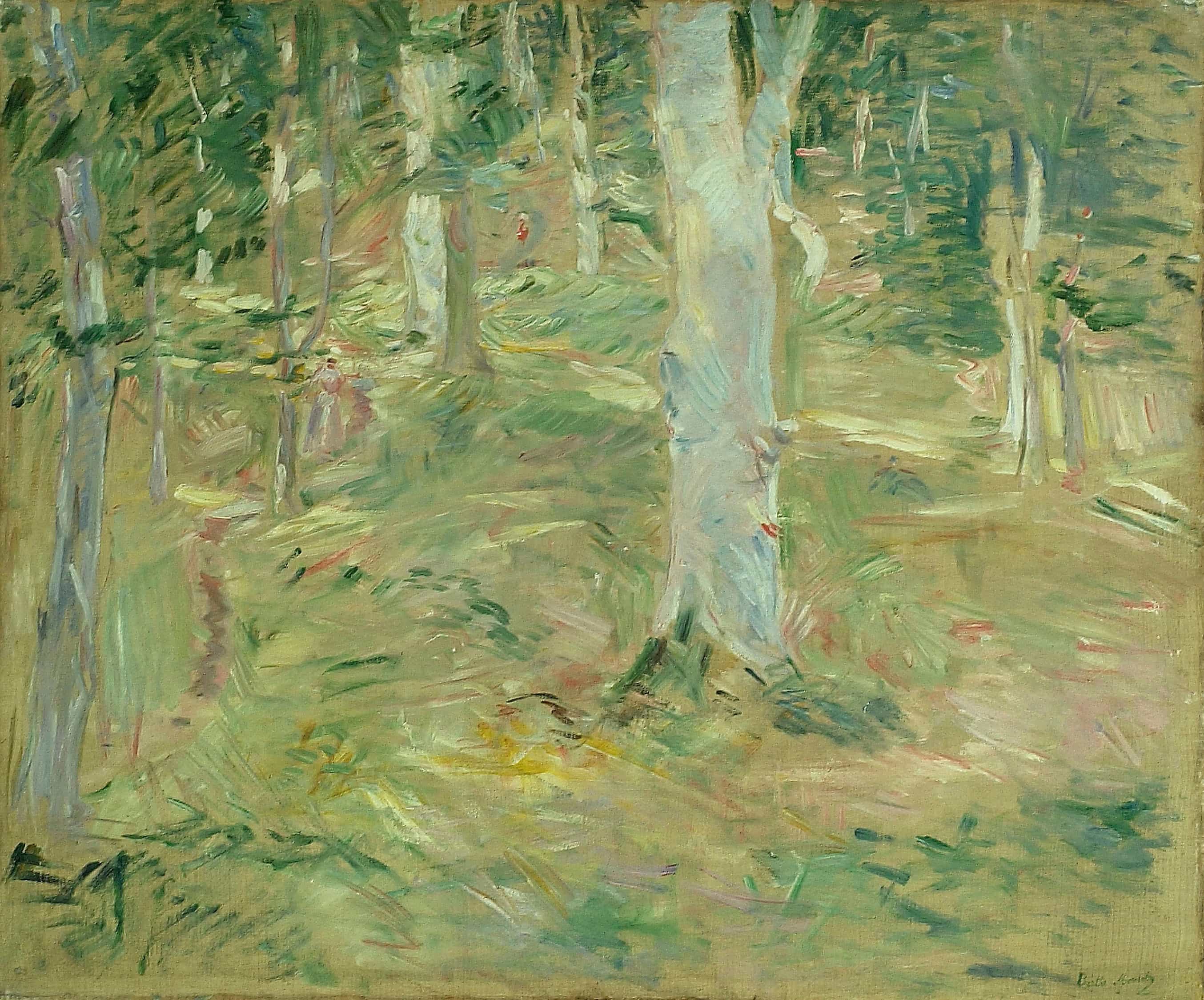
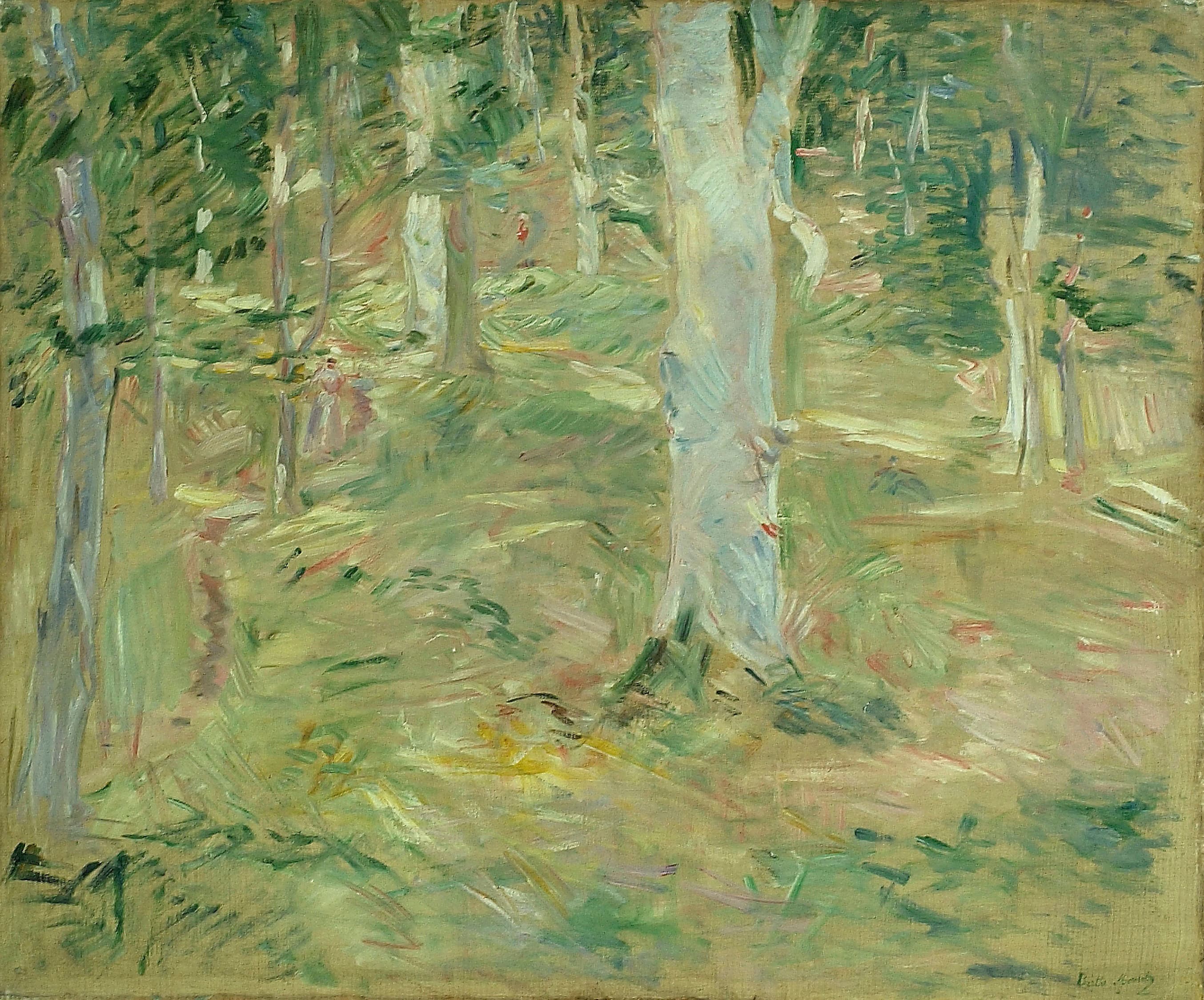
Forêt de Compiègne
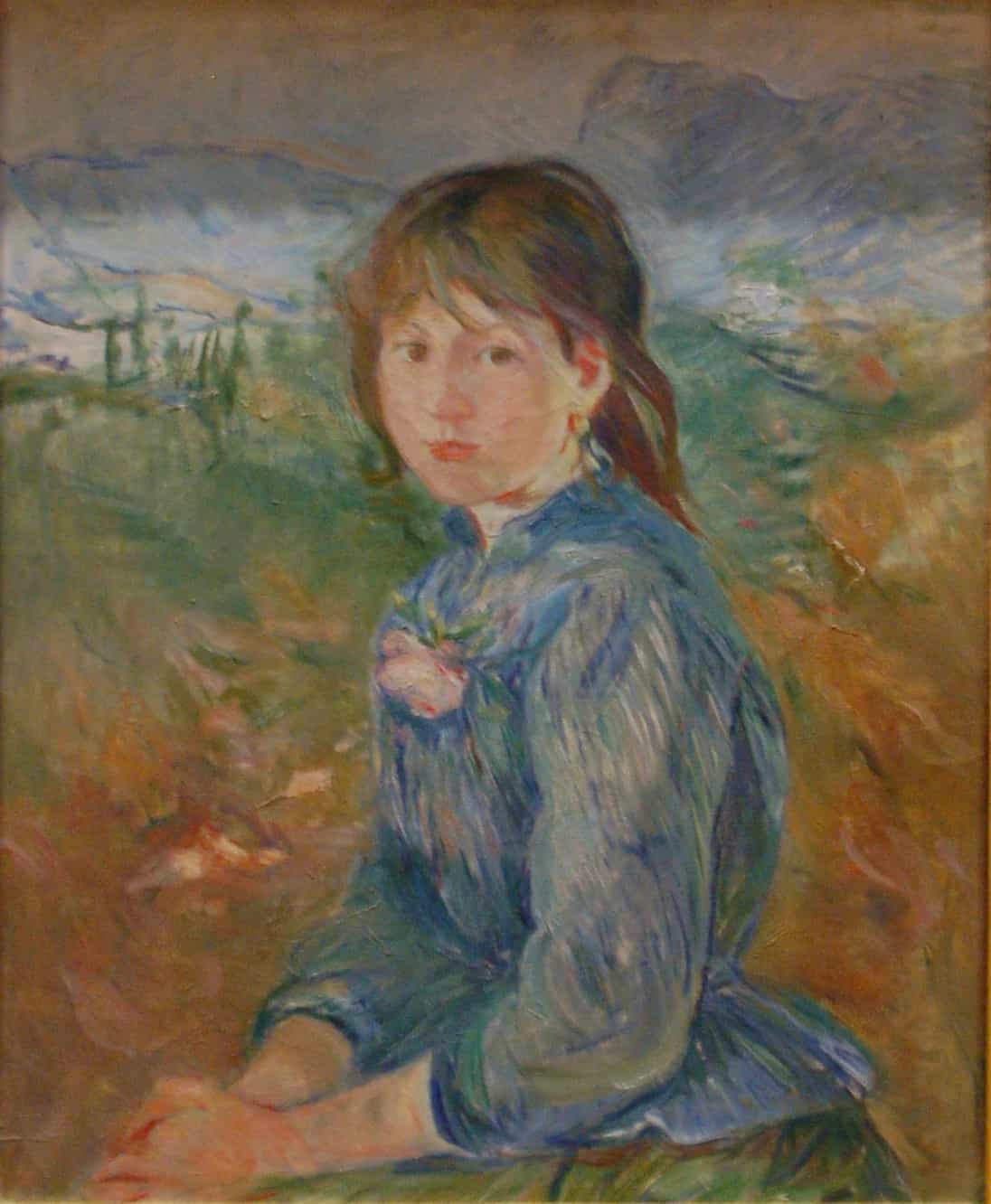
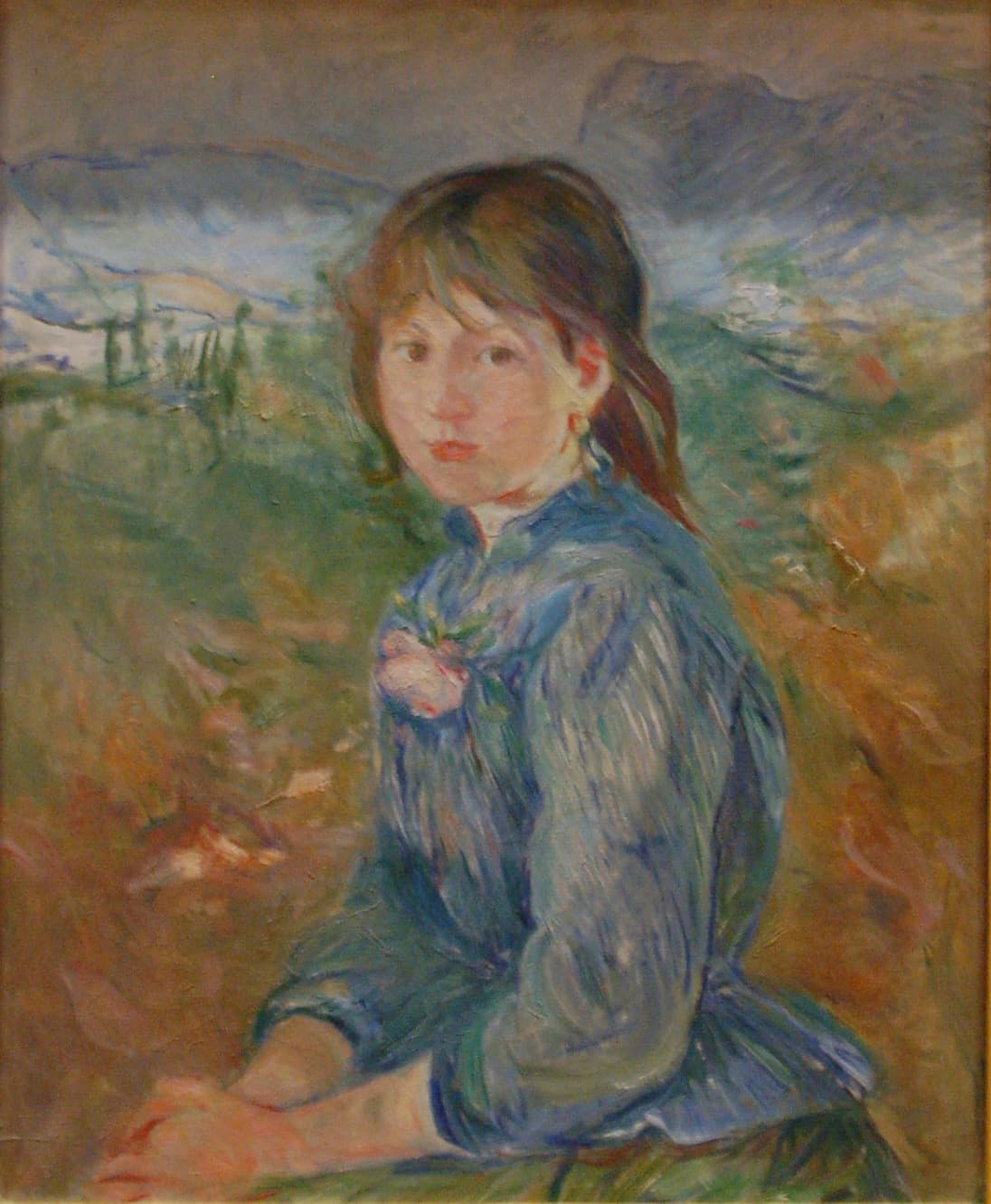
The Little Girl from Nice
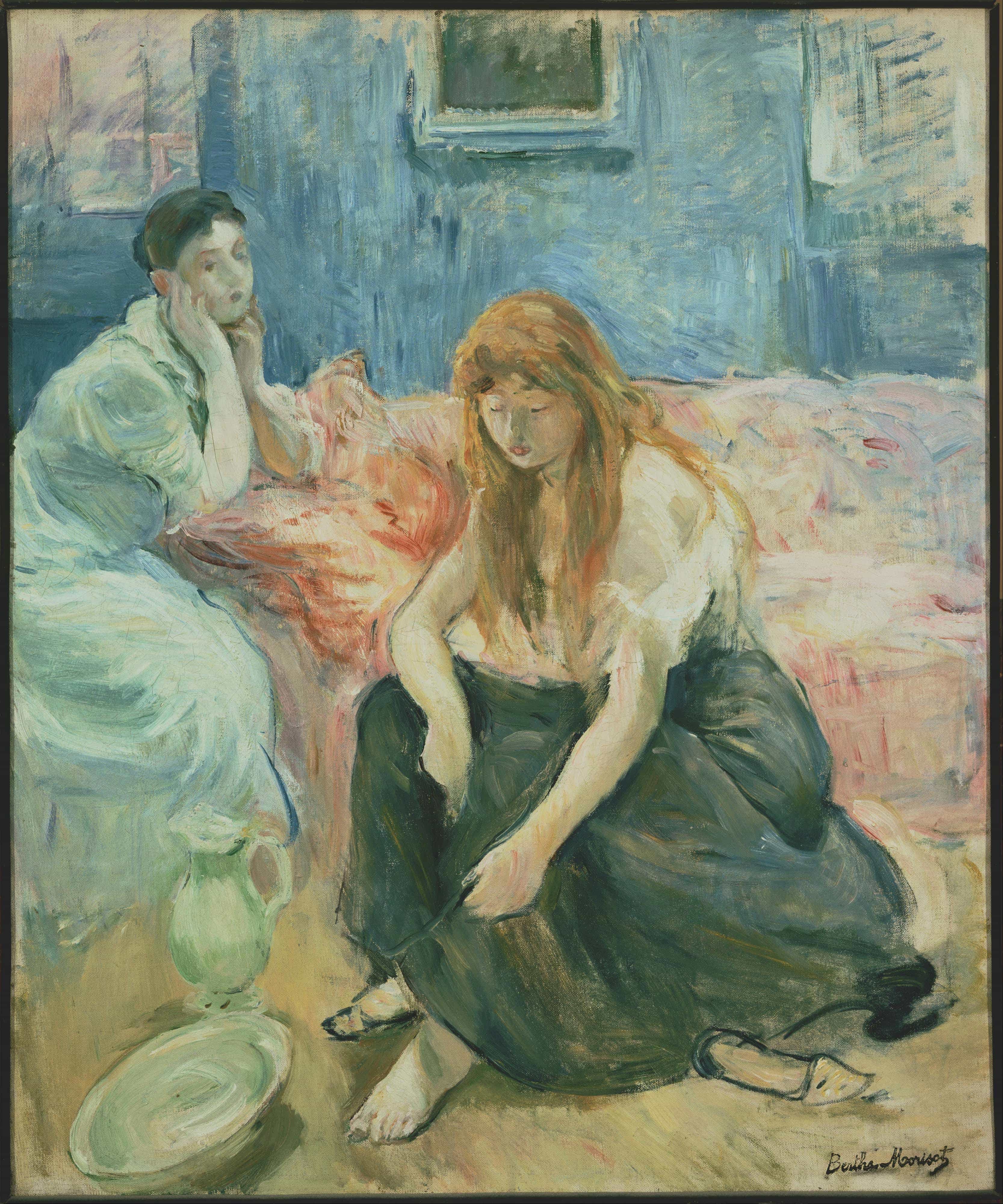
Two Girls
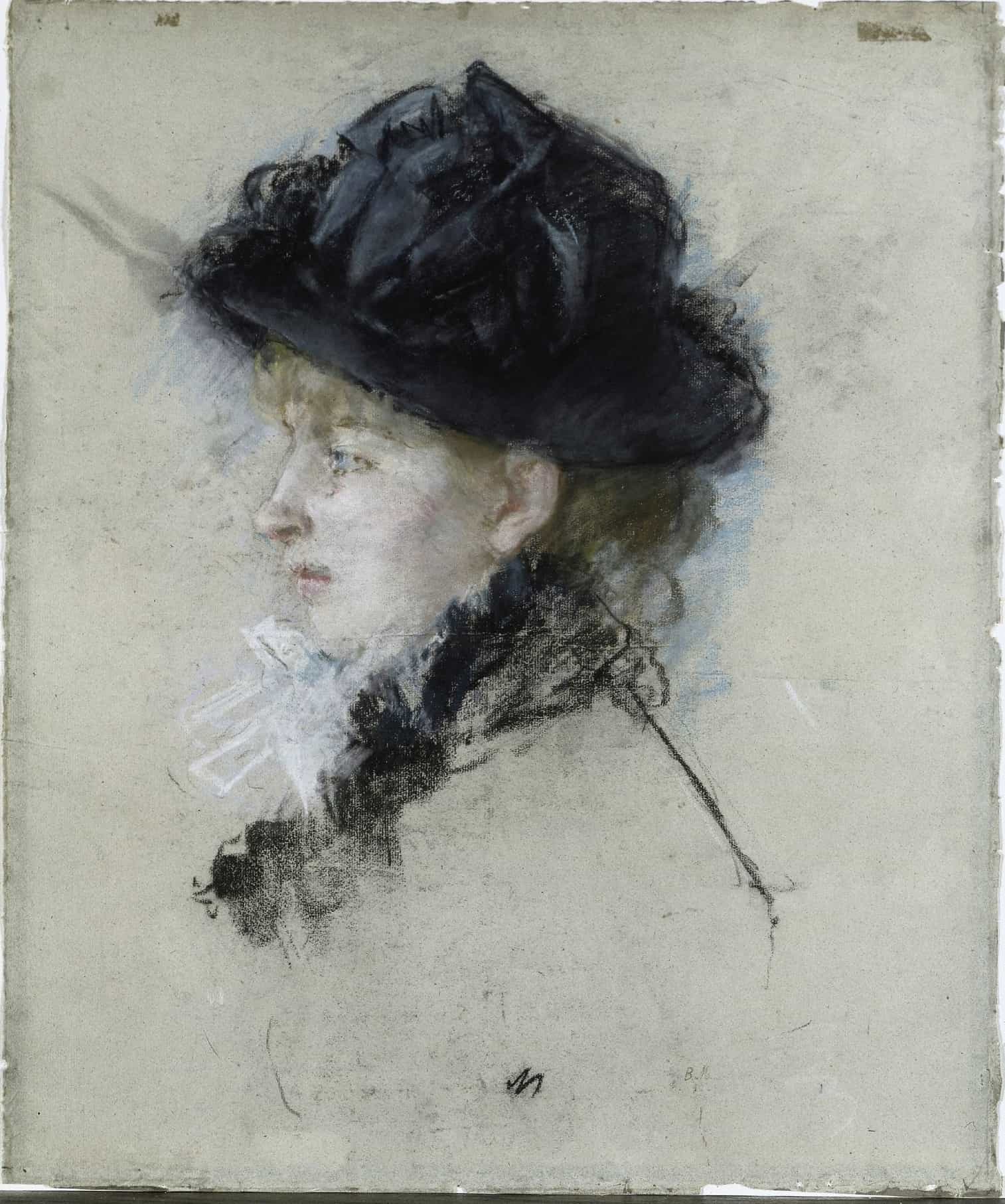
Mlle Louise Riesener au chapeau
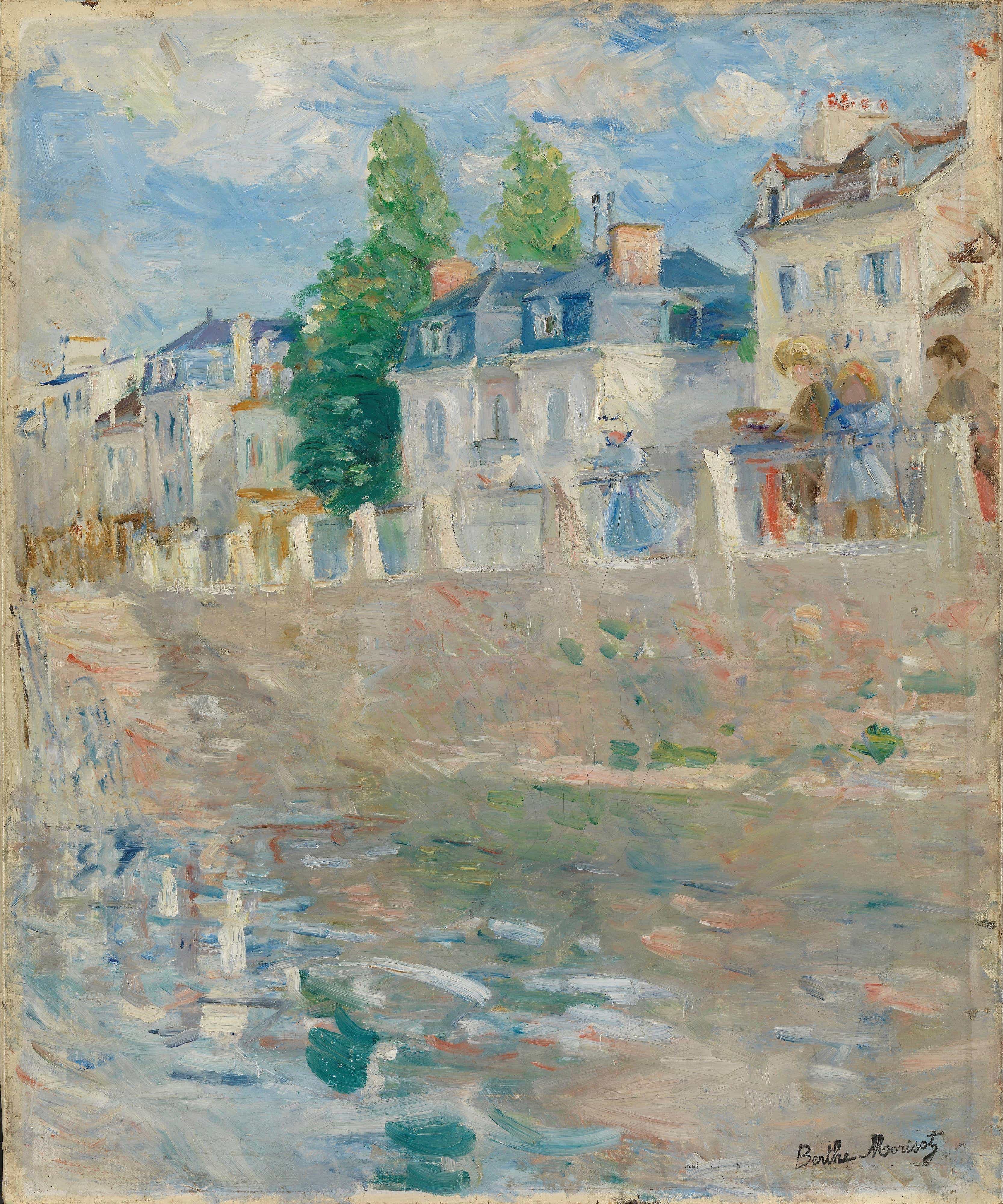
Banks of the Seine
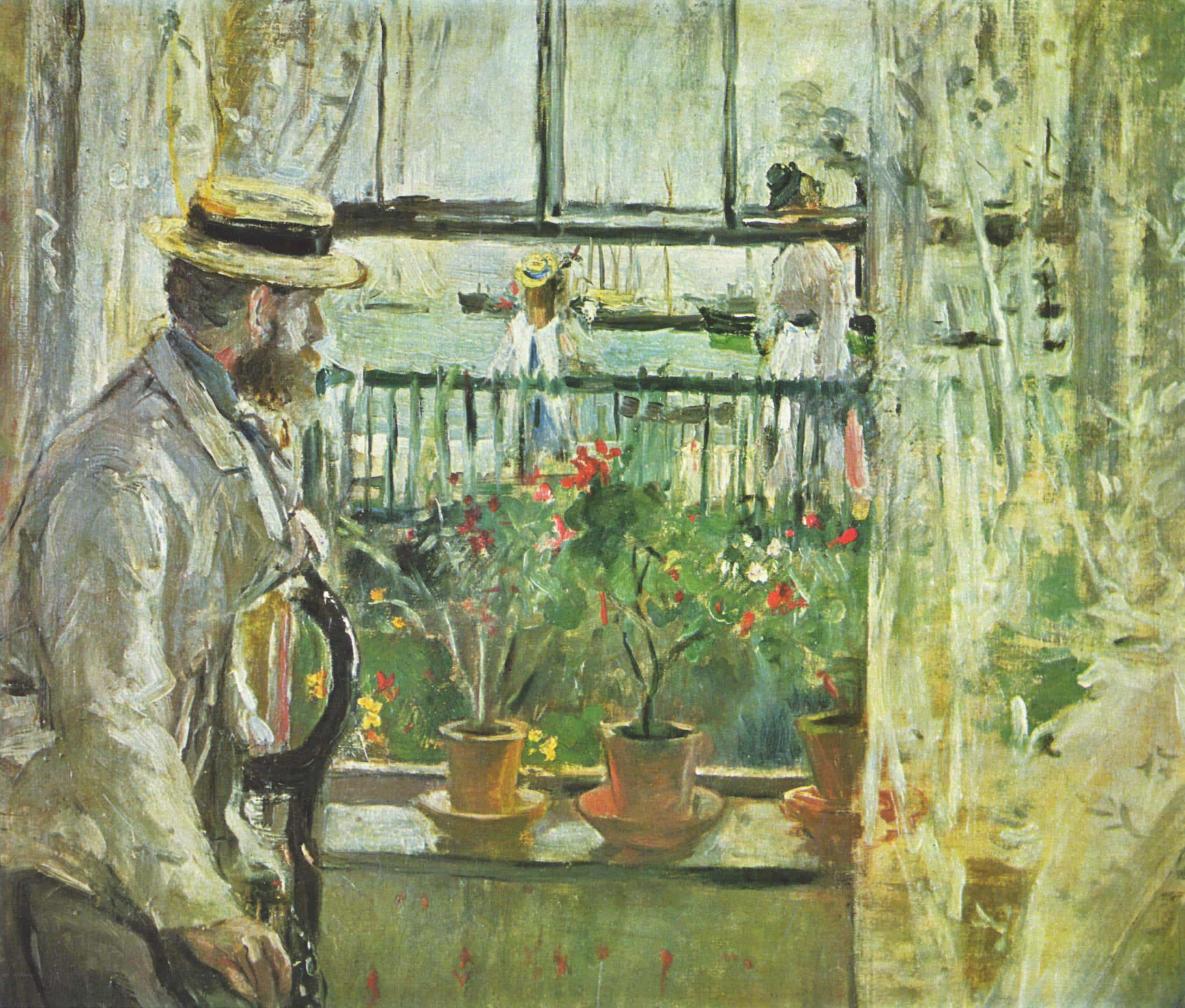
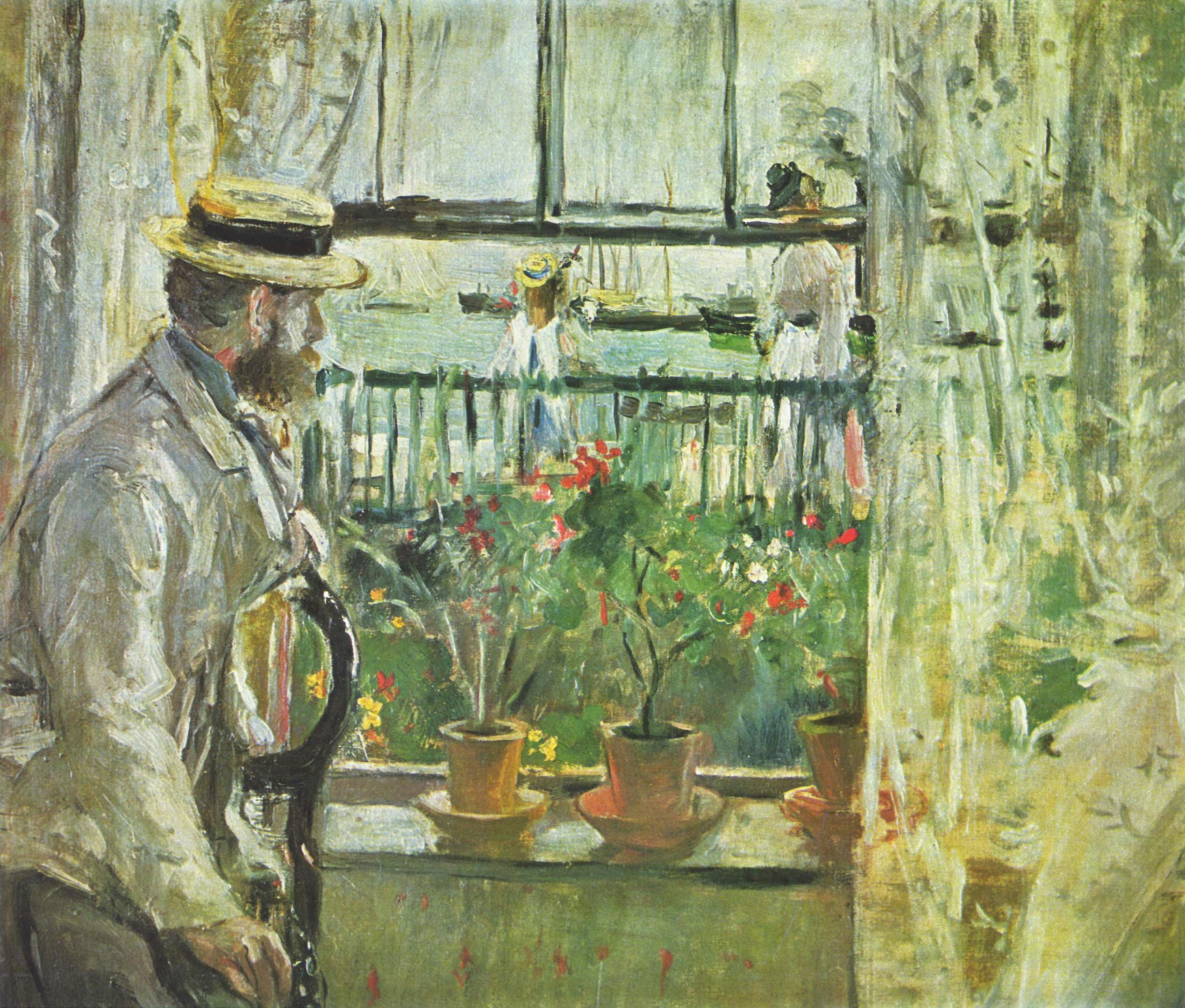
Eugène Manet on Isle of Wight