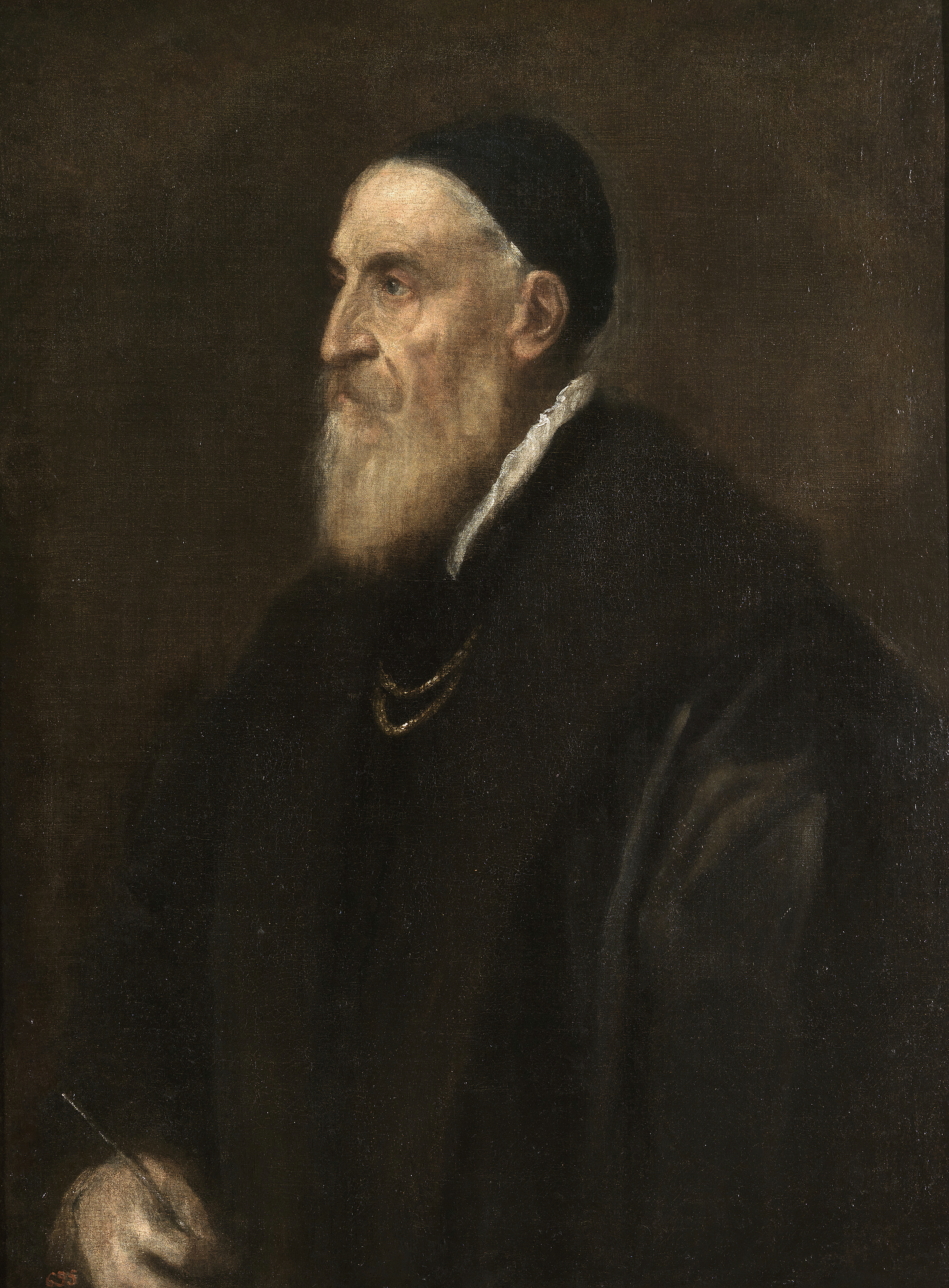
Collection
Shop Titian Prints
Museum-quality reproductions on 310gsm textured cotton rag paper.
Shop all prints by TitianArtistic Style
Style Evolution
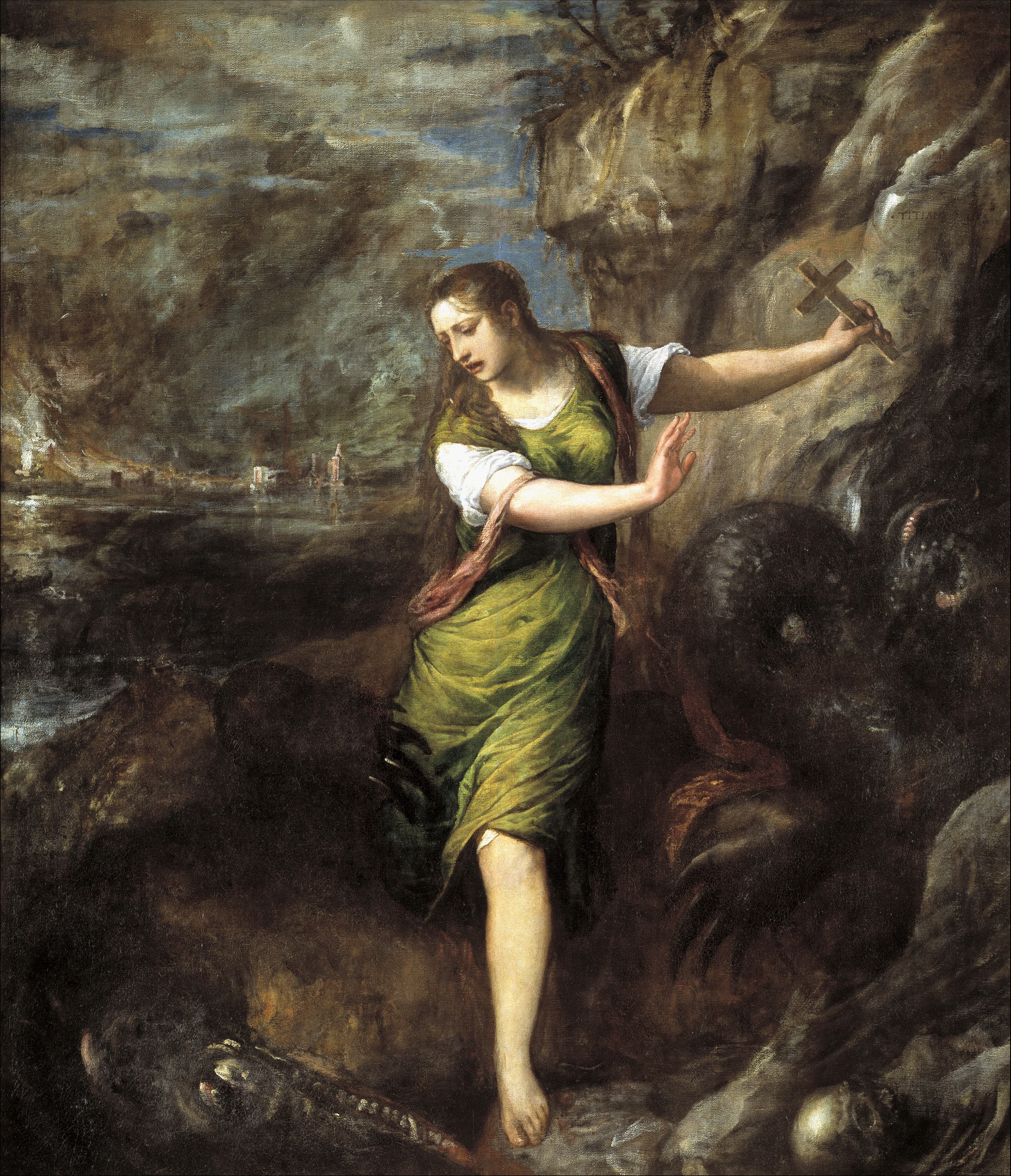
Titian’s style evolved from the careful, finely finished canvases of his early Venetian training to a mature, freer handling of paint and color in his middle and late periods—moving toward broader brushwork, layered glazes, and heightened atmospheric effects that emphasized mood and decorative presence.
Palette
- warm, sonorous reds and browns
- deep Venetian blues
- glowing flesh tones
- subtle golden highlights
Subjects
- portraiture
- religious altarpieces
- mythological narratives
- allegorical scenes
Techniques
- layered oil glazes
- rich chiaroscuro
- luminous color modulation
- broad, expressive brushwork
Topics
Titian (1490–1576) was a Venetian Renaissance painter whose unparalleled command of color, luminous portraits, and bold brushwork transformed Italian art.
Learn about the life of Titian
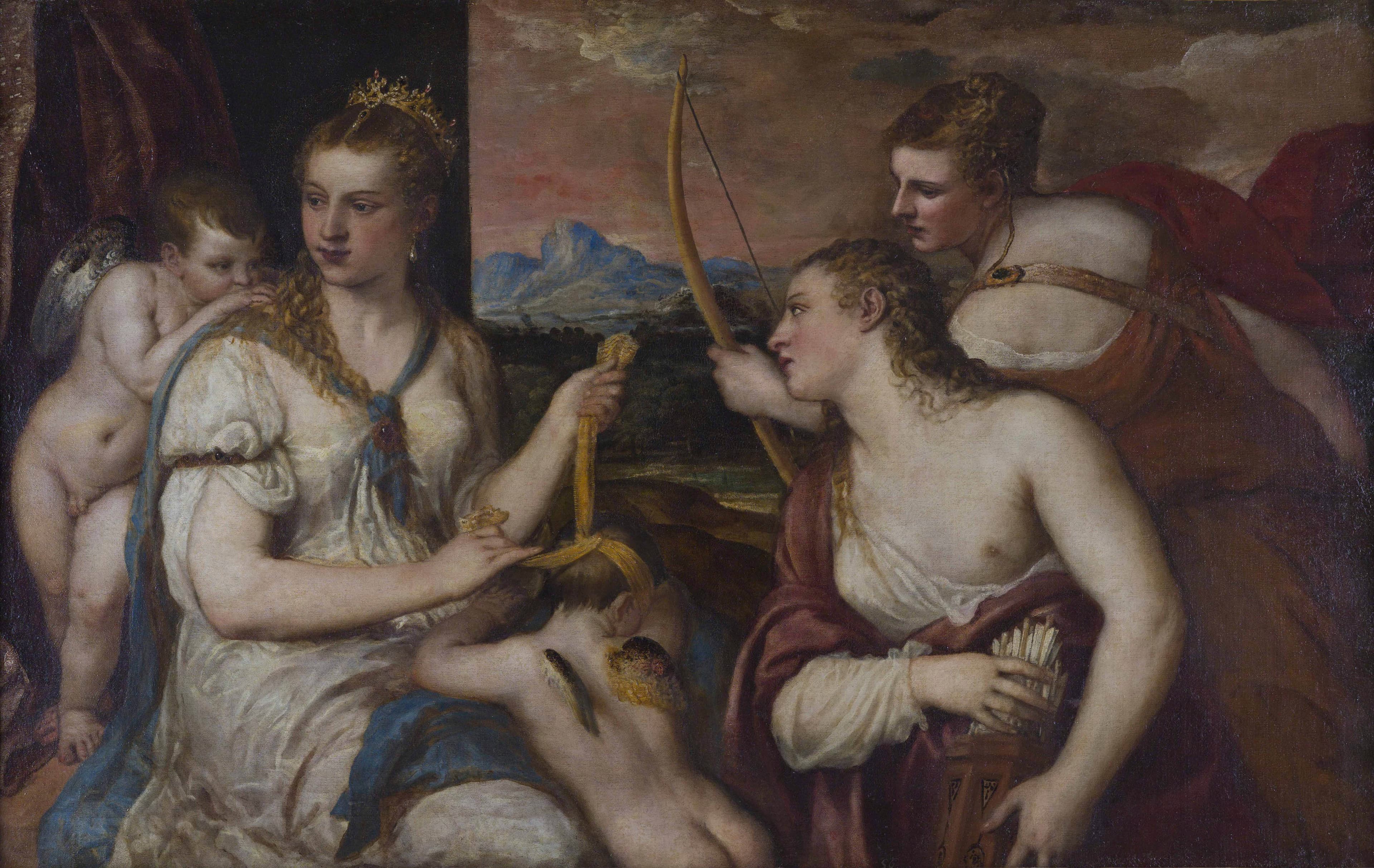
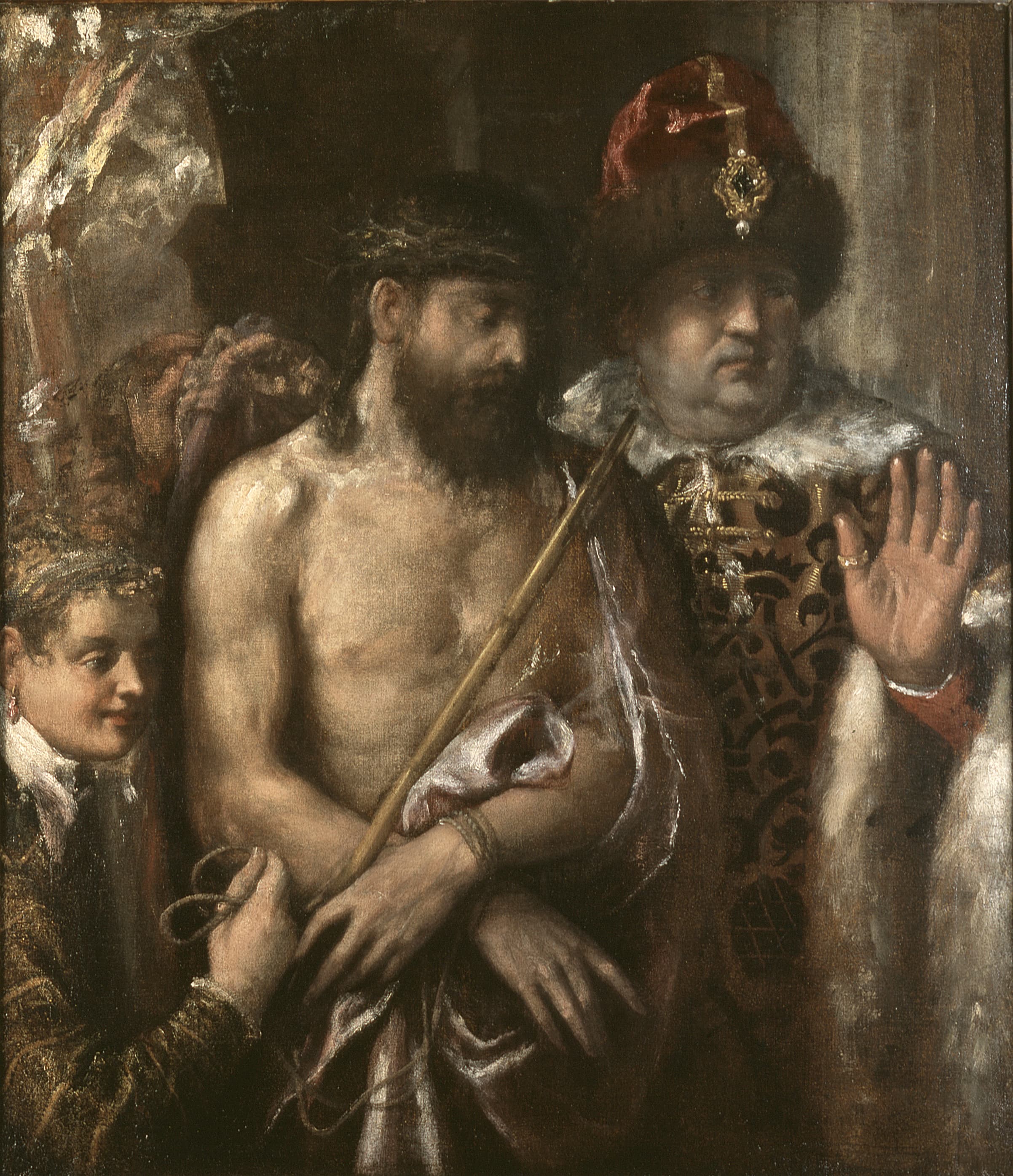
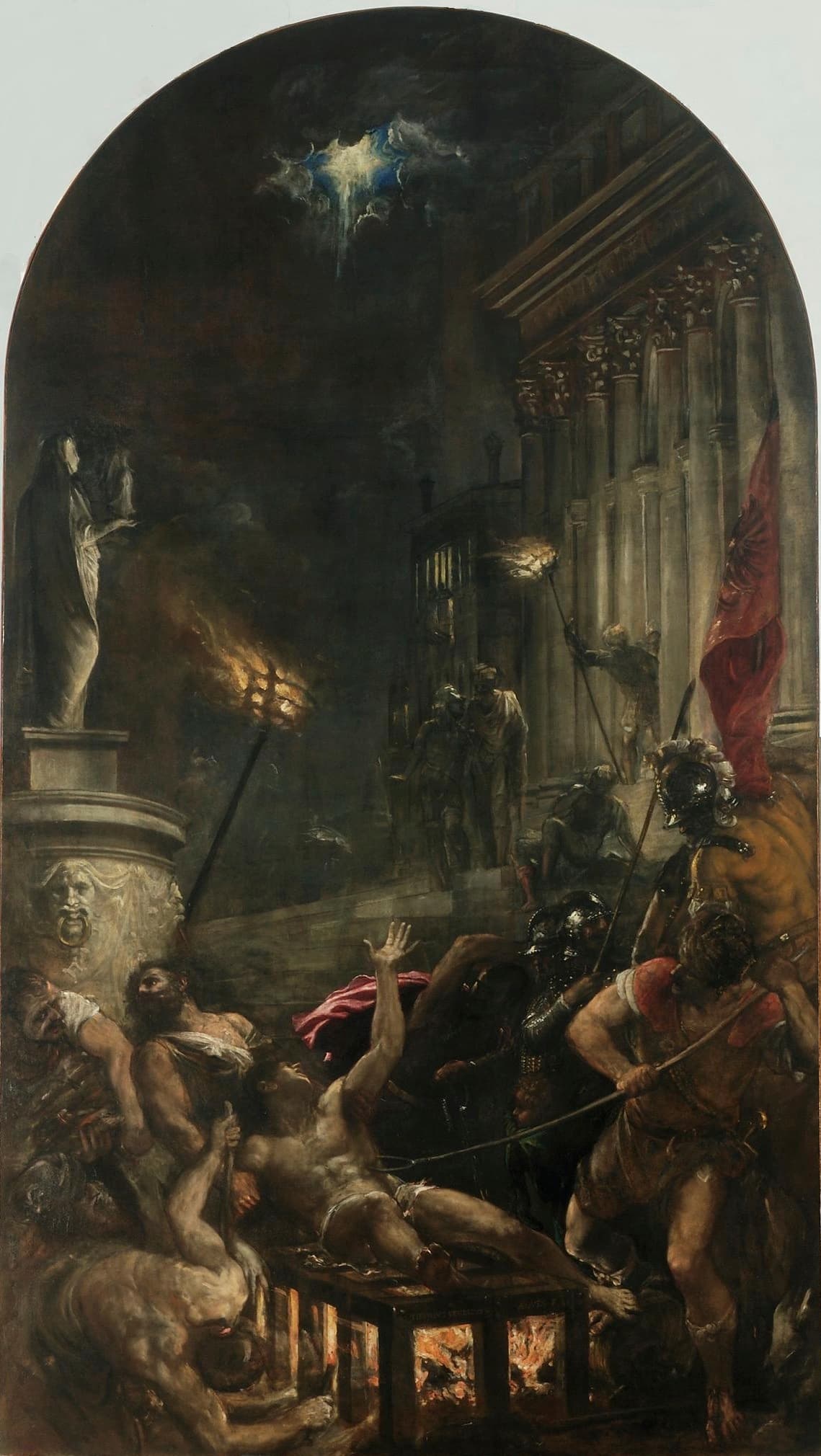
Signature Works
See all available prints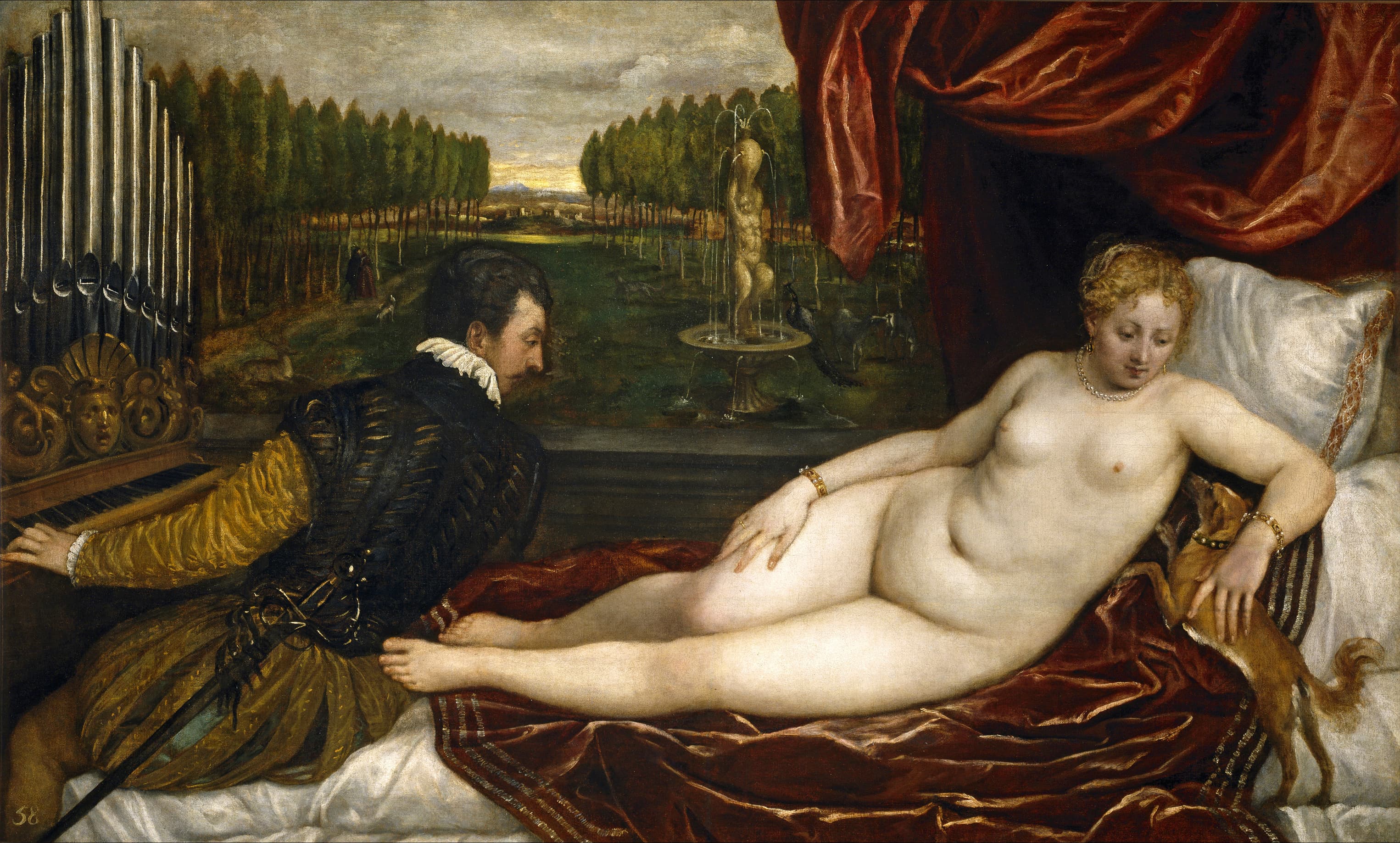
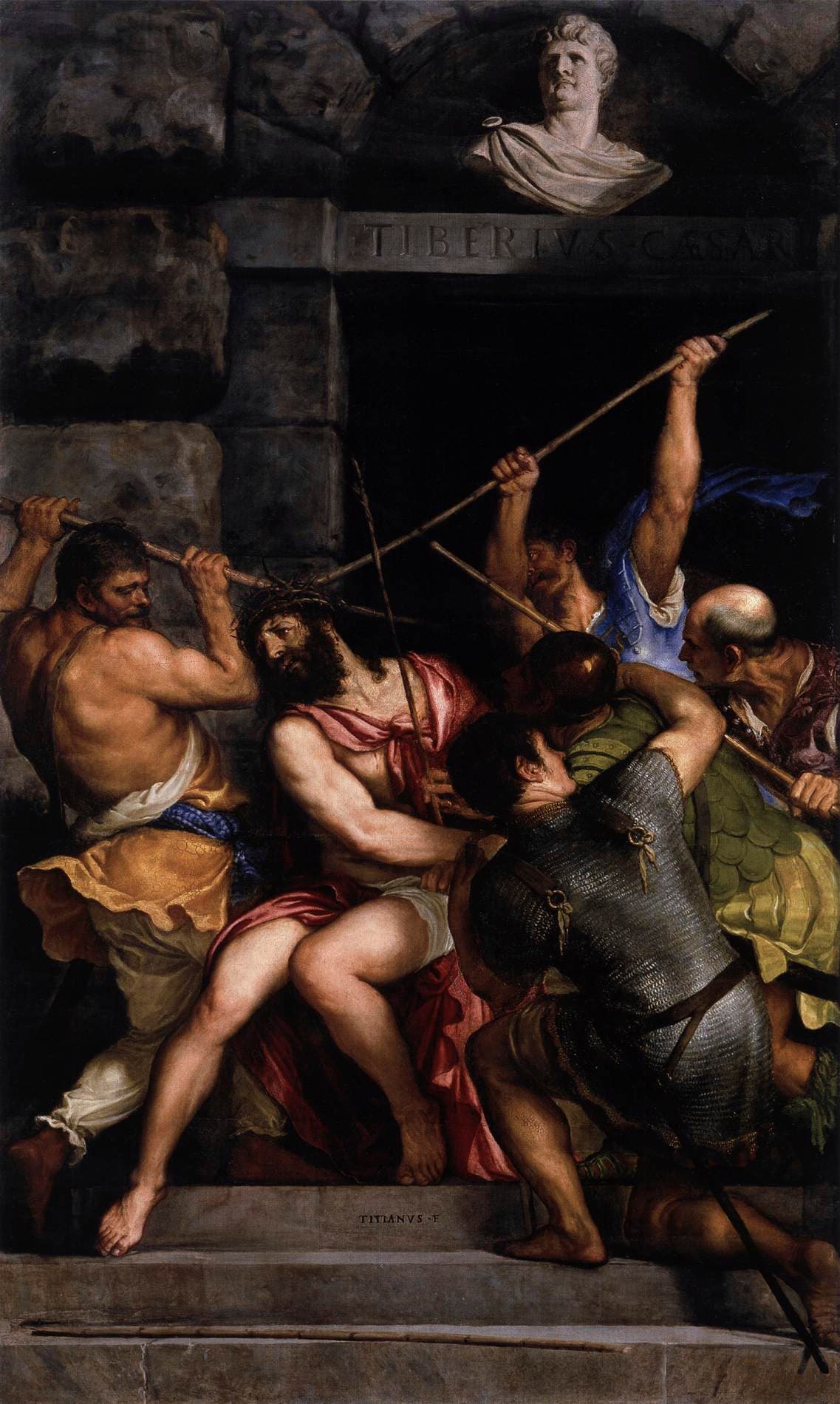
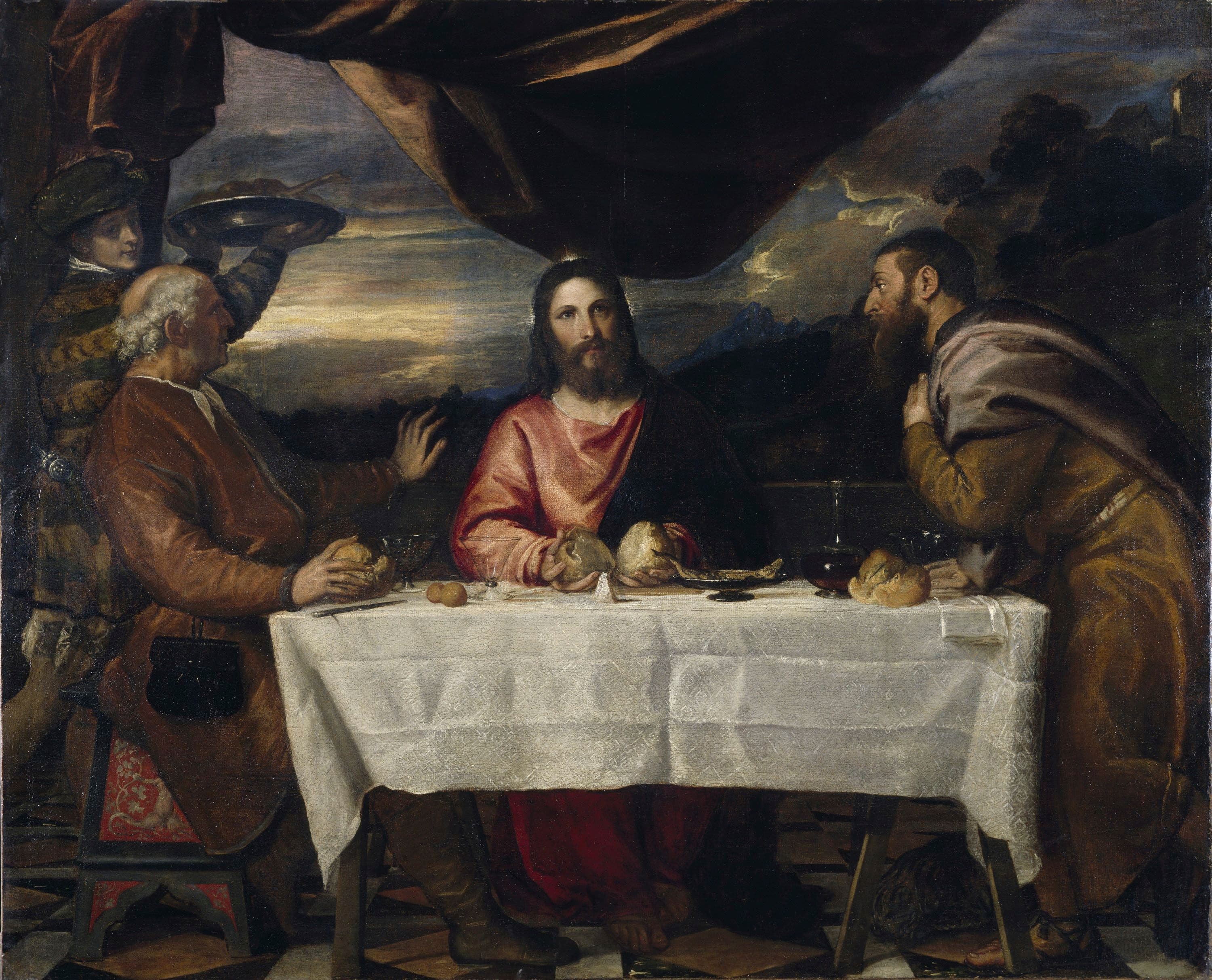
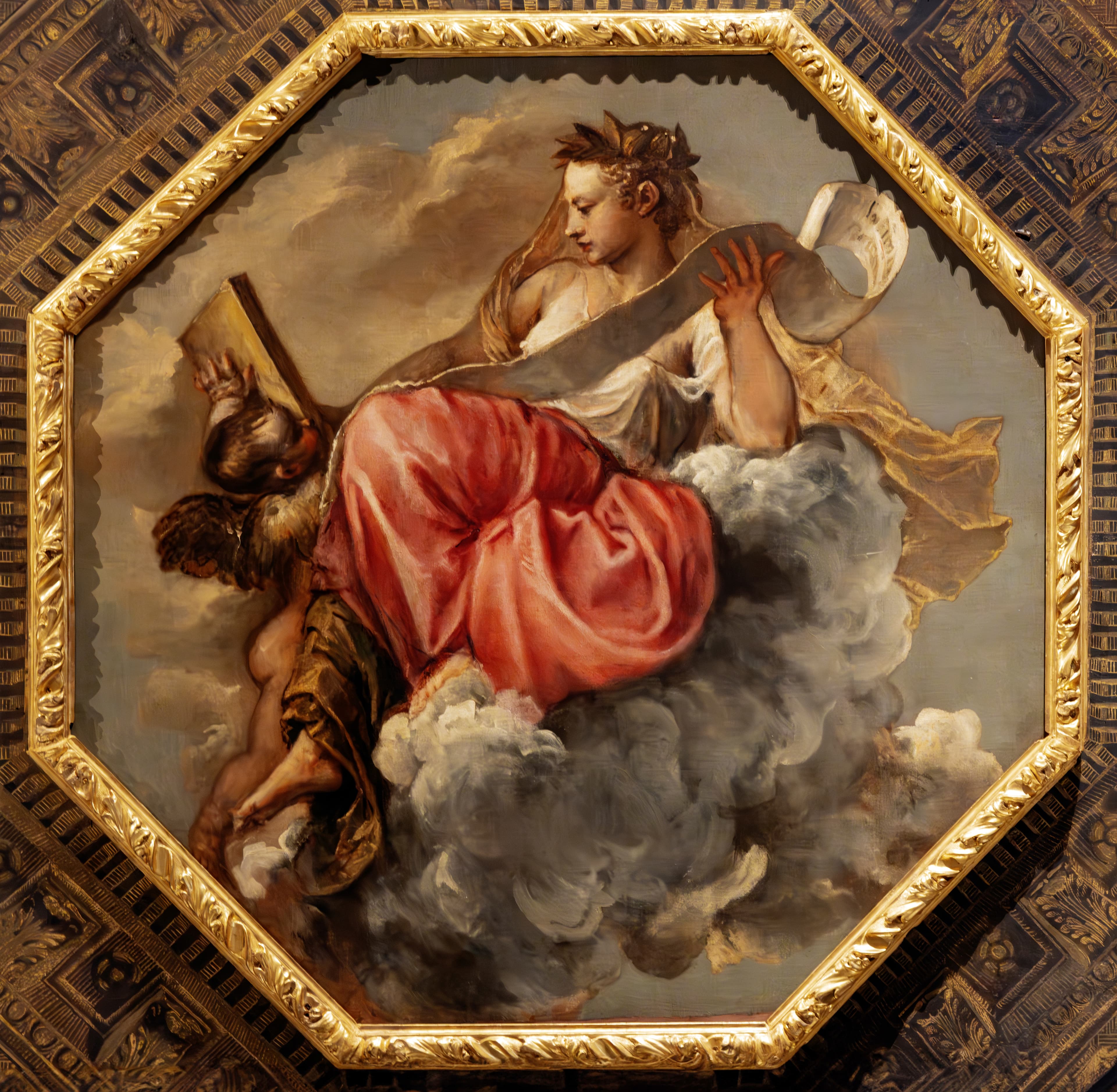
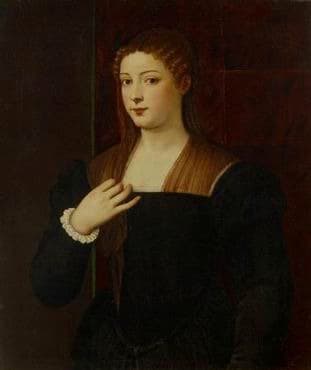
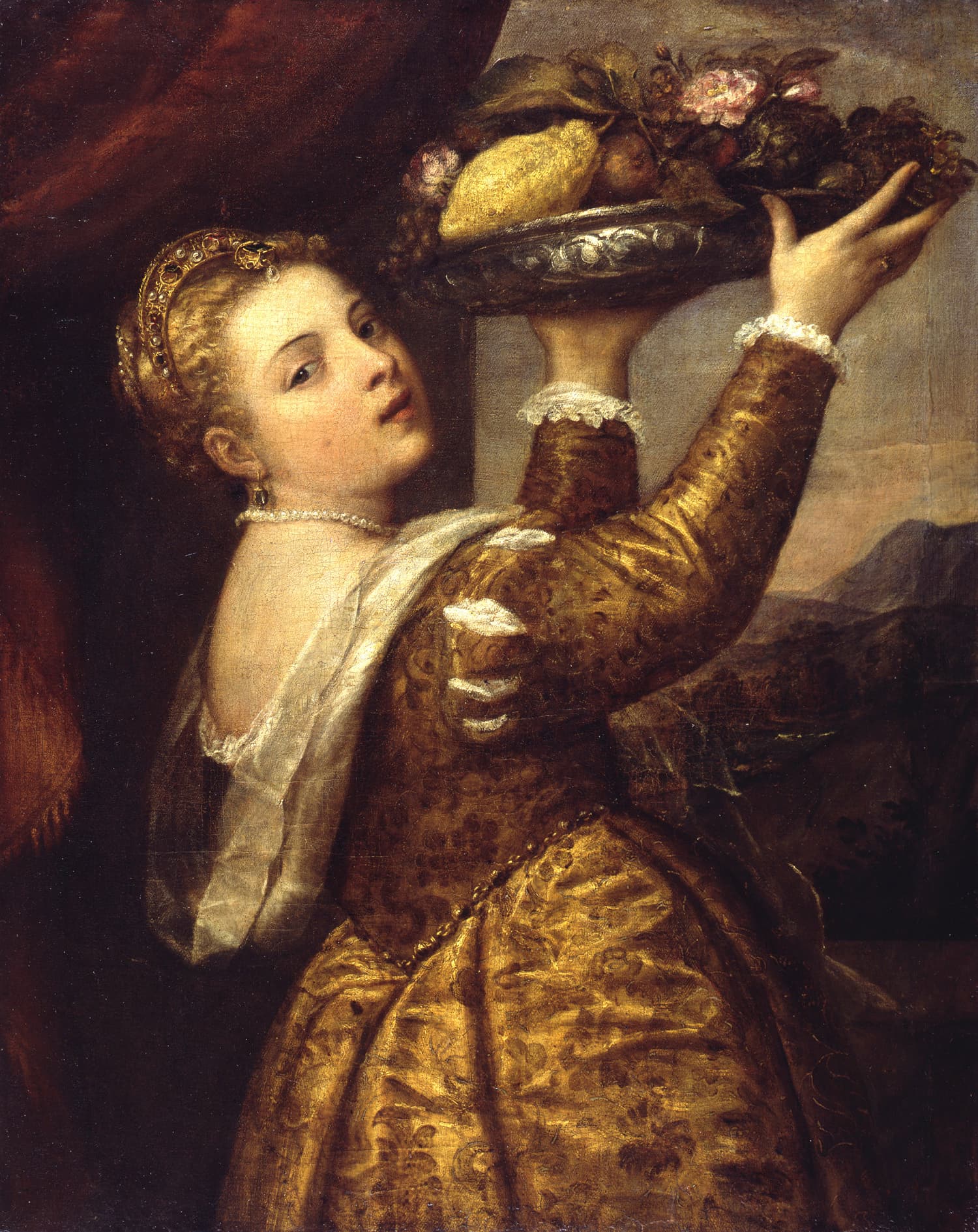
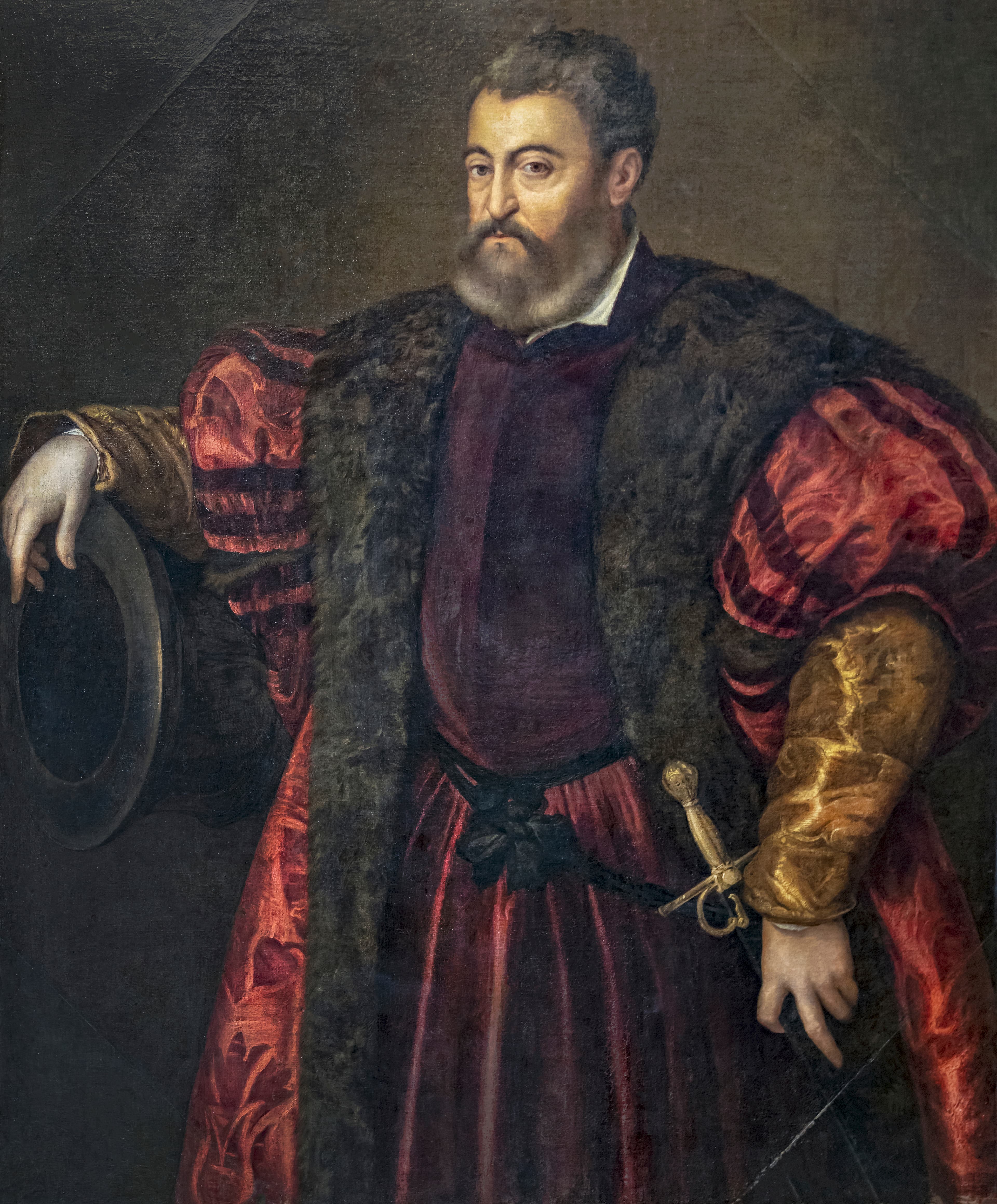
Biography
Titian (1490–1576) was a Venetian Renaissance painter whose unparalleled command of color, luminous portraits, and bold brushwork transformed Italian art.
Early Life and Background
Titian was born in Pieve di Cadore in the Republic of Venice in 1490. He moved early in his career to the Venetian mainland and became associated with the leading workshops of the city. He trained within the Venetian artistic environment and is widely linked to the circle of Giovanni Bellini and the younger Giorgione, absorbing Venetian traditions of color and atmosphere while developing his distinctive painterly voice.
Artistic Development and Periods
Titian spent the majority of his working life in Venice, where he became the preeminent painter for civic, religious, and noble patrons. His career is often divided into early, middle and late phases defined by increasing tonal freedom and a progressively freer handling of paint.
Early Venetian Years
In his early period Titian worked in the prevailing Venetian idiom, learning from established masters and producing altarpieces and devotional works that display clarity of composition and rich, jewel-like color.
Middle Career: Portraits and Mythology
During his middle career he consolidated his reputation with striking portraits and large-scale mythological and religious commissions for noble patrons across Italy and Europe. His middle period shows an expanding mastery of color relationships and more varied, theatrical compositions.
Late Years: Broad Touch and Poetic Color
In his late years Titian’s brushwork became broader and more suggestive, using layered glazes and looser strokes to achieve luminous surfaces and emotional depth.
Major Works and Achievements
Titian established standards for portraiture and narrative painting in the Renaissance and executed some of the most admired canvases of the age. His major achievements include pioneering a painterly handling of oil and color that influenced generations of European artists and elevated Venetian painting to international prominence.
Style and Technique
Titian is celebrated for his rich, sensuous color, subtle chiaroscuro, and versatile brushwork that ranges from finely finished passages to broad, energetic strokes. He exploited layered glazes and warm, sonorous tones to create depth and atmospheric effects that engage the viewer at close and distant viewing.
Influence and Legacy
Titian’s impact on Western painting is profound: he influenced contemporaries and later masters including Tintoretto, Veronese, Rubens, and Velázquez. Collectors prize his canvases for their decorative grandeur, painterly brilliance, and historic prestige.
Personal Life Context
Titian worked for civic institutions and powerful patrons in Venice and beyond. He remained a central figure in Venetian cultural life until his death in Venice in 1576.
Recognition and Market Value
Titian’s works are considered cornerstones of Renaissance painting and command,
Awards
Frequently Asked Questions