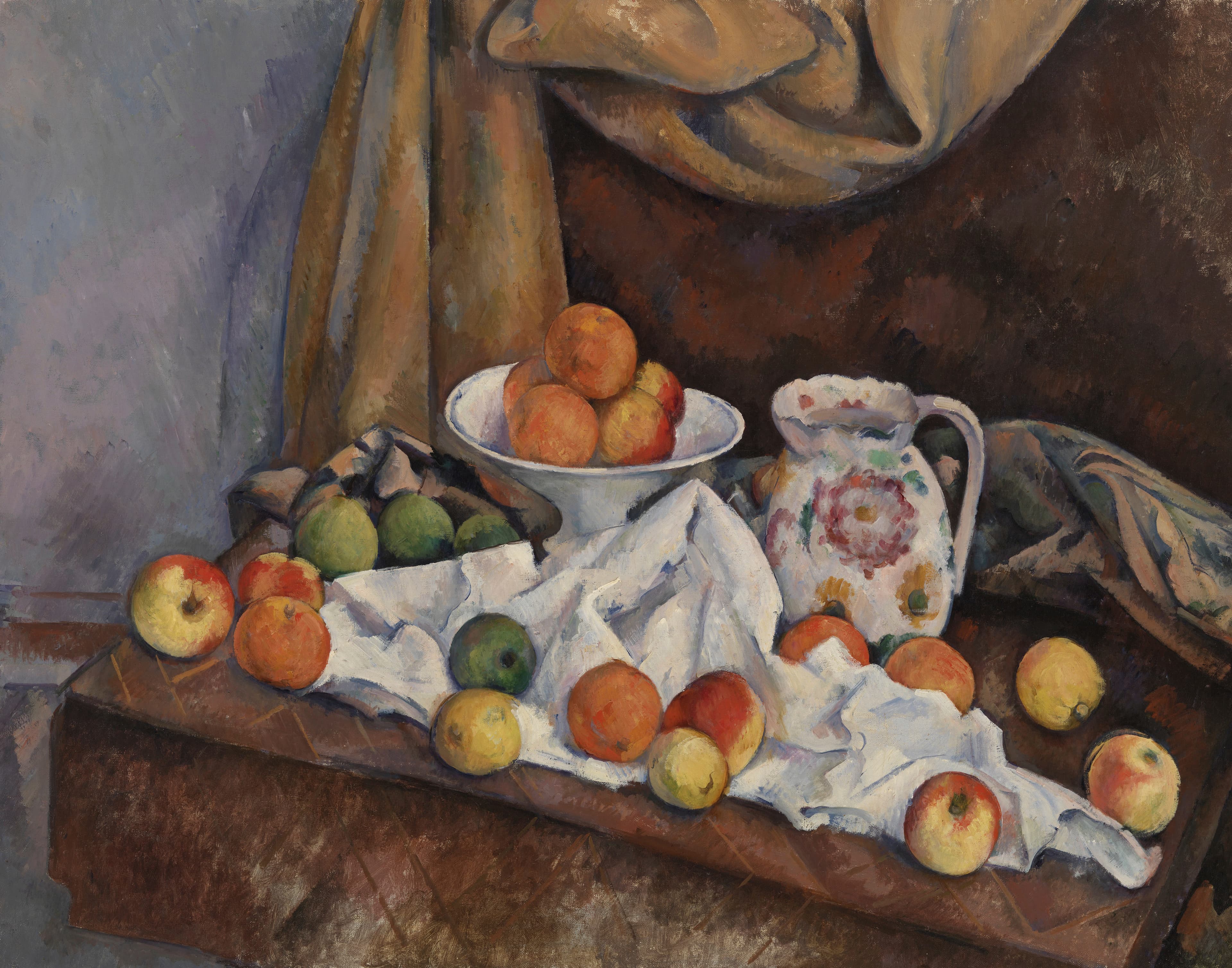
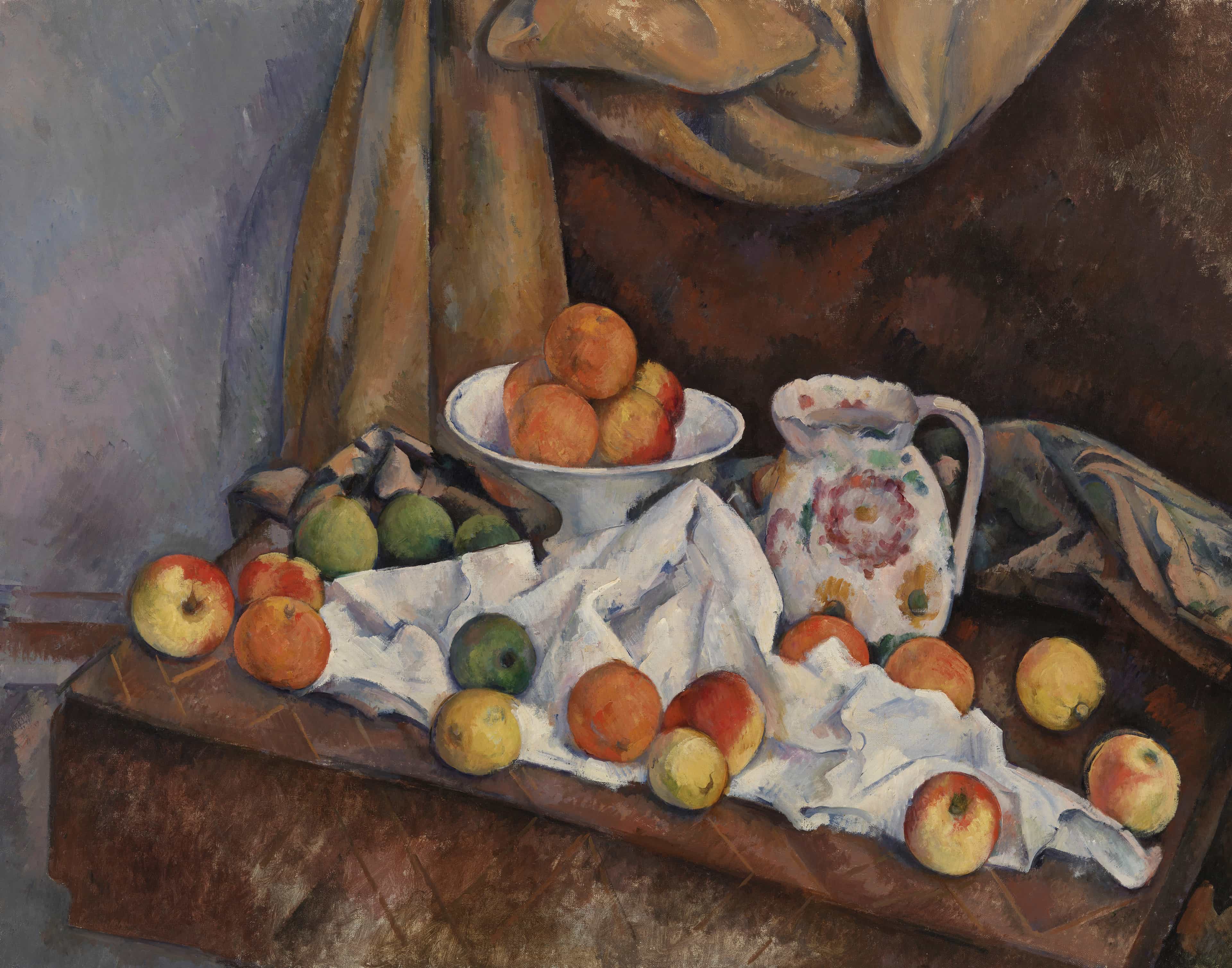
Still Life (Nature morte)
Paul Cézanne
From £32
Collection
Museum-quality reproductions on 310gsm textured cotton rag paper.
Shop all prints by Paul CézanneArtistic Style
Style Evolution
Cézanne evolved from early, looser experiments influenced by contemporary Parisian practice to a mature, methodical approach in Provence: building form through planes of color and disciplined brushwork that directly informed Cubism and modern abstraction.
Palette
Subjects
Techniques
Topics
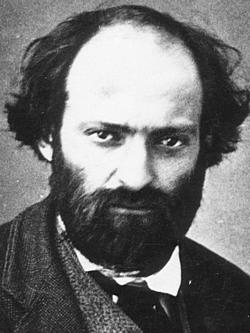
Paul Cézanne (1839-1906) was a French Post-Impressionist painter whose methodical brushwork and structural vision bridged Impressionism and modernism.
Learn about the life of Paul Cézanne
Signature Works
See all available printsBiography
Official websitePaul Cézanne (1839-1906) was a French Post-Impressionist painter whose methodical brushwork and structural vision bridged 19th-century Impressionism and 20th-century modernism.
Paul Cézanne was born in Aix-en-Provence in 1839 and died there in 1906. Raised in a provincial but cultured household, he trained initially away from the academic mainstream and spent formative periods in both Aix and Paris. His early ambitions and study led him to explore drawing and painting as alternatives to the conventional career paths expected of him.
Cézanne's career unfolded across long, distinct phases defined by location and evolving method. He spent extended periods in Aix-en-Provence and in Paris, where he came into contact with contemporary painters and debates about representation.
In Paris he encountered contemporary artistic currents and sought to reconcile direct observation with a disciplined approach to form and color. Interaction with other artists and exposure to works in the capital sharpened his analysis of structure in nature.
Returning often to Aix and nearby landscapes, Cézanne focused on the study of still life, bathers, and the Provençal countryside. He developed a patient, analytical method—building form through planes of color and deliberate brushstrokes that emphasized solidity and order.
Cézanne did not pursue fame through fashion but through rigorous experimentation. His persistent study of motif types—still lifes, bathers, and Mont Sainte-Victoire—produced works that rethought pictorial structure and spatial organization, laying groundwork for modern abstraction.
Cézanne is known for a constructive approach: small, often parallel brushstrokes that model form, a focus on underlying geometry, and a restrained yet rich palette. He balanced observed light with a desire to render the permanence of forms, producing compositions that read as carefully built objects rather than fleeting impressions.
Cézanne’s insistence on structure and his reinterpretation of color influenced generations of artists. His work is widely cited as a crucial bridge to Cubism and abstraction; artists such as Pablo Picasso and Henri Matisse drew direct inspiration from his formal experiments. Collectors prize Cézanne for both his historical importance and the decorative, sculptural presence of his canvases.
Cézanne led a private life centered on his work and his native Provence. He balanced periods of relative isolation with stays in Paris, maintaining relationships with fellow artists and the occasional patron while prioritizing studio practice and observation.
Cézanne is considered one of the most important artists in the transition to modern art. Museums and collectors value his paintings for their—t
Frequently Asked Questions
Still Life (Nature morte)
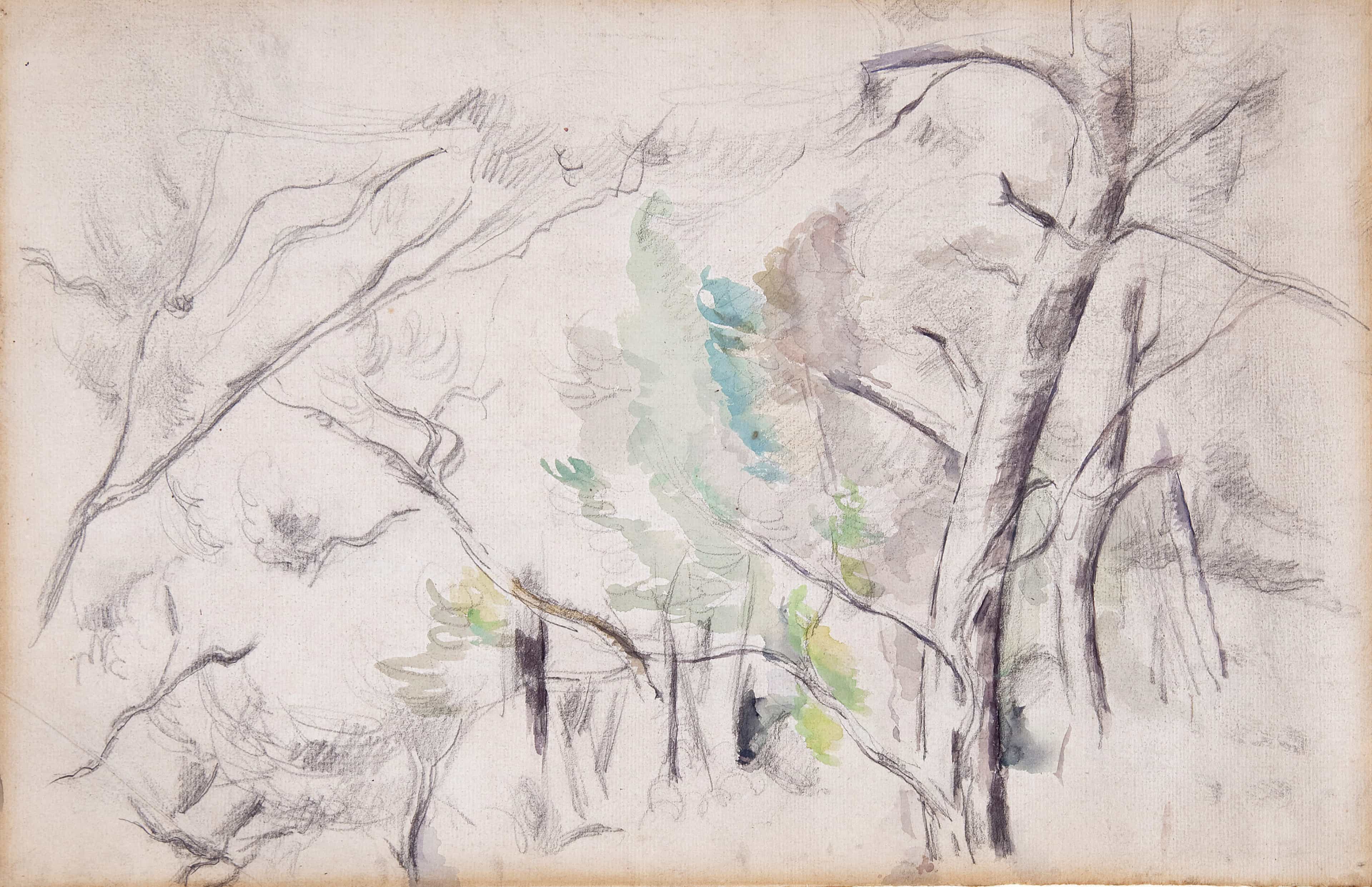
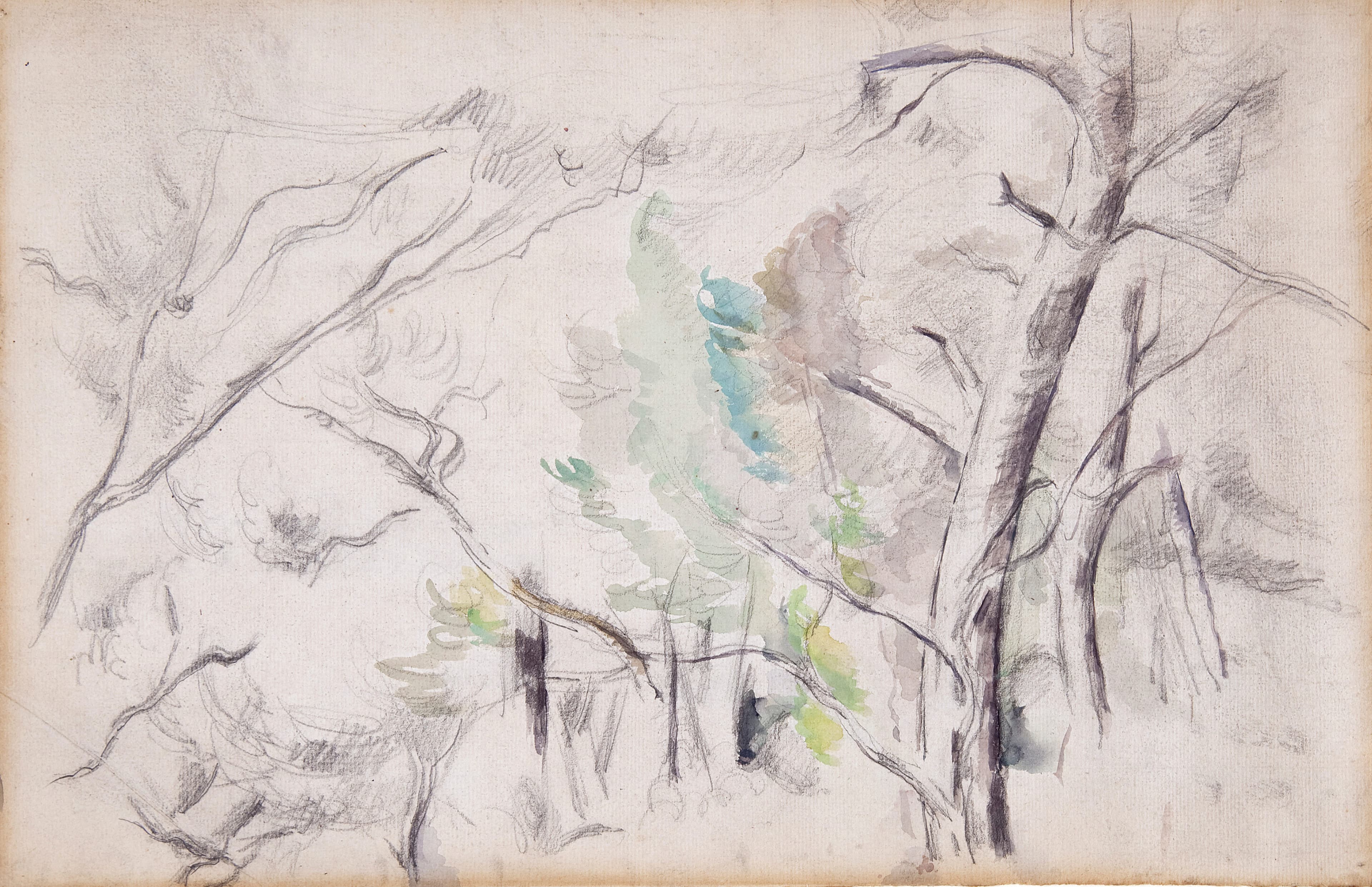
Trees (Arbres)
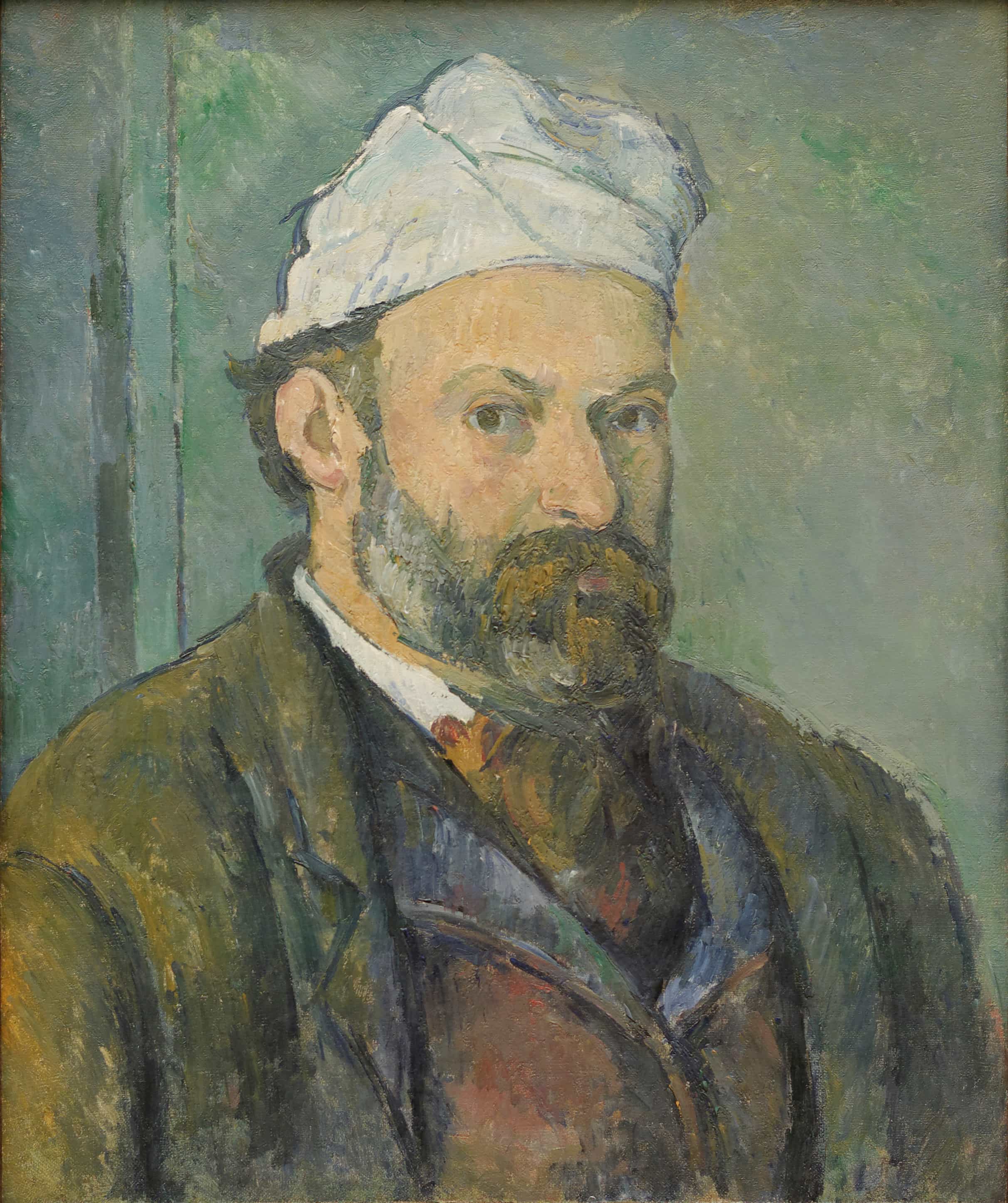
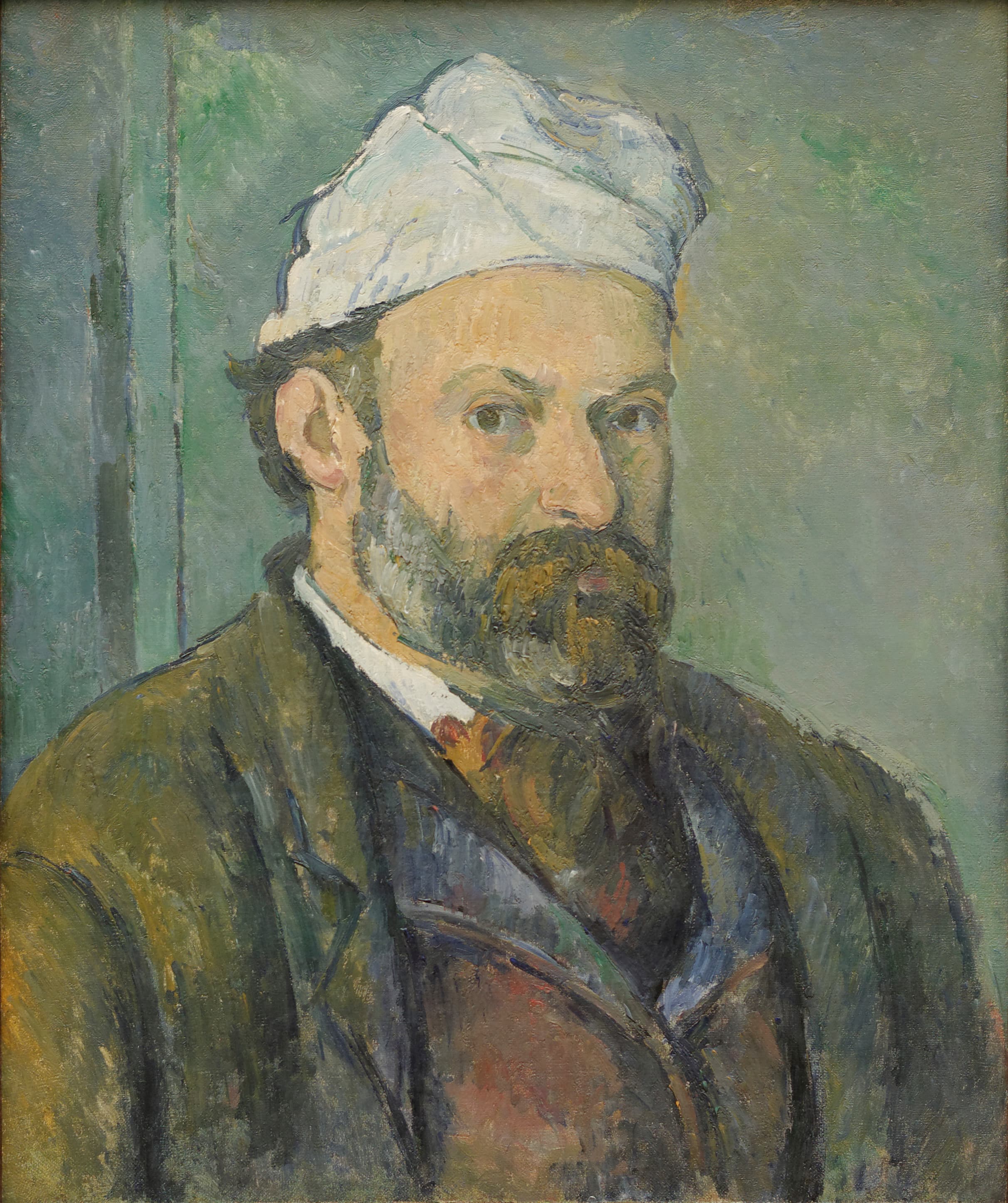
Portrait of the Artist in the White Cap
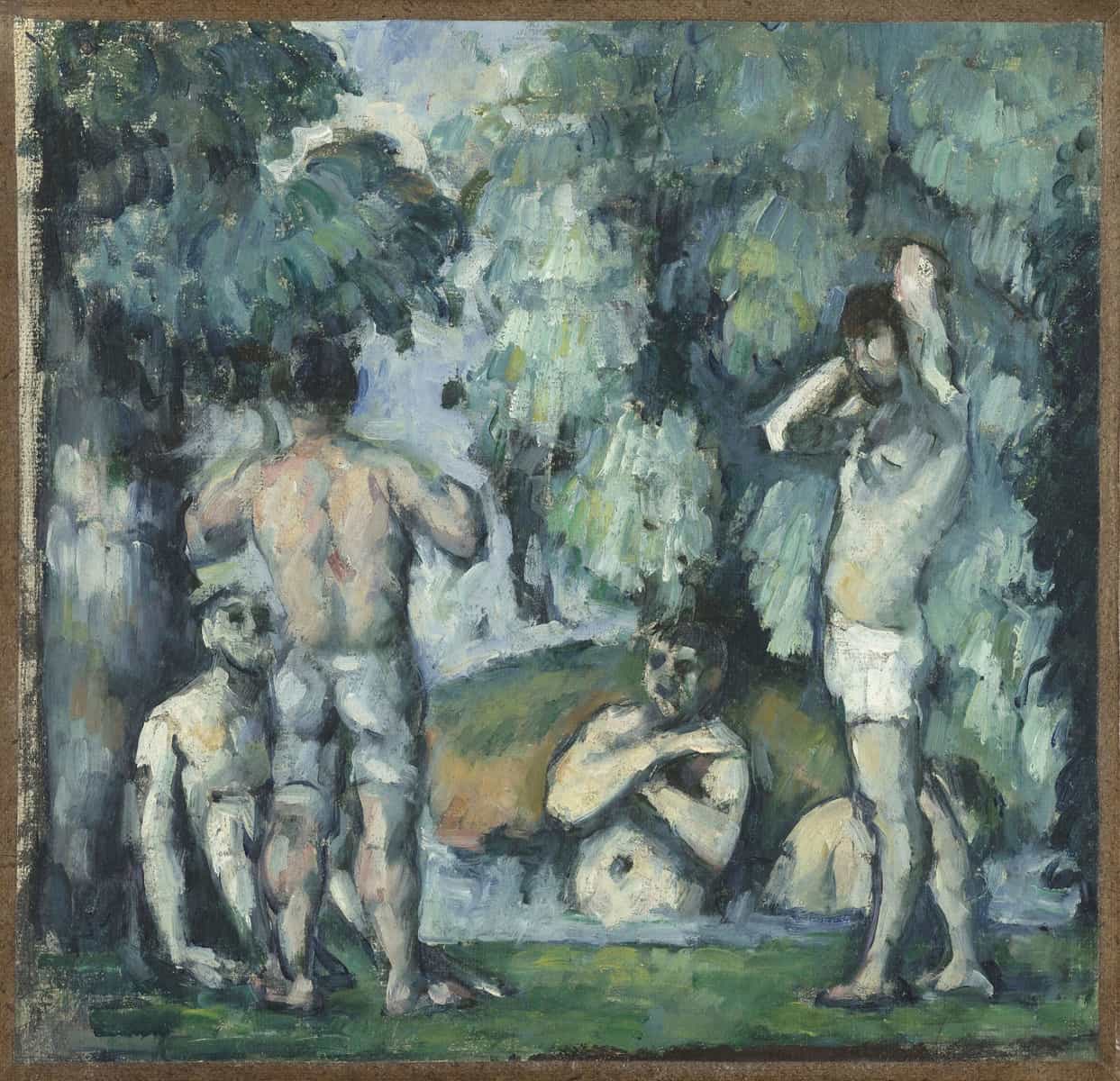
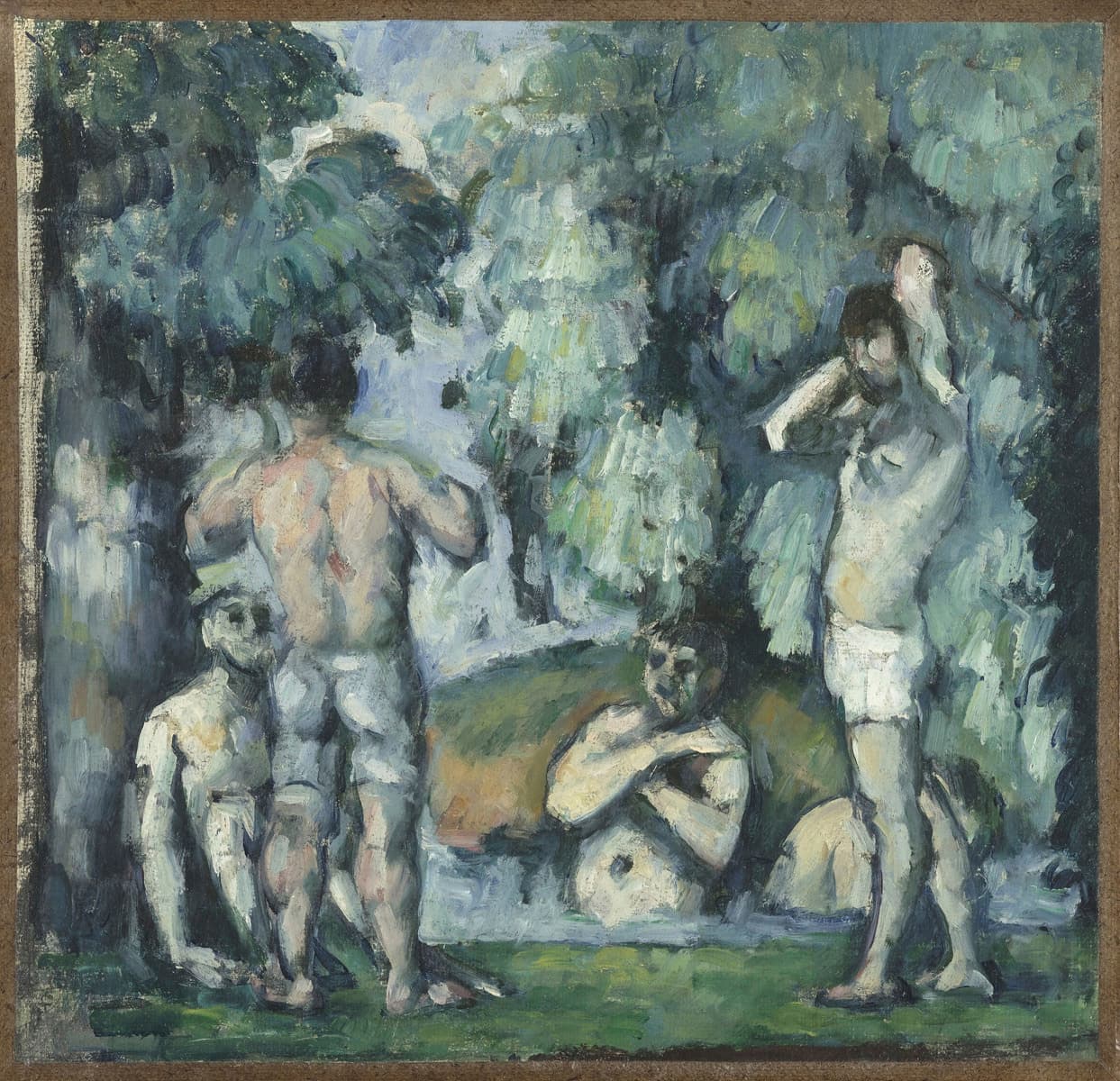
Cinq baigneurs
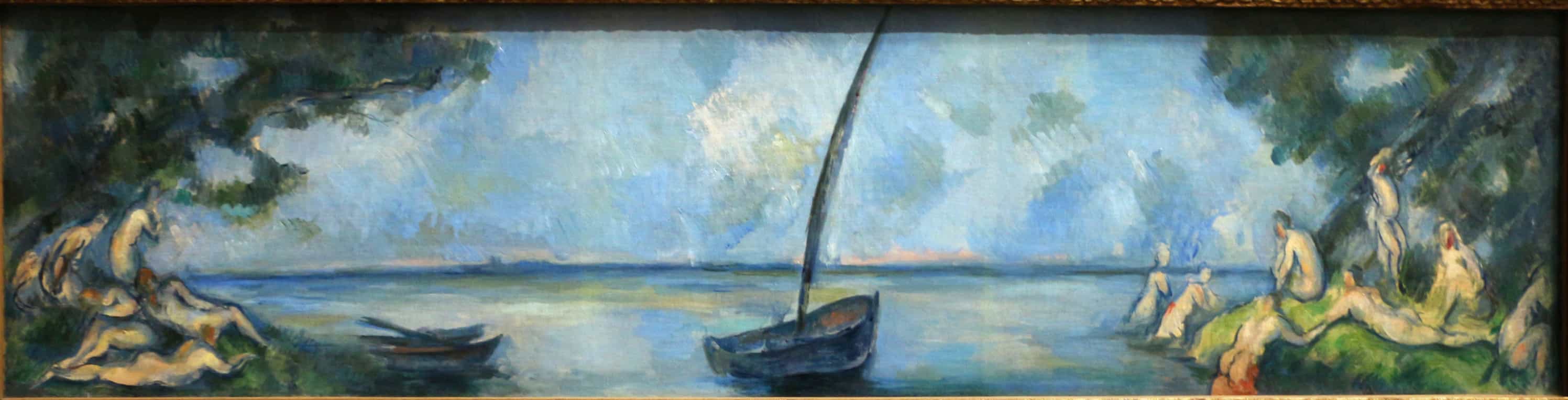
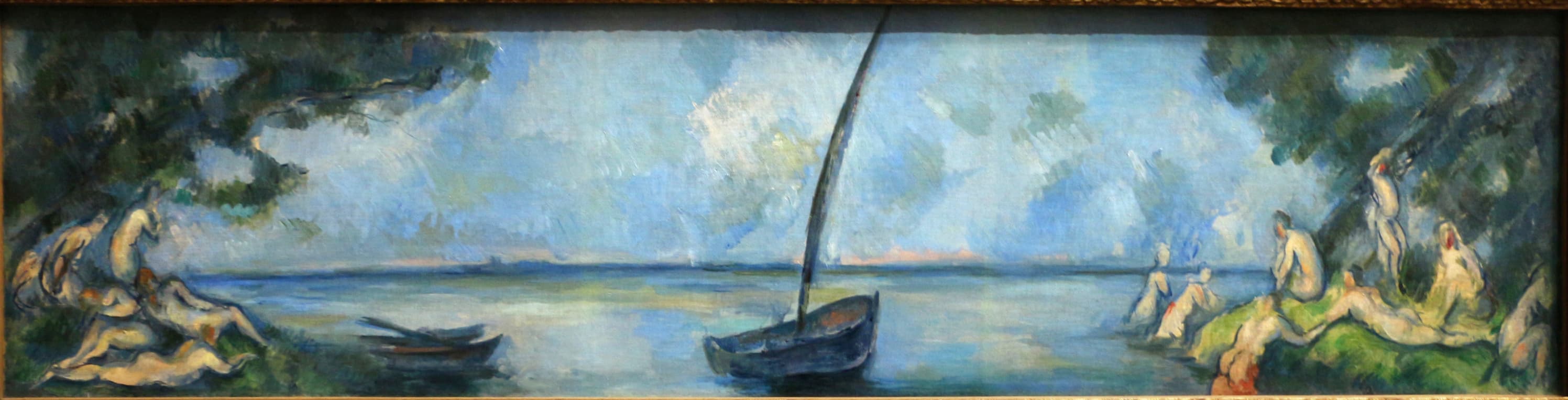
The Boat and the Bathers
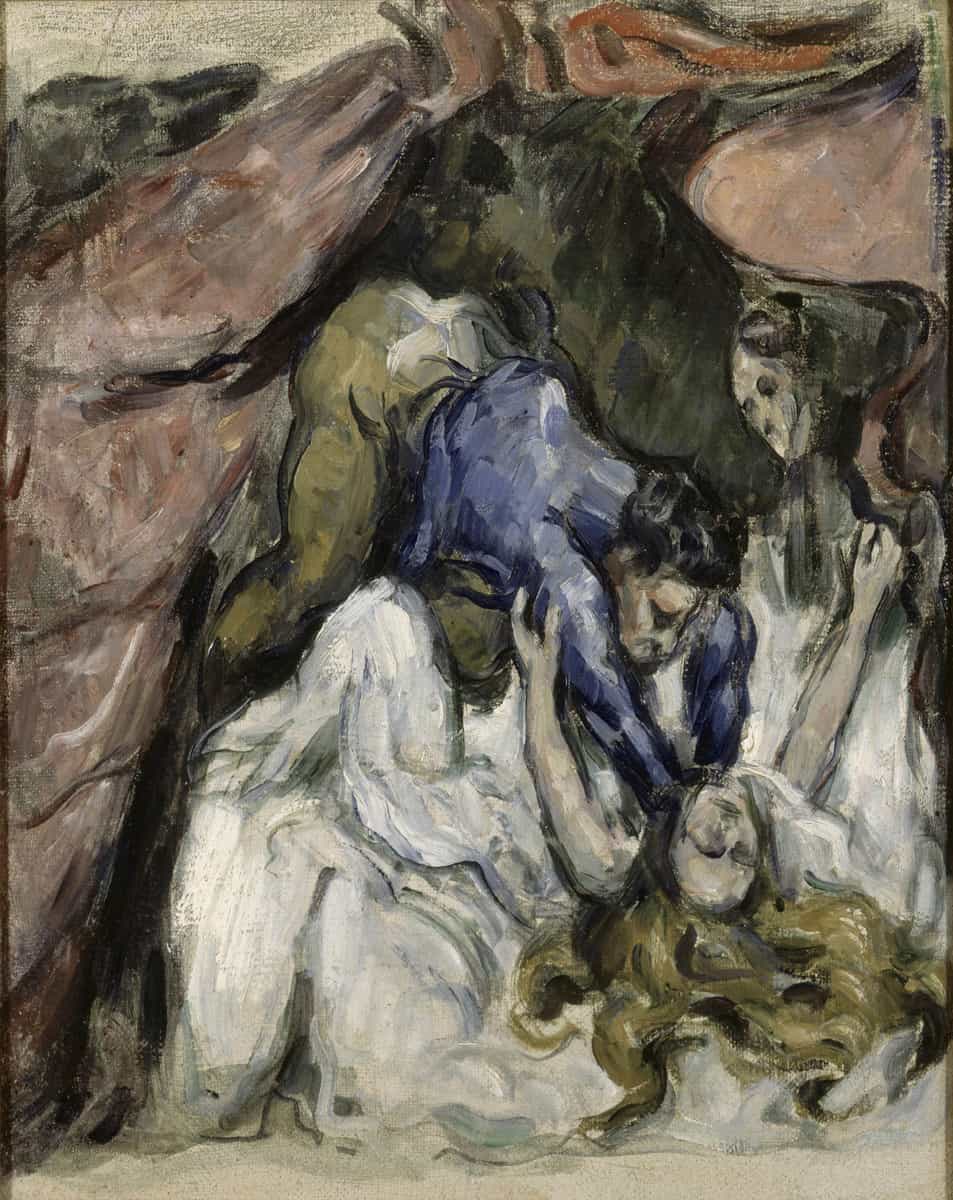
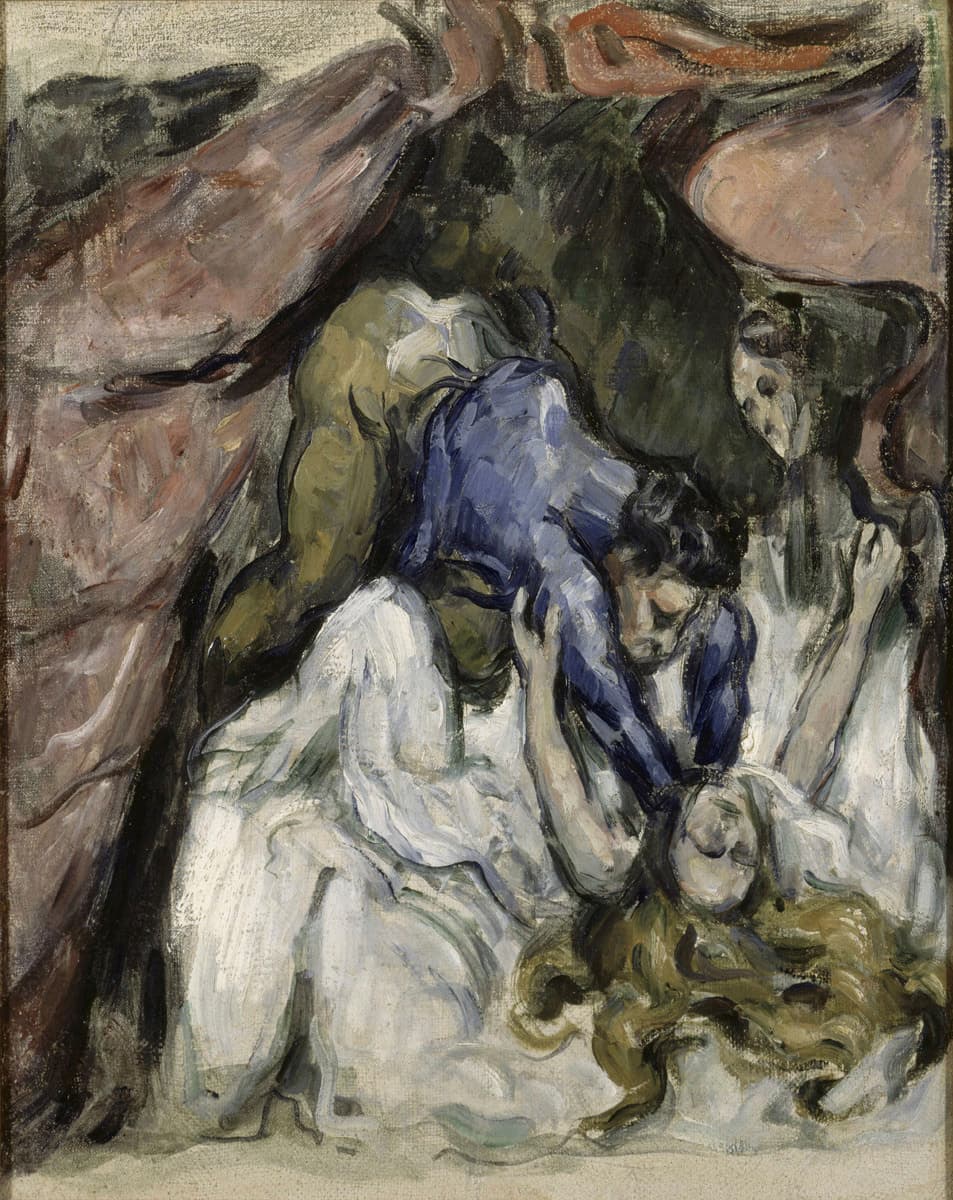
La Femme étranglée
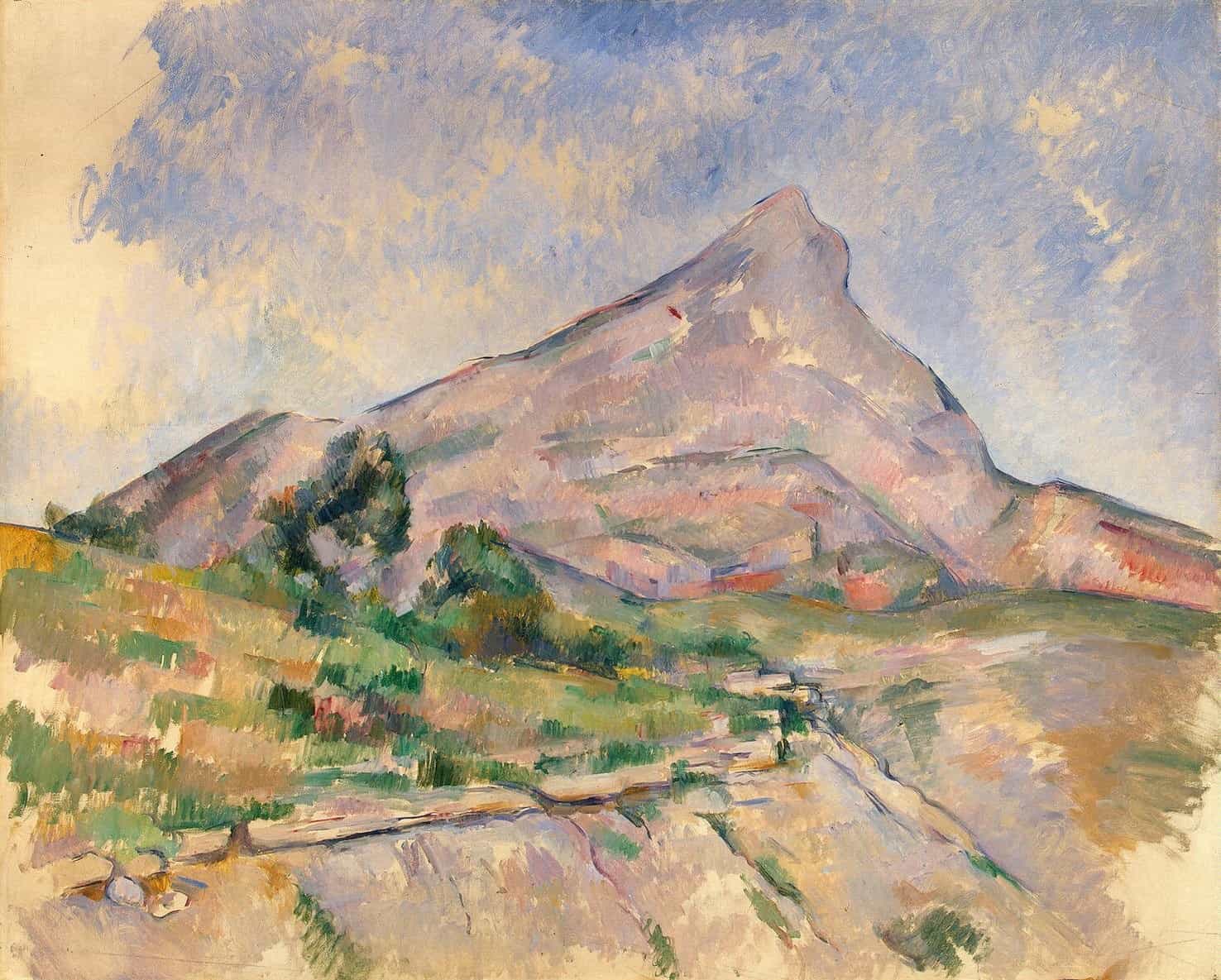
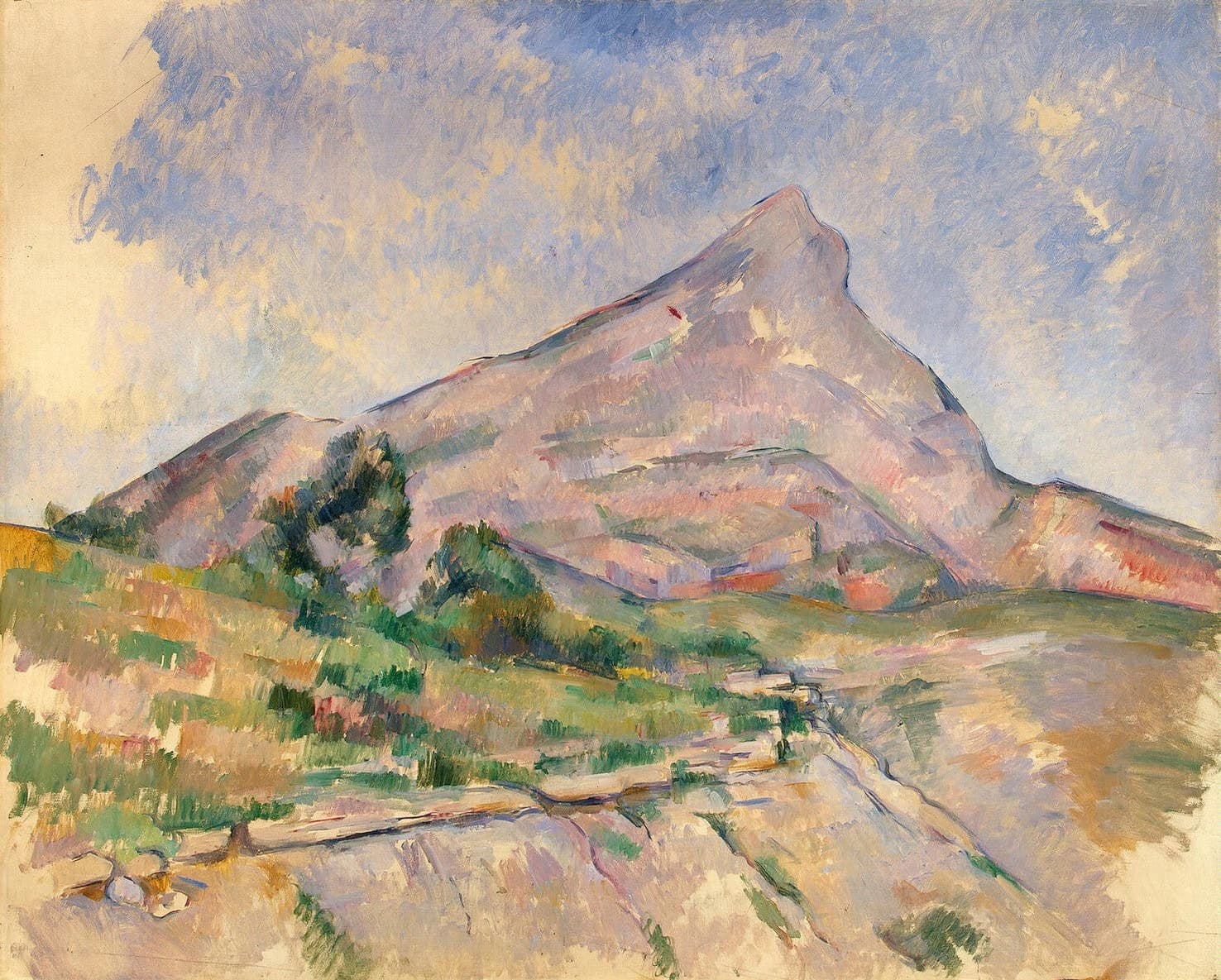
Mount Sainte-Victoire
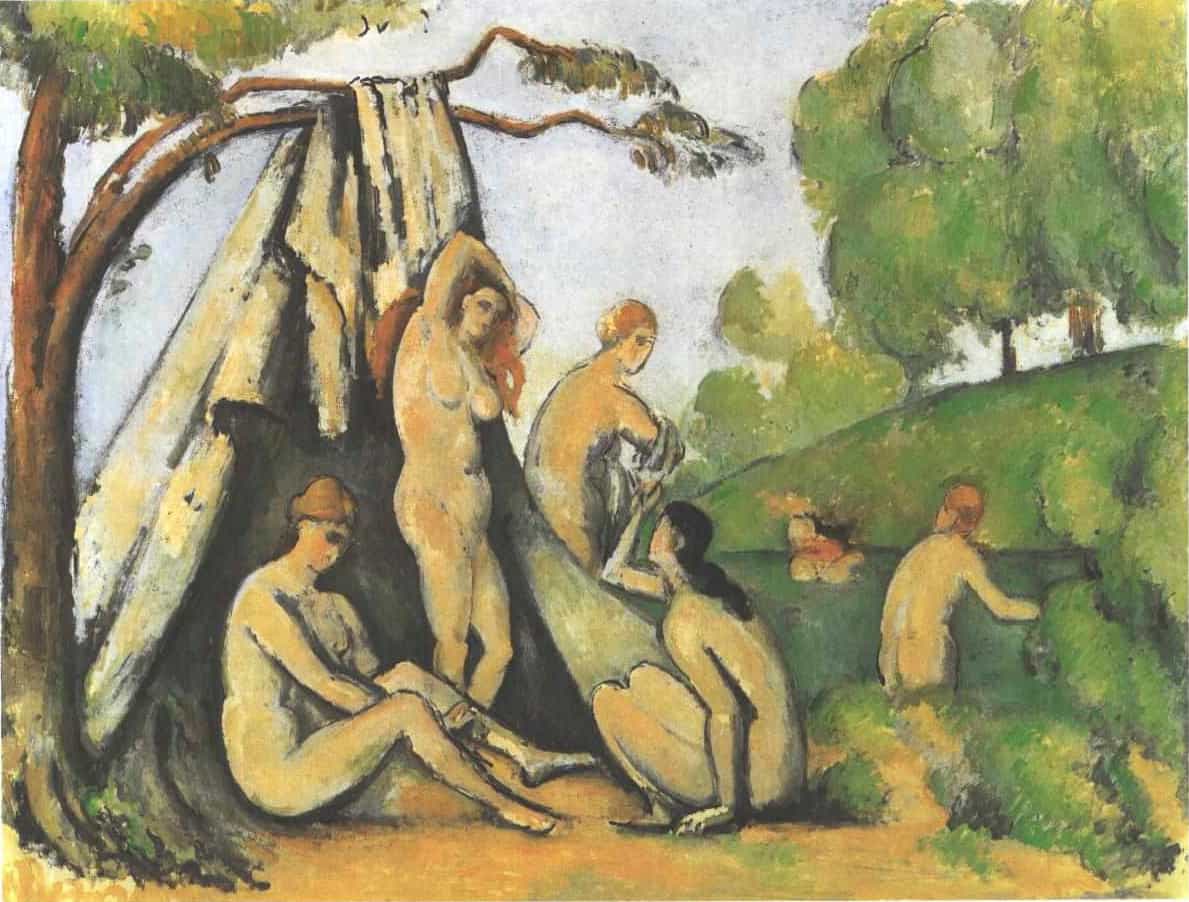
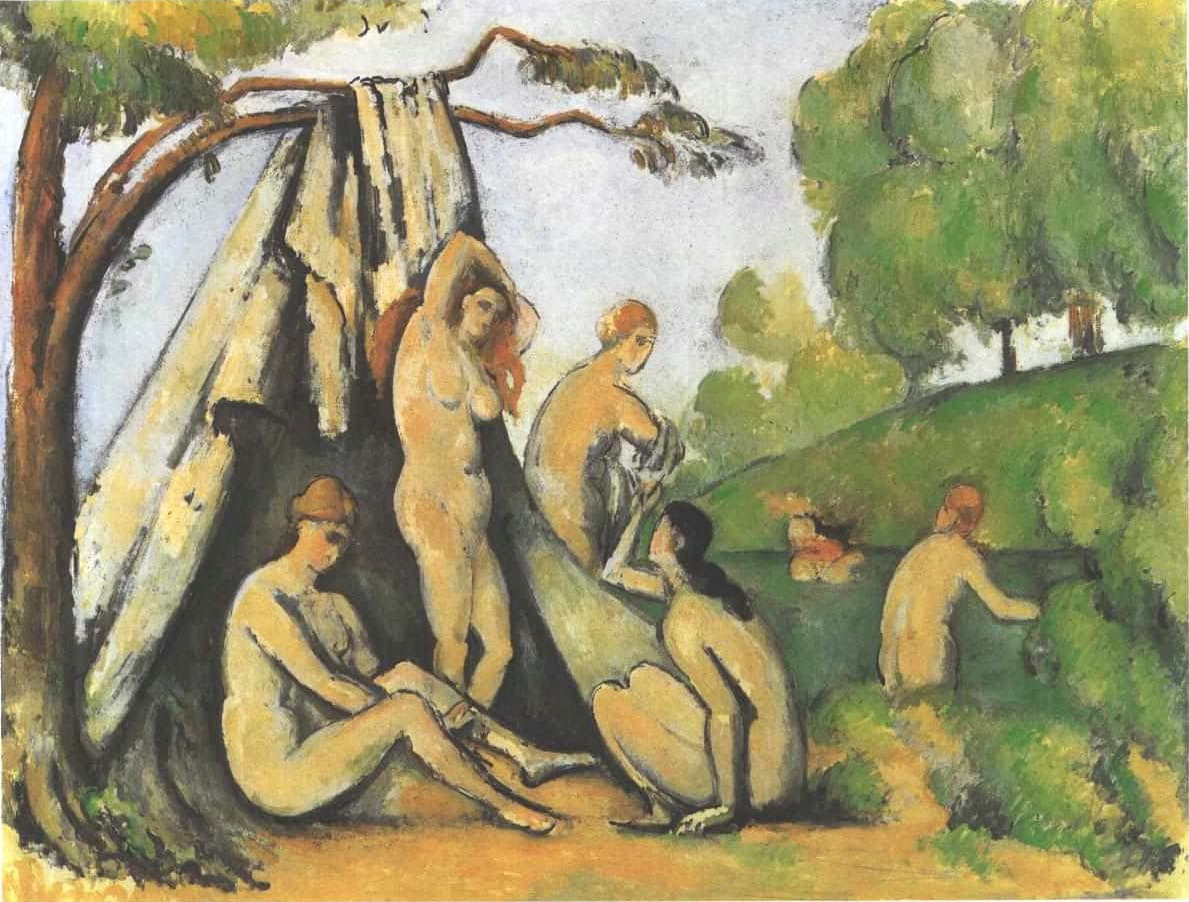
Bathers in Front of a Tent
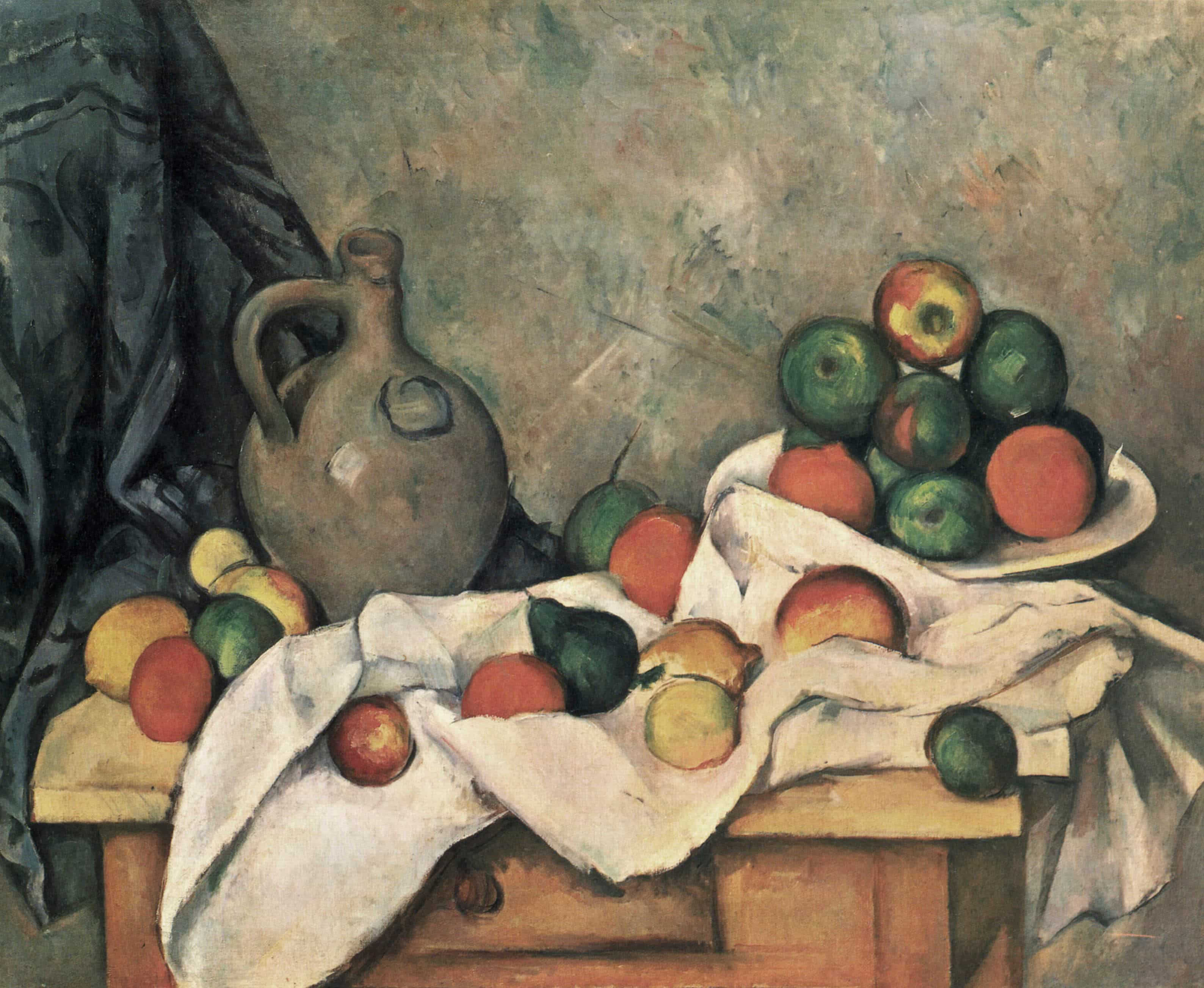
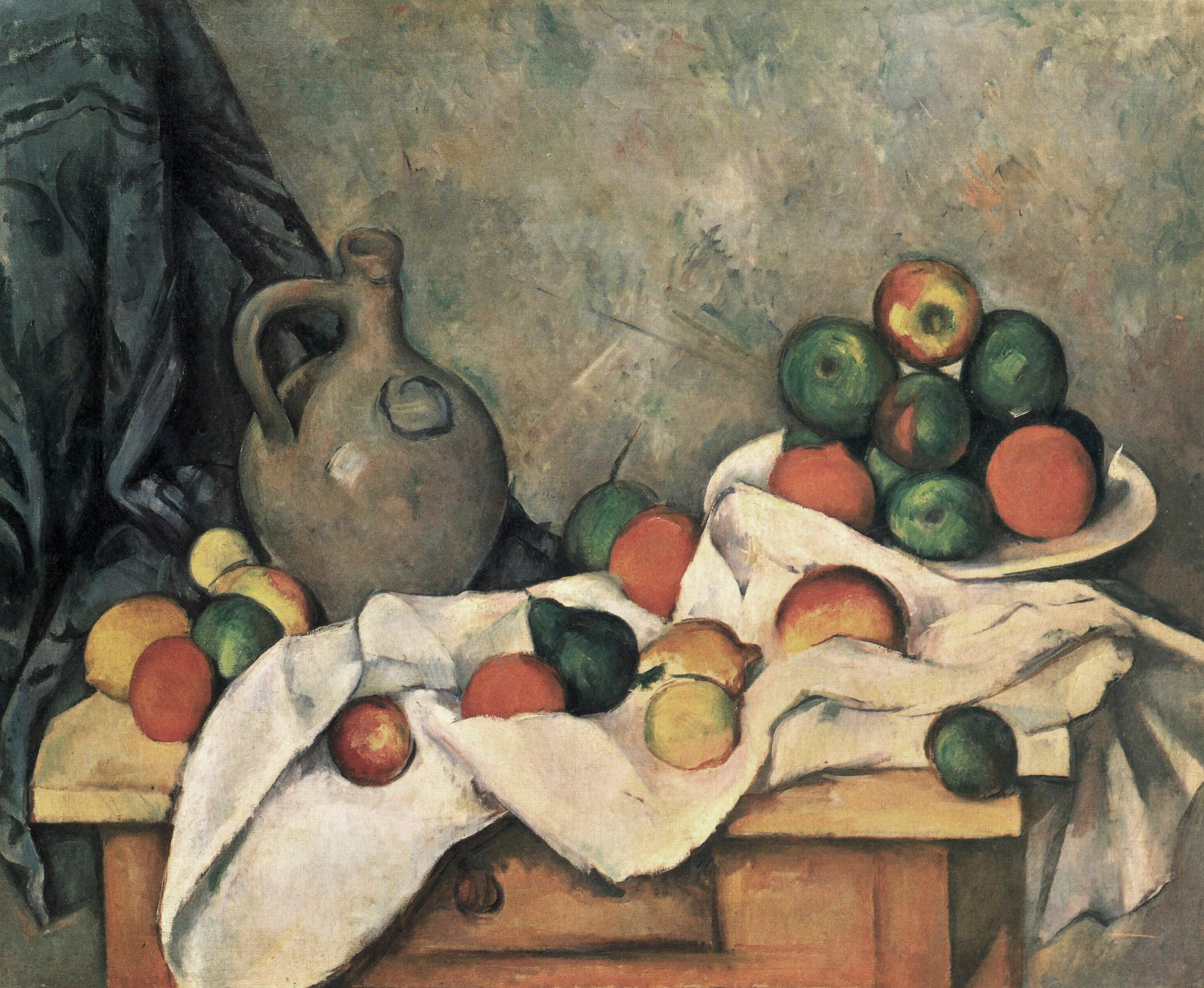
Rideau, Cruchon et Compotier
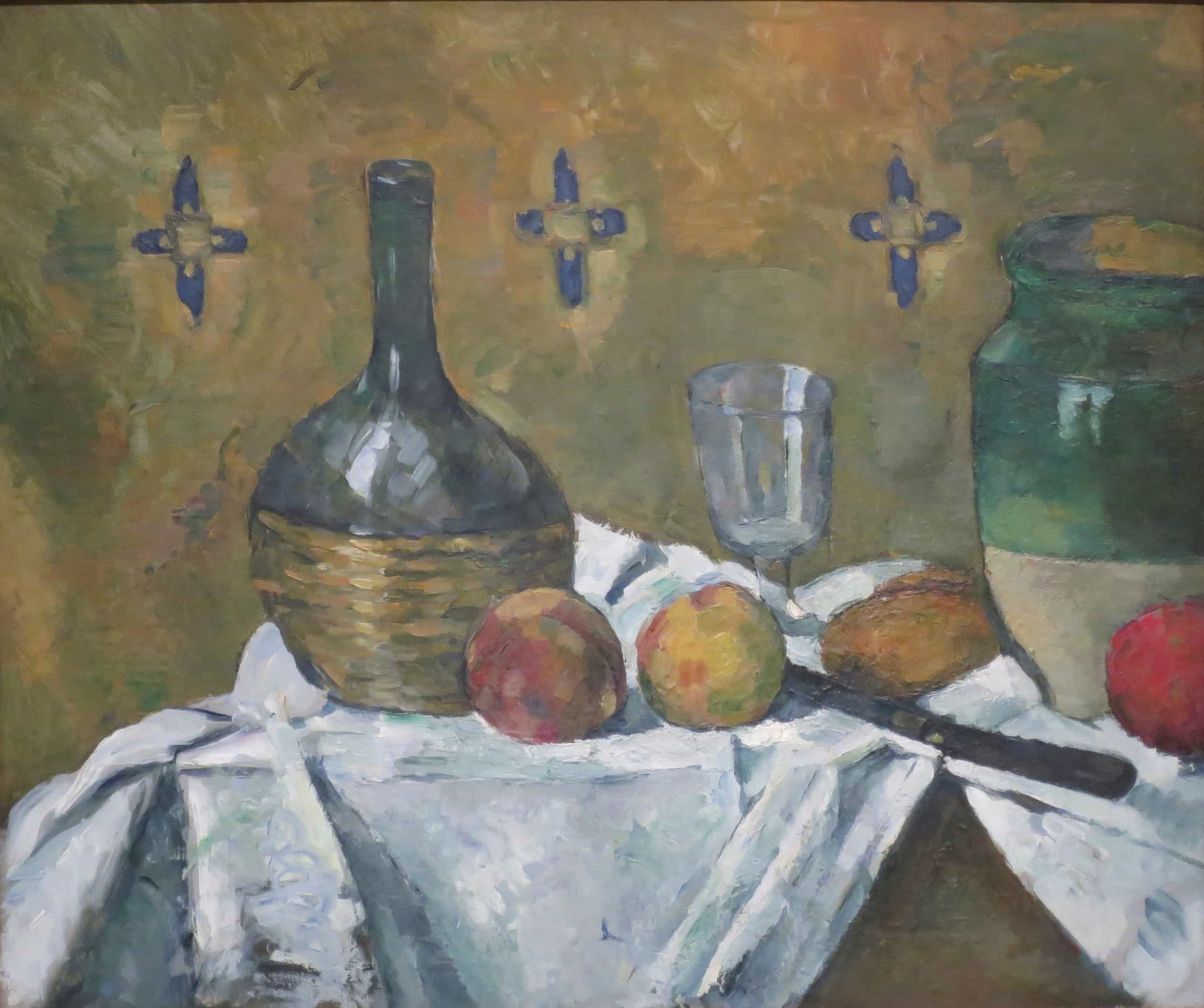
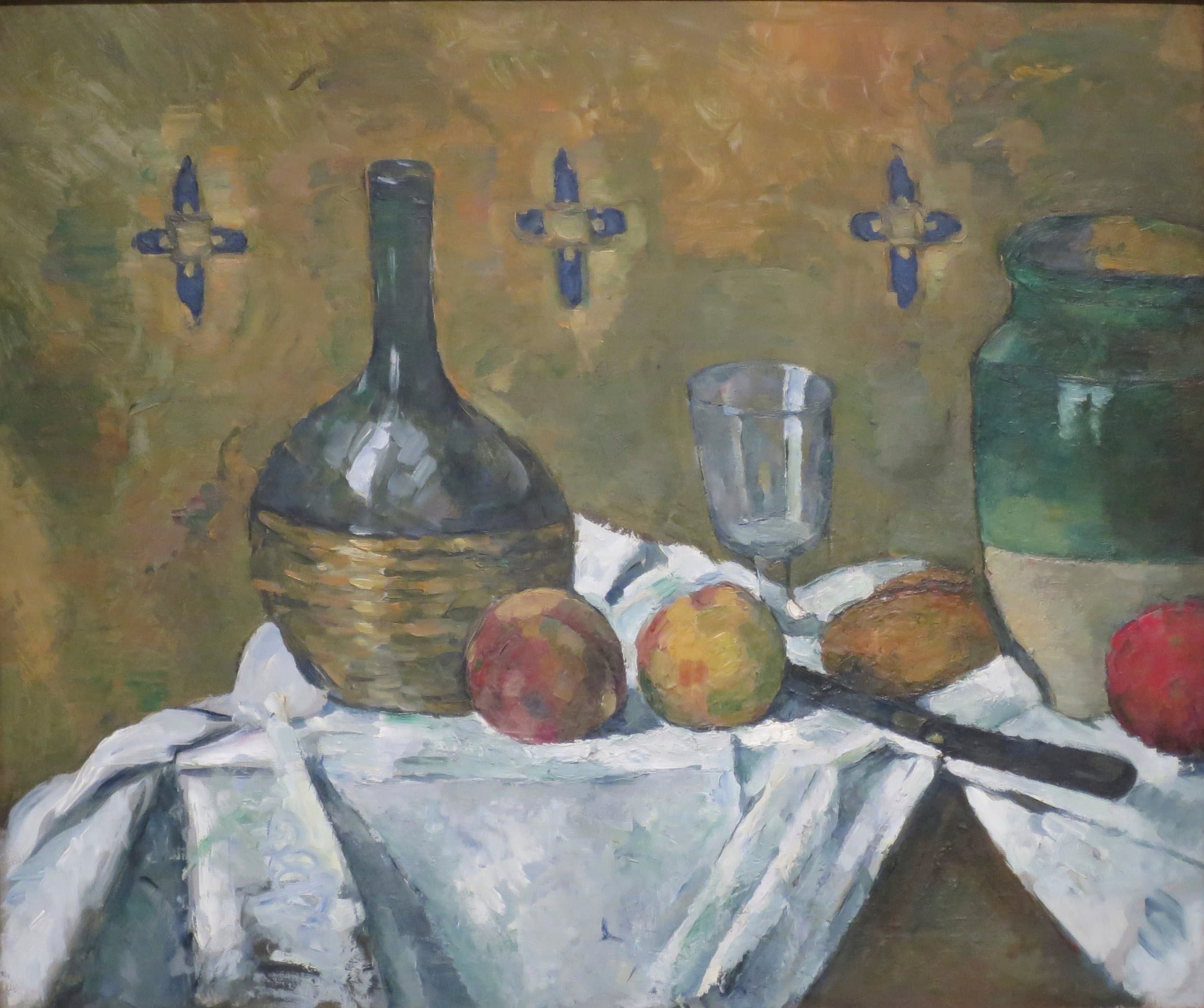
Still Life: Flask, Glass, and Jug
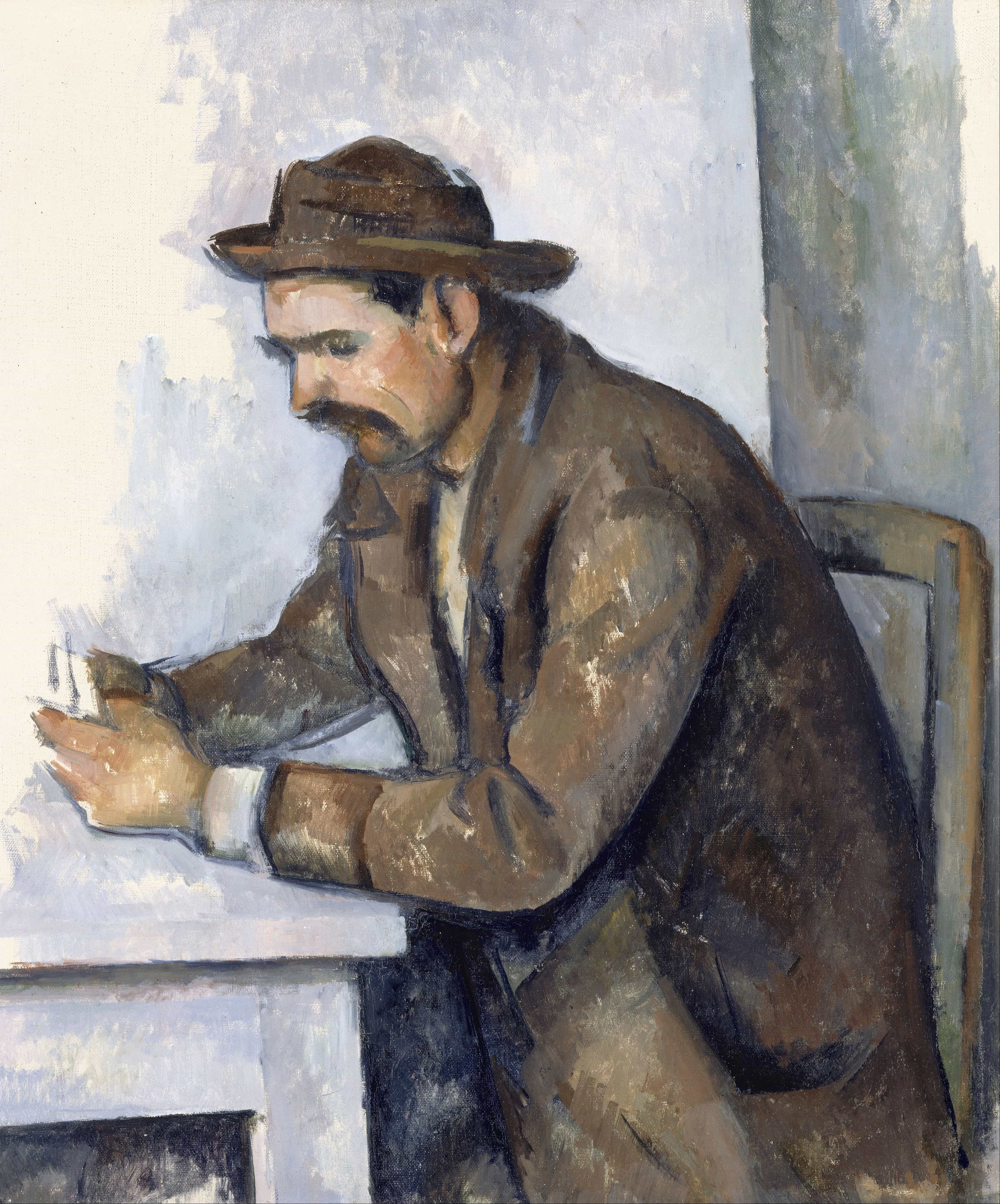
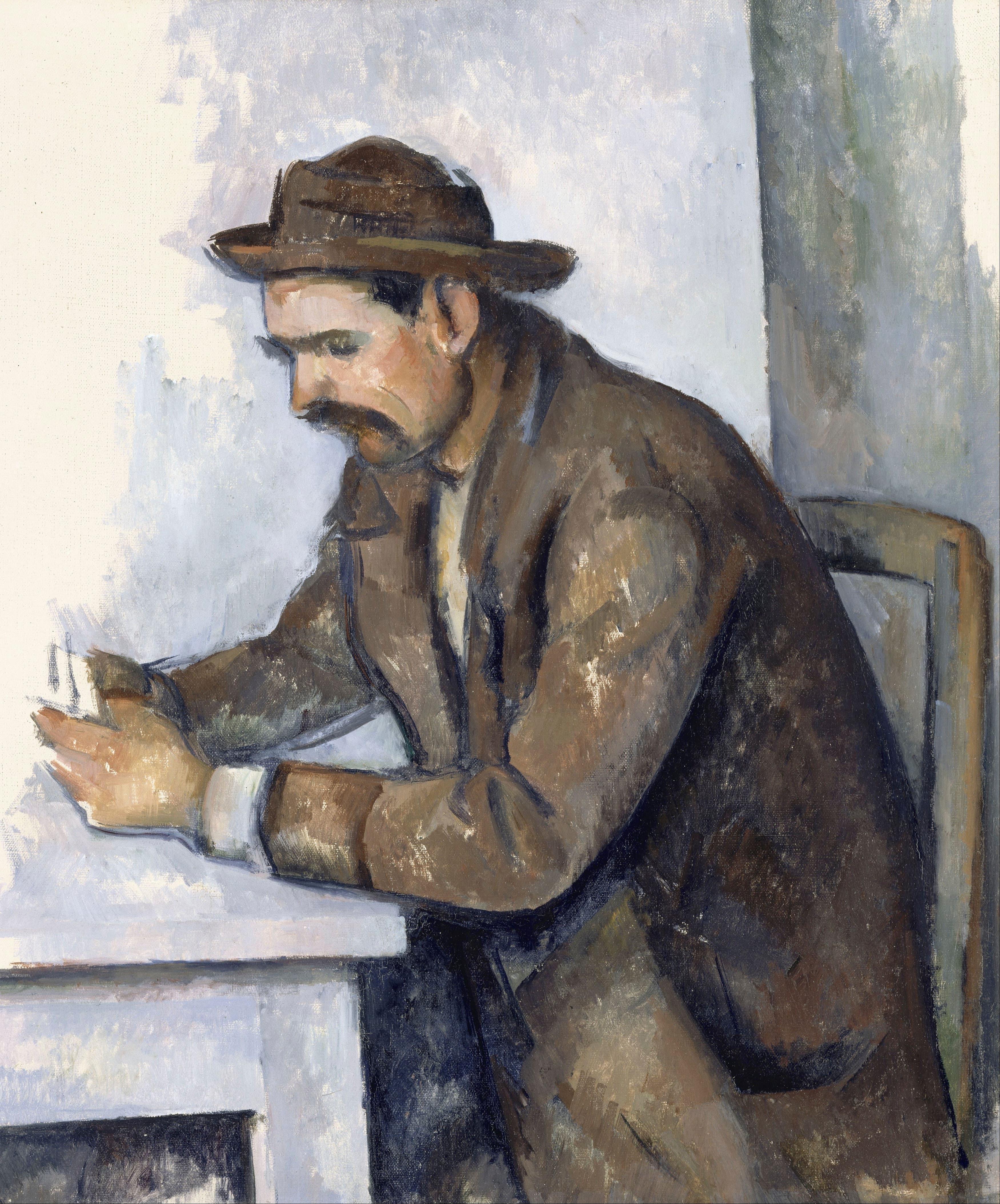
The Cardplayer
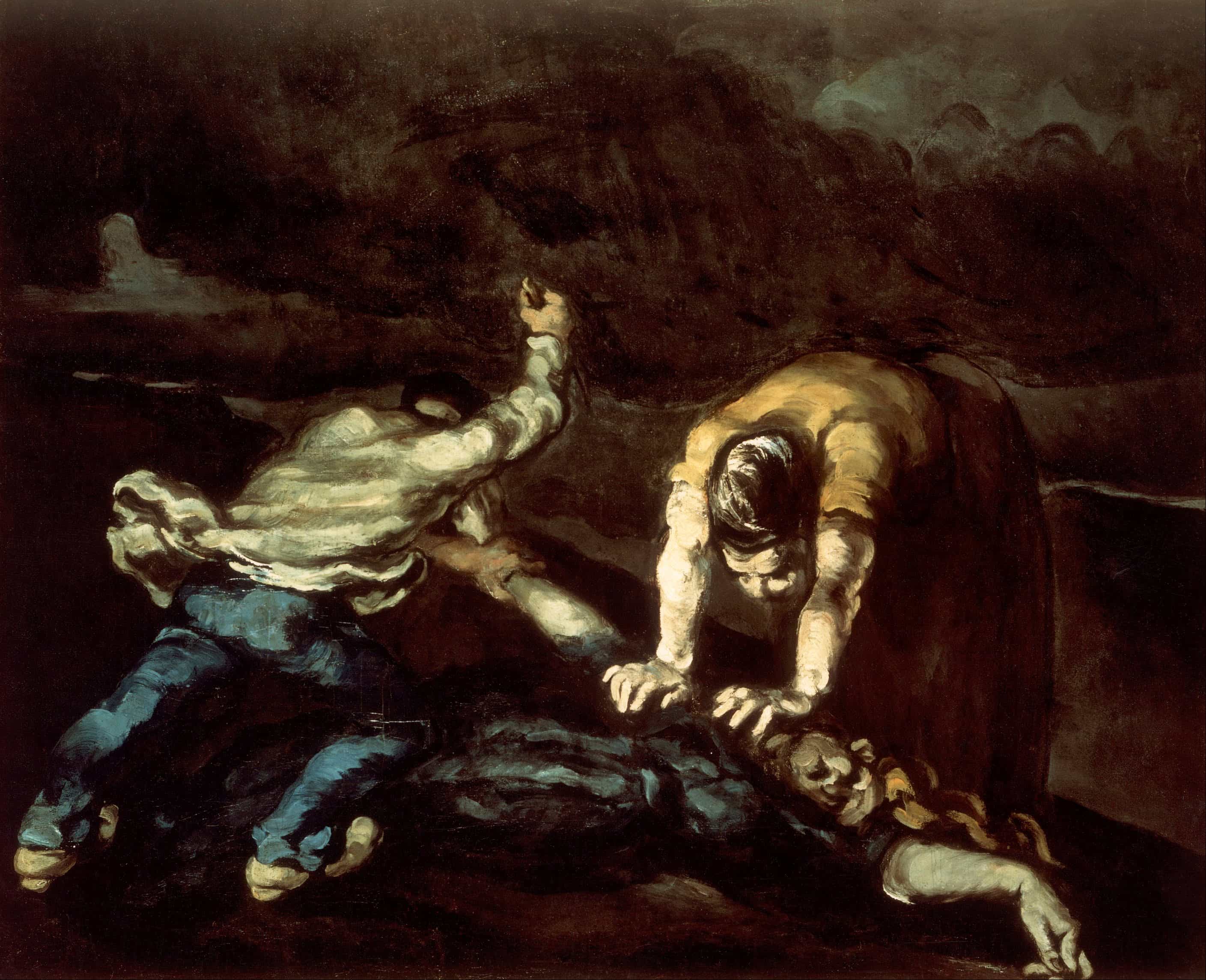
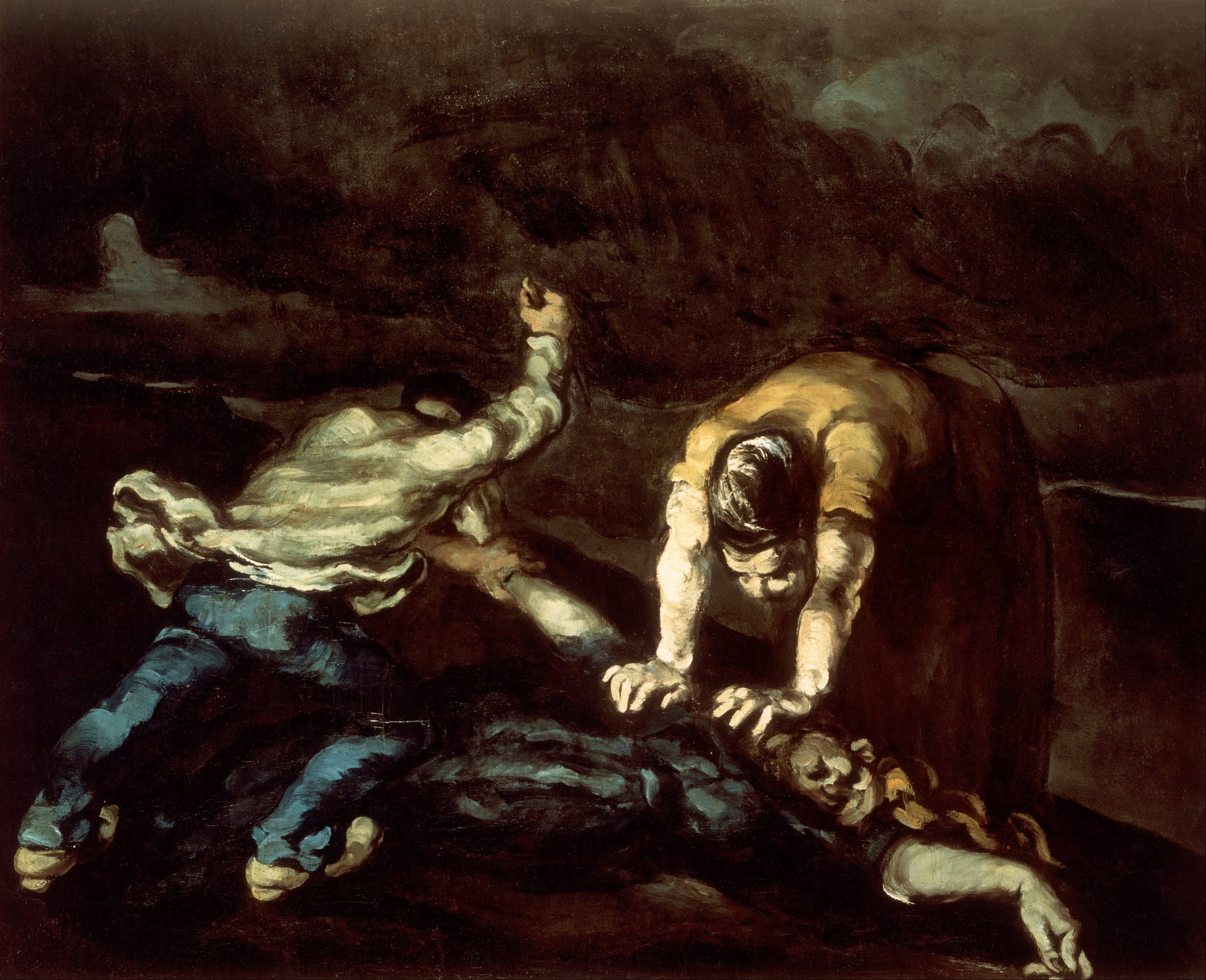
Le Meurtre