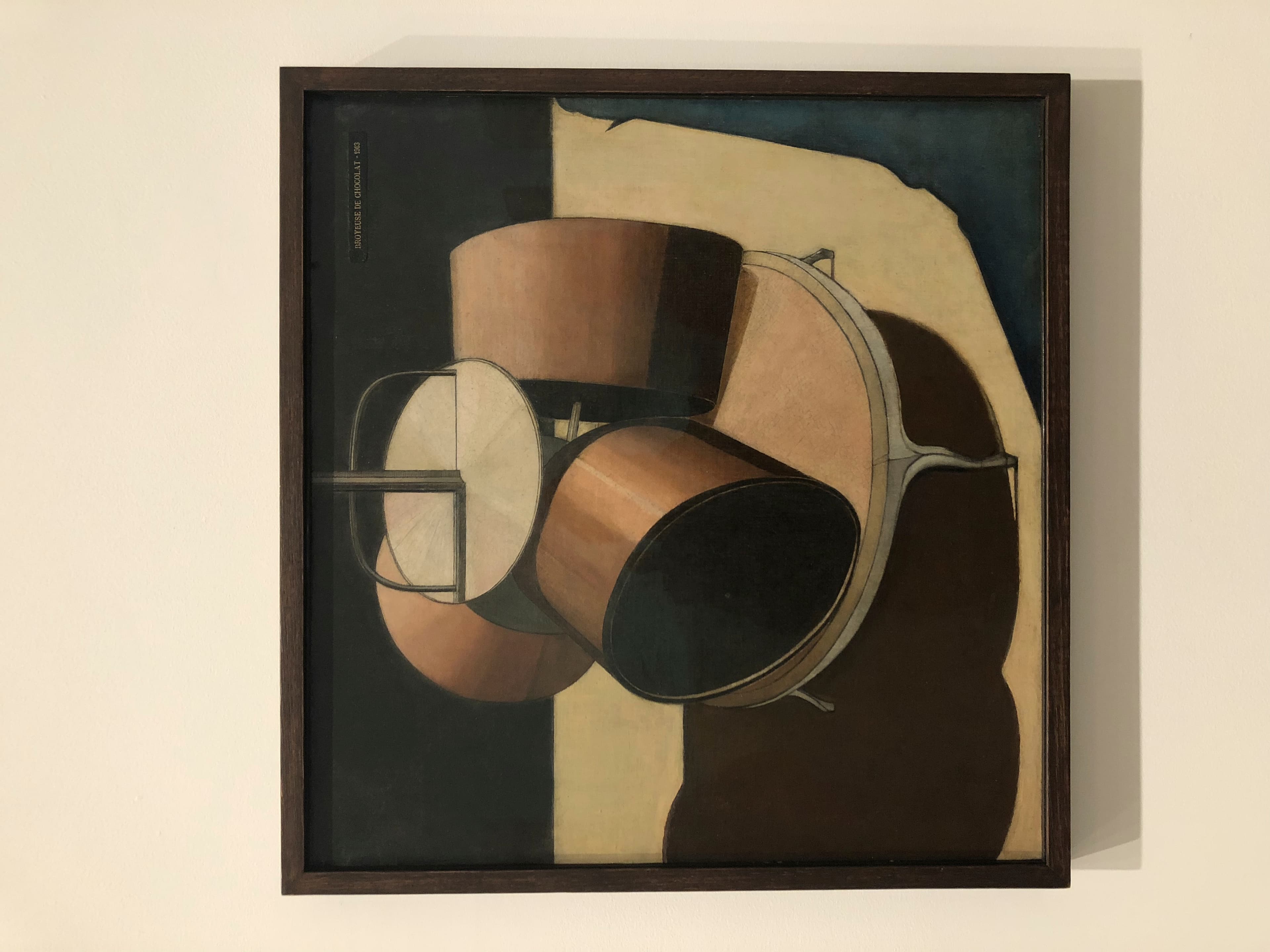
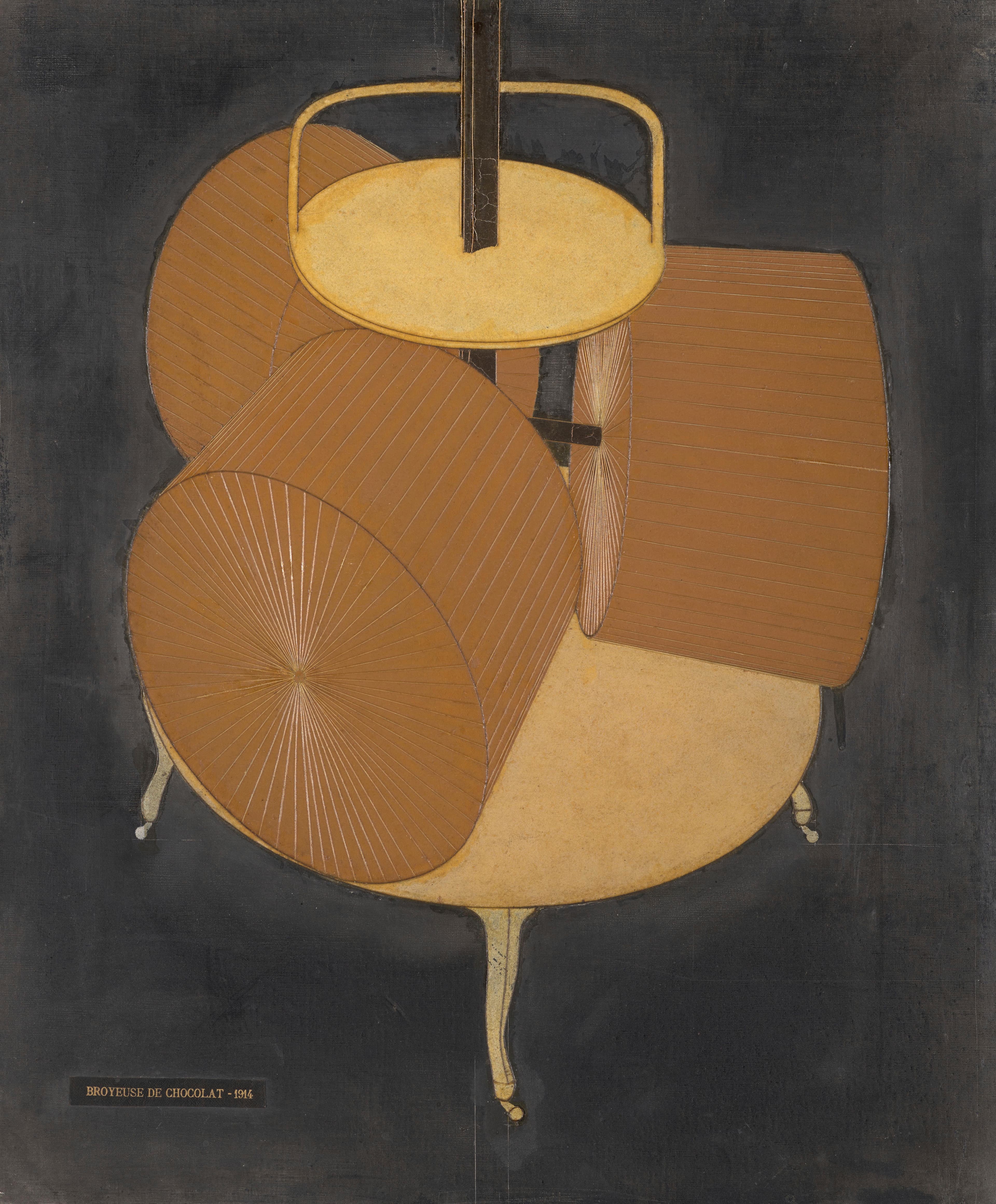
Chocolate Grinder (No. 1)
Marcel Duchamp
From £54
Collection
Museum-quality reproductions on 310gsm textured cotton rag paper.
Shop all prints by Marcel DuchampArtistic Style
Style Evolution
Duchamp moved from early Cubist-influenced painting to radical readymades and concept-driven projects. Over decades he shifted emphasis from visual composition to the primacy of idea, influencing Dada, Surrealism, and conceptual art.
Palette
Subjects
Techniques
Topics
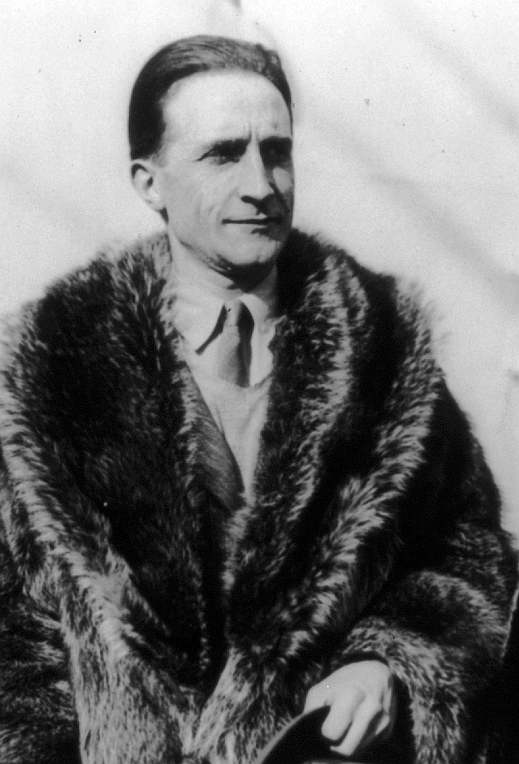
Marcel Duchamp (1887-1968) was a United States Dada and conceptual artist whose radical readymades and ideas reshaped 20th-century art and challenged notions of authorship.
Learn about the life of Marcel Duchamp
Biography
Marcel Duchamp (1887-1968) was a United States Dada and conceptual artist whose radical readymades and ideas reshaped 20th-century art and challenged notions of authorship.
Marcel Duchamp (1887-1968) was a United States Dada and conceptual artist whose radical readymades and ideas reshaped 20th-century art and challenged notions of authorship.
Duchamp was born in Blainville-Crevon. Trained initially in painting and exposed to late 19th- and early 20th-century European modernism, he emerged as a restless, inquisitive figure who moved between media and cities, always probing the boundary between art and everyday objects.
Duchamp's artistic development moved from early figurative and Cubist-influenced work to pioneering experiments that helped define Dada and conceptual art.
In the 1910s Duchamp engaged with Cubist geometry and the visual experiments of Paris avant-garde circles. His early investigations show an interest in motion, mechanization, and fractured form.
Duchamp is best known for introducing the readymade: ordinary manufactured objects presented as art. These works reframed artistic authorship, intent, and context, shifting focus from craft and visual skill to idea and designation.
Across the 1920s onward Duchamp pursued long-term projects that used chance, linguistic play, and mechanical metaphors, continuing to challenge how art was made and perceived.
Duchamp's contributions lie less in decorative surfaces than in conceptual breakthroughs that altered the course of modern art. He developed strategies—readymades, mechanical motifs, and provocations—that expanded what could be exhibited and collected.
Duchamp favored strategies over signature brushwork: readymade appropriation, mechanical assemblage, and conceptual acts. His visual language often incorporates industrial materials, wit, and paradox rather than painterly flourish.
Duchamp influenced Dadaists, Surrealists, and subsequent generations of conceptual and contemporary artists. His emphasis on idea over object directly shaped conceptual art, Fluxus, and much of postwar avant-garde practice.
Duchamp maintained ties across Europe and the United States and often prioritized intellectual collaboration and experimentation over conventional studio production.
Collectors and institutions prize Duchamp for his intellectual impact on modern and contemporary art. Works and ideas associated with him are pivotal in museum narratives and scholarship, making Duchamp a cornerstone name for collectors interested in conceptual and historically significant 20th-century art.
Frequently Asked Questions
Chocolate Grinder (No. 1)
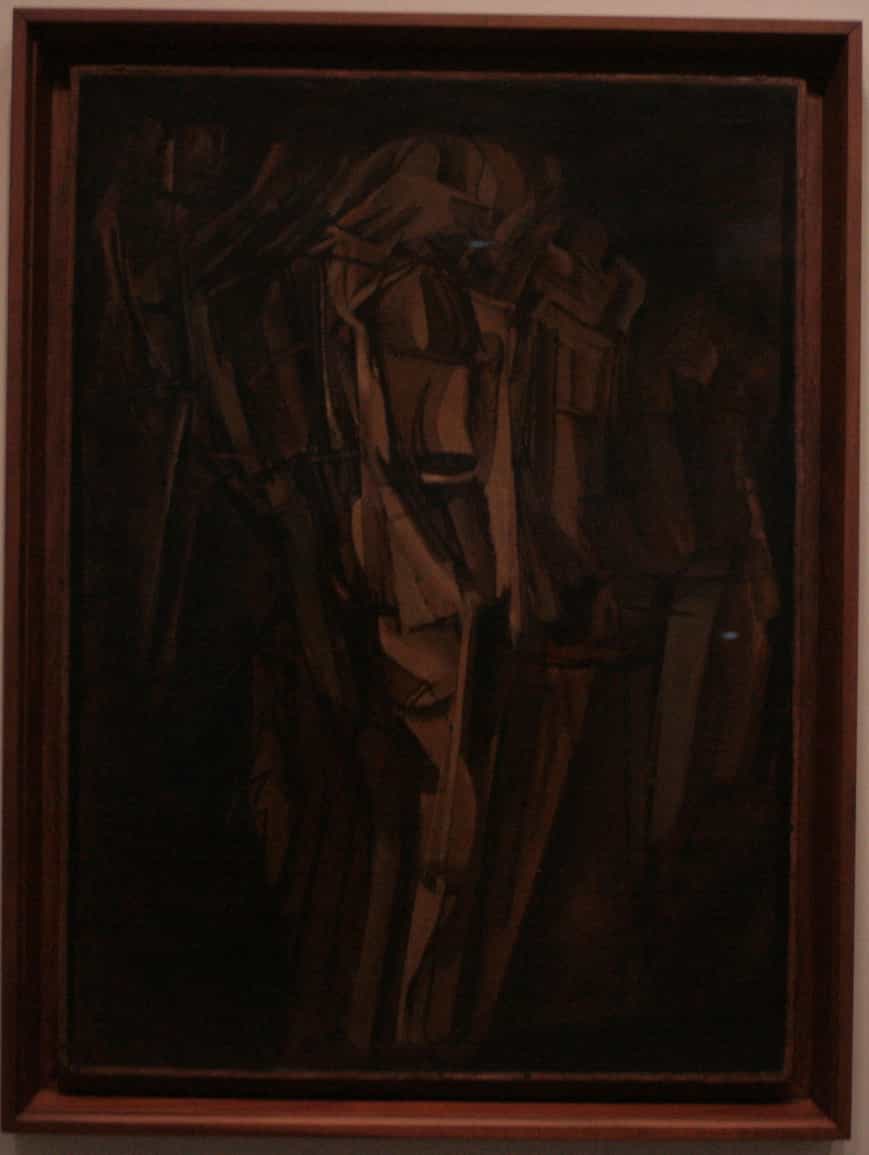
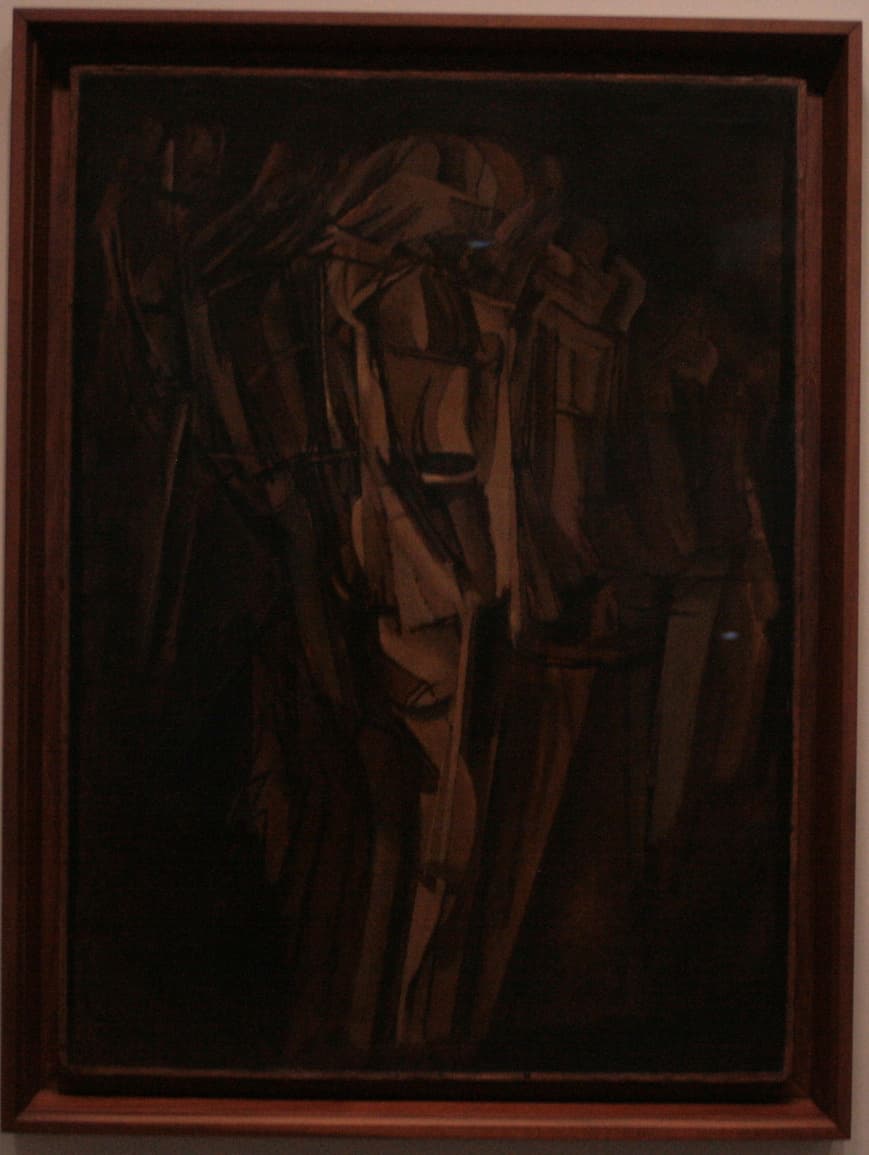
Nude (Study), Sad Young Man on a Train
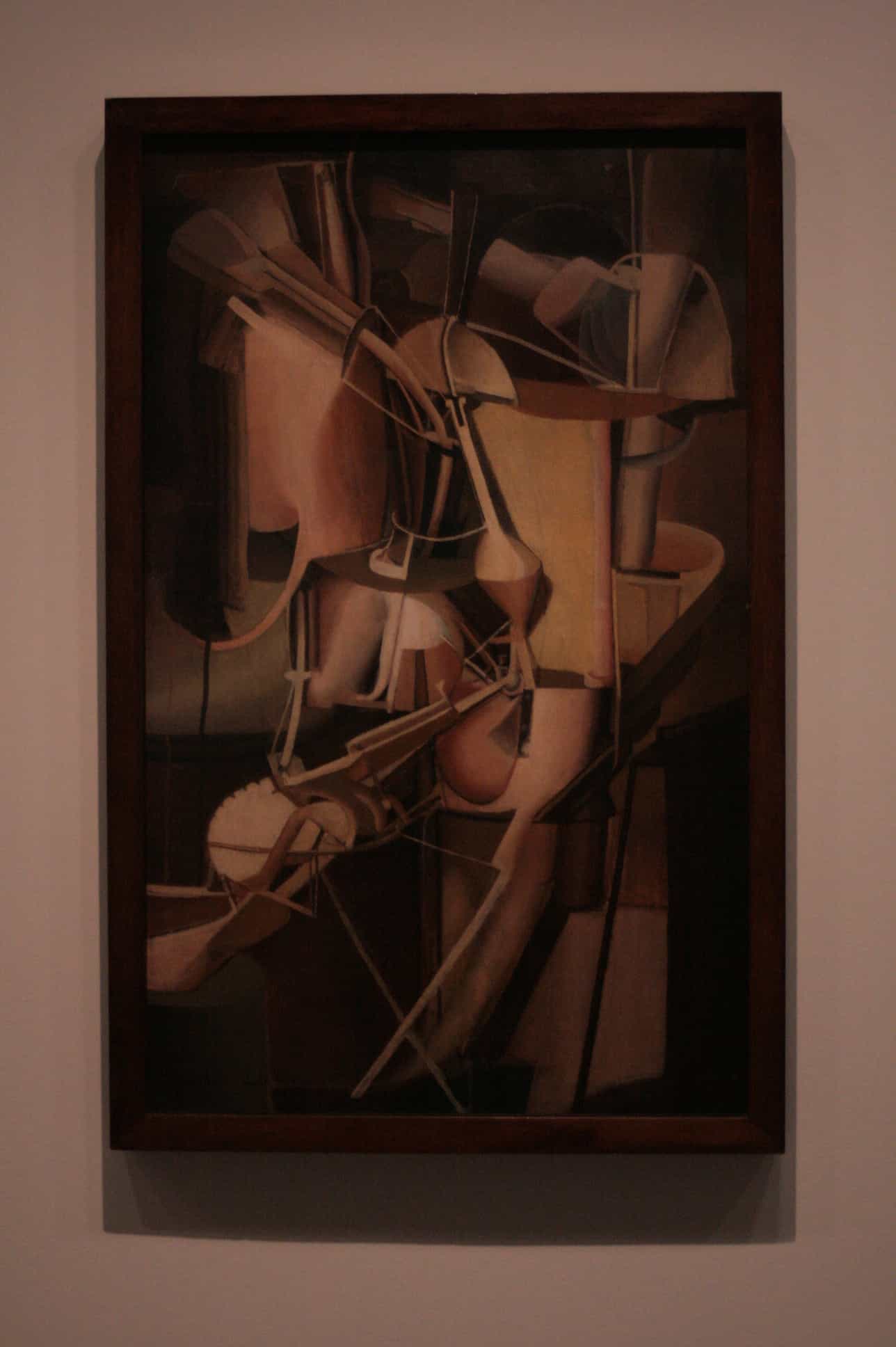
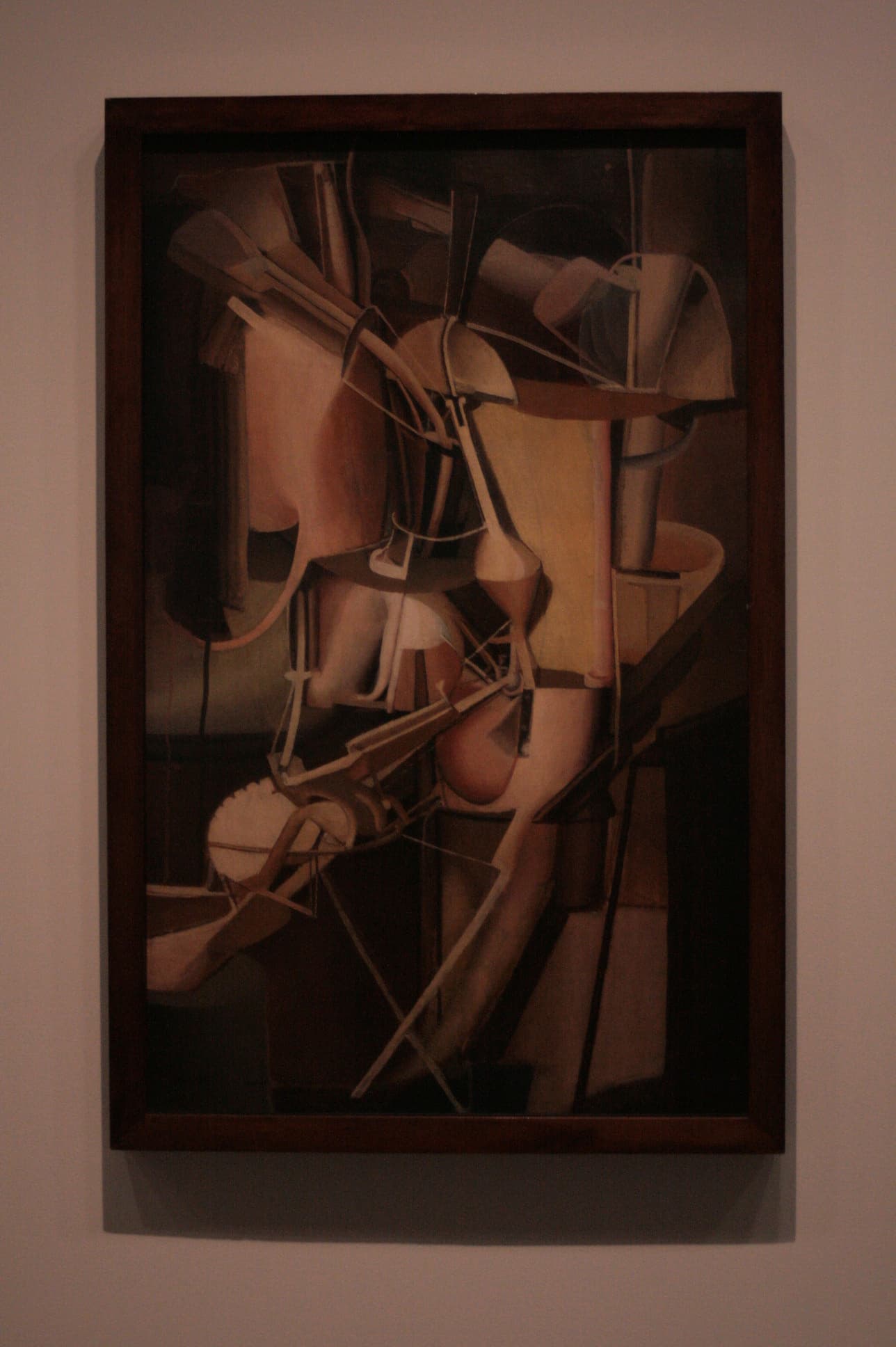
The Bride
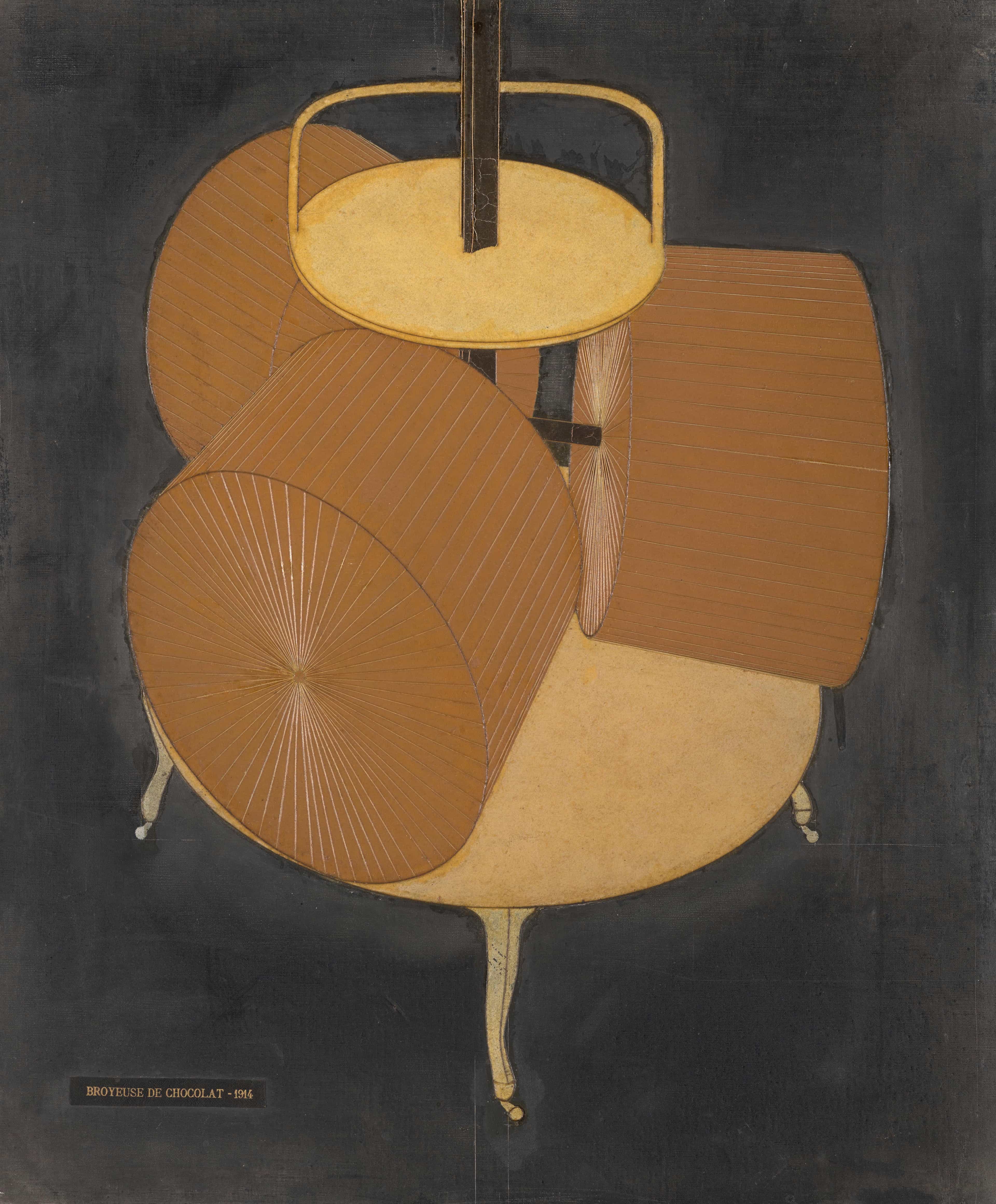
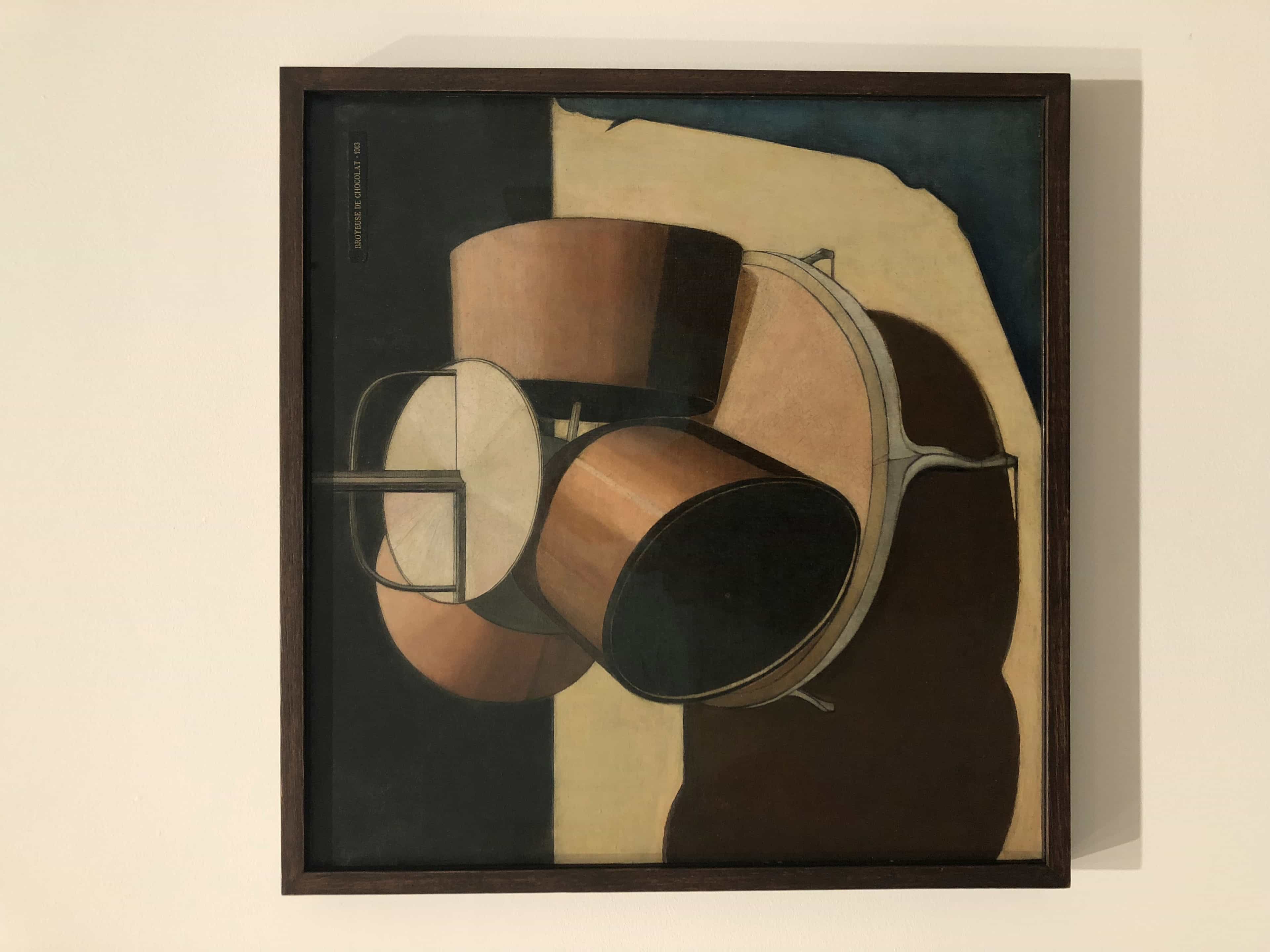
Chocolate Grinder (No. 2)
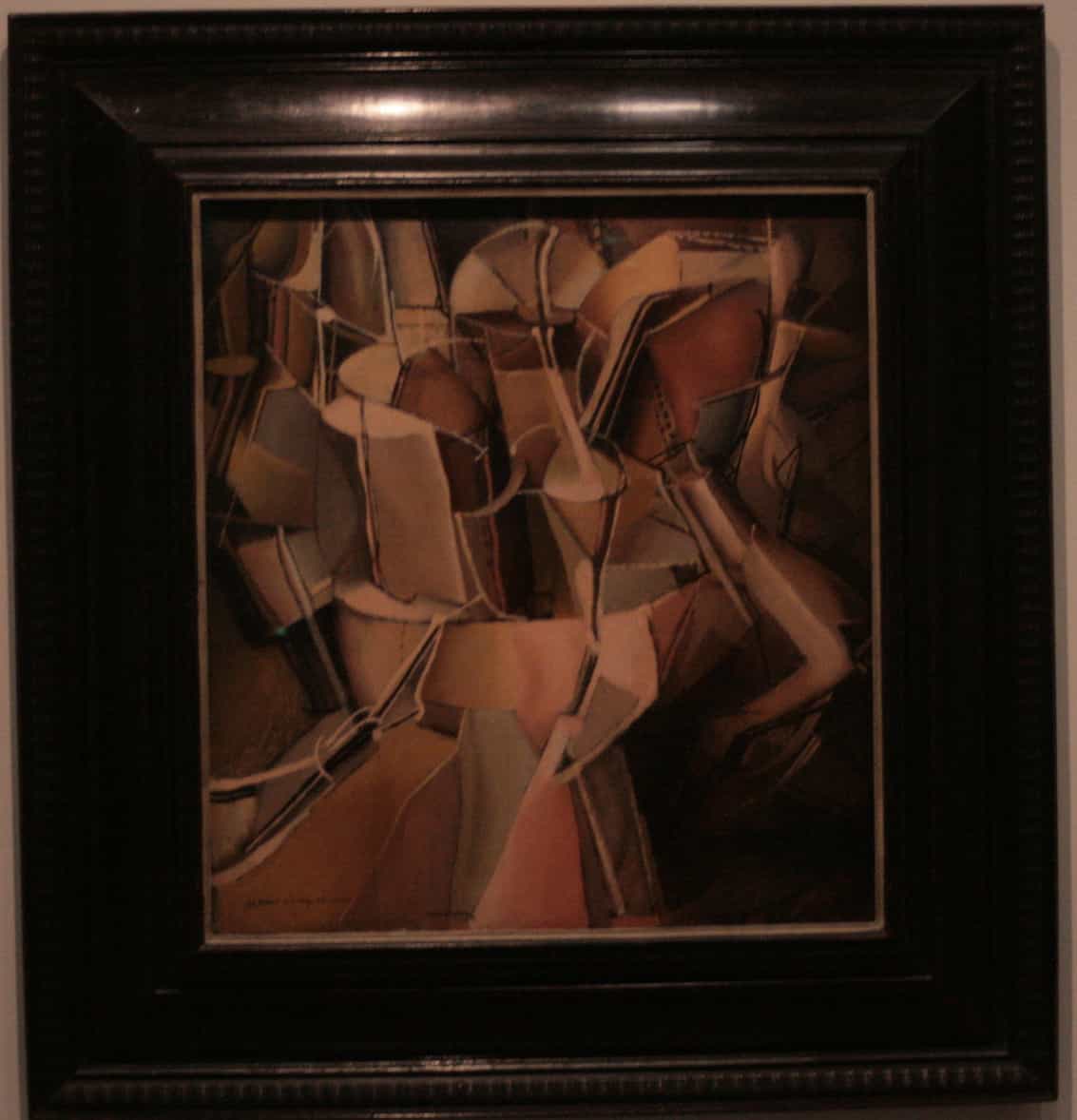
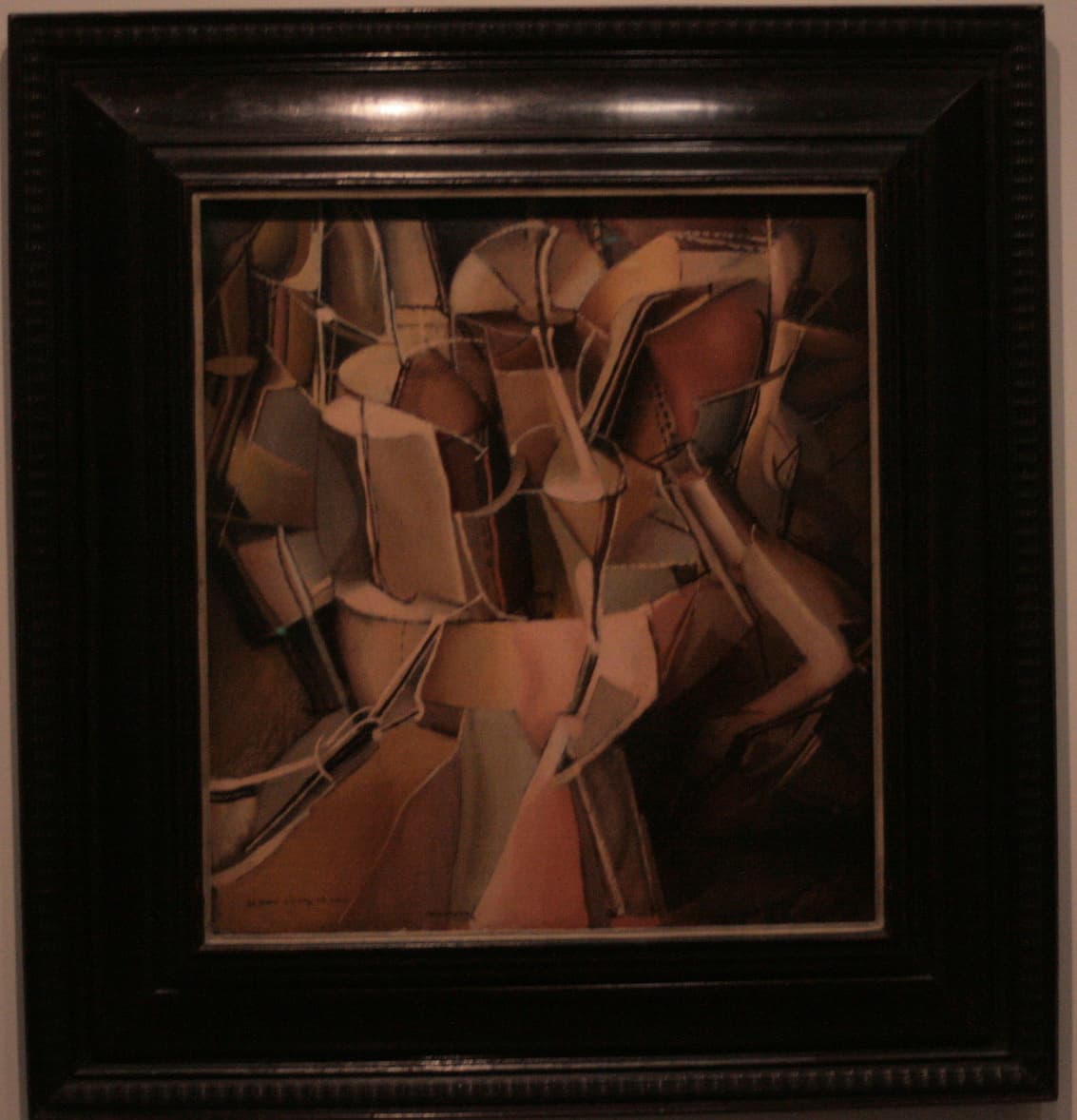
Passage from Virgin to Bride
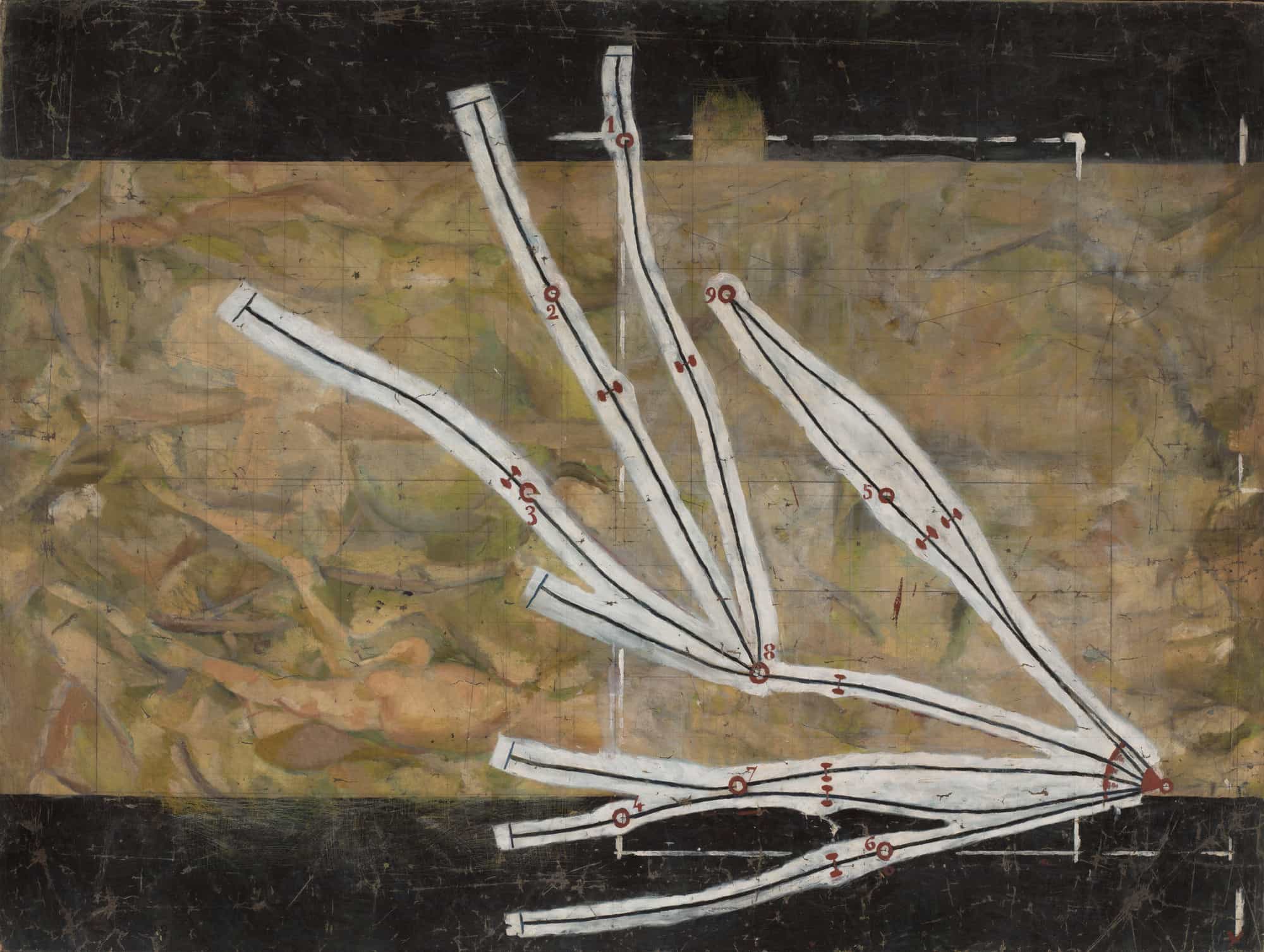
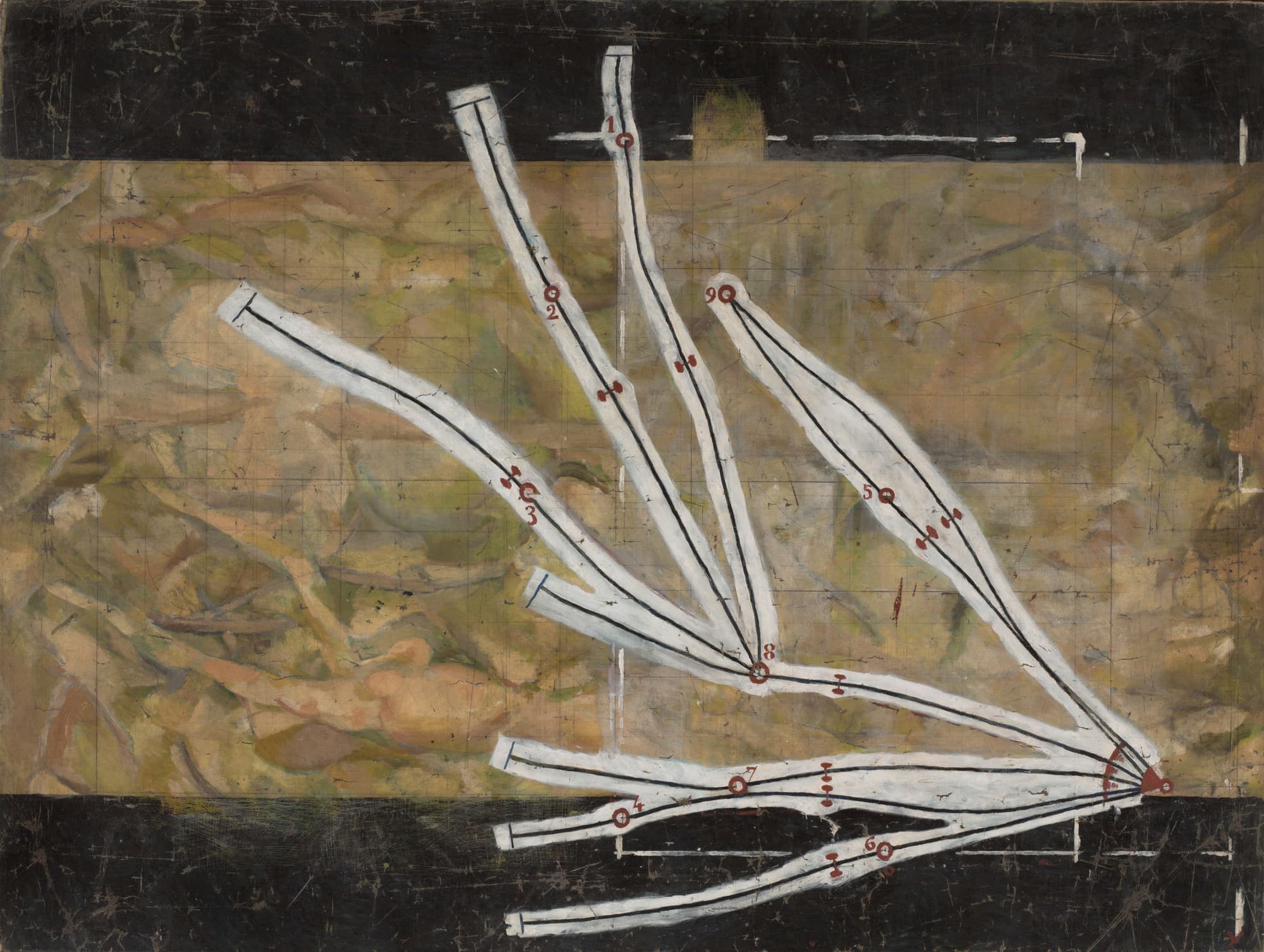
Network of Stoppages