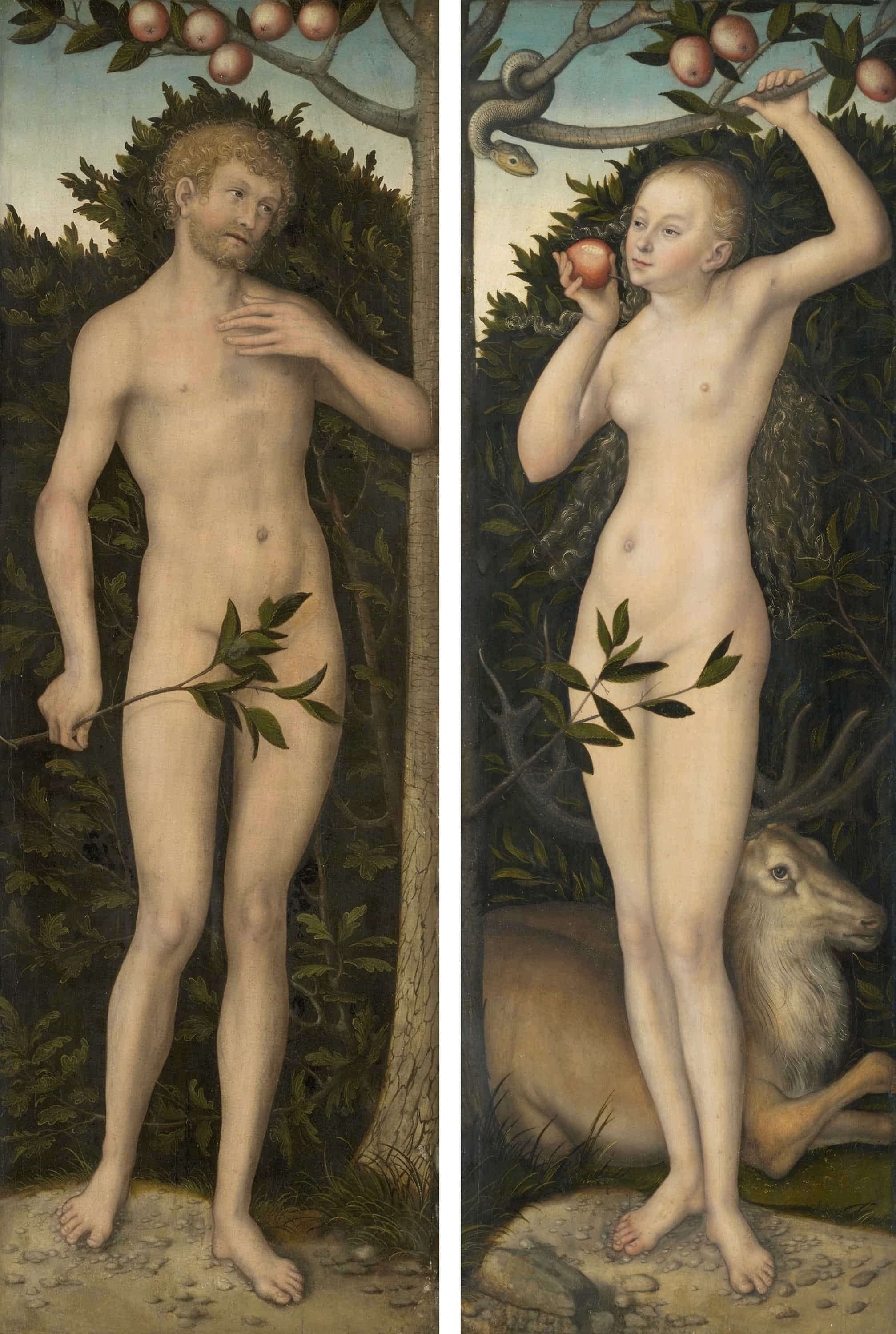
Adam and Eve
Lucas Cranach the Elder
From £54
Collection
Museum-quality reproductions on 310gsm textured cotton rag paper.
Shop all prints by Lucas Cranach the ElderArtistic Style
Style Evolution
Cranach’s style moved from late Gothic precision toward a Northern Renaissance idiom that incorporated Italianate forms without losing a crisp, linear clarity. Over his career he developed a trademark elegance of profile portraiture and a versatile workshop practice that adapted religious and mythological imagery for new Reformation-era audiences.
Palette
Subjects
Techniques
Topics
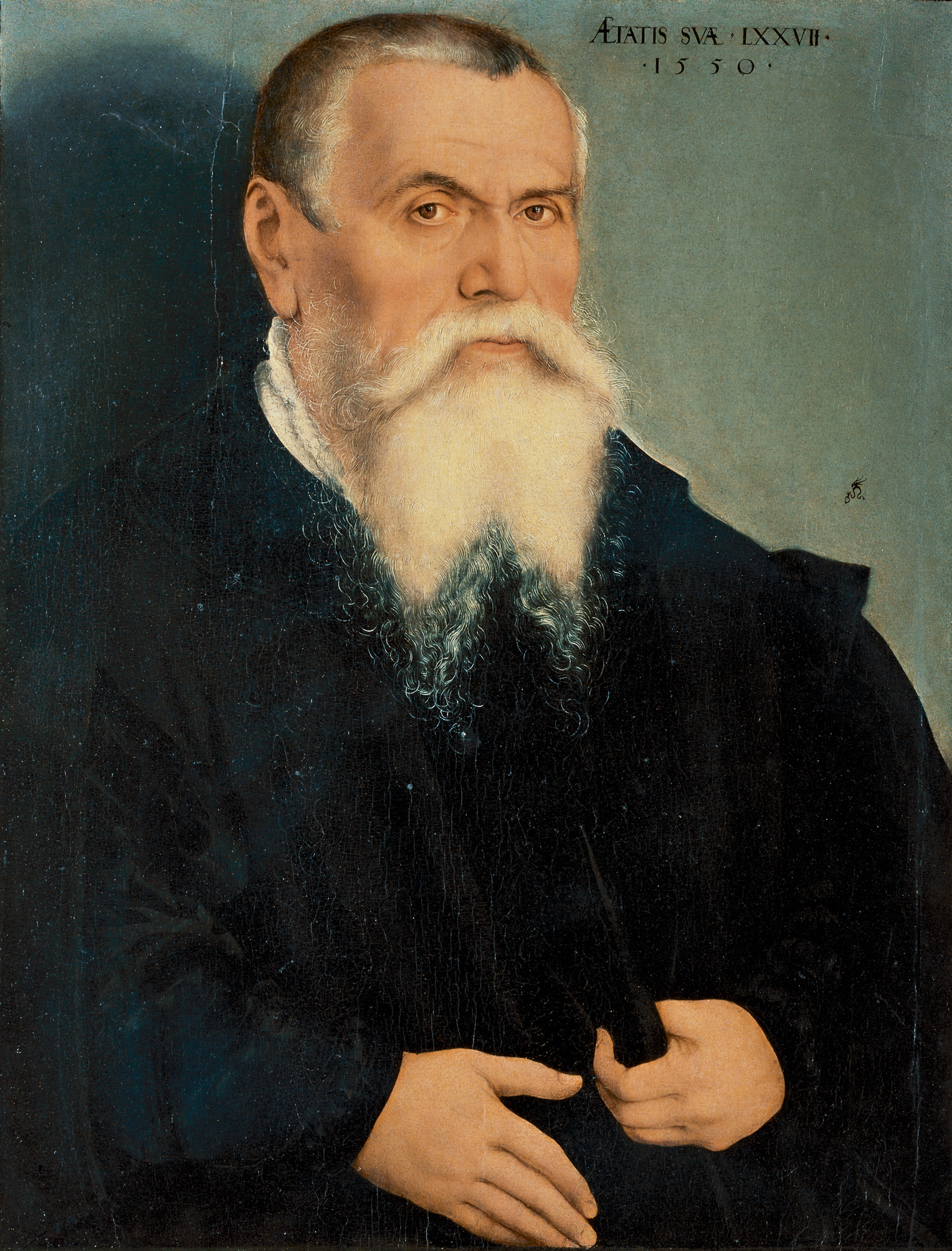
Lucas Cranach the Elder (1472-1553) was a German Renaissance painter and printmaker whose vivid portraits and Reformation imagery shaped Northern Renaissance art.
Learn about the life of Lucas Cranach the Elder
Signature Works
See all available prints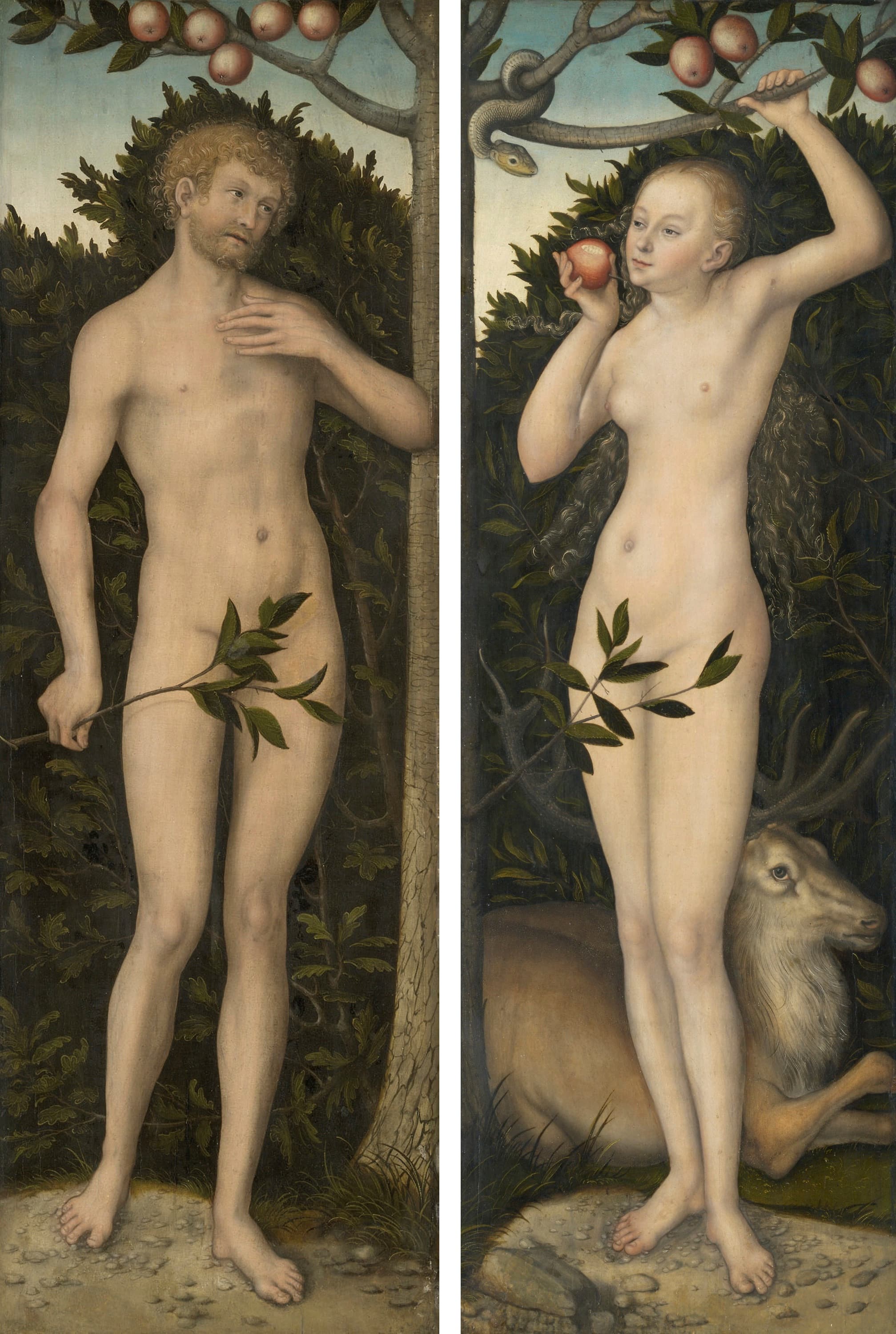
Biography
Lucas Cranach the Elder (1472-1553) was a German Renaissance painter and printmaker whose vivid portraits and Reformation imagery shaped Northern Renaissance art.
Born in Kronach in 1472, Lucas Cranach the Elder rose from provincial origins to become one of the most important Northern Renaissance artists. Trained in the late Gothic drawing tradition, Cranach developed exceptional draftsmanship and an eye for elegant profile portraiture that would define much of his career. By the opening decades of the 16th century he had established a large, productive workshop that served princely patrons.
Cranach’s career spanned the transitional era between late Gothic sensibilities and the full flowering of Northern Renaissance art. He worked for princely courts and adapted Renaissance forms while retaining a distinctive Northern clarity of line and detail.
As court painter to the Electors of Saxony, Cranach settled in Wittenberg and produced portraits, altarpieces and prints in service to his patrons. His workshop became a major production center, supplying painted panels and reproductive prints across German lands.
Cranach’s mature output is closely associated with the Reformation. He provided portraits and visual propaganda for leading Protestant figures and produced religious imagery that reflected changing devotional and doctrinal needs.
Cranach excelled in portraiture, religious altarpieces, mythological compositions and printmaking. His workshop’s portraits of leading political and religious figures and widely circulated prints helped disseminate Reformation ideas and the visual language of the German Renaissance.
Cranach combined precise draughtsmanship with luminous color and a polished finish. He worked across media — oil painting, woodcut and engraving — and ran a workshop system that allowed for multiple versions and careful variations on popular compositions. His figures are often characterized by graceful profiles, elongated forms and refined facial types.
Cranach’s influence is broad: his workshop trained and employed many artists and his pictorial formulas were widely imitated in German lands. He played a pivotal role in shaping Northern Renaissance portraiture and the visual culture of the Reformation. His son, Lucas Cranach the Younger, continued the workshop traditions, ensuring the Cranach name remained central to German art.
Cranach managed a large, commercially successful studio tied to court patronage. His workshop’s scale and organization reflect the growing intersection of artistic production, commerce and political power in early modern Germany.
Collectors prize Cranach’s works for their historical importance, decorative presence and refined technique. Original panels
Frequently Asked Questions
Adam and Eve
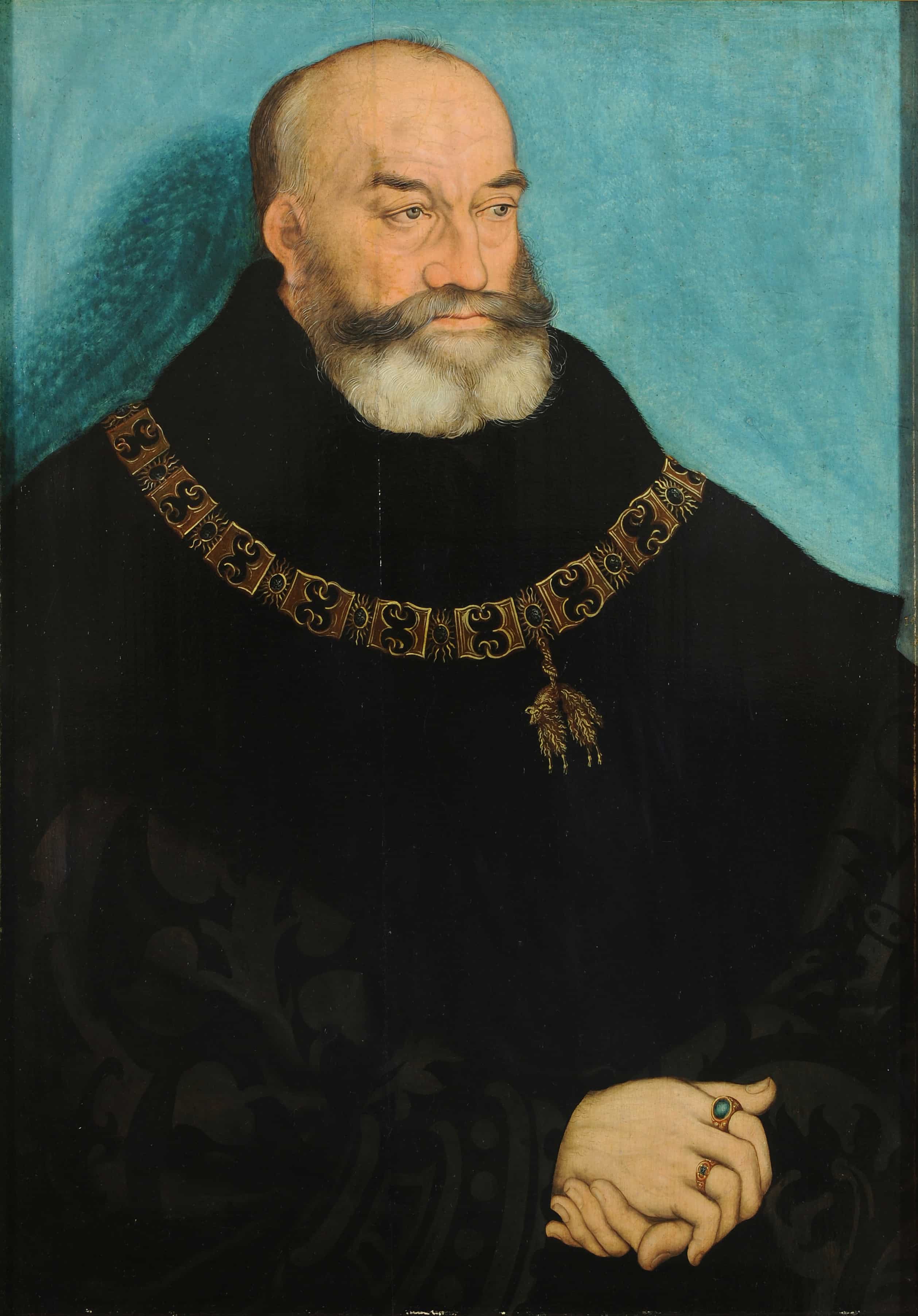
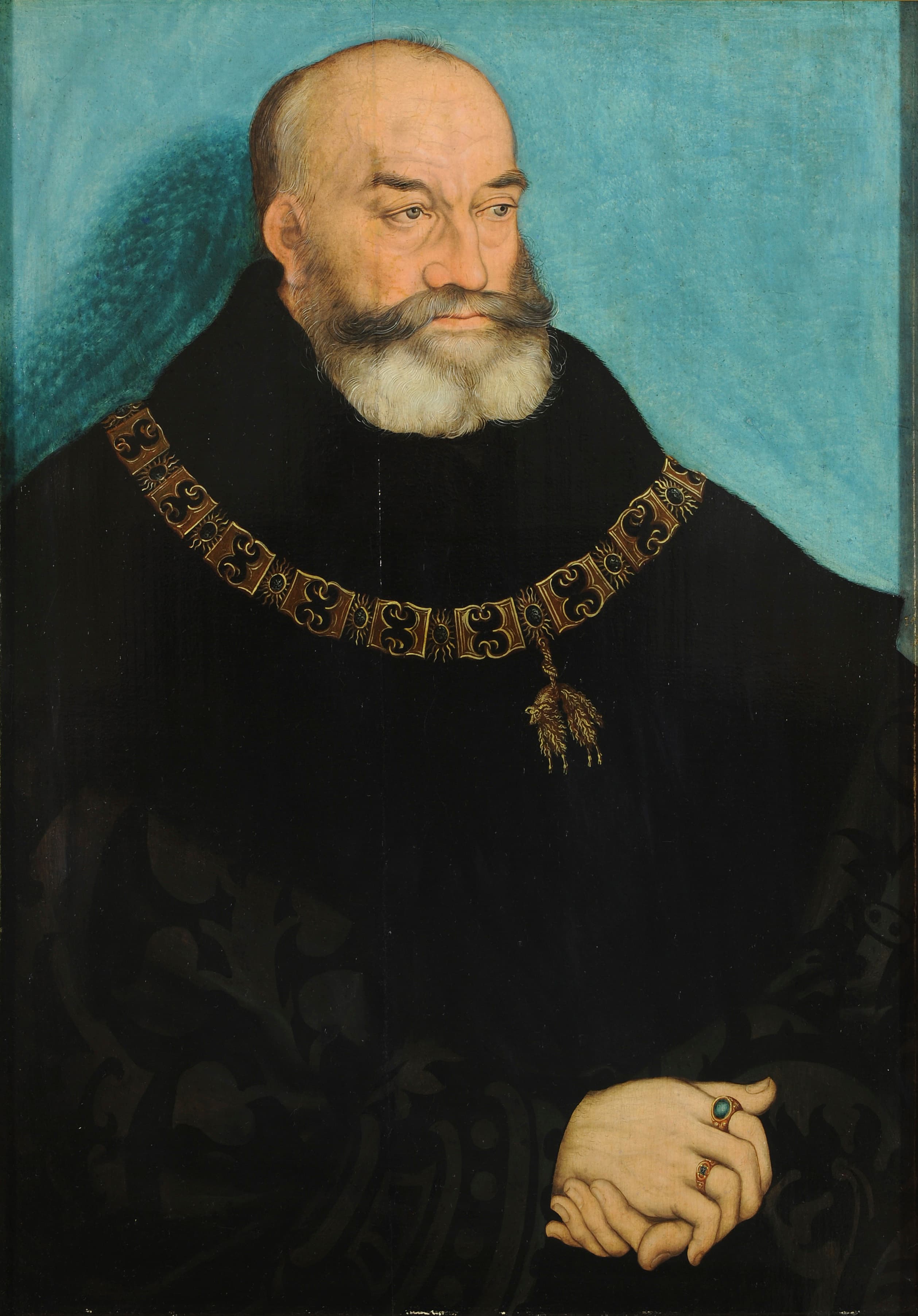
Portrait of George the Bearded, Elector of Saxony (1471–1539)
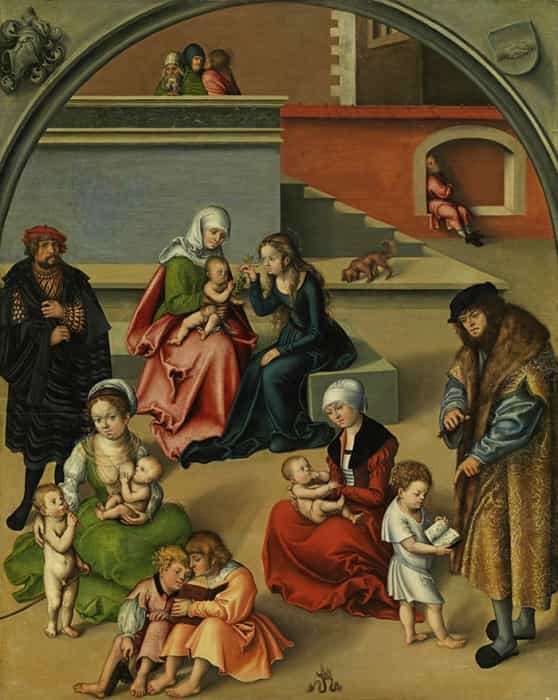
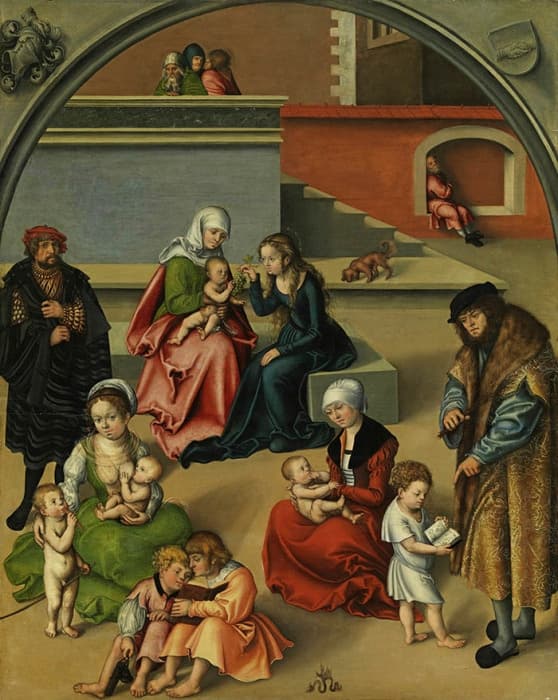
The Holy Kinship
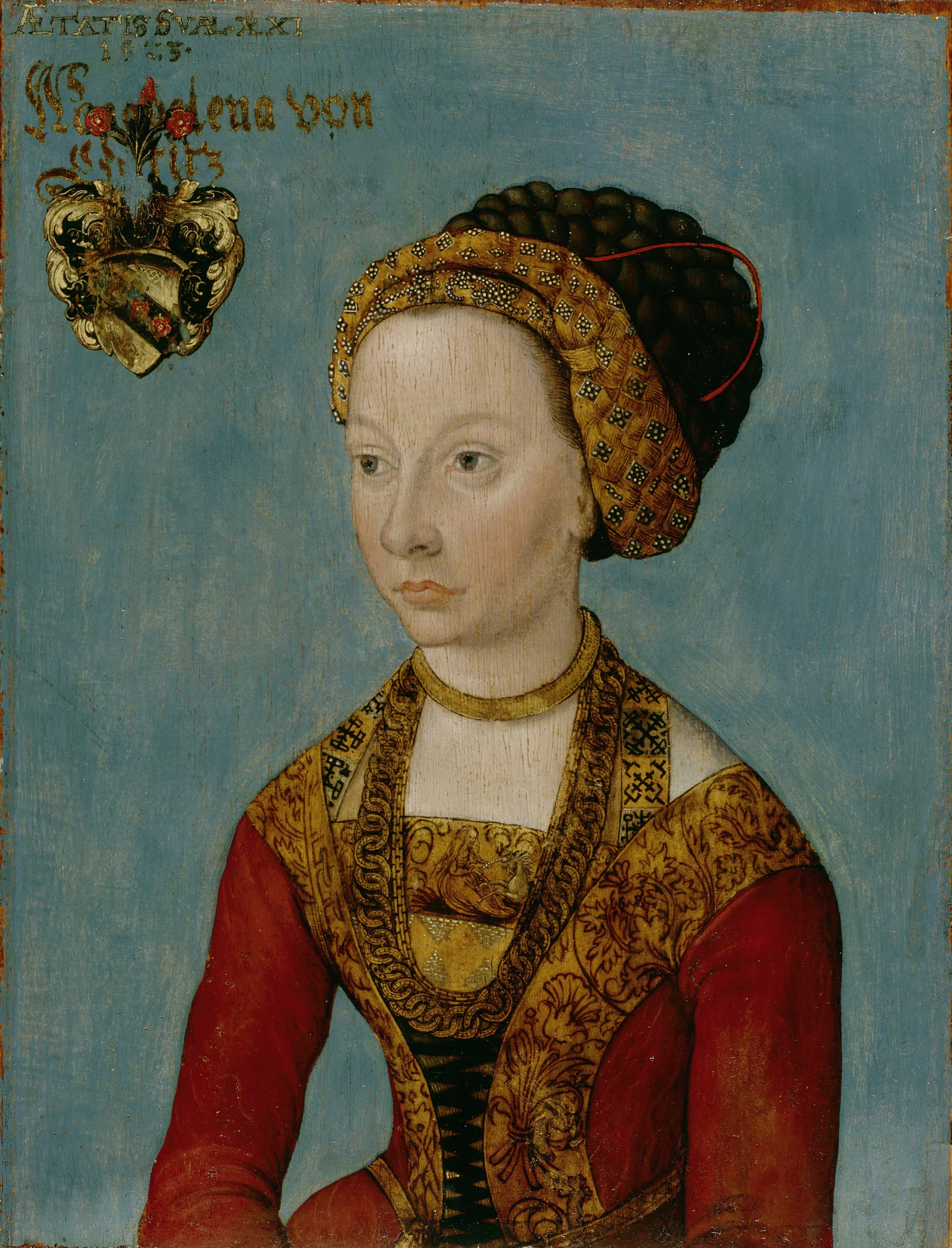
Portrait of a Bride
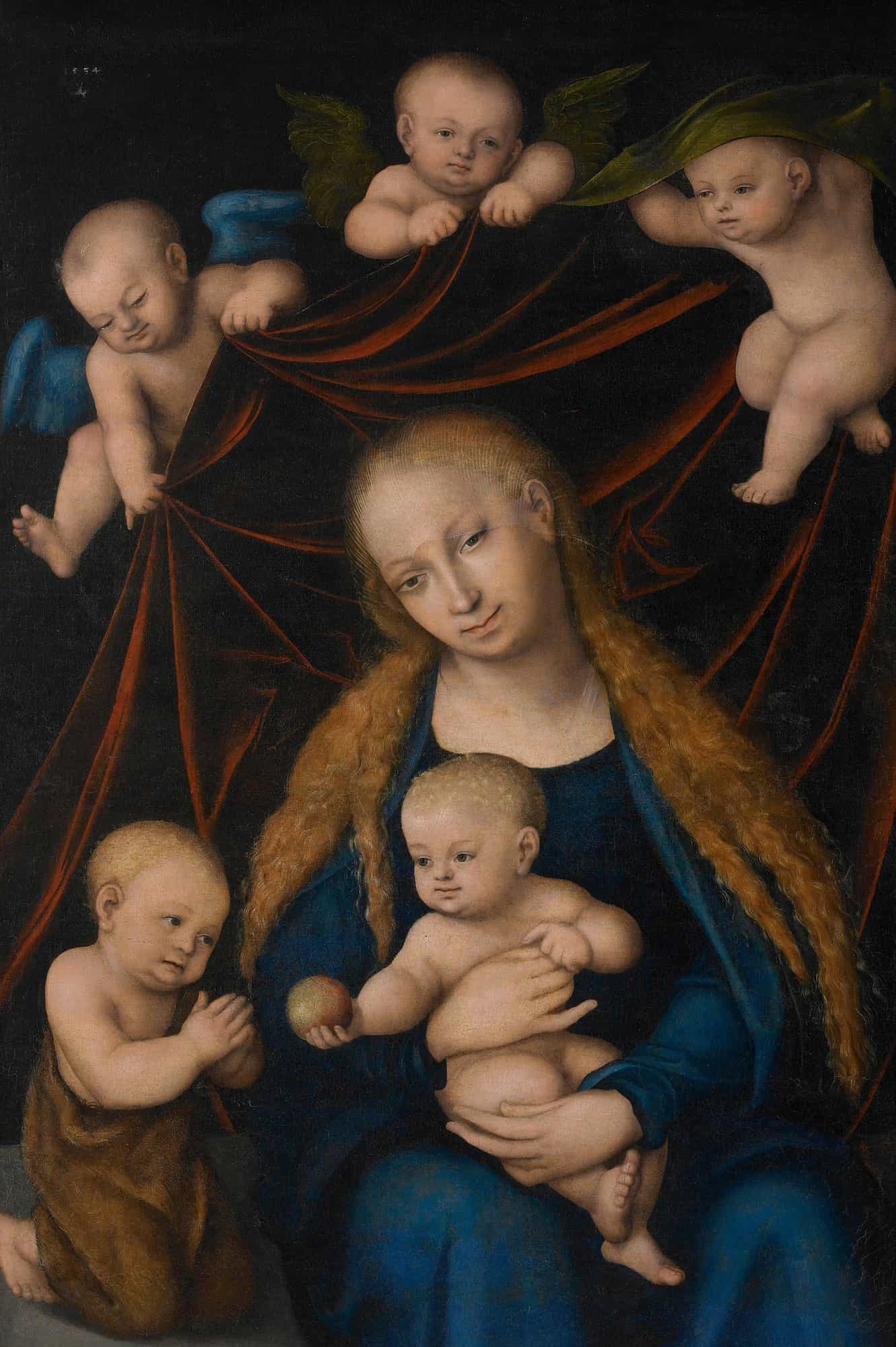
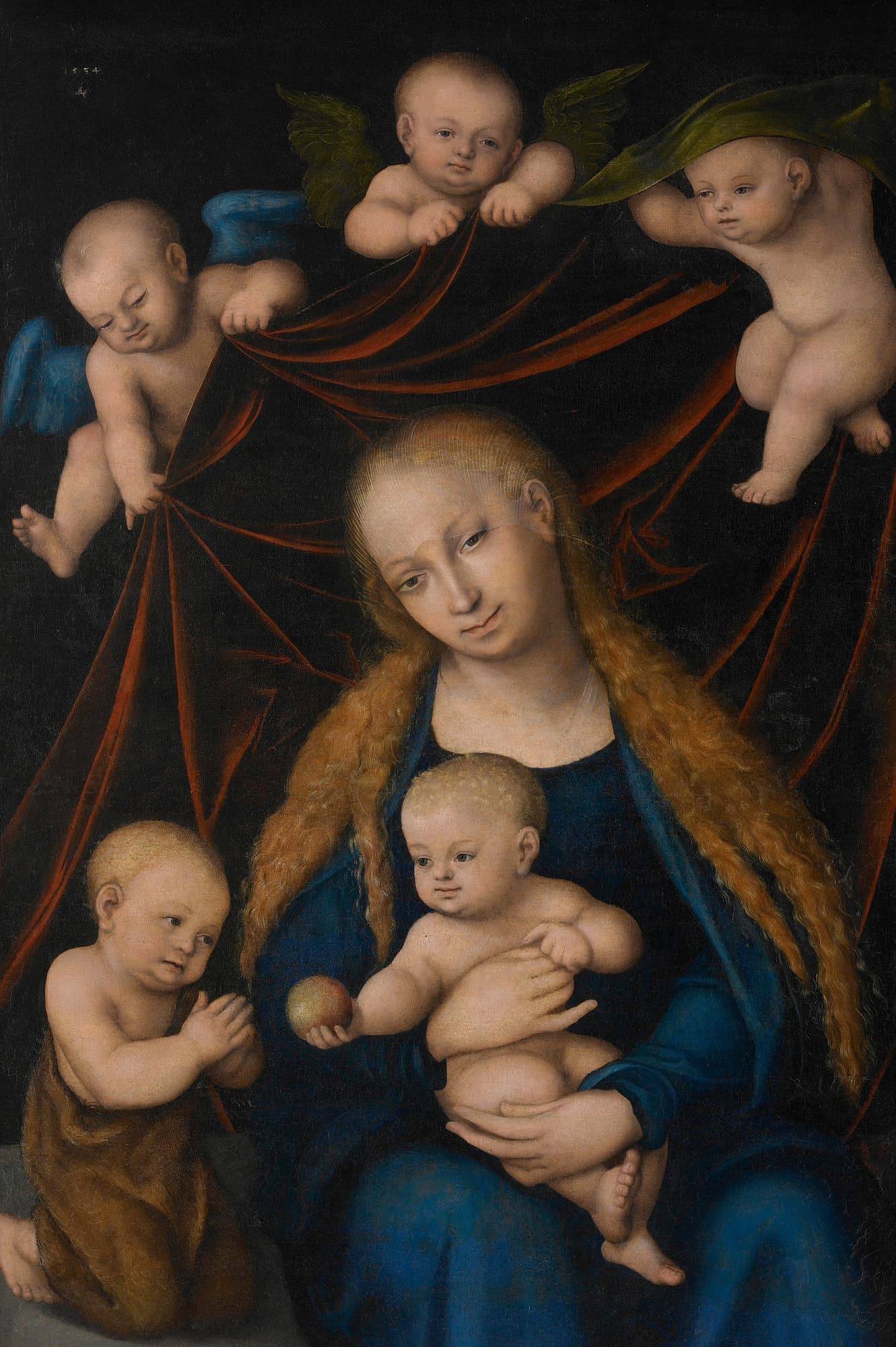
Virgin, Child, St. John the Baptist and Angels
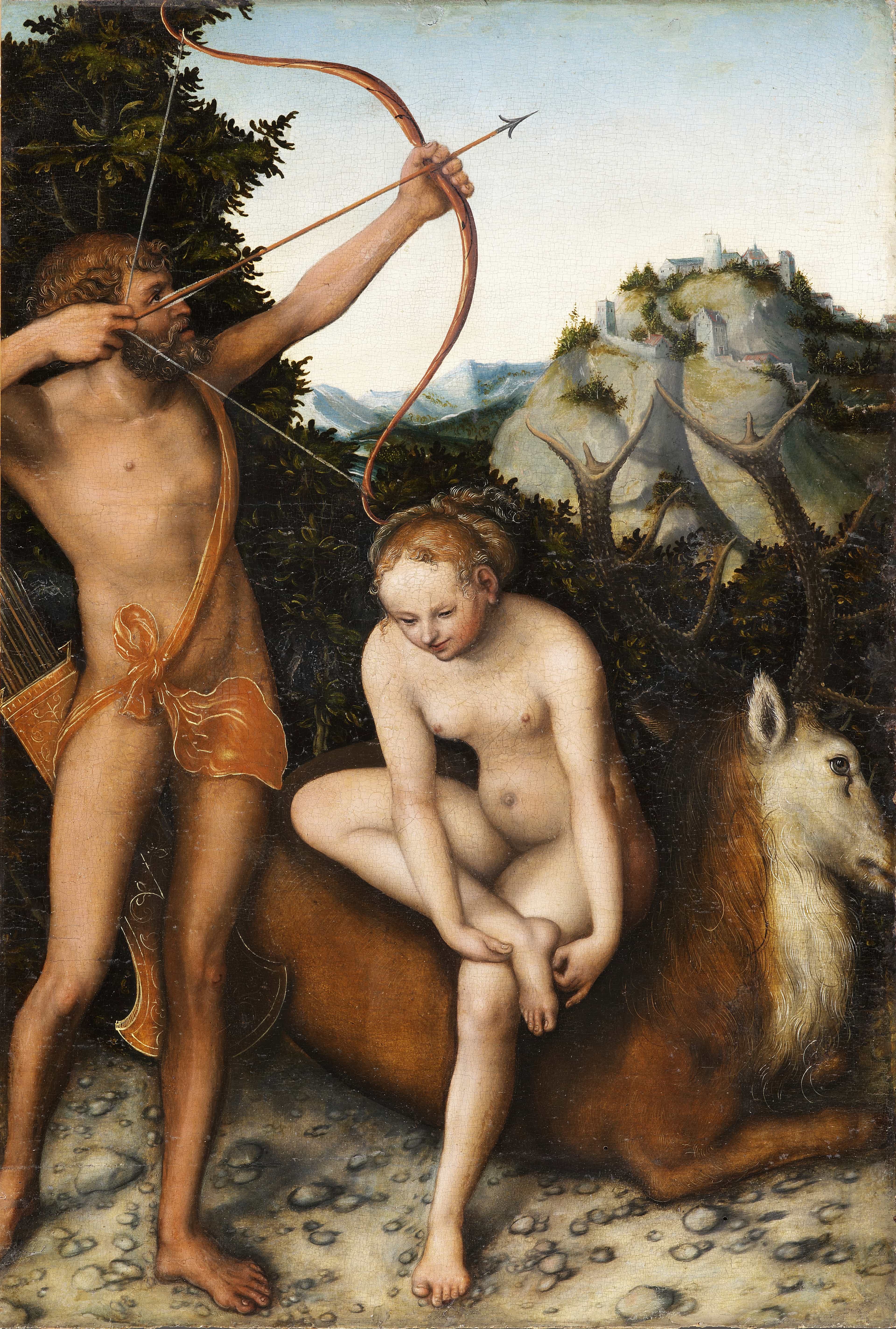
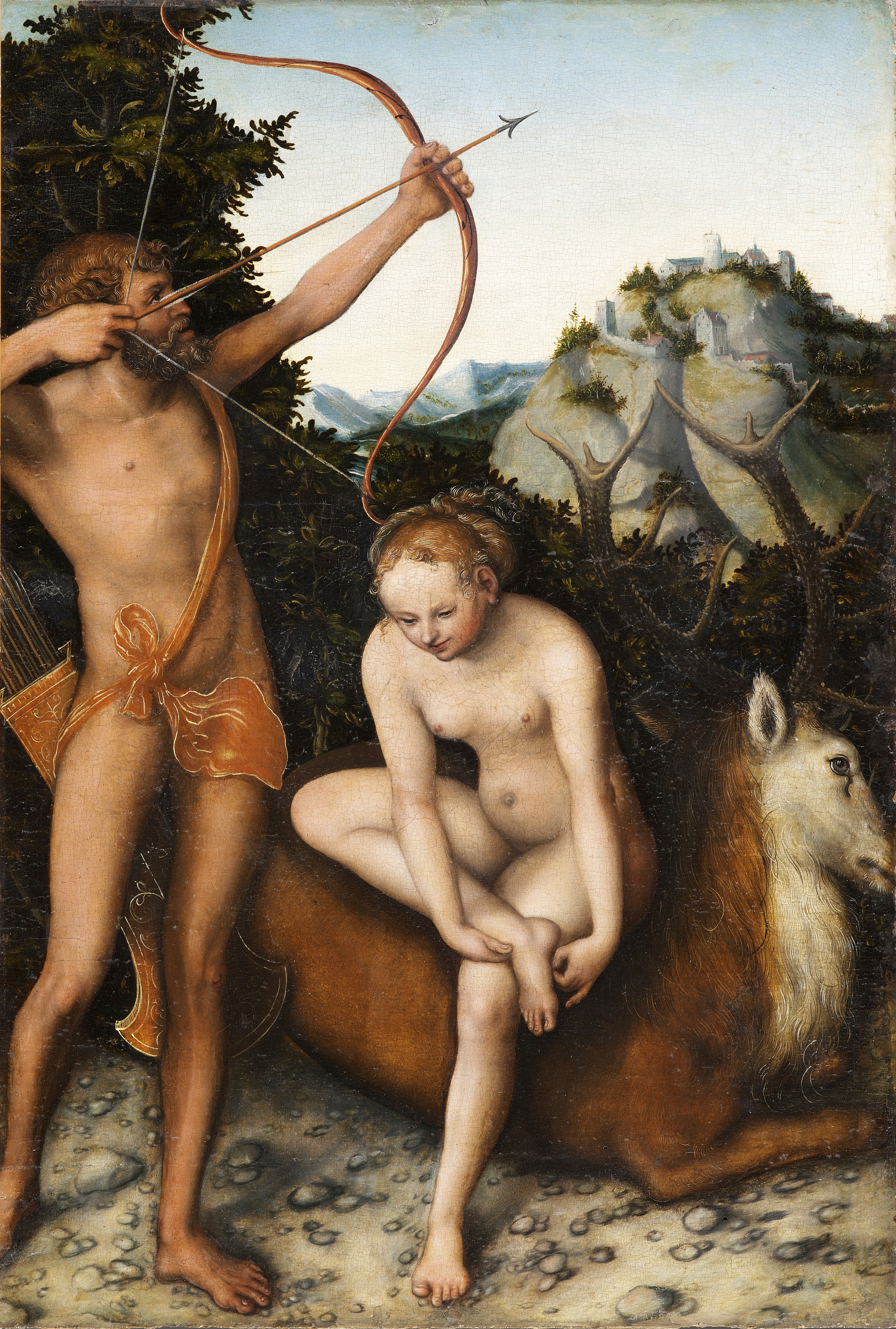
Apollo and Diana
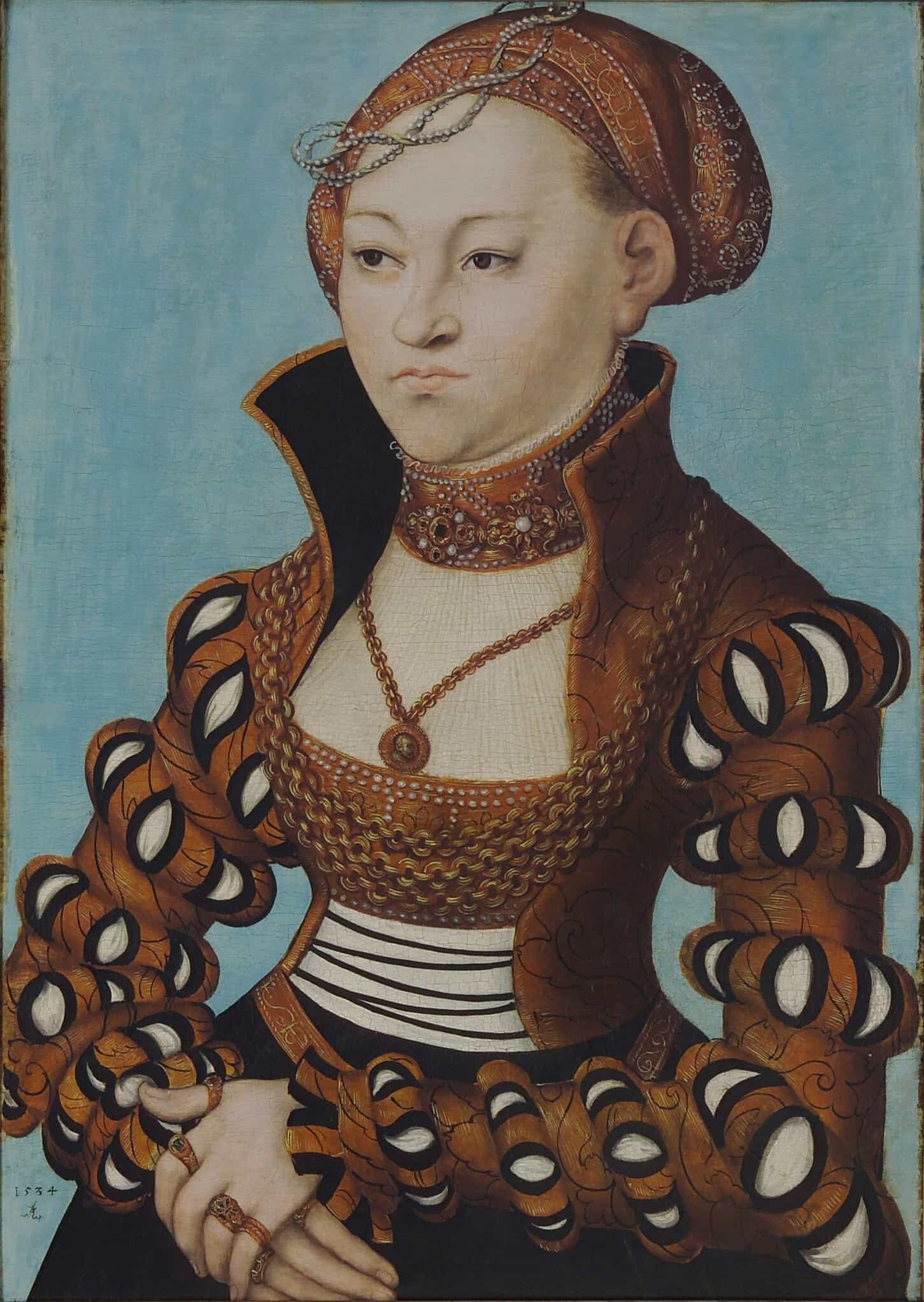
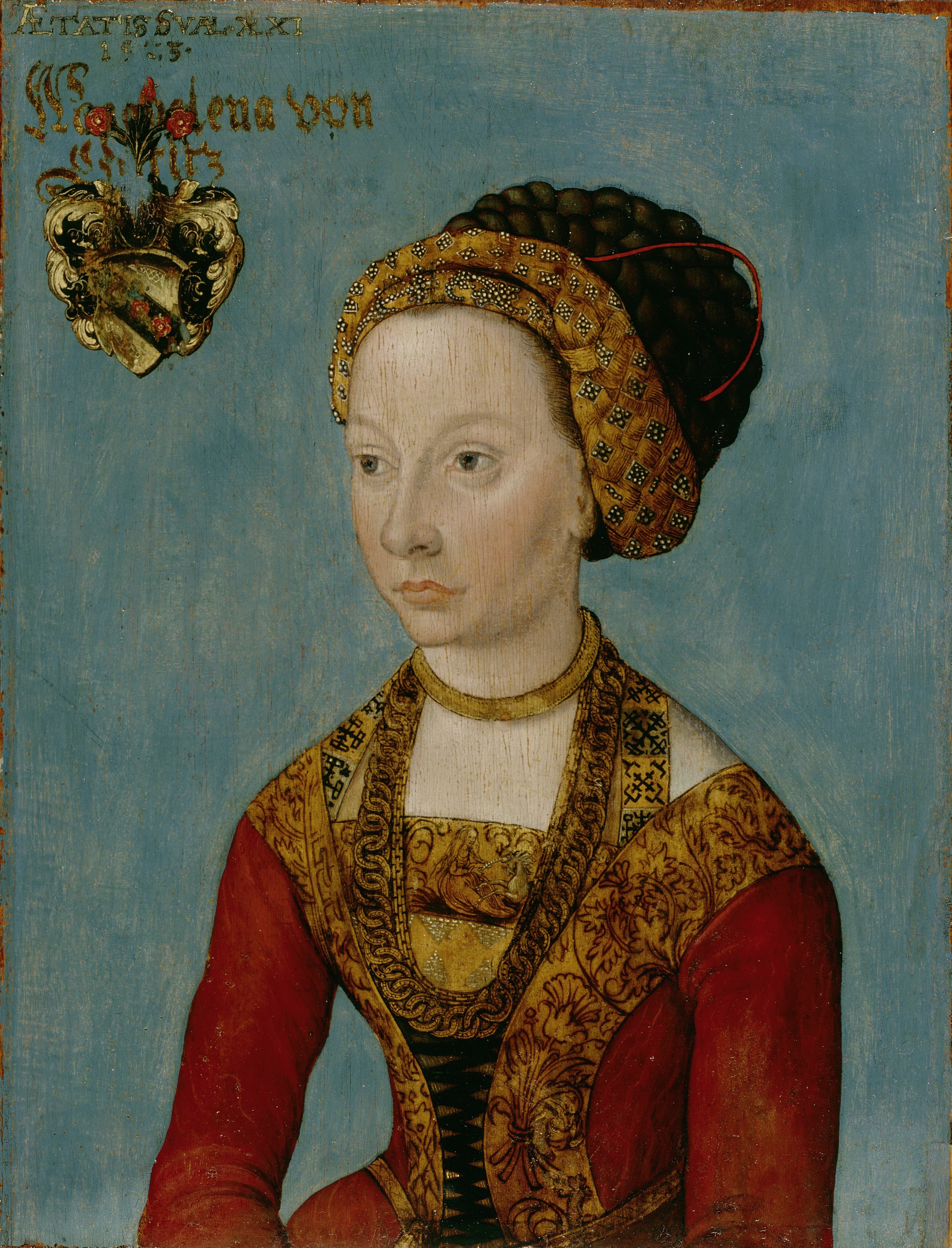
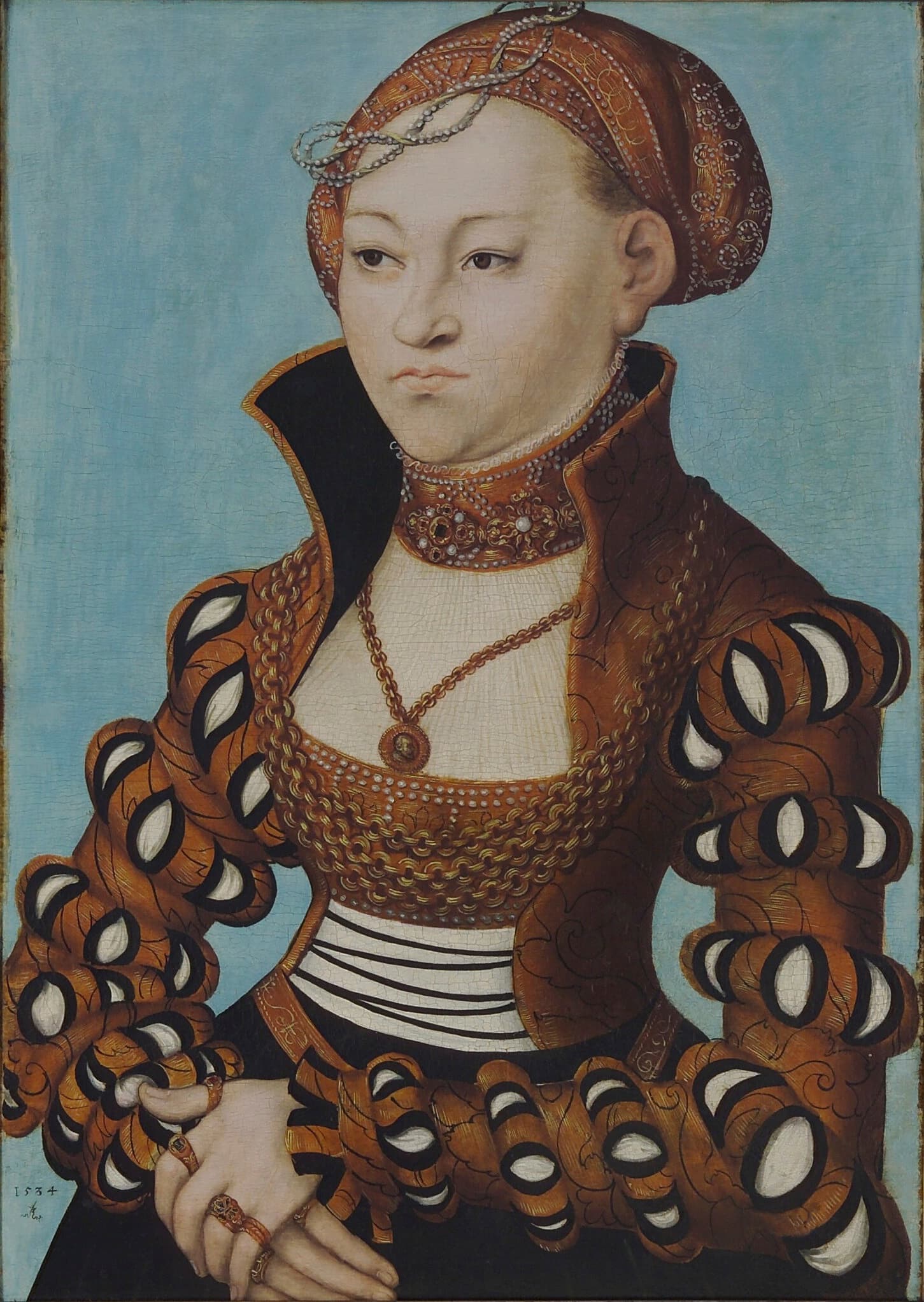
Portrait of a Noble Saxon Lady
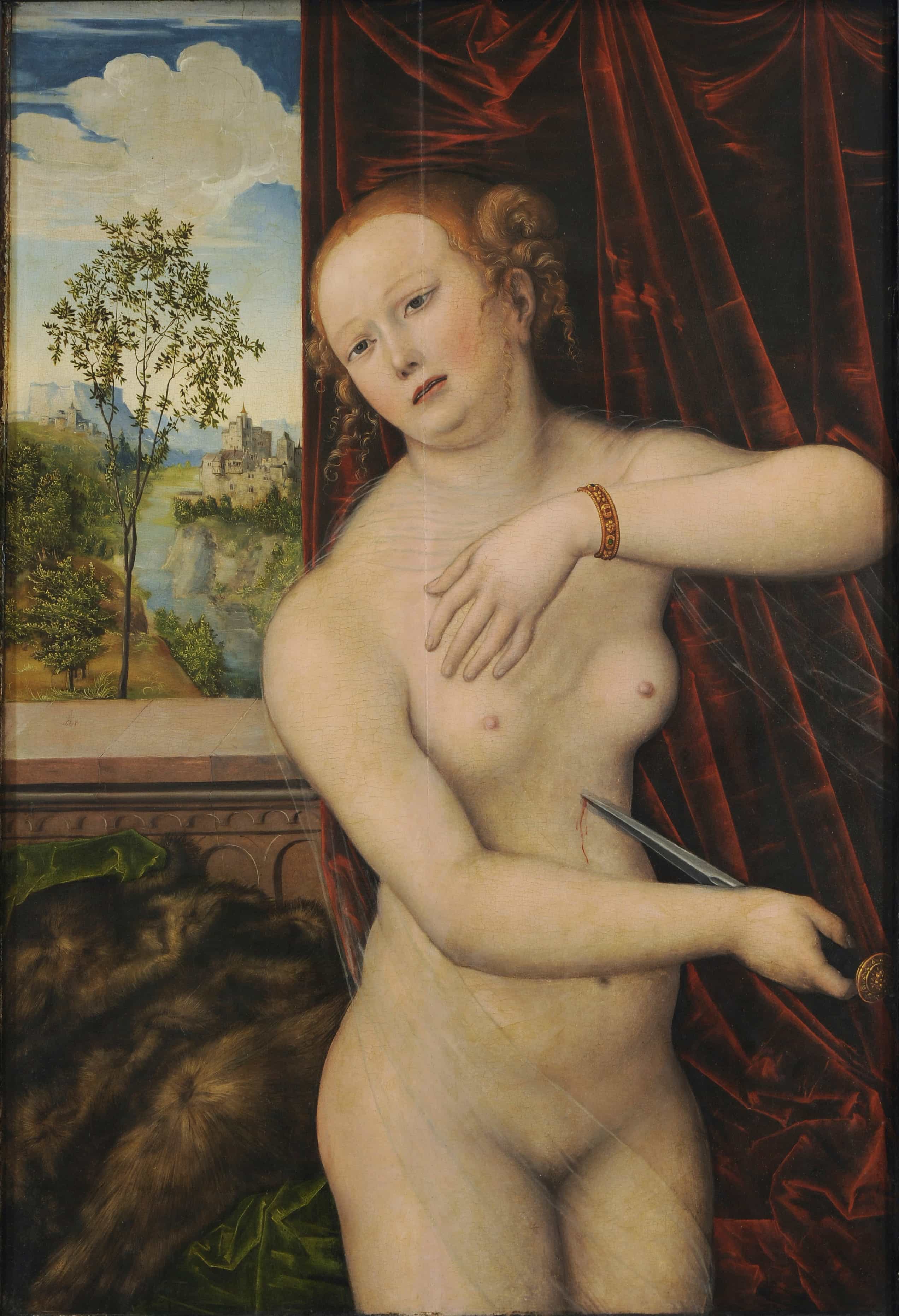
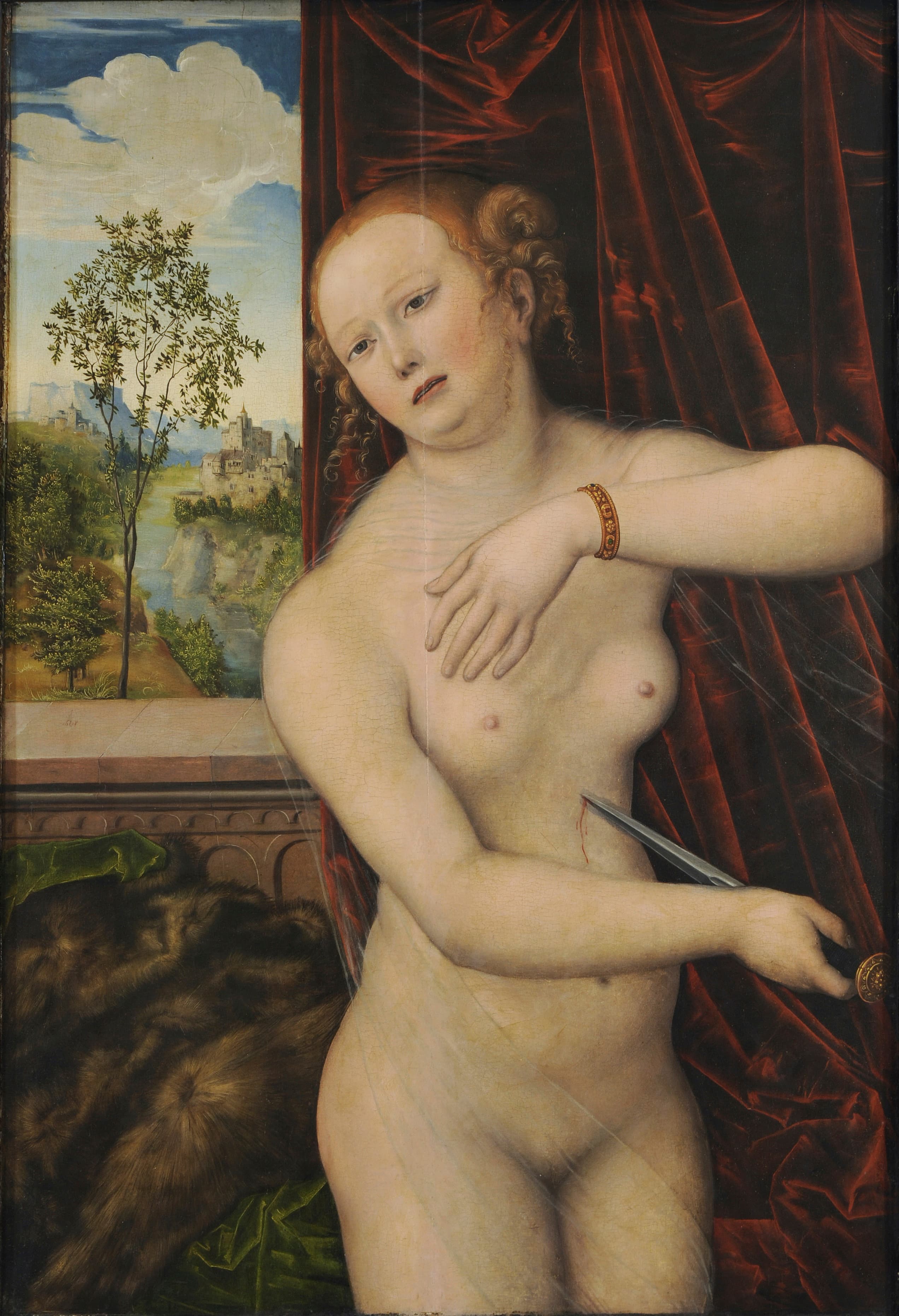
The Suicide of Lucretia
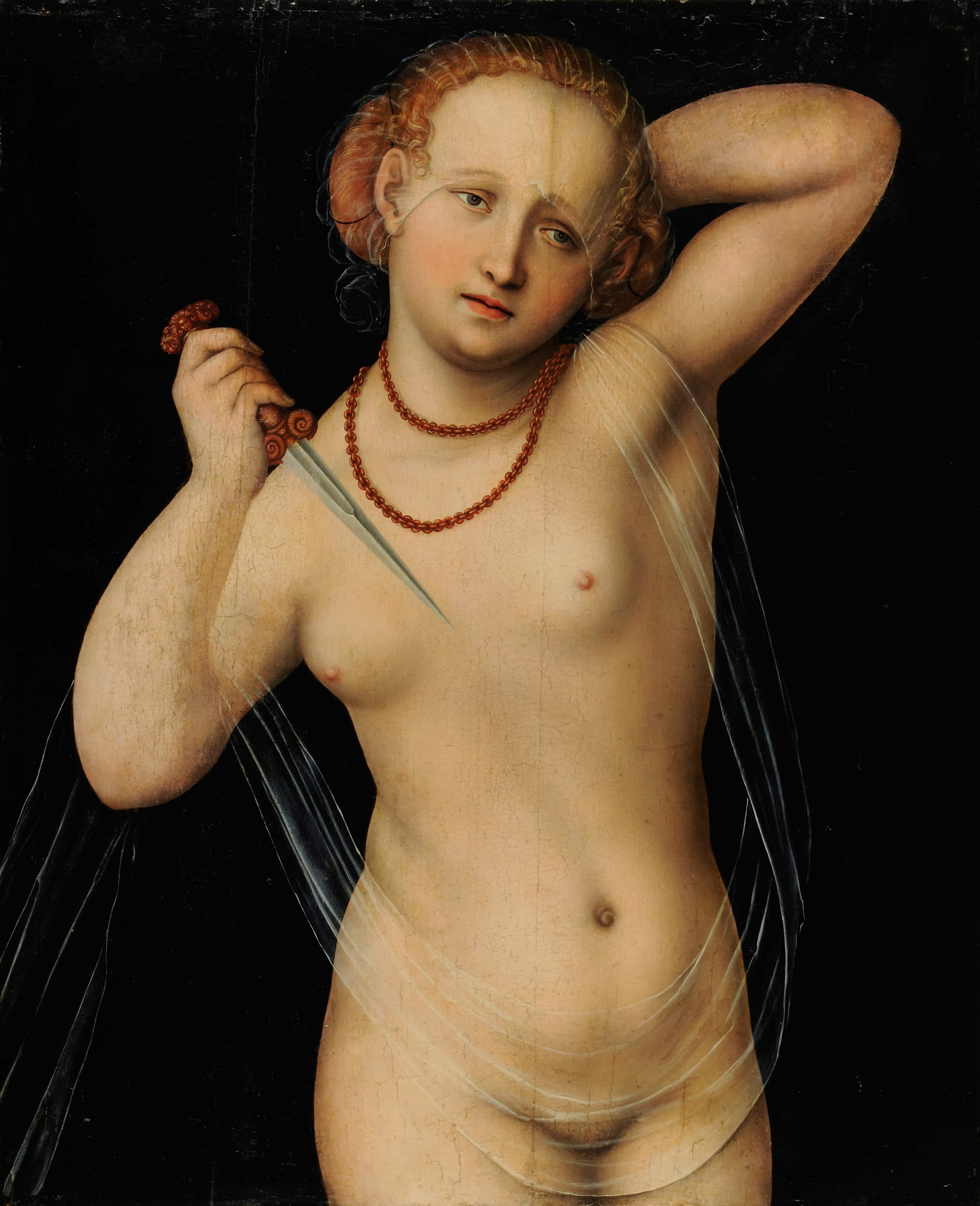
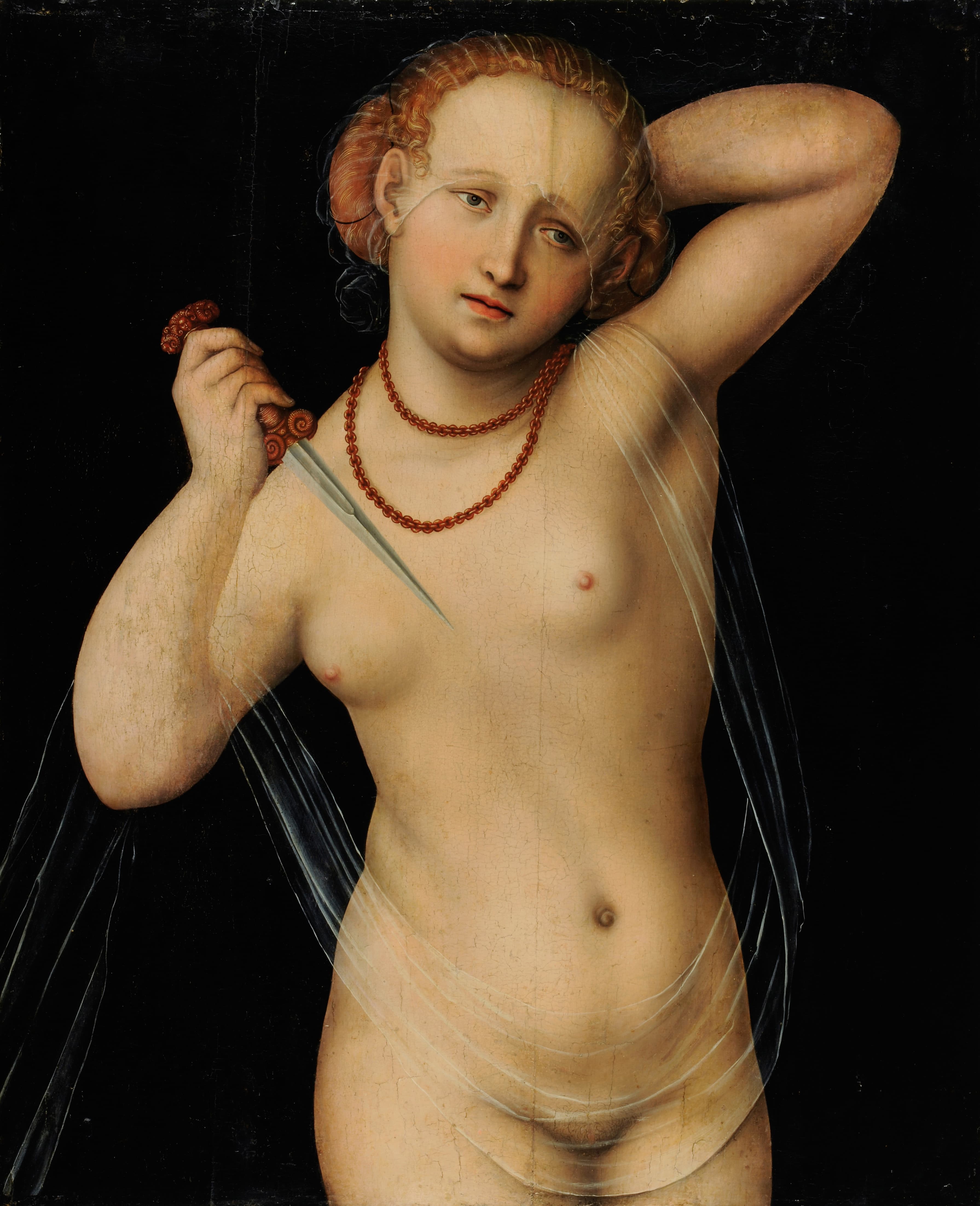
Lucretia
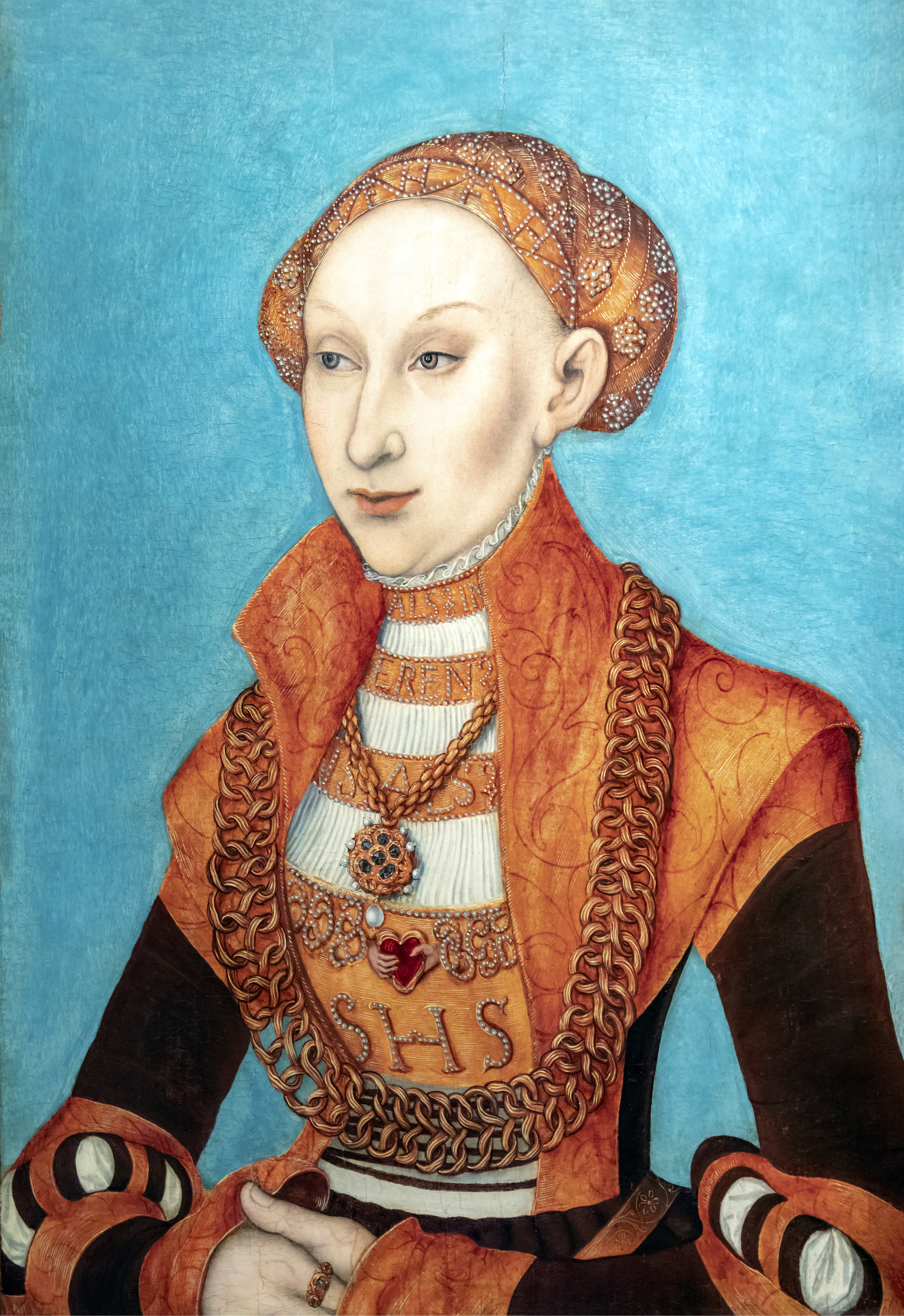
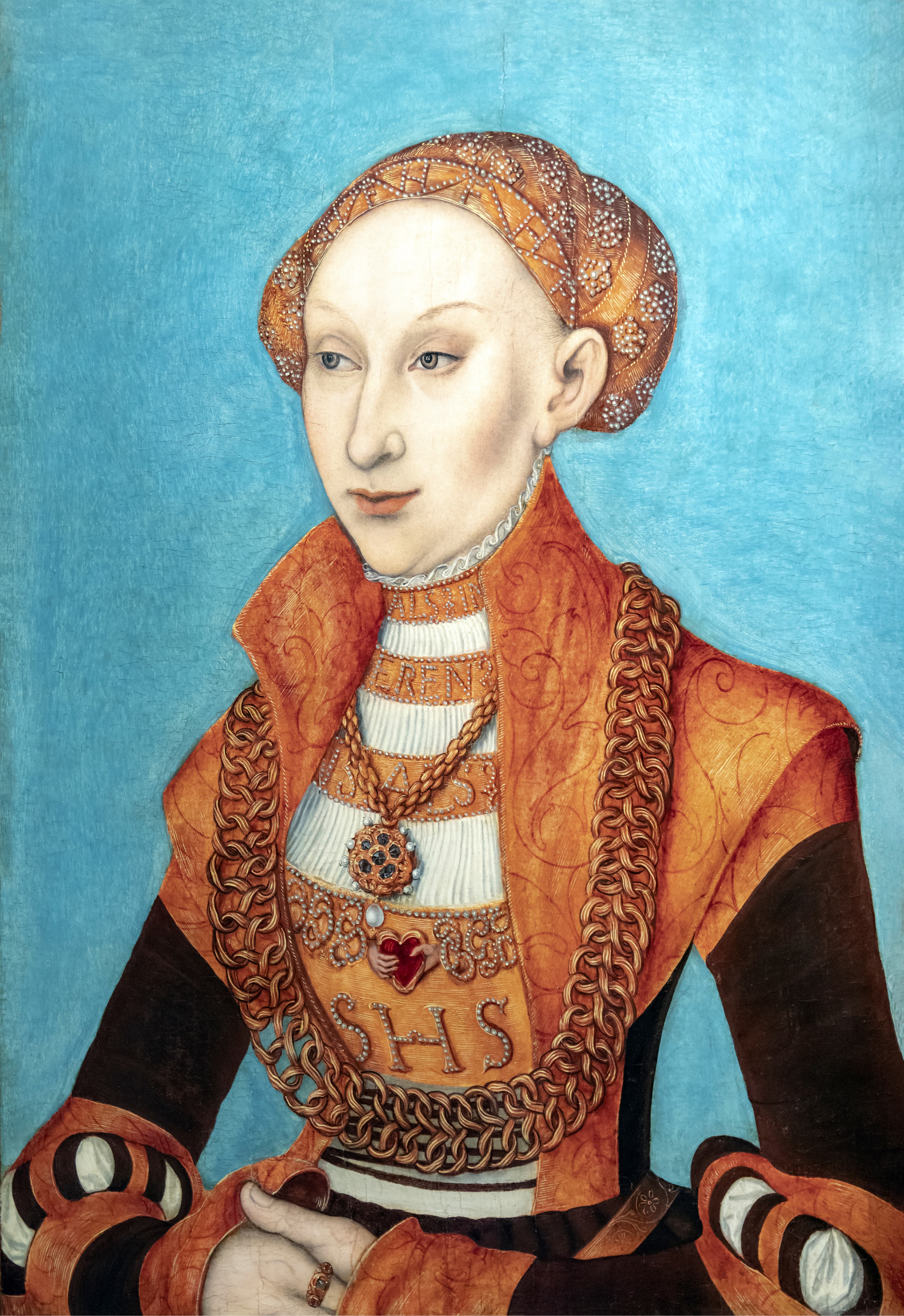
Portrait of Sibylle von Gulick-Kleef en Berg (1512–1554)
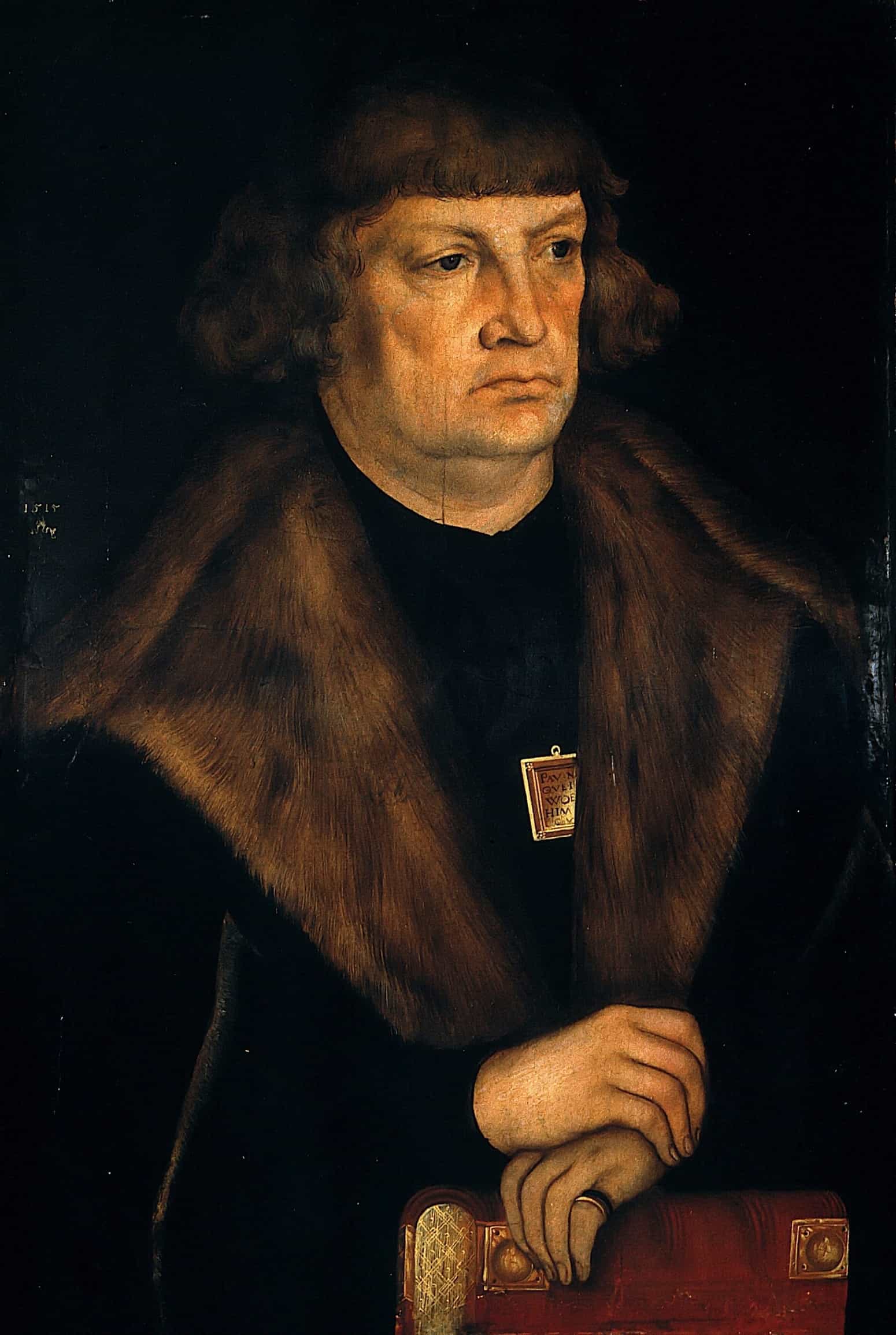
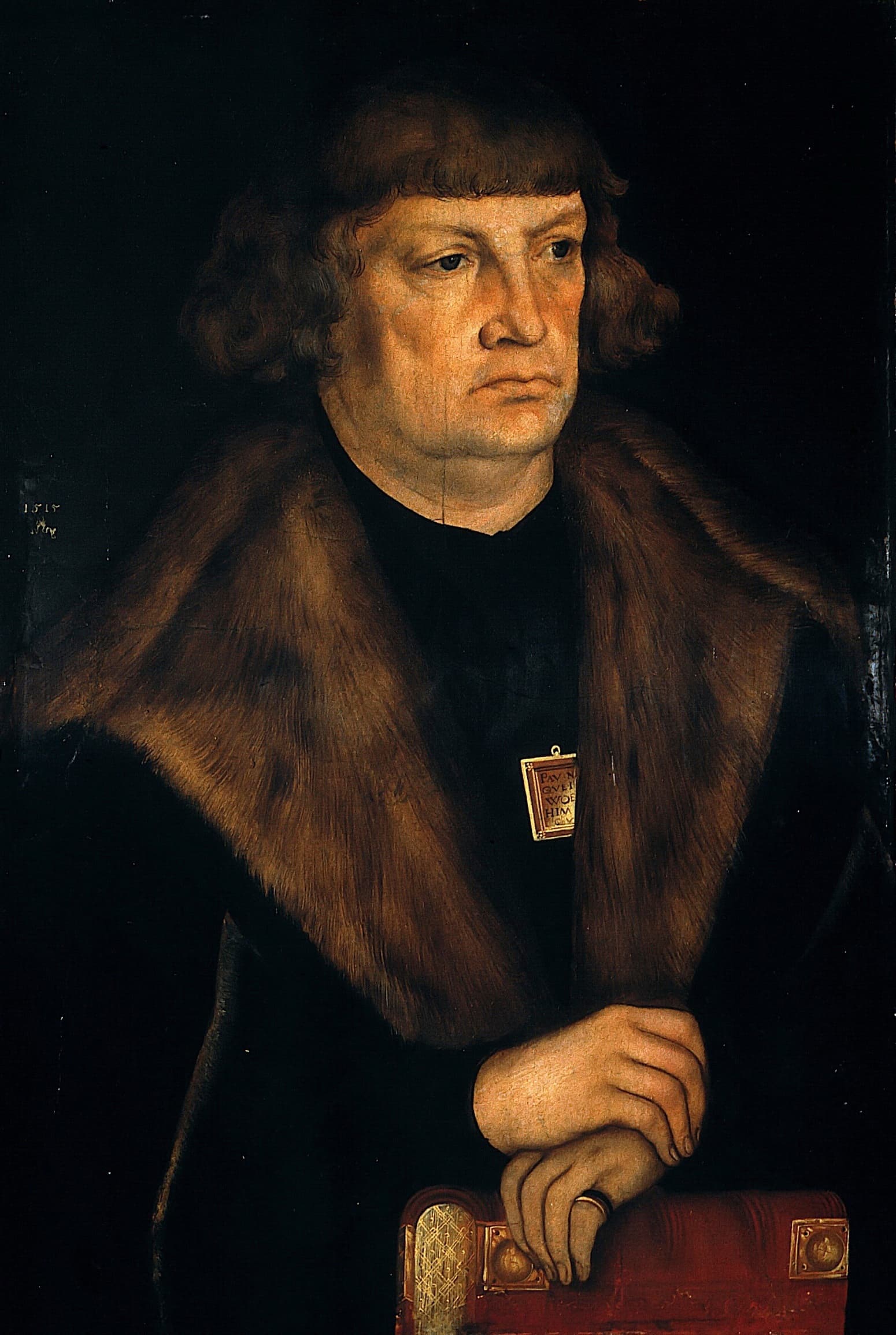
Portrait of the Mayor of Weißenfels
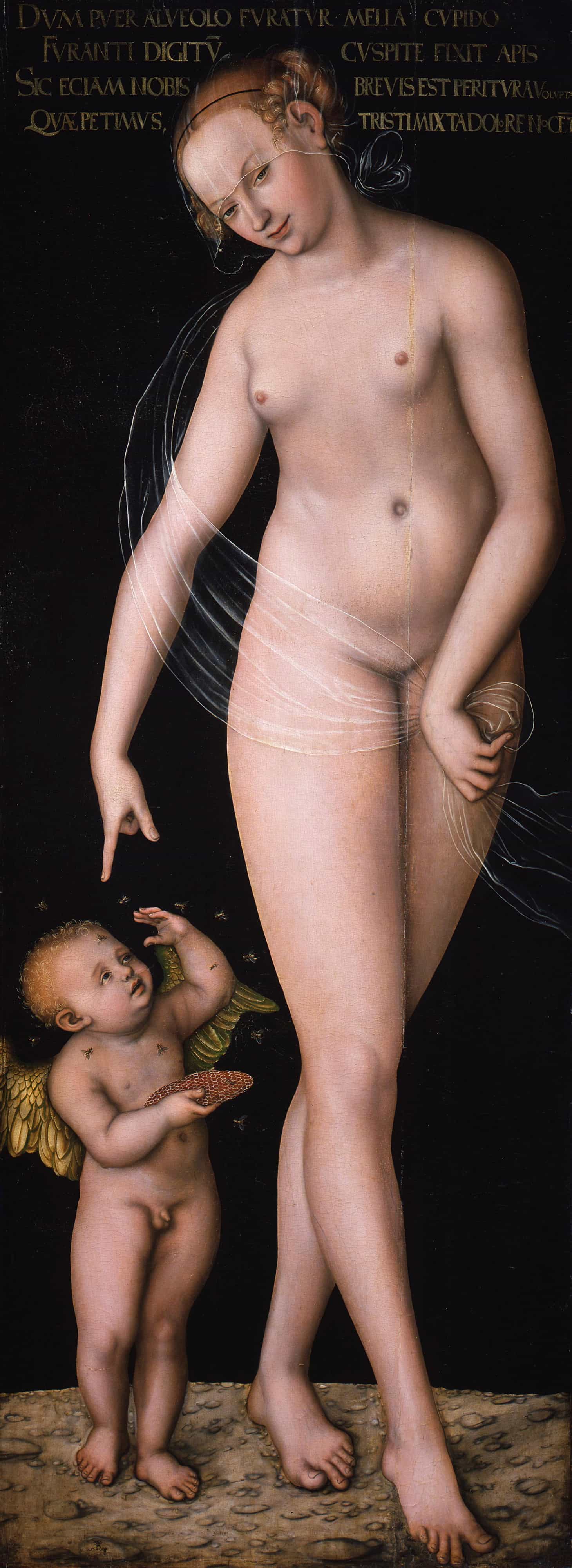
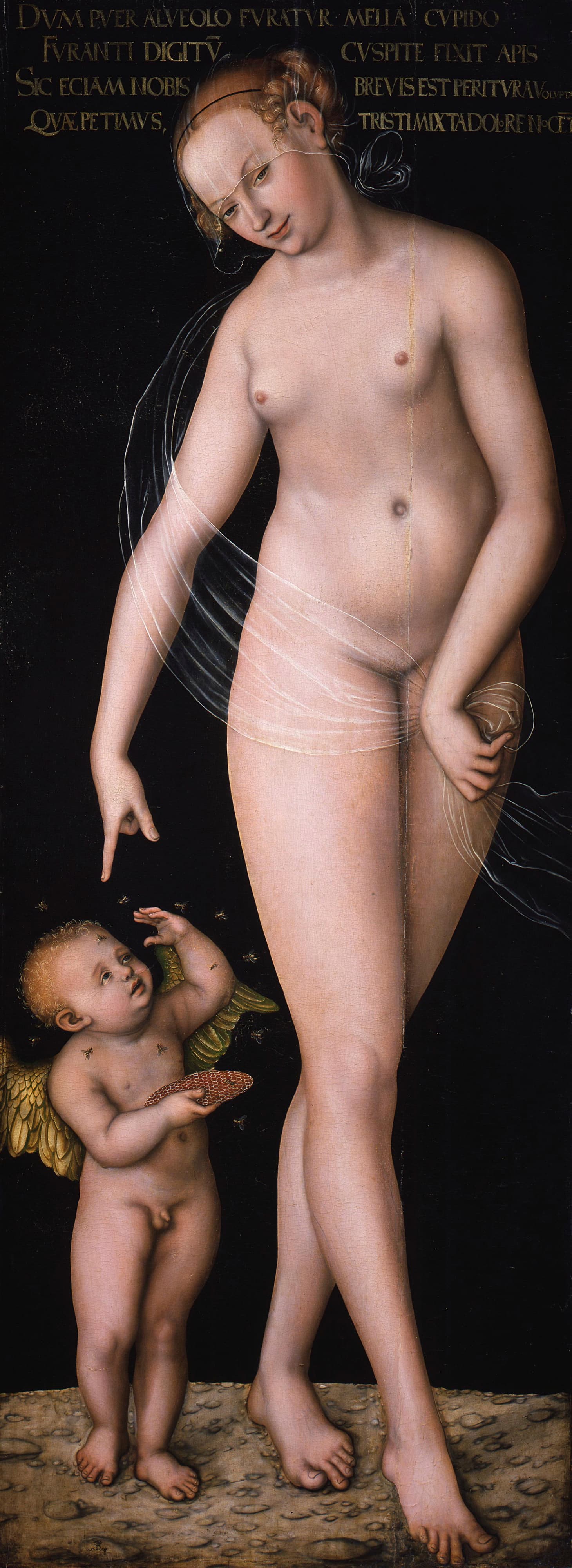
Venus with Cupid Stealing Honey