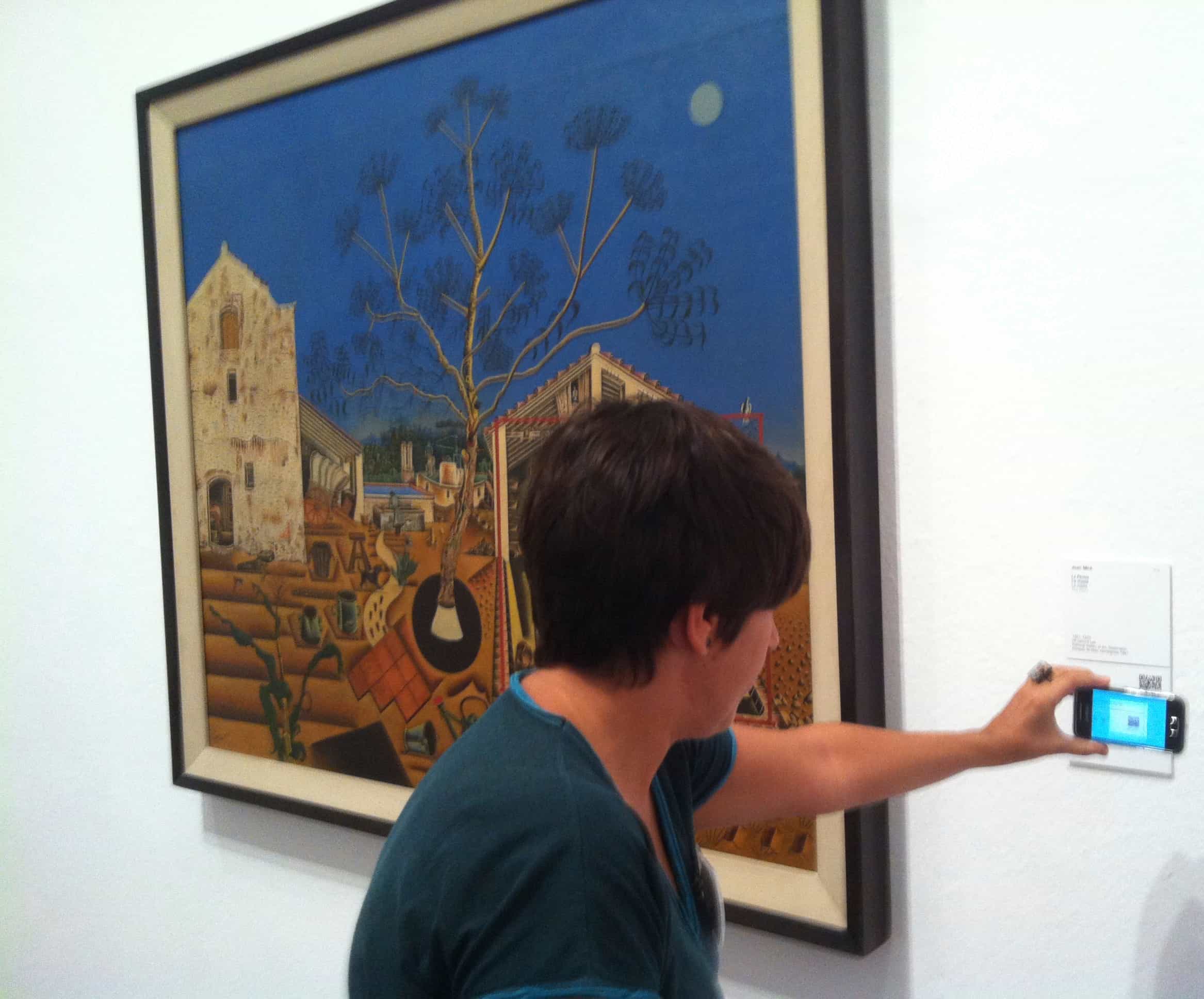
The Farm
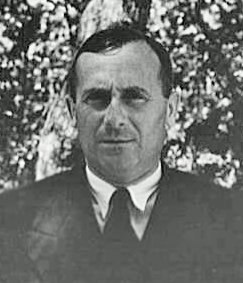
Joan Miró
From £45
Collection
Museum-quality reproductions on 310gsm textured cotton rag paper.
Shop all prints by Joan MiróArtistic Style
Style Evolution
Miró evolved from early regional training in Barcelona to the spare, poetic abstraction of his Paris and Surrealist years, later expanding his pictorial language into sculpture, ceramics and monumental public works while retaining a signature visual vocabulary of signs and symbols.
Palette
Subjects
Techniques
Topics
Joan Miró (1893-1983) was a Spanish Surrealist painter and sculptor whose playful biomorphic forms and vivid abstract language redefined 20th‑century modernism.
Learn about the life of Joan Miró
Biography
Joan Miró (1893-1983) was a Spanish Surrealist painter and sculptor whose playful biomorphic forms and vivid abstract language redefined 20th‑century modernism.
Joan Miró was born in Barcelona in 1893 into a Catalan family at a time of vigorous cultural renewal in Spain. From an early age he trained in local art schools and developed a fluency in drawing and craft that would inform his lifelong experimentation with mediums including painting, sculpture, printmaking and ceramics. His Catalan roots and exposure to popular folk art and craft provided a persistent visual vocabulary throughout his career.
Miró’s artistic development moved from academic training in Barcelona to sustained encounters with avant-garde currents in Europe.
In his early years Miró absorbed regional traditions, academic technique and the visual culture of Catalonia. He experimented with figuration and gradually moved toward simplification and abstraction.
In the 1920s Miró spent significant time in Paris and engaged with contemporary avant-garde artists and writers. By the mid-1920s his work integrated automatist and dreamlike strategies associated with Surrealism, producing spare, biomorphic shapes and a poetic iconography of stars, eyes, birds and ladders.
Across the mid-20th century Miró expanded into sculpture, public commissions, murals, ceramics and large-scale works. He continually reinvented his visual language, combining spontaneity with considered formal balances and often working at increasingly monumental scales in later decades.
Miró never ceased to experiment across mediums, moving fluidly between painting, printmaking, sculpture and ceramics. His achievement lies in creating a distinctive visual lexicon—playful signs, graphic contours and vivid color fields—that translated across two- and three-dimensional media and into public art. Collectors prize Miró for works that balance whimsy and formal rigor and that integrate modernist abstraction with poetic symbolism.
Miró’s style is characterized by pared-down, calligraphic lines, emblematic pictograms and luminous color fields. He used automatic drawing, spontaneous mark-making and collage techniques, then refined those gestures into compositions that feel both improvisatory and meticulously balanced. His sculptures and ceramics carry the same biomorphic energy as his paintings, often enlivened by texture and bold color.
Miró bridged Surrealism and abstraction, influencing generations of abstract and minimalist artists with his economy of form and surreal poetic vision. His playful, symbolic imagery broadened possibilities for modern decorative and public art, and continues to inspire artists, designers and collectors worldwide.
Awards
Frequently Asked Questions
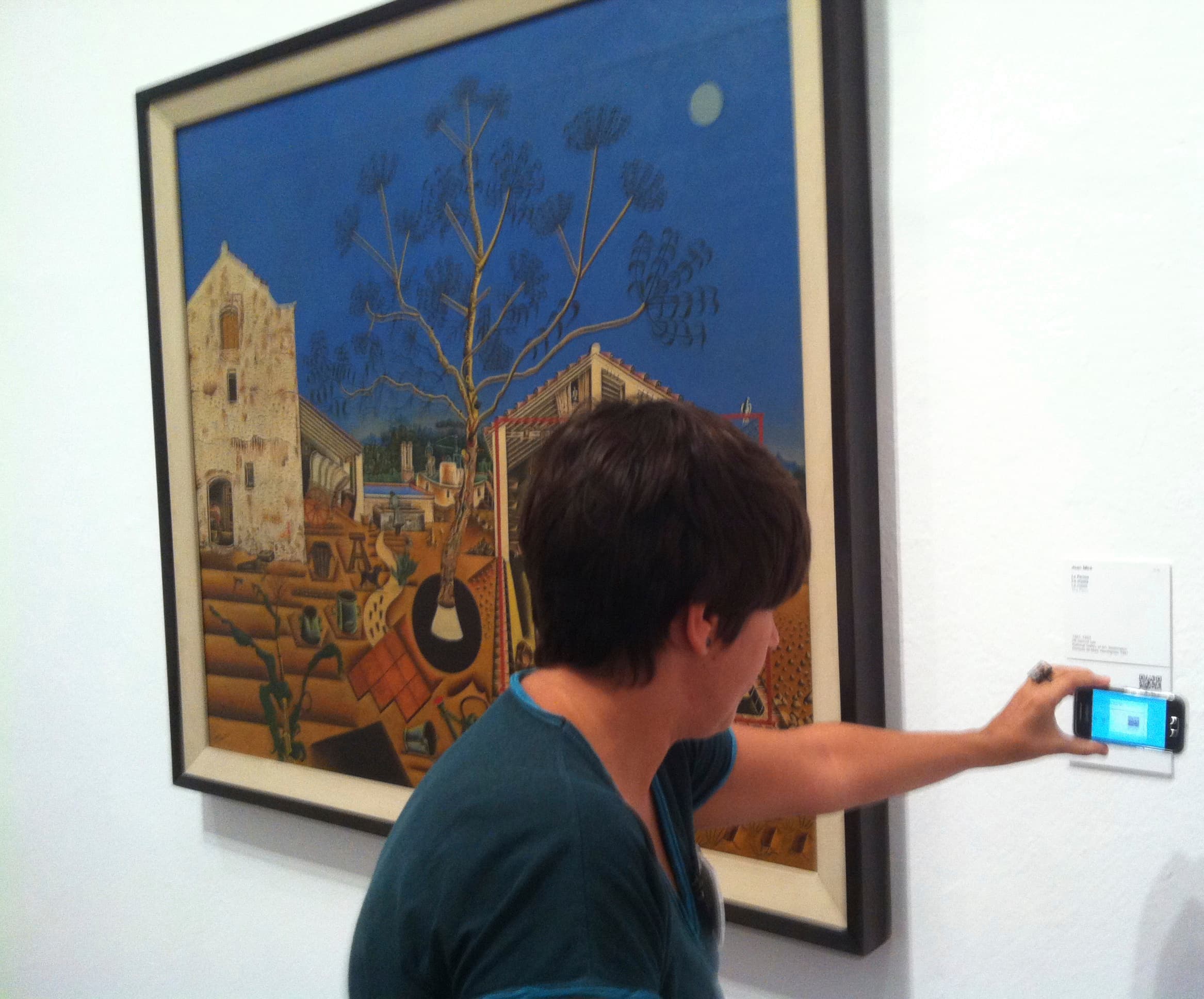
The Farm
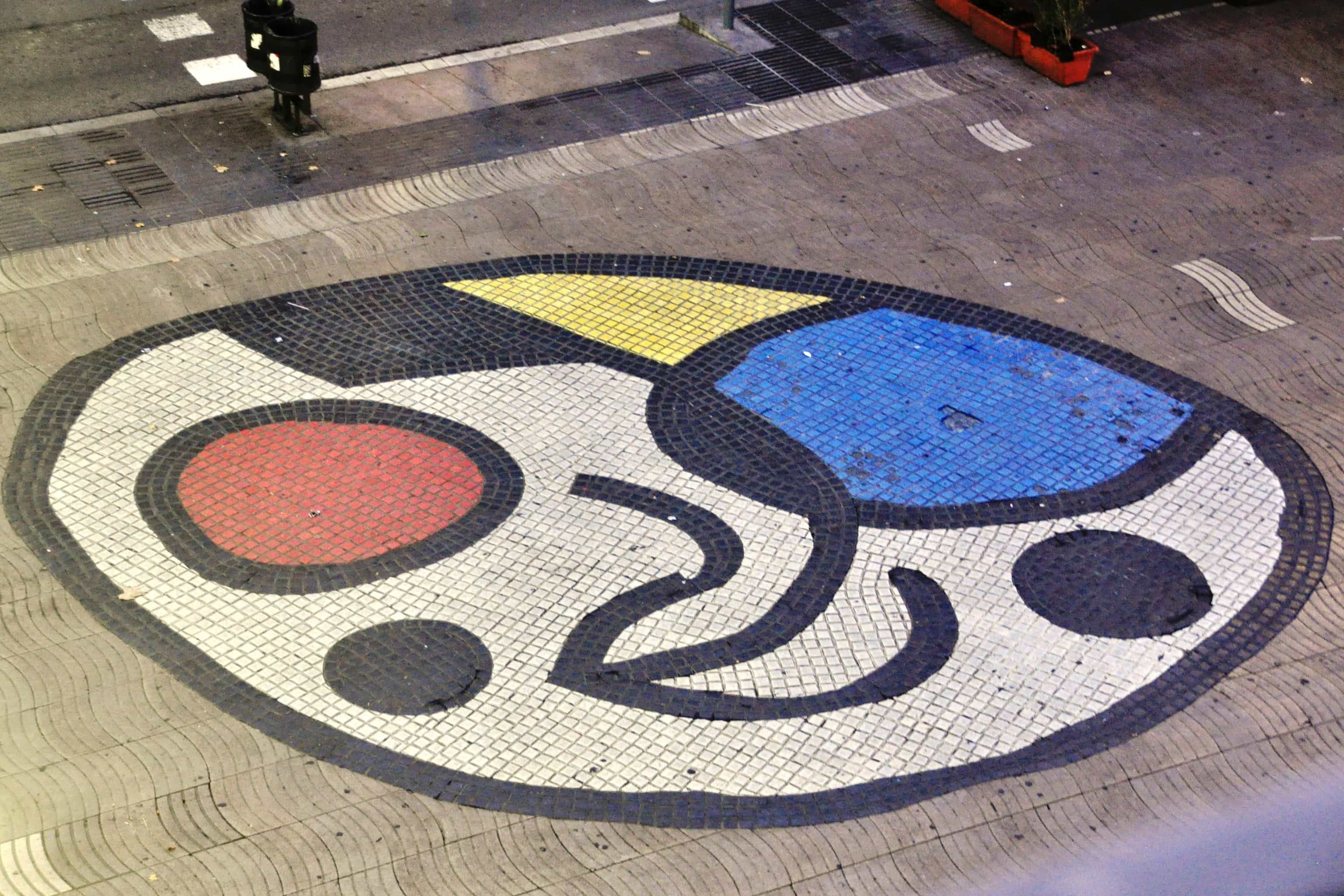
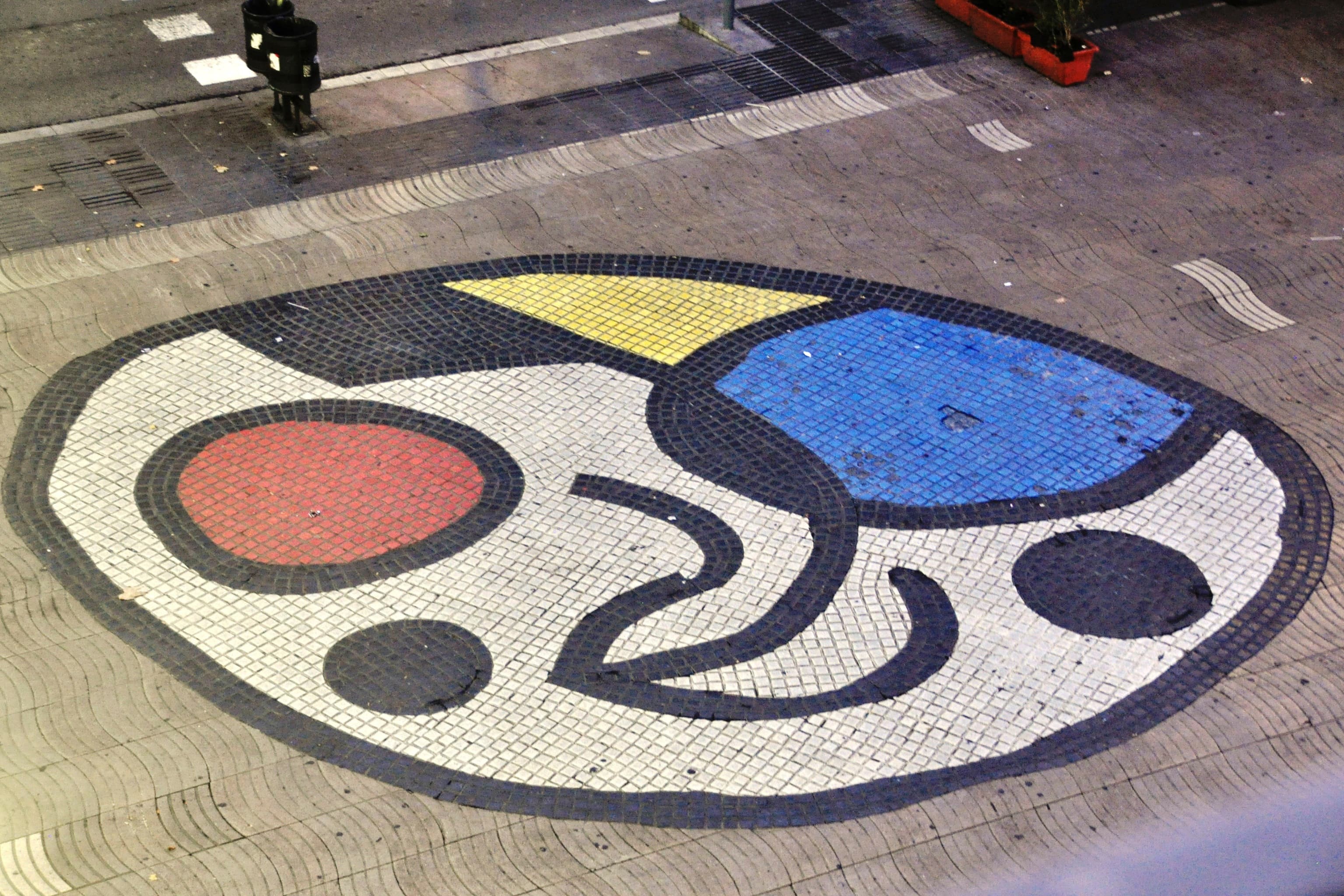
Mosaic del Pla de l'Os
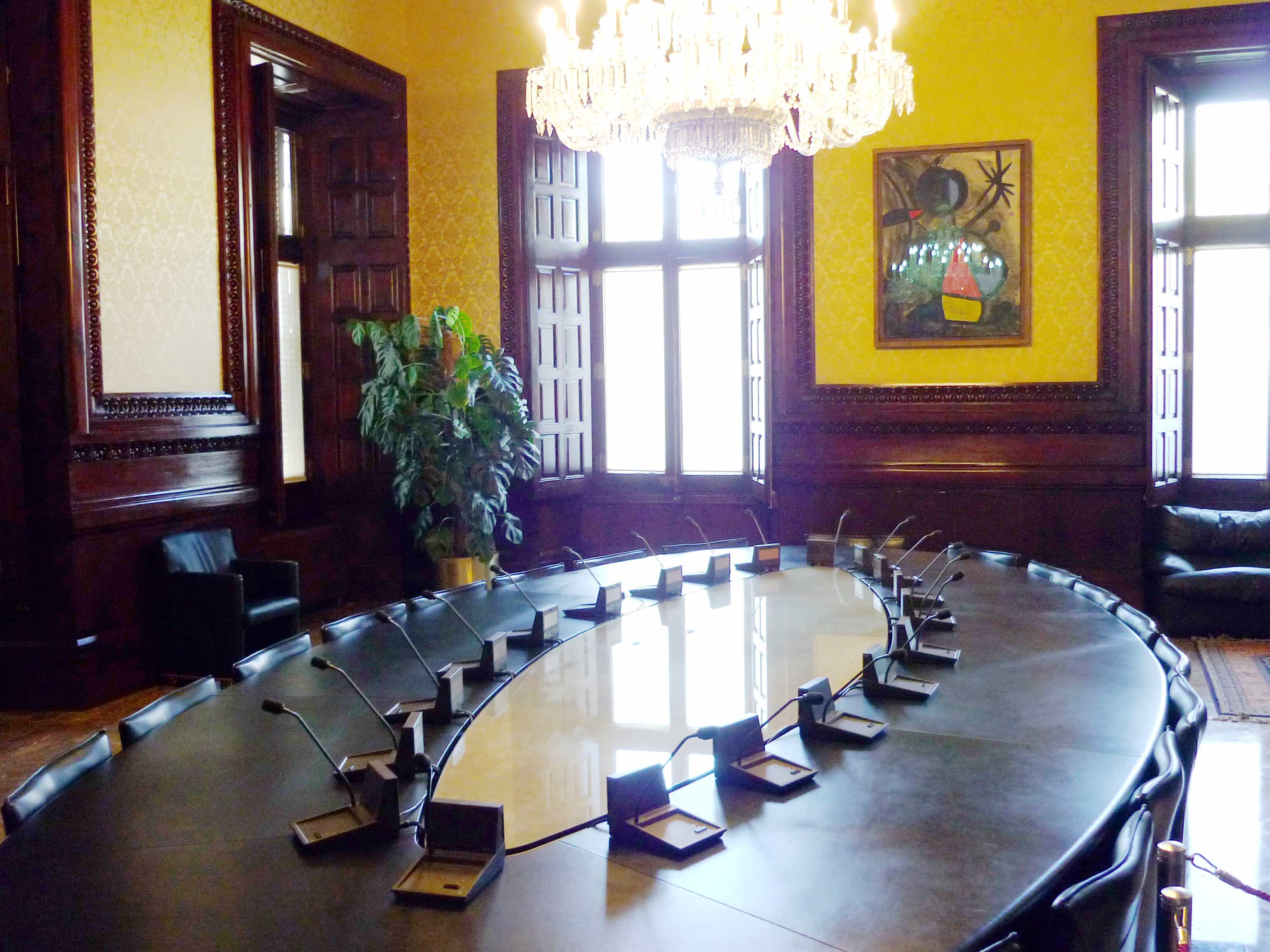
Dona
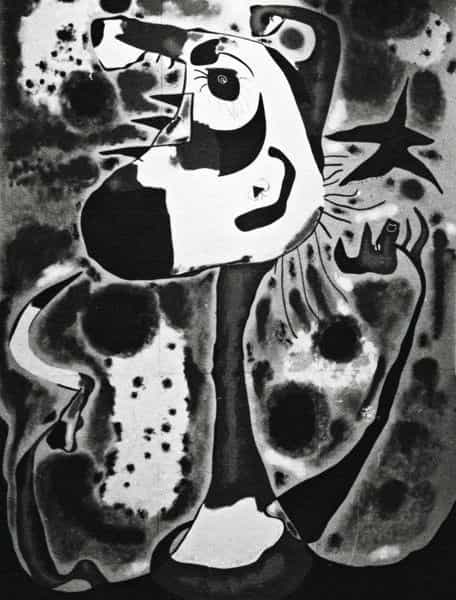
The Reaper
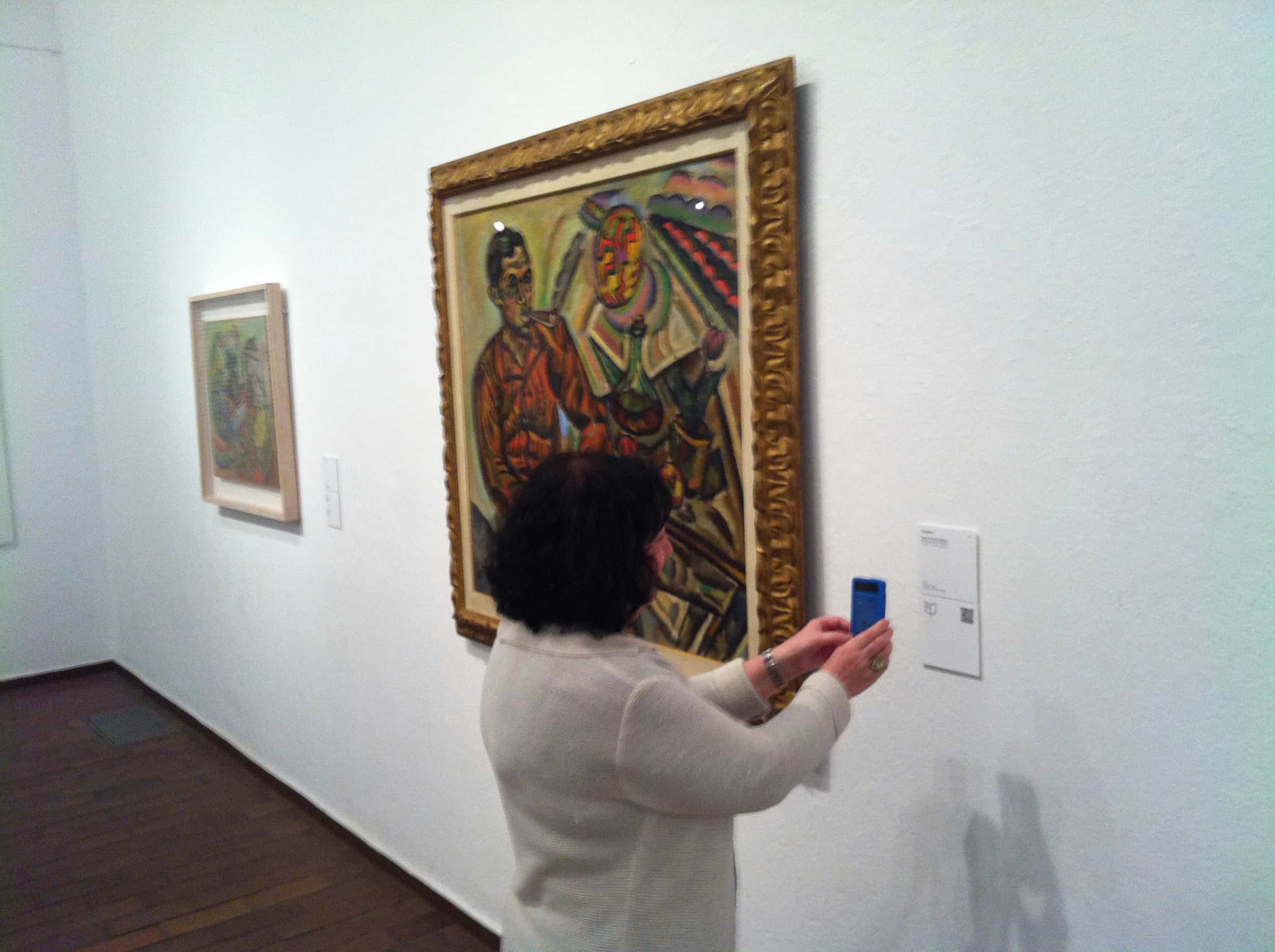
Portrait of Vincent Nubiola
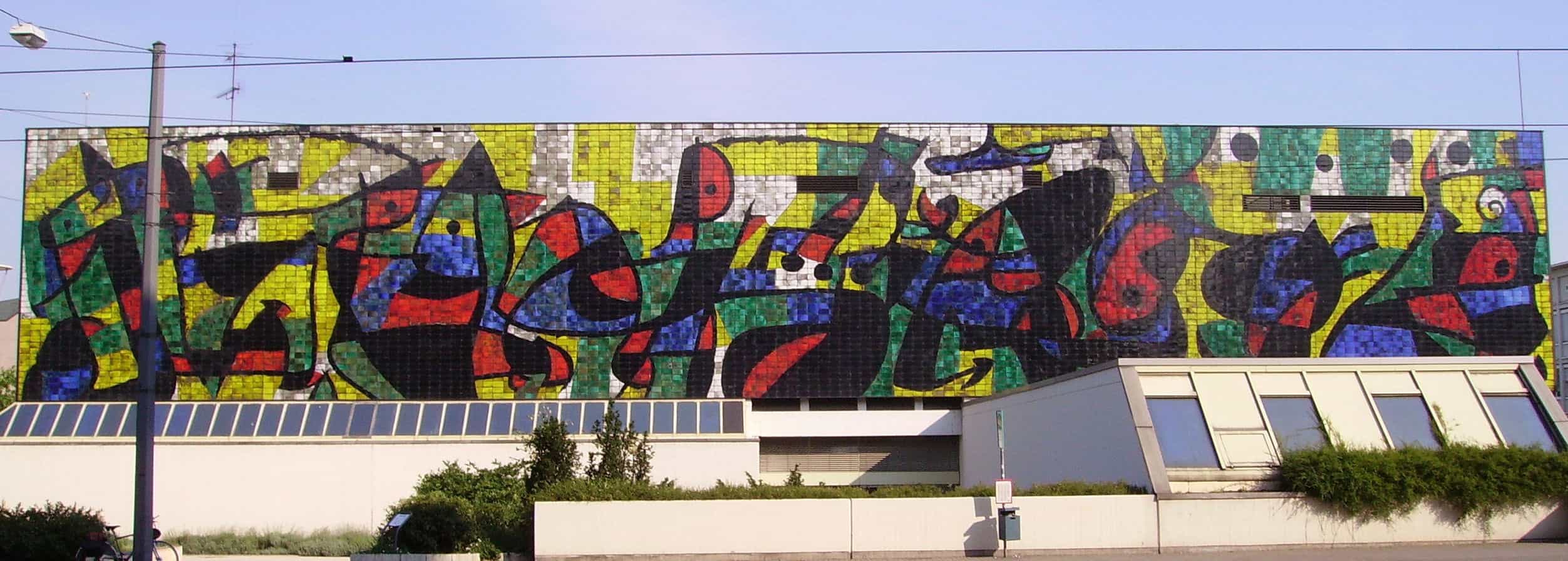
Miró Wall
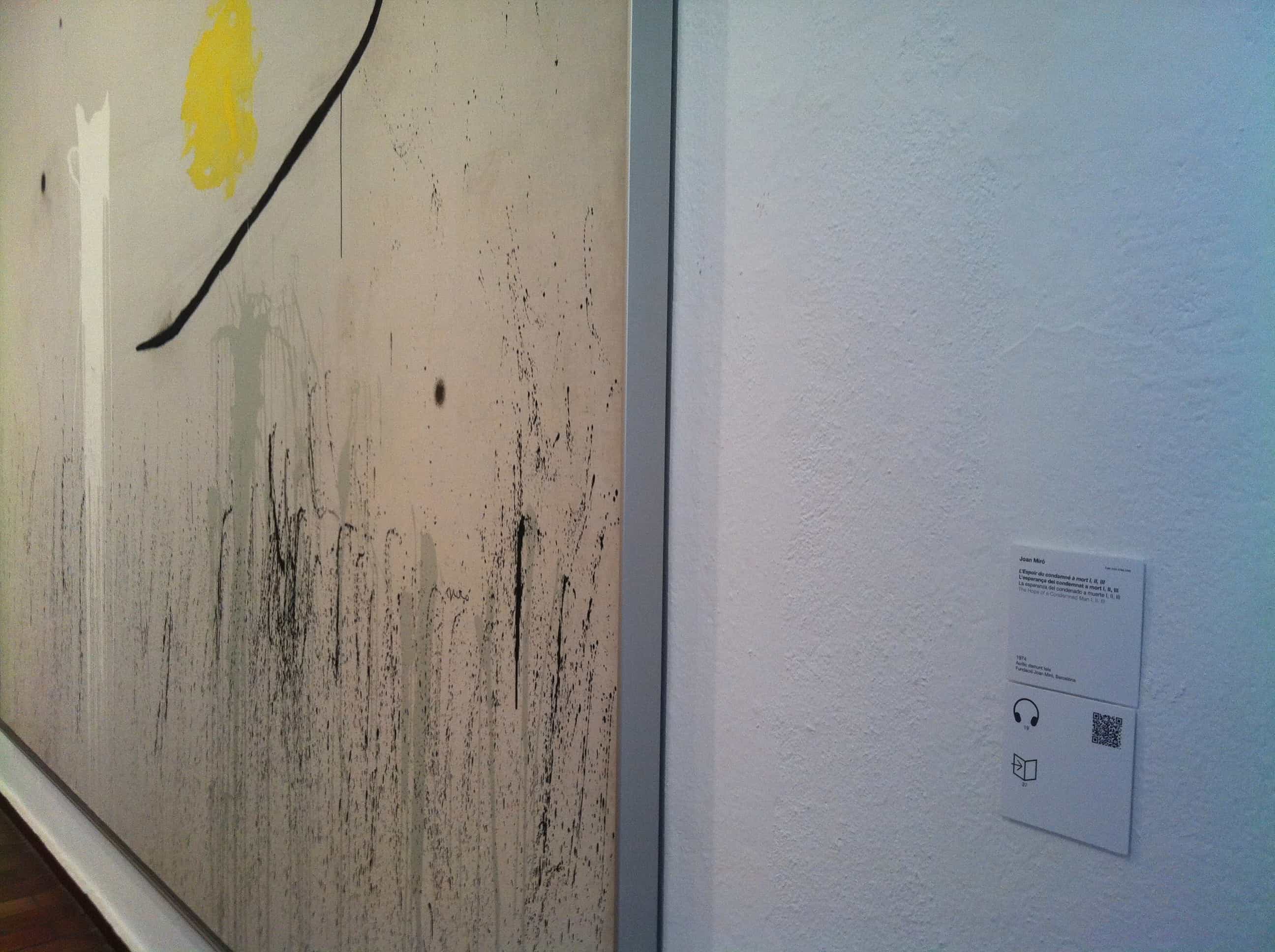
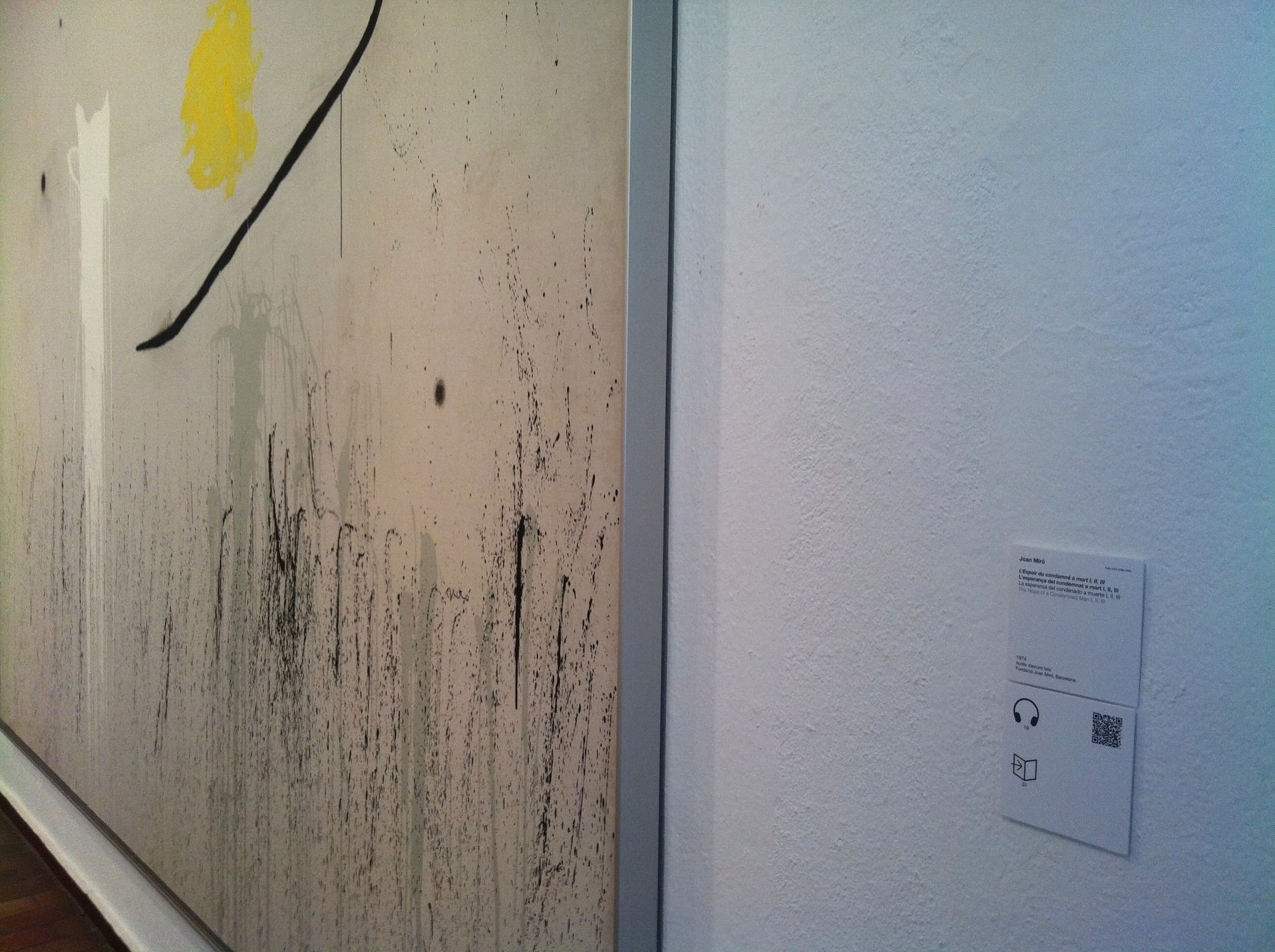
The Hope of a Condemned Man
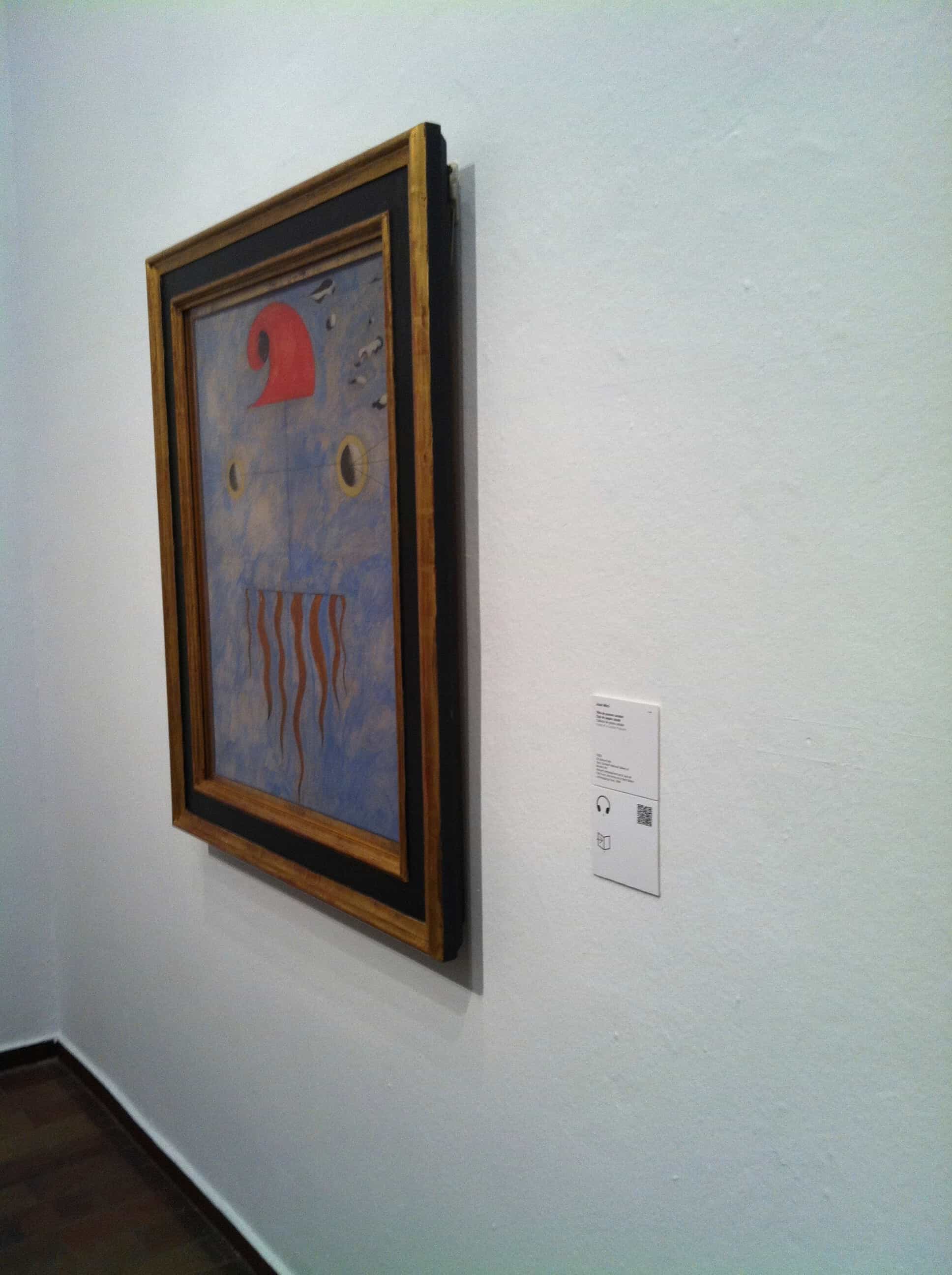
Head of a Catalan Peasant