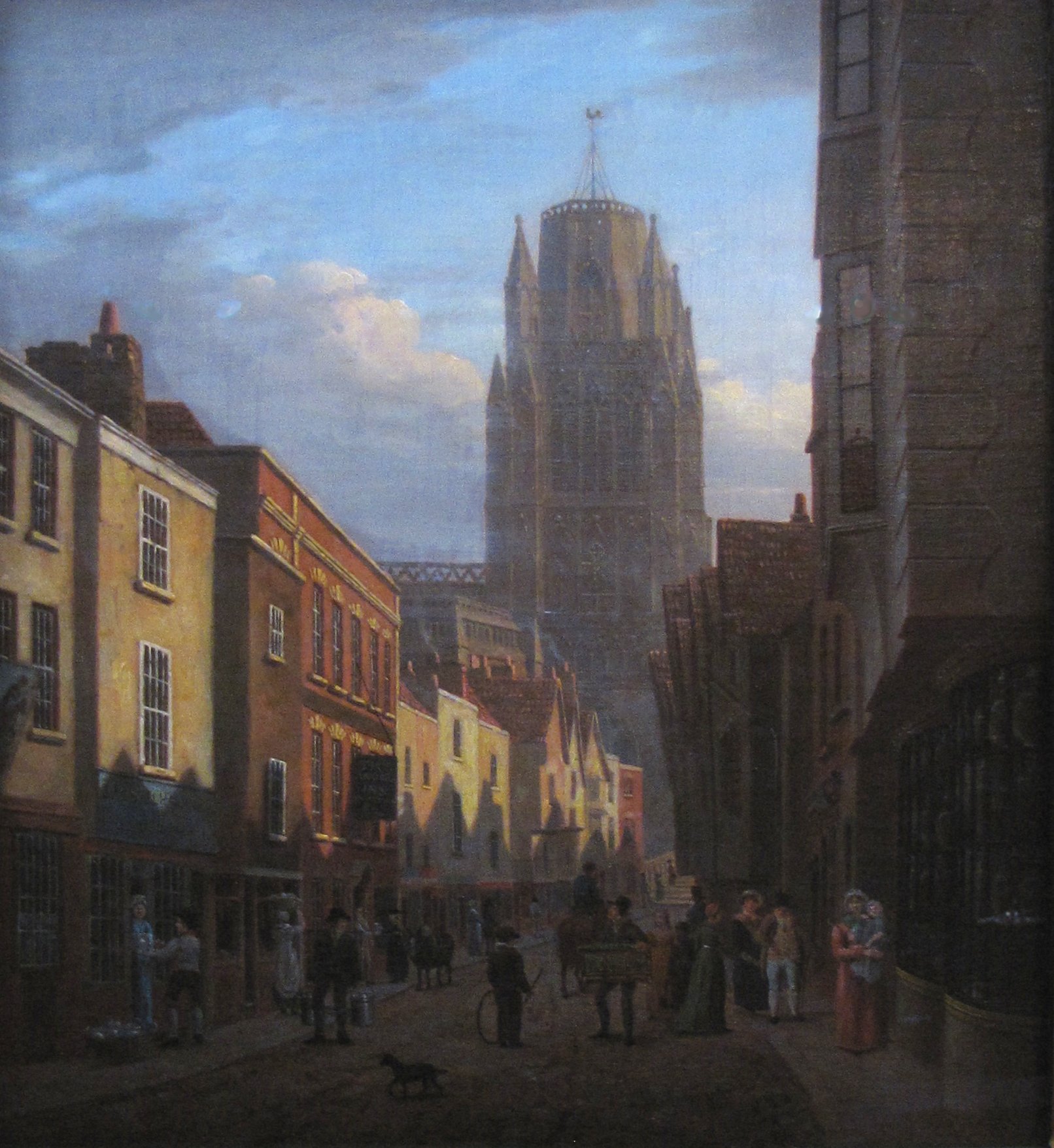
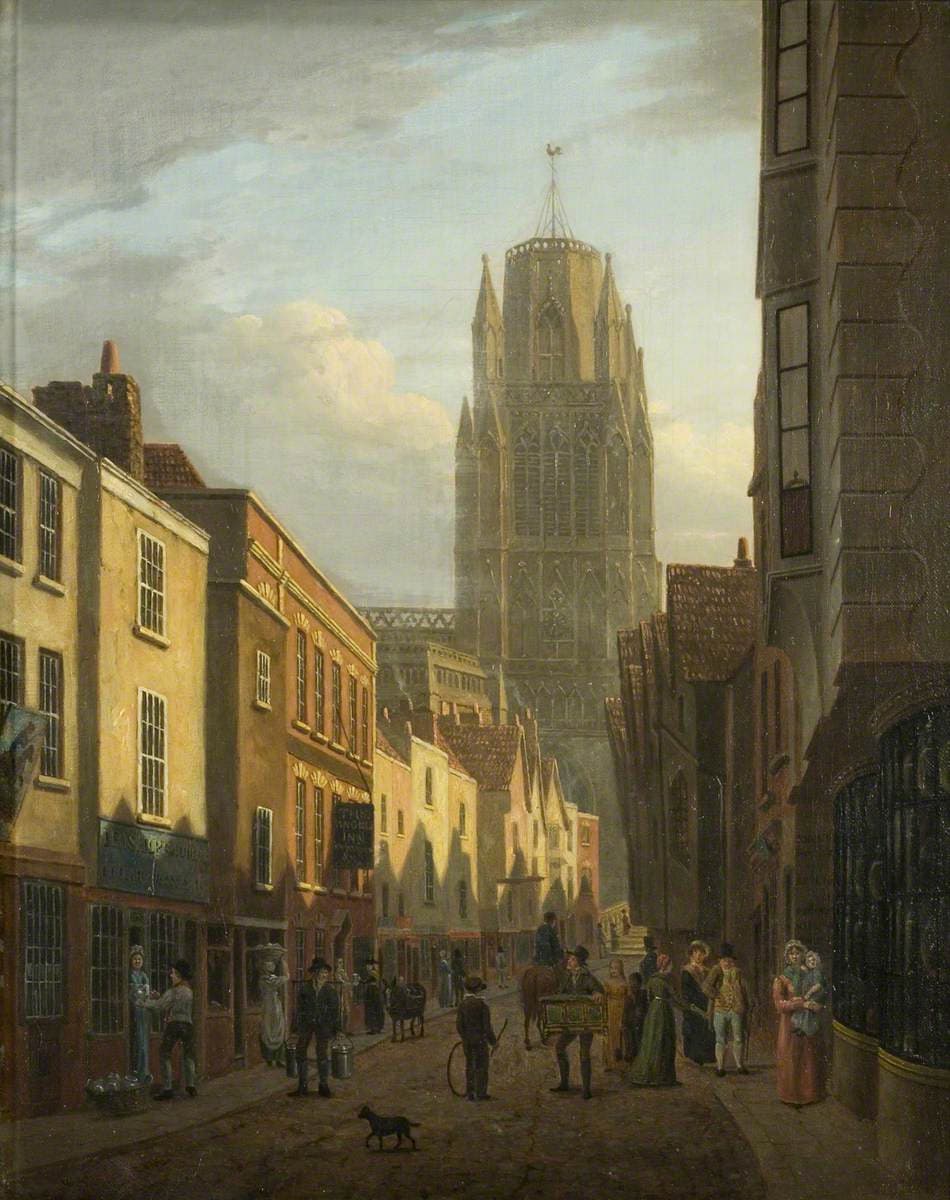
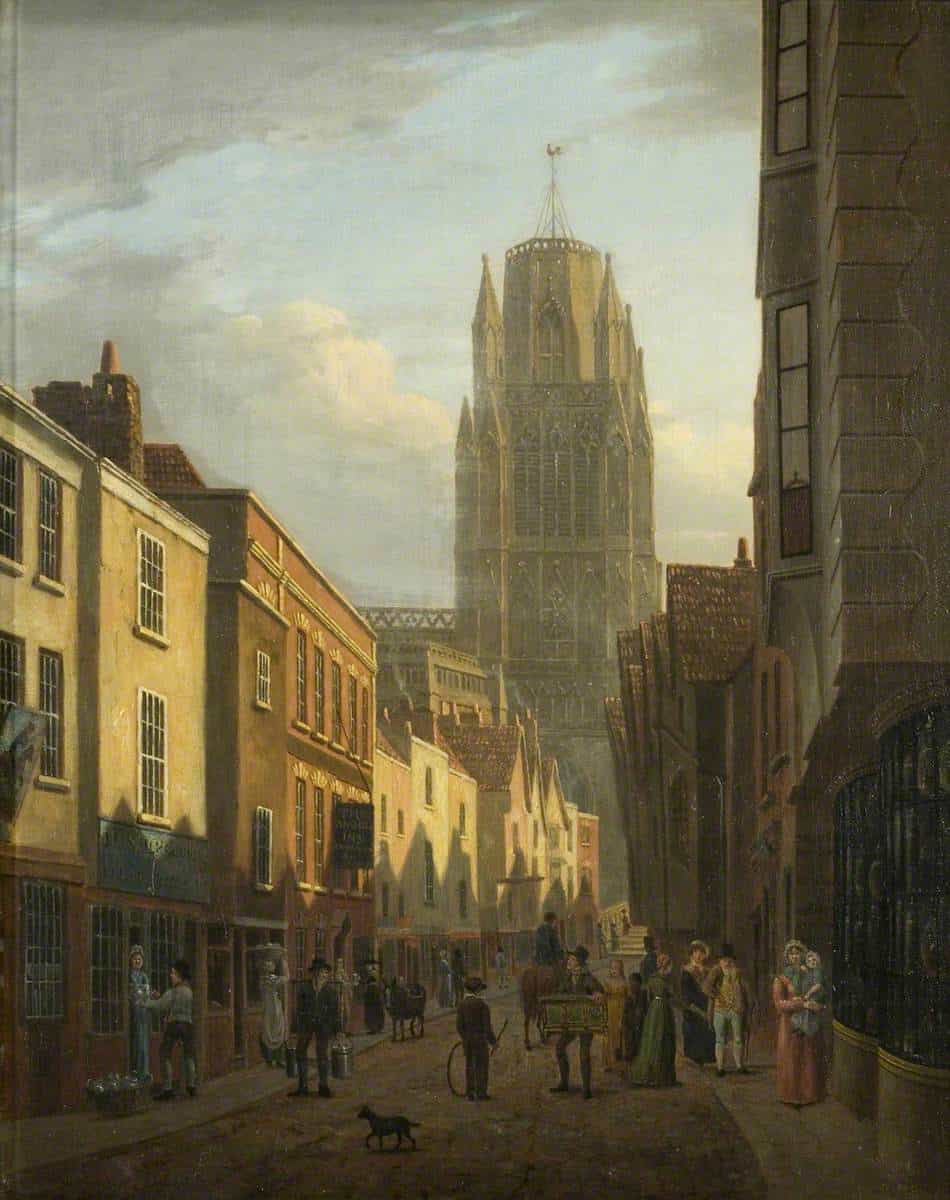
Redcliffe Street, Bristol
James Johnson
From £45
Collection
Museum-quality reproductions on 310gsm textured cotton rag paper.
Shop all prints by James JohnsonArtistic Style
Style Evolution
Johnson began with rigorous architectural draughtsmanship and gradually applied watercolor and occasional oil techniques to convey atmosphere. His work moved from measured, documentary studies toward more atmospheric townscapes that balanced accuracy with decorative appeal.
Palette
Subjects
Techniques
Topics
James Johnson (1803-1834) was a United Kingdom of Great Britain and Ireland architectural draftsman, watercolorist and oil painter whose precise architectural studies and delicate watercolors captured
Learn about the life of James Johnson
Biography
James Johnson (1803-1834) was a United Kingdom of Great Britain and Ireland architectural draftsman, watercolorist and oil painter whose precise architectural studies and delicate watercolors documented 19th-century British interiors and townscapes.
James Johnson was born in Downend in 1803 and died in Bath in 1834. Recorded in historical notes as an architectural draftsman, watercolorist and oil painter, Johnson worked in a period when topographical accuracy and subtle watercolor technique were valued for both documentary and decorative purposes. Little is documented about his formal training or teachers, but his surviving work places him within the British tradition of architectural and topographical artists of the early 19th century.
Johnson’s career unfolded during the 1820s and early 1830s, a time of renewed interest in architectural heritage and picturesque town views in Britain. His professional identity as an architectural draftsman indicates training or practice in measured drawing and detailed depiction of buildings; his watercolors demonstrate a delicate touch and attention to light.
During his early career Johnson focused on precise architectural studies, producing measured drawings and ink studies that emphasized structure and proportion.
In his mature work he applied watercolor and oil techniques to convey atmosphere and interior light, producing views that were both documentary and visually appealing for collectors and patrons who sought tasteful depictions of British towns and buildings.
Specific titled works by Johnson are not listed here. He is best understood through his surviving architectural studies, watercolors and oil paintings that combine technical draughtsmanship with a restrained, atmospheric palette suitable for domestic display.
Johnson’s work combines the rigor of architectural draughtsmanship — precise lines, attention to proportion and detail — with a restrained watercolor technique that captures subtle shifts of light and the textures of stone and plaster. His oil works, where present, translate that same attention to structure into a richer, more tactile surface. The decorative qualities of his views suit interior display and appeal to collectors interested in period atmosphere and historic architecture.
While not widely recorded among the most famous painters of his era, Johnson represents the important strand of 19th-century British art focused on architectural recording and picturesque townscapes. His work sits alongside other draughtsmen and watercolorists who helped preserve visual records of buildings and interiors before extensive Victorian remodelling.
Biographical details beyond Johnson’s birthplace (Downend) and death place (Bath) are limited in the available records. He worked professionally as,
Frequently Asked Questions
Redcliffe Street, Bristol
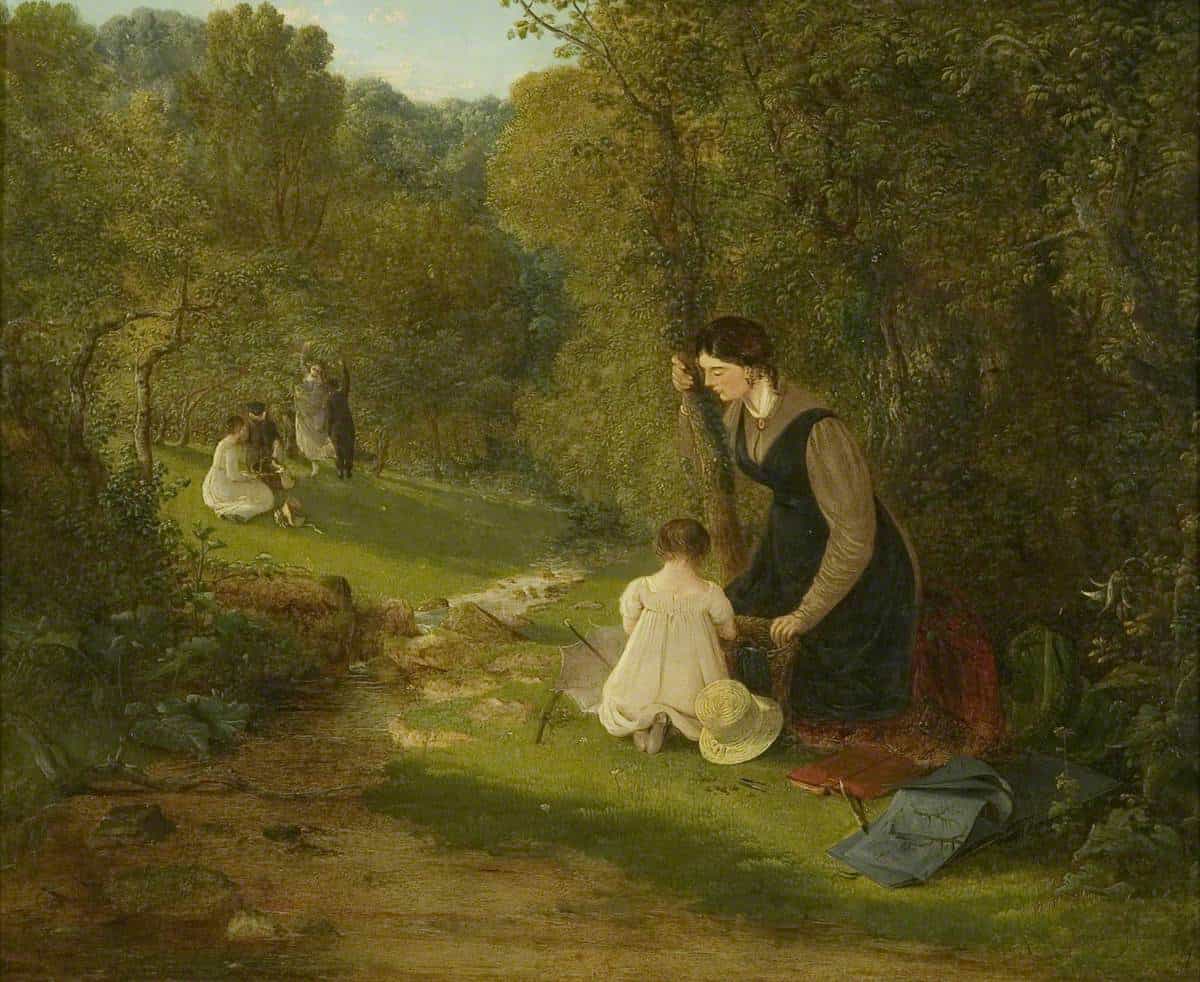
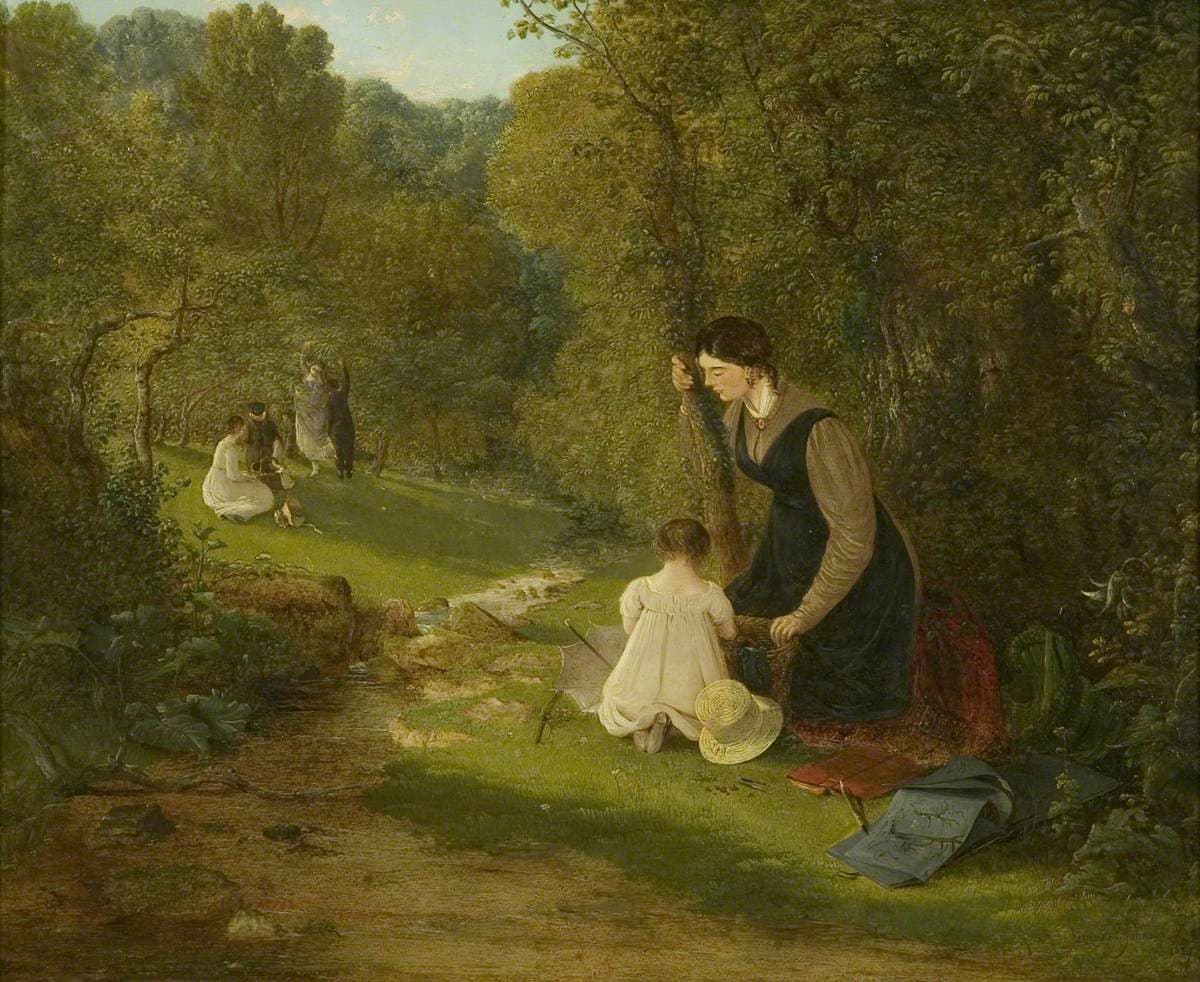
The Nut Gatherers
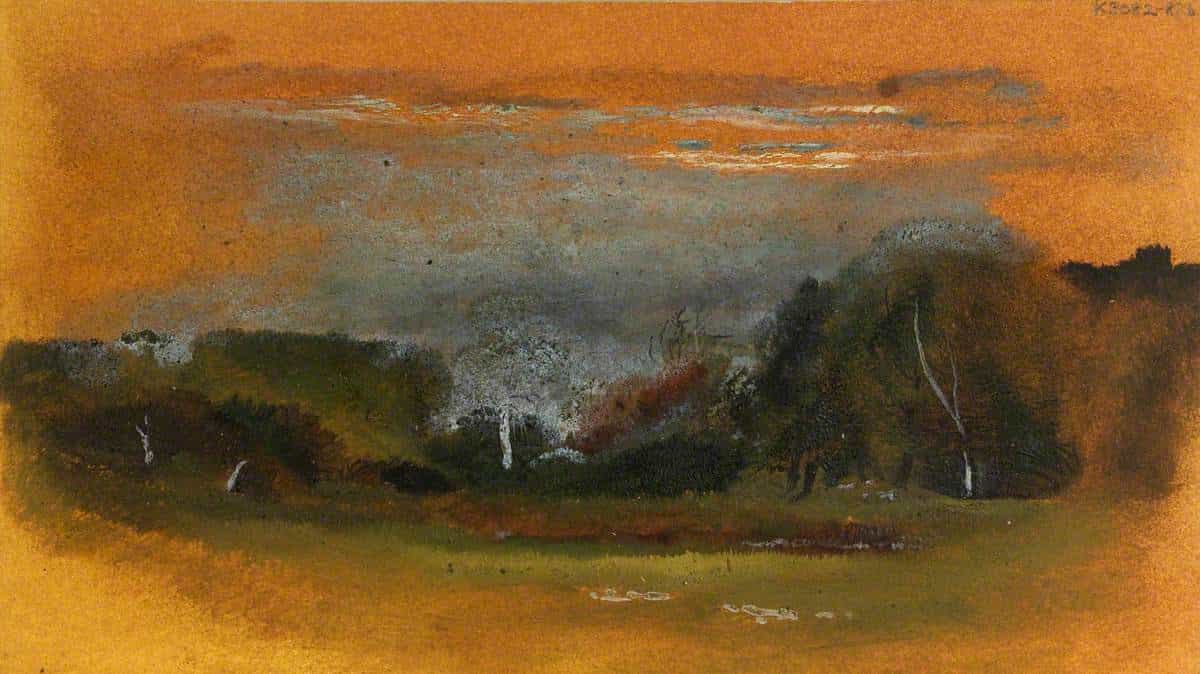
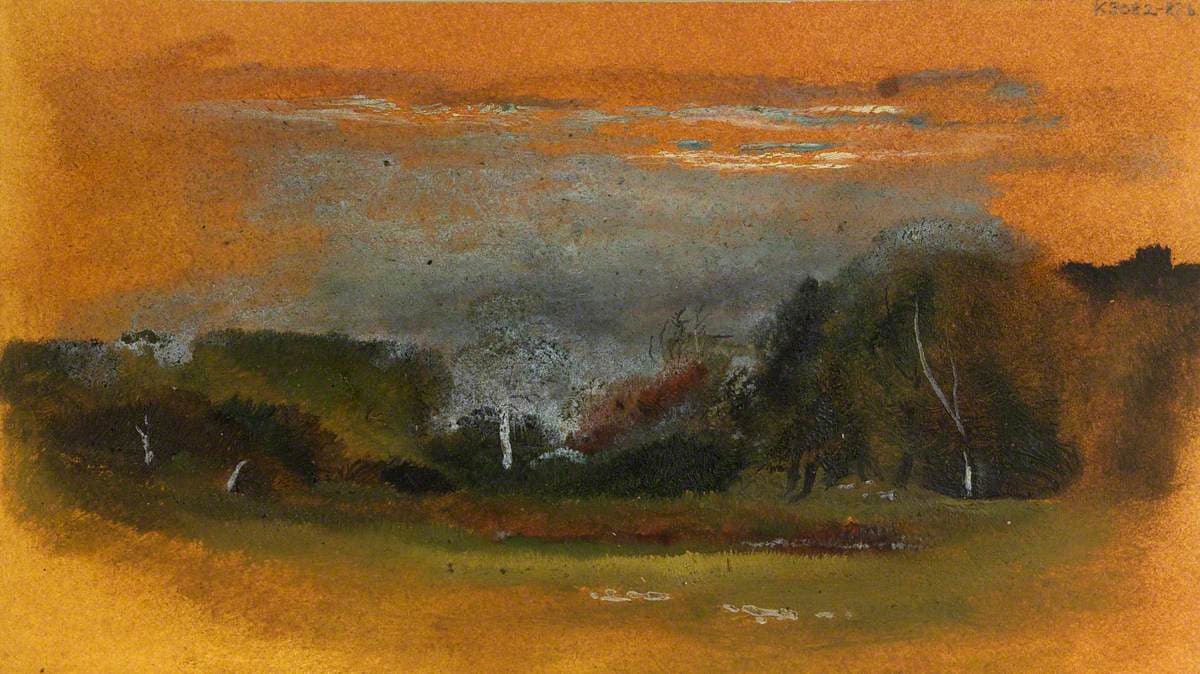
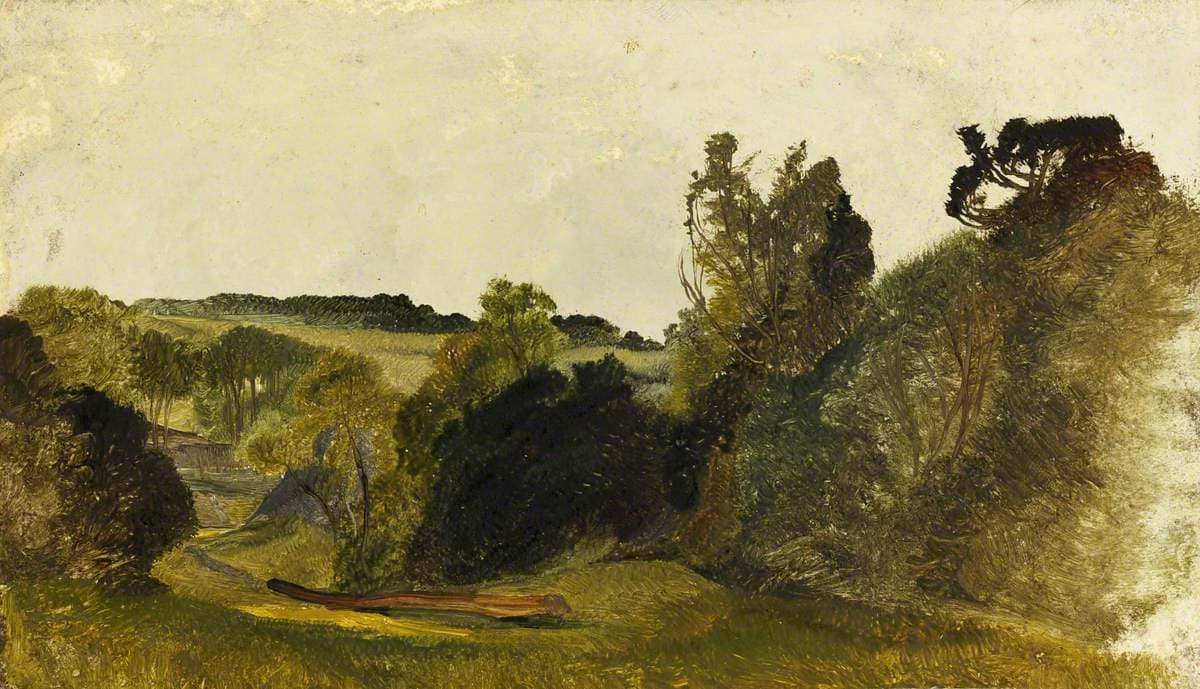
A Landscape View
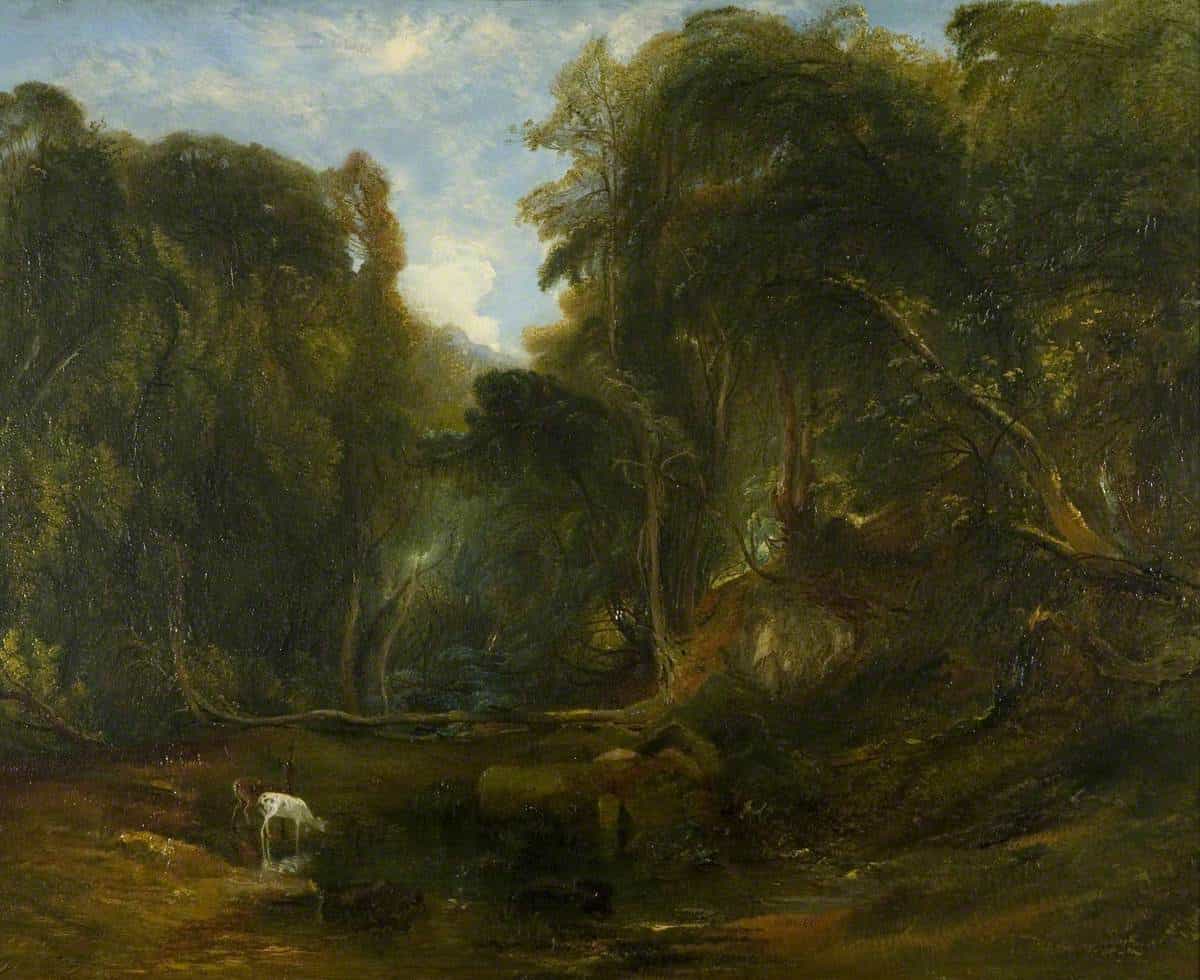
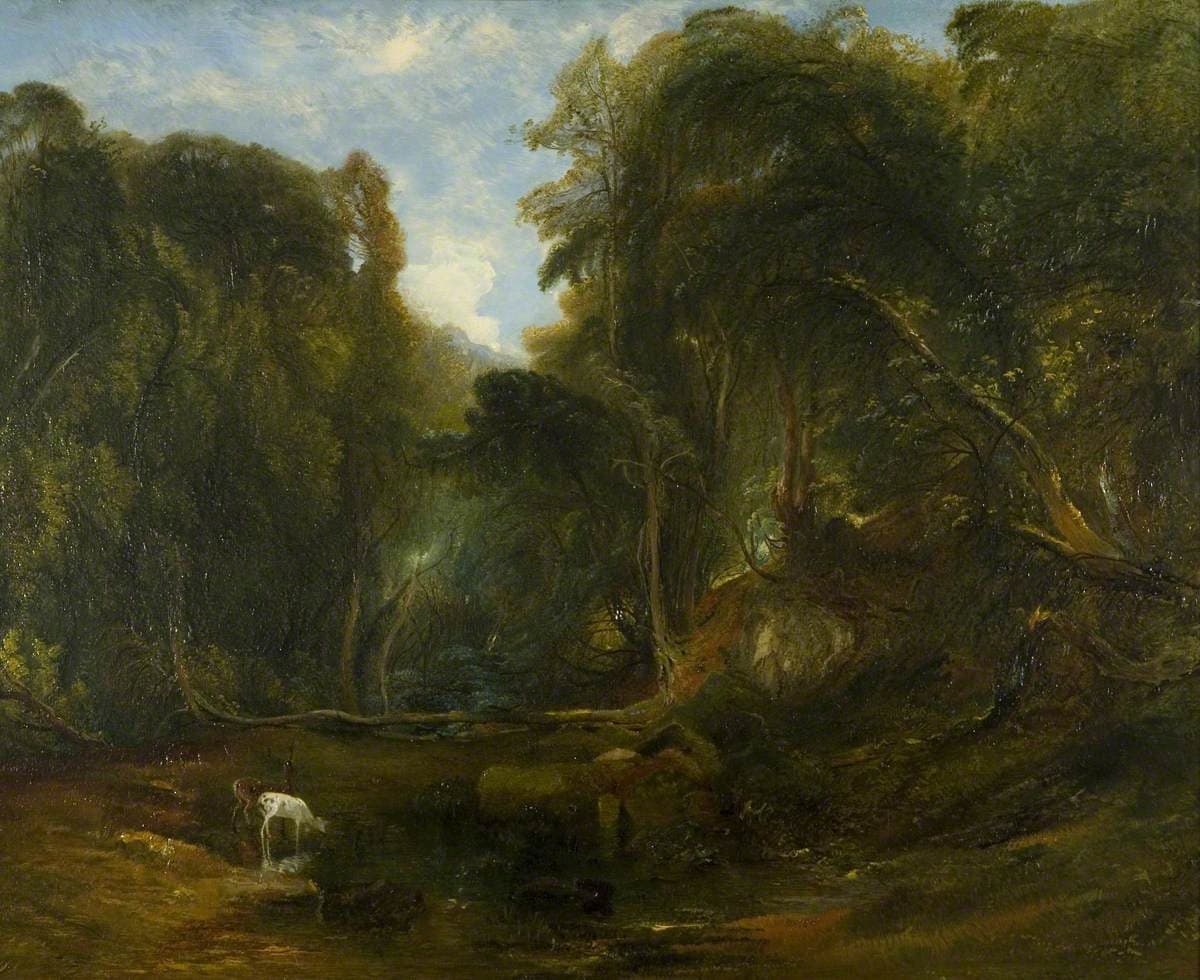
Nightingale Valley
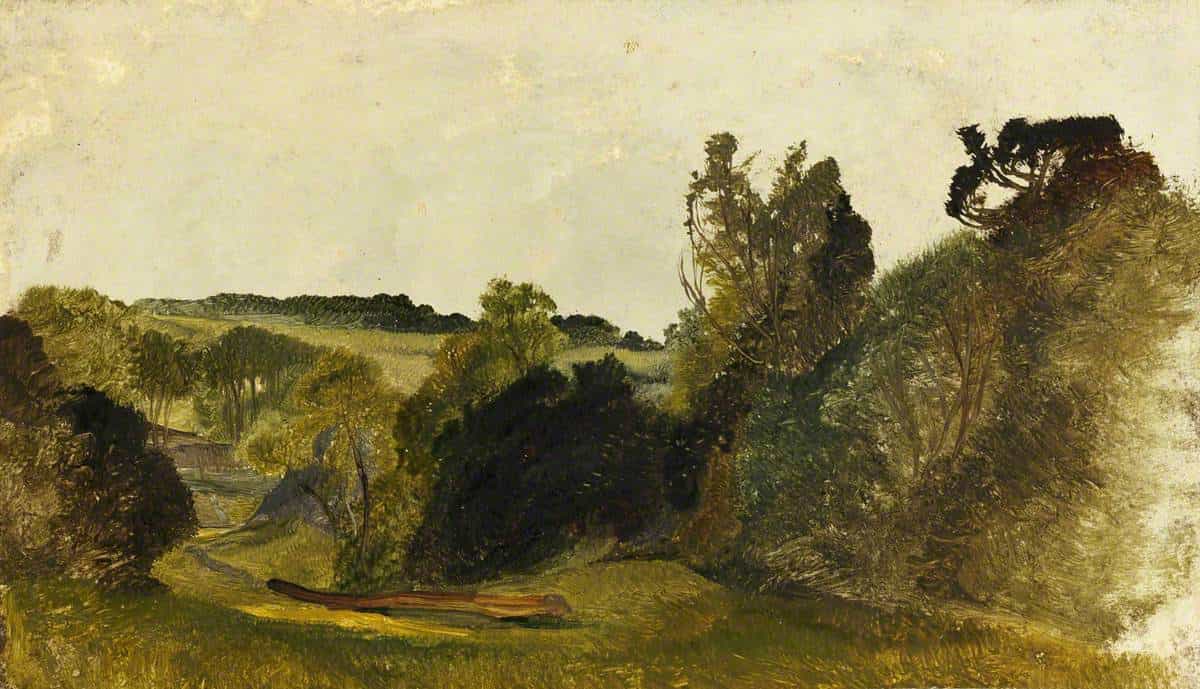
Leigh Wood