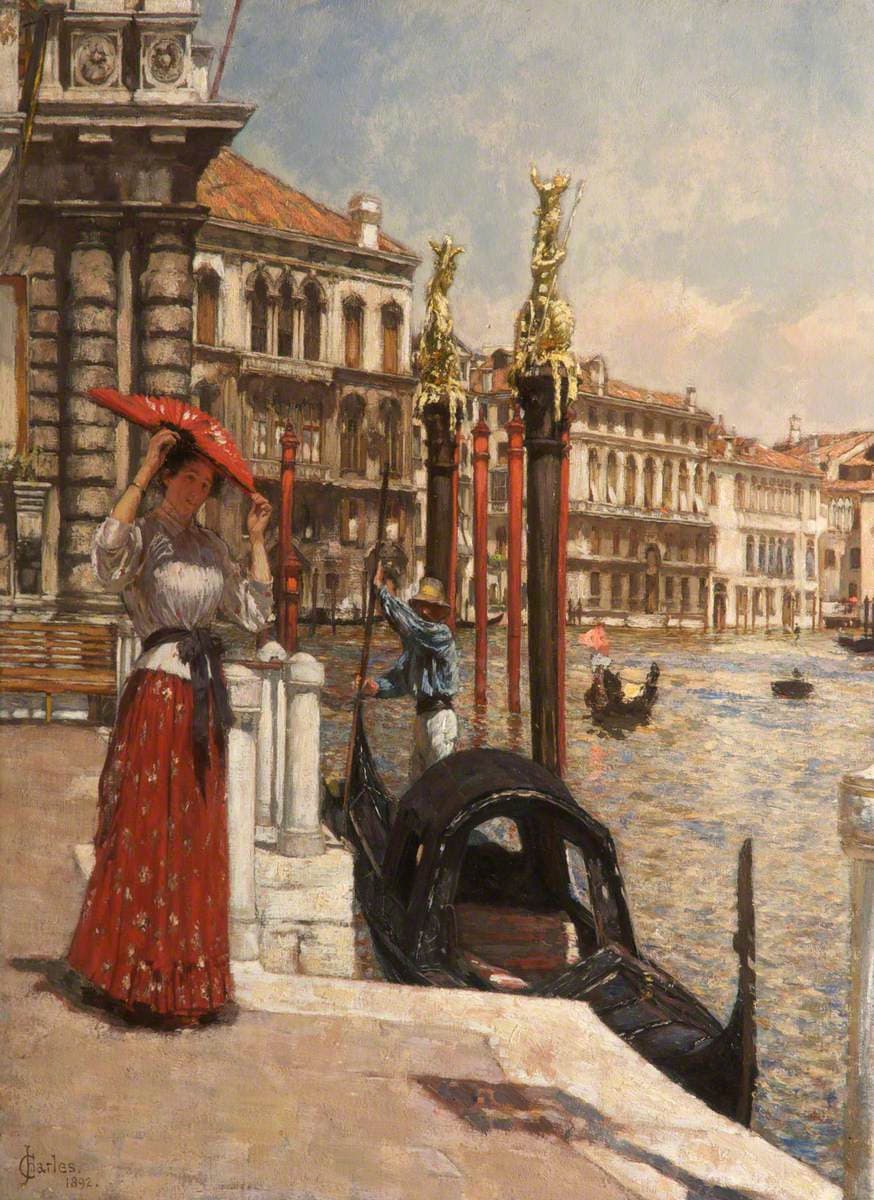
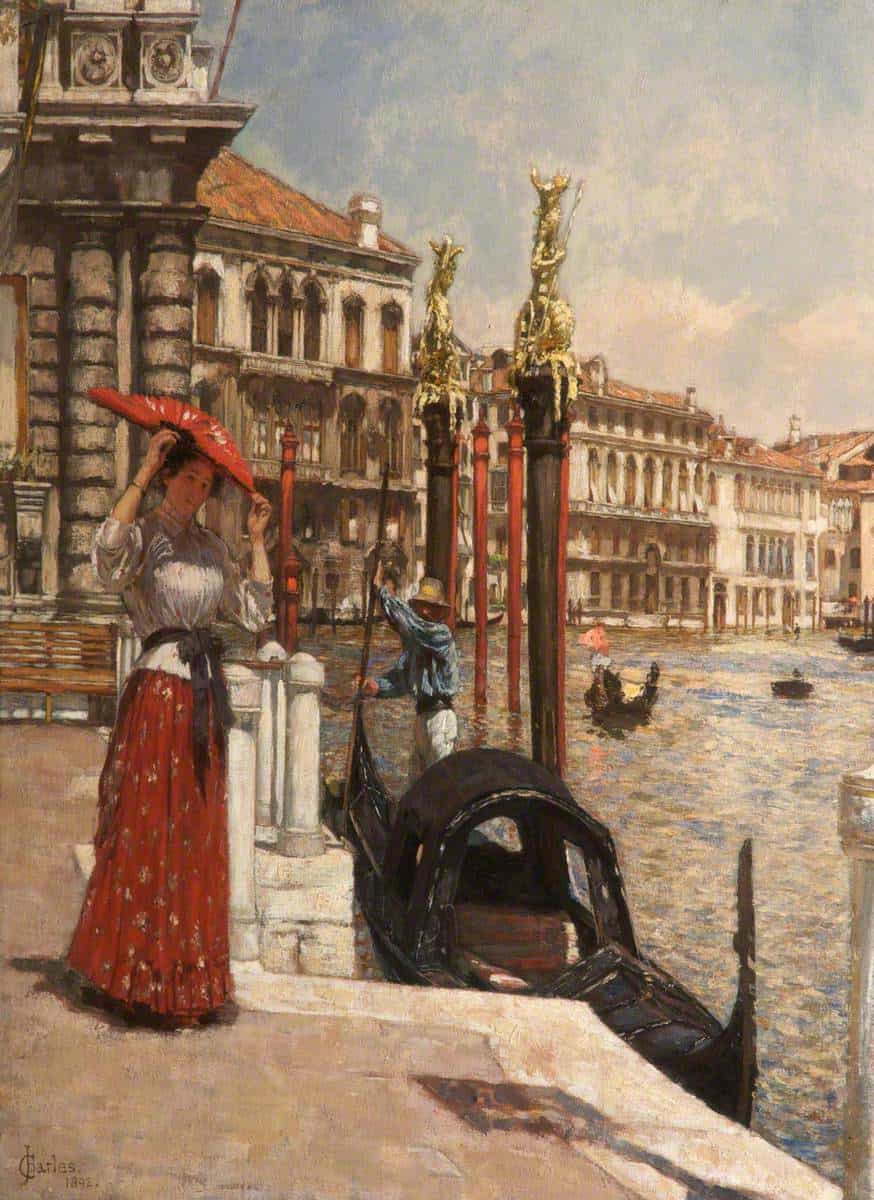
Heat of the Day, Venice
James Charles
From £34
Collection
Museum-quality reproductions on 310gsm textured cotton rag paper.
Shop all prints by James CharlesArtistic Style
Style Evolution
Charles moved from more traditional landscape composition in his early career toward a freer, Impressionist handling of paint. Over time his palette and brushwork simplified, producing decorative, atmospheric canvases that emphasize light and mood.
Palette
Subjects
Techniques
Topics
James Charles (1851-1906) was a British Impressionist painter whose luminous landscapes and sensitive handling of light captured rural Britain's moods.
Learn about the life of James Charles
Signature Works
See all available printsBiography
James Charles (1851-1906) was a British Impressionist painter whose luminous landscapes and sensitive handling of light captured rural Britain's moods and atmosphere.
James Charles (1851–1906) was born in Warrington in the United Kingdom of Great Britain and Ireland. Details of his formal artistic training and early mentors are not widely documented; however, his work is consistently described in historical sources as aligned with Impressionist concerns—an interest in atmosphere, transient light, and the visual effects of weather on the landscape. Charles spent his final years in Llandyrnog, where he died in 1906.
Charles developed a mature Impressionist idiom during the latter half of the 19th century. While specific records of his education and teachers are limited, his paintings reveal a focus on plein-air observation and a painterly approach to capturing light and atmosphere.
In his early career Charles explored traditional landscape composition while increasingly loosening brushwork and brightness of touch. These works show the transition from academic restraint toward a freer handling of paint.
By the middle of his career he embraced Impressionist strategies more fully: broken brushstrokes, attention to changing light, and a palette that registers subtle tonal shifts across sky, water, and fields.
Later works demonstrate a refined economy of means—compositions that balance decorative appeal with a contemplative mood, suited to domestic and collector tastes of the period.
Comprehensive lists of Charles's paintings and exhibition records are limited in the available data. He is principally recognized as a British Impressionist whose body of landscapes and rural scenes contributed to the broader appreciation of Impressionist aesthetics in Britain.
Charles favored plein-air observation, loose yet controlled brushwork, and an emphasis on atmospheric effects. His technique often employed rapid, layered strokes to suggest reflected light and shifting weather, producing works that are decorative and evocative—well suited to interior display.
Working within the British Impressionist tendency, Charles absorbed and translated continental Impressionist innovations for a British audience. His paintings reinforced the popularity of light-focused landscape painting in late Victorian and Edwardian Britain and continue to appeal to collectors seeking atmospheric decorative landscapes.
Few personal details are widely recorded beyond his birthplace, Warrington, and his death in Llandyrnog. His life and career remained closely tied to rural and small-town British settings, which informed his subject matter.
Collectors value Charles's works for their decorative charm, subtle handling of light, and the ev
Frequently Asked Questions
Heat of the Day, Venice
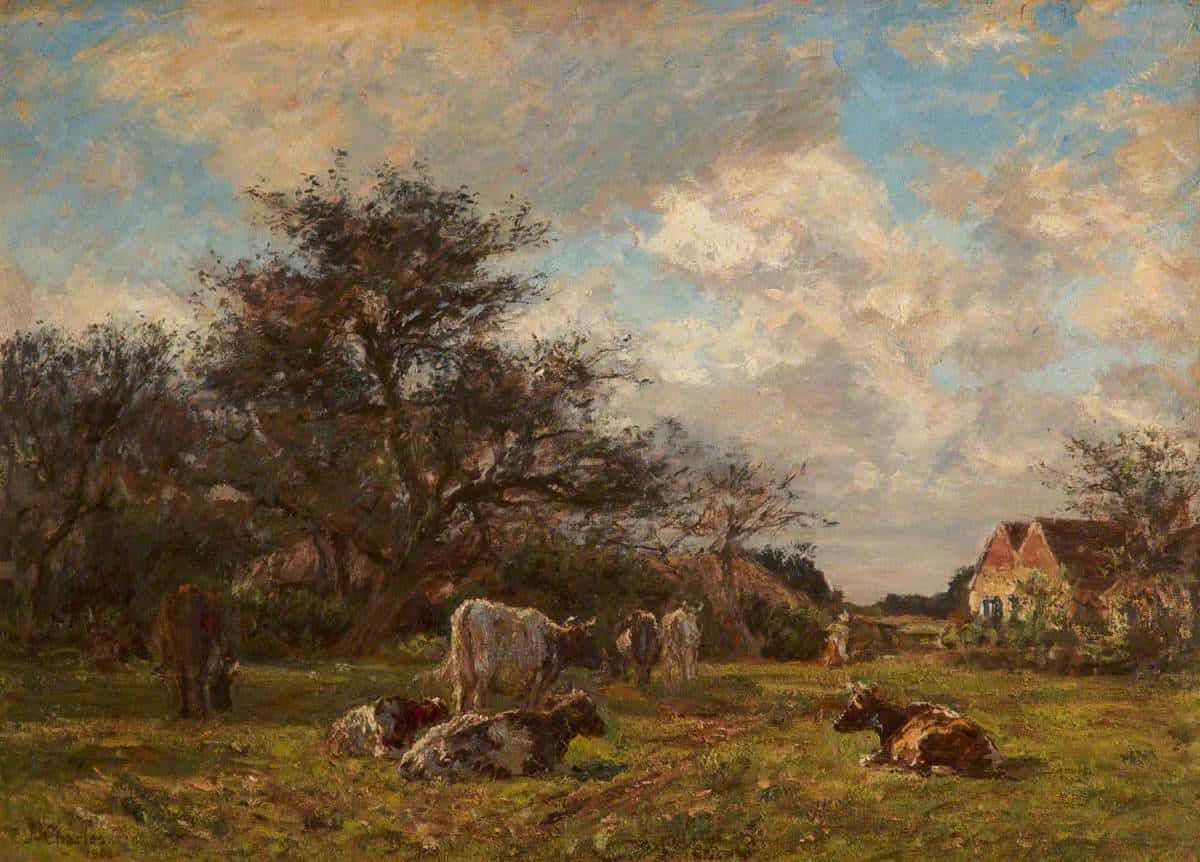
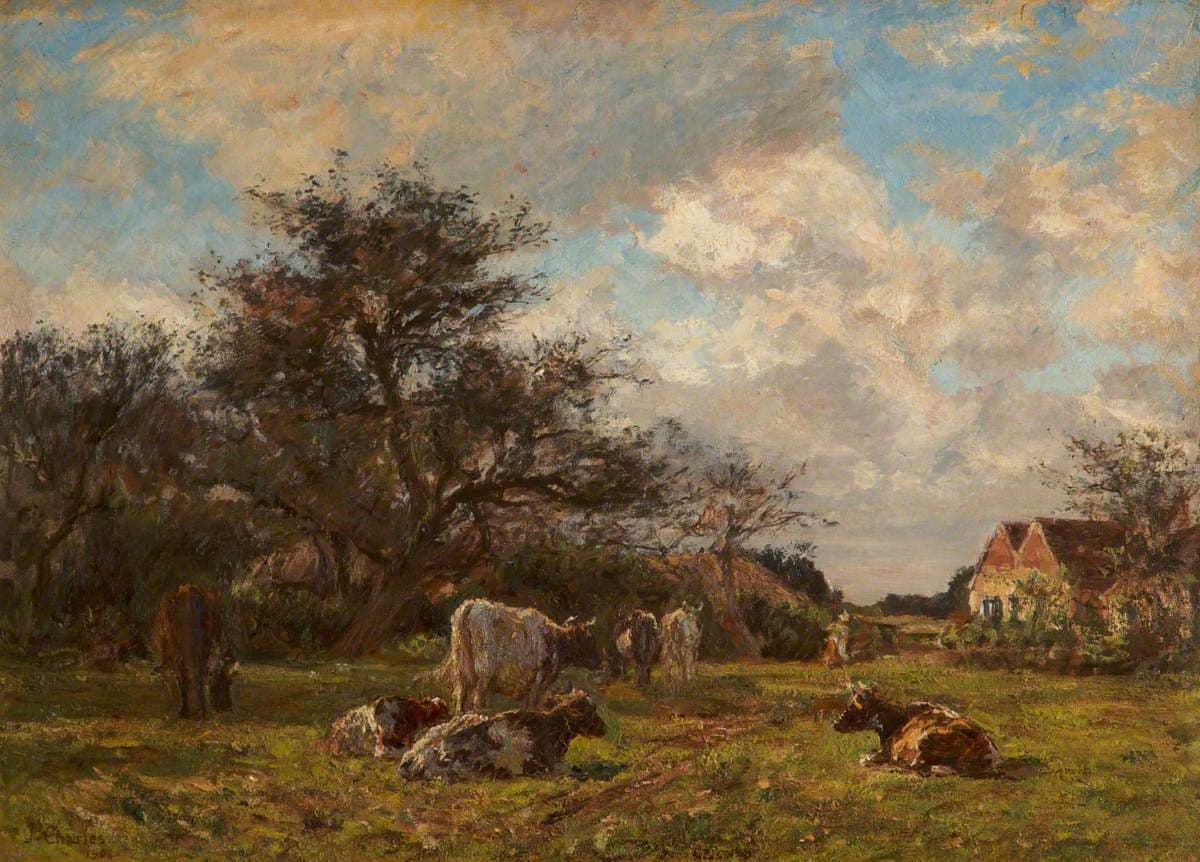
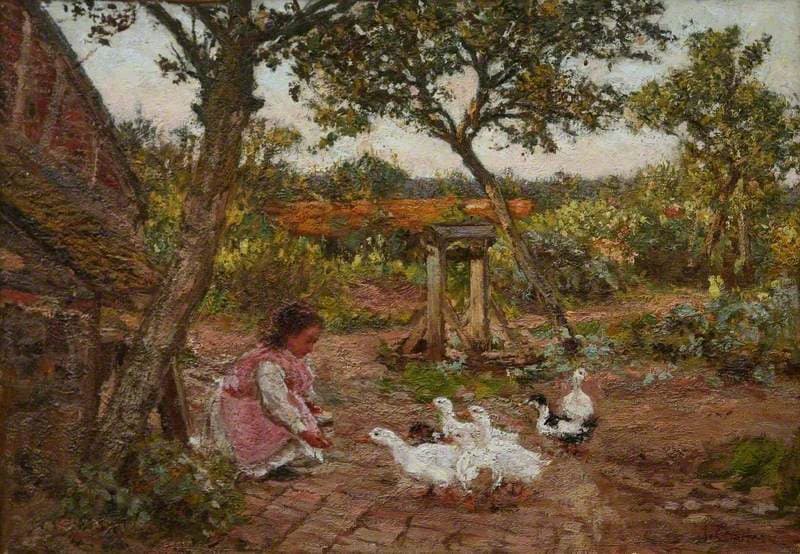
On a Sussex Farm
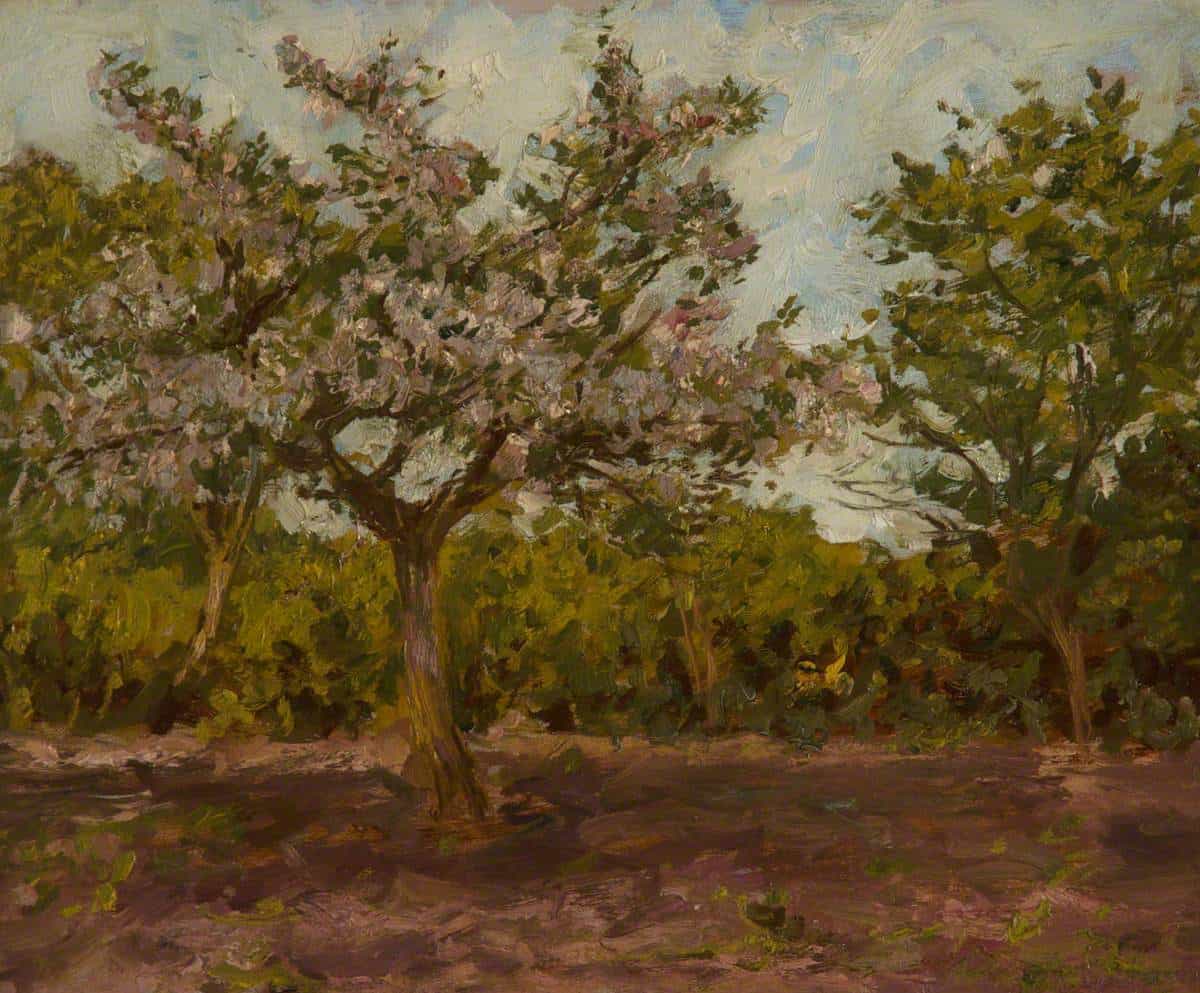
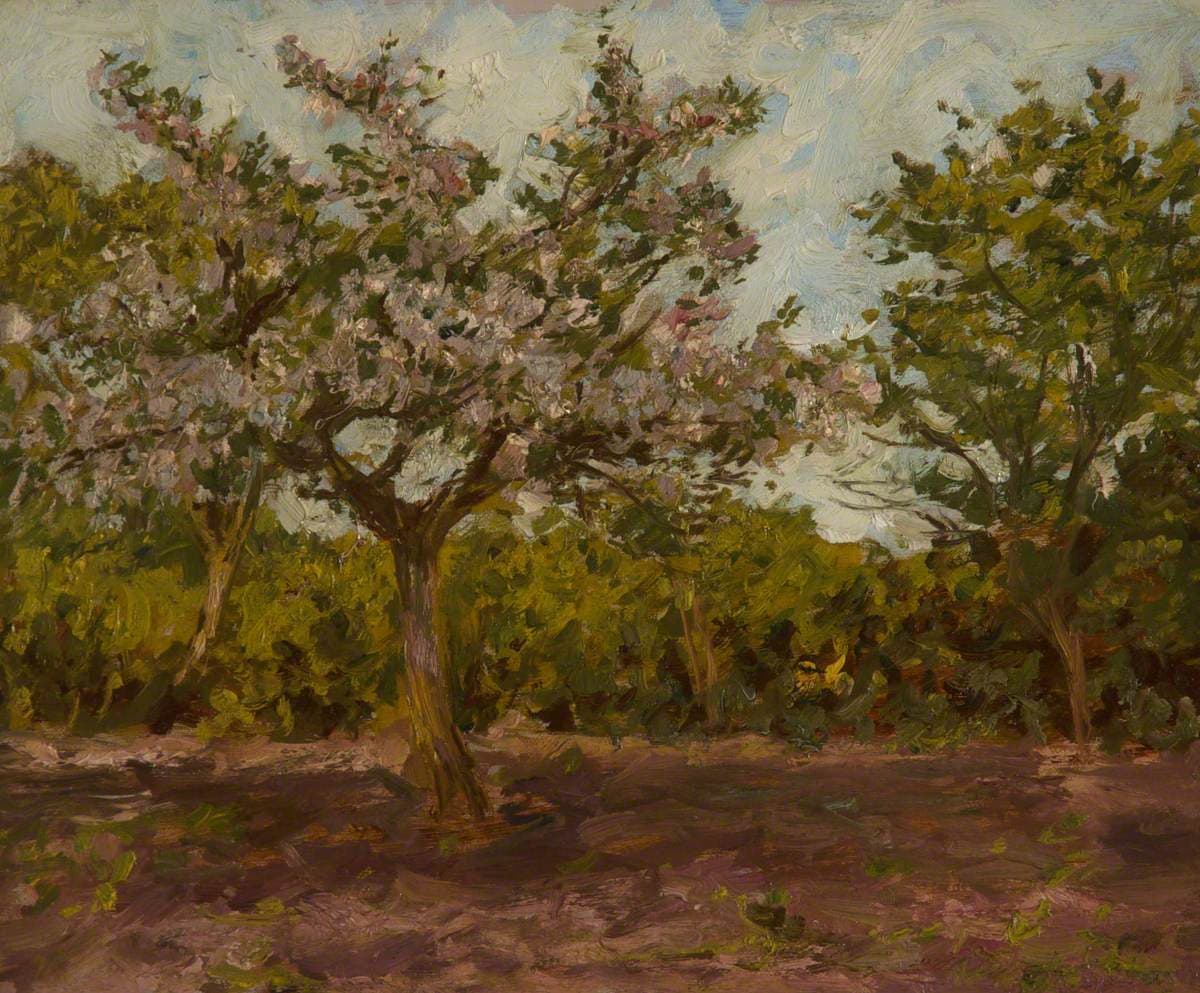
Orchard
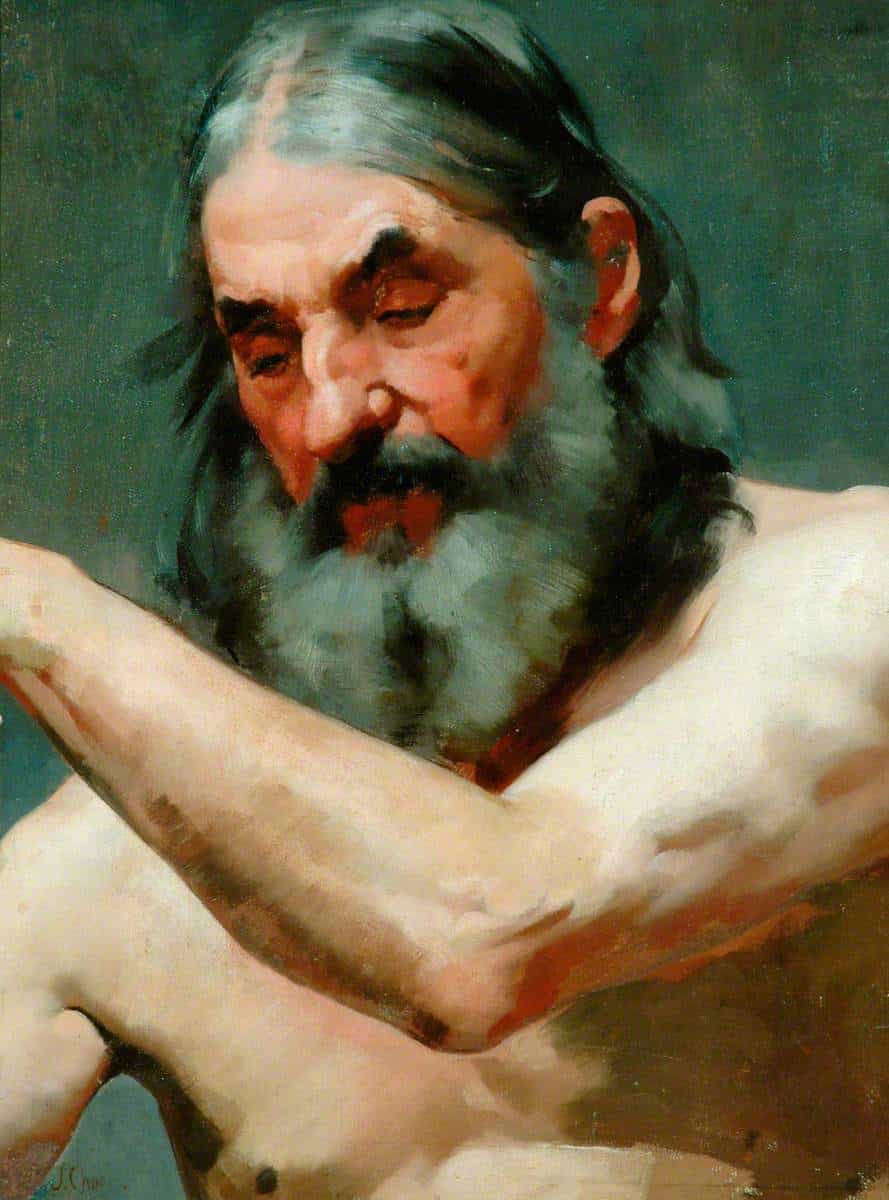
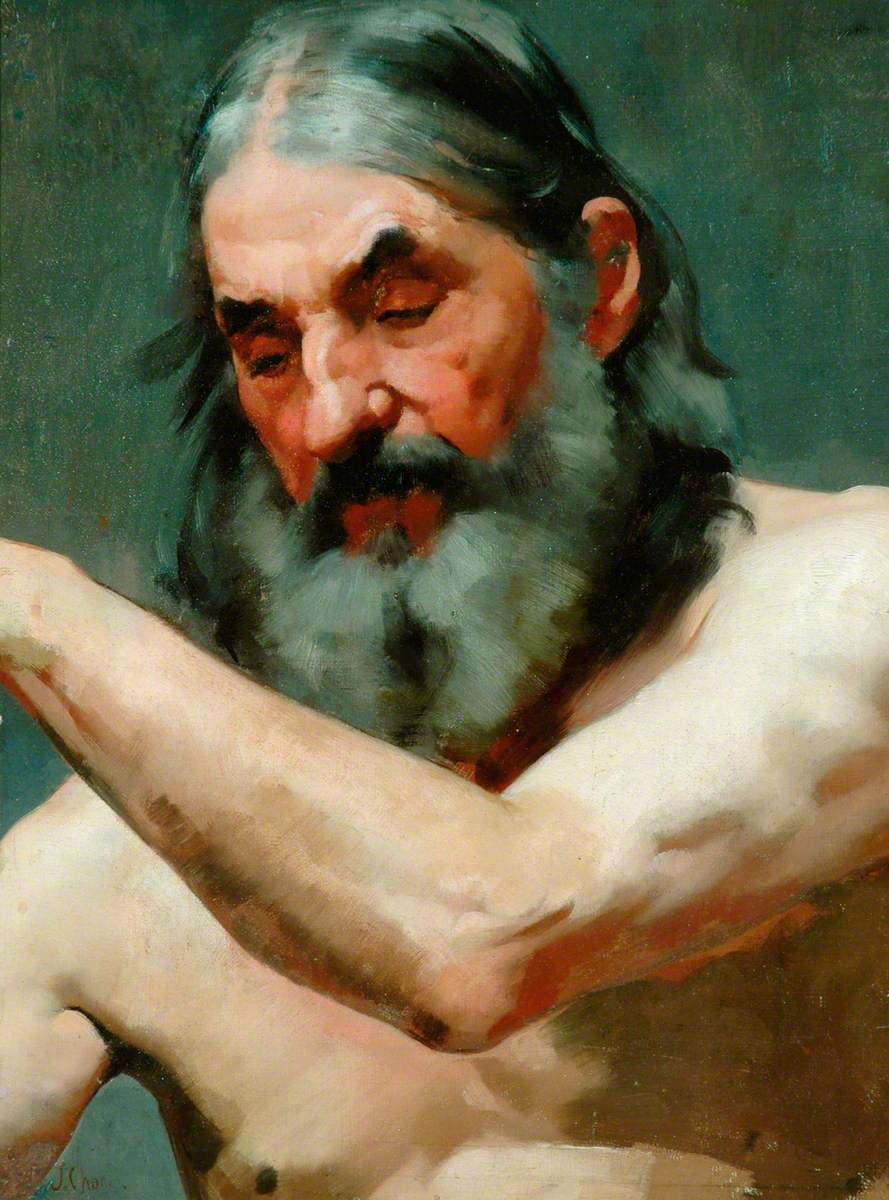
Study of an Old Man
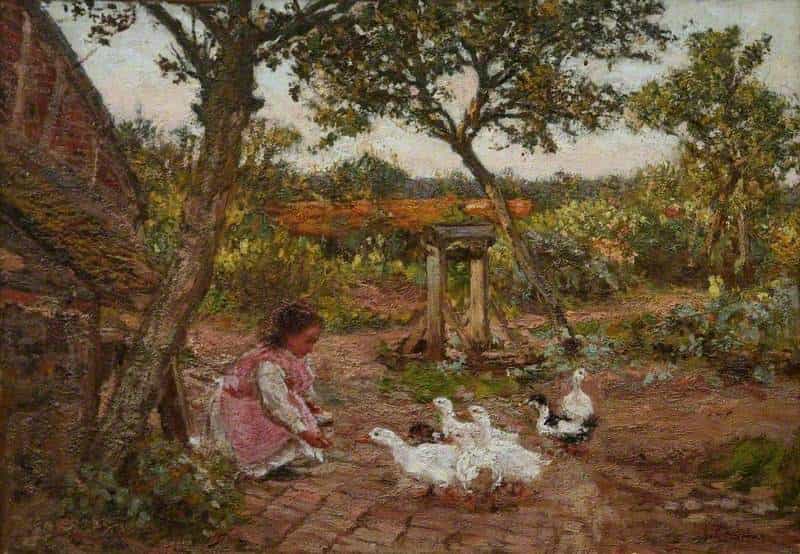
The Cottage
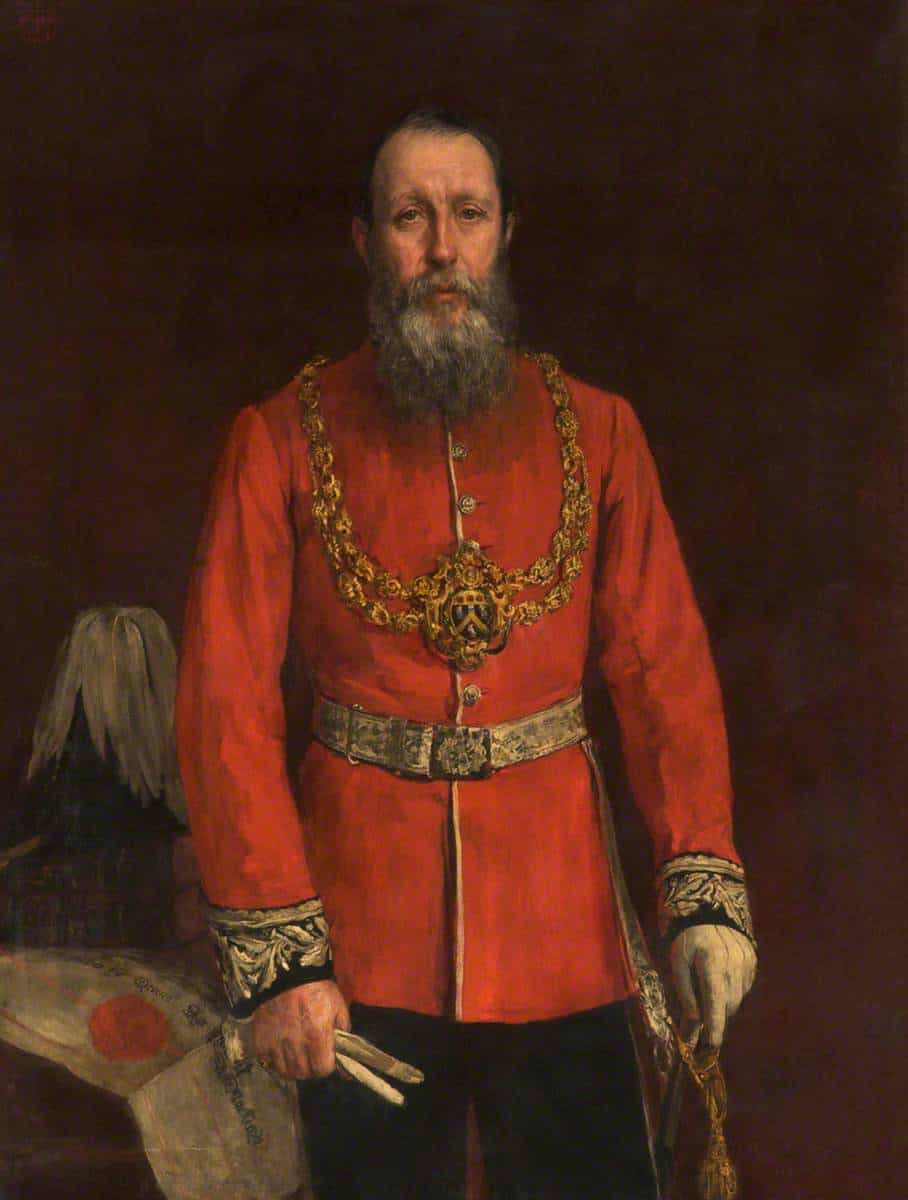
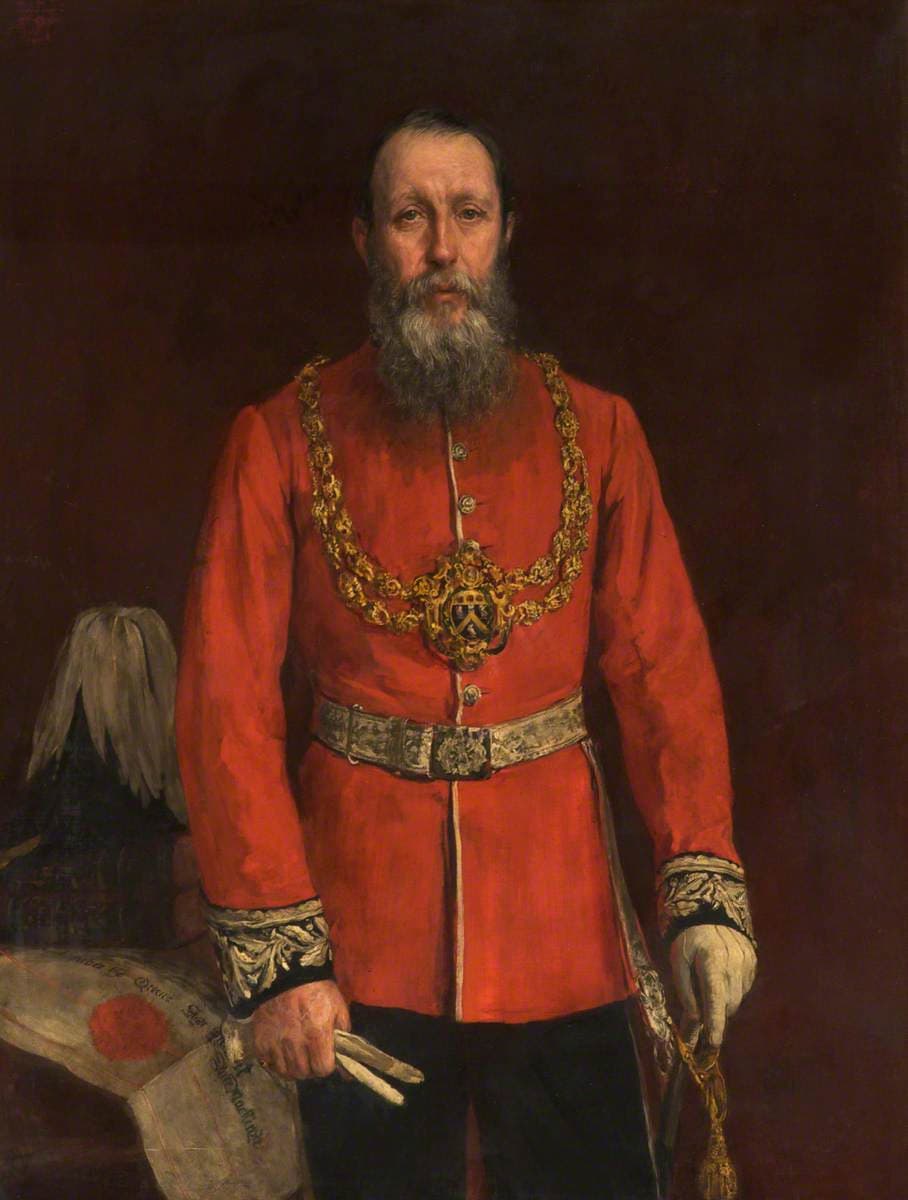
Joshua Walmsley Radcliffe, Mayor of Oldham (1884–1887)
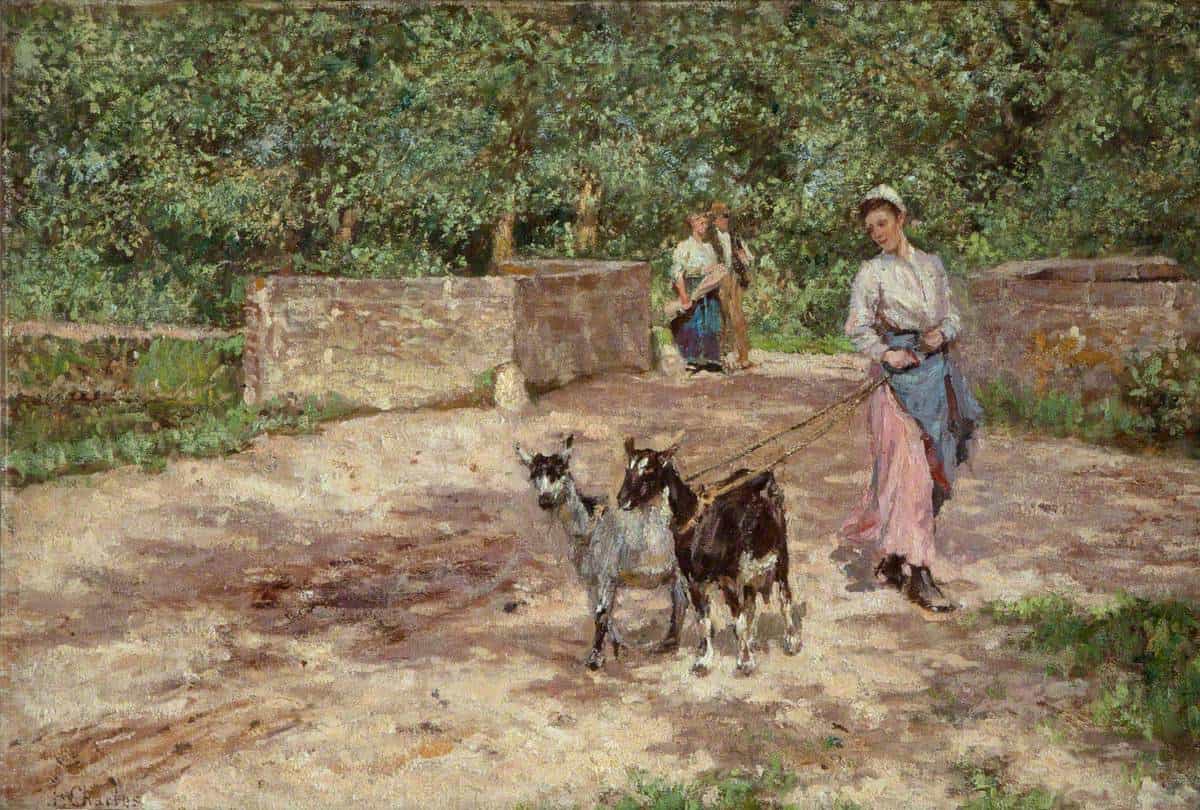
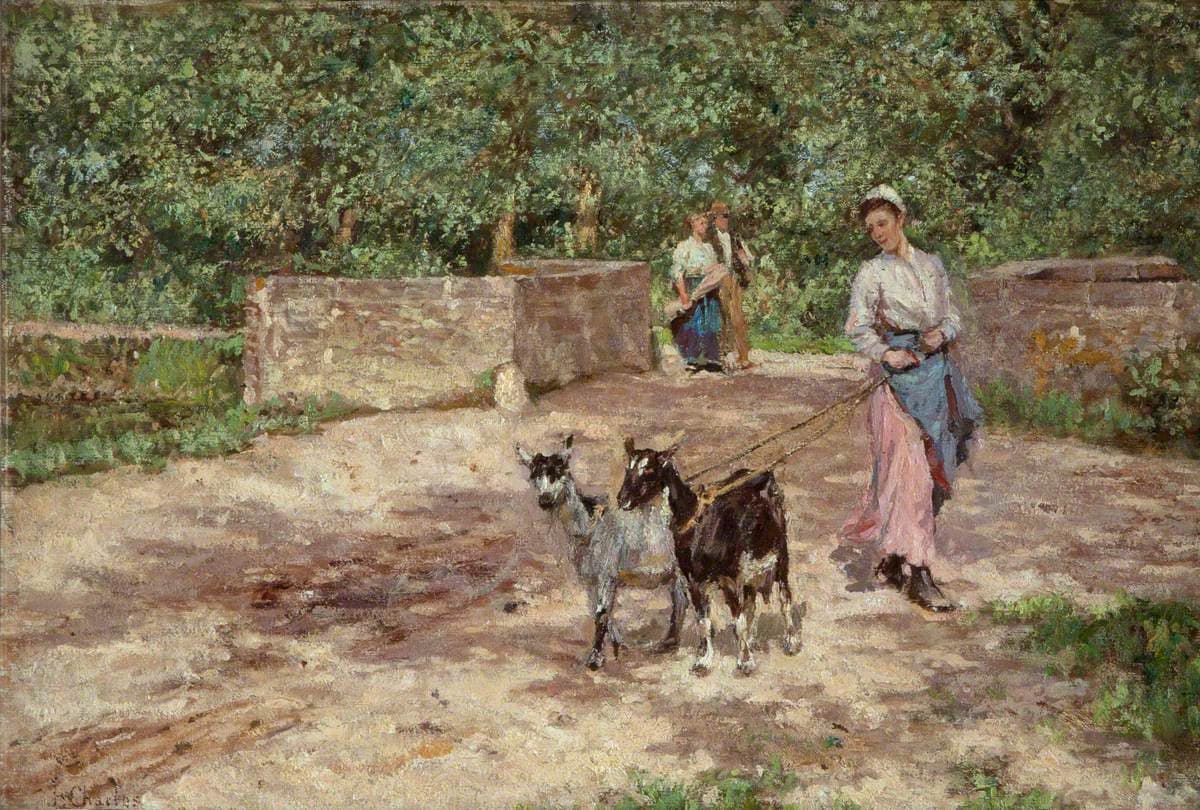
The Goat Girl
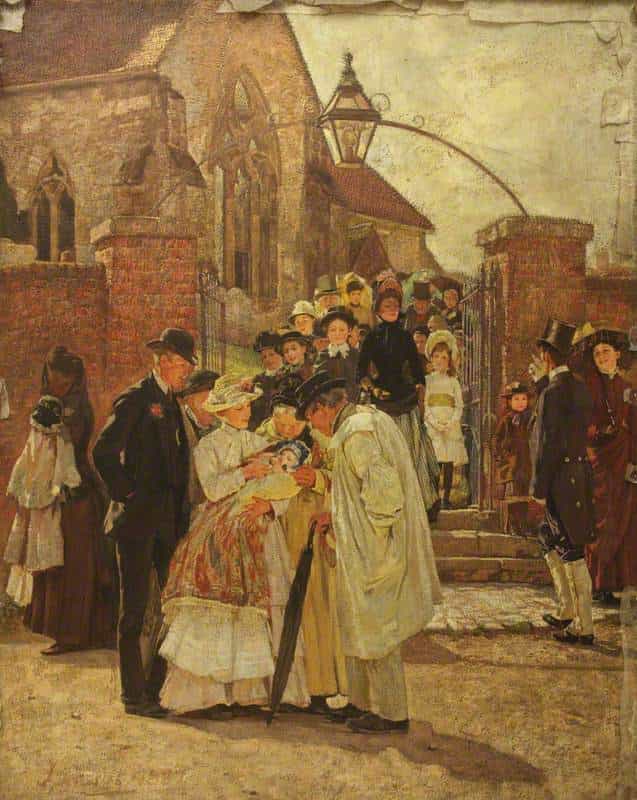
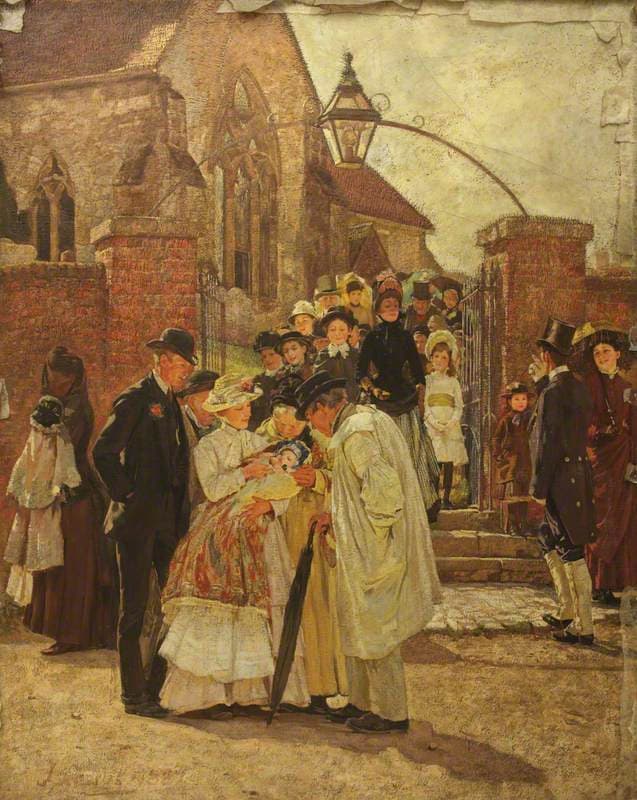
Christening Sunday (South Harting, Sussex)
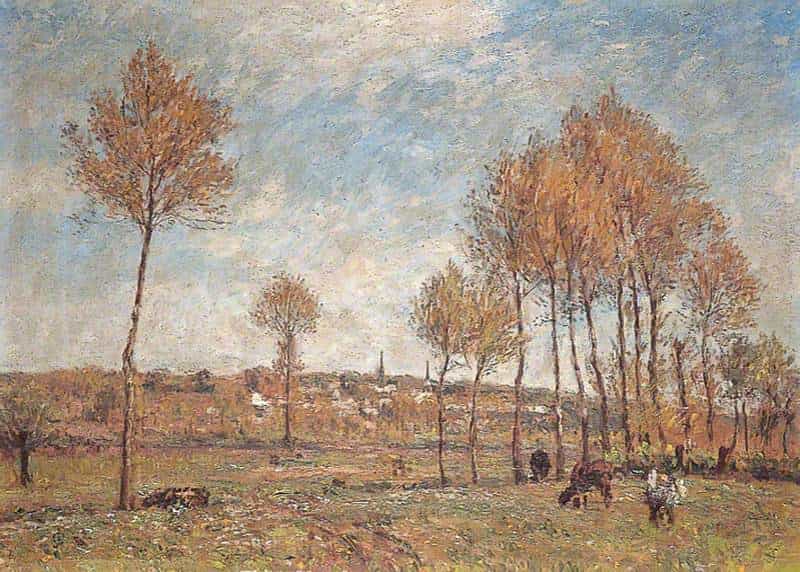
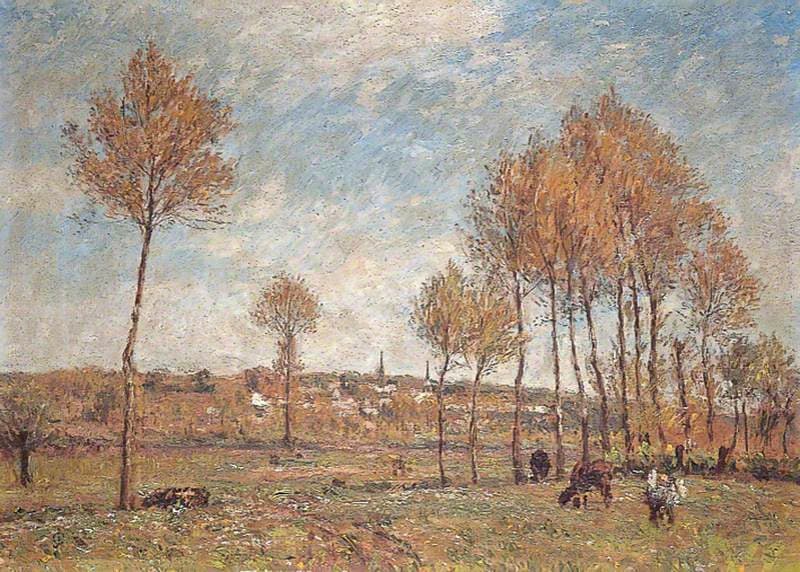
At Montreuil, France
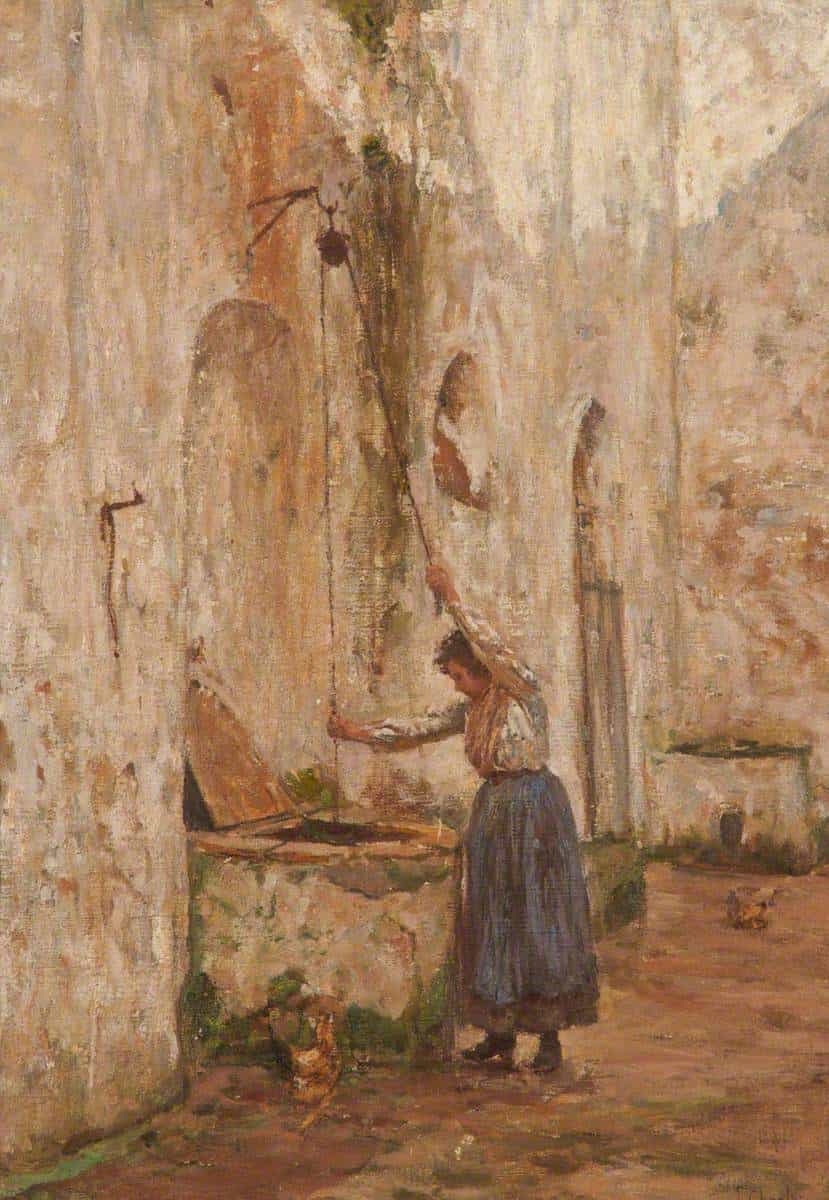
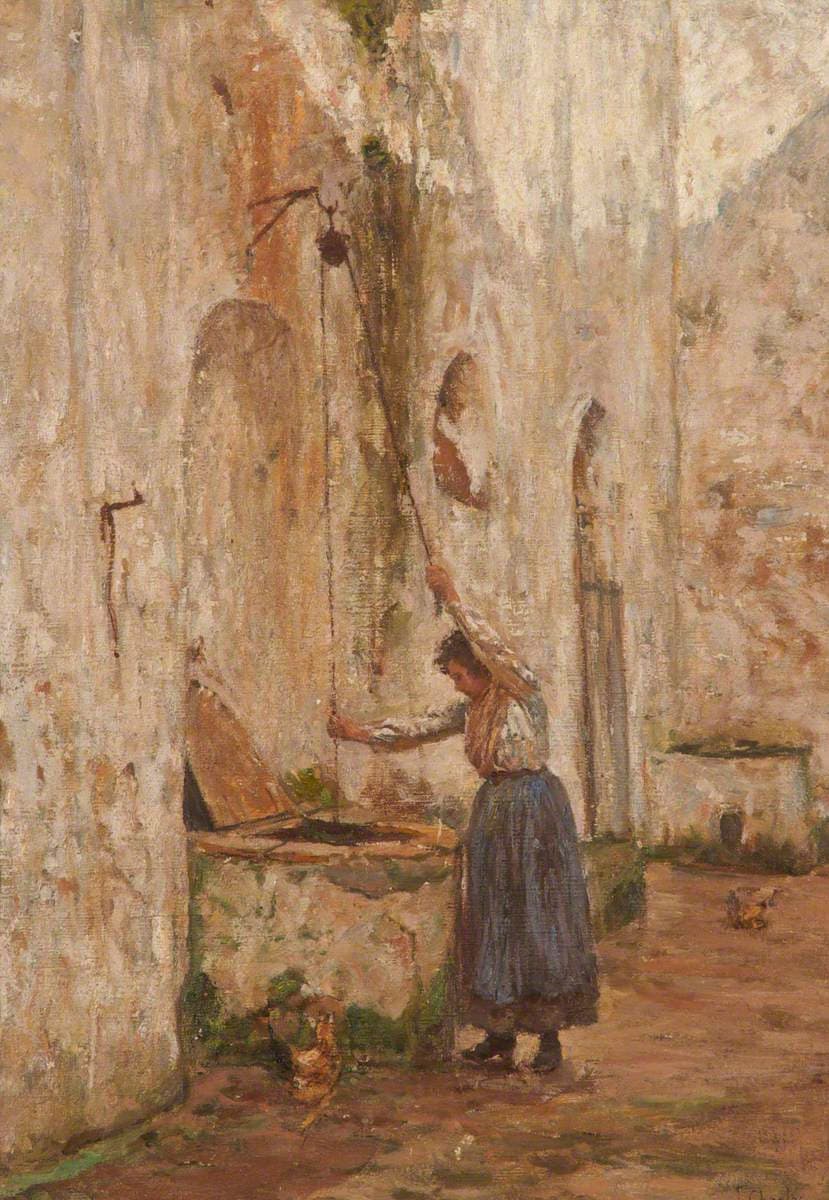
At the Well, Anacapri
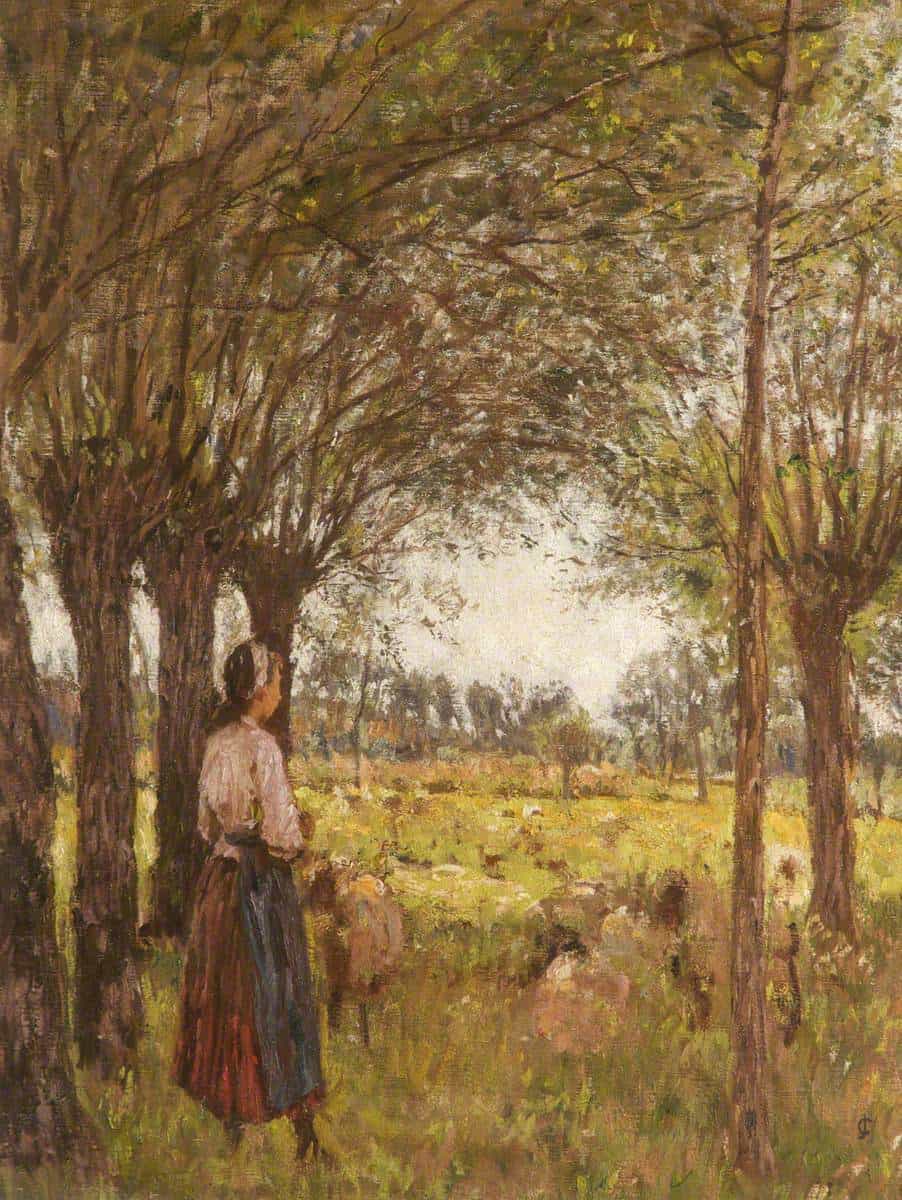
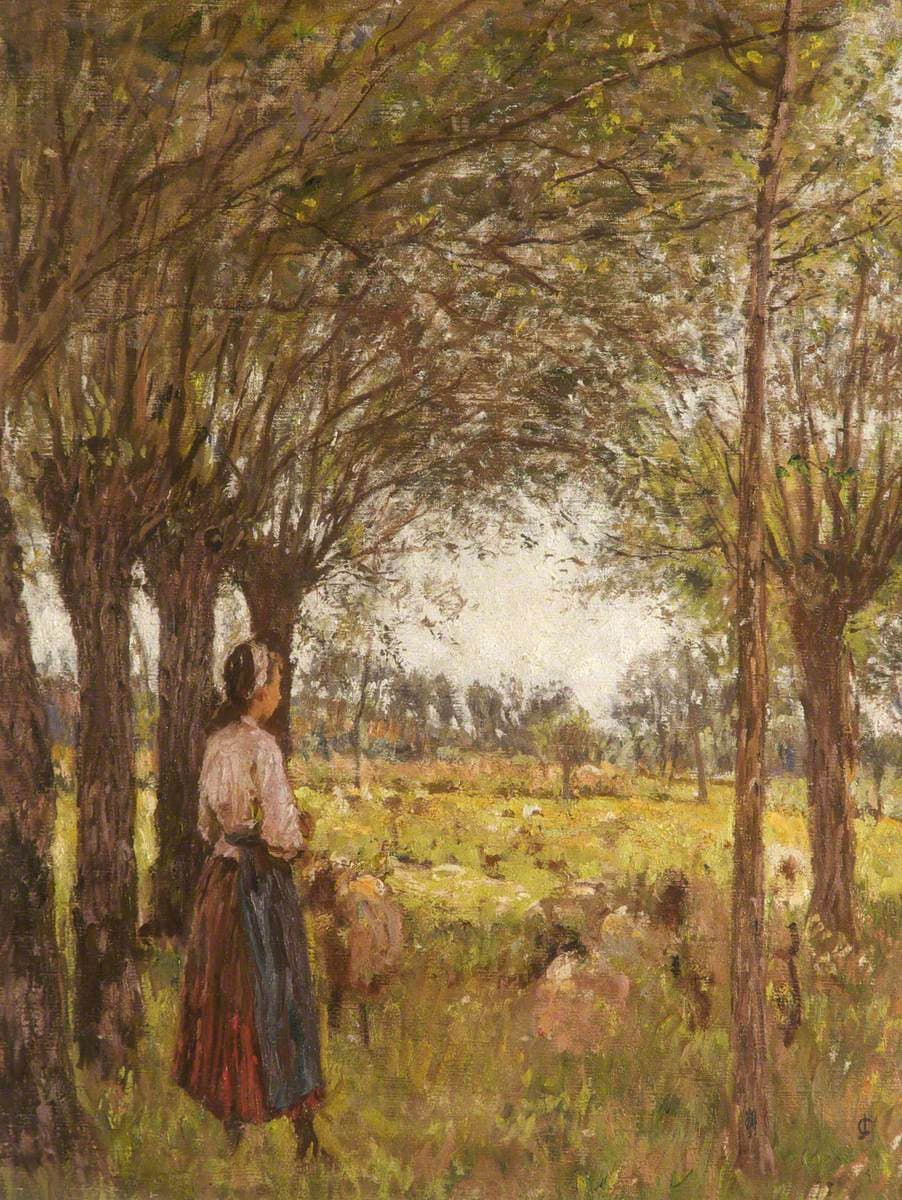
French Girl Minding Sheep
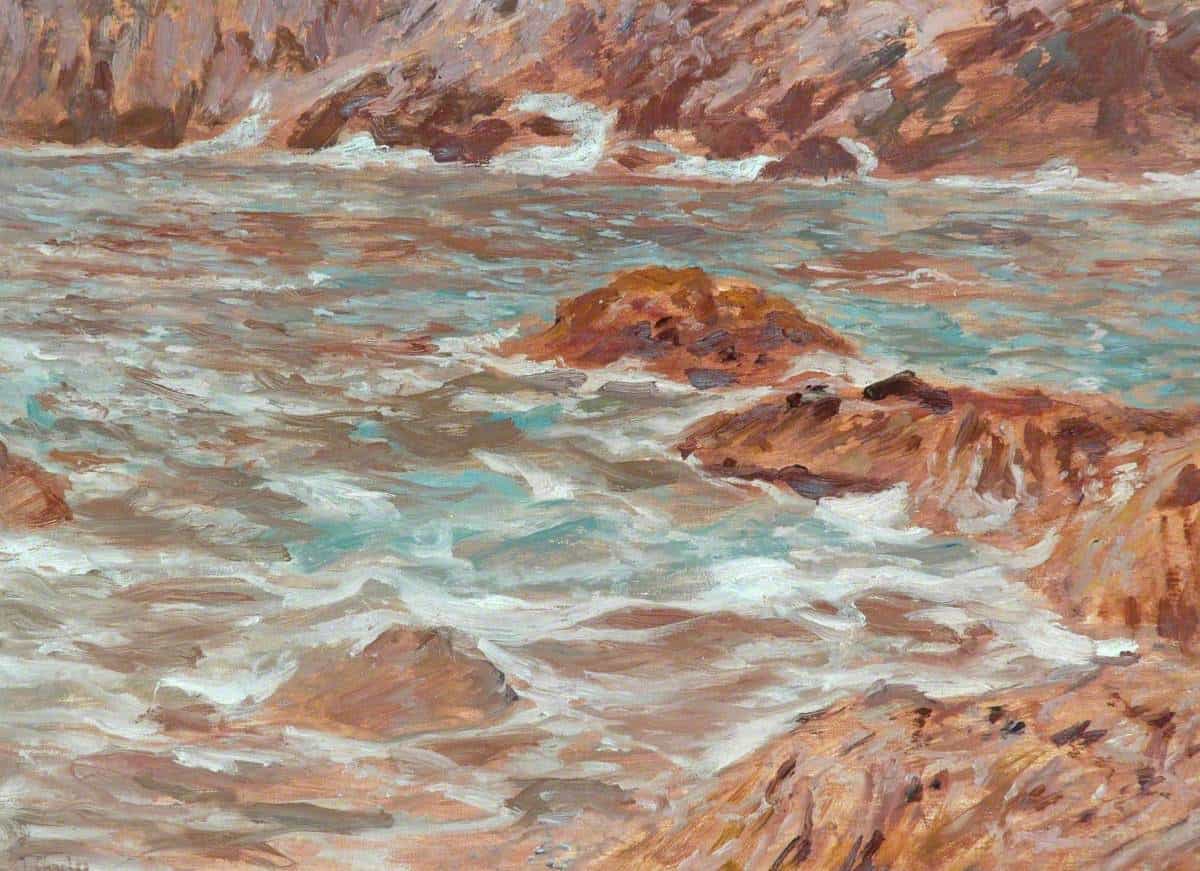
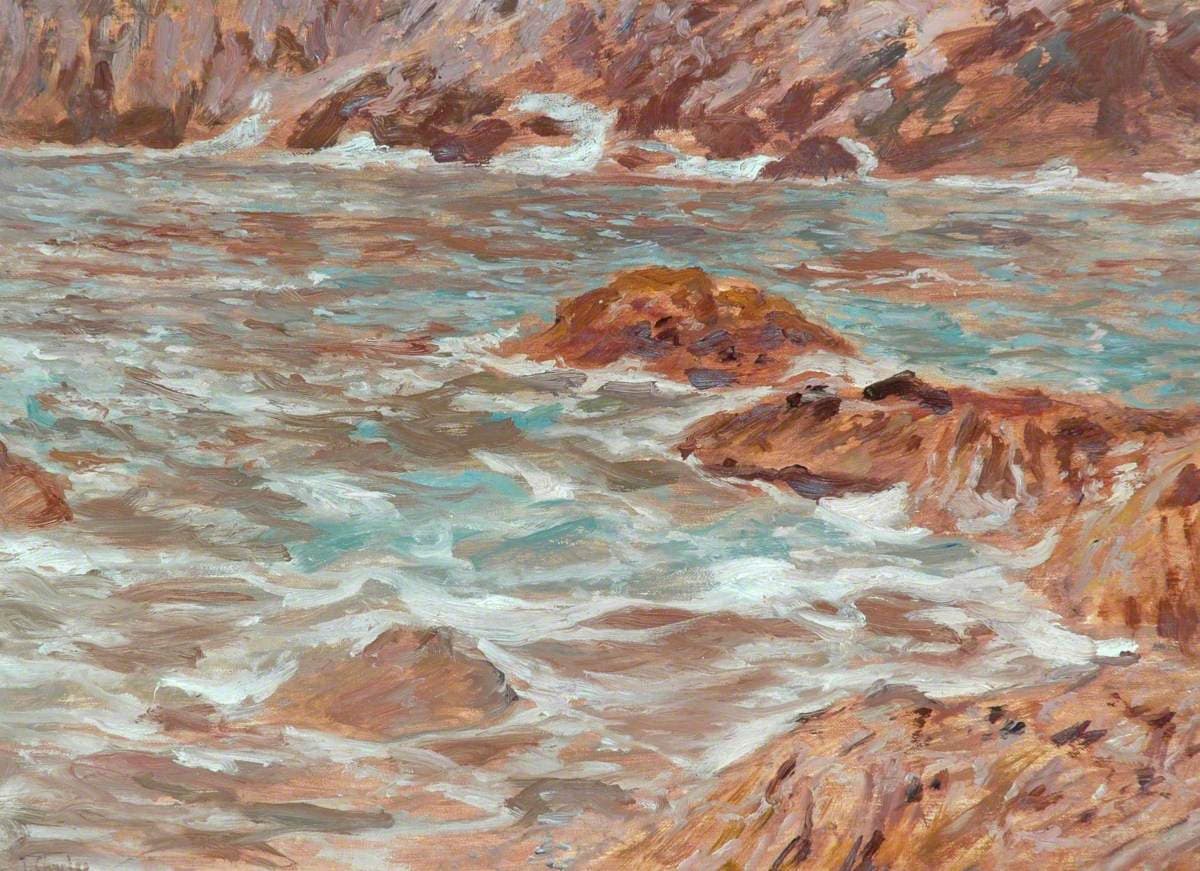
Capri, Seascape