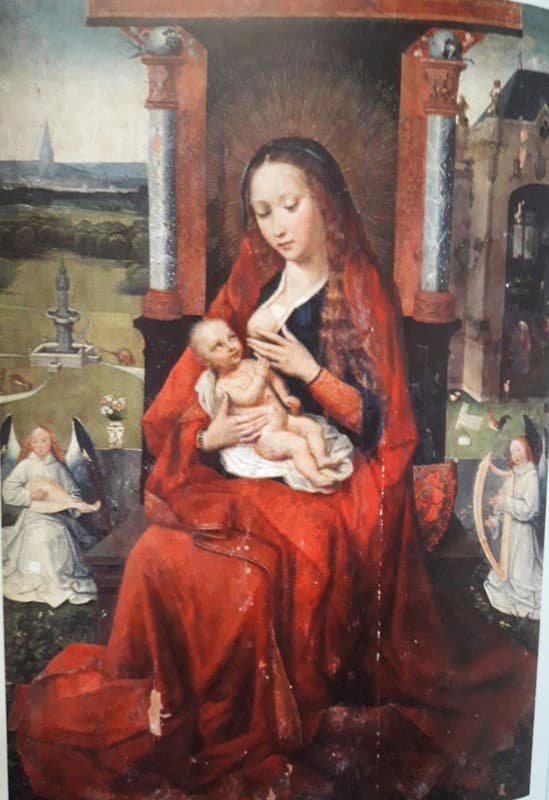
Meryem ve Çocuk İsa
Hieronymus Bosch
From £54
Collection
Museum-quality reproductions on 310gsm textured cotton rag paper.
Shop all prints by Hieronymus BoschArtistic Style
Style Evolution
Bosch’s work evolved from meticulous Early Netherlandish devotional panels to increasingly imaginative, allegorical, and crowded triptychs. Over time his iconography grew more fantastical and symbolically layered, influencing Northern European visual culture.
Palette
Subjects
Techniques
Topics
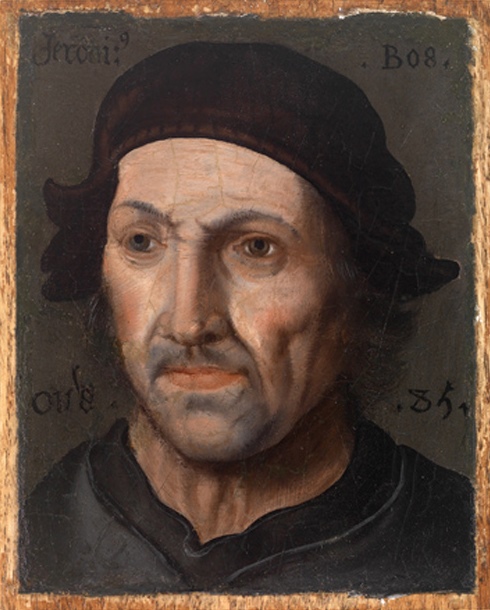
Hieronymus Bosch (1450-1516) was a Northern Low Countries Early Netherlandish painter whose fantastical, allegorical scenes and visionary imagery reshaped religious art.
Learn about the life of Hieronymus Bosch
Signature Works
See all available printsBiography
Hieronymus Bosch (1450-1516) was a Northern Low Countries Early Netherlandish painter whose fantastical, allegorical scenes and visionary imagery reshaped religious art.
Hieronymus Bosch was born in 's-Hertogenbosch in the mid-15th century. Little is documented about his formal training; he emerged from a local artistic milieu in the Northern Low Countries where panel painting and devotional imagery were central to civic and religious life. Bosch’s family included artists and he worked within the traditions of Early Netherlandish painting, blending detailed workshop craft with startling imagination.
Bosch’s career can be read in broad phases corresponding to his long activity in and around 's-Hertogenbosch. His early work shows mastery of meticulous panel technique and a strong grounding in devotional imagery common to the Low Countries. In the middle period he developed increasingly complex narrative panels populated by hybrid creatures, moralizing symbolism, and didactic scenarios. His late work deepened this visionary approach, producing densely populated compositions that combined humor, horror, and moral allegory.
Bosch’s early panels reveal precise draftsmanship and an inclination for detailed landscapes and devotional subjects executed on oak panels with careful underdrawing.
This period shows Bosch expanding narrative scope and inventing fantastical creatures and scenes that invite moral interpretation.
In later years his imagery becomes even more visionary and layered, with crowded compositions that reward close, prolonged viewing.
Bosch’s oeuvre is notable for large-scale, narrative panels and triptychs that function as moral and devotional texts in paint. His paintings are valued for their originality, narrative complexity, and the way they translate theological and moral concerns into striking visual fables.
Bosch combined the fine, layered oil technique of Early Netherlandish painters with an extraordinarily imaginative iconography. His work features tight, detailed brushwork, careful underdrawing, jewel-like color, and a willingness to mix grotesque and comic elements with devotional seriousness.
Bosch’s visionary iconography influenced generations of Northern European artists, printmakers, and later modern painters and writers who admired his psychological depth and symbolic density. His work is often cited as a precursor to fantastical and surreal imagery in later centuries.
Bosch lived and worked primarily in 's-Hertogenbosch. Records indicate he was a member of his local community and that his workshop produced works for both local patrons and wider markets in the Low Countries.
Collectors prize Bosch for the decorative presence of his panels, their narrative richness, иd
Frequently Asked Questions
Meryem ve Çocuk İsa
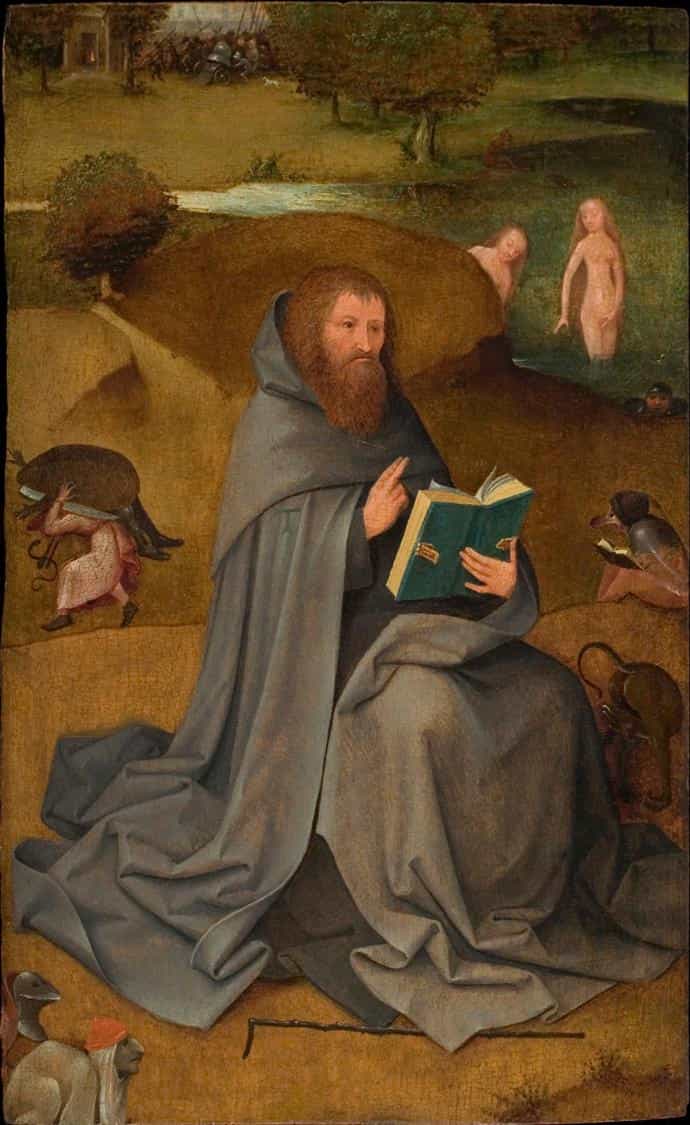
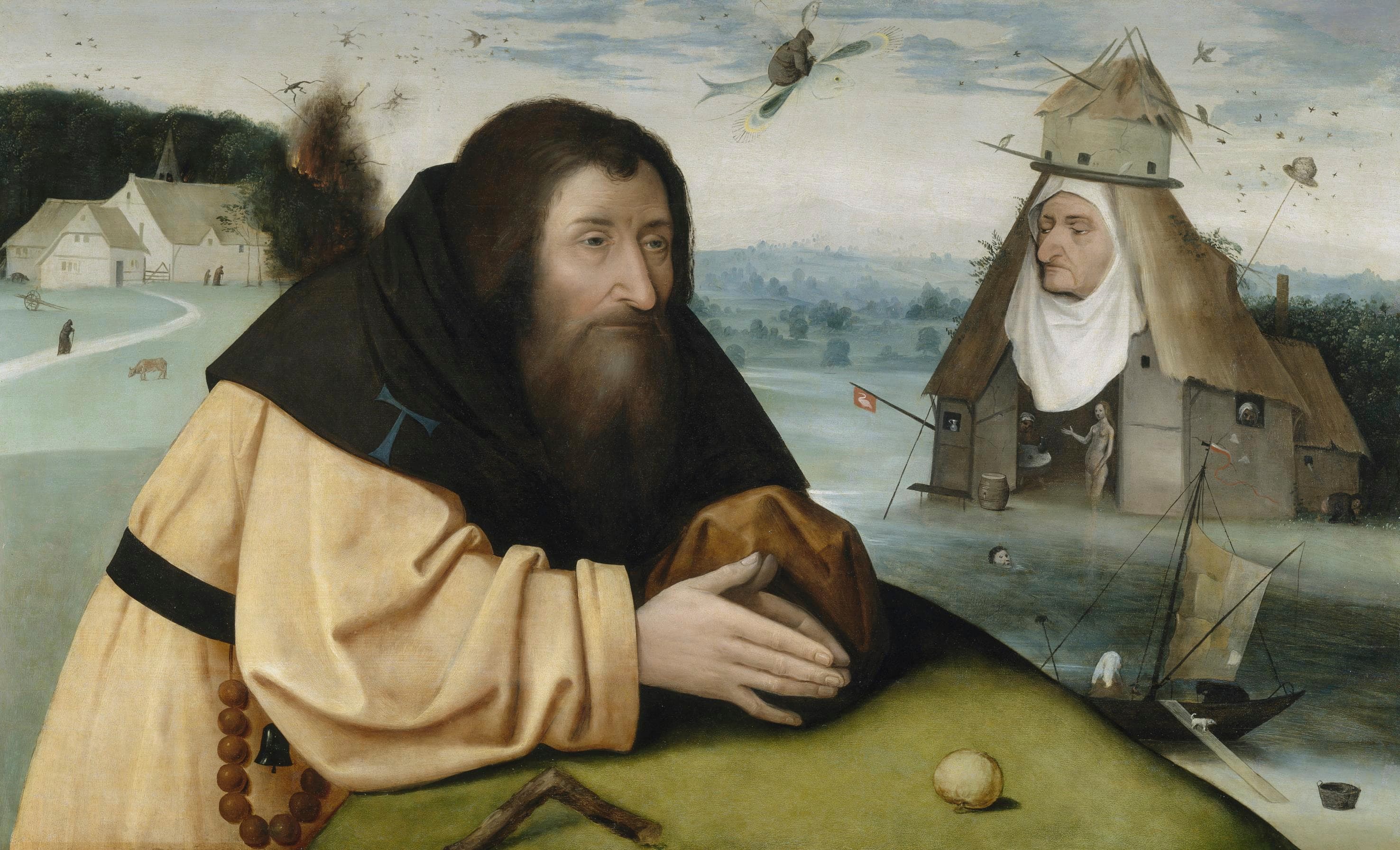
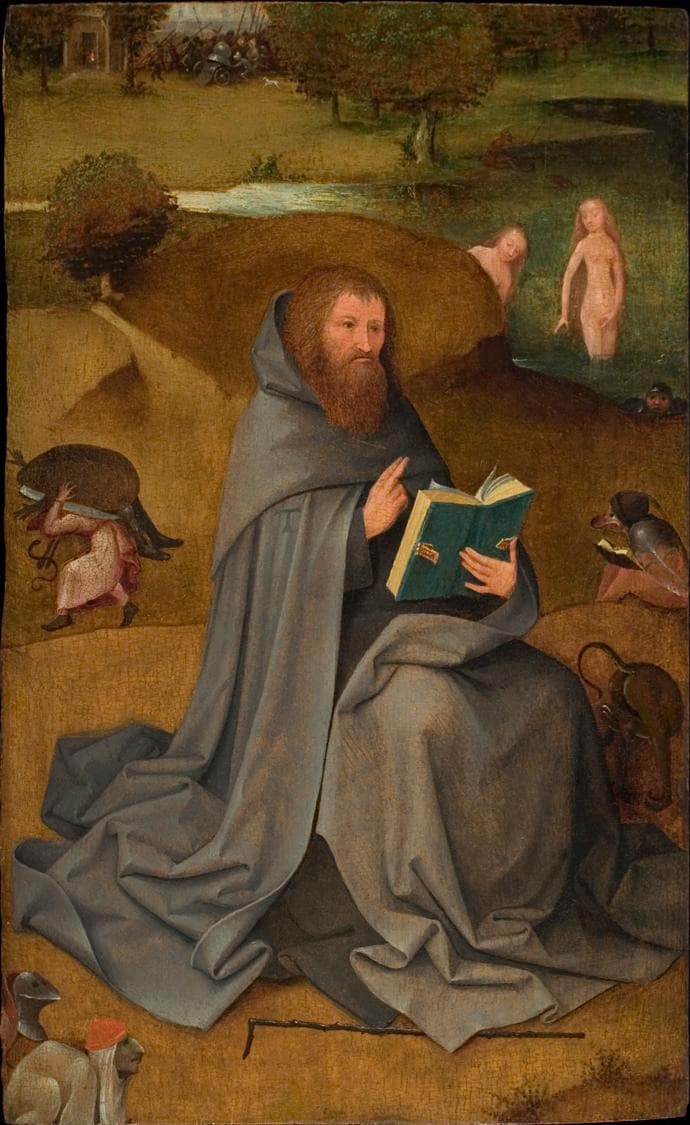
The Temptation of Saint Anthony
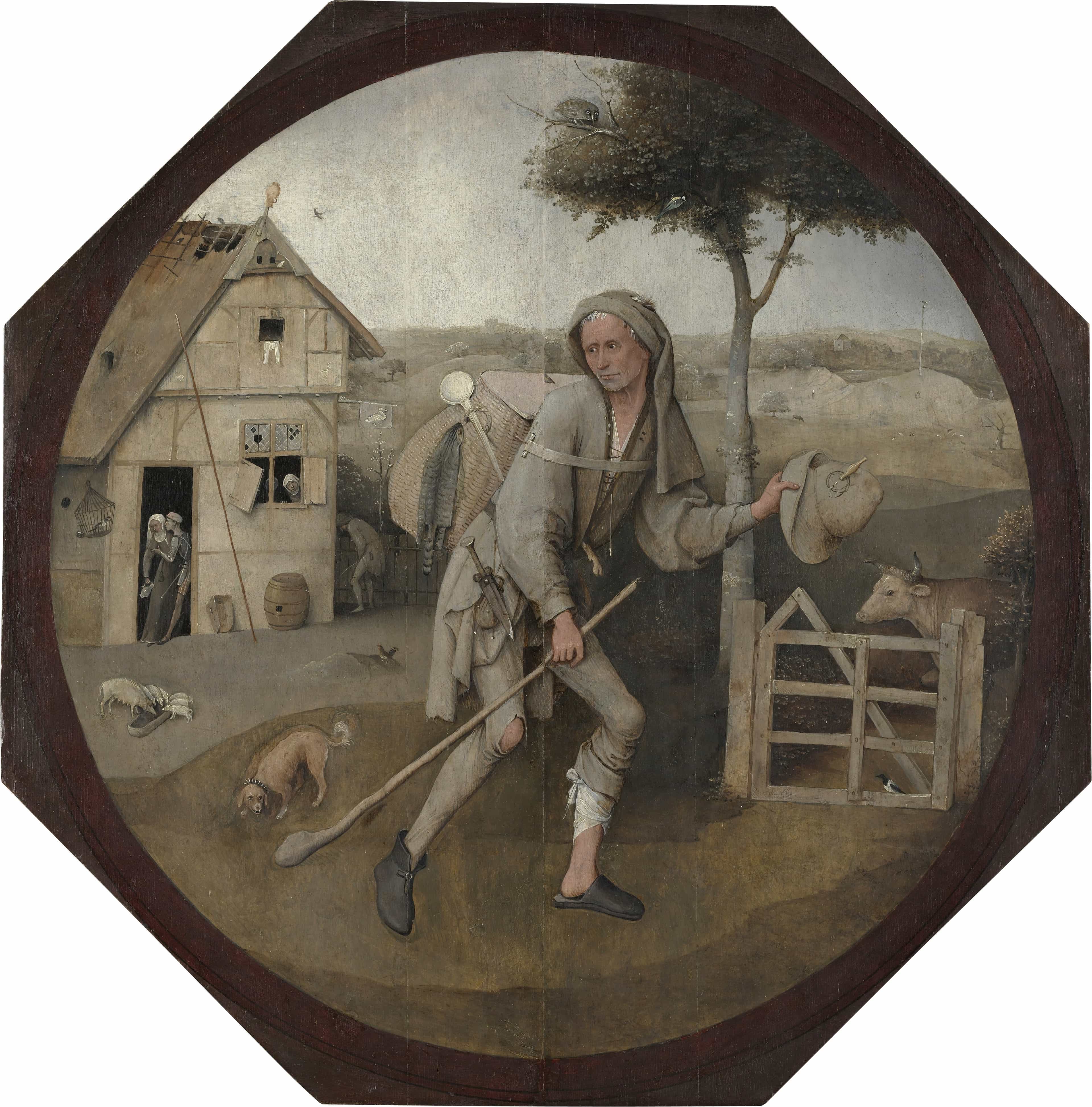
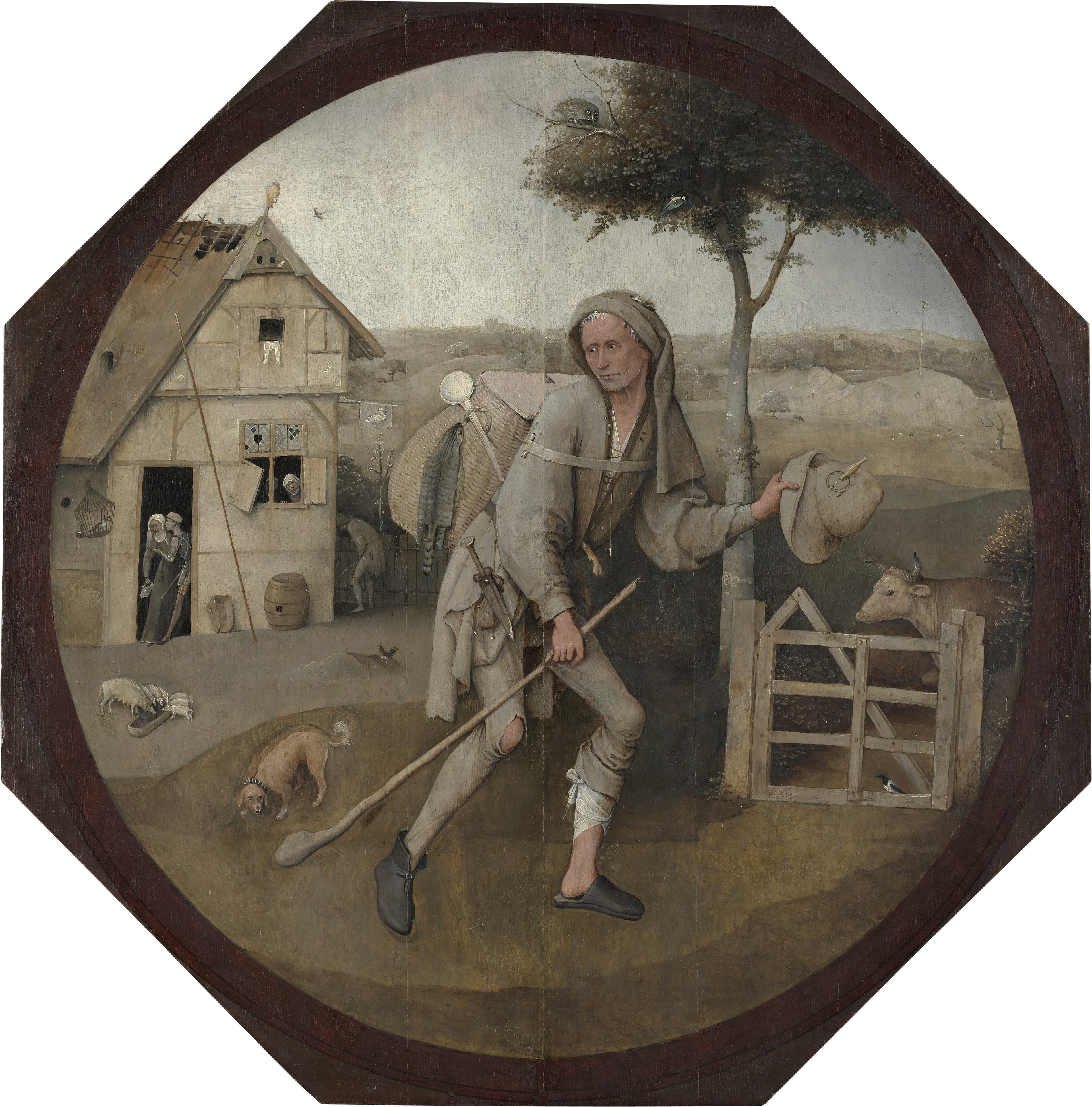
The Wayfarer
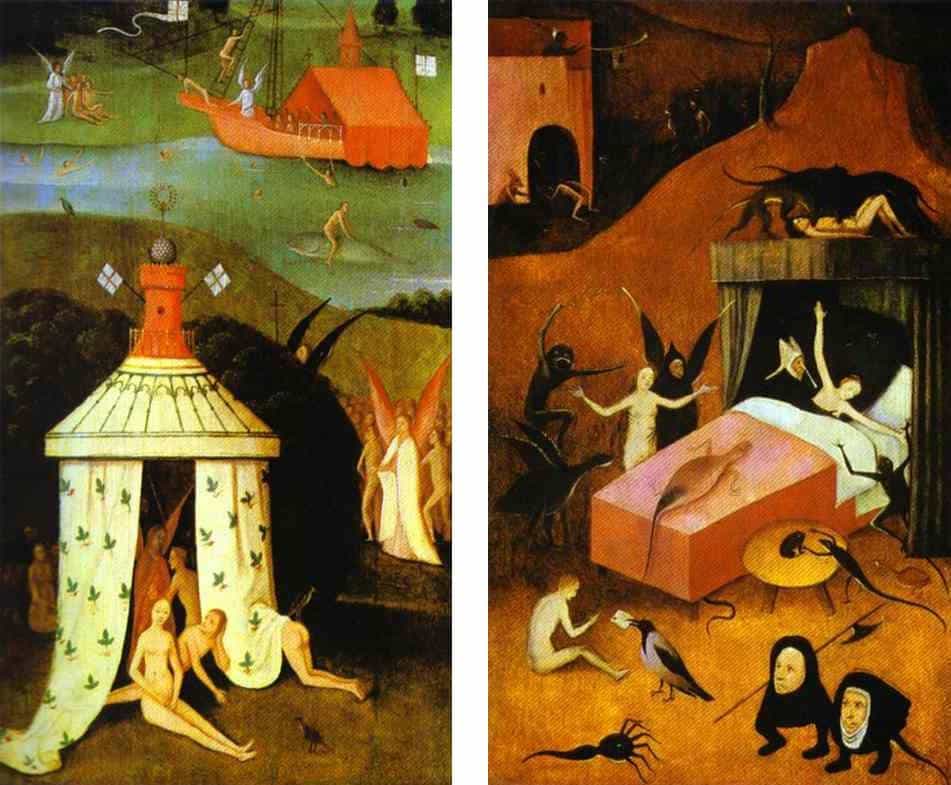
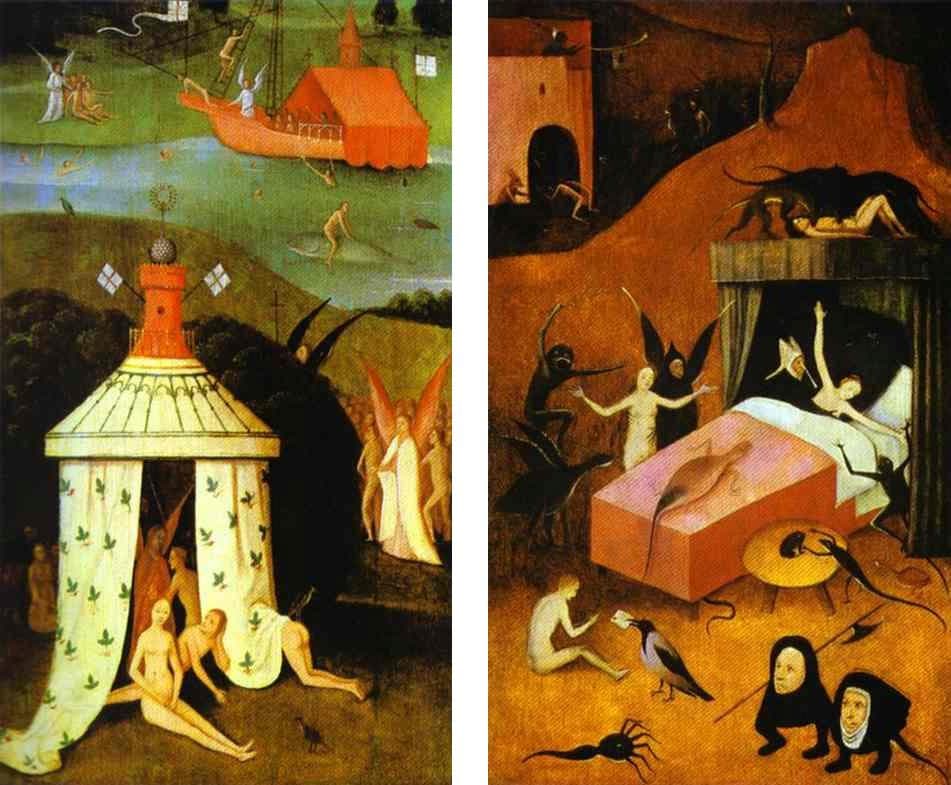
Last Judgement
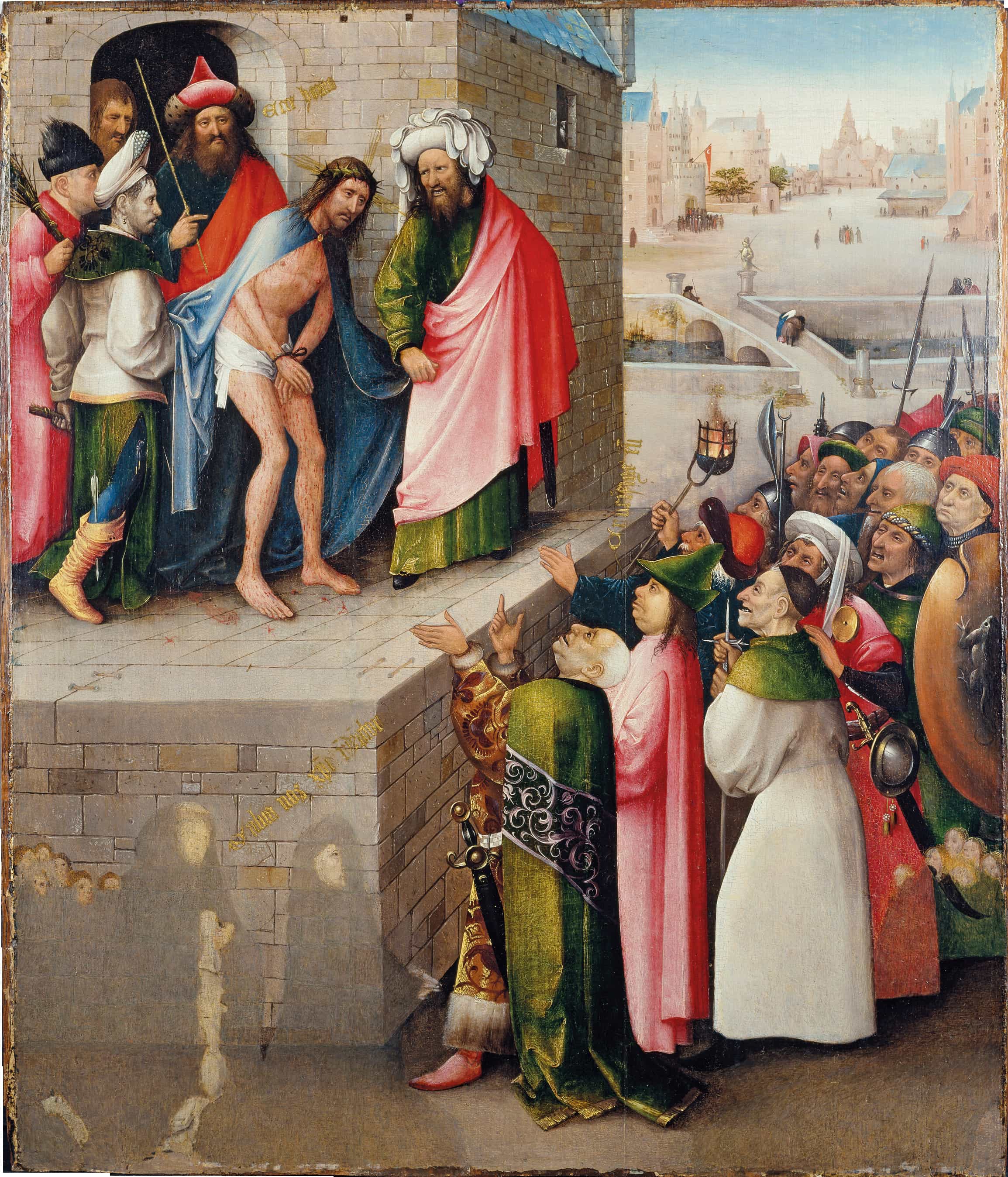
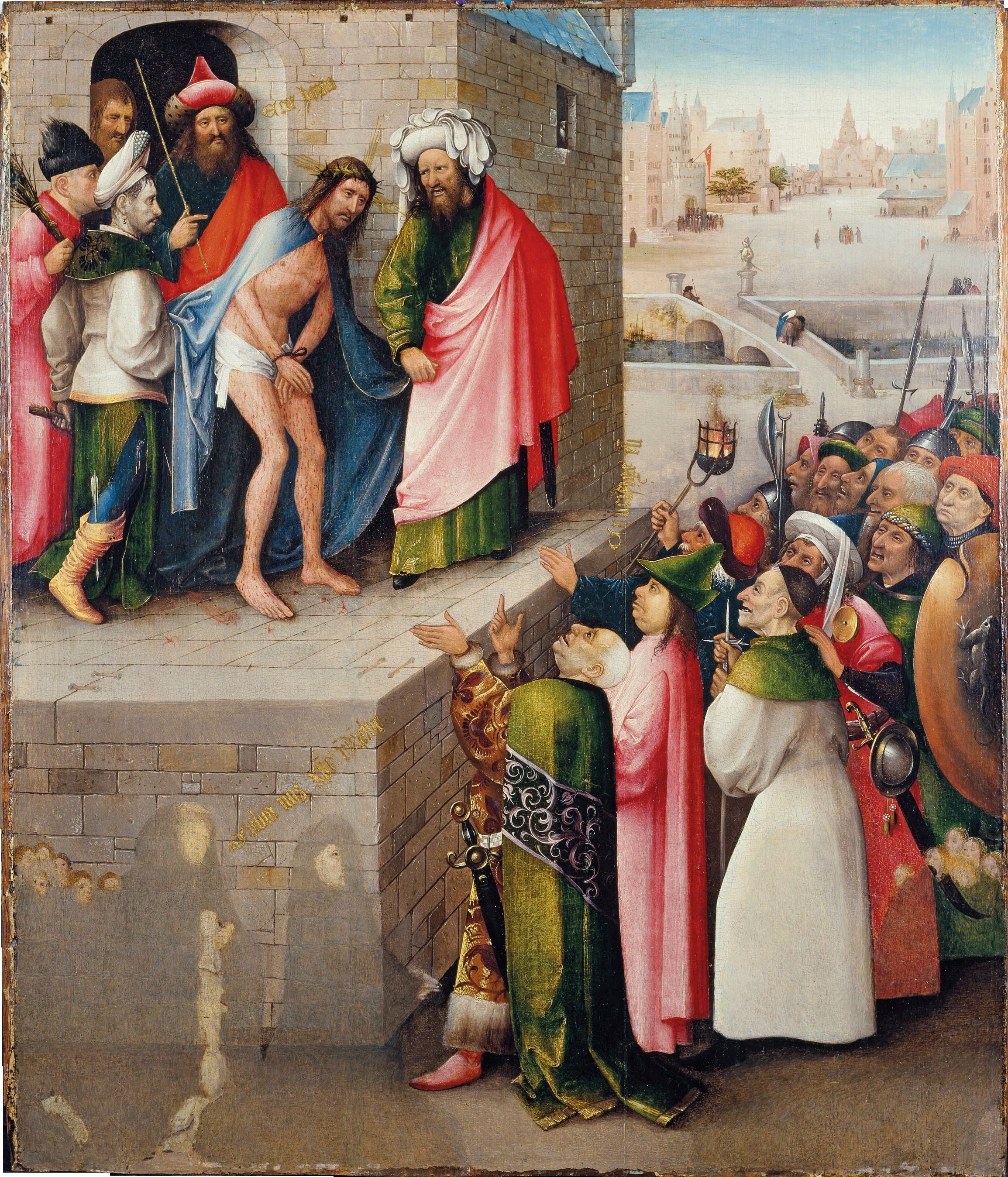
Ecce Homo
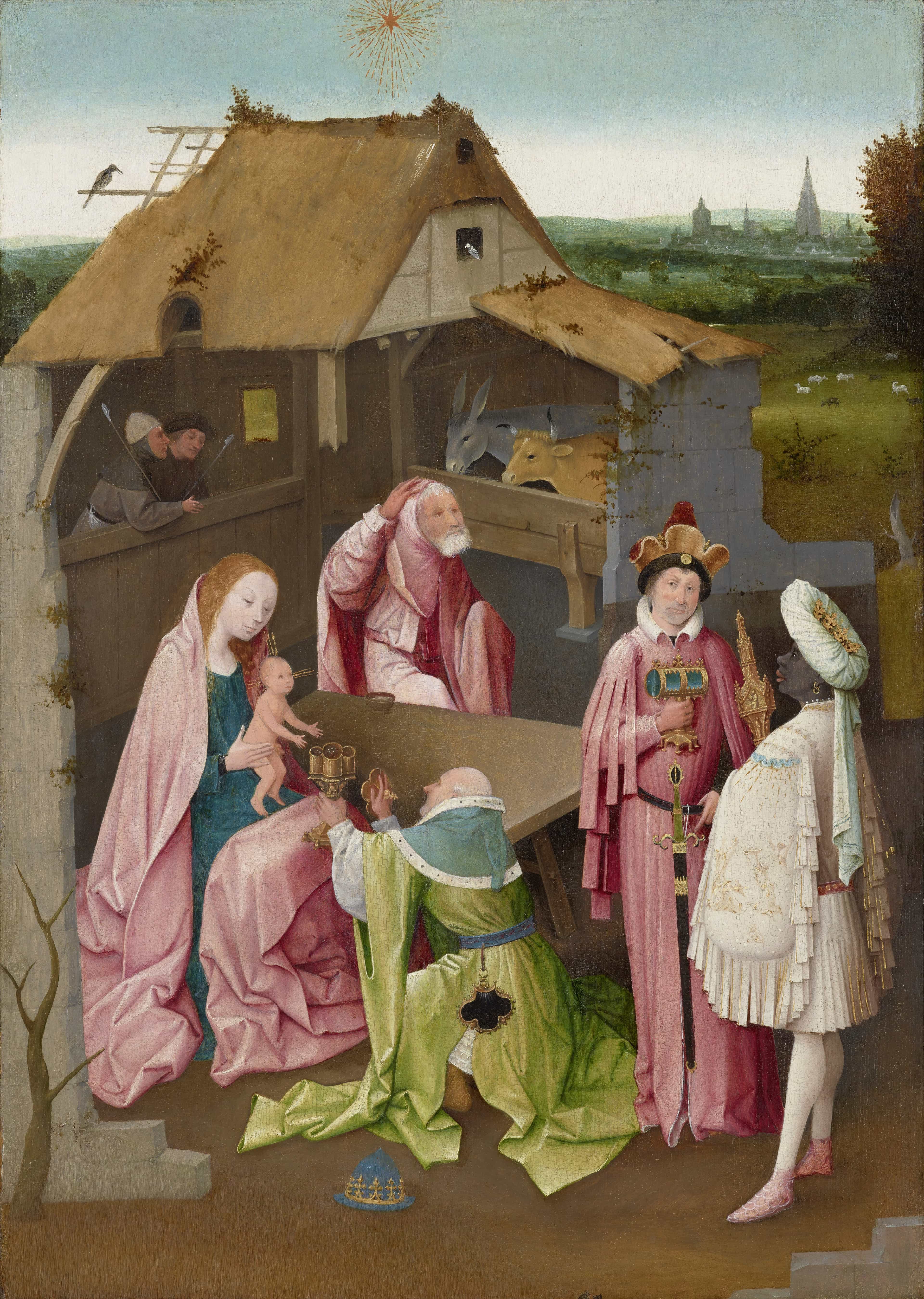
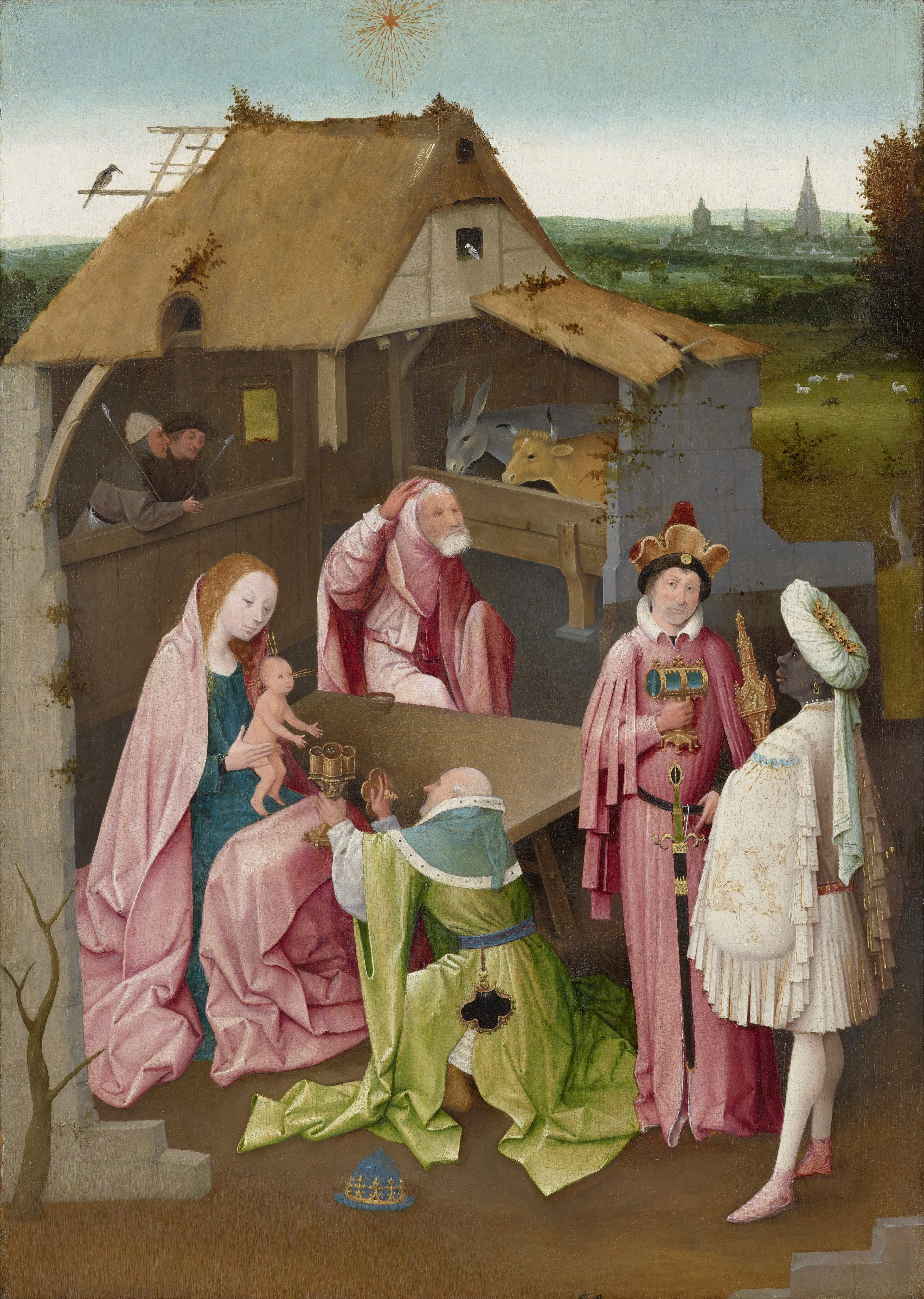
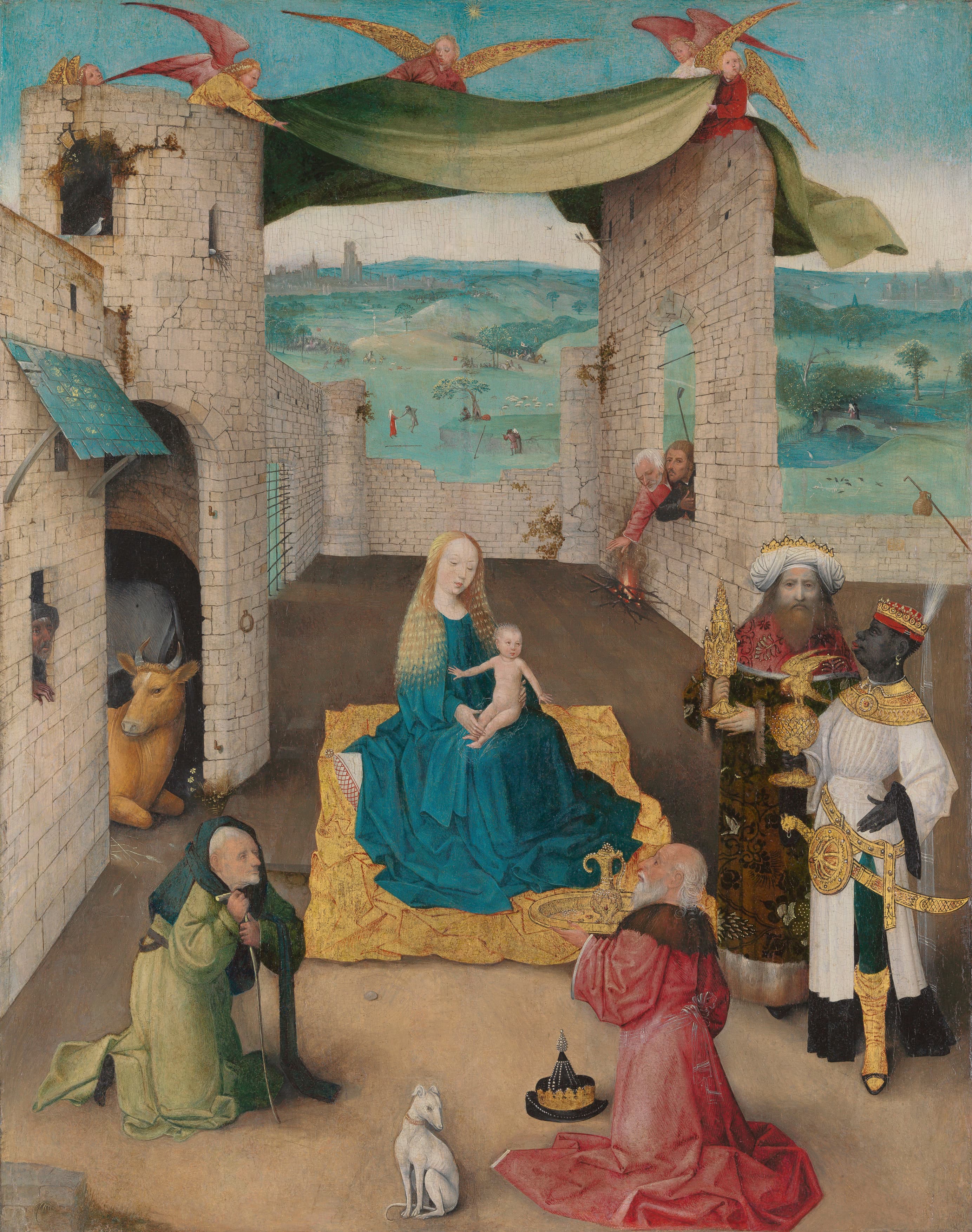
The Adoration of the Magi
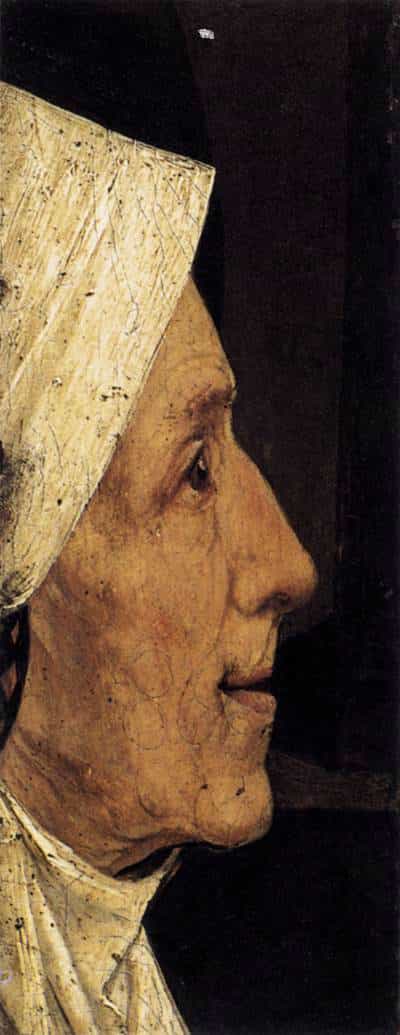
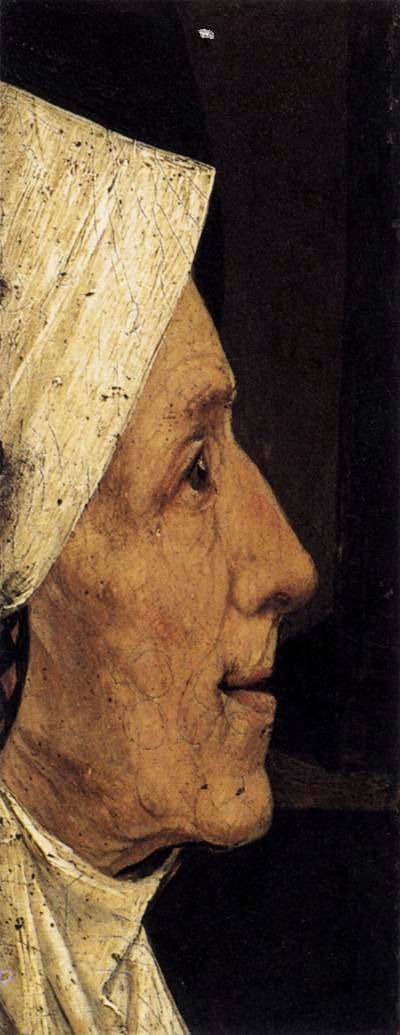
Head of an Old Woman
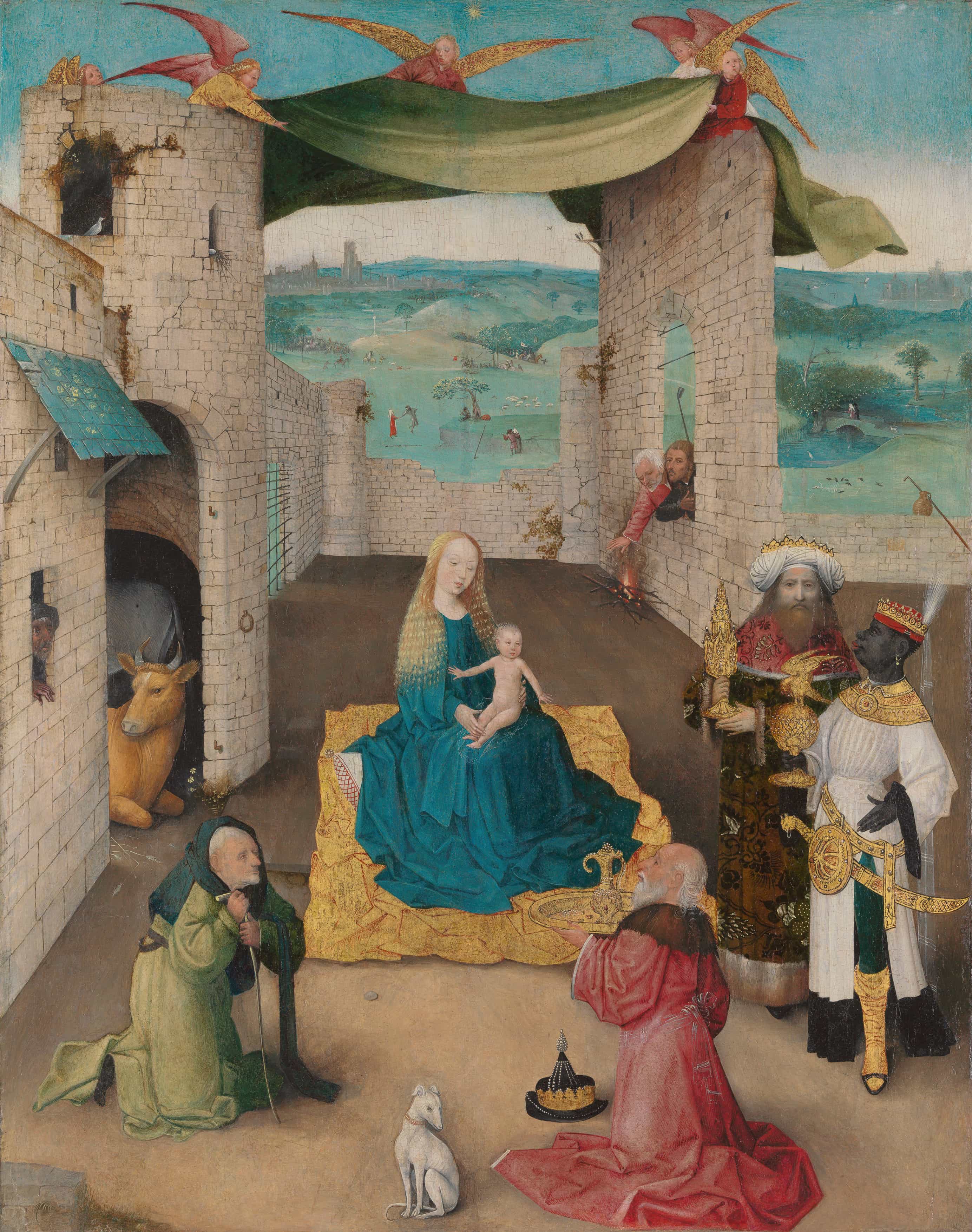
The Adoration of the Magi
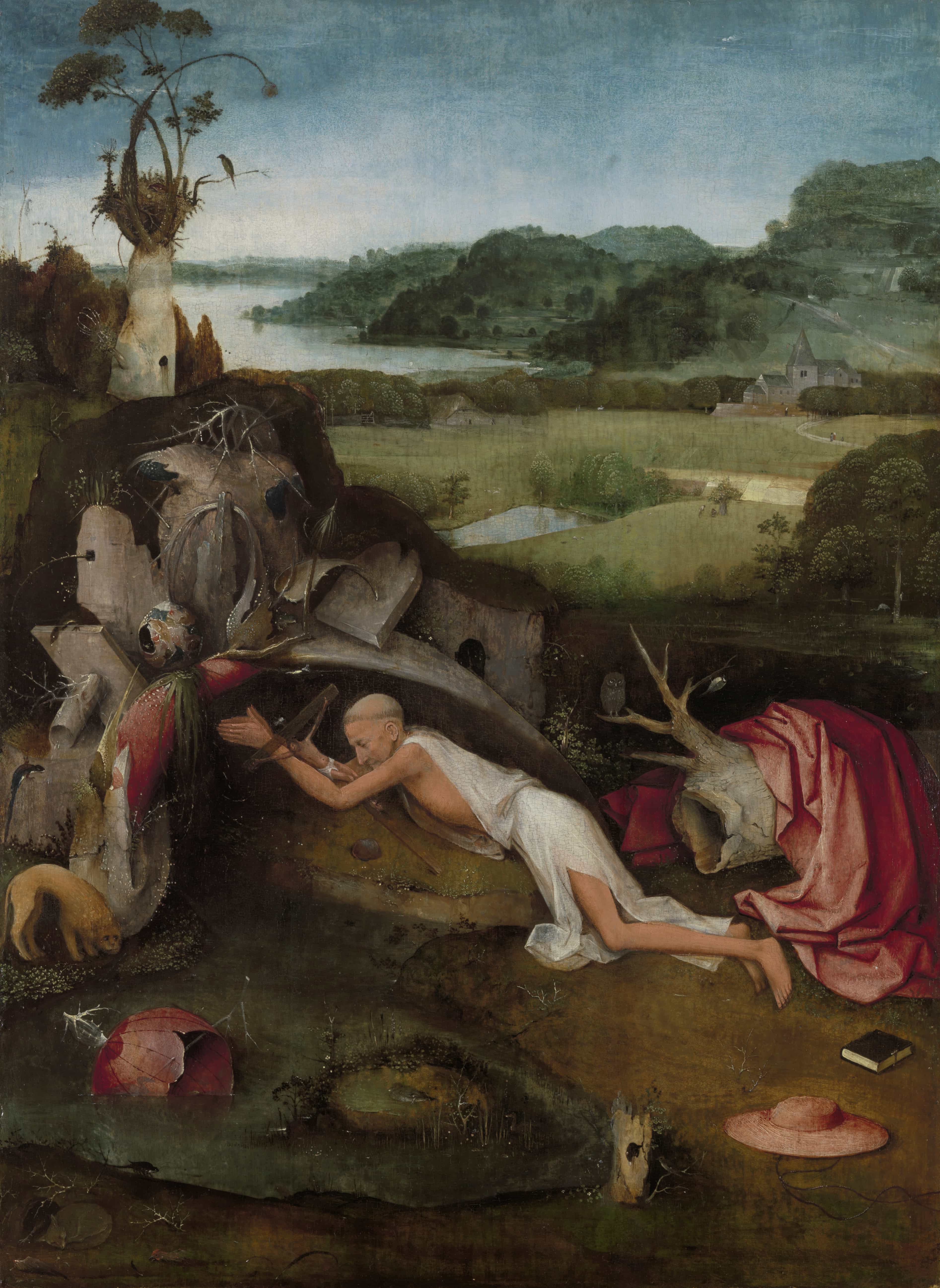
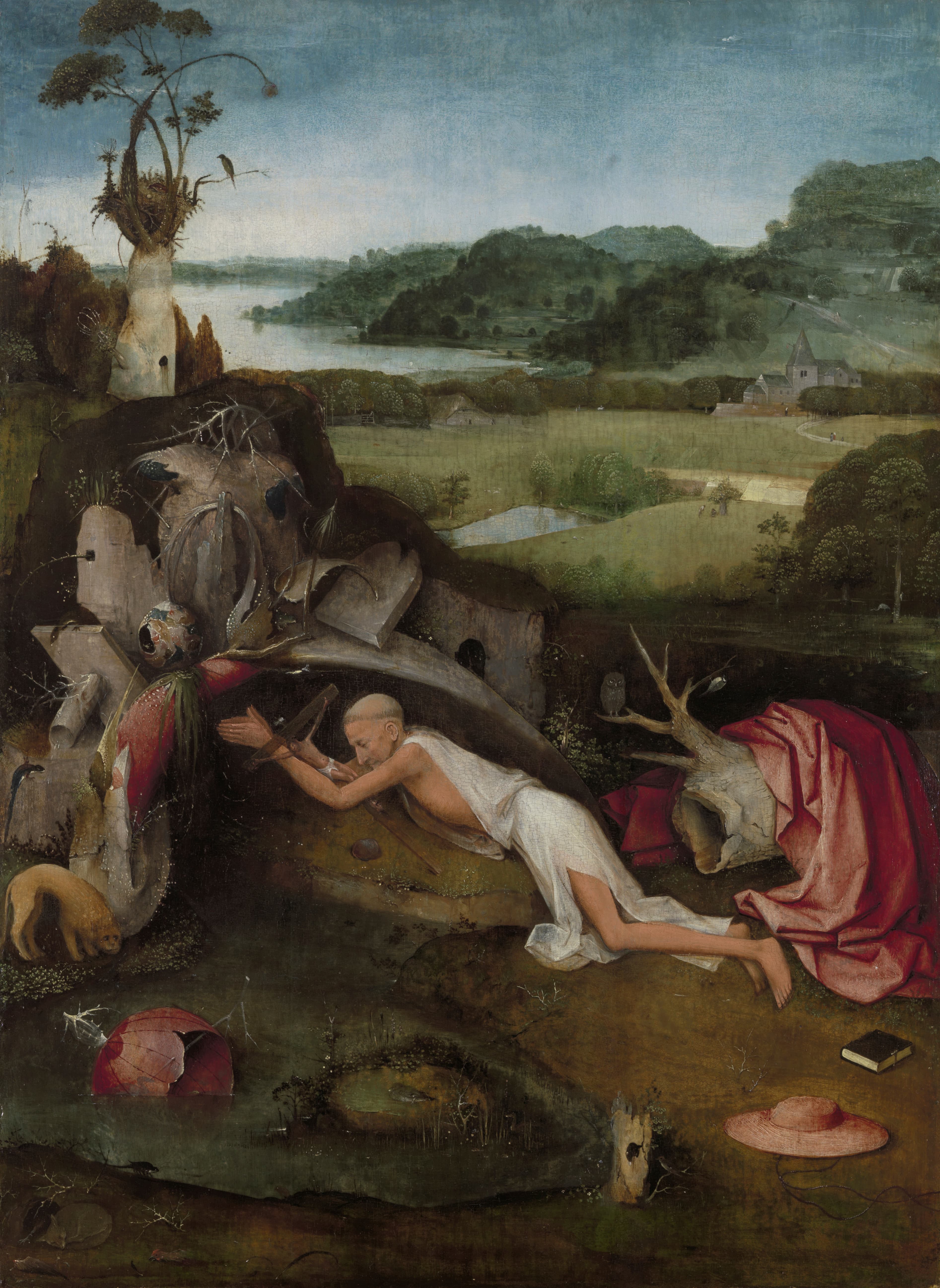
Saint Jerome
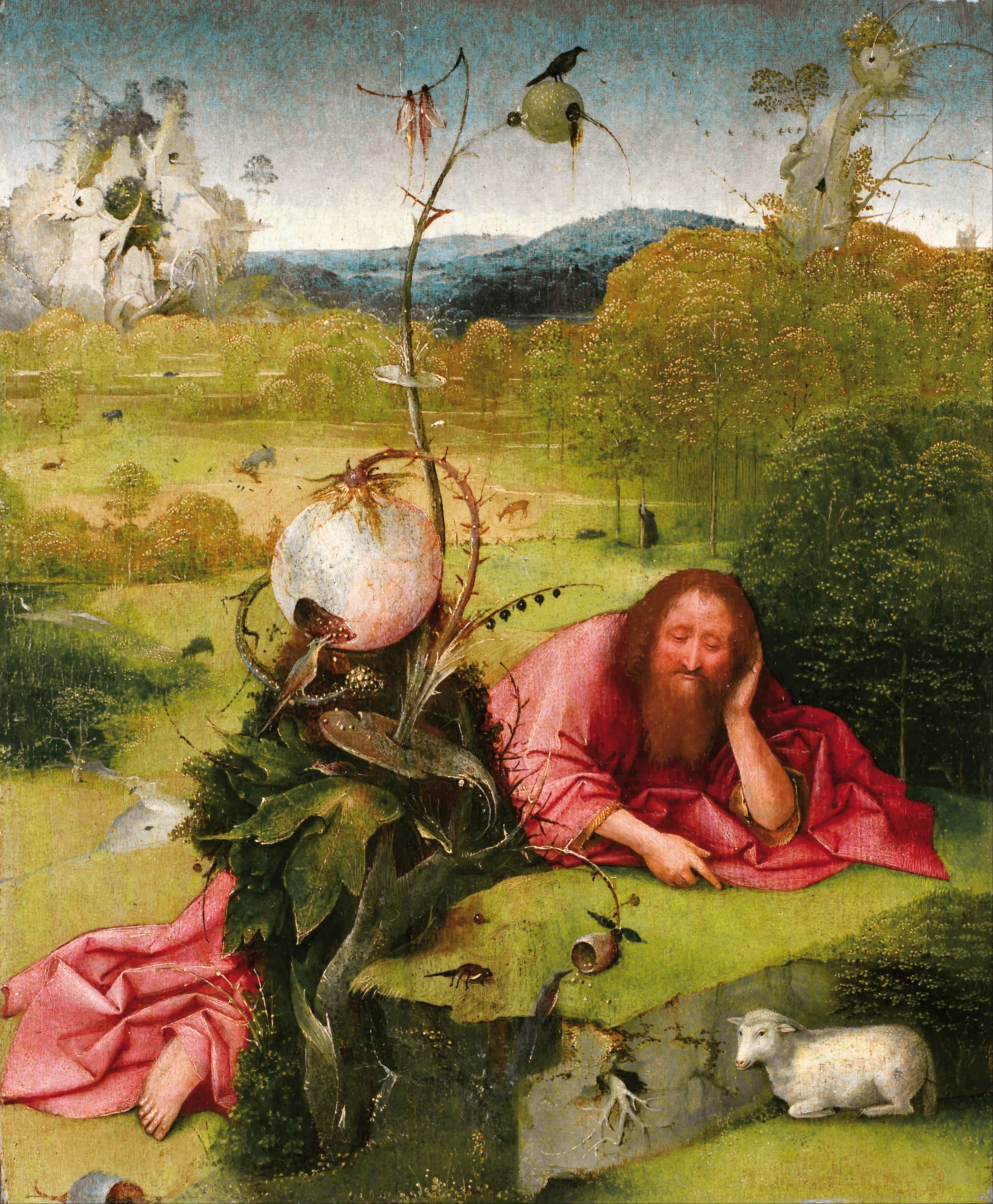
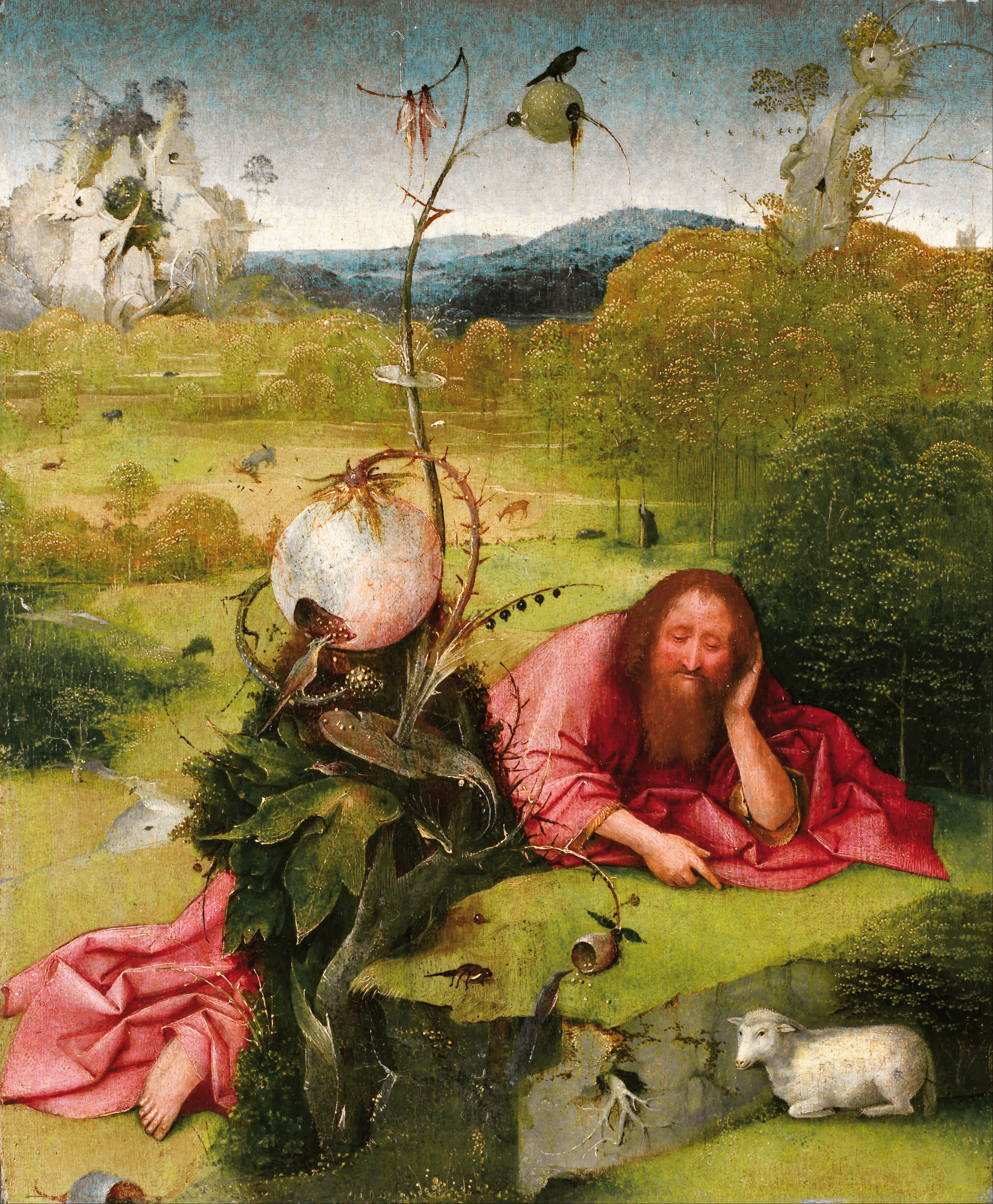
St. John the Baptist in the Wilderness
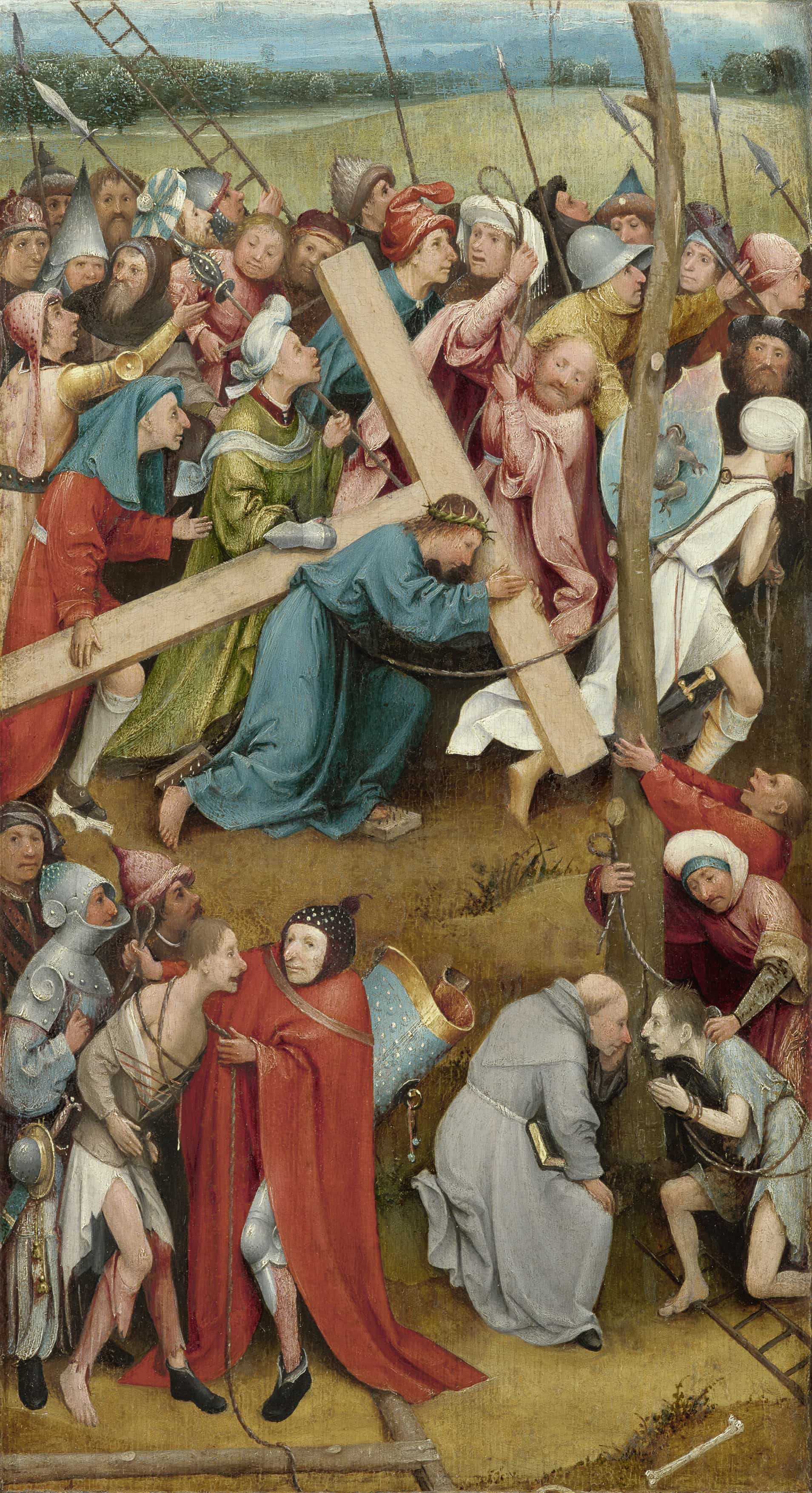
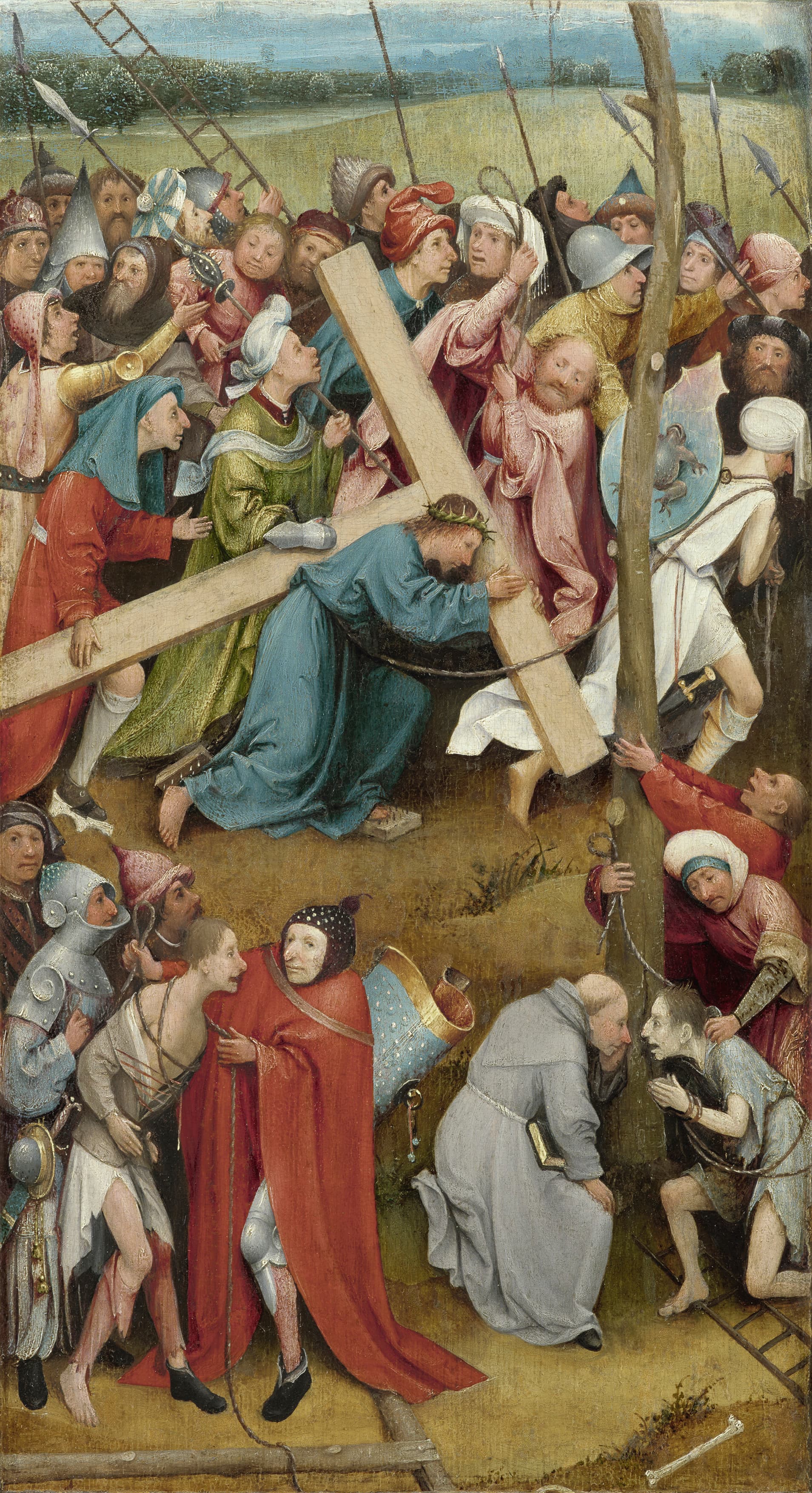
Christ Carrying the Cross
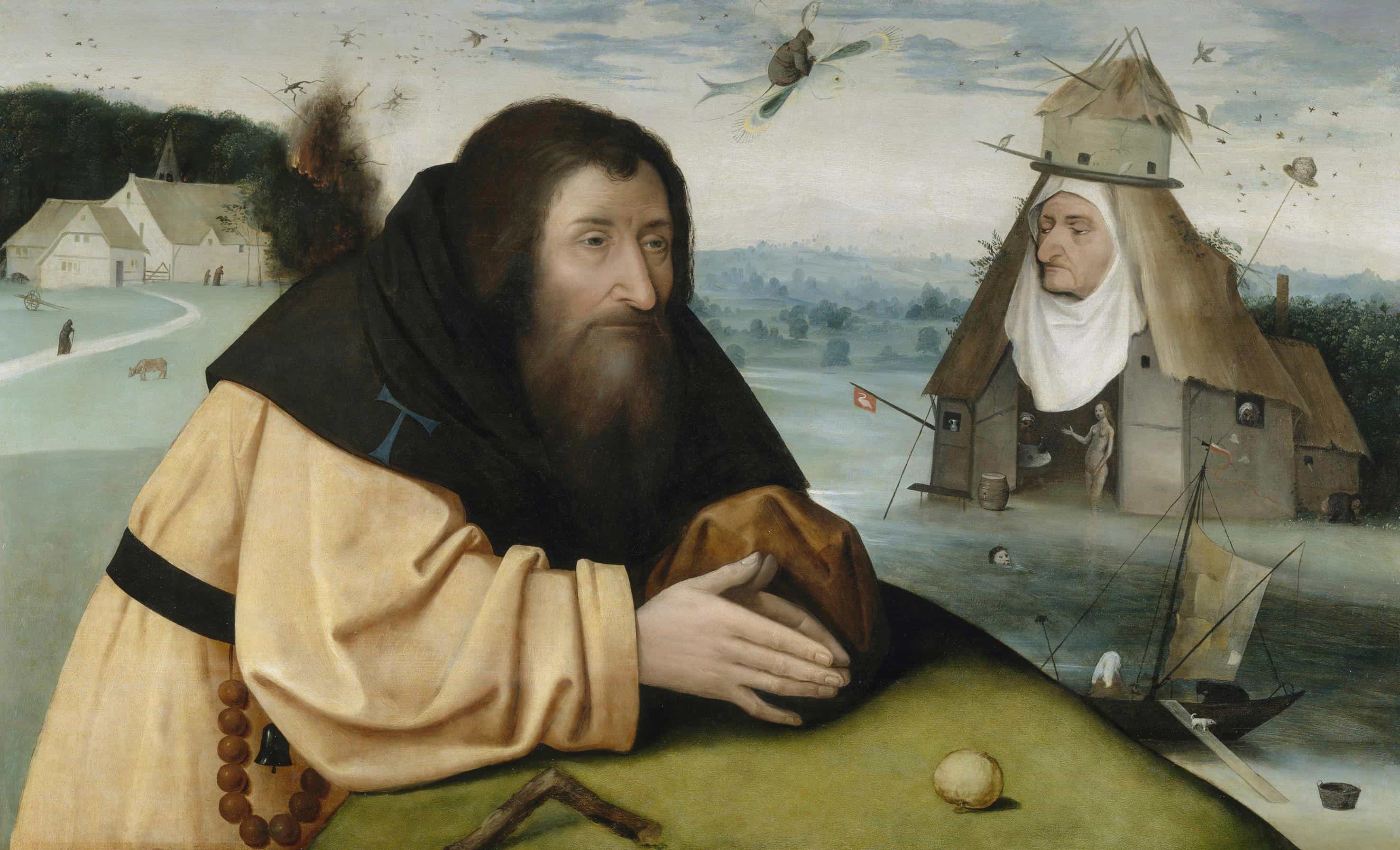
The Temptations of Saint Anthony