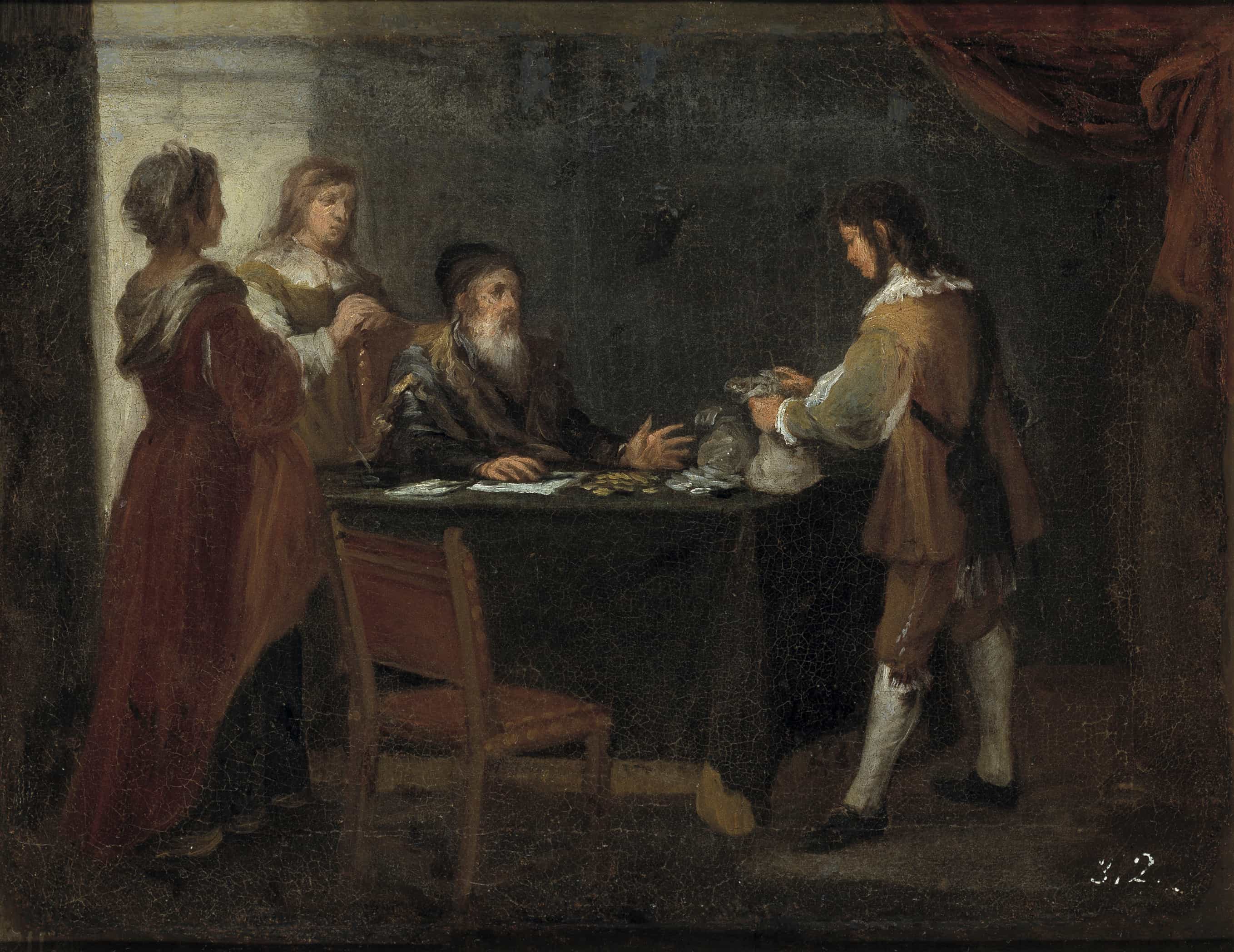
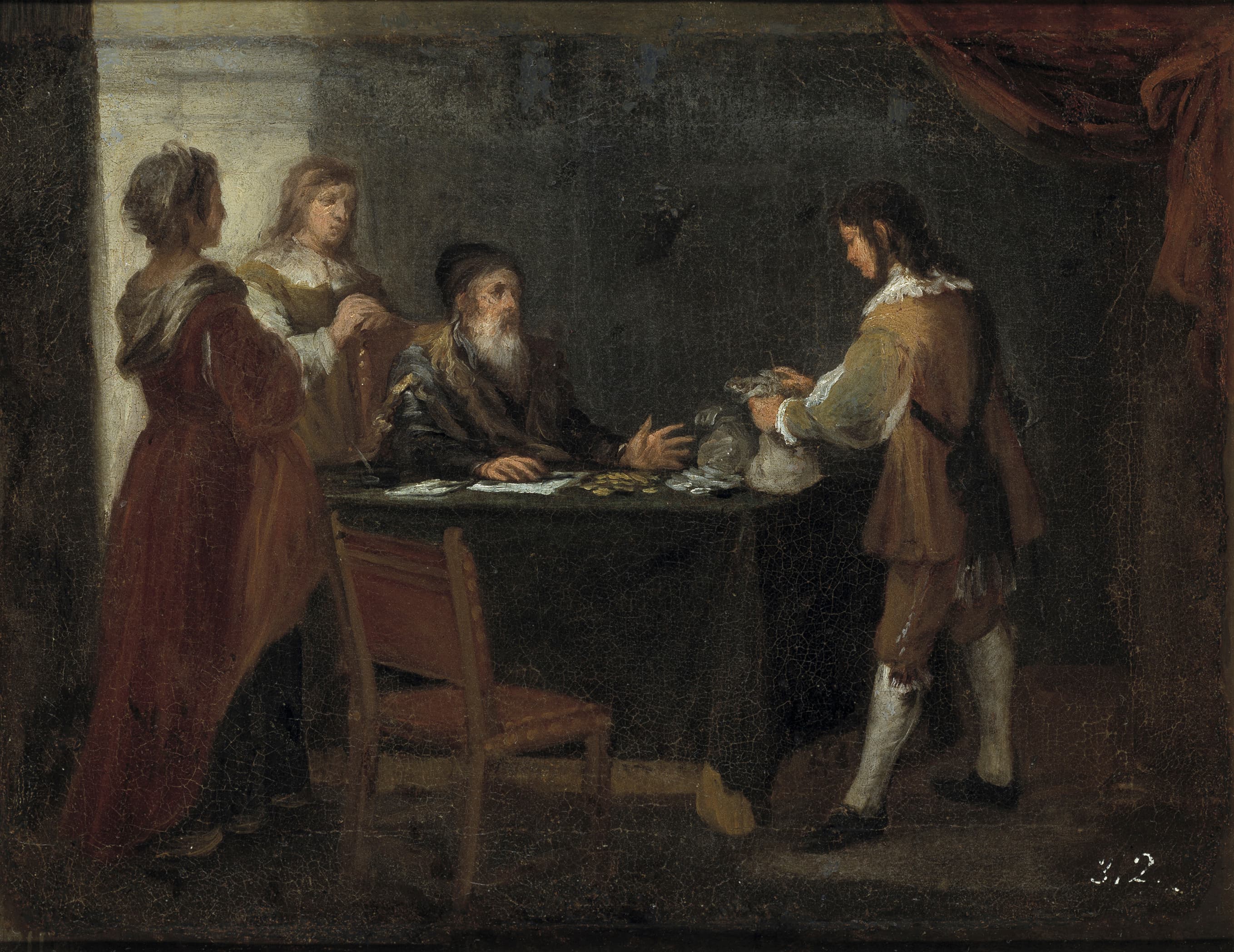
The Prodigal Son Receiving His Inheritance
Murillo
From £32
Collection
Museum-quality reproductions on 310gsm textured cotton rag paper.
Shop all prints by Bartolomé Esteban MurilloArtistic Style
Style Evolution
Murillo’s work moved from the strong tenebrism of early Spanish Baroque influences to a softer, more luminous idiom. Over his career in Seville he developed tender figuration and an accessible devotional sensibility that made his later religious and genre paintings widely admired.
Palette
Subjects
Techniques
Topics
Murillo (1617-1682) was a Spanish Baroque painter whose luminous religious compositions and warm genre scenes made him a leading Seville artist.
Learn about the life of Bartolomé Esteban Murillo
Signature Works
See all available prints
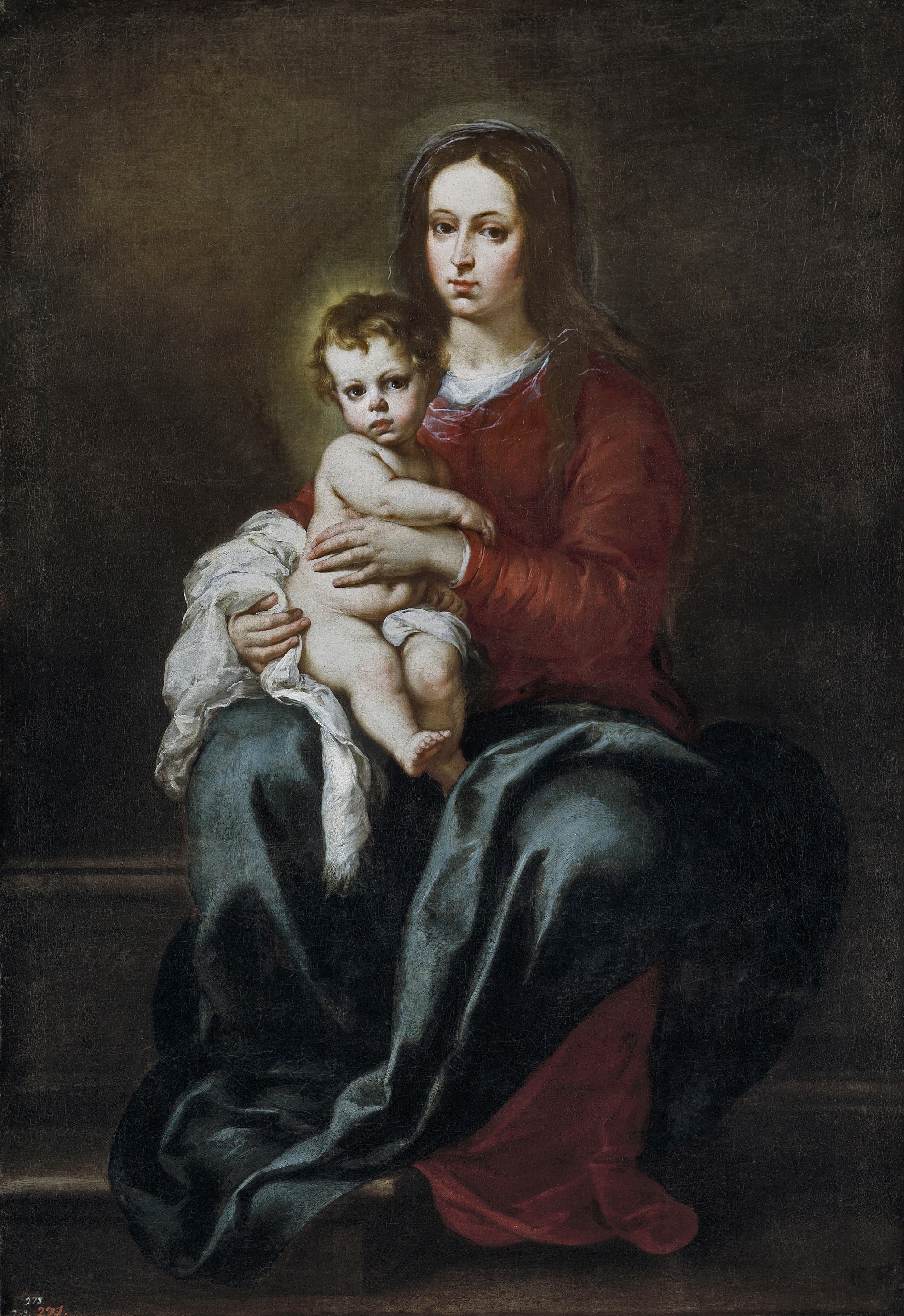
Biography
Murillo (1617-1682) was a Spanish Baroque painter whose luminous religious compositions and warm genre scenes made him a leading Seville artist.
Bartolomé Esteban Murillo was born in Seville in 1617 and spent the bulk of his life and career there. Emerging in a city that remained a major center for religious art in seventeenth‑century Spain, Murillo trained within the local artistic milieu. His early work shows the influence of Spanish Baroque masters and the prevailing devotional demands of Seville’s churches and religious orders.
Murillo developed a reputation for a tender, approachable style that blended devotional gravity with accessible humanity. He remained based in Seville throughout his career, where local patronage and ecclesiastical commissions shaped his output.
In his early years Murillo refined academic drawing and composition, absorbing chiaroscuro techniques common to Spanish Baroque painting while beginning to favor softer modelling and warm tonality.
During his mature middle period Murillo consolidated the luminous palette and gentle figuration that became his hallmark. He produced numerous altarpieces and devotional images that appealed to both clerical and lay patrons.
In later years his touch became even more atmospheric and idealized; his religious imagery grew more serene, and his genre scenes of everyday life gained sentimental popularity.
Murillo’s oeuvre is best known for devotional altarpieces, representations of the Virgin, saintly figures, and intimate genre scenes depicting children and street life. His ability to combine spiritual dignity with human warmth made his paintings widely admired in Seville and beyond and secured him major church commissions.
Murillo is celebrated for soft, velvety brushwork, luminous glazing, and balanced chiaroscuro that lends figures both sculptural presence and gentle warmth. He favored harmonious compositions, naturalistic yet idealized faces, and a palette that often combines warm earth tones with luminous highlights to create an intimate devotional atmosphere.
Murillo influenced later Spanish painters and the taste for sentimental, devotional imagery across Europe. Collectors value his works for their decorative appeal, luminous surfaces, and capacity to convey spiritual calm—qualities that make his paintings desirable for both museums and private interiors.
Murillo’s life was rooted in Seville’s civic and religious community. He worked extensively for local churches and confraternities, producing art intended for both public devotion and private contemplation.
Murillo’s paintings have long attracted collectors for their aesthetic and decorative qualities: warm palettes, gentle
Frequently Asked Questions
The Prodigal Son Receiving His Inheritance
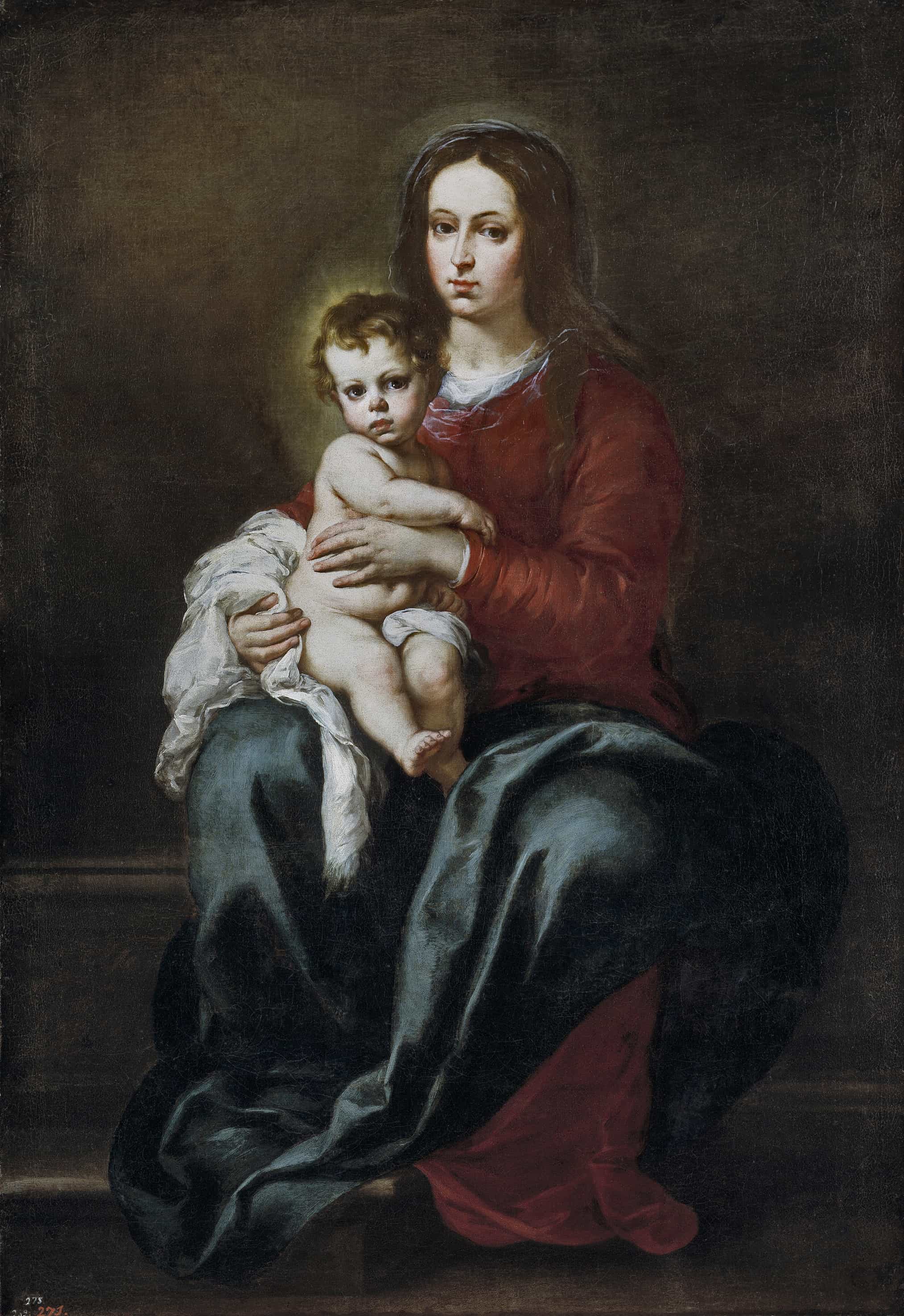
The Virgin and Child
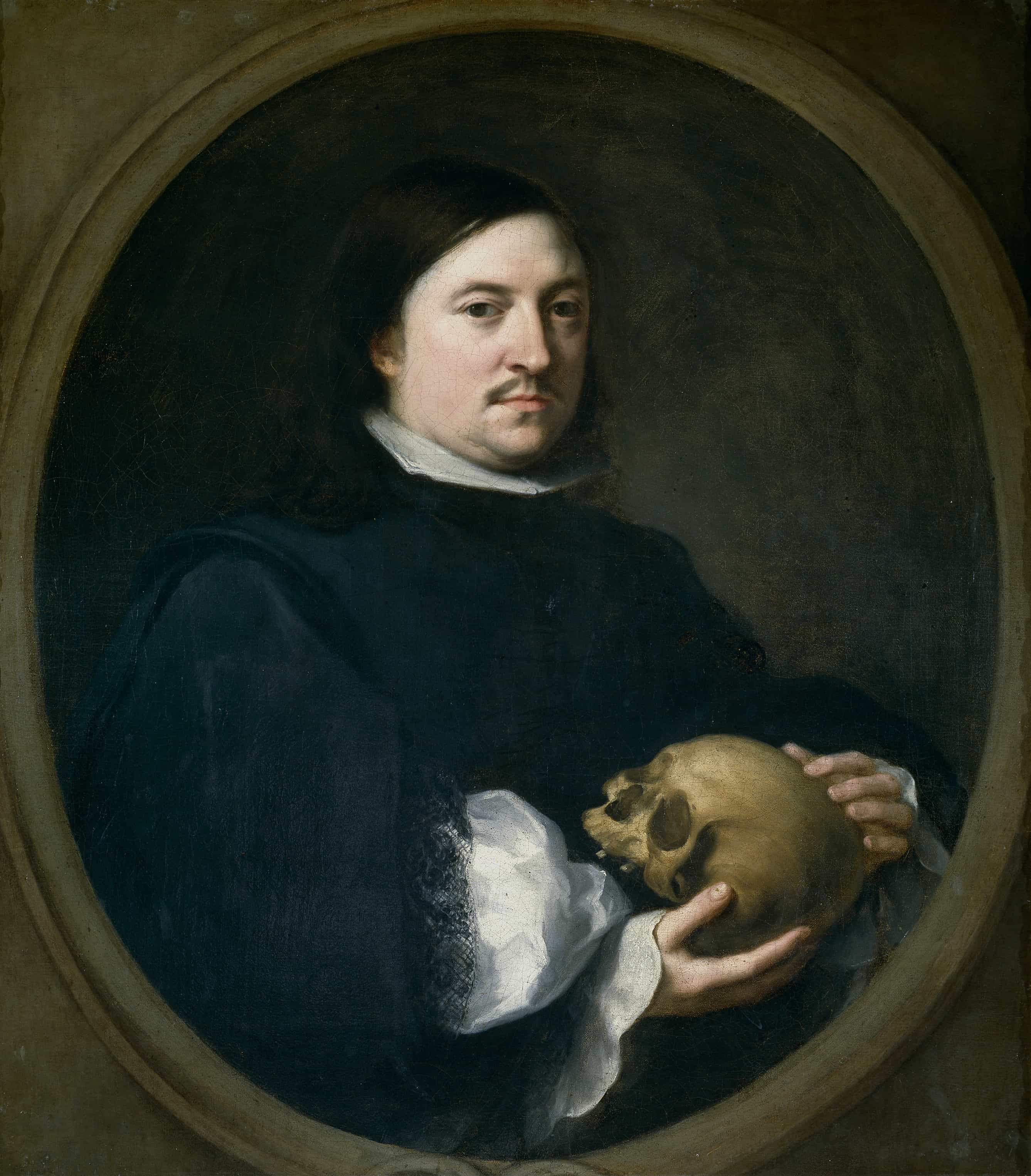
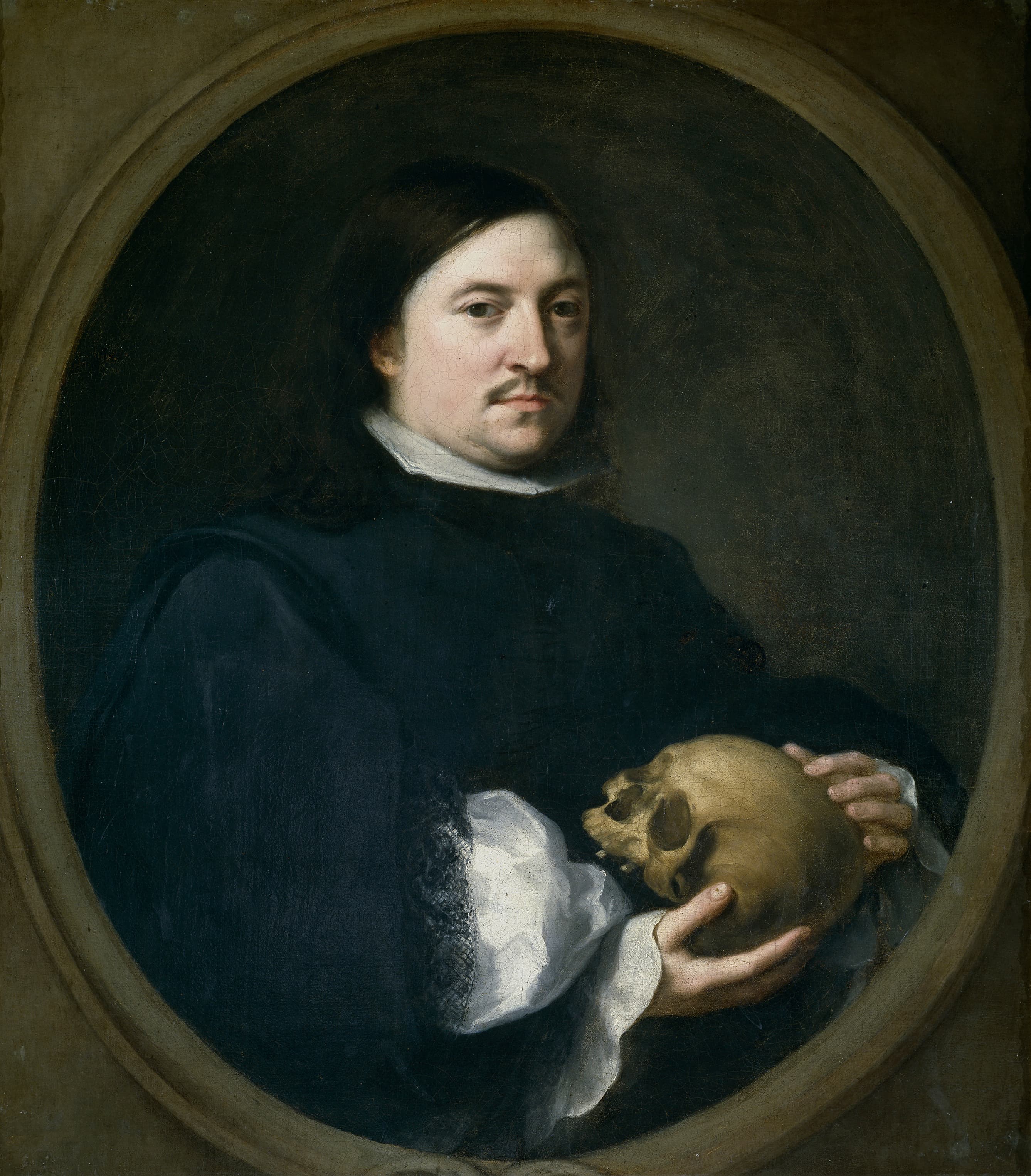
Portrait of Nicolás Omazur (1641–1698)
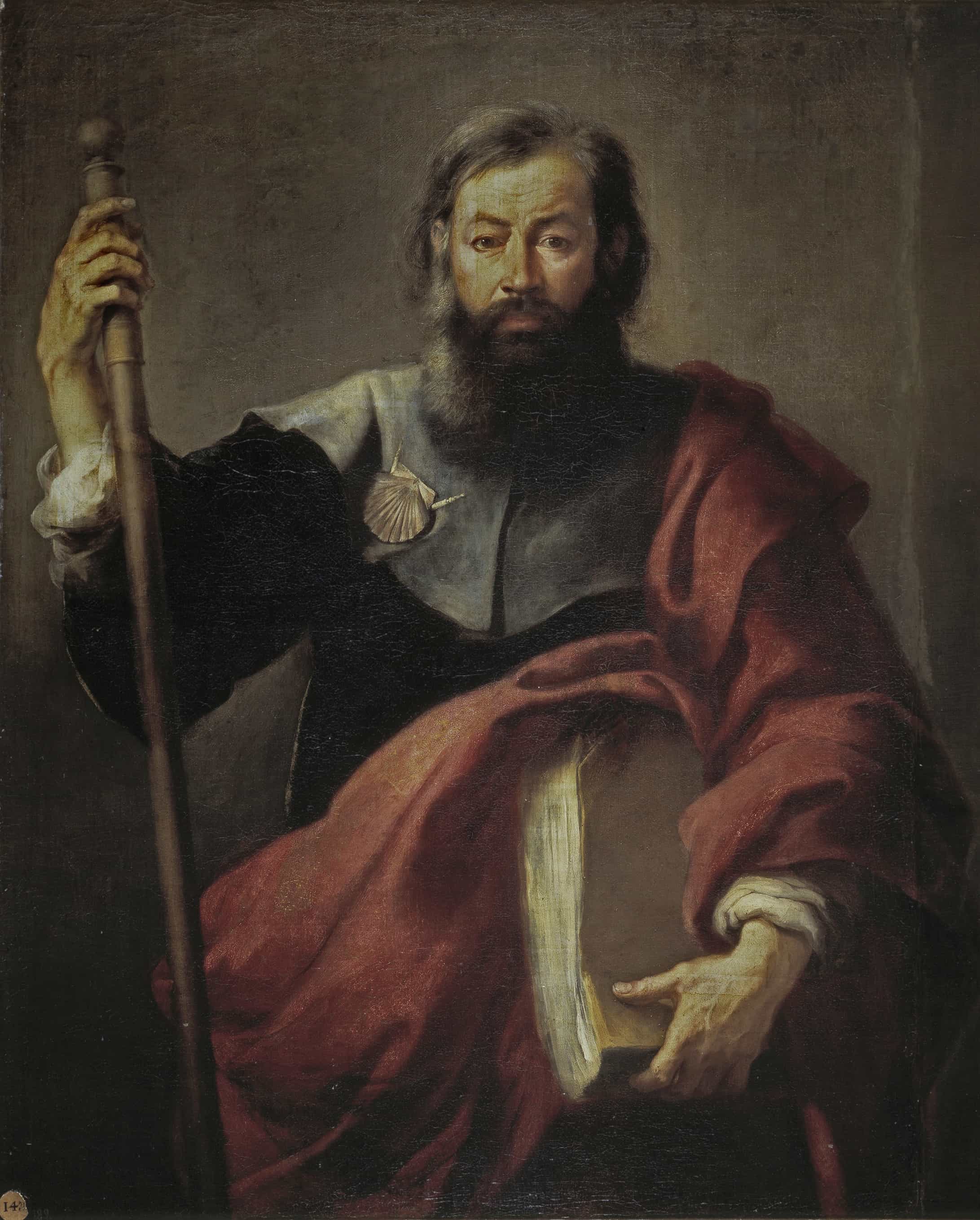
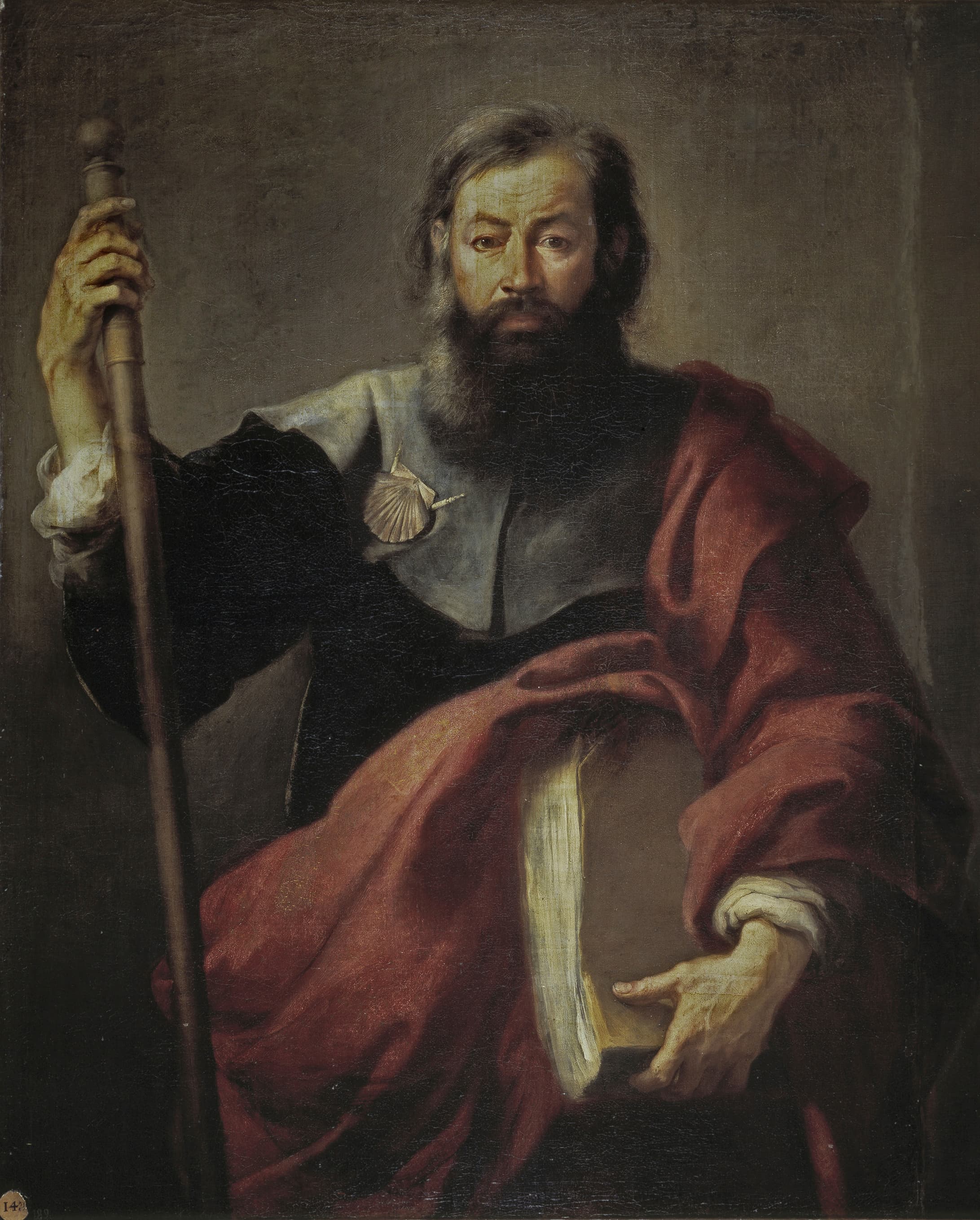
The Apostle James
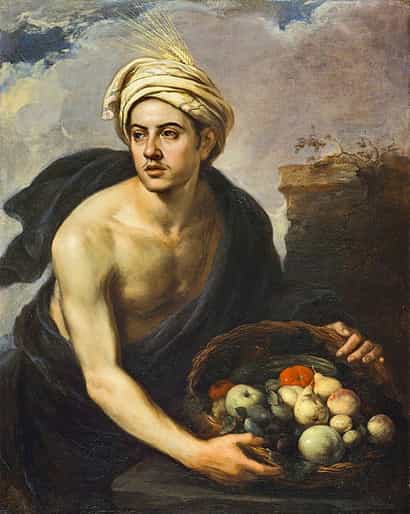
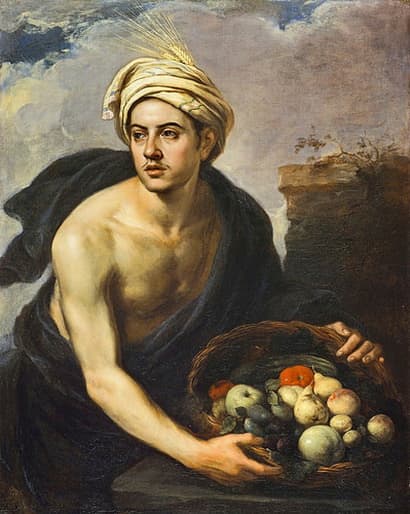
A Young Man with a Basket of Fruit (Personification of Summer)
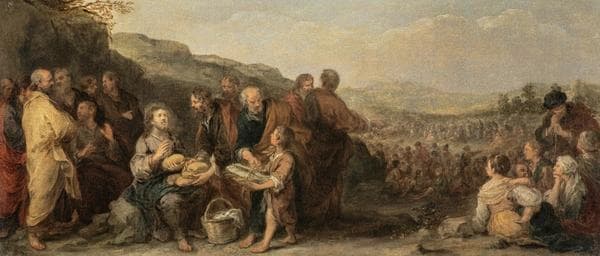
The Miracle of the Loaves and the Fishes
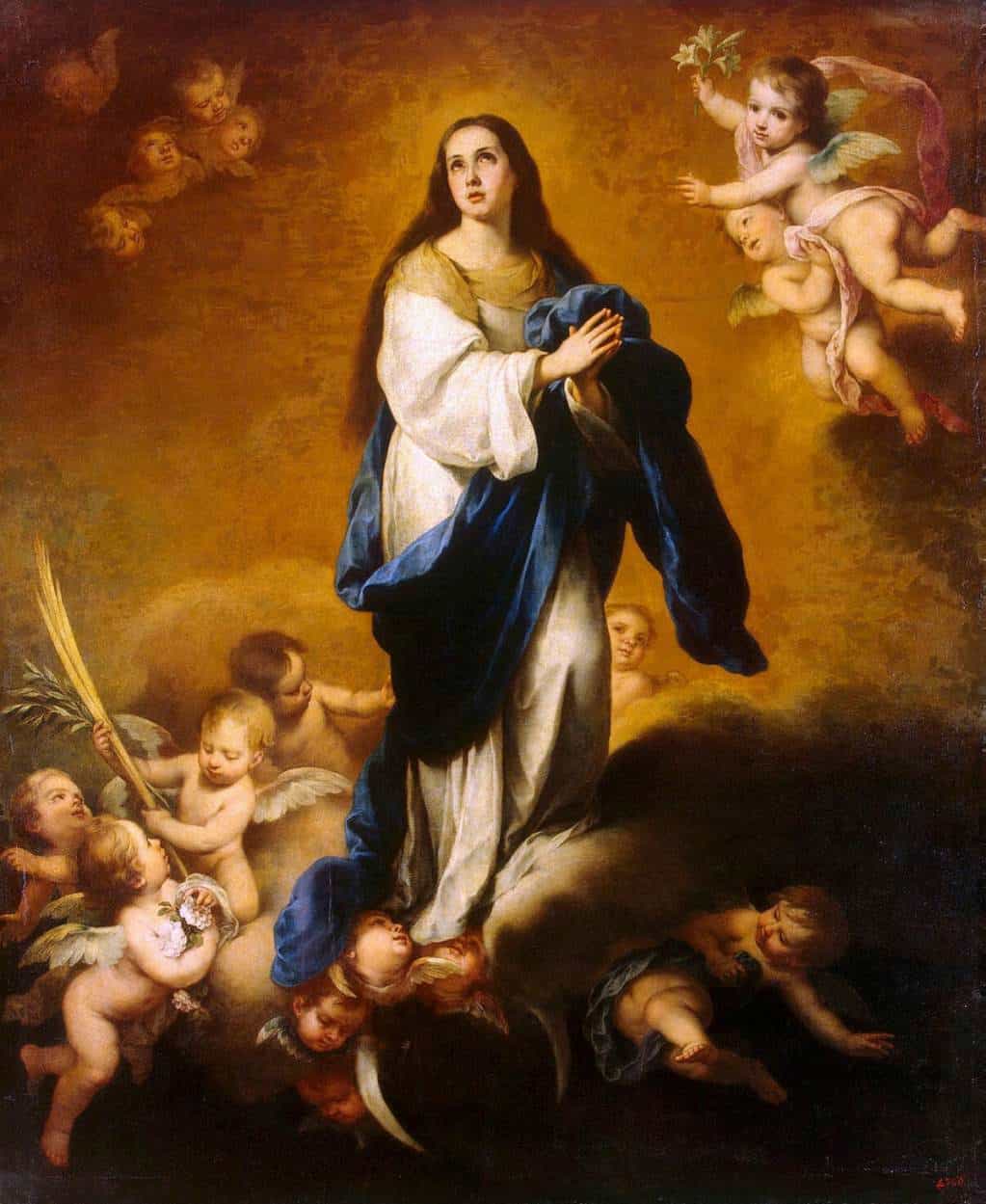
Esquilache Immaculate Conception
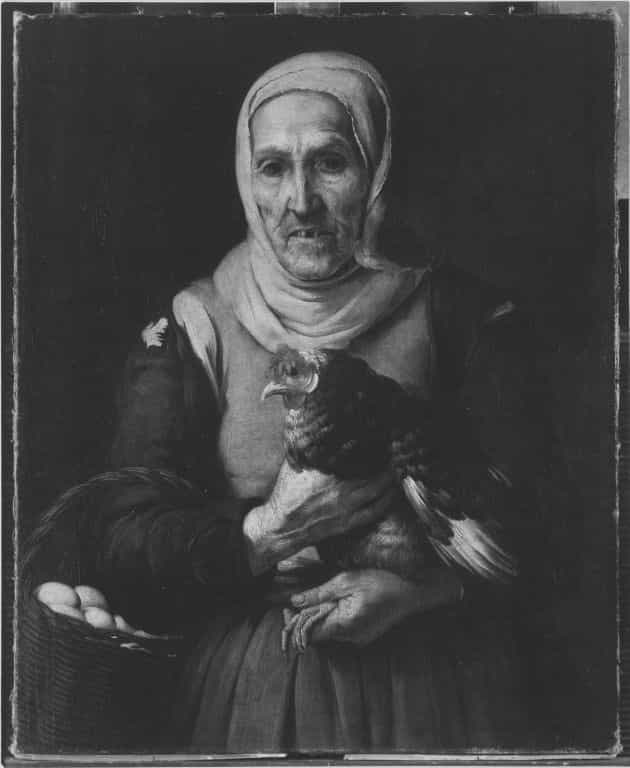
Altes Hökerweib
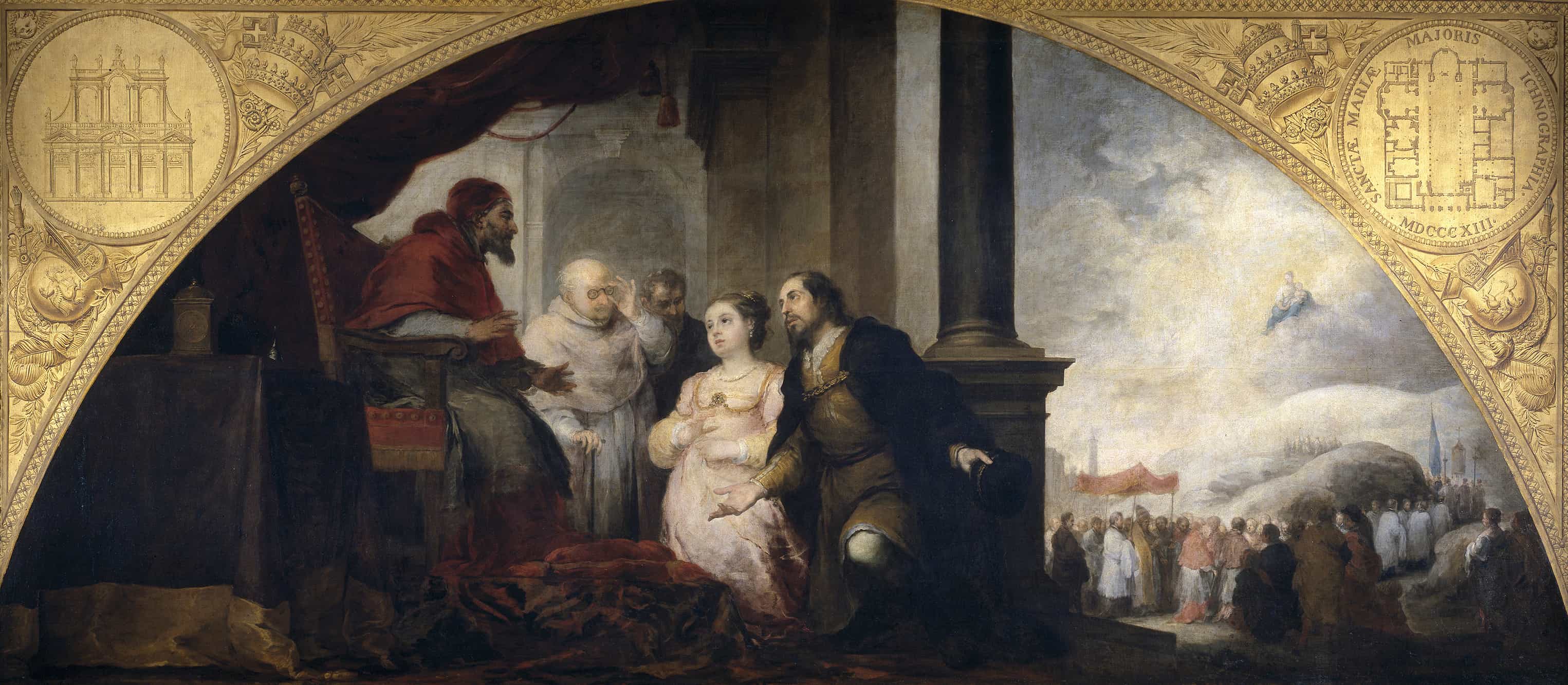
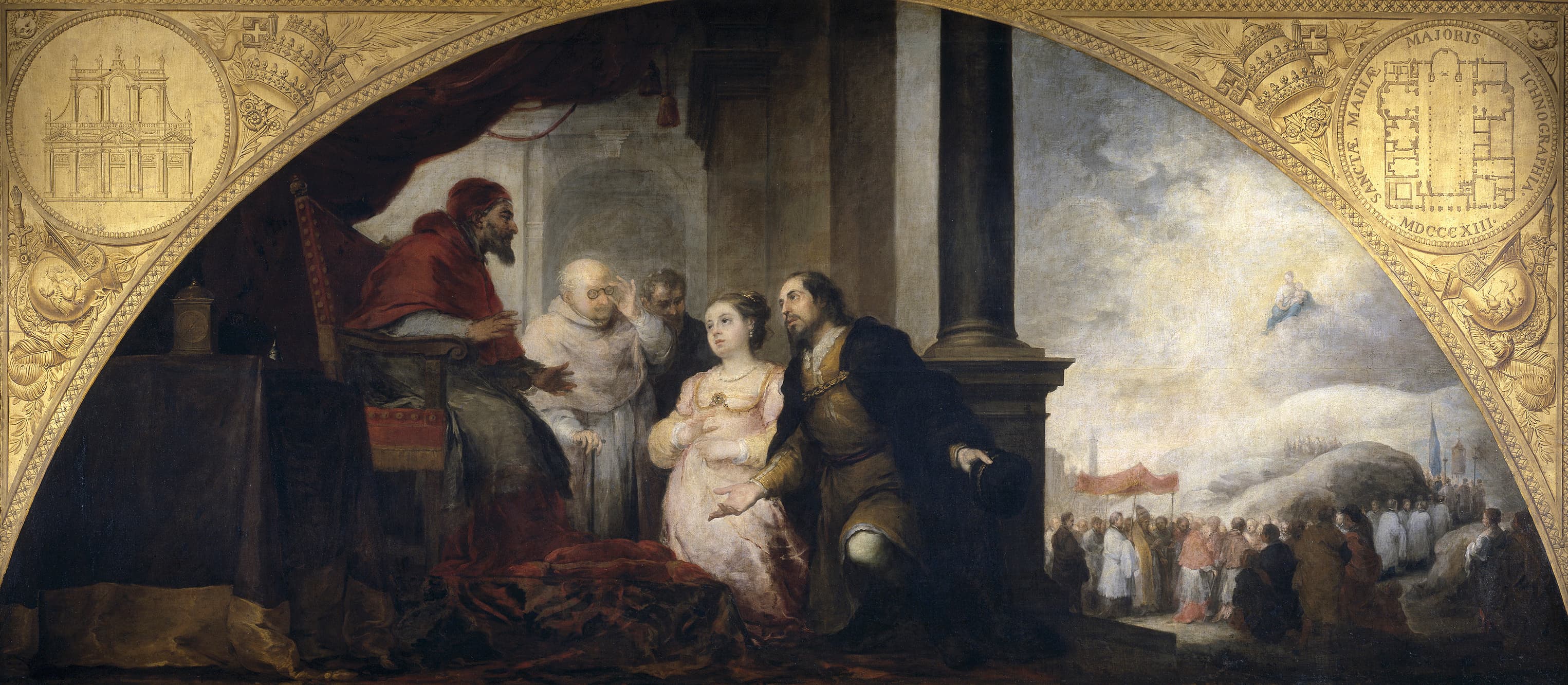
The Foundation of Santa Maria Maggiore in Rome: The Patrician Recounts His Dream to the Pope
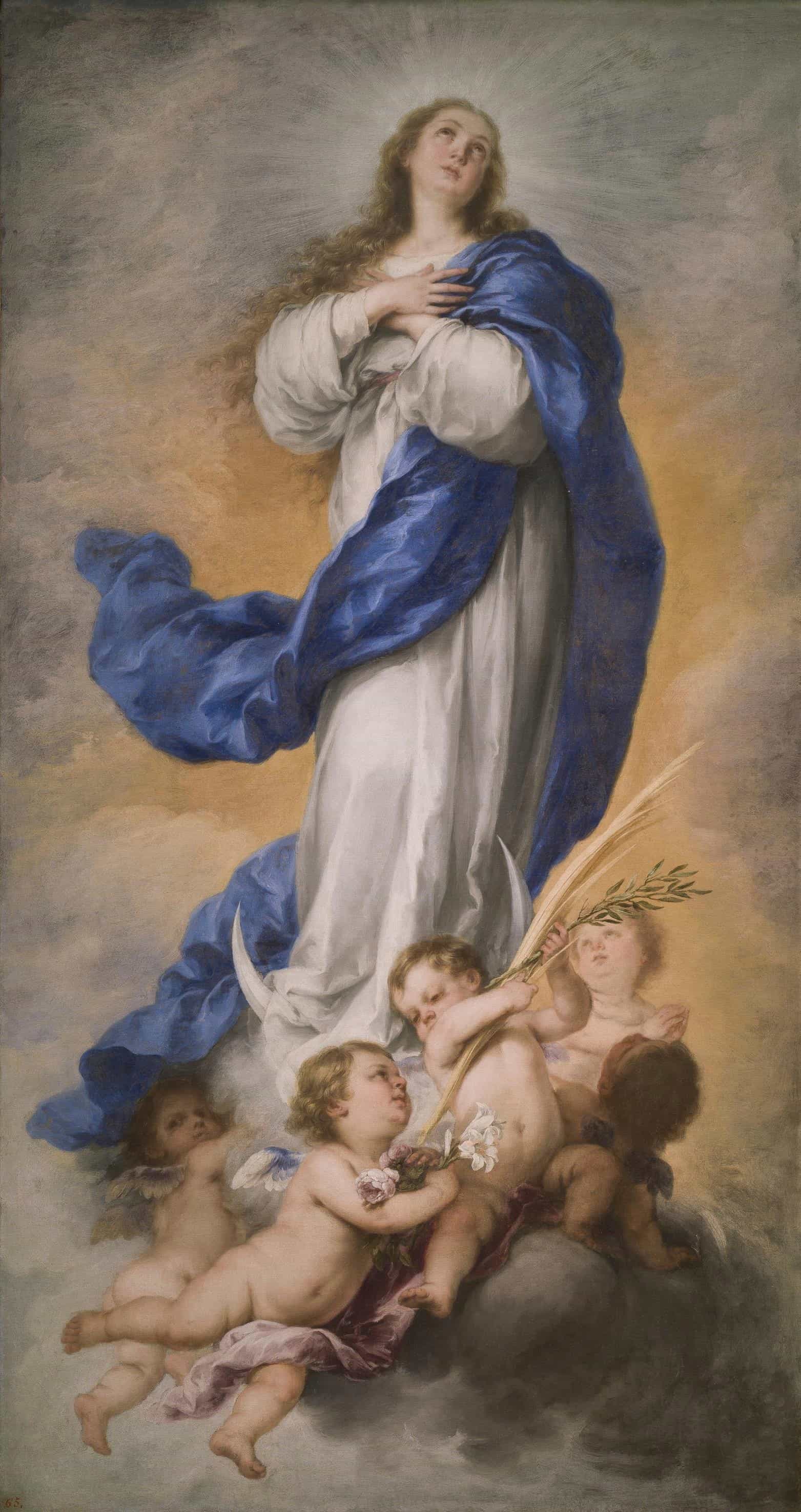
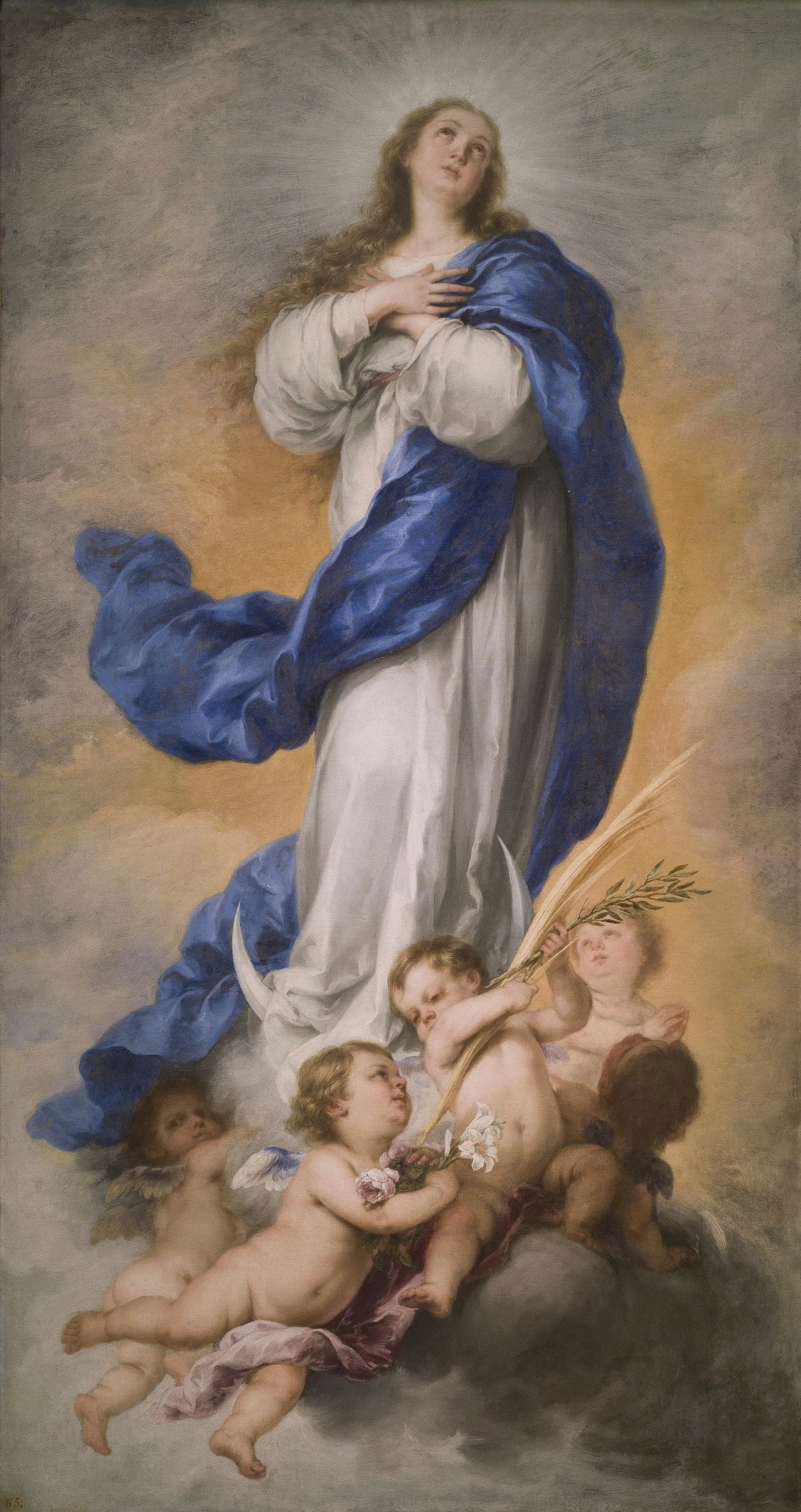
The Aranjuez Immaculate Conception
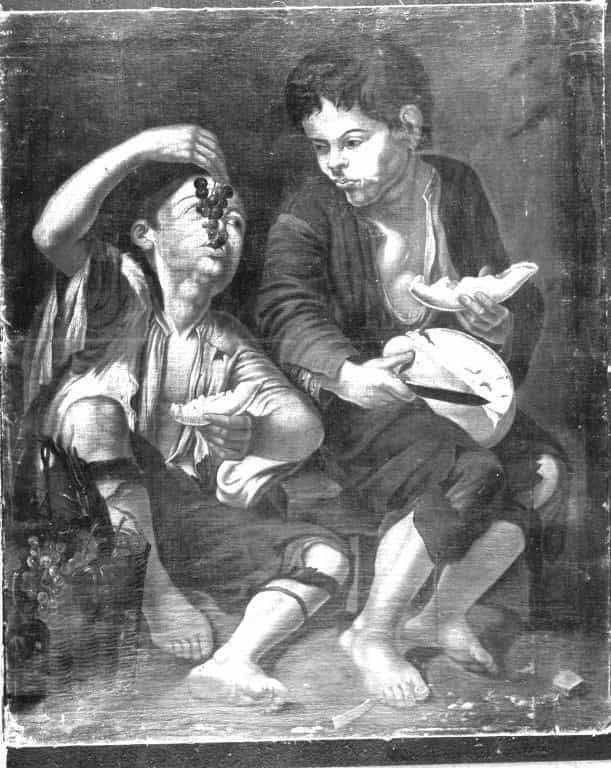
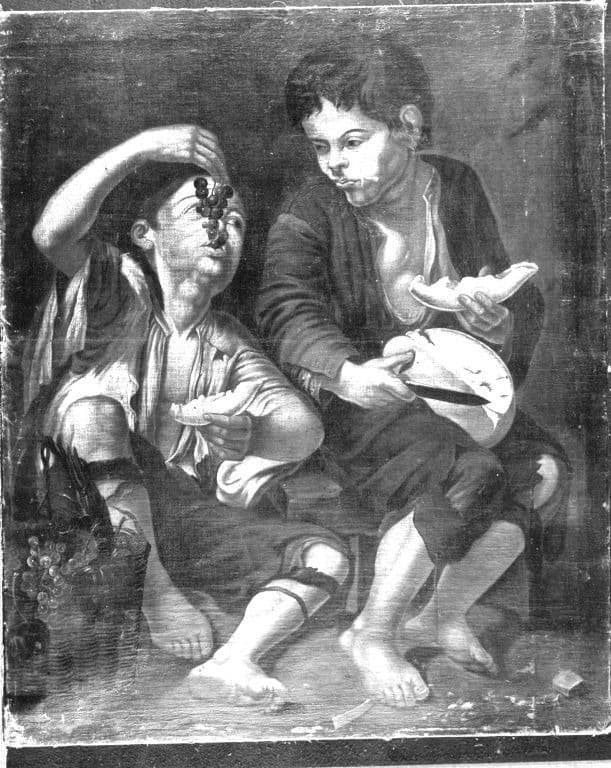
Sevillaner Bettelknaben (Trauben- und Melonenesser)
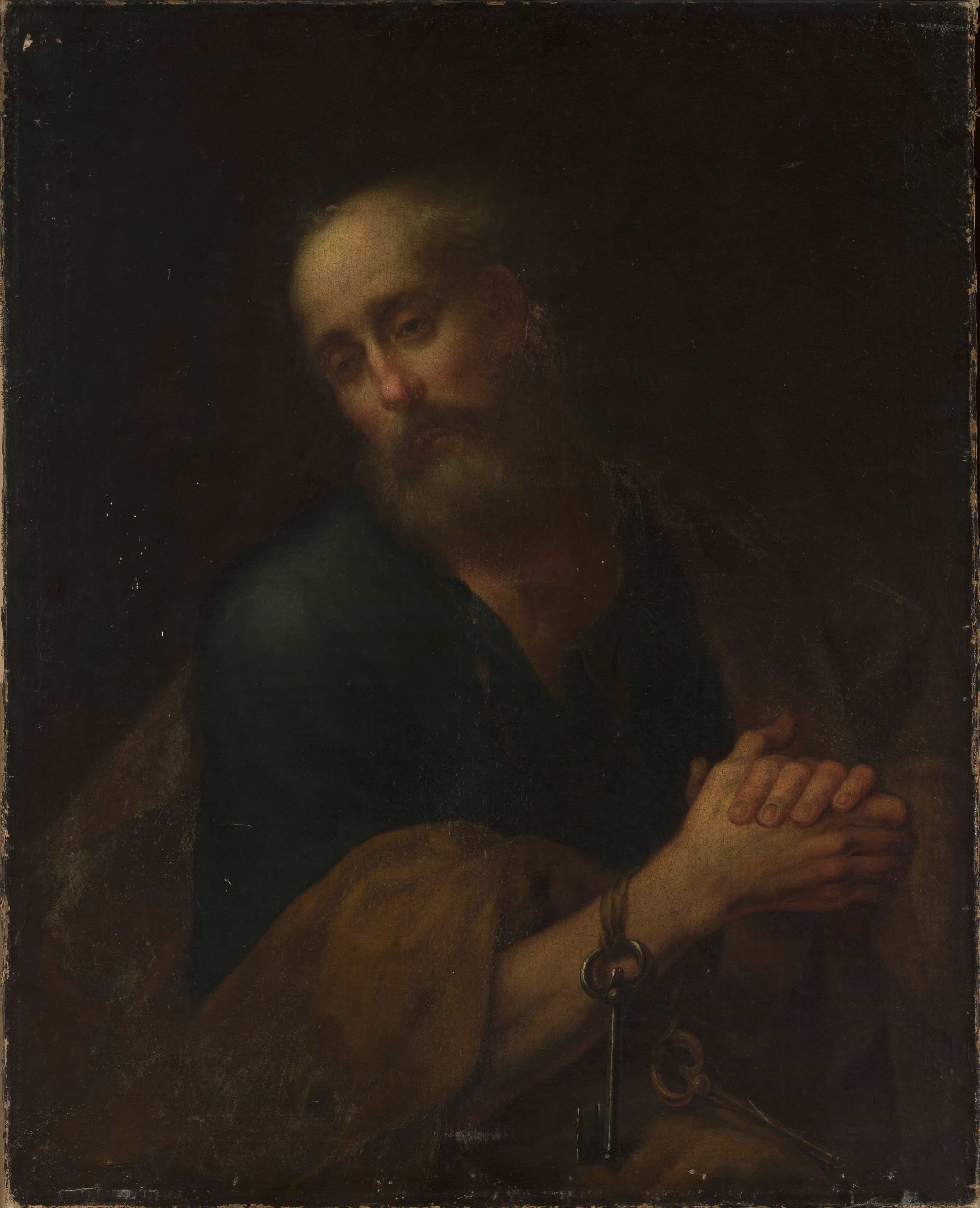
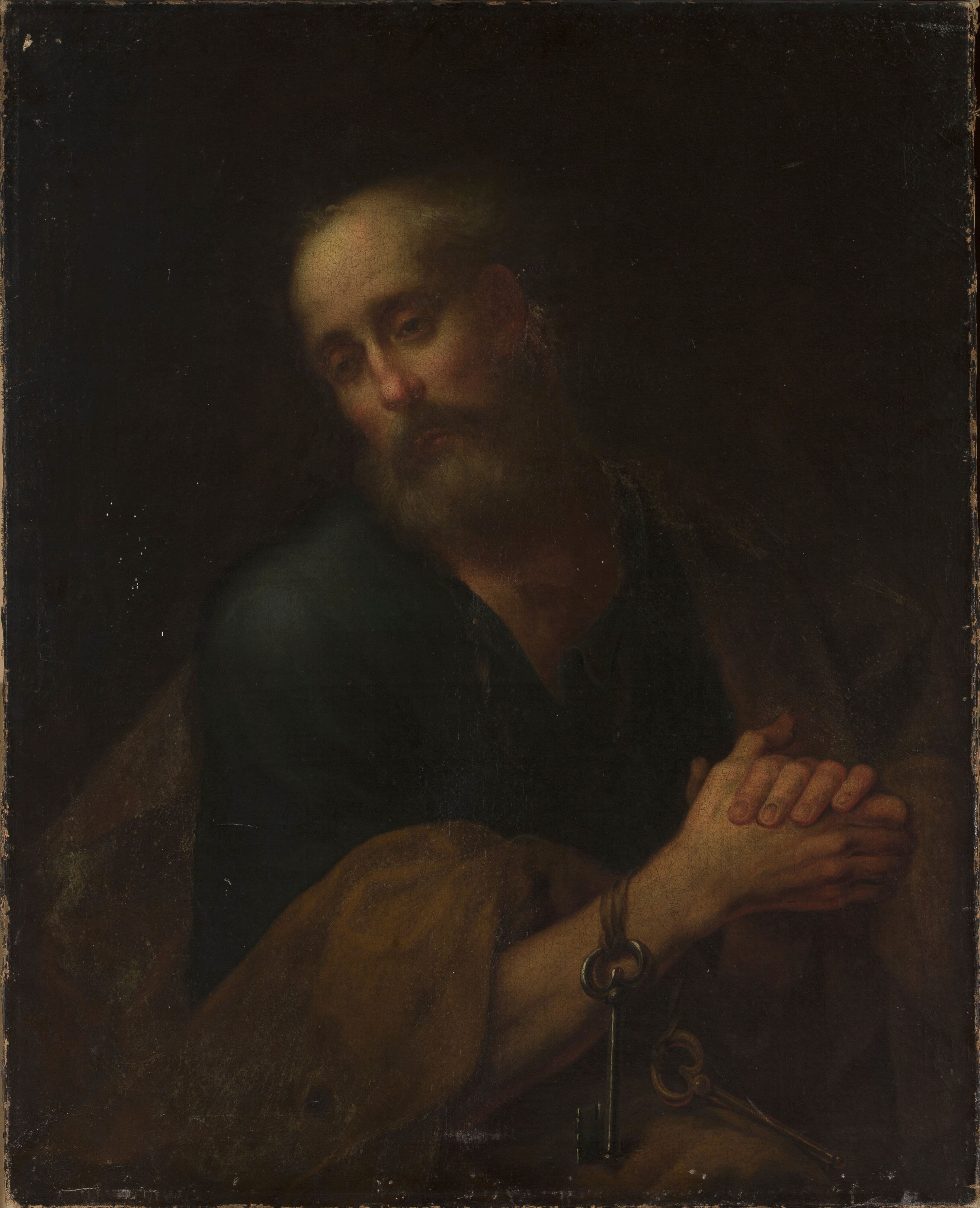
St. Peter