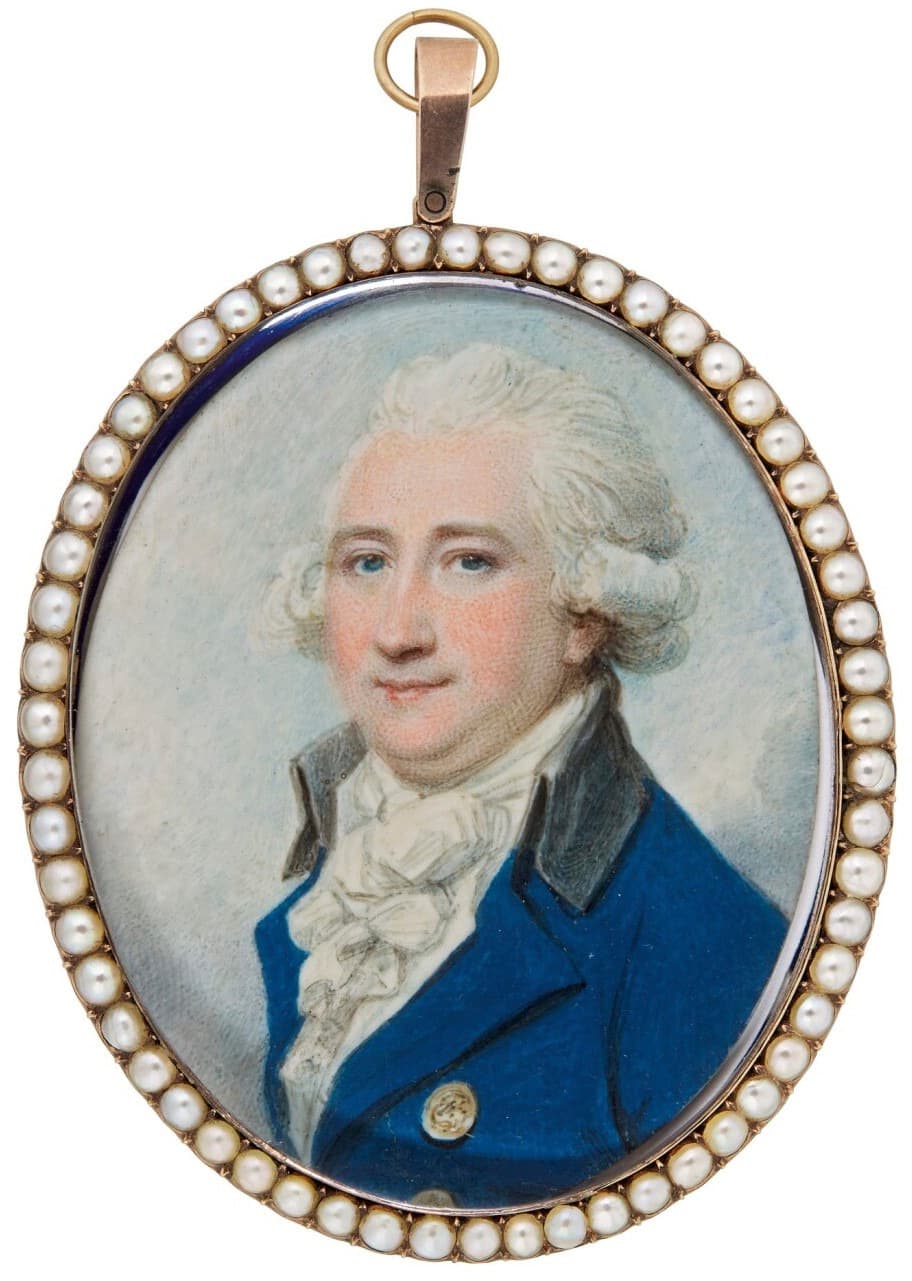
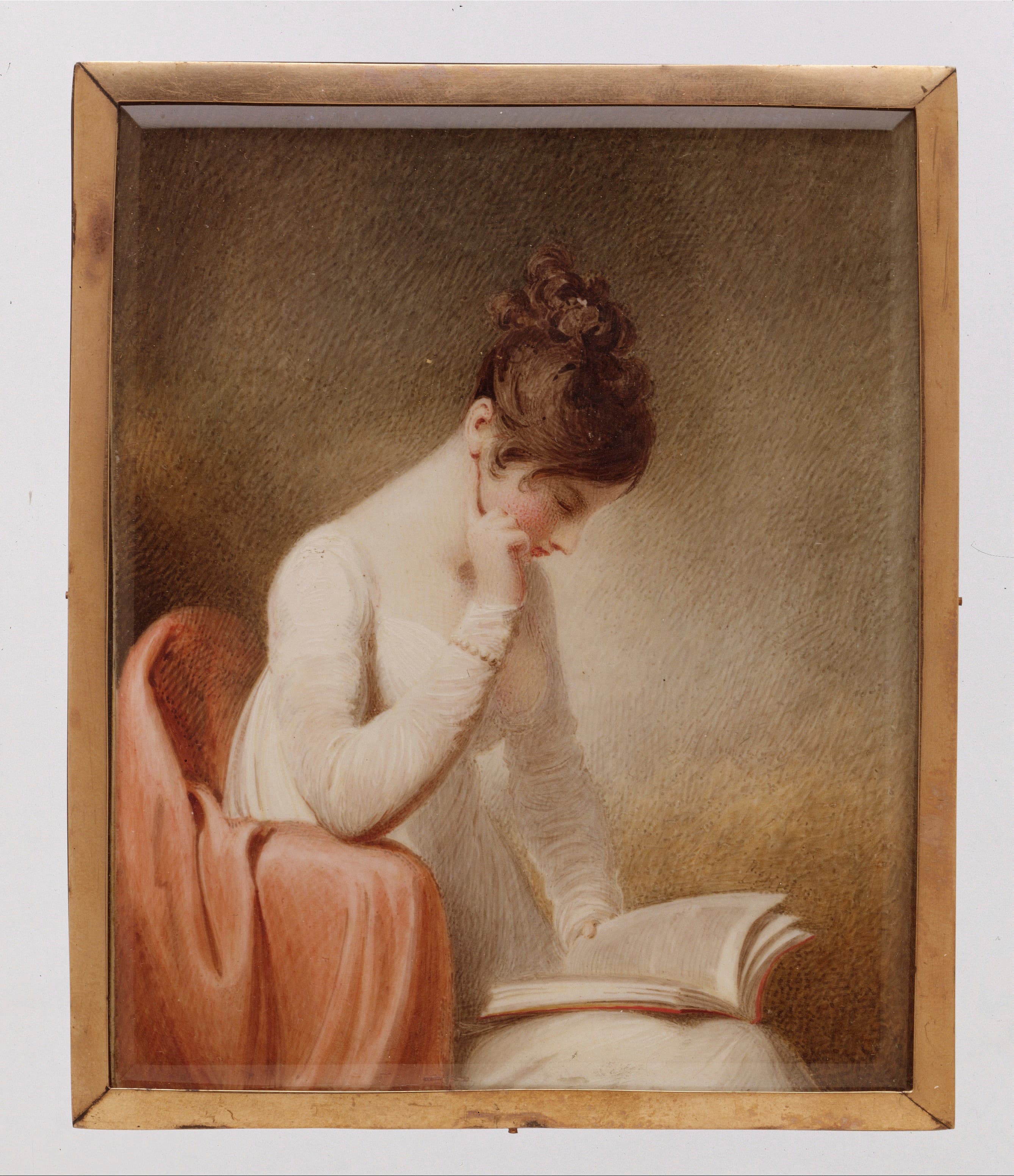
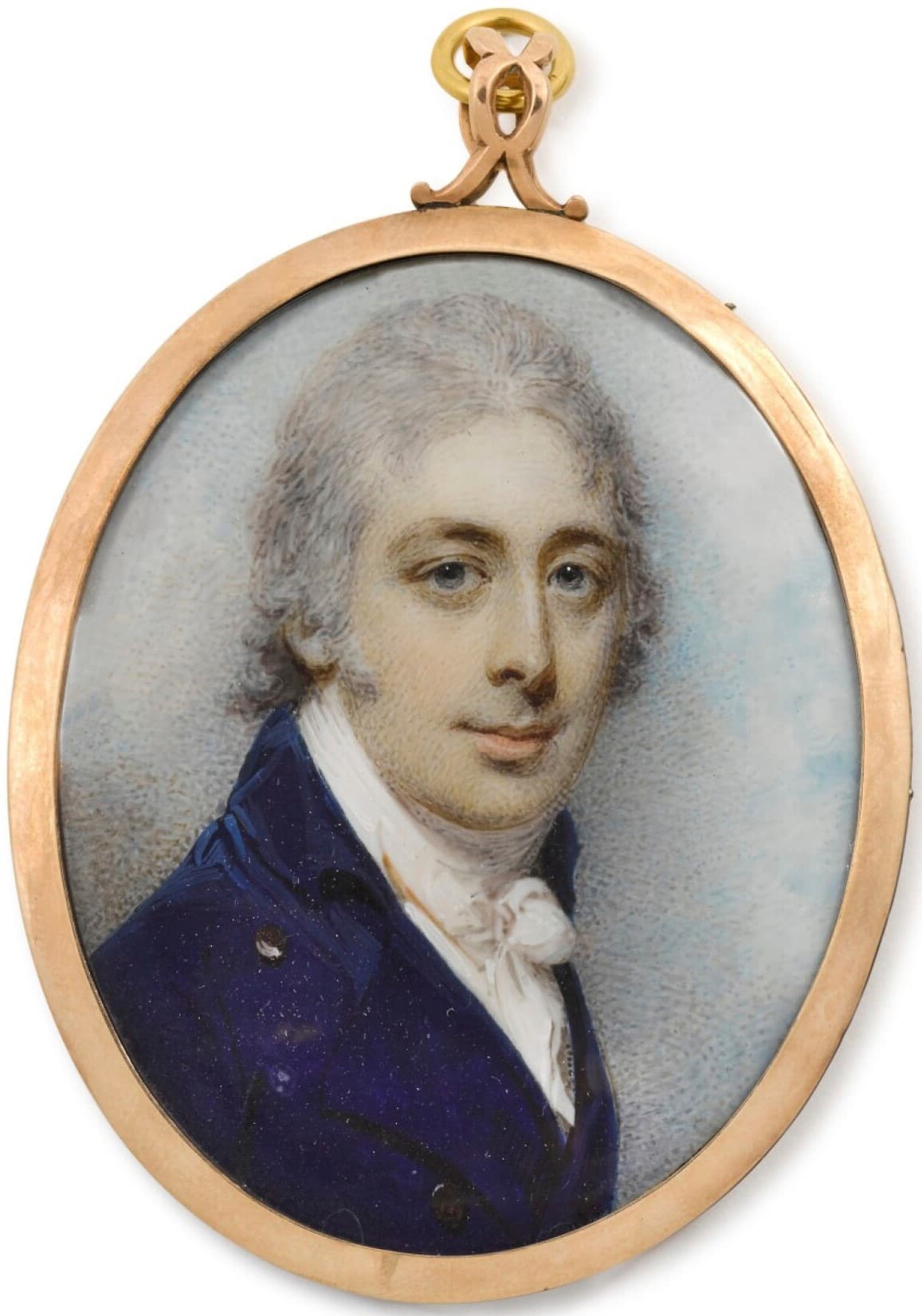
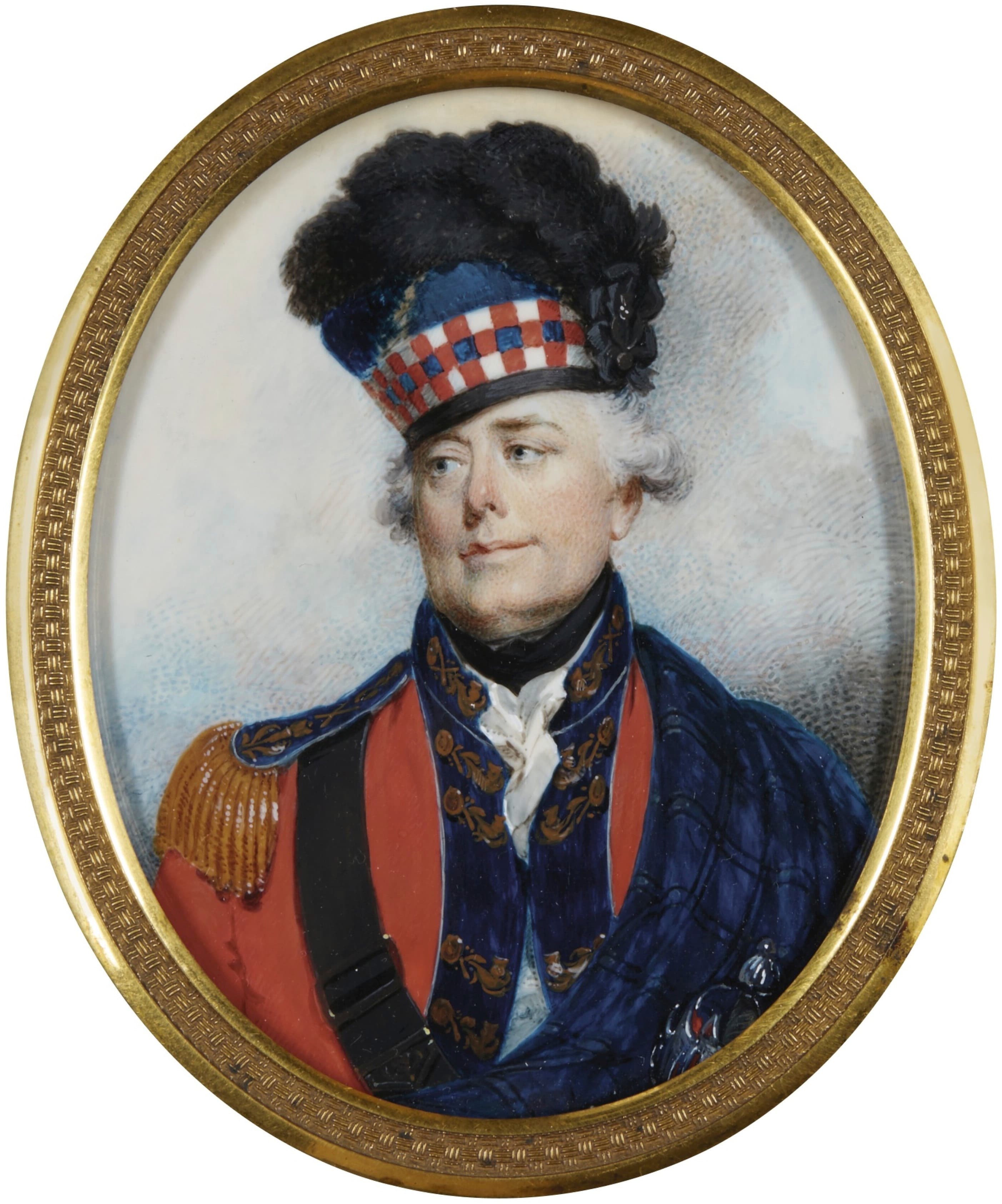
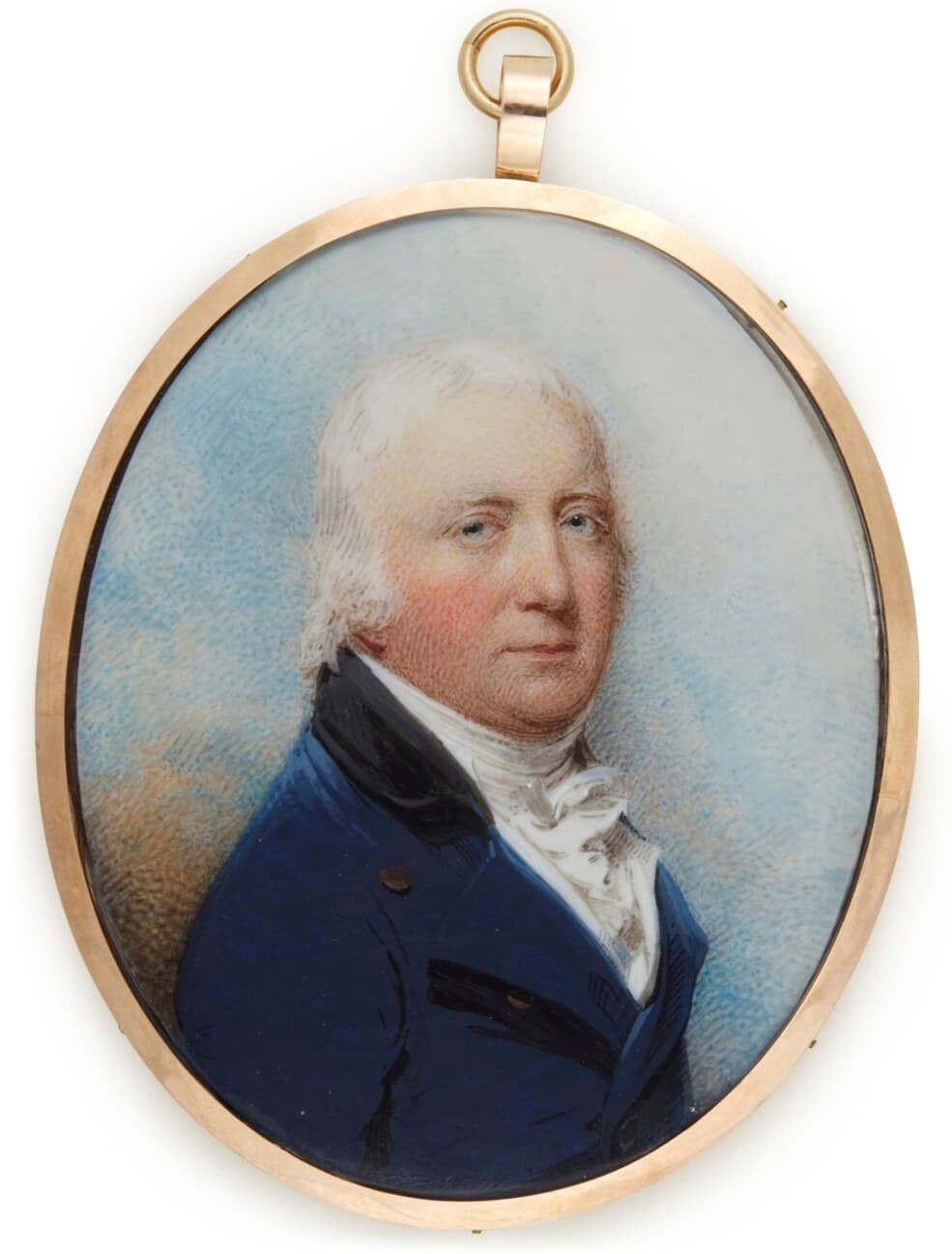
Sir William Paxton
William Wood
From €38
Collection
Museum-quality reproductions on 310gsm textured cotton rag paper.
Shop all prints by William WoodArtistic Style
Style Evolution
Working across a provincial-to-London trajectory during the late Georgian era, Wood's approach likely moved from locally commissioned portrait and genre painting toward refined compositions tailored for metropolitan patrons, emphasizing draftsmanship and decorative balance.
Palette
Subjects
Techniques
Topics
William Wood (1768-1810) was a British figurative painter whose refined compositions and skillful draftsmanship captured Georgian-era life.
Learn about the life of William Wood
Signature Works
See all available printsBiography
William Wood (1768-1810) was a British figurative painter whose refined compositions and skillful draftsmanship captured Georgian-era life and taste.
William Wood (1768–1810) was a British figurative painter whose refined compositions and skillful draftsmanship captured Georgian-era life and taste.
Born in Ipswich in 1768, Wood came of age during the late Georgian period in Britain. Records indicate his origins in Suffolk and his death in London in 1810. Beyond those basic facts, little is widely published about his formal training or early mentors; like many provincial artists of his time, he would have worked within the visual conventions and commissions common to late-18th-century Britain, producing work that served both decorative and documentary purposes.
Wood’s career unfolded during a transitional phase in British art, when portraiture, genre scenes and landscape painting were all in demand. His known biographical anchor points — birth in Ipswich and death in London — suggest a trajectory from a provincial upbringing to activity in the capital, where patronage and the art market were most concentrated.
In Ipswich and the surrounding region, artists often supplied portrait commissions, decorative domestic paintings, and studies of local life. Wood’s early work would likely have been shaped by these regional demands, developing technical facility and an eye for composition.
By the time of his death in London in 1810, Wood had relocated to the metropolis — a common move for artists seeking larger markets and patrons. London offered access to exhibitions, print culture, and an expanding collector base that valued refined, decorous paintings suitable for Georgian interiors.
Documentary records identify William Wood as a British painter active between 1768 and 1810, but specific titles of his paintings are not provided here. His contributions are best understood in the context of Georgian British painting: works that combine careful draftsmanship with compositional clarity and decorative appeal.
Wood is characterized here as a figurative painter working in the late 18th–early 19th century British tradition. Artists of this milieu emphasized controlled drawing, subtle modeling, and compositions that fit comfortably within domestic interiors. Collectors prize such work for its clarity, balanced design, and ability to integrate with traditional decor.
While specific teacher-student links or direct influences for Wood are not recorded in the provided data, his lifetime overlaps with major developments in British art: the continued prominence of portraiture, the rise of genre and landscape painting, and the growth of London as an art market. His legacy lies in representing provincial-to-capital artistic pathways typical‑
Frequently Asked Questions
Sir William Paxton
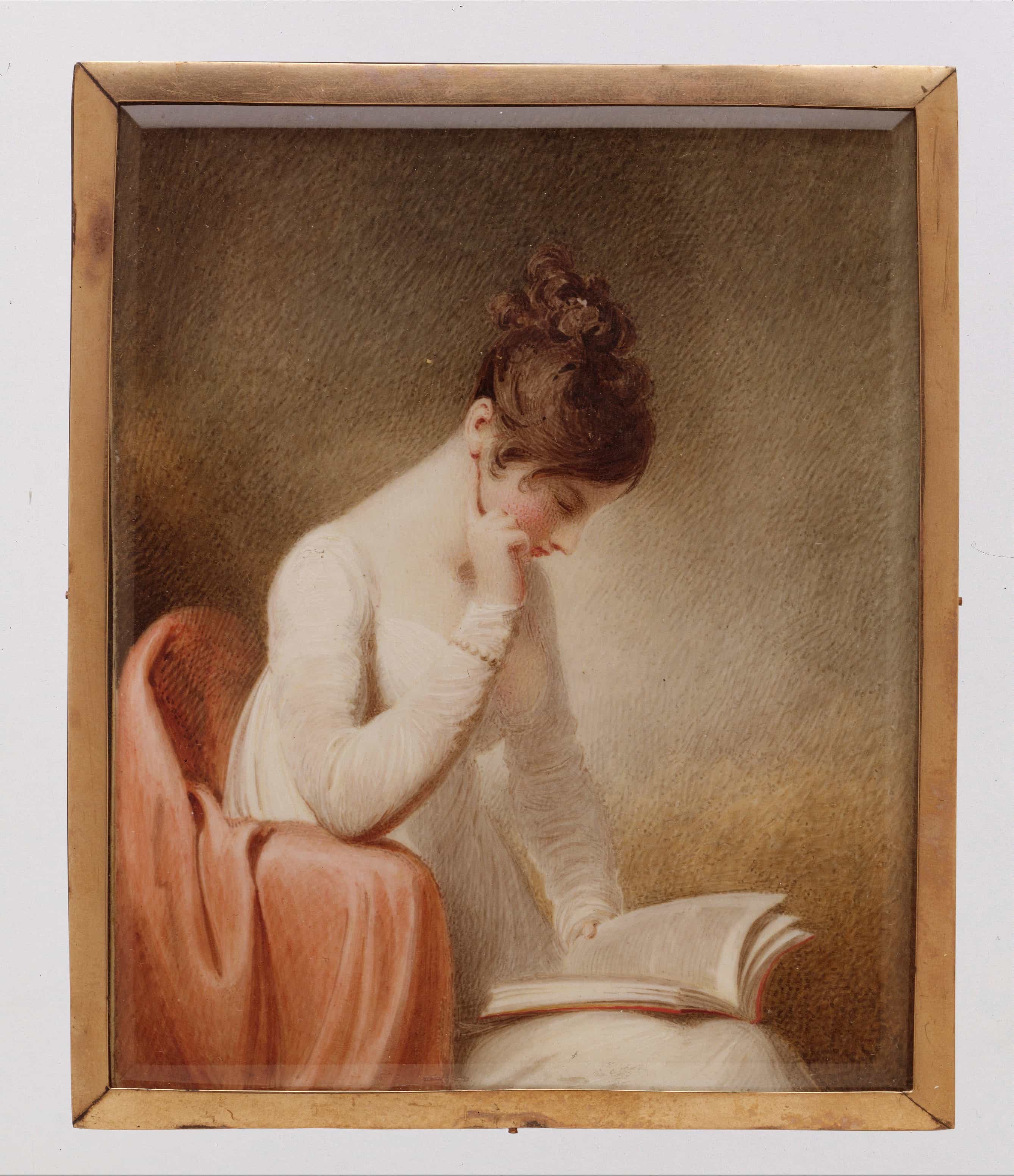
An Interesting Story (Miss Ray)
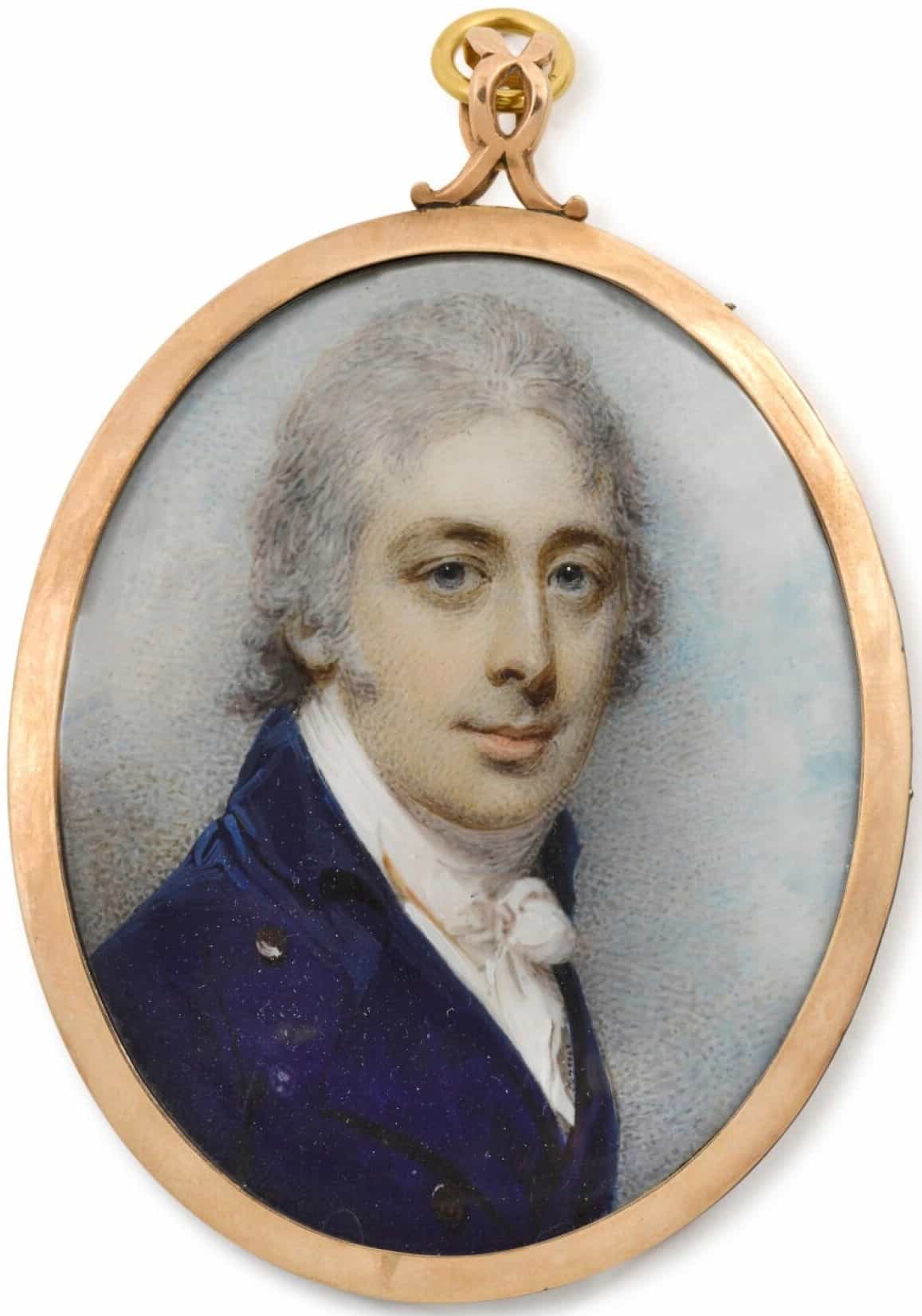
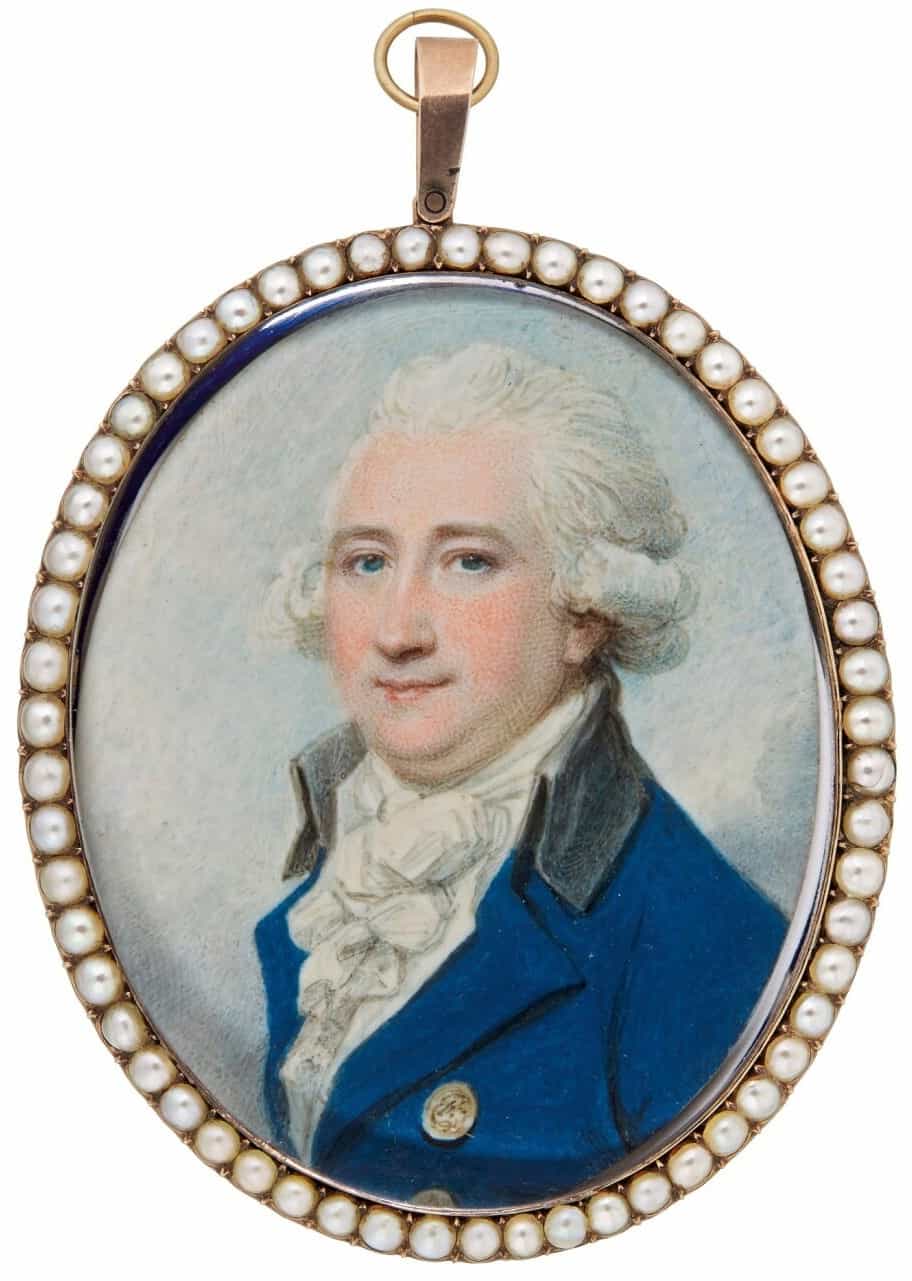
Portrait of a Gentleman
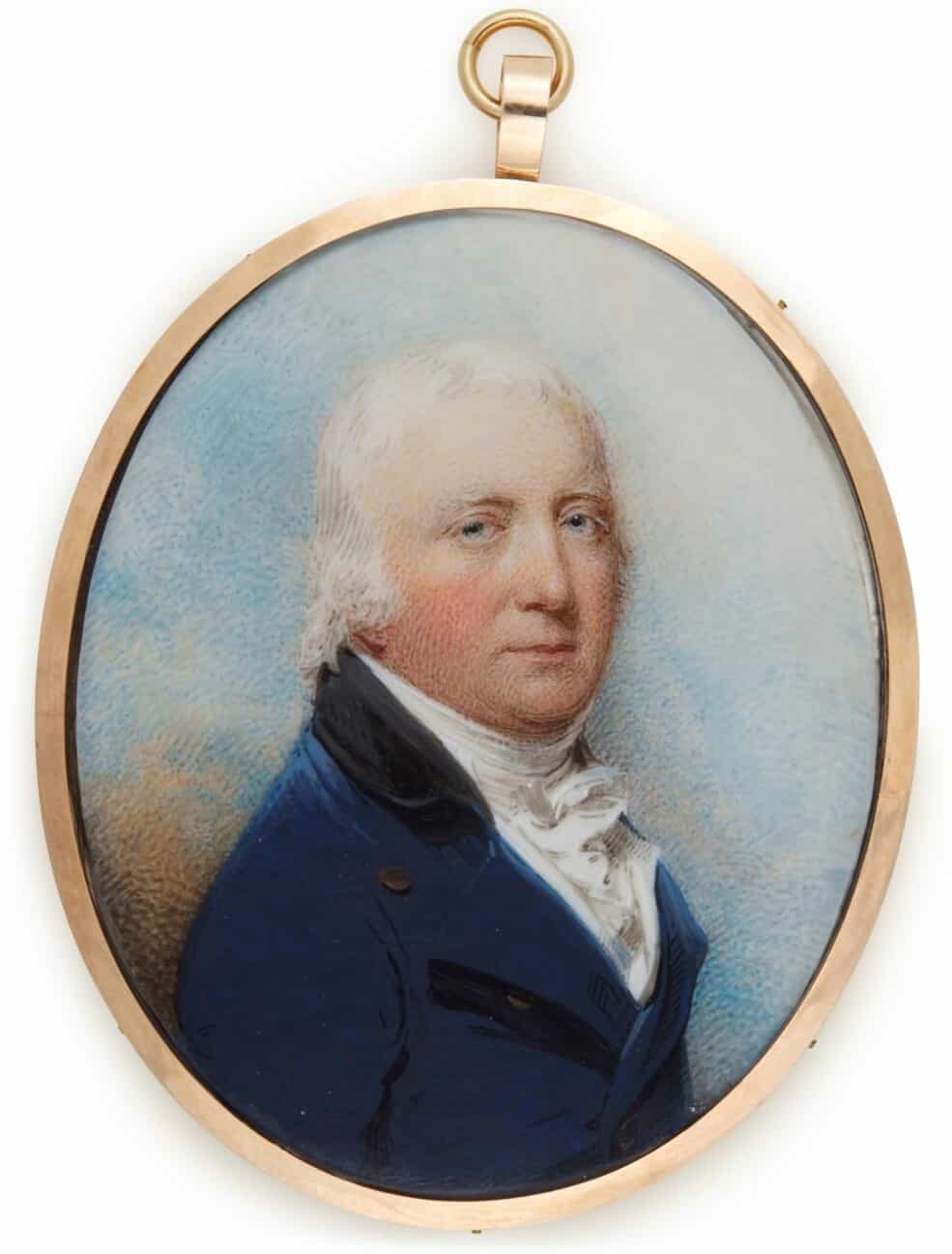
Sir Robert Hodson (d. 1809)
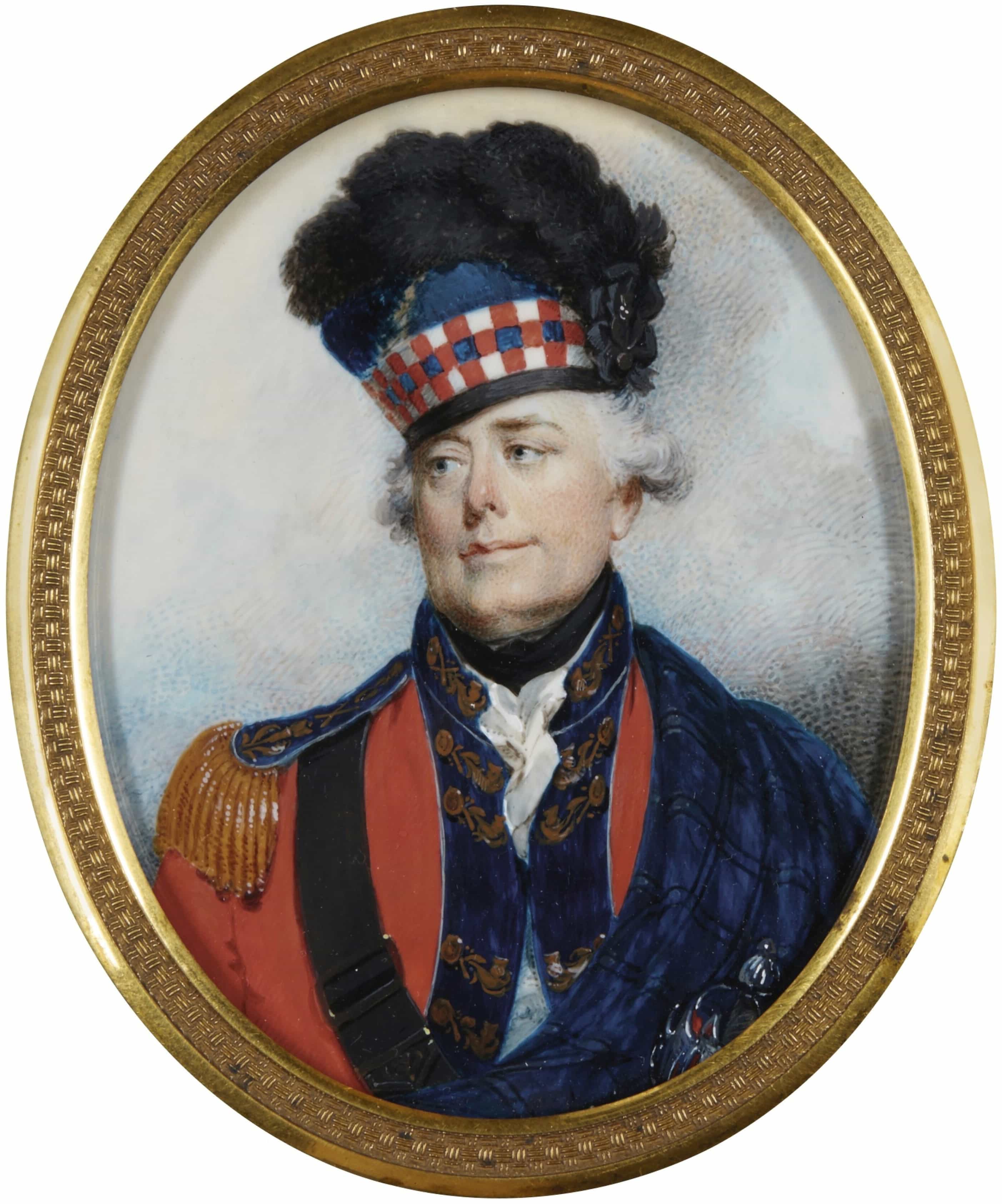
Major-General John Small (1726–1796)
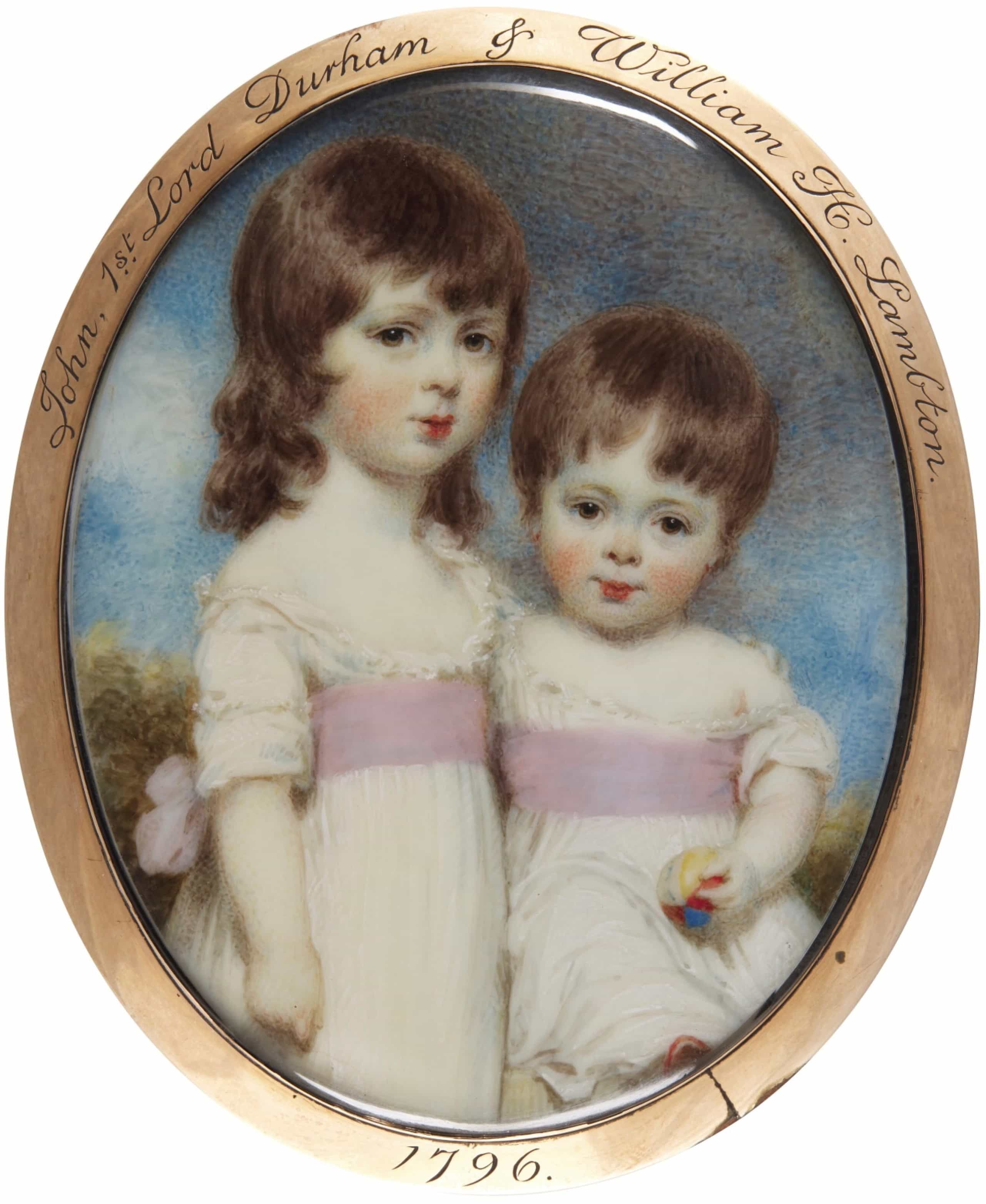
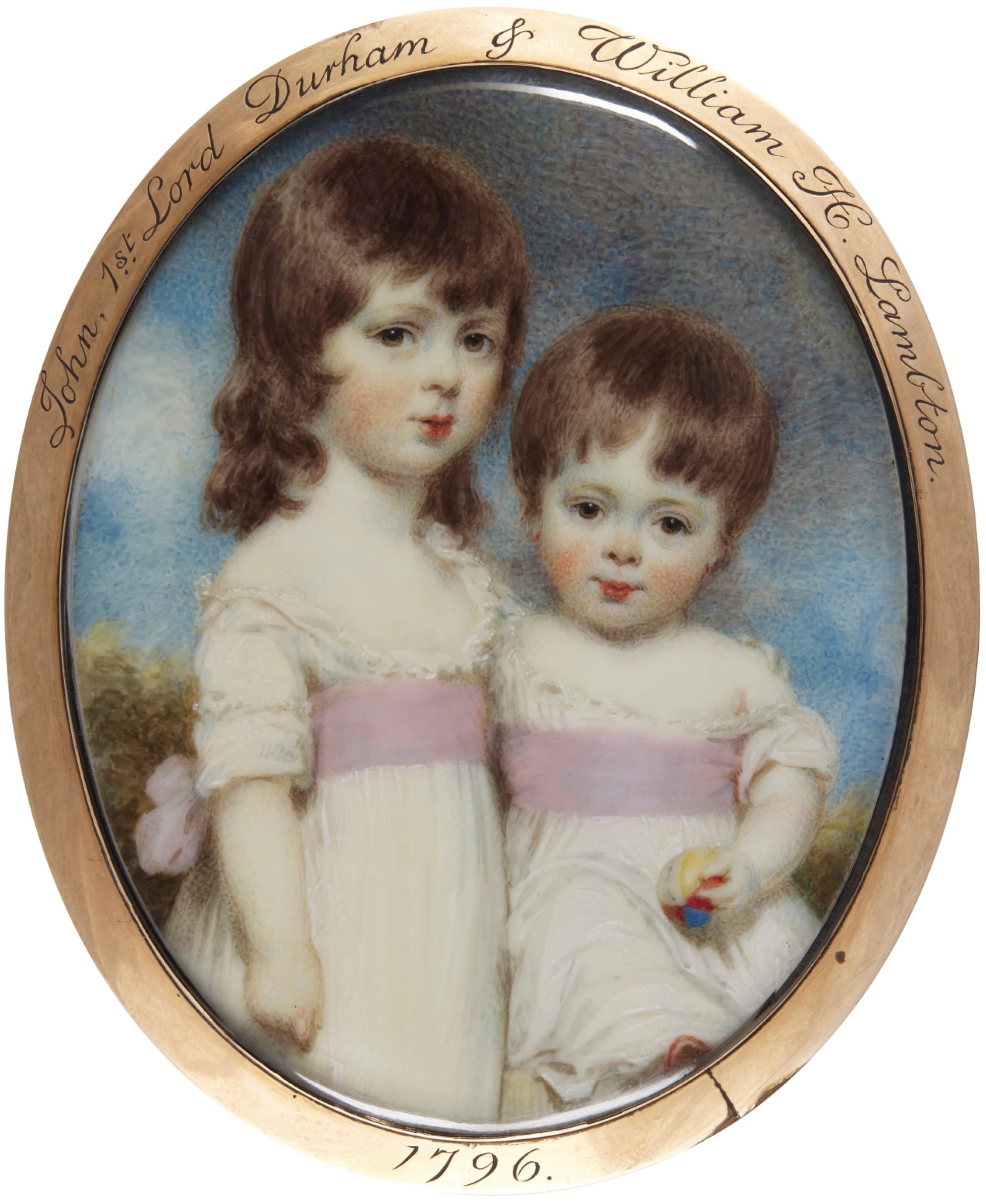
John Lambton (later 1st Earl of Durham) and William Henry Lambton, 1795
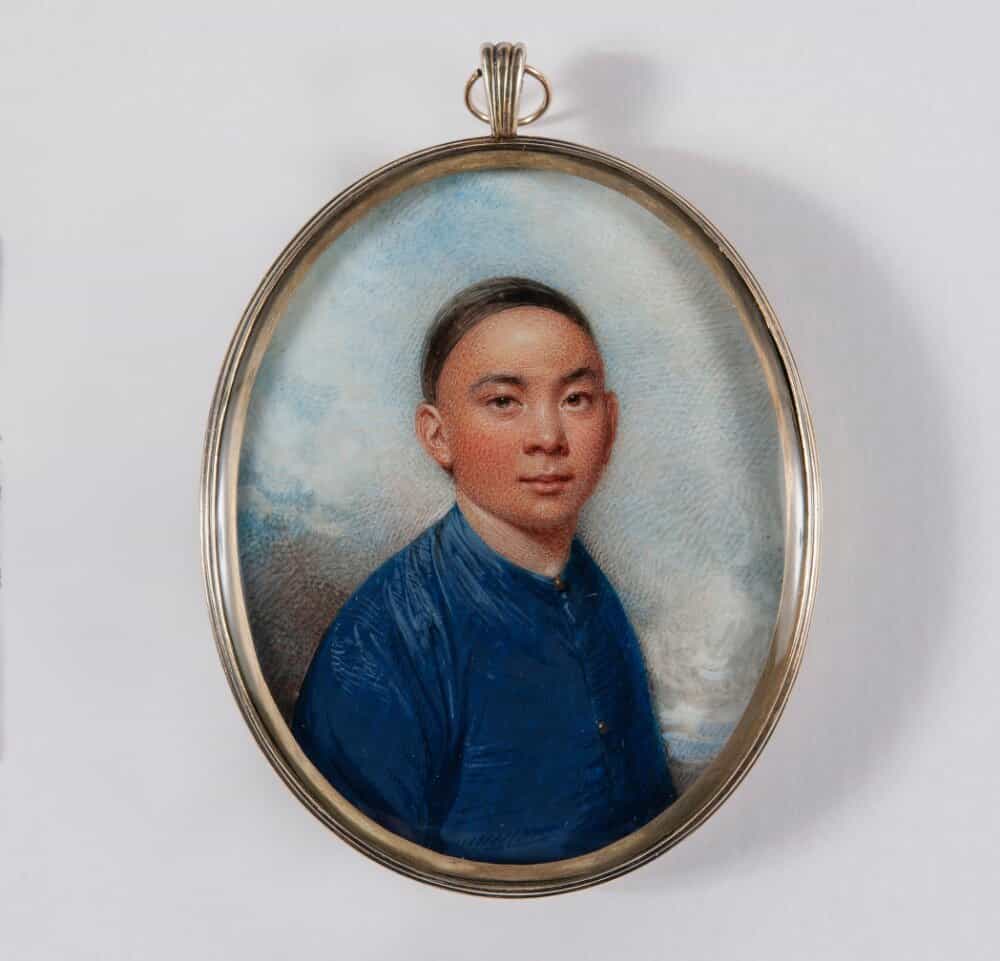
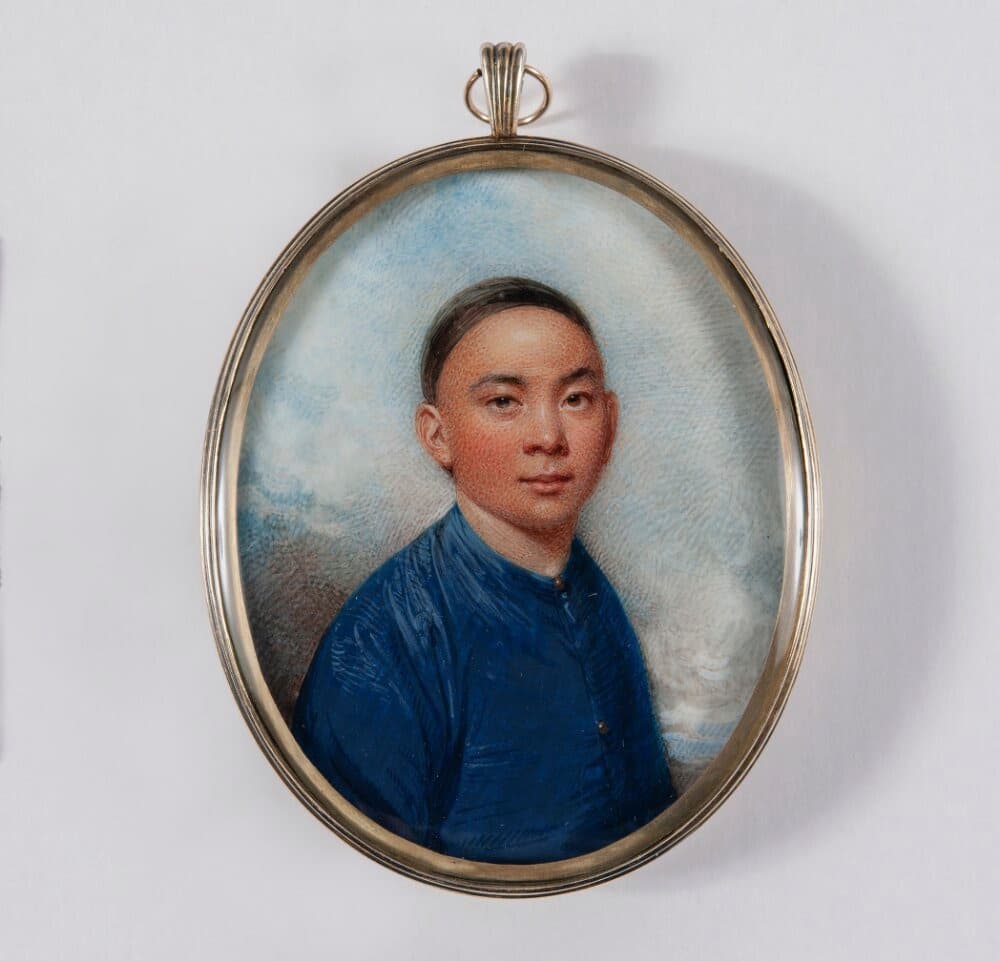
The Chinese Servant of John Hotson (1770–1828), in Blue Jacket and Black Cap