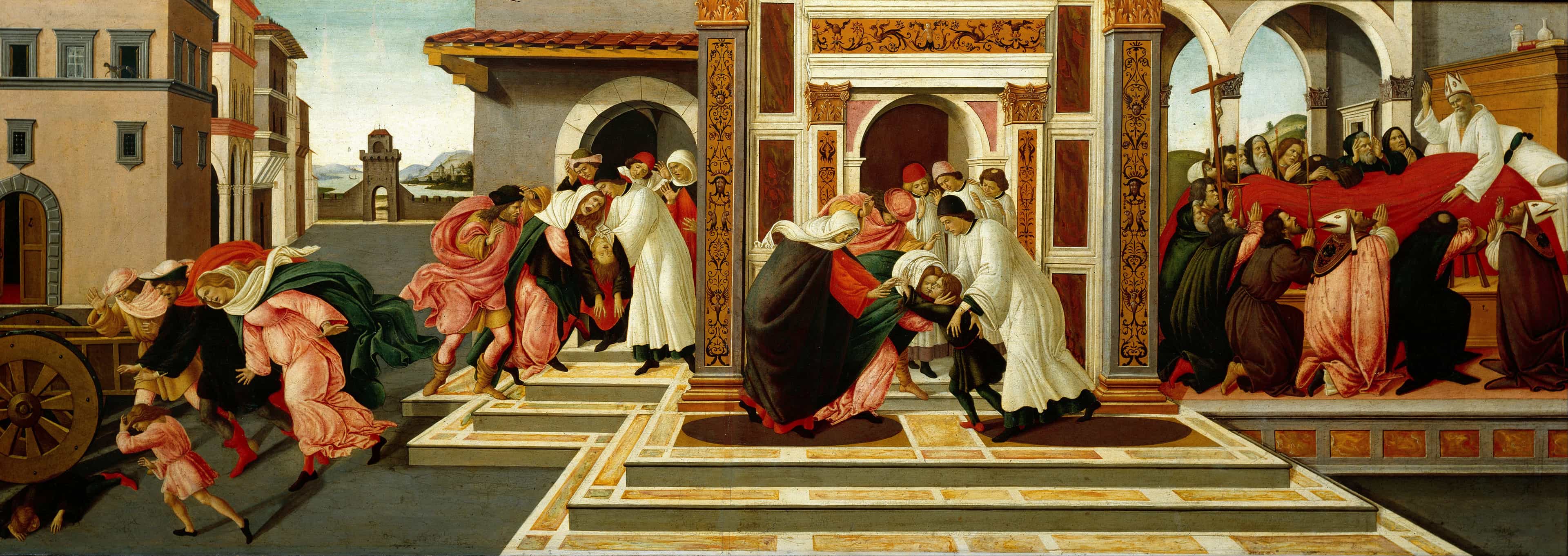
Last Miracle and the Death of Saint Zenobius
Sandro Botticelli
From €79
Collection
Museum-quality reproductions on 310gsm textured cotton rag paper.
Shop all prints by Sandro BotticelliArtistic Style
Style Evolution
Botticelli's work moved from early workshop-produced devotional panels to a mature decorative classicism focused on myth and allegory; in his later years his palette and figures became more austere and spiritually oriented, reflecting changing patronage and tastes.
Palette
Subjects
Techniques
Topics
Sandro Botticelli (1445–1510) was an Italian Early Renaissance painter whose lyrical figures and decorative compositions helped define the Florentine style.
Learn about the life of Sandro Botticelli
Signature Works
See all available prints
Biography
Sandro Botticelli (1445–1510) was an Italian Early Renaissance painter whose lyrical figures and decorative compositions helped define the Florentine style.
Sandro Botticelli (1445–1510) was an Italian Early Renaissance painter whose lyrical figures and decorative compositions helped define the Florentine style.
Botticelli was born in Florence and trained in the Florentine workshop system. He is widely recorded as having been apprenticed to a leading workshop in Florence where he learned the techniques of panel painting, tempera, and panel preparation that informed his refined draftsmanship. His early experience in Florence immersed him in the city's humanist culture and civic commissions, shaping a lifelong engagement with mythological and religious subjects.
Botticelli's entire career was centered in Florence, where he worked for patrons ranging from civic institutions to private patrons and religious houses. His artistic development reflects the Florentine emphasis on line, narrative clarity, and decorative detail.
In his early career Botticelli developed a fluid, linear drawing style and delicate figural types suited to devotional panels and small-scale altarpieces.
During his mature years he executed large decorative cycles and refined mythological and allegorical compositions, combining classical sources with a distinctly decorative, lyrical sensibility.
In later years his palette and figural treatment grew more restrained and spiritually focused, as he concentrated on religious imagery and devotional painting for local patrons.
Botticelli is celebrated for paintings that combine elegant line, idealized figures and ornamental detail. His compositions are prized for their decorative appeal, rhythmical movement and ability to harmonize classical themes with devotional imagery. Collectors value the artist for works that bring a refined, lyrical presence to interiors and public collections.
Botticelli is known for a linear approach to drawing, precise contouring, and graceful, elongated figures. He frequently worked in tempera on prepared panels, employed careful gilding and decorative patterning, and focused on surface finish and ornamental detail. His compositions balance narrative clarity with painterly decoration, making them visually captivating at scale or as prints.
Botticelli's work is a defining expression of the Florentine Early Renaissance. He influenced later generations of artists who admired his line, ornamental detail and classical subjects; in the 19th century his paintings were also rediscovered and admired by artists and critics who valued pre-modern decorative poise. Today his imagery informs decorative arts, prints and reproductions sought by collectors and designers.
Botticelli lived and worked in
Frequently Asked Questions
Last Miracle and the Death of Saint Zenobius
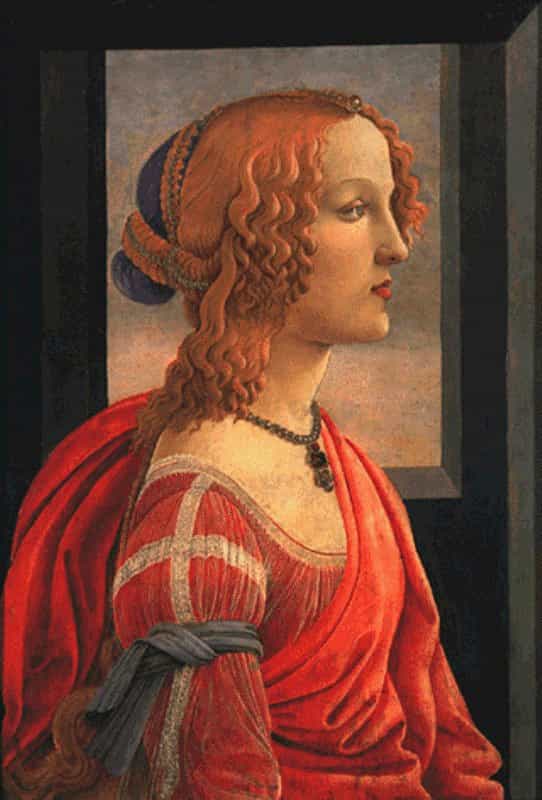
Portrait of Simonetta Vespucci
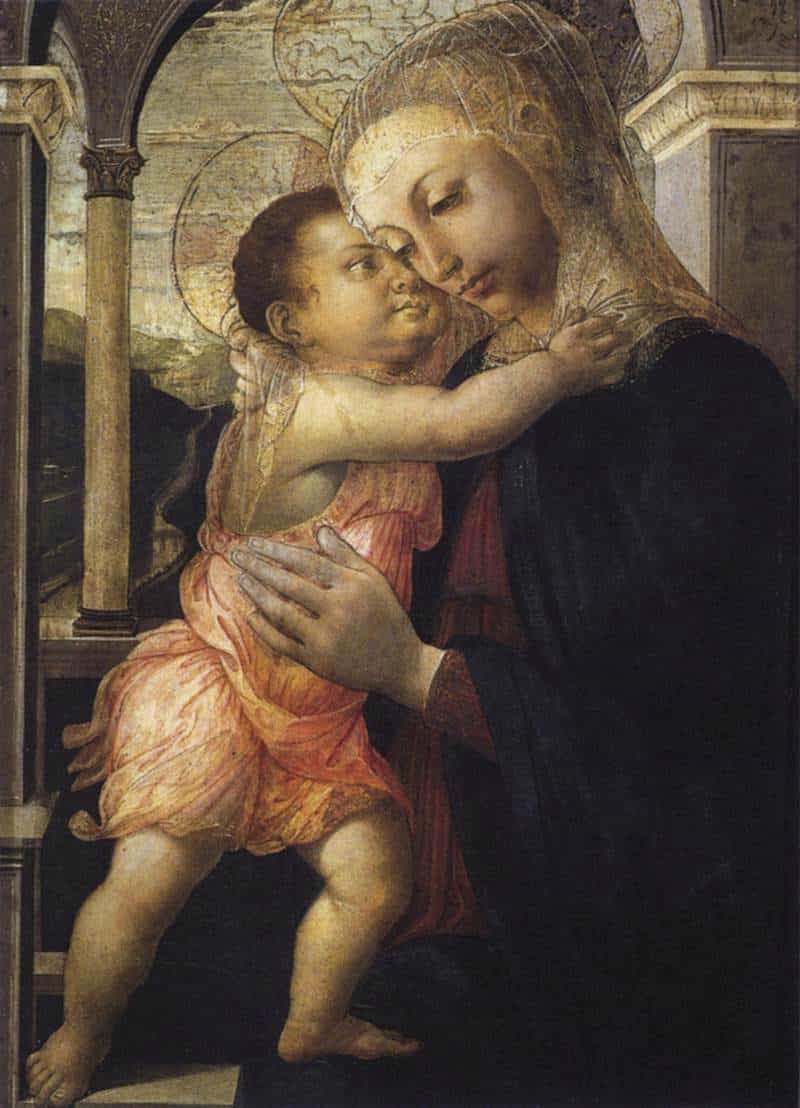
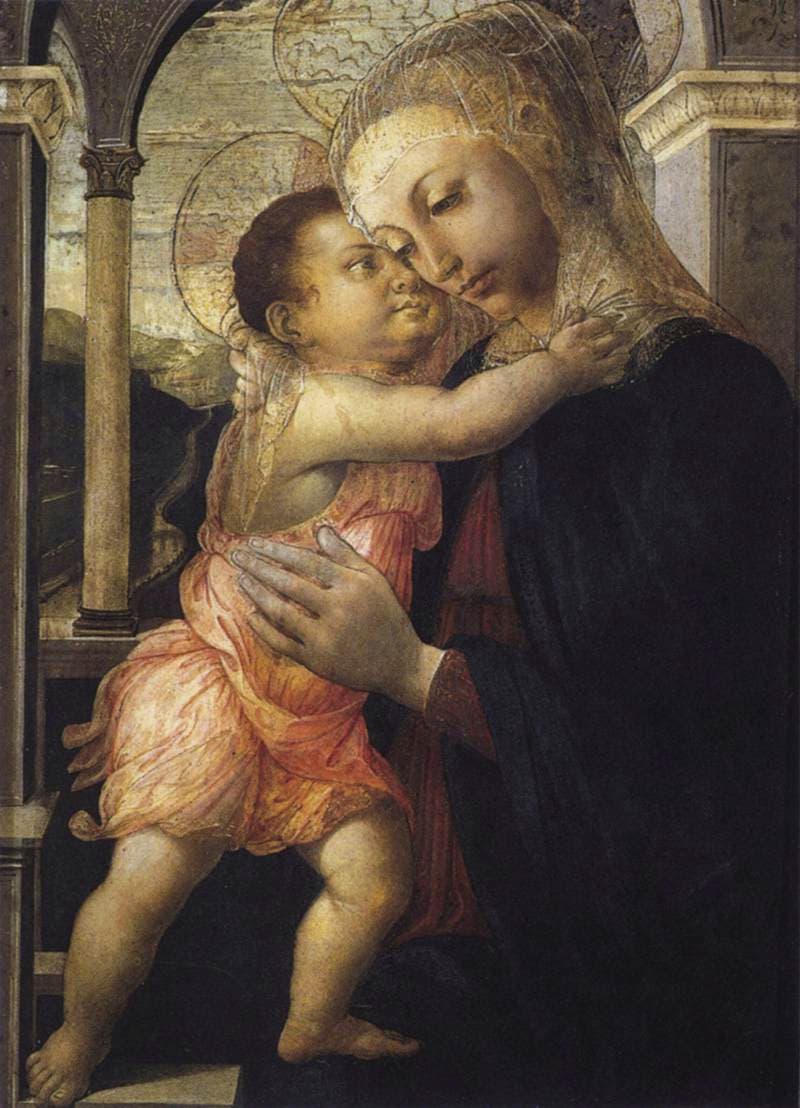
Madonna della Loggia
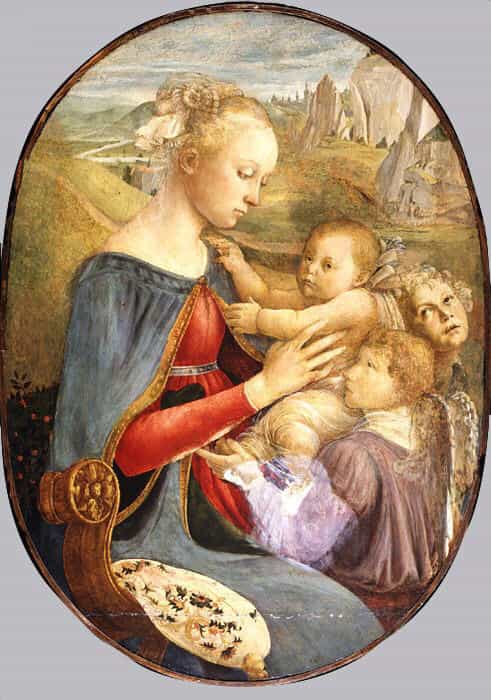
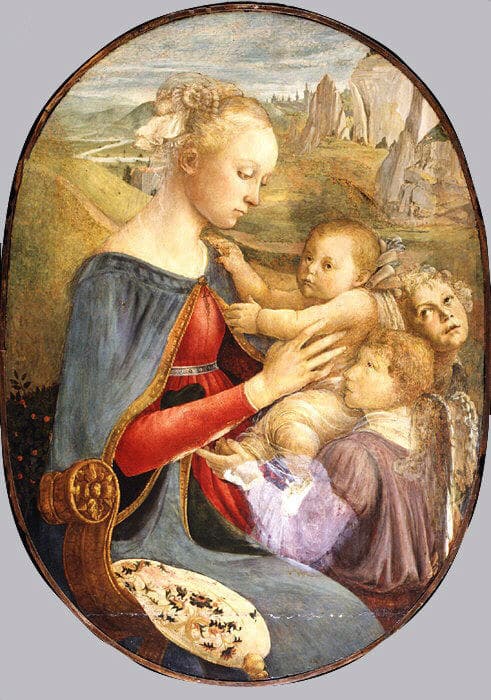
Madonna and Child with Two Angels
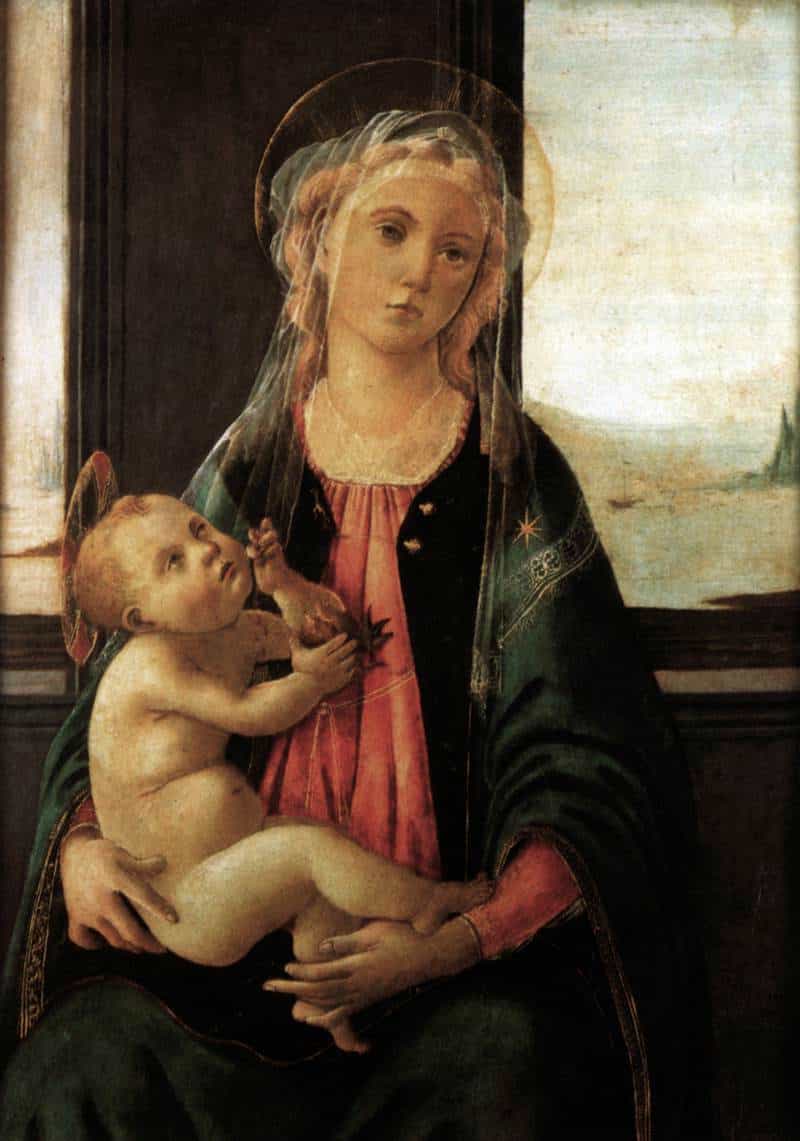
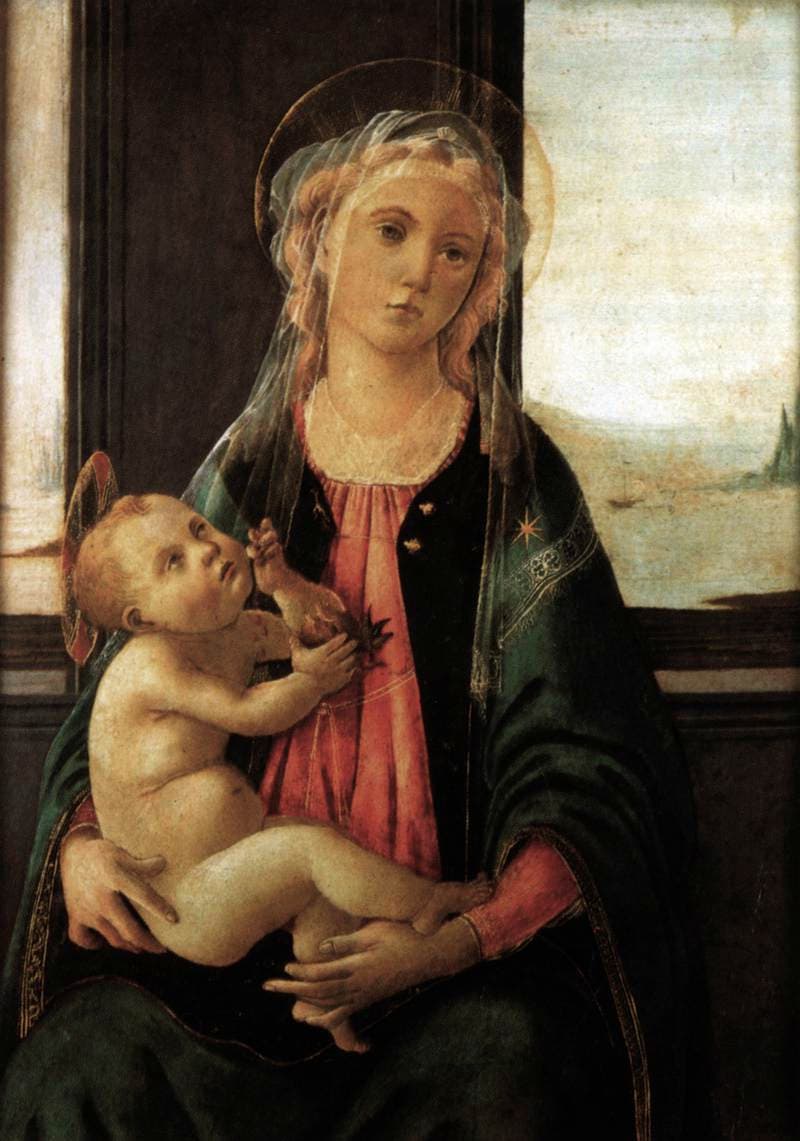
Virgin of the Sea
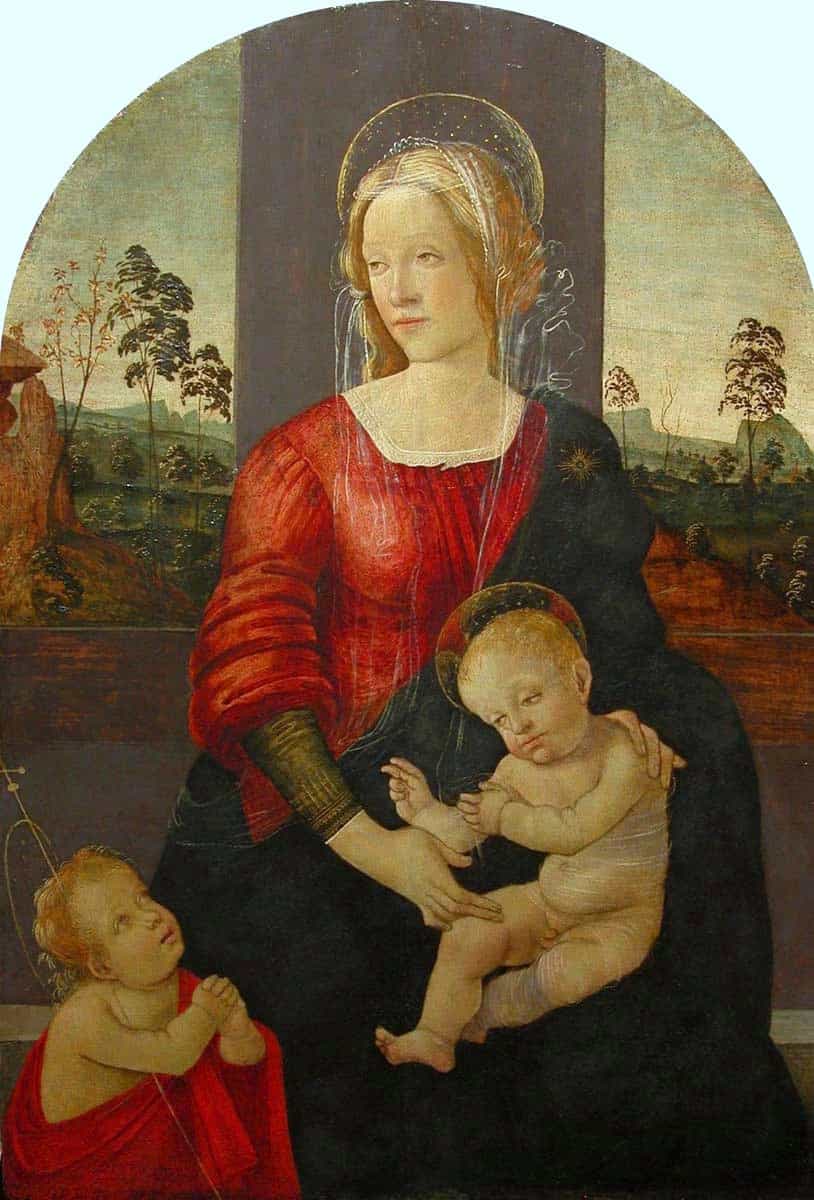
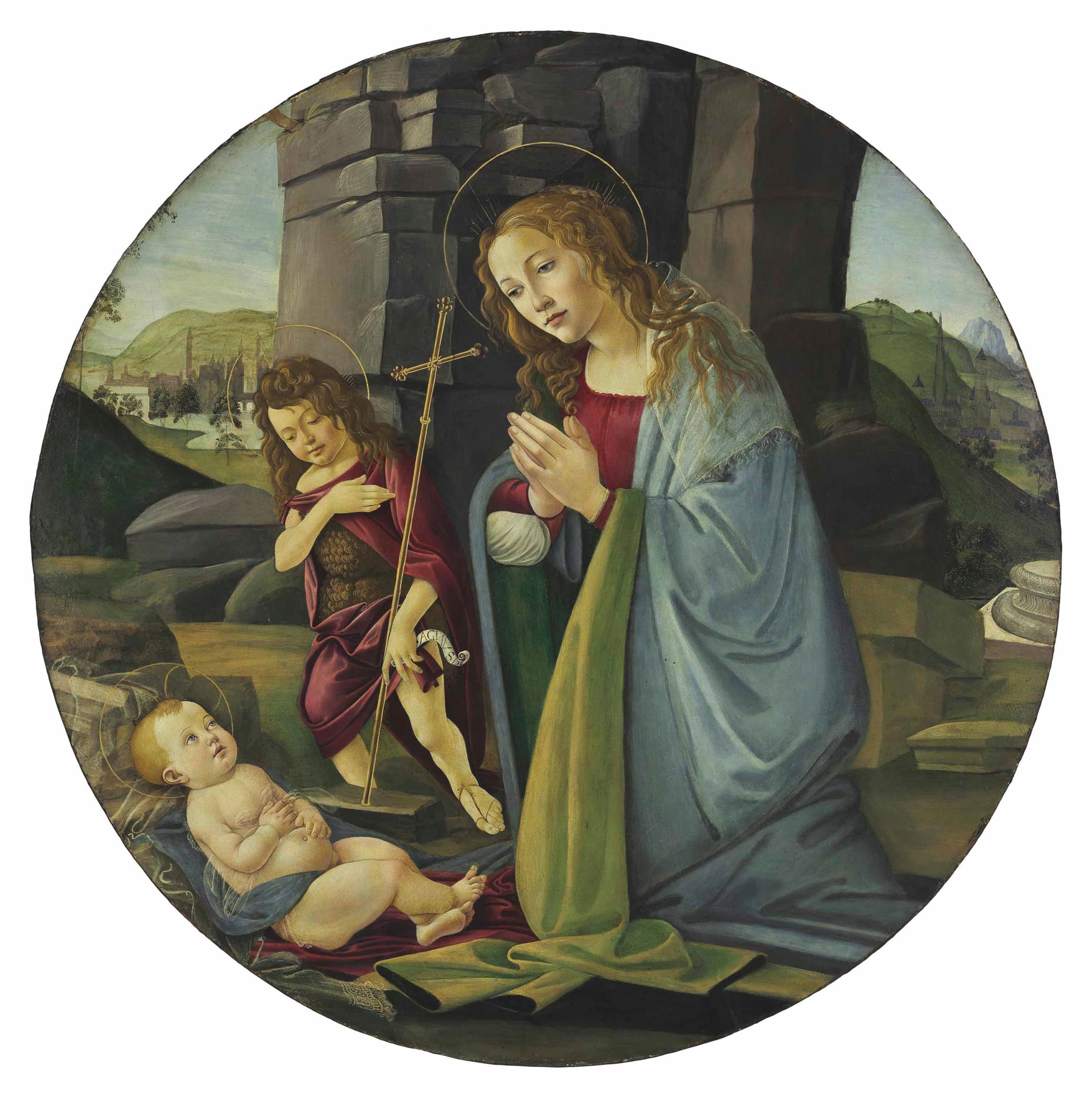
Madonna and Child with St. John the Baptist
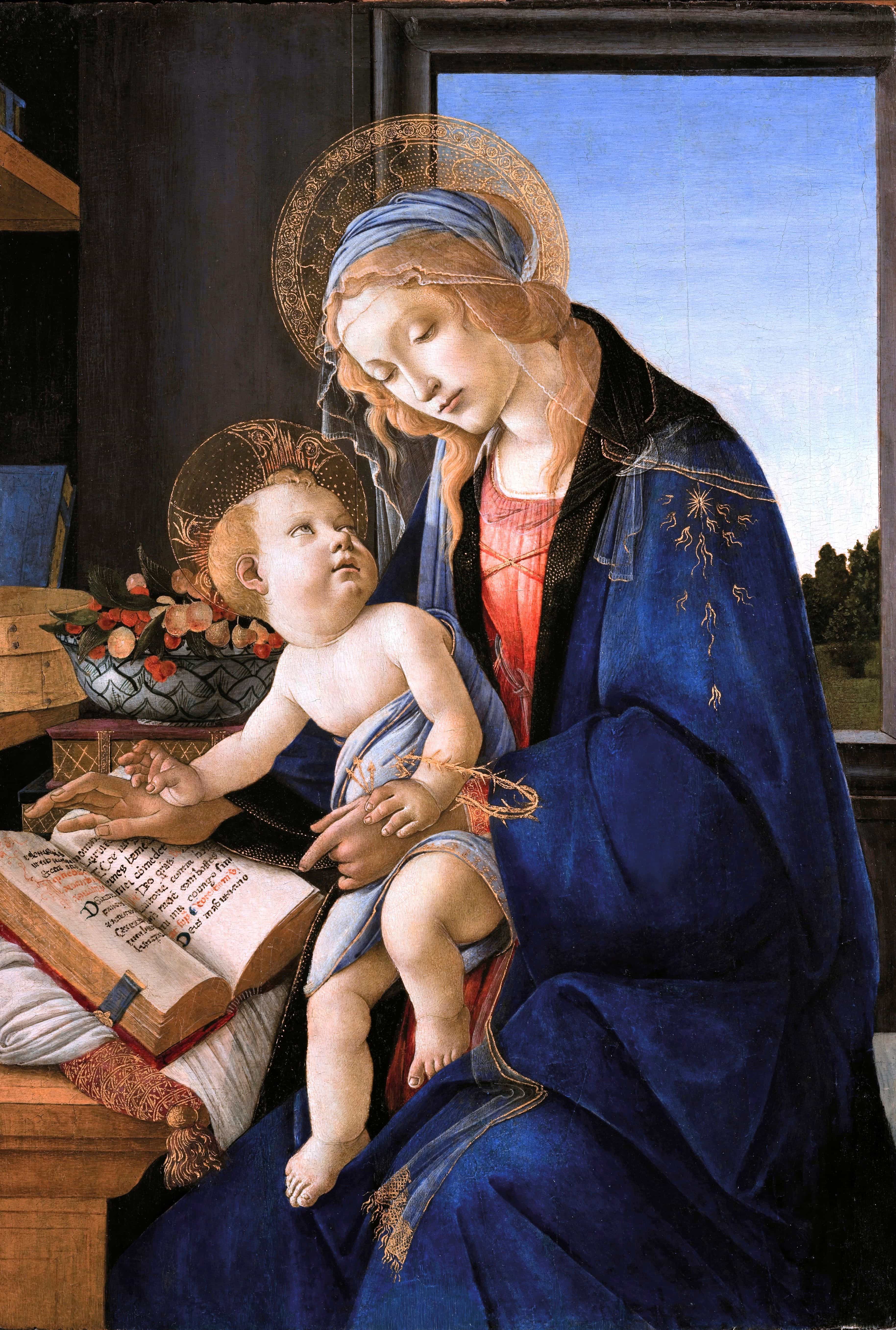
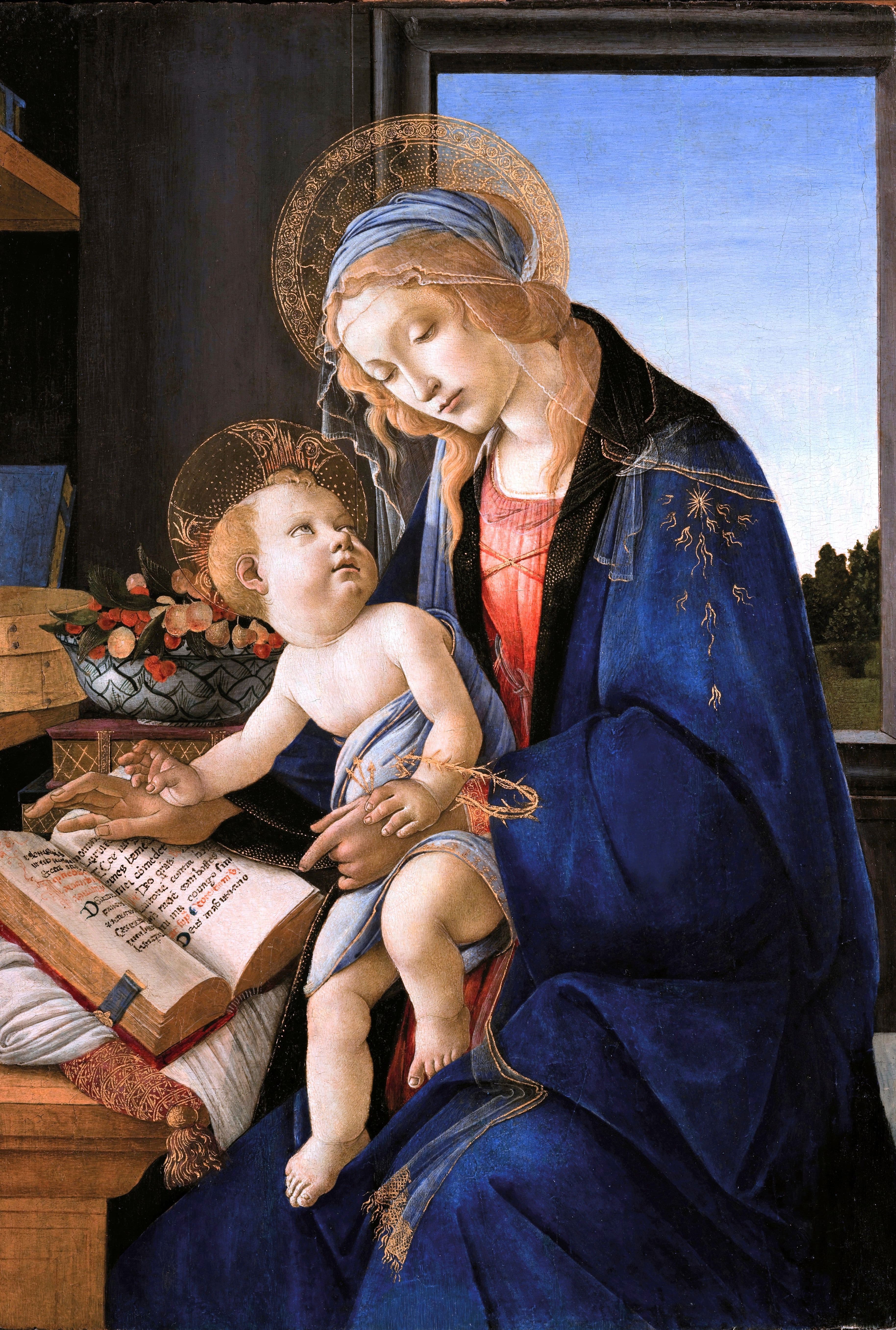
Madonna of the Book
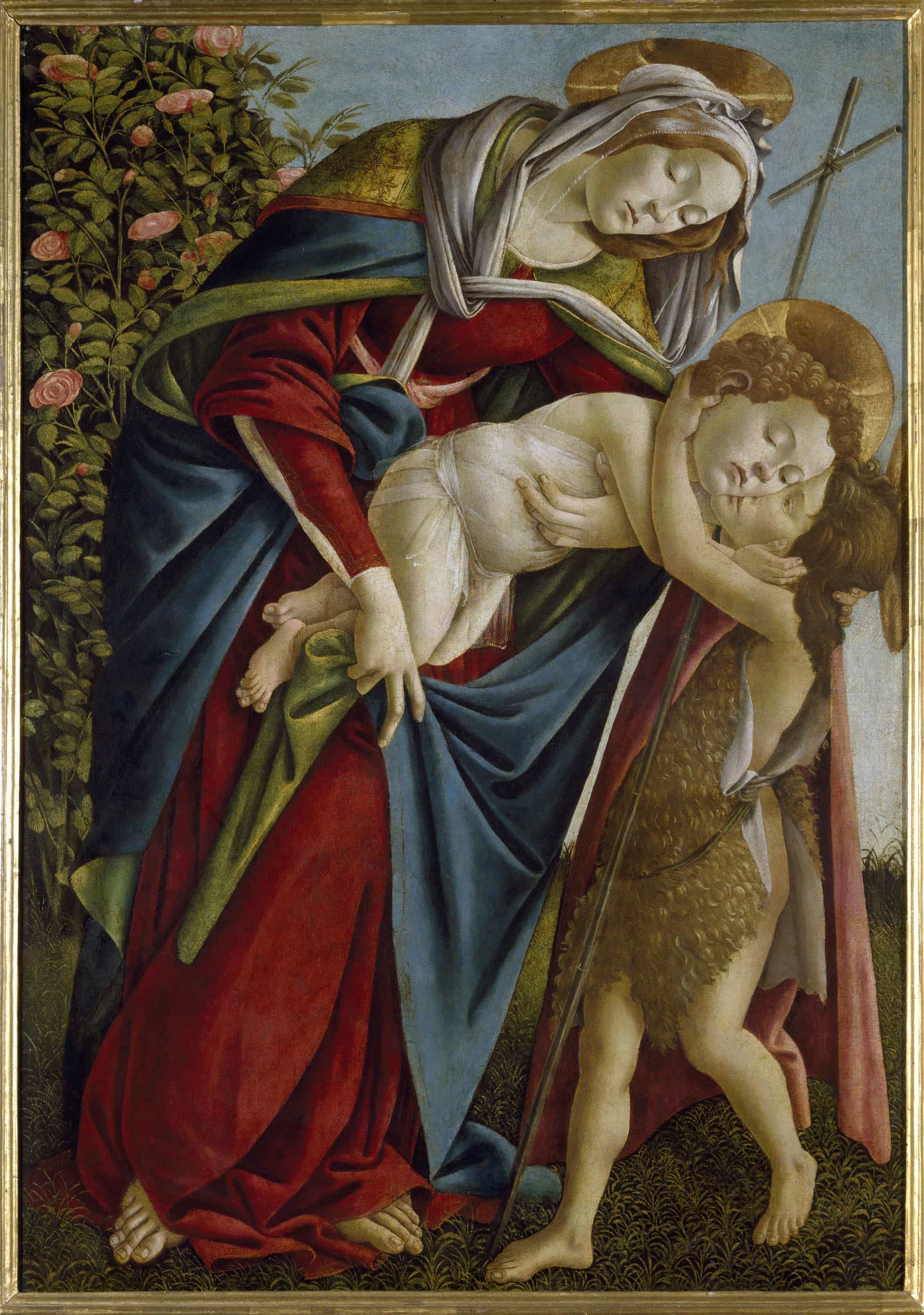
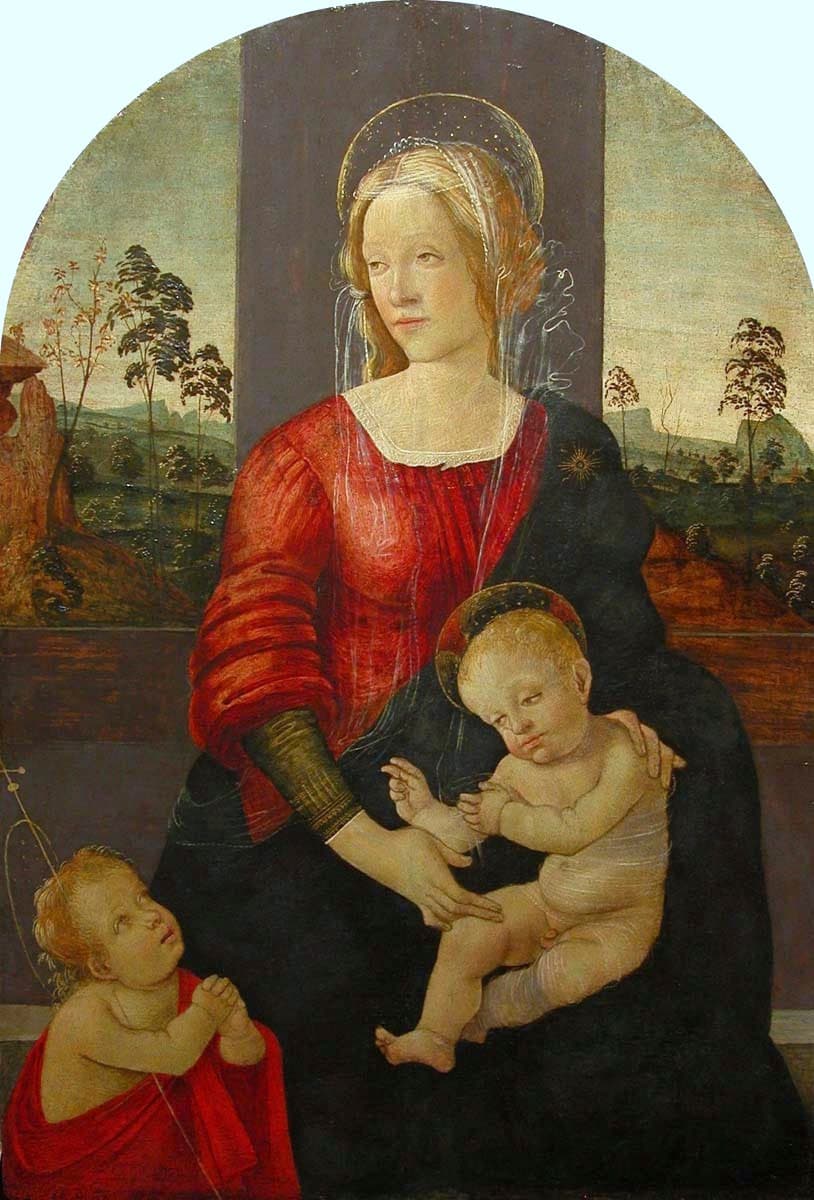
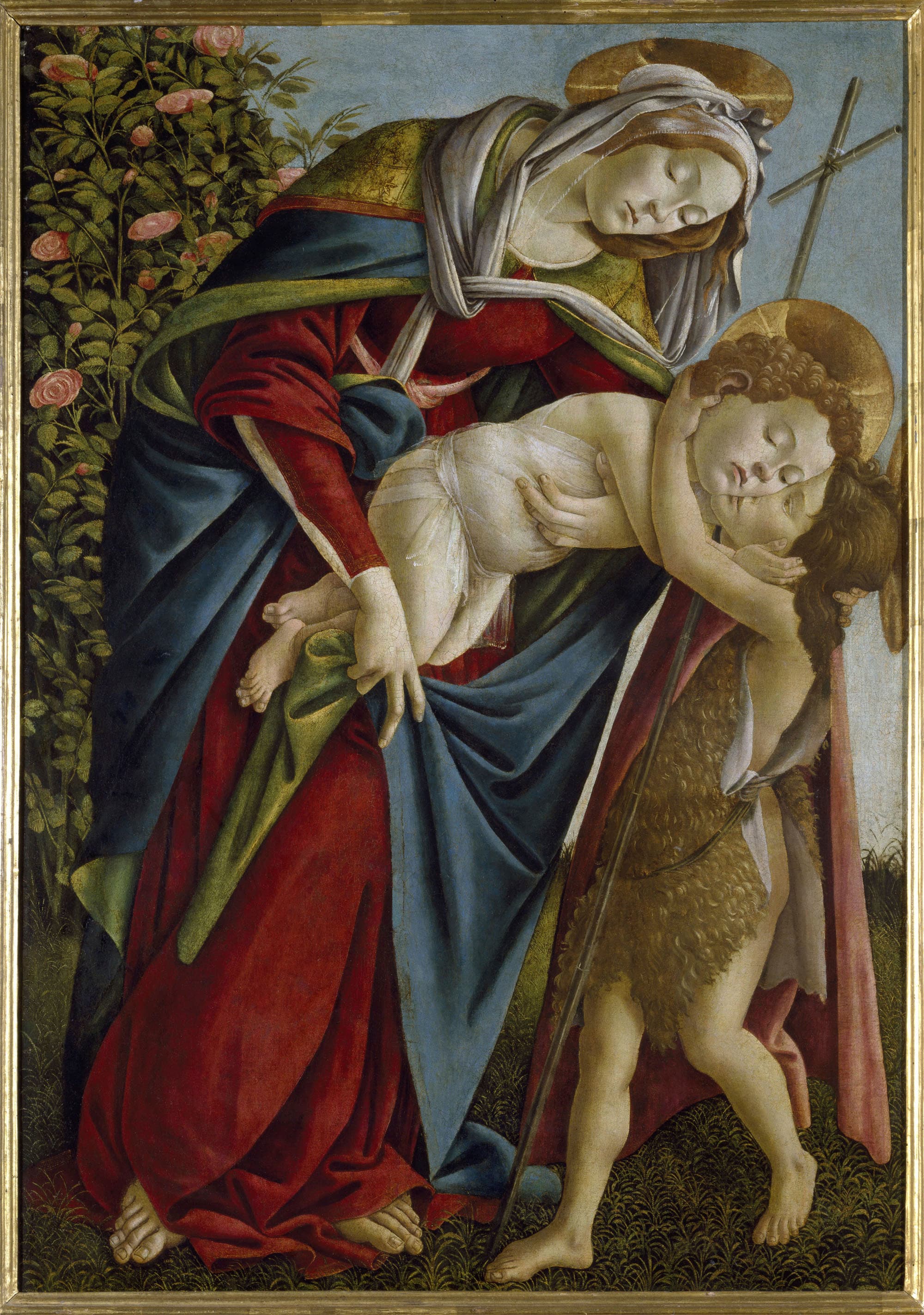
Madonna and Child and the Young St John the Baptist
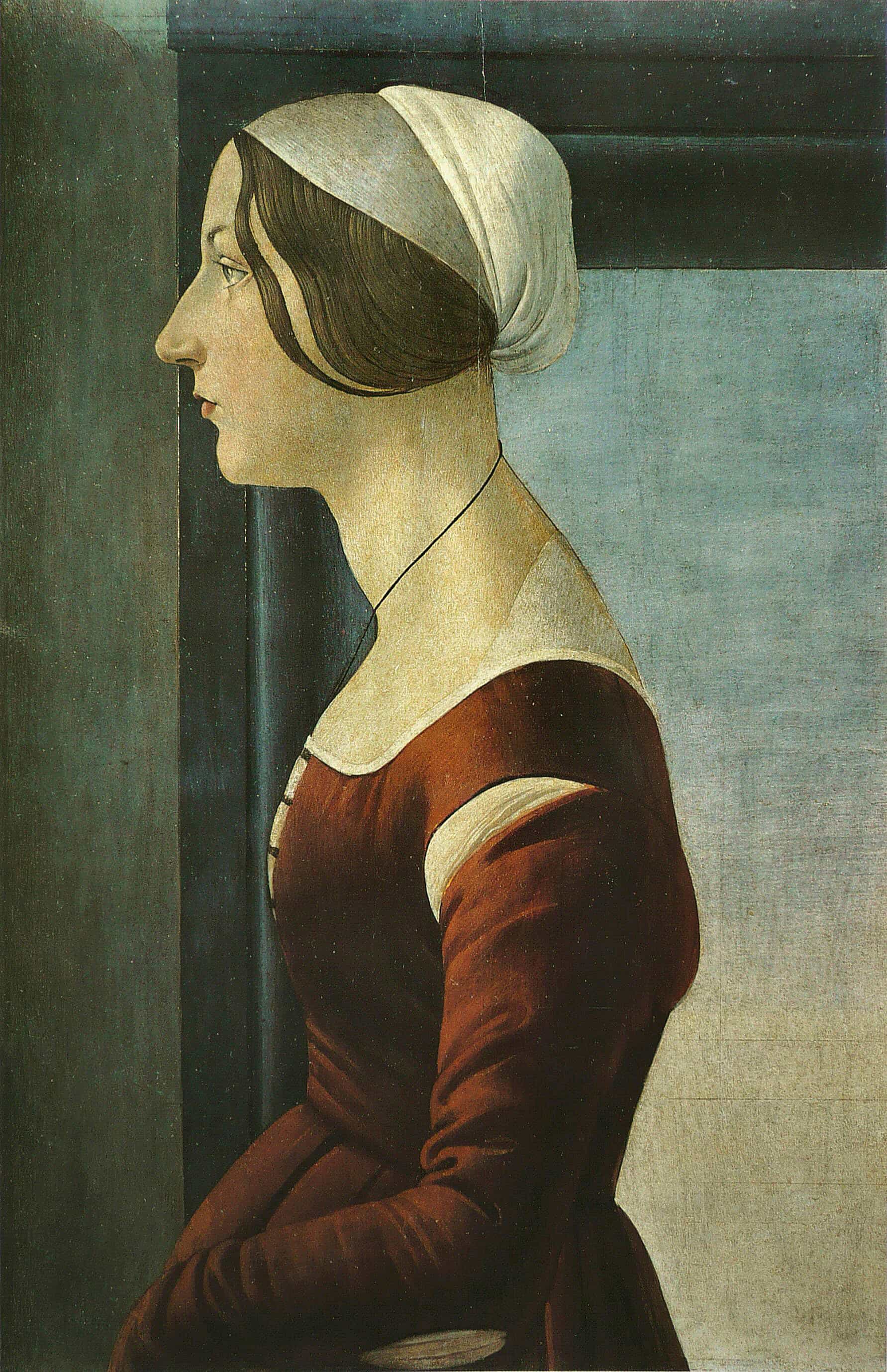
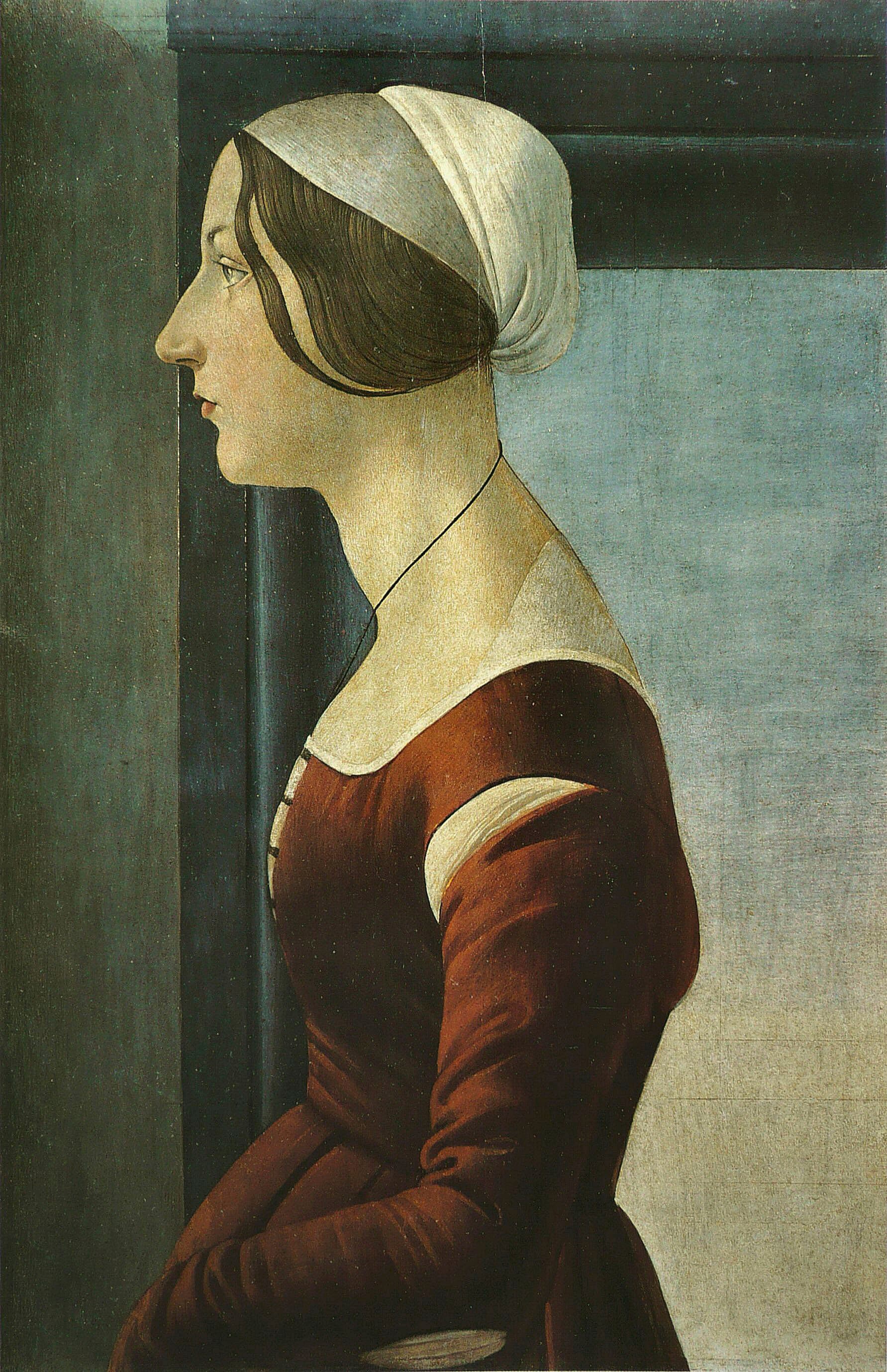
Portrait of a Young Woman
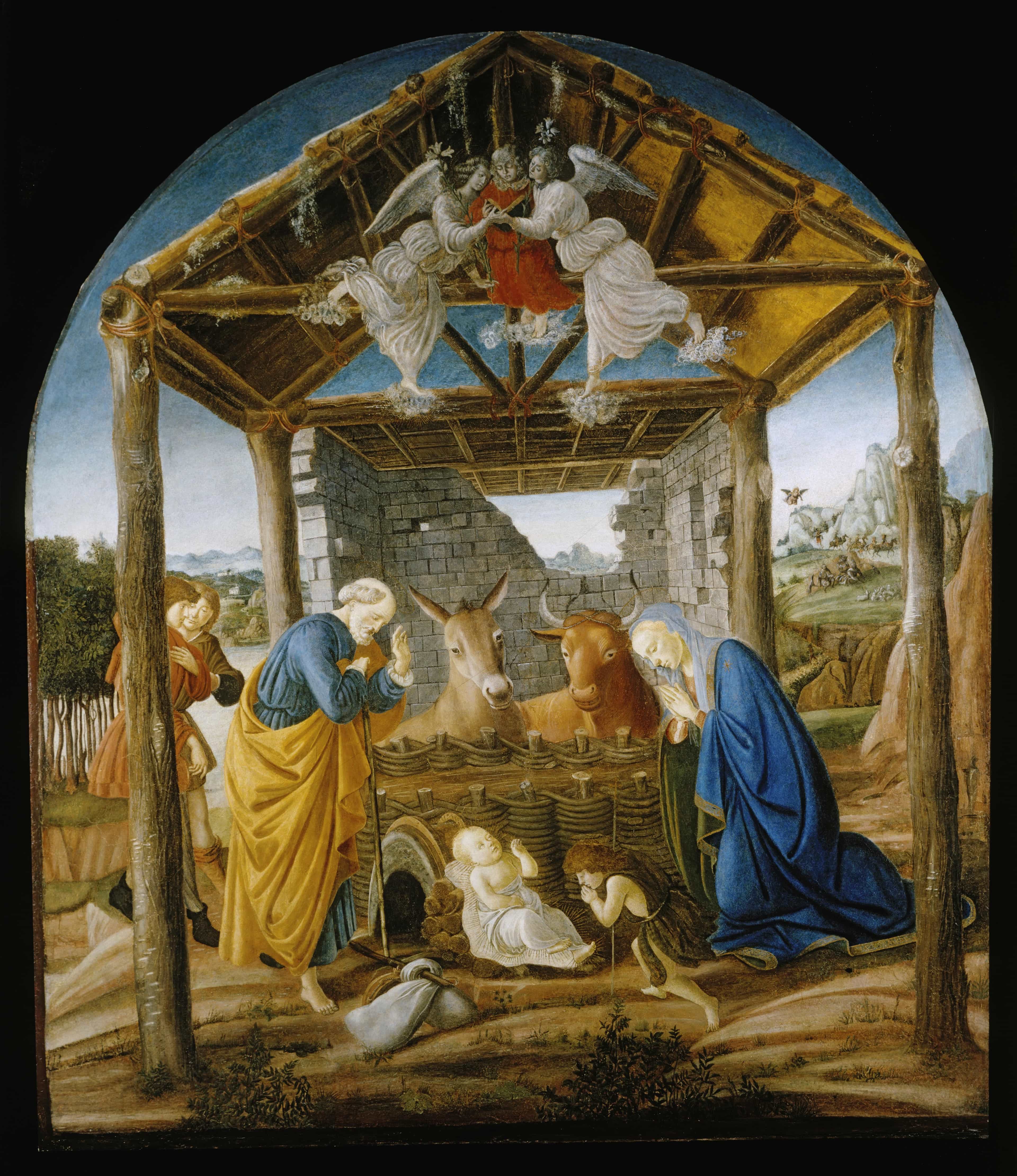
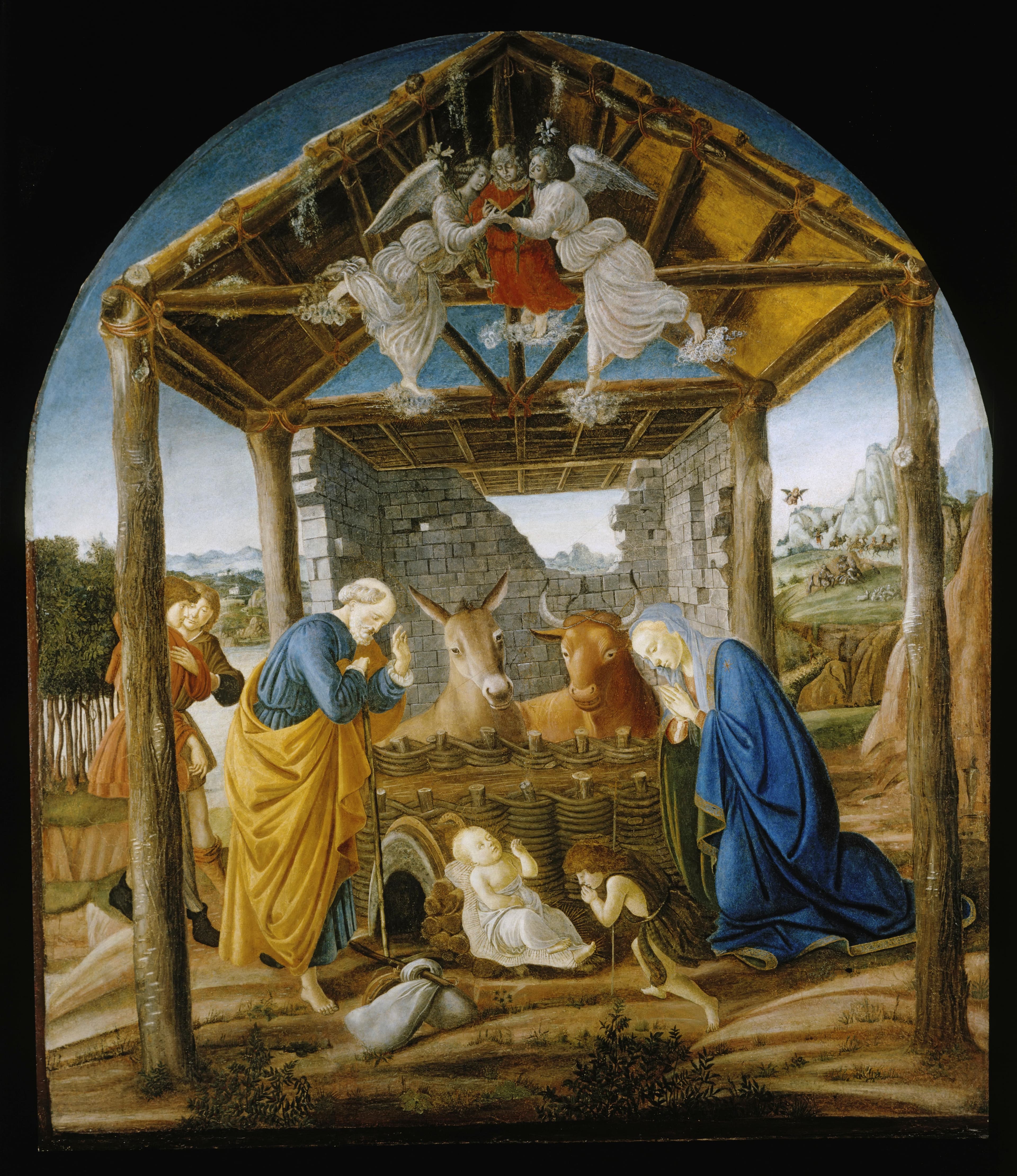
Nativity
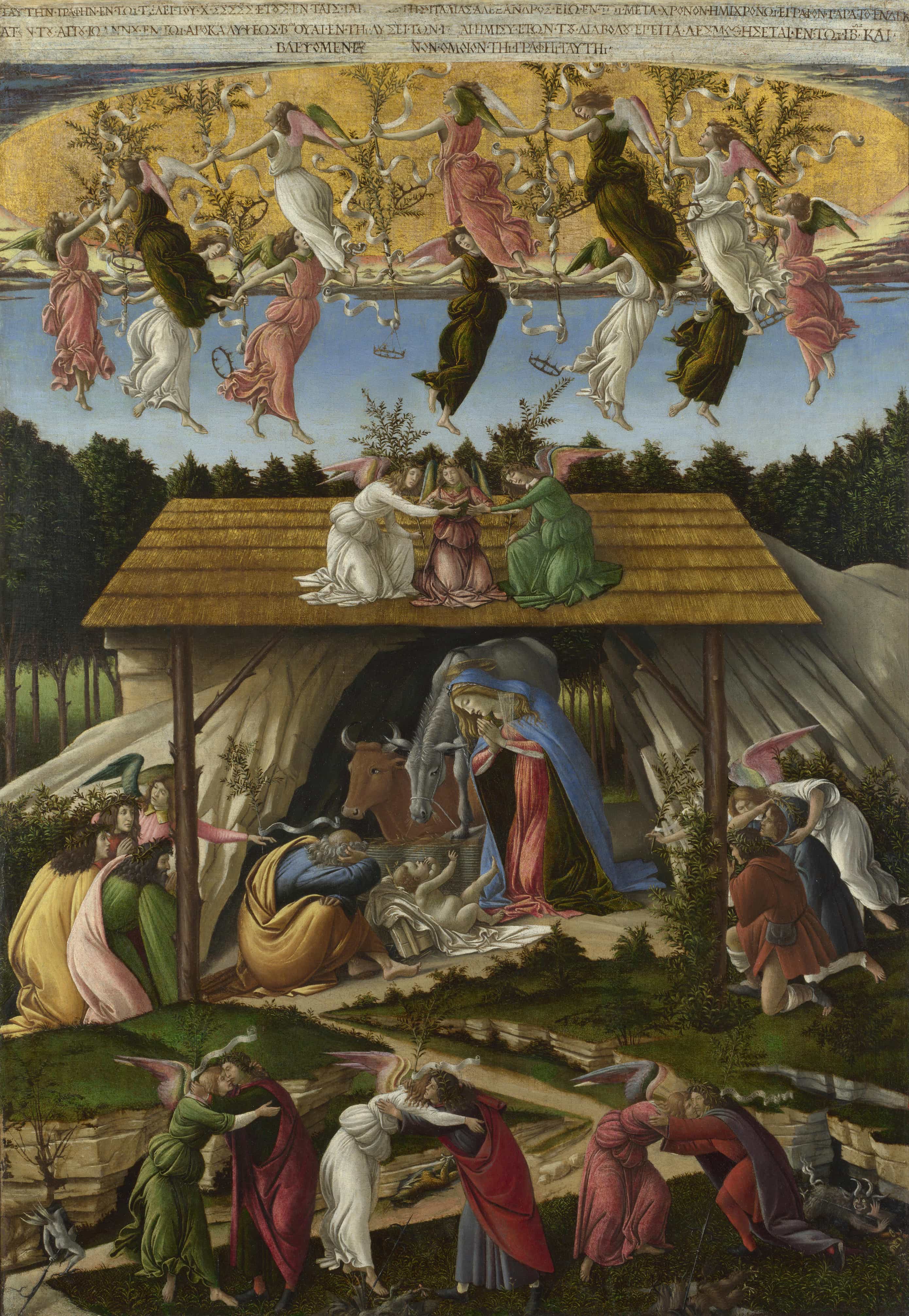
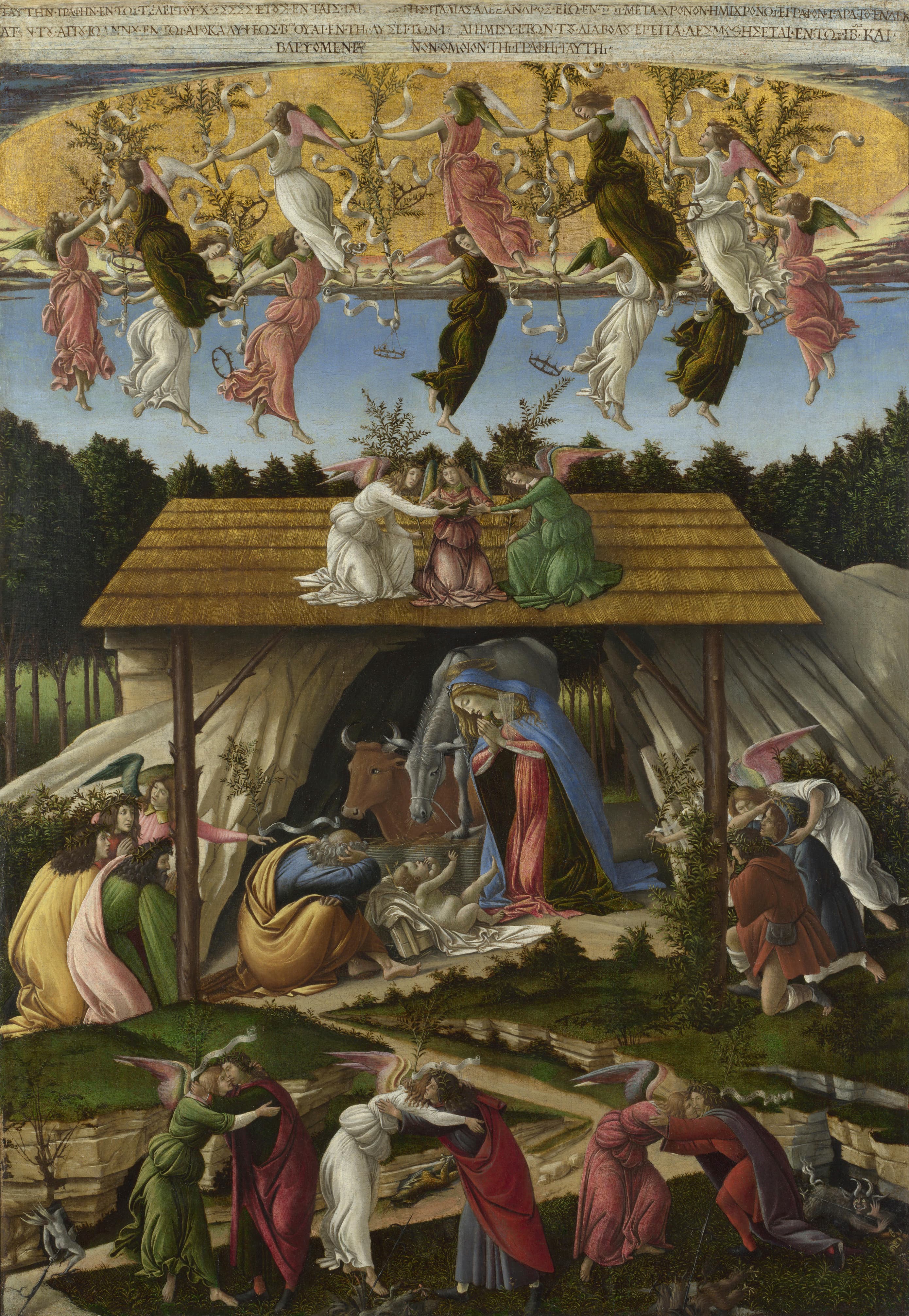
The Mystical Nativity
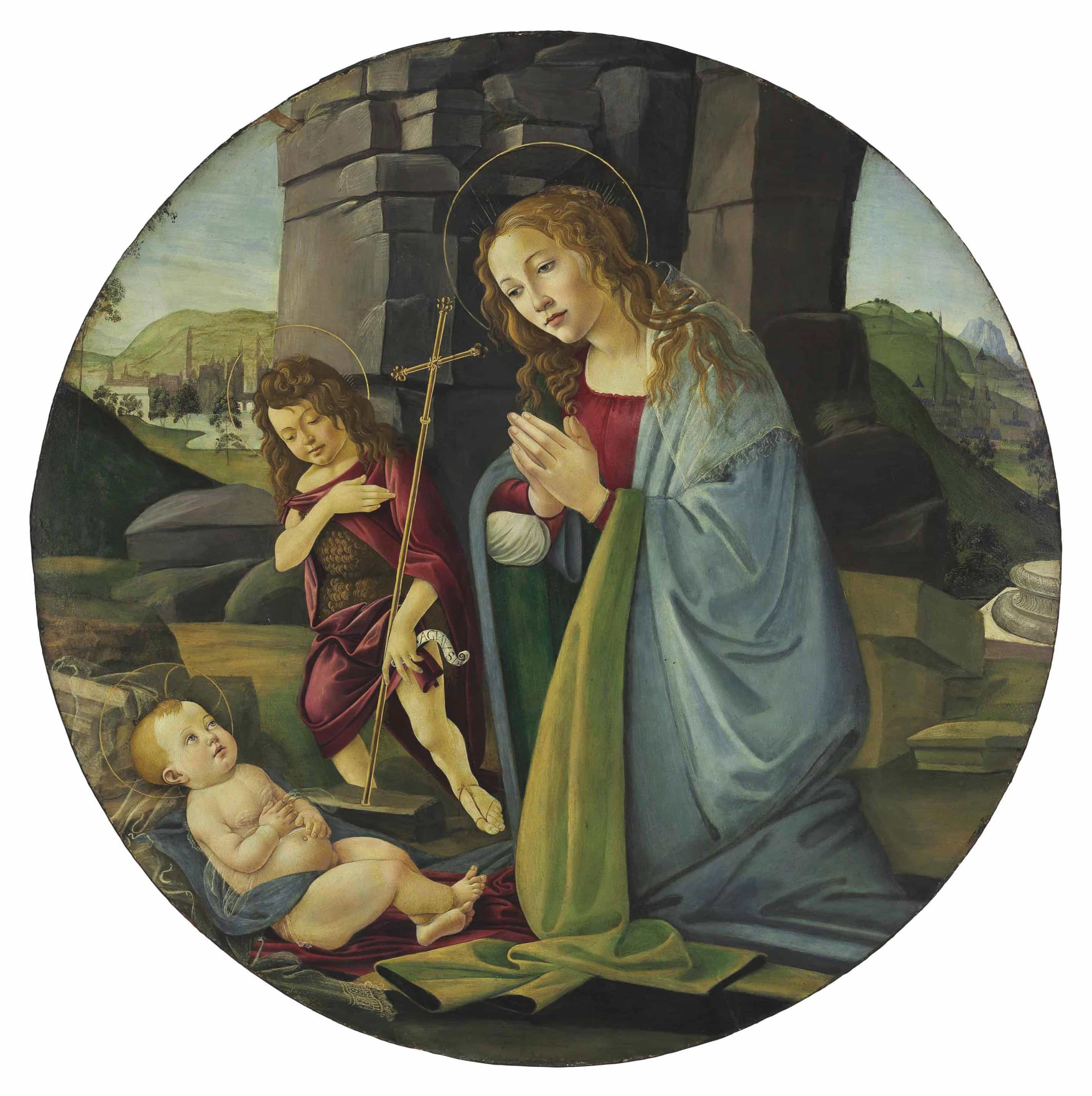
Madonna and Child with St. John the Baptist