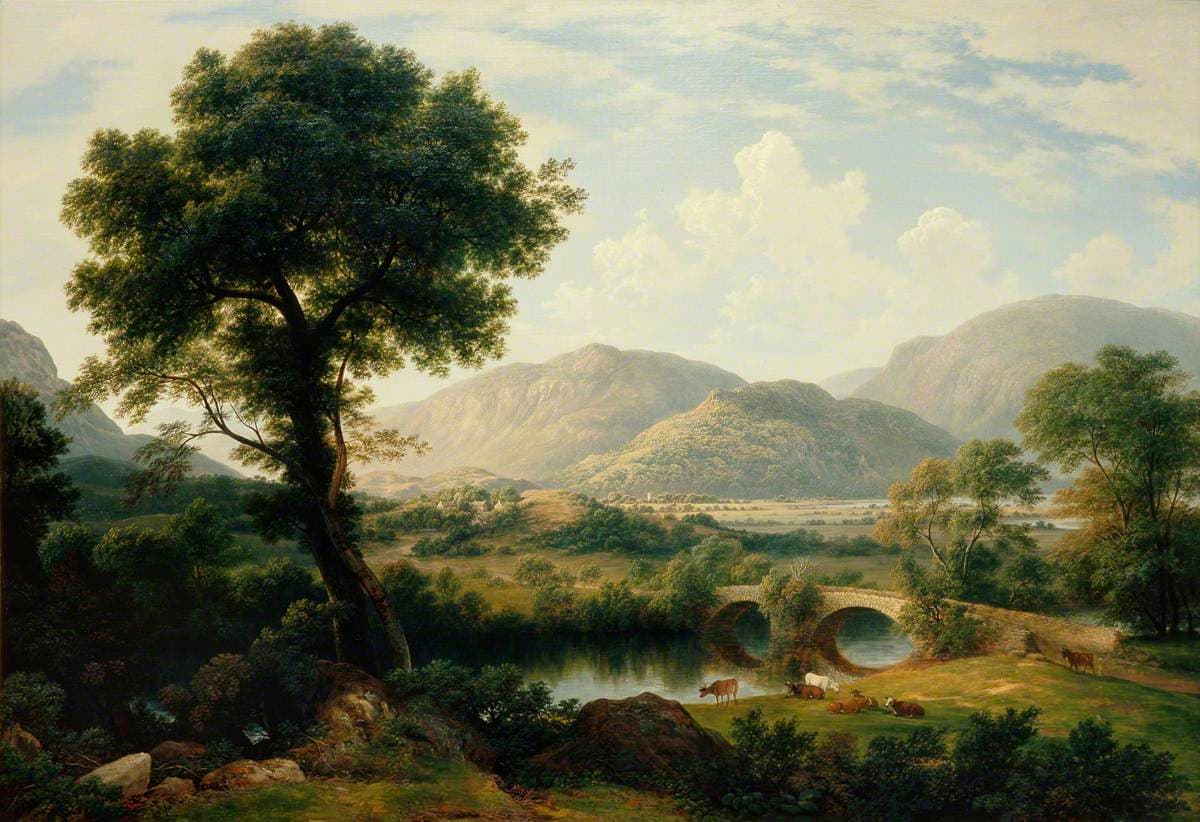
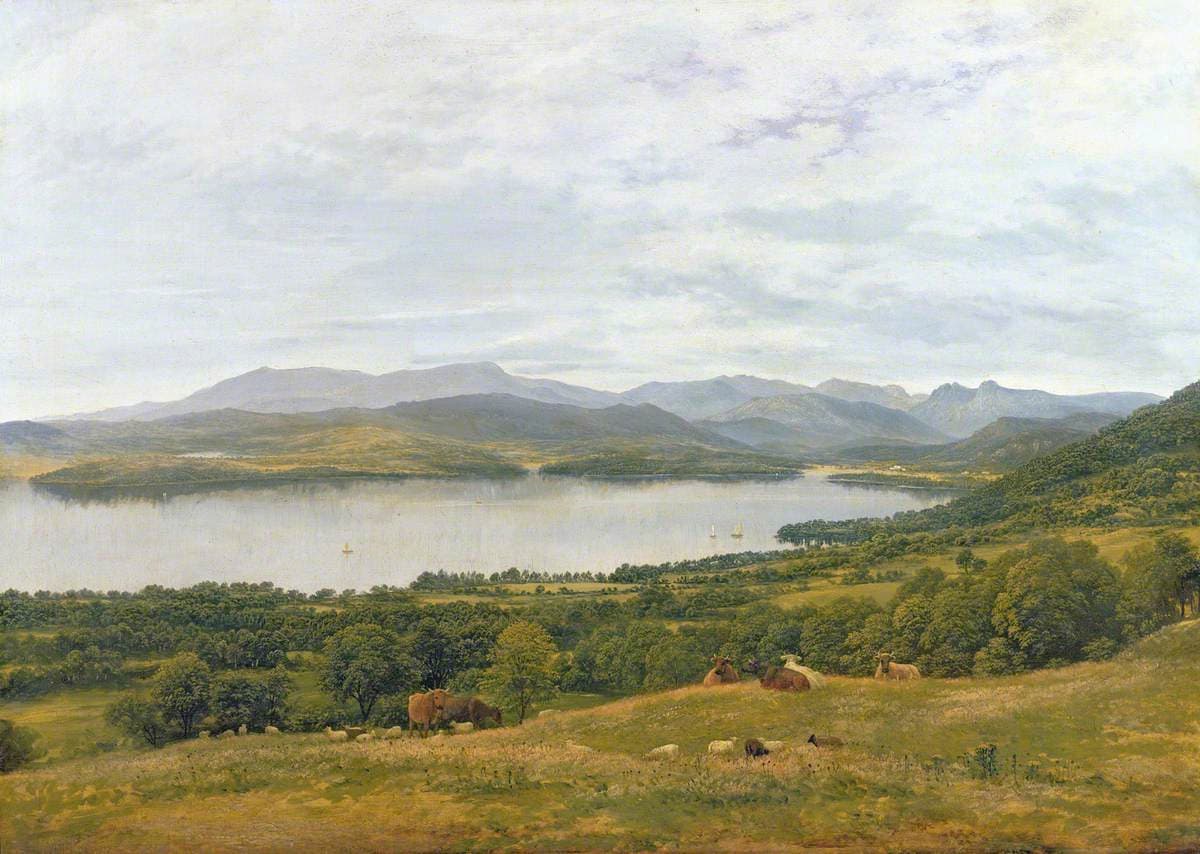
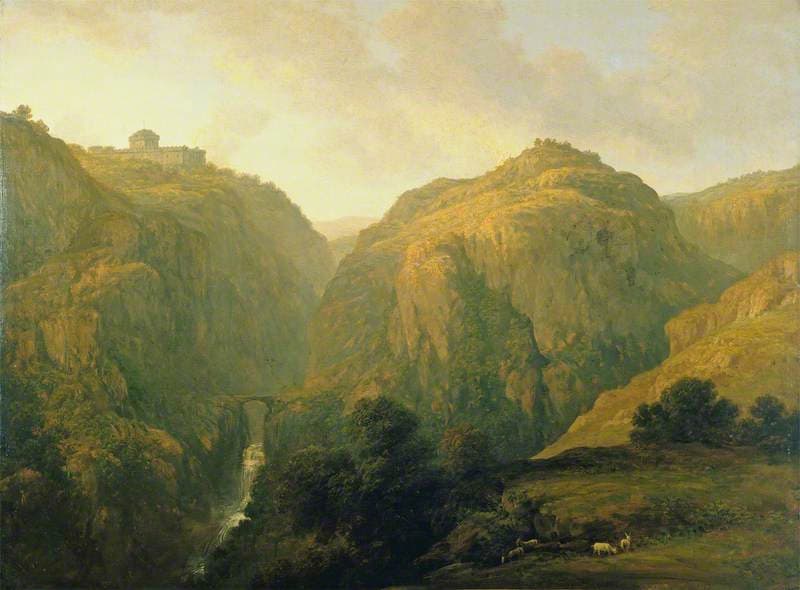
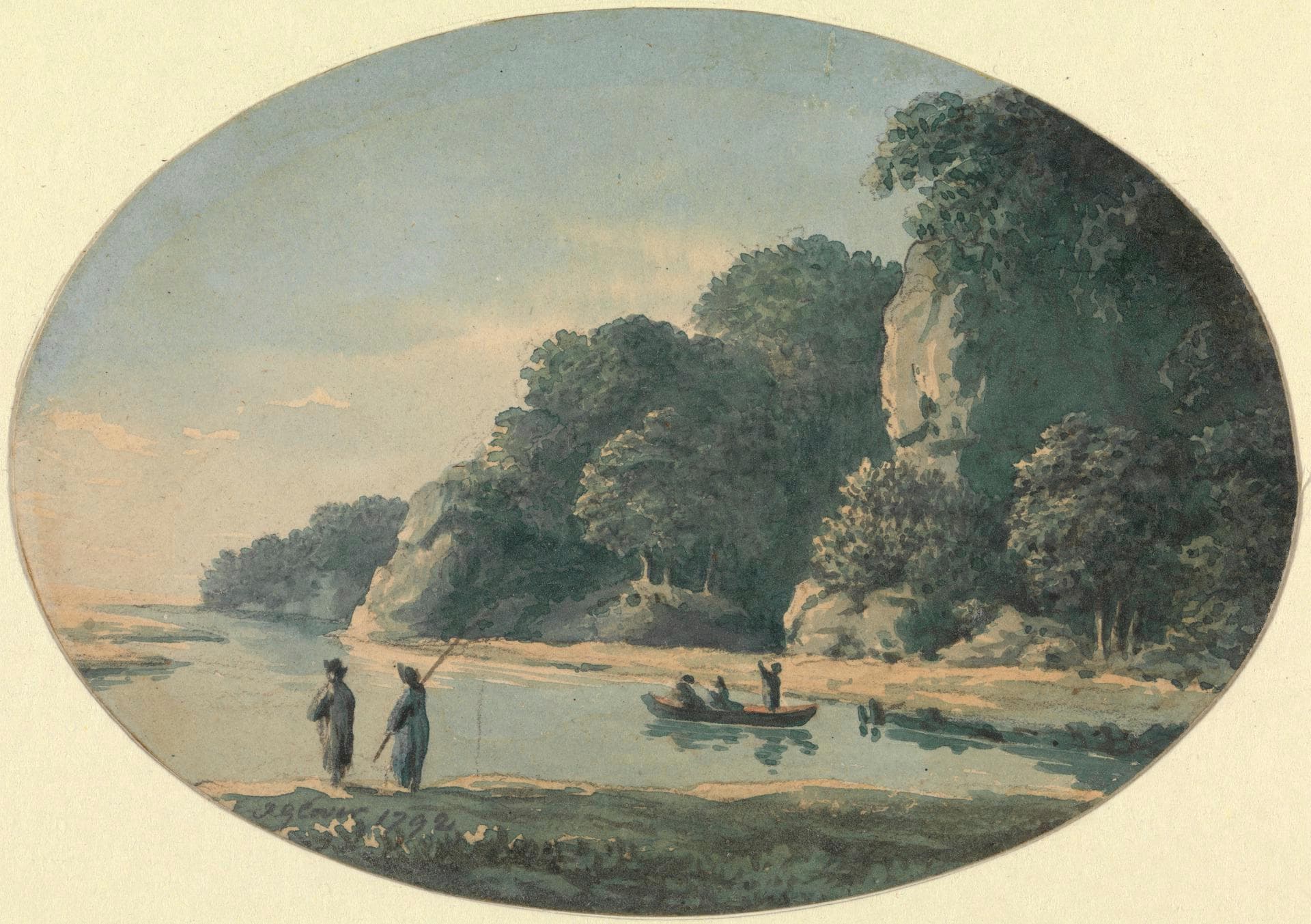
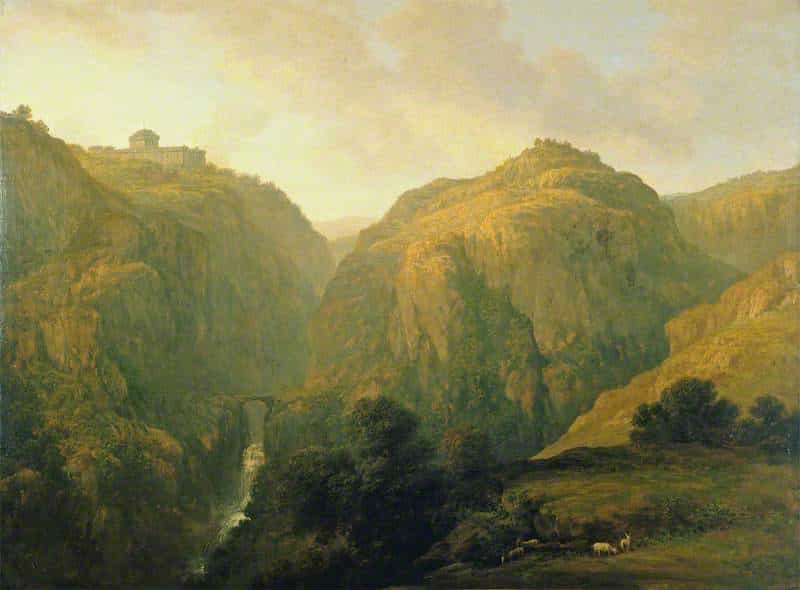
A Mountainous Landscape
John Glover
From €38
Collection
Museum-quality reproductions on 310gsm textured cotton rag paper.
Shop all prints by John GloverArtistic Style
Style Evolution
Glover evolved from English topographical landscape practice into a distinctive Tasmanian mode that married documentary accuracy with Romantic light and compositional clarity. His later works foregrounded Australian terrain and colonial life while retaining measured, classical structure.
Palette
Subjects
Techniques
Topics
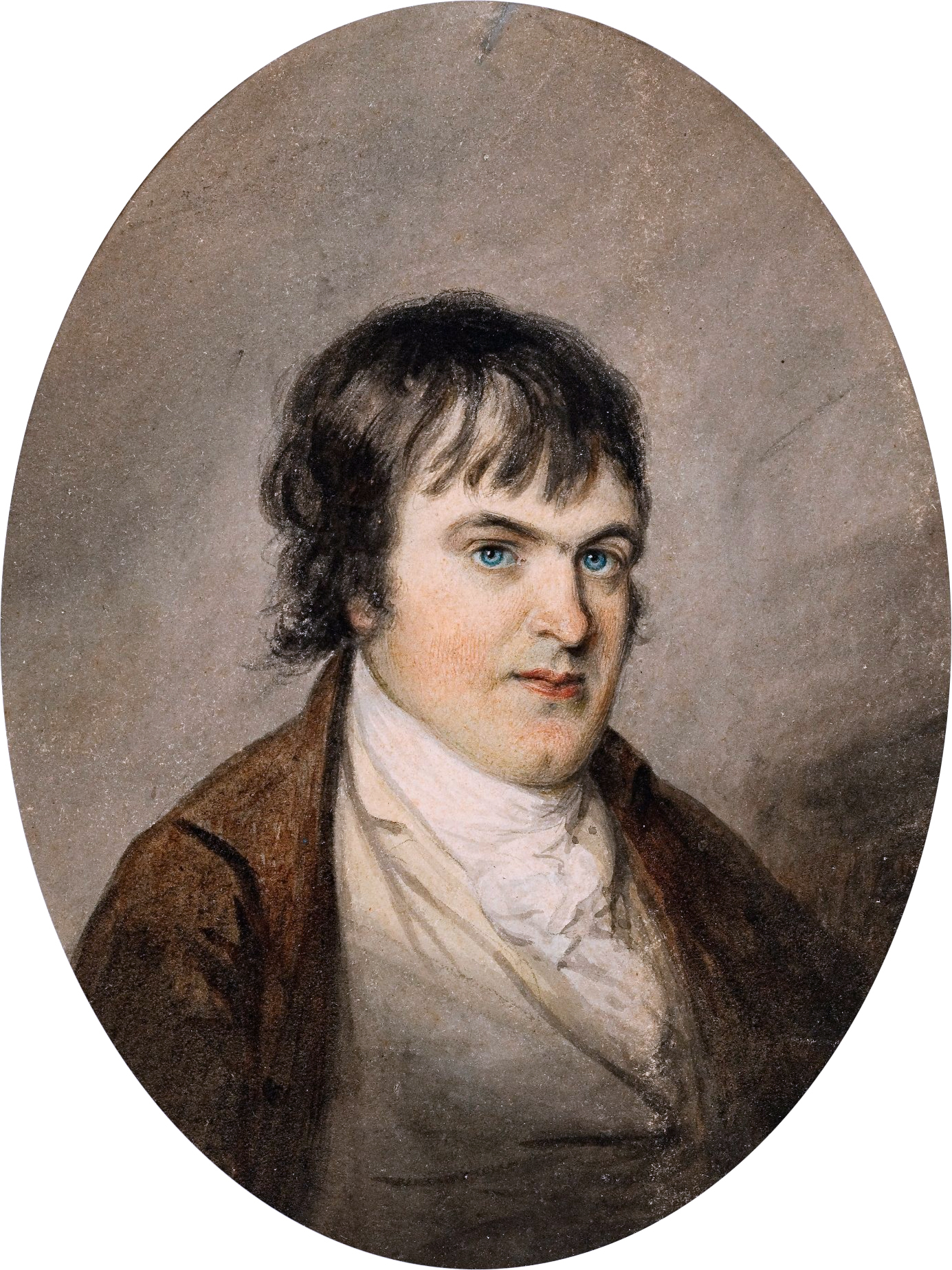
John Glover (1767-1849) was an English-Australian Romantic landscape painter whose luminous portrayals of Tasmanian scenery shaped early Australian art.
Learn about the life of John Glover
Signature Works
See all available printsBiography
John Glover (1767-1849) was an English-Australian Romantic landscape painter whose luminous portrayals of Tasmanian scenery shaped early Australian art.
John Glover was born in Houghton on the Hill in 1767. Trained and active in England for much of his early career, he developed a strong facility for landscape and topographical painting. Late in life he emigrated to Van Diemen's Land (now Tasmania), where the distinct light and terrain became central to his mature work.
John Glover's artistic development moved from English landscape and topographical traditions into a distinctive Australian phase after his relocation to Tasmania.
In England Glover worked within prevailing landscape conventions, producing detailed, carefully observed views that balanced topographical accuracy with painterly atmosphere.
After emigrating to Van Diemen's Land in the early 1830s, Glover turned his eye to the island’s dramatic valleys, rivers and gum forests. His Tasmanian paintings combine documentary clarity with Romantic sensibilities, emphasizing light, scale and the picturesque qualities of colonial pastoral life.
Glover is best known for his luminous Tasmanian landscapes and pastoral views that record early colonial settlement in Australia. His compositions are prized for their combination of accurate topographical detail and evocative atmosphere, making them foundational to the history of Australian landscape painting.
Glover’s technique merges careful draughtsmanship with layered oil handling to achieve clear forms and luminous skies. He worked from observational sketches as well as studio compositions, balancing precise placement of trees, figures and buildings with an overall harmonious palette. His work often features detailed foregrounds that lead the eye into broad, sunlit vistas.
Regarded as one of the pioneers of Australian landscape painting, Glover influenced later generations of Australian artists who sought to represent the local terrain with both fidelity and poetic resonance. His Tasmanian views remain culturally significant as early visual records of colonial landscapes and settlements.
Glover’s move to Tasmania late in life informed the most celebrated phase of his career. He lived and worked in the Launceston area until his death in 1849, producing the body of work for which he is now most widely remembered.
Collectors value Glover for his historical importance, decorative appeal and the rarity of high-quality Tasmanian views from his era. His paintings are prized for display in domestic and institutional settings where their clear compositions, luminous skies and pastoral detail enhance interiors and signal cultural provenance. Market interest reflects both his role in early澳洲[
Frequently Asked Questions
A Mountainous Landscape
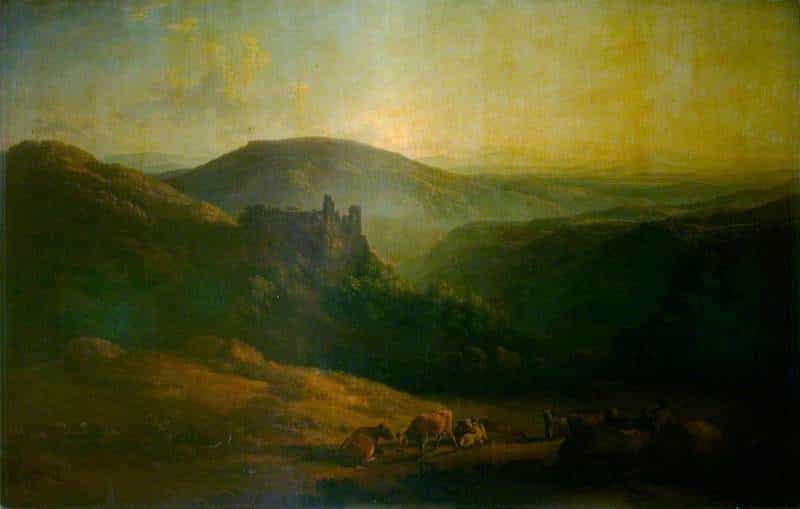
A Hilly Landscape
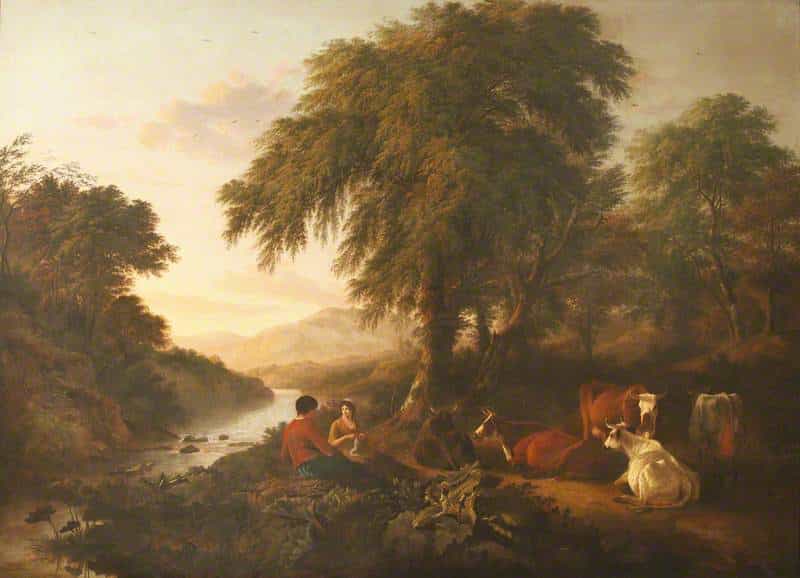
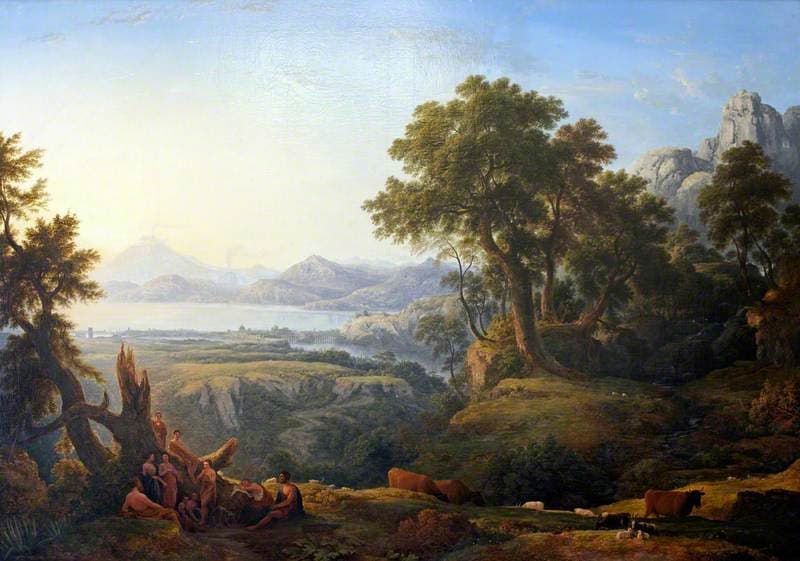
Classical Landscape
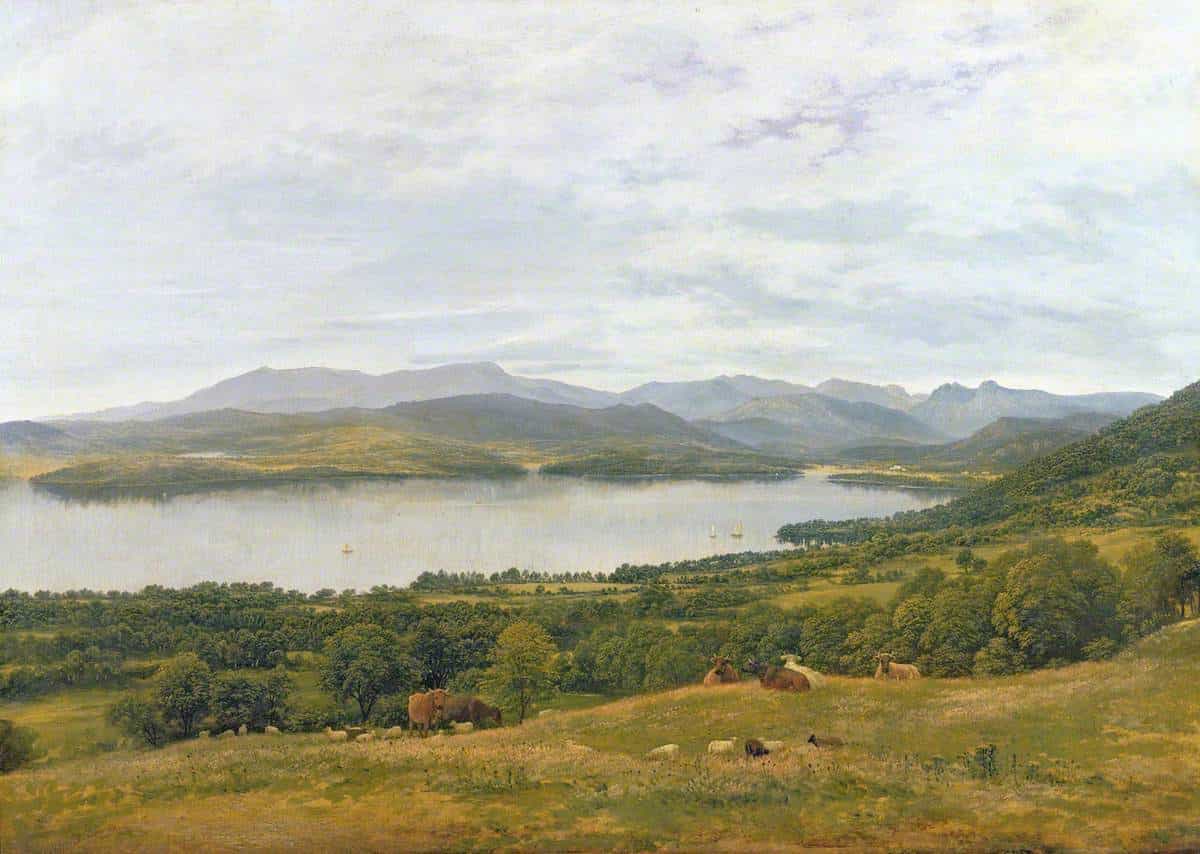
The Head of Windermere
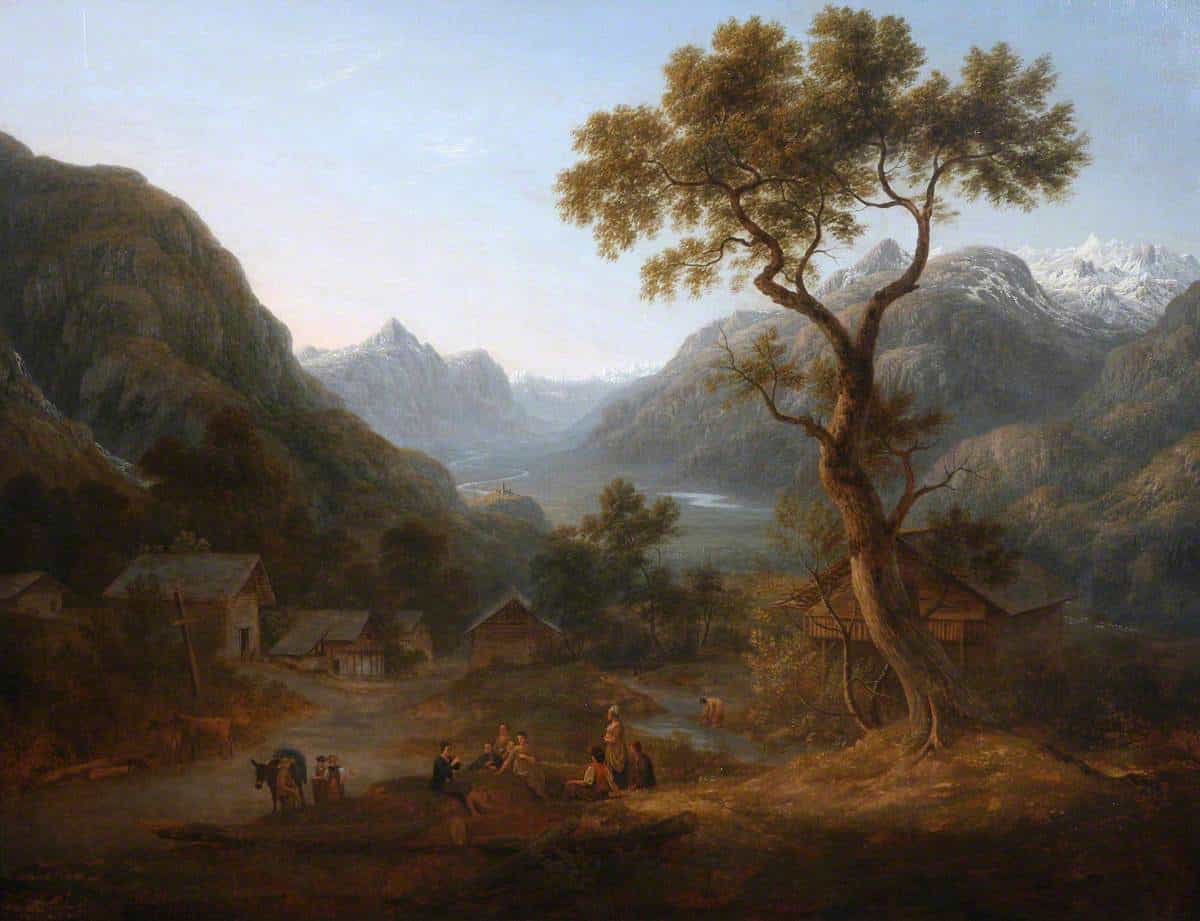
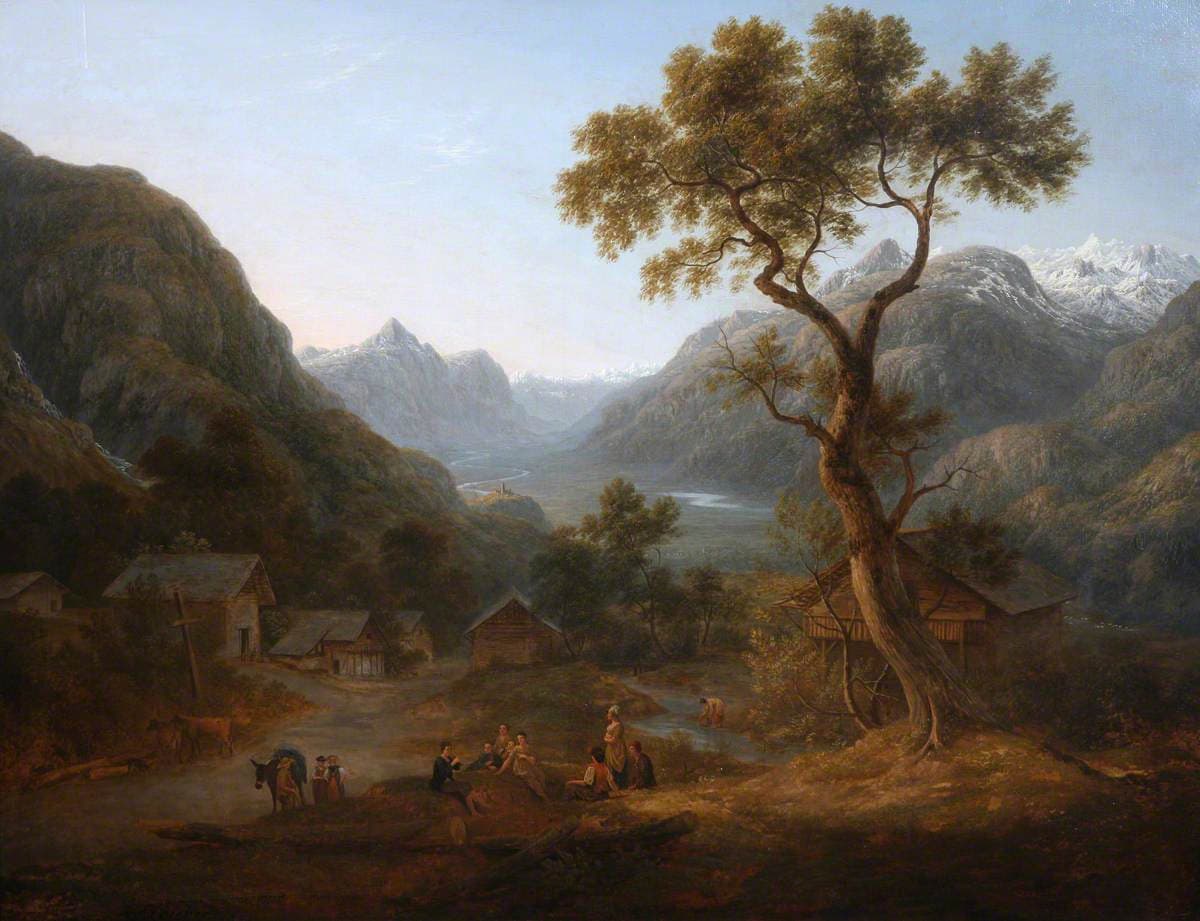
Swiss Landscape
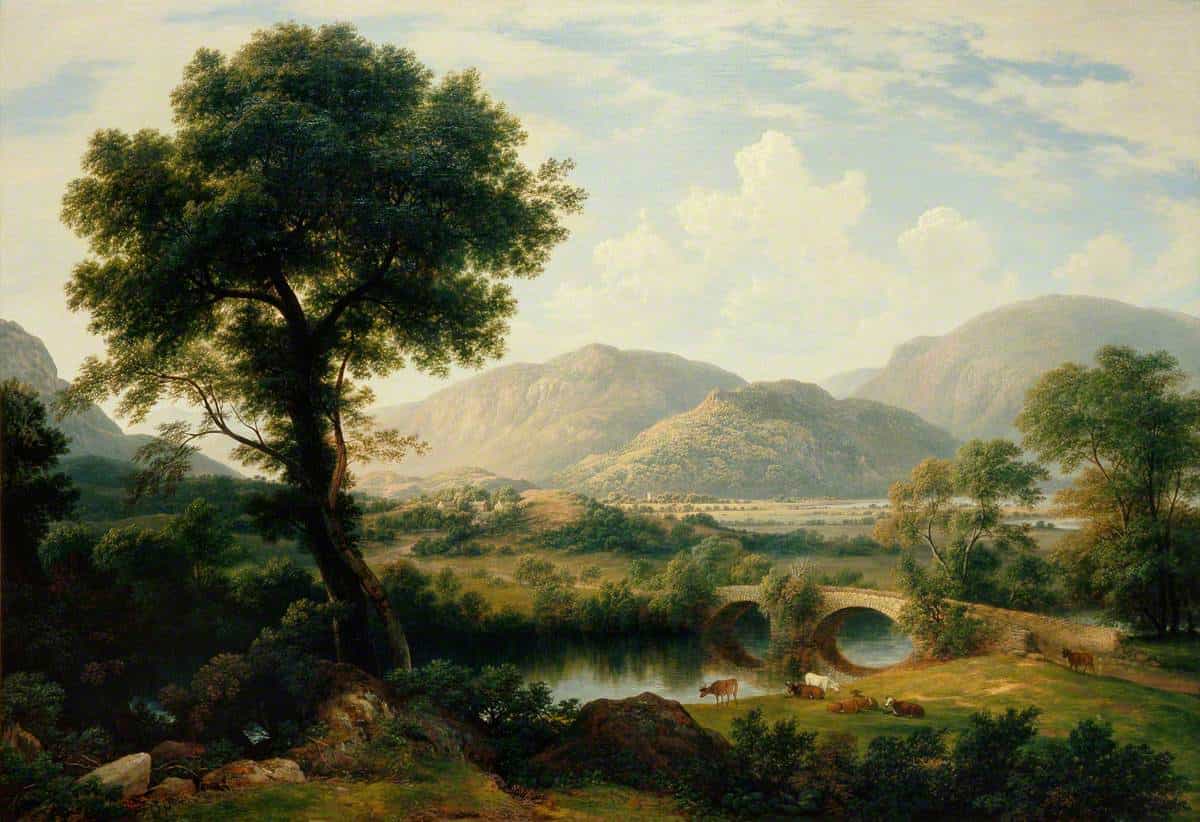
Ullswater with Goldrill Bridge
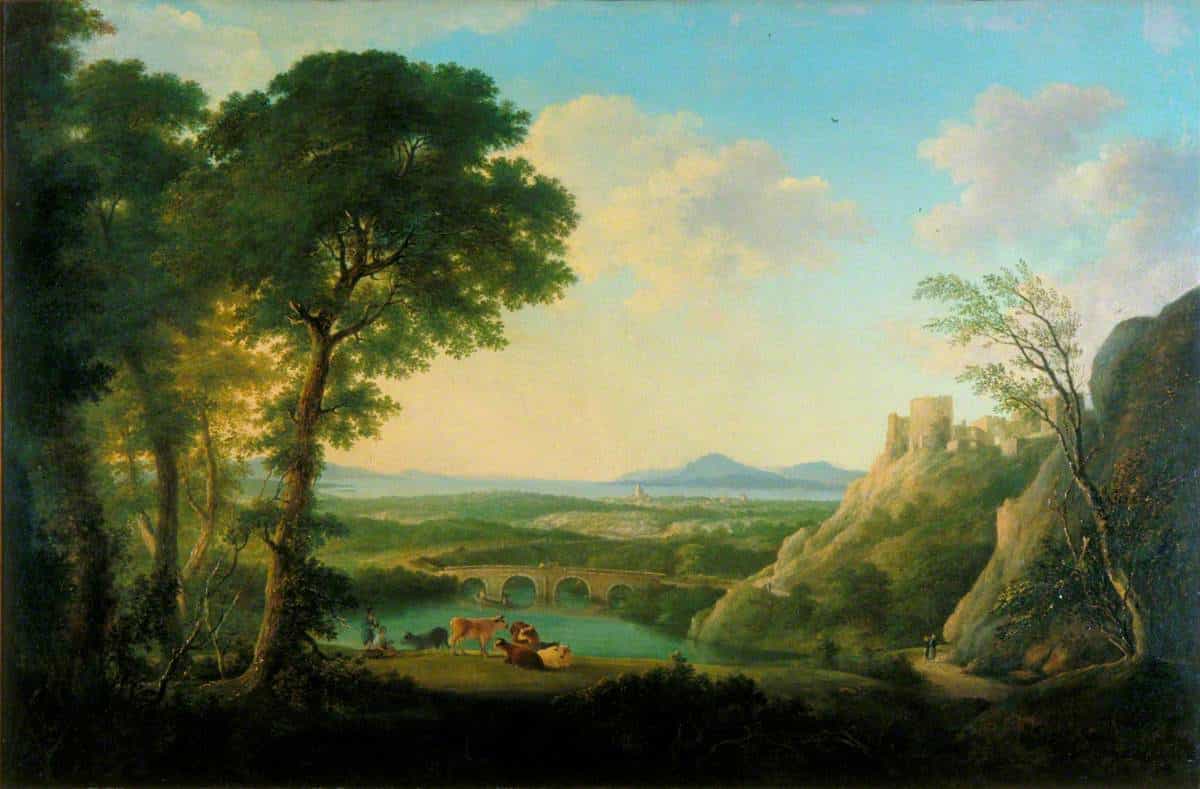
Capriccio Landscape with Harlech Castle
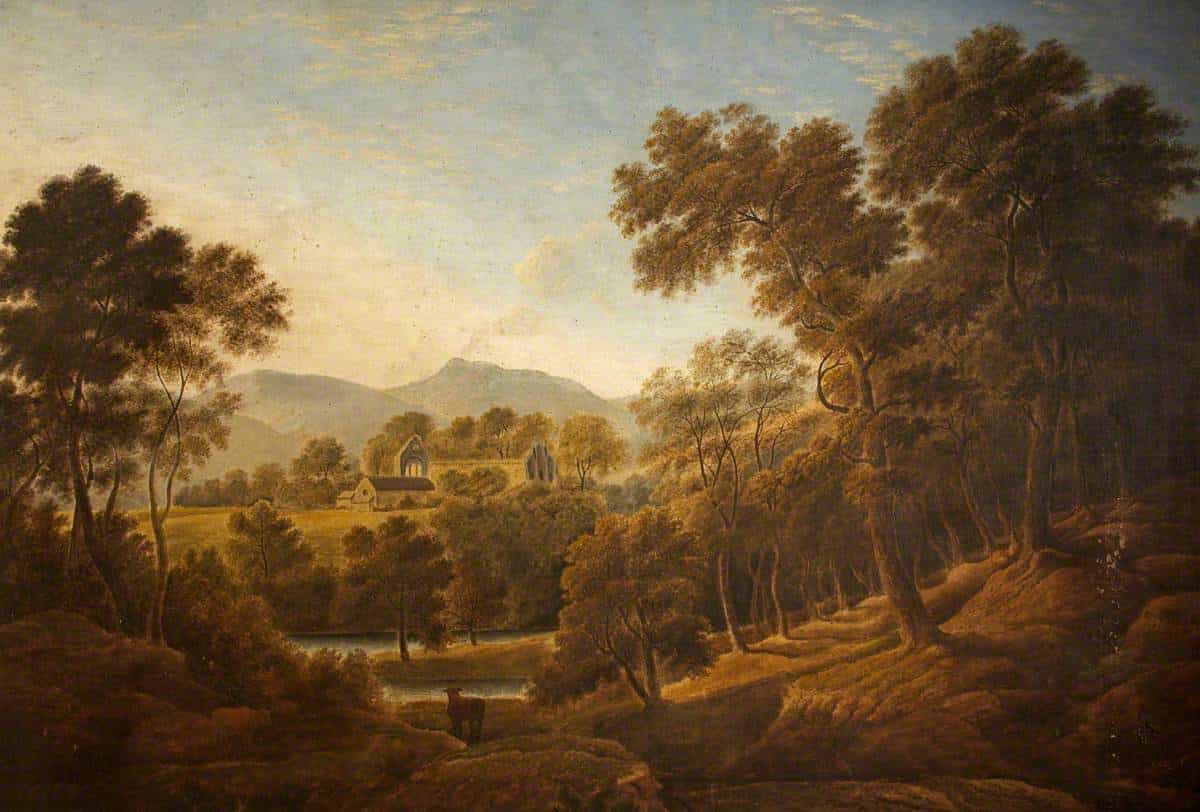
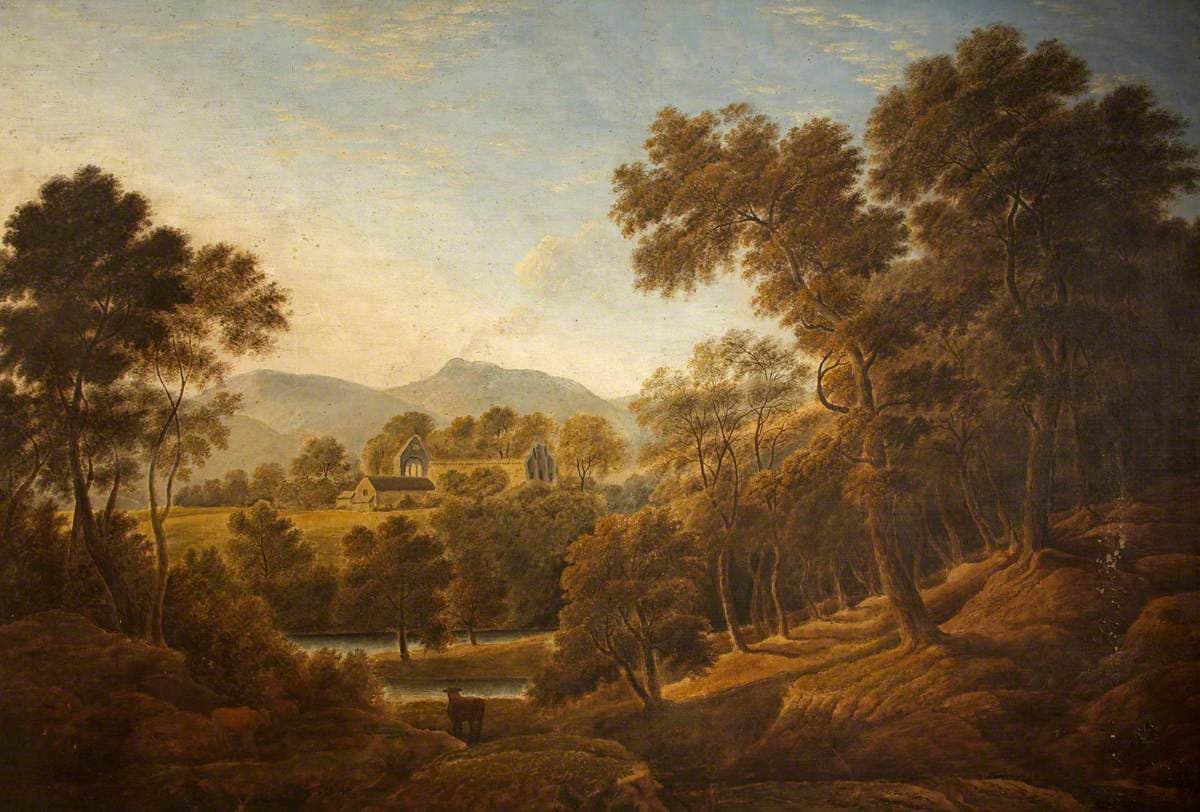
Tintern, Monmouthshire
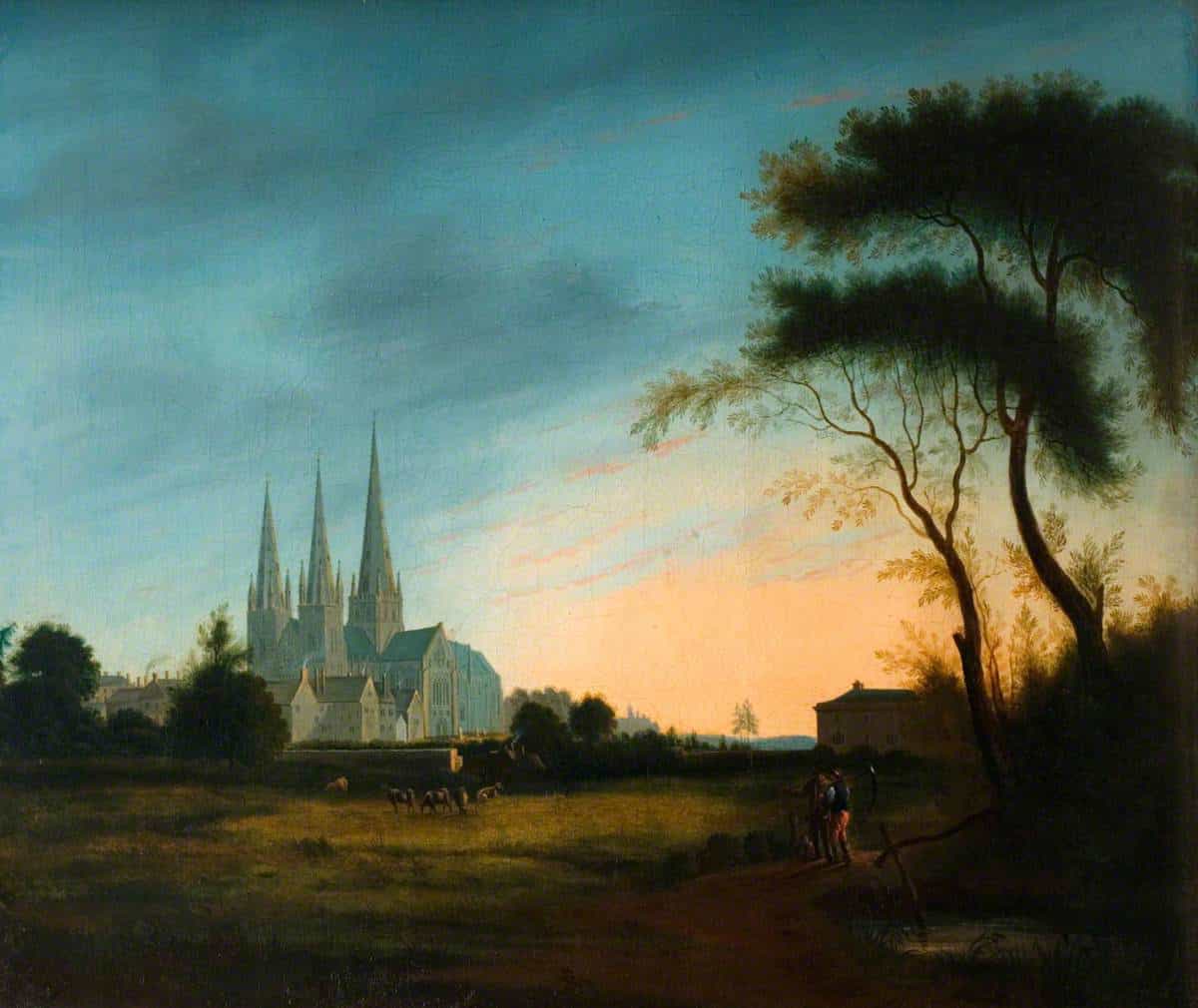
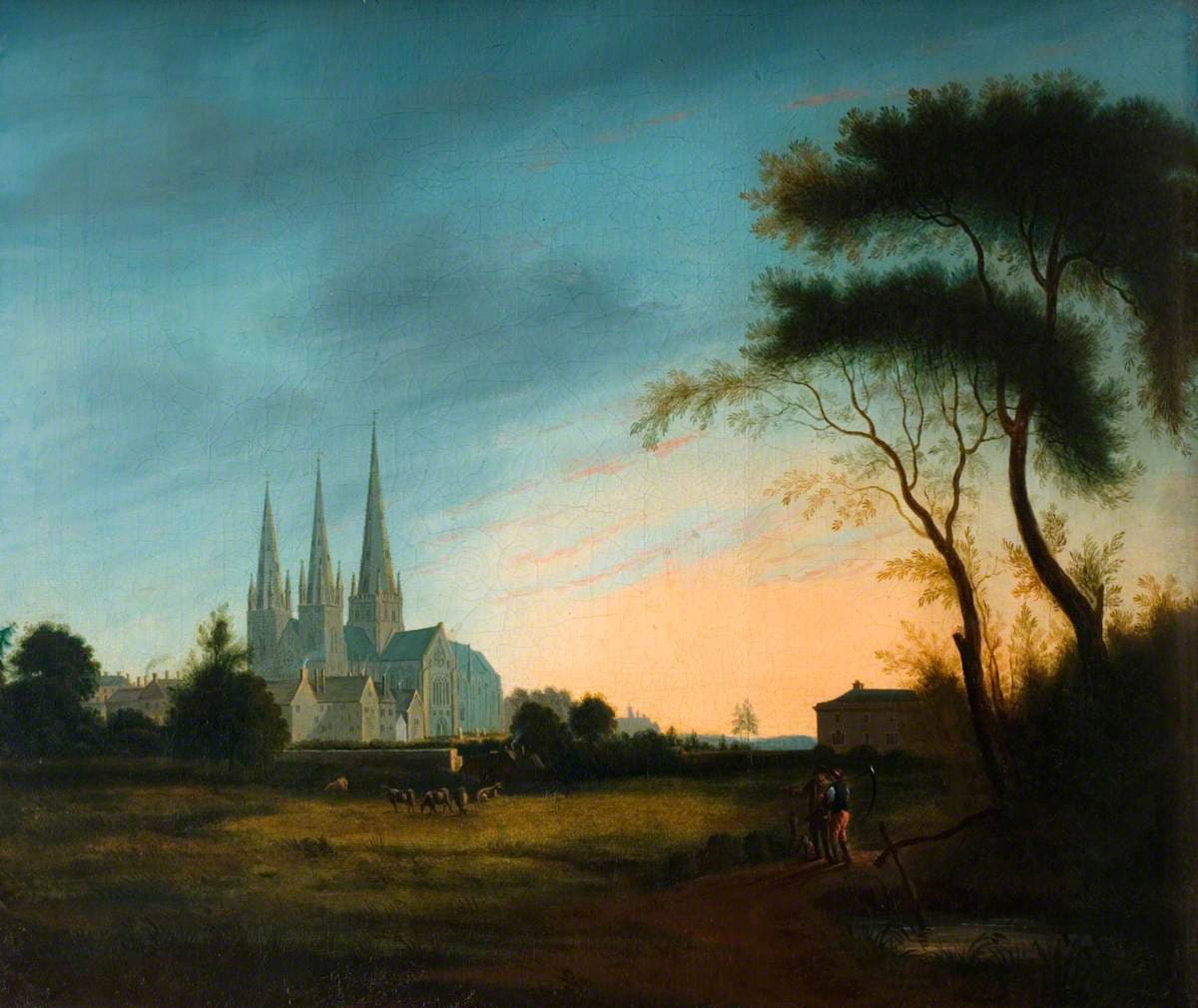
Lichfield Cathedral from Sandford Street
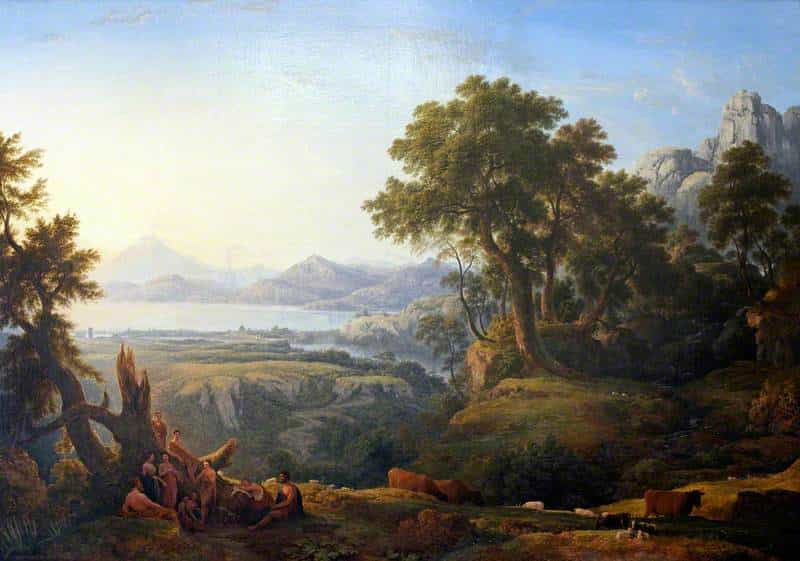
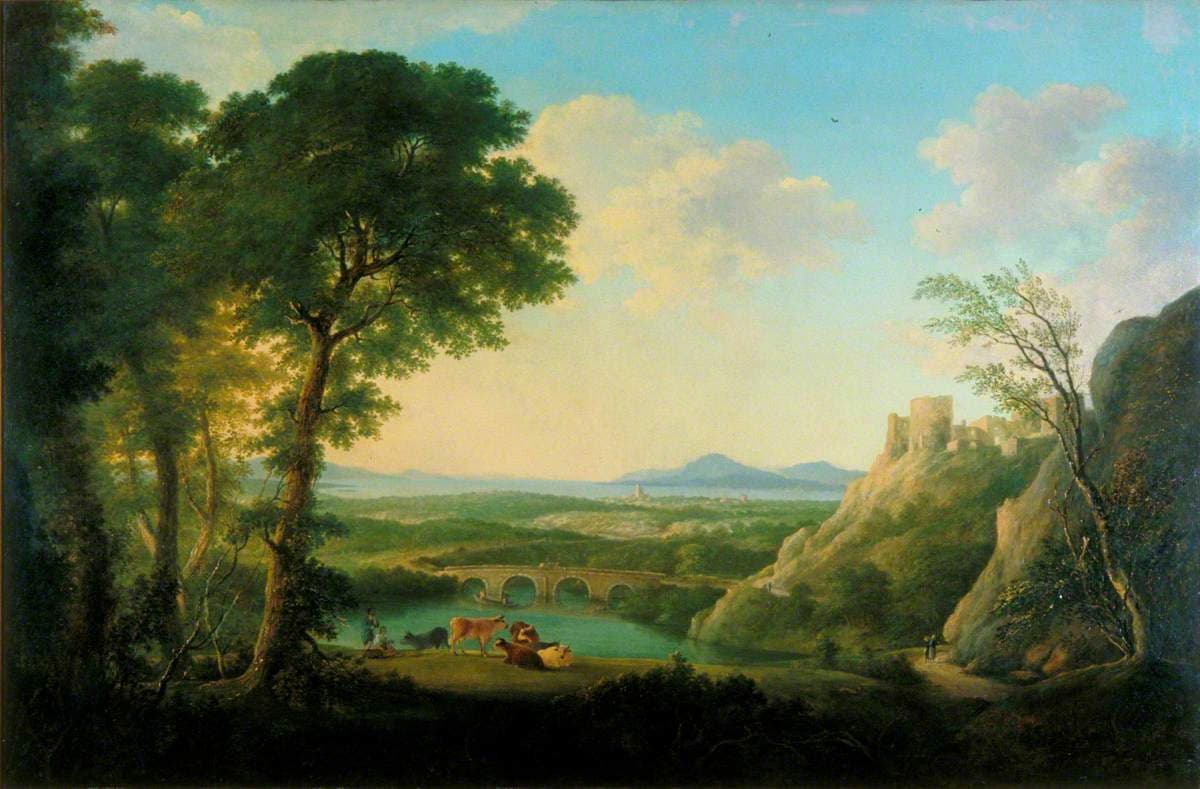
The Bay of Naples
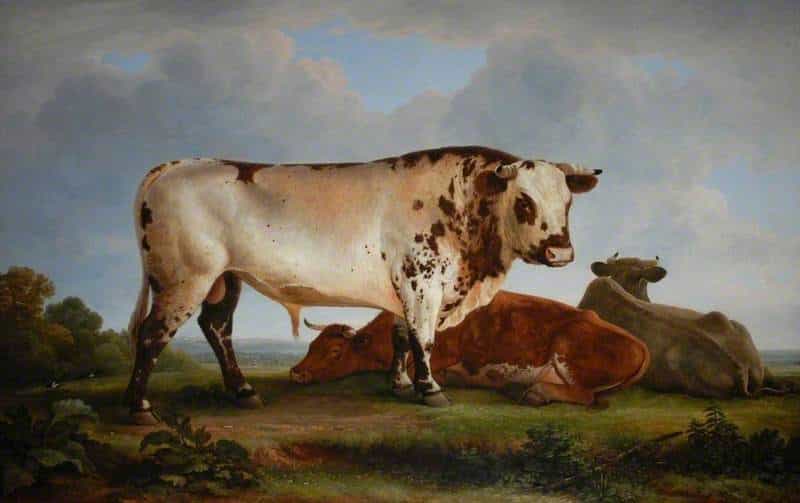
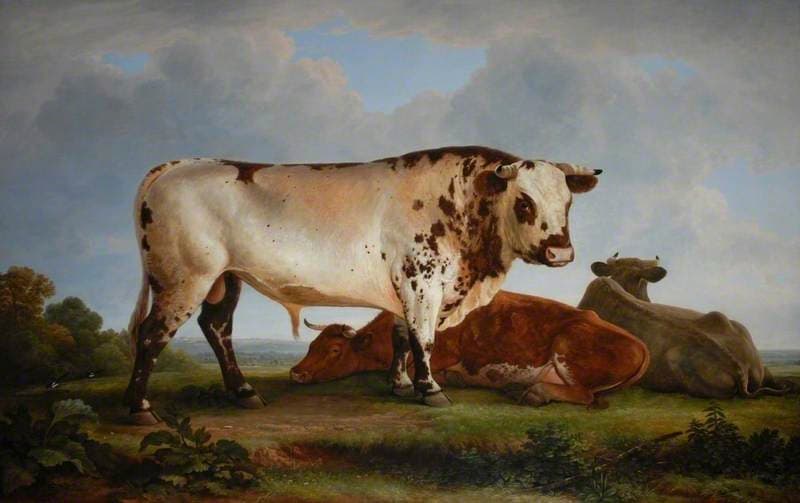
A Bull
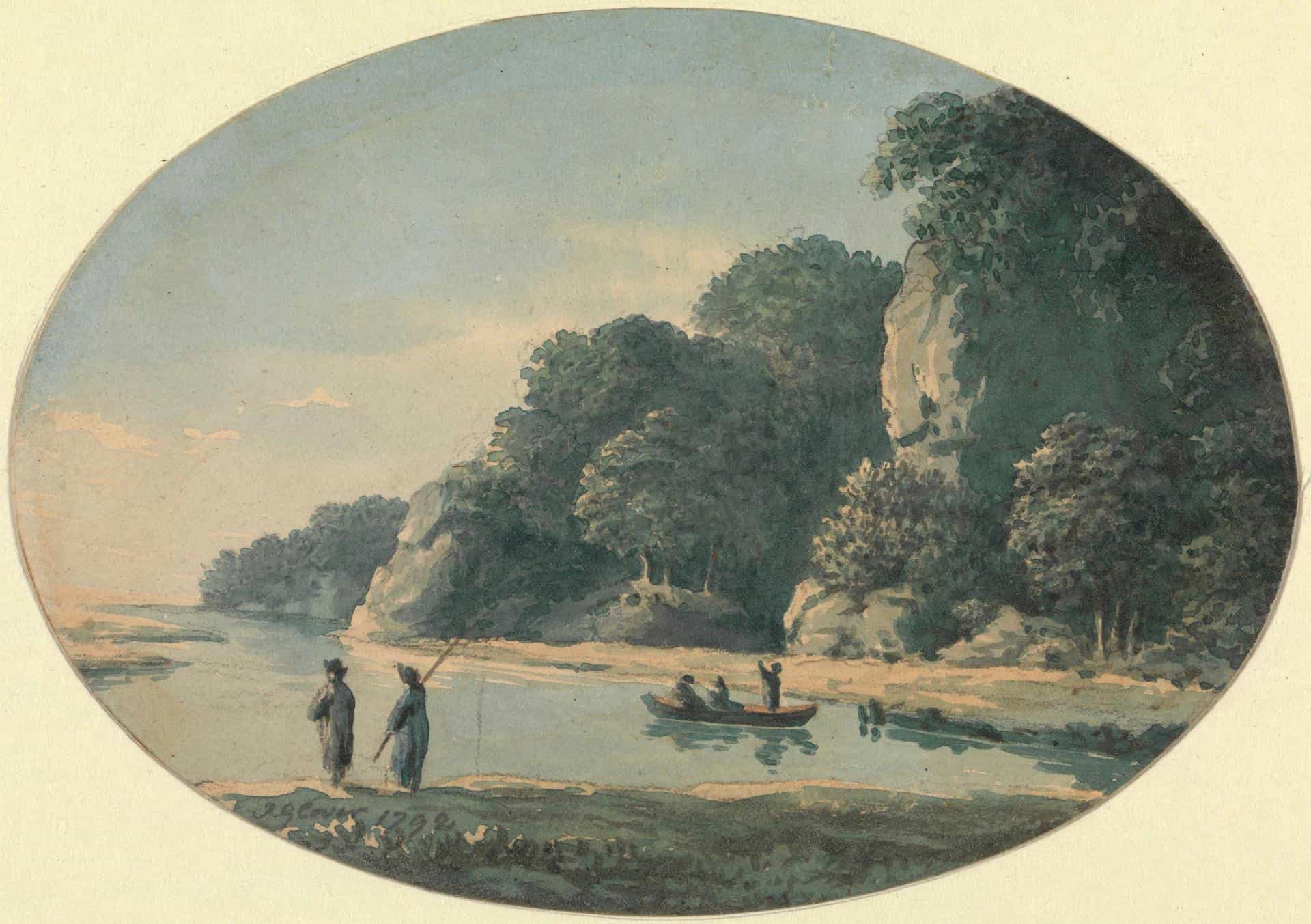
River with Fishermen